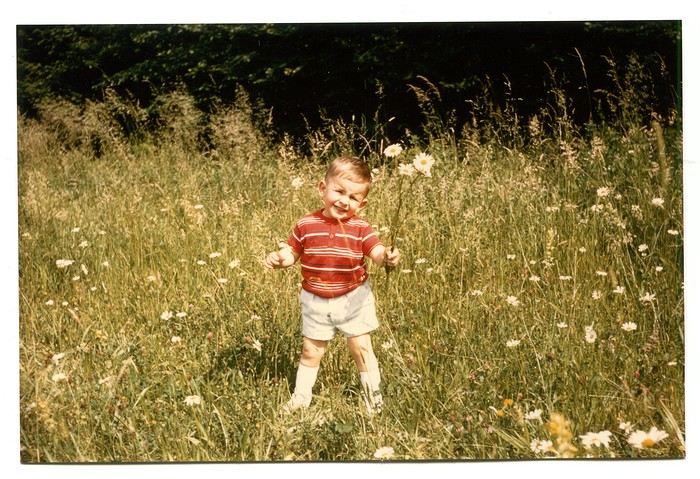
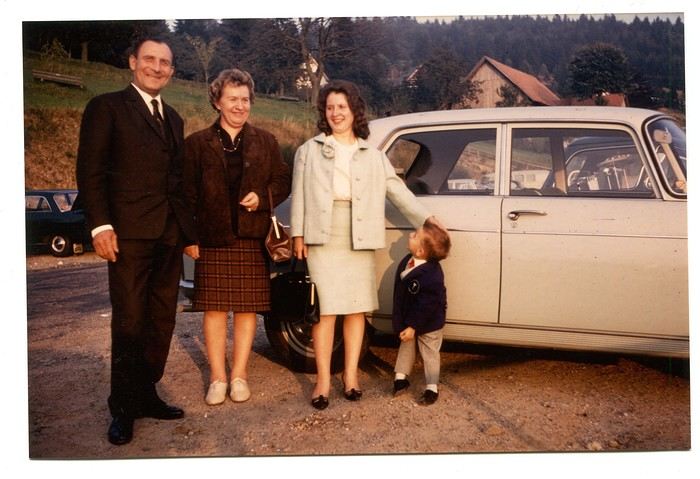
Those magical days always began with a gentle late-spring or midsummer morning. The interior of the white Peugeot 404, license plate 210 LZ 67, had already soaked up the sun before the engine purred to life, and the cabin gave off a scent I could still recognize today—a fragrance I found so pleasant. Back then, I had no idea it was just the smell of warm plastic from the car’s interior. Yes, the scents of the 404 on sunny days became my madeleine de Proust... What’s more, the whole family was unusually cheerful because those moments of relaxation and leisure were rare. Everyone worked, and no one had an easy job or was well paid. Without the *Trente Glorieuses*, these experiences might never have happened.
Once we crossed the canton’s borders, I felt like I was light-years away from my everyday surroundings, and every kilometer plunged me deeper into *terra incognita*. It was thrilling. Far from my so-called "medium-sized" town, wheat fields, cornfields, and cabbage patches stretched out, punctuated by tall poles connected by long wires and topped with vegetation—like giant clotheslines without laundry, where magical beanstalks might grow to touch the sky. Back then, I was still far from tasting their product, which was simply beer. At the time, there was still a significant local hop production. Fun fact: it wasn’t until 2002 that Anglo-Saxon scientists proved hops and cannabis belong to the same biological family.
After the fields, the landscape took another step up as it rolled past the little boy’s eyes, often glued to the windows. First came modest hills, then a succession of rolling slopes that soon formed an unbroken chain. Their 700 meters in altitude felt like Himalayan peaks to me—impressive, inert giants, a whole new world. Gazing at them, an intense emotion welled up somewhere between my stomach and lungs, nearly taking my breath away. What mysteries, what treasures did these heights hold? And then there were the cherries on top—the crowning touch that made the scene even more magical: proud, majestic castles perched on the summits like impassive sentinels. Monuments from the past, yet firmly rooted in the present on their rocky spurs. The little boy’s eyes sparkled—he’d been given a castle for Christmas, complete with battlements, towers, a drawbridge, and fully armed knights. He’d watched and lived *Ivanhoe* on the only French TV channel that existed back then.
Only once did my paternal grandfather join us on one of these trips. A tall, intelligent man with a face that could shift from stern to mischievous, clearly full of humor and charisma. Sadly, his relationship with alcohol had taken a toll on his life and, by extension, those of his loved ones. He had a strong personality—if his boss crossed the line, he wouldn’t hesitate to punch him, which meant he went through a lot of different jobs. Back then, you could quit one job and easily find another. It was quite something to see him in his final stages, hallucinating pink elephants and even drinking perfume when he had nothing else left. The last time I saw him, he’d slipped away from the doctors and nurses while hospitalized in pretty bad shape—at least, I assume his liver was the issue. We were sitting down for a family lunch when the door burst open, and there he stood in his pajamas, eyes twinkling with mischief, clearly pleased with the dramatic entrance. That theatrical moment didn’t spare us from burying him a few months later at the age of 71. One day, my mother told me the family doctor had quietly remarked that it was a shame—with his robust constitution, he could’ve lived to be a hundred. Yes, the family doctor—this was the man who’d come treat you any day, at almost any hour, just for a phone call. It really existed, it’s not a myth!
That day, his wife—my paternal grandmother—was also along for the ride. Everyone agreed that Jeannette was a good woman. She worked as a waitress at *Le Tigre*, the biggest brasserie in town, right in the center. Most customers preferred to be served by her, including local dignitaries and even the mayor. As a kid, I didn’t find her very fun, open, or warm—she seemed a bit stern. Back then, women in their fifties already had the face and build of grandmothers. Same went for men, don’t get me wrong. I had no idea about the struggles she faced because of her husband. I didn’t know that 30 years earlier, she’d had to flee Alsace while pregnant, under threat from Nazi fighter-bombers. I didn’t know she’d had several miscarriages, and that my father—her only surviving child, born prematurely in March 1940 at the other end of France—weighed less than a kilo at birth and was so tiny he could fit in a shoebox. Hard to imagine he’d grow into a strapping man nearly 1.80 meters tall, tipping the scales at 100 kilos. When you come back from summer camp in early August and ask why she didn’t pick you up with your parents, and they gently tell you she’s "in heaven," you don’t realize she passed away at 54 after suffering greatly from stomach cancer that had spread.
Back to that family outing, that enchanted parenthesis. I even remembered where we’d had lunch when I passed through Dambach-la-Ville decades later. One of those charming, flower-filled towns Alsace produces in abundance—and preserves so well. This one sits high on a hill, and I was a bit stunned on the parking lot because the view stretched far, revealing the Alsace plain below—its fields, villages, hills, and forests. The world seemed so vast and enticing that day, even though I was only glimpsing a tiny fraction of it.
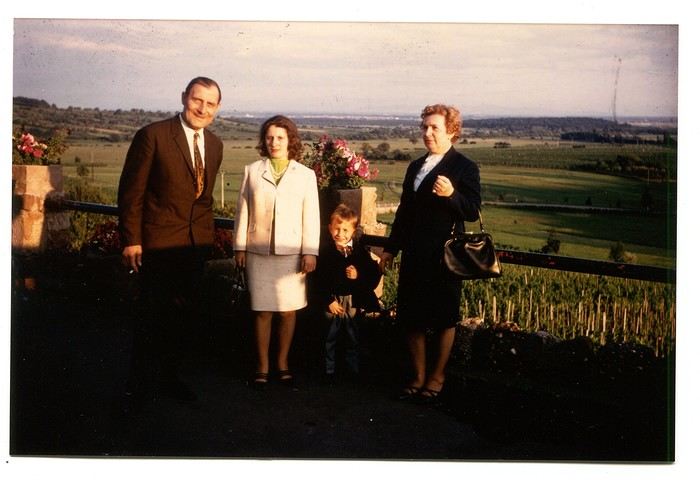
The region was already very touristy, but I wouldn’t notice the downsides until much later. That Sunday noon, I discovered a large restaurant filled with diners. I can still see the enormous piece of meat they served me, decorated with a little wooden skewer topped with a flag. I kept that one for a long time. Those were the golden days of rich, flowing, thick sauces—so flavorful—and the era of the world’s best fries, made on the spot with the best potatoes. To top it off, I was *exceptionally* allowed a small bottle of apple juice, Orangina, or—even better if possible—Sinalco. Yes, Sinalco—like Orangina, but better. A brand that must’ve disappeared in the 70s, but why, and what a shame! Since then, Orangina’s little bubbles have taken the brand to the other side of the planet—it’s now Japanese.
Year after year, I’d eagerly await that ecstatic moment when the most beautiful castle in Alsace, the Haut-Koenigsbourg, appeared in my field of vision. The perfect model, the archetype that blended into the landscape at the height of a child’s dreams. The trip home always felt like a reality check—less jarring than an alarm clock, but more diffuse and melancholic. From then on, there was only one wish: *When do we leave again?*




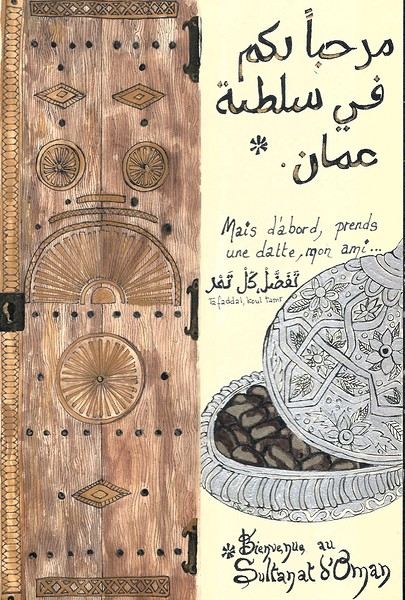 A droite, le "marqueur" de l'accueil, ces dattes qu'on vous offre partout en signe d'hospitalité. A gauche, un hommage à ces sublimes portes usées par les temps, qu'on admire un peu partout dans les quartiers anciens, y compris ceux qui sont abandonnés.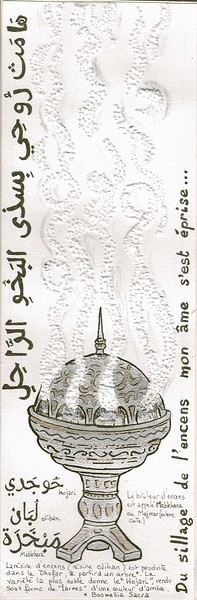
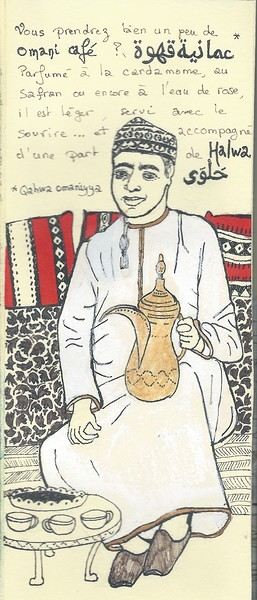 L'hospitalité vous conduira à accepter aussi souvent un petit café, un "omani café", très léger, parfumé subtilement avec de la cardamome, pourquoi pas un peu de safran, et éventuellement un peu d'eau de rose.
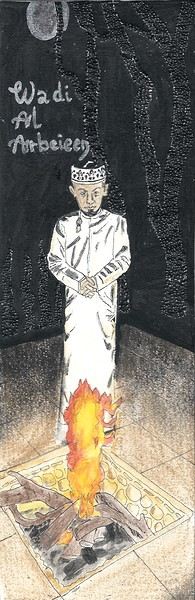
J'ai ici représenté un homme dans l'habit commun usuel de tous les omanais : la dishdasha, majoritairement blanche (en semaine, en journée, la couleur est davantage pour le soir ou le vendredi et le samedi). Même si l'on voit des hommes habillés à l'occidentale, ils sont très peu nombreux. La dishdasha blanche est vraiment l'habit commun partagé par tous les hommes. La dishdasha, qui n'a pas de capuche, se distingue par un petit pompon accroché au col, la furakha, qu'on imbibe de parfum. Et croyez moi, les omanais en abusent! "ça sent le pompon" est une expression qui est maintenant passée dans notre langage commun, à mon mari et moi.
Autre incontournable de la tenue masculine, la kuma, ce petit couvre-chef rond, la plupart du temps blanc rehaussé de motifs aux couleurs vives. Le keffieh est aussi porté (mais sans le cordon appelé agal dans les pays arabes), et il est plutôt arboré par ceux dont les racines sont dans le désert, de ce que j'en ai compris.
Et les femmes, me direz vous? Voilées, pour certaines en noir intégral (mais pas la burka, plutôt le chador + Abaya), du fait de l'influence de l'Arabie et des émirats arabes unis, alors que le vêtement traditionnel était auparavant plutôt une superposition de robes très colorées. La plupart des femmes que nous avons vues portaient plutôt une tenue neutre, un voile uni sur les cheveux, mais le visage découvert. Nous avons vu aussi beaucoup de saris et de voiles colorés, il ne faut pas oublier que 40% de la population est constituée d'immigrants indiens, népalais, bengalais, qui travaillent beaucoup dans le tourisme, l'hôtellerie et la restauration, les services, mais aussi tous les travaux ouvriers.
Je précise qu'en tant que touriste il n'y a aucune pression pour porter un voile, jamais de regards désapprobateurs d'aucune sorte. Bien sûr, on gardera pour la terrasse de l'hôtel les mini shorts, les décolletés plongeants, les épaules et ventres dénudés, mais j'ai envie de dire que c'est pareil pour les hommes et les femmes et que le soleil étant vif c'est aussi meilleur pour la peau.
Voici pour cette introduction ! Au prochain post, je vous parlerai de mon itinéraire et on pourra se lancer!
L'hospitalité vous conduira à accepter aussi souvent un petit café, un "omani café", très léger, parfumé subtilement avec de la cardamome, pourquoi pas un peu de safran, et éventuellement un peu d'eau de rose.
J'ai ici représenté un homme dans l'habit commun usuel de tous les omanais : la dishdasha, majoritairement blanche (en semaine, en journée, la couleur est davantage pour le soir ou le vendredi et le samedi). Même si l'on voit des hommes habillés à l'occidentale, ils sont très peu nombreux. La dishdasha blanche est vraiment l'habit commun partagé par tous les hommes. La dishdasha, qui n'a pas de capuche, se distingue par un petit pompon accroché au col, la furakha, qu'on imbibe de parfum. Et croyez moi, les omanais en abusent! "ça sent le pompon" est une expression qui est maintenant passée dans notre langage commun, à mon mari et moi.
Autre incontournable de la tenue masculine, la kuma, ce petit couvre-chef rond, la plupart du temps blanc rehaussé de motifs aux couleurs vives. Le keffieh est aussi porté (mais sans le cordon appelé agal dans les pays arabes), et il est plutôt arboré par ceux dont les racines sont dans le désert, de ce que j'en ai compris.
Et les femmes, me direz vous? Voilées, pour certaines en noir intégral (mais pas la burka, plutôt le chador + Abaya), du fait de l'influence de l'Arabie et des émirats arabes unis, alors que le vêtement traditionnel était auparavant plutôt une superposition de robes très colorées. La plupart des femmes que nous avons vues portaient plutôt une tenue neutre, un voile uni sur les cheveux, mais le visage découvert. Nous avons vu aussi beaucoup de saris et de voiles colorés, il ne faut pas oublier que 40% de la population est constituée d'immigrants indiens, népalais, bengalais, qui travaillent beaucoup dans le tourisme, l'hôtellerie et la restauration, les services, mais aussi tous les travaux ouvriers.
Je précise qu'en tant que touriste il n'y a aucune pression pour porter un voile, jamais de regards désapprobateurs d'aucune sorte. Bien sûr, on gardera pour la terrasse de l'hôtel les mini shorts, les décolletés plongeants, les épaules et ventres dénudés, mais j'ai envie de dire que c'est pareil pour les hommes et les femmes et que le soleil étant vif c'est aussi meilleur pour la peau.
Voici pour cette introduction ! Au prochain post, je vous parlerai de mon itinéraire et on pourra se lancer! Come along, I'm taking you to this country where it's so nice to wander and slow down...
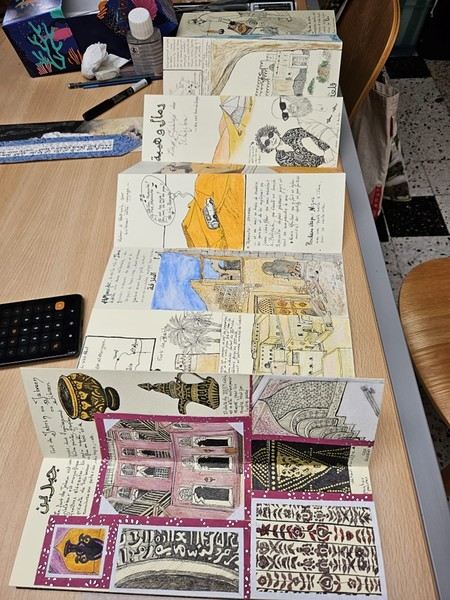
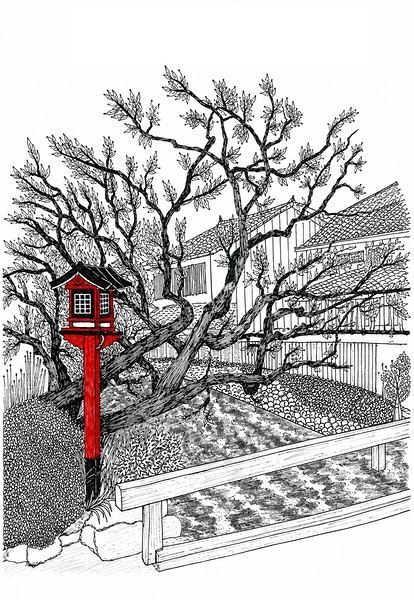 I’m inviting you on a stroll through my drawings—a completely subjective, far from exhaustive, and totally personal take, since it’s based on my own sketches. I put this travel journal together after returning in late 2024, mostly using felt-tip pens and pencils, with a few collages thrown in. I worked from our personal photos.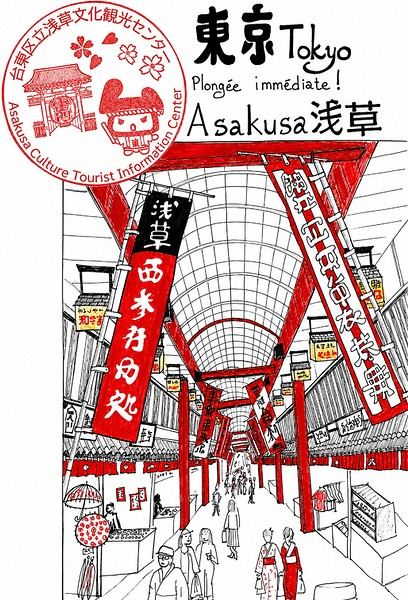
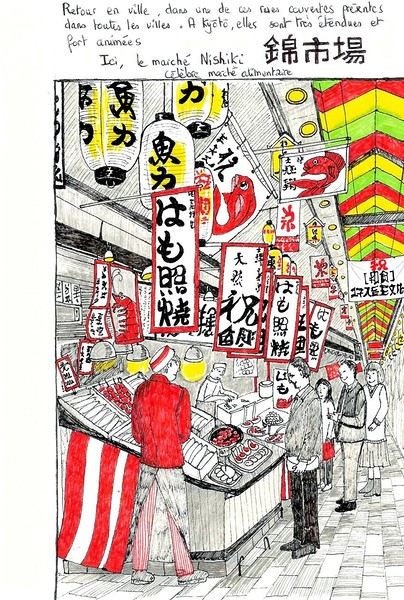
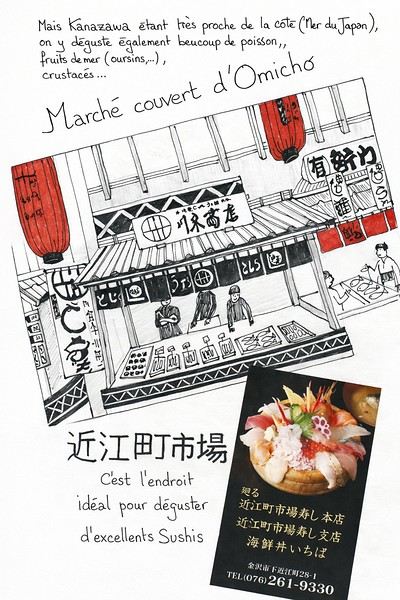 And in Kyoto, Nishiki Market:
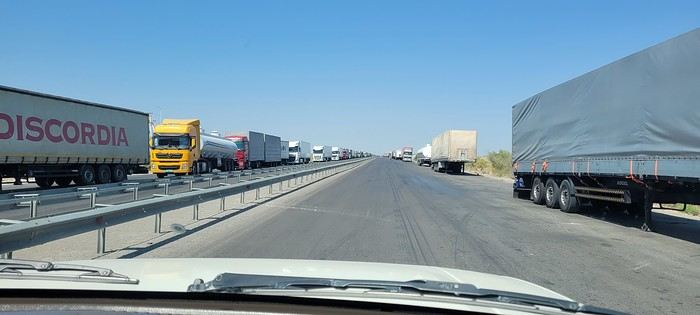
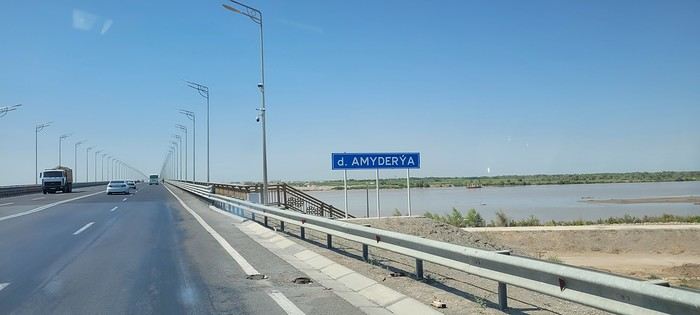
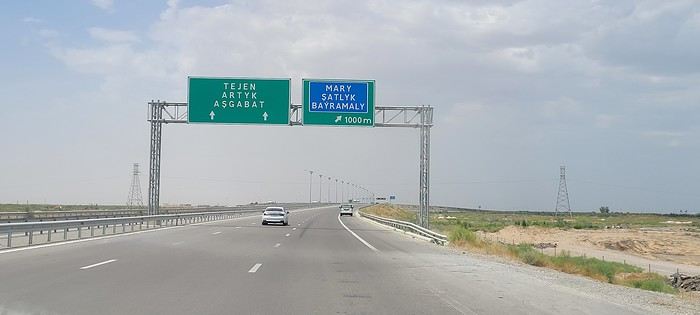
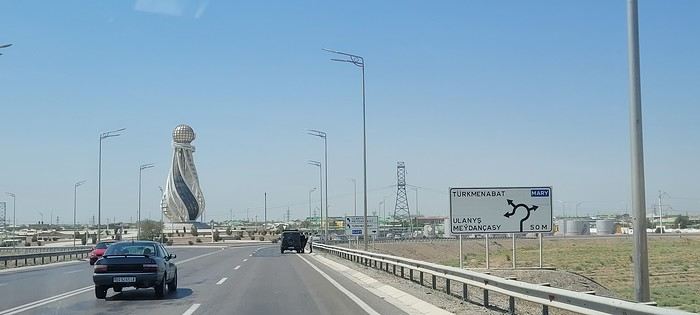
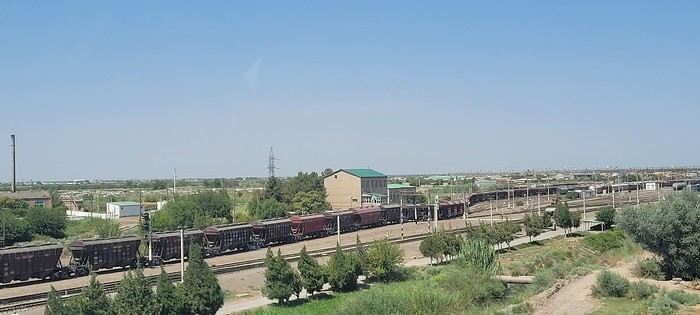
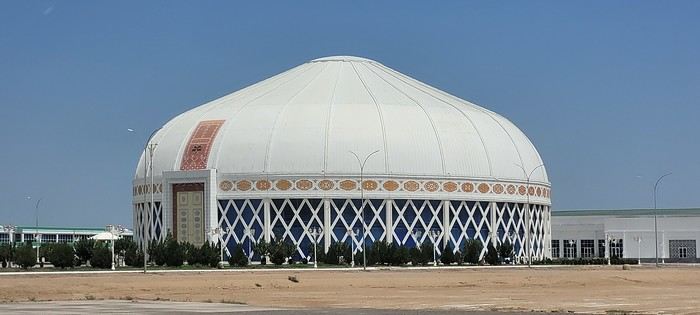
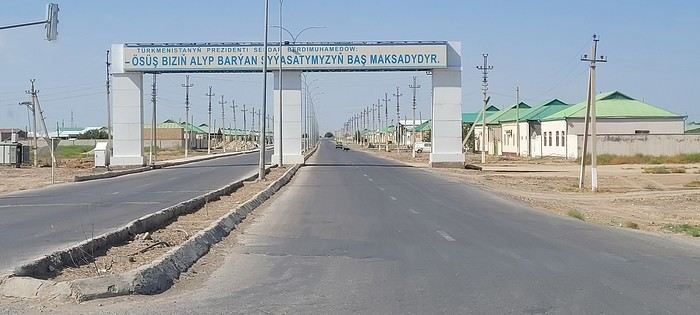
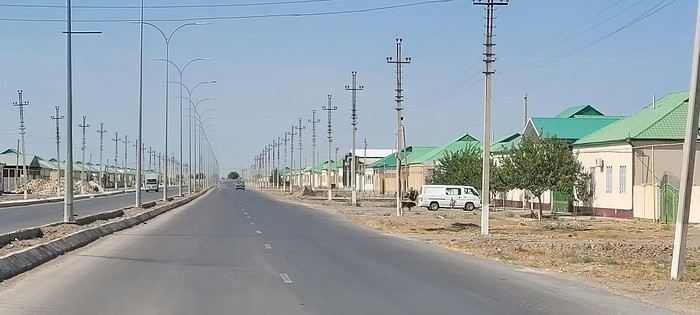 Les ronds-points sont particulièrement intéressants puisqu'on y retrouve des emblèmes de la culture turkmène, soit le chien, soit un tapis, soit le cheval Ahal Teke soit des symboles musulmans, même si la présence d'artefacts islamiques est assez réduite.
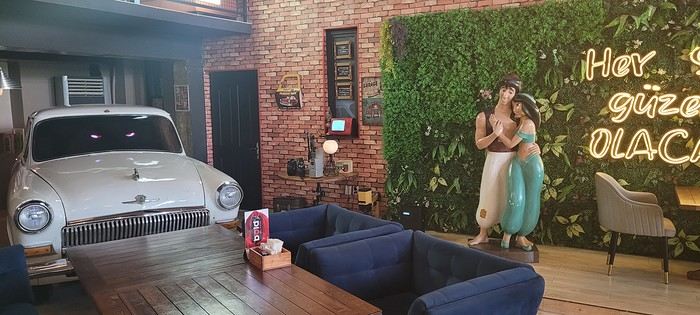

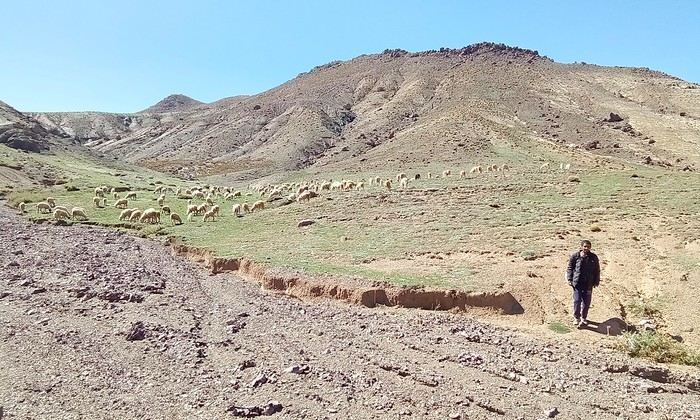
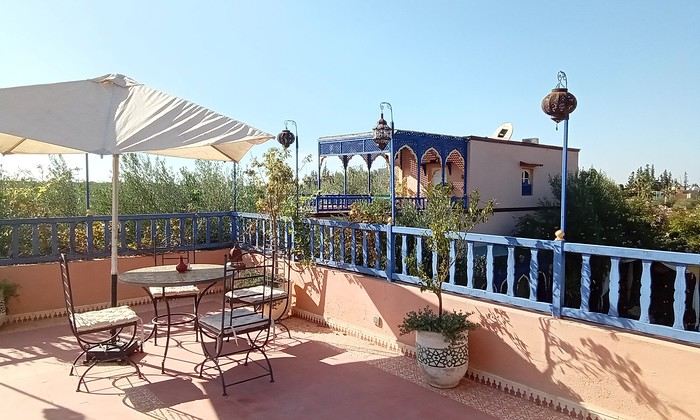
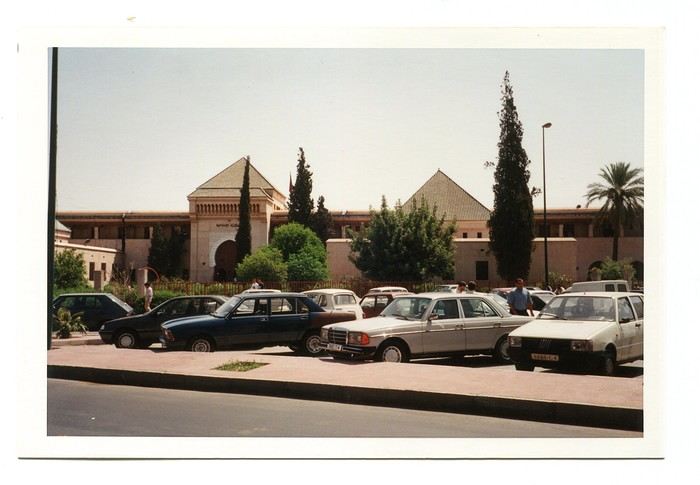
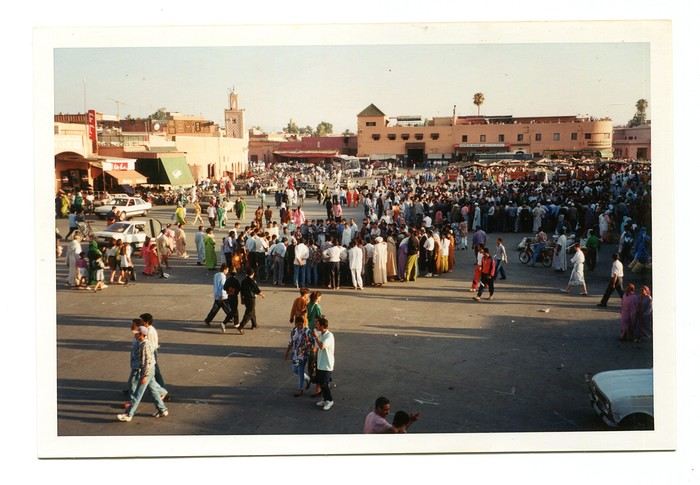
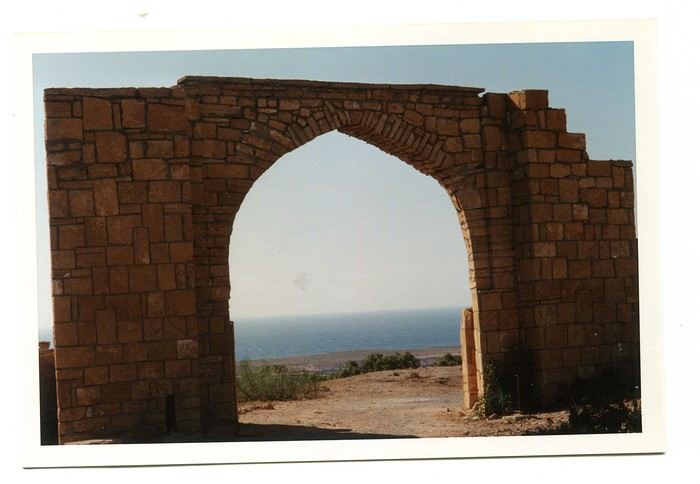
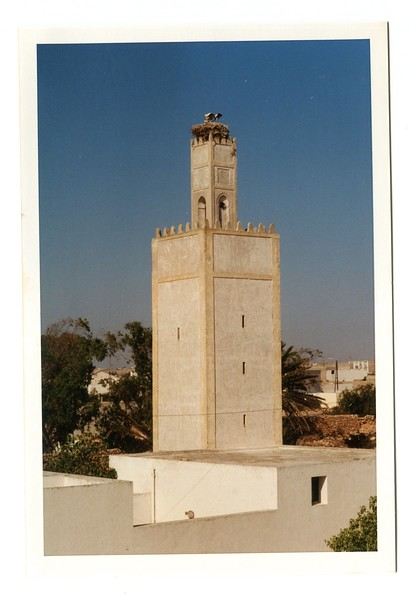
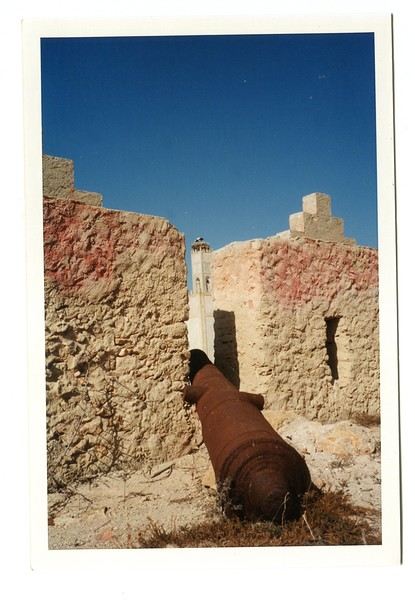
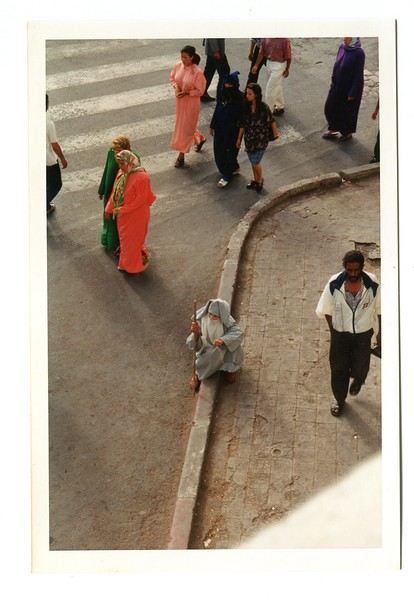
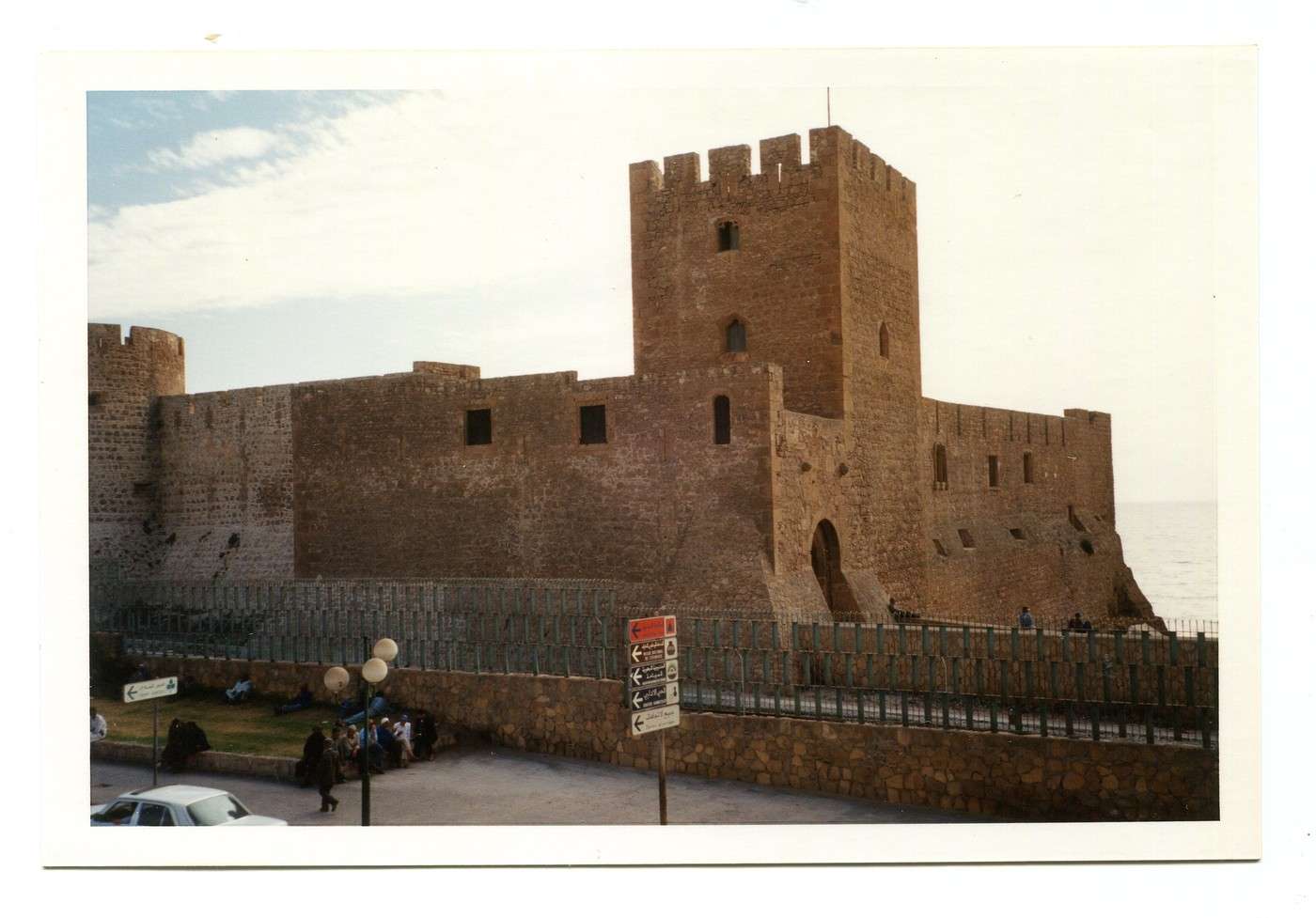
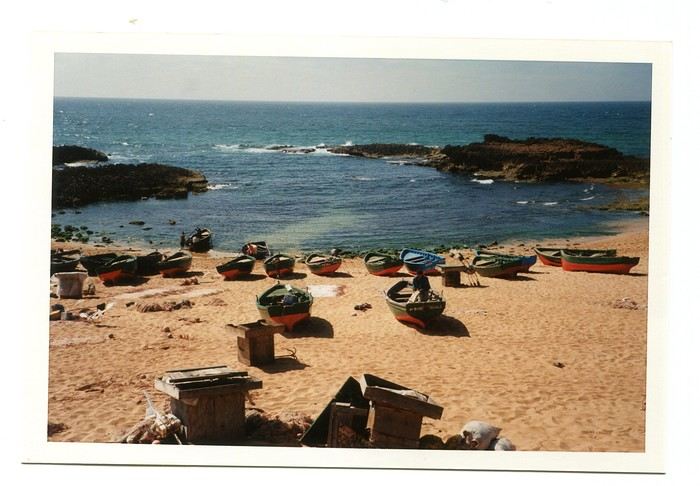
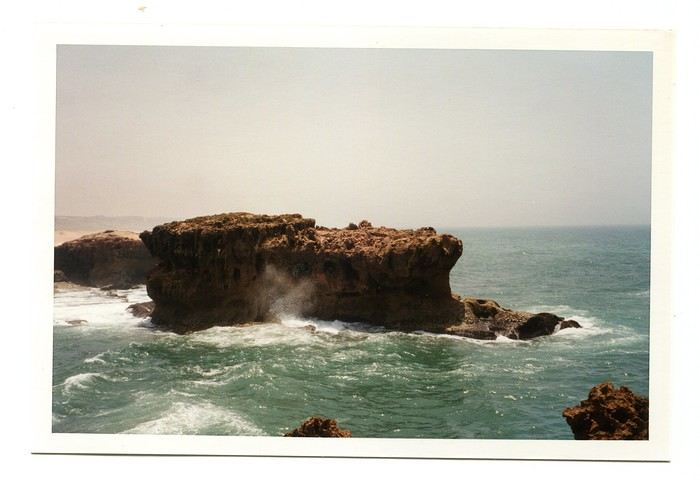
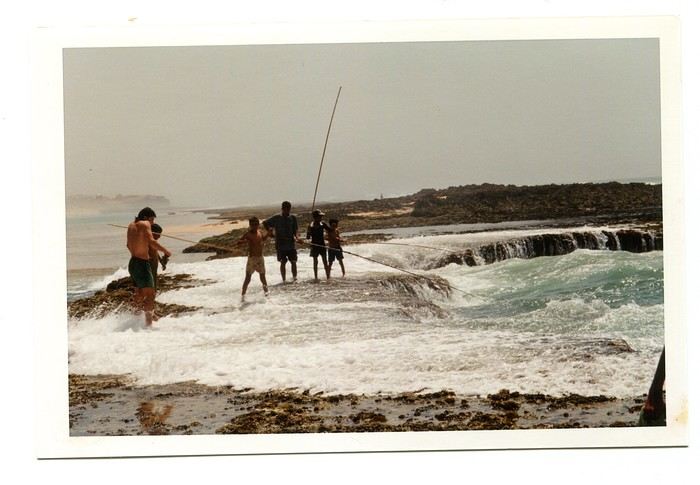
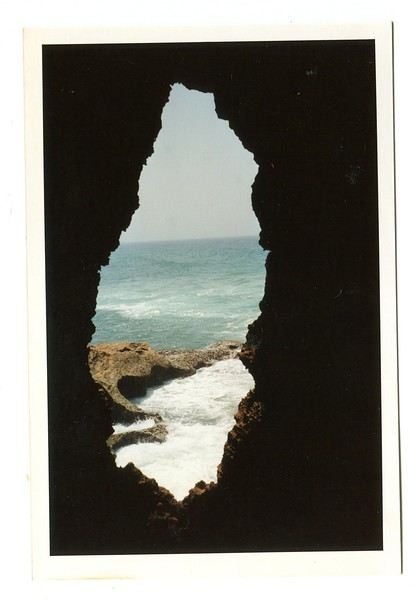
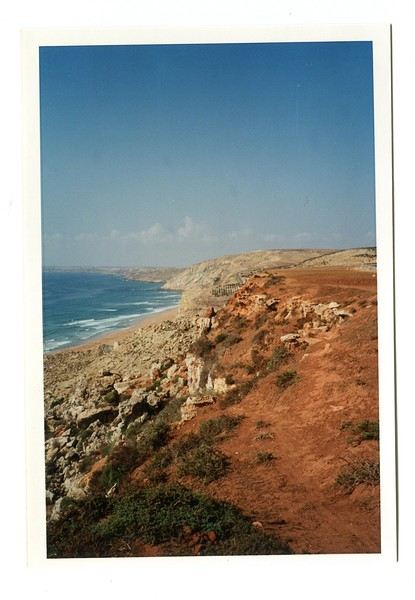
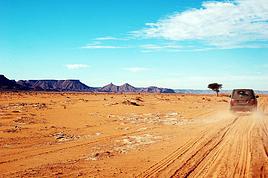
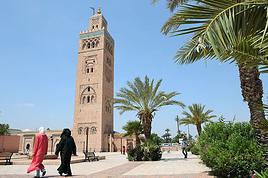
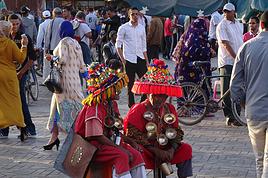
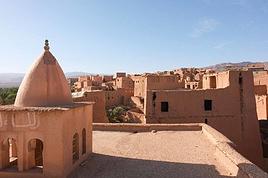
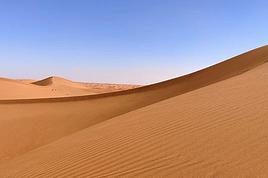
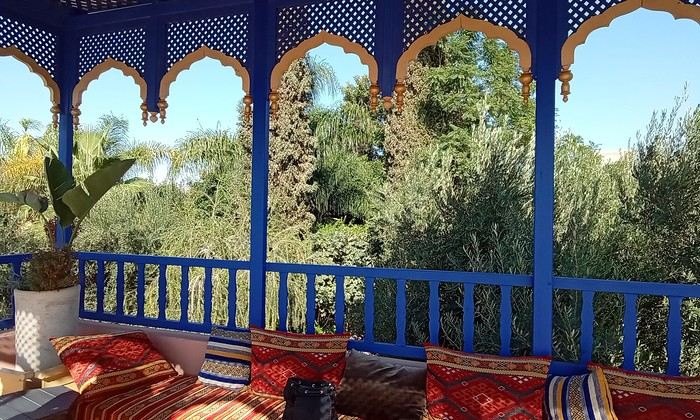 Last October, we landed in Marrakech to spend a few days with family exploring Morocco’s roads.
Transport: a rented Dacia.
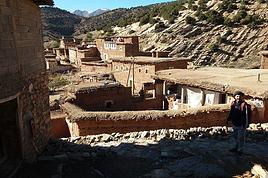
Accommodations: small guesthouses.
Last October, we landed in Marrakech to spend a few days with family exploring Morocco’s roads.
Transport: a rented Dacia.
Accommodations: small guesthouses.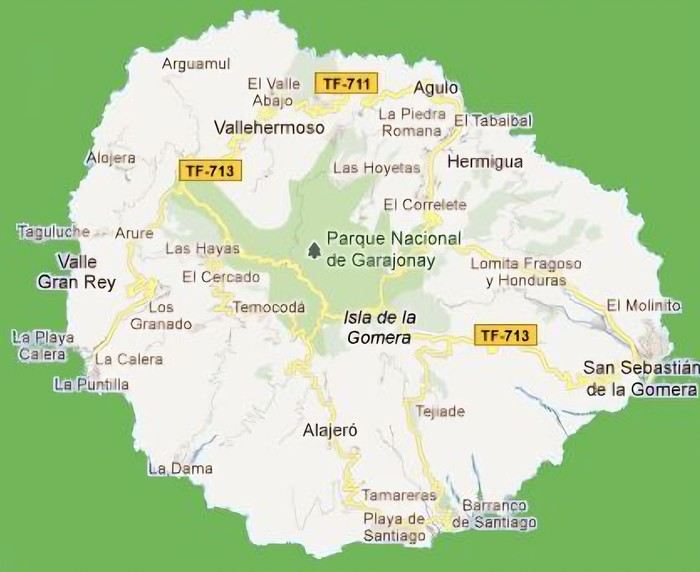 The large solidified magma massifs that shape the heart of the island have created a large depression more protected from the sun at its center, allowing the growth of a vast laurel forest, today grouped within the Garajonay National Park, La Gomera’s green lung, which has earned it the status of a World Biosphere Reserve. Its completely European appearance contrasts sharply with the rocky and tropical landscapes of the rest of the island. Thus, the climate varies greatly from one point to another on the island: in summer, you can quickly go from a dry and sunny valley at 35°C to a humid forest area at altitude at 18°C.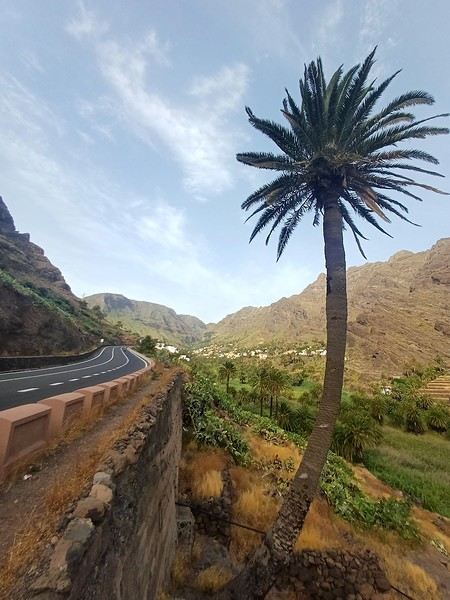
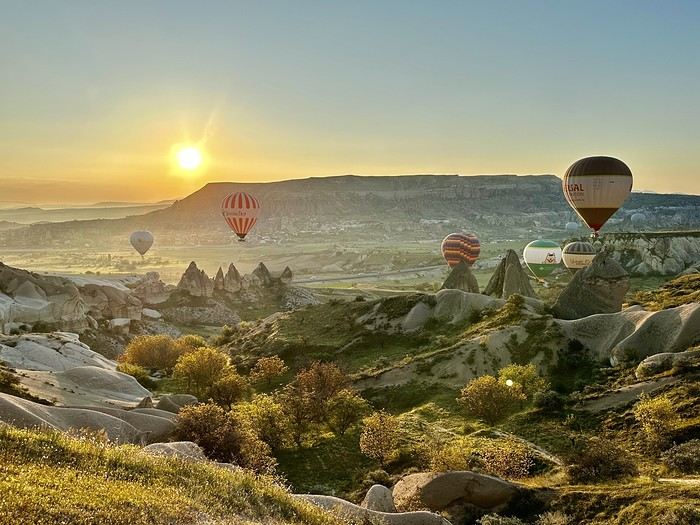 A little sneak peek?
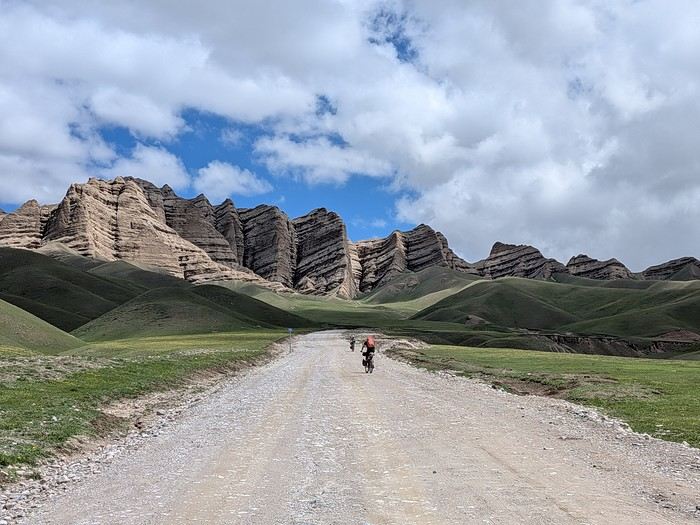
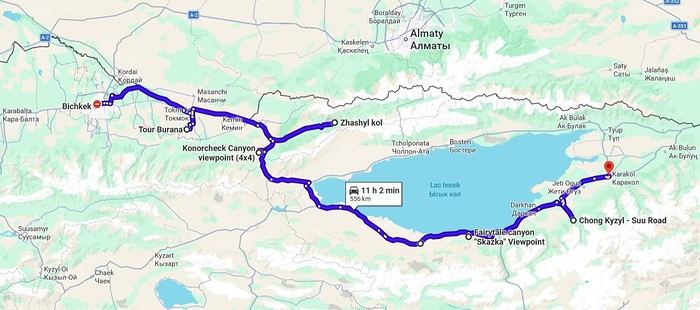
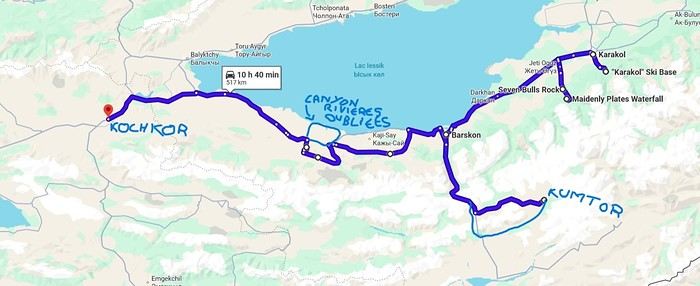
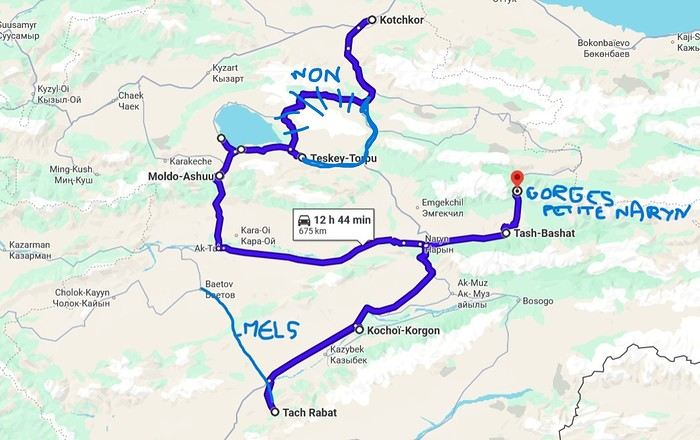
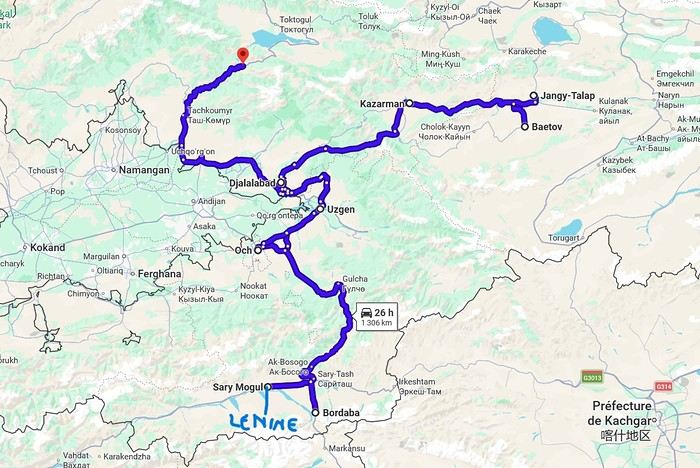


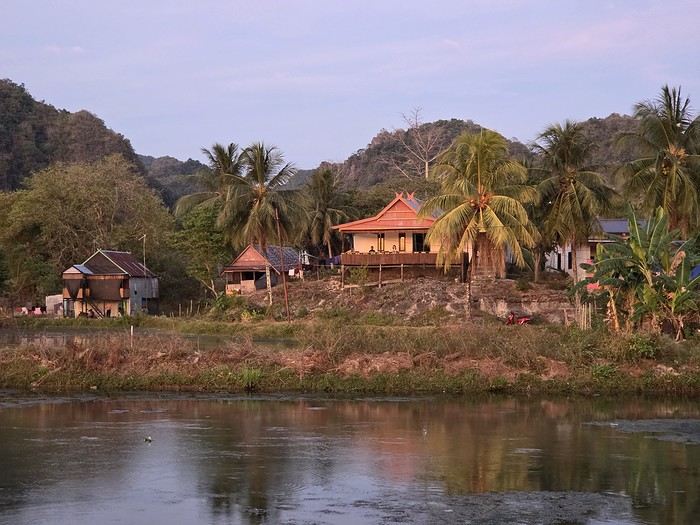
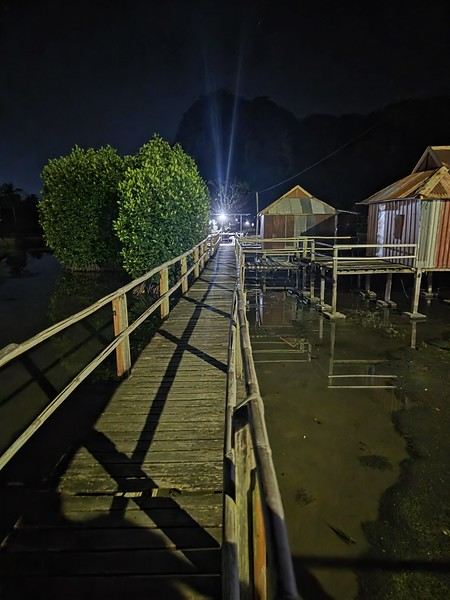
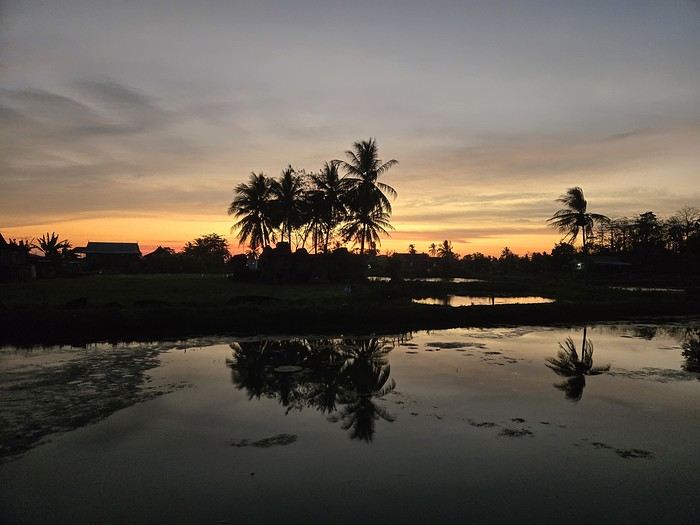
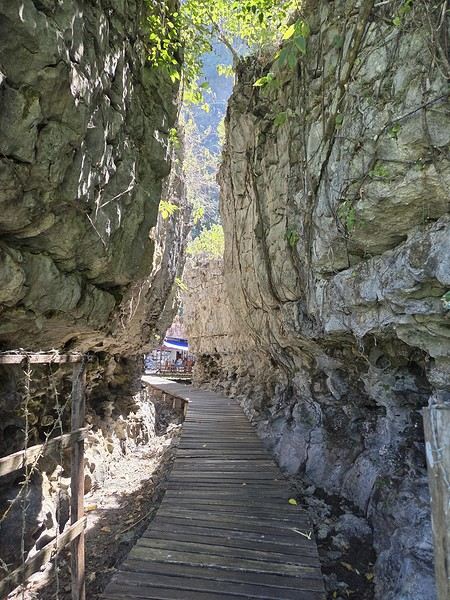
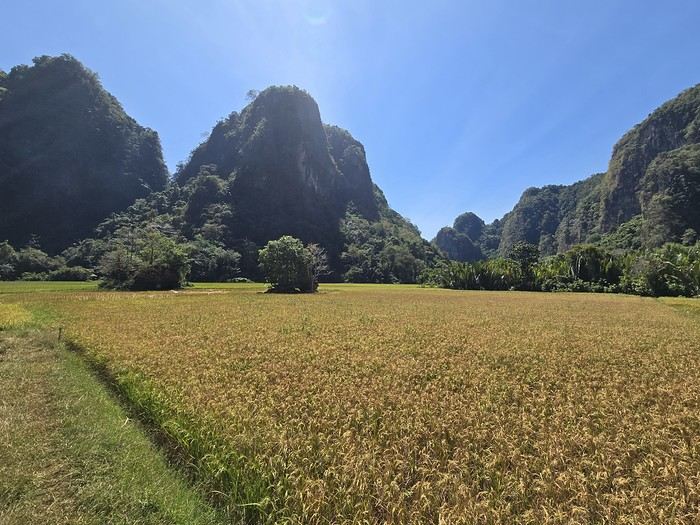
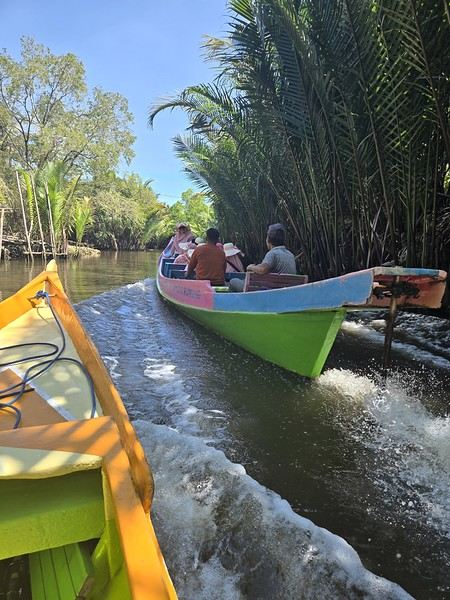 The karst site:
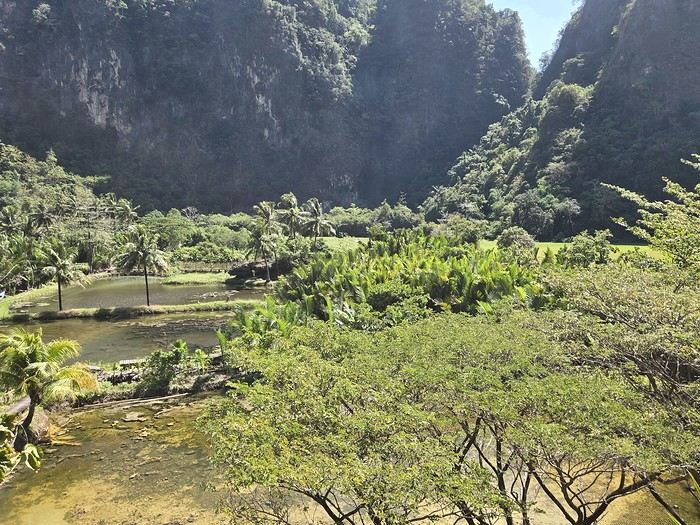
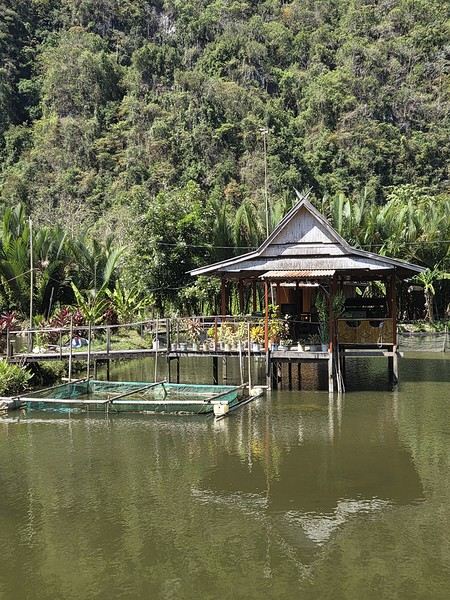
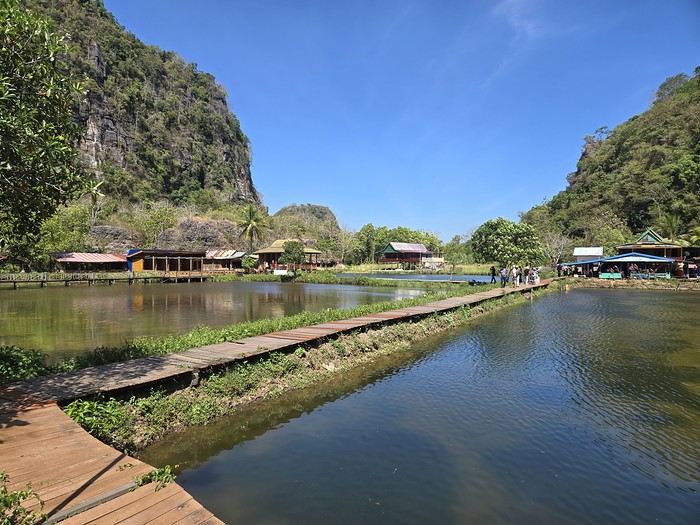
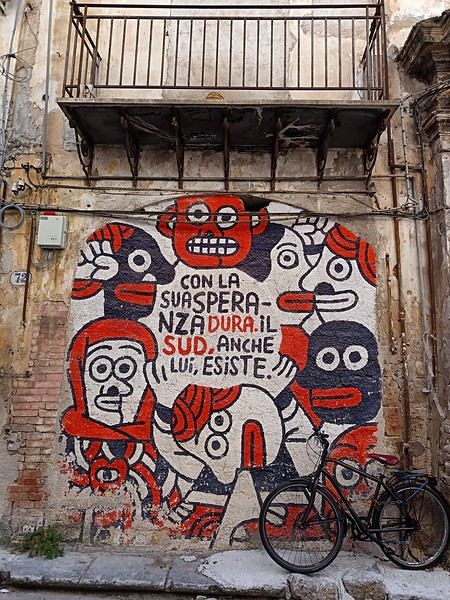 (In the heart of Albergheria, on a street every visitor walks down—lovely message from an unidentified artist)
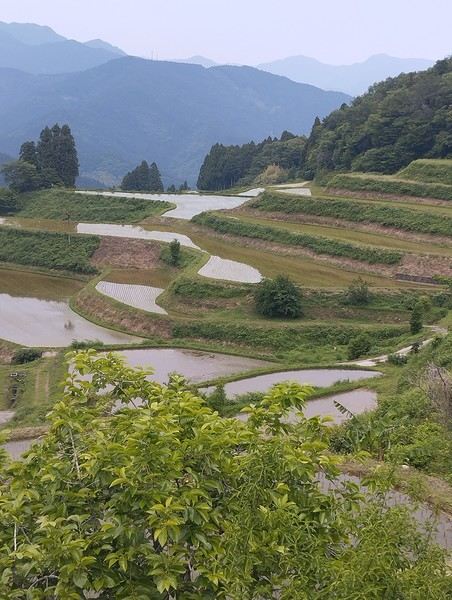
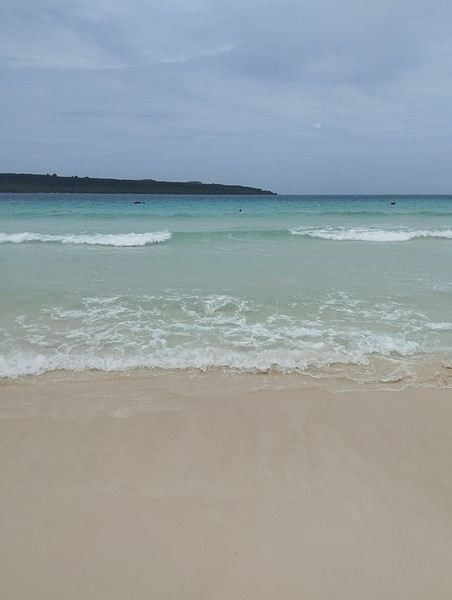
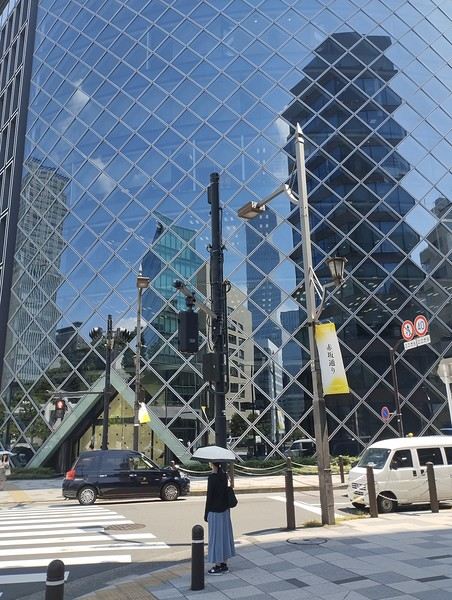


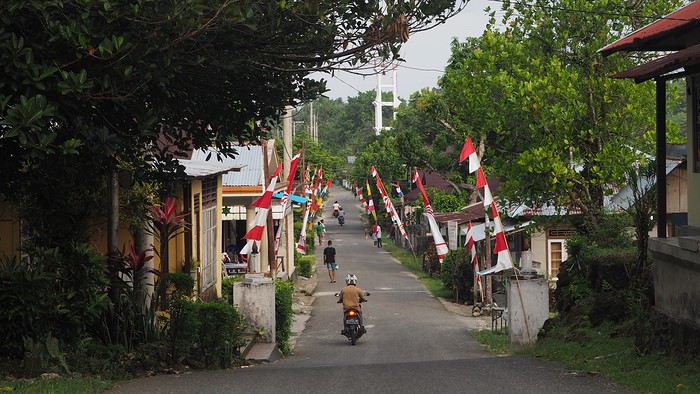
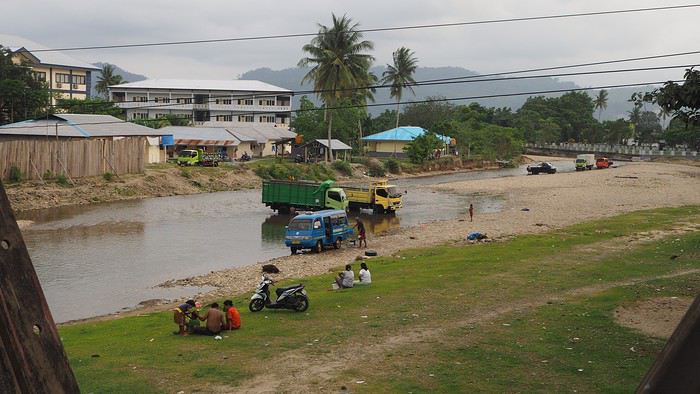
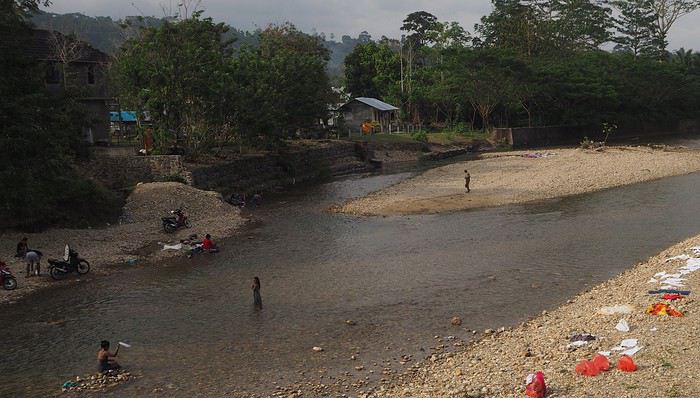 Laundry and trucks washed in the same stream.

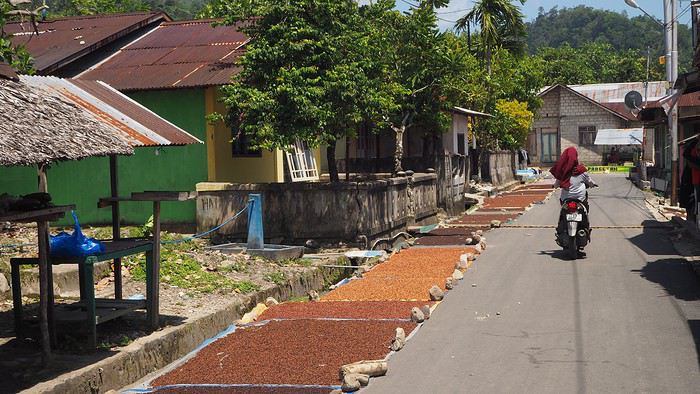
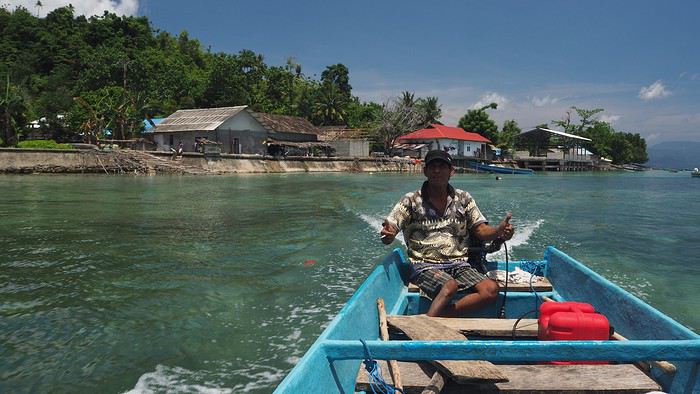
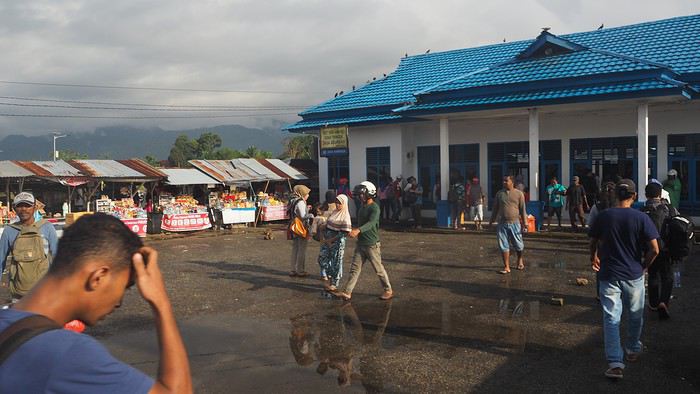
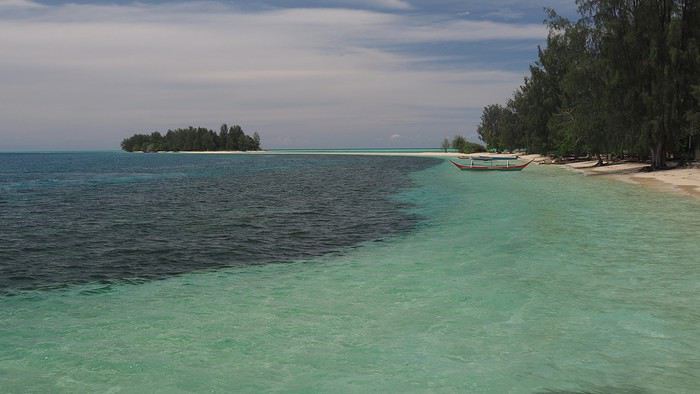
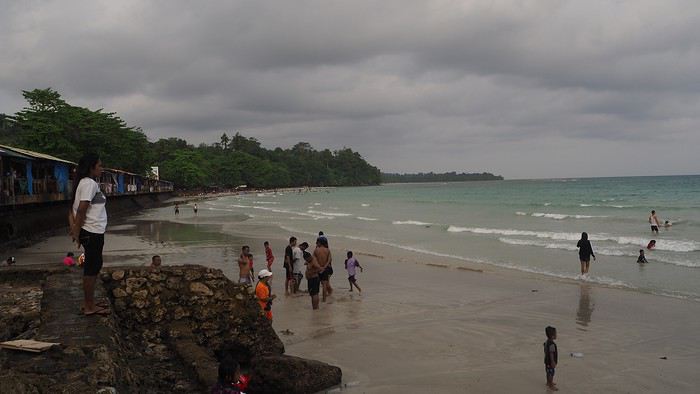
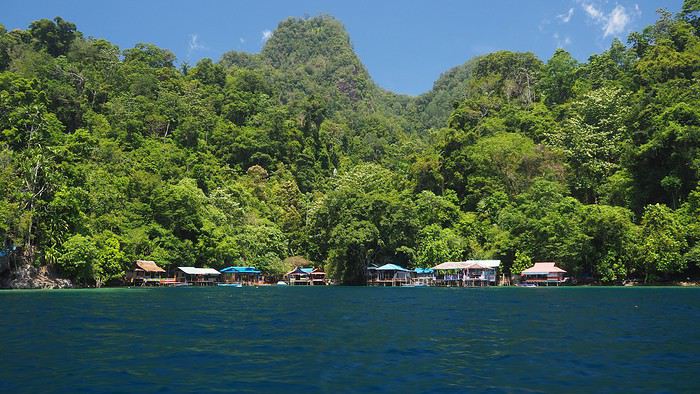 We’re greeted dozens of times with “Hello Mister”—a daily routine in the Moluccas. Every time we stop, we pose for photos to be saved on locals’ smartphones. They don’t see tourists often.