The trip was a success. No insurmountable gap appeared between this country and me. On the contrary: for those who stay on the surface of things—an inevitable condition for the average tourist, and to a lesser extent, for the scholar who wasn’t raised here—Kyoto and Tokyo are easy to live in. Public transport is accessible, and its signage is clear, much more so than in some Western metropolises. The challenges of daily life in this country don’t affect the passing traveler, who instead benefits from all the organization put in place to offset that complexity. Shops are welcoming and forgiving toward foreigners. We didn’t experience any theft attempts, scams, or the kind of hassles so common while traveling. The crowds, sometimes overwhelming, weren’t aggressive.
Jet lag? I couldn’t say why, but the much-dreaded time difference was just a harmless ghost. We adjusted to the rhythm from the first morning of the trip, without any particular fatigue. We’ll see how it goes on the way back to Europe.
We often used public transport. Everyone in France recommended the JR Pass, which gives access to the country’s largest rail network. A quick calculation showed us that in our case—where only a one-way trip between Kyoto and Tokyo was planned—it was better to buy the train ticket directly on the spot. Thanks to our triangular flight ticket—landing at Osaka-Kyoto (KIX) and taking off from Tokyo Haneda—we avoided a round trip, saving on a JR Pass while being able to spend more time on sightseeing.
On the other hand, the Suica transit card is pure magic. It’s an electronic wallet that’s used to pay for buses, suburban trains, and subways. Out of credit? Just top it up at special terminals. Since you pay at the end of the trip (with a few exceptions), you’ll be reminded by the electronic gate when exiting the subway if your balance is too low. Recharging takes thirty seconds at a machine that speaks English and accepts both coins and bills.
This amazing card (purchased here before departure—there may be other sellers) also lets you pay for small items in convenience stores and at the drink vending machines scattered throughout the country. And it works in Kyoto too, contrary to what we thought at the start of the trip: the initial refusal due to a misstep never happened again.
We stayed in Airbnb apartments, much cheaper than hotels and relatively central in each city. The accommodations were comfortable, a normal size for the average traveler—and well-equipped. The only tiny regret was that the toilets weren’t equipped with those famously hygienic Japanese systems. But you can experience those kinds of toilets in shopping centers, where the restrooms are surprisingly clean.
Internet access in the Airbnbs was provided via Pocket WiFi. It’s a small device you just connect to wirelessly. The little router fits in any pocket and comes with you everywhere during your visits, offering uninterrupted internet access—often useful for navigating and planning routes. Make sure to bring a power bank, though; the little device is power-hungry and barely lasts a full day. It recharges like a smartphone.
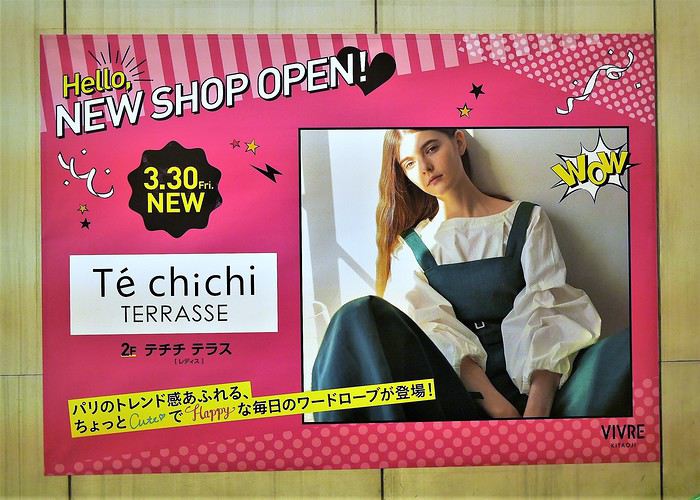
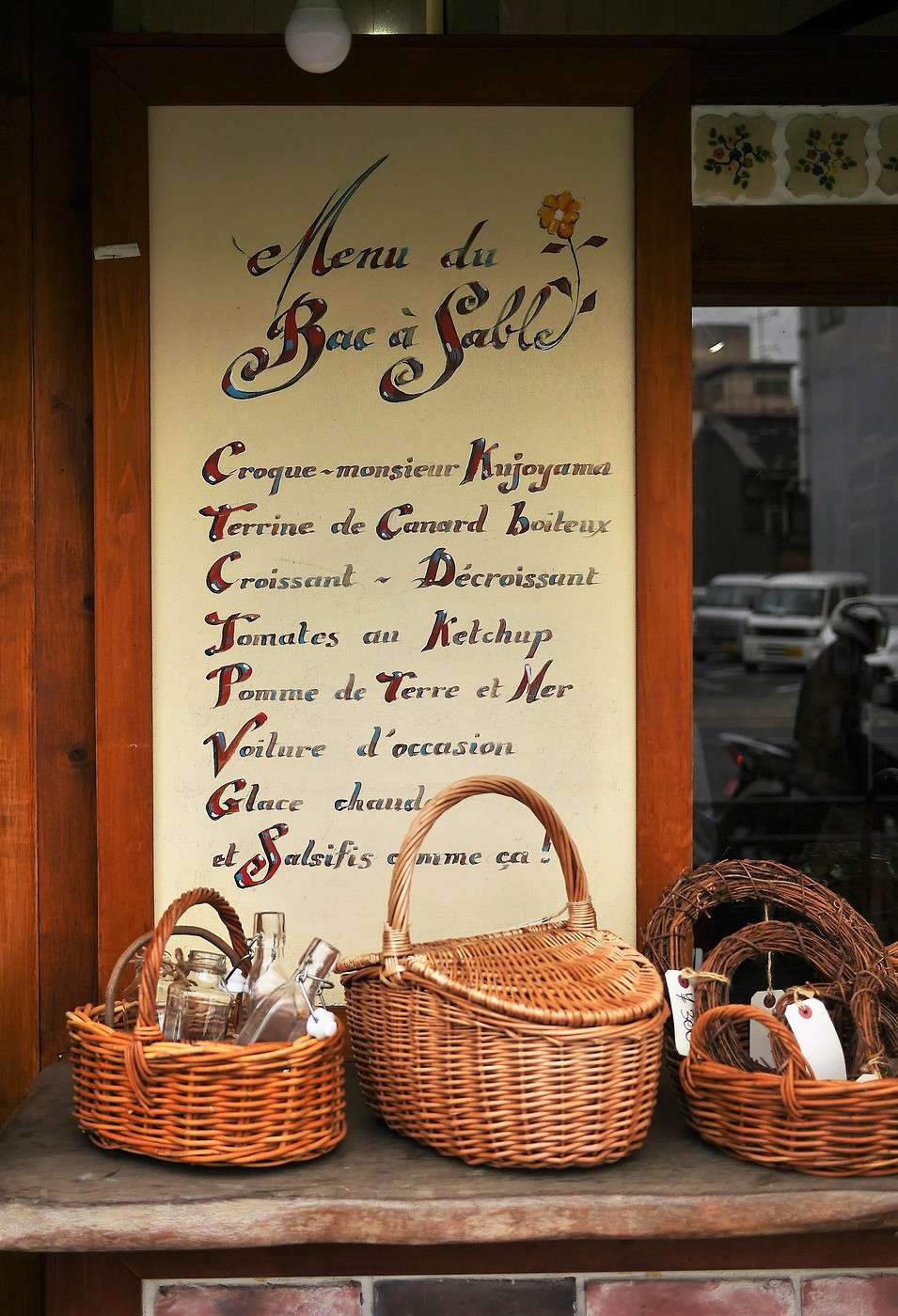
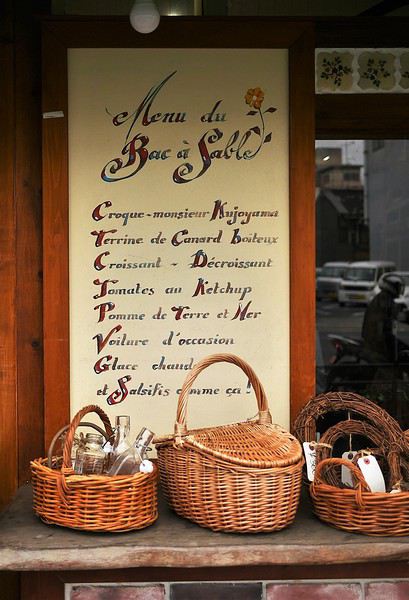
Sounds French, doesn’t it?
Map in Kyoto
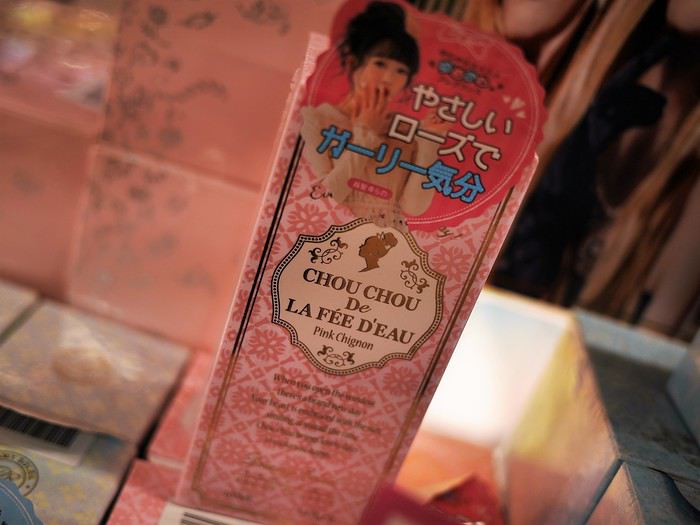
Cute
One last observation: France is everywhere in Kyoto and Tokyo. It’s surprising to see how many signs are in our language, especially—noblesse oblige—in gastronomy and personal care, even if the style reveals a certain creativity in a "pseudo-French" that’s quite amusing. It’s not uncommon to hear French tunes like Gainsbourg songs or the inevitable Edith Piaf. In cinema, Jean Reno’s face is pretty widespread, and it’s probably no coincidence that a men’s fashion magazine is titled *Leon*.

Can you repeat the question?
During our week-and-a-half stay, we saw on TV that Trump had meetings in the region about the Korean issue, though we didn’t grasp the significance of the event. On the news, a Westerner with vaguely familiar features appeared, wearing sunglasses and a sullen expression, muttering a few words in broken French. At first, we thought he was one of those shady intermediaries from some low-level French political operation—like a suit supplier or a Libyan campaign financier hiding out here to escape justice. After checking, it turned out to be Vahid Halilhodzic, a well-known former footballer in France, recently fired as the coach of the Japanese national team for unclear reasons. He complained about having been "treated like shit," an expression that’s not easy to translate into Japanese during prime time, judging by the translator’s bewildered face.
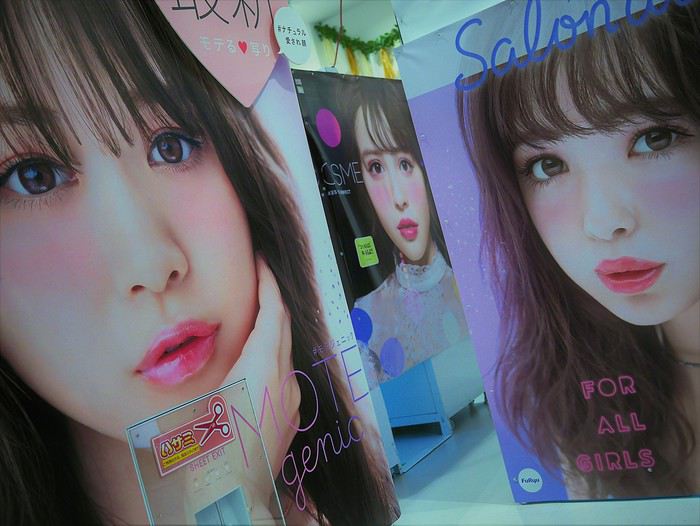
Sophisticated photo booths
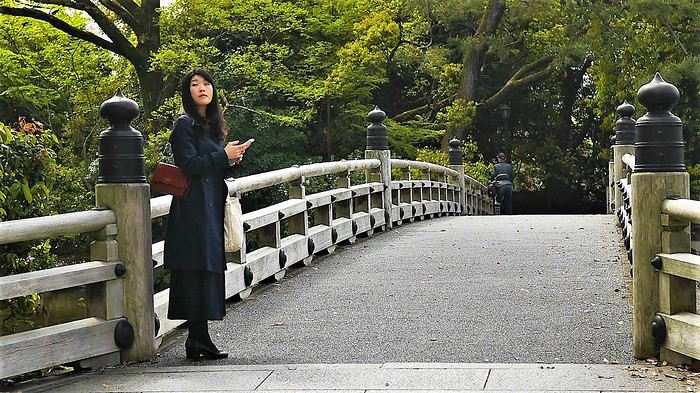
The Girl on the Bridge
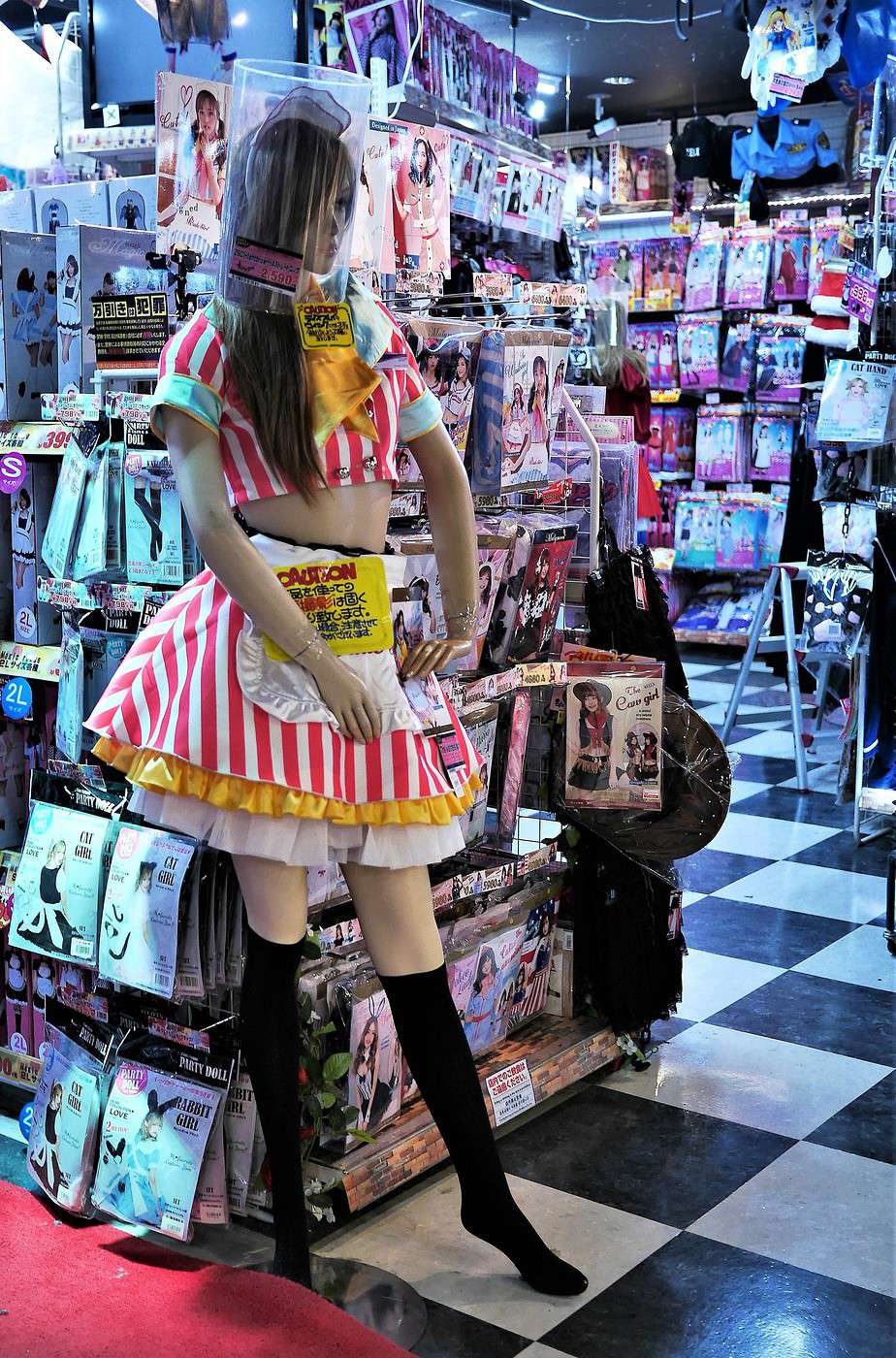
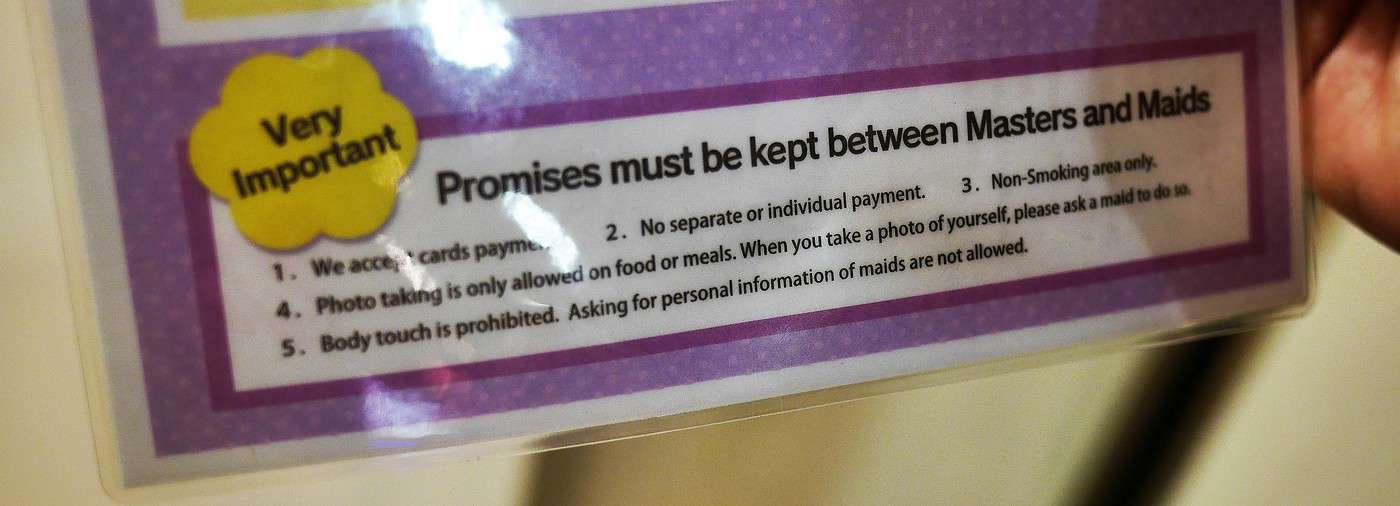
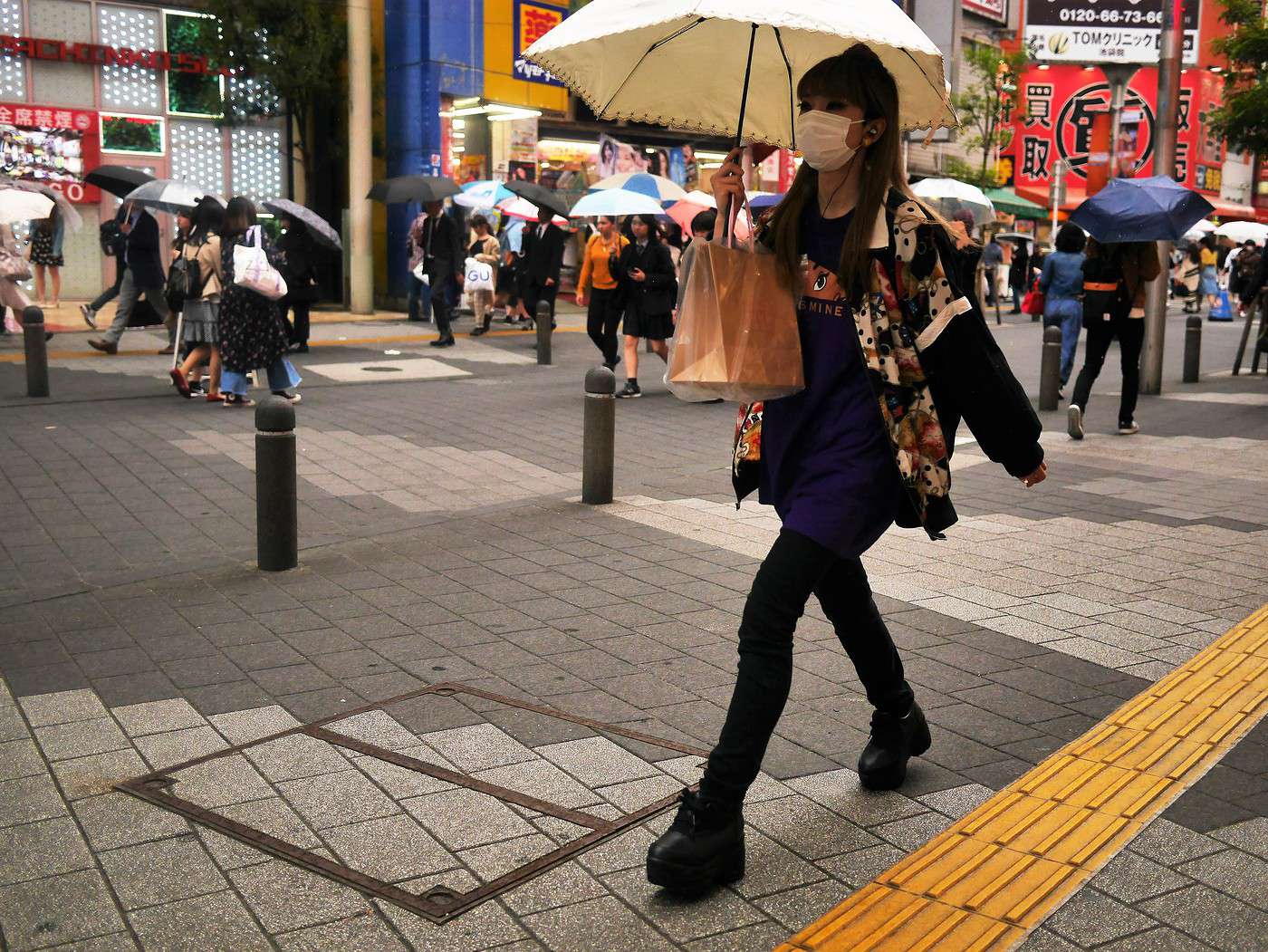
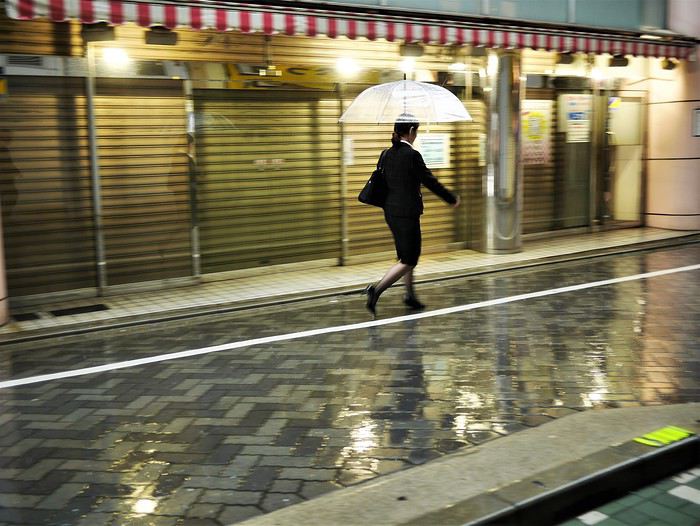
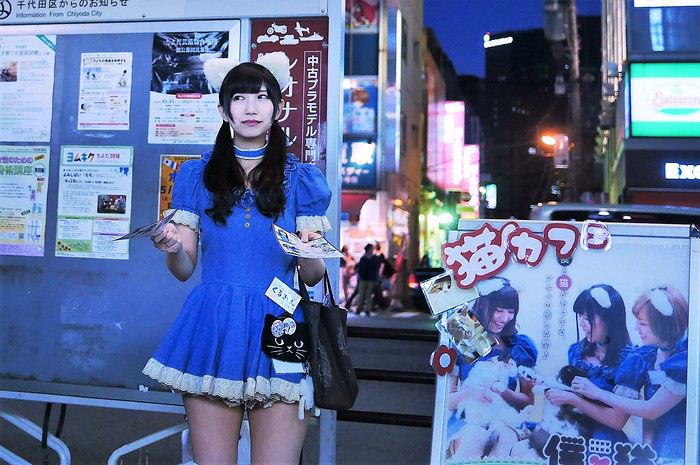
One last word about the trip. While the men are impeccable in their suits and ties and big watches, it must also be said that Japanese women have incredible style. I’m not just talking about the cute girls dressed as maids. I mean the everyday woman you see behind a counter or on the street. The natural class, that special poise that maybe belonged to post-war France, shines in this country at every corner.
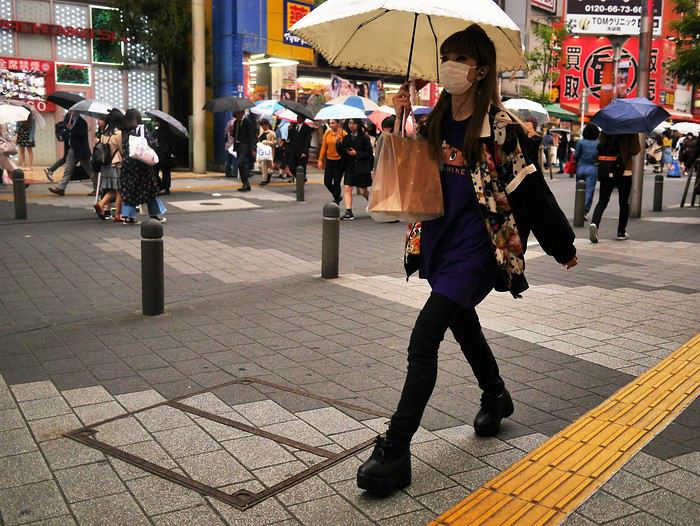
A passerby of a hundred sushis
Dressing with taste clearly isn’t about showing off, far from the disembodied beauty of a magazine model. There’s no affectation in the care given to appearance, yet it’s so natural. Shouldn’t we see this as a sign of respect? Women in strict suits or dressed as geishas, market vendors, schoolgirls in uniforms—all these passersby whose slender, graceful figures leave you feeling uplifted (Antoine Pol).
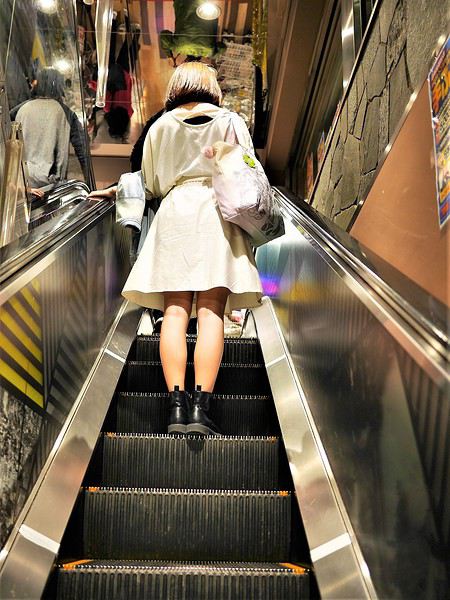
Slender
We have so much more to discover in this country that we hope other trips will follow. But just for the sheer beauty of its women, Japan is worth returning to.
Sayonara, Japan
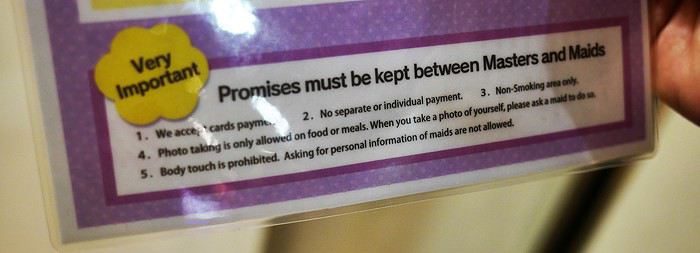 The rules of the game
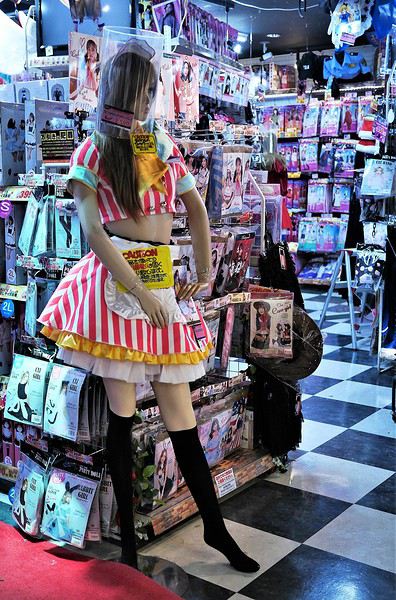
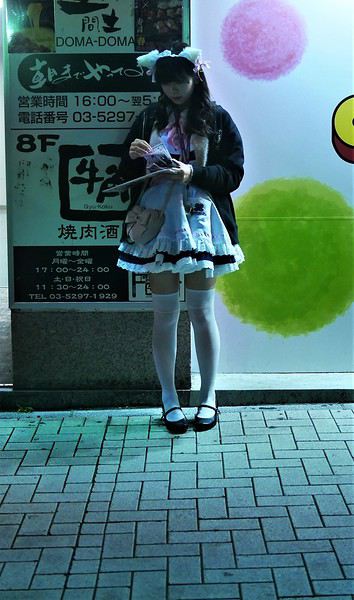 The scene
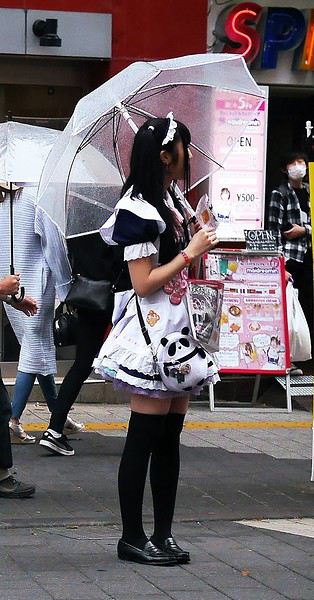 A traveling ad