Back to the discussion

in Entre deux voyages › Carnets de voyage

Biking (MTB) along the Canal between the Two Seas (France) (page 8 of 16)

Discussion started by Facteur4 on 2007-03-17

309 replies

This thread has been translated into English.


Biking (MTB) along the Canal between the Two Seas (France)

Facteur4 · 2012-09-21 · Message 141 of 310

The Aude department has launched a call for tenders to conduct a feasibility study for the greenway along the Canal du Midi: http://www.marchesonline.com/mol/front/visualisation/run.do?idsim=5389690&versionsim=1&typeinfo=typeao Have a great weekend, everyone!

Mountain Biking (MTB) Along the Canal Between the Two Seas (France)

Facteur4 · 2012-10-29 · Message 142 of 310

I didn’t miss the chance to reach out to the new Minister of Tourism about extending the Greenway between the Two Seas, especially since she’s also the Deputy for my department: http://www.artisanat-commerce-tourisme.gouv.fr/...graphie-sylvia-pinel Once again, my email went unanswered, and I had to send my letter by post:

To Madame Sylvia Pinel, Minister of Tourism Subject: Bike paths and cycling routes I use my bicycle every day of the year to get from home to work. I don’t deserve much credit for it since the trip is only 6 km in pleasant riding conditions. I grew to love traveling by bike while riding along the towpath of the lateral canal to the Garonne. Seeing its surface improve over the years, I set off on bike vacations. To inspire others and show how easy it is to cover hundreds of kilometers, I documented my various trips on VoyageForum: http://voyageforum.com/...post=1000920#1000920

I’ve ridden along the Canal Latéral à la Garonne and the Canal du Midi several times. I know how different it is to ride a loaded bike (30 kg) on a dirt towpath with stones and roots compared to a paved path. That’s why I want to congratulate our department for its contribution to the fantastic Greenway, which allows you to travel from Bordeaux to Toulouse through a stunning landscape of greenery and water without being exposed to cars. I also praised my town for its role in promoting soft mobility with the creation of the rest stop at the old slaughterhouse. As soon as it opened, I posted photos online to inform travelers:

http://voyageforum.com/...post=4210620#4210620

I took it a step further by using my bike for work trips. I wouldn’t have considered it without such infrastructure. During my last assignment:

http://voyageforum.com/v.f?post=3804254#3804254

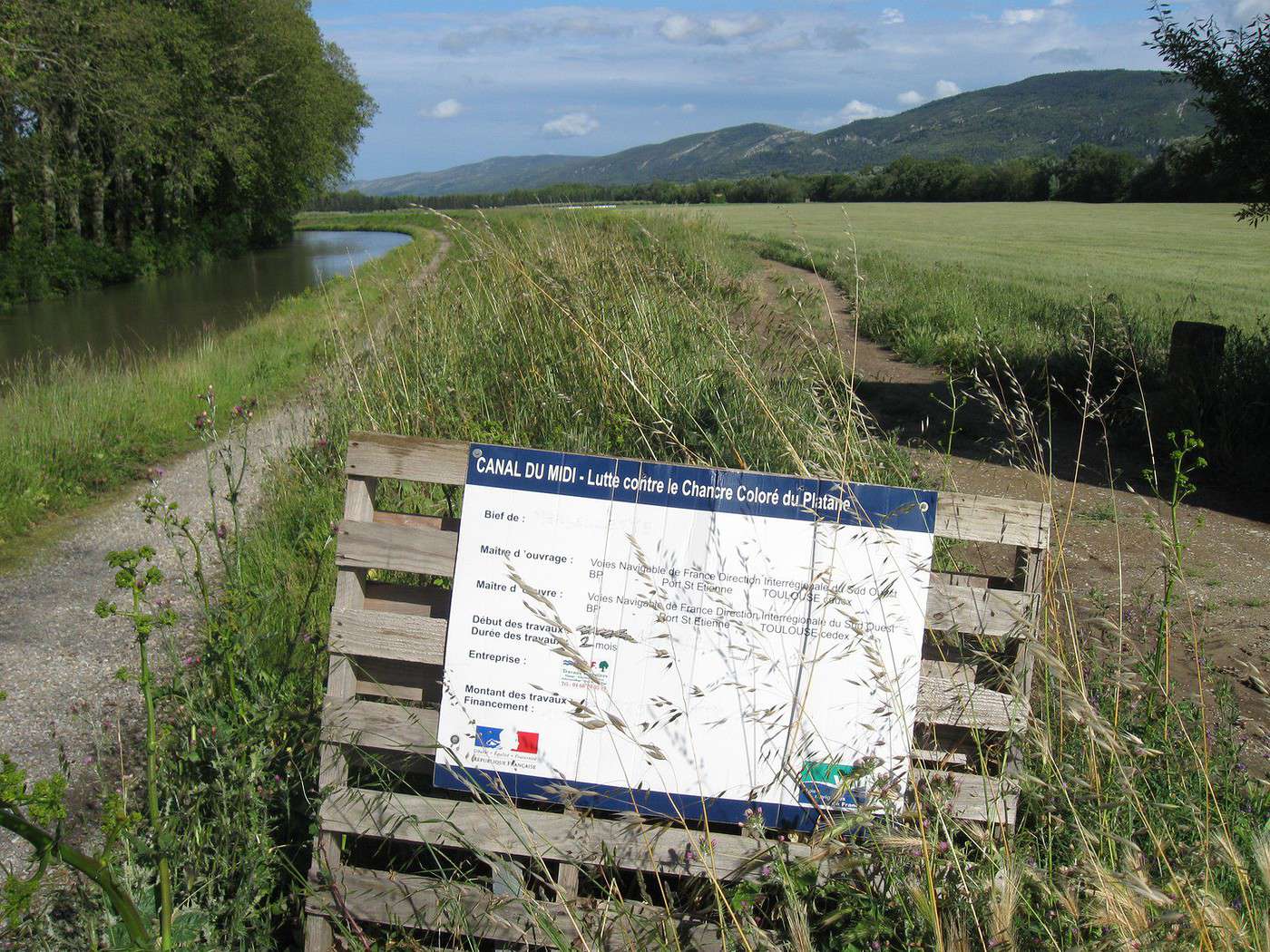
I noticed you’re continuing your commitment with the installation of informational panels highlighting the Canal between the Two Seas, directional signs, and ongoing maintenance of the bike path. It seems wise to keep this momentum going by completing the Greenway along the Canal between the Two Seas, allowing travel from Bordeaux to Sète. This would be a huge benefit not only for local cyclists and French and international tourists but also for professional travel in ways we might not expect. Currently, the transformation of the towpath into a bike path is stalled in the Aude department. This area is crossed by 150 km of the Canal du Midi’s banks, and it can’t take on this project alone, which has major tourism potential. This is where the state should step in as a driving force for organization and funding, just as it has with replacing the plane trees severely affected by canker stain. I’m sure you’re aware of the international economic benefits of creating a cycling route along the Canal du Midi, which has a prestigious reputation. Even though the route isn’t fully marked and the towpath is made of dirt, stones, and roots, I’ve already encountered cyclists from South Korea and Argentina, for example. Looking forward to your response, and hoping you’ll see this project through, please accept, Madame la Ministre, my respectful regards. Gilles Rouland

P.S. I’m also waiting for a cycling route in Toulouse that would show "Paris 700 km." Just like I saw signs indicating long distances on Quebec’s Green Routes when I rode 1,570 km on their bike paths. See photos here: https://picasaweb.google.com/GillesROULAND

Once I reach Paris, I’ll just have to take the Avenue Verte and the ferry from Dieppe to get to London. You’ll need to support this project too, as all Greenways are accessible to rollerbladers, tricycles, and wheelchairs for people with disabilities.

I just got a preliminary response. https://docs.google.com/...v5rFFU1VJMjFqOHdSanc

Mountain biking (MTB) along the Canal des Deux Mers (France)

Facteur4 · 2012-11-03 · Message 143 of 310

We already knew that improving overall health through regular cycling helps reduce healthcare costs: http://www.voirie-pour-tous.info/...conomie-du-velo.html

(The WHO model is based on the study by the Copenhagen Center for Prospective Population Studies, considered the most robust. This institute followed a population of 30,000 men and women aged 20 to 93 living in the city center—both cyclists and non-cyclists—for 14 years. Their living conditions and health indicators were regularly monitored. After adjusting for other risk factors and physical activities, the results showed a significantly higher mortality risk among non-cyclists. Other studies, particularly in China, confirmed these findings.)

The Faculty of Medicine has just proposed that physical activity sessions prescribed by a doctor be reimbursed by Social Security to improve patient health: http://www.e-sante.fr/...ordonnance/breve/389 This is what I suggested back in 2009: http://www.ladepeche.fr/article/2009/02/10/538237-relance-6-5-milliards-d-pour-l-automobile.html (See my stimulus plan after the article.)

This shows that Science and Common Sense can align. Except in Government: it’s forbidden. They’ll surely find a good reason not to follow the Faculty of Medicine’s recommendations. Who knows—maybe with the Socialists, there’s hope. The Transport Minister announced Monday the merger of SNCF and Réseau Ferré de France into a single public rail entity. We could see electricity production and distribution merged. EDF partnering with GDF. And why not La Poste merging with France Télécom? If they hadn’t been separated, thousands of post offices wouldn’t have had to close, and thousands more wouldn’t be forced to sell books, souvenirs, jewelry—and why not candy and phones? And if we could flip off the European Commission on top of that, it’d be perfect. !

Biking (MTB) along the canal between the two seas (France)

Facteur4 · 2012-11-13 · Message 144 of 310

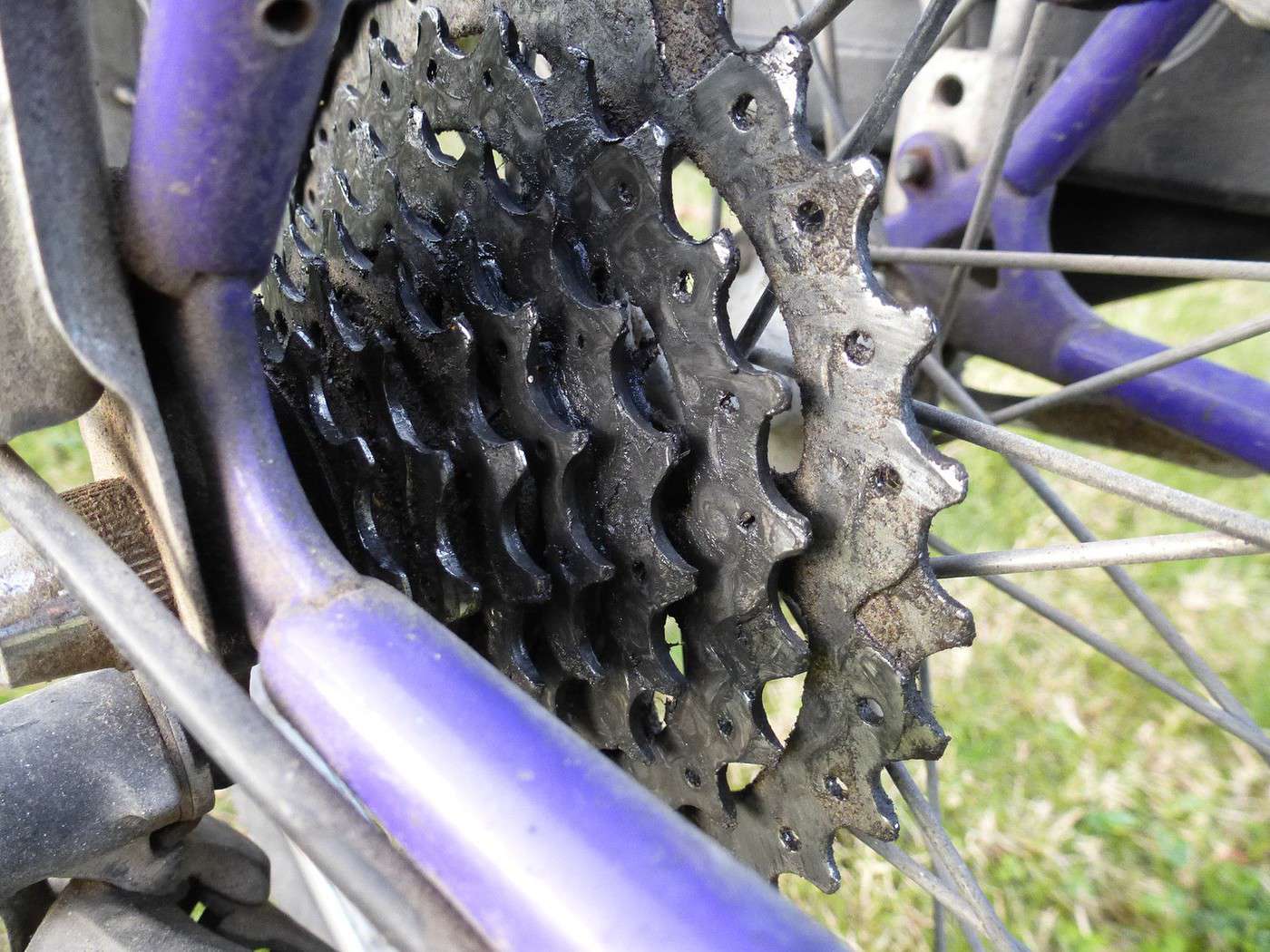
I had to change the sprockets and chain on my MTB again. It's annoying when I'm climbing the only hill on my commute (to cross a bridge over the lateral canal to the Garonne) and my momentum in the saddle gets interrupted by a sudden jump in the drivetrain. On the cassette, it's always the 4th sprocket that wears out the fastest because I use it most of the time. Its teeth have become too narrow to hold the chain under heavy effort (see photo below). The difference is striking compared to the teeth on the largest sprocket, which I rarely use (I prefer flat routes), and the smallest one, which I never use (you'd have to want to pedal with the big chainring on descents, which isn't my thing) or cross the chain with the middle or small chainring, which is a no-no. Just a reminder: by design, small sprockets are meant to work with the big chainring, medium sprockets with the middle chainring, and large sprockets with the small chainring. This ensures the chain runs straight, of course. Anyway, it would be silly to use a small sprocket with a small chainring or a large sprocket with a big chainring because you'd get the same gear ratio as with a medium sprocket and chainring, which doesn't put as much strain on the chain.

The problem is that I have to replace the chain (18 €) and cassette (25 €) roughly every two years (receipts from 2008, 2010, 2012). And I'm lucky I only have 7x3 = 21 speeds—modern bikes have 27, which means thinner metal and more wear.

The question is: how many kilometers do I ride in two years?

Over the past four years, I had an odometer, but I never tried to find out how many kilometers I rode per year. I only wanted to know the distance covered each day and the total during a trip, so I removed the odometer in winter. I always thought that over a bike's lifetime, you couldn't really know the total distance. For example, sometimes I'd notice the odometer wasn't incrementing because the connection between the sensor and the display had come loose after a bump. I even had to slip some aluminum foil between the mount (attached to the handlebar) and the display to improve the electrical connection. I asked the former postman from Gers http://wp.jacques-sirat.com/ how his odometer had reached 80,000 km. He told me that during his world tour, he always managed to find batteries in the cities he passed through.

I was more concerned about the mechanical durability of the system. That’s why I replaced the cheap, faulty odometers from supermarkets with this model: http://www.probikeshop.fr/...5-cc-vl510/1851.html. It’s very readable, but the manufacturer doesn’t share my idea of "eco mode." After stopping the bike, it automatically switches to "eco mode" and constantly displays the time. I don’t see the point in draining the battery for that. Even though I use my bike every day for my commute, I’m only on it about 1% of the time. So I removed the battery and put the display away until my next trip.

All that’s left is to estimate the distance covered in two years, and for that, I have Voyage Forum (see previous pages):

03/2009 Canal du Midi + Canal de Sète to the Rhône: 700 km 04/2009 Mission Bordeaux: 587 km 10/2009 Québec: 1,370 km 05/2010 Loire à Vélo (until chain broke at Chambord Castle): 140 km + 2 years of commuting: 2 * 40 * 5 * 10 = 4,000 km Total: 6,800 km

06/2010 Loire à Vélo (continued): 738 km 09/2010 Mission Bordeaux: 530 km 05/2011 Brittany + coastline: 1,300 km 08/2011 Lateral Canal to the Garonne: 180 km 06/2012 Canal du Midi: 453 km + 2 years of commuting: 2 * 40 * 5 * 10 = 4,000 km Total: 7,200 km

Now I understand the state of the sprocket. But it’s a bit frustrating that it’s just an estimate. Still, I can’t bring myself to leave my odometer on for the next two years. It could get stolen (it happened to a colleague at work). I’ll leave it on permanently when I retire, though—I’ll have plenty of time to rack up kilometers all year long.

Actually, everything’s explained here: http://forum.velotaf.com/topic/821-votre-combinaison-chaine-pignons-plateaux/page__st__40

Biking (MTB) along the canal between the two seas (France)

Facteur4 · 2012-11-30 · Message 145 of 310

Here's the response (see my letter above) from the Ministry of Tourism: https://docs.google.com/open?id=0B1ZoWcgv5rFFMzRPTzZ6Vm5iZUE This gives me hope for this project that’s close to my heart.

Biking (MTB) along the Canal between the Two Seas (France)

G2lachans · 2012-11-30 · Message 146 of 310

Hi Gilles, 🙂

For my part, I'm having trouble reading your link.

Biking (MTB) along the Canal between the Two Seas (France)

Facteur4 · 2012-12-01 · Message 147 of 310

Hi there, If the issue is that the characters appear too small, I have the same problem. And yet it's a 1 MB file! It seems Google wants to force you to read its documents with Google Chrome. To avoid this, go to File > Download, then open or save it.

Biking (MTB) along the Canal between the Two Seas (France)

Facteur4 · 2013-03-28 · Message 148 of 310

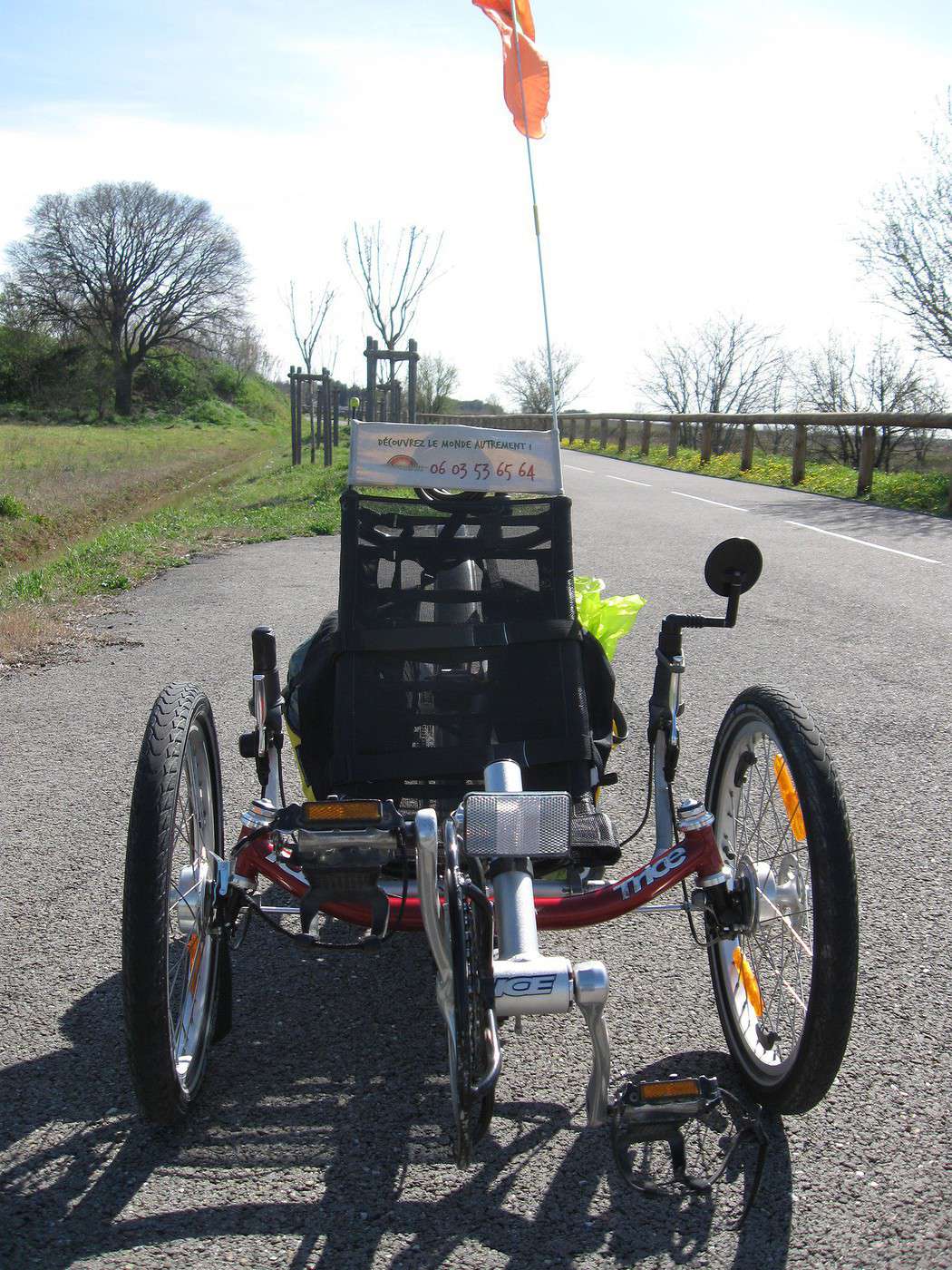
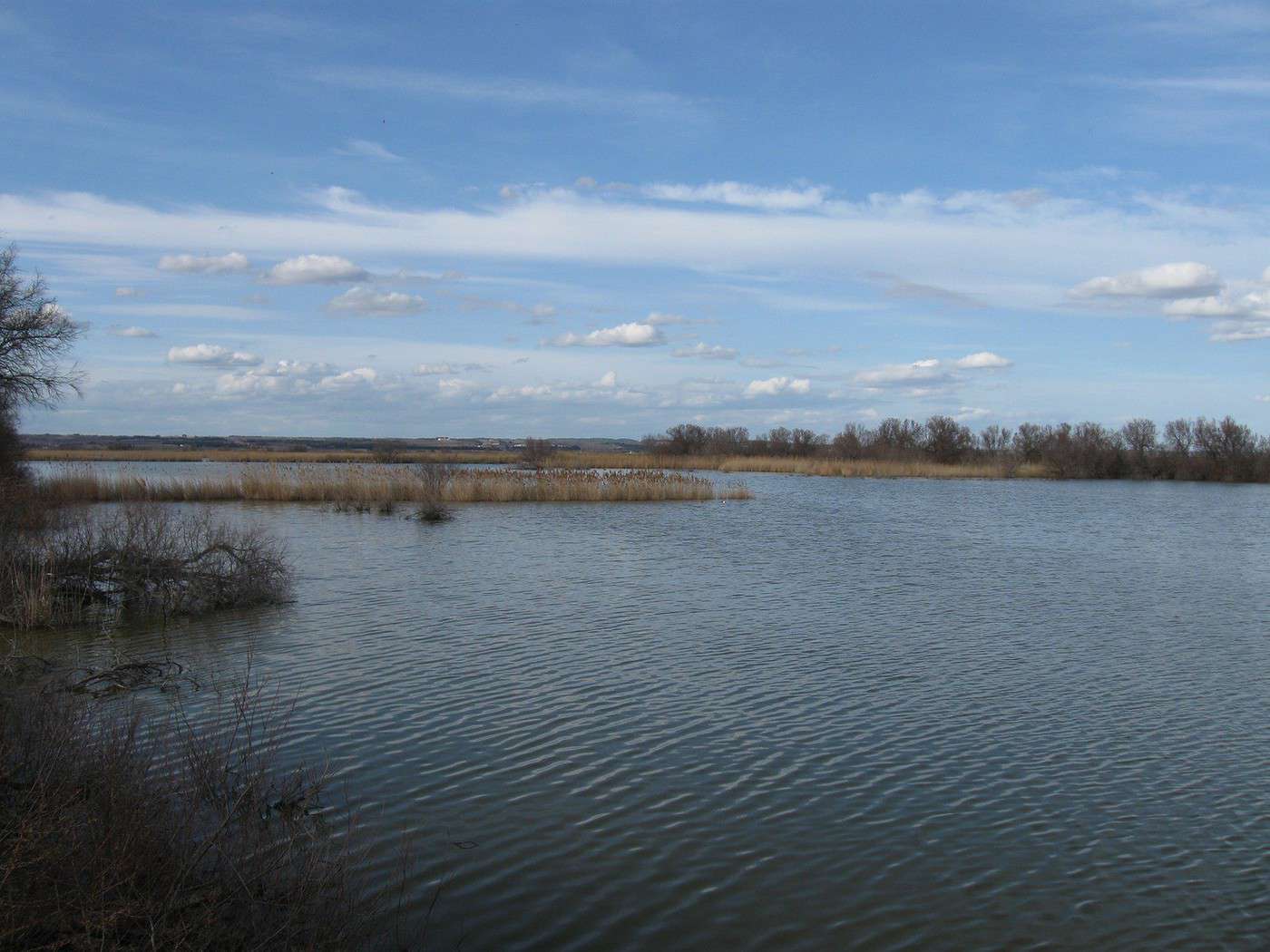
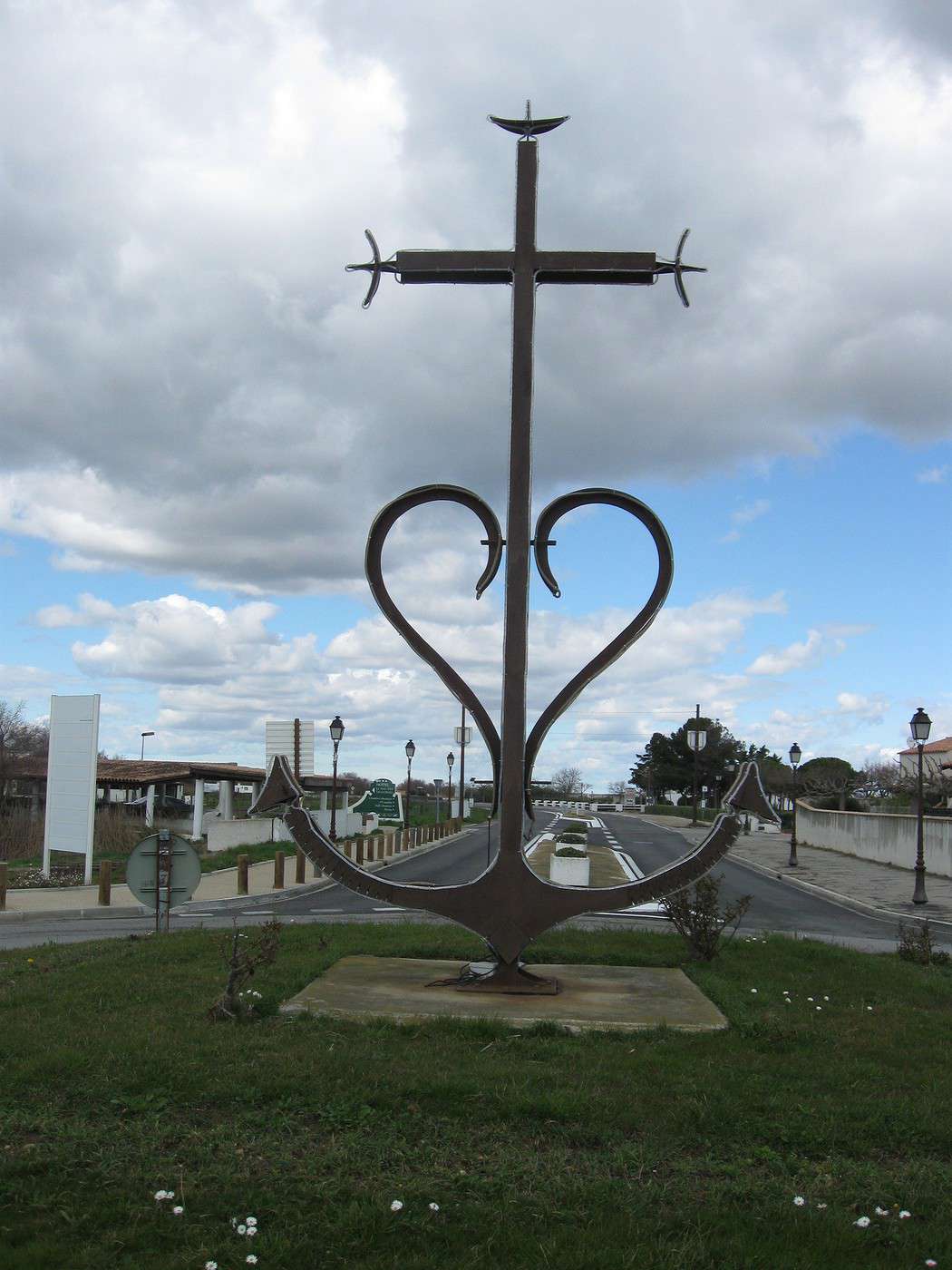
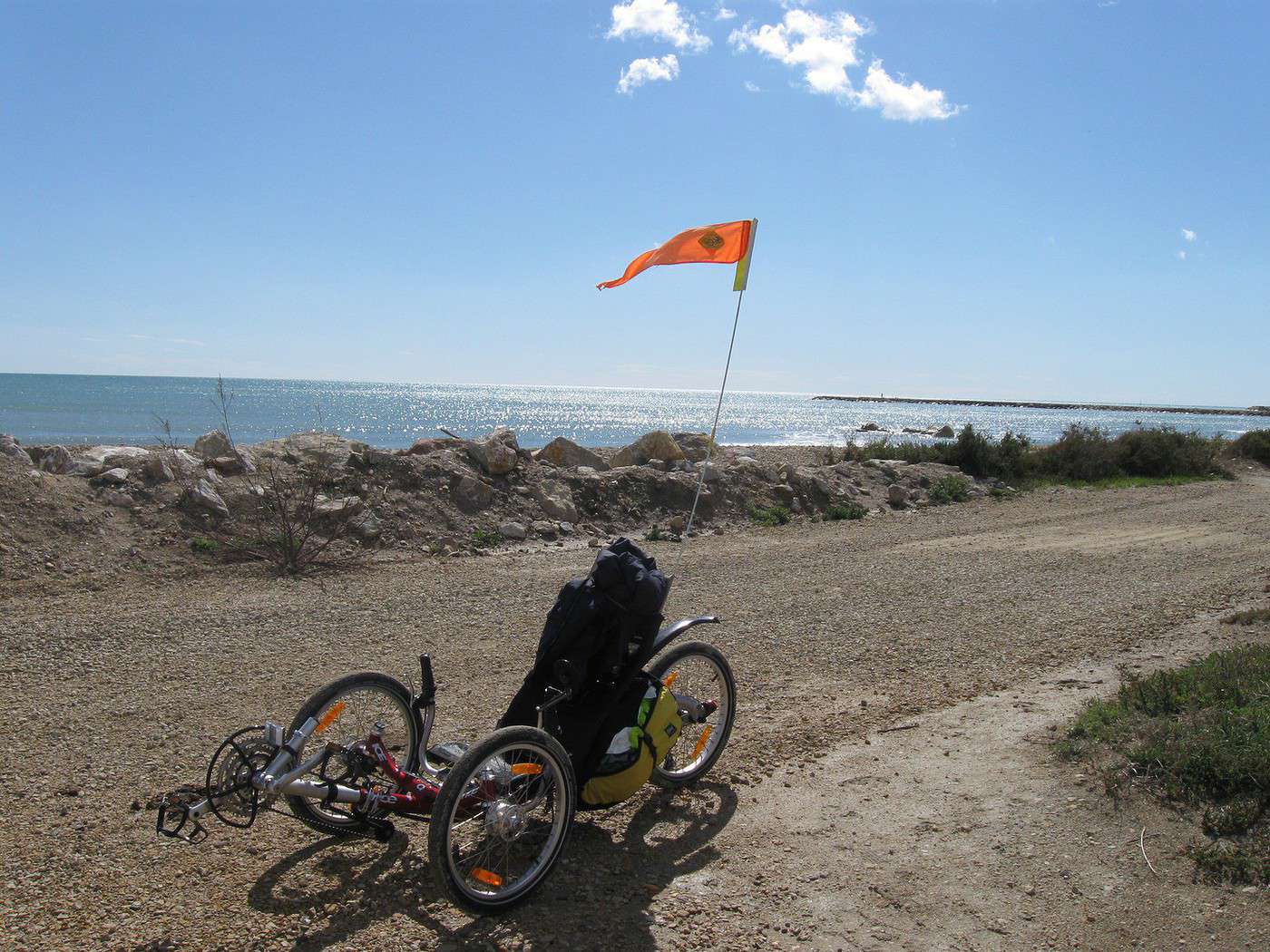
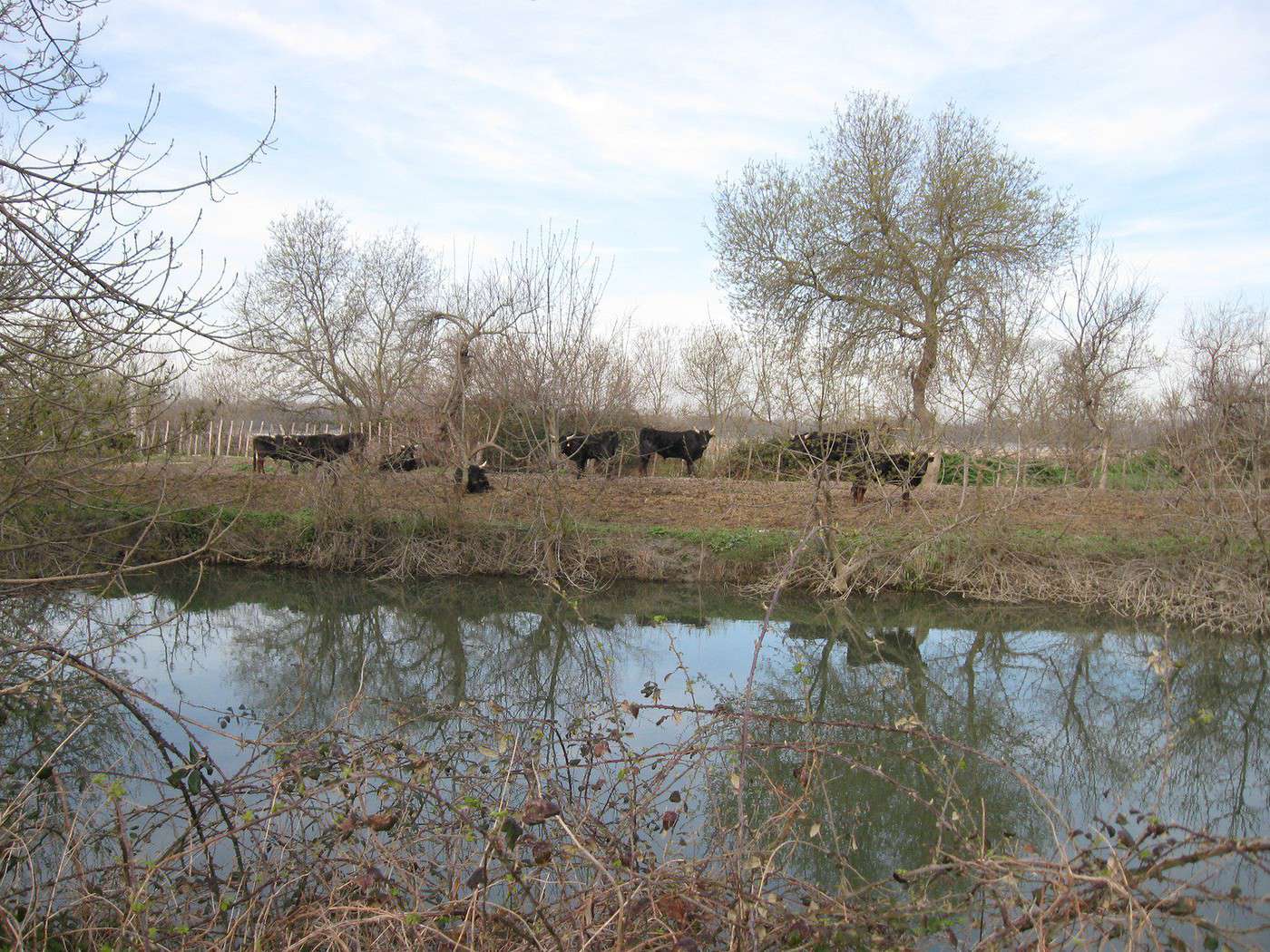
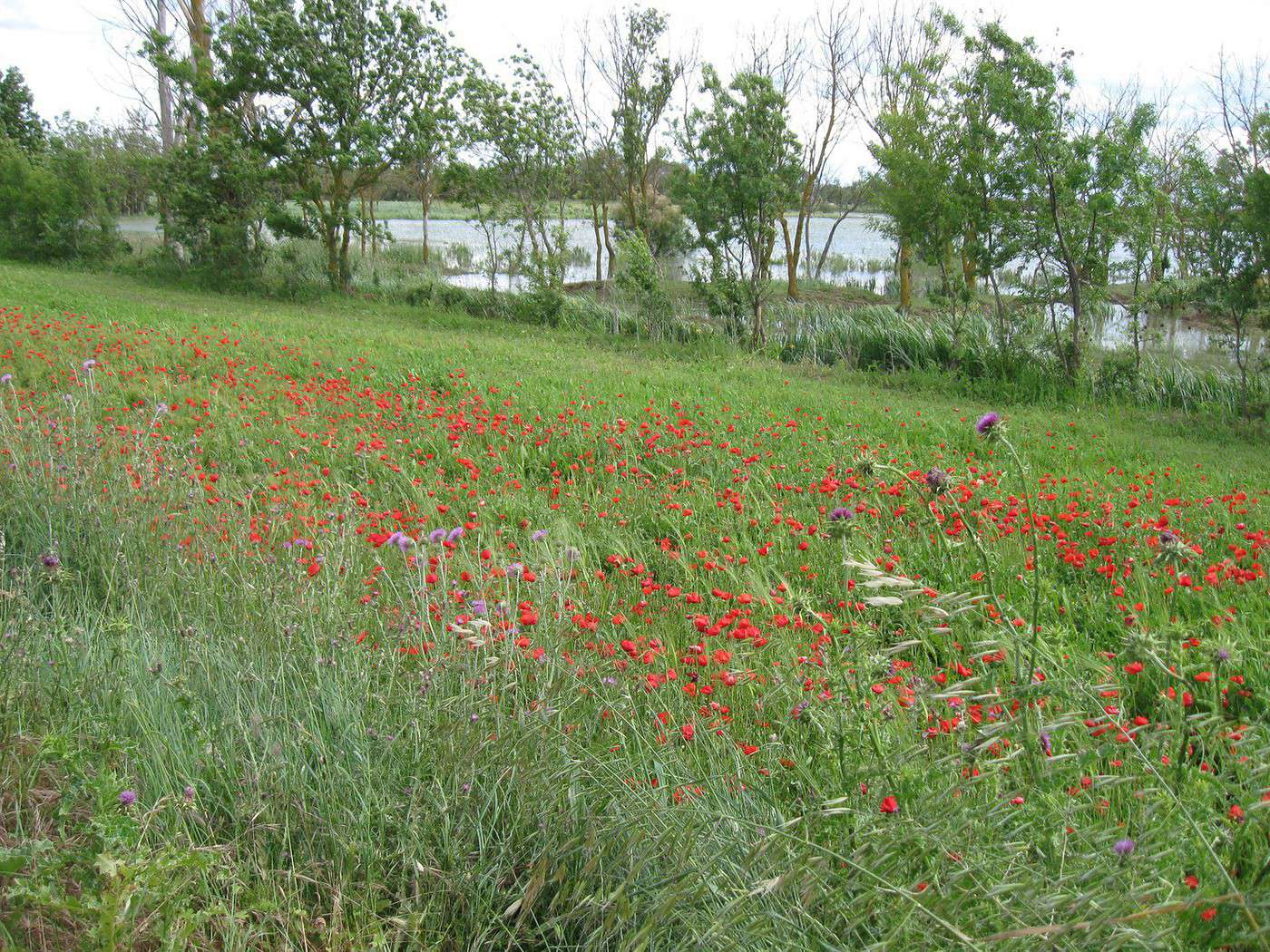
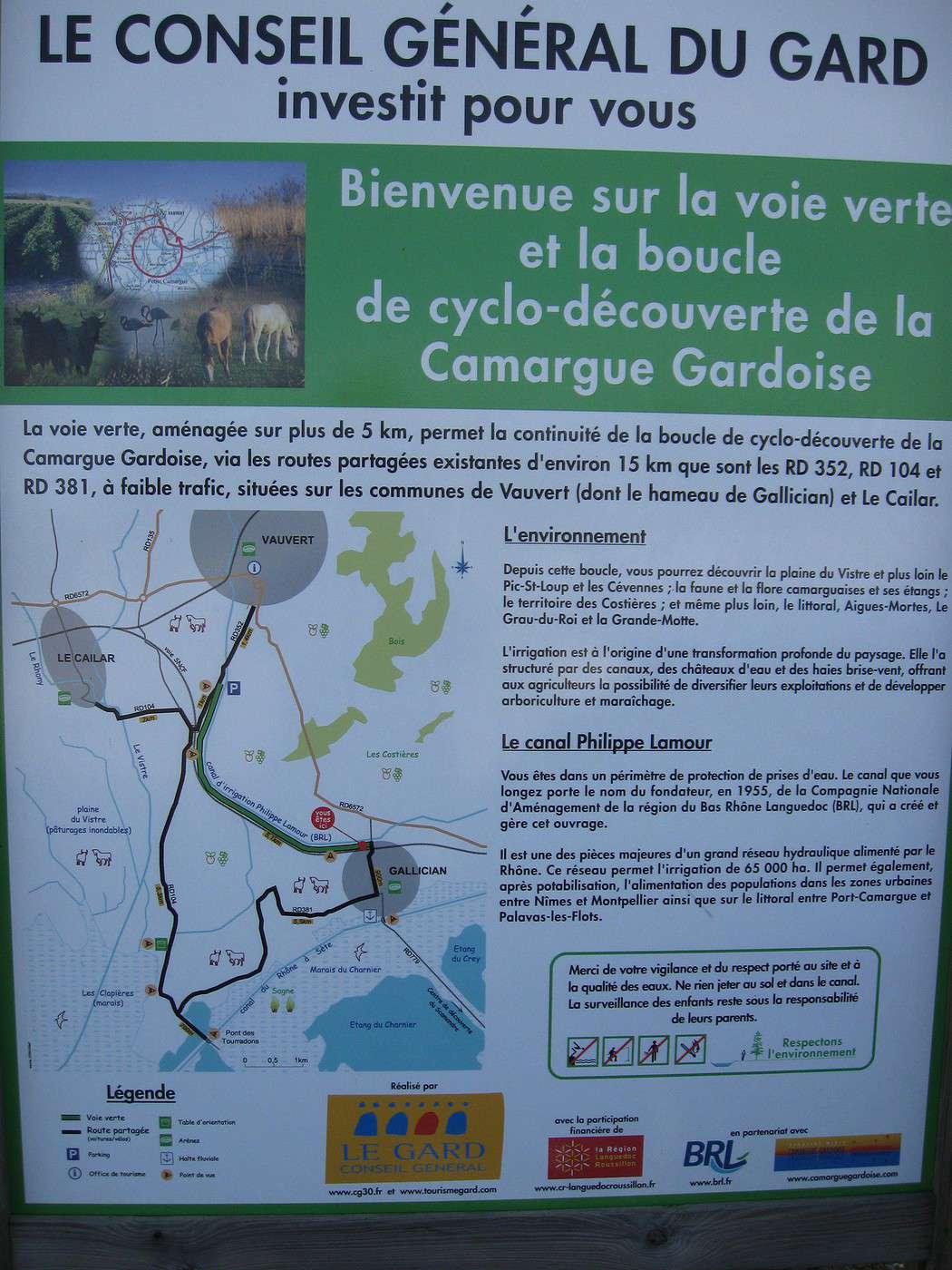
Springtime ride in the Petite Camargue Tuesday 19/03/13: TER train to Toulouse then TGV to Nîmes. This time I follow the canal between the two seas by train. I catch glimpses of it regularly like a photo album of memories scrolling by with the kilometers. The blue sky, 15°C, and blooming peach trees announce the arrival of spring. Then a coach chartered by SNCF takes me to Vauvert, where I’ve booked a recumbent tricycle from one of the few rental shops of this kind: http://www.lebarjonaute.info/ They offer numerous routes: http://www.routeyou.com/user/routes/6543.fr#c=43.587052296397424;4.47868245390498&z=9 After a friendly welcome and the necessary instructions, I take the ICE tricycle http://www.icetrikes.co/ for a spin on the Voie Verte (see photo). I find the gears much harder to shift than on the Scorpion I’d rented in Toulouse. It’s worth noting that one had the option of handlebar-end shifters: http://voyageforum.com/v.f?post=3245557#3245557 Then I take the departmental road to the bird observation center: http://www.camarguegardoise.com/index.php/Le-centre-du-scamandre?idpage=13&afficheMenuContextuel=true#8 After the visit, I call the hostel that caught my attention for its rates and the possibility of safely storing the tricycle: http://www.auberge-des-plaines.camargue.fr/ Indeed, despite the ABUS lock provided, I can’t take the risk with its 3000 € value. Unfortunately, the restaurant will exceptionally be closed tonight, and since it’s isolated in the countryside, I decide not to go. I continue toward Saint-Gilles and call the number displayed on the sign for a guesthouse: http://www.domainedelafosse.camargue.fr/ They don’t offer table d’hôtes at this time of year but suggest I eat the same thing they’ve planned for their dinner. I head there and barely avoid the large puddle that seems to accompany every farmhouse gate in the area. After handing me the key to my room, the owner offers me the use of the hammam in 20 minutes. I take a shower and have some tea while waiting. After crossing the courtyard of this former commandery, which now houses a pool, I enter the opposite building. I step into the hammam, where the steam makes visibility zero. Feeling my way around, I touch the tiles and ceramics, which are still icy despite the half-hour that’s passed. I give up immediately. It seems the owner overestimated the comfort level—especially since, after checking the tourist brochures in my room, I discover their rate is 143 € (breakfast included), while the paint and decor were done roughly, the air conditioning is quite bothersome (like all ACs) in the room, and the bathroom isn’t heated. I’ll keep my coat on for dinner and breakfast in the designated room, also heated by an air conditioner located in the adjacent reception office. Fortunately, I enjoy the shrimp pasta and homemade nougat glace. I’m expecting the worst on the bill when he brings me a small bottle of wine after offering me a glass to go with the meal. I get away with 100 € for the room and 15 € for the meal. Any more and I would’ve complained and listed all the shortcomings. Here’s my initiation to the rates charged in the Camargue.

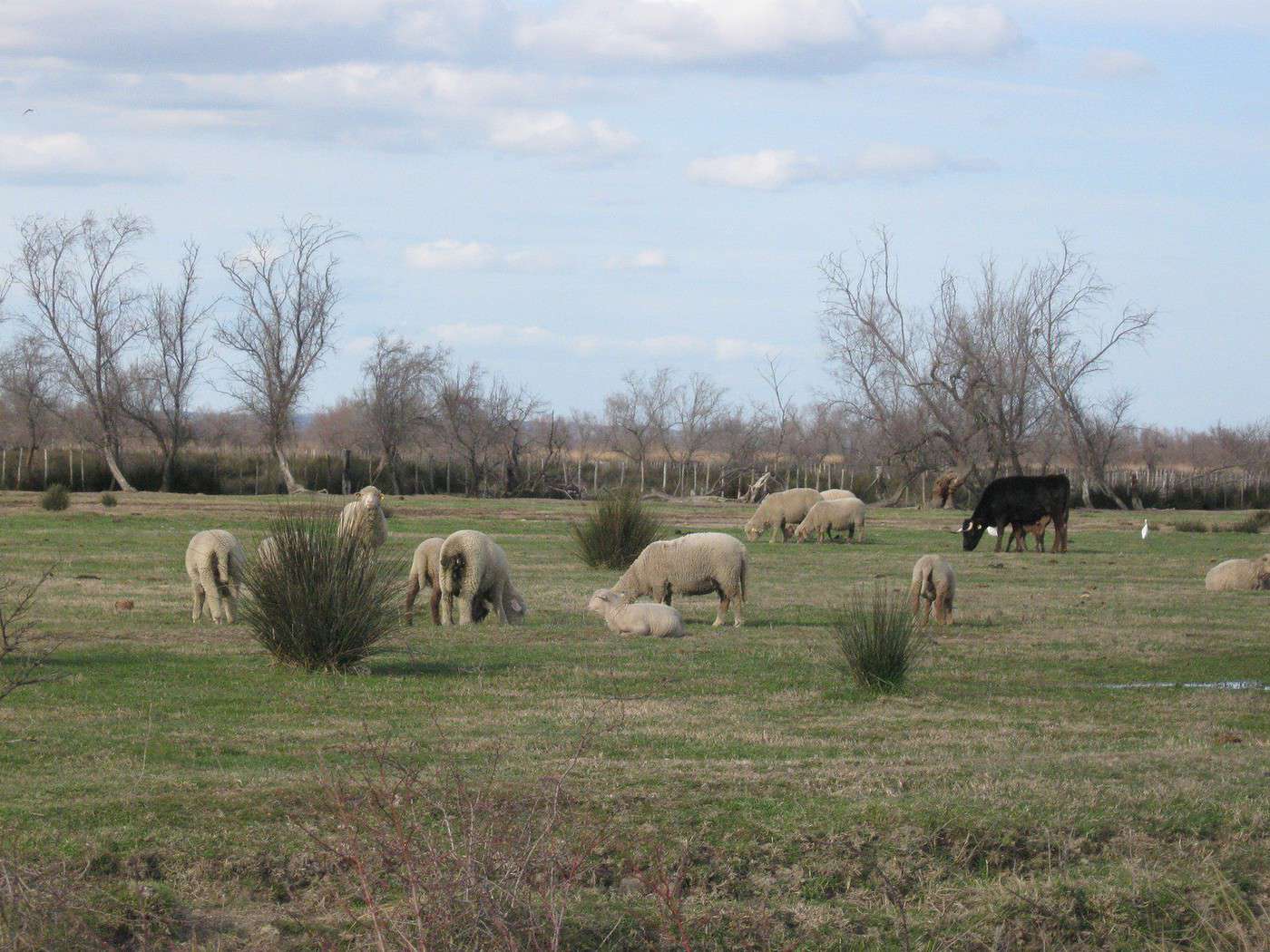
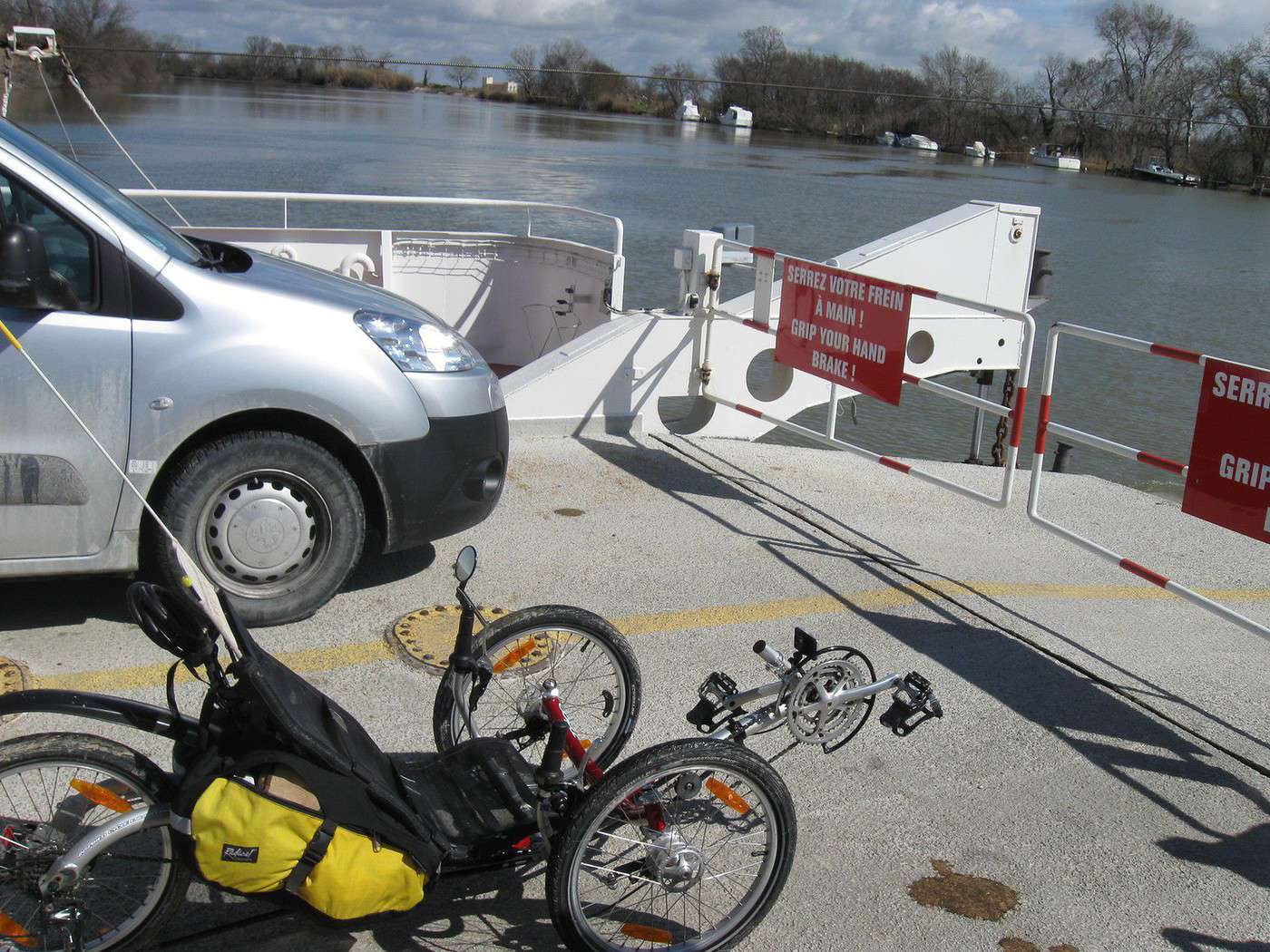
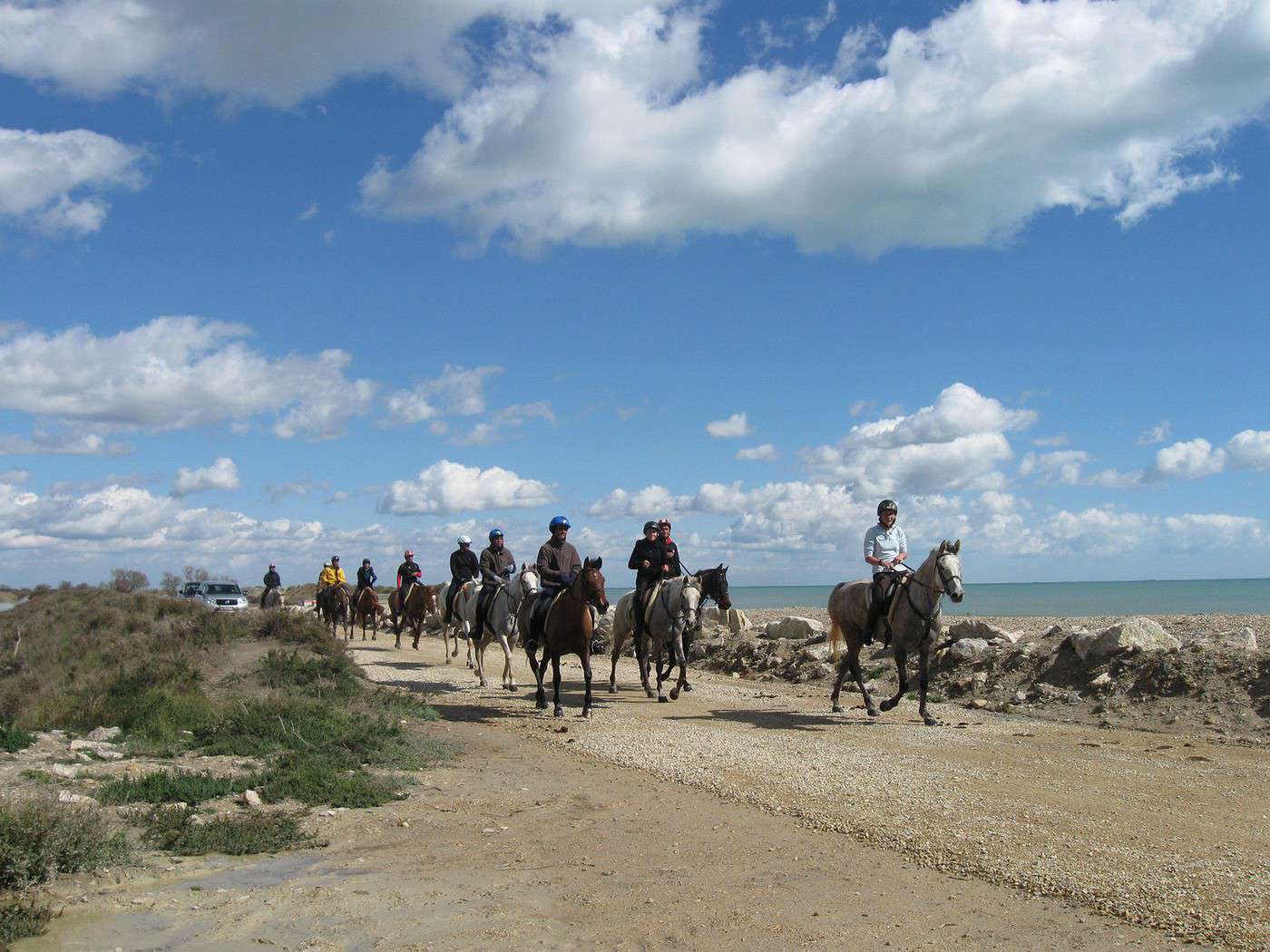
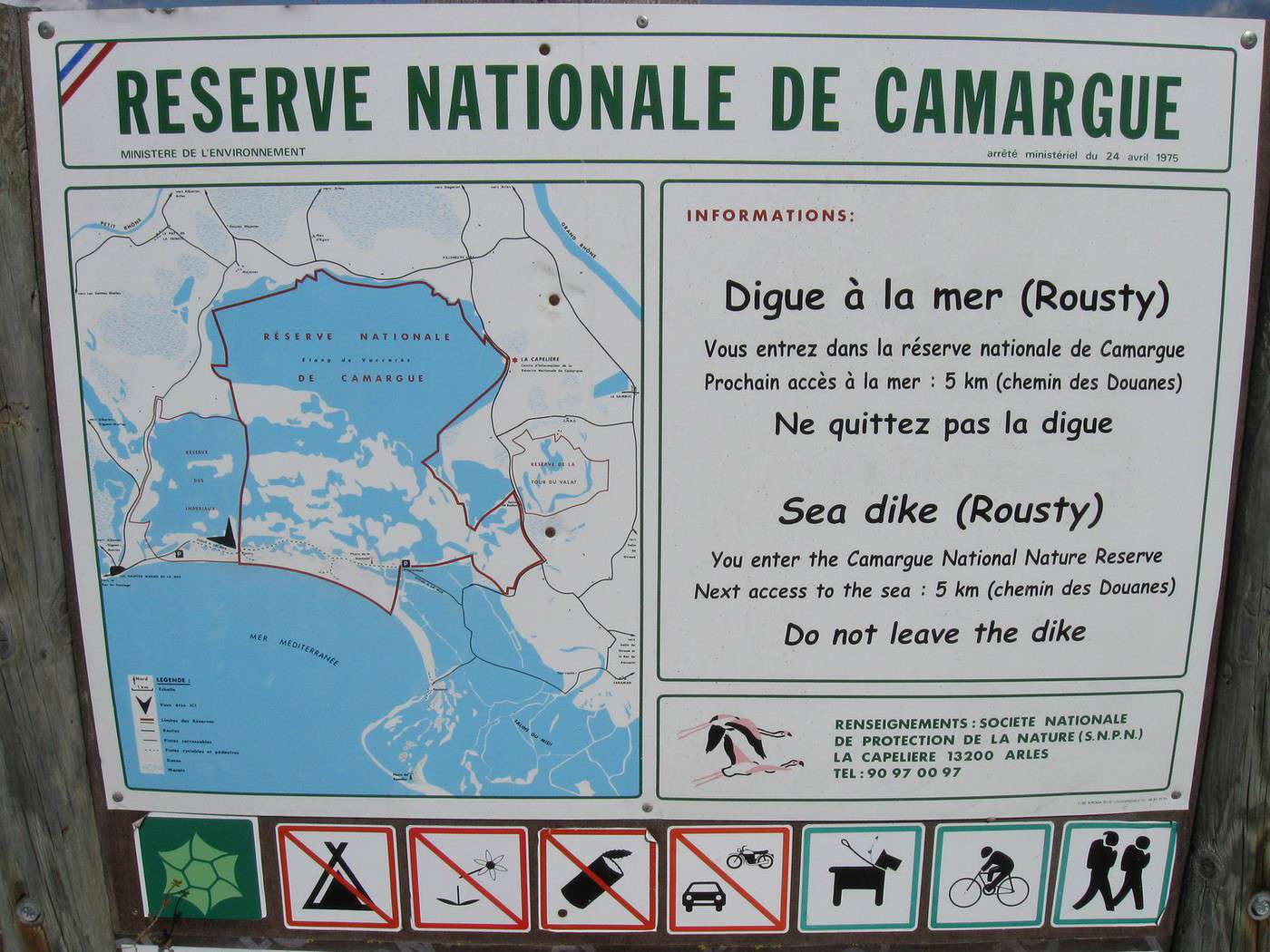
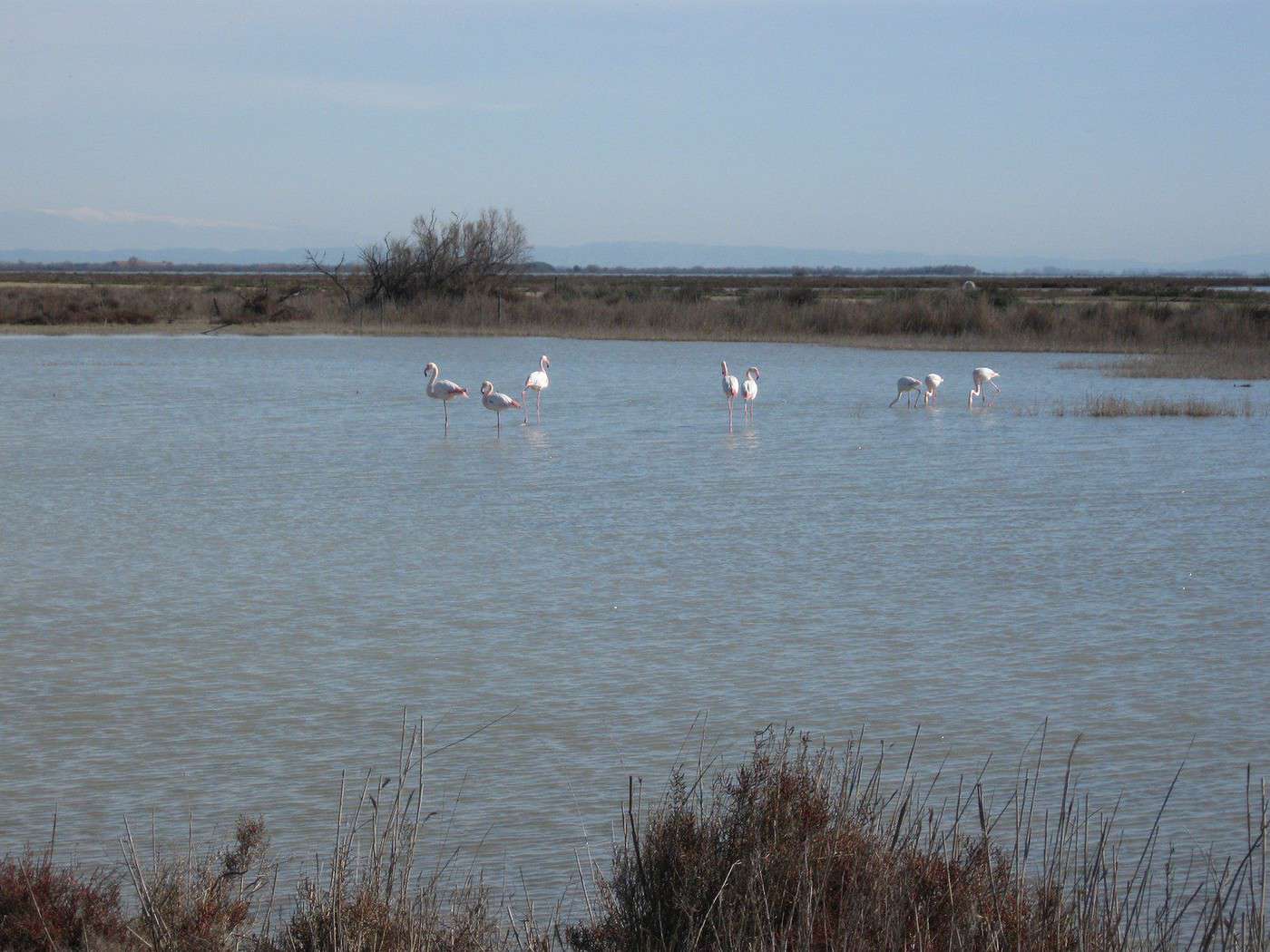
Wednesday 20/03: Given the weather forecast—rain in the morning, sun in the afternoon—I’d postponed breakfast from 8 to 9 AM. I just need to stay sheltered until 10 to avoid the rain. Luckily, since the two front wheels of the trike aren’t equipped with fenders. I decide to scale back my three-day itinerary and head south toward the Mediterranean. I arrive at 11:50 AM at the Sauvage ferry and take the last crossing before the midday break to cross the Petit Rhône. I reach Les Saintes-Maries-de-la-Mer, where I have lunch: bull gardianne and Camargue rice. On my map, the path along the dike leading to the Gacholle lighthouse tempts me. After reapplying sunscreen, I follow the coastline. I’m glad I brought a small bungee cord—it lets me attach my coat to the seat. On either side of this dike path, groups of pink flamingos are busy with their activities. A group of young riders also enjoy the scenery. Oddly, they’re accompanied by two 4x4s. After 5 or 6 km, the path becomes very sandy, and I don’t try to continue with this type of vehicle. You can’t even push it because it’s too low. I return to Les Saintes, where I’d wisely spotted a hotel currently offering a room for 44 €. I’m even allowed to leave my tricycle at reception since only one other room is occupied. I’m finally rewarded for choosing to explore the Camargue outside the busy season.

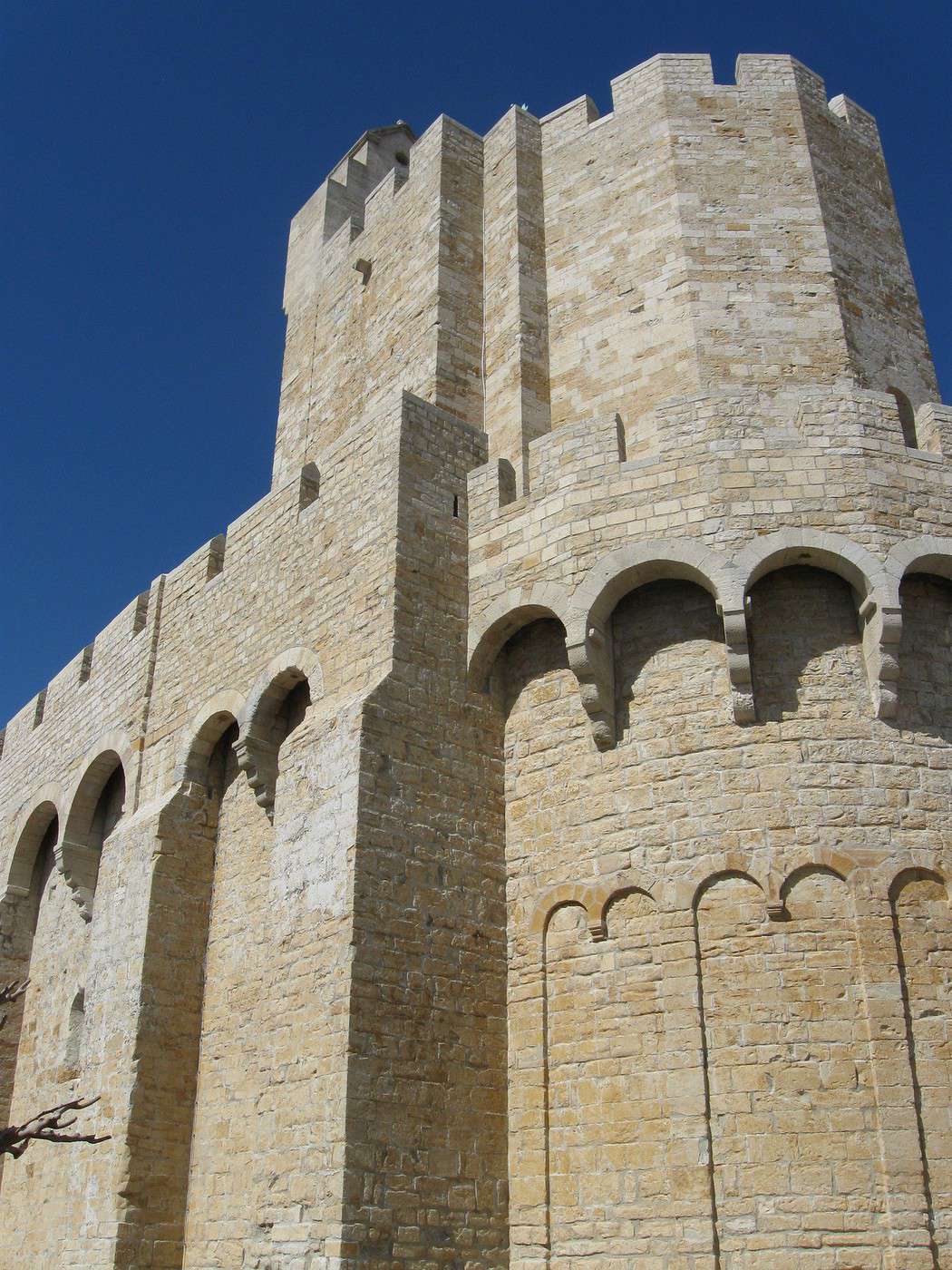
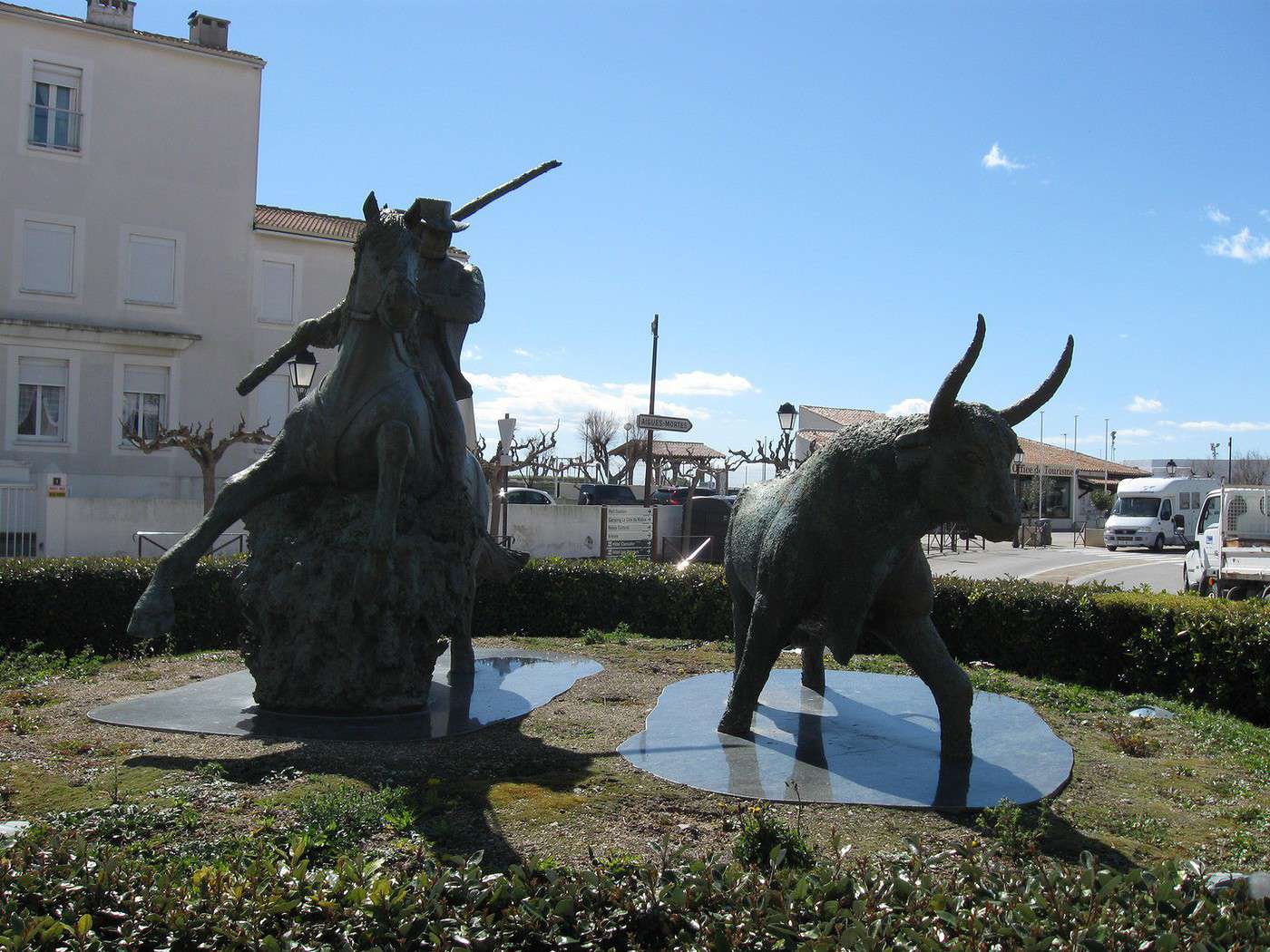
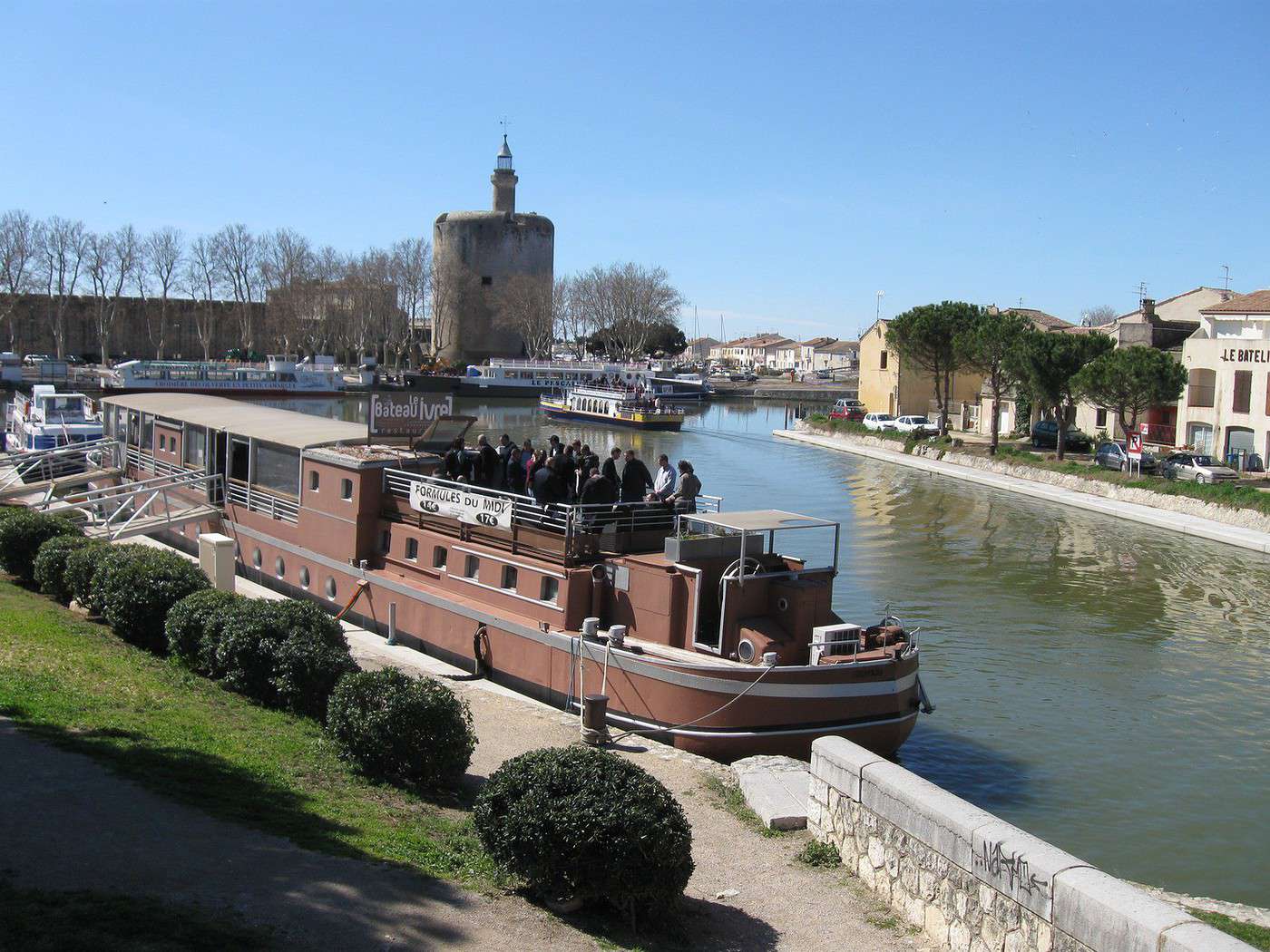
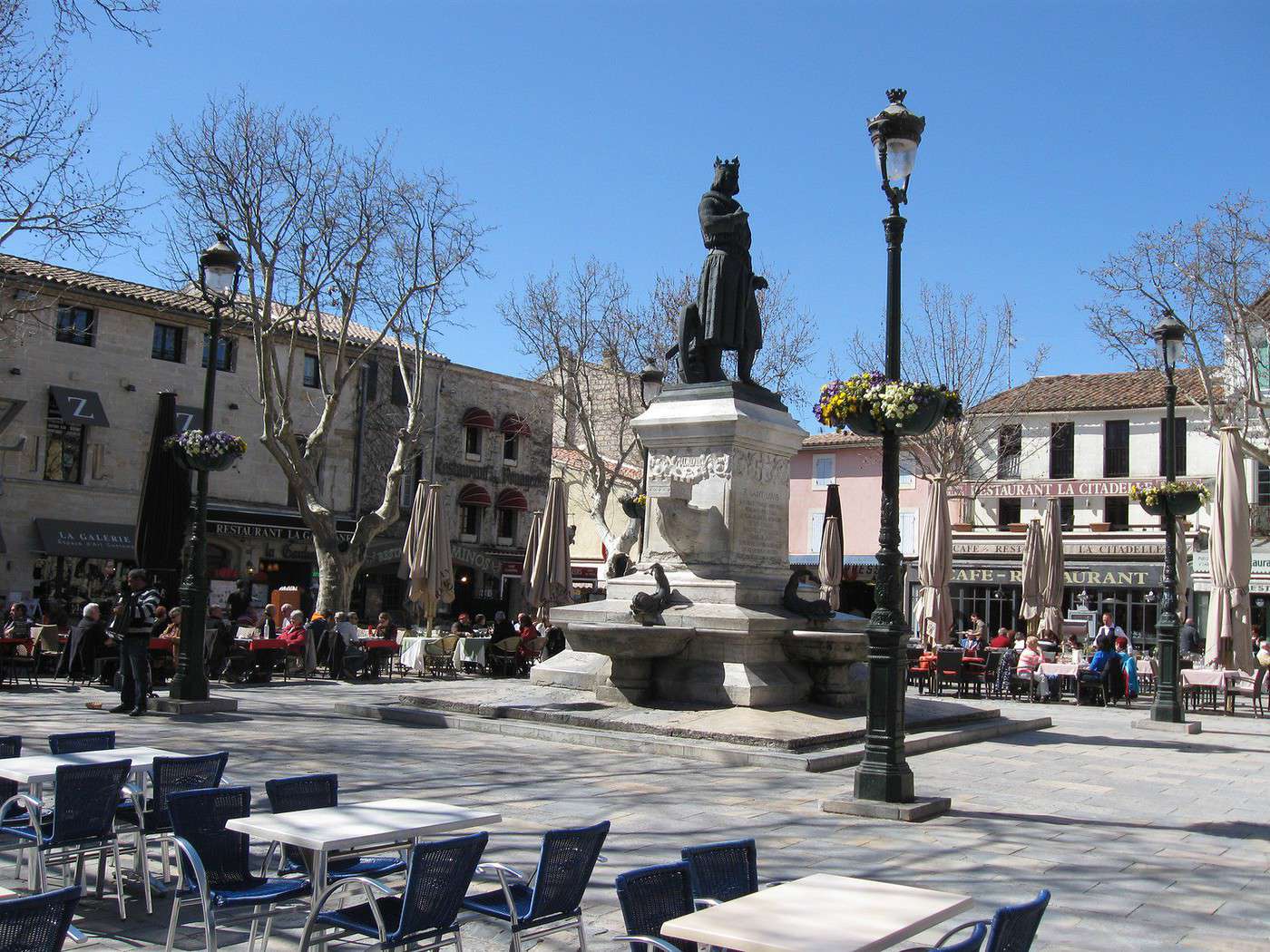
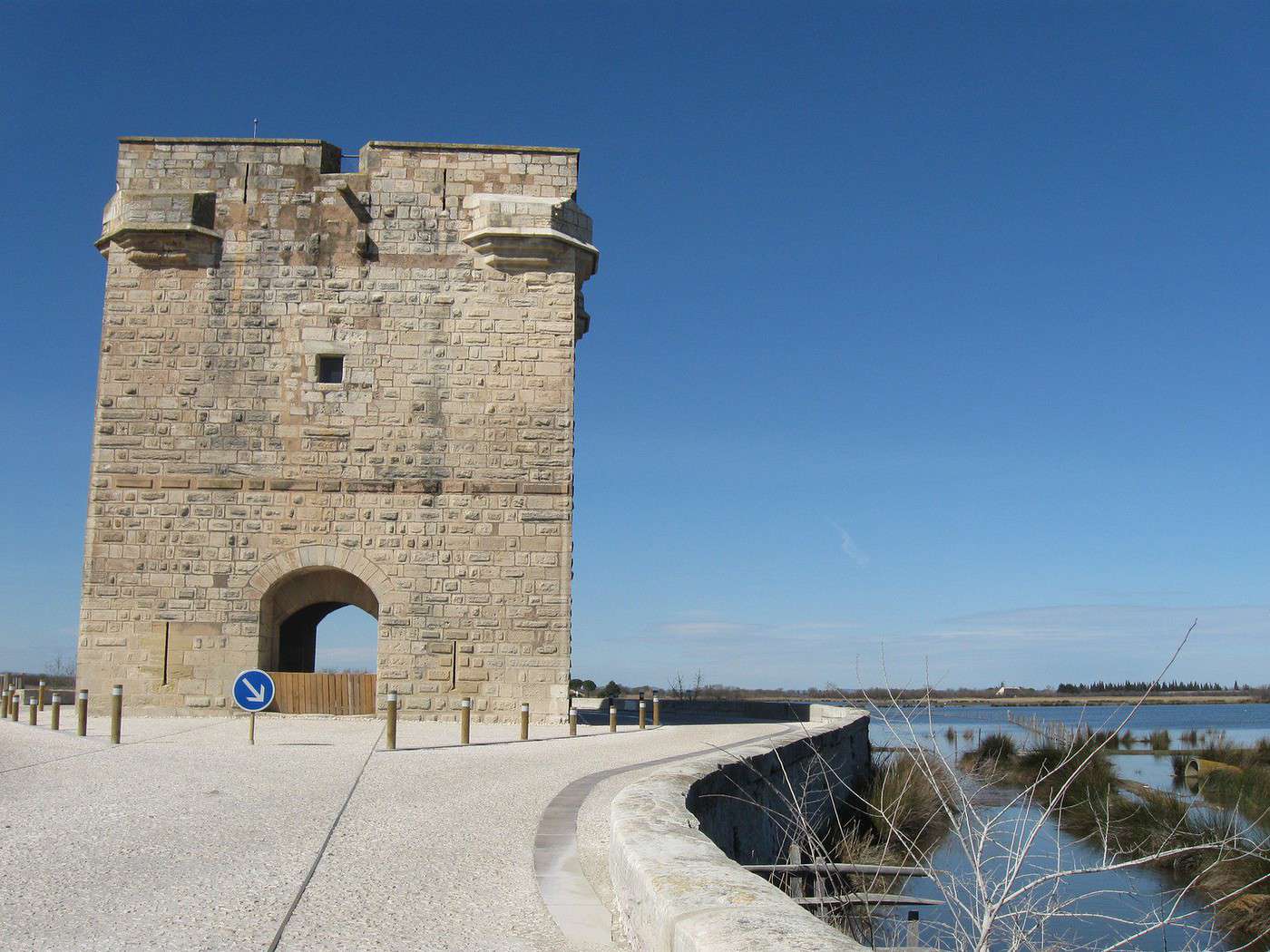
Thursday 21/03: On the D85a, a few tourists still stop to observe the birds. In the morning sun, it’s very pleasant. I invite you to rent a recumbent tricycle to experience the serenity this vehicle brings while crossing the countryside, enjoying the landscape without worrying about balance. You can even take photos without stopping. I cross over the Canal du Rhône à Sète. At this time of year, it’s best to avoid the towpath, which is made up of dredged mud. I calmly reach Aigues-Mortes and park my wheeled chair near the port. The fortified city is truly beautiful, and I come across many foreign tourists. Far from the busy Place Saint-Louis, the two restaurants that caught my attention unfortunately have their terraces in the shade. I still sit on the edge to catch a few rays of sun. But it quickly leaves its zenith, and I prefer to eat my dessert inside. The floating island is excellent—nothing like the one I had the day before. This confirms that it’s better to choose a 16 or 17 € menu rather than a 12 € one. http://www.levictoria-aigues-mortes.com/restaurant-hotel-victoria-aigues-mortes.html To warm up, a little *pénéqué* (Provençal nap) on the port lawn is welcome. Then I take the road to Saint-Laurent-d’Aigouze, the capital of Camargue bullfighting. I reach the Carbonnière Tower, a 14th-century building that controlled the only access road to Aigues-Mortes in the middle of the marshes: http://www.camarguegardoise.com/index.php/La-tour-Carbonni%C3%A8re?idpage=27&afficheMenuContextuel=true It has become a classified site: http://www.languedoc-roussillon.developpement-durable.gouv.fr/IMG/pdf/MARAIS_CARBONNIERE_cle55f134-1.pdf This should speed up the completion of the ViaRhôna, the bike route from Lake Geneva to the Mediterranean in this area. http://www.vvv-sud.org/Images/cartecg30vvv1012-gde.jpg In Saint-Laurent, I only find a ** hotel advertising a room for 80 €. So I follow Le Barjonaute’s advice and call: http://www.lespetitscherri.fr/ But since they’re away and can only welcome me after 7 PM, they give me the number of a guesthouse 3 km away. Here too, it’s 80 €, and the owner gives me directions. As in the whole village, there are many potholes. It’s hard not to hit one with the tricycle. I assume it’s due to the very wet terrain. Following the *Camargue d’Autrefois* signs, the path becomes muddy, and I get splashed by the front wheels. Before reaching the *Mas de la Tour de la Musette*, I realize I’m close to the route the rental shop owner had suggested for a return without taking the main road. After avoiding *the puddle* that comes with the gate, I’m invited to park my vehicle next to the carriage the owner uses for rides: http://www.camargueautrefois.com/ Despite the period tower that allowed surveillance of the property’s hectares and the equestrian charm of the farmhouse, the comfort here also doesn’t match the price. Especially at this time of year, when you can’t use the pool and the heating is insufficient in the room. Having noticed the lack of a kettle in my room, I ask for tea, which the hostess offers me with biscuits in the living room. I’ve just realized I’ve doomed myself to fasting by moving away from the center, where I’d spotted two restaurants. Indeed, I’d had to leave behind snacks and other accessories (compass, knife, poncho, survival blanket, pins...) with my backpack at the rental shop, for lack of space in the light side panniers (cavalry-style). I hadn’t wanted to rent the hiking panniers. Here’s an opportunity to practice a little regenerative fasting.

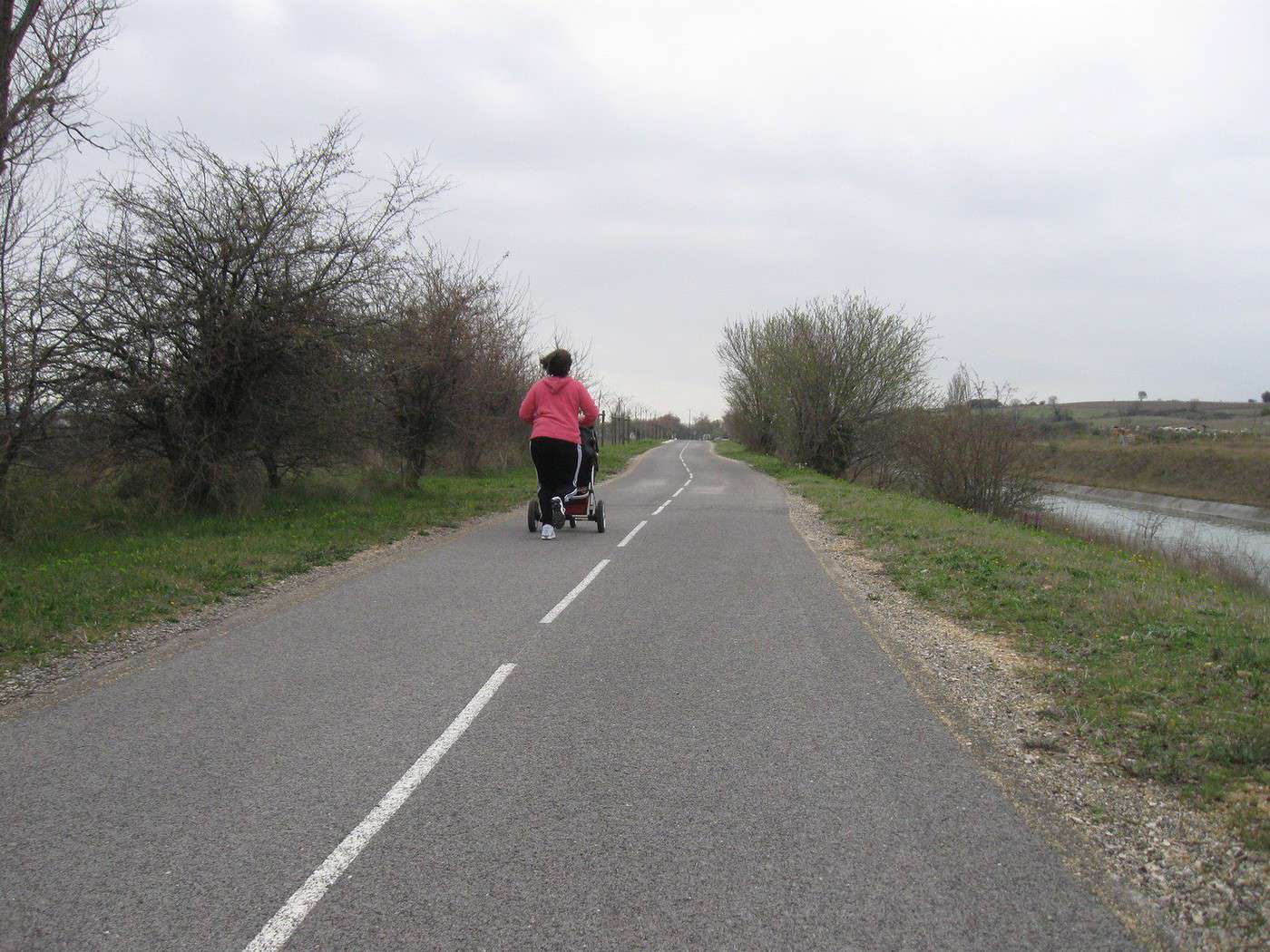
Friday 22/03: After breakfast, I take the path along the Vistre. The second elderly cyclist I meet and chat with for a moment asks me how long I’ve been disabled. This confirms the confusion caused by the recumbent tricycle, but it’s an advantage when it comes to car traffic, which is less aggressive. After visiting Le Cailar and its small market, where they offer *tellines* (small shellfish), I ask at the café while drinking my hot chocolate how to get to the Voie Verte for Vauvert. I thus complete my loop by retracing this very pleasant section. I pass a mom jogging with a stroller. I wonder if the designers had this use in mind. But the Voie Verte, combining safety and quality surfacing, is perfectly suited for this activity. I’m early, but since the sky is overcast, I prefer to return the tricycle before noon to take the time to share my feedback with the rental shop. I can then have lunch and visit Vauvert before taking the 2:38 PM coach. I enjoy my meal at *Le Fiacre* restaurant. The coach, which left 2 or 3 minutes late, struggles to reach its destination with the Friday afternoon traffic. It drops me off just in time to run and catch my Intercité train. Same in Toulouse—the 9 minutes for the connection shrink to 2. Fortunately, I know the departure platform. I would’ve had to avoid Friday if I’d wanted to travel with my bike; otherwise, I would’ve definitely missed the connection.

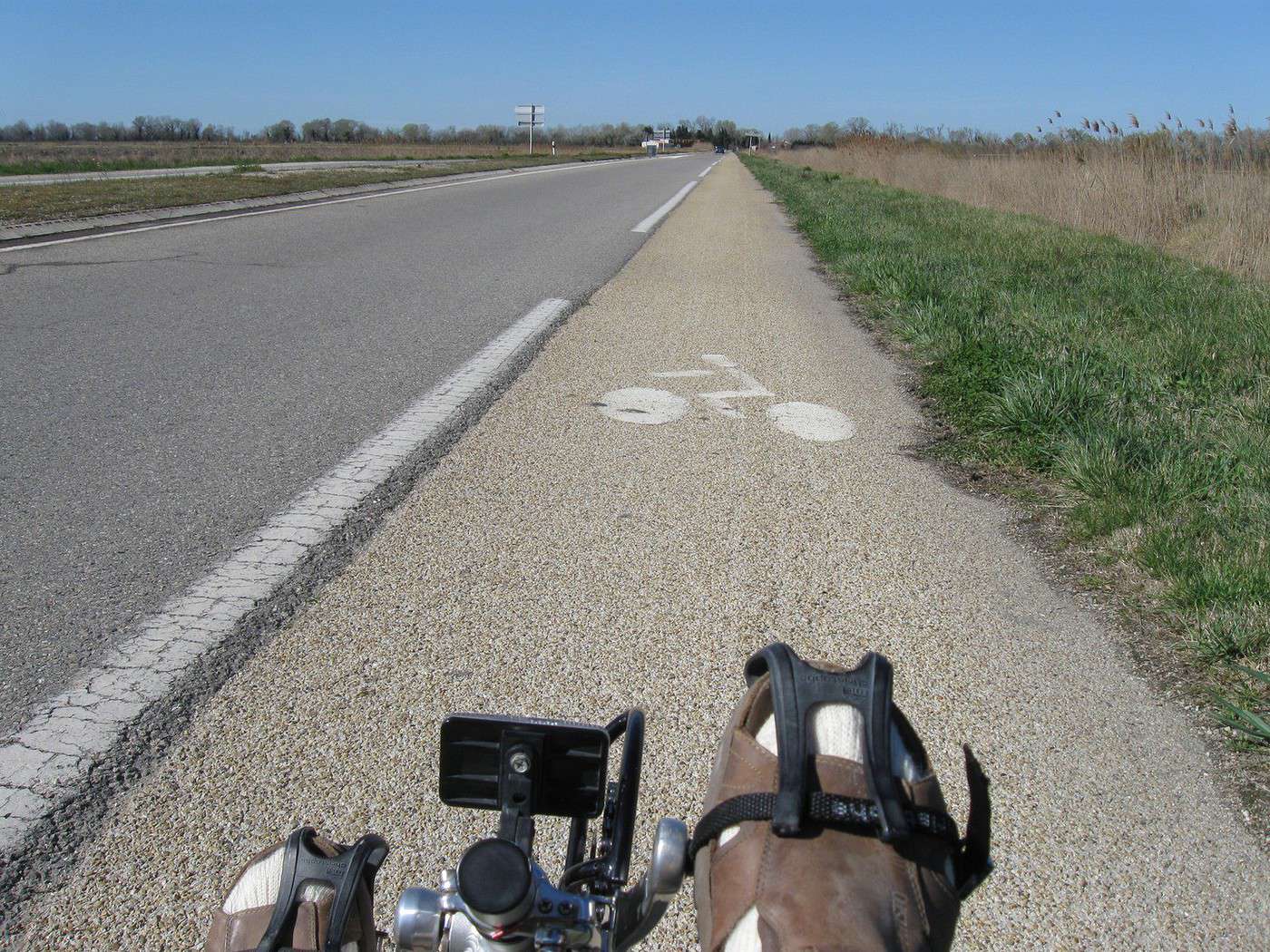
In conclusion, I still want to buy a recumbent tricycle for my retirement, with the goal of using it mainly along the canal between the two seas, extending the perimeter from the Arcachon Basin (with its many bike paths) to the Voies Vertes of the Mediterranean. Unless France establishes a bike lane (like the one I’ve just used in the Bouches-du-Rhône—see last photo) on many routes. And as *La Sacoche* suggests: http://lasacochecyclo.free.fr/lasacoche/page/LS_38_cpv_01_BandesDerasees.pdf

You too can defend your ideas. Now’s the time to join the debate: http://www.transition-energetique.gouv.fr http://www.transition-energetique.gouv.fr/

After reading others’ ideas: http://www.transition-energetique.gouv.fr/les-idees http://www.transition-energetique.gouv.fr/les-idees

Maybe the state will finally understand the benefits of promoting cycling as a means of transport that improves health by strengthening the immune system and protecting the cardiovascular system. And that it will develop our territory so everyone can practice it safely.
Biking (MTB) along the Canal between the Two Seas (France)

Belzeboss · 2013-05-06 · Message 149 of 310

I'm leaving Wednesday from Bordeaux! My first trip! Silly question in this case given your article! Should I put on road tires (slicks) or my all-terrain ones (knobbies)?

Biking (MTB) along the canal between the two seas (France)

Facteur4 · 2013-05-06 · Message 150 of 310

Hello and welcome, While reading your other messages, I gather you’re heading to the Canal du Midi, and if you have slick, narrow tires, it won’t be great for the dirt and roots. But on the bike path along the Garonne lateral canal, wider tires will slow you down. You’d have needed something in between. I’ve got these and I’m really happy with them: http://www.itinbikes.com/PBSCProduct.asp?ItmID=7382561&AccID=30953&PGFLngID=0&gclid=CPaSqbT0gbcCFYHHtAod9QEA-g But I guess it’s too late for you now. Safe travels!

Biking (MTB) along the Canal between the Two Seas (France)

Belzeboss · 2013-05-06 · Message 151 of 310

No, I'm in the middle of adjusting my trailer! 2/3 welds to go! The 50 € trailers from eBay are fantastic! You've got to do everything yourself :D I've got both slick and all-terrain tires—I was thinking of bringing both!

Biking (MTB) along the canal between the two seas (France)

Facteur4 · 2013-05-06 · Message 152 of 310

Single-wheel trailer, I hope! So if there's space, why not, and only put on the fenders if necessary. Have a good trip.

Biking (MTB) along the Canal between the Two Seas (France)

Belzeboss · 2013-05-06 · Message 153 of 310

Yes, I just tried it tonight! 52 km with 32 kg—everything’s good!! Gotta oil the chain; I didn’t think it’d pull that much!! Tomorrow I’ll try to find some tires like you showed me!!! For a first trip organized in 2 weeks, I’m feeling good about it :) Thanks so much!!

Biking (MTB) along the canal between the two seas (France)

Facteur4 · 2013-05-07 · Message 154 of 310

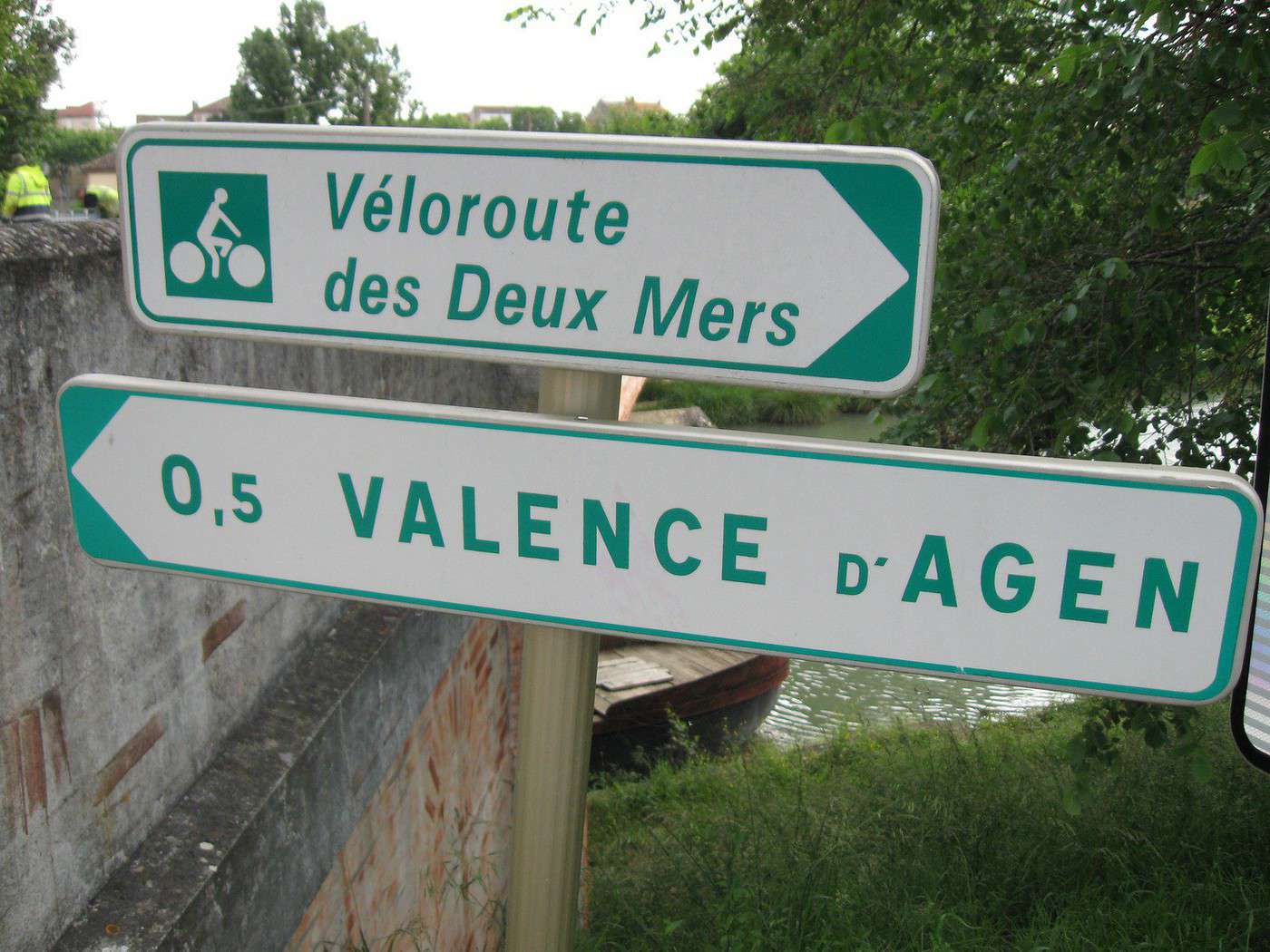
Perfect! Don’t hesitate to stop at the rest area in Valence d'Agen: http://voyageforum.com/v.f?post=4210620#4210620 See photos here: http://voyageforum.com/v.f?post=4229381#4229381 As you can see, it’s 112 km from Castets-en-Dorthe (end of the canal lateral to the Garonne) and it’s very well equipped. It’s on the right just before the port of Valence d'Agen, in the old slaughterhouses.

Biking (MTB) along the Canal between the Two Seas (France)

Belzeboss · 2013-05-26 · Message 155 of 310

I'M BACK AND OVER THE MOON!!!

This was an amazing adventure for my first trip! Here’s a bit about my journey: 824.69 km covered Average speed: 16 km/h Top speed reached: 68 km/h Time spent on the bike: 51h34 + Hike up Pic St Loup Cities visited: Bordeaux - Toulouse - Carcassonne - Agde - Béziers - Montpellier - St Mathieu de Tréviers - Sommières - Nîmes - Marguerites - Montpellier

I had some incredible moments! The toughest days were the best—it’s when you meet people!

I only had one full day of rain, otherwise it wasn’t too bad!

I highly recommend bringing saline solution for pollen—I didn’t have any and suffered, especially on public holidays :(

My trailer held up well, no major issues, just a few adjustments needed! Only one flat tire at the threshold of Narouze!

I camped all over the place, which let me witness two stags fighting at dawn—it was amazing!!

The view of the snow-capped mountains

I loved how respectful people were when they saw me with the trailer, and the exchanges with other cycle tourists!

The hike up Pic St Loup was a highlight—definitely worth doing again!

The stops at Facebook contacts’ places were great too!

This route is really awesome—I fell in love with bike travel right away and can’t wait to hit the road again!!!!!

My approximate itinerary: Day 1: 70 km (Bordeaux - Marmande) Day 2: 100 km (Marmande - Lafox) Day 3: 112 km (Lafox - Toulouse (stayed with a Facebook contact, left the next afternoon)) Day 4: 50 km (Toulouse - Port Lauragais) Day 5: (Port Lauragais - Trèbes) Day 6: (Trèbes - Agde) Day 7: (Agde - Montpellier (stopped at a Facebook contact’s for 3 days)) Then 3 days waiting in St Mathieu de Tréviers for good weather to hike Pic St Loup Hike done on Pentecost Monday Left the next day for Nîmes, then Marguerites Returned to Montpellier and finally took the train in 3 legs (Montpellier - Narbonne / Narbonne - Toulouse / Toulouse - Bordeaux)

Biking (MTB) along the canal between the two seas (France)

Facteur4 · 2013-05-27 · Message 156 of 310

Glad you enjoyed your first bike trip! I’m actually heading out in a few minutes:

I have to do an internship in Lyon during the first week of June. Starting from Agen, I could do what most of my colleagues do—rent a car to get to Toulouse Blagnac Airport and then take a one-hour flight to Saint-Exupéry. Or, like those who are afraid to leave the ground, take the train in 8 hours, whether via Paris (pretty wild) or via Marseille, or in 7.5 hours with changes in Toulouse and Nîmes (already more logical). Theoretically, no one would drive. Since my employer barely reimburses car mileage to discourage this riskier option, it’s not worth covering the 520 km in 6 hours. I’ve chosen to bike there, combining the useful and the pleasant, and cover 650 km by taking the southern route. This will also reduce the carbon footprint of this internship. Since I’m off the week before, I’ve decided to ride safely along the *canal latéral à la Garonne* to Toulouse, then the *canal du Midi* to Sète. After that, I’ll take the towpath of the *canal de Sète au Rhône*, which joins it at Beaucaire and Tarascon. http://ronfleur.r.o.pic.centerblog.net/cml9nkmu.jpg Next, I’ll follow the Rhône, which will be risky until the *ViaRhôna* bike route is finished. A ride that’s doable in just under a week with a loaded MTB. The problem is the return trip—I’m not sure if the three trains I need to take (Lyon-Montpellier, Montpellier-Toulouse, and Toulouse-Agen) will accept my bike. Plus, on its website, SNCF doesn’t allow booking a bike space (for 10 €) when one is available. From my experience with multiple bike trips, getting on the train is often difficult. Recently, the large white bicycle logos that indicated equipped cars were replaced with tiny ones on a blue background. It’s really hard to spot them when the train arrives. Train compositions never show which cars have bike compartments, and staff never know whether to board at the front or back. Since it’s tough to climb the two high steps of the old *Corail* cars through the narrow door with a loaded bike, it delays other passengers and the departure. In TGVs, bike spaces are very limited, and SNCF had decided that the new double-decker trains wouldn’t have any at all. Luckily, I just learned that these new double-decker trains will finally accept 2 bikes. It’s not much, but it might let two travelers get home. Only in TERs are bikes accepted for free, with a bit more space, which is useful for many daily commuters. The state should require SNCF to make train travel easier for bikes by adding a dedicated car at the end of trains if needed. Because the TRAIN + BIKE combo is perfect for the energy transition. Cyclists need to be considered and properly informed. Here are two links to my first work trips where I combined train and bike: http://voyageforum.com/v.f?post=2799841#2799841 http://voyageforum.com/v.f?post=3804254#3804254

Biking (MTB) along the canal between the two seas (France)

Facteur4 · 2013-05-27 · Message 157 of 310

My third business trip by bike Day 1 Monday 27/05/13 Valence d'Agen 09:15 AM Toulouse 05:00 PM 91 km I quickly reach the bike path since I'm lucky enough that the lateral canal to the Garonne runs through my village. I won’t explain this part again as it’s been described many times in previous stories. I’ll just remind you that the towpath is paved along its entire length: http://www.canal-et-voie-verte.com/

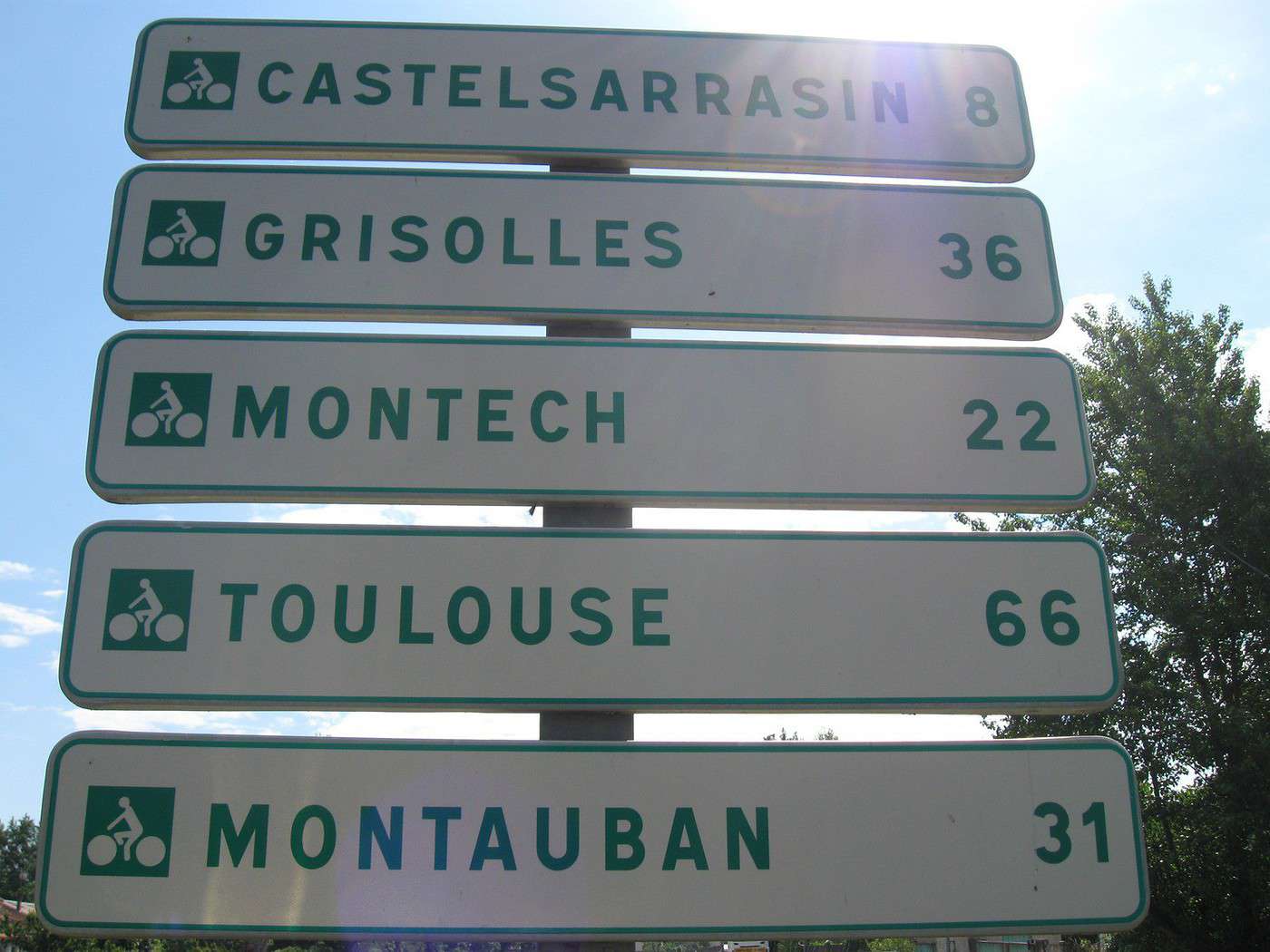
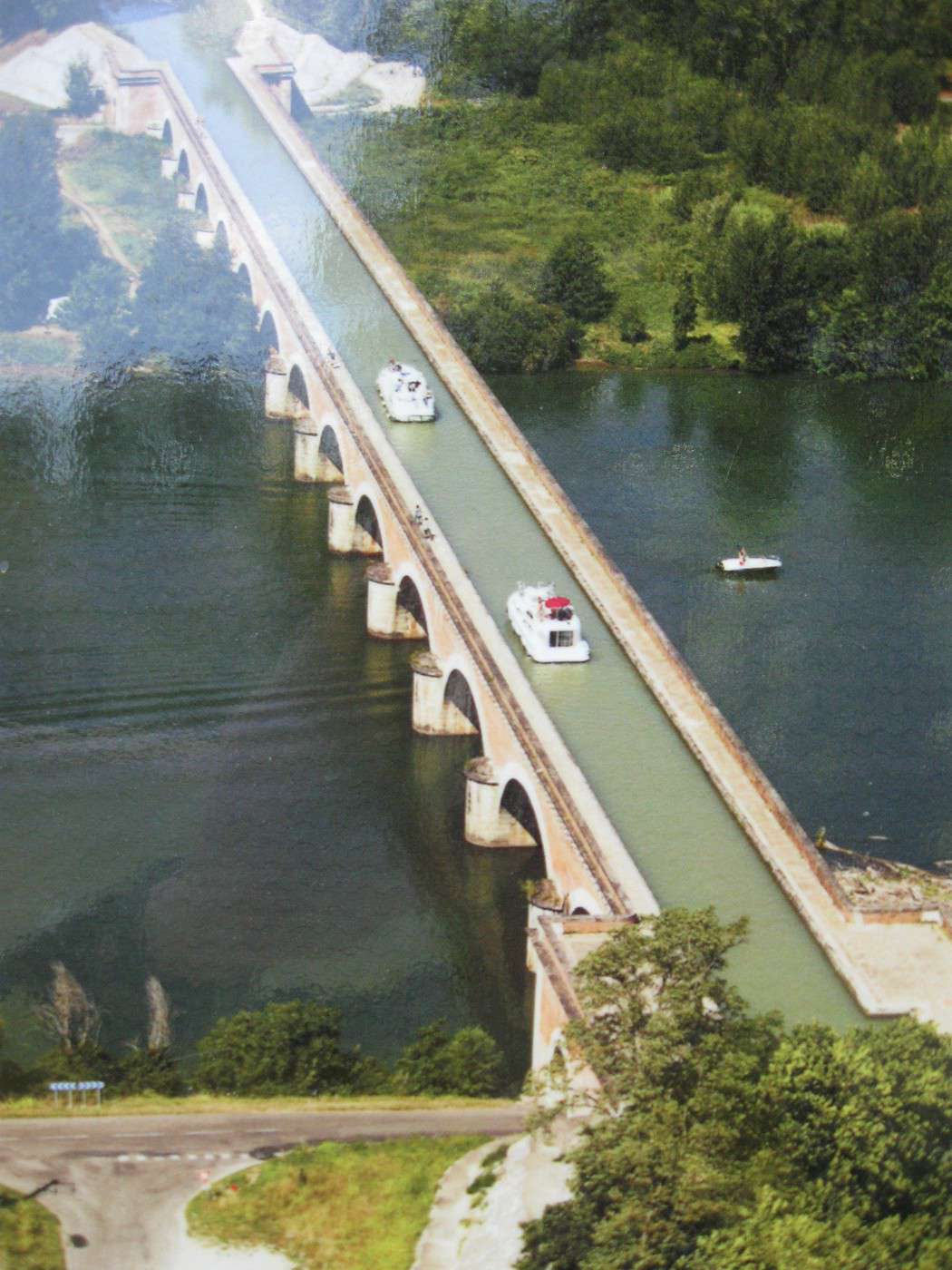
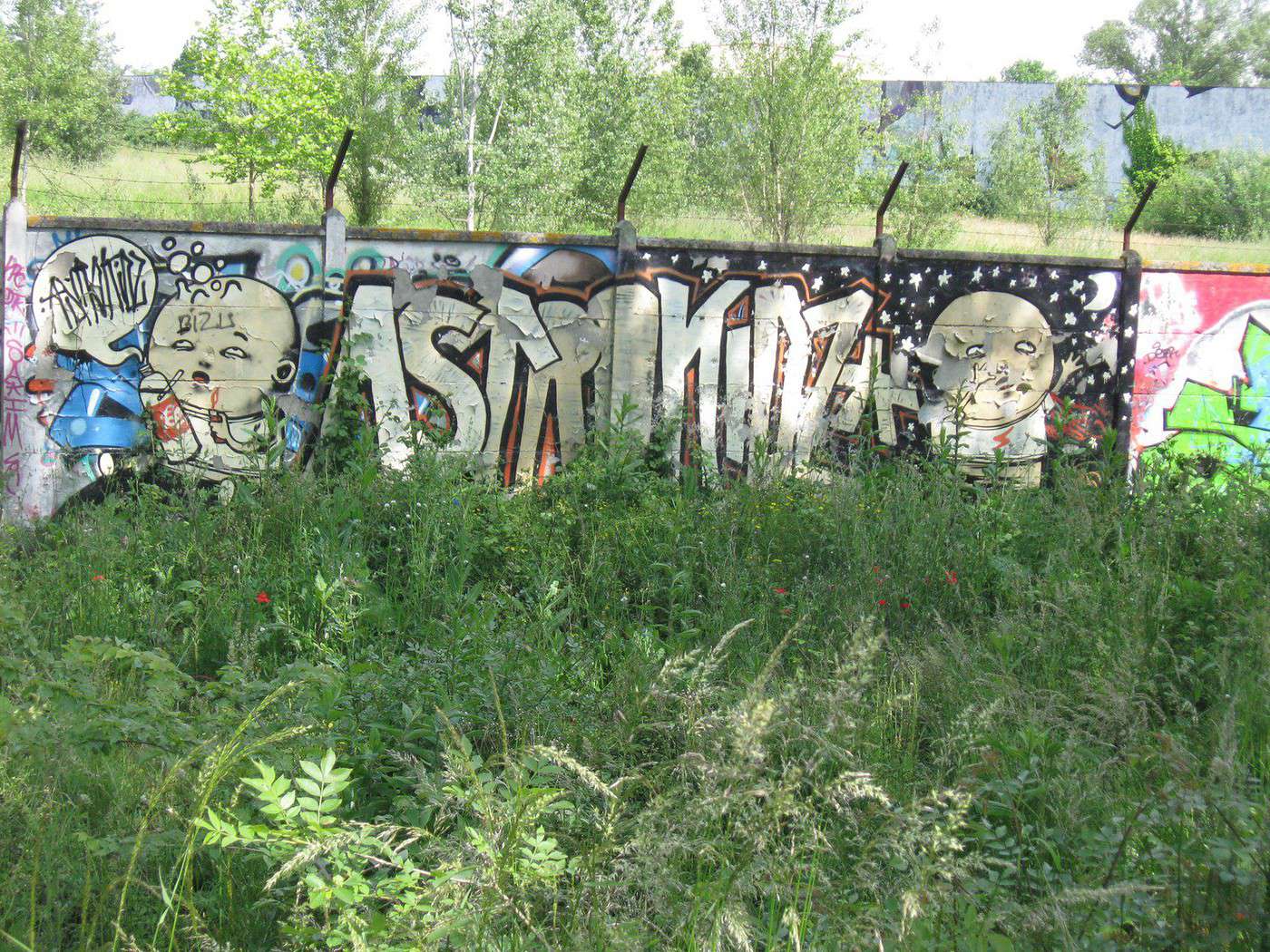
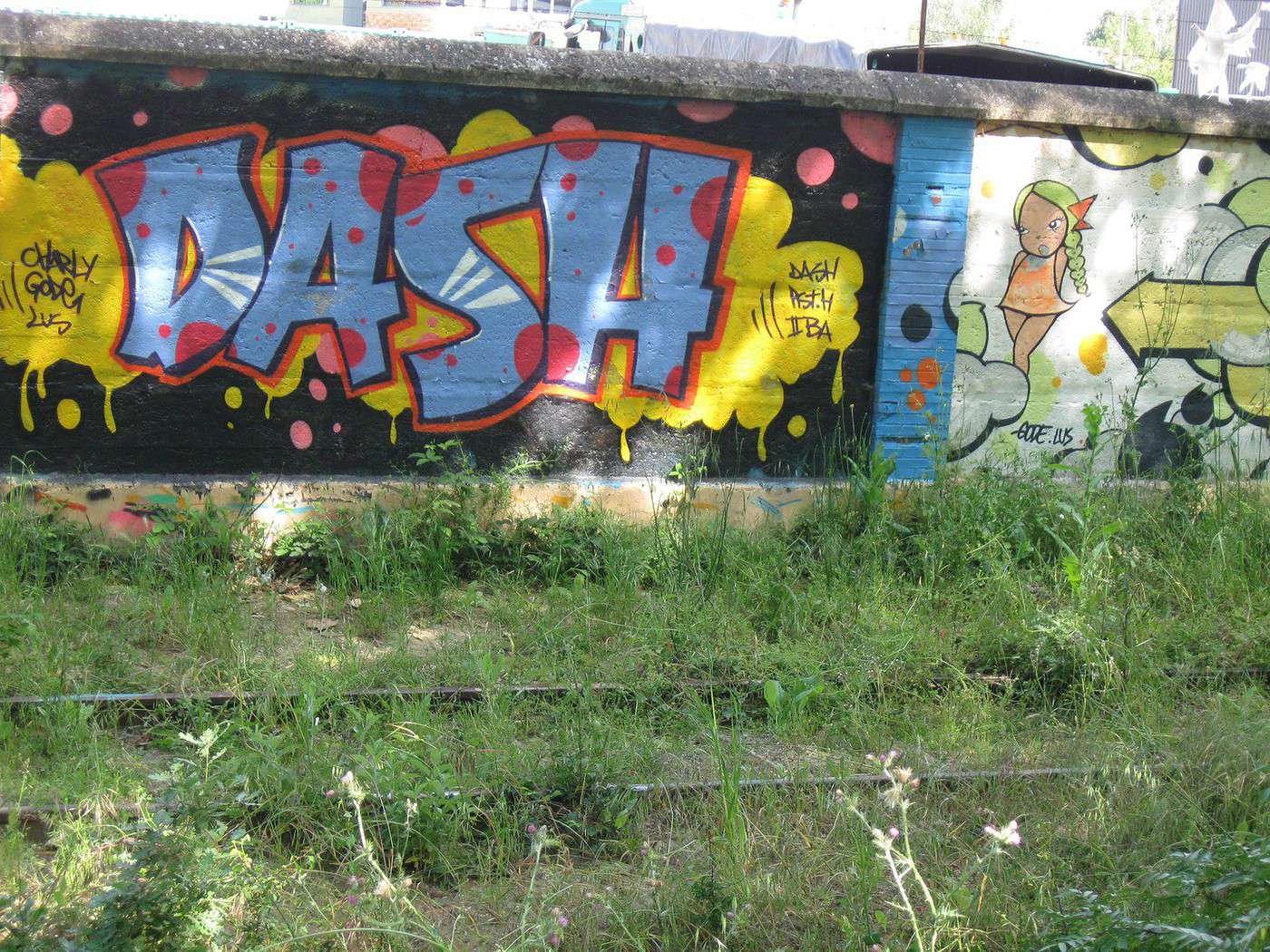
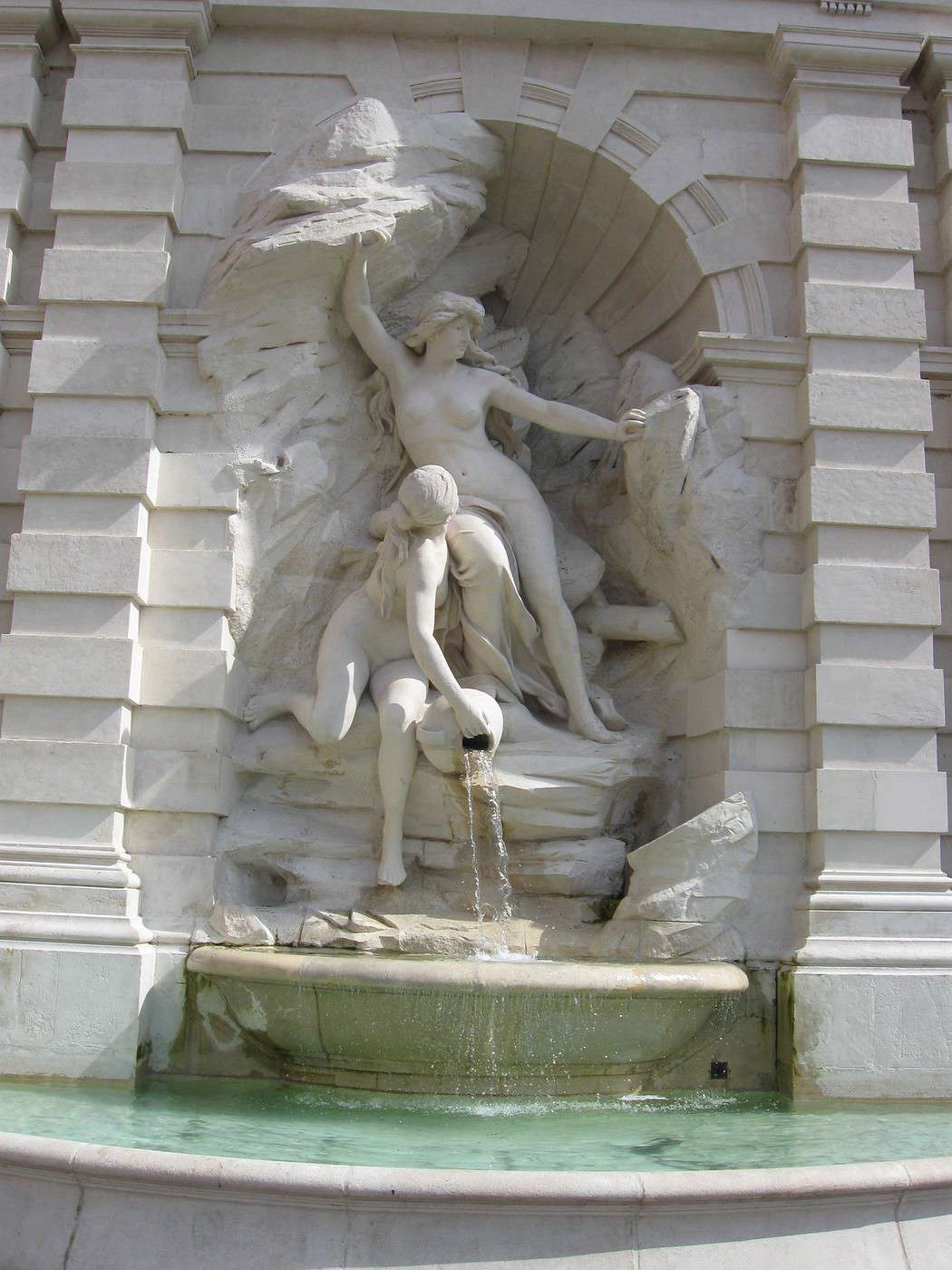
As I approach Moissac, I cross paths with many hikers on the St. James Way and a few cyclists. An Englishman overtakes me, just as loaded as I am. The difference is he’s in shorts while I’m well covered. That doesn’t stop my nose from running because of the cold headwind. I’ve already ruined a cloth handkerchief, and switching to paper ones is going to ruin my nose. But you won’t have this problem unless, like me according to Ayurvedic medicine, you’re Vata. After having my tonsils removed and going through 3 ENT treatments, conventional medicine concluded that I have fragile respiratory tracts. Tough luck! I take my first break by the Tarn River, enjoying the strawberries I carefully packed before leaving. See photo of the Napoleon Bridge over the Tarn: http://voyageforum.com/...post=3316327#3316327 I walk across the Cacor canal bridge that spans the Tarn. Even though I was born in the 20th century, I never would’ve imagined a navigable waterway passing over a river. Fortunately, human ingenuity didn’t wait for me. At 12:15 PM, I reach the pretty pleasure port of Montech after 41 km. Unfortunately, the restaurant *de l'Éclusier* still hasn’t found a new owner. So I head into town to enjoy another meal at the *Restaurant de la Place* with the 12 € menu made from fresh products. While I was outside checking my panniers for my Toulouse map, the waiter placed *La Dépêche du Midi* on my table. Martin Malvy, president of the regional council, claiming that Midi-Pyrénées is the most advanced region in energy transition. While significant efforts have been made for TER trains and bikes, I’m surprised he doesn’t offer aid for purchasing electric vehicles when others do. After Montech and before Toulouse, kilometer markers painted on the ground confirm my odometer is accurate. I don’t understand why there are never directional signs with the distance to the next town along the *Voie Verte*. These green-on-white signs exist, but they always point to exits from the route toward villages or points of interest. These signs should be in black since they’re for roads. Only directions that follow the *Voie Verte* should be in green. Can anyone explain this to me? The industrial zone of Toulouse has its walls used for urban art. Some tags are very pretty, but I prefer the allegorical sculpture of the Garonne and the Ariège rivers. Even though I have the maps for Lyon and Sète, I forgot the one for Toulouse to find my daughter’s new apartment, so I start the GPS. It has a pedestrian and bike mode, but it only knows car routes (a remnant of a century of monoculture). After the twin bridges, when I take the towpath of the *Canal de Brienne*, it gets a bit confused. See photo of Toulouse at the bottom of the page: http://voyageforum.com/...post=5284190#5284190 On the road, it doesn’t know about new no-entry signs or that bike lanes are allowed in bus lanes, so it makes me take some weird detours. But since it shows the direction and distance to the destination, I get there after a few detours.

Mountain biking (MTB) along the Canal des Deux Mers (France)

Facteur4 · 2013-05-28 · Message 158 of 310

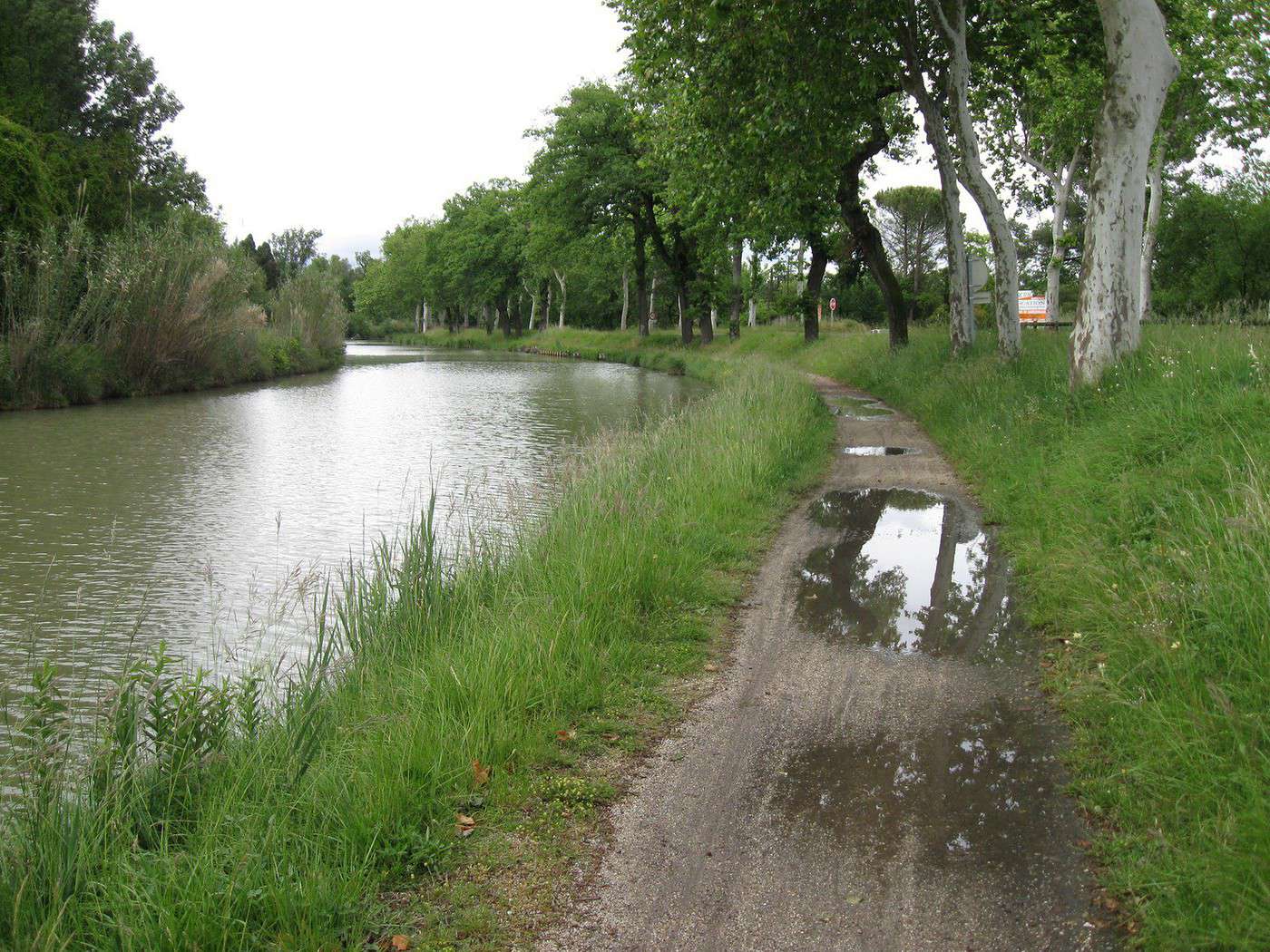
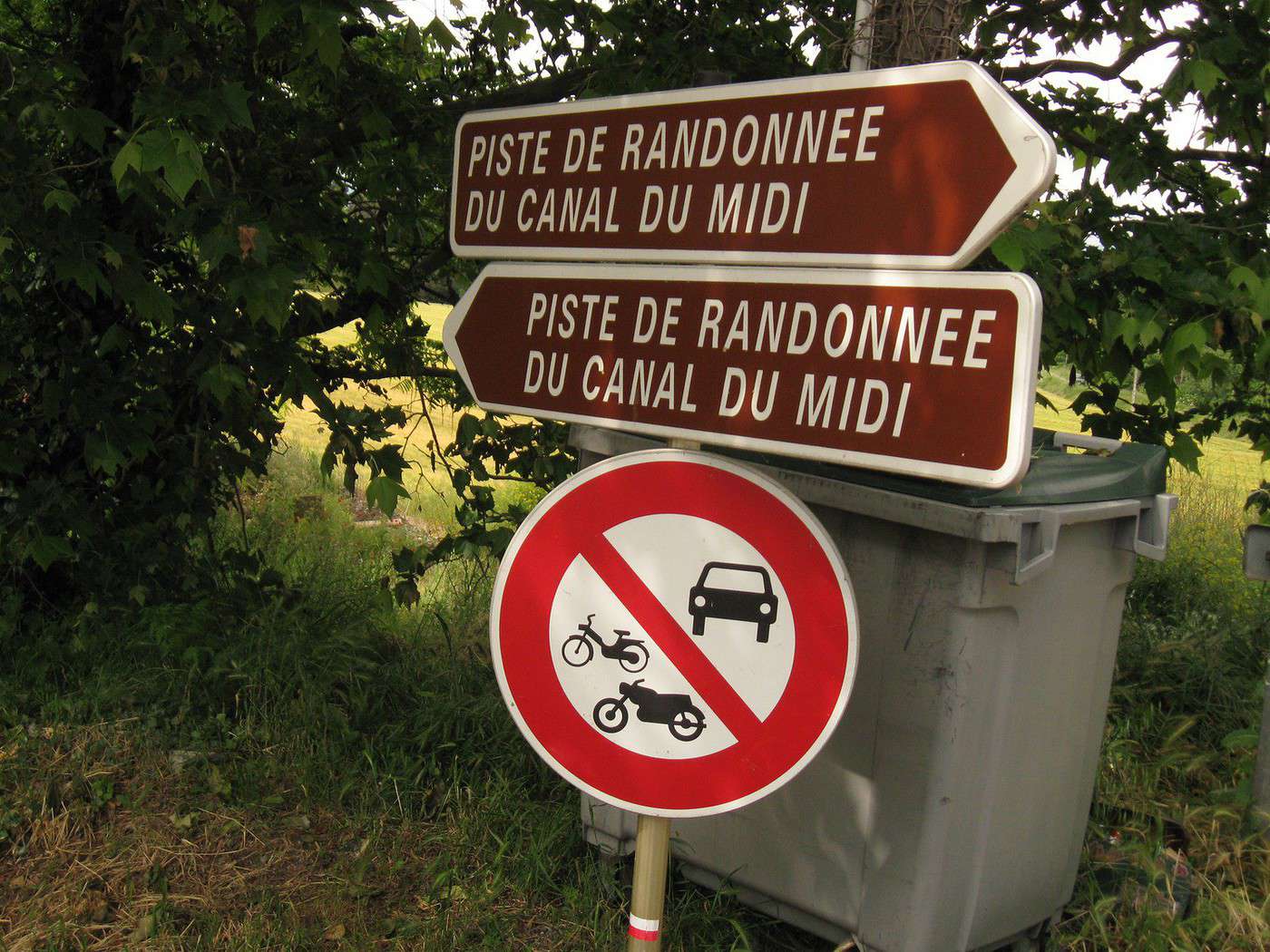
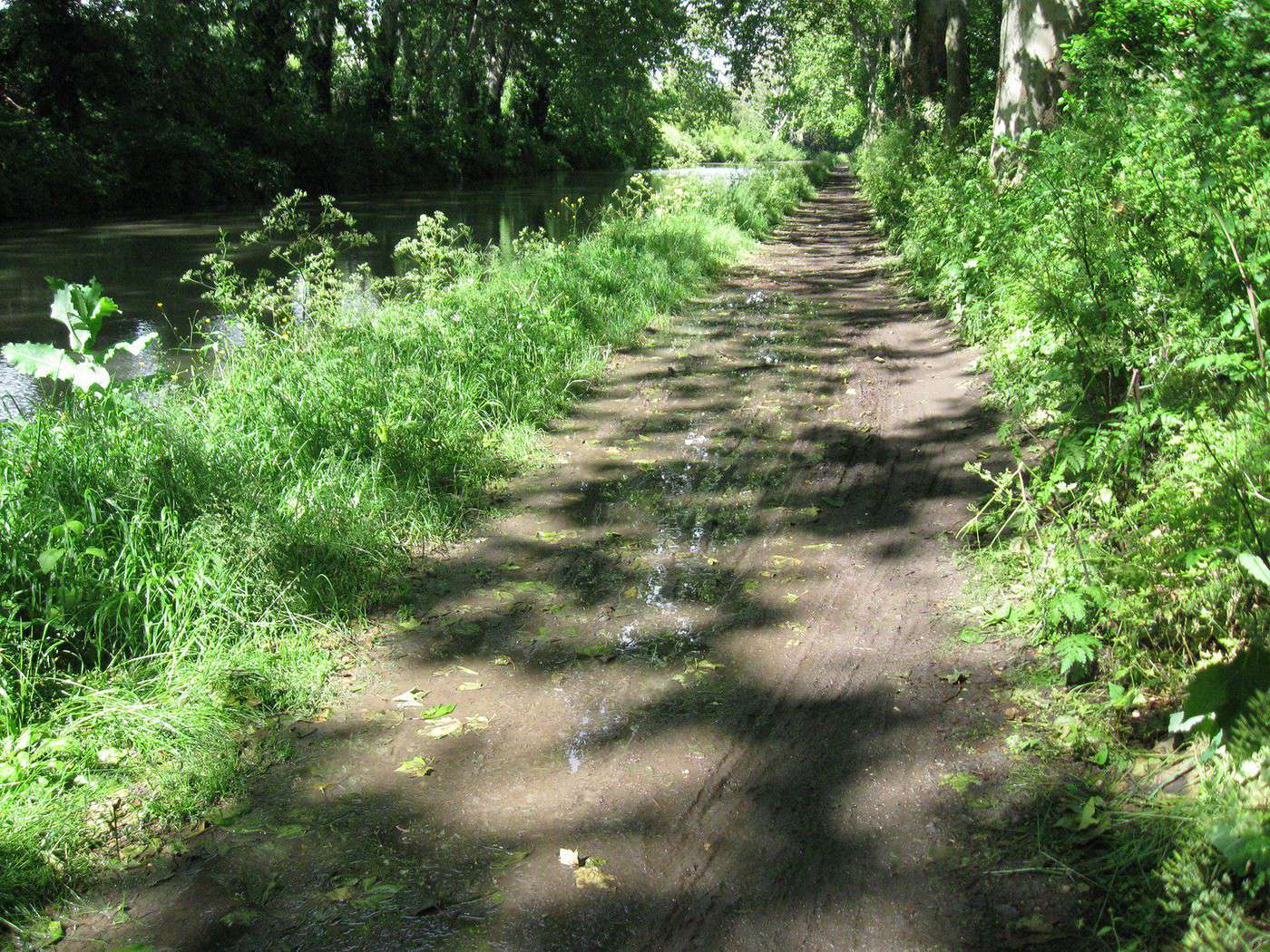
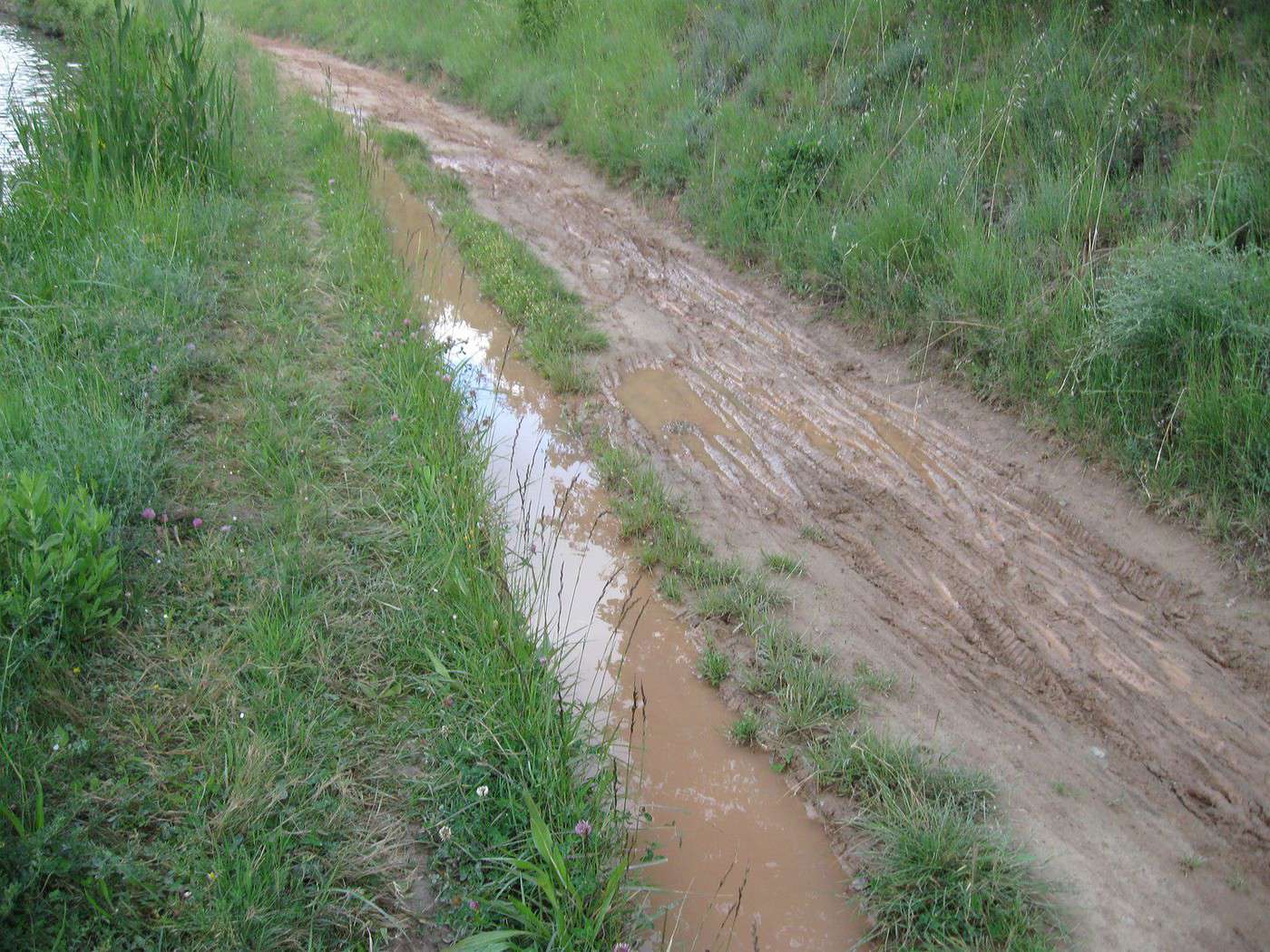
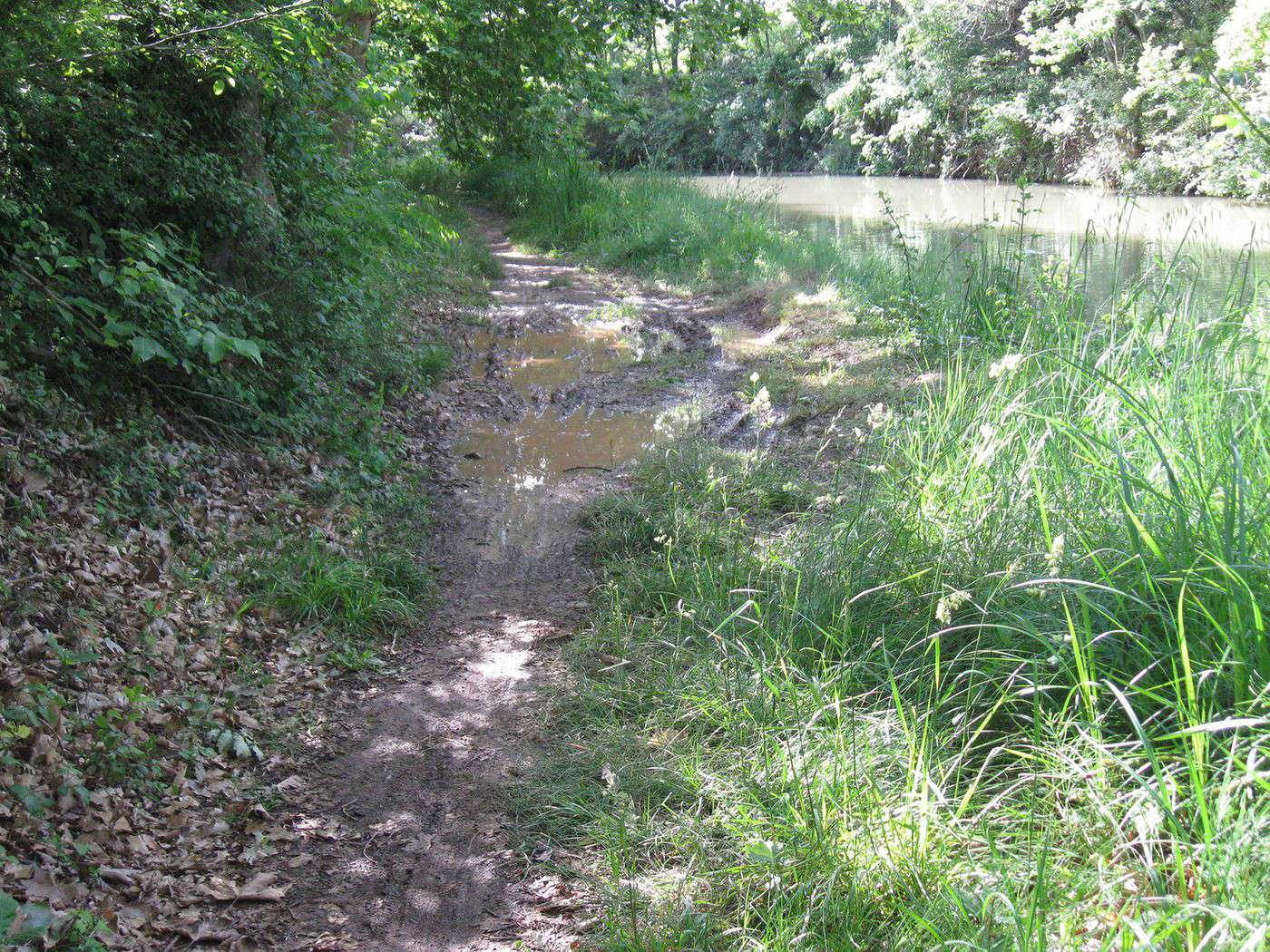
Day 2 Tuesday 28/05 Toulouse 08:45 - Marseillette 18:15 122 km When I wake up at 7 AM, it’s not raining. But as I start loading my bike, the raindrops appear. While I’m searching for my second black glove without finding it in the elastic side pocket of my handlebar bag, the shower intensifies. I set off in my rain jacket and over-pants. I ask for directions to the Canal du Midi. I’m really surprised to find so few cyclists there—especially on Rangeuil, where traffic is always heavy. There are almost more joggers. True, they’re there to "get soaked." The rain is steady, but luckily the wind is at my back. At the first restroom on the greenway where I planned to refill my water bottle, there’s a chain and a padlock. The next restrooms are at the highway rest area, but I don’t bother locking my bike to the designated rack or entering ASF’s property. I’m not very thirsty, and I still have some water left from the day before. Still, I’m happy to find a lock with public restrooms after 35 km. Even though my feet are soaked, I eventually get thirsty. The upside of the canal is that even when it stops raining, you keep getting dripped on by the trees—especially with the wind gusts. But all of that is just a warm-up compared to the riding conditions waiting for me in the Aude. Since the path is only paved for the first 50 km up to Port Lauragais, and I don’t want to check the condition of the dirt towpath, I start looking for a way to join the road. While many locks are backed by a bridge that lets a road cross the canal, there’s never any sign inviting you to take them. I search in vain for the D43 to turn left toward Avignonet-Lauragais. As soon as I hit 40 km on the odometer, I try a small road, but it peters out in the countryside. I go back to the canal, and the next one becomes a bridge over the highway. I don’t understand why the mayors don’t put up signs to attract the canal’s many tourists. Maybe they prefer the ones who arrive by car? Because at every road intersection, there are signs. Too bad the drivers go way too fast to admire their villages. Here I am on the D813 (the old national road 113), and the pavement is super smooth. It passes in front of the restaurant Le Pilori, where I’ve eaten before on the covered terrace. This time, since there’s no table available, I leave my bike and rain gear there. I swap my soaked socks and shoes for my sandals (pure bliss). I’m almost presentable to enjoy my whisky-flambéed prawns. In the afternoon, it rains less, but I keep my rain gear on because at 2 PM it’s only 12°C. "In May, do as you please"—especially if you like the cold and rain. I quickly pass through the Aude. On the D6113, the road surface is noticeably worse, and there’s no longer a paved shoulder to ride safely on. Long live decentralization and the disappearance of national roads! It’s the exact same problem with cycle routes that lack consistency and resources when they cross department lines. Yet the N113, which connected Bordeaux to Marseille, was truly of national interest, just like the cycle route between the two seas. I’d even say that a greenway linking Bordeaux to Sète along the Canal du Midi is of international interest. In Castelnaudary, I switch to the D33, which is pleasant, but as I approach Carcassonne, traffic increases, and since it’s narrower, I end up feeling less safe than on the old national road. There’s even a ZOE that overtakes me: http://www.renault.fr/gamme-renault/vehicules-electriques/zoe/zoe/presentation-generale/?ORIGIN=liens-commerciaux&CAMPAIGN=modeles_zoe_go_fil_ord_def-exact&utm_campaign=modeles_zoe_go_fil_ord_def-exact&utm_medium=cpc&utm_source=google&utm_content=modeles_zoe_go_fil_ord_def-exact&gclid=CPfR0af6u7cCFeTLtAodzQEABg&mckv=mkwid%7CsA8OLy39I%7Cpcrid%7C19669531149%7Cplid%7C%7Ckword%7Czoe+renault%7C I reach Carcassonne at 4 PM. Starting from Toulouse, I’ve never arrived this early. I easily polish off a *jésuite* (a local pastry) and a Norman tart. Since it’s no longer raining and the wind is favorable, I hope the towpath has started to dry out. Especially since there’s officially a bike path between Carcassonne and Trèbes. I’ve passed through there 10 times and never seen it. In fact, on the map published by Canal-et-voie-verte.com, the solid green line from the first edition has been replaced with dotted lines. I have to admit the lack of roots and rocks is an improvement, replaced by very fine gravel. But there are still puddles and, further on, a bit of mud—see photos (hover to see the title). It’s the hiking route along the Canal du Midi. I arrive without issue at the Domaine de Beauvoir, where I’ve booked a *foudre* (a large wine barrel). See photos at the bottom of this page: http://voyageforum.com/v.f?post=5290630#5290630 I meet several cyclists there who confirm that the condition of the towpath between Port Lauragais and Carcassonne is disastrous. One couple was afraid of falling into the canal several times. Their brakes quickly became useless due to the mud, and then their wheels got jammed by the thickness of dirt between the tires and fenders. They only booked a room after being assured they’d have a hose to clean up. I’m stunned that a couple with a 2-year-old in a two-wheeled trailer managed to come from Castelnaudary along the canal. A German woman confirms she had to ride all day in a narrow rut (I’m ashamed for my country). I really nailed my route because they confirm that from Carcassonne onward, it was much better.
Mountain Biking (MTB) Along the Canal Between the Two Seas (France)

Facteur4 · 2013-05-29 · Message 159 of 310

Day 3 Wednesday, May 29 – Marseillette 9 AM to Portiragnes 4 PM, 87 km

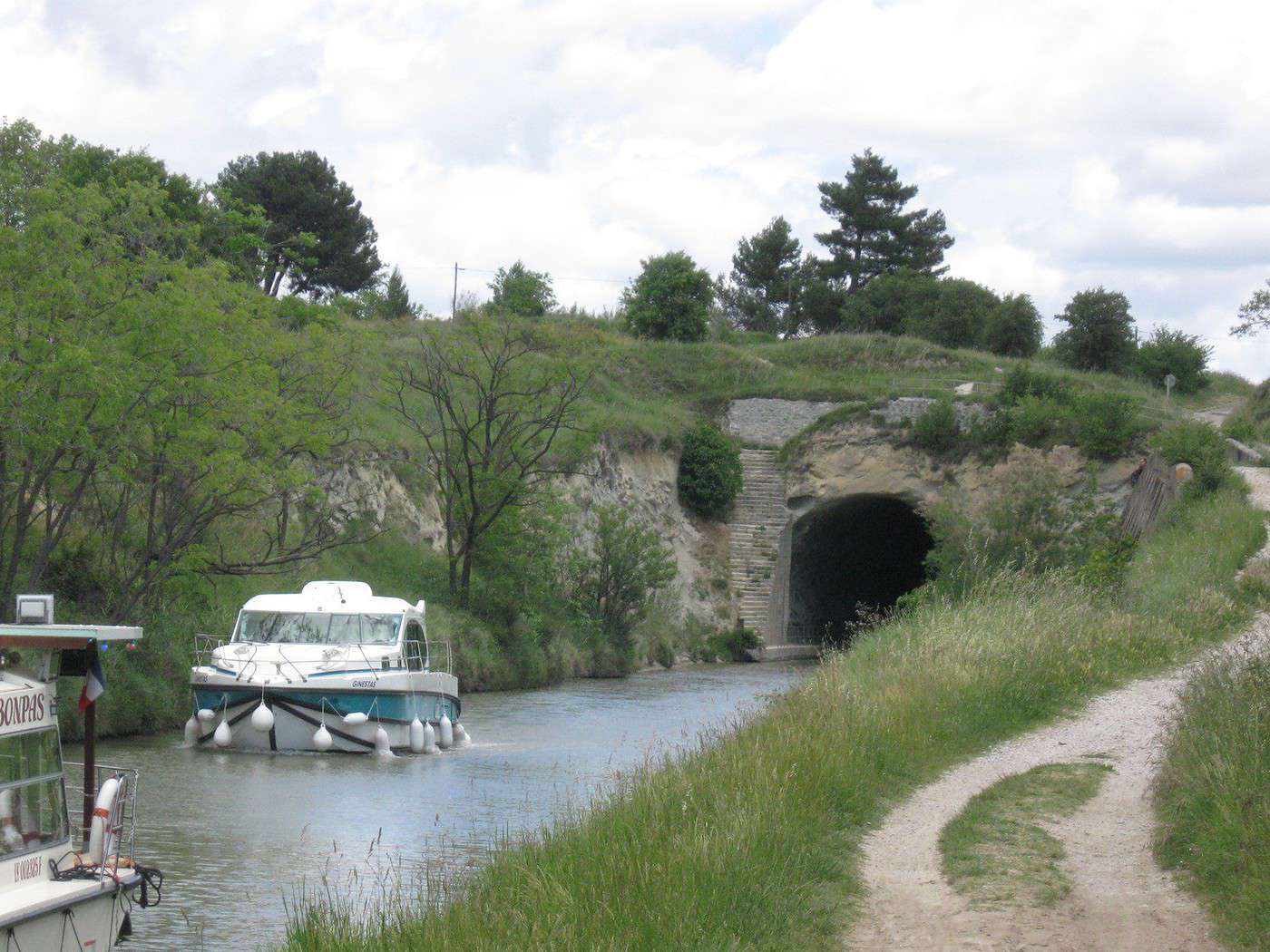
Since the sky is pretty blue this morning, I decide to take my chances on the canal. As soon as I’ve gone a few hundred meters past the Marseillette lock, the mud appears, and I quickly regret this choice. I stop to take a photo, and a couple from Domaine de Beauvoir arrives and tells me it’s just like the day before. I don’t know how they manage to keep going. I say I’ll take the next exit. In the meantime, I try to avoid the mud by riding through the tall grass. It’s a bit risky because it can hide roots or a coypu hole. I manage not to step in it, but I end up switching from my sandals to my shoes. I can see the road running alongside the canal, but it’s on the other side. Since it’s forbidden to cross on the lock gates, I don’t ask the *Voies Navigables de France* employee for permission. Anyway, it’s too tight with panniers on the narrow footbridge. After 5 km, a lifesaving bridge lets me switch sides. With a flat stone, I scrape the mud clinging to the tires. The D610 is smooth riding. After Homps, it becomes the D11, then the D5, but I quickly realize they’re not as flat as the towpath. You need hills to expose the Minervois vineyards to the sun. In Capestang, I choose the town center to shelter from the wind and enjoy some sun at *La Table du Vigneron*. As I continue toward Béziers, I think it would be smarter to rejoin the canal rather than having to climb the Ensérune hill. Especially since the D11 turns into a 4-lane road, likely off-limits to bikes. But it’s silly because cyclists can’t go through the Malpas tunnel (a dangerous spot due to landslide deaths), which Riquet had dug to ensure his work passed through his hometown of Béziers. It took all his determination for the first navigable canal in history to go underground. The first few meters of the towpath have dried thanks to the sun and wind. But in the shade of the trees, there’s still mud. It’s colder there, too, but the extra focus needed to avoid roots and puddles makes up for it.

The muck is among us You’ll be up to your neck in it It won’t cost you a cent All along the Canalou For those who go all the way There won’t be many You’ll arrive at Les Onglous Completely covered in mud

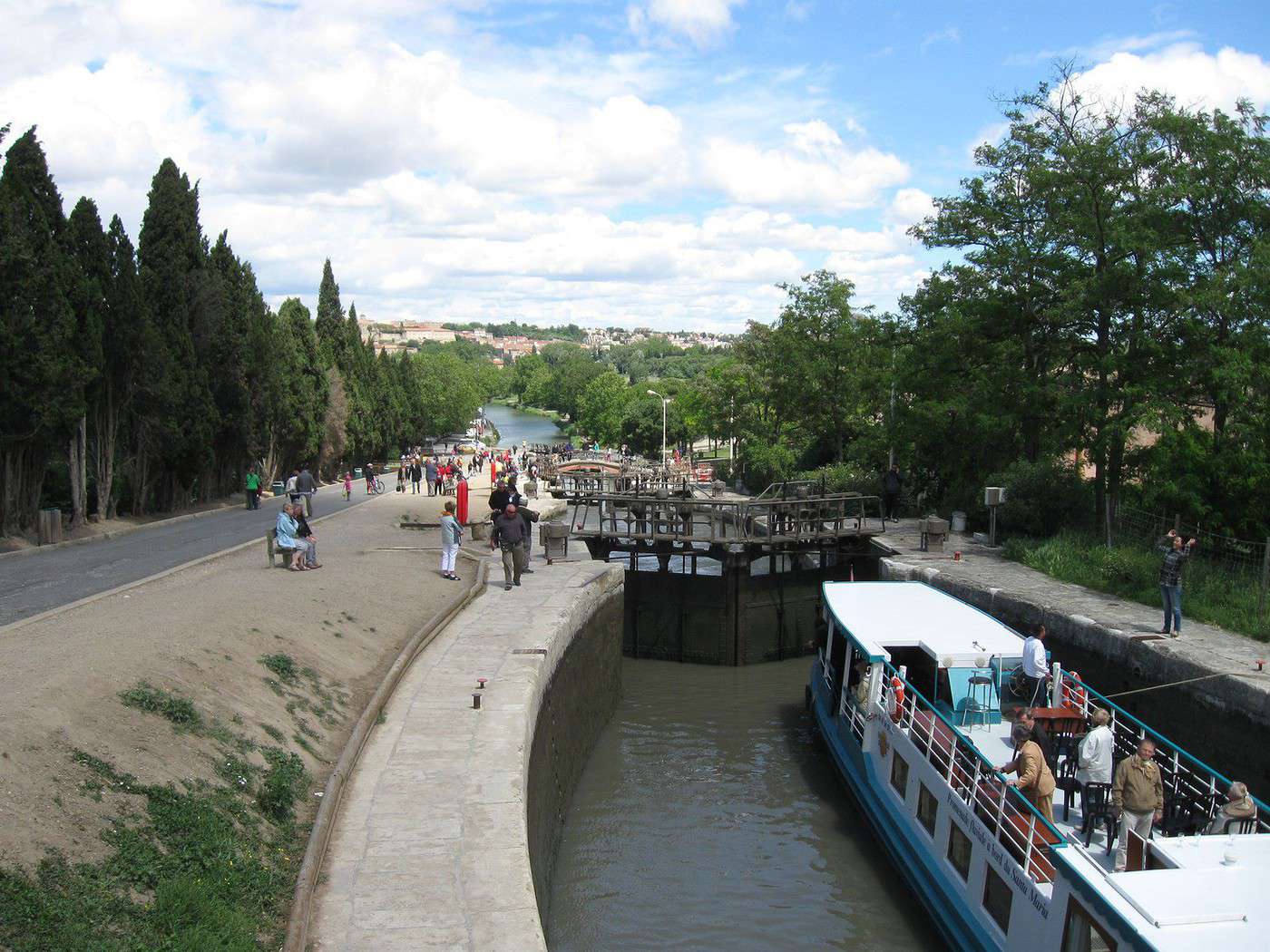
Actually, unlike this morning, I can keep control of the bike, and the path is graveled as I approach Malpas (which usually makes people grumble). Then I have the choice between the towpath by the canal and a path above the plane trees. It lets me reach the 9 Fonsérane locks, where there are lots of tourists. I cross the Béziers canal bridge and enjoy 15 km of bike path to Portiragnes. Surprisingly, there are many bikes, including families. I realize it’s Wednesday. Since my company’s works council has a holiday village in Portiragnes Plage, I’m tempted to go there. As I suspected, it’s not open yet. At the tourist office, they offer me a cottage rental for 50 € or the only hotel for 62 €. I choose the latter because I’m not equipped to use a kitchen (groceries) and don’t want to end up in a cold place. Around 4:30 PM, I open the door to *Hôtel Le Mirador* and see a second door closed. Reception only opens at 5 PM, but I can’t leave—the outer door has locked behind me. Luckily, a sticker shows the hotel’s phone number. I call and introduce myself as the tourist office’s client. The man confirms reception won’t open until 5 PM. I tell him I’m in the lobby. He says he’ll arrive soon. I thought I’d get my room quickly, but I’d still put on my bike lock. I didn’t want a repeat of the previous situation. Doubting the tourist office was still open, I’d left my bike outside. Since the staff member had handled my request, I worried my ride might disappear while she was on the phone. Here, I could’ve watched a thief from my "aquarium" without being able to do anything...
Biking (MTB) along the Canal between the Two Seas (France)

Belzeboss · 2013-05-30 · Message 160 of 310

How's it going? Hope you're enjoying it! :)

VoyageForum — the largest community of French-speaking travellers.