in Entre deux voyages › Carnets de voyage
Kyoto, Shinkansen, Tokyo: three first-timers in Japan via Air China
Discussion started by Oltean on 2018-09-09
101 replies
This thread has been translated into English.
Kyoto, Shinkansen, Tokyo: three first-timers in Japan via Air China
Oltean · 2018-09-09
Hi everyone,
The idea of visiting Japan goes back a year now. I remember because I was looking for cheap flights to Europe from Paris. Surprisingly, the round-trip to Japan with Air China was just as affordable—if not cheaper—than many European destinations.
So, the tickets were booked. Three seats (including one for a 12-year-old), ten days over Easter 2018, AirBnB accommodation. Of course, in ten days, you visit without *really* visiting—you only scratch the surface. Just the classics: Kyoto, temples, moonlit rivers; the Shinkansen; and Tokyo, gardens, wandering, high-tech, and... maids.
I have to admit, we don’t know much about the country, and the thought of how we’d manage is a constant source of worry. What if this trip reveals my inability to open up to other cultures?
We board the first Air China flight with that question on our minds.
Kyoto, Shinkansen, Tokyo: three first-timers in Japan via Air China
FrançoiseVec · 2018-09-10
Hi Alain,
I really enjoyed reading your American travel journal, and I’m excited to follow along on your Japanese adventure (we’re planning our own trip in April 2019).
Looking forward to your updates!
Françoise
Kyoto, Shinkansen, Tokyo: Three First-Timers in Japan via Air China
Oltean · 2018-09-10
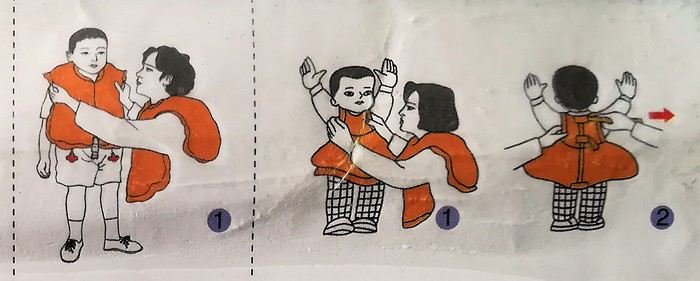
Air China? No problem. At least, nothing like the shambles some predicted. Clean, on time, professional. Sure, the food wasn’t great, and economy class comfort is pretty basic. But no more, no less than on Air France transatlantic flights. As for the in-flight entertainment, no miracles: the usual jumble of blockbusters—the same ones that make me walk away during the year—and a long-haul flight just reminds you they exist. One curiosity: a surprisingly large catalog of Chinese comedy films (I had no idea comedy was such a big deal in that country). Didn’t have the energy to watch any, so I’ll never know if China has its own equivalent of Gérard Oury.
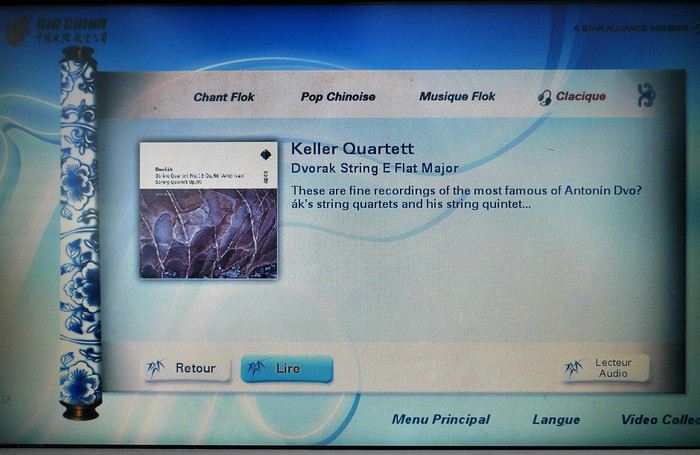
Dvořák on Air China
For music, the "Classical" selection ranged from Debussy/Ravel to the American Quartet, unexpectedly taking me back to my last big vacation in Iowa.
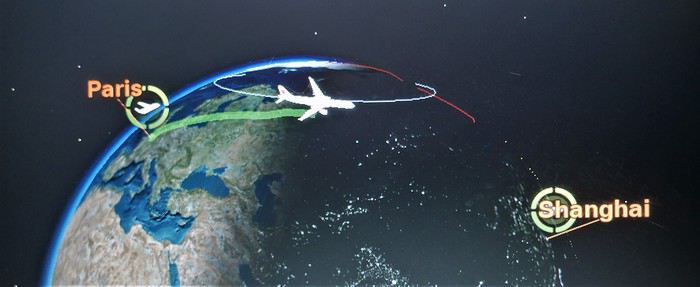
From Paris to Shanghai, along the Arctic Circle
Shanghai Airport, let’s say it right away, is impressive. Not dirty at all, bright, and sprawling endlessly across what first seems like a vast plain. But on second glance, every perspective—even nearby—is obscured by a thick haze of grime. A vertical city looms in the distance, while in the other direction, massive structures cut through the smog, moving almost imperceptibly: cargo ships making their way through the pea soup. What looked like a plain is actually the sea—a shoreless expanse with no horizon, where ghostly vessels glide silently.
We won’t get to visit Shanghai or its surroundings. The airport alone keeps us busy during our four-hour layover, interrupted by persistent iPhone resellers. Three solicitations in a row—my long-nosed profile doesn’t go unnoticed in this crowd of locals, whether traveling with family or on business. Many wear masks (anti-pollution?). In a typically non-European posture, a young executive squats, feet flat, scrolling on his tablet.
Our first wait, at customs, introduces us to a sharply dressed officer with very limited authority—"like in some corporations," as they say. His role doesn’t allow him to grant foreigners a few hours in the Middle Kingdom. He scrutinizes us, takes our photos, confiscates our passports, and places them on his superior’s desk. Or at least, we assume it’s his superior. This other officer is a virtuoso on his landline phone (the touch-tone kind, an ‘80s classic), answering it faster than his own shadow. Practicing for *China’s Got Talent*? Maybe that’s why he’s the boss. Eventually, he examines our passports and temporary immigration forms—one to declare our arrival, the other to confirm our quick departure—decides we’re acceptable, and hands everything back to his lower-ranking colleague, along with a brief grunt. The junior officer, duly equipped with a seal bearing the People’s Republic’s emblem, stamps our passports with a broad gesture and a sharp *thwack*.
We had no idea we’d face half a dozen more queues. As modern as it looks, Shanghai Airport suffers from omnipresent, cumbersome bureaucracy (like, we imagine, much of the country). We wait for customs, fume while heading to Terminal 1 (after being casually told our flight to Japan left from there), then backtrack once the mistake is realized. We shuffle along with other bewildered French travelers in a line labeled "Foreigners" to access the international departures area (despite having just landed there), and finally show our papers to a team of inspectors who, for the *n*th time, dunk our luggage in an X-ray soup.
The Air China flight to KIX (Osaka-Kyoto) is just as impeccable. Clearly, this Chinese airline is a great find. The landing is almost on the deep blue, on a man-made embankment in Osaka Bay. Of course, just like the Chinese, the Japanese want to know who’s visiting their land. Fair enough. We hand over our fingerprints to machines, fill out yellow and white cardboard forms, and wait for a Japanese version of Justin Bieber to glance at them with a bored expression before declaring us admissible. One thing’s for sure: it’s much better organized than in China. Advisors are everywhere, helpful and smiling. We finally retrieve the suitcase we checked in Paris hours ago (what day is it again?) and escape customs—at least one queue we’re spared. Maybe next time on the way back.
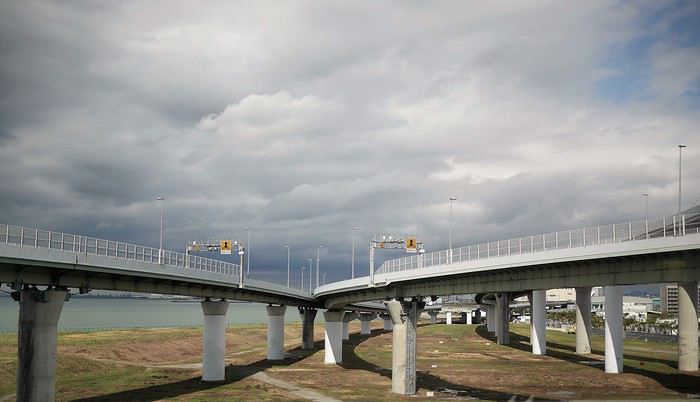
On the JR train from Haruka to Kyoto, I discover the face of this new world.
Kyoto, Shinkansen, Tokyo: three first-timers in Japan via Air China
Oltean · 2018-09-10
Hi Alain,
I thoroughly enjoyed reading your American travel journal, and I’m excited to follow along on your Japanese adventure (we’re planning a trip there in April 2019).
Looking forward to your updates!
Françoise
That’s so nice! And I’m thrilled to have a reader in Corsica—the homeland of half my ancestors.
Kyoto, Shinkansen, Tokyo: three first-timers in Japan via Air China
Erjome · 2018-09-10
Hi Alain,
I’m boarding my Air China flight and heading off on this adventure. I’ve flown with them on domestic Chinese routes before and didn’t have an unforgettable experience. Since they often offer great prices from Barcelona, I’ll take a closer look next time if I can’t find what I want with my favorite airlines.
Kyoto, Shinkansen, Tokyo: three first-timers in Japan via Air China
Oltean · 2018-09-11
Hi Alain,
I’m boarding the Air China flight and heading off on this adventure. I’ve flown with them on domestic Chinese flights before and didn’t have an unforgettable experience. Since they often offer great prices from Barcelona, I’ll take a closer look next time if I can’t find what I want with my favorite airlines.
Hey Eric,
Thanks for the info! Which airlines would you recommend based on your experience? And are they reasonably priced? When I booked, Air China was unbeatable for my chosen dates.
Kyoto, Shinkansen, Tokyo: three first-timers in Japan via Air China
Clabin · 2018-09-11
"On the JR train connecting Haruka to Kyoto, I'm discovering the face of this new world."
Note:
It's the train called "Haruka" that connects KIX to Kyoto (and sometimes beyond).
Kyoto, Shinkansen, Tokyo: three first-timers in Japan via Air China
Oltean · 2018-09-11
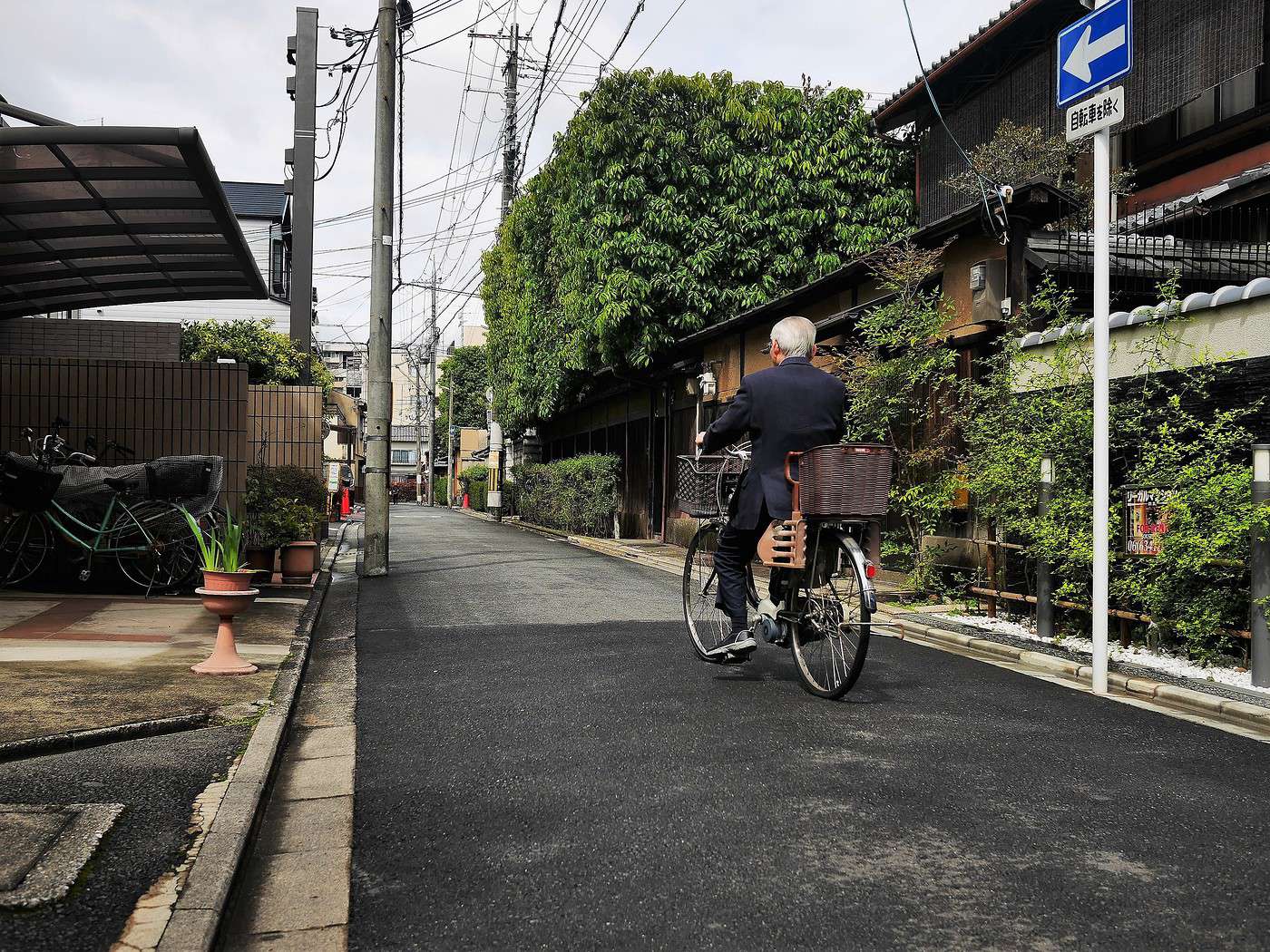
Small houses, gardens. Skyscrapers are rare.
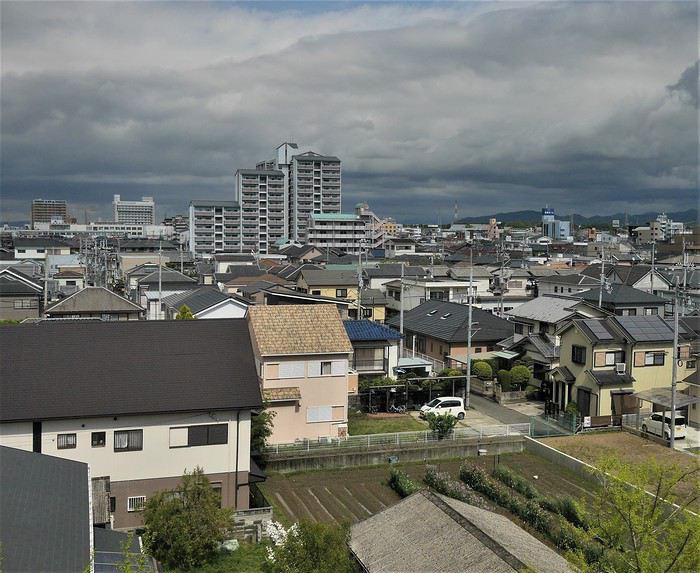
Outskirts of Kyoto
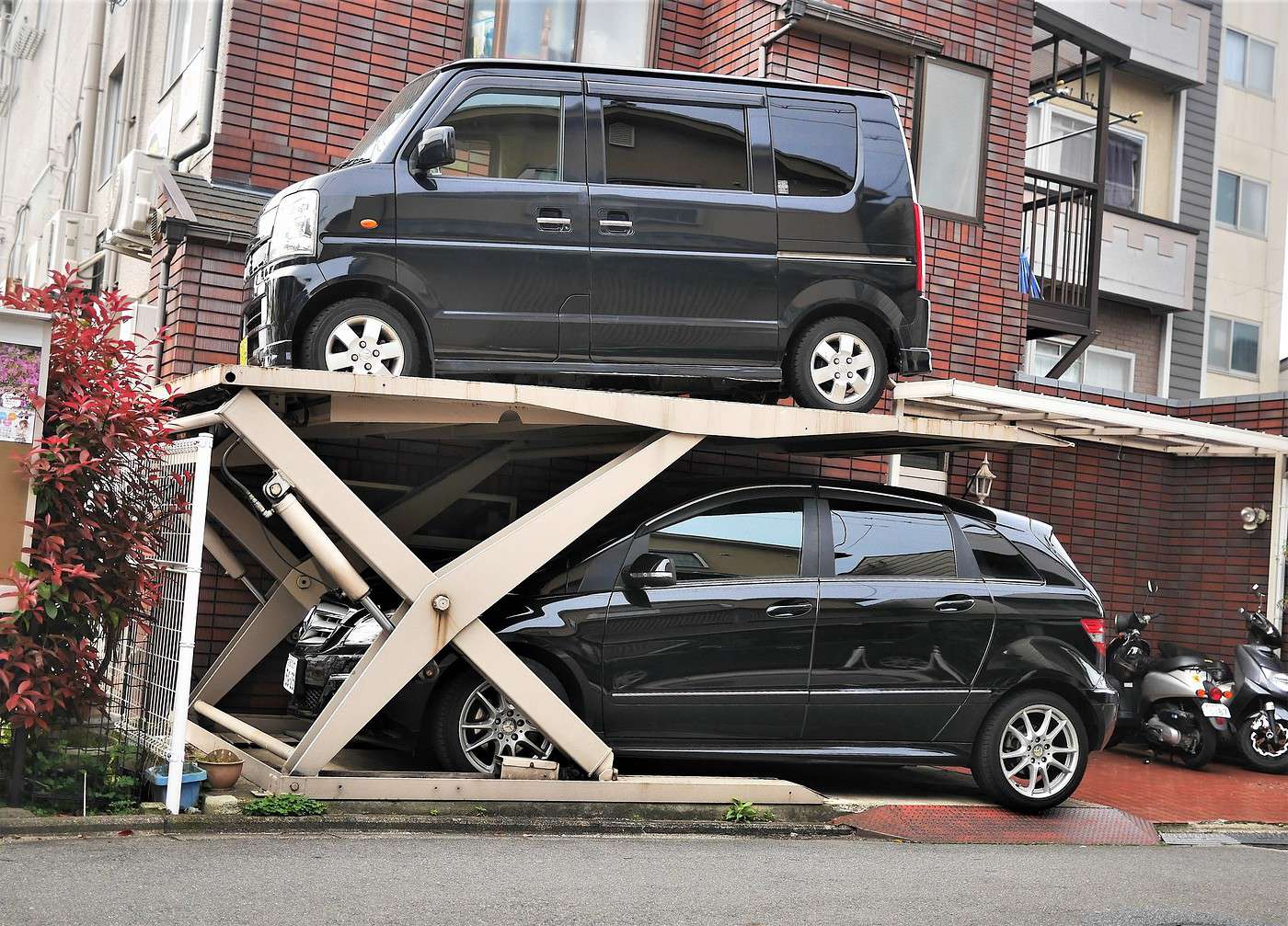
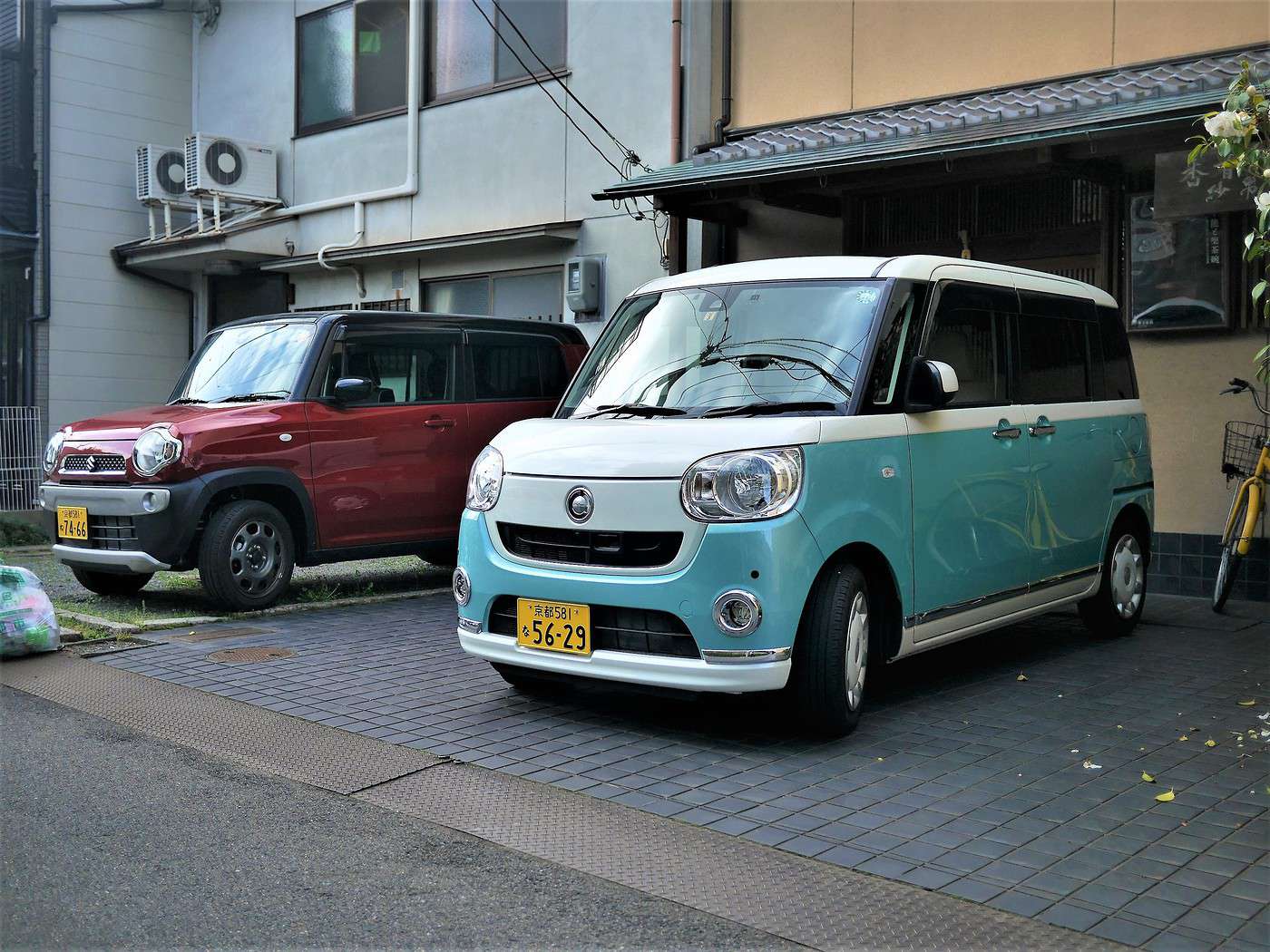
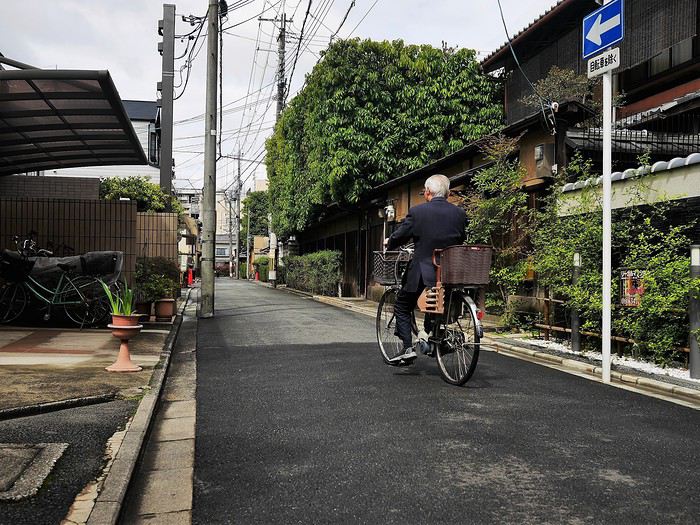
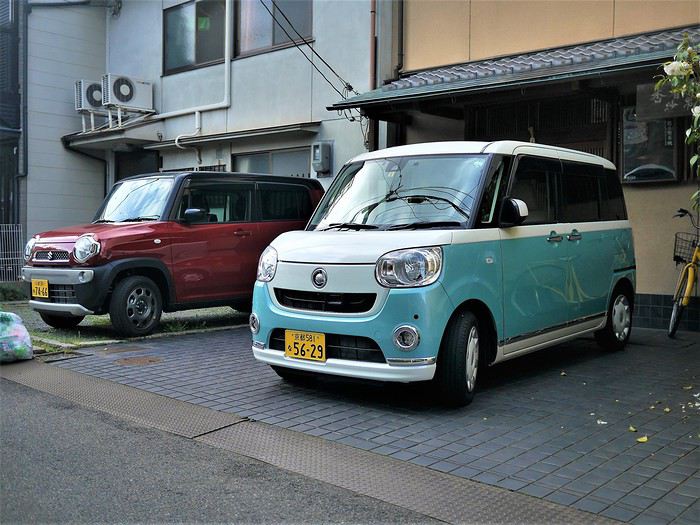
From the train, Kyoto announces itself with modesty. Here and there in this residential suburb, you spot cubic cars neatly parked in their garages.
Tokyo Station: no trouble finding the subway line that’s supposed to whisk us five stops north. It’s marked in English, and very clear. One downside: the Suica card, bought specially before departure, sets off the electronic gate alarm like crazy. This prepaid pass, super useful in Tokyo, was supposed to work elsewhere too. Not on this subway, apparently, which belongs to a rival system called Icoca. The Suica’s mascot is a penguin, Icoca’s is a platypus: Japanese transport networks seem to have a soft spot for egg-laying mammals or birds. Back home, we often use the pigeon as a symbol too, but more for the passengers. A matter of perspective.
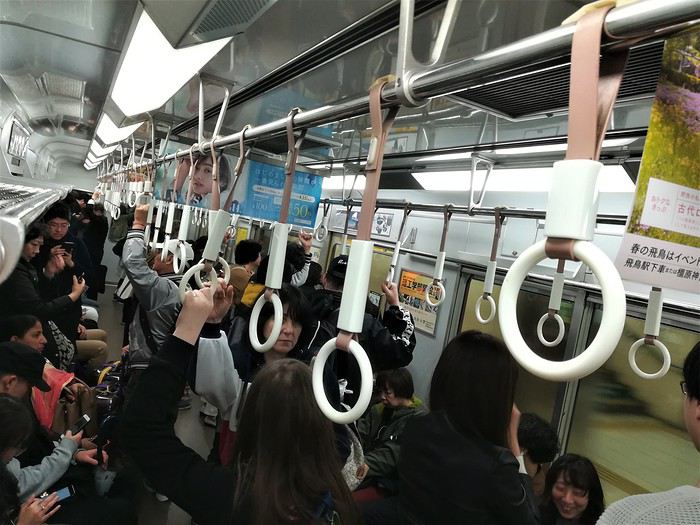
Kyoto subway
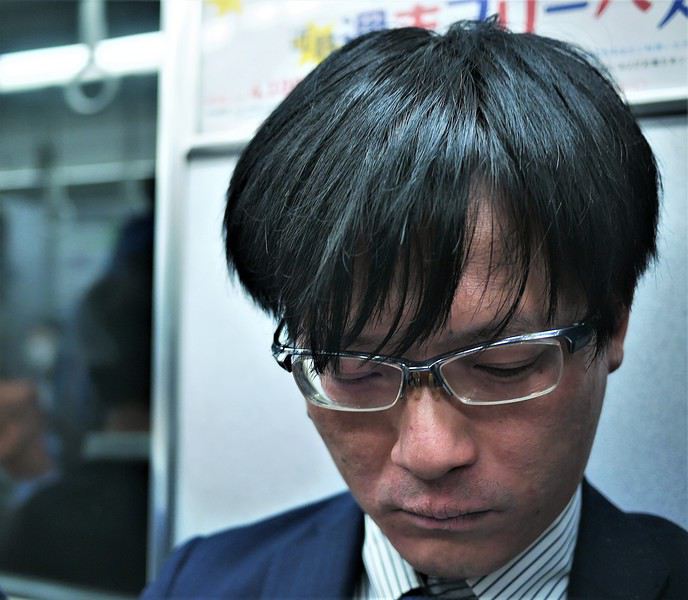
Subway, work, Kyoto
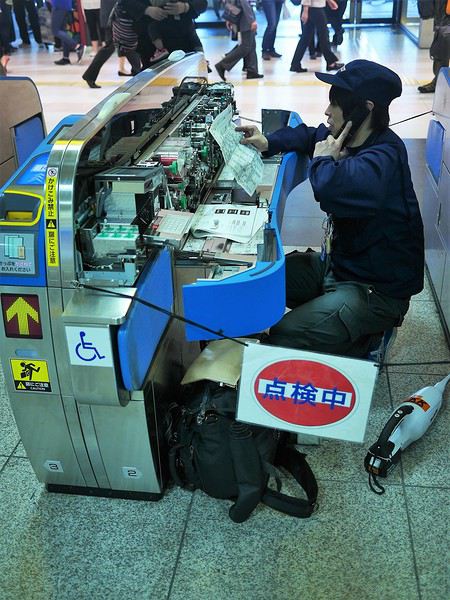
Repairs
The neighborhood where we’re staying is close to Imadegawa Station. It’s not a wildly lively area, but it’s welcoming with its small streets and scattered shops, often advertised in our language.
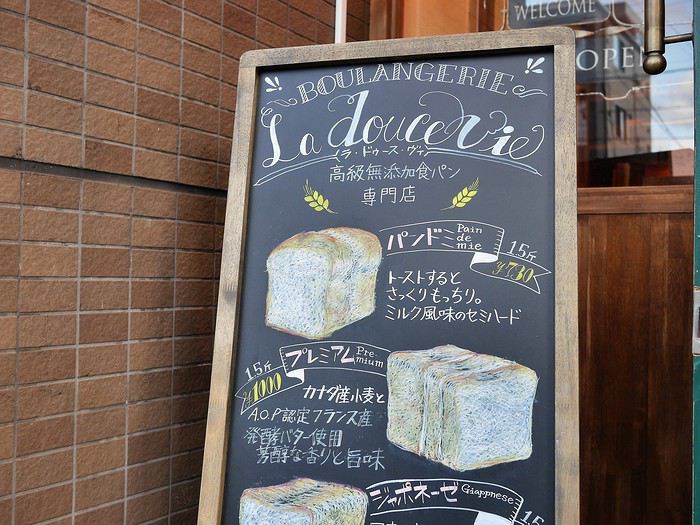
Bakery
France still has a great reputation in a certain Japanese imagination. That explains some of the surprises: here, trains and subways run on time, everyone queues up neatly to board. I didn’t see a single piece of paper on the ground—neither in the trains, nor in the stations, nor anywhere else. What a contrast with Paris and its suburbs, where stations often look like so many Cour des Miracles—even the most touristy ones. The first thing that strikes you in Kyoto is the bikes zooming out of nowhere when you least expect them. There, it’s just like Paris.
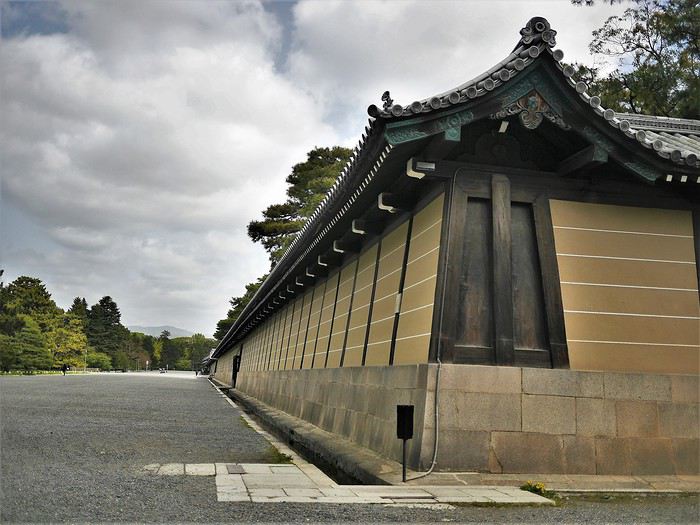
Imperial Palace (closed)
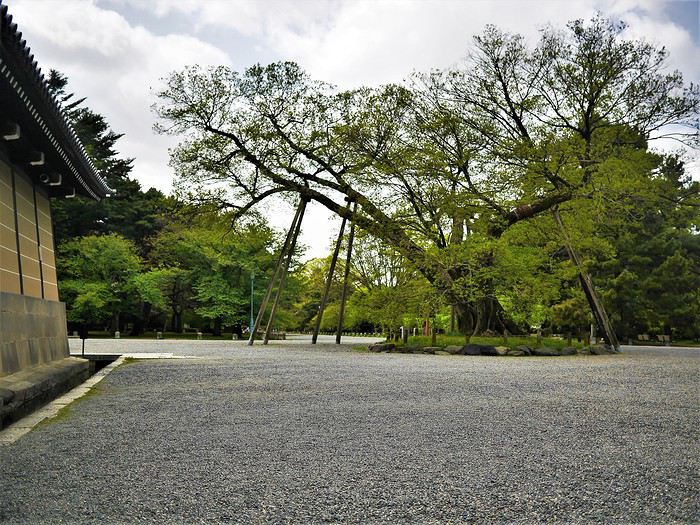
In the Imperial Palace Park
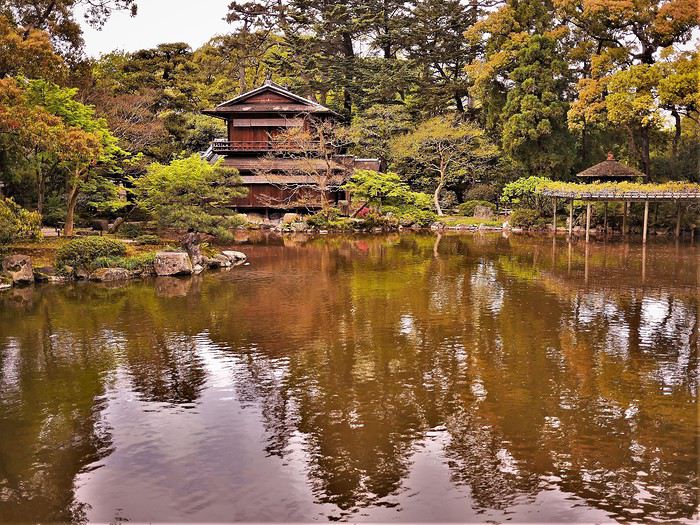
Mirror
We’re just steps away from the vast Imperial Palace Park. The Palace itself is closed for now, but the surrounding nature is wonderfully soothing for the jet lag haze. We head to the southeast corner and continue on foot toward the historic Higashiyama district, famous for its shrines discovered along hilly paths.
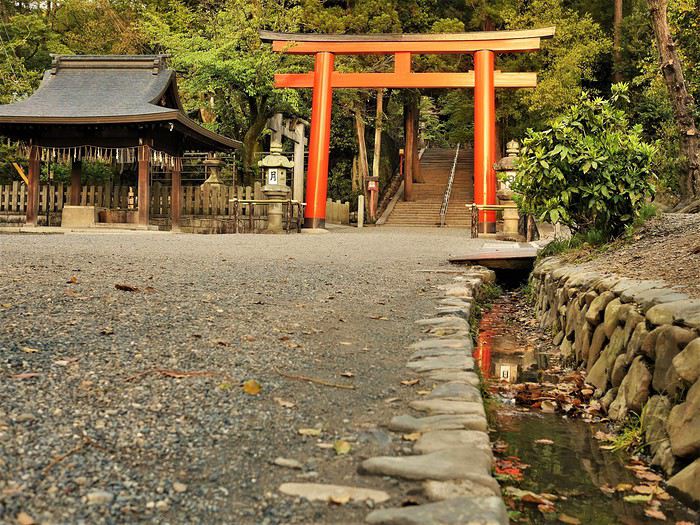
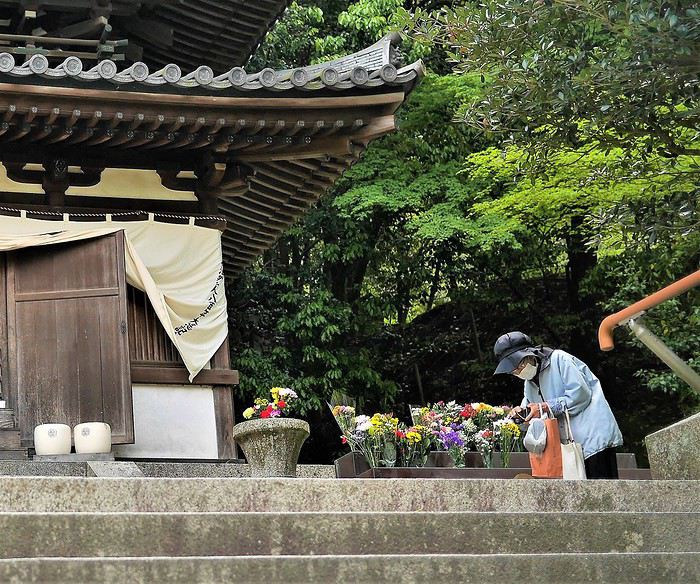
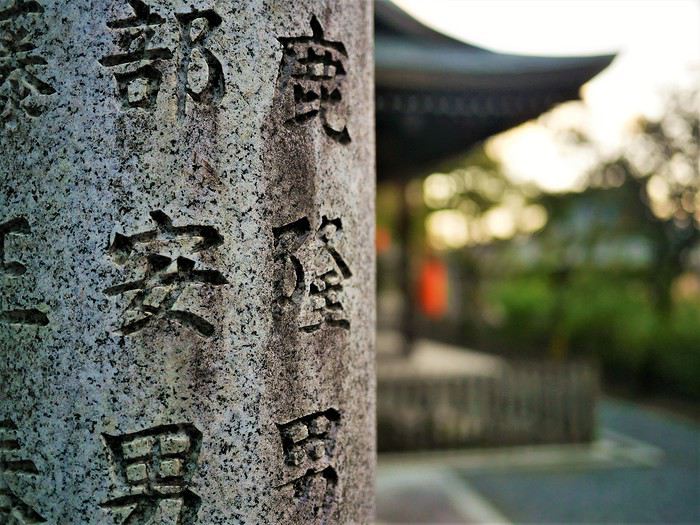
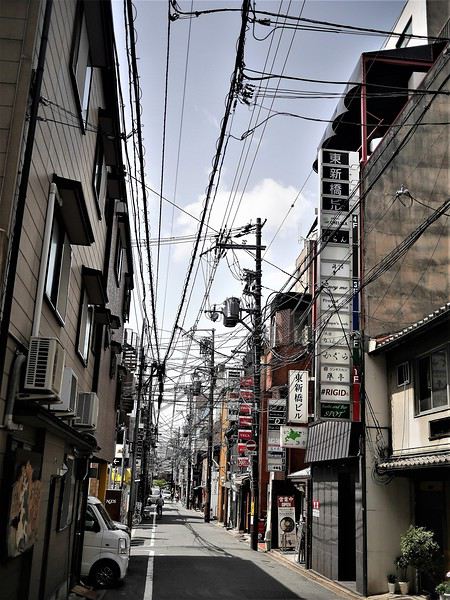
A street in Gion
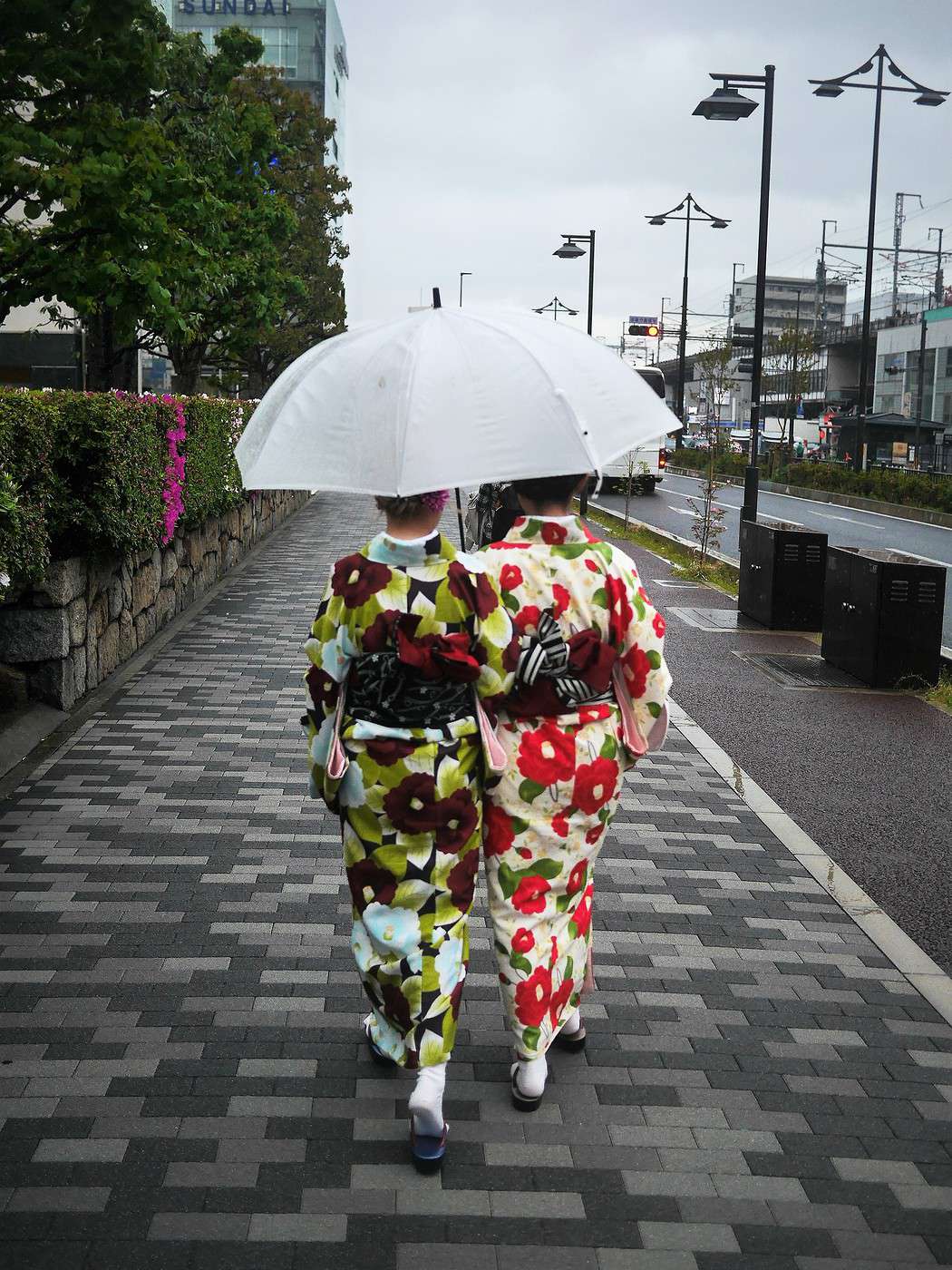
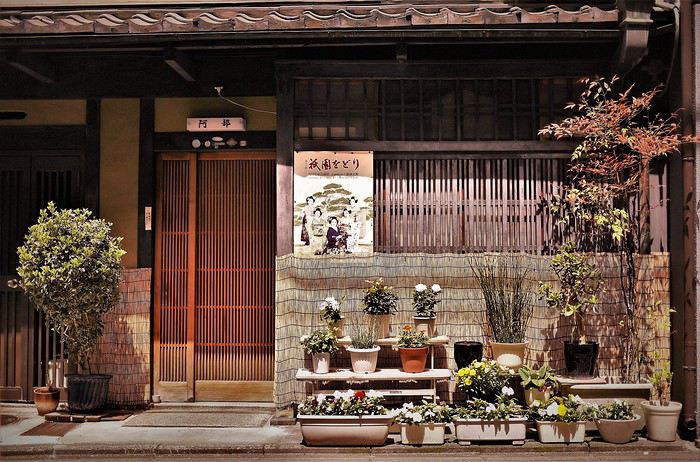
Ten minutes away, Gion, the geisha district, is very quiet on this Monday lunchtime. We spot a few apprentices, and I chase them briefly with my camera, wondering what would happen if you pulled the big bow on the back of their outfits.
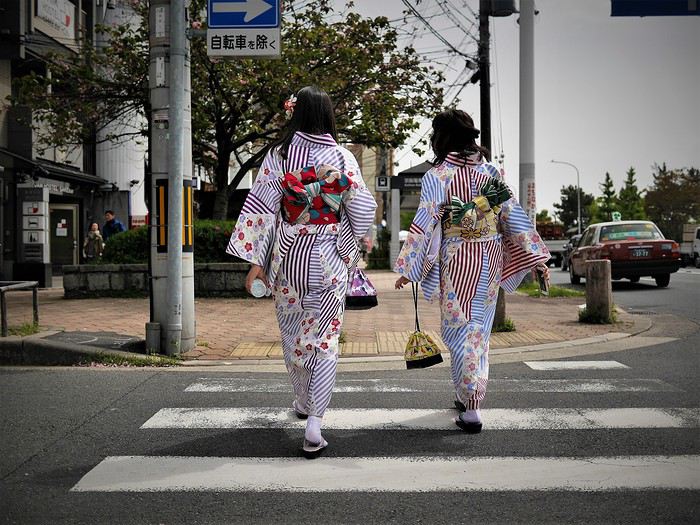
Following geishas
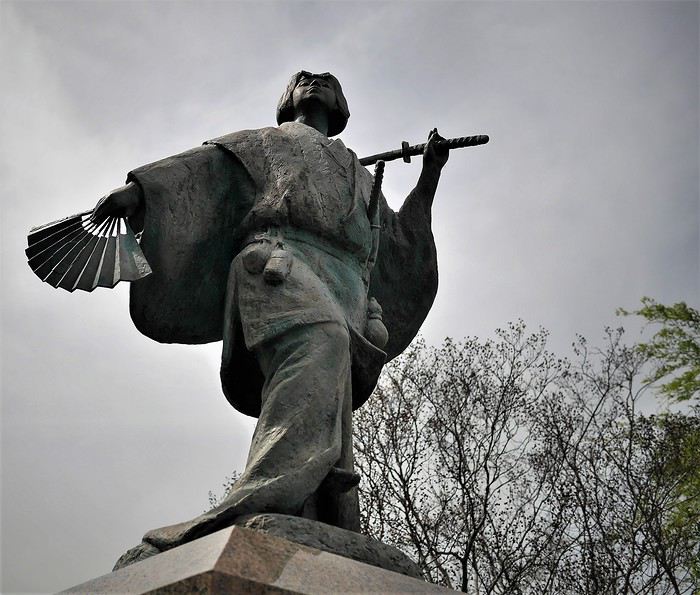
Memorial
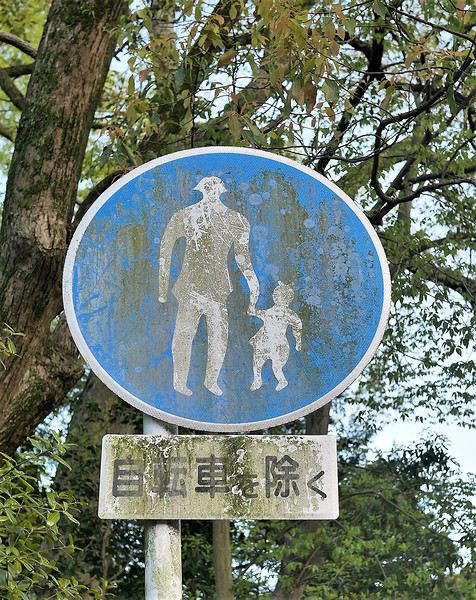
I’m surprised to find people on this island who speak worse English than I do. Some clues during the Airbnb booking had already tipped me off: "I’ll send you a rink," the hostess had written. Luckily, that link didn’t lead to nowhere. The same person thanked us for the corporation, instead of cooperation. At our first restaurant, the young staff tried hard to speak English to us. A commendable effort, but it showed its limits when I asked for the bill at the end of dinner, "the bill, please." "The bil?" the waiter replied. "Of course, just now." Thirty seconds later, he came back with a beer in hand and placed the glass in front of me with a big smile. "Youl bil, mister." With all the self-control of someone from the East, I thanked him profusely and, careful not to embarrass the friendly but clumsy waiter, I took it upon myself to down the good beer, all while asking for the bill again—this time avoiding English.
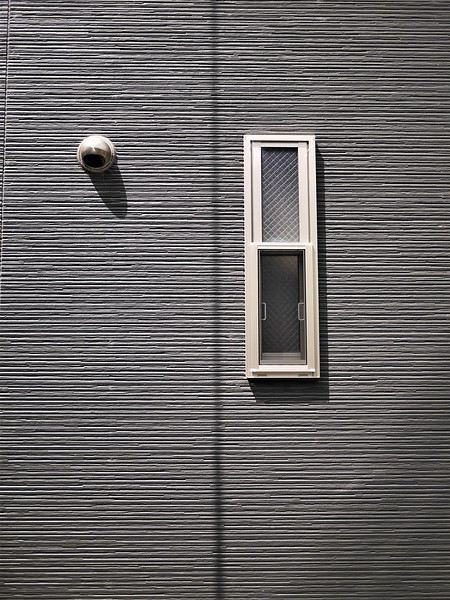
Facade
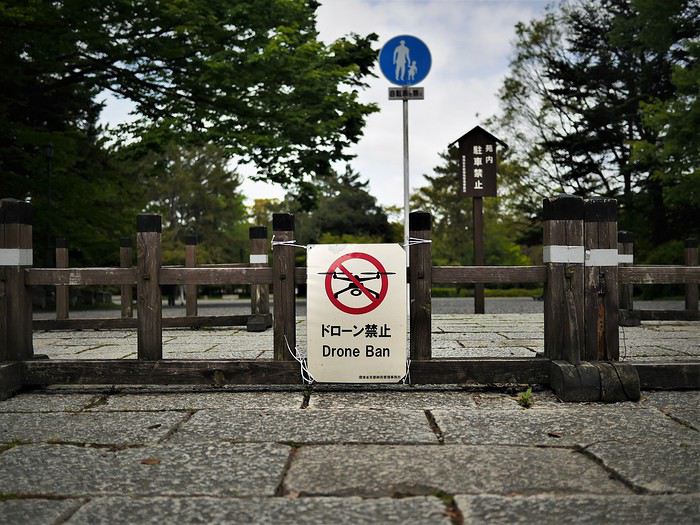
Reminder
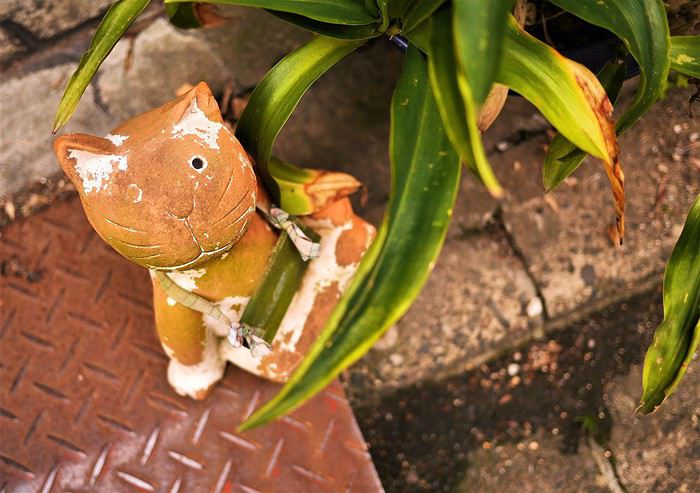
Cute cat

A fish called Fugu
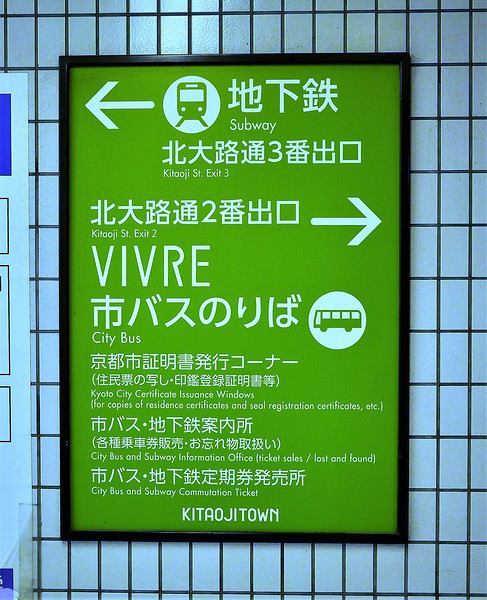
Healthy motto
Kyoto, Shinkansen, Tokyo: three first-timers in Japan via Air China
Oltean · 2018-09-11
"On the JR train that connects Haruka to Kyoto, I discover the face of this new world."
Watch out:
It's the train called "Haruka" that connects KIX to Kyoto (and sometimes beyond)
Oh perfect, thanks for correcting that mistake. I guess it won’t be the only one! :)
Kyoto, Shinkansen, Tokyo: three first-timers in Japan via Air China
Erjome · 2018-09-11
Hi Eric,
Thanks for the info. Which airlines would you recommend based on your experience? And are they not too expensive? When I booked, Air China was unbeatable for the dates I chose.
Good evening Alain,
Choosing an airline depends on criteria that vary in importance for each person. In your case, Air China was the cheapest, and you're happy with it—that's what matters most. If the airline had disappointed you, at least you'd have known it was budget-friendly, and that's all you would've remembered. Good call for you, and next time I plan a trip, I'll take a closer look at them.
And "check" works way better than "bill" for the tab. At least you got to enjoy a good beer too 🙂.
Kyoto, Shinkansen, Tokyo: three first-timers in Japan via Air China
Clabin · 2018-09-11
"Oh perfect, thanks for correcting that blunder. I guess it won’t be the only one :)"
And thanks for these gorgeous photos that give away your favorite spots! :-)
I love the one of that little street in Gijon with all its electrical wires—it’s so typical of the old streets in small neighborhoods.
Kyoto, Shinkansen, Tokyo: three first-timers in Japan via Air China
Glamys24 · 2018-09-11
Hi Alain,
Regarding airline choices, I’ll share my thoughts after nearly 40 years of traveling.
For about 20 years (roughly 1980–2000), I often flew with Aeroflot, which offered great prices to Asia and even Africa, despite long overnight layovers in Moscow. Finnair also had a great period. Then, until around 2010, I favored Gulf airlines while they were undercutting European carriers. Those were the golden years of Etihad, Qatar Airways, Emirates, and also Saudi and Kuwait Airways, which are less well-known. Nowadays, Chinese airlines are dominating the market, almost without any advertising. That’s the case with Air China, but also Southern, Eastern, Hainan, and Xiamen Airlines. Worth noting that these "regional" airlines originated from the People’s Liberation Army Air Force.
A few key points:
- These choices are based solely on price. When my ticket was covered, I really enjoyed Qatar Airways’ business class and their dedicated terminal in Doha. But that was then...
- Little experience flying to the Americas and none to Oceania.
- One exception: for trips to the Middle East and Central Asia (the "Stans"), Pegasus from Marseille.
To wrap up, a fond memory: in 1977, my first long-haul flight—Orly to Beijing on an Air France 707, with stops in Athens, Karachi, and Bombay. *That* was travel...
Kyoto, Shinkansen, Tokyo: Three First-Timers in Japan via Air China
BeneFukuoka · 2018-09-12
We came across a few trainees I briefly photographed
In the photo, they’re just two tourists who rented kimonos—a very common practice 🙂
wondering what would happen if you pulled the big knot decorating the back of their outfit.
It depends on the tying.
Best case, almost nothing happens, and worst case, the obi unravels and falls to their feet. Since the kimono is held together with ties underneath, you won’t end up exposed without the obi (the "belt").
I really like the tone of this travel journal—it’s refreshing.
Kyoto, Shinkansen, Tokyo: three first-timers in Japan via Air China
Clabin · 2018-09-12
"... a great memory: in 1977, my first long-haul flight, Orly/Beijing on an Air France 707, with stopovers in Athens, Karachi, and Bombay. Now *that* was traveling....."
I also remember my first two long-haul flights with quite a few stopovers in 1963 and 1967, also on 707s;
the first was with Pan Am (PA 1): Frankfurt-Vienna-Istanbul-Beirut-Tehran-Delhi-Bangkok-Hong Kong (same route on the way back) + the connections Brussels-Frankfurt round-trip on a Sabena Convair 240 (Metropolitan)
the second was with Air France: Orly-Hamburg-Anchorage-Haneda then Haneda-Hong Kong-Bangkok-Delhi-Tehran-Beirut-Athens-Orly + the round-trip connections by train Brussels-Midi/Paris-Nord with stops in Mons-Quevy-Aulnoye-St Quentin.
I also remember that back then, at every landing, condensation water that had built up during the previous four hours of flight would drip on our heads. Another memory: it was forbidden to get off the plane during the stopover in Delhi, but we were thoroughly sprayed with Fly-Tox by the airport staff.
Kyoto, Shinkansen, Tokyo: three first-timers in Japan via Air China
Oltean · 2018-09-12
Hi Eric,
And "check" works much better than "bill" for the tab. At least you got to enjoy a good beer too 🙂.
Oh yeah, for sure! Thanks for the "check" tip.
Kyoto, Shinkansen, Tokyo: three first-timers in Japan via Air China
Oltean · 2018-09-12
In the photo, it's just two tourists who rented kimonos, a very common practice 🙂
Indeed, I saw quite a few foreign women (including veiled women) trying on kimonos. The two I followed looked just like young Japanese women (though you could say the same about Japanese tourists).
wondering what would happen if you pulled on the big knot decorating the back of their outfit.
It depends on the tying.
Best case scenario, almost nothing happens, and in the worst case, the obi unravels and falls to their feet. Since the kimono is held together with ties underneath, you won’t end up exposed without the obi (the "belt").
Good to know... I’m not saying it’ll ever come in handy, but hey, I’ll keep it in mind.
I really like the tone of this travel journal—it’s refreshing.
That’s so nice to hear! I’m walking on eggshells, given all the experts chiming in here :)
Kyoto, Shinkansen, Tokyo: Three First-Timers in Japan via Air China
Oltean · 2018-09-12
Impeccably gloved in white, the driver’s cap adorned with gold braiding, the bus 59 conductor, strapped into an unmistakable uniform, gives me a surprised look as I hand him the money. Is it really that hard to buy three one-way tickets? I can’t figure out what he wants, and afraid of looking like a fare-dodger, I make sure not to step away from the driver’s seat. But the local RATP employee leaves me in the dark about what to do next.
The man, very professional in his uniform, only speaks in a measured voice when the bus is stopped. Most of the time, though, it’s just to tell me to let passengers off first. I finally start to understand what’s off: you pay for the ticket when you leave the bus, not before you’ve enjoyed the service—unlike back home. Maybe this should be added to the list Claude Lévi-Strauss made of reversed customs in Europe and Japan in his book The Other Side of the Moon.
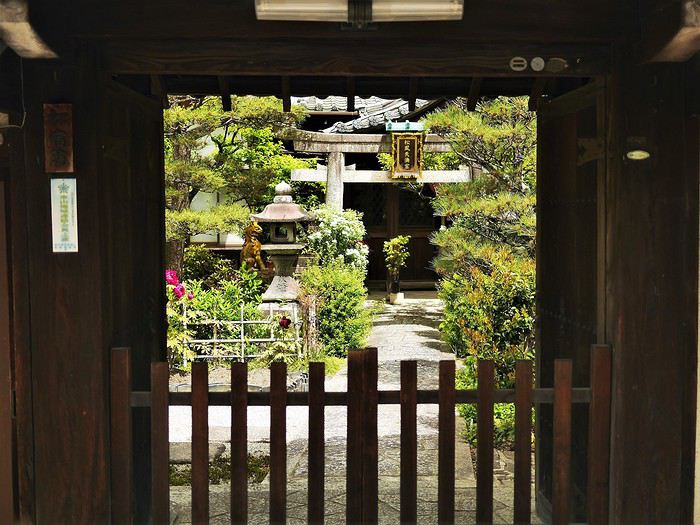
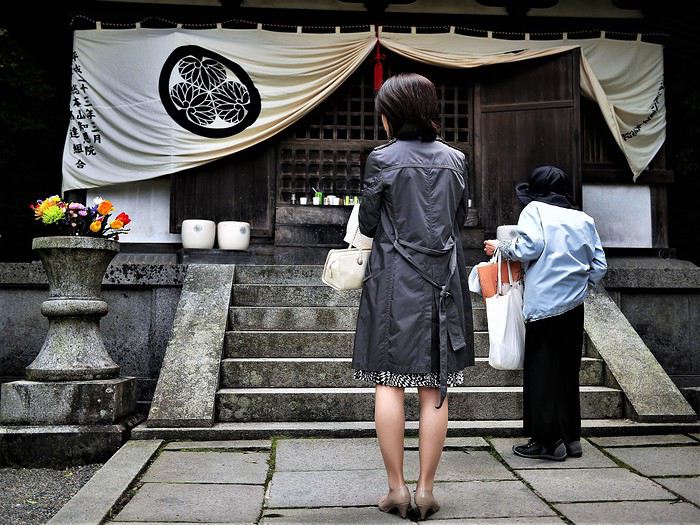
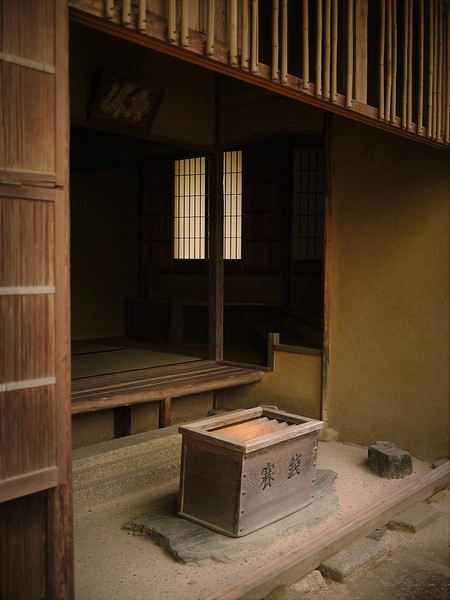
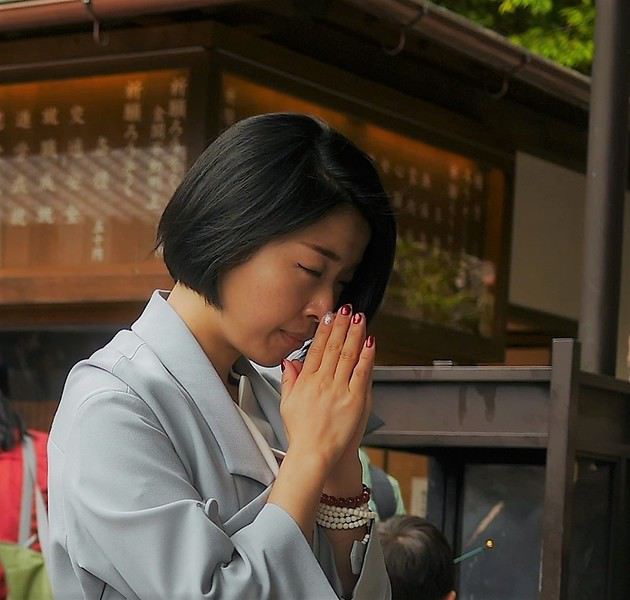
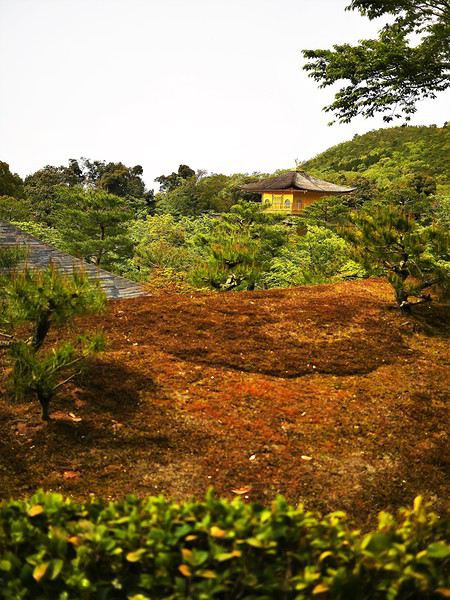
We’re heading to one of the city’s—and probably all of Japan’s—most famous spots. Unfortunately, we’re not the only ones with that idea, and the beauties of Kyoto suffer from the same affliction as Prague’s Old Town, Montmartre, or Venice: a tidal wave of loud, ill-mannered tourists. We explore amid a dense crowd, all shouting variations of “Hey, Bob, check this out!” in different languages.
But maybe, in situations like this, “you’ve got to look at people from above,” as a melancholic Black hero in Sartre once said.
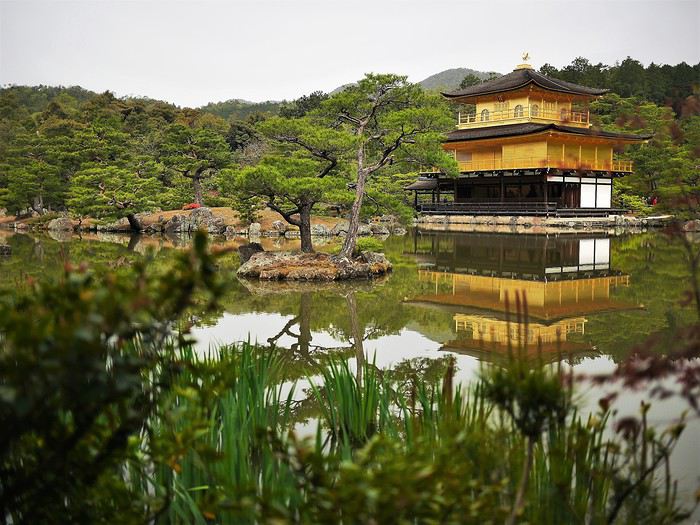
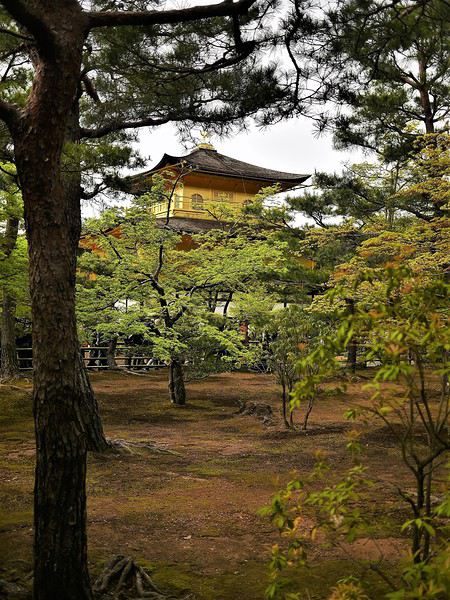
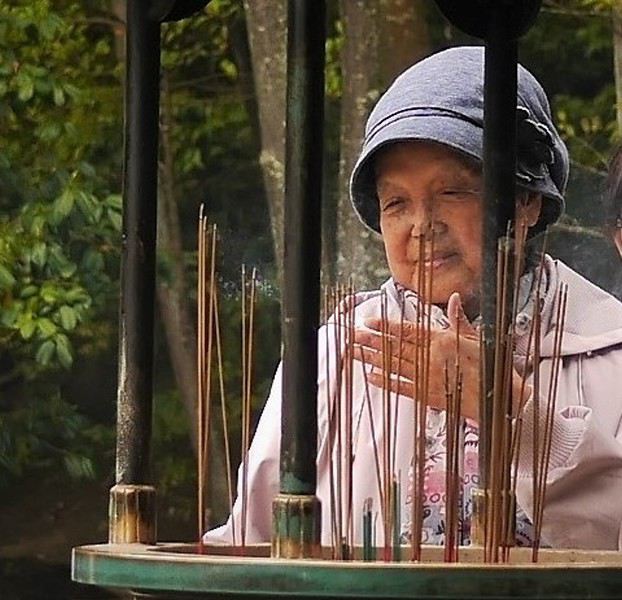
No matter! The sheer beauty of the Golden Pavilion—a modest, unassuming structure simply set by a pond stirred by venerable carp—makes up for a lot. The original pavilion was burned down by a local arsonist, as Mishima recounts in his most famous book, and what we see today is a reconstruction. Does it matter? The power of this place lies in the sincere harmony of a simple, moving scene—or rather, moving *because* it’s simple. We weave through visitors waving smartphones and bulky cameras with long lenses, trying to savor the serene image of the spot between shoves. Higher up, along a wisdom path trampled by the masses and cone-lickers, a solitary tower catches the eye.
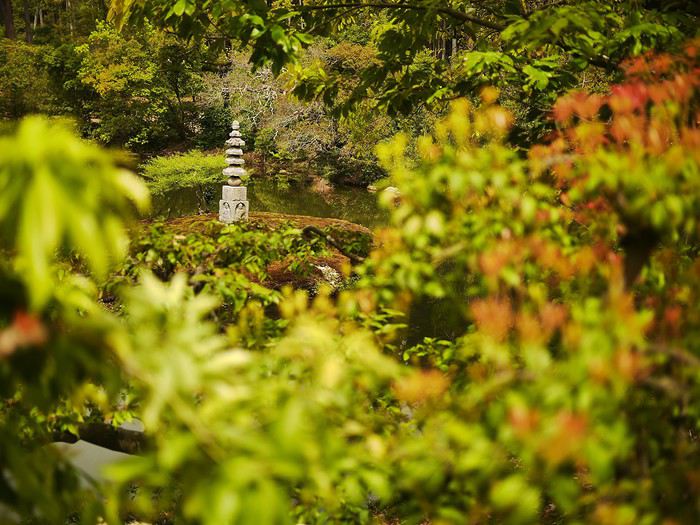
In the park of the Golden Pavilion
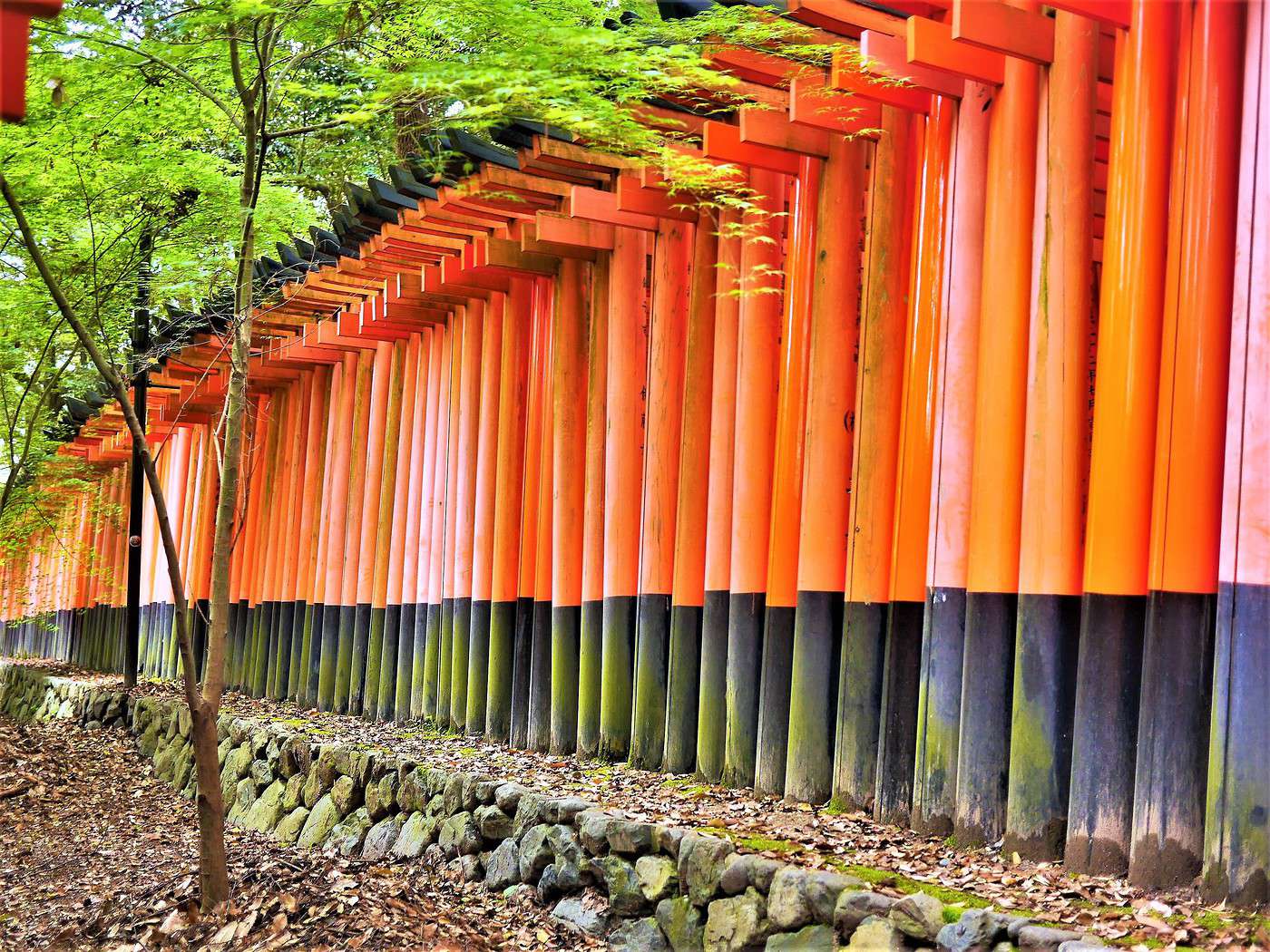
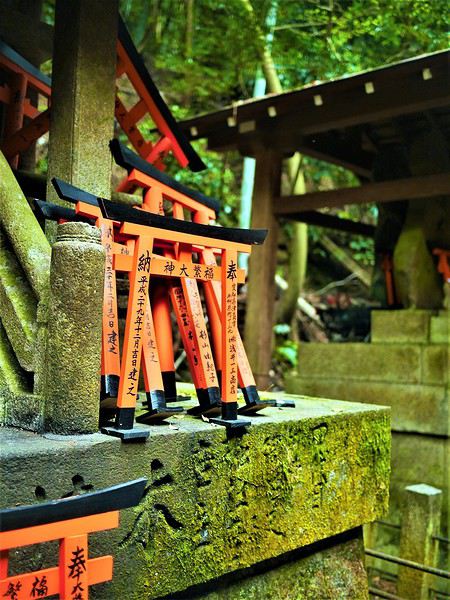
The same goes—times a hundred—at Fushimi Inari Taisha, a shrine dedicated to a clever little fox who was granted divine power to make rice grow. The image is in every guidebook, right next to the Golden Pavilion: a series of vermilion torii gates protecting a steep path to the inner sanctuary.
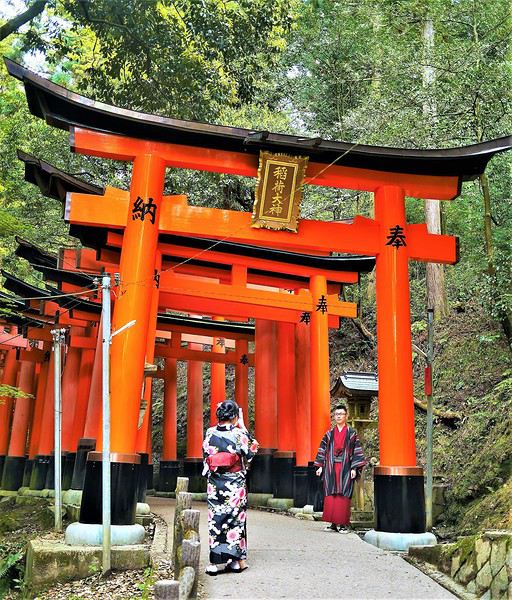
Fushimi Inari Taisha
The very layout of the place is the root of its misfortune: the entire international crowd, chattering and packed in tight, gathers here, united in their love of selfies. The spot is stunning, no doubt about it; you tell yourself you’ll have to come back outside peak season to truly appreciate the path that invites you to rise above.
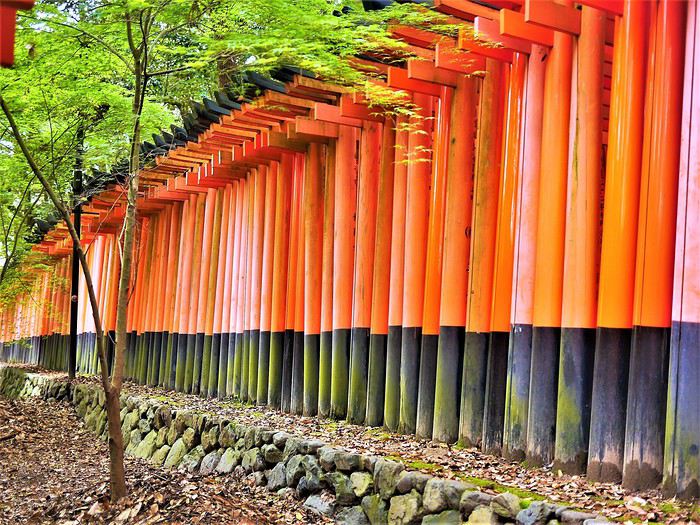
Fushimi Inari Taisha, from the outside
Kyoto, Shinkansen, Tokyo: three first-timers in Japan via Air China
Kate · 2018-09-12
Hi there
I’ve been following this thread step by step—I love the storytelling tone and the photos that go with it.
It’s fun, informative, and crystal clear 🙂
Kyoto, Shinkansen, Tokyo: three first-timers in Japan via Air China
Oltean · 2018-09-12
Good evening Alain,
Regarding airline choices, I’ll share my thoughts after nearly 40 years of travel adventures.
For about 20 years (roughly 1980–2000), I often flew with Aeroflot, which offered great prices to Asia and even Africa, despite long overnight layovers in Moscow. Finnair also had an interesting period. Then, until around 2010, Gulf airlines won my favor as they disrupted European carriers. That was the golden age of Etihad, Qatar Airways, Emirates, and also Saudi and Kuwait Airways, which were less well-known. Today, Chinese airlines are dominating the market, almost without any advertising. This includes Air China, as well as Southern, Eastern, Hainan, and Xiamen Airlines. It’s worth noting that these "regional" airlines originated from the People’s Liberation Army Air Force.
A few important details:
- These choices were based solely on price. When my ticket was covered, I really enjoyed Qatar Airways’ business class and their dedicated terminal in Doha. But that was then...
- I have little experience flying to the Americas and none to Oceania.
- One exception: for trips to the Middle East and Central Asia (the "Stans"), Pegasus from Marseille.
Anyway, to wrap up, a fond memory: in 1977, my first long-haul flight, Orly to Beijing on an Air France 707, with stops in Athens, Karachi, and Bombay. Now *that* was travel...
40 years of flying experience—respect! What a story.
Kyoto, Shinkansen, Tokyo: three novices in Japan via Air China
Oltean · 2018-09-12
Hi there
I’ve been following you step by step on this thread—I love the tone of your narration and the photos that illustrate it.
It’s fun, informative, and crystal clear 🙂
Hi Catherine,
It’s always a joy to be read, and even more so to be appreciated. Thanks for your message.
Kyoto, Shinkansen, Tokyo: three first-timers in Japan via Air China
Cathielescot · 2018-09-12
I also boarded 😎
And another big thanks for these tips.
Kyoto, Shinkansen, Tokyo: three first-timers in Japan via Air China
Muriel18 · 2018-09-12
Hi Alain,
I love the tone of the narrative and the photos that illustrate it.
It's fun, informative, and clear 🙂
I would’ve said pretty much the same things as Kate.
So I’m happily following along with these Japanese (mis)adventures.
Muriel
Kyoto, Shinkansen, Tokyo: Three Novices in Japan via Air China
Annachris · 2018-09-12
I'm loving reading your travel journal, it's so funny! 🙂
And that trick with the bill reminds me of our experience in Sri Lanka, where we were also surprised to see a beer arrive instead of the check! 🙂 It must be pretty common after all!!
Your photos are really beautiful too!
Kyoto, Shinkansen, Tokyo: three first-timers in Japan via Air China
Oltean · 2018-09-12
I also boarded 😎
And another big thank you for these updates.
Welcome aboard! Hope you stick around till the end :)
Kyoto, Shinkansen, Tokyo: three novices in Japan via Air China
Oltean · 2018-09-12
Hi Alain
I love the tone of the narrative and the photos that illustrate it.
It's fun, informative, and clear 🙂
I would’ve said pretty much the same things as Kate.
So I’m happily following these Japanese (mis)adventures.
Muriel
Hi Muriel, looking forward to reading your reactions.
Kyoto, Shinkansen, Tokyo: three first-timers in Japan via Air China
Oltean · 2018-09-12
I’m loving reading your travel journal—it’s so funny! 🙂
And that bill mix-up reminds me of our experience in Sri Lanka, where we also got a beer instead of the check! 🙂 Must be pretty common after all!!
Oh yeah, true! Do we know why the mix-up happened in Sri Lanka? Hope the beer was good at least (in Japan, it’s excellent).
Your photos are really beautiful!
Thanks! I’m putting in the effort to improve—results don’t always follow, but Japan really inspired me.
Kyoto, Shinkansen, Tokyo: three first-timers in Japan via Air China
Erjome · 2018-09-12
Hi Alain,
I was in Kyoto about two weeks ago, and it was truly amazing to see all those people. Hard to believe that 20 years ago, during my first visit, I’d rarely run into Westerners. And the few I did see were usually expats. To avoid the crowds, the best trick is to get there when the sites open. For Fushimi Inari, late afternoon with the setting sun is perfect—I was lucky enough not to have too many people around.
Kyoto, Shinkansen, Tokyo: three first-timers in Japan via Air China
Masterpo · 2018-09-12
I think I’m finally figuring out what’s off: you pay for the ticket when you exit the bus
That makes sense since the price depends on the distance traveled (except for buses within Kyoto itself, which cost 230 ¥).
the beauties of Kyoto suffer from the same issue as Prague’s Old Town, Montmartre, or Venice
You can add Barcelona and New York to that list...
I stopped going to Kyoto in 2014—there were just too many French people. At Kyoto Station, it felt like Gare Montparnasse. But I’ll go back one day, off-season.
A quick word on the travel journal. Well, I’m not learning anything new, but it’s well written, some reactions are amusing, and most importantly, the photos stand out.
Kyoto, Shinkansen, Tokyo: three first-timers in Japan via Air China
Ellobo · 2018-09-12
Hi Alain,
+1
I loved your travel journal about the USA—a country I know a little—and now I’m discovering Japan (well, part of it, let’s stay modest) through your amazing writing.
Great job and thank you!
Cheers,
Kyoto, Shinkansen, Tokyo: three first-timers in Japan via Air China
Oltean · 2018-09-13
Good evening Alain,
I was in Kyoto about two weeks ago, and it was indeed impressive to see all those people. It’s hard to believe that 20 years ago, during my first visit, I’d rarely come across Westerners. And the few I did see were often expats. To avoid the crowds, the best solution is to be there when the sites open. For Fushimi Inari, late in the day with the setting sun is amazing—I was lucky not to have too many people around.
Hi Eric,
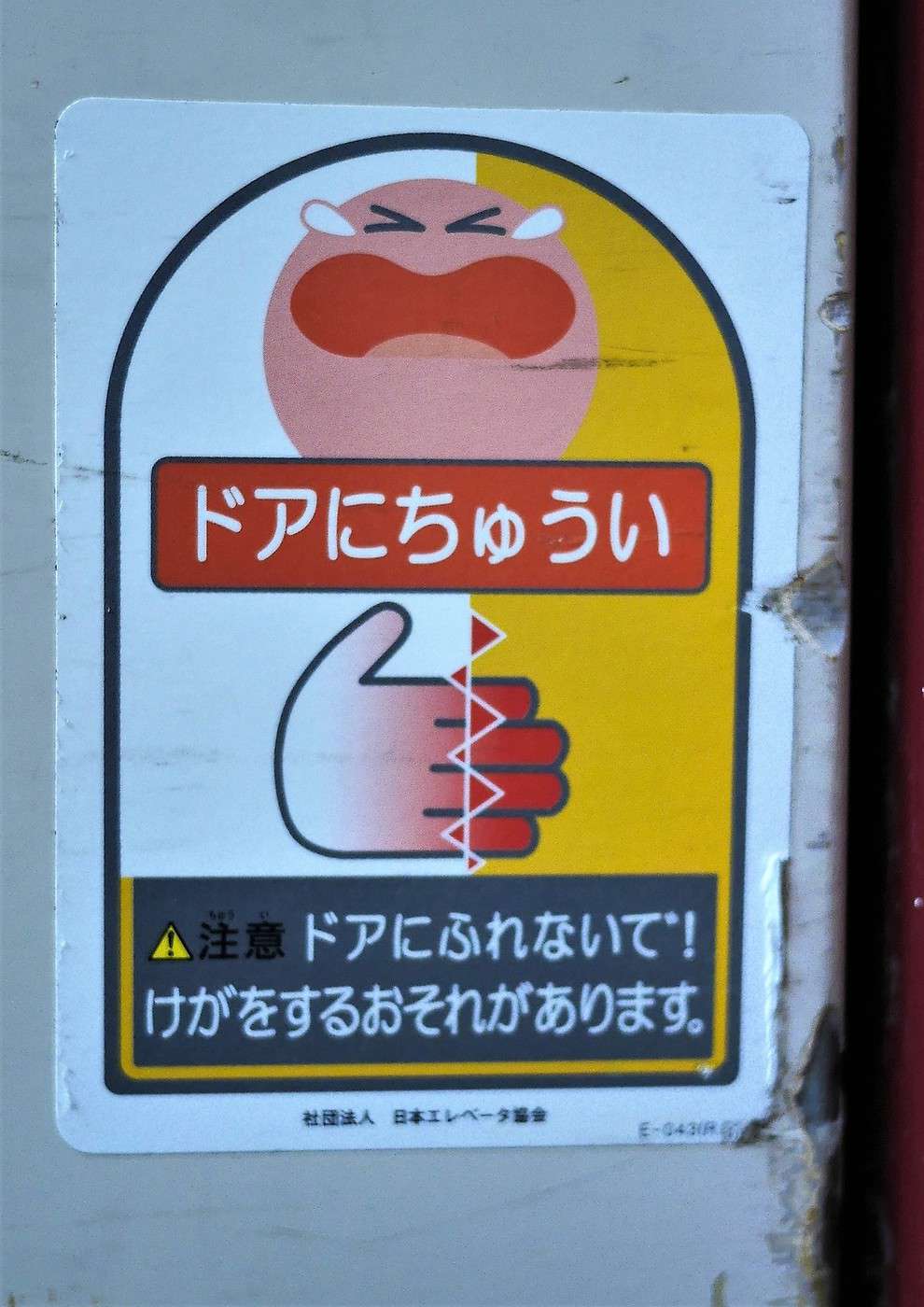
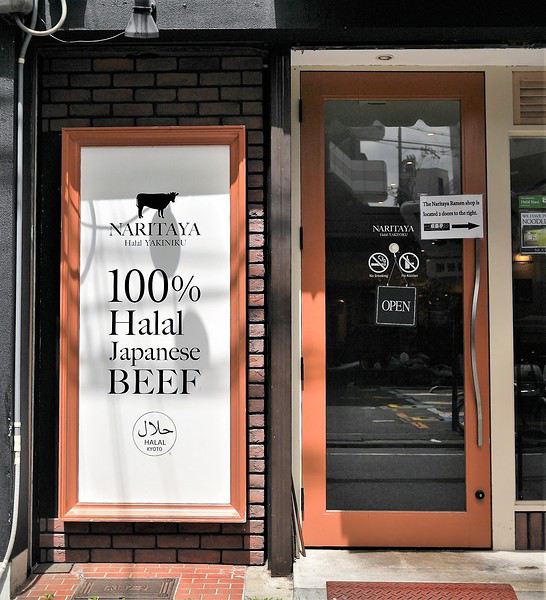
Great idea. The late afternoon might be tricky with the time difference, but I like the suggestion. As for tourists, I didn’t just see Westerners—far from it. Lots of visitors from Asia, especially, I’d guess, from Indonesia or Malaysia, which explains the sign below:
Kyoto, Shinkansen, Tokyo: three first-timers in Japan via Air China
Oltean · 2018-09-13
I think I’m finally figuring out what’s off: you pay for the ticket when you exit the bus
That makes sense since the price depends on the distance traveled (except for buses within Kyoto itself, which cost 230 ¥).
It’s the same in France, yet we pay before the trip. There’s an aspect that goes beyond simple logic, in my opinion, and it comes down to how passengers are perceived: a matter of trust, respect for rules, behavior...
the beauties of Kyoto suffer from the same affliction as the Old Town of Prague, Montmartre, or Venice
You could add Barcelona and New York to that list...
Unfortunately, I could easily add a dozen more without even trying, and way more if I dug a little deeper.
I stopped going to Kyoto in 2014—there were just too many French people. At Kyoto Station, it felt like Gare Montparnasse. But I’ll go back one day, off-season.
A word on the travel journal. Well, I’m not learning anything new, but it’s well-written, some reactions are amusing, and most importantly, the photos stand out.
Well, that’s something at least. Thanks for reading.
Kyoto, Shinkansen, Tokyo: three first-timers in Japan via Air China
Oltean · 2018-09-13
Good evening Alain,
+1
I loved your travel journal about the USA—a country I know a little—and now I’m discovering Japan (well, part of it, let’s stay modest) through your remarkable writing.
Well done and thank you!
Take care
It’s great to see you here, Jean-Pascal. Looking forward to reading more from you.
Kyoto, Shinkansen, Tokyo: three first-timers in Japan via Air China
Oltean · 2018-09-13
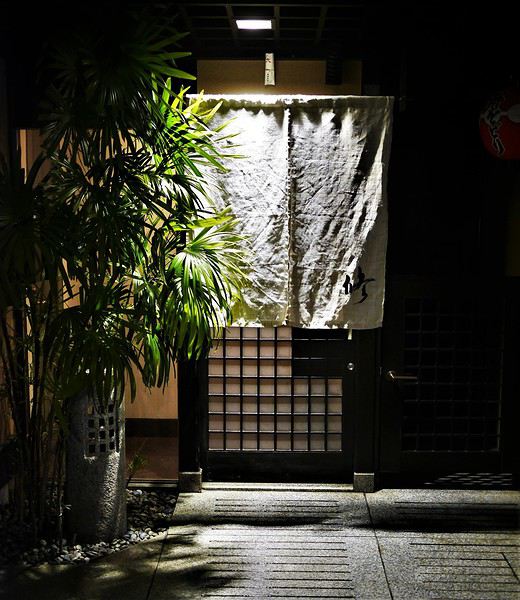
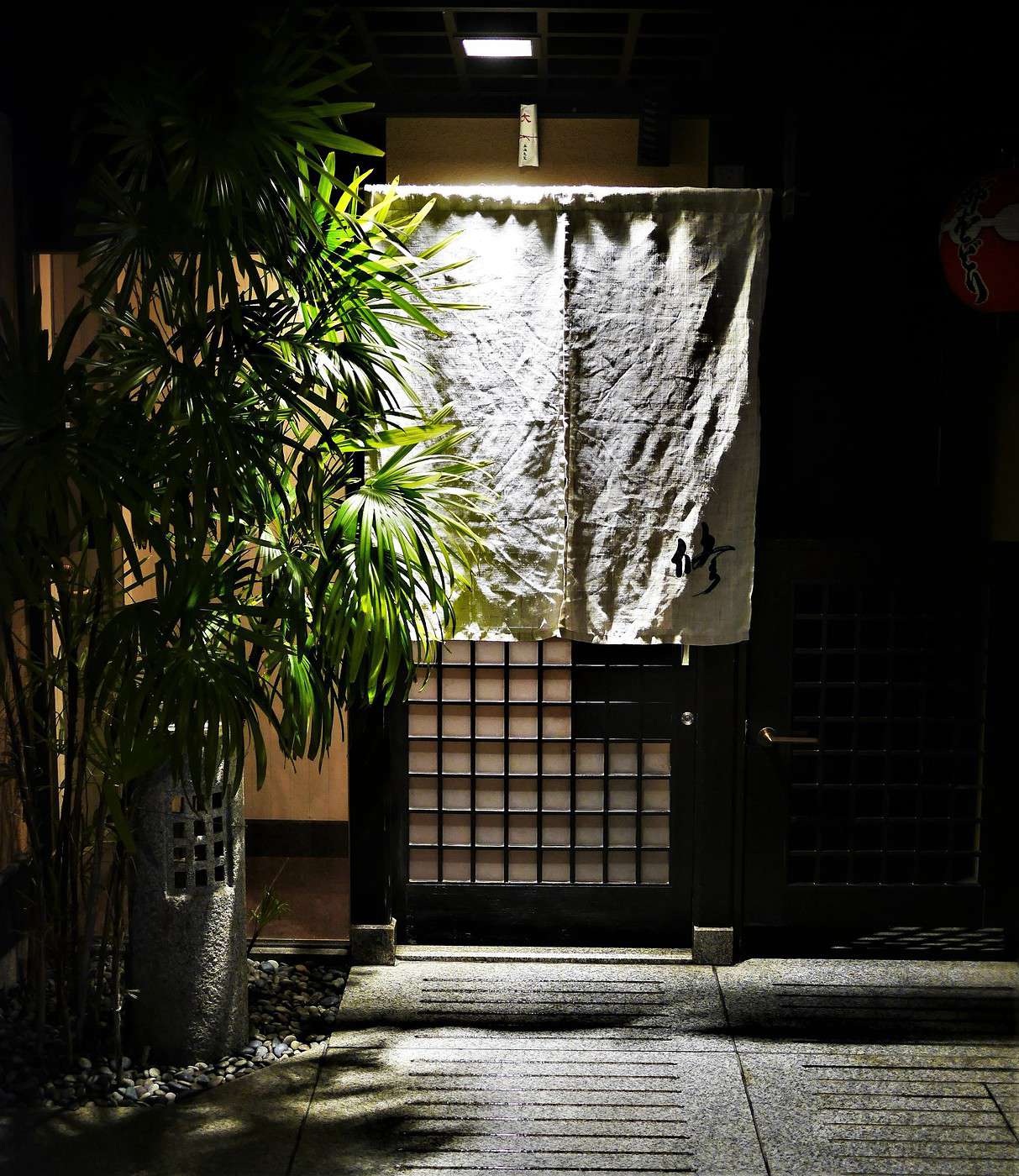
Gion at night
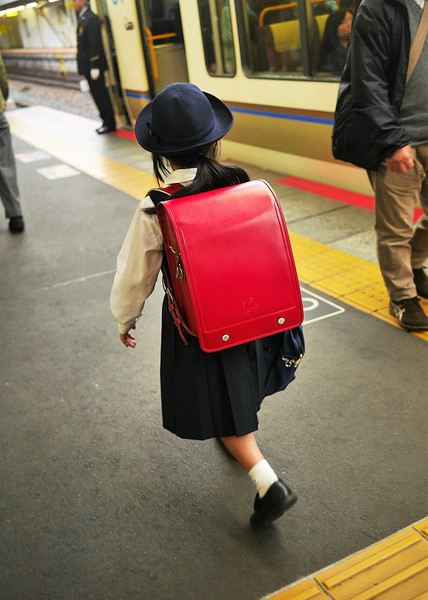
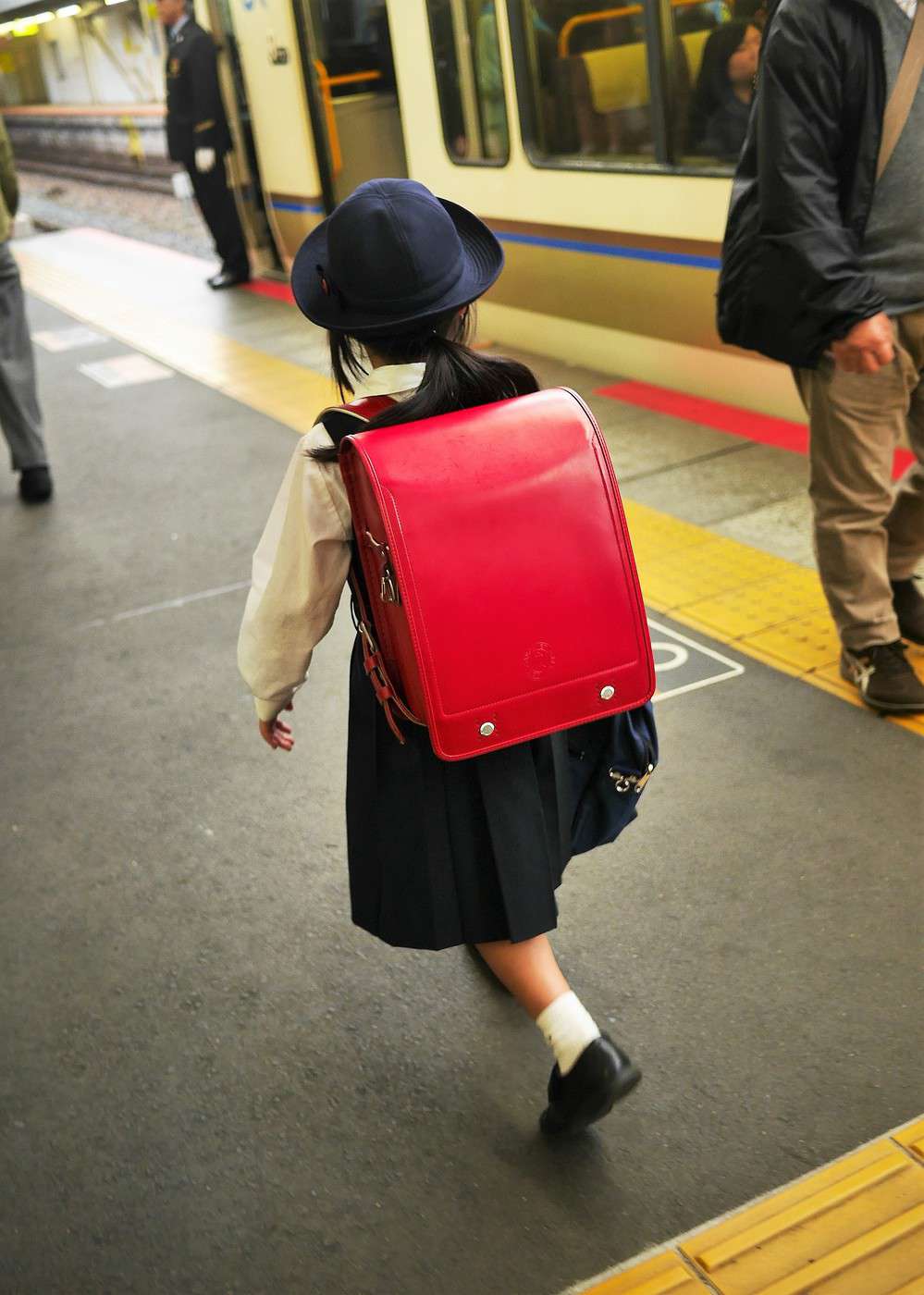
The way to school
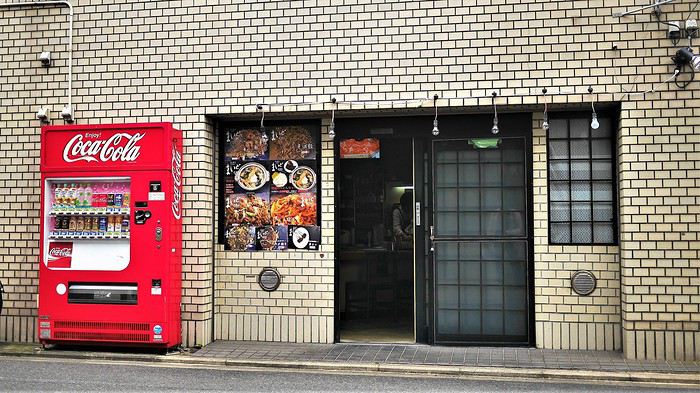
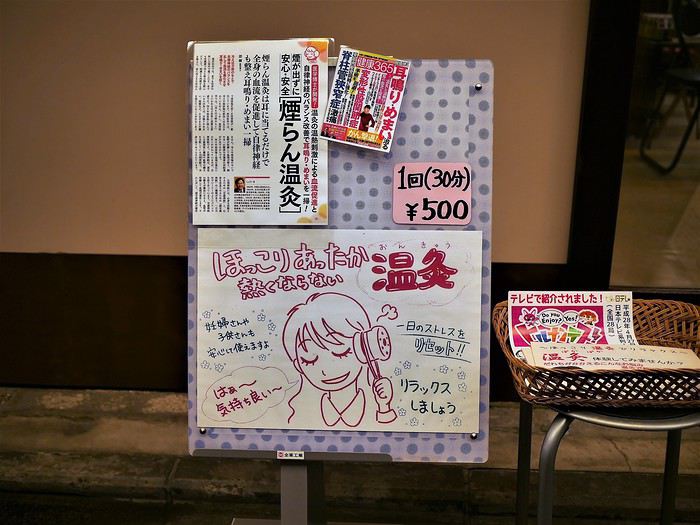
The conveniences of modern life make discovering Kyoto very accessible for the passing visitor. The sense of strangeness when faced with a different civilization is softened by familiar landmarks: Wi-Fi is almost everywhere, and the transport network is made easier by the near-systematic use of English. Observing a few typical scenes—those we’d only heard about—adds to this vague sense of familiarity.
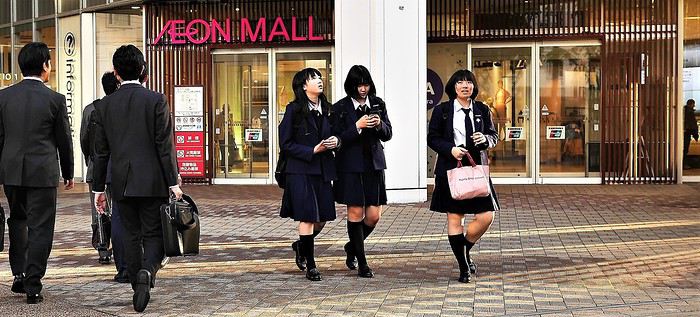
After school
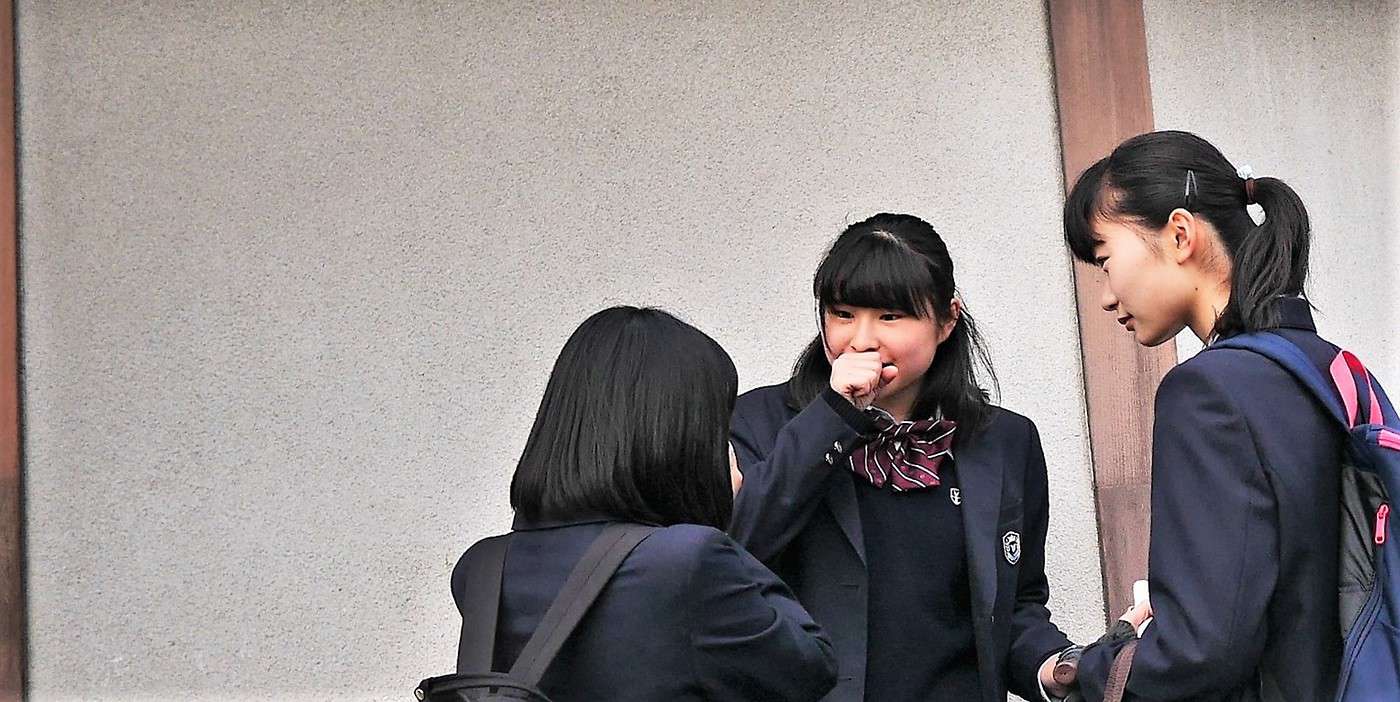
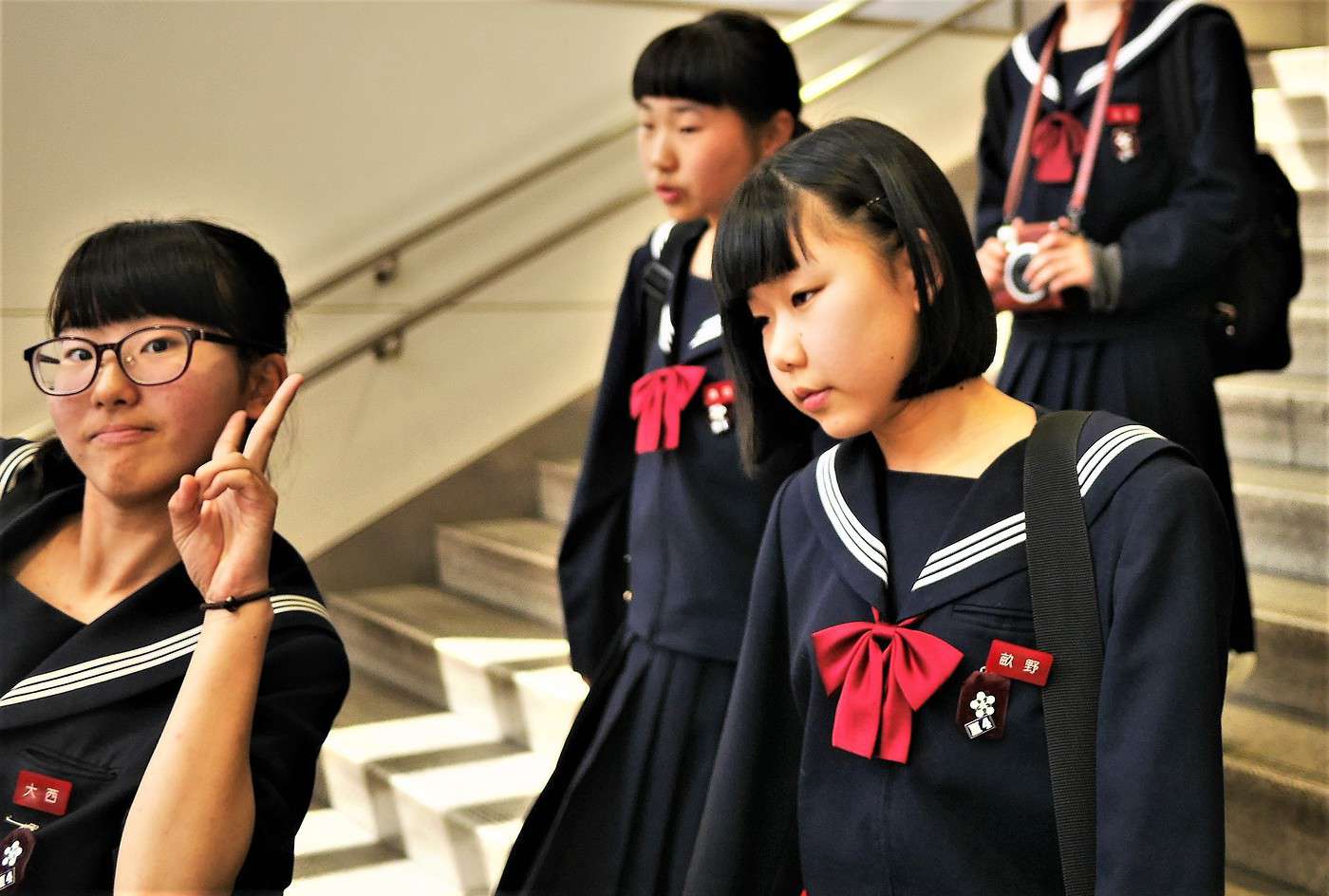
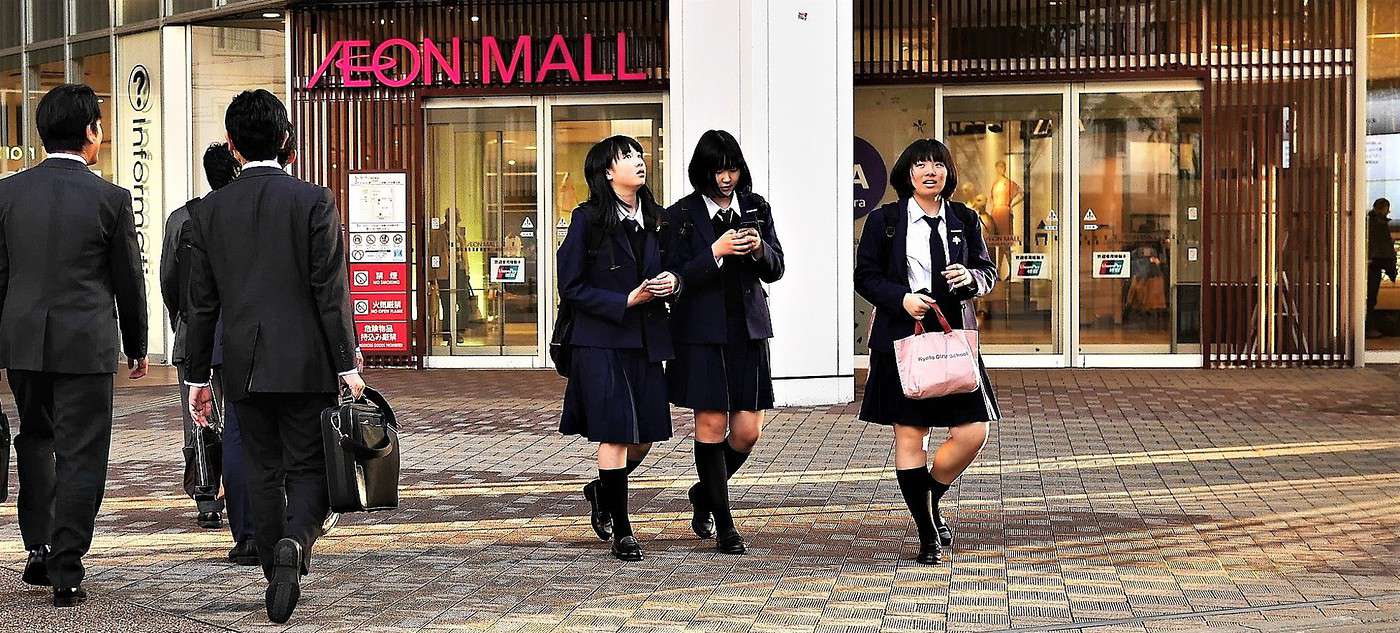
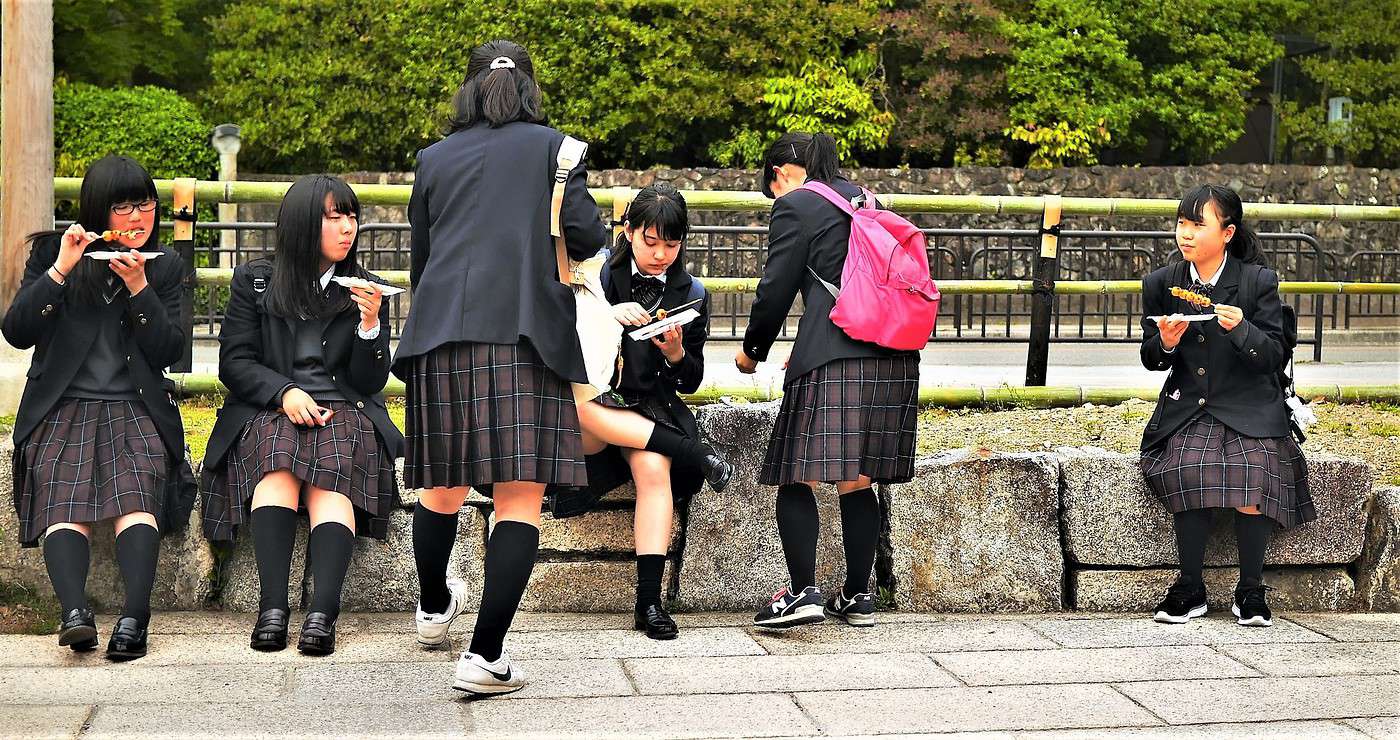
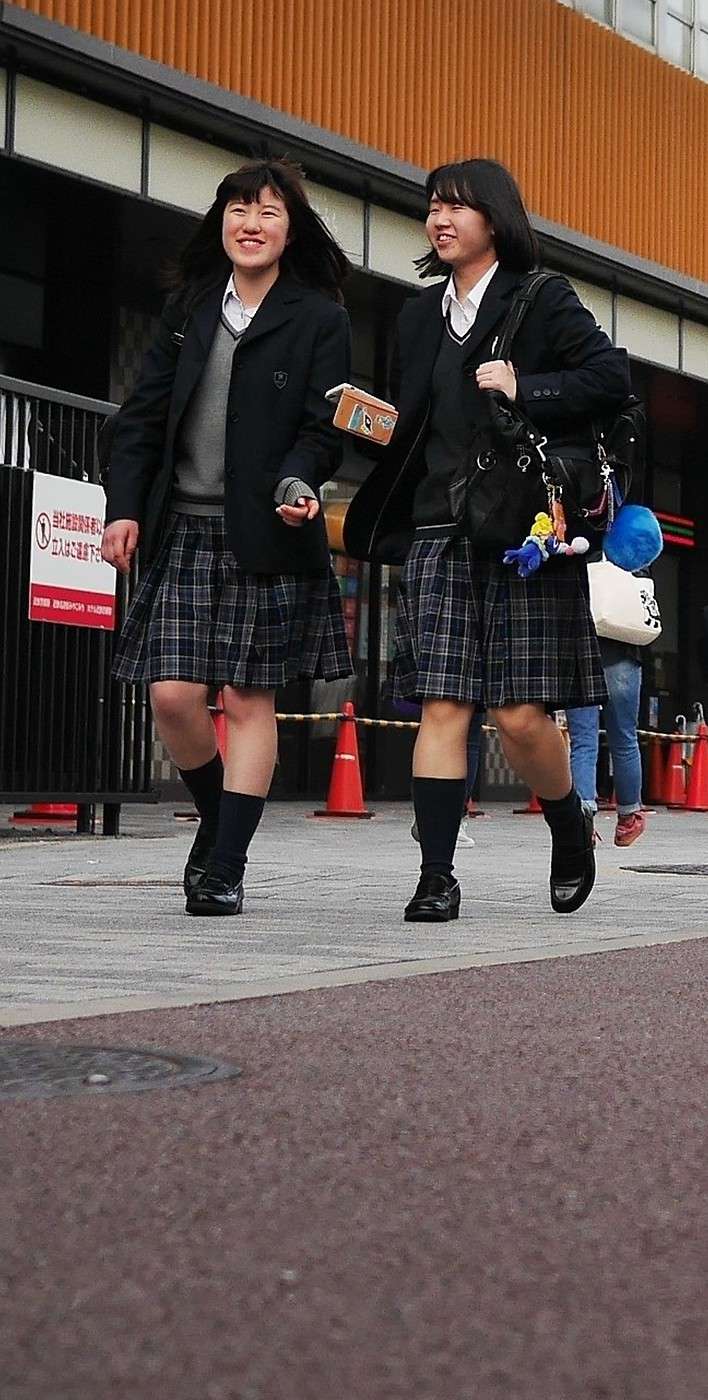
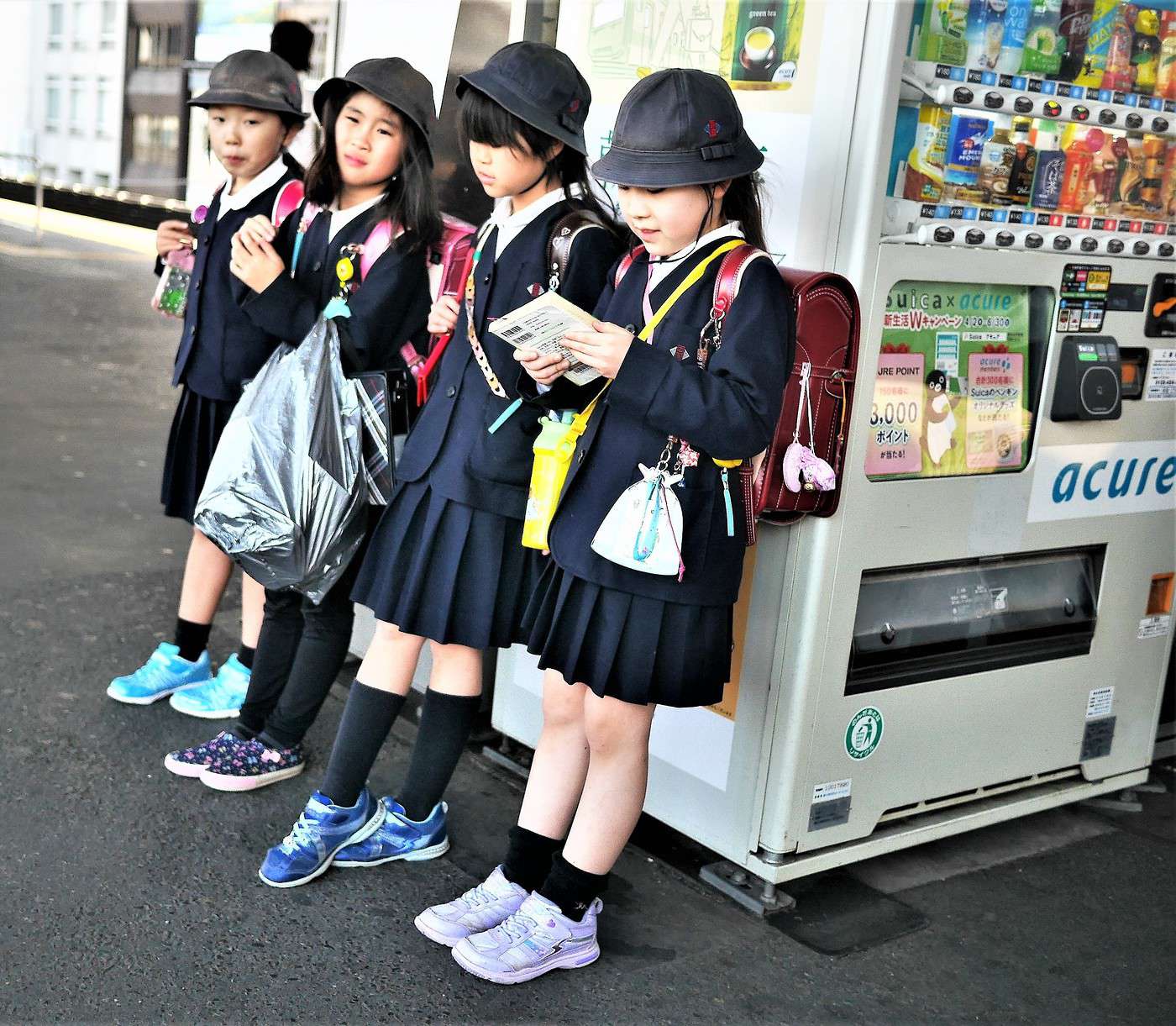
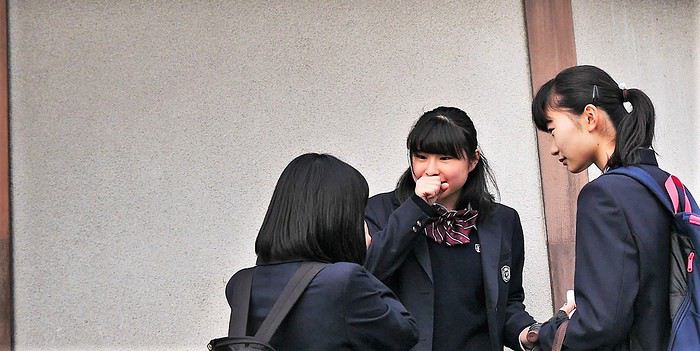
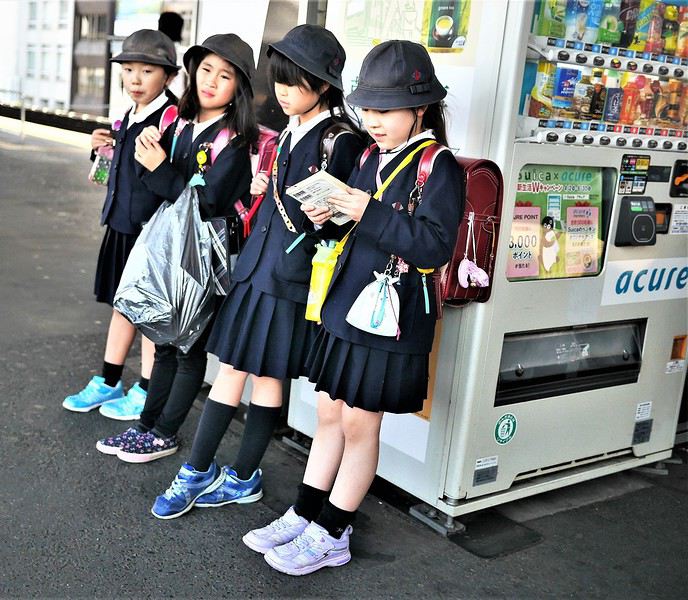
Take school kids, for example: they’re in uniforms and move in groups, boys on one side and girls on the other. The guys wear impeccable suits, white or pale blue shirts, and ties.
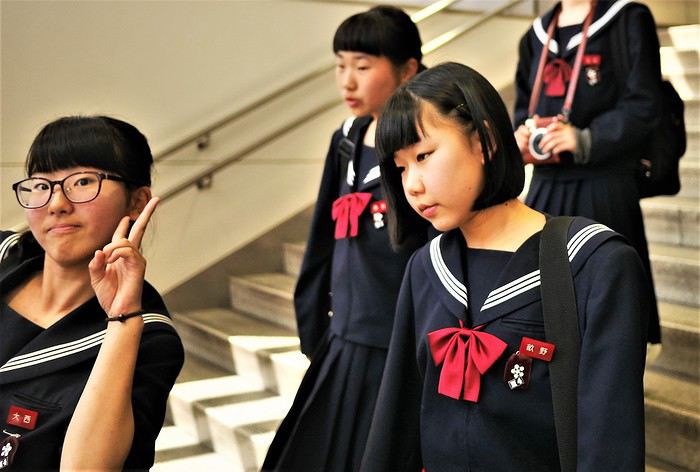
Hello Kitty !
The girls’ outfits are very modest, often with ties too (!) and pleated skirts that fall to the knee (just above for the boldest). Some wear sailor-style uniforms—not the kind from *Commander Cousteau*, mind you.
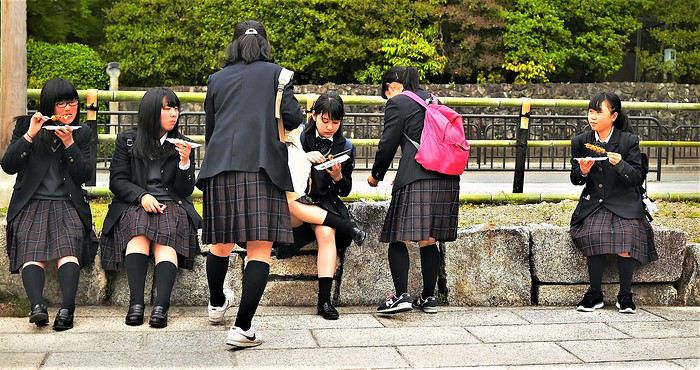
Neat rows
Secrets of the day
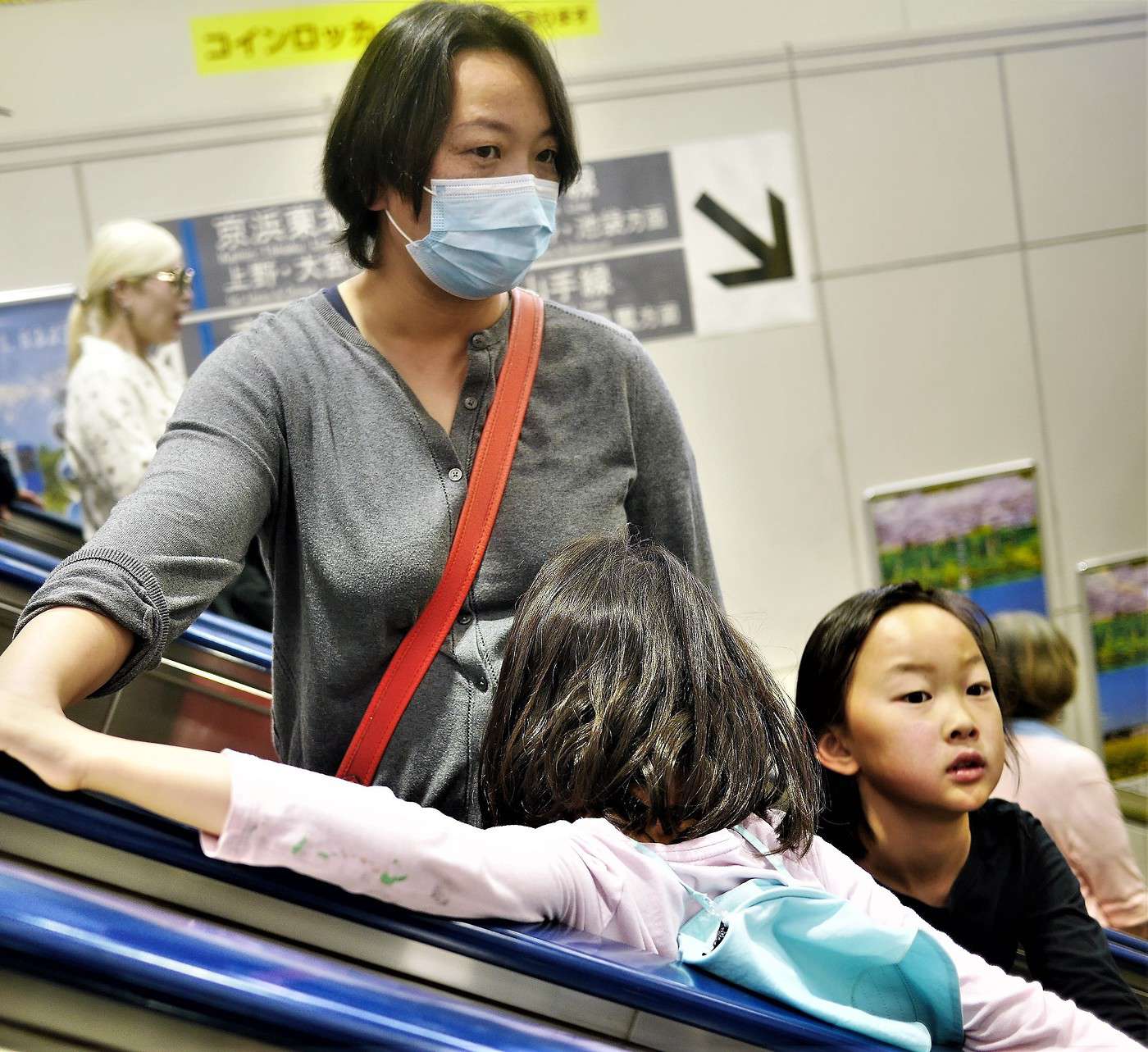
Like their elders, students often wear masks covering their mouth and nose and carry translucent umbrellas.
Asia in the subway
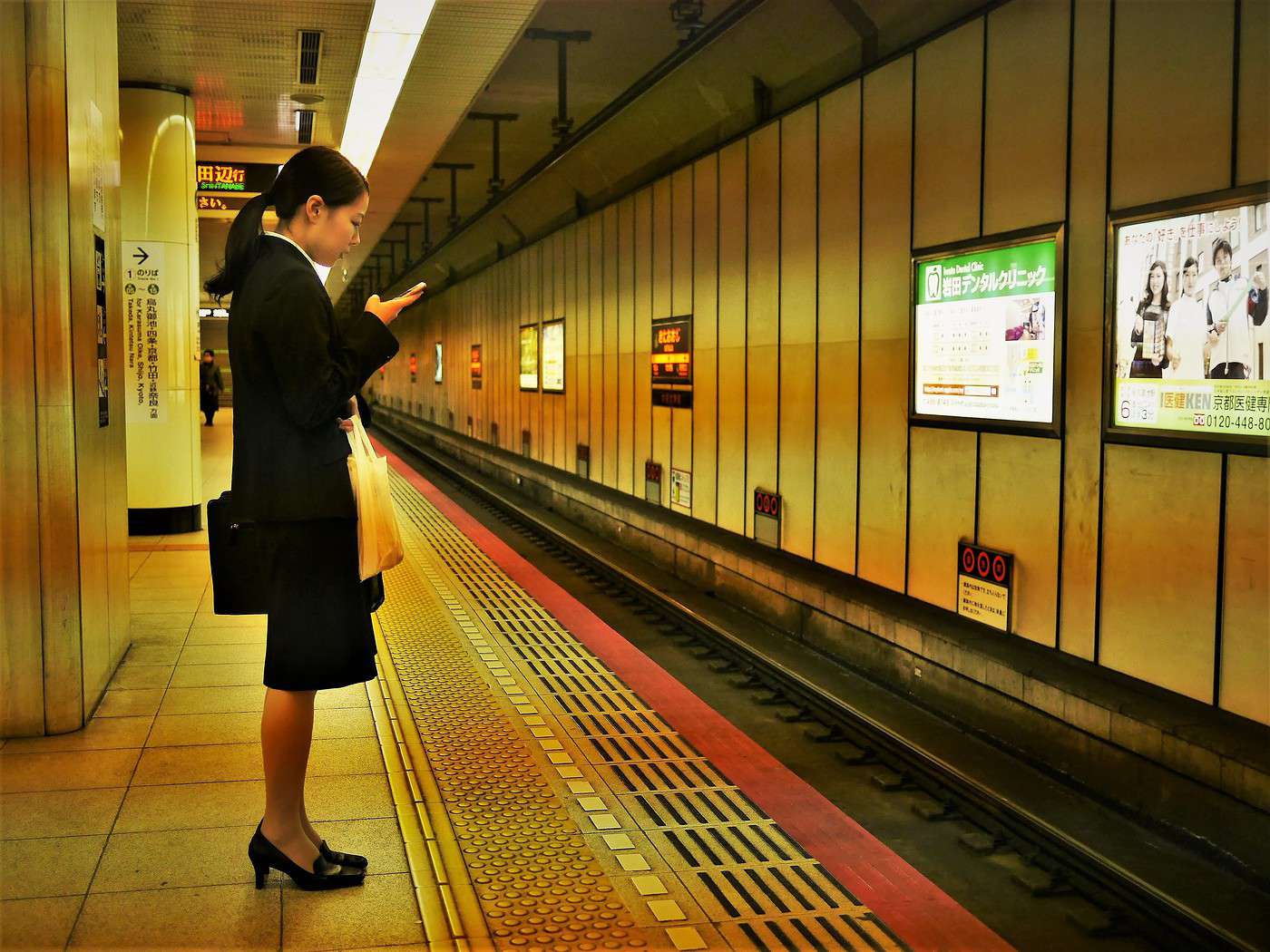
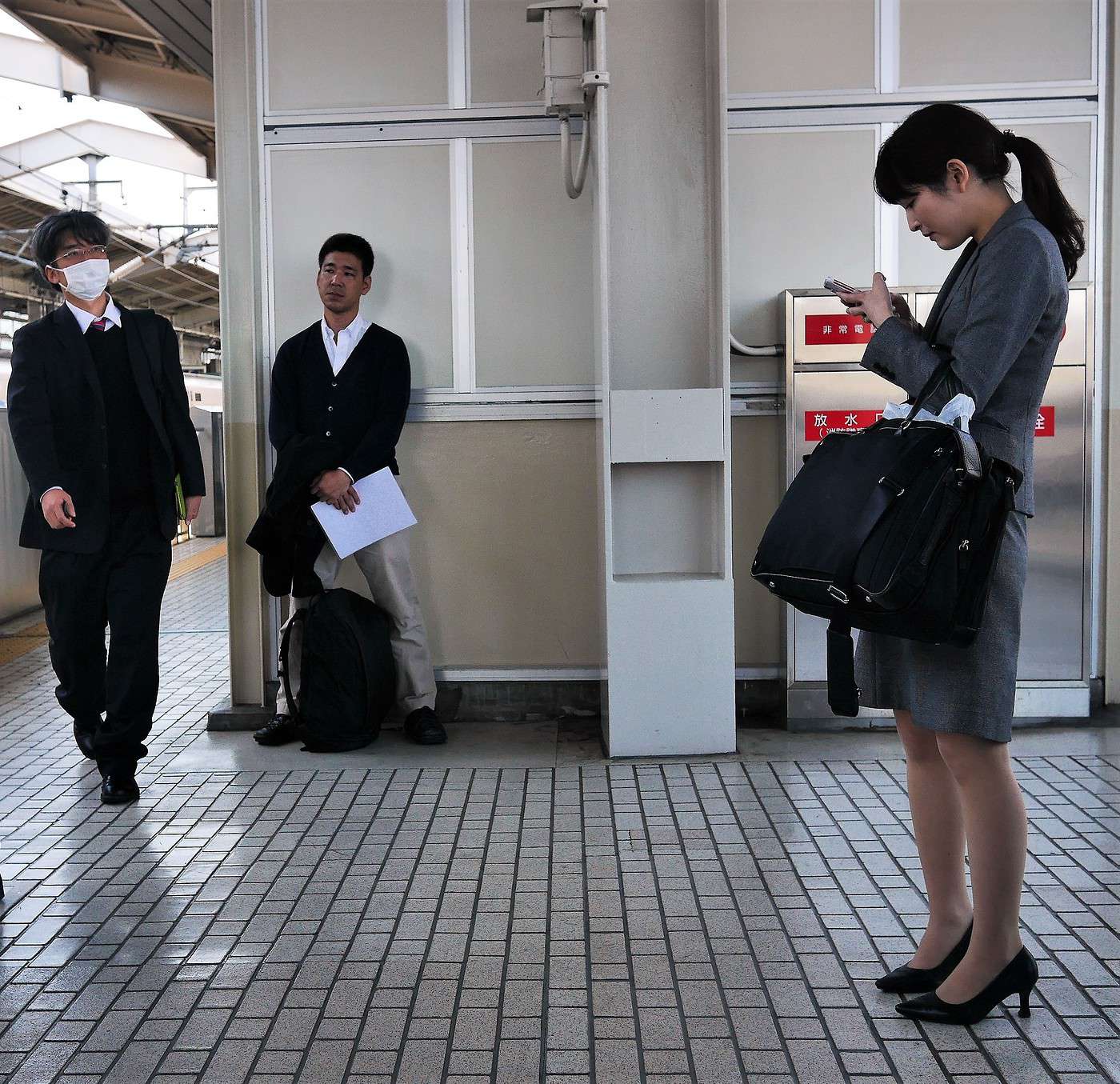
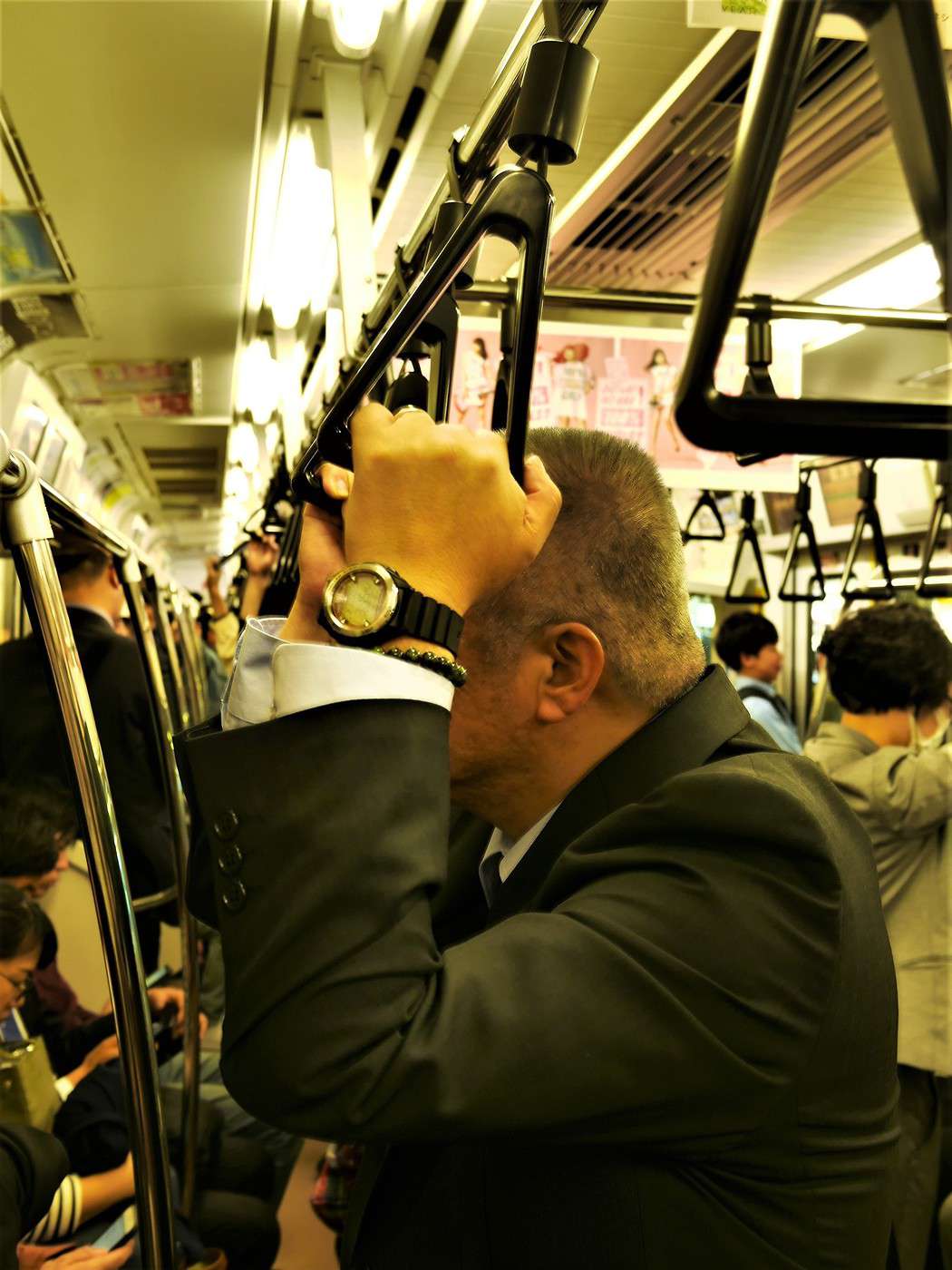
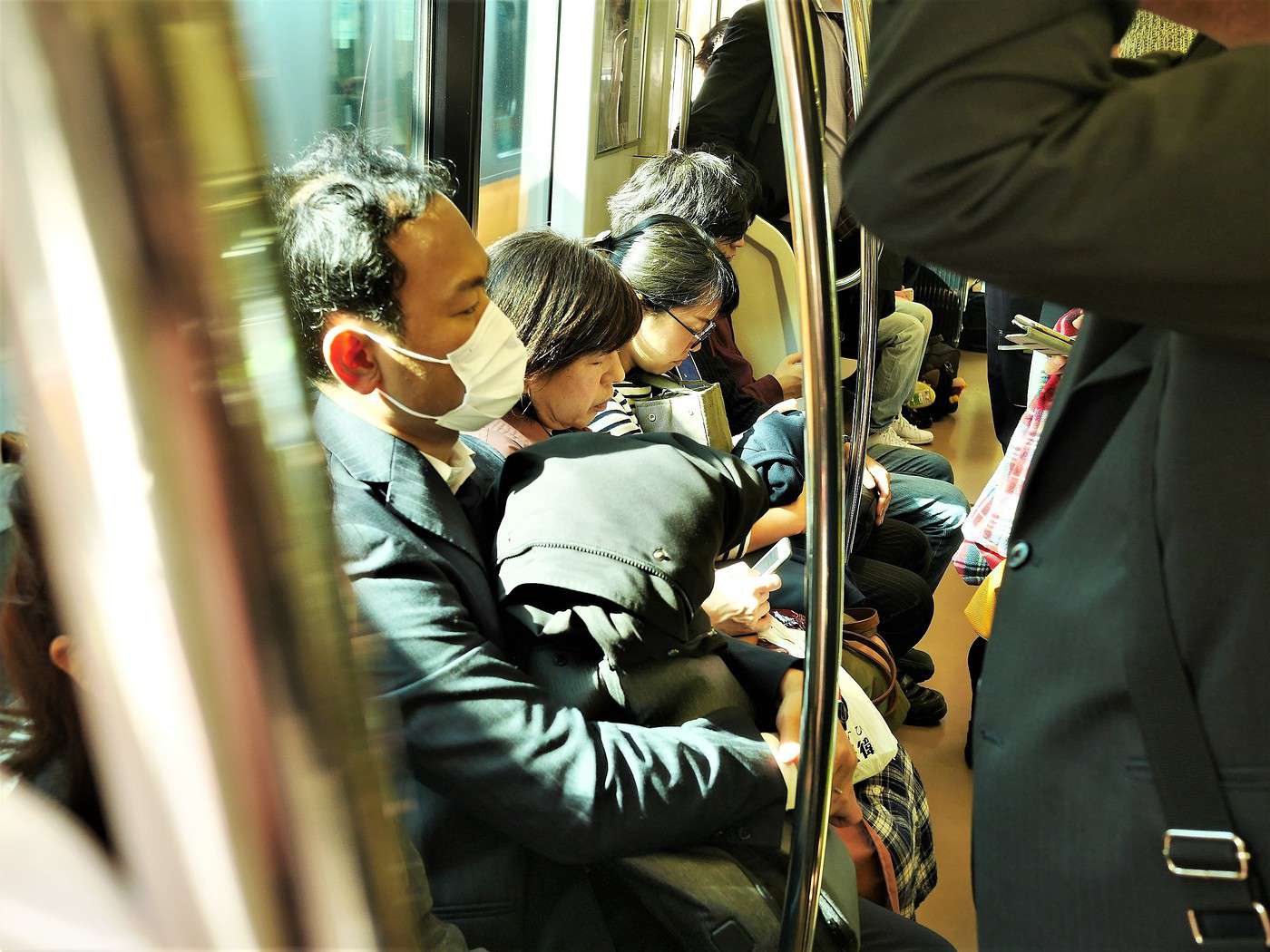
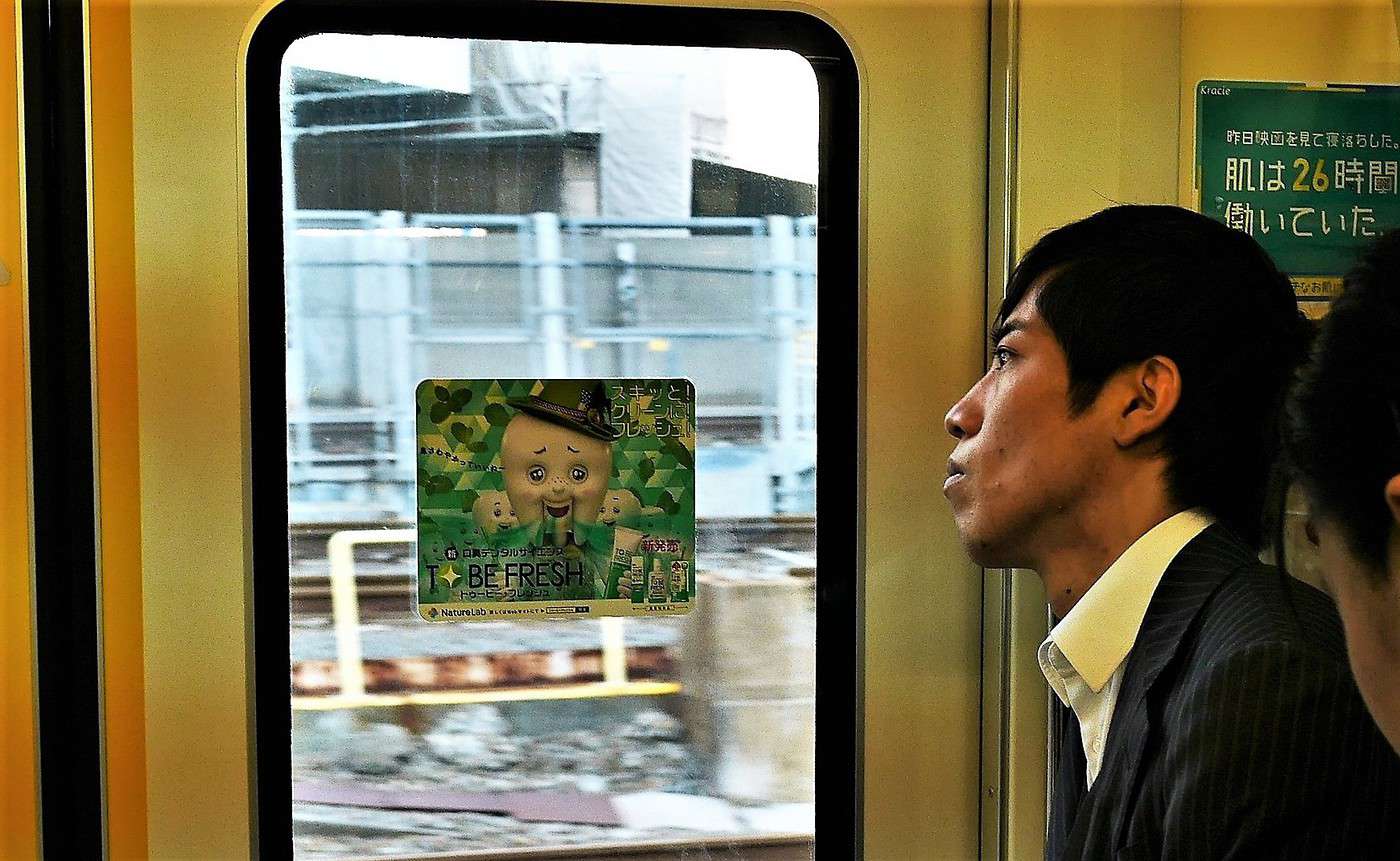
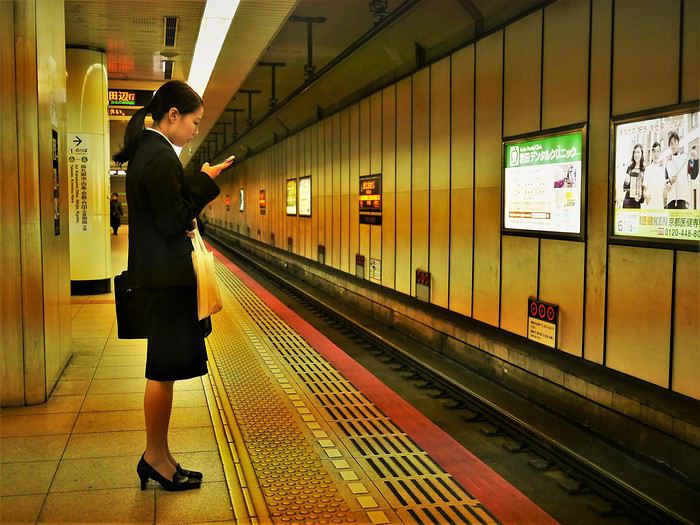
In the subway, female professionals in strict suits mingle with their male counterparts—or *salarymen*, as they’re called here—slumped with exhaustion. Like the students, they wear office suits, light-colored shirts, and ties.
Small deliveries
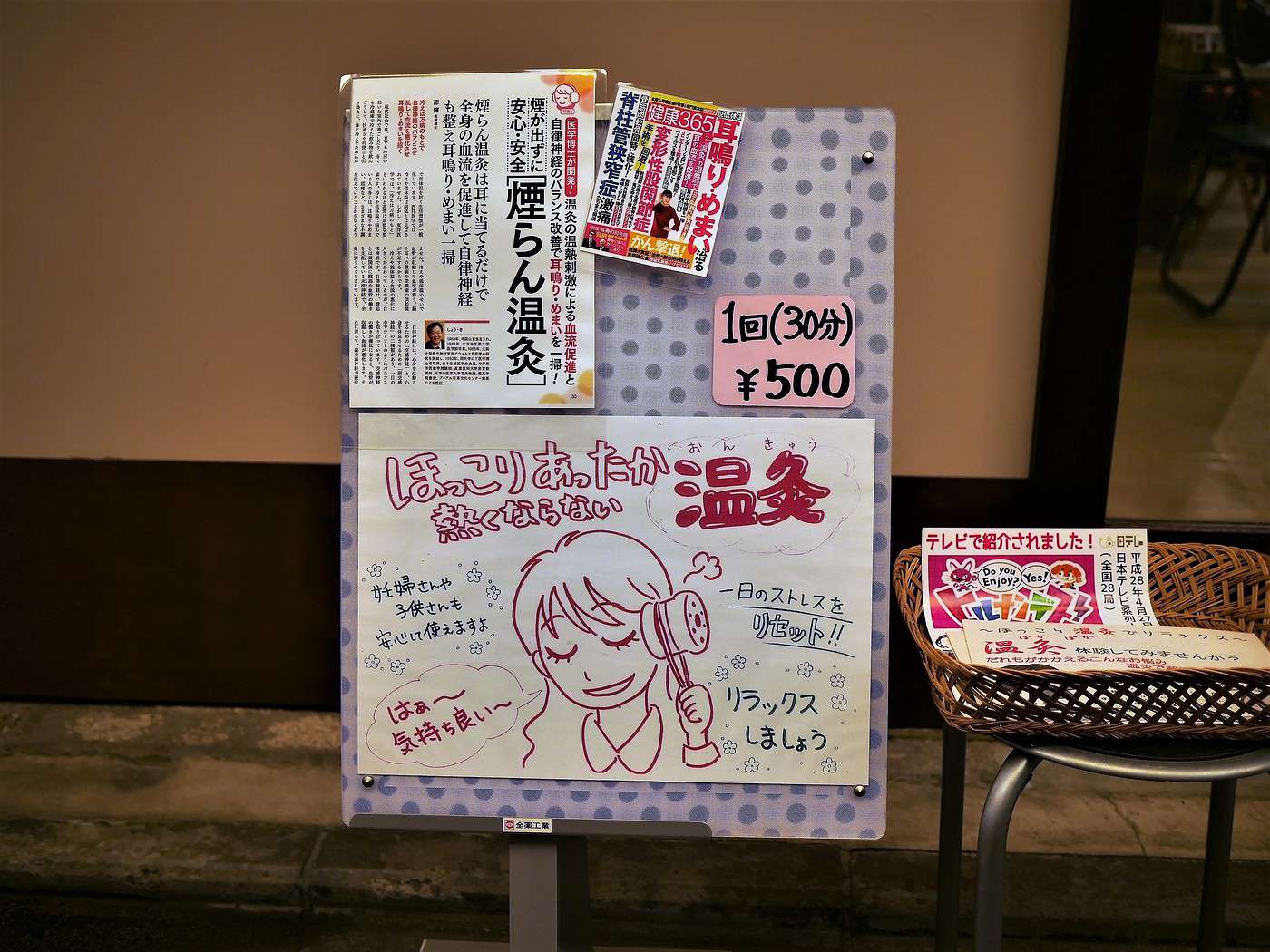
Anti-migraine?
The Imadegawa district, where we’re staying, is very quiet.
Imadegawa
Common mode of transport
Horizontal ranking
...and vertical
This tranquility seems to extend to the rest of the city. Exploring the area around Kyoto’s massive station, one thing struck me: it almost feels like the countryside. Cars, even those with combustion engines, make almost no noise, honking is rare, and all traffic moves quietly. Pedestrian crossings are guided by bird songs—cuckoos, tits. The visually impaired are assisted by specific signals. So far, I haven’t seen any jostling in crowds of thousands of travelers.
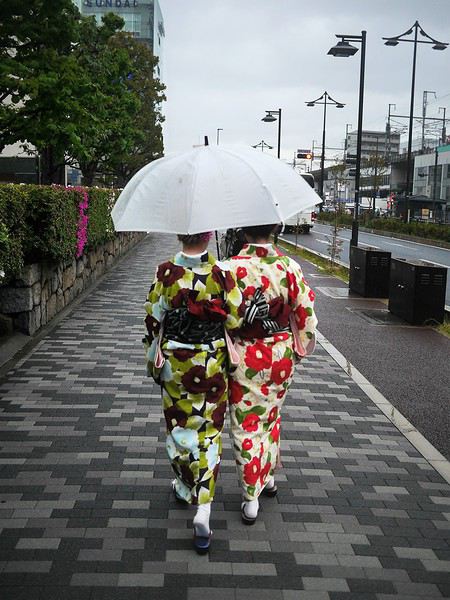
A little corner of paradise
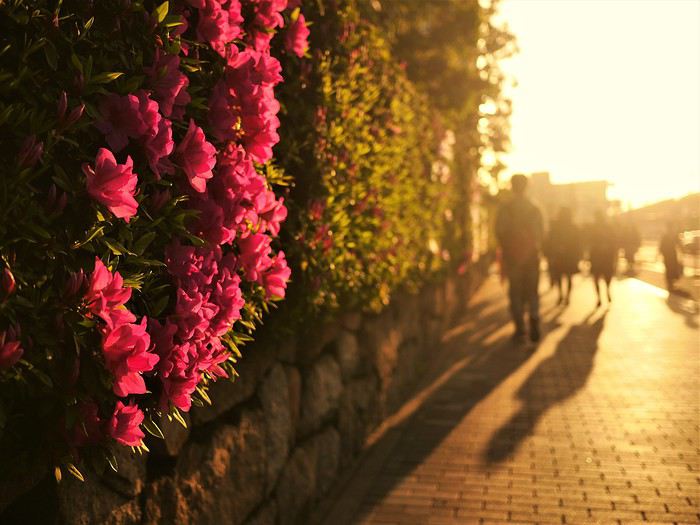
At sunset
This constant attention to making life easy—that is, eradicating, as much as possible, the minor hassles of everyday existence—might be a way to compensate for the extreme demands of school years or office work.
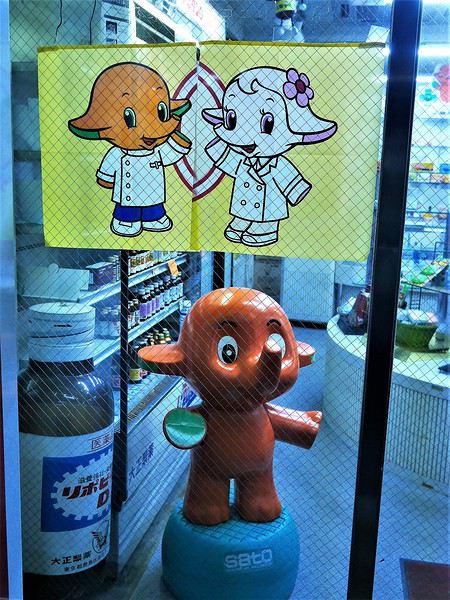
Kawaii elephants
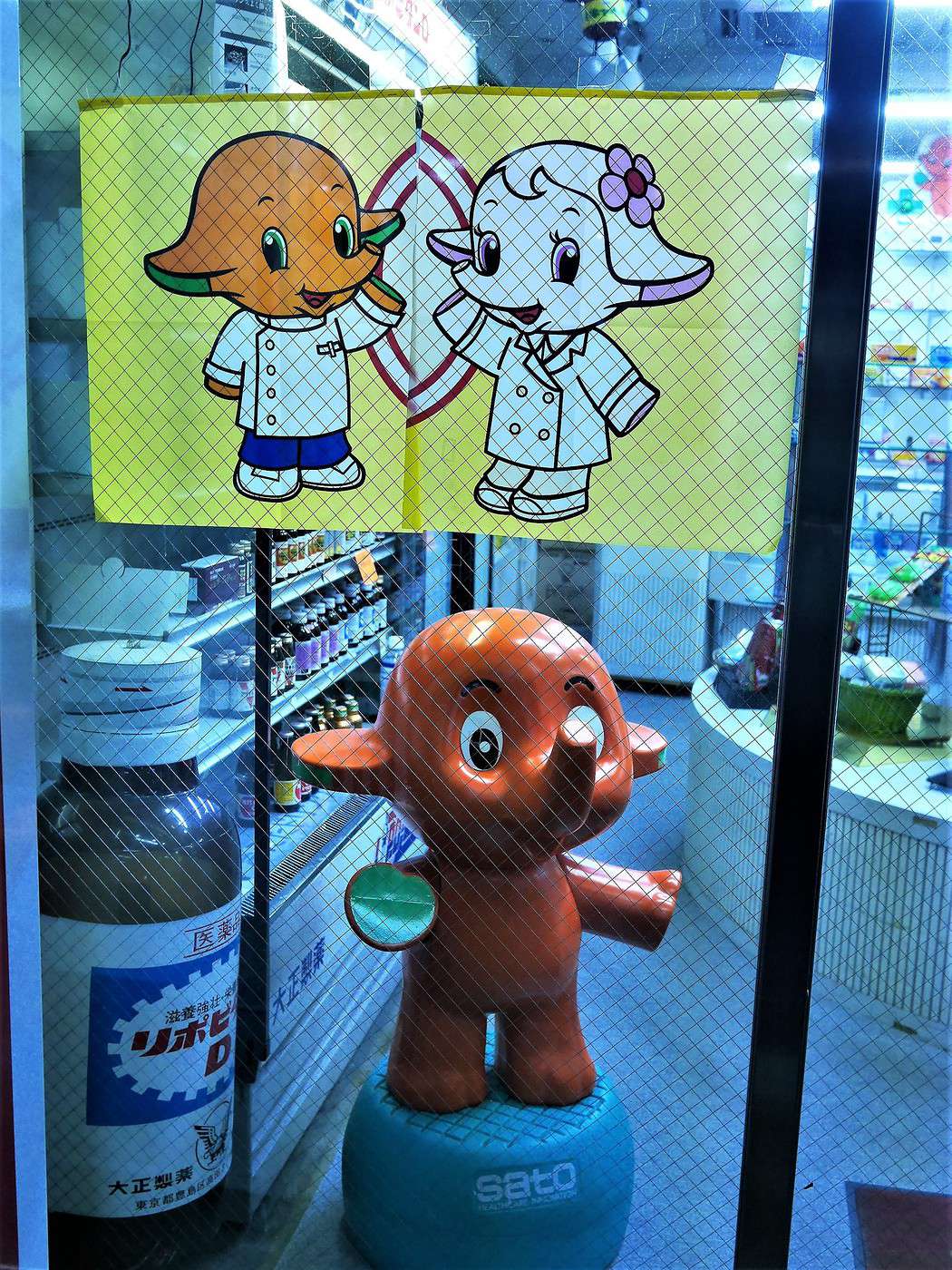
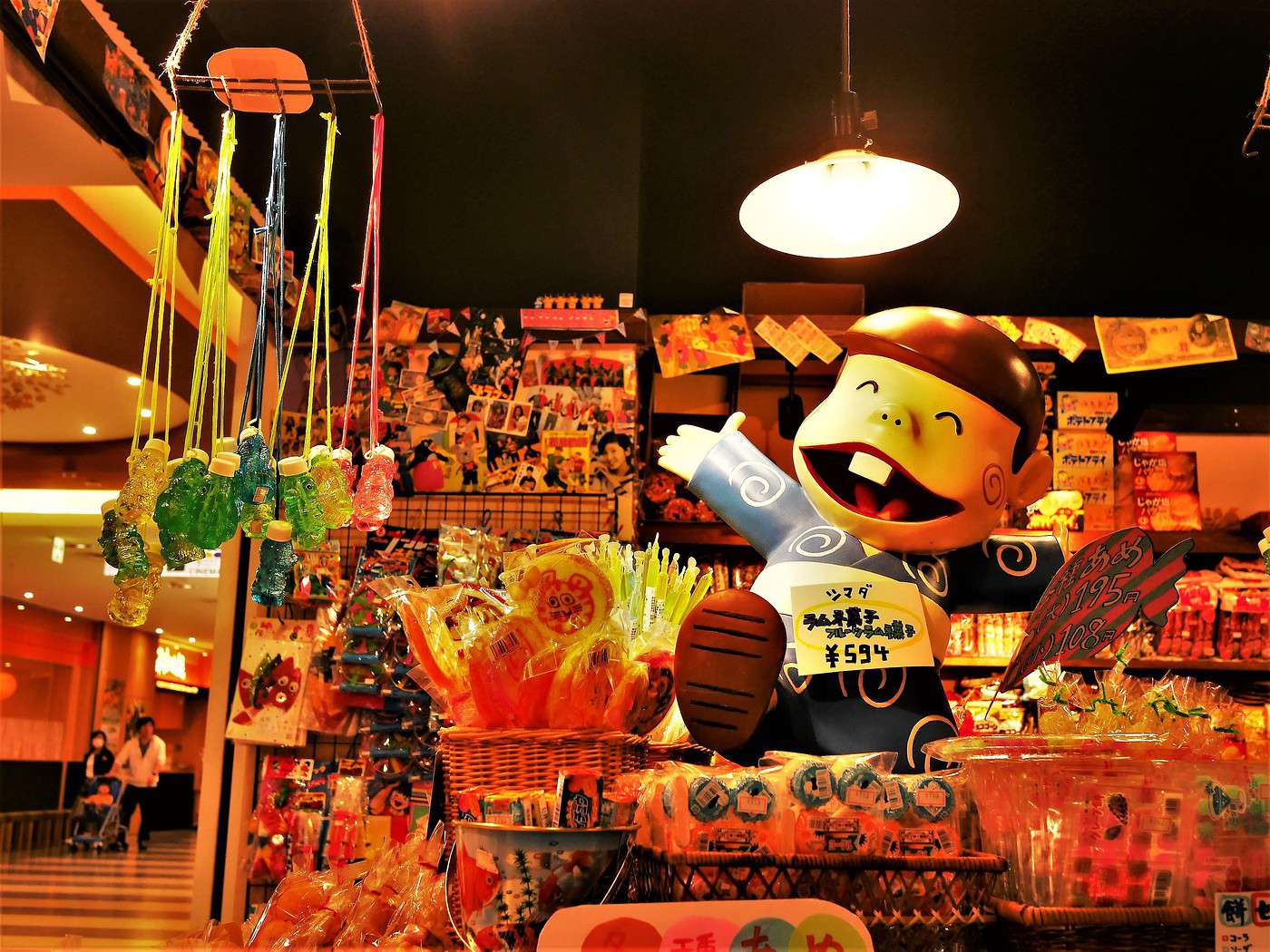
Is there also a link to the *kawaii* trend? This pink tsunami touches every aspect of life here: at all hours, little stylized characters—bears, ducks, rabbits, ungulates, toothless creatures, monotremes, and other critters we thought had disappeared from our lives since *The Magic Roundabout*—encourage you in squeaky voices to sign up for insurance or devour some greenish candy on the spot.
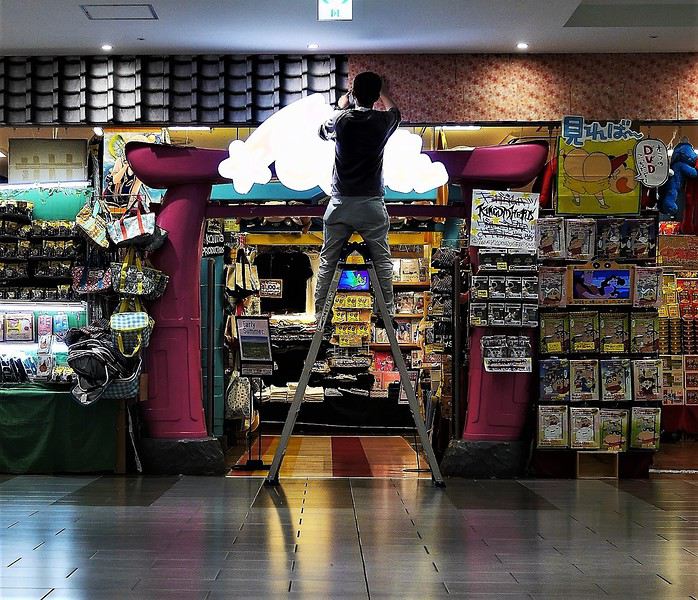
Kawaii shop
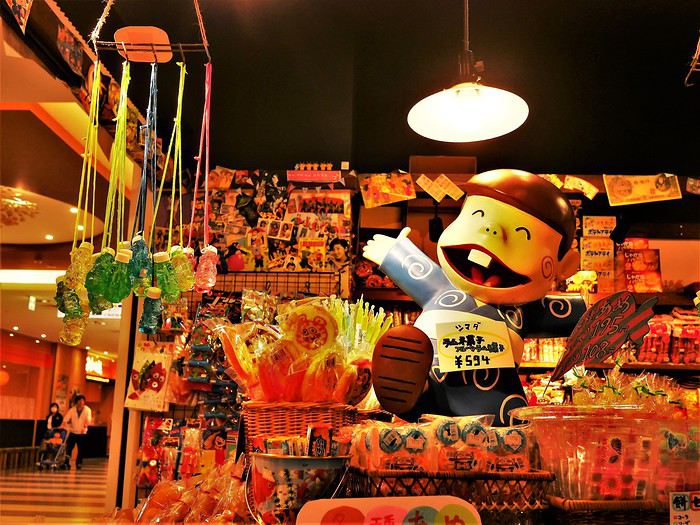
Kawaii dwarf
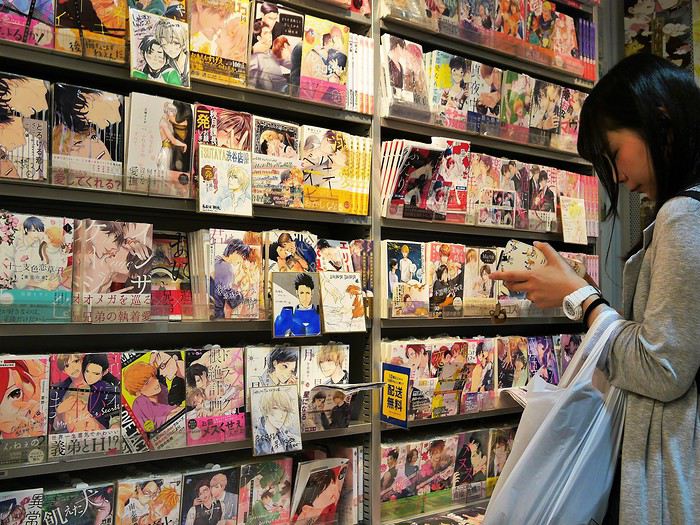
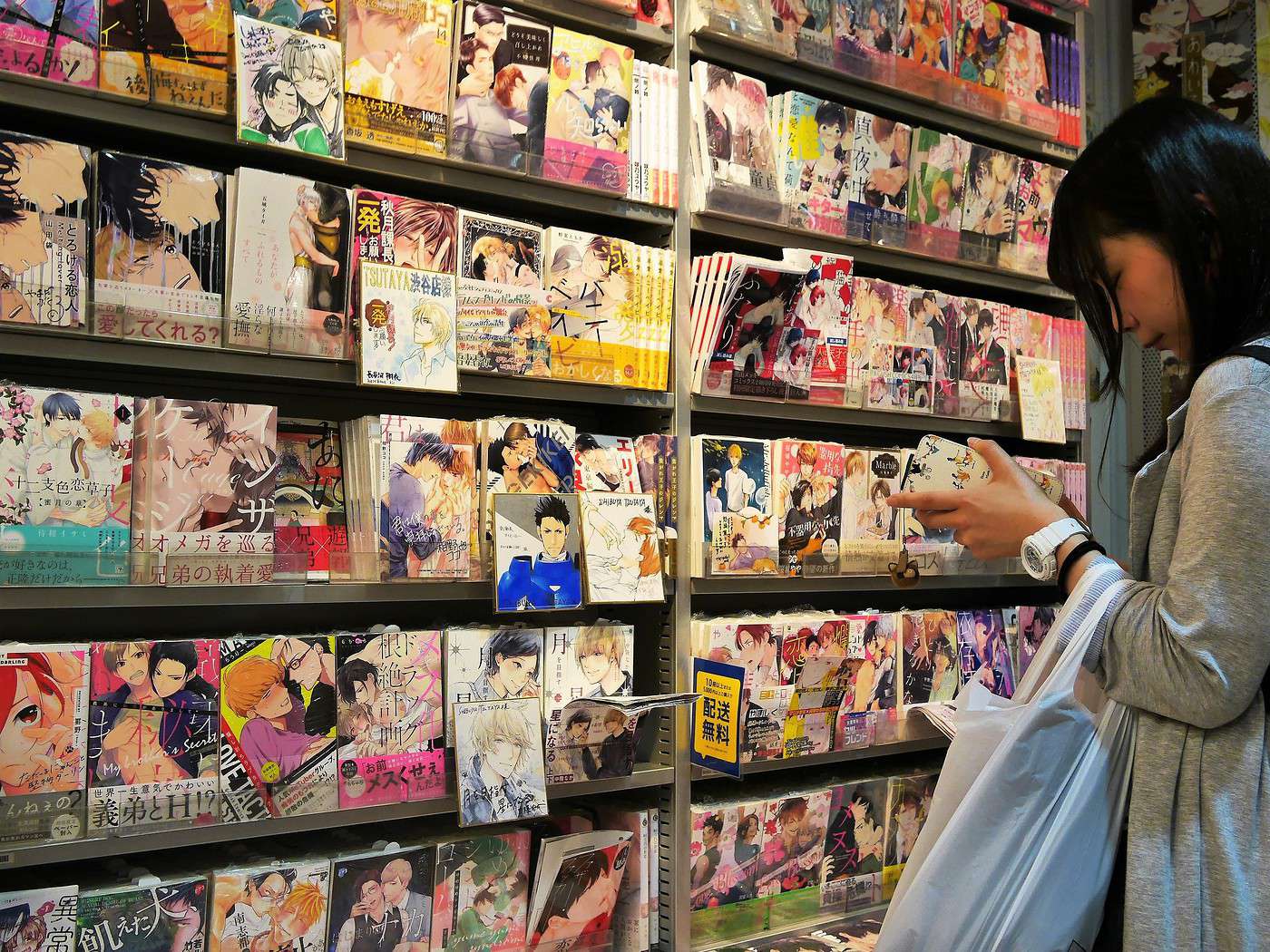
Kawaii bookstore
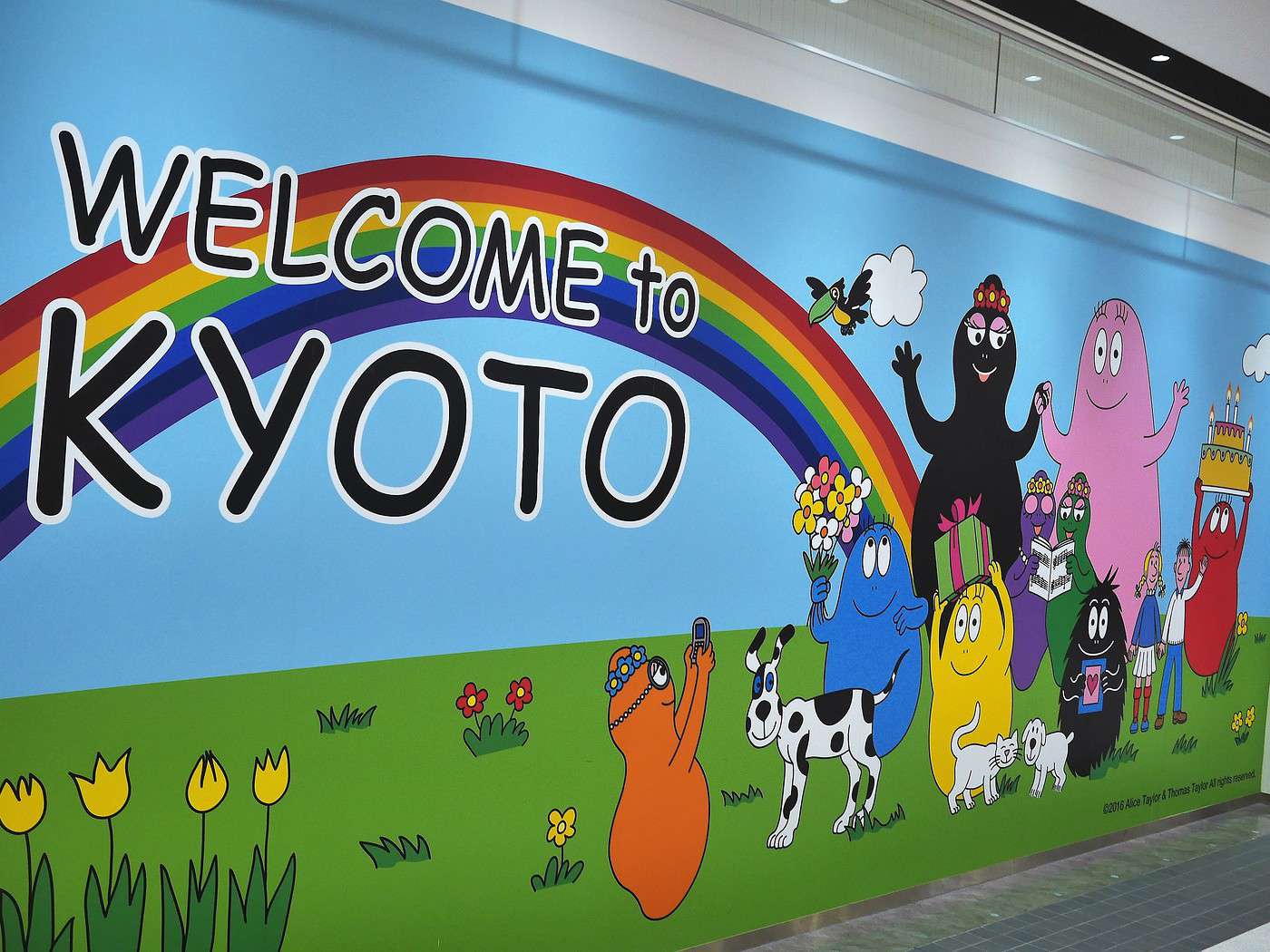
Is it infantilizing and silly? Well, yeah, it’s *kawaii*. So are the sentimental stories that fill entire sections of bookstores. Maybe even the local taste for Tchaikovsky’s and Rachmaninoff’s lush outpourings, judging by the classical music section of a department store. I should’ve known—it was decorated with one of France’s most historically *kawaii* creations: the Barbapapa family.
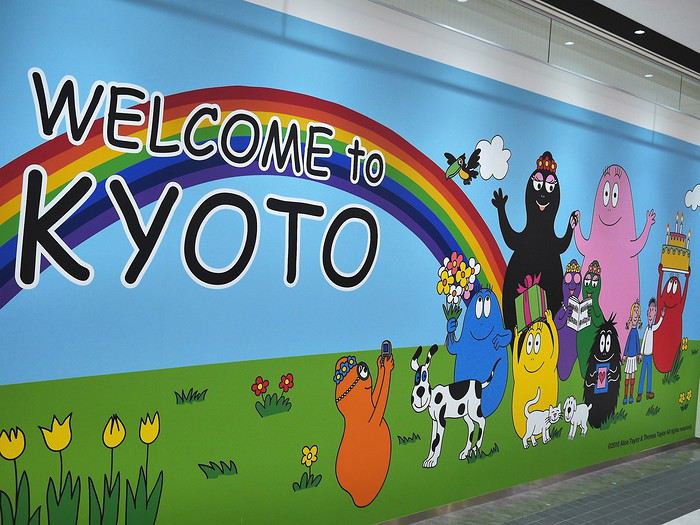
Barbapapa in the land of *Fulguropoing*
Kyoto, Shinkansen, Tokyo: trois novices au Japon via Air China
Clabin · 2018-09-13
"There’s an aspect that goes beyond simple logic"
No, it’s because there’s an aspect that was overlooked: the presence of the fare-box and the change machine, which noisily exchanges coins, are positioned next to the driver. This way, the driver has full control over what happens in the vehicle and can ensure all passengers have safely disembarked. It’s also worth noting that on long-distance buses, there’s a box by the middle door where you take a ticket that shows your boarding section. This is compared with the illuminated board that displays the fare when you exit. We should also mention that this system exists on some local trains made up of single or double railcars (with only one accessible entry/exit point).
Kyoto, Shinkansen, Tokyo: three first-timers in Japan via Air China
BeneFukuoka · 2018-09-13
Not necessarily for long distances. All the local buses in Fukuoka, for example, have ticket vending machines (and pass kiosks) at the entrance. As far as I remember, other companies in Kyushu do too.
Kyoto, Shinkansen, Tokyo: three first-timers in Japan via Air China
Oltean · 2018-09-14
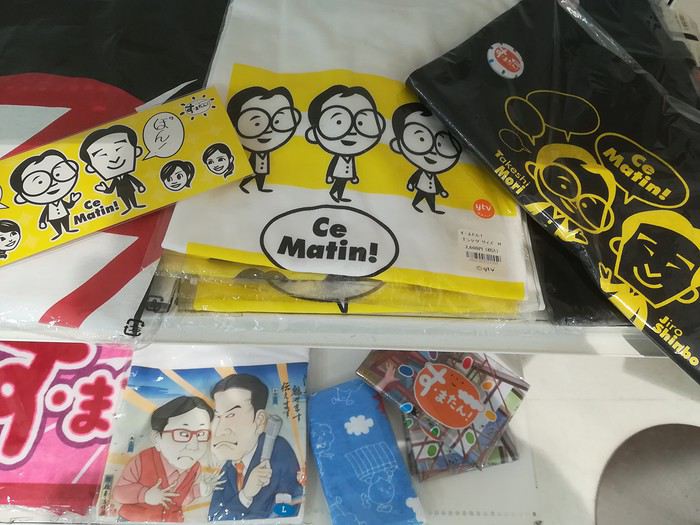
This morning...
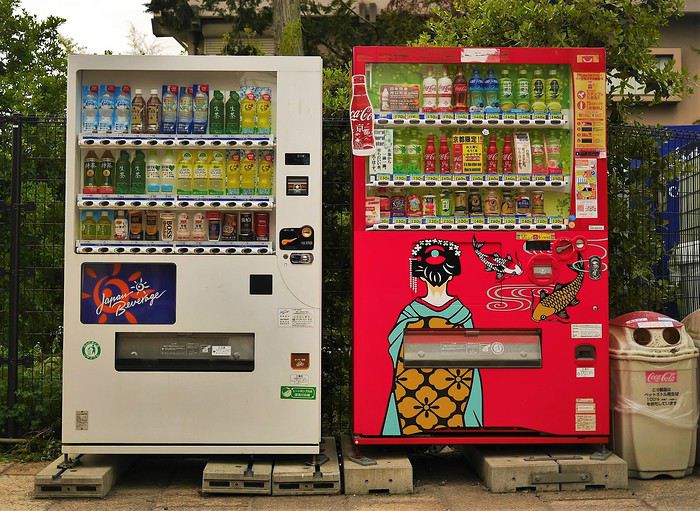
... a good drink
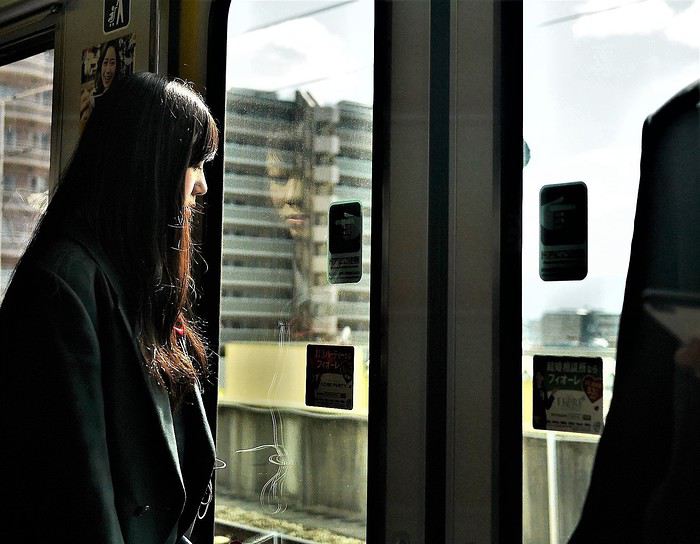
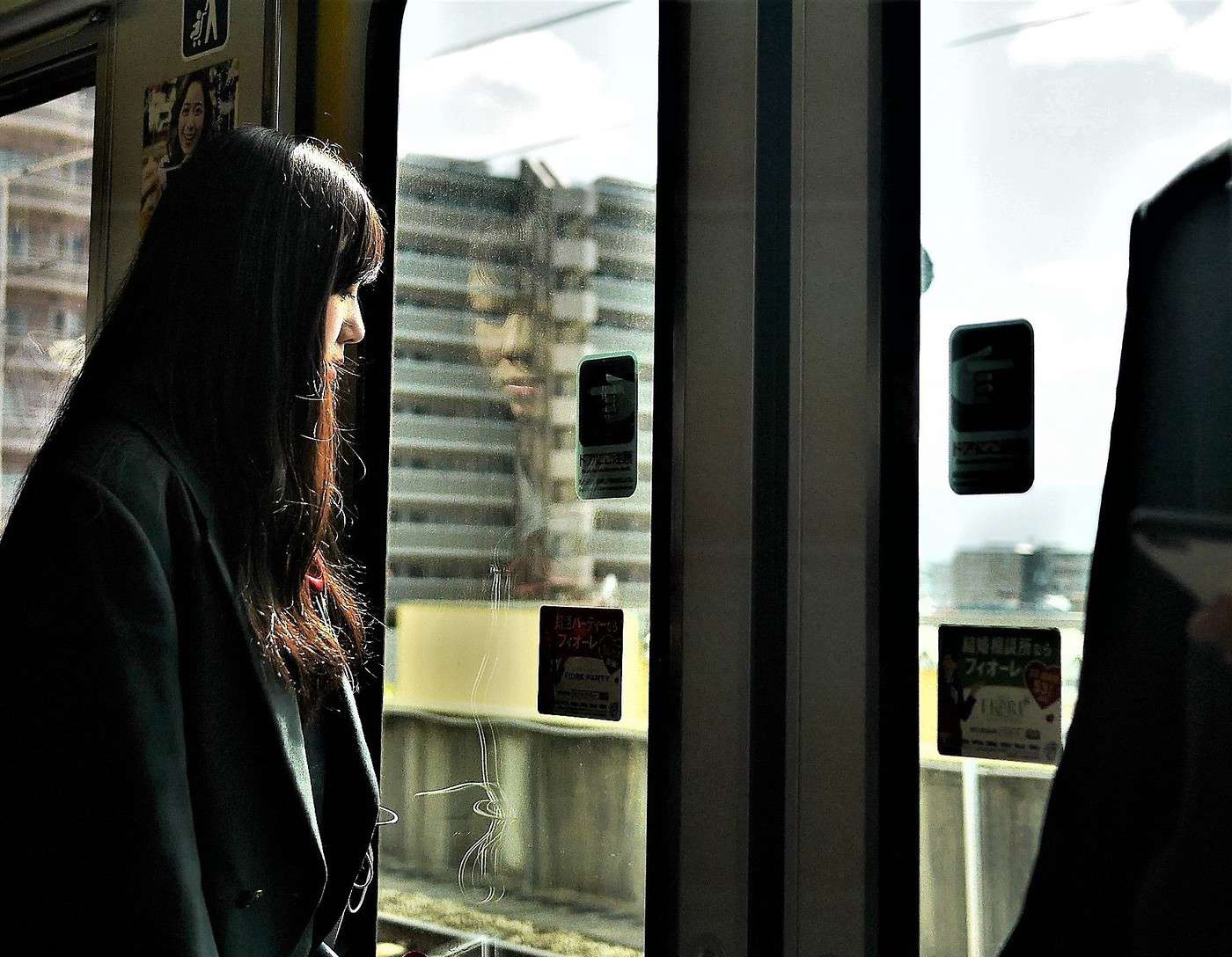
... we come across a pensive young woman on public transport
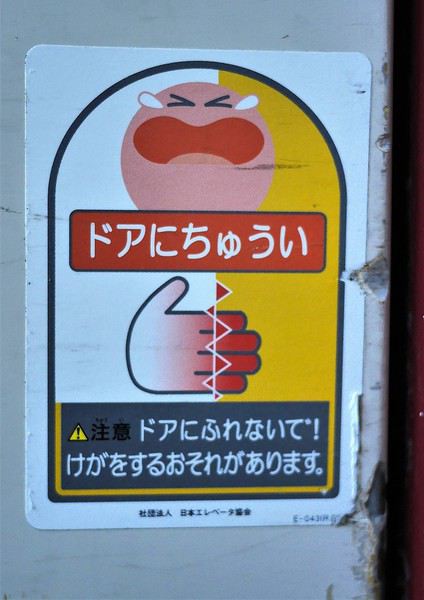
and above all, we avoid getting pinched really hard.
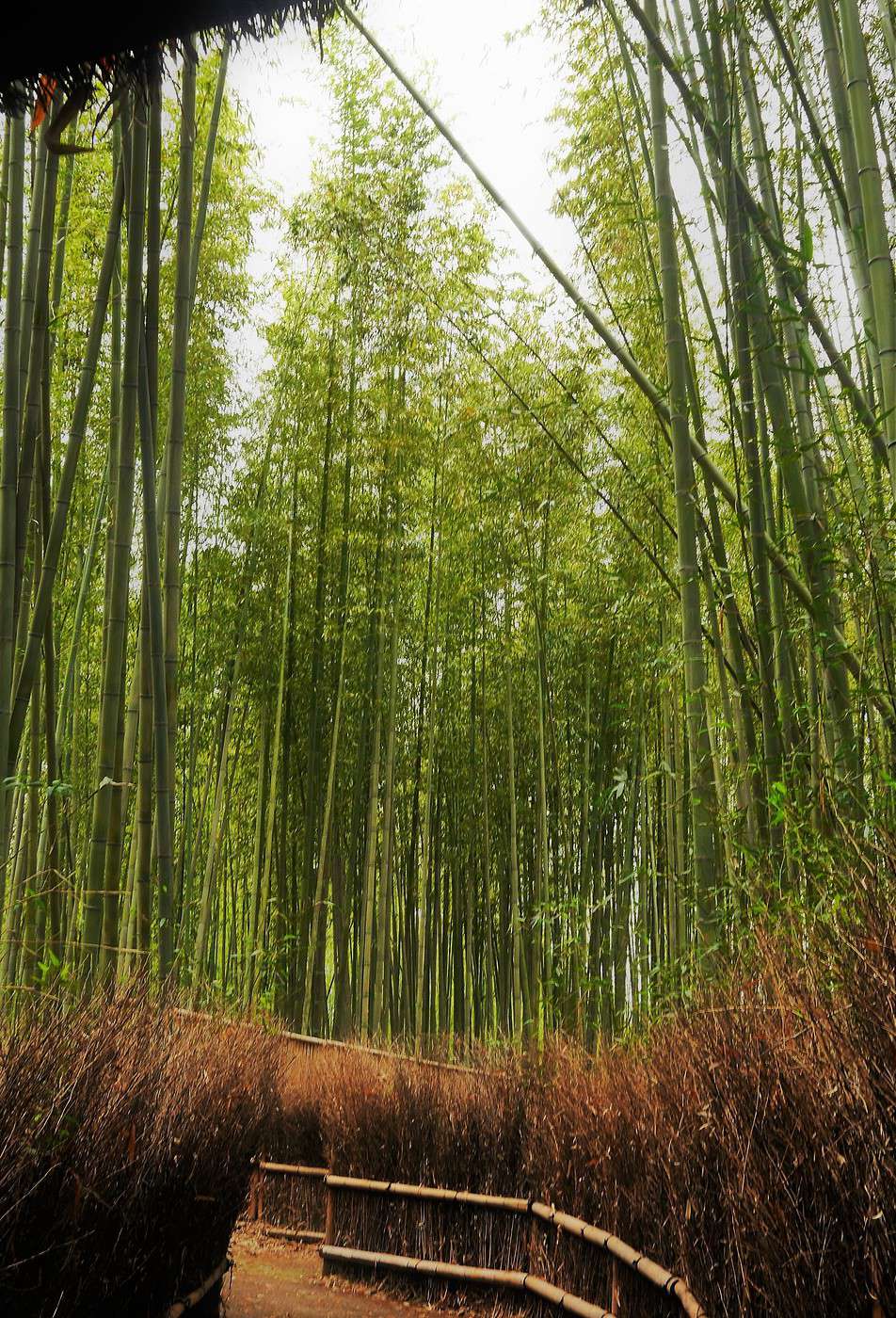
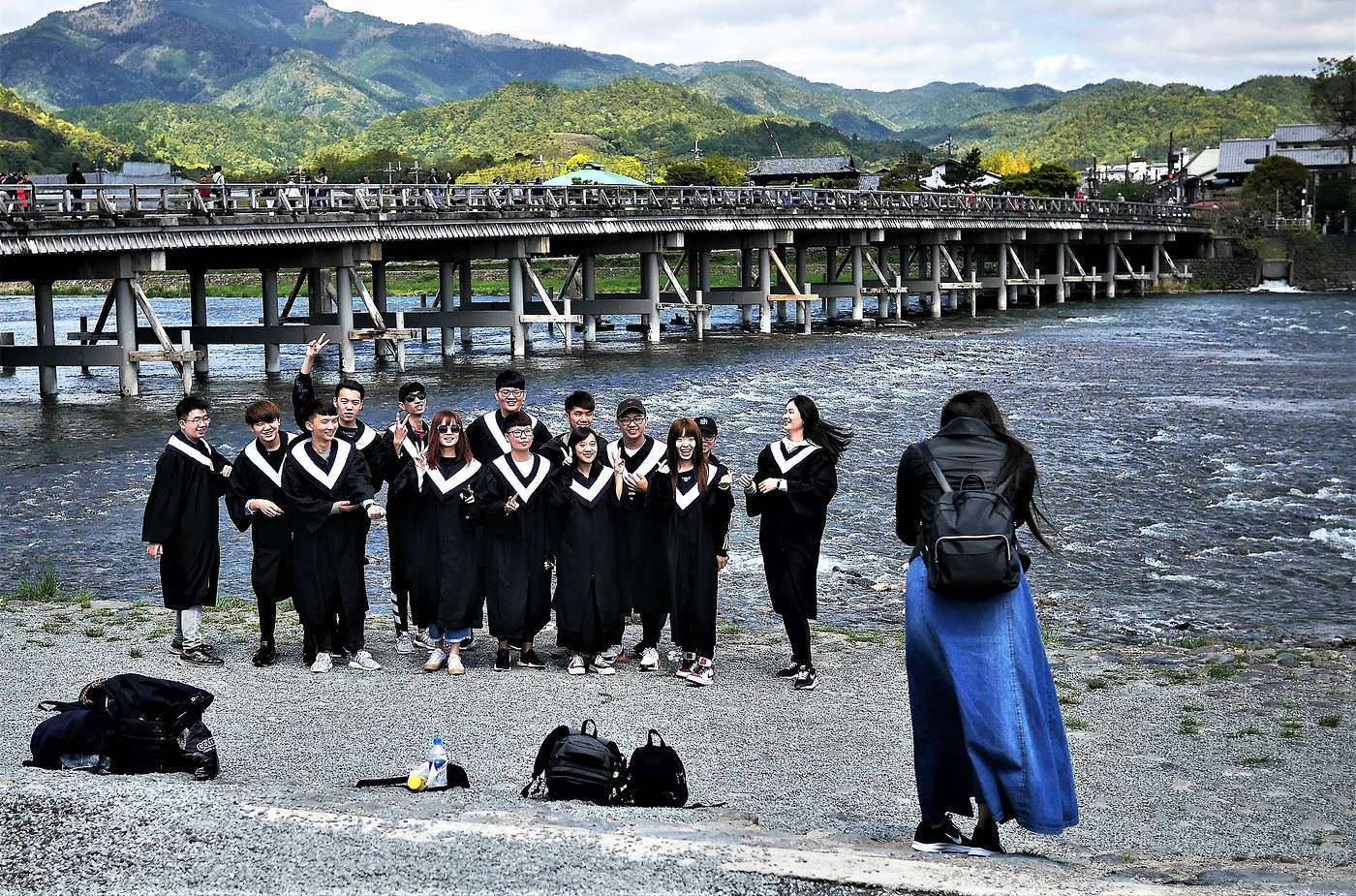
Bamboo groves, monkeys, and temples. Arashiyama, west of Kyoto, brings together several facets of "mainstream Japan." The Togetsukyo, or "Moon Crossing Bridge," connects the Monkey Park to the shopping district. In the latter, nothing that might shock tourists: luxury boutiques, charming trinkets, and conventional restaurants. One curiosity—the bamboo root is perfectly edible. As for the taste, opinions are divided, but hey, it’s edible.
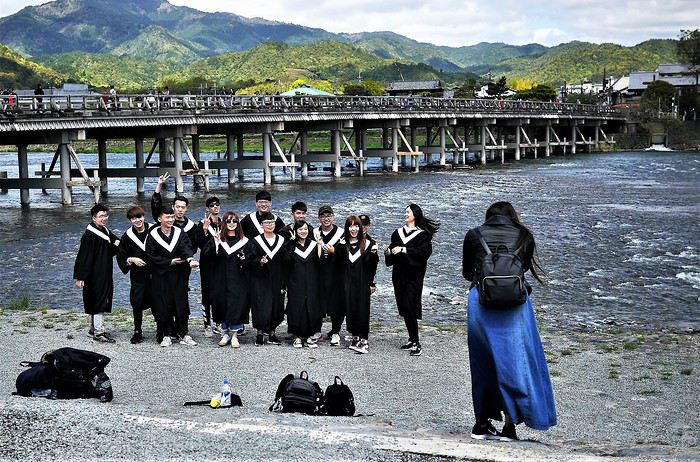
Class photo near the Moon Crossing Bridge
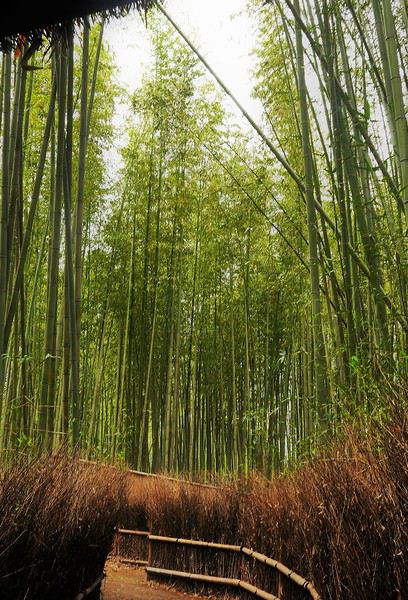
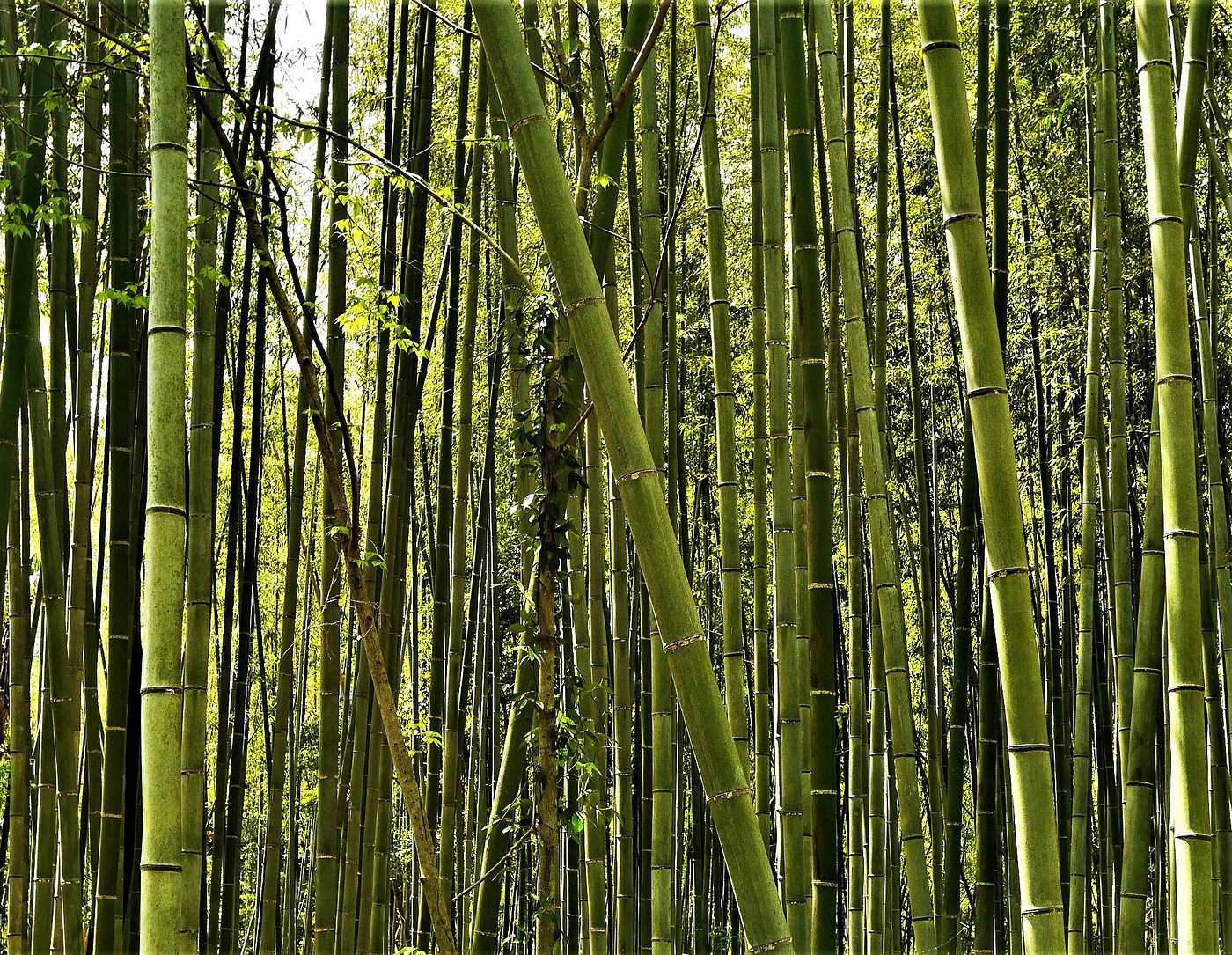
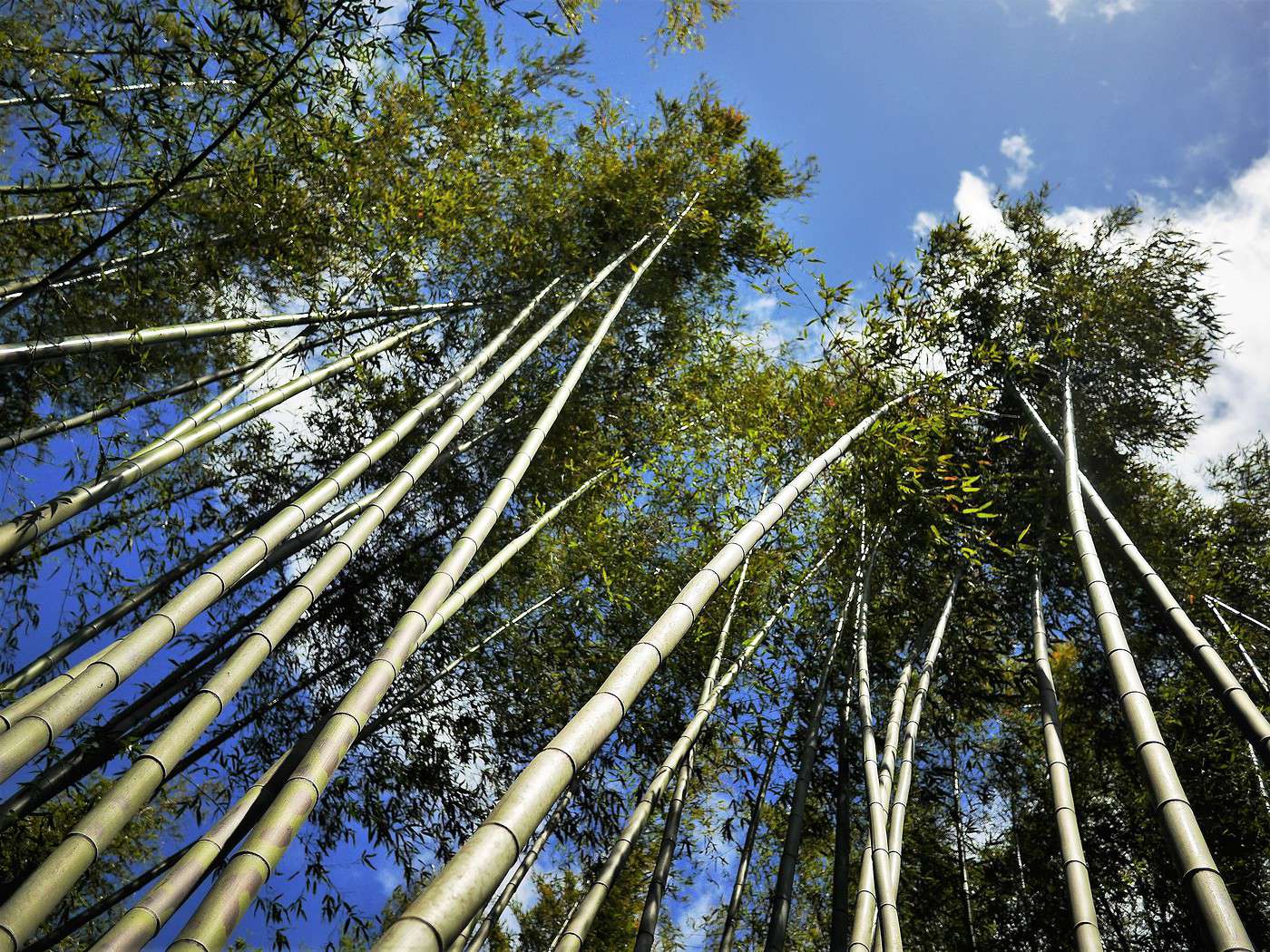
The bamboo grove is a 15-minute walk from the bridge. It’s beautiful, filled with the secret charm that in this country elevates even the most natural things. Of course, it’d be much nicer without the crowds armed with selfie sticks.
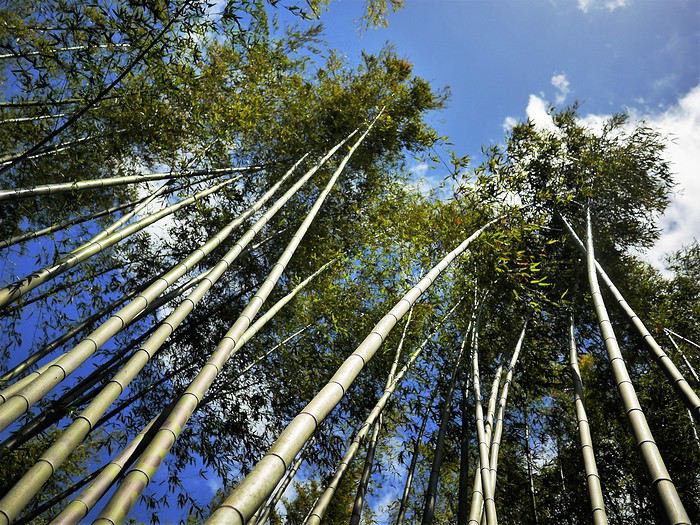
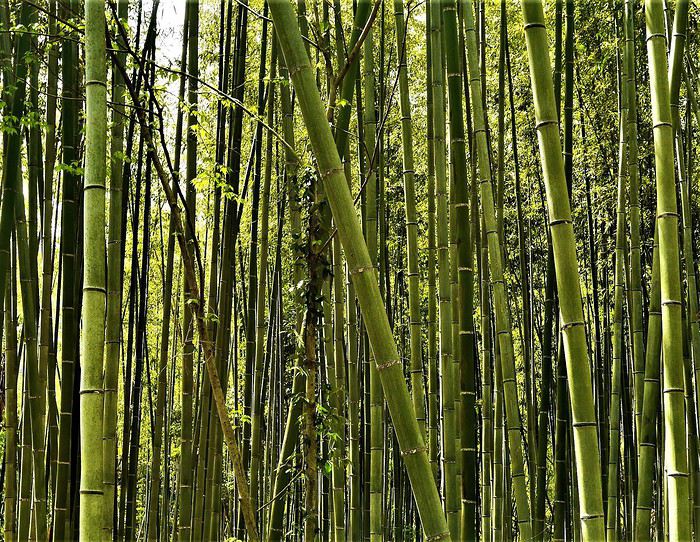
Bamboo groves
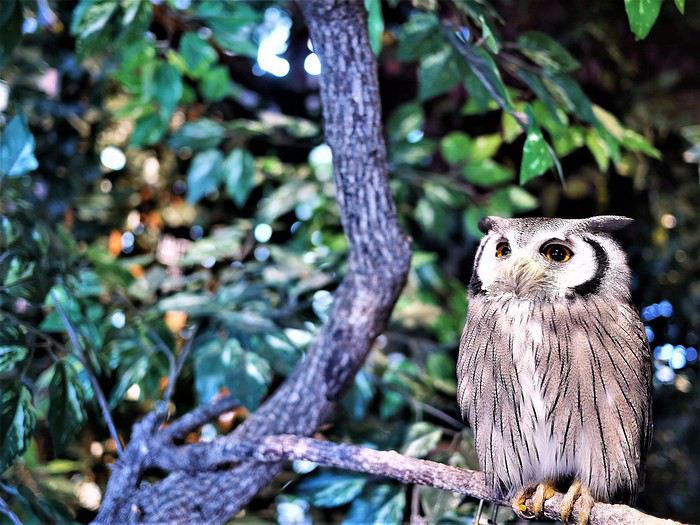
Bird of prey gallery
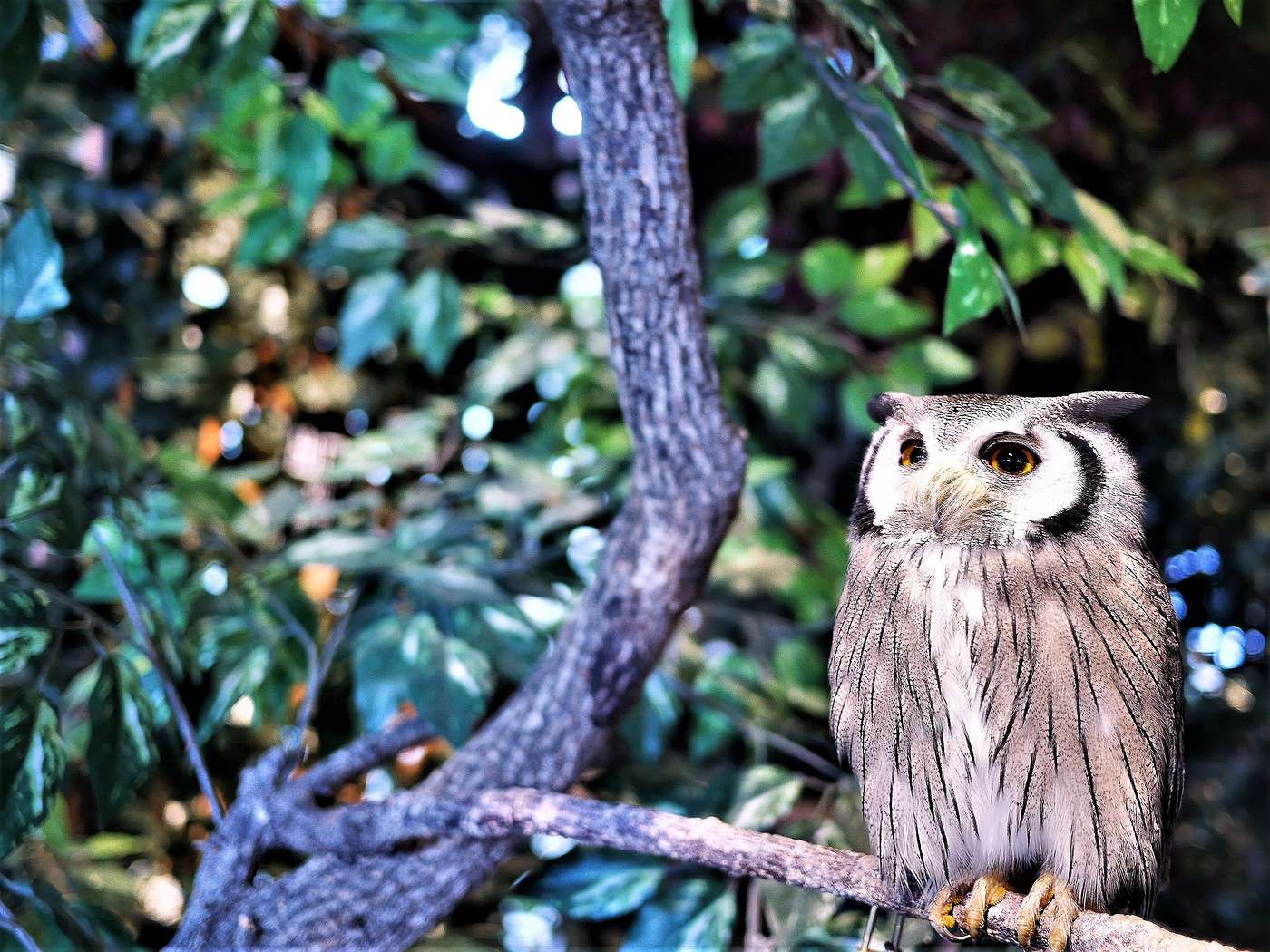
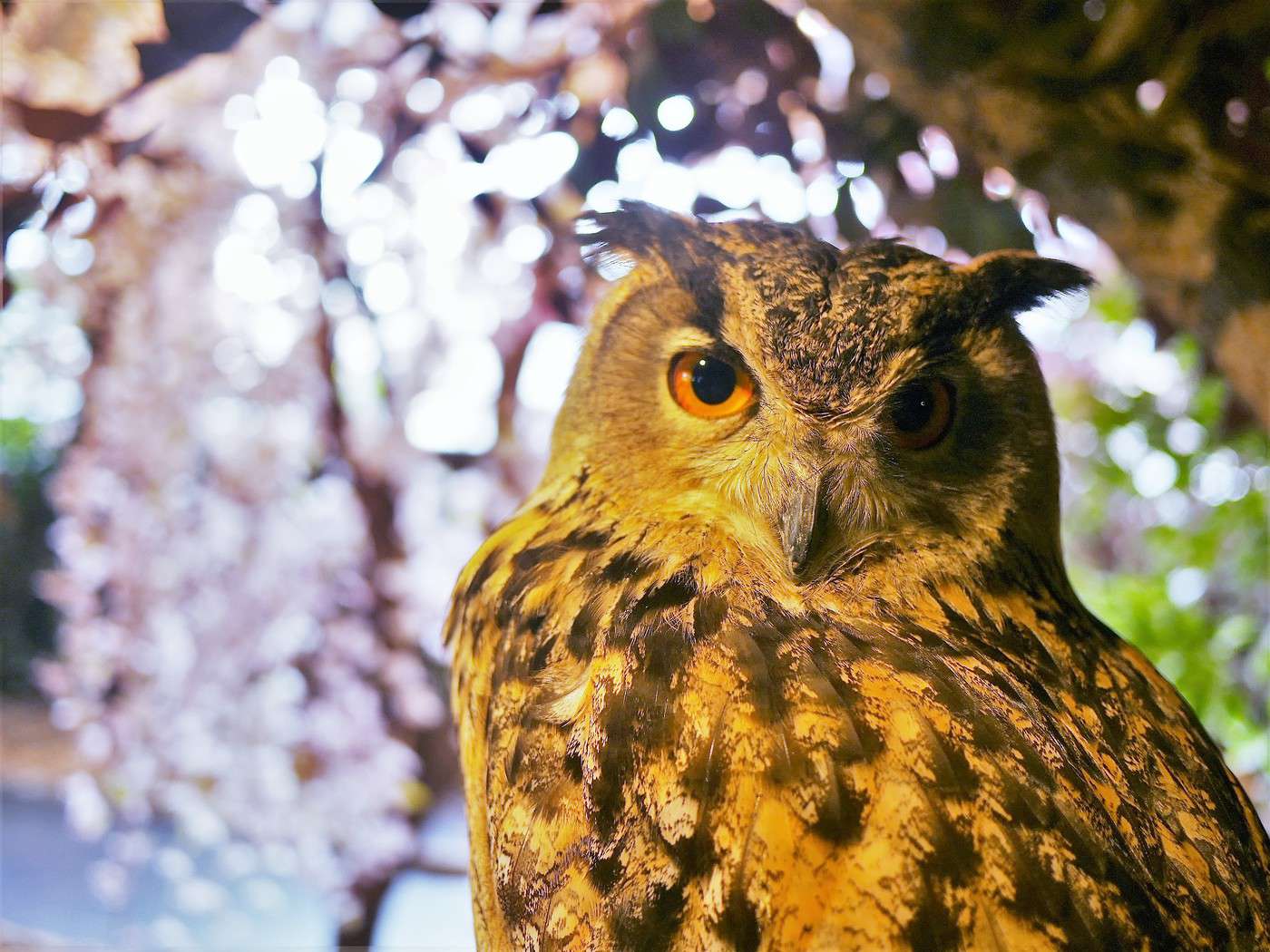
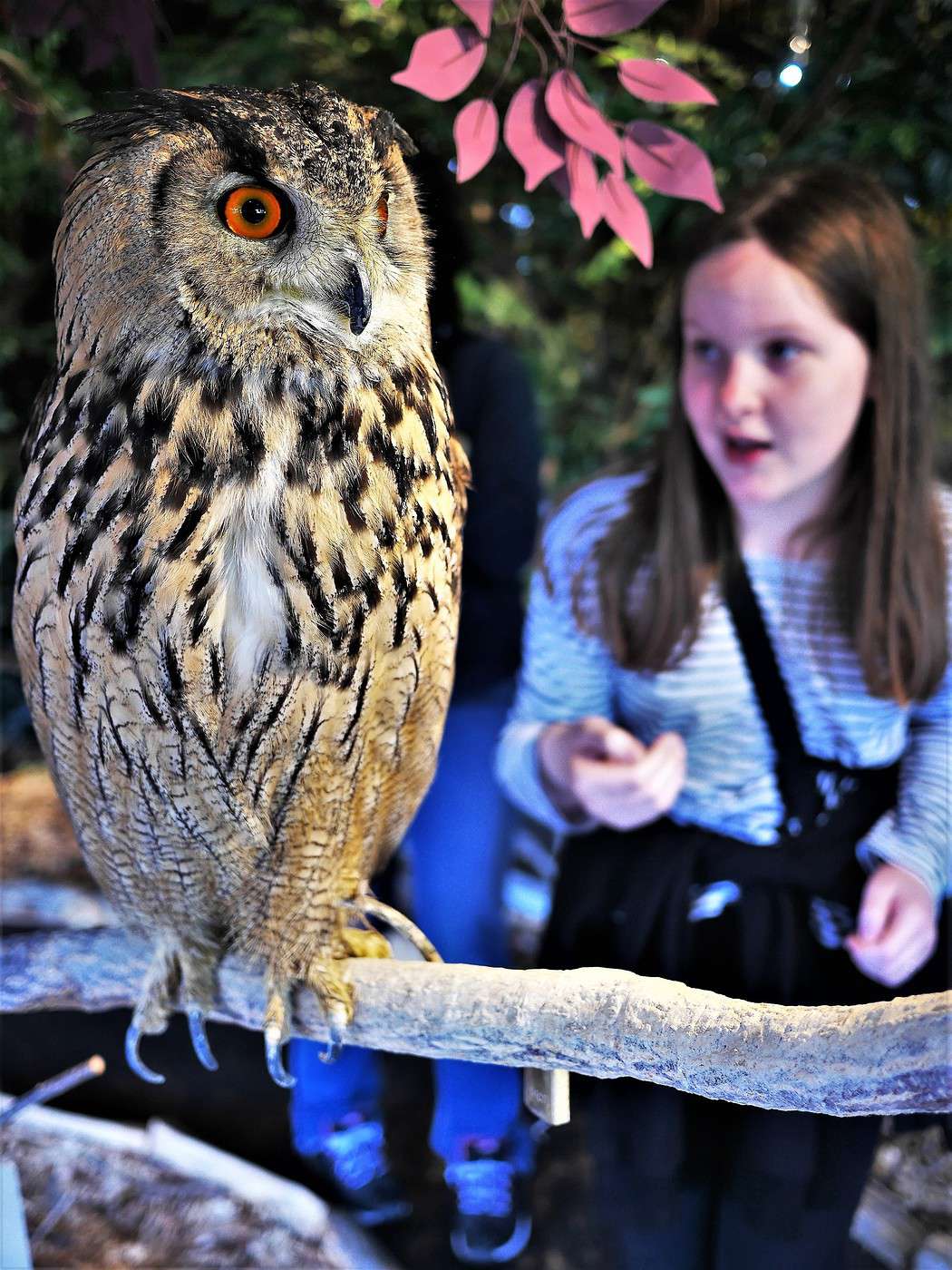
On the way back to the bridge, a gallery invites visitors to pet owls. It’s a rare opportunity—after all, how often do you get to run your hand through the feathers of an owl, whether it’s small, medium, or large? But be careful, warns the attendant after pocketing a modest fee. You must present the back of your fingers, palm facing upward, at the level of the bird’s head, and gently stroke down its back. Got it! Otherwise? Otherwise, who knows. I didn’t try it—I couldn’t imagine explaining to a Japanese emergency room that I’d been attacked by a poorly petted little owl.
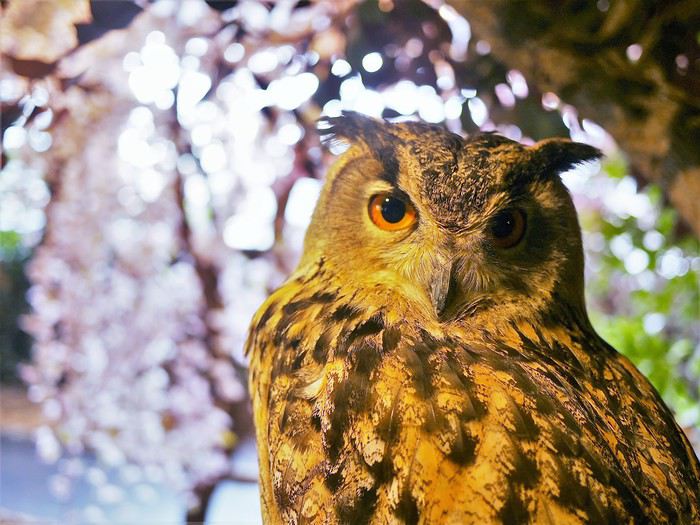
Big eyes

A round with a Great Horned Owl
It’s a pleasant experience—the birds let you pet them—but it’s punctuated by a little shiver when the raptor turns its head toward you and locks eyes with you. That’s the downside of not living in a Walt Disney or *kawaii* universe: a bird’s face remains forever expressionless, and to ward off the possibility of a violent reaction, the petter prefers to stop there.
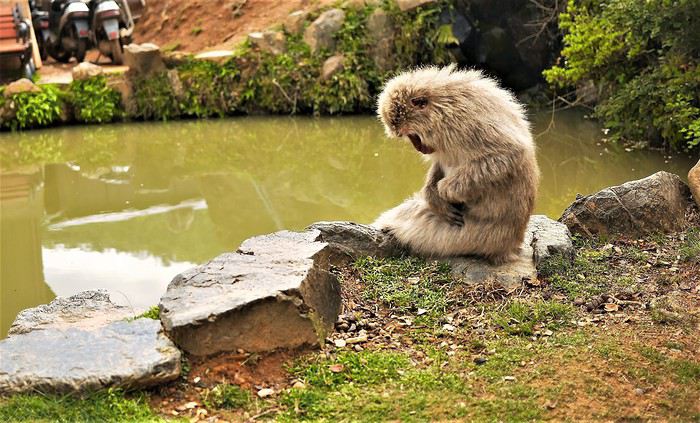
Our animal friends
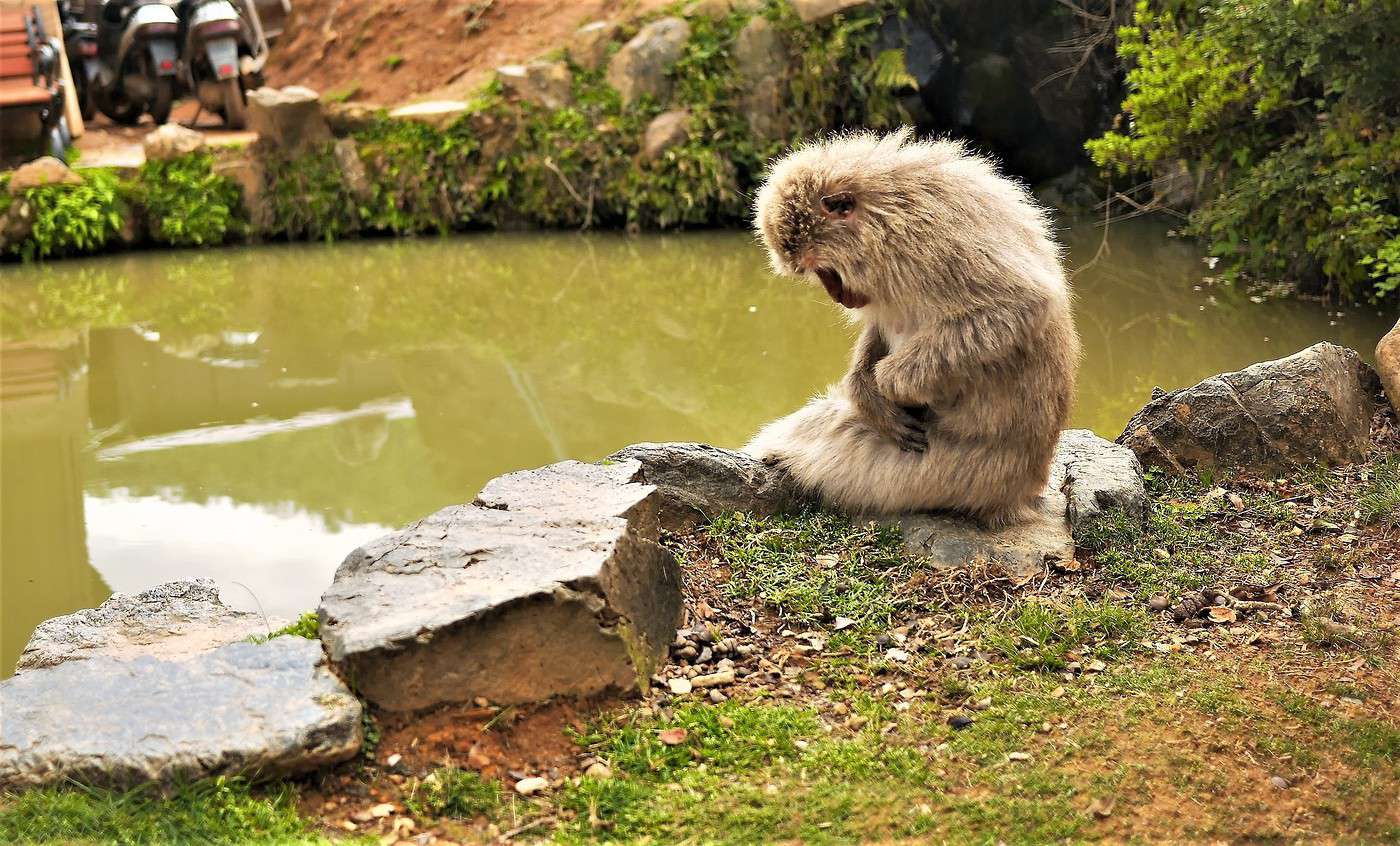
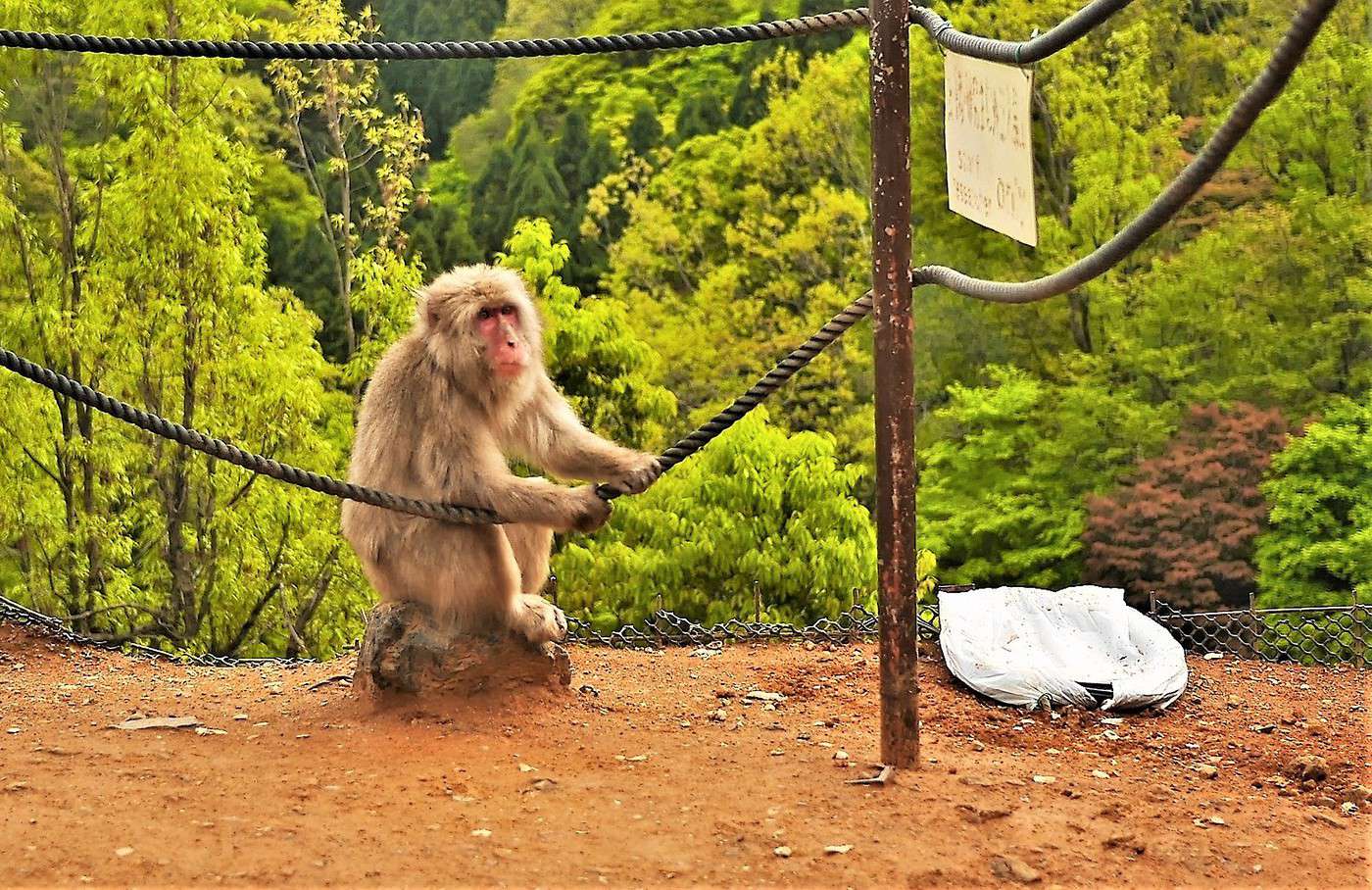
The monkey park, on the other side of the bridge, brings us back into the world of mammals. It’s not a zoo—the macaques are at home here, free to roam. A sign tells us no primate lives farther north than this. We reach their habitat after a 20-minute climb. The animals are indeed there, sprawled on the grass, lounging on tree branches, or grooming each other.
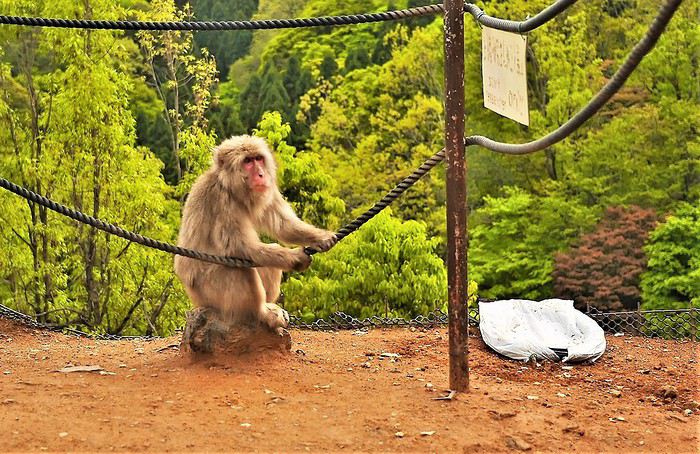
A task they’re well-suited for
The monkeys ignore the humans—after all, this is their home, and if they tolerate us, it’s because of the promise of effortless food. You *can* feed the primates with apples or peanuts, but only under strict rules: food is handed over through a wire mesh and under the watchful eyes of guides.
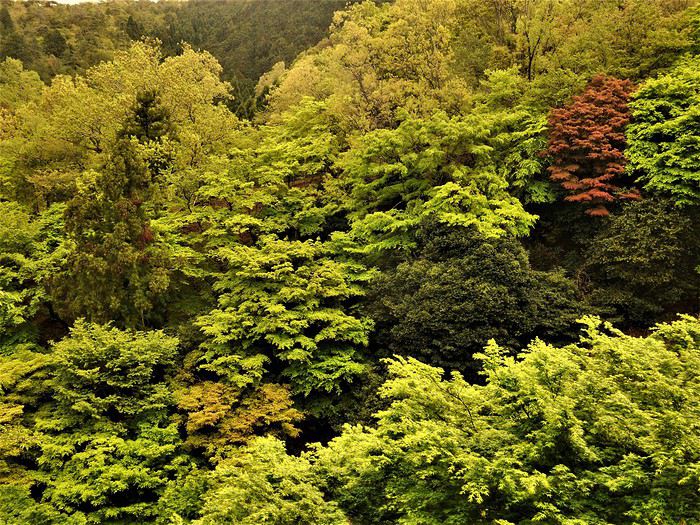
Essences
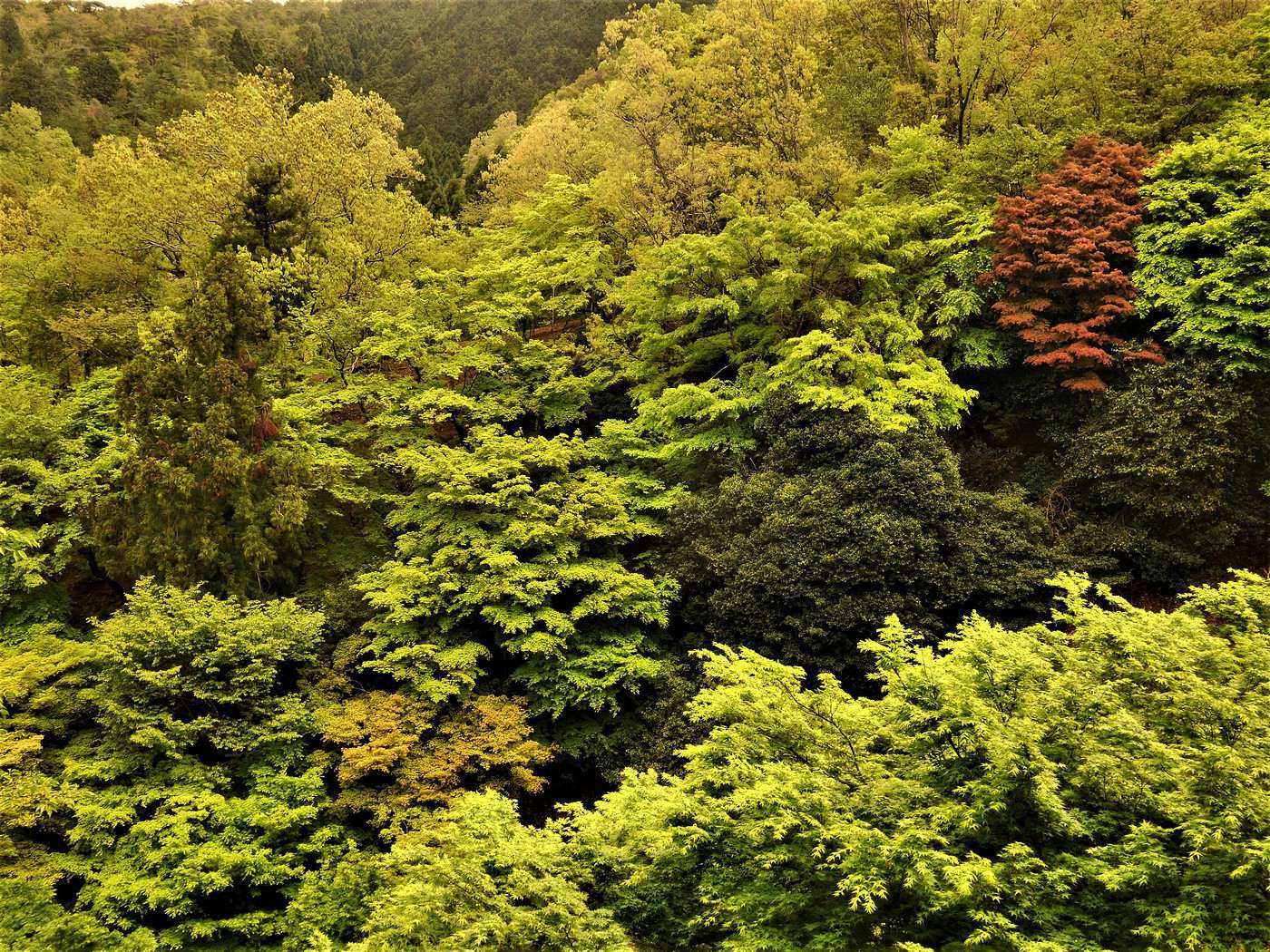
The descent back to the human world offers views of vibrant landscapes, which must be unforgettable in early autumn.
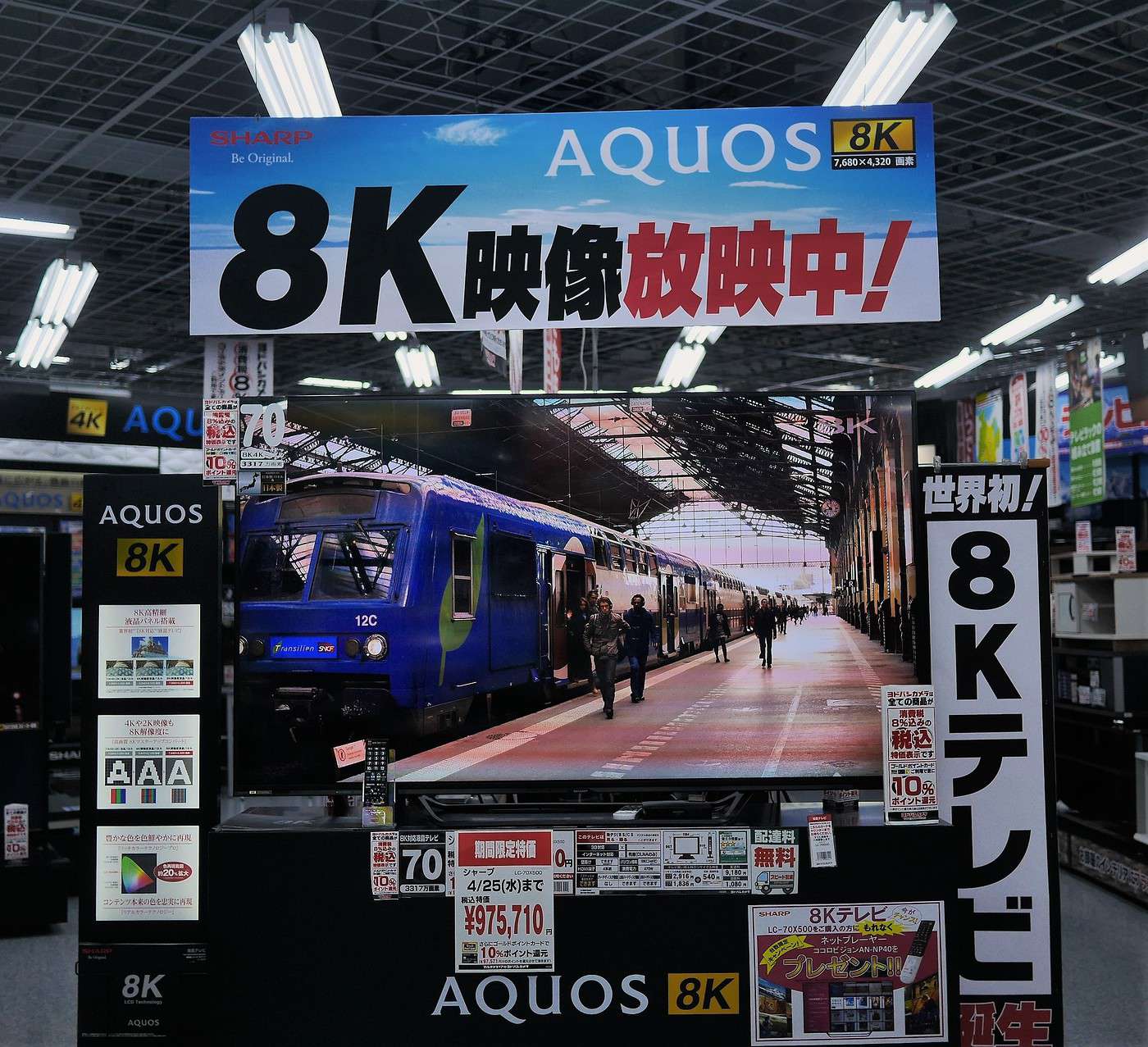
Before leaving Kyoto, a quick visit to the Yodobashi department store near the station. Electronics, household goods, and smart gadgets. A giant TV screen shows images of France, featuring a report on our dear old Transilien—probably the last thing you’d expect to see in a country so proud of its punctual transport. But I guess it’s exotic here.
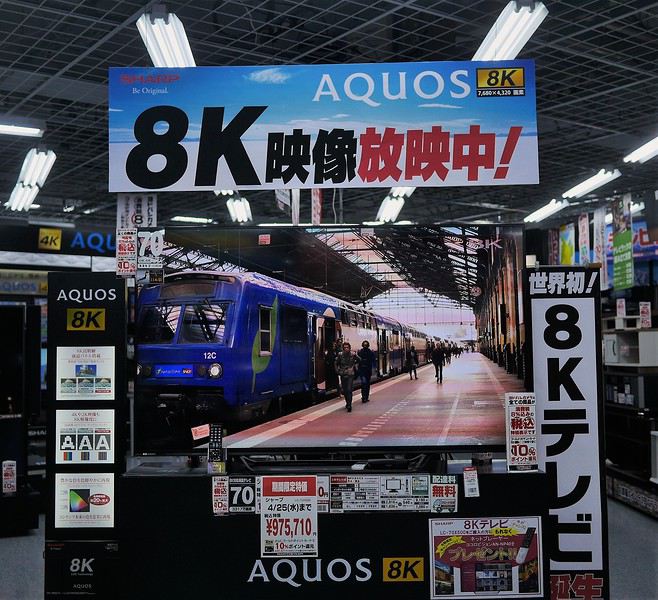
An 8K TV to watch the Transilien
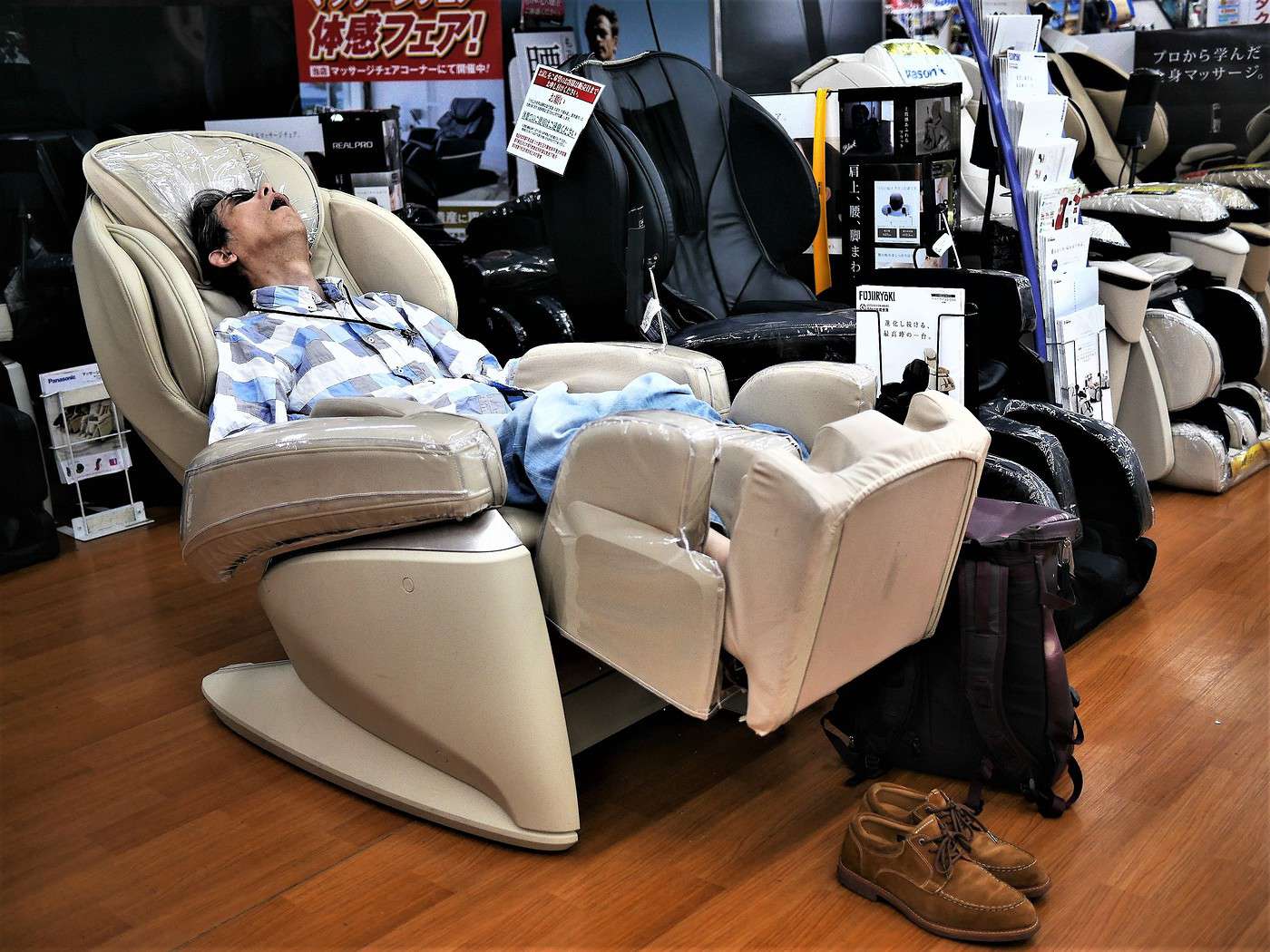
Nearby, a super-comfortable anti-stress bed seems to deliver on its promise, judging by the blissful sleep of a customer who came just to try it out.
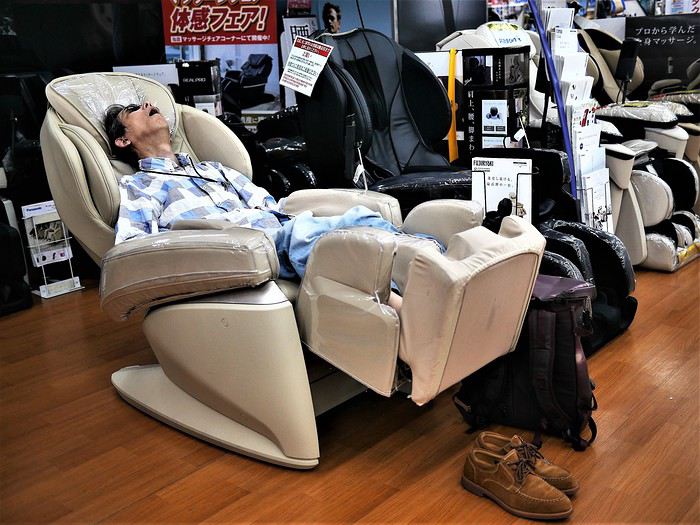
Trial in progress
I tiptoe out of Yodobashi, careful not to disturb this perfectly contented man’s rest.
Kyoto, Shinkansen, Tokyo: three novices in Japan via Air China
Citipati · 2018-09-14
Librairie kawaii
The "yaoi" section (manga about romantic relationships between boys, a genre high school girls love) in a bookstore isn’t exactly kawaii... It’s more on the erotic side, sometimes even downright "hot."
(The covers leave little room for doubt, by the way.)
I’m following your travel journal closely, by the way.
Kyoto, Shinkansen, Tokyo: three novices in Japan via Air China
Oltean · 2018-09-14
Librairie kawaii
The "yaoi" section (manga about romantic relationships between boys, a genre high school girls love) in a bookstore isn’t exactly kawaii... It’s more on the erotic side, sometimes even outright "hot."
(The covers leave little room for doubt, by the way)
Ah, not being a fan myself, I can’t argue. My impression after flipping through was more like cotton-candy-pink stories, but I’ll defer to the experts on this one.
I’m following your travel journal closely, by the way.
Awesome, one more reader!
Kyoto, Shinkansen, Tokyo: three first-timers in Japan via Air China
Maevita · 2018-09-14
Hi Alain,
Your travel journal brings back such great memories. I visited Japan for the first time in spring 2017. It’s so interesting to read your posts while you’re there. For me, an initial feeling—or maybe some preconceptions I brought with me —transformed over time into something even more positive after I got back, even though I already loved it while I was there. I feel like I brought back a hidden treasure that only fully revealed itself to me little by little and took on a life of its own.
The way you tell your story and your photos are such a treat. Thank you so much!
I’m really looking forward to what comes next.
Maevita
Kyoto, Shinkansen, Tokyo: three first-timers in Japan via Air China
Oltean · 2018-09-14
Things seen in Kyoto before departure...
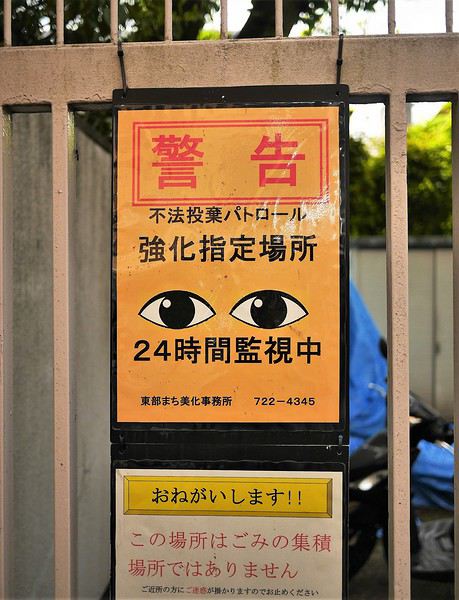
Surveillance?
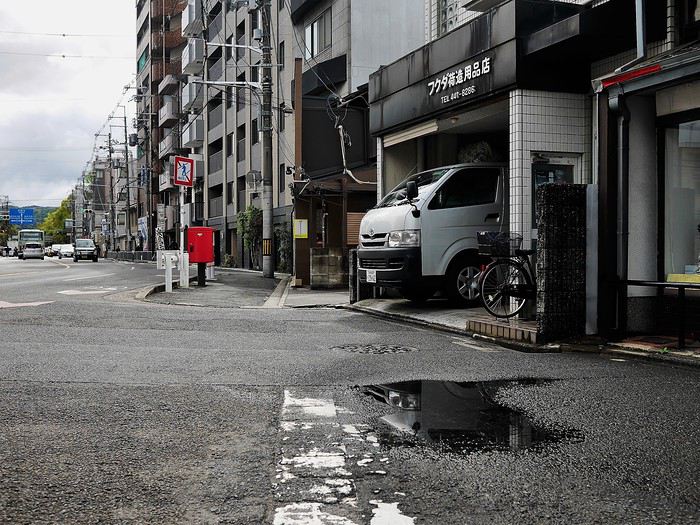
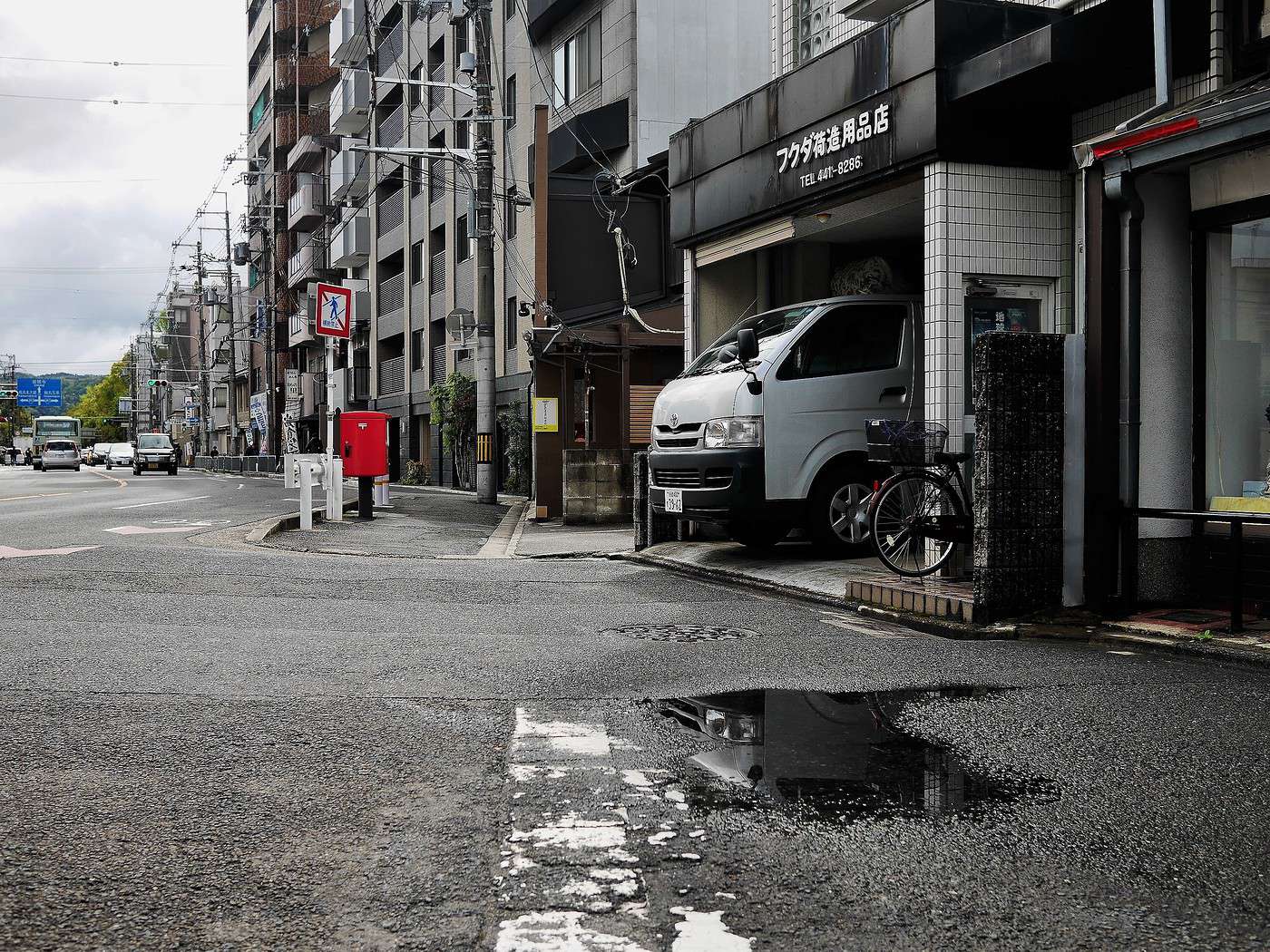
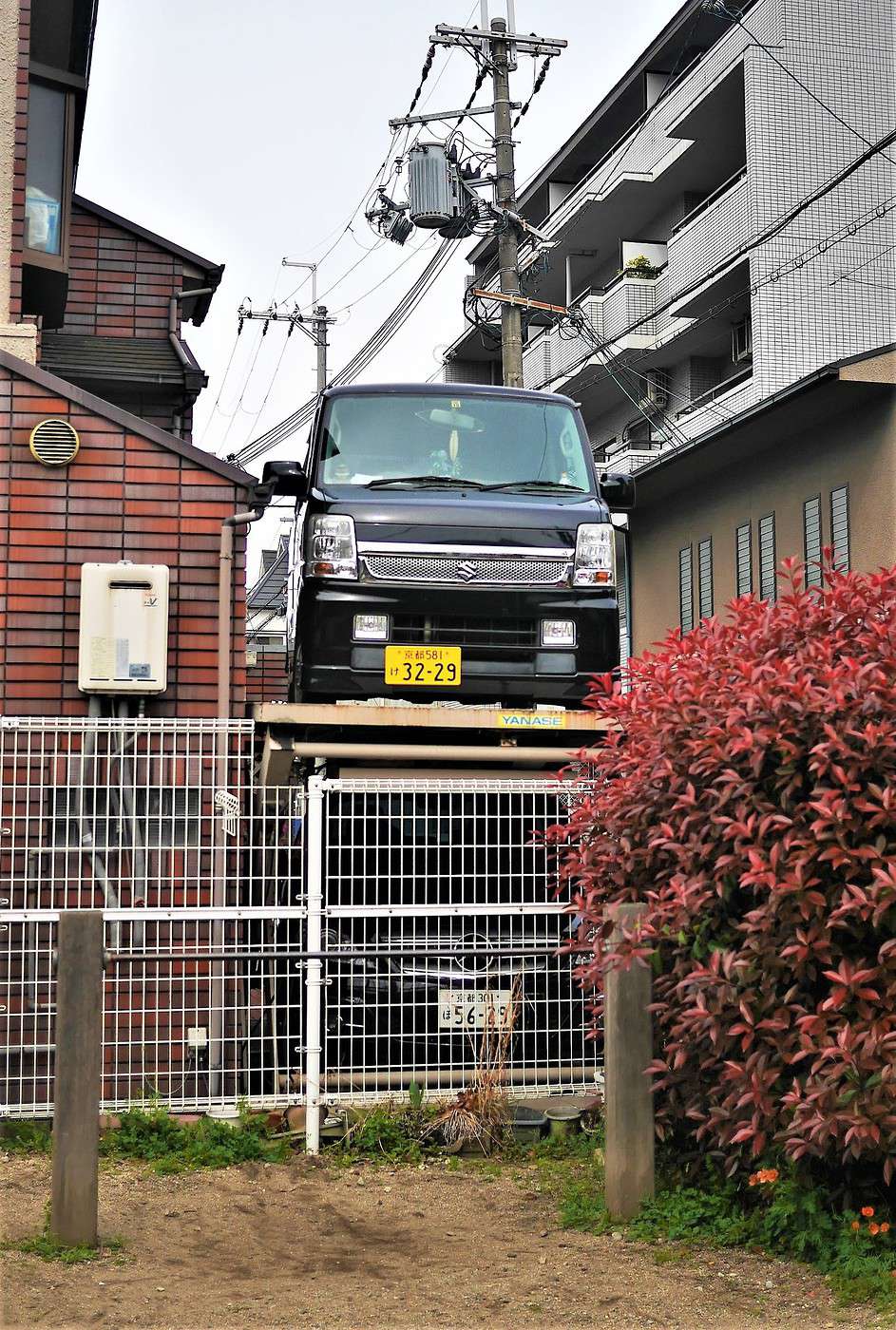
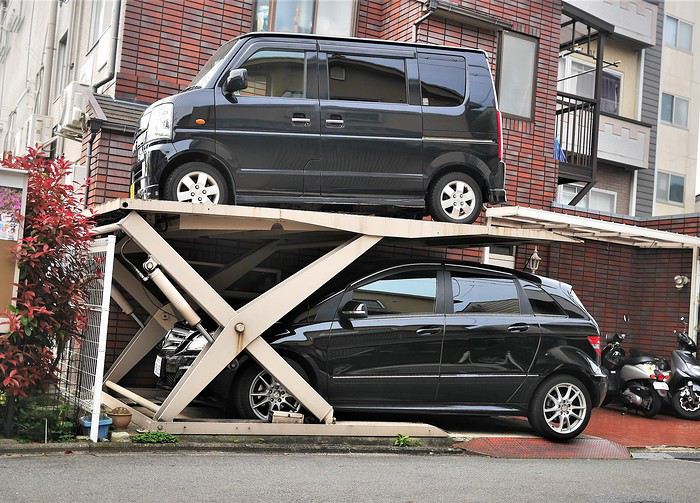
More of those cubic vehicles
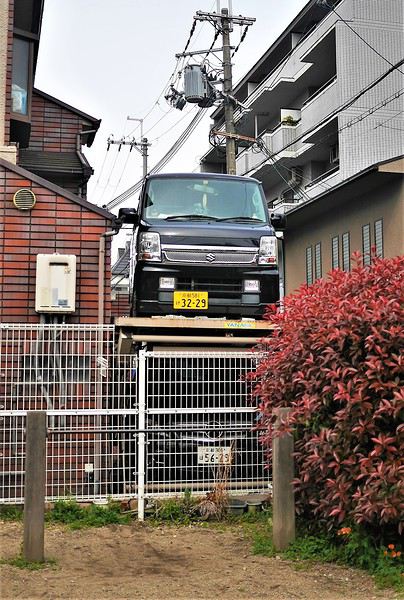
sometimes perched high up
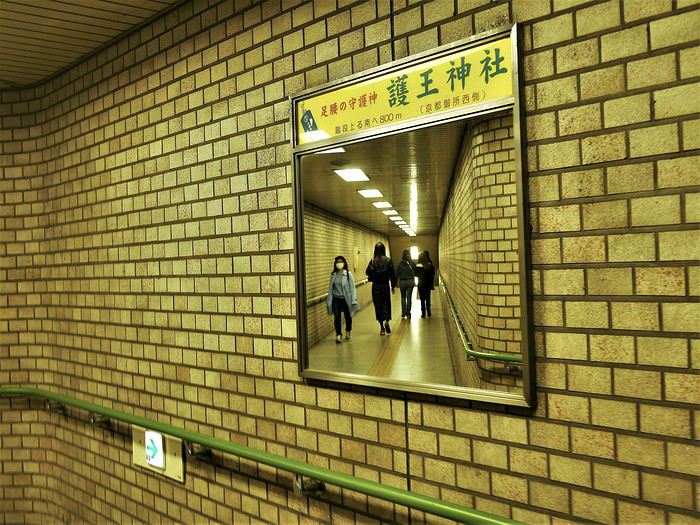
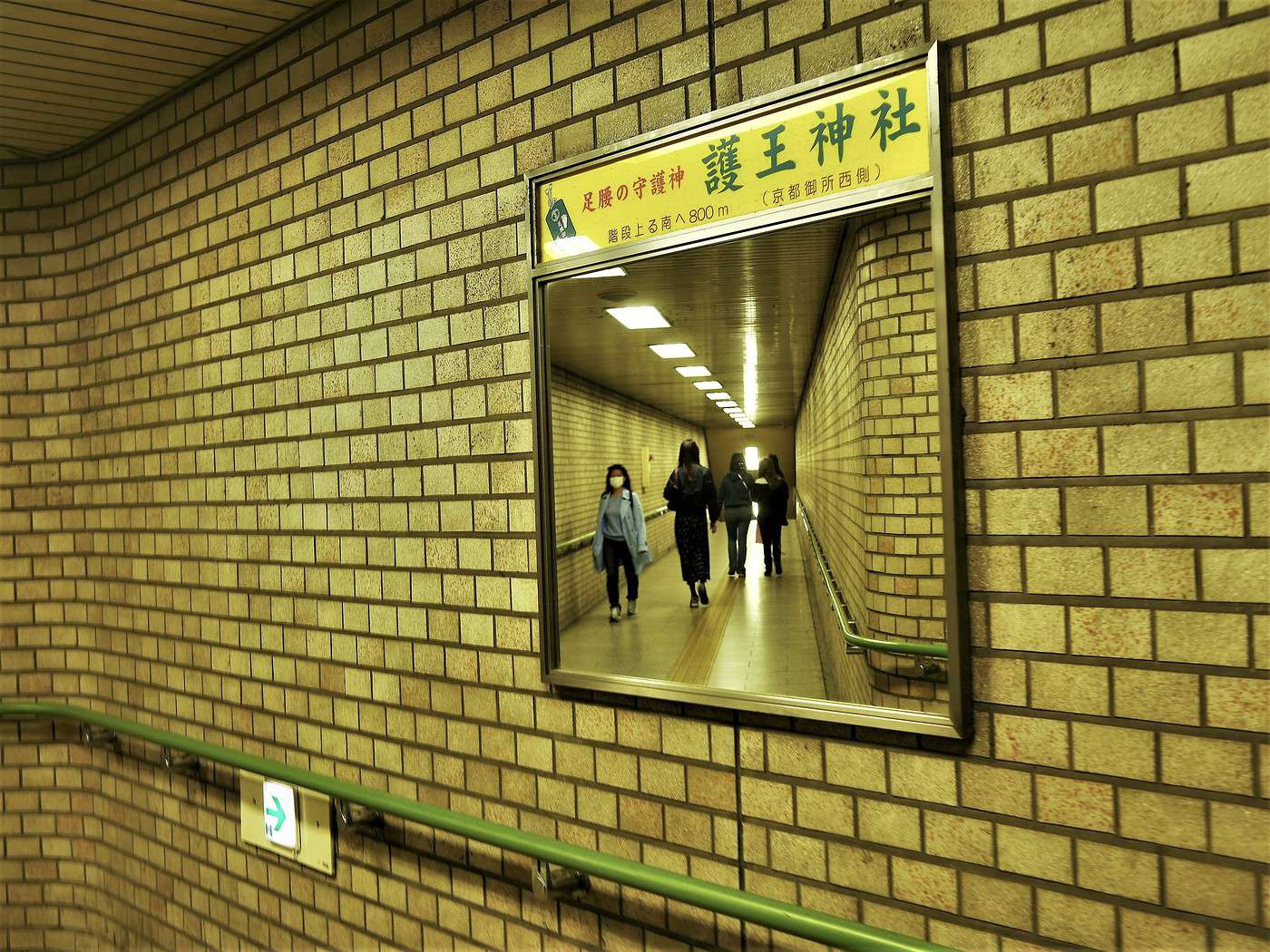
Taking the subway
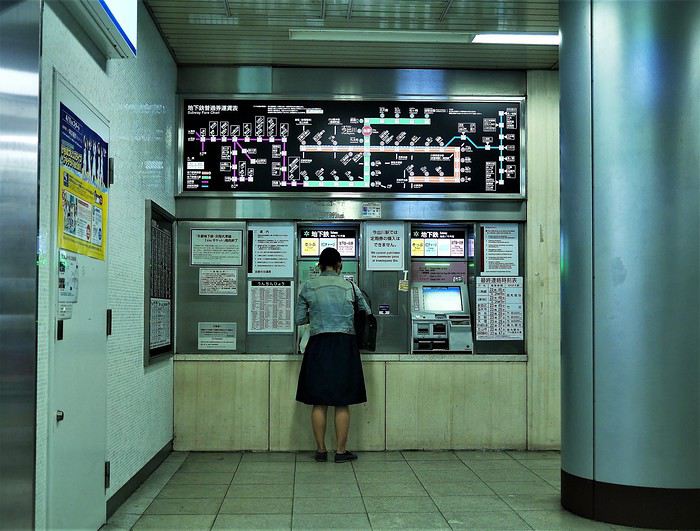
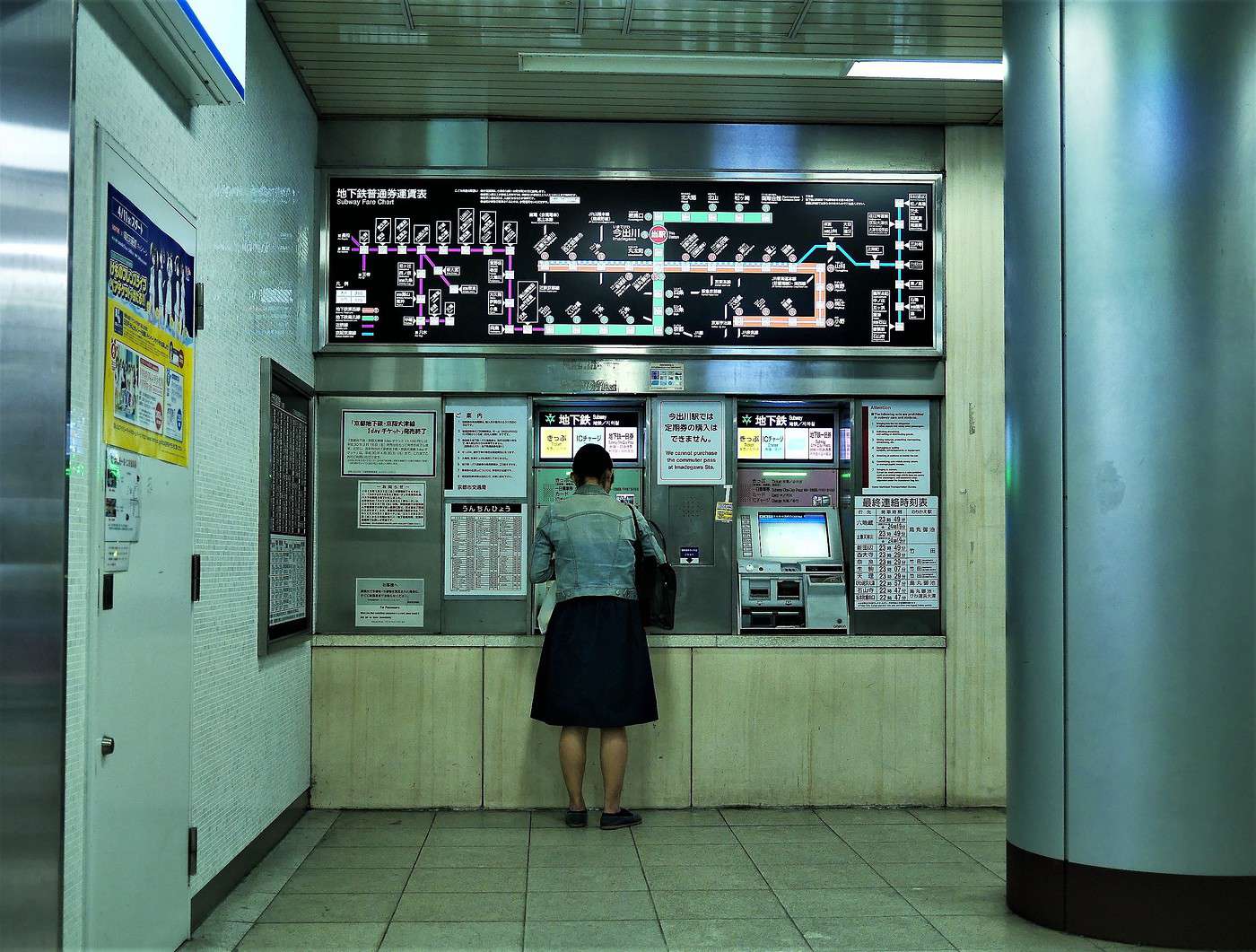
Recharging Suica
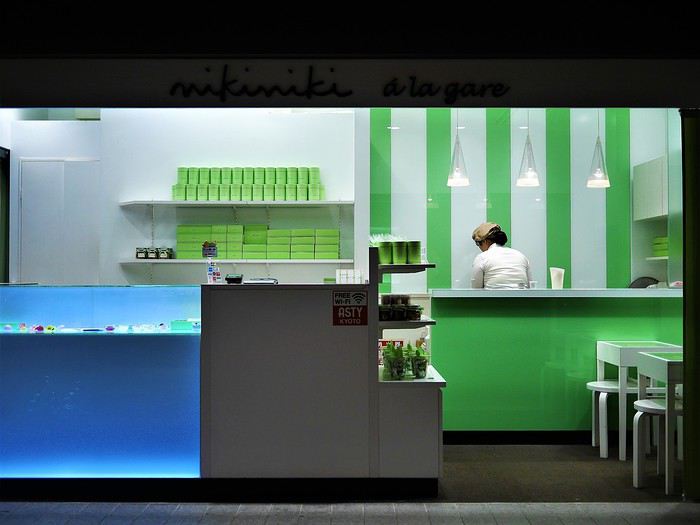
Underground shop
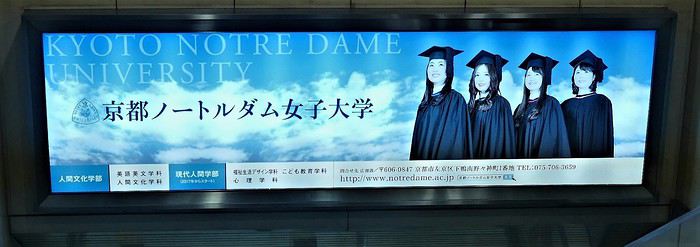
Ad... Catholic?
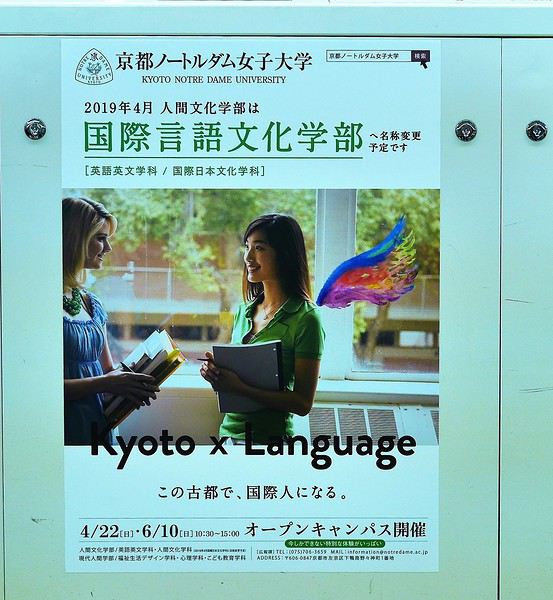
And an angel at school?
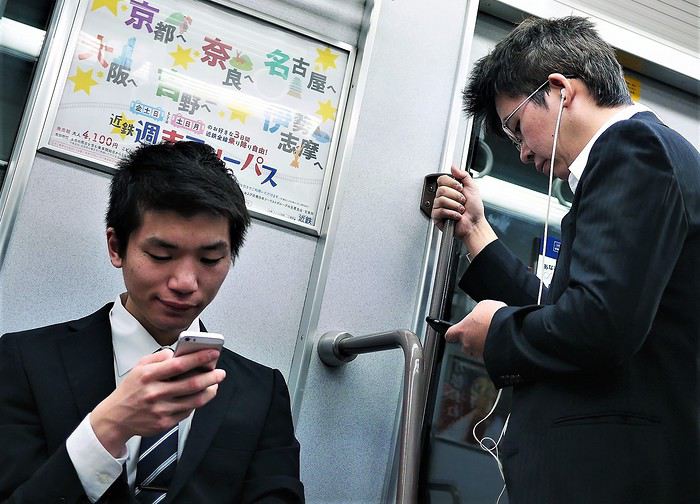
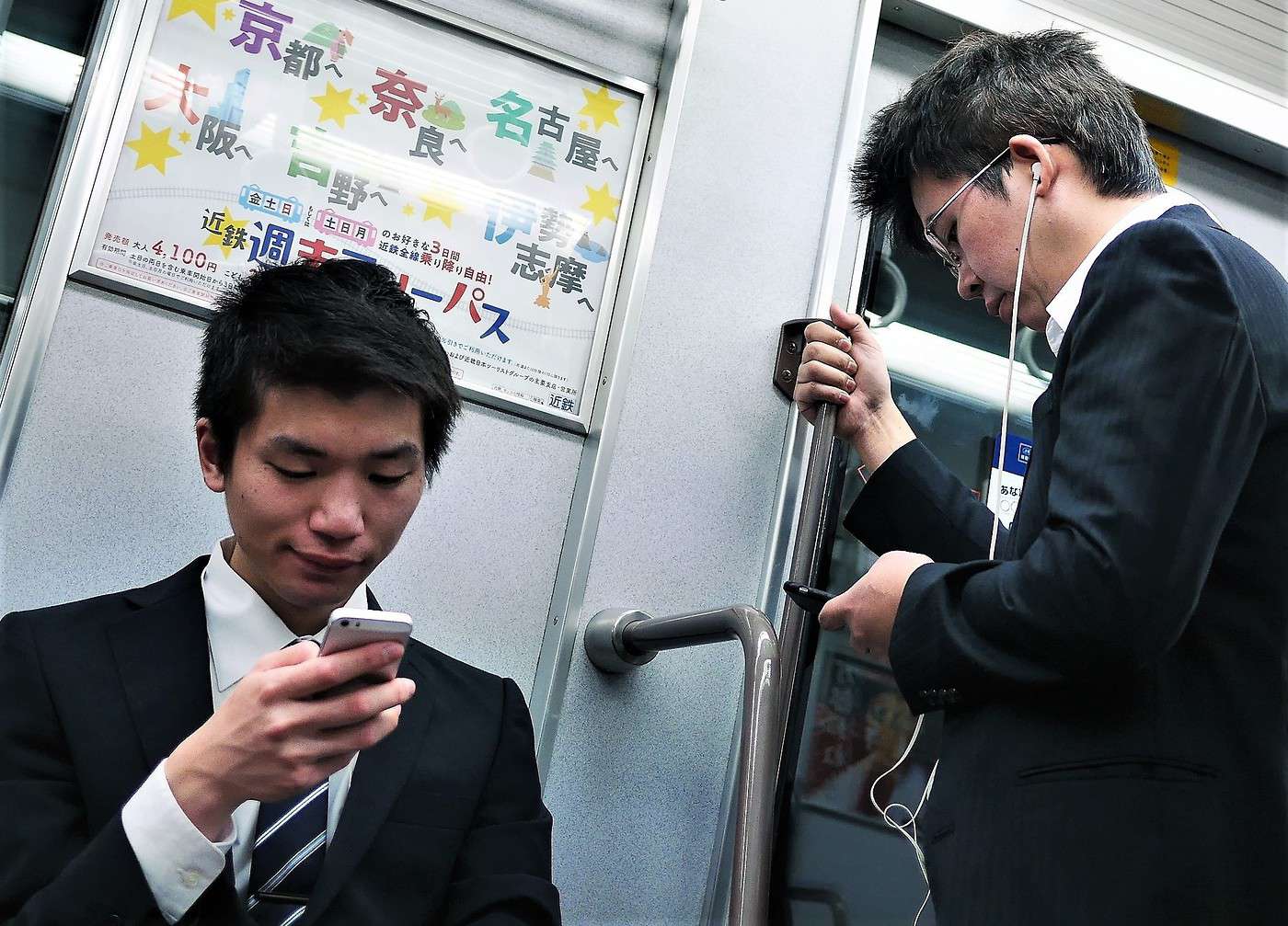
Passengers
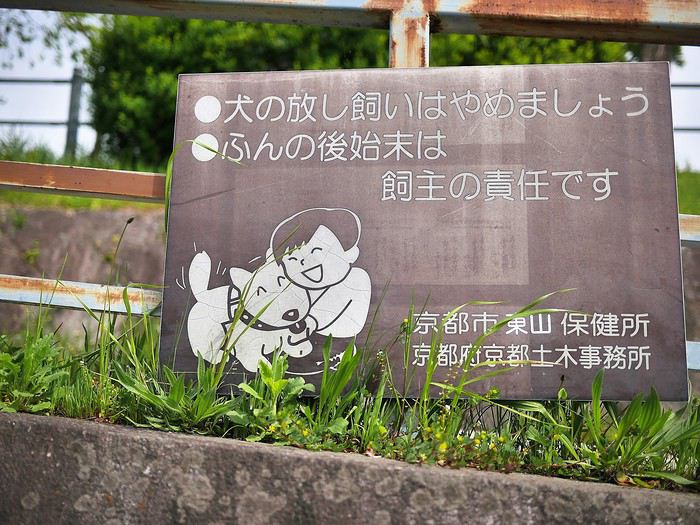
Outdoors, we cherish nature
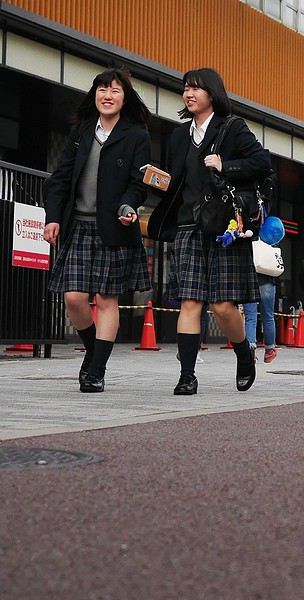
and the joy of passersby.
Kyoto, Shinkansen, Tokyo: three first-timers in Japan via Air China
Erjome · 2018-09-14
Hi Alain,
I really like your photographic perspective. It’s so different from the "classic" shots, and that’s part of the travel experience—even if we don’t always dare to photograph people candidly.
Kyoto, Shinkansen, Tokyo: three first-timers in Japan via Air China
Oltean · 2018-09-14
Good evening Alain
I really like your photographic angle. It’s so different from the "classic" clichés, and that’s part of the journey—even if we don’t always dare to photograph people candidly.
Hey Eric
I have a friend who’s a professional photographer (not a tinkerer like me), and he has a knack for approaching people and asking them to pose. But he also takes stolen shots, as long as the image doesn’t harm the subject. It’s a lesson I try to keep in mind. Sometimes, I ask for permission. But certain candid scenes would lose all their magic if I did... So, to be honest, I prefer to act discreetly, even if it weighs on my conscience a bit.
Kyoto, Shinkansen, Tokyo: three first-timers in Japan via Air China
Erjome · 2018-09-14
Absolutely, instant photos have that extra soul. The art of turning an ordinary scene into a really beautiful shot 😉.
Kyoto, Shinkansen, Tokyo: three first-timers in Japan via Air China
Oltean · 2018-09-14
Hi Alain,
Your travel journal brings back such great memories. I visited Japan for the first time in spring 2017. It’s fascinating to read your posts while you’re there. For me, an initial feeling—or maybe some preconceptions I brought along —transformed over time into something even more positive after I returned, even though I already loved it while I was there. I feel like I brought back a hidden treasure that only fully revealed itself to me little by little and took on a life of its own.
The way you tell your story and your photos are a real treat. Thank you so much!
I’m looking forward to what’s next.
Maevita
Good evening Maevita,
Thanks for your kind words. It’s true that some experiences work on us without us realizing it and only reveal their true value over time... We were in Japan last April, but this was written day by day. So it comes with all the flaws—and maybe the strengths—of a discovery in the moment. Just really happy you enjoyed it.
Kyoto, Shinkansen, Tokyo: Three First-Timers in Japan via Air China
Oltean · 2018-09-15
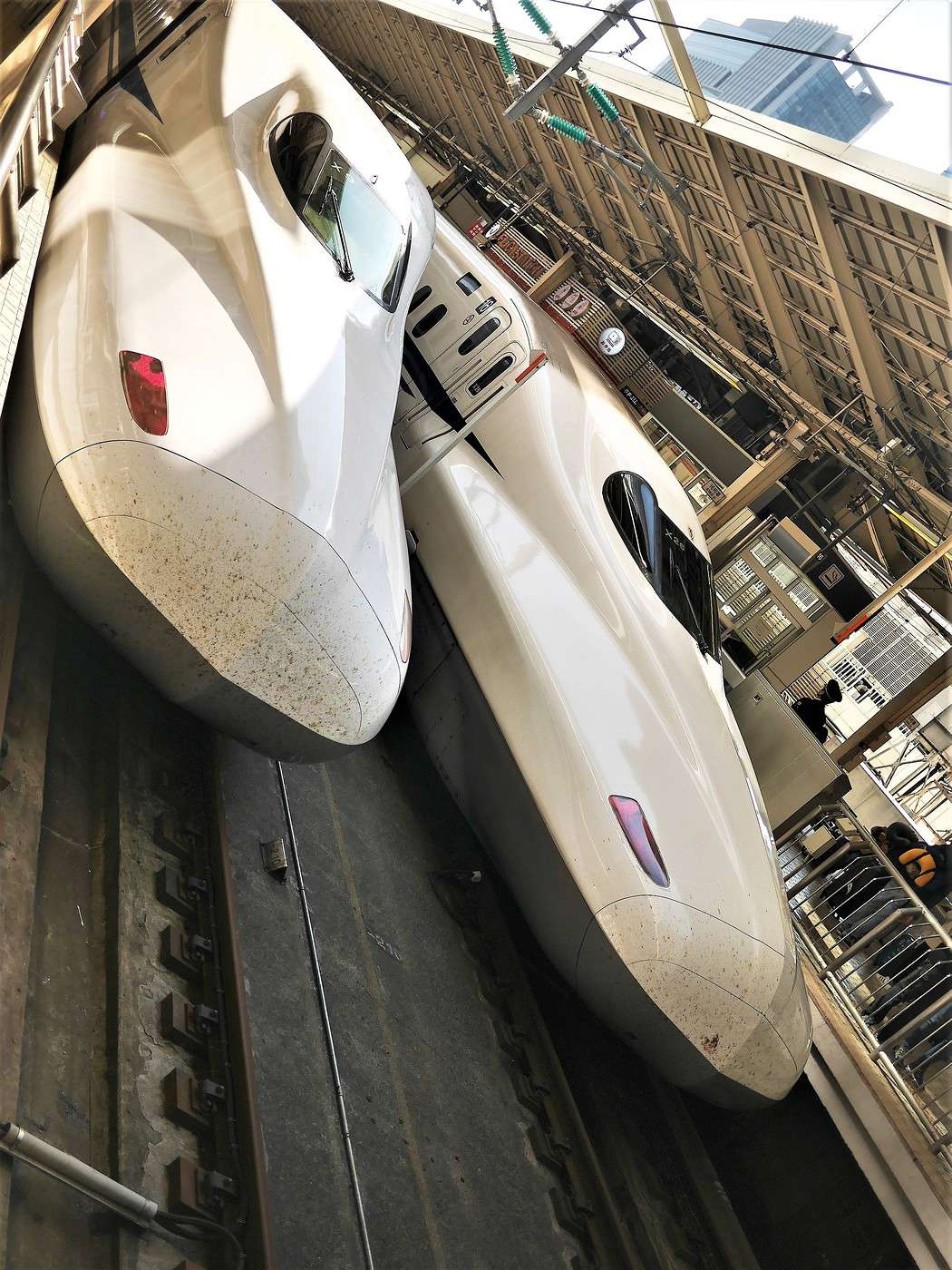
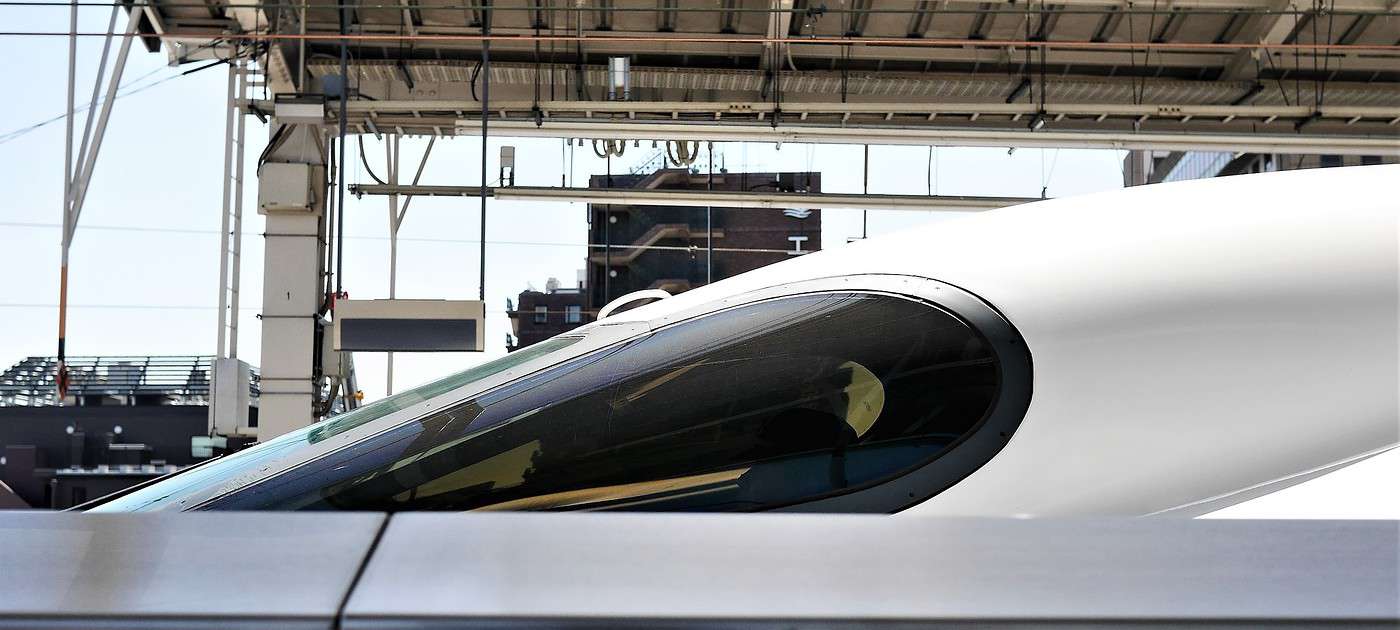
I’ve been on a plane before, but it wasn’t this fast. The Shinkansen with its funny nose cuts across the country like a katana slash.
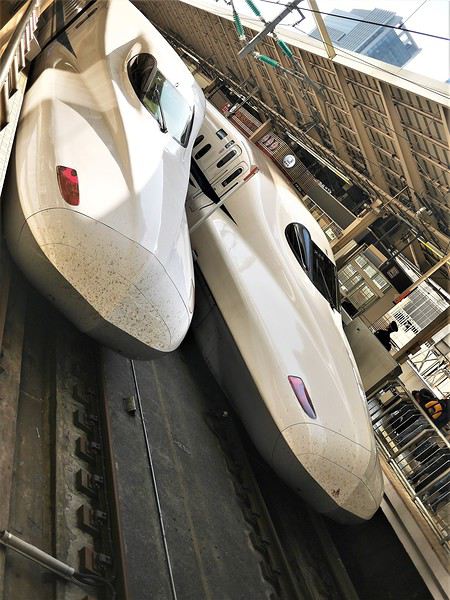
The nose worn by the effort of two Shinkansen
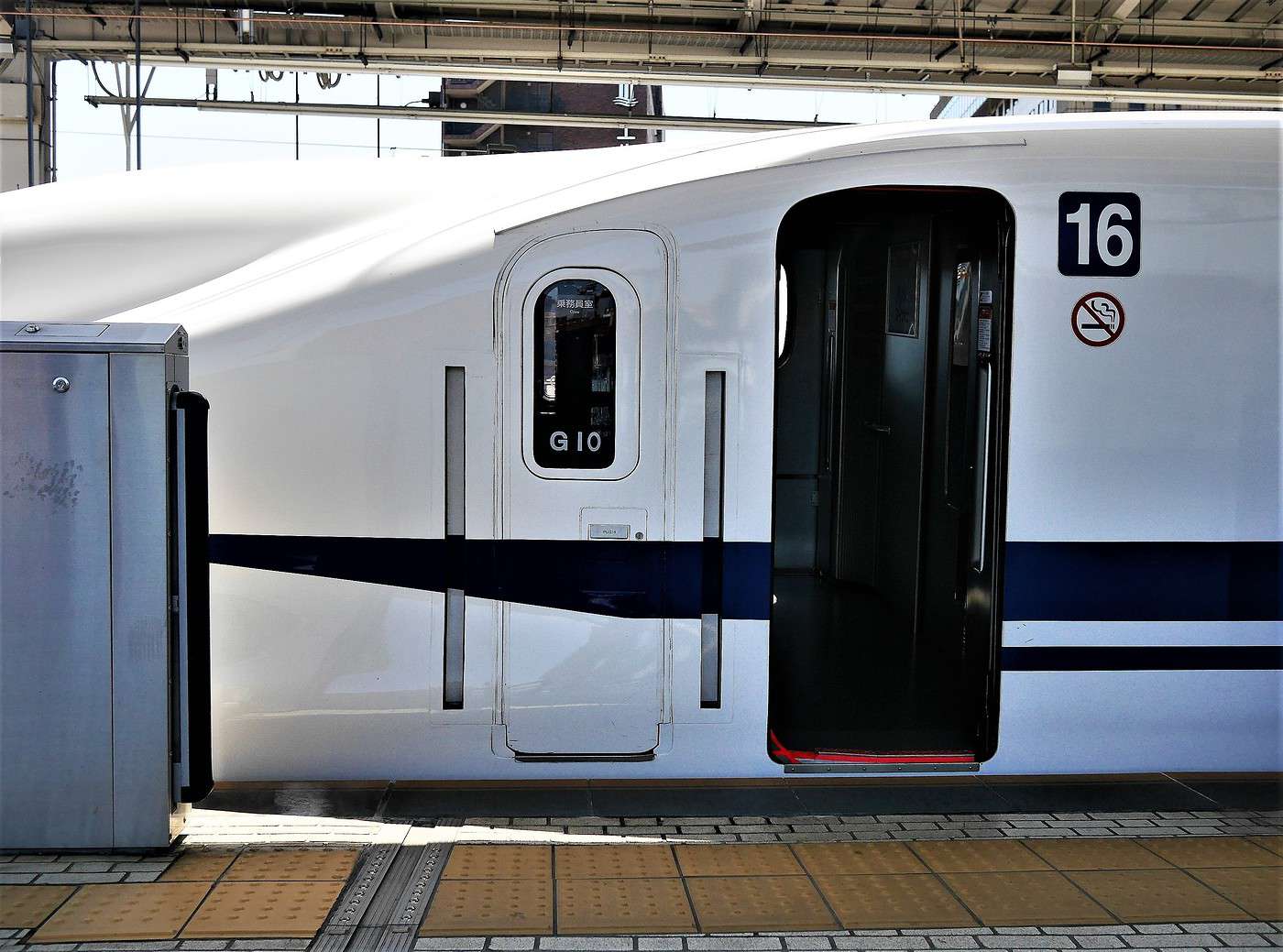
When the train stops, a door slides open like something out of a sci-fi story. You step right in—no steps, the train floor is level with the platform: perfect for wheeled luggage.
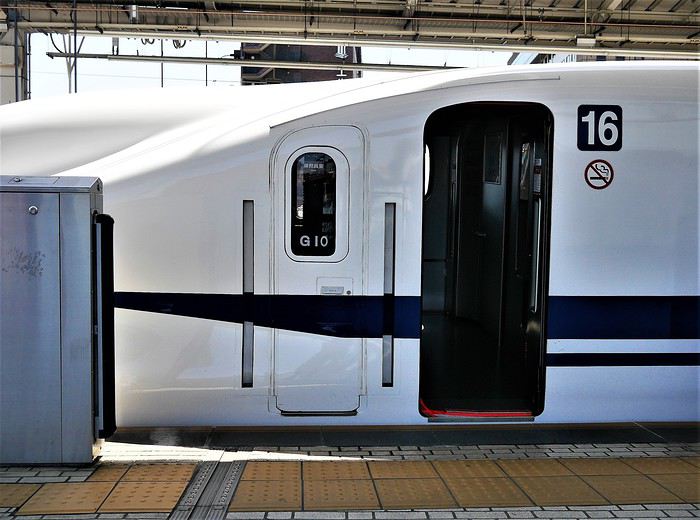
Sliding door
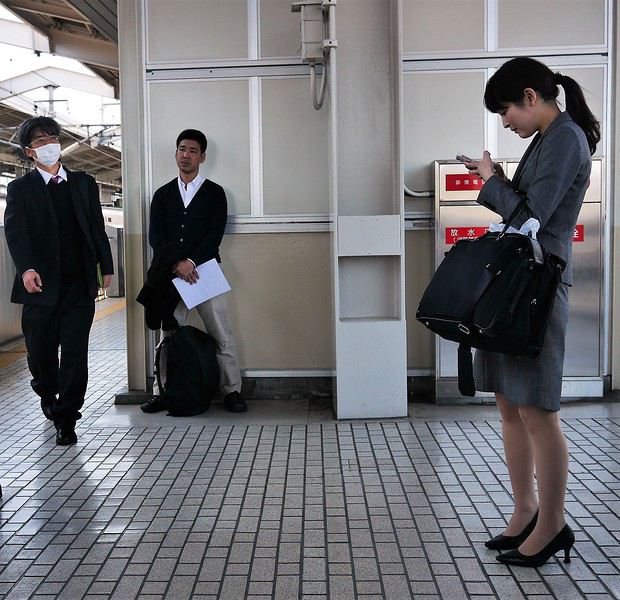
Waiting for departure, text version
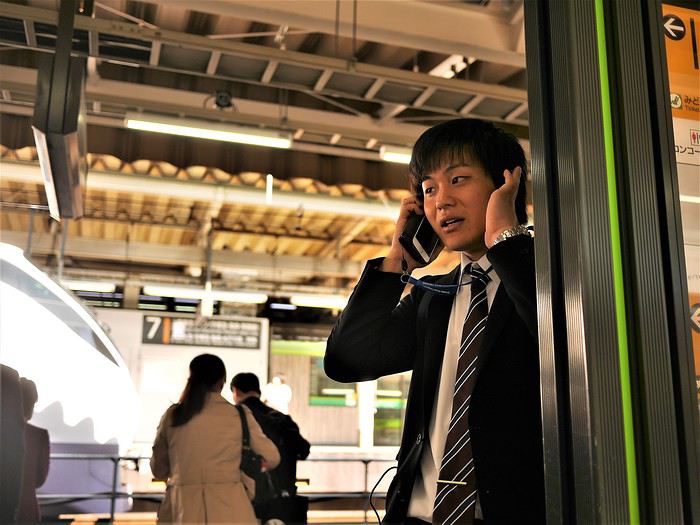
and voice version
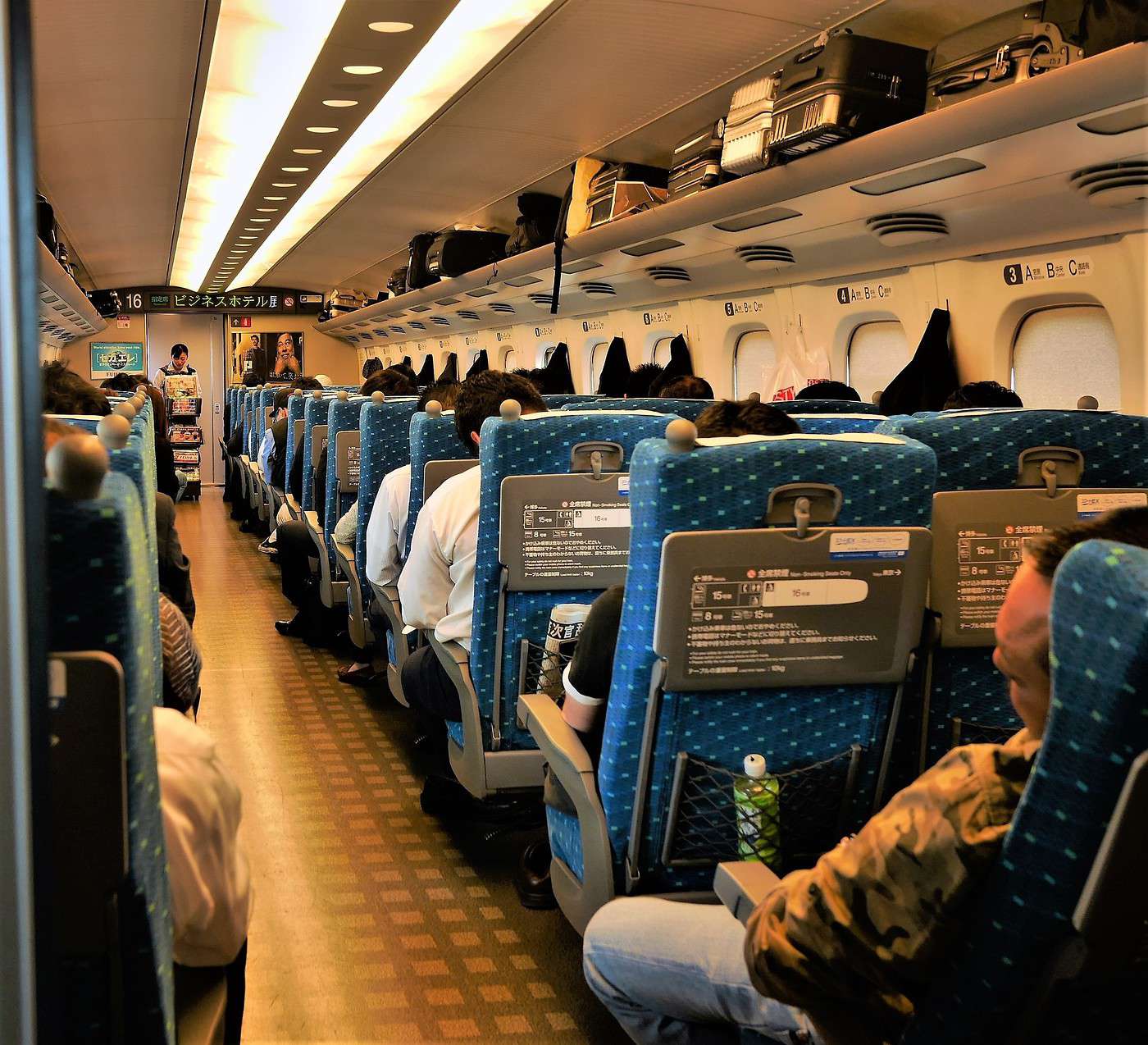
Each car has sixteen rows of five seats. The aisle divides the row into groups of two and three seats, each group able to be rotated to face forward or backward, depending on what the passengers prefer. All you have to do is pull a lever at the base of the seat near the aisle.
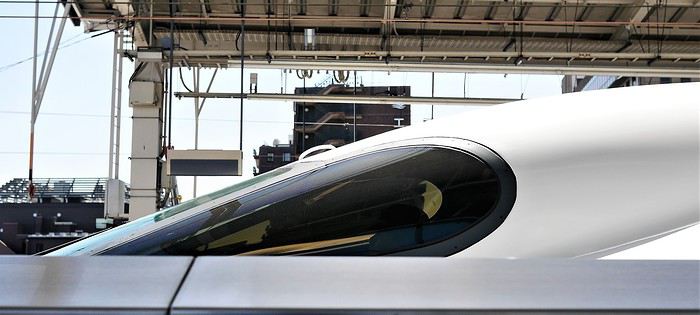
Jet profile
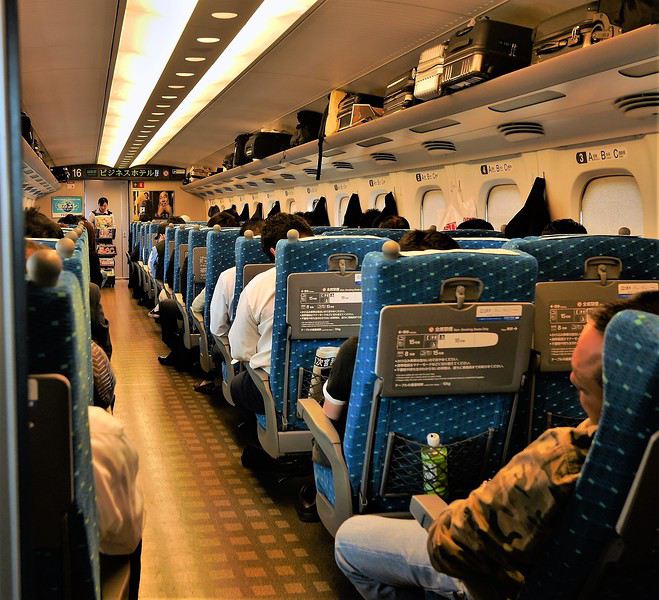
Interior comfort
Power outlets under the windows let you charge laptops and phones. When you sit down, you instinctively look for a seatbelt to buckle before takeoff—understandable reflex. Thin carpet, dim but adequate overhead lights for reading.
Two detective novels had already tipped me off about how important the rail network is to Japanese society. *Tokyo Express*, also called *The Tokyo Express* by Seicho Matsumoto, revolves around the mystery of people who supposedly committed suicide, conveniently spotted at Tokyo Station. The story explores whether the killer could’ve committed the crime while sticking to the train schedule. This huge late-1950s hit—pretty much unreadable for French readers in its last section—speaks volumes about how central railroads are to the local imagination, and shows a real taste for the scientific precision of a plot woven into the reality of the train timetable.
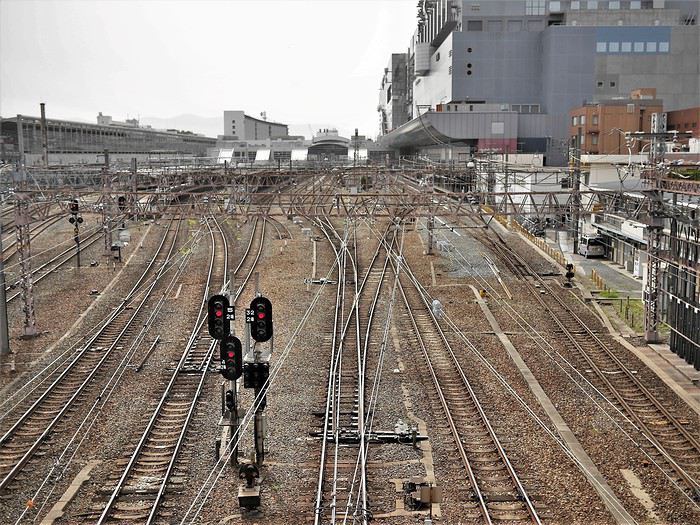
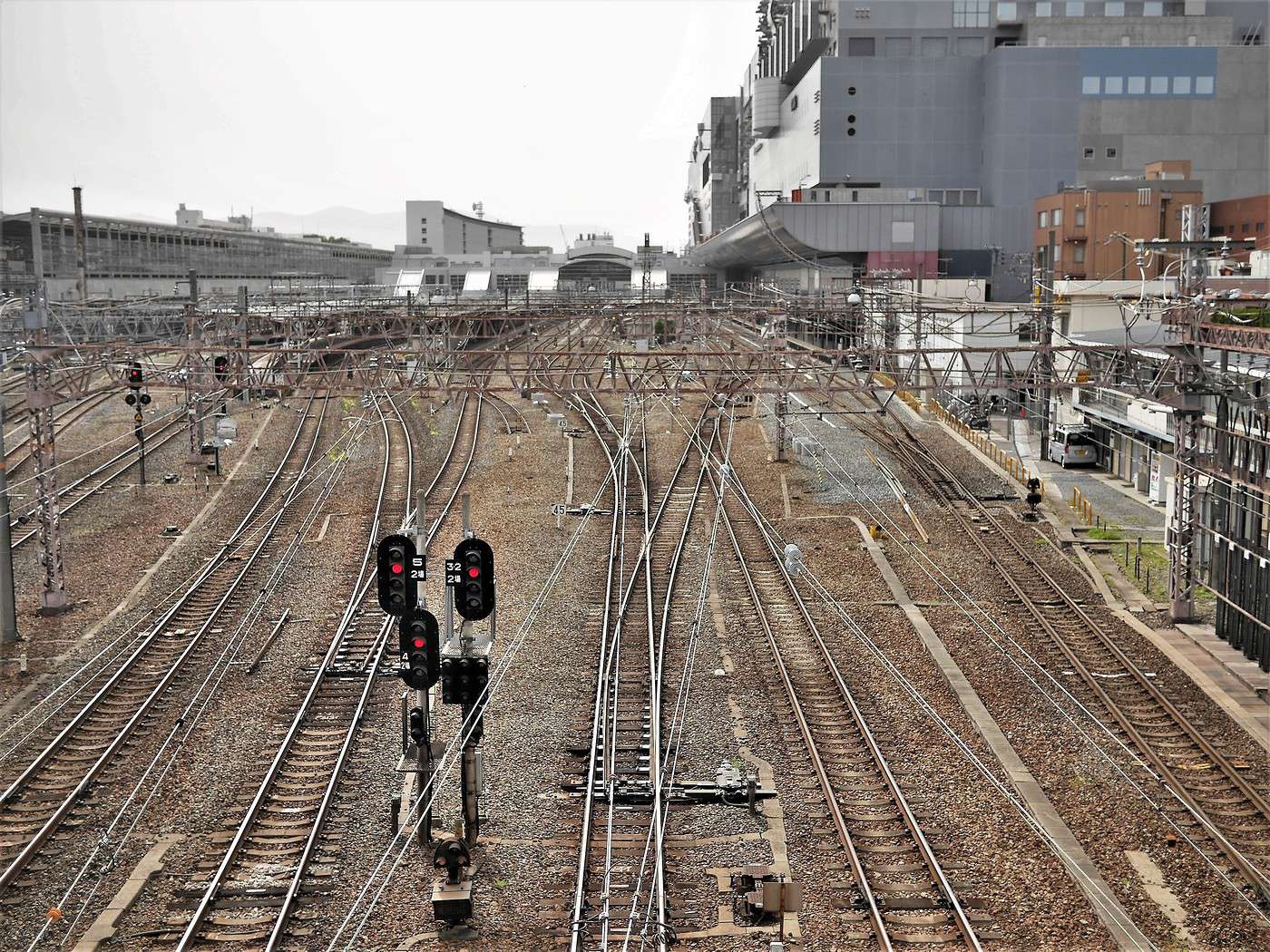
Rails in Kyoto
Kyotaro Nishimura’s *The Tottori Dunes* builds an amazing plot around the most unlikely event: a train has vanished, along with dozens of passengers. It left, but never arrived. Vanished? Destroyed? But how could that be? And why the ransom demand? I’ll leave it to mystery lovers to discover the answers in Nishimura’s twist-filled novel.
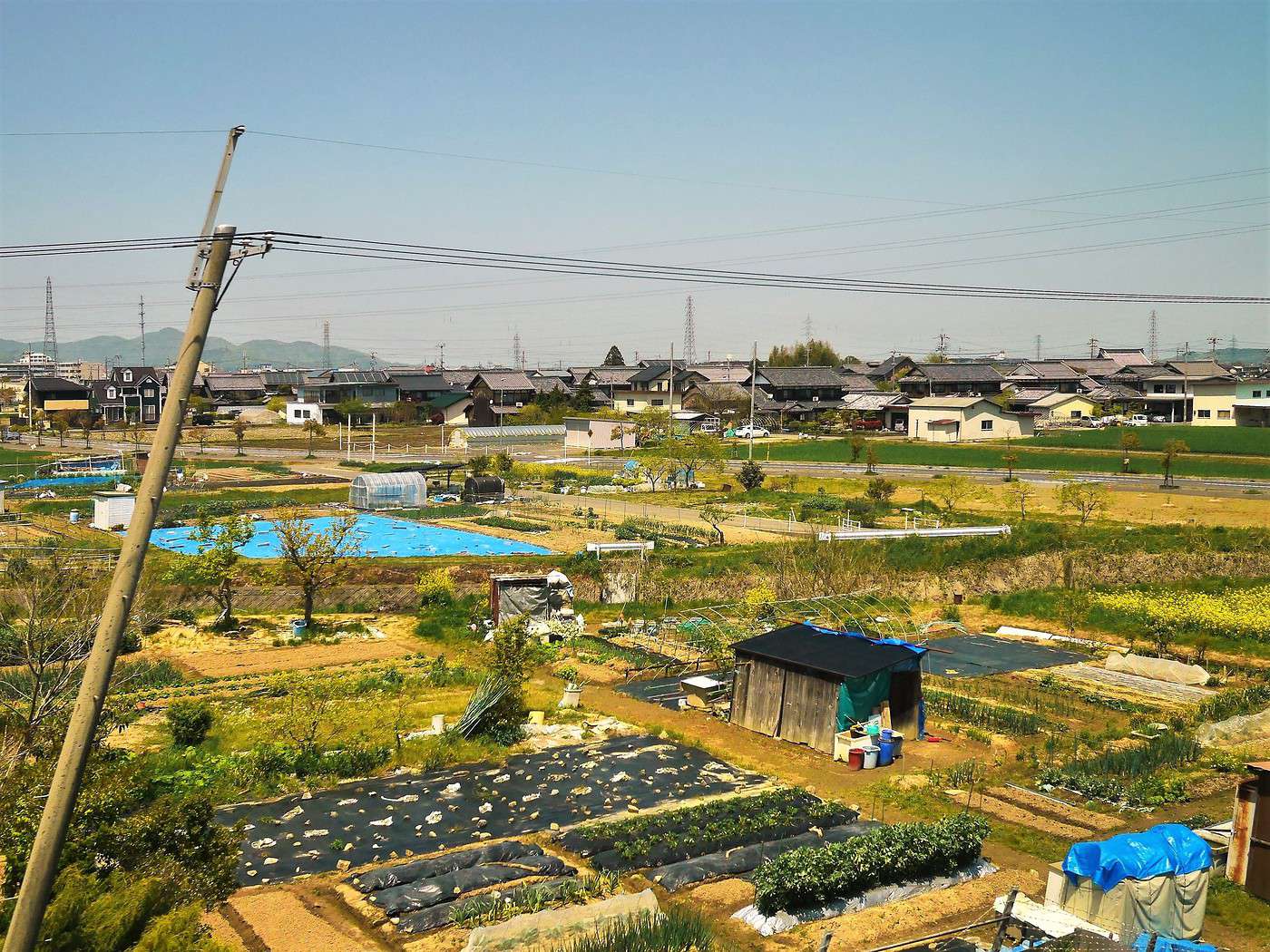
On the way from Kyoto to Tokyo, Mount Fuji is on the left, but unfortunately, it was hidden by clouds during our trip. The landscapes we passed weren’t the endless suburbs some careless writers describe—they’re a mix of countryside and cities, with huge industrial complexes popping up now and then.
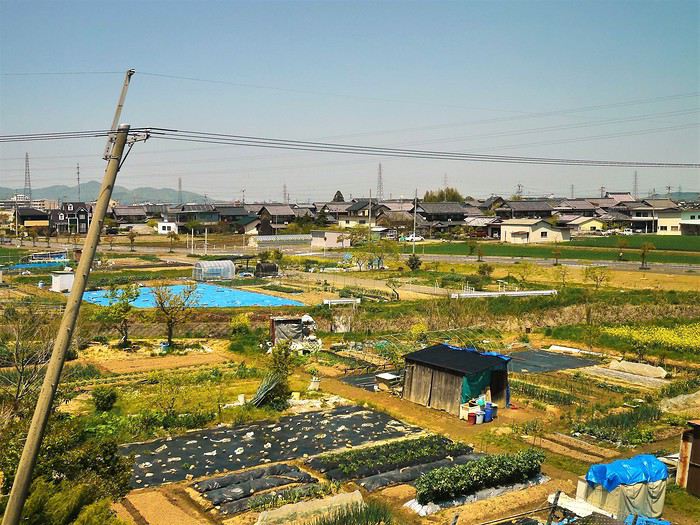
View from the train
The cars are full: businessmen, tourists, families with babies. Several times, a hostess comes by with drinks and ice cream. The conductor, in white gloves, full uniform, and cap, bows each time he enters or leaves the car. A large electronic display above the door scrolls messages in Japanese and English, giving travel updates and announcing the next stop: “We will soon make a brief stop at Shinagawa.” Flashing arrows clearly show which side the exit will be on.
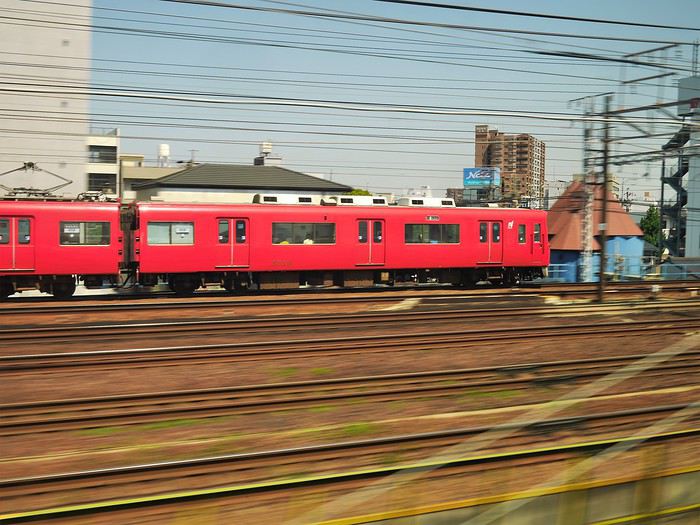
Brief encounter
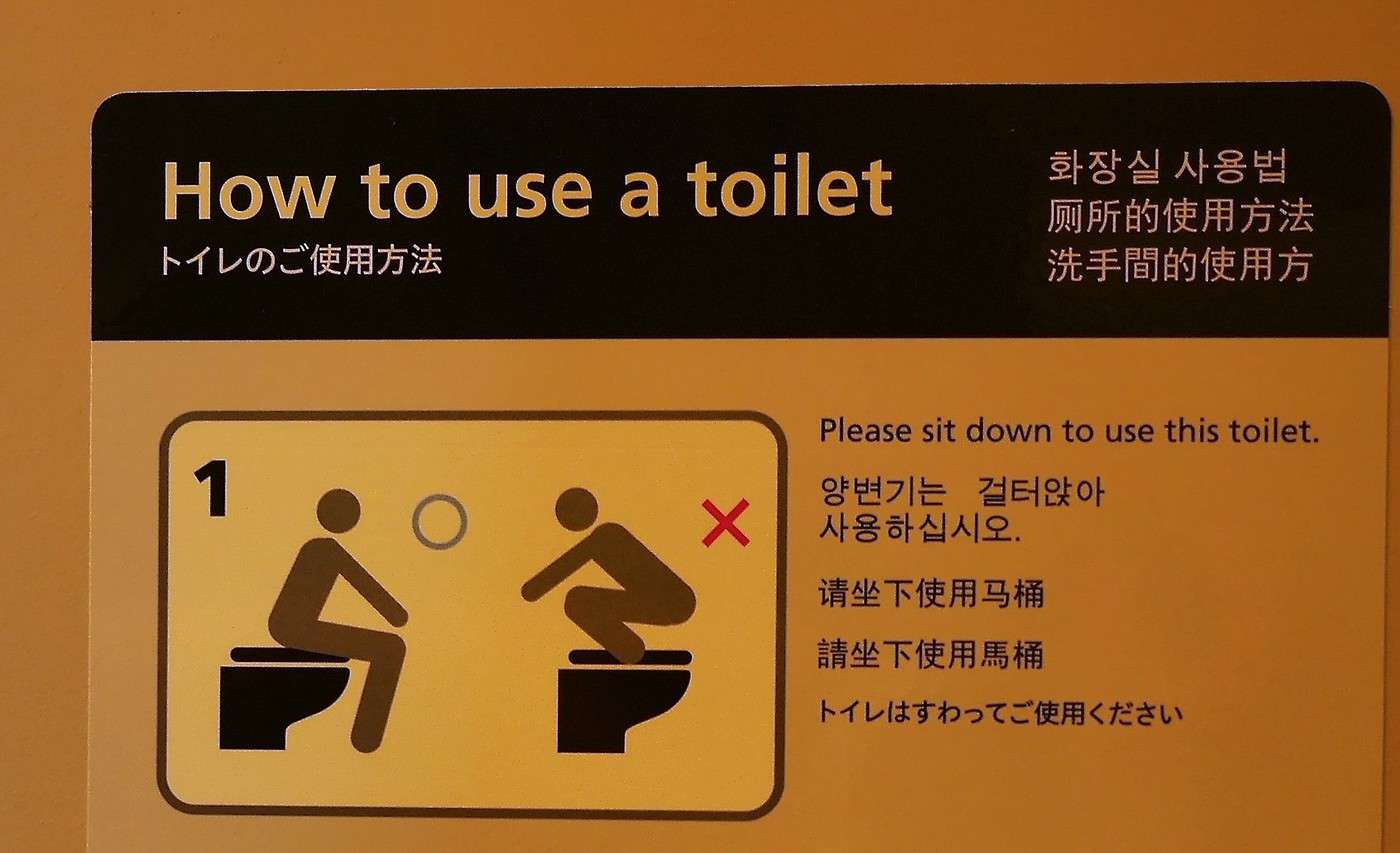
The only downside? The Shinkansen’s toilets aren’t high-tech. So, no fancy bidet options that make Japanese restrooms so great. We make do by trying to decipher the instructions titled “how to use the toilet,” which highlight—by omission—an odd but apparently common way of doing things that needed to be banned. How do you say *E pericoloso sporgersi* in Japanese?
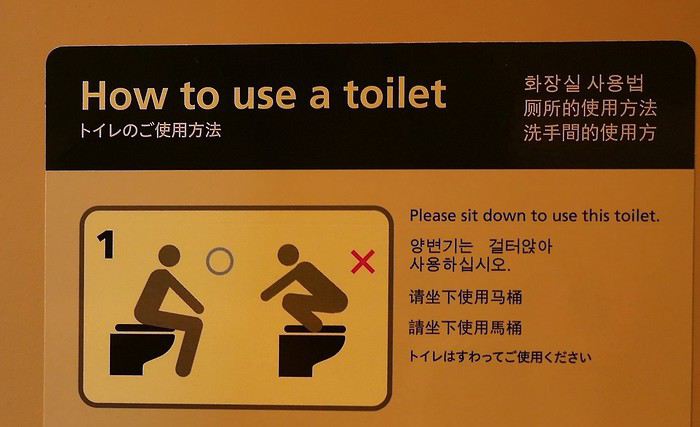
Proper use of the facilities
Kyoto, Shinkansen, Tokyo: three first-timers in Japan via Air China
Biquette07 · 2018-09-15
Hi Alain,
I’ve also been reading your travel journal with interest—I love the tone, sometimes caustic, sometimes offbeat, but never dull. 😉
I’m drooling over your photos, whether it’s the candid shots (I don’t know if I’d have dared to take those portraits) that speak volumes or the polished ones with framing, colors, or exposure (the night shot of Gion is stunning, for example). Bravo!
Thanks for taking the time to let us live vicariously through your experiences—it’s really uplifting. 🙂
See you soon,
Violaine
Kyoto, Shinkansen, Tokyo: three first-timers in Japan via Air China
Clabin · 2018-09-15
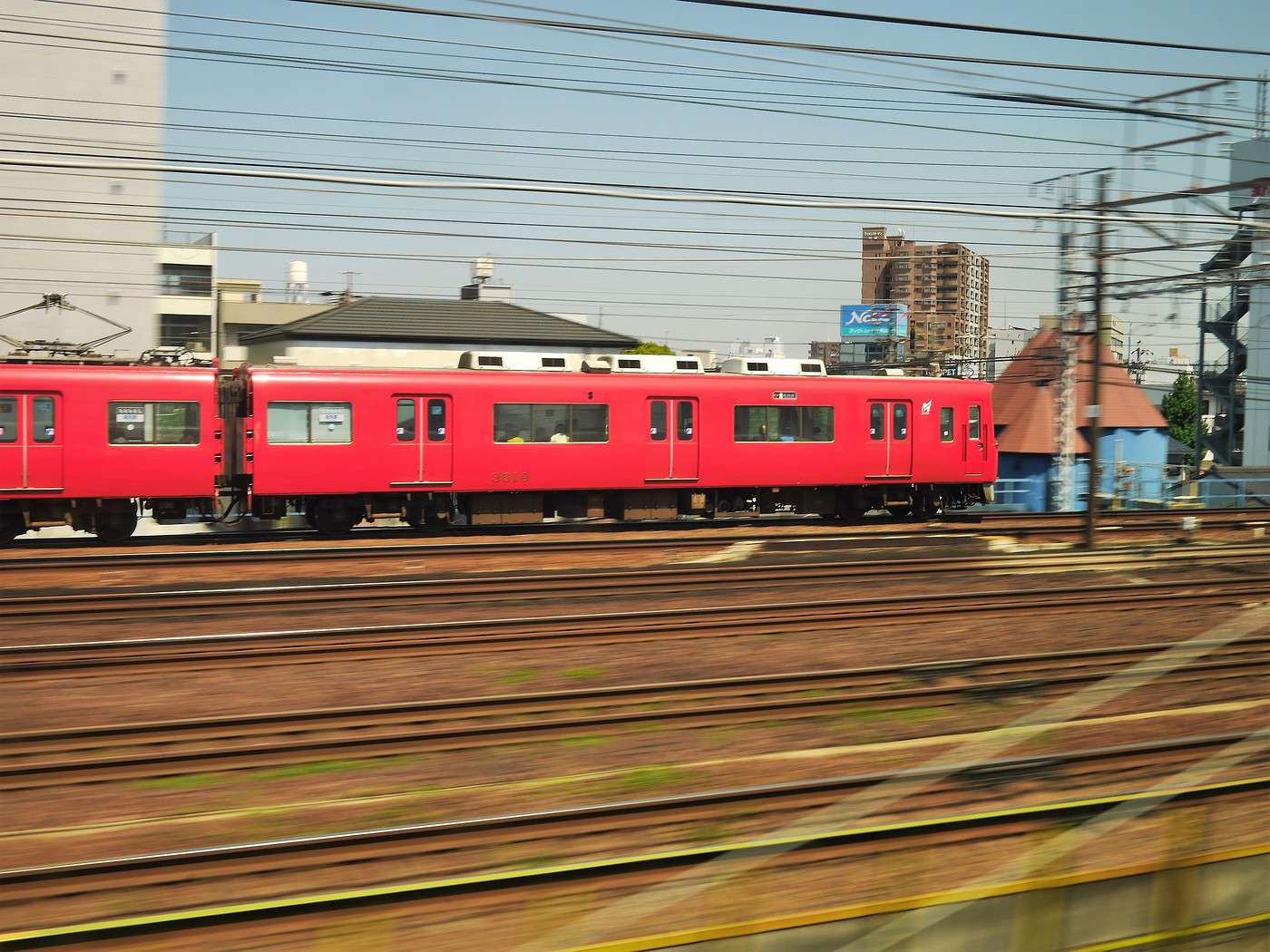
"A large electronic display, visible to everyone above the door, scrolls alternately in Japanese and English, providing travel information and alerting passengers to the next stop."
Not to mention the cute little tune that announces the upcoming announcement!
And kudos for the photo of that red Meitetsu train you're passing by
(between Nagoya and Toyohashi?).
Kyoto, Shinkansen, Tokyo: Three First-Timers in Japan via Air China
Oltean · 2018-09-16
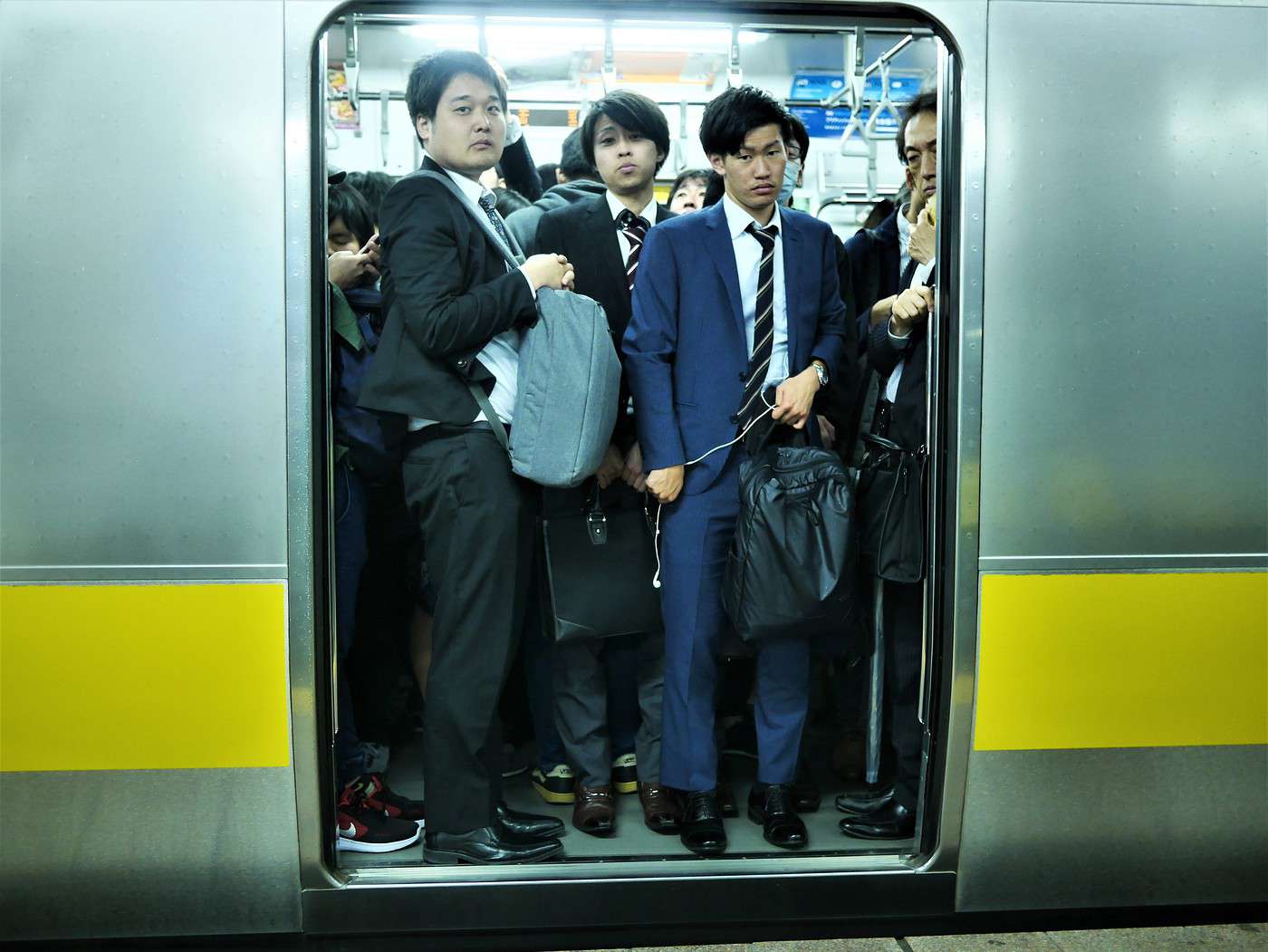
Forgotten, the hushed Kyoto with its gentle ways. Here’s the capital, Tokyo, with its fast-paced rhythm. Taking the subway already feels more like a combat sport: the cars are more crowded, and some people make space by pushing their way in with their backs first.
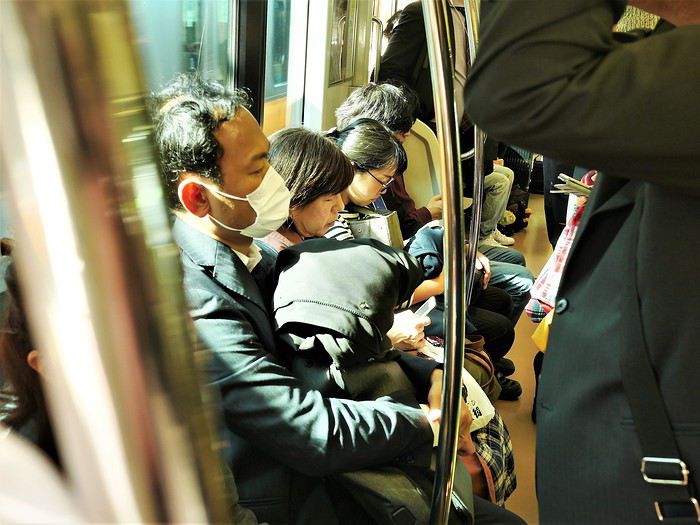
Asleep
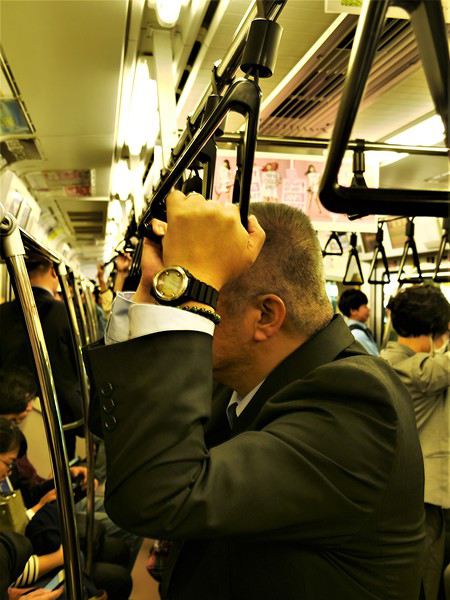
Hanging on
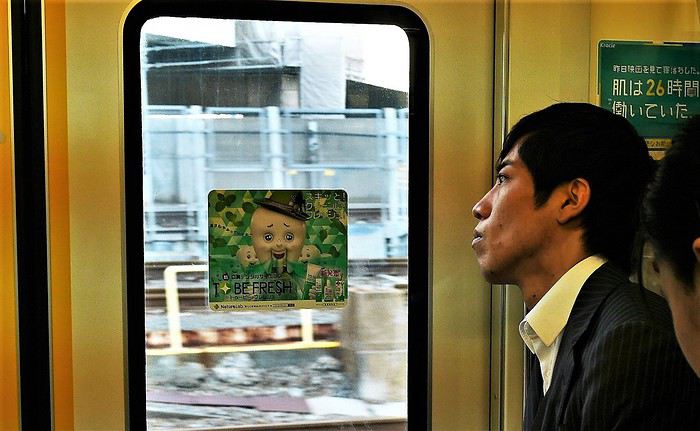
Dreaming
Among friends
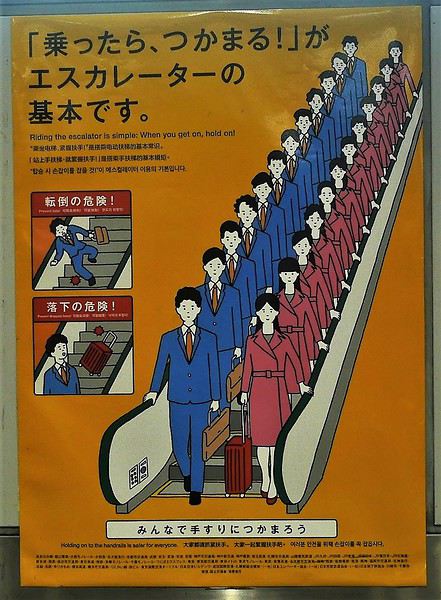
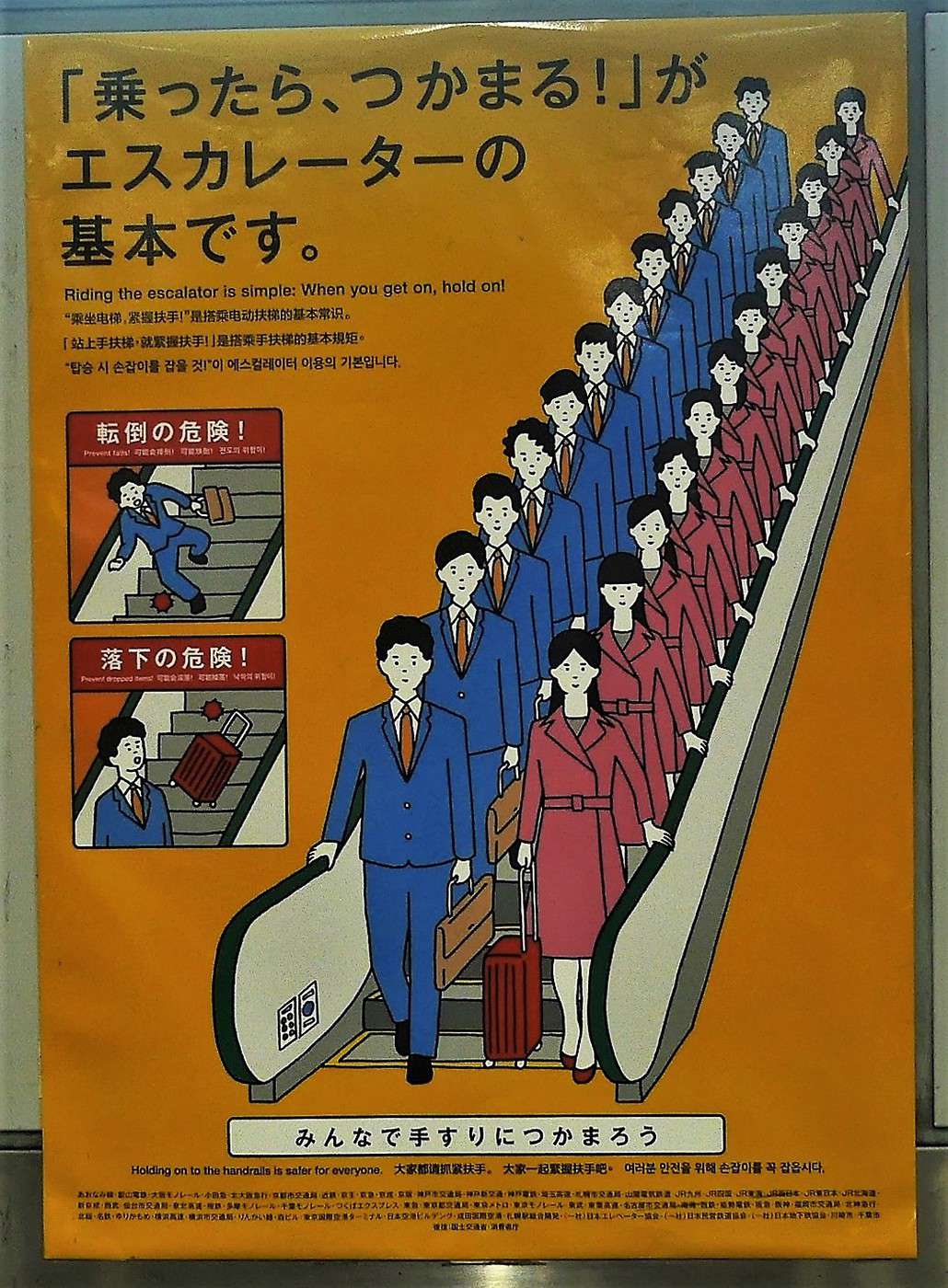
Don’t let go of the handrail
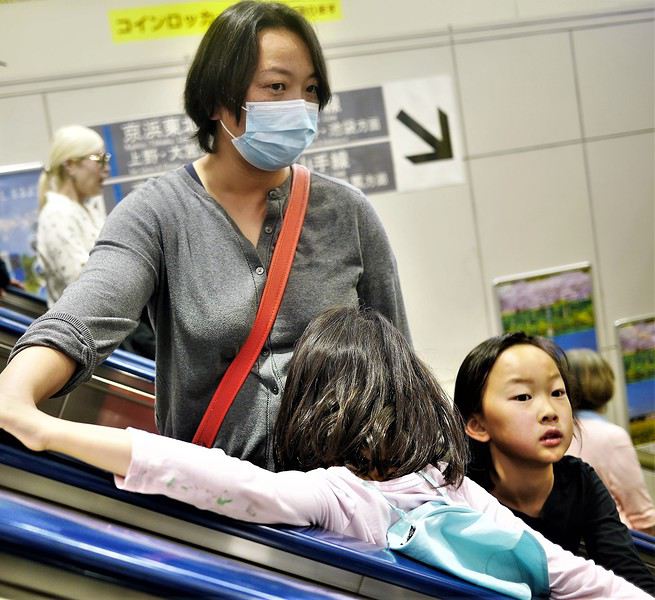
Like this young mother
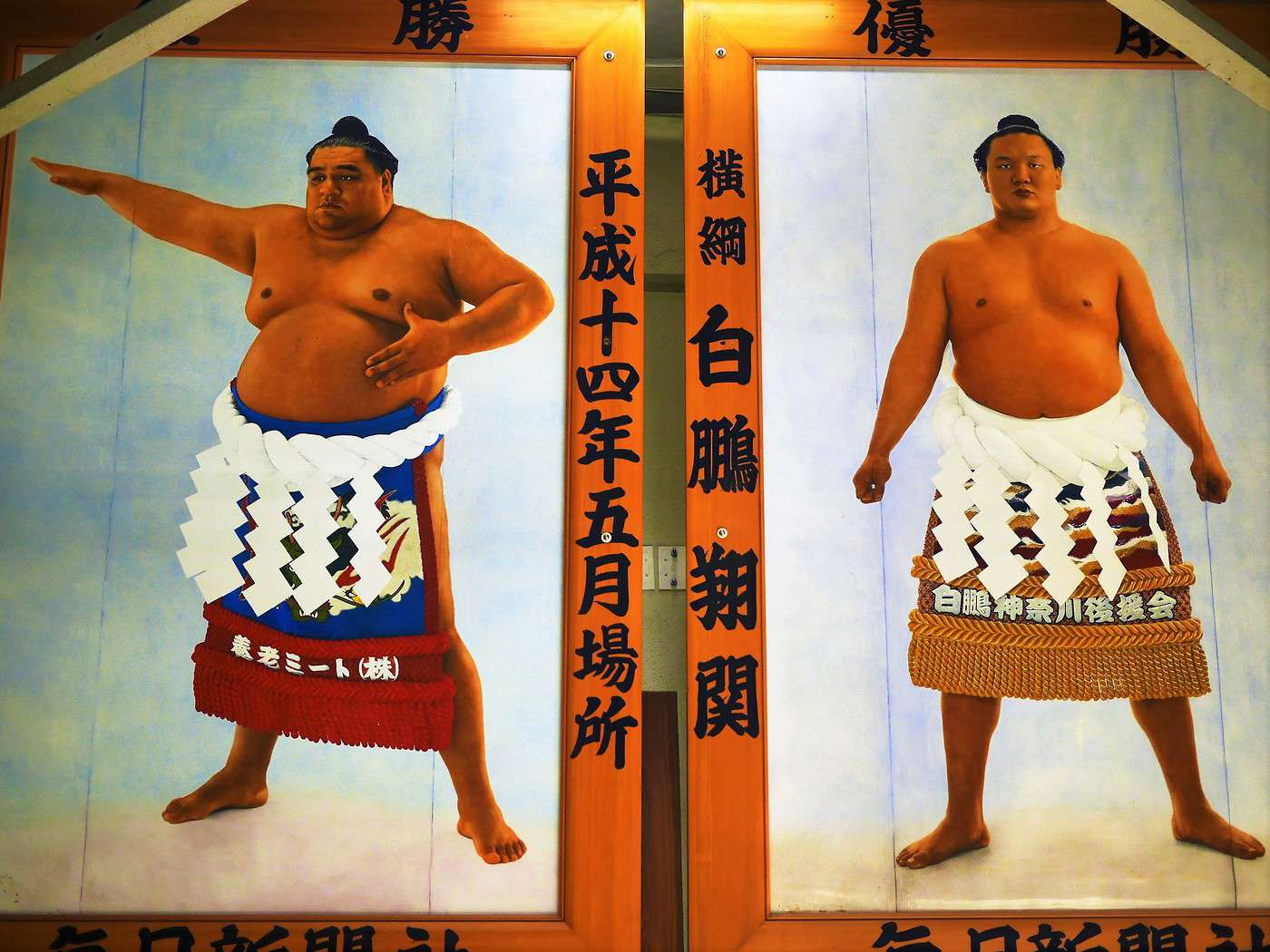
Our apartment is in Ryogoku, the sumo district.
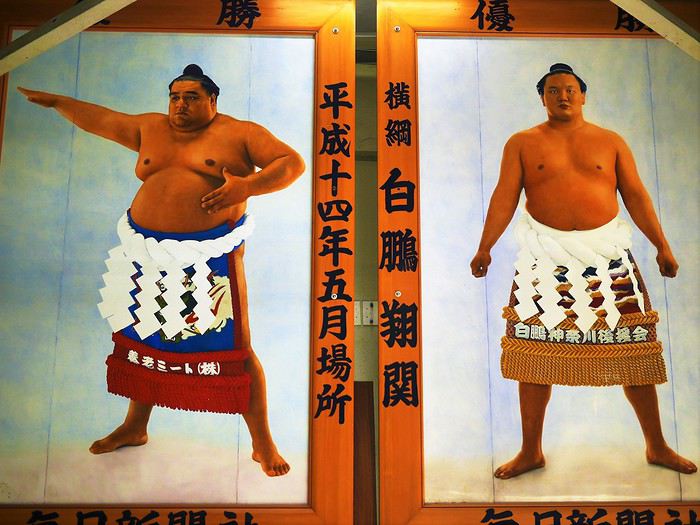
Heavy stuff
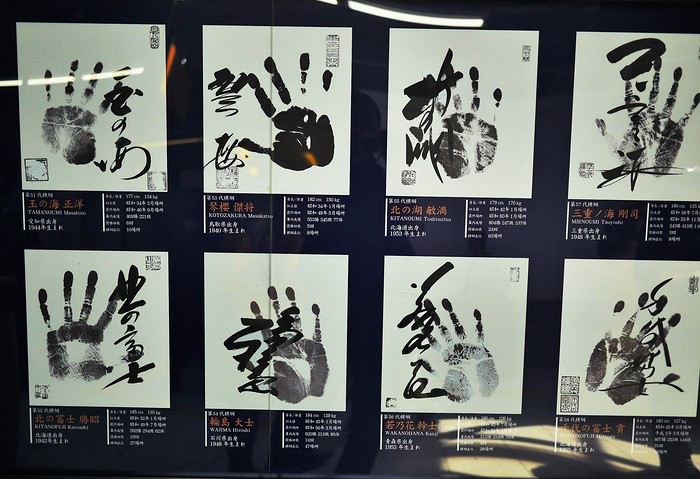
Tributes
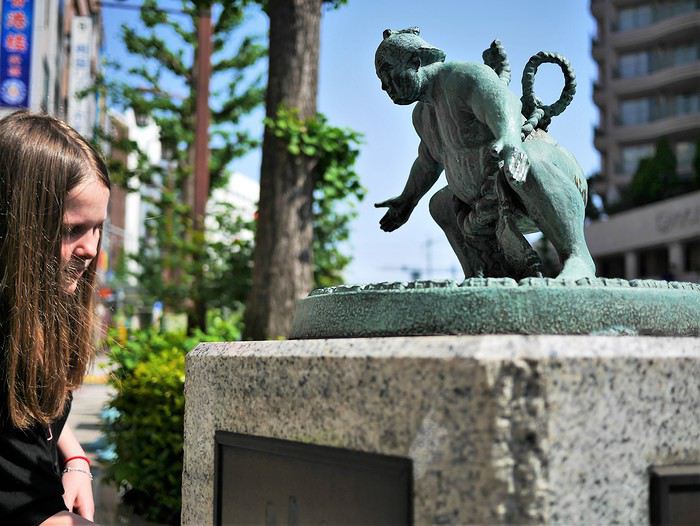
Celebration
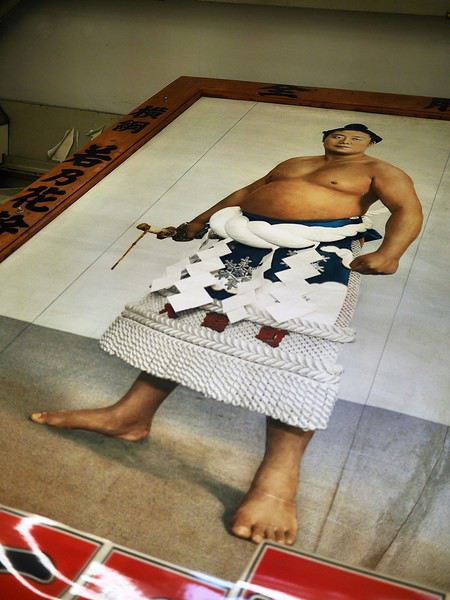
Overwhelming
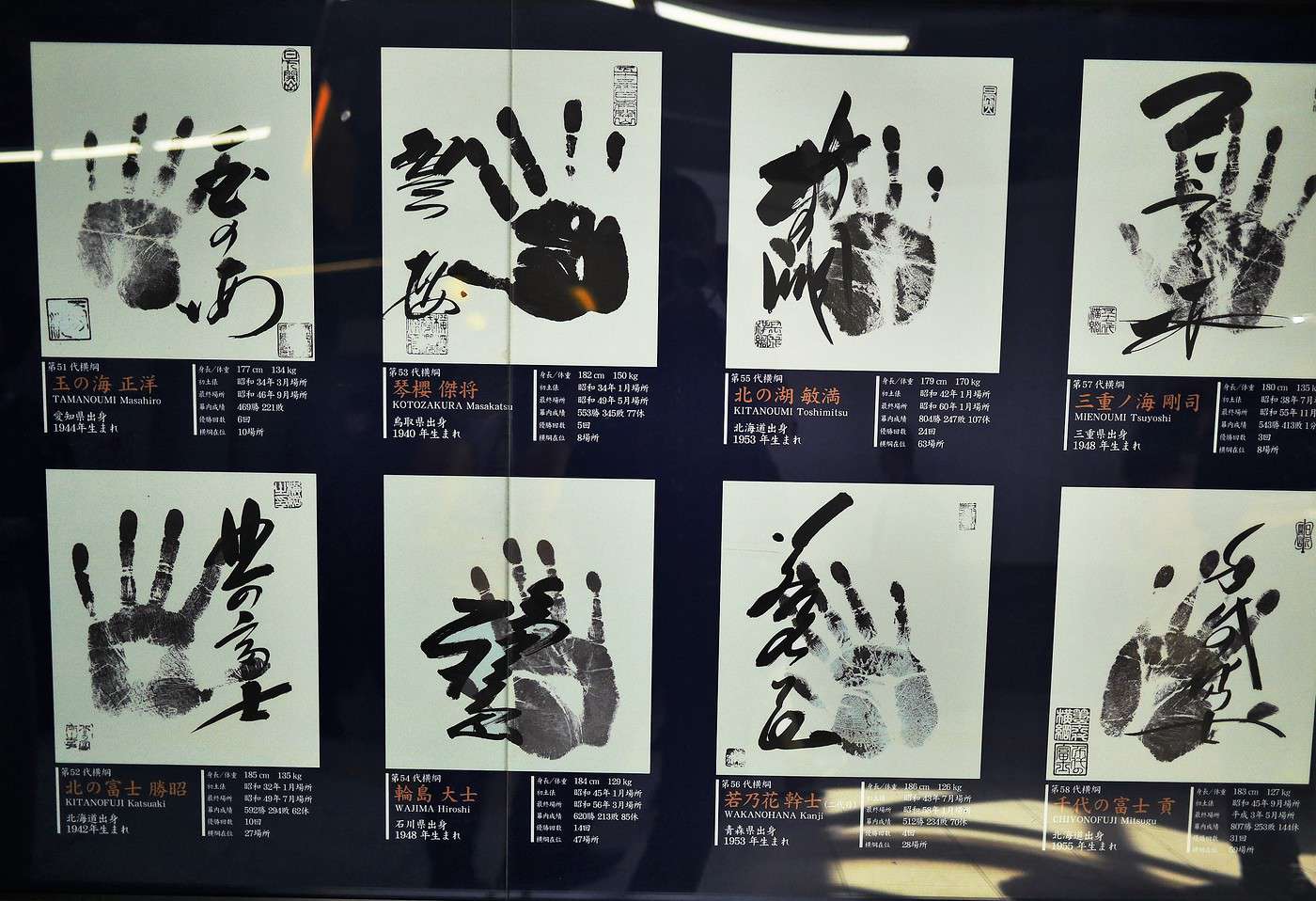
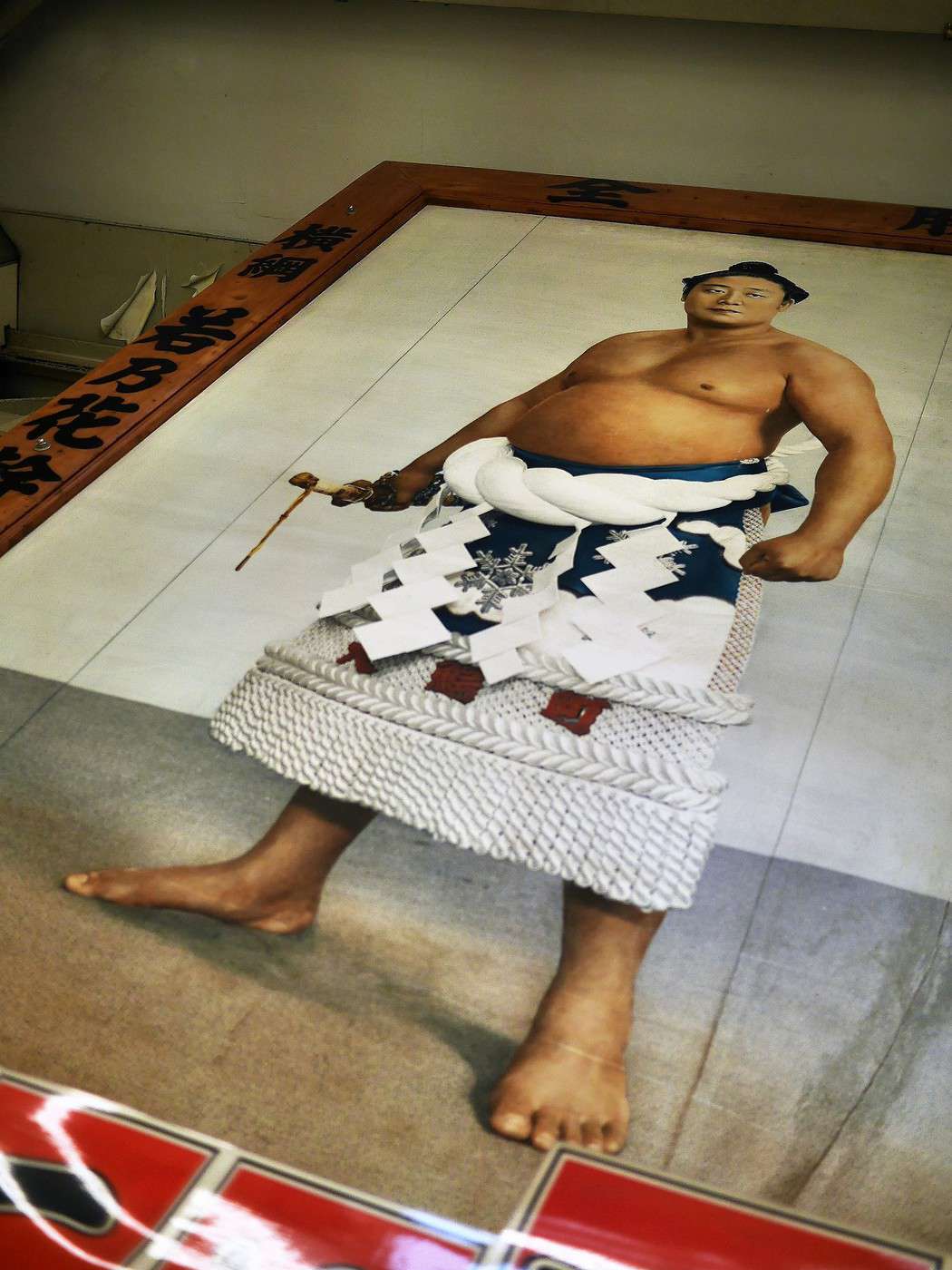
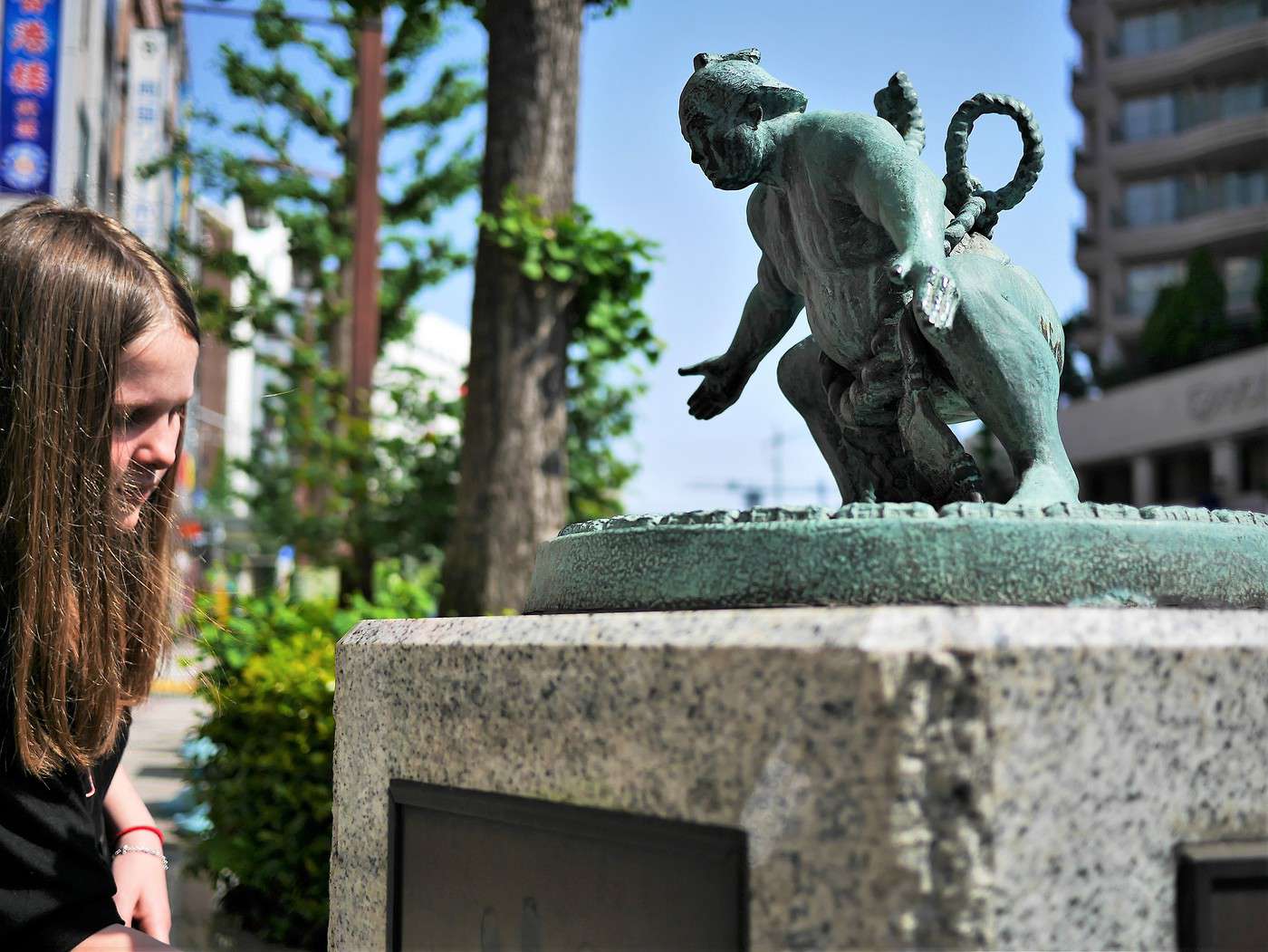
Tributes to the greatest sumo wrestlers line the avenue leading from the station, like stars on Hollywood Boulevard. Each one features a small statue, the champion’s record, and their handprints. Inside the station itself, huge portraits remind visitors of the legend of these agile yet hefty athletes.
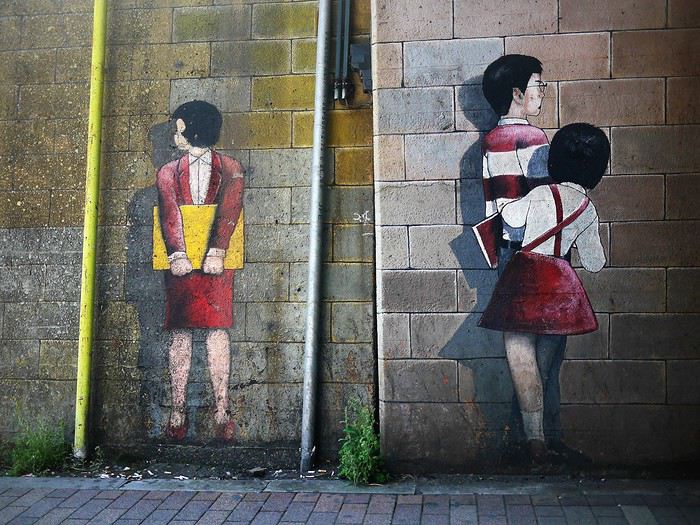
Cave art
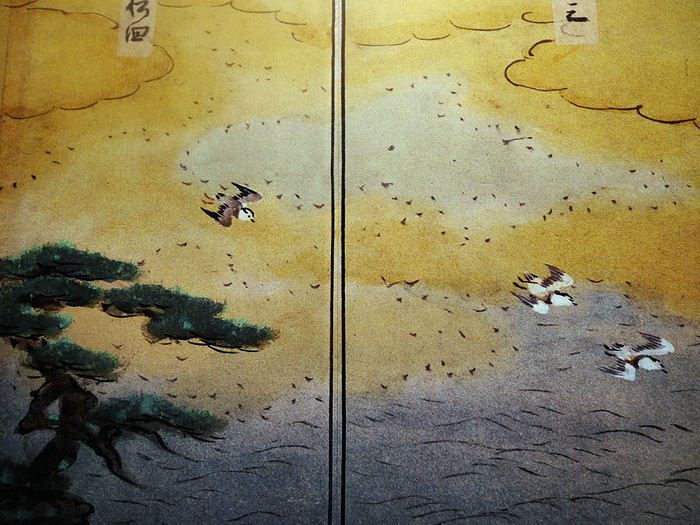
Taking flight
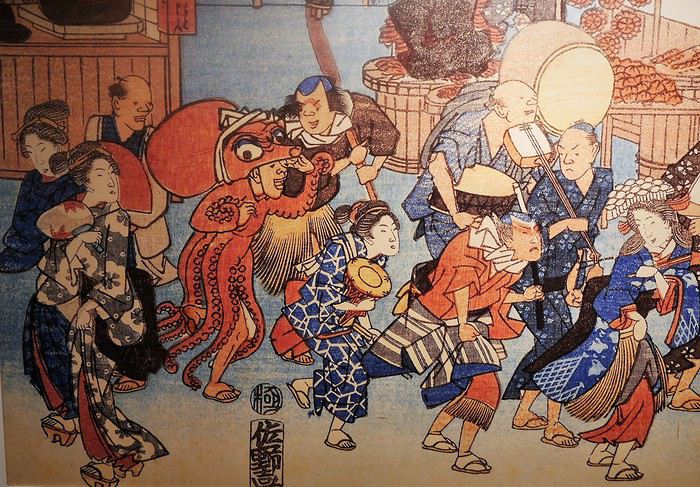
Not bad, but what if we dance?
The Edo-Tokyo Museum is just a stone’s throw away. A quick note: two nearby stations share the same name, something we’ve noticed several times already in this city. It’s confusing but makes sense since there’s a separate subway station and a train station. For Ryogoku, you’ll need to head to the train station to get closer to the museum entrance. The visit is fascinating, tracing the history of the capital up to the present day, with detailed models and reconstructions—so detailed that binoculars are provided to take it all in. The exhibit is complemented by an extensive collection of images. A French-language audio guide is available for free, and it even displays the text.
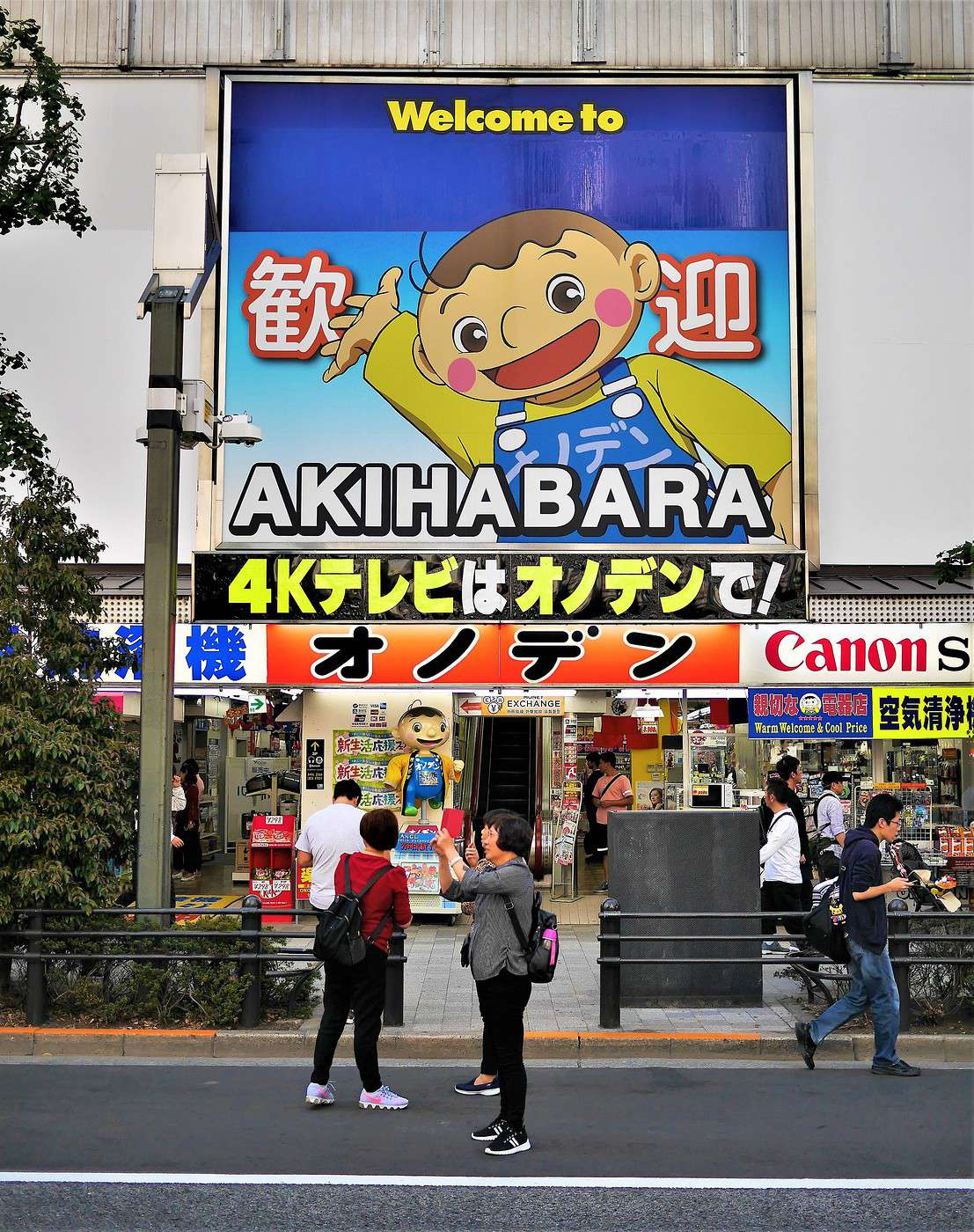
Like all major cities, Tokyo revolves around different hubs of activity. One of the most famous is Akihabara.
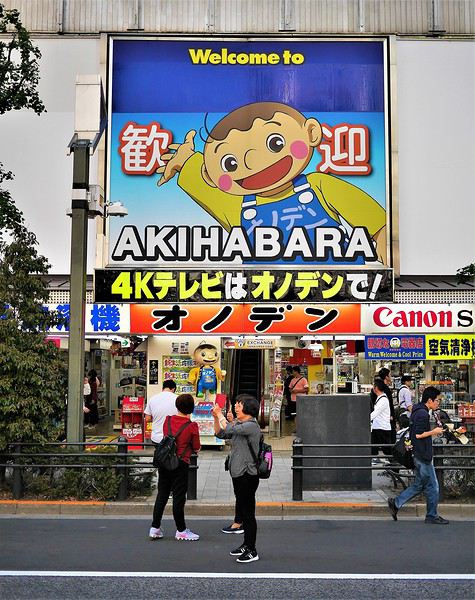
The return of kawaii
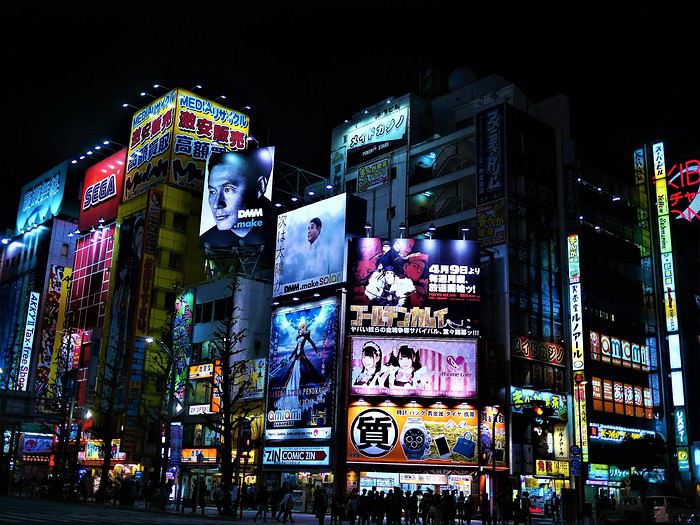
Akihabara, a Vegas strip vibe
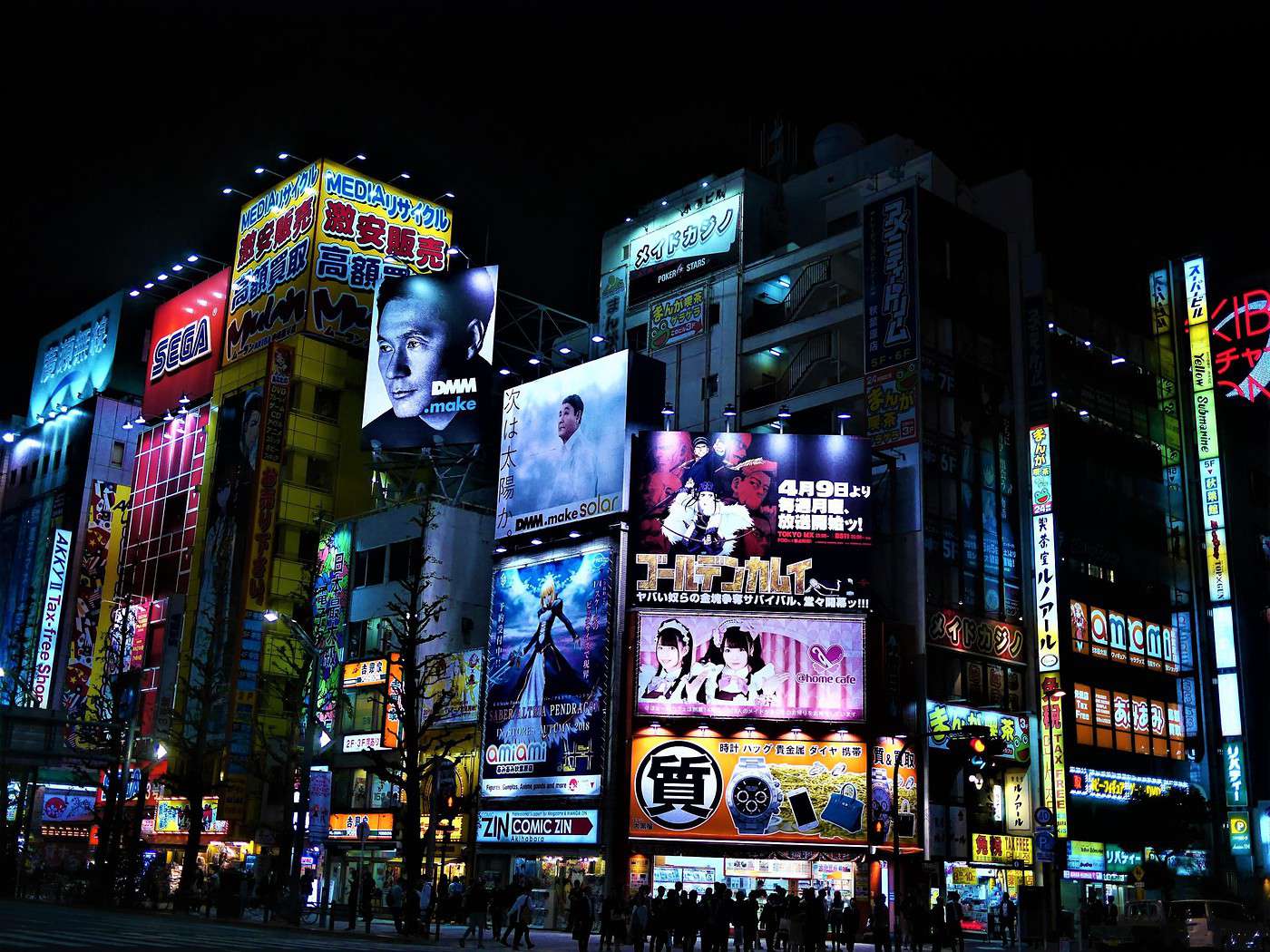
On this weekday evening, the resemblance to the Las Vegas Strip is striking: a wide avenue lined with neon lights and massive illuminated signs draws a crowd looking for entertainment. You won’t find casinos here, but shops for geeks, otakus, manga and video game fans—or whatever you call them.
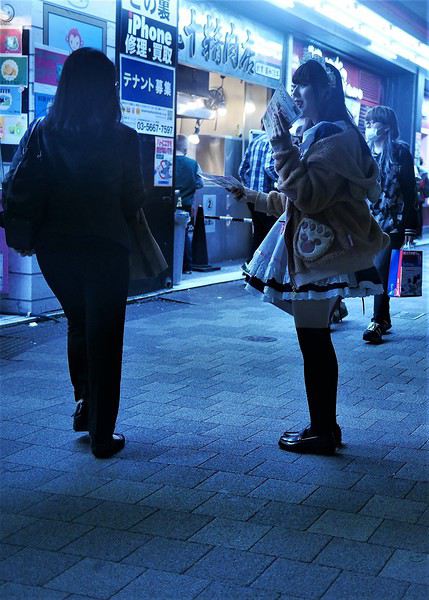
Maid in Japan
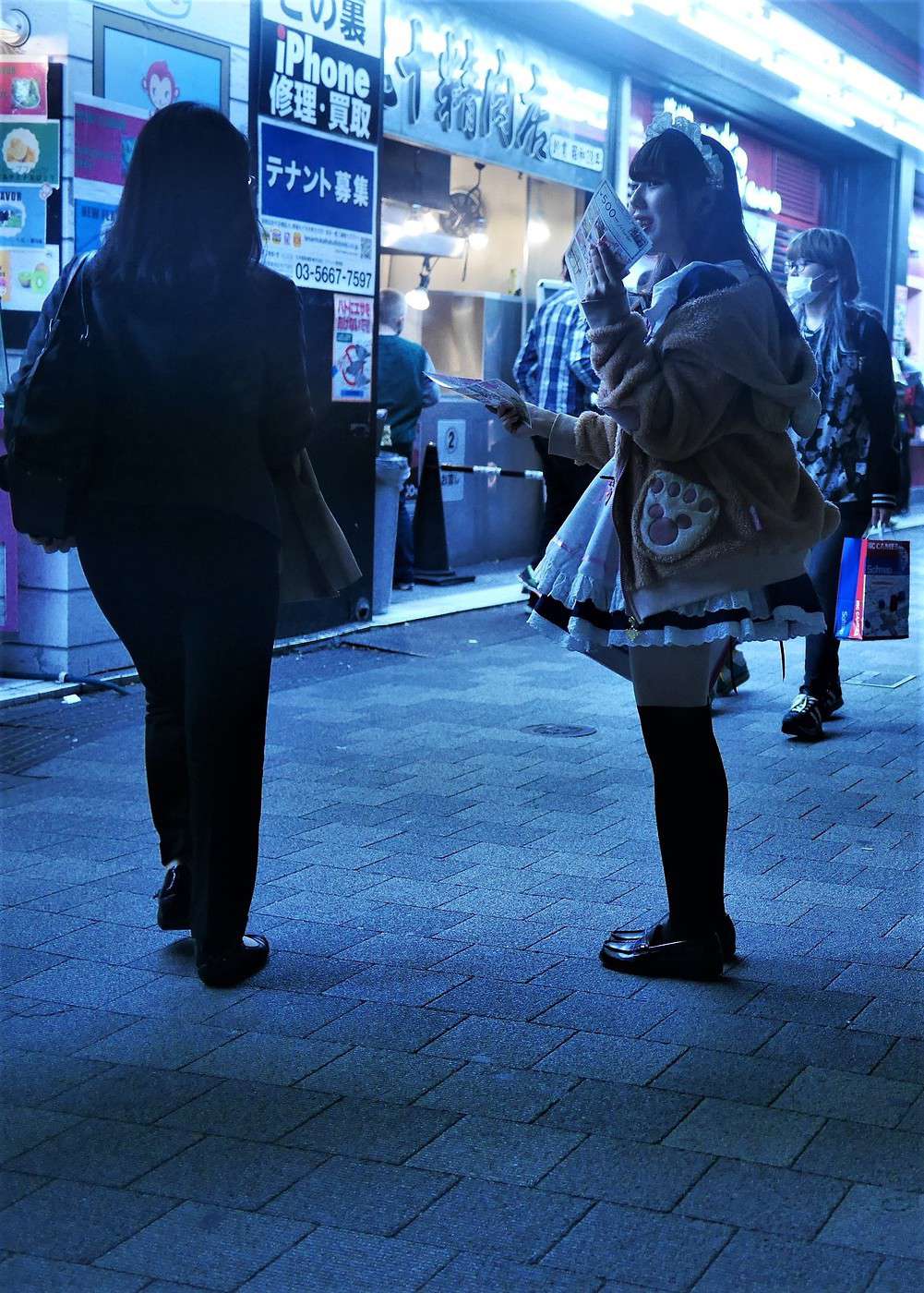
Here and there, maids in short outfits, speaking in high-pitched voices like Minnie Mouse, hand out flyers. I take one: the glossy pink paper invites me to visit a "maid café," where I’ll be served a kawaii dish shaped like a teddy bear, followed by a dessert mimicking an animal of the same kind. On the back, I learn I could rent a themed room for the modest sum of 500 yen per hour (just under 4 €, plus tax), provided I buy something. And, I imagine, get to admire the maids at my leisure. Out of curiosity to better understand the quirks of this country, the idea of checking it out piques my interest.
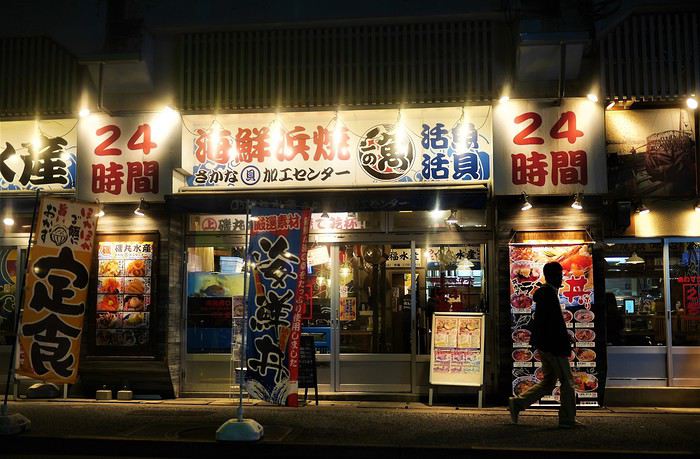
Ryogoku at night
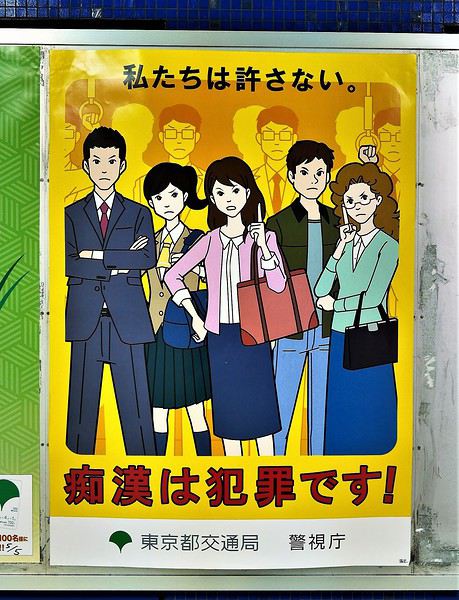
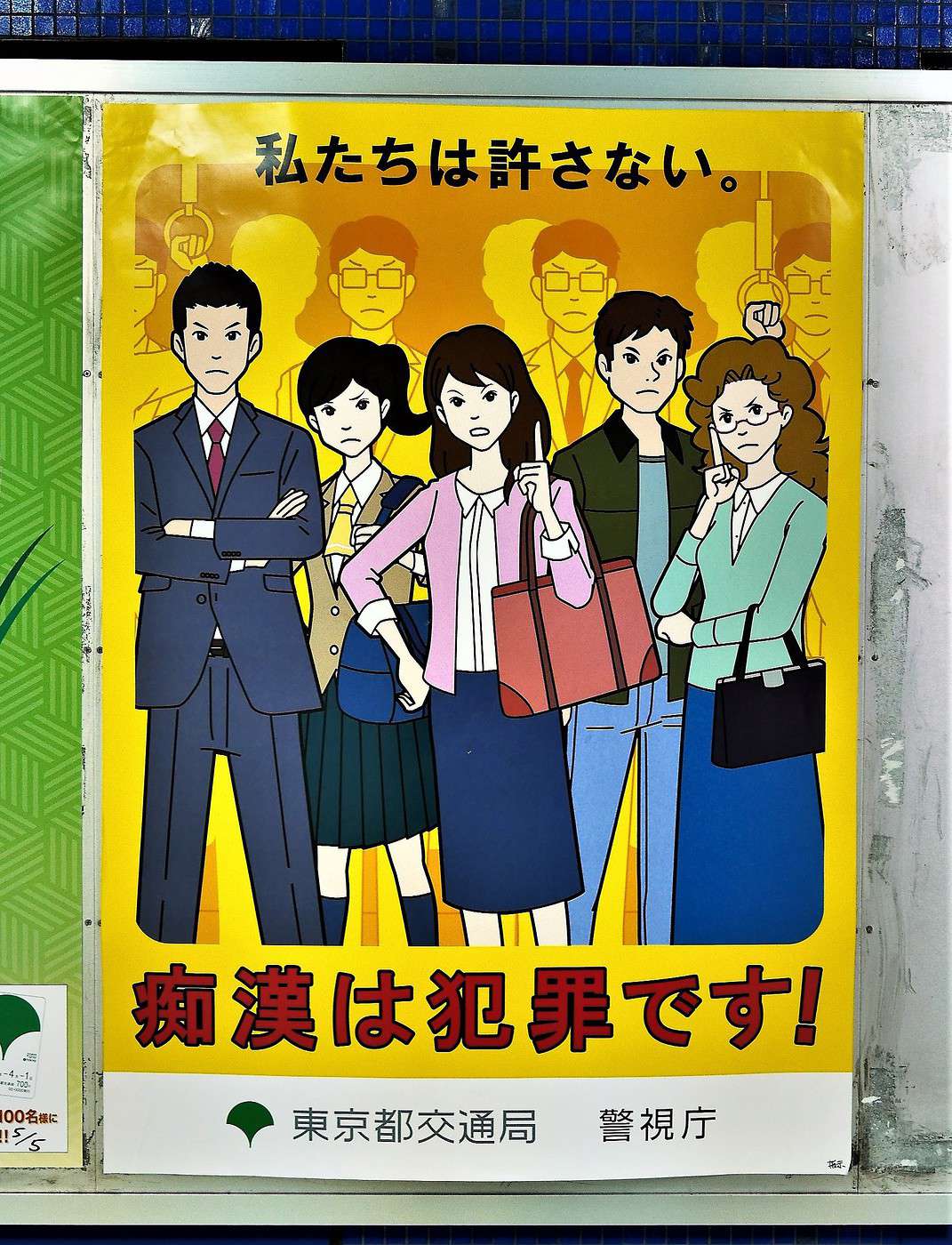
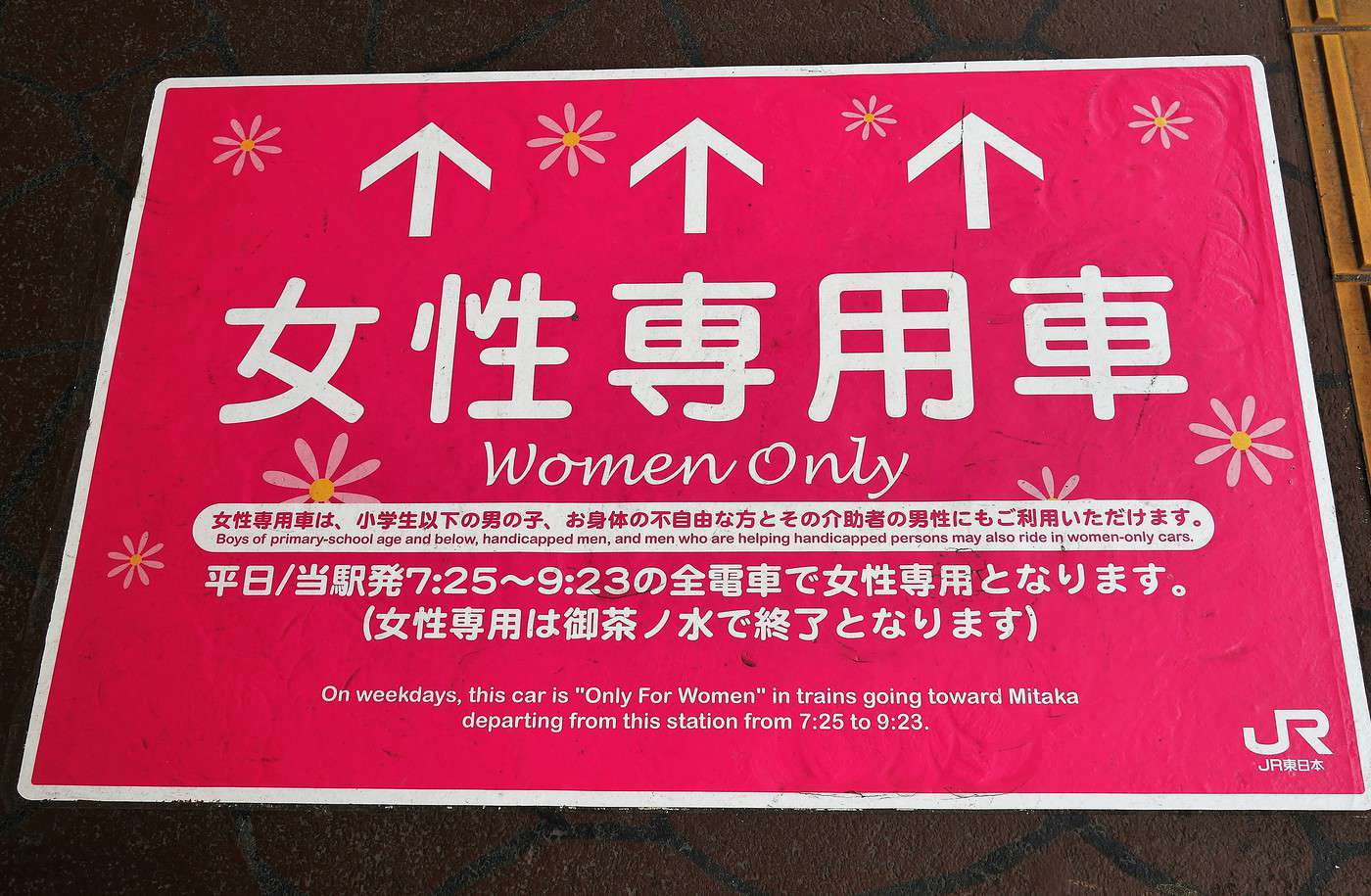
Anti-harassment campaign?
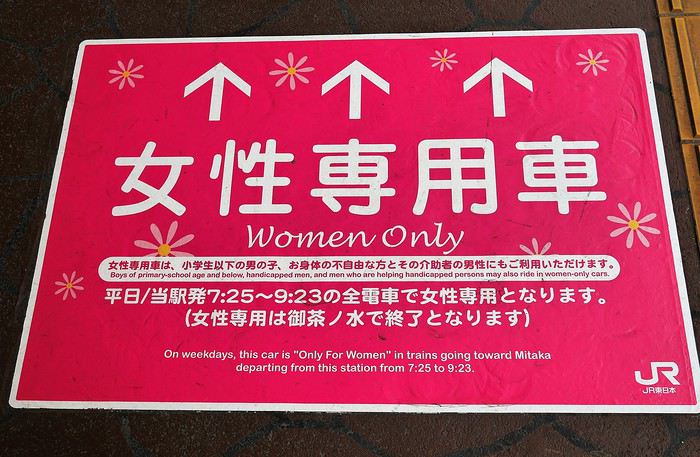
Women-only car
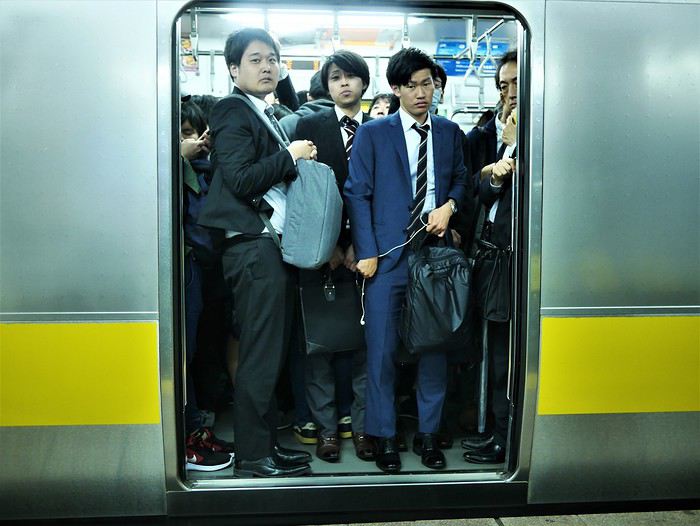
End of the day
Kyoto, Shinkansen, Tokyo: three first-timers in Japan via Air China
Oltean · 2018-09-16
"A large electronic display, visible to everyone above the door, scrolls alternately in Japanese and English, giving travel information and alerting about the upcoming stop."
Not to mention the cute little tune that announces the next announcement!
And kudos for the photo of that red Meitetsu train you’re passing by
(between Nagoya and Toyohashi?).
Yeah, it must’ve been around there. Glad to please a fellow traveler. And no thoughts on Kyotaro Nishimura?
Kyoto, Shinkansen, Tokyo: three novices in Japan via Air China
Oltean · 2018-09-16
Hello Alain,
I’m also reading your travel journal with interest—I love the tone, sometimes caustic, sometimes offbeat, but never dull. 😉
Hello Violaine.
Ah, "never dull"—that’s a real compliment. Very honored.
I’m drooling over your photos, whether it’s the "candid shots" (I don’t know if I’d have dared take those portraits) that are so expressive, or the "polished" ones with perfect framing, colors, or exposure (the night shot of Gion is stunning, for example). Bravo!
Thanks for taking the time to let us live vicariously through your experiences—it’s really uplifting. 🙂
See you soon,
Violaine
I checked out your Sicily travel journal—now it’s my turn to congratulate you on the quality of your photos! The text is also packed with info, from what little I’ve read so far.