Hi everyone!
My partner and I are heading to Argentina for a 3-week trip at the end of January, and we’d love to know which of these options is best:
- Exchanging euros to pesos directly once we’re there
- Exchanging euros to USD here in France and bringing the USD to swap for pesos as soon as we arrive in Argentina, since we’ve seen a lot of advice about bringing USD.
Another question: how much cash should we bring for 3 weeks in Argentina?
Thanks so much for your help!
Looking forward to your tips!
Yannick
4 similar discussions in English
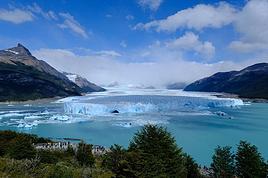
This travel journal summarizes a trip I took in March to Argentine and Chilean Patagonia. It starts in El Calafate and ends in Ushuaia. During my planning, I considered looking into the Australis cruise from Punta Arenas to Ushuaia, as well as the W trek in Torres del Paine National Park. In both cases, I was put off by the prices. Instead of the cruise, I found two interesting wildlife excursions from Punta Arenas: whale watching in the Strait of Magellan and observing king penguins in Tierra del Fuego. The journey to Ushuaia was by bus. For Torres del Paine, things were a bit confusing, so I reached out to two agencies. In the end, I went with a rental car option, overnight stays on-site, and day hikes. I shared my full itinerary with the agency and ended up being taken care of by a local Argentine agency and a Chilean one.
So, here we go...
Everything You Need to Know About Argentina’s Currency Exchange Maze (2026 Edition)
Hi fellow travelers,
Packing your bags for Buenos Aires? Watch out—here, money is a science almost as complex as the dance steps in a tango!
As of March 2026, the situation has shifted dramatically: the "Blue" (parallel) rate is now neck-and-neck with the official rate. To save you from losing your hard-earned euros in bureaucratic mazes or "disastrous" exchange rates, I’ve laced up my reporter boots and hit the famous Calle Florida for you.
In my latest video (and the accompanying article), I take you behind the scenes of currency exchange:
Arbolitos and Cuevas: Who are they, and can you still trust them? The Rate Showdown: Why Banco Nación is currently the worst place for your savings. Western Union: Why it’s often your best ally right now. Cash or Card? The little secret to getting an instant 10–15% discount at restaurants or hotels. The Bill Trap: Why your 500 € notes or stained dollars might stay in your wallet.
Argentina changes fast—*very* fast (by the end of March, today’s advice might already be old news!). So don’t leave without checking the market’s pulse.
Check out all my tips in the video here: https://www.youtube.com/watch?v=KKmKFux4fpQ
And remember: in Argentina, don’t exchange money on weekends—unless you want your cash to melt like snow in the sun!
Safe travels, and see you on the road! Hergé
Hello everyone!
July 5, 2025: Argentina Update
As I do every month, here’s an overview of the situation in Argentina—useful if you’re planning to visit in the coming weeks!
Vibe, economy, general situation, tips for tourists, and more...
Latest news for anyone thinking of visiting Argentina this year:
- Mixed outlook
- Current economic and social situation in Argentina
- Our friend Cristina
- What’s new for tourists?
What’s new? The parallel exchange rate and the official BNA rate are almost the same—just 2% higher for the parallel rate, which won’t really change your trip! Pay as much as possible in cash—discounts are still common at bars, restaurants, and even hotels. Even if it’s not advertised, always ask! You can still withdraw cash via Western Union, as before. Paying with a Visa or other card is still possible, and the CCL rate is even above the parallel rate today, meaning +3% compared to the official rate. However, you won’t get discounts when paying by card.
As always, **do not** withdraw money from ATMs—the fees in Argentina are still outrageous. Also, don’t forget that winter break in Argentina starts today, Friday, July 4, in 10 provinces for two weeks, until Sunday, July 20. On Friday, July 11, it begins in 9 more provinces until Sunday, July 27, and finally, in the last 4 provinces (including Buenos Aires and the city of Buenos Aires—the most populated), it runs from Friday, July 18, until Sunday, August 3. In short: 3 zones, each with two weeks off, stretching over 4 weeks total.
In previous years, I’d have warned you: “Be careful if you’re traveling, as buses, flights, and often accommodations are at high occupancy.” But this year, poorer and middle-class Argentines aren’t traveling because “No hay plata,” and those who can afford it are heading to Brazil, Chile, or even Miami for cheaper parties and shopping—Brazil can be twice as affordable! So, in Argentina, the top destinations for these staggered winter breaks are Bariloche (first place), followed by Ushuaia, San Martín de los Andes, and Villa La Angostura. Mendoza comes in fifth, then El Calafate, and finally Salta and Córdoba. As you can see, wealthy Argentines travel in winter to see snow—it’s chic to be cold and go skiing! Bariloche is the most expensive, while Córdoba is the cheapest. Same services, for example, a flight plus 7 days plus a hotel in the same category: Bariloche is 2.5 to 3 times pricier than Córdoba or even the sierras of Córdoba. Yet, there’s plenty of availability. Most people don’t have the money (and you might say Patagonian winter destinations aren’t exactly middle-class friendly either), but with fewer Brazilians or Chileans taking advantage of “cheap” Argentina, space is freed up. Brazilians alone used to make up 50% of Argentina’s international tourism—so there are suddenly fewer people on flights and in hotels! For these destinations, hoteliers are hoping for (at best) a 70% occupancy rate, though 50% would already make them happy. Why? 1- Lack of foreign tourists, 2- The middle class preferring to visit the old aunt in Posadas (to show family loyalty and spend as little as possible),
3- The wealthy opting for Bariloche, Punta Cana, Búzios, or Miami, which drastically lowers domestic occupancy rates and increases the outflow of USD abroad. +66% of Argentine tourists traveled abroad in the first five months of 2025. Six million Argentines vacationed abroad between January 1 and May 1, 2025.
To read the full article, check it out here: https://www.petitherge.com/2025/07/05-juillet-2025-situation-de-l-argentine.html