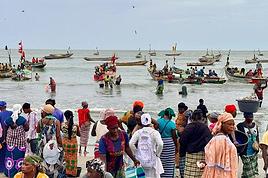
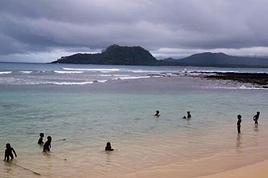
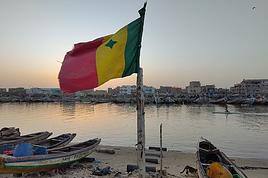
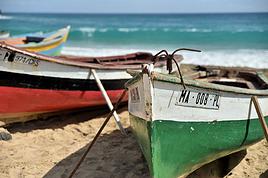
Cycling from Dargoire in the Loire all the way to Bamako in Mali without a phone, just IGN maps and a compass
https://voyage-vtt.linked.fr
Here are some tips to help you make the most of your trip to Dubai and the United Arab Emirates without falling into tourist traps.
Just to clarify, my blog is strictly personal and not monetized in any way.
https://travels-of-a-life.com/visiter-dubai-emirats-arabes-unis/
Just to clarify, my blog is strictly personal and not monetized in any way.
https://travels-of-a-life.com/visiter-dubai-emirats-arabes-unis/
Hello everyone,
First off: before posting, I took the time to contact the moderation team to check if this message complied with the forum rules. Since I didn’t get a response and didn’t want to go against them, I’m posting without naming the site, including links, or any promotional intent.
For the past two years, I’ve been working solo on a website project designed to help organize a trip from A to Z, whether traveling alone or with others.
The idea is to make trip planning easier by bringing together all the useful elements in one place (regions, accommodations, activities, restaurants, hidden gems, etc.).
With development nearing completion, I’m now looking for a few people interested in joining a beta testing phase and giving me honest feedback on the experience, how clear the concept is, and what could be improved.
This isn’t a promotional effort: I’m not representing a company, I’m developing this project on my own, and I’m only looking for constructive input from fellow travelers.
A few details: — No payment is required; — No banking information is needed; — It’s simply a test to gather user feedback.
If anyone wants to know more or is up for testing, feel free to reply here or send me a private message.
Thanks so much to those who take the time to read this.
First off: before posting, I took the time to contact the moderation team to check if this message complied with the forum rules. Since I didn’t get a response and didn’t want to go against them, I’m posting without naming the site, including links, or any promotional intent.
For the past two years, I’ve been working solo on a website project designed to help organize a trip from A to Z, whether traveling alone or with others.
The idea is to make trip planning easier by bringing together all the useful elements in one place (regions, accommodations, activities, restaurants, hidden gems, etc.).
With development nearing completion, I’m now looking for a few people interested in joining a beta testing phase and giving me honest feedback on the experience, how clear the concept is, and what could be improved.
This isn’t a promotional effort: I’m not representing a company, I’m developing this project on my own, and I’m only looking for constructive input from fellow travelers.
A few details: — No payment is required; — No banking information is needed; — It’s simply a test to gather user feedback.
If anyone wants to know more or is up for testing, feel free to reply here or send me a private message.
Thanks so much to those who take the time to read this.
Hi there,
I just got back from a week-long trip to Marrakech, Morocco, with a stop in Essaouira, and I’ve put together my itinerary, some great tips, and my thoughts on the trip. Hope this helps you plan your own adventure and get excited about it!
https://aventures-sans-mesaventure.blogspot.com/2026/01/visiter-marrakech-en-1-semaine.html
Happy travels! :)
Happy travels! :)
Hi there, I’m sharing my hiking itineraries on the sea-to-sea trails in Corsica. Perfect for those who want to discover Corsica on foot and are looking for multi-day hikes without major difficulties. That’s right—Corsica isn’t just about the GR 20! My travel journals are all written day by day.
🐻 Mare a Mare Sud + Mare è Monti Sud 👍🏼 TRAVEL JOURNAL A 175-kilometer route with 6,694 meters of elevation gain over 10 stages on the Mare a Mare Sud and Mare è Monti Sud trails in Corsica 🇨🇵 🐻 Mare a Mare Centre 👍🏼 TRAVEL JOURNAL A 106-kilometer route with 4,415 meters of elevation gain over 6 stages on the Mare a Mare Centre trails in Corsica 🇨🇵
🐻 Mare a Mare Nord 👍🏼 TRAVEL JOURNAL A 165-kilometer route with 7,004 meters of elevation gain over 7 stages on the Mare a Mare Nord trails in Corsica 🇨🇵
🐻 Mare a Mare Sud + Mare è Monti Sud 👍🏼 TRAVEL JOURNAL A 175-kilometer route with 6,694 meters of elevation gain over 10 stages on the Mare a Mare Sud and Mare è Monti Sud trails in Corsica 🇨🇵 🐻 Mare a Mare Centre 👍🏼 TRAVEL JOURNAL A 106-kilometer route with 4,415 meters of elevation gain over 6 stages on the Mare a Mare Centre trails in Corsica 🇨🇵
🐻 Mare a Mare Nord 👍🏼 TRAVEL JOURNAL A 165-kilometer route with 7,004 meters of elevation gain over 7 stages on the Mare a Mare Nord trails in Corsica 🇨🇵
Hi everyone,
Here’s a video overview of Grande Terre in Guadeloupe (a classic video, nothing fancy) https://www.youtube.com/watch?v=-D6TYjTMmKU
And here’s some practical info for a first trip! !
Here’s a video overview of Grande Terre in Guadeloupe (a classic video, nothing fancy) https://www.youtube.com/watch?v=-D6TYjTMmKU
And here’s some practical info for a first trip! !
Hi there,
We traveled to Norway in early March 2024 for a 10-day winter trip and visited Tromsø, Kvaløya, Sommarøy, part of Senja, and then spent 6 days in the Lofoten Islands.
Here’s my feedback, on my blog Hellolemonde:
- A practical guide and tips for seeing the northern lights without a guide: https://hellolemonde.fr/10-jours-tromso-aux-iles-lofoten-en-mars/
- Articles on each stop here: https://hellolemonde.fr/tromso-lofoten-en-hiver-articles/
Don’t hesitate if you have any questions—I’d be happy to answer! ;)
- A practical guide and tips for seeing the northern lights without a guide: https://hellolemonde.fr/10-jours-tromso-aux-iles-lofoten-en-mars/
- Articles on each stop here: https://hellolemonde.fr/tromso-lofoten-en-hiver-articles/
Don’t hesitate if you have any questions—I’d be happy to answer! ;)
Hi there! 😊
We just got back from two weeks in Madagascar, and before we left, we had *so* many practical questions. Between the sometimes contradictory info online and the lack of recent updates on certain topics, it wasn’t always easy to know what to expect for a first trip there.
So, after returning, I put together an article with all the info I wish I’d had before heading to Madagascar—just concrete tips based on our experience there.
I cover: • Visa and arrival at Antananarivo airport • Currency exchange, withdrawals, and payments on the ground • Transportation and real travel times • Health and trip prep • SIM cards, budget, and general organization • Mistakes and little hassles you can easily avoid on your first trip
The goal was to create a practical, honest guide to help people planning their trip and avoid a few unpleasant surprises once they’re there! 😊
If this can help some of you: https://aventures-sans-mesaventure.com/preparatif-pour-un-voyage-a-madagascar/
Happy travels! !
So, after returning, I put together an article with all the info I wish I’d had before heading to Madagascar—just concrete tips based on our experience there.
I cover: • Visa and arrival at Antananarivo airport • Currency exchange, withdrawals, and payments on the ground • Transportation and real travel times • Health and trip prep • SIM cards, budget, and general organization • Mistakes and little hassles you can easily avoid on your first trip
The goal was to create a practical, honest guide to help people planning their trip and avoid a few unpleasant surprises once they’re there! 😊
If this can help some of you: https://aventures-sans-mesaventure.com/preparatif-pour-un-voyage-a-madagascar/
Happy travels! !
Hi there,
We’ve just returned from 2 weeks in Madagascar, and I wanted to share our experience since we struggled quite a bit to plan our itinerary before leaving. The country is huge, the journeys are long, and with only two weeks, you really have to make choices.
For our part, we opted for a fairly realistic itinerary for a first-time visit: Antananarivo, Andasibe, Île aux Nattes, and then Sainte-Marie. The idea was to mix a bit of nature, lemurs, tropical forest, and then a few quieter days by the water—without trying to cross the entire country.
In Andasibe, we spent several days between the Analamazaotra Reserve and Mantadia Park. We were able to spot lemurs, especially the indris, went on a night walk to see chameleons, geckos, and other small animals, and then did a wilder hike in Mantadia. This was probably the stop that felt the most exotic to us, with that humid forest atmosphere, animal sounds, and dense vegetation.
After Andasibe, we headed back to Antananarivo to catch a flight to Sainte-Marie, then took a boat to Île aux Nattes. It’s a tiny car-free island where you get around on foot between beaches, sandy paths, villages, and coconut trees. We mostly slowed down the pace: walking around the island, snorkeling in front of the hotel, meals at Fafana and Coco Sud, swimming, and much simpler moments. It was one of our absolute highlights of the trip.
We wrapped up with a few days in Sainte-Marie, in a more comfortable setting. The island is larger and more developed than Île aux Nattes, with more accommodations and activities. For us, it was mostly about relaxing, enjoying the pool, biking, paddleboarding, snorkeling, and a few short walks. Looking back, we might’ve spent a little less time in Sainte-Marie and a bit more on Île aux Nattes, which left a bigger impression on us.
I’ve tried to break down our itinerary day by day, including travel times, budget, accommodations, transportation, our thoughts on each stop, the pros and cons, and what we’d change if we did it again. I also cover arriving in Antananarivo, the road to Andasibe, the domestic flight to Sainte-Marie, returning to Tana, and our airport experience—where it’s best to allow plenty of extra time. Here’s the link if it helps with your planning:
https://aventures-sans-mesaventure.com/madagascar-itineraire-pour-2-semaines-de-voyage/
In short, our main advice would be not to try to see everything in two weeks. Madagascar requires time, flexibility, and some breathing room. It’s better to pick fewer stops but really enjoy them.
In Andasibe, we spent several days between the Analamazaotra Reserve and Mantadia Park. We were able to spot lemurs, especially the indris, went on a night walk to see chameleons, geckos, and other small animals, and then did a wilder hike in Mantadia. This was probably the stop that felt the most exotic to us, with that humid forest atmosphere, animal sounds, and dense vegetation.
After Andasibe, we headed back to Antananarivo to catch a flight to Sainte-Marie, then took a boat to Île aux Nattes. It’s a tiny car-free island where you get around on foot between beaches, sandy paths, villages, and coconut trees. We mostly slowed down the pace: walking around the island, snorkeling in front of the hotel, meals at Fafana and Coco Sud, swimming, and much simpler moments. It was one of our absolute highlights of the trip.
We wrapped up with a few days in Sainte-Marie, in a more comfortable setting. The island is larger and more developed than Île aux Nattes, with more accommodations and activities. For us, it was mostly about relaxing, enjoying the pool, biking, paddleboarding, snorkeling, and a few short walks. Looking back, we might’ve spent a little less time in Sainte-Marie and a bit more on Île aux Nattes, which left a bigger impression on us.
I’ve tried to break down our itinerary day by day, including travel times, budget, accommodations, transportation, our thoughts on each stop, the pros and cons, and what we’d change if we did it again. I also cover arriving in Antananarivo, the road to Andasibe, the domestic flight to Sainte-Marie, returning to Tana, and our airport experience—where it’s best to allow plenty of extra time. Here’s the link if it helps with your planning:
https://aventures-sans-mesaventure.com/madagascar-itineraire-pour-2-semaines-de-voyage/
In short, our main advice would be not to try to see everything in two weeks. Madagascar requires time, flexibility, and some breathing room. It’s better to pick fewer stops but really enjoy them.
Hi there,
We passed through Guilin during our trip to China, arriving by train from Beijing. The journey is quite long, but it actually became part of the experience: watching the landscapes gradually change, taking the Chinese high-speed train, and getting a better sense of the country’s vast distances. It was already a step of the journey in itself.
Once there, Guilin seemed like a nice place to catch our breath between big cities. The city isn’t huge, and there isn’t an endless list of things to see, but the atmosphere around the lakes, the Li River, and the karst mountains is really special.
In 3 days, you can already see the highlights without rushing: the Sun and Moon Pagodas, walks around the lakes, Seven Star Park with its monkeys, and possibly Elephant Trunk Hill—though we were a bit disappointed by the latter. Guilin is also a good base for heading to Yangshuo or the Longji rice terraces if you have more time.
We’ve put together our feedback, prices, visit times, and what we’d do (or skip) next time in this article, in case it helps you plan your stop: https://aventures-sans-mesaventure.com/que-faire-a-guilin-en-3-jours/
We passed through Guilin during our trip to China, arriving by train from Beijing. The journey is quite long, but it actually became part of the experience: watching the landscapes gradually change, taking the Chinese high-speed train, and getting a better sense of the country’s vast distances. It was already a step of the journey in itself.
Once there, Guilin seemed like a nice place to catch our breath between big cities. The city isn’t huge, and there isn’t an endless list of things to see, but the atmosphere around the lakes, the Li River, and the karst mountains is really special.
In 3 days, you can already see the highlights without rushing: the Sun and Moon Pagodas, walks around the lakes, Seven Star Park with its monkeys, and possibly Elephant Trunk Hill—though we were a bit disappointed by the latter. Guilin is also a good base for heading to Yangshuo or the Longji rice terraces if you have more time.
We’ve put together our feedback, prices, visit times, and what we’d do (or skip) next time in this article, in case it helps you plan your stop: https://aventures-sans-mesaventure.com/que-faire-a-guilin-en-3-jours/
Hello 😊
If you're planning 10 days in Madeira and feeling unsure about the itinerary, my first tip would be: don’t try to “tick everything off.” The island is compact, but the roads are winding and hikes take time.
For 10 days, I’d structure the trip into 3 zones:
East (Ponta de São Lourenço + Pico do Arieiro) for spectacular volcanic landscapes
Central (levadas + Fanal forests) for hiking
West (Porto Moniz, cliffs, sunsets) for raw panoramas And save Funchal for early mornings or late afternoons.
A car is essential, and checking the weather ahead is key—it changes quickly with altitude. I’ve broken all this down (optimized route, travel times, parking spots, hike difficulty, what to do based on weather, mistakes to avoid…) in this post: 👉 https://aventures-sans-mesaventure.com/visiter-madere-1-semaine/ Even though it’s built for a week, it adapts easily to 10 days by adding more hikes or slowing the pace. If you’re looking for a balance between breathtaking nature, hiking, and quieter moments, Madeira is a real safe bet.
East (Ponta de São Lourenço + Pico do Arieiro) for spectacular volcanic landscapes
Central (levadas + Fanal forests) for hiking
West (Porto Moniz, cliffs, sunsets) for raw panoramas And save Funchal for early mornings or late afternoons.
A car is essential, and checking the weather ahead is key—it changes quickly with altitude. I’ve broken all this down (optimized route, travel times, parking spots, hike difficulty, what to do based on weather, mistakes to avoid…) in this post: 👉 https://aventures-sans-mesaventure.com/visiter-madere-1-semaine/ Even though it’s built for a week, it adapts easily to 10 days by adding more hikes or slowing the pace. If you’re looking for a balance between breathtaking nature, hiking, and quieter moments, Madeira is a real safe bet.
I just got back from a week in Mirleft, south of Agadir, and I felt like I’d stumbled upon an "off-the-beaten-path" Morocco: a raw Atlantic coastline, cliffs, endless beaches... and that slow pace that helps you unplug within 24 hours.
We had a house with a pool (the perfect combo when the wind picks up and the ocean cools the air), and then we alternated between: - Wandering the souk and alleyways (local vibe, regional products, and the big Monday souk if you can make it) - Surf sessions / scouting spots (depending on the swell and wind, it makes all the difference) - Wild beaches + viewpoints where you can settle far from the crowds - Legzira at sunset: the orange rock, the deep roar of the Atlantic, and that natural arch that seems to hold "by magic" - A little detour to Tiznit (45 min away): medina, silver craftsmanship, and an unexpected blue spring in the heart of the city - The mandatory "reset": hammam + massage after salt, sand, and road trips
I especially noted a bunch of details to avoid hassles: when to go (wind/weather), how to get around (a car is pretty much essential), what to watch out for on the road at night, and even super practical tips for summer accommodations.
If you want the full article with all the practical info + must-sees (and our tips to avoid mishaps), it’s here: https://aventures-sans-mesaventure.blogspot.com/2026/01/que-faire-mirleft-au-maroc-en-7-jours.html
Happy reading and/or safe travels! :)
We had a house with a pool (the perfect combo when the wind picks up and the ocean cools the air), and then we alternated between: - Wandering the souk and alleyways (local vibe, regional products, and the big Monday souk if you can make it) - Surf sessions / scouting spots (depending on the swell and wind, it makes all the difference) - Wild beaches + viewpoints where you can settle far from the crowds - Legzira at sunset: the orange rock, the deep roar of the Atlantic, and that natural arch that seems to hold "by magic" - A little detour to Tiznit (45 min away): medina, silver craftsmanship, and an unexpected blue spring in the heart of the city - The mandatory "reset": hammam + massage after salt, sand, and road trips
I especially noted a bunch of details to avoid hassles: when to go (wind/weather), how to get around (a car is pretty much essential), what to watch out for on the road at night, and even super practical tips for summer accommodations.
If you want the full article with all the practical info + must-sees (and our tips to avoid mishaps), it’s here: https://aventures-sans-mesaventure.blogspot.com/2026/01/que-faire-mirleft-au-maroc-en-7-jours.html
Happy reading and/or safe travels! :)
Hi everyone,
I just published an article with our itinerary for visiting Copenhagen in 4 days during winter (December): day-by-day schedule, practical info (budget, weather, transport, Copenhagen Card), where to stay, plus our thoughts on the must-sees (Nyhavn, The Little Mermaid, Amalienborg, contemporary art museum, botanical garden) and a balanced take on Christiania.
If it can help those planning a city trip: https://aventures-sans-mesaventure.blogspot.com/2026/01/visiter-copenhague-en-4-jours-que-faire.html
Happy planning, and if you have any questions, I’m happy to answer! !
Hi there,
I often travel solo, and like many women, I get asked the same questions over and over:
“Aren’t you scared?”
“Do you feel safe?”
“Do you really dare to go that far alone?”
Recently, during a trip along the Kenyan coast, I had an experience that made me think differently about solo female travel.
At Wasini Kenya, on paper, everything seemed simple: a boat ride, then some snorkeling.
But on the boat, the sea was rough. It was rocking hard. And then that familiar little inner voice came back—the one that doubts, that overthinks, that wants to stay in control.
Traveling solo is often like that too:
being responsible for yourself, your decisions, and your limits.
Then, once underwater, everything changed.
The noise disappeared. There was nothing left to prove, nothing to control.
Just breathing, trusting your body, and letting yourself be carried.
That moment reminded me that solo female travel isn’t just about destinations or external safety.
It’s also an inner journey: learning to listen to yourself, to recognize your fears, and sometimes to overcome them without forcing it.
I took the time to share this experience in more detail here, for anyone it might help or reassure:
👉 https://noirenvoyage.com/wasini-kenya-apprendre-a-faire-confiance-sous-leau/
And I’d love to hear your thoughts:
👉 For those of you who travel solo, has travel ever taught you something about yourself?
👉 And for those who are still hesitant: what’s holding you back the most right now?
Looking forward to chatting! 🌊
Hi there,
We went on a 10-day road trip through Andalusia in October 2024, traveling independently.
Our itinerary took us through Seville, Ronda, Guadix, and Granada, with a few nature detours and manageable driving distances.
We took the time to put together our day-by-day route and some feedback (pace, distances, what we’d do again or skip) in an article, in case it helps other travelers:
https://aventures-sans-mesaventure.blogspot.com/2026/01/andalousie-itineraire-road-trip-10-jours.html
Happy planning to those heading out soon!
Hi there,
We just got back from a 7-day trip to Malta in winter 2025, organized independently.
Itinerary: Valletta, Mdina, Mellieħa, cliffs, and natural sites, with generally pleasant but sometimes changeable weather.
We’ve put together our day-by-day itinerary and some practical feedback (pace, getting around, what’s really worth it in winter) here:
https://aventures-sans-mesaventure.blogspot.com/2026/01/malte-hiver-itineraire-7-jours.html
Happy travels to those planning their trip!
Hi there,
We just got back from a 2-week trip to Sri Lanka in April 2024, organized independently.
Our itinerary took us to: Sigiriya (sunrise from Pidurangala), Kandy, Ella (train), Udawalawe, and Tangalle.
We’ve put together our day-by-day itinerary, our experiences from this trip, and some practical tips here:
https://aventures-sans-mesaventure.blogspot.com/2026/01/sri-lanka-itineraire-2-semaines.html
Happy travels to those planning their trip! !
Hi,
We just got back from a two-week independent trip to China in April 2025. The country can seem intimidating at first (language, transportation, payments), and the language barrier is very real, even in big cities.
Our itinerary took us to Beijing, the Great Wall (Mutianyu), then to Guilin, the Longji Rice Terraces (Dazhai), and Wuhan. All travel was by train, subway, and DiDi (local Uber).
We’ve put together our day-by-day itinerary and some practical tips based on our experience in this post—hope it helps for a first trip to China:
https://aventures-sans-mesaventure.blogspot.com/2026/01/chine-itineraire-2-semaines.html
Happy travels to those planning their trip!
Hi everyone,
I just got back from a 10-day trip to Albania, and I wanted to share a great discovery for those looking for spots still untouched by mass tourism: the Karaburun peninsula.
It’s a pretty wild area, with impressive cliffs, coves only accessible by boat, and water in an incredible shade of blue. It’s easy to get there from Vlora, by water taxi or on an excursion.
For accommodation, we preferred staying in Vlora itself, which makes it easy to explore the region without moving around too much.
I put together a little practical guide for those interested (with info on access, beaches, boat tips, etc.): 👉 Karaburun
If you’ve also visited the area or have other little-known spots to recommend in the region, I’d love to hear about them! 😊
I just got back from a 10-day trip to Albania, and I wanted to share a great discovery for those looking for spots still untouched by mass tourism: the Karaburun peninsula.
It’s a pretty wild area, with impressive cliffs, coves only accessible by boat, and water in an incredible shade of blue. It’s easy to get there from Vlora, by water taxi or on an excursion.
For accommodation, we preferred staying in Vlora itself, which makes it easy to explore the region without moving around too much.
I put together a little practical guide for those interested (with info on access, beaches, boat tips, etc.): 👉 Karaburun
If you’ve also visited the area or have other little-known spots to recommend in the region, I’d love to hear about them! 😊
Hello fellow travelers!
I'm passionate about road trips and city breaks, always ready to explore a new destination, whether it's through vast landscapes or the heart of historic cities.
I created the blog Road and City Trip to share my discoveries (Italy, United States, Canada, New Zealand, etc.), my favorite spots (and sometimes my mishaps!), all with my personal touch and no filter. With friends or family, every trip is a new adventure I love to recount.
Always up for exchanging great tips, itineraries, and practical advice—so don’t hesitate to reach out! !
I created the blog Road and City Trip to share my discoveries (Italy, United States, Canada, New Zealand, etc.), my favorite spots (and sometimes my mishaps!), all with my personal touch and no filter. With friends or family, every trip is a new adventure I love to recount.
Always up for exchanging great tips, itineraries, and practical advice—so don’t hesitate to reach out! !
Costa Rica isn’t just a destination for wildlife and nature. We discovered Costa Rican gastronomy, and between traditional dishes and Caribbean influences, you won’t be disappointed.
Here are some dishes to try during your trip:
Gallo Pinto: The national dish! A mix of rice, black beans, onions, and peppers, often served with eggs and tortillas. Casado: A complete meal with rice, beans, vegetables, grilled meat or fish, and fried plantains. Olla de Carne: A traditional stew made with meat and vegetables. Chifrijo: A mix of fried beans, pork, and tortillas.
Not to mention the many exotic fruits—nothing like what we eat in France. Pineapples, mangoes, papayas, passion fruits...
I’ve detailed everything on this page: dishes, drinks, and fruits to discover during your trip to Costa Rica.
Feel free to share your favorites! ;)
Here are some dishes to try during your trip:
Gallo Pinto: The national dish! A mix of rice, black beans, onions, and peppers, often served with eggs and tortillas. Casado: A complete meal with rice, beans, vegetables, grilled meat or fish, and fried plantains. Olla de Carne: A traditional stew made with meat and vegetables. Chifrijo: A mix of fried beans, pork, and tortillas.
Not to mention the many exotic fruits—nothing like what we eat in France. Pineapples, mangoes, papayas, passion fruits...
I’ve detailed everything on this page: dishes, drinks, and fruits to discover during your trip to Costa Rica.
Feel free to share your favorites! ;)
Hi everyone,
For those of you who might be planning to explore the Amazon on the Peruvian side, I wanted to share a little feedback about my own experience, which I had back in 2018. It was honestly one of the most amazing travel experiences of my life—I’d dreamed of discovering the Amazon since I was a kid!
I’m sharing this now, in 2024, because I’ve just finished putting together a short documentary about the family’s ecotourism project. This gave me the chance to reconnect with them, and thanks to the magic of social media, even though they’d had to pause their activities after COVID and the closure of international borders, our reunion helped me put them in touch with the association ARUTAM Zero Deforestation, which has allowed them to restart their ecotourism. That’s why I’m posting here! :)
You can find all the details of my experience in this immersive adventure via this link: http://kikienvadrouille.com/?p=7939
Here are some key highlights from this adventure:
I spent 5 days with Wilder and Jessica’s family, along the banks of the Tahuayo River, a 7-hour slow boat ride from Iquitos <3
I arranged this experience through a French association (Latitud Sur at the time), which fights against deforestation and works to promote and protect the culture of Indigenous peoples in South America.
This is an experience far from the "clichés" you might have about the Amazon—simple yet authentic, with a focus on funding projects that preserve biodiversity and support the well-being of local communities.
The stay is completely customizable in terms of duration and activities (you can ask to go on a hike in the Amazon rainforest, learn about medicinal plants, fish in the river, make necklaces, baskets, or other Amazonian handicrafts, understand the Amazonian agroforestry system, and meet local producers, etc.)—everything is open for discussion! :)
The cost is calculated per day per person: 50 USD per person per day (down from 90 USD previously).
This price includes the 7-hour boat trip from Iquitos (an adventure in itself!), as well as food, accommodation, and activities. If you buy any handicrafts on-site, you’ll obviously need to budget a little extra.
It’s essential to speak and understand at least some Spanish :)
The intercultural exchanges with the family are what truly make this stay special.
Don’t hesitate to ask me any questions! I can also put you directly in touch with Wilder. Happy travels, everyone! Christelle
For those of you who might be planning to explore the Amazon on the Peruvian side, I wanted to share a little feedback about my own experience, which I had back in 2018. It was honestly one of the most amazing travel experiences of my life—I’d dreamed of discovering the Amazon since I was a kid!
I’m sharing this now, in 2024, because I’ve just finished putting together a short documentary about the family’s ecotourism project. This gave me the chance to reconnect with them, and thanks to the magic of social media, even though they’d had to pause their activities after COVID and the closure of international borders, our reunion helped me put them in touch with the association ARUTAM Zero Deforestation, which has allowed them to restart their ecotourism. That’s why I’m posting here! :)
You can find all the details of my experience in this immersive adventure via this link: http://kikienvadrouille.com/?p=7939
Here are some key highlights from this adventure:
I spent 5 days with Wilder and Jessica’s family, along the banks of the Tahuayo River, a 7-hour slow boat ride from Iquitos <3
I arranged this experience through a French association (Latitud Sur at the time), which fights against deforestation and works to promote and protect the culture of Indigenous peoples in South America.
This is an experience far from the "clichés" you might have about the Amazon—simple yet authentic, with a focus on funding projects that preserve biodiversity and support the well-being of local communities.
The stay is completely customizable in terms of duration and activities (you can ask to go on a hike in the Amazon rainforest, learn about medicinal plants, fish in the river, make necklaces, baskets, or other Amazonian handicrafts, understand the Amazonian agroforestry system, and meet local producers, etc.)—everything is open for discussion! :)
The cost is calculated per day per person: 50 USD per person per day (down from 90 USD previously).
This price includes the 7-hour boat trip from Iquitos (an adventure in itself!), as well as food, accommodation, and activities. If you buy any handicrafts on-site, you’ll obviously need to budget a little extra.
It’s essential to speak and understand at least some Spanish :)
The intercultural exchanges with the family are what truly make this stay special.
Don’t hesitate to ask me any questions! I can also put you directly in touch with Wilder. Happy travels, everyone! Christelle
Hi everyone, my irlfriend Laura and I have decided to launch a channel around a pretty simple idea: we see so much content telling us where to go, what to visit, where to sleep, or how to pay less.
But in the end, there’s not much content about what travel does to us.
Why do some places bring us peace? Why do we sometimes need to leave without really knowing what we’re looking for? Why can a journey touch us more deeply than a destination?
That’s the approach behind Explora: destinations, guides, and experiences from a new perspective, with the idea that the place itself is just a pretext.
To kick things off, we’ve posted a video explaining this approach, and we’re curious to hear from travelers here: what’s missing for you in today’s travel content?
If this philosophy of travel resonates with you, the channel might be just what you’re looking for. Feel free to check it out and share your thoughts: https://www.youtube.com/@alexlauraexplora
Best regards, Alex.
But in the end, there’s not much content about what travel does to us.
Why do some places bring us peace? Why do we sometimes need to leave without really knowing what we’re looking for? Why can a journey touch us more deeply than a destination?
That’s the approach behind Explora: destinations, guides, and experiences from a new perspective, with the idea that the place itself is just a pretext.
To kick things off, we’ve posted a video explaining this approach, and we’re curious to hear from travelers here: what’s missing for you in today’s travel content?
If this philosophy of travel resonates with you, the channel might be just what you’re looking for. Feel free to check it out and share your thoughts: https://www.youtube.com/@alexlauraexplora
Best regards, Alex.
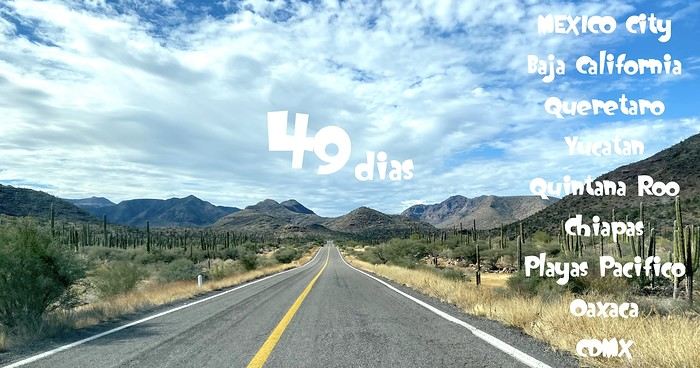
Hey fellow travelers! For those of you drawn to Mexico, I put together this little site to share our 49-day trip in January 2026. (Give it a few seconds to fully load—you’ll see there are tons of photos, tips, and more!) Happy travels! https://noemarphil6.wixsite.com/voyagesdenoemarphil
We went on a safari in Tanzania from February 7th, 2026, to February 17th, 2026. It remains a wonderful memory. There were six of us in the group. Here’s the itinerary and the images that are still etched in our minds:
02/07/2026 – 6:40 AM – 8:30 PM – Flight from LYON to ARUSHA
02/08/2026 – Day 2 – MATURENI Waterfall – Coffee making and tasting at a plantation – Day 2 video (you may need to click "BROWSE YOUTUBE")
02/09/2026 – Day 3 – Maasai village of BOMA – https://youtu.be/9lwBONmBIVU
Visit to local schools and the dispensary – Donation of school supplies.
02/10/2026 – Day 4 – TARANGIRE National Park – https://youtu.be/OPpTgUECj0Q
02/11/2026 – Day 5 – Lake Manyara National Park – https://youtu.be/ZFt3tLtum5A
02/12/2026 – Day 6 – SERENGETI Park – https://youtu.be/5TYJE-3IO4w and https://youtu.be/t08g-XJlmdY
02/13/2026 – Day 7 – SERENGETI National Park (continued) – https://youtu.be/ZQkD1YmPzY0
02/14/2026 – Day 8 – Access to Ngorongoro National Park – https://youtu.be/1F__NeCRxhg
02/15/2026 – Day 9 – Ngorongoro Crater – https://youtu.be/BFw7tbjuO5s, then https://youtu.be/WdbHtPcYu8o and https://youtu.be/RBp_H9OMJxY
02/16/2026 – Day 10 – Visit to Arusha
02/17/2026 – Day 10 – 1:30 AM – Transfer to Kilimanjaro Airport
FINANCIAL SUMMARY FLIGHTS 1,500 €
SEJOUIR PACKAGE 1,526 €
TIPS AND MISC. 100 €
TOTAL 3,126 €
Trip duration: from 02/07/26 to 02/17/26 => 11 days total, or 9 days excluding travel time.
1- FLIGHT DURATION WITH AIR FRANCE OUTBOUND: from 6:40 AM to 8:30 PM => 12 hours (plus 2-hour time difference in Arusha) RETURN: from 2:45 AM to 2:00 PM => 13 hours 15 minutes (not including a 1-hour 15-minute departure delay)
FINANCIAL SUMMARY FLIGHTS 1,500 €
SEJOUIR PACKAGE 1,526 €
TIPS AND MISC. 100 €
TOTAL 3,126 €
Trip duration: from 02/07/26 to 02/17/26 => 11 days total, or 9 days excluding travel time.
1- FLIGHT DURATION WITH AIR FRANCE OUTBOUND: from 6:40 AM to 8:30 PM => 12 hours (plus 2-hour time difference in Arusha) RETURN: from 2:45 AM to 2:00 PM => 13 hours 15 minutes (not including a 1-hour 15-minute departure delay)
Honestly, taking the train in Sri Lanka is no walk in the park. Between tickets disappearing in minutes, platforms that aren’t always very clear, and that infamous “full” sign displayed weeks in advance, you quickly feel like you’re playing the lottery. There’s even a real black market for tickets on the island: some seats are resold at higher prices through middlemen or agencies, which makes things even trickier. Everyone knows someone who knows someone who sells tickets. But we learned the hard way that this isn’t the safest way to get them, and we had to find another solution at the last minute.
We definitely went through a bit of an obstacle course to manage the booking. But once on the train, riding through the tea plantations between Kandy and Ella, we understood why everyone raves about it. Tea plantations, misty mountains, little bridges, and breathtaking valleys. To make the most of the scenery on the Kandy → Ella route, it’s best to sit on the right side of the train (and on the left if you’re going Ella → Kandy). As for the class, 2nd class reserved is, in our opinion, the best compromise: authentic vibe, open windows and doors, but with a guaranteed seat. Remember to pack enough water, snacks, and toilet paper for this 7-hour journey that somehow flies by.
I’ve gone into more detail about all this in the article for those who’d rather plan a bit better than we did. https://aventures-sans-mesaventure.com/prendre-le-train-au-sri-lanka-guide-complet/ Happy travels! :)
We definitely went through a bit of an obstacle course to manage the booking. But once on the train, riding through the tea plantations between Kandy and Ella, we understood why everyone raves about it. Tea plantations, misty mountains, little bridges, and breathtaking valleys. To make the most of the scenery on the Kandy → Ella route, it’s best to sit on the right side of the train (and on the left if you’re going Ella → Kandy). As for the class, 2nd class reserved is, in our opinion, the best compromise: authentic vibe, open windows and doors, but with a guaranteed seat. Remember to pack enough water, snacks, and toilet paper for this 7-hour journey that somehow flies by.
I’ve gone into more detail about all this in the article for those who’d rather plan a bit better than we did. https://aventures-sans-mesaventure.com/prendre-le-train-au-sri-lanka-guide-complet/ Happy travels! :)
Hi there! I’m Simon, and for years I’ve been exploring some of Europe’s most beautiful and well-equipped bike paths. My passion for cycling led me to start a blog where I share my travel impressions, practical tips, and photos taken along the way. I ride both well-known routes like the Alpe-Adria, the Loire à Vélo, and the Rhein Route, as well as lesser-known but equally charming regions.
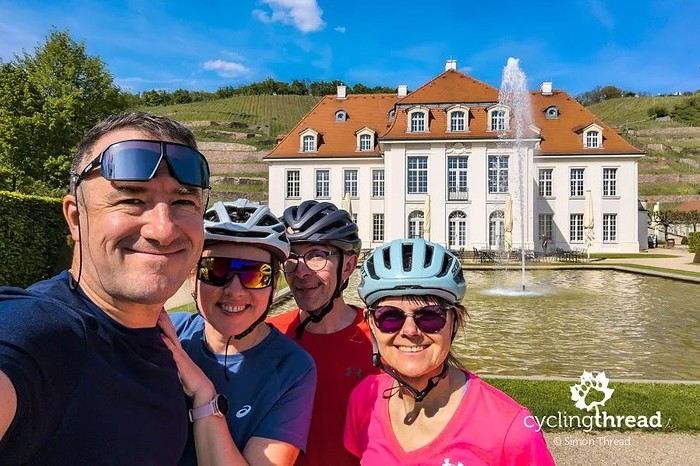
In my stories, I pay special attention to the quality of infrastructure, cyclist safety, and route accessibility—for young and old, experienced riders and beginners alike. I love discovering and sharing spots that are truly welcoming for cycle tourists: well-marked, with rest areas and easy train access.
On the blog, you’ll find ready-to-follow route suggestions, tips for preparing your bike trips, and plenty of inspiration for your next adventures. I travel with my panniers, a camera in the front bag, and always keep an eye out for what’s around me. Feel free to check out my blog, Cycling Thread—you might find some ideas for your next bike getaway! :-)
* * *
I hope this won’t just be a one-off post—I’ll try to share our bike trips with you here regularly. To start: our May trip on the Elberadweg, the queen of German bike paths, between the stunning city of Dresden and Magdeburg. I invite you to visit:
Elberadweg in Germany – From Dresden to Magdeburg
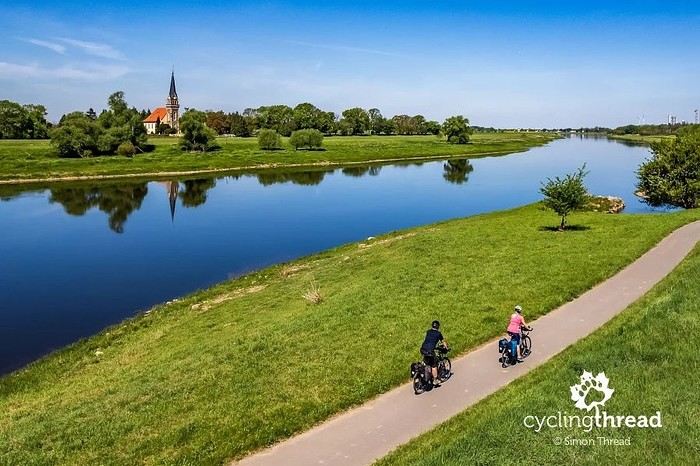
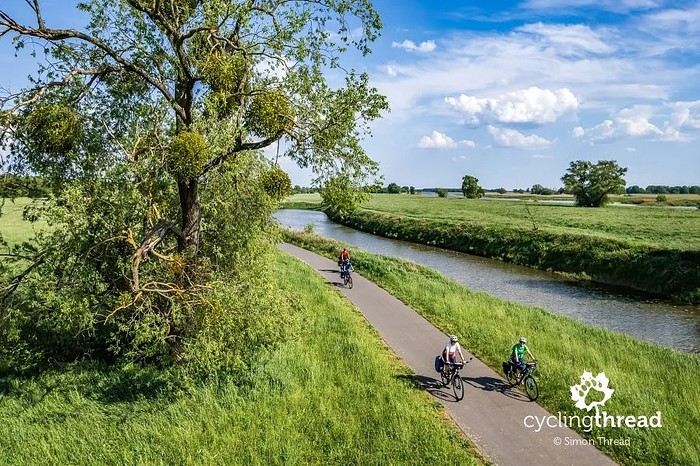
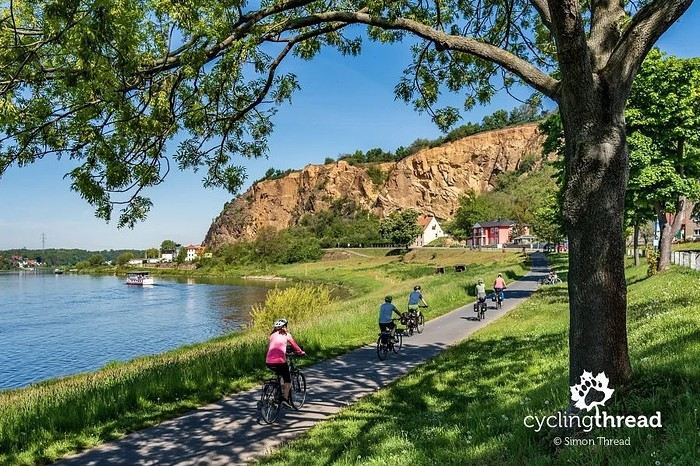
The Elbe bike path is about 1200 km long, following the river from its source in the Giant Mountains in the Czech Republic to its mouth in Cuxhaven, on the North Sea. The route crosses a variety of landscapes: mountain valleys, vineyards, open plains, and coastline. As is often the case in Germany, the signage is excellent and the route easy to follow.
But what surprised us was the number of cobblestone sections! Sure, the cobblestones are well-laid and fairly smooth—but they’re still cobblestones. And when they disappear, they’re often replaced by concrete slabs, typical of river dikes. That’s just part of the face of this 30-year-old "queen"—a heritage that’s hard to replace entirely with fresh asphalt.
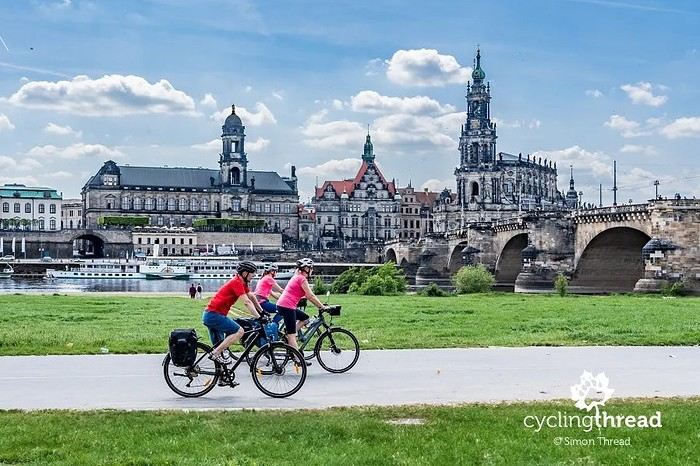
Along the way, don’t miss the many cultural highlights. Dresden impresses with its restored old town, the Frauenkirche, and the Brühl Terraces along the Elbe—it’s one of Germany’s most elegant cities. In Meissen, you can visit the famous porcelain factory and its Gothic cathedral. Wittenberg is a must-stop to follow in Martin Luther’s footsteps, with its castle church and Reformation Museum. And to finish, in Dessau-Roßlau, besides the Bauhaus, don’t miss the stunning Dessau-Wörlitz landscape gardens—one of the oldest English-style parks in Europe.
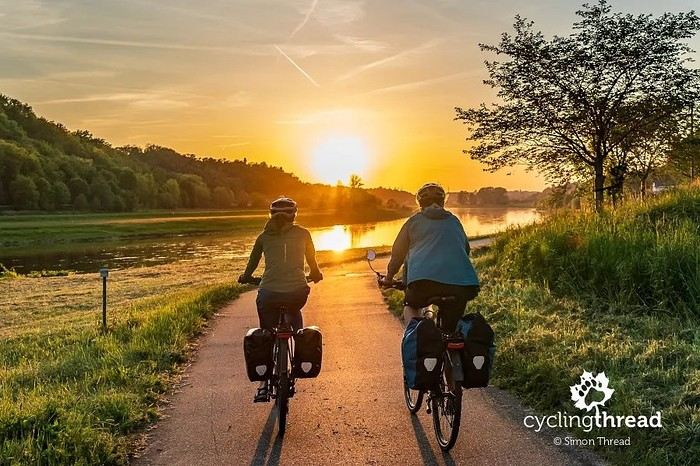
A few photos to give you a feel for the route and inspire you to check out our blog! :-)
Happy cycling!
Simon
In my stories, I pay special attention to the quality of infrastructure, cyclist safety, and route accessibility—for young and old, experienced riders and beginners alike. I love discovering and sharing spots that are truly welcoming for cycle tourists: well-marked, with rest areas and easy train access.
On the blog, you’ll find ready-to-follow route suggestions, tips for preparing your bike trips, and plenty of inspiration for your next adventures. I travel with my panniers, a camera in the front bag, and always keep an eye out for what’s around me. Feel free to check out my blog, Cycling Thread—you might find some ideas for your next bike getaway! :-)
* * *
I hope this won’t just be a one-off post—I’ll try to share our bike trips with you here regularly. To start: our May trip on the Elberadweg, the queen of German bike paths, between the stunning city of Dresden and Magdeburg. I invite you to visit:
Elberadweg in Germany – From Dresden to Magdeburg
The Elbe bike path is about 1200 km long, following the river from its source in the Giant Mountains in the Czech Republic to its mouth in Cuxhaven, on the North Sea. The route crosses a variety of landscapes: mountain valleys, vineyards, open plains, and coastline. As is often the case in Germany, the signage is excellent and the route easy to follow.
But what surprised us was the number of cobblestone sections! Sure, the cobblestones are well-laid and fairly smooth—but they’re still cobblestones. And when they disappear, they’re often replaced by concrete slabs, typical of river dikes. That’s just part of the face of this 30-year-old "queen"—a heritage that’s hard to replace entirely with fresh asphalt.
Along the way, don’t miss the many cultural highlights. Dresden impresses with its restored old town, the Frauenkirche, and the Brühl Terraces along the Elbe—it’s one of Germany’s most elegant cities. In Meissen, you can visit the famous porcelain factory and its Gothic cathedral. Wittenberg is a must-stop to follow in Martin Luther’s footsteps, with its castle church and Reformation Museum. And to finish, in Dessau-Roßlau, besides the Bauhaus, don’t miss the stunning Dessau-Wörlitz landscape gardens—one of the oldest English-style parks in Europe.
A few photos to give you a feel for the route and inspire you to check out our blog! :-)
Happy cycling!
Simon
Hi there, my partner and I did a road trip in Oman in January 2025 with a 4x4 and a rooftop tent. We only slept in free spots out in nature. It’s essential to have a 4x4 to experience this. The *Oman Off Road* book was a huge help—we bought it locally. I’ve written up our whole adventure and shared all our tips on my blog, including GPS coordinates to help you find campsites or even cross the desert on your own. Here’s the link: https://worldseenbymathilde.blogspot.com/2025/02/notre-itineraire-de-10-jours-oman-en.html
Our trip to Puglia left a bitter taste—between the trash, privatized beaches, and relentless heat.
But on our way home, a short stop in Tuscany reconciled us with Italy.
This new summer, we’ve decided to add this beautiful region to our itinerary!
As usual for relatively nearby destinations, we’ll be driving via the Col de la Lombarde on the way there and Mont Cenis Pass on the way back.
A chance to kill two birds with one stone: one trip, multiple landscapes crossed.
For our Tuscan stay, we’ve chosen a house tucked away in the Chianti vineyards.
Peace and quiet, barely disturbed by the occasional wild boar or deer!
You’ve probably gathered that we won’t be sightseeing fanatics, even if classics like Siena, Florence, San Gimignano, Pisa, and the Abbey of Saint Michael of the Cluse are on the agenda.
You can find the details of our journey beyond the Alps here.
Happy reading!
And if you have any questions or comments, don’t hesitate!
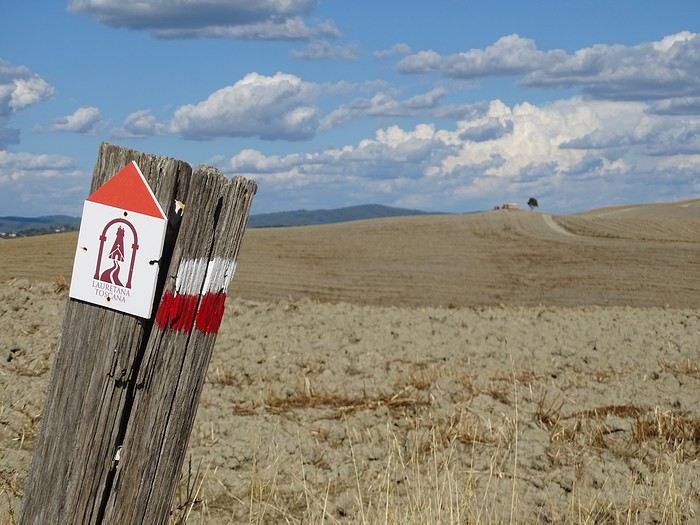
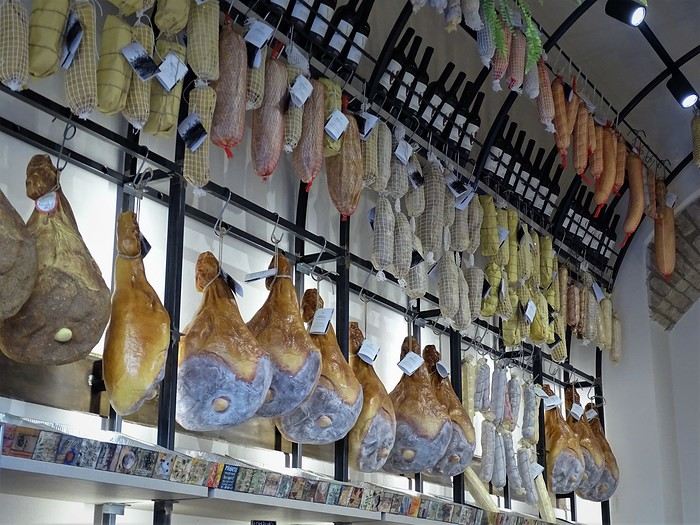
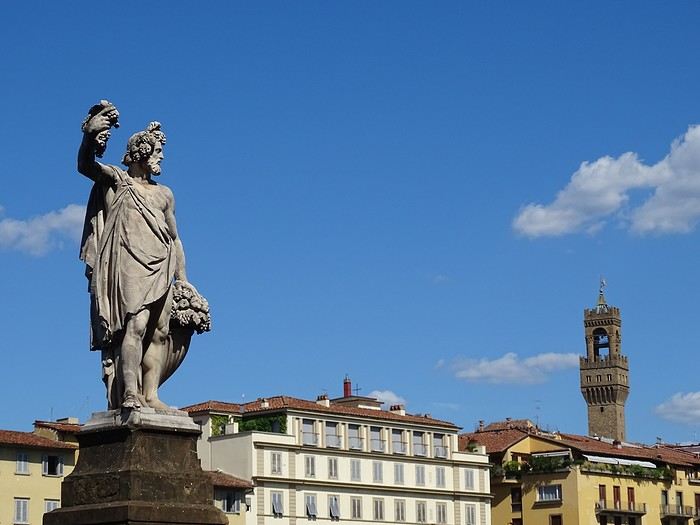
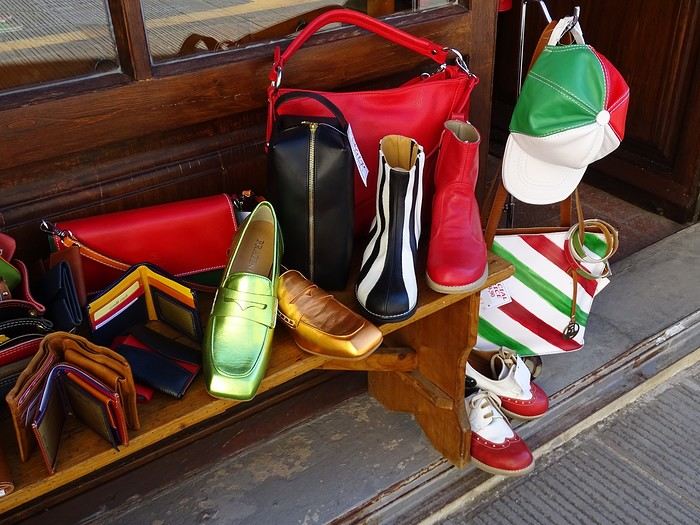
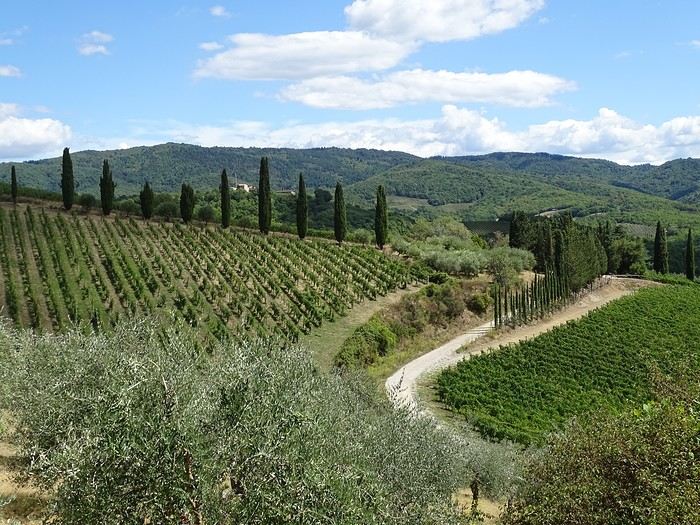
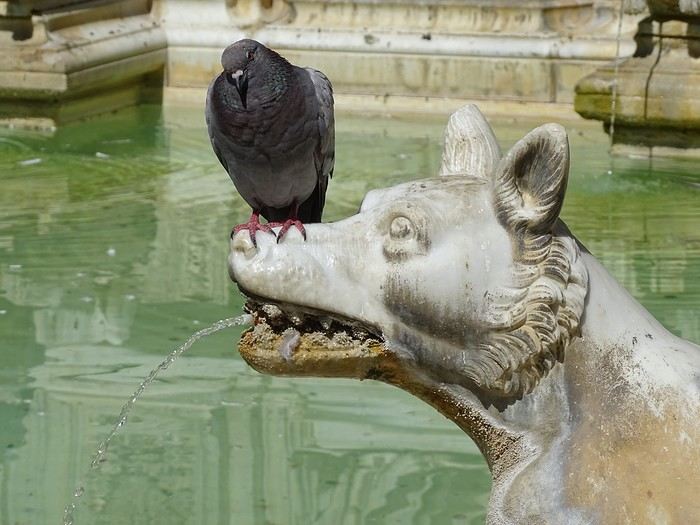
But on our way home, a short stop in Tuscany reconciled us with Italy.
This new summer, we’ve decided to add this beautiful region to our itinerary!
As usual for relatively nearby destinations, we’ll be driving via the Col de la Lombarde on the way there and Mont Cenis Pass on the way back.
A chance to kill two birds with one stone: one trip, multiple landscapes crossed.
For our Tuscan stay, we’ve chosen a house tucked away in the Chianti vineyards.
Peace and quiet, barely disturbed by the occasional wild boar or deer!
You’ve probably gathered that we won’t be sightseeing fanatics, even if classics like Siena, Florence, San Gimignano, Pisa, and the Abbey of Saint Michael of the Cluse are on the agenda.
You can find the details of our journey beyond the Alps here.
Happy reading!
And if you have any questions or comments, don’t hesitate!
For our first post-COVID trip outside Europe, we’ve chosen a North African destination: Morocco.
I’ve already visited this country four times, but my partner has never set foot there.
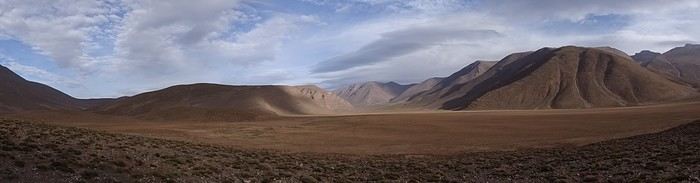
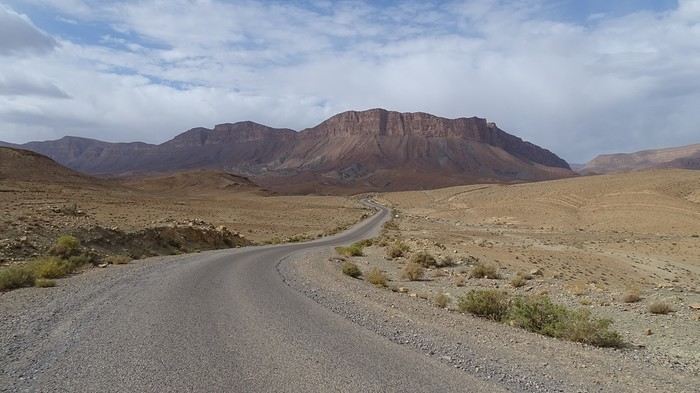
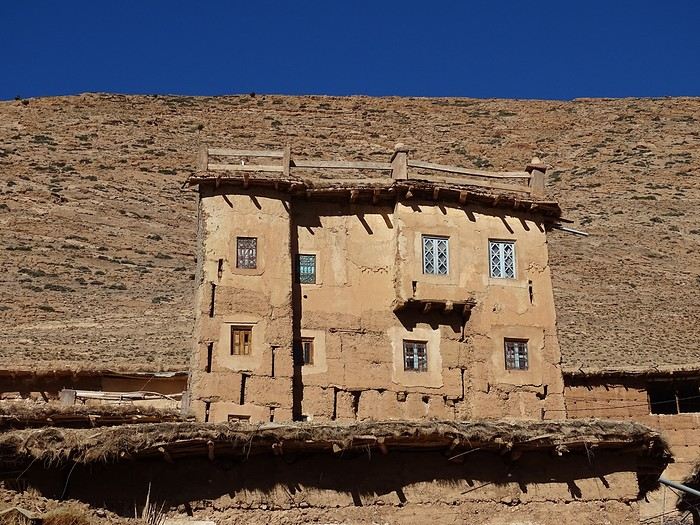
Since we both prefer wide-open spaces over even imperial cities, our itinerary will focus on nature and villages.
Starting point: Casablanca, easily accessible with a direct flight from Lyon.
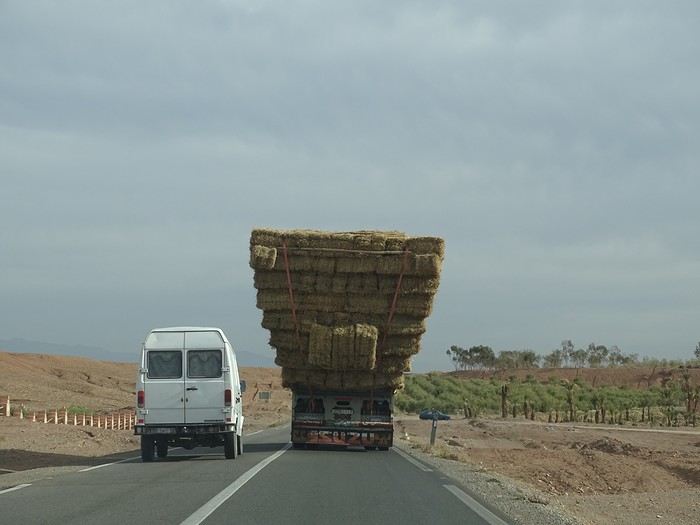
Our ride: a Dacia Logan, perfect for navigating roads turned into Swiss cheese by corruption and the weather.
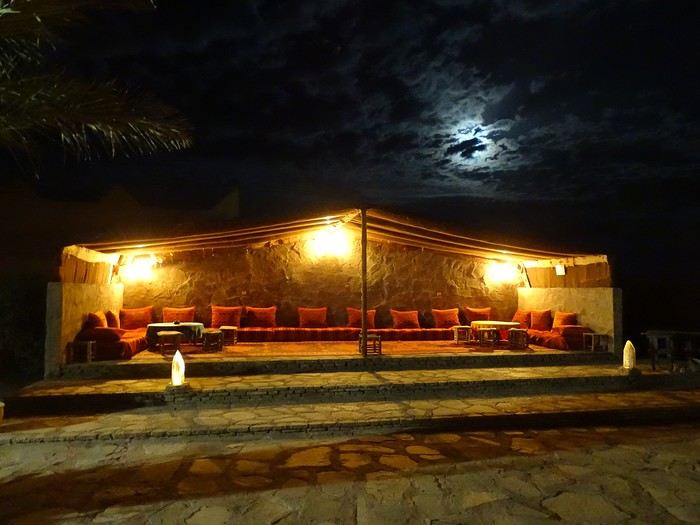
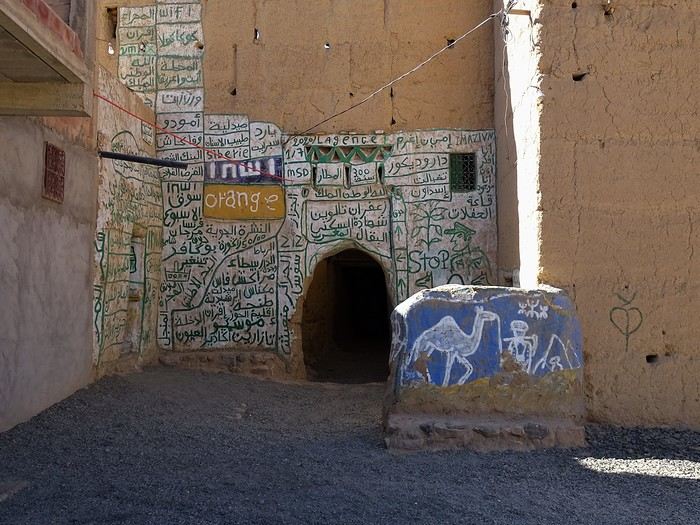
Stops: Demnate, Aït Ben Haddou, the Dadès Gorges, N'Kob, Zagora, the Todhra Gorges, the Merzouga dunes, Tinejdad, Agoudal, Lake Bin El Ouidane, the Vallée Heureuse, the Ouzoud waterfalls, and finally El Jadida.
Season: November, when there’s no tourist pressure. Sure, it can be chilly, but what peace and quiet!
You can find the details of our journey beyond the Rif here.
Happy reading!
And if you have any questions or comments, don’t hesitate!
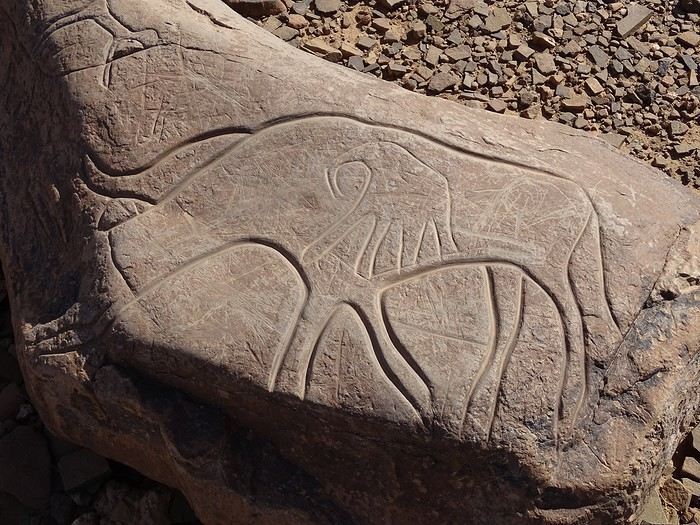
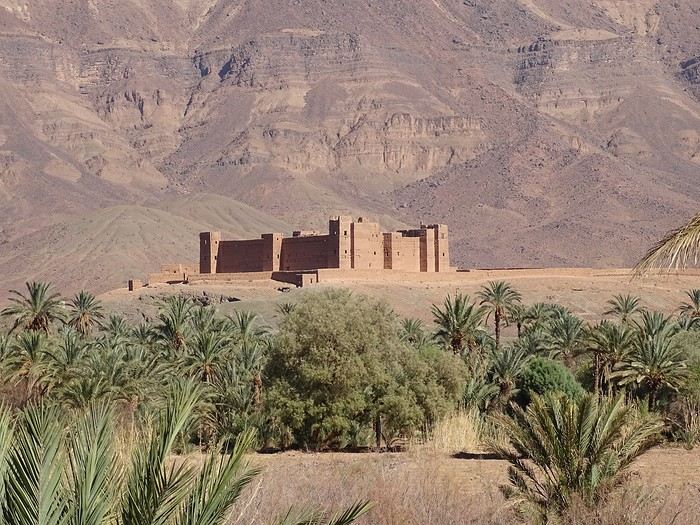
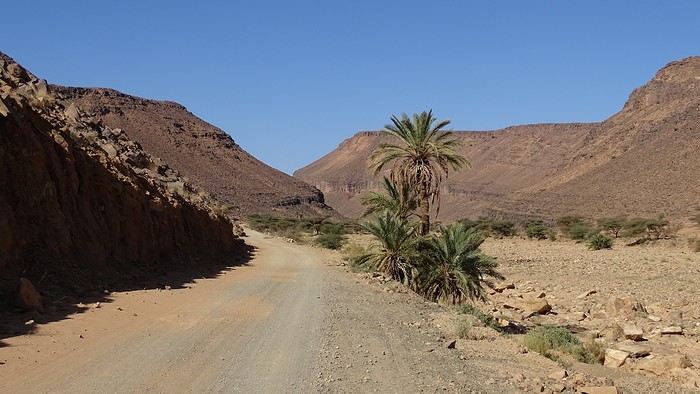
I’ve already visited this country four times, but my partner has never set foot there.
Since we both prefer wide-open spaces over even imperial cities, our itinerary will focus on nature and villages.
Starting point: Casablanca, easily accessible with a direct flight from Lyon.
Our ride: a Dacia Logan, perfect for navigating roads turned into Swiss cheese by corruption and the weather.
Stops: Demnate, Aït Ben Haddou, the Dadès Gorges, N'Kob, Zagora, the Todhra Gorges, the Merzouga dunes, Tinejdad, Agoudal, Lake Bin El Ouidane, the Vallée Heureuse, the Ouzoud waterfalls, and finally El Jadida.
Season: November, when there’s no tourist pressure. Sure, it can be chilly, but what peace and quiet!
You can find the details of our journey beyond the Rif here.
Happy reading!
And if you have any questions or comments, don’t hesitate!