Results for "Bolivie+hébergement"
About 13,354 results.
More options
Many results are in French, the community’s main language. English translations are added over time.
Search results
Voyage Guatemala-Belize: trajet Tikal-Flores/Dandriga?
Bonjour,
j'affine notre petit périple de juillet au Gautemala et au Bélize.
A priori, le trajet ressemble à ça: Antigua-Lago Attitlan-Sayaxché-Flores-Tikal-Tobacco Caye-Livingston-Copan-Antigua
Tout s'enchaine en suivant vos conseils mais on a un petit détail à régler sur le passage de Tikal/Flores à Tobacco. Jusqu'à présent le programme est: - J9: visite Yaxha, nuit El Remate - J10:El Remate + trajet Tikal, nuit Tikal - J11: visite Tikal, nuit Flores - J12: trajet Dandriga - J13: départ Tobacco Caye
Cependant, l'"hotelier" de Tobacco nous dit que le bateau pour rejoindre l'ile est à midi et non à 9h00 du mat'. On aimerait donc arriver à temps le J12 pour prendre le fameux bateau et éviter une nuit à Dandriga.
Est ce que vous pensez que l'on peut donc faire le trajet Flores-Dandriga dans la matinée? Peut être que la solution serait de passer la frontière en rentrant de Tikal en J11, possible?
Merci par avance.😎
A priori, le trajet ressemble à ça: Antigua-Lago Attitlan-Sayaxché-Flores-Tikal-Tobacco Caye-Livingston-Copan-Antigua
Tout s'enchaine en suivant vos conseils mais on a un petit détail à régler sur le passage de Tikal/Flores à Tobacco. Jusqu'à présent le programme est: - J9: visite Yaxha, nuit El Remate - J10:El Remate + trajet Tikal, nuit Tikal - J11: visite Tikal, nuit Flores - J12: trajet Dandriga - J13: départ Tobacco Caye
Cependant, l'"hotelier" de Tobacco nous dit que le bateau pour rejoindre l'ile est à midi et non à 9h00 du mat'. On aimerait donc arriver à temps le J12 pour prendre le fameux bateau et éviter une nuit à Dandriga.
Est ce que vous pensez que l'on peut donc faire le trajet Flores-Dandriga dans la matinée? Peut être que la solution serait de passer la frontière en rentrant de Tikal en J11, possible?
Merci par avance.😎
Tour du monde à partir de septembre 2011
bonjour à tous, qui que vous soyez, où que vous soyez. je m'appelle Emilien et j'ai 22 ans. je suis quelqu'un de très bizarre.
je sais pas pourquoi je dis ça mais au fond de moi, je le sens : la vie métro-boulot-dodo (enfin le peu que je suis obligé de subir pour mettre de côté l'argent pour pouvoir effectuer ce voyage) ne me correspond absolument pas. mes amis doutent de ma capacité à quitter le confort de notre vie occidentale mais je l'affirme haut et fort : j'en ai marre !
je veux partir.
j'ai le projet de partir en septembre 2011 en tour du monde (même si cette appellation me déplait, vu que je vais occulter des pans entiers de notre planète)
je prépare ça depuis presque 2 ans mais y a toujours tellement de flou !!! d'un côté, ce flou me plait car je veux vraiment partir "à l'aventure" mais d'un autre côté, il angoisse ma famille et mes amis (et il faut l'avouer, un peu moi aussi :p).
bon commençons par vous exposer mon itinéraire, qui semble, depuis quelques mois, s'être fixé dans mon esprit :
France -> Allemagne > Pologne -> Ukraine -> Russie -> Mongolie -> Chine (attention, un peu de flou, vais-je faire un détour par l'Inde ?) -> Vietnam -> Laos -> Thaïlande -> Malaisie -> Indonésie -> Australie -> Tasmanie -> Nouvelle-Zélande
- > Argentine -> Chili -> Pérou -> Colombie -> Panama - > Costa Rica - > Nicaragua - > Salvador -> Guatemala -> Mexique -> USA -> Canada
bien sur, cet itinéraire est malléable, j'ai le temps et je pense, un budget assez sympa. pour vous, cet itinéraire semble possible ? au niveau des visas, des passages terrestres entre chaque pays ? j'ai vérifié, grâce à ce site et à mon ami google, sa faisabilité, mais les infos sont pas toujours dispos et peuvent ne pas être exactes alors, j'ai besoin de vous :) !! pour les saisons, je n'ai pas de solutions, de toutes façons, c'est ingérable, j'arriverais dans certains pays au moment idéal et dans d'autres, non.
Moyens de locomotion : pied, stop, bus, train (avions quand y a pas le choix) Hébergements : un max chez l'habitant, sinon auberges, campings, ... Durée : + ou - 3 ans Budget : + ou - 25 000 euros Nationalité : Français (ça joue tellement dans les visas que je précise) Objectifs : découvrir des tas de choses dans tous les domaines mais en particulier : les langues, la musique, la cuisine et m'interroger sur les notions de politique, d'écologie, de religion, de famille, de travail...
Je pense prendre avant de partir les visas pour la Russie et la Mongolie, et pour tous les restes, faire au fur et à mesure. Qu'en pensez-vous ?
Merci de prendre le temps de me lire, et si possible, de me répondre ! n'hésiter pas à balancer des critiques ;) par contre, essayer de pas trop "polluer" avec des encouragements, je suis gonflé à blooooooooooc, y a pas de soucis pour ça :p
Si vous avez le même projet que moi, contactez moi, même si un voyage en solo me tente davantage, on peut discuter de l'éventualité d'un voyage à plusieurs.
Emilien
je sais pas pourquoi je dis ça mais au fond de moi, je le sens : la vie métro-boulot-dodo (enfin le peu que je suis obligé de subir pour mettre de côté l'argent pour pouvoir effectuer ce voyage) ne me correspond absolument pas. mes amis doutent de ma capacité à quitter le confort de notre vie occidentale mais je l'affirme haut et fort : j'en ai marre !
je veux partir.
j'ai le projet de partir en septembre 2011 en tour du monde (même si cette appellation me déplait, vu que je vais occulter des pans entiers de notre planète)
je prépare ça depuis presque 2 ans mais y a toujours tellement de flou !!! d'un côté, ce flou me plait car je veux vraiment partir "à l'aventure" mais d'un autre côté, il angoisse ma famille et mes amis (et il faut l'avouer, un peu moi aussi :p).
bon commençons par vous exposer mon itinéraire, qui semble, depuis quelques mois, s'être fixé dans mon esprit :
France -> Allemagne > Pologne -> Ukraine -> Russie -> Mongolie -> Chine (attention, un peu de flou, vais-je faire un détour par l'Inde ?) -> Vietnam -> Laos -> Thaïlande -> Malaisie -> Indonésie -> Australie -> Tasmanie -> Nouvelle-Zélande
- > Argentine -> Chili -> Pérou -> Colombie -> Panama - > Costa Rica - > Nicaragua - > Salvador -> Guatemala -> Mexique -> USA -> Canada
bien sur, cet itinéraire est malléable, j'ai le temps et je pense, un budget assez sympa. pour vous, cet itinéraire semble possible ? au niveau des visas, des passages terrestres entre chaque pays ? j'ai vérifié, grâce à ce site et à mon ami google, sa faisabilité, mais les infos sont pas toujours dispos et peuvent ne pas être exactes alors, j'ai besoin de vous :) !! pour les saisons, je n'ai pas de solutions, de toutes façons, c'est ingérable, j'arriverais dans certains pays au moment idéal et dans d'autres, non.
Moyens de locomotion : pied, stop, bus, train (avions quand y a pas le choix) Hébergements : un max chez l'habitant, sinon auberges, campings, ... Durée : + ou - 3 ans Budget : + ou - 25 000 euros Nationalité : Français (ça joue tellement dans les visas que je précise) Objectifs : découvrir des tas de choses dans tous les domaines mais en particulier : les langues, la musique, la cuisine et m'interroger sur les notions de politique, d'écologie, de religion, de famille, de travail...
Je pense prendre avant de partir les visas pour la Russie et la Mongolie, et pour tous les restes, faire au fur et à mesure. Qu'en pensez-vous ?
Merci de prendre le temps de me lire, et si possible, de me répondre ! n'hésiter pas à balancer des critiques ;) par contre, essayer de pas trop "polluer" avec des encouragements, je suis gonflé à blooooooooooc, y a pas de soucis pour ça :p
Si vous avez le même projet que moi, contactez moi, même si un voyage en solo me tente davantage, on peut discuter de l'éventualité d'un voyage à plusieurs.
Emilien
Six mois en Amérique du Sud et au Costa Rica
Bonjour,
je sais ça semble un drole de voyage l'Amérique du Sud et le Costa Rica, mais il faut faire des compromis en couple!!
Alors ma question... Notre premier plan était d'arriver en Équateur (mi-juin) et descendre jusqu'au Chili, en passant par le Perou. Équateur 1 mois (mi-juin à mi-juillet) Perou 1 mois (mi-juillet à mi-août): Macchu pichu, lac titicaca, etc. Chili 2 mois (mi-août à mi-octobre): Snowboard et p-e la pentagonie
Et pour terminer le Costa Rica 2 mois (mi-octobre à mi-décembre)
Qu'en pensez-vous??
Devrait-on faire l'inverse? Costa Rica (mi-juin à août) Chili (août à mi-septembre) Perou (mi-septembre à novembre) Équateur (novembre à mi-décembre)
J'ai besoin de votre avis!! Merci!
Alors ma question... Notre premier plan était d'arriver en Équateur (mi-juin) et descendre jusqu'au Chili, en passant par le Perou. Équateur 1 mois (mi-juin à mi-juillet) Perou 1 mois (mi-juillet à mi-août): Macchu pichu, lac titicaca, etc. Chili 2 mois (mi-août à mi-octobre): Snowboard et p-e la pentagonie
Et pour terminer le Costa Rica 2 mois (mi-octobre à mi-décembre)
Qu'en pensez-vous??
Devrait-on faire l'inverse? Costa Rica (mi-juin à août) Chili (août à mi-septembre) Perou (mi-septembre à novembre) Équateur (novembre à mi-décembre)
J'ai besoin de votre avis!! Merci!
Location d'un 4x4 avec cellule au Chili?
En prévison d'un voyage en Juillet / Août prochain au Nord du Chili, nous hésitons entre deux choix....
Location d'un véhicule simple (4x4) et dormir en auberge.....ou Location d'un 4x4 avec Cellule (Société Trekker) normalement avec chauffage...
Le trajet prévu pour 29 jours est: Santiago....Arica...San Pedro...retour vers Santiago...(peut-être un passage de qq jours en Argentine??)
Qui pourrait me donner son avis?? ou expérience???
merci Thierry
Qui pourrait me donner son avis?? ou expérience???
merci Thierry
Froid à El Calafate et El Chalten mi-octobre, logement en Argentine?
Bonjour,
ça y est il manque désormais un gros mois à mon départ pour l'argentine !
Il me tarde de partir !!!
Je me posais quelques question sur le clima/hotel/froid en Patagonie.
La question : est il necessaire de prevoir un sac de couchage pour dormir à El calafate et à El Chalten (vers le 14/20 octobre). ça sera l'étape la plus 'froide' de notre tour.
Encore : si vous avez des adresses à nous suggérer nous devons dormir (et manger) à : Buenos Aires Puerto Pyramide El Chalten El Calafate Puerto Iguazu : dernière étape de notre périple le budget sera plus 'à l'aise' :)
Merci de vos conseils
Silvia
Je me posais quelques question sur le clima/hotel/froid en Patagonie.
La question : est il necessaire de prevoir un sac de couchage pour dormir à El calafate et à El Chalten (vers le 14/20 octobre). ça sera l'étape la plus 'froide' de notre tour.
Encore : si vous avez des adresses à nous suggérer nous devons dormir (et manger) à : Buenos Aires Puerto Pyramide El Chalten El Calafate Puerto Iguazu : dernière étape de notre périple le budget sera plus 'à l'aise' :)
Merci de vos conseils
Silvia
Sites incontournables au Chili?
Hello,
J'ai envie de dire que tout est dans le titre 😉, mais étant donnée que je suis plutôt du genre bavarde, je vous explique en deux mots.
Je vais partir fin Novembre 2011 pour un periple de 6 mois vers différents pays d Amérique Latine , je suis donc en phase de préparation et en train de me dire que je vais devoir faire des sacrifices quand au choix de ce que je veux voir ( plutôt frustrant mais cela laisse une occasion de revenir).
Actuellement je suis en train d'essayer d'élaborer une liste avec les choses à voir au Chili et j'aimerai avoir votre avis sur les "incontournables" du Chili, ce qui m'interesse au dela de ces incontournables qui sont j'en suis sure regroupés dans mon super guide c'est d'avoir votre avis perso sur le sujet et des idées pour sortir également des sentiers battus ( des choses sympa que vous auriez faites au Chili et auxquelles on ne penserait pas forcément, ou des endroits beaucoup moins fréquentés et connus mais qui méritent de "tomar el tiempo") en gros vos coups de coeurs m' intéressent.🙂
dernière chose à préciser pour parcourir le Chile j'ai 4 ou 5 semaines et vais me déplacer principalement en bus lorsque cela sera réalisable.
Merci pour votre aide précieuse bon dimanche venteux et frisquet Christelle
J'ai envie de dire que tout est dans le titre 😉, mais étant donnée que je suis plutôt du genre bavarde, je vous explique en deux mots.
Je vais partir fin Novembre 2011 pour un periple de 6 mois vers différents pays d Amérique Latine , je suis donc en phase de préparation et en train de me dire que je vais devoir faire des sacrifices quand au choix de ce que je veux voir ( plutôt frustrant mais cela laisse une occasion de revenir).
Actuellement je suis en train d'essayer d'élaborer une liste avec les choses à voir au Chili et j'aimerai avoir votre avis sur les "incontournables" du Chili, ce qui m'interesse au dela de ces incontournables qui sont j'en suis sure regroupés dans mon super guide c'est d'avoir votre avis perso sur le sujet et des idées pour sortir également des sentiers battus ( des choses sympa que vous auriez faites au Chili et auxquelles on ne penserait pas forcément, ou des endroits beaucoup moins fréquentés et connus mais qui méritent de "tomar el tiempo") en gros vos coups de coeurs m' intéressent.🙂
dernière chose à préciser pour parcourir le Chile j'ai 4 ou 5 semaines et vais me déplacer principalement en bus lorsque cela sera réalisable.
Merci pour votre aide précieuse bon dimanche venteux et frisquet Christelle
Urgent: bus pas cher de Iguaçu à Rio de Janeiro? (Brésil)
Bonjour, etant a une semaine de la fin d'un periple de quelques mois en amerique du sud, je me retrouve face a quelques problemes financiers a cause de certains imprevus...
Jai un avion a Rio dans 1 semaine (deja paye) et la je suis a Foz do Iguacu cote bresilien il me reste 350 reals et des brouettes (130 euros) et plus de carte compte a sec , juste un travelers de 100 euros et le reste deja en real 90 real. Que ce soit du cote Argentin ou Brezilien je n'ai trouve aucune compagnie avec un prix en dessous de 180 reals pour aller jusqua Rio en Bus.
Du coup apres ca il ne me reste plus que 170 real pour 7 jours
Ayant vu les prix des hotel a Rio meme en dortoir 30 real par nuit minimum sans compter la bouffe, les deplacements a rio ...
Au debut je devais aller rejoindre des gens qui vivent labas mais ils ny seront pas ce moment la (ce qui fait aussi parti des imprevu).
Alors si quelqu'un connait le coin et si il a pas des plans pour un hotel vraiment pas cher, ou pour loger directement chez quelqu'un sur Rio pasque apperemment ca craint un peu de dormir a l'arrache labas, ca pourrait bien m'aider ?
Sinon si quelqu'un connait des compagnie de bus Paraguyenne (c juste a cote) qui me reviendraient moins chere que celle du cote argentin ou bresilien, jai cherche et je n'ai pas trouver.
Jai calculer meme en restant sur Iguazu qui est deja moins cher que Rio je narriverai pas a combiner logement et transport (et je n'ai plus de tente). Et jgalere grave en portuguais ce qui ne m'aide pas
Merci d'avance pour votre aide. Jattends avec impatience vos reponses...
Compagnie de bus Cruz del Sur au Pérou
Bonjour, nous nous appretons à réserver nos bus pour le Pérou.
Nous avons consulter le site de Cruz del Sur, pour un itinéraire de Lima à Nazca de jour, Nazca à Arequipa en bus de nuit et Arequipa à Puno de jour.
J'ai déjà lu sur ce forum que la vue était assez impressionnante sur la route de Arequipa et Puno, voir ennivrante au 1er rang du 2ème étage, qui doit bien sûr être réservé à l'avance. Je ne retrouve pas ce message. Était-ce bien cette cie là ? Est-ce que cela en vaut vraiment la peine ? Le prix est à peine plus cher.
Nous sommes d'avance, alors nous avons le choix.
Est-ce que quelqu'un a déjà utiliser cette cie d'autocar ?
Ou avez-vous une autre cie à suggérer ?
Merci
J'ai déjà lu sur ce forum que la vue était assez impressionnante sur la route de Arequipa et Puno, voir ennivrante au 1er rang du 2ème étage, qui doit bien sûr être réservé à l'avance. Je ne retrouve pas ce message. Était-ce bien cette cie là ? Est-ce que cela en vaut vraiment la peine ? Le prix est à peine plus cher.
Nous sommes d'avance, alors nous avons le choix.
Est-ce que quelqu'un a déjà utiliser cette cie d'autocar ?
Ou avez-vous une autre cie à suggérer ?
Merci
Voyager seule au Brésil courant 2009
Bonjour, je voudrais partir au Brésil dans les mois qui viennent, pouvez vous me donner des renseignements, quels sont les endroits à Rio à éviter pour une femme seule ? . une fois arrivée à Rio est il facile de se déplacer ? je voudrais aller à salvador de bahia
merci pour vos réponses !.
Carnet de voyage Chili - 3ème et dernière partie
Bonjour
Suite et fin de mon carnet de voyage au Chili :
5/ Séjour : 3ème partie – Puerto Montt et la région des lacs
On était dans cette région que 2 jours seulement, mais c’est un endroit superbe, où on y séjournerait bien une semaine. Le paysage est étonnant. On quitte le désert, et on arrive dans un climat qui est proche du nôtre au printemps : fraîcheur et végétation luxuriante. On a vu : Puerto Montt : - C’était notre point pour dormir à l’arrivée et au départ. Une ville que je ne trouve pas belle, et où je me sentais en insécurité, d’autant plus qu’on est arrivé la nuit, et que la rue qui prolonge notre hôtel n’est pas des plus accueillante. La ville en plein jour parait beaucoup plus rassurante. Mais on est parti vite fait vers Puerto Varas. - Hôtel : Hostal Pacifico (à ne pas confondre avec un autre hôtel qui s’appelle le Grand Pacifico hotel ou du genre – qui est hyper class) (celui où on était est au Juan José Mira 1088 esq. Salvador Allende) : hôtel qui donne sur un grand boulevard, très bruyant. Les chambres sont mal isolés, mais par contre très propres, avec sdb et pdj.Ils ont deux établissements côte à côte, un récemment construit, avec des chambres de très bon standing, mais toujours avec une mauvaise isolation extérieure. On a eu la désagréable surprise d’avoir eu l’annulation de nos chambres simples, car on n’était pas arrivé avant 17h – chose qu’ils ne nous avaient pas demandé avant. Ils nous ont proposé une double, avec un léger rabais. Puerto Varas : une très belle ville, très mignonne, un très beau centre ville, accueillant, avec des petites maisons. Le centre donne sur le lac Llanquihue, avec une belle plage où on peut s’y baigner. Des bus relient l’aéroport de Puerto Montt à Puerto Varas. Je conseillerais plutôt d’aller directement à Puerto Varas qui a bien plus de charme. Ensenada : un tout petit bourg de passage, dans un cadre idyllique, qui possède de très nombreux services de logements, des chambres jusqu’à des cabanons. Il y a des restaurants et une superette. Un bon coin si on veut rayonner en étoile.- Hospedaje Ensenada (ne pas confondre avec un autre presque du même nom). (Tel : 56- 65- 212 050, hospedajensenada@gmail.com, http://www.hospedajensenada.blogspot.com) C’est une maison avec un étage, entourée par un magnifique et grand jardin, qui donne directement sur le lac: un cadre de rêve où on aurait pu rester toute une semaine de farniente. La maison est tout de bois, à l’intérieur et l’extérieur, un très beau style. Plusieurs chambres avec ou sans sdb, très propres. Parking. Je conseille fortement cet hotel. - Resto : Super restaurant à Ensenada, qui est ouvert seulement depuis l’année dernière : resto « Don Salmon ». 20 900 ch pesos pour deux, avec un plat et un jus de fruit. Le plat au congre est excellent. Visites : - J12 : Entre Ensenada et le Lac Todos Los Santos : Une route en cours de goudronnage relie les deux endroits. Sur le chemin, on longe tout le long un cours d’eau incroyable, telle une carte postage du canada : des rapides, des chutes d’eau… On a évité los saltos payantes : l’attraction touristique et avec foule. Le Lac Todos Los Santos : lac très beau, une eau fraîche et parfaite pour la baignade (impossible de nager loin pour ceux qui souhaitent, car des bateaux circulent pour relier l’autre bout du lac). Des chemins de rando y partent. Il est possible d’aller à ce lac par bus (mais je ne sais pas où est le départ, probablement Ensenada, voire meme Puerto Veras)
- J 13 : - De Ensenada vers Cochamo : paysage de jura, puis alpes. Très jolis. - Mont Osorno : on a pris le télésiège pour monter jusqu’en haut. Très joli. Vaut mieux se couvrir, car le vent est fort en haut. Prix du télésiège : 10 000 ch pesos/pers - Retour Puerto Montt
Séjour : 4ème partie – Parc Torres del Paine
Le parc Torres del Paine : un parc superbe, entre montagnes et lacs. Les sentiers sont parfaitement tracés et entretenus, il est impossible de se perdre, même sans carte. Il n’y a absolument pas besoin de guide, sauf si on veut s’aventurer sur le glacier grey je pense. Je n’ai jamais vu un parc aussi propre. Il n’y a pas un seul déchet. Les Chiliens et les touristes qui viennent sont très respectueux de la nature et de l’environnement.
- J 14 : route de l’aéroport de Punta Arenas vers le parc Torres del Paine, en passant par Puerto Natales : De l’aéroport vers Puerto Natales : paysage de prairies balayées par des vents forts. Surtout des élevages de moutons. On voit des « cow boys » à cheval, qui conduisent leurs troupeaux. C’est très impressionnant. Des navettes relient directement l’aéroport aux différentes villes : Punta Arenas ou Puerto Natales. Puerto Natales : belle petite ville agréable, avec plein de touristes randonneurs. Attention de prendre l’essence à cet endroit, car il n’y en a pas dans le parc (heureusement bien sûr). Parc Torres del Paine : 5 heures au minimum de l’aéroport à l’entrée du parc Prix de l’entrée : 15 000 ch pesos. Une carte du parc est donnée, avec indication des randonnées et durée. Près du refuge Torres central : Il y a plusieurs catégories d’hébergements possibles à cet endroit : hotel très haut de gamme (spa…) 2 catégories de refuges : - 1 plus récent – Le refuge Torres Central qu’on a choisi – pas beaucoup plus cher - L’autre est bien aussi, mais un peu plus à l’étroit - Avec ou sans drap, en pension complète ou à la carte Camping Refuge Torres Central :(Pour la reservation: Fantastico Sur’s Physical Address, Sarmiento 846, Punta Arenas, CHILE Business Hour : Mon-Fri, 8:30 am- 13:00 pm / 14:30 - 18:00 pm Telephone: +56-61-613410 | +56-61-613413 ventas@fantasticosur.com, http://www.wcircuit.com/en/refugios.html) Refuge tout neuf, très beau, très bon confort, des dortoirs de lits superposés pour 6 personnes max. Douches et sanitaires irréprochables. Un espace détente. Des chauffages. Un service irréprochable. L’ambiance est très conviviale et agréable, aussi bien des personnes qui accueillent, que des personnes qui font le service (et oui, un resto avec service dans un refuge). Ils vous aident aussi à réserver pour l’excursion du Glacier Grey en catamaran. Un refuge génial. Vaut mieux réserver avant de venir, car tout est complet à cette période (pourtant des lits restaient vacants, mais c’est peut être compté par groupe ?) .
- J 15 : circuit vers las Torres Le circuit ne présente pas de difficulté, ne nécessite pas de conditions physiques particulières (si on n’a pas un sac à dos lourd bien sûr). Par contre après le camping, sur la bifurcation pour aller voir les torres, il n’y a plus de sentier, mais des gros blocs de pierre, attention donc entre le vent fort et les risques de glissades. Je pense qu’en temps de pluie fort, c’est très dangereux de s’aventurer sur cette dernière partie, même avec de bonnes chaussures de rando. A plusieurs reprises, mes bâtons m’ont aidé à me rattraper. Ils sont vraiment utiles, surtout dans d’autres endroits du parc, avec de bonnes flaques d’eau.
- J 16 : route vers Pudeto où on y laisse la voiture pour prendre le catamaran vers le Lodge Paine Grande. Rando vers la vallée des Français. · Lodge Paine Grande (Pour la résa : Reservas Vertice SA, Karin Muñoz Trujillo, Esmeralda 671- Puerto Natales Fono:61- 613552 - 412742" Fono:61- 613552 - 412742 ventas01@verticepatagonia.cl www.verticepatagonia.cl) Refuge à 6 places par chambre. Possibilité de laisser les affaires en attenant que les chambres se libèrent. Les prix sont très élevés, mais impossible de faire autrement que de passer par eux. Sinon, il y a le camping.
- J 17 : catamaran vers Pudeto et puis route vers le lago Grey pour voir le glacier en catamaran. Le regroupement se fait dans un hotel. Compter 3 heures de catamaran et 2 heures (au moins 1h) entre les attentes (navettes hôtels/départs/marches/catamaran).
- J18 : retour vers Punta Arenas - Hôtel : Hostal Del Rey (Fagnano 589 Depto. B). C'est un hotel que je ne recommanderais vraiment pas.
- J19 / J20 : Santiago. · Ville sympa. · Hotel Rio Amazonas / Auberge Plaza Italia (car l’hôtel Amazonas possède 2 hotels dans Santiago) (AV. VICUÑA MACKENNA 47 À côté de l`Ambassade d`Argentine, Fono : (56 2) 635 16 31 reservas@hostalrioamazonas.cl, http://www.hostalrioamazonas.cl) L’hôtel est au centre même de Santiago, à quelques minutes seulement du métro. C’est un hotel très charmant, avec une cours intérieure. Des chambres très propres, très belles. Près d'une avenue ou boulevard, mais l'hôtel est tellement parfait.
J'espère que tout cela pourra vous aider à préparer votre voyage au Chili, qui est pour moi l'un des plus beaux pays.
OcéanieNew
Suite et fin de mon carnet de voyage au Chili :
5/ Séjour : 3ème partie – Puerto Montt et la région des lacs
On était dans cette région que 2 jours seulement, mais c’est un endroit superbe, où on y séjournerait bien une semaine. Le paysage est étonnant. On quitte le désert, et on arrive dans un climat qui est proche du nôtre au printemps : fraîcheur et végétation luxuriante. On a vu : Puerto Montt : - C’était notre point pour dormir à l’arrivée et au départ. Une ville que je ne trouve pas belle, et où je me sentais en insécurité, d’autant plus qu’on est arrivé la nuit, et que la rue qui prolonge notre hôtel n’est pas des plus accueillante. La ville en plein jour parait beaucoup plus rassurante. Mais on est parti vite fait vers Puerto Varas. - Hôtel : Hostal Pacifico (à ne pas confondre avec un autre hôtel qui s’appelle le Grand Pacifico hotel ou du genre – qui est hyper class) (celui où on était est au Juan José Mira 1088 esq. Salvador Allende) : hôtel qui donne sur un grand boulevard, très bruyant. Les chambres sont mal isolés, mais par contre très propres, avec sdb et pdj.Ils ont deux établissements côte à côte, un récemment construit, avec des chambres de très bon standing, mais toujours avec une mauvaise isolation extérieure. On a eu la désagréable surprise d’avoir eu l’annulation de nos chambres simples, car on n’était pas arrivé avant 17h – chose qu’ils ne nous avaient pas demandé avant. Ils nous ont proposé une double, avec un léger rabais. Puerto Varas : une très belle ville, très mignonne, un très beau centre ville, accueillant, avec des petites maisons. Le centre donne sur le lac Llanquihue, avec une belle plage où on peut s’y baigner. Des bus relient l’aéroport de Puerto Montt à Puerto Varas. Je conseillerais plutôt d’aller directement à Puerto Varas qui a bien plus de charme. Ensenada : un tout petit bourg de passage, dans un cadre idyllique, qui possède de très nombreux services de logements, des chambres jusqu’à des cabanons. Il y a des restaurants et une superette. Un bon coin si on veut rayonner en étoile.- Hospedaje Ensenada (ne pas confondre avec un autre presque du même nom). (Tel : 56- 65- 212 050, hospedajensenada@gmail.com, http://www.hospedajensenada.blogspot.com) C’est une maison avec un étage, entourée par un magnifique et grand jardin, qui donne directement sur le lac: un cadre de rêve où on aurait pu rester toute une semaine de farniente. La maison est tout de bois, à l’intérieur et l’extérieur, un très beau style. Plusieurs chambres avec ou sans sdb, très propres. Parking. Je conseille fortement cet hotel. - Resto : Super restaurant à Ensenada, qui est ouvert seulement depuis l’année dernière : resto « Don Salmon ». 20 900 ch pesos pour deux, avec un plat et un jus de fruit. Le plat au congre est excellent. Visites : - J12 : Entre Ensenada et le Lac Todos Los Santos : Une route en cours de goudronnage relie les deux endroits. Sur le chemin, on longe tout le long un cours d’eau incroyable, telle une carte postage du canada : des rapides, des chutes d’eau… On a évité los saltos payantes : l’attraction touristique et avec foule. Le Lac Todos Los Santos : lac très beau, une eau fraîche et parfaite pour la baignade (impossible de nager loin pour ceux qui souhaitent, car des bateaux circulent pour relier l’autre bout du lac). Des chemins de rando y partent. Il est possible d’aller à ce lac par bus (mais je ne sais pas où est le départ, probablement Ensenada, voire meme Puerto Veras)
- J 13 : - De Ensenada vers Cochamo : paysage de jura, puis alpes. Très jolis. - Mont Osorno : on a pris le télésiège pour monter jusqu’en haut. Très joli. Vaut mieux se couvrir, car le vent est fort en haut. Prix du télésiège : 10 000 ch pesos/pers - Retour Puerto Montt
Séjour : 4ème partie – Parc Torres del Paine
Le parc Torres del Paine : un parc superbe, entre montagnes et lacs. Les sentiers sont parfaitement tracés et entretenus, il est impossible de se perdre, même sans carte. Il n’y a absolument pas besoin de guide, sauf si on veut s’aventurer sur le glacier grey je pense. Je n’ai jamais vu un parc aussi propre. Il n’y a pas un seul déchet. Les Chiliens et les touristes qui viennent sont très respectueux de la nature et de l’environnement.
- J 14 : route de l’aéroport de Punta Arenas vers le parc Torres del Paine, en passant par Puerto Natales : De l’aéroport vers Puerto Natales : paysage de prairies balayées par des vents forts. Surtout des élevages de moutons. On voit des « cow boys » à cheval, qui conduisent leurs troupeaux. C’est très impressionnant. Des navettes relient directement l’aéroport aux différentes villes : Punta Arenas ou Puerto Natales. Puerto Natales : belle petite ville agréable, avec plein de touristes randonneurs. Attention de prendre l’essence à cet endroit, car il n’y en a pas dans le parc (heureusement bien sûr). Parc Torres del Paine : 5 heures au minimum de l’aéroport à l’entrée du parc Prix de l’entrée : 15 000 ch pesos. Une carte du parc est donnée, avec indication des randonnées et durée. Près du refuge Torres central : Il y a plusieurs catégories d’hébergements possibles à cet endroit : hotel très haut de gamme (spa…) 2 catégories de refuges : - 1 plus récent – Le refuge Torres Central qu’on a choisi – pas beaucoup plus cher - L’autre est bien aussi, mais un peu plus à l’étroit - Avec ou sans drap, en pension complète ou à la carte Camping Refuge Torres Central :(Pour la reservation: Fantastico Sur’s Physical Address, Sarmiento 846, Punta Arenas, CHILE Business Hour : Mon-Fri, 8:30 am- 13:00 pm / 14:30 - 18:00 pm Telephone: +56-61-613410 | +56-61-613413 ventas@fantasticosur.com, http://www.wcircuit.com/en/refugios.html) Refuge tout neuf, très beau, très bon confort, des dortoirs de lits superposés pour 6 personnes max. Douches et sanitaires irréprochables. Un espace détente. Des chauffages. Un service irréprochable. L’ambiance est très conviviale et agréable, aussi bien des personnes qui accueillent, que des personnes qui font le service (et oui, un resto avec service dans un refuge). Ils vous aident aussi à réserver pour l’excursion du Glacier Grey en catamaran. Un refuge génial. Vaut mieux réserver avant de venir, car tout est complet à cette période (pourtant des lits restaient vacants, mais c’est peut être compté par groupe ?) .
- J 15 : circuit vers las Torres Le circuit ne présente pas de difficulté, ne nécessite pas de conditions physiques particulières (si on n’a pas un sac à dos lourd bien sûr). Par contre après le camping, sur la bifurcation pour aller voir les torres, il n’y a plus de sentier, mais des gros blocs de pierre, attention donc entre le vent fort et les risques de glissades. Je pense qu’en temps de pluie fort, c’est très dangereux de s’aventurer sur cette dernière partie, même avec de bonnes chaussures de rando. A plusieurs reprises, mes bâtons m’ont aidé à me rattraper. Ils sont vraiment utiles, surtout dans d’autres endroits du parc, avec de bonnes flaques d’eau.
- J 16 : route vers Pudeto où on y laisse la voiture pour prendre le catamaran vers le Lodge Paine Grande. Rando vers la vallée des Français. · Lodge Paine Grande (Pour la résa : Reservas Vertice SA, Karin Muñoz Trujillo, Esmeralda 671- Puerto Natales Fono:61- 613552 - 412742" Fono:61- 613552 - 412742 ventas01@verticepatagonia.cl www.verticepatagonia.cl) Refuge à 6 places par chambre. Possibilité de laisser les affaires en attenant que les chambres se libèrent. Les prix sont très élevés, mais impossible de faire autrement que de passer par eux. Sinon, il y a le camping.
- J 17 : catamaran vers Pudeto et puis route vers le lago Grey pour voir le glacier en catamaran. Le regroupement se fait dans un hotel. Compter 3 heures de catamaran et 2 heures (au moins 1h) entre les attentes (navettes hôtels/départs/marches/catamaran).
- J18 : retour vers Punta Arenas - Hôtel : Hostal Del Rey (Fagnano 589 Depto. B). C'est un hotel que je ne recommanderais vraiment pas.
- J19 / J20 : Santiago. · Ville sympa. · Hotel Rio Amazonas / Auberge Plaza Italia (car l’hôtel Amazonas possède 2 hotels dans Santiago) (AV. VICUÑA MACKENNA 47 À côté de l`Ambassade d`Argentine, Fono : (56 2) 635 16 31 reservas@hostalrioamazonas.cl, http://www.hostalrioamazonas.cl) L’hôtel est au centre même de Santiago, à quelques minutes seulement du métro. C’est un hotel très charmant, avec une cours intérieure. Des chambres très propres, très belles. Près d'une avenue ou boulevard, mais l'hôtel est tellement parfait.
J'espère que tout cela pourra vous aider à préparer votre voyage au Chili, qui est pour moi l'un des plus beaux pays.
OcéanieNew
Guide de voyage pour l'Ouest américain?
Hello els amis,
quel guide de voyage recommancez-vous pour L'Ouest américain ? Je suis un fervent adepte du Lonely Planet, mais est-il ok pour cette destination ? La Routard vaut-il le coup (je reviens de THailande où il n'a servi qu'à aloudir mon sac à dos..). Il y a peut-être certains guides plus spécialisés...
Des rééditions de ces guides sont-elles prévues prochainement (dans ce cas j'attendrais la nouvelle édition...)
Merci
A+
quel guide de voyage recommancez-vous pour L'Ouest américain ? Je suis un fervent adepte du Lonely Planet, mais est-il ok pour cette destination ? La Routard vaut-il le coup (je reviens de THailande où il n'a servi qu'à aloudir mon sac à dos..). Il y a peut-être certains guides plus spécialisés...
Des rééditions de ces guides sont-elles prévues prochainement (dans ce cas j'attendrais la nouvelle édition...)
Merci
A+
Situation politique au Zimbabwe et sécurité pour un voyage à Victoria Falls?
Bonjour,
Nous partons à 2 pour un voyage de 3 semaines en Afrique du Sud, et nous avons réservé un aller retour à Victoria Falls (48h sur place ). Est ce raisonnable compte tenu de la situation actuelle ?
Merci de vos réponses,
Nous partons à 2 pour un voyage de 3 semaines en Afrique du Sud, et nous avons réservé un aller retour à Victoria Falls (48h sur place ). Est ce raisonnable compte tenu de la situation actuelle ?
Merci de vos réponses,
Le Pérou pour un premier voyage
Bonjour à tous
Je suis un tout nouveau et je vais organiser ma toute première excursion dans un pays étranger. Le Pérou est une destination qui me tente particulièrement c'est pour sa que je l'ai choisi. Je voyagerais seul, avec mon appareil photo bien entend 😉. Je ne veux pas partir avec un truc organiser car j'aime faire ce qu'il me plaît quand j'en ai envi 😄 et ce qu'ils me proposeront ne me plaira surment pas
Pensez vous que le Pérou n'est pas une destination qui convient pour un premier voyage ?
Je suis un tout nouveau et je vais organiser ma toute première excursion dans un pays étranger. Le Pérou est une destination qui me tente particulièrement c'est pour sa que je l'ai choisi. Je voyagerais seul, avec mon appareil photo bien entend 😉. Je ne veux pas partir avec un truc organiser car j'aime faire ce qu'il me plaît quand j'en ai envi 😄 et ce qu'ils me proposeront ne me plaira surment pas
Pensez vous que le Pérou n'est pas une destination qui convient pour un premier voyage ?
Voyager en tour du monde à prix réduit et se faire sponsoriser...
🤪Salut les globetrotteurs, je suis débutante, faire le Tdm, Voyager est mon rêve depuis longtemps et je souhaiterai aujourd'hui enfin le réaliser.
Cependant côté financier ca risque d'être assez limité... Pourriez vous me faire part de vos experience, avis, conselis, connaissances pour réduire le coût de ce projet?
Ca serai super sypa et utile à beaucoup des collège du forum je pense.
J'ai entendu parler de la possibilité de s faire sponsoriser, Comment faire?
Sur ce bonne journée et à bientôt.
Merci d'avance.🙂
Itinéraire pour 3 semaines en Argentine en novembre
Salut,
Nous partons 3 semaines en argentine avec mon amie, pendant le mois de novembre. Nous arrivons à buenos aires le 1 er et repartons le 21 toujours de buenos aires. On se rend compte, en lisant les forums et différents guides qu'en 3 semaines, on ne pourra pas tous faire, surtout que nous n'avons pas un budget super élévé, ce qui implique qu'on ne peut pas se payer 5 ou 6 vols intérieurs. On a donc essayé d'orienter notre voyage, en eliminant certaines parties et en se donnant une ligne directrice. En fait nous aimerions plutôt effectuer un trip nature (éviter les centre urbains, visite de musée, etc...) qui nous permettrait, en plus, de cottoyer des locaux plutôt que des touristes. Ensuite les 2 régions qui nous attirent sont la patagonie et le nord-ouest, et peut être un peu buenos aires (si on a le temps), tout en essayent de voir un peu de pampa. En gros nous pensons zapper le nord-est, la terre de feu et les chutes d'iguacu. Est-ce un bon choix? Pensez vous que nous pouvons espérer voir tous ce que j'ai cité précédemment en 3 semaines?? Si oui, quelle serait le meilleur itinéraire pour que ce ne soit pas trop speed (..... et pas trop cher)?? Si c'est trop court au niveau timing, qu'est-ce qu'on peut éliminer?? A l'inverse qu'est-ce qu'il ne faut surtout pas rater (surtout pour la patagonie et le nord ouest). Merci d'avance pour vos réponses.
Tony
Nous partons 3 semaines en argentine avec mon amie, pendant le mois de novembre. Nous arrivons à buenos aires le 1 er et repartons le 21 toujours de buenos aires. On se rend compte, en lisant les forums et différents guides qu'en 3 semaines, on ne pourra pas tous faire, surtout que nous n'avons pas un budget super élévé, ce qui implique qu'on ne peut pas se payer 5 ou 6 vols intérieurs. On a donc essayé d'orienter notre voyage, en eliminant certaines parties et en se donnant une ligne directrice. En fait nous aimerions plutôt effectuer un trip nature (éviter les centre urbains, visite de musée, etc...) qui nous permettrait, en plus, de cottoyer des locaux plutôt que des touristes. Ensuite les 2 régions qui nous attirent sont la patagonie et le nord-ouest, et peut être un peu buenos aires (si on a le temps), tout en essayent de voir un peu de pampa. En gros nous pensons zapper le nord-est, la terre de feu et les chutes d'iguacu. Est-ce un bon choix? Pensez vous que nous pouvons espérer voir tous ce que j'ai cité précédemment en 3 semaines?? Si oui, quelle serait le meilleur itinéraire pour que ce ne soit pas trop speed (..... et pas trop cher)?? Si c'est trop court au niveau timing, qu'est-ce qu'on peut éliminer?? A l'inverse qu'est-ce qu'il ne faut surtout pas rater (surtout pour la patagonie et le nord ouest). Merci d'avance pour vos réponses.
Tony
Megacom SIM card, how does it work?
Hi there,
I’ve never bought a SIM card abroad or even used prepaid cards in France...
So I’m wondering how it all works?
You buy a SIM card and pop it into your phone. Okay, so far so good... 😏
But after that?
I can’t find the price of prepaid cards or how they work with MegaCom.
If someone could give me a step-by-step guide... 😊
Thanks! 🙂
I’ve never bought a SIM card abroad or even used prepaid cards in France...
So I’m wondering how it all works?
You buy a SIM card and pop it into your phone. Okay, so far so good... 😏
But after that?
I can’t find the price of prepaid cards or how they work with MegaCom.
If someone could give me a step-by-step guide... 😊
Thanks! 🙂
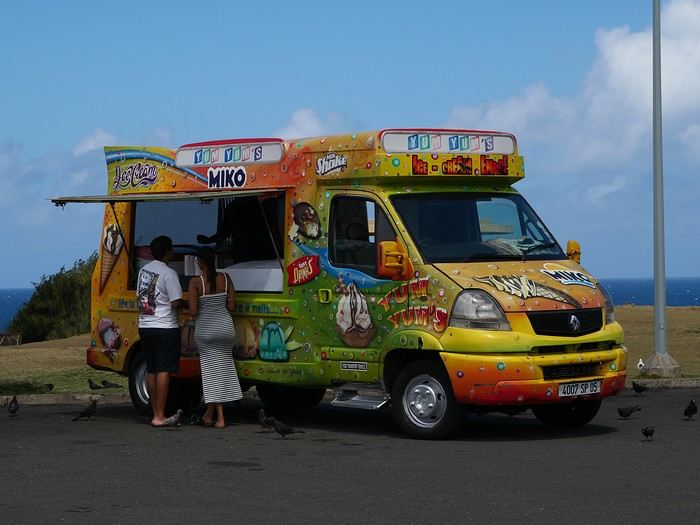
Mauritian Ti' Punch
The recipe for the cocktail: endless beaches, a dazzling palette of colors, some breathtaking hikes, and excellent cuisine...
For the tasting, follow along in the pages of this travel journal! 😉
Don’t forget your hiking shoes, a swimsuit, sunscreen, but also a sweater, your driver’s license, and your credit card...
Just over 11 hours of flight, and we’ll be setting foot on Mauritian soil!
For the tasting, follow along in the pages of this travel journal! 😉
Don’t forget your hiking shoes, a swimsuit, sunscreen, but also a sweater, your driver’s license, and your credit card...
Just over 11 hours of flight, and we’ll be setting foot on Mauritian soil!
Hitchhiking in the 70s-80s
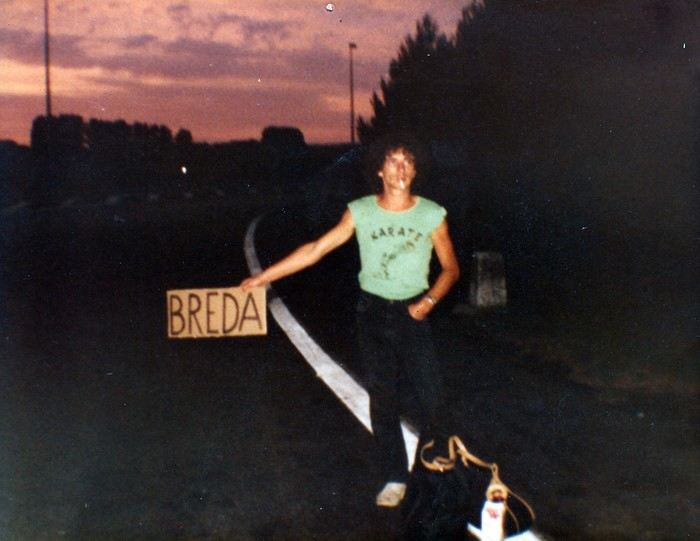
“Hey, your Marker... - My Marker? - The one you used to make hitchhiking signs.”
The marker in question is sitting proudly on the kitchen table. Marielle found it at the bottom of a moving box.
I’ve been meaning to tell the long story of my love affair with hitchhiking for years. Here we go.
To be honest, I’m not quite sure when it started. My earliest memory goes back to a fair with a bike race in my maternal grandparents’ village. I was with my cousin, my little sister, and three girl cousins. There were six of us, ages ranging from six or seven to thirteen or fourteen. Our parents stayed at the fair, and we’d had enough. So we decided to walk home. Only it was four kilometers away. So we hitchhiked. A guy driving an old car picked us all up and dropped us off at the farm. He probably found it amusing to see us thumbing a ride by the side of the road, but maybe it also worried him a bit. With everything you read in the papers...
Around fifteen or sixteen, I started hitchhiking regularly, alone or with a friend, to go to the nearby town. But it was especially when I started boarding school in Orléans that it became more regular. The first year, I’d leave Monday morning and come back Saturday noon by bus. It was an old, uncomfortable bus where we froze in winter. To make matters worse, I often got motion sickness if, as was too often the case, I ended up sitting in the back. In the spring, a high school friend suggested I hitchhike back. It meant a slight detour, but the advantage was taking only national roads.
So that’s how, from the end of tenth grade to twelfth grade, I’d thumb a ride every Saturday on the Pont de Bourgogne. Drivers were used to seeing young people hitchhiking, and it worked pretty well. Our biggest fear? Soldiers! At that time, military service was still mandatory, and on weekends, it wasn’t rare to see them competing with us. They’d keep their uniforms on to go home. That gave people confidence—with everything you read in the papers—and they’d rarely wait more than five minutes. We, with our long hair, were definitely less popular. From time to time, three big red-faced guys in a van coming back from a construction site would flip us off, yelling things like “go get a haircut, you bums!” Those were the good old days.
We still had a good laugh, though. Patrice, the friend I’d hitchhike back from school with on Saturdays, is a musician—I’d later discover he’s an excellent composer. A die-hard Beatles fan, he knows their repertoire by heart and spends his time singing at the top of his lungs while we thumb a ride. One Saturday late morning, we’d been waiting for a while at the exit of Châteauneuf-sur-Loire when a little lady came up to him and asked if he could please sing a little quieter: a baby was sleeping in the house. He put on the most sorry face: “Oh, sorry ma’am, we didn’t realize.” No sooner had the lady gone back inside than he started again. Luckily, a car stopped just then, sparing me the embarrassment of seeing the lady come back out.
Saturday was also the day when the cigarette pack was dangerously low. So before leaving, we’d go buy some “Parisiennes,” the “P4s” as we called them back then. They were slightly thinner cigarettes with a mix of tobacco scraps. Sometimes they tasted like light tobacco, sometimes like dark. Not great, but by the end of the week, our pocket money was gone. They were sold in small packs of four, hence the name P4. We’d only pay 20 centimes. On Saturdays, it was rare for the two of us to manage to scrape together 1.50 F to buy a whole pack of Gauloises...
The last twenty kilometers, I’d usually do alone, Patrice having reached his destination. From time to time, luck would smile on me: an acquaintance would just happen to pass by and stop. One January Saturday, at the exit of Gien, I ran into another guy from Argenton whom I knew a little. That day, the weather was nice, but the temperature was well below zero. It was around noon, and it was the off-peak hour. We were shivering, stamping our feet by the side of the road, when a Citroën “Tube” arrived: it was his father’s boss’s, a mason. They were both sitting in the front, but since they were obese, they had us climb onto the open back. Even though we huddled against the cab to shelter from the wind, the twenty kilometers felt very long, especially since we were only going sixty kilometers an hour. Our hands and cheeks were blue when we finally arrived.
The year I took my baccalaureate, a friend with a 2CV would take me Monday mornings with one or two others we’d pick up in nearby villages. We’d share the gas costs, but it was still cheaper than the bus. And in winter, the bus was my nightmare. You had to get up at five to catch it at six. Not enough sleep, and outside it was freezing or raining—or both. The 2CV was luxury. Plus, Philippe would pick me up at home. On the other hand, since I didn’t have class Saturday mornings—well, I did, but we only had PE the first two hours and nothing after—I’d skip class and slip out right after breakfast to thumb a ride at the Pont de Bourgogne.
Those three high school years were formative in this optional subject that was hitchhiking. Little by little, I learned the rules of the game. First, you shouldn’t walk along the road while thumbing. Cars go too fast and can’t stop easily. Accepting a ride that’s too short is also a no-go. The guy who offers to take you a little way but drops you off at some vague crossroads in the middle of nowhere? No thanks. You need to get dropped off in a town. If it’s a fairly big city, you often have to cross it from one end to the other, but it’s better. At the exit, you have to choose your spot well. Actually, you have to put yourself in the driver’s shoes: they need to see you early enough, not be going too fast, and be able to stop easily without risking an accident. So when leaving a city, it’s better not to go too far. It’s wiser to find a spot where cars go slowly and can stop easily. And preferably near a café. The café is for when you still have a few coins for a coffee and need to warm up. From time to time, you’d run into someone nice who’d make a detour to drop you off at a better spot to start again. Finally, if possible, avoid hitchhiking on Sundays. Cars are packed with whole families who, most of the time, aren’t going far. And then there’s the little worry of those people who rarely leave home: with everything you read in the papers...
During those high school years, it was only short trips, rarely exceeding a hundred kilometers. Later, I aimed bigger, and things were a bit different. In 1973-74, I crossed part of France for the first time on two or three occasions, coming back from the German border or returning to Bordeaux, where we lived briefly. Since there weren’t many highways back then, we took national roads. It was during these trips that I realized it was better to leave in the evening. As I said earlier, Sunday is to be avoided, but on weekdays, there’s another problem: if you leave in the morning, you only make short hops. First, it often takes longer to get going because drivers are people going to work nearby. Which brings us back to those who drop you off in a bad spot, far from everything. There, you have to know how to refuse. You thank the driver for stopping—oh, if only everyone could be like you—while explaining why you’d rather stay put. People don’t take offense, by the way. Those who pick up hitchhikers often hitchhiked themselves when they were in the military or before they had a car. In the late afternoon, you’d often run into salespeople or truckers, in other words, people who drive a lot. At that time, salespeople no longer had appointments and were more relaxed. They wanted to talk about something other than the merits of their products. On the radio, it was time for *Les Grosses Têtes*. You’d also quite often run into small business owners, professionals, or even hippies. The conversations were pleasant and often enriching. A little later in the evening, truckers would take over. They’d already driven a few hundred kilometers, and the depot or customs was still far away. So they’d gladly take a hitchhiker to stay awake at the wheel and chat. The radio with Max Ménier’s show *Les routiers sont sympas*, you’d eventually get tired of it. So a hitchhiker was a change. Others, who’d hit the road at midnight to be at their destination by morning, were nice and offered to let you lie down on the bunk while they drove. When you’d been hitchhiking since six in the evening, freezing in the wind between two vehicles, you weren’t unhappy to take a little nap.
Speaking of Max Ménier, he’d often make announcements for hitchhikers. One evening, I called him. It was getting late, and I still had quite a way to go. No luck: the show had ended for good the day before!
In short, it’s better not to rush, sleep in, and leave after lunch, or better yet, in the late afternoon. Obviously, I’m talking about when you have several hundred kilometers to cover. That’s when you have to play it pro.
First thing, especially at night, but it also applies in the middle of summer when the light is blinding: dress to be seen from far away. I’ll admit I have an advantage over most other hitchhikers: I’m small and don’t scare people. To balance that out, racist drivers often take me for an Arab and are less likely to pick me up, but overall, the balance tips in my favor. Back to the need to be seen: at night, I wear light-colored clothes. In headlights, you can see me from far away.
Second thing: travel light. Forget the big backpack with a frame. Drivers don’t always have room in the trunk or on the back seat, especially if it’s rained and the ground is wet. Plus, it forces them to get out of the car. If they’re nice enough to pick up a hitchhiker, you shouldn’t ask for too much either.
Third thing: bring a cardboard sign and a big marker—like the ones in the photo at the start of this post—to write the name of your destination. In the early 80s, I ran a tourist house in the Cher, but I lived in the Netherlands. In the off-season, it was only open on weekends. On Fridays, I’d leave Holland and return on Mondays. 1200 km round trip. On the way there, in Paris, I’d stand at Porte de la Chapelle. At that spot, the road is very wide, and drivers could stop easily. Obviously, on the sign, I didn’t write Eindhoven, which not everyone knows, and even less Amsterdam because of its seedy reputation. In that case, you’d expect to see a police car stop and two officers in kepis ask for your papers. So as a first destination, I’d write Compiègne. We were well out of Paris, and since it wasn’t too far, a trucker or salesperson was less reluctant to stop. Once past Compiègne, I’d take out my Lille sign. Once in Belgium, it wasn’t really necessary to use a sign anymore, since everyone was going in the same direction. Usually, the guy who picked me up at Porte de la Chapelle would say he wasn’t going far but could take me a little way. Before that, I’d still ask if there was a gas station on the highway where he could drop me off before exiting. While talking, the guy would realize he wasn’t dealing with a dangerous criminal. He’d pretend to check his watch, think for a moment, then say that actually, he was going to Belgium and could take me to the border or a little beyond. To leave Paris on the way back, I’d take the train to Melun, where it was easier to hitchhike than at Porte d’Italie.
Over all those years, I think I was pretty lucky. Or maybe philosophical enough not to imagine a car would stop after a few minutes. An hour’s wait was average. Sure, I sometimes waited three, four, or five hours. Most often at odd hours and in terrible weather. When it doesn’t work, it doesn’t work. But there’s always a moment when things pick up. Sure, when you’re soaked in freezing rain in the early morning after a sleepless night, you’re less philosophical than when I’m writing these lines comfortably at my computer, but it still holds true.
Earlier, I mentioned clothing and the importance of being well-rested before leaving. When you’ve eaten well and just gotten out of the shower, shaved, you’re in a better mood. And somehow, drivers sense it. Or at least, that’s the impression I’ve always had. It’s better to look in shape than disgusted at standing there, half-heartedly thumbing a ride. In short, when I’d start to get fed up with waiting, I’d go into the first café I saw for a coffee. Coming back out, I’d be refreshed, and most of the time, a car would stop within minutes. I’ve often said that when I stood by the side of the road thumbing a ride, I felt a bit like a gambler in front of a slot machine. It was a matter of giving luck a chance. And well, it worked out pretty well.
Then, there are countries where hitchhiking works really well and others where it’s harder. In the 70s-80s, it worked best in Germany and England. In the late afternoon, it wasn’t rare to be invited for tea. Well, that was in England. Tea meant being offered room and board. In Germany, they’d offer you coffee. Once there, they’d first show you the guest room and point out the bathroom before sitting you down in front of a big plate of cold cuts. In the evening, they’d go out in town, and the next morning, they’d usually drop you off at a good spot for hitchhiking. On the other hand, in Mediterranean and Scandinavian countries, you’d better be patient. In Spain or Italy, it’s better to take the train, which was dirt cheap back then. However, if you’re a couple traveling light, it’s already easier in most countries.
In 1982, I went on a trip around Turkey with my girlfriend. We only had two small bags, which was plenty. It was November-December, and we wore our warm, bulky clothes. Leaving Eindhoven at nine in the morning, we arrived in Graz, near the Yugoslav border, at eleven at night. 1300 km in a day! In just four or five vehicles. One to the German border, about fifty kilometers from Eindhoven, the second to Hagen in the Ruhr, the third to Salzburg, and the last to Graz at the Yugoslav border. Record broken. During the night crossing of Yugoslavia, we ran into a trucker close to retirement who lent us the truck’s bunk. So we arrived fresh and rested near Skopje the next morning. We continued to Thessaloniki in northern Greece before taking the train to Istanbul. In Turkey, we traveled a good part of the country by hitchhiking too. With truckers in old, overloaded, slow trucks that climbed hills at fifteen kilometers an hour, but also in cars where five or six people were already crammed in. And every time, we were invited for tea. Once, we were even picked up by a big shot in his Mercedes with a chauffeur. Until then, the average speed was around fifty kilometers an hour. There, we were going two hundred. On a national road, not a nice European highway.
I’ve also hitchhiked in Nepal, from Lumbini, Buddha’s birthplace, to a village on the way to Pokhara. It must have been midday. No bus until the next day. I gave it a try. A small truck overloaded with rice sacks, with two or three young people already perched on top, stopped. I rode on the roof of the cab. At fifty kilometers an hour when it was going well, with a breathtaking view. Coming back from India, I also crossed part of Iran by hitchhiking, from Tehran to the Turkish border. I did this trip with an Austrian I met at the hotel who, like me, had to watch his pennies. We gave it a shot. There was almost no traffic, but to our great surprise, the first car that passed in the area would always stop. They’d just ask for a modest contribution for gas, and it cost next to nothing.
Sometimes, you get scared too. After leaving Turkey in early December 82, we spent about two weeks in the southern Peloponnese harvesting olives. A few days before Christmas, we hitchhiked back to Holland. A girl picked us up in her little Fiat 500. We were driving on a mountain road, and that morning there was a bit of black ice. After crossing a pass, we saw the old Ford Taunus ahead of us at fifty meters start to skid. The driver let out a “heeee!” while grabbing my knees. I reflexively grabbed the wheel. Finally, the Taunus got back on track. And we didn’t swerve. But those few seconds felt very long.
In January 77, while I’d been living in Germany for a few months, I decided to spend a few days in Italy. By hitchhiking, of course. I left in the early afternoon, and by ten at night, I wasn’t far from Frankfurt. I saw a big Mercedes stop. The four or five young people crammed inside were listening to Schlager at full volume. Beer cans littered the floor. They didn’t have a precise destination, and as long as they were going south, that was fine with me. They’d finished their military service that very day and had clearly already celebrated their discharge. The driver was going 160, zigzagging dangerously from one side of the highway to the other. I should have realized he wasn’t entirely sober either. Luckily, there was almost no traffic. Finally, I managed to get dropped off at a gas station just before Frankfurt, relieved. I hope their trip didn’t end tragically.
Another time, coming back from Holland with my wife, we were picked up early in the morning near Senlis by two guys from Lille. They were going to work near Tours and could drop us off at Porte d’Italie. Apparently, they were coworkers but barely knew each other. The driver offered us a beer—at six in the morning, sure!—before opening another can for himself. He was clearly having trouble staying in the right lane. We politely declined, the passenger too. Everyone was tense. Luckily, it was rush hour on the ring road, and we were going slowly. When we got out of the car, the passenger said goodbye with the look of a guy being offered the condemned man’s rum and cigarette.
Finally, there are the annoying remarks from drivers who are either gay when you’re alone or turned on by the sight of your girlfriend when you’re a couple. In those cases, I’d get in the back so the guy wouldn’t feel too confident. And if the conversation got a little too suggestive, we’d deflect until we got dropped off.
And luckily, there are the times, not so rare after all, when you run into really nice people who invite you to eat and sleep at their place and drive you to a good spot the next morning. In Germany and England, that was common. And then there are the big strokes of luck, like during our trip to Turkey when we crossed most of Germany in one car, or that other time when some Germans drove me from the exit of Geneva all the way to the Costa Brava.
Going back to “with everything you read in the papers” and its variant “with everything you see on TV”—and now on the internet—it’s always left me perplexed. Personally, I’ve never heard of hitchhikers assaulting drivers, even if it may have happened. On the other hand, what was most common were hitchhikers being assaulted, especially girls. Anyway, even armed, it seems a bit stupid to assault the driver—wouldn’t that risk causing an accident?
Finally, since that time, I’ve occasionally wanted to hitchhike somewhere far away in France. Most often, too busy with work, it never happened, but the nostalgia hasn’t completely disappeared.
* * *
Other Hitchhikers
And then one day, I... settled down to become a driver myself. Ten years had passed, and you saw fewer and fewer hitchhikers. Or maybe I saw fewer because I had a regular job and wasn’t traveling the same way. And then I understood a few things.
Several times, I was tempted to pick up a hitchhiker, but they didn’t meet the required conditions. They were walking along the road instead of staying at the exit of the previous town. Hard to stop without risking an accident. Or the guy looked really scruffy. Or he was sulking, if not both. Then you think of that famous “with everything you read in the papers.” Not that I was scared, but unfortunately, the few hitchhikers I did pick up later were rarely interesting.
A few years ago, we picked up a young guy at the exit of a small town in Sologne. Not an easy spot for hitchhiking. Bad luck, he was a pretentious little jerk. He was barely 20 or 25 and talked like a bitter old man. He was a waiter in a restaurant. According to him, it was lucky he was there, otherwise the boss would have closed up shop long ago. You’d think he had thirty or forty years of professional experience behind him. As we approached Blois, he started ranting about Arabs, blaming them for all evils. And he laid it on thick. That morning, we were going to a teenager’s funeral who had just committed suicide, so he really got on our nerves, Mr. Know-It-All. Out of anger, I dropped him off next to a shopping center a few kilometers from downtown. Not nice, but it felt good.
Some time ago, we were driving around the Limousin on a Sunday to try out the used Twingo we’d just bought. We picked up a guy in his forties. A German who spoke French well. He started talking about the environment. He was a green Khmer. He got worked up all by himself with his pseudo-eco rant and, after a few kilometers, was almost yelling at us. As we were about to leave the main road for a small one, I dropped him off at a crossroads in the middle of nowhere. Normally, I would have made a little detour to take him to a better spot, but this time, I didn’t feel like doing the... eco-warrior a favor.
On the other hand, I’ve still done my good deed a few times. One June morning, coming back from Orléans, I saw a man in his sixties hitchhiking. The poor guy had had a rough time. He was from Montpellier and was coming back from Caen, where he’d been promised a job. Once there, they bluntly told him the position was already taken, and he had to go back. Except he didn’t have enough money left for the train. He’d spent the night hitchhiking without success. I could only take him as far as Lamotte-Beuvron, where I dropped him off near the fire station. Apparently, there was some vague shelter there or something, but it only opened a few hours later. In the meantime, he settled on the grass in a corner to sleep a little. While he was doing that, I quickly went to the train station to check the price of a ticket to Montpellier. It was within my means. Since he was sound asleep, I slipped the train ticket and 100 francs into his pocket. I couldn’t imagine him continuing to hitchhike all the way to Montpellier. And I bet he didn’t even have a piece of cardboard and a marker!
When we go to Brazil, we usually rent a small car. One day, we were coming back from Paracuru to Fortaleza when we saw a whole family hitchhiking. Two adults and two or three small children. Here near the equator, the sun sets very quickly, and it would soon be night. There was little traffic, and trucks wouldn’t stop because there was no room in the cab. As for the rich people driving big 4x4s, they wouldn’t stoop to picking up the lower classes. The only hope for this kind of family was usually a farmer or artisan who’d let them ride in the back of his pickup. Obviously, they were a bit surprised to see us. Everyone crammed in as best they could in the back of our little car. When we dropped them off, we got a whole string of “Deus lhes abençõe”—God bless you.
Still in Brazil, we were on the road from Barreirinhas to São Luís do Maranhão. About 150 km of deserted road with an isolated mud house here and there. A young woman flagged us down. She was very pregnant and had to get to the clinic twenty or thirty kilometers away to give birth. Someone was supposed to drive her, but the first signs of labor started earlier than expected, and the driver was unavailable. Even driving fast, we weren’t feeling great: it would be just our luck if she gave birth in the car!
Today, we’re in the age of smartphones and carpooling apps. Safety. With everything you see on TV... Three or four years ago, we signed up on a platform. Our first, and only, “client” was a little jerk who didn’t say a word the whole trip. No hello, no goodbye, and certainly no thank you. The next day, we found his Ray-Bans in the car. We didn’t run after him to give them back. Ha!
Do travel encounters matter to you?
Hi there,
My name’s Emilie, and my view of travel has changed. I used to travel just to tick off the "places and things to do/see" boxes. But lately, I’ve realized that encounters have become really important to me while traveling. In fact, the people I’ve met and what they’ve brought to my life are now my best travel memories. What do you think? Have you had a similar shift in perspective? Are you more interested in meeting people while traveling now?
To be totally honest, I’m training to become a travel planner (a trip organizer), and I was thinking of focusing on organizing trips that are more centered around encounters. So I’d love to know if this makes sense—if travelers are interested in this kind of experience. Just to be clear, I’m not selling anything; I just want to chat and hear your thoughts.
Have a lovely evening, everyone! :)
My name’s Emilie, and my view of travel has changed. I used to travel just to tick off the "places and things to do/see" boxes. But lately, I’ve realized that encounters have become really important to me while traveling. In fact, the people I’ve met and what they’ve brought to my life are now my best travel memories. What do you think? Have you had a similar shift in perspective? Are you more interested in meeting people while traveling now?
To be totally honest, I’m training to become a travel planner (a trip organizer), and I was thinking of focusing on organizing trips that are more centered around encounters. So I’d love to know if this makes sense—if travelers are interested in this kind of experience. Just to be clear, I’m not selling anything; I just want to chat and hear your thoughts.
Have a lovely evening, everyone! :)
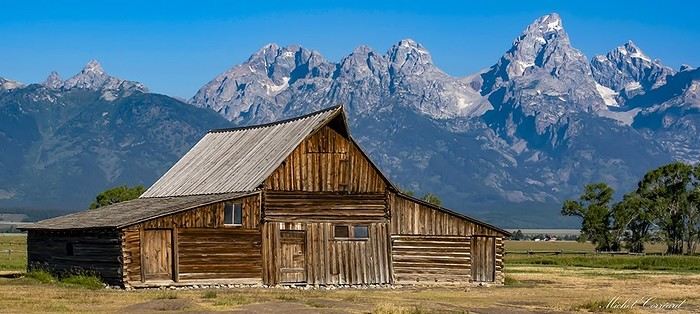
Grand Teton National Park
Every day, I look back at my 2022 trip to Wyoming. And every day, I tell myself I need to start getting ready to go back. Don’t agree? 😎