Results for "Ramon+|+5+>+161"
6352 results found.
What about crossing the Lofoten Islands on foot?
While planning a trip to the LOFOTEN for summer 2023 using the excellent guide *Hiking in the Lofoten*, we discovered this trek.
Sure, it’s rated as difficult, but it lets you cross the LOFOTEN on foot from north to south in 11 stages, covering 160 km and 9,193 m of elevation gain (or the reverse, of course).
So, it’s a multi-day hike, with wild camping, and no need to rent a car. Perfect...
What’s making us hesitate a bit are the island transfers (okay, I’ll admit, the difficulty is also a factor for me). These transfers require taking public transport and/or hitchhiking. But the stages are designed with this in mind, and the transfers are well explained. Plus, water isn’t an issue, and you can resupply several times, which helps keep the pack weight down.
For Jean Marie, my partner, this will be his first multi-day trek, but he’s an experienced and hardy hiker. As for me, even though I’m not as tough, I’ve already done some multi-day hikes. So, we should complement each other well.
So, are we going for it? Sold!!
Here’s the trek map: HERE
03/08 – Day 1 - Delp – Sandsletta 04/08 - Day 2 – Sandsletta – Svolvaer 05/08 - Day 3 – Svolvaer – Kleppstad + transfer to the start of Day 4 06/08 – Day 4 – Vikjorda hamlet – Store Lake 07/08 – Day 5 – Store Lake – Leknes - Transfer to Napp on Flakstadøya Island 08/08 – Day 6 – Napp – Nusfjord 09/08 – Day 7 – Nusfjord – Ramberg 10/08 – Day 8 – Ramberg – Selfjord Bay (Moskenesøya Island) 11/08 – Day 9 - Selfjord – Bunes Beach 12/08 – Day 10 - Bunes Beach - Krokvatnet Lake 13/08 – Day 11 - Krokvatnet Lake – Moskenes (campsite) and round trip to Å by bus 14/08 – Day 12 – Hike up Reinebringen – Reine – Tour of Agvatnet Lake 15/08 – Return to Bodø - flight back to France on 16/08 And here’s the inevitable recap
Sure, it’s rated as difficult, but it lets you cross the LOFOTEN on foot from north to south in 11 stages, covering 160 km and 9,193 m of elevation gain (or the reverse, of course).
So, it’s a multi-day hike, with wild camping, and no need to rent a car. Perfect...
What’s making us hesitate a bit are the island transfers (okay, I’ll admit, the difficulty is also a factor for me). These transfers require taking public transport and/or hitchhiking. But the stages are designed with this in mind, and the transfers are well explained. Plus, water isn’t an issue, and you can resupply several times, which helps keep the pack weight down.
For Jean Marie, my partner, this will be his first multi-day trek, but he’s an experienced and hardy hiker. As for me, even though I’m not as tough, I’ve already done some multi-day hikes. So, we should complement each other well.
So, are we going for it? Sold!!
Here’s the trek map: HERE
03/08 – Day 1 - Delp – Sandsletta 04/08 - Day 2 – Sandsletta – Svolvaer 05/08 - Day 3 – Svolvaer – Kleppstad + transfer to the start of Day 4 06/08 – Day 4 – Vikjorda hamlet – Store Lake 07/08 – Day 5 – Store Lake – Leknes - Transfer to Napp on Flakstadøya Island 08/08 – Day 6 – Napp – Nusfjord 09/08 – Day 7 – Nusfjord – Ramberg 10/08 – Day 8 – Ramberg – Selfjord Bay (Moskenesøya Island) 11/08 – Day 9 - Selfjord – Bunes Beach 12/08 – Day 10 - Bunes Beach - Krokvatnet Lake 13/08 – Day 11 - Krokvatnet Lake – Moskenes (campsite) and round trip to Å by bus 14/08 – Day 12 – Hike up Reinebringen – Reine – Tour of Agvatnet Lake 15/08 – Return to Bodø - flight back to France on 16/08 And here’s the inevitable recap
Tips for solo travel in Senegal
Hi everyone,
I’m 66 and just discovered solo travel in Uzbekistan—I loved it! So I’ve decided to explore Africa, starting with Senegal. I’m just beginning my research, but if anyone can give me advice on which month to go, what to see, and whether this destination is safe—or maybe suggest another African country—I’d really appreciate your tips!
Off on an adventure to Java (and a bit of Bali)
Hey there, community! Back this weekend, below is my travel journal from my adventure in Indonesia. Enjoy the read!!!
Day 1 - August 10, 2025 New life downloading for three weeks! And for that, Flo and I launched a public tender... A public tender? What’s that got to do with a travel journal???... Well, when you think about it, few destinations tick all the boxes for an August adventure: Meaning, finding a place that’s exotic in the middle of August, not too expensive, not too packed with tourists, warm but not *too* warm, with postcard-perfect landscapes, dreamy beaches, tasty cuisine with a hint of exoticism, friendly and welcoming locals, where you’re free to sleep under the stars among the mosquitos, take transport surrounded by chickens, and even eat from a pig trough if you feel like it—well, turns out it’s not that easy to find! I’d even say, given how thick the list of requirements is, there’s a big risk the tender could be declared unsuccessful for failing to meet just one criterion. Let’s just say the candidates better submit a rock-solid proposal!
After reviewing all the responses and presentations from the candidates, the obvious choice for us is... Indonesia! Except that trying to explore a country as vast as Indonesia and its 17,504 islands in less than five years is a bit like reading the summary of a Proust novel without taking the time to savor each of its 950 pages! Don’t worry, I won’t name them all here. Besides, do they even all have names? No! Only 7,870 have been named—their parents clearly ran out of ideas for the rest. Anyway, our society, which worships the "work more to earn more" mantra, unfortunately limits our adventure time. So we’ll only get to see a small part of Indonesia, and we’ll have to make a tough choice to head for the best of the best in this archipelago of over seventeen thousand islands. Each one has its own selling points: Sumatra, Sulawesi, Java, the Celebes, Bali, Borneo, Papua, Timor, the Moluccas... So many names that smell of adventure... Another tender, another list of requirements, another review of proposals... Drumroll... Splash splash... And the lucky winner is... Ta-da... Java, Bali’s big sister, where I’ve already been eight years ago... Java the programming language. The Java of Broadway. We’re gonna *do* the Java. Java the coffee. And yes, Java is also an island!
This island, four times smaller than France, is home to 136 million people, making it the most populated island in the world! Fun fact: Indonesia, with its 260 million inhabitants, is just shy of the podium for the world’s most populated countries, after the winning trio of India, China, and the United States. And it’s on this island of Java that you’ll find Jakarta, the (soon-to-be-former) capital and main airport of the country, where we’ll soon land after our nineteen-hour flight! Yep, nineteen hours! I mean, Indonesia in general—and Java in particular—is a *tad* farther than going on vacation to Grandma Yoyo’s! Not sure where it is? Easy. Grab a map. Plant your finger on the big island at the bottom right—aka Australia for those who struggle with geography—move it up two centimeters, and bam, welcome to Indonesia!
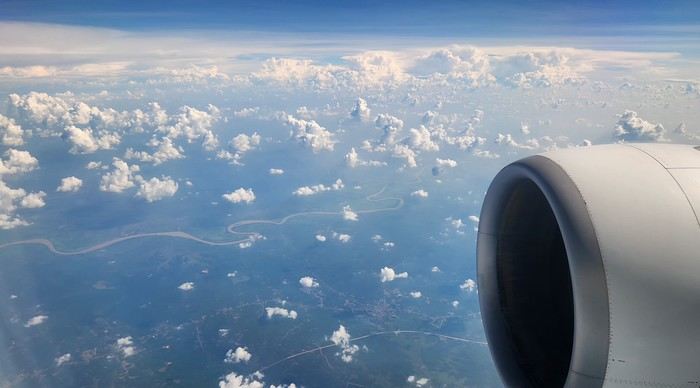
Nice transition, right? Because "Welcome to Indonesia" is exactly what the friendly flight attendant just said to me as we got off the plane! That’s it, our chakras are open, we’ve arrived at our (air)port. Time for rest, pool, cocktails, and a beach with our toes spread out... Wait, if you bought that, you clearly don’t know us yet! Since we still have energy to burn and need to adjust to the flight and time difference, we tackle the long administrative formalities to enter Indonesia, just to earn the right to hop in a 45-minute Grab taxi to the train station. The train station? What train station?... What do you usually do at a train station? Take a train, of course! Off we go for a three-hour train ride to Bandung, where we’ll officially start our adventure tomorrow after our first Indonesian night...
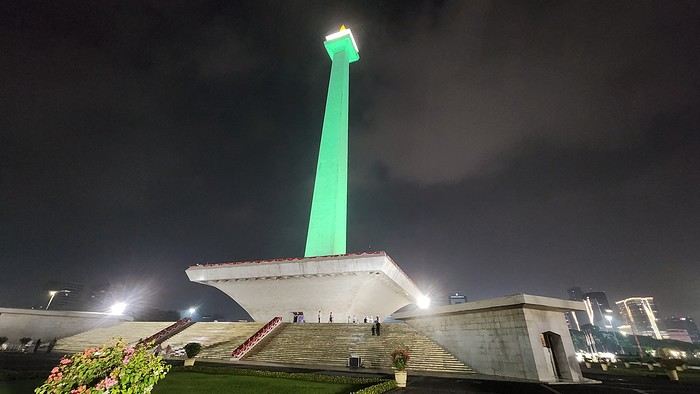
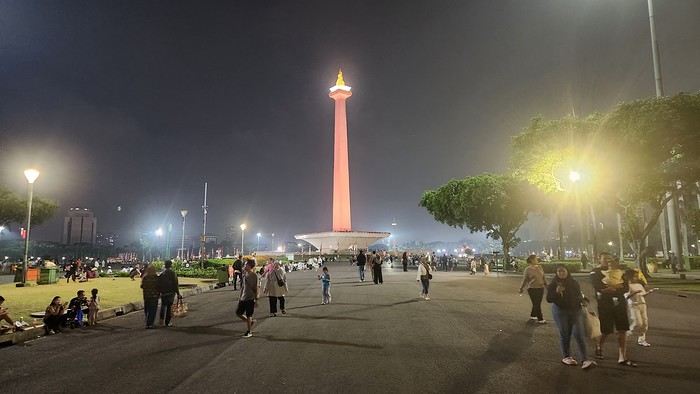
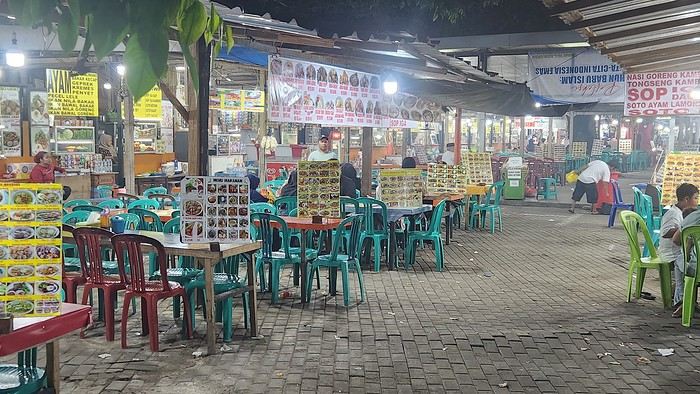
Unfortunately, we were a bit slow off the mark, which meant we missed the 6:25 PM train by two minutes. Oh well, we’ll have to wait until 11 PM. We take the opportunity to stretch our legs in Jakarta, soak up the atmosphere, and enjoy the delicious smells wafting from the *warungs*—those little typical street restaurants. A quick stop at the National Monument, a detour to a night market to devour our first *kwetiaw goreng* and *teh manis* for 60,000 rupiahs (that’s 3 € for two), and just like that, our penalty is lifted, and we’re allowed to hit the road again. Off to Bandung, where we arrive at 2 AM for... a *very* short night...
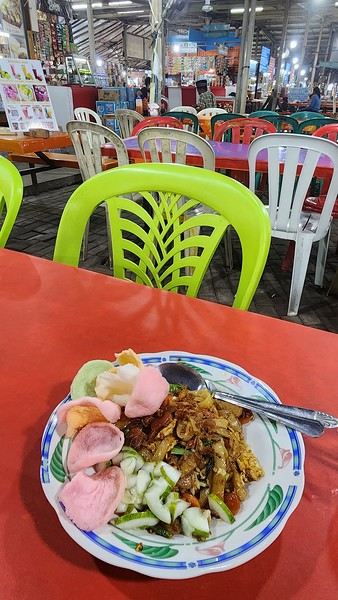
Day 1 - August 10, 2025 New life downloading for three weeks! And for that, Flo and I launched a public tender... A public tender? What’s that got to do with a travel journal???... Well, when you think about it, few destinations tick all the boxes for an August adventure: Meaning, finding a place that’s exotic in the middle of August, not too expensive, not too packed with tourists, warm but not *too* warm, with postcard-perfect landscapes, dreamy beaches, tasty cuisine with a hint of exoticism, friendly and welcoming locals, where you’re free to sleep under the stars among the mosquitos, take transport surrounded by chickens, and even eat from a pig trough if you feel like it—well, turns out it’s not that easy to find! I’d even say, given how thick the list of requirements is, there’s a big risk the tender could be declared unsuccessful for failing to meet just one criterion. Let’s just say the candidates better submit a rock-solid proposal!
After reviewing all the responses and presentations from the candidates, the obvious choice for us is... Indonesia! Except that trying to explore a country as vast as Indonesia and its 17,504 islands in less than five years is a bit like reading the summary of a Proust novel without taking the time to savor each of its 950 pages! Don’t worry, I won’t name them all here. Besides, do they even all have names? No! Only 7,870 have been named—their parents clearly ran out of ideas for the rest. Anyway, our society, which worships the "work more to earn more" mantra, unfortunately limits our adventure time. So we’ll only get to see a small part of Indonesia, and we’ll have to make a tough choice to head for the best of the best in this archipelago of over seventeen thousand islands. Each one has its own selling points: Sumatra, Sulawesi, Java, the Celebes, Bali, Borneo, Papua, Timor, the Moluccas... So many names that smell of adventure... Another tender, another list of requirements, another review of proposals... Drumroll... Splash splash... And the lucky winner is... Ta-da... Java, Bali’s big sister, where I’ve already been eight years ago... Java the programming language. The Java of Broadway. We’re gonna *do* the Java. Java the coffee. And yes, Java is also an island!
This island, four times smaller than France, is home to 136 million people, making it the most populated island in the world! Fun fact: Indonesia, with its 260 million inhabitants, is just shy of the podium for the world’s most populated countries, after the winning trio of India, China, and the United States. And it’s on this island of Java that you’ll find Jakarta, the (soon-to-be-former) capital and main airport of the country, where we’ll soon land after our nineteen-hour flight! Yep, nineteen hours! I mean, Indonesia in general—and Java in particular—is a *tad* farther than going on vacation to Grandma Yoyo’s! Not sure where it is? Easy. Grab a map. Plant your finger on the big island at the bottom right—aka Australia for those who struggle with geography—move it up two centimeters, and bam, welcome to Indonesia!
Nice transition, right? Because "Welcome to Indonesia" is exactly what the friendly flight attendant just said to me as we got off the plane! That’s it, our chakras are open, we’ve arrived at our (air)port. Time for rest, pool, cocktails, and a beach with our toes spread out... Wait, if you bought that, you clearly don’t know us yet! Since we still have energy to burn and need to adjust to the flight and time difference, we tackle the long administrative formalities to enter Indonesia, just to earn the right to hop in a 45-minute Grab taxi to the train station. The train station? What train station?... What do you usually do at a train station? Take a train, of course! Off we go for a three-hour train ride to Bandung, where we’ll officially start our adventure tomorrow after our first Indonesian night...
Unfortunately, we were a bit slow off the mark, which meant we missed the 6:25 PM train by two minutes. Oh well, we’ll have to wait until 11 PM. We take the opportunity to stretch our legs in Jakarta, soak up the atmosphere, and enjoy the delicious smells wafting from the *warungs*—those little typical street restaurants. A quick stop at the National Monument, a detour to a night market to devour our first *kwetiaw goreng* and *teh manis* for 60,000 rupiahs (that’s 3 € for two), and just like that, our penalty is lifted, and we’re allowed to hit the road again. Off to Bandung, where we arrive at 2 AM for... a *very* short night...
From Southern Shikoku, between land and sea, to the blue waters of Miyakojima and finally the Tokyo metropolis
From Southern Shikoku, between land and sea, to the blue waters of Miyakojima and finally Tokyo’s megacity
Hi everyone,
I have to admit, I really hesitated before deciding to write this travel journal... Writing one takes a lot of time and energy, and since this is my 4th trip, I wondered if it would actually interest anyone other than myself (both for the discovery and the writing). But after a few "Are you going to write a journal?" requests and especially the renewed pleasure from reading other travelers’ travel journals about Japan or elsewhere on this forum or elsewhere, I’ve decided to share this 4th installment in the Land of the Rising Sun here.
The itinerary: 27 full days, from late May to late June 2025, right in the middle of the rainy season, including:
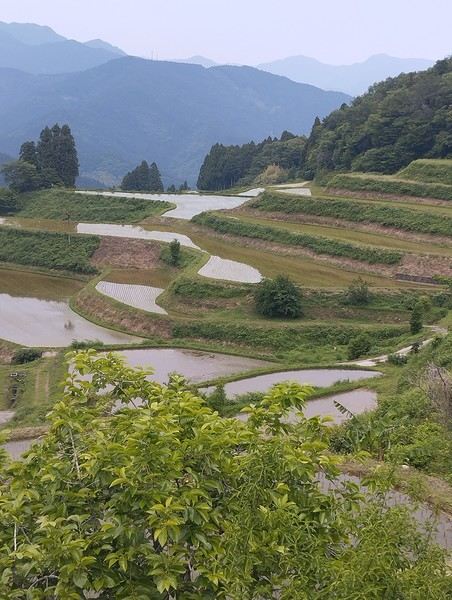
-->13 days in Shikoku, from Kochi (Kochi Prefecture) to Matsuyama (Ehime Prefecture)
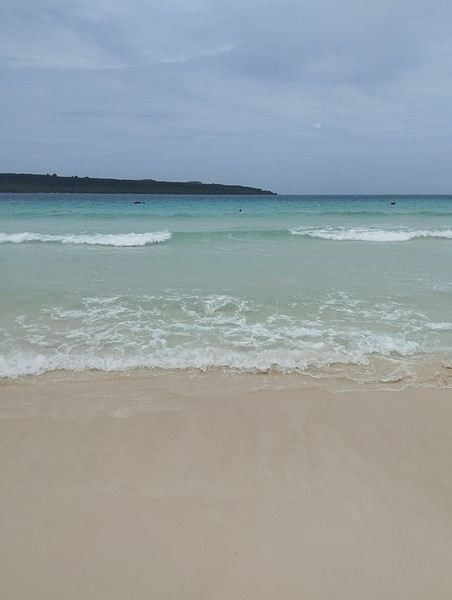
-->7 days in Miyakojima (Okinawa Prefecture)
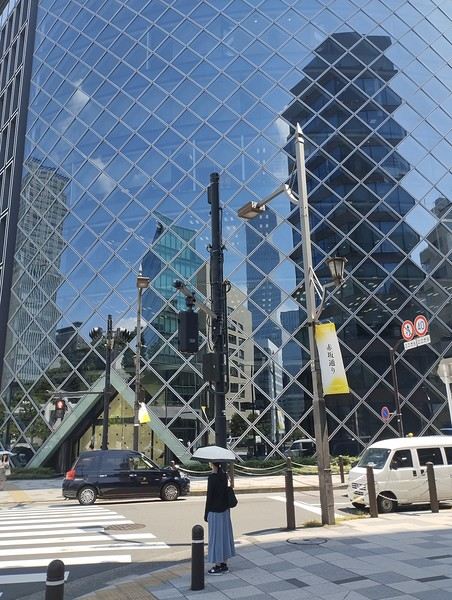
-->7 days in Tokyo
The trip was decided on fairly last-minute this year, as usual.
I regularly check flight prices to track fluctuations for this destination, even without concrete plans. Finding a slightly cheaper direct flight (900 €) than what I’d seen in previous months (around 1,200–1,400 € on average) for a Paris-Tokyo route with Japanese airline ANA was too tempting to resist the urge to return to this enchanting country. After long hesitations between exploring the San’in region (Matsue, Tottori, Yamaguchi) and southern Shikoku, the decision was made—I took the plunge! The tickets are booked: Paris to Kochi with a layover in Tokyo, all with ANA, the airline I’d been dreaming of... for 1,120 € per person. Okay, it’s not cheap, but it’s still better than in 2023.
We leave in 2 weeks!! Now it’s just a matter of getting everything ready!
Intense work ahead in these 2 weeks to:
finalize a more precise itinerary and reach an agreement—yep, because even though we both love Japan, our preferences differ slightly, and we have to choose between exploring new places or taking time to revisit beloved spots... decide how much time to spend in each selected area without rushing while still exploring research places that might interest us and watch videos about Japan book accommodations: yes, it’s possible to do this on the spot as we go, but last year, we noticed that last-minute options were pretty expensive, so we’re booking ahead—even if it means keeping a few options open while we decide or see if better deals pop up later reserve rental cars order yen check the weather regularly and wonder if choosing the *tsuyu* (rainy season) was really a good idea—and whether we’ll be stuck in non-stop rain???
What a tough job, right? Traveling to Japan for a month—such a hard life! Despite this being my 4th trip, the excitement is just as intense as the first time.
The only small downside is that when we booked the flight tickets, there were only a few seats left, so we’re only sitting together on the international return flight. Plus, on the outbound flight, we’ve got the middle seats. Another lingering question: what French-language films will be available? According to the internet, the selection seems limited. Oh well, these are just minor details—it’s almost time to fly!
PS: I’ll be posting slowly and irregularly... so for those interested, be patient or maybe set an alert...
Hi everyone,
I have to admit, I really hesitated before deciding to write this travel journal... Writing one takes a lot of time and energy, and since this is my 4th trip, I wondered if it would actually interest anyone other than myself (both for the discovery and the writing). But after a few "Are you going to write a journal?" requests and especially the renewed pleasure from reading other travelers’ travel journals about Japan or elsewhere on this forum or elsewhere, I’ve decided to share this 4th installment in the Land of the Rising Sun here.
The itinerary: 27 full days, from late May to late June 2025, right in the middle of the rainy season, including:
-->13 days in Shikoku, from Kochi (Kochi Prefecture) to Matsuyama (Ehime Prefecture)
-->7 days in Miyakojima (Okinawa Prefecture)
-->7 days in Tokyo
The trip was decided on fairly last-minute this year, as usual.
I regularly check flight prices to track fluctuations for this destination, even without concrete plans. Finding a slightly cheaper direct flight (900 €) than what I’d seen in previous months (around 1,200–1,400 € on average) for a Paris-Tokyo route with Japanese airline ANA was too tempting to resist the urge to return to this enchanting country. After long hesitations between exploring the San’in region (Matsue, Tottori, Yamaguchi) and southern Shikoku, the decision was made—I took the plunge! The tickets are booked: Paris to Kochi with a layover in Tokyo, all with ANA, the airline I’d been dreaming of... for 1,120 € per person. Okay, it’s not cheap, but it’s still better than in 2023.
We leave in 2 weeks!! Now it’s just a matter of getting everything ready!
Intense work ahead in these 2 weeks to:
finalize a more precise itinerary and reach an agreement—yep, because even though we both love Japan, our preferences differ slightly, and we have to choose between exploring new places or taking time to revisit beloved spots... decide how much time to spend in each selected area without rushing while still exploring research places that might interest us and watch videos about Japan book accommodations: yes, it’s possible to do this on the spot as we go, but last year, we noticed that last-minute options were pretty expensive, so we’re booking ahead—even if it means keeping a few options open while we decide or see if better deals pop up later reserve rental cars order yen check the weather regularly and wonder if choosing the *tsuyu* (rainy season) was really a good idea—and whether we’ll be stuck in non-stop rain???
What a tough job, right? Traveling to Japan for a month—such a hard life! Despite this being my 4th trip, the excitement is just as intense as the first time.
The only small downside is that when we booked the flight tickets, there were only a few seats left, so we’re only sitting together on the international return flight. Plus, on the outbound flight, we’ve got the middle seats. Another lingering question: what French-language films will be available? According to the internet, the selection seems limited. Oh well, these are just minor details—it’s almost time to fly!
PS: I’ll be posting slowly and irregularly... so for those interested, be patient or maybe set an alert...
Review of a Norway cruise on the Emerald Princess in June 2025 (1)
Hello everyone,
I’ve wanted to take this Norway cruise for a very long time. The first time I booked it was in July 2020 with Azamara. Unfortunately, it was canceled, as everyone remembers. When I tried to book it again, the prices (already a bit high with Azamara) had simply doubled. So, since then, I’ve been keeping an eye out every year for any opportunities...
The last time we sailed with Princess was eleven years ago, and things didn’t go very well. I came back pretty unhappy with their service and quite disappointed. Despite the $600 they gave me as credit for a future cruise, I’d never set foot on one of their ships again.
But this time, the opportunity arose—a fantastic itinerary with lots of stops, a reasonable price for 16 nights (I’ll share the details in the conclusion), and a ship that’s not too big, so to speak, with only 3,000 passengers. I’m not expecting much from the cruise line this time and am boarding the ship with low expectations beyond the itinerary.
Princess has introduced an app to download before the cruise. It’s essential because online check-in is no longer available, and the agency doesn’t send a travel journal. Everything is done through the app. After completing the check-in on the app, we only know that we’ll need to pick up our key, the Medallion, at embarkation by following the blue line in the terminal and presenting our passport.
Up until our departure, the weather forecast for the coming week in Norway is disastrous—rain, rain, and more rain. It was pretty much the same two years ago before our Iceland cruise, and in the end, the weather turned out fine.
If you’re ready to embark on the Emerald Princess to discover this beautiful cruise and the stunning landscapes of Norway, let’s go!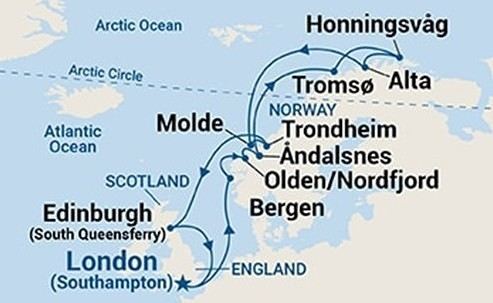
Southampton - Sea day - Bergen - Olden - Åndalsnes - Sea day - Tromsø - Honningsvåg (North Cape) - Alta - Sea day - Molde - Trondheim - Two sea days - Edinburgh - Sea day - Southampton
I’ve wanted to take this Norway cruise for a very long time. The first time I booked it was in July 2020 with Azamara. Unfortunately, it was canceled, as everyone remembers. When I tried to book it again, the prices (already a bit high with Azamara) had simply doubled. So, since then, I’ve been keeping an eye out every year for any opportunities...
The last time we sailed with Princess was eleven years ago, and things didn’t go very well. I came back pretty unhappy with their service and quite disappointed. Despite the $600 they gave me as credit for a future cruise, I’d never set foot on one of their ships again.
But this time, the opportunity arose—a fantastic itinerary with lots of stops, a reasonable price for 16 nights (I’ll share the details in the conclusion), and a ship that’s not too big, so to speak, with only 3,000 passengers. I’m not expecting much from the cruise line this time and am boarding the ship with low expectations beyond the itinerary.
Princess has introduced an app to download before the cruise. It’s essential because online check-in is no longer available, and the agency doesn’t send a travel journal. Everything is done through the app. After completing the check-in on the app, we only know that we’ll need to pick up our key, the Medallion, at embarkation by following the blue line in the terminal and presenting our passport.
Up until our departure, the weather forecast for the coming week in Norway is disastrous—rain, rain, and more rain. It was pretty much the same two years ago before our Iceland cruise, and in the end, the weather turned out fine.
If you’re ready to embark on the Emerald Princess to discover this beautiful cruise and the stunning landscapes of Norway, let’s go!
Southampton - Sea day - Bergen - Olden - Åndalsnes - Sea day - Tromsø - Honningsvåg (North Cape) - Alta - Sea day - Molde - Trondheim - Two sea days - Edinburgh - Sea day - Southampton
Kattegat Tour and Norway’s Majestic Fjords – 32 Days (Denmark, Sweden, Norway)
Kattegat isn’t just the name of the village in the TV series *Vikings*—it’s also the stretch of water separating Denmark from Sweden... the sea, basically! And further north, you’ve got Norway and its fjords!
Originally, I’d planned to just do a loop around Kattegat, with the *Under* restaurant in Lindesnes as our anniversary treat... but along the way, we thought, why not "push" a little further north, keeping an eye on the budget since we’d chosen to travel by car in June 2025 through Scandinavia.
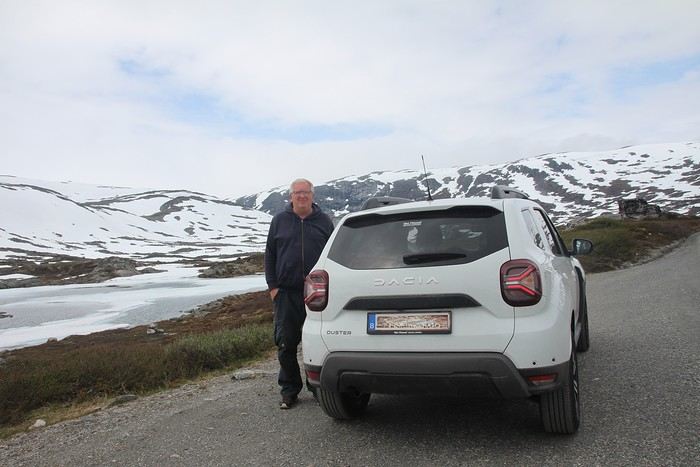
Why by car when most travelers opt for a camper van, while others prefer the comfort of cruises? Well, because we don’t own a camper van, renting one is pricey, and then you’ve got to add fuel costs (those things guzzle gas!), ferry fees, and other "tolls." All things considered, we went for mostly rentals—especially since there were four of us at the start of the trip. We spent the first week in Denmark with our daughter and son-in-law. Then they flew back to Belgium, and we continued our adventure as a couple. For accommodation, we mainly booked Airbnb apartments, which helped keep costs down and, most importantly, let us prepare our own meals (diet, diet!). In this travel journal, you’ll discover (or rediscover, for those who followed my older ones) our unbridled love for theme parks, museums, unique experiences, and—especially in Denmark—Legos! Unfortunately, we didn’t do any hikes this year because the unpredictable weather had made the trails slippery, and since I’d already taken three tumbles during the trip, I didn’t want to risk another! In the end, we traveled for 32 days, covered 6,200 km, and most importantly, discovered the charming country of Denmark, marveled at Norway’s breathtaking fjords—all without suffering the heatwave that hit France and Belgium that June! If you’ve got any questions, don’t hesitate to ask!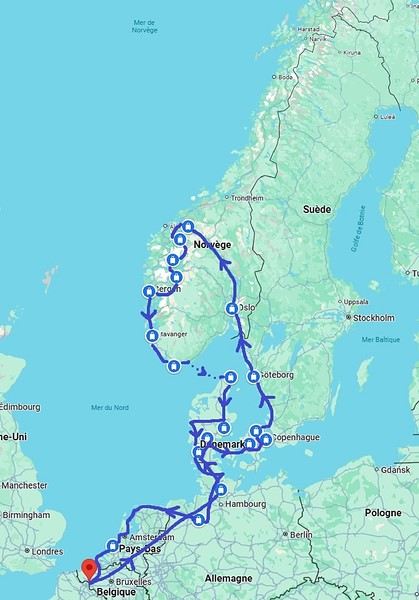
Why by car when most travelers opt for a camper van, while others prefer the comfort of cruises? Well, because we don’t own a camper van, renting one is pricey, and then you’ve got to add fuel costs (those things guzzle gas!), ferry fees, and other "tolls." All things considered, we went for mostly rentals—especially since there were four of us at the start of the trip. We spent the first week in Denmark with our daughter and son-in-law. Then they flew back to Belgium, and we continued our adventure as a couple. For accommodation, we mainly booked Airbnb apartments, which helped keep costs down and, most importantly, let us prepare our own meals (diet, diet!). In this travel journal, you’ll discover (or rediscover, for those who followed my older ones) our unbridled love for theme parks, museums, unique experiences, and—especially in Denmark—Legos! Unfortunately, we didn’t do any hikes this year because the unpredictable weather had made the trails slippery, and since I’d already taken three tumbles during the trip, I didn’t want to risk another! In the end, we traveled for 32 days, covered 6,200 km, and most importantly, discovered the charming country of Denmark, marveled at Norway’s breathtaking fjords—all without suffering the heatwave that hit France and Belgium that June! If you’ve got any questions, don’t hesitate to ask!
From Yosemite to the Canadian Rockies: Questions for Our Road Trip
Hi everyone!
Let me introduce us quickly—I’m Matteo (21, originally from Paris, but I’ve been living near the Pyrenees and the Alps for the past 3 years), and my girlfriend Justine (21, grew up in the Alps). We’re starting to get really fed up with being cooped up and sitting in chairs (yep, we’re studying physics and geography at the École Normale Supérieure in Lyon). So, we’re taking a gap year to make a slightly crazy project happen: hitting the road, meeting people, and most importantly—climbing, skiing, and exploring the mountains!
We’ve always been into the mountains: •🧗♂️ 6c-7a/b sport climbing, 6b trad •❄️ Skiing and ice climbing (grade 4/5) •🏔️ Alpine climbing in the Alps (Chamonix, Écrins…) and the Pyrenees—I’m training to become a High Mountain Guide
Our project in a nutshell: •Buying a van (or 4x4) converted in British Columbia around September/October 2025. Ideally, we’d go straight to the US to buy the vehicle there (but reselling might be easier if we buy in Canada). •Heading down to the US to climb at legendary spots like Yosemite, Tuolumne (if it’s too hot), Indian Creek, Moab, and Joshua Tree. •Heading back up to the Canadian Rockies around December for skiing, ice climbing, and winter alpine climbing (might be easier to buy skis there). •Selling the vehicle in Canada at the end of the trip (we need to be back in France by early March 2026 because Justine is preparing for the AMM). I’ve already been to the Rockies, but I want to go back in winter for ice climbing. It’ll probably be too cold to sleep in the van, so we’re hoping to find a small cabin, lodge, or chalet (ideally alone or shared to cut costs). Otherwise, we could work for a month or two at a hostel or something to get free accommodation and earn money to rent a place another month just for climbing. •Visa-wise: we’re hoping to get our Working Holiday Visa (WHV) (still waiting for a response) so we can work there during the trip. For the US, we’ll stay as tourists (no work visa—too complicated and expensive). Any feedback on the WHV or differences from a regular work visa would be great. •With our savings (we’re working in mountain huts this summer), we should be able to buy the van. For daily expenses, I’m hoping to tutor online (math and physics). We live pretty simply and resourcefully: we plan to sleep mostly in the van, cook for ourselves, wash in rivers, and make the most of free nature spots. We’re super motivated, pretty well-rounded when it comes to mountain sports, and we’re not afraid to live simply for a year (we’ve got other projects too: biking to Greece with our climbing gear, a trip to Patagonia for alpine climbing).
Questions and advice: Of course, a road trip like this raises a lot of practical questions. This is our first time embarking on an adventure of this scale, so we’d love to hear your experiences and tips. If any of you have done a long van trip in North America or a WHV in Canada, your insights would be incredibly helpful! Here are some of the questions we’ve got: How do we buy (and later sell) a converted van in British Columbia? We’ll probably land in Vancouver. Is it better to look for a vehicle on online classifieds, Facebook groups, or used car dealerships? Are there any pitfalls to avoid when buying? And for selling it a year later, any tips to make it go smoothly (best time to sell, paperwork, etc.)? What budget should we plan for van life in North America and Canada? If you’ve got any info or feedback on the cost of living in a van in Canada/the US, we’d love to hear it. We’re thinking about expenses like gas (a big one, I imagine!), van maintenance, car insurance, possible tolls, campgrounds or paid spots, etc. We’d like to get an idea of a daily or monthly budget so we’re not too tight. In France, we never stay at campgrounds—we prefer being alone or going where we want. Is that possible in the US and Canada? Any tips for saving money (free camping spots, useful apps…) would be great! Visas, borders, and paperwork: We’re hoping to get a WHV for Canada, but in the US, we’ll be on a tourist visa (90 days max with ESTA, I think). Has anyone combined a WHV in Canada with a trip to the US on the same trip? Anything we should know about crossing the border in a van (insurance, customs, how long we’re allowed in the US, etc.)? We want to avoid any administrative hassles, so any advice on this would be super helpful. Route and seasonality for climbing and skiing: We’re thinking of starting climbing in the US around fall 2025 (probably September/October). Is that the right season for Yosemite, Indian Creek, and Moab? Any must-see spots along the way? For winter, we’re aiming for December to March in the Canadian Rockies (Banff, Jasper, Golden…) for skiing and ice climbing. Any tips on ice climbs or major backcountry skiing spots? We’ve got all our climbing, skiing, and alpine gear—should we bring it all or buy some stuff there? Is the “Wilderness Season Pass” for winter in the Rockies worth it? We came across this pass that offers 7 months of unlimited nights in HI mountain hostels in the Rockies. Has anyone here tried it? Are the dorms usually crowded? Working on the road: To fund the trip, we’re planning to work a bit along the way. Any tips for finding work in Canada while traveling (peak seasons at ski resorts, WWOOFing, odd jobs…)? That’s it for our (many) questions 😅! If you’ve done a similar trip—or even just parts of it (van life, climbing tour, winter in Canada…)—we’d love to hear your experiences, or even if you’re in the area and want to share a few days of climbing. All your contacts, advice, and tips will be a huge help.
Thanks in advance! We can’t wait to read your replies and refine our project with your help.
Matteo & Justine
PS: I’m looking for a summer job from August to September, preferably in a mountain hut (extra help, replacements, etc.). If you’ve got any contacts, don’t hesitate! I’ve also posted on another forum about this with my CV and cover letter (DEMANDE dxsdxsdsxdsx - Forum de www.refuges.info).
Let me introduce us quickly—I’m Matteo (21, originally from Paris, but I’ve been living near the Pyrenees and the Alps for the past 3 years), and my girlfriend Justine (21, grew up in the Alps). We’re starting to get really fed up with being cooped up and sitting in chairs (yep, we’re studying physics and geography at the École Normale Supérieure in Lyon). So, we’re taking a gap year to make a slightly crazy project happen: hitting the road, meeting people, and most importantly—climbing, skiing, and exploring the mountains!
We’ve always been into the mountains: •🧗♂️ 6c-7a/b sport climbing, 6b trad •❄️ Skiing and ice climbing (grade 4/5) •🏔️ Alpine climbing in the Alps (Chamonix, Écrins…) and the Pyrenees—I’m training to become a High Mountain Guide
Our project in a nutshell: •Buying a van (or 4x4) converted in British Columbia around September/October 2025. Ideally, we’d go straight to the US to buy the vehicle there (but reselling might be easier if we buy in Canada). •Heading down to the US to climb at legendary spots like Yosemite, Tuolumne (if it’s too hot), Indian Creek, Moab, and Joshua Tree. •Heading back up to the Canadian Rockies around December for skiing, ice climbing, and winter alpine climbing (might be easier to buy skis there). •Selling the vehicle in Canada at the end of the trip (we need to be back in France by early March 2026 because Justine is preparing for the AMM). I’ve already been to the Rockies, but I want to go back in winter for ice climbing. It’ll probably be too cold to sleep in the van, so we’re hoping to find a small cabin, lodge, or chalet (ideally alone or shared to cut costs). Otherwise, we could work for a month or two at a hostel or something to get free accommodation and earn money to rent a place another month just for climbing. •Visa-wise: we’re hoping to get our Working Holiday Visa (WHV) (still waiting for a response) so we can work there during the trip. For the US, we’ll stay as tourists (no work visa—too complicated and expensive). Any feedback on the WHV or differences from a regular work visa would be great. •With our savings (we’re working in mountain huts this summer), we should be able to buy the van. For daily expenses, I’m hoping to tutor online (math and physics). We live pretty simply and resourcefully: we plan to sleep mostly in the van, cook for ourselves, wash in rivers, and make the most of free nature spots. We’re super motivated, pretty well-rounded when it comes to mountain sports, and we’re not afraid to live simply for a year (we’ve got other projects too: biking to Greece with our climbing gear, a trip to Patagonia for alpine climbing).
Questions and advice: Of course, a road trip like this raises a lot of practical questions. This is our first time embarking on an adventure of this scale, so we’d love to hear your experiences and tips. If any of you have done a long van trip in North America or a WHV in Canada, your insights would be incredibly helpful! Here are some of the questions we’ve got: How do we buy (and later sell) a converted van in British Columbia? We’ll probably land in Vancouver. Is it better to look for a vehicle on online classifieds, Facebook groups, or used car dealerships? Are there any pitfalls to avoid when buying? And for selling it a year later, any tips to make it go smoothly (best time to sell, paperwork, etc.)? What budget should we plan for van life in North America and Canada? If you’ve got any info or feedback on the cost of living in a van in Canada/the US, we’d love to hear it. We’re thinking about expenses like gas (a big one, I imagine!), van maintenance, car insurance, possible tolls, campgrounds or paid spots, etc. We’d like to get an idea of a daily or monthly budget so we’re not too tight. In France, we never stay at campgrounds—we prefer being alone or going where we want. Is that possible in the US and Canada? Any tips for saving money (free camping spots, useful apps…) would be great! Visas, borders, and paperwork: We’re hoping to get a WHV for Canada, but in the US, we’ll be on a tourist visa (90 days max with ESTA, I think). Has anyone combined a WHV in Canada with a trip to the US on the same trip? Anything we should know about crossing the border in a van (insurance, customs, how long we’re allowed in the US, etc.)? We want to avoid any administrative hassles, so any advice on this would be super helpful. Route and seasonality for climbing and skiing: We’re thinking of starting climbing in the US around fall 2025 (probably September/October). Is that the right season for Yosemite, Indian Creek, and Moab? Any must-see spots along the way? For winter, we’re aiming for December to March in the Canadian Rockies (Banff, Jasper, Golden…) for skiing and ice climbing. Any tips on ice climbs or major backcountry skiing spots? We’ve got all our climbing, skiing, and alpine gear—should we bring it all or buy some stuff there? Is the “Wilderness Season Pass” for winter in the Rockies worth it? We came across this pass that offers 7 months of unlimited nights in HI mountain hostels in the Rockies. Has anyone here tried it? Are the dorms usually crowded? Working on the road: To fund the trip, we’re planning to work a bit along the way. Any tips for finding work in Canada while traveling (peak seasons at ski resorts, WWOOFing, odd jobs…)? That’s it for our (many) questions 😅! If you’ve done a similar trip—or even just parts of it (van life, climbing tour, winter in Canada…)—we’d love to hear your experiences, or even if you’re in the area and want to share a few days of climbing. All your contacts, advice, and tips will be a huge help.
Thanks in advance! We can’t wait to read your replies and refine our project with your help.
Matteo & Justine
PS: I’m looking for a summer job from August to September, preferably in a mountain hut (extra help, replacements, etc.). If you’ve got any contacts, don’t hesitate! I’ve also posted on another forum about this with my CV and cover letter (DEMANDE dxsdxsdsxdsx - Forum de www.refuges.info).
That's Kenya too...
Hey fellow travelers,
I'm back in the "travel journal" section to share our 15-day adventure in Kenya in November 2024. It was pretty much our first time in East Africa (since Zanzibar doesn’t really count 😜).
As usual, I’m sharing the journal I made for our loved ones—still as casual and cheerful as ever, just to give them a little break from their tough workdays 😄.
We organized the whole trip ourselves, and to be original here LOL, we took some *very* well-trodden paths: Naivasha, Tsavo, and Diani. But what I loved about this country is that it’s so easy to go off the beaten track—even on the "tourist highways" 😉.
So, if you're a safari fanatic or after stunning wildlife photos, you might be disappointed. But if you want to discover other sides of Kenya, you might just find what you're looking for 😉.
Looking forward to sharing this fun journey with you all 😊.
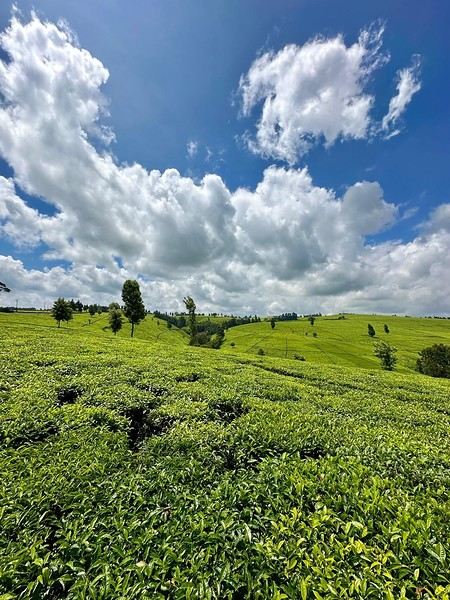
I'm back in the "travel journal" section to share our 15-day adventure in Kenya in November 2024. It was pretty much our first time in East Africa (since Zanzibar doesn’t really count 😜).
As usual, I’m sharing the journal I made for our loved ones—still as casual and cheerful as ever, just to give them a little break from their tough workdays 😄.
We organized the whole trip ourselves, and to be original here LOL, we took some *very* well-trodden paths: Naivasha, Tsavo, and Diani. But what I loved about this country is that it’s so easy to go off the beaten track—even on the "tourist highways" 😉.
So, if you're a safari fanatic or after stunning wildlife photos, you might be disappointed. But if you want to discover other sides of Kenya, you might just find what you're looking for 😉.
Looking forward to sharing this fun journey with you all 😊.
Marrakech 2025: My First Steps as a Private Guide
Preamble:
.
This isn’t about drumming up business for a new professional venture—just sharing, under pressure from eager Vf members hungry for juicy anecdotes, my 10-day trip to Marrakech with 10 friends.
I’d mentioned during the planning discussion for this trip ((https://voyageforum.com/forum/questions-excursions-autour-marrakech-d10685703/)) that there wouldn’t be a travel journal... And since I’m a man of my word—but also stuck with a nasty calf muscle tear at the end of the trip that’s keeping me immobile for 15 days (more on that later)—I’ve got some time to dedicate to this. So, after this preamble, off we go to the Medina!
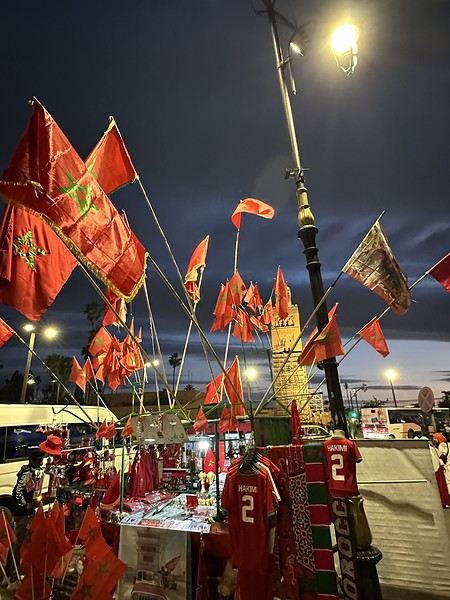 .
.
Day 1: Friday, May 2nd – The Day the Group Split
Before we dive in, let’s talk about the trip prep. Among my friends, I’ve got a rep as the go-to independent travel expert (thanks to a few trips, some with this same crew). So, naturally, the task of planning this one fell to me—and I took it on gladly (you’re never better served than by yourself, right?). The prep and itinerary were hashed out over multiple meet-ups (excuses?) during shared meals at one another’s places, guided by yours truly. Travel style, accommodation, sightseeing—all decisions were made together, trying to balance everyone’s wishes over a good bottle (generic term, not numerical!)
So, a group of five—including me and my girlfriend—set off for Geneva at 3 AM that Friday, while the rest would join us on Sunday due to family or work commitments. We’ll skip the EasyJet flight—it was nothing special, just a means to get us there safely (which, in itself, is already a win). We landed in Marrakech at 9 AM local time. There, a spotless Dacia Logan was waiting for us, chartered by MEDLOC, whose impeccable service I’ll praise here (thanks, friends, for the tip!). My first challenge, after loading the suitcases into the trunk: reaching the riad booked for our first two nights as the advance team. https://www.astradamusmarrakesh.top/fr/
I was a little nervous about driving here—Marrakech’s driving reputation precedes it. The hiccup? While setting up Google Maps for the route, I accidentally added a level-5 difficulty and enabled pedestrian mode... Imagine a rental car stubbornly trying for over half an hour to navigate the Medina (the riad was in the north), cursing all the pedestrians in streets too narrow for the car, and having to reverse multiple times because “it won’t fit,” ignoring the many Marrakechis waving to signal the street was impassable (but what are they trying to sell me now? 🤪)... Until my co-pilot, holding my phone, asked if it was “normal for the route to be dotted on Google Maps?” Yes, it’s normal—pedestrian mode was on.... We’ll still be laughing about this in the nursing home in 40 years, but at the time, I was genuinely surprised by what driving in Morocco had in store for me—and for good reason! After fixing the Google Maps settings, we arrived more calmly at the private parking lot (90 dirhams per night) and then at the riad, where we received a warm welcome while our rooms were being prepared.
After freshening up, we crossed the souks for the first time to have lunch at Jemaa el-Fna Square, at Zeitoun Café, where we enjoyed our first couscous or tagine on its terrace. We’d return to Jemaa el-Fna that evening after a restorative nap at the riad, another late afternoon in the souk, and an evening at this famous UNESCO World Heritage site. This time, it was the restaurant Lafarmacie (you can’t make this up!) that won us over, despite the lack of a rooftop. I recommend this place to everyone—the prices are great, the welcome is extraordinary, and the food is excellent...

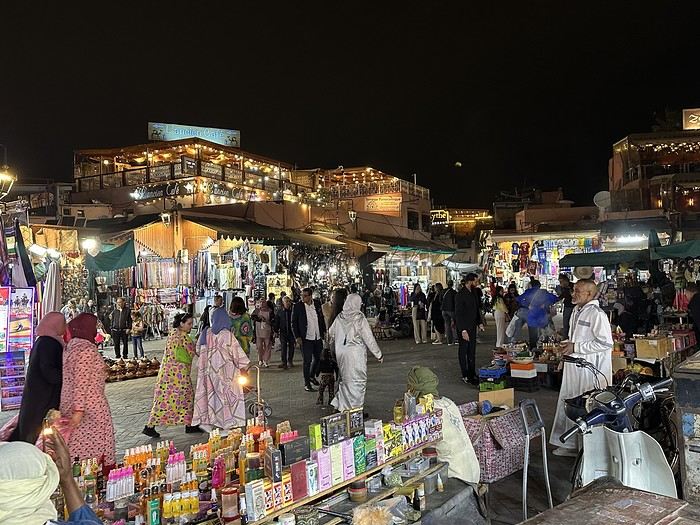
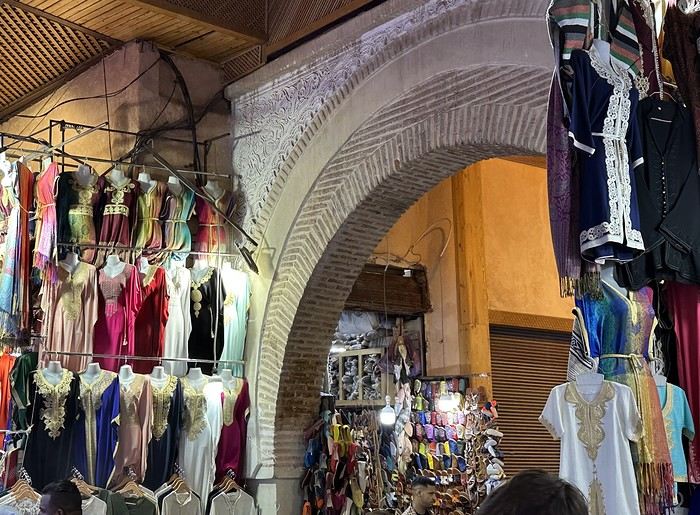
Returning after 11 PM, we learned the hard way that the souk has its own entry points and hours, and the path to our beds was full of detours and closed doors. Fortunately, we were guided by friendly locals who showed us the right way (in exchange for a fiercely negotiated tip each time...)
.Day 1: Friday, May 2nd – The Day the Group Split
Before we dive in, let’s talk about the trip prep. Among my friends, I’ve got a rep as the go-to independent travel expert (thanks to a few trips, some with this same crew). So, naturally, the task of planning this one fell to me—and I took it on gladly (you’re never better served than by yourself, right?). The prep and itinerary were hashed out over multiple meet-ups (excuses?) during shared meals at one another’s places, guided by yours truly. Travel style, accommodation, sightseeing—all decisions were made together, trying to balance everyone’s wishes over a good bottle (generic term, not numerical!)
So, a group of five—including me and my girlfriend—set off for Geneva at 3 AM that Friday, while the rest would join us on Sunday due to family or work commitments. We’ll skip the EasyJet flight—it was nothing special, just a means to get us there safely (which, in itself, is already a win). We landed in Marrakech at 9 AM local time. There, a spotless Dacia Logan was waiting for us, chartered by MEDLOC, whose impeccable service I’ll praise here (thanks, friends, for the tip!). My first challenge, after loading the suitcases into the trunk: reaching the riad booked for our first two nights as the advance team. https://www.astradamusmarrakesh.top/fr/
I was a little nervous about driving here—Marrakech’s driving reputation precedes it. The hiccup? While setting up Google Maps for the route, I accidentally added a level-5 difficulty and enabled pedestrian mode... Imagine a rental car stubbornly trying for over half an hour to navigate the Medina (the riad was in the north), cursing all the pedestrians in streets too narrow for the car, and having to reverse multiple times because “it won’t fit,” ignoring the many Marrakechis waving to signal the street was impassable (but what are they trying to sell me now? 🤪)... Until my co-pilot, holding my phone, asked if it was “normal for the route to be dotted on Google Maps?” Yes, it’s normal—pedestrian mode was on.... We’ll still be laughing about this in the nursing home in 40 years, but at the time, I was genuinely surprised by what driving in Morocco had in store for me—and for good reason! After fixing the Google Maps settings, we arrived more calmly at the private parking lot (90 dirhams per night) and then at the riad, where we received a warm welcome while our rooms were being prepared.
After freshening up, we crossed the souks for the first time to have lunch at Jemaa el-Fna Square, at Zeitoun Café, where we enjoyed our first couscous or tagine on its terrace. We’d return to Jemaa el-Fna that evening after a restorative nap at the riad, another late afternoon in the souk, and an evening at this famous UNESCO World Heritage site. This time, it was the restaurant Lafarmacie (you can’t make this up!) that won us over, despite the lack of a rooftop. I recommend this place to everyone—the prices are great, the welcome is extraordinary, and the food is excellent...
Returning after 11 PM, we learned the hard way that the souk has its own entry points and hours, and the path to our beds was full of detours and closed doors. Fortunately, we were guided by friendly locals who showed us the right way (in exchange for a fiercely negotiated tip each time...)
From Bangkok to Krabi, Thailand by Car!
This first trip of 2025 will have the taste of Asia.
More precisely, Thailand!
It’s not my first time—I’ve often traveled across Southeast Asia between 2000 and 2015. (This travel journal, for example...)
But it’ll be my partner’s first steps in this part of the world.
The itinerary we’ve chosen will alternate between familiar sights for me and new discoveries for both of us.
I’ll get to see how the country has changed in 20 years—and what’s stayed the same!
We were torn between the north and the south of the kingdom. Fears of smoke from slash-and-burn farming and a desire to relax on the sand tipped the scales toward the south...
What if we rented a car?
I think driving in sprawling Bangkok would be a bit ambitious, so we’ll only book our vehicle from Hua Hin to return it in Surat Thani.
Other transportation will range from tuk-tuks to overnight trains and ride-hailing services.
And of course, the plane!
I’d love to travel from Auvergne to Bangkok by road, but 15 days wouldn’t be enough...
Plus, the current geopolitical situation isn’t exactly favorable...
So, once again, we’ll be stuck for hours in the less-than-comfortable economy class of Qatar Airways.
The arrival time was on schedule, entry formalities were quick, and all our luggage made it.
We left Lyon in wind and cold—now we’re breathing in the warm, humid air of กรุงเทพมหานคร.
To reach our hotel, we first took the metro, which dropped us off in the city center in about 30 minutes for the incredible price of 1.18 €.
A few taps on the GRAB app, and we booked a ride-hailing service for the last few kilometers.
We waited a while for our driver due to insane traffic in the area, but once in the 4x4, we were at our lodging in no time.
We chose this small hotel for its riverside location, tranquility, and price.
It’ll do the job perfectly—the only downside is the weak breakfast.
The room is inviting, and we collapse onto the bed for a well-deserved short nap.
Wake-up call in an hour for our first visits!
See you soon...
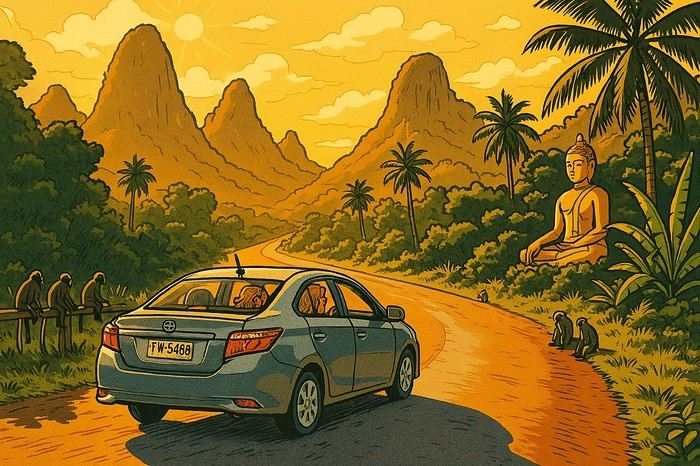
More precisely, Thailand!
It’s not my first time—I’ve often traveled across Southeast Asia between 2000 and 2015. (This travel journal, for example...)
But it’ll be my partner’s first steps in this part of the world.
The itinerary we’ve chosen will alternate between familiar sights for me and new discoveries for both of us.
I’ll get to see how the country has changed in 20 years—and what’s stayed the same!
We were torn between the north and the south of the kingdom. Fears of smoke from slash-and-burn farming and a desire to relax on the sand tipped the scales toward the south...
What if we rented a car?
I think driving in sprawling Bangkok would be a bit ambitious, so we’ll only book our vehicle from Hua Hin to return it in Surat Thani.
Other transportation will range from tuk-tuks to overnight trains and ride-hailing services.
And of course, the plane!
I’d love to travel from Auvergne to Bangkok by road, but 15 days wouldn’t be enough...
Plus, the current geopolitical situation isn’t exactly favorable...
So, once again, we’ll be stuck for hours in the less-than-comfortable economy class of Qatar Airways.
The arrival time was on schedule, entry formalities were quick, and all our luggage made it.
We left Lyon in wind and cold—now we’re breathing in the warm, humid air of กรุงเทพมหานคร.
To reach our hotel, we first took the metro, which dropped us off in the city center in about 30 minutes for the incredible price of 1.18 €.
A few taps on the GRAB app, and we booked a ride-hailing service for the last few kilometers.
We waited a while for our driver due to insane traffic in the area, but once in the 4x4, we were at our lodging in no time.
We chose this small hotel for its riverside location, tranquility, and price.
It’ll do the job perfectly—the only downside is the weak breakfast.
The room is inviting, and we collapse onto the bed for a well-deserved short nap.
Wake-up call in an hour for our first visits!
See you soon...
The Kingdom of Lions...
 Hello everyone!
This trip dates back to late 2021, but since Voyage Forum reopened for writing, I haven’t seen many travel journals about Tanzania, so I decided to repost this one, which I originally shared on another well-known travelers’ site—even though I prefer Voyage Forum’s user experience.
It’s also a chance for me to relive this exhilarating trip... So, if you’re up for it, let me take you on a classic adventure: Tarangire - Ngorongoro - Serengeti, plus a little bonus—the small Arusha Park.
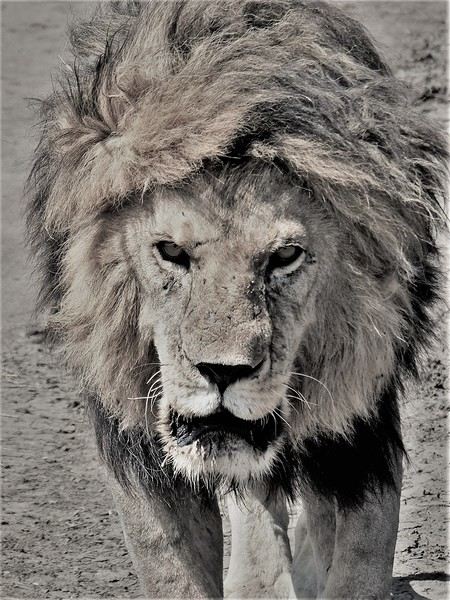
First off, yes, as the title of this journal suggests, we were lucky enough to spot *tons* of lions. The power they exude is incredible, even if most of the time they just look like big cats napping or strolling around. But lock eyes with one, and you’ll be glad you’re in the jeep.
Hello everyone!
This trip dates back to late 2021, but since Voyage Forum reopened for writing, I haven’t seen many travel journals about Tanzania, so I decided to repost this one, which I originally shared on another well-known travelers’ site—even though I prefer Voyage Forum’s user experience.
It’s also a chance for me to relive this exhilarating trip... So, if you’re up for it, let me take you on a classic adventure: Tarangire - Ngorongoro - Serengeti, plus a little bonus—the small Arusha Park.
First off, yes, as the title of this journal suggests, we were lucky enough to spot *tons* of lions. The power they exude is incredible, even if most of the time they just look like big cats napping or strolling around. But lock eyes with one, and you’ll be glad you’re in the jeep.
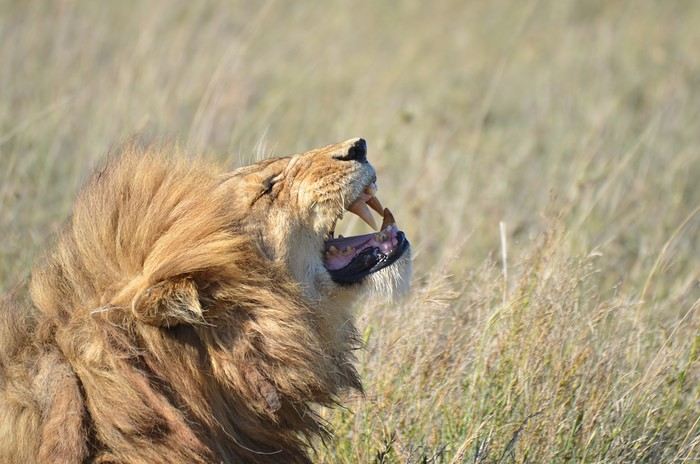
But let’s not forget the rest of the wildlife—and the landscapes, which are absolutely stunning, with those iconic tree silhouettes.
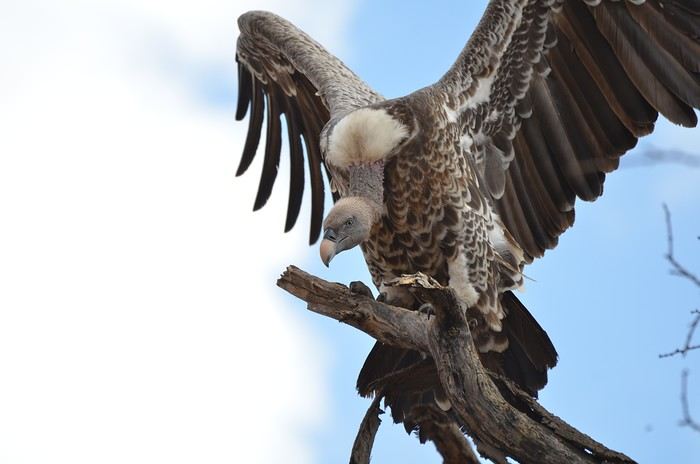
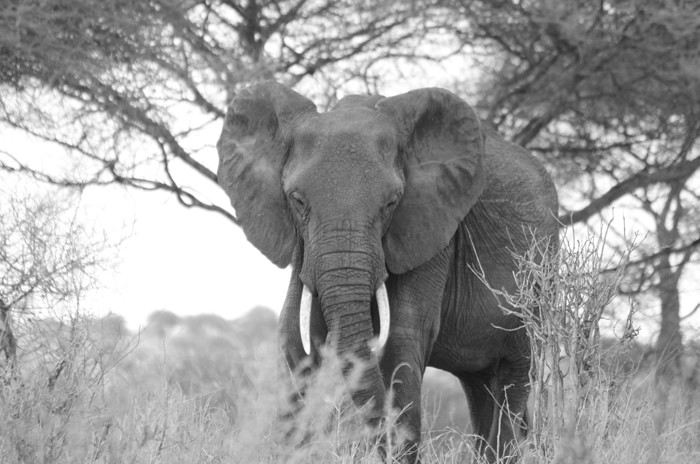
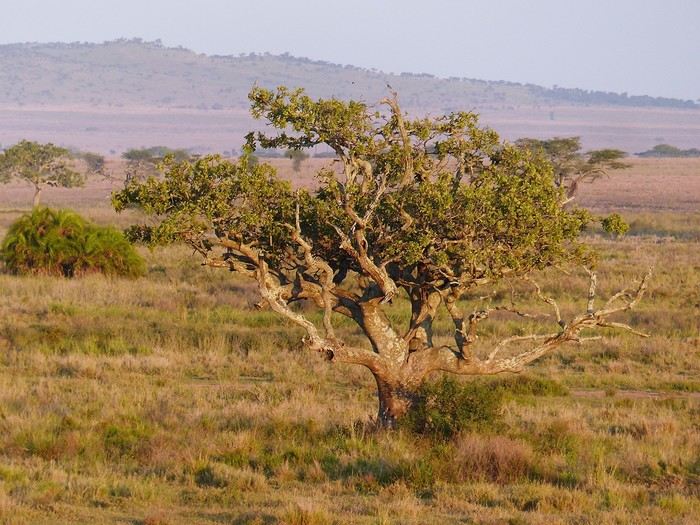
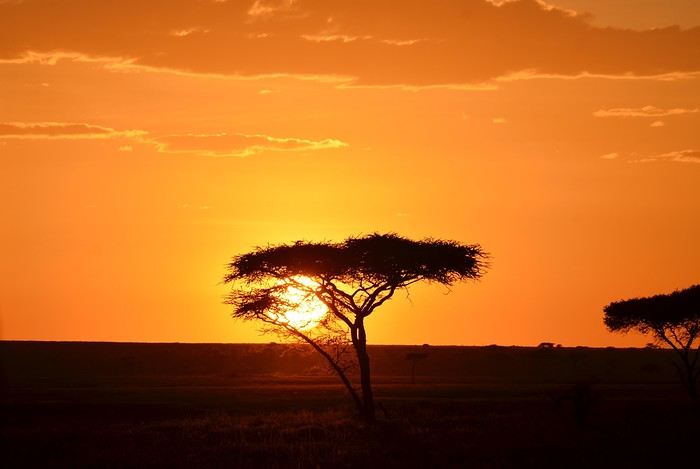
I remember before leaving, I was a little worried I wouldn’t feel that same sense of wonder I’d experienced two years earlier in Botswana (see my travel journal). That fear was unfounded—the magic worked its charm once again! Note: Since we had limited time, we focused our trip entirely on safari, so this journal is 100% animals and landscapes—and 0% Maasai. Next post: TARANGIRE
Skyscrapers, Markets, Ice Cubes, Tourism, and Waterfalls... Thailand's Excesses
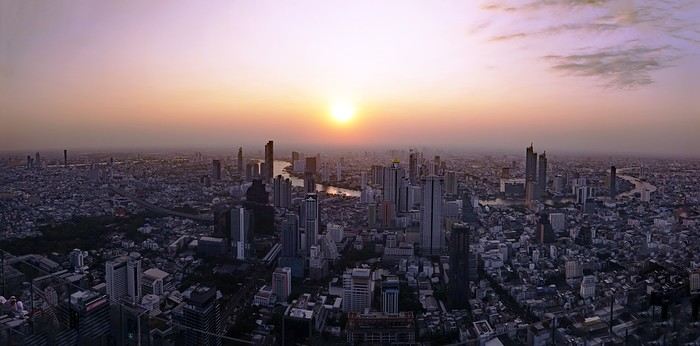
A somewhat lengthy title... I could have simply written: from Bangkok to Chiang Rai, via Chiang Mai, since that was my route. But when poets embellish our travel journals with their verbal flourishes, you’ve got to try not to be too ordinary.
Skyscrapers of excess? You’ll have gathered that from the photo illustrating this journal—though it might change as the trip goes on.
The excess of markets—not so much in their size, though... Chatuchak... But in their sheer number. Day markets, night markets, floating markets, fresh produce markets, fish markets, meat markets, spice markets, fabric markets... and even... amulet markets... For luck, good fortune, protection. Not to mention, sadly, the market for girls—and boys, incidentally. I’ve even heard they’re displayed in windows. I’ve heard about that one, like you have, but I didn’t set foot in it, so I can’t say anything about it. Some even claim there’s a black-market trade in children. Disgusting! It reminded me of the book *The Parcel* by Anosh Irani, which I recommended in another journal. The story is set in India, but I’ve been told it exists in Thailand too. So, the "famous Thai markets" we’re bombarded with in paper and online guides—sure, they amazed me in the first few days, and I don’t regret visiting them. But no matter how big they were, I quickly got my fill since you saw the same things at every stall...
I had a market overdose.
Excess of tourism? I should say *tourists*, since I saw them literally swarming in the streets and those famous markets. I’d forgotten about them. I’d lost the habit, living in an Indian city for so long...
Waterfalls are a bit like markets. At this time of year, they’re not particularly spectacular, but they’re everywhere. There are the ones everyone goes to see. For example, Erawan, which I decided to skip even though it was in my original itinerary—I guessed it’d be a nightmare with the selfie circus. On the other hand, you come across them all over the place, hidden in the mountains and forests, not listed in any guide. Not to mention the ones you can find in temples or even private homes... Yes, really! Thais love waterfalls, so they install them in their gardens—and I even saw one in the middle of the city, right on the street! Sometimes they’re tiny, but very photogenic.
But what do ice cubes have to do with this? Why the excess of ice cubes? Not only are they everywhere by the ton, but they put them in *everything* you drink. You’d think they’d even put them in soup! And it’s not just one or two ice cubes—no! They fill the container to the brim, whatever it is, then pour the liquid on top to fill the gaps. They’ll make you an excellent coffee right in front of you, piping hot, then—bam! An avalanche of ice cubes in the glass. Okay, I’m exaggerating a little. They *do* sometimes ask if you prefer your coffee—or tea—hot. Everything edible, and especially everything drinkable, is refrigerated: vegetables, fruit, hot drinks (I mean, drinks that are *usually* hot), but meat and fish are left out in the open. They just wave a little whisk to shoo away the flies when they get too eager. Mind you, I never put fruit, cheese, eggs, or water in the fridge in France, but I do in India. And I refrigerate meat and fish too... Though sometimes one of those little flies sneaks into the fridge...
You won’t find practical or technical details in this journal, like addresses or prices. Others do that better than me. You also won’t find the names of obscure or unknown places I discovered, or directions to get there.
I don’t really feel like recounting what I saw day by day, following my schedule and route. There might be flashbacks, projections into the future. It’ll depend on my memories, what I felt, what I hated, what comes back to me—and maybe your questions and our exchanges. And for those who’ve never read me before, you’ll have to get used to my parentheses and digressions, maybe on a completely different subject, as my thoughts wander. Stories within stories. There’ll also be long, endless sentences—but still punctuated, so you can follow along. Though I used to curse Proust and his sentences that started on one page and ended on the next, sometimes even further. I’d have to reread them twenty times to follow and understand what he was saying. I hated Proust. But hey, I was 20. Maybe I’d like him now?
See? The digressions are starting already. Forgive me.
You’ll find few photos here. First, the number is limited, and second, photos aren’t the main purpose of either VF or a travel journal. They’re too often used to mask the poverty of the text. And, sorry to say it, but so many of them are just plain ugly! If you really want to see photos, I’ll share some links where you can browse them at your leisure
From Delhi to Agra and the extraordinary stay in Chhattisgarh
My train to Mathura is at 2 PM, and we’ll arrive an hour late—all good. I booked a hotel on booking, but unfortunately, it’s really far from the ghats. Walking there is out of the question—what a shame.
The hotel itself is fine, and there are several restaurants right across the street, which will be handy for dinner. This won’t be an exception, though—starting at 10 PM, they must wake up because I can hear them talking loudly, and music is playing along. My room faces the entrance, so it’s going to be tough. At midnight, I ask them to lower the volume, but they don’t listen. By 1 AM, I lose my temper, and this time, everything stops. Finally, I can get some sleep—until 4 AM, when they start up again for a little while before quiet returns until 6 AM. But when do they sleep? The noise never seems to bother them—it’s unbelievable, and I’m finding it harder and harder to tolerate. It makes a huge difference.
The next morning, as I leave, they tell me they’ll give me another room for the following night. Oh, two nights like that wouldn’t be possible—I’m exhausted.
I head out to explore the ghats and take a rickshaw, which I share with a family, to Vrindavan, a city of temples dedicated to Krishna. I visit several while wandering through the lively streets, surrounded by a crowd of devotees. By 1 PM, I’m near the Bankey Bihari Temple, but I can’t go in—it just closed. Nearby, there are restaurants, so I take the opportunity to grab my usual aloo paratha with a lassi.

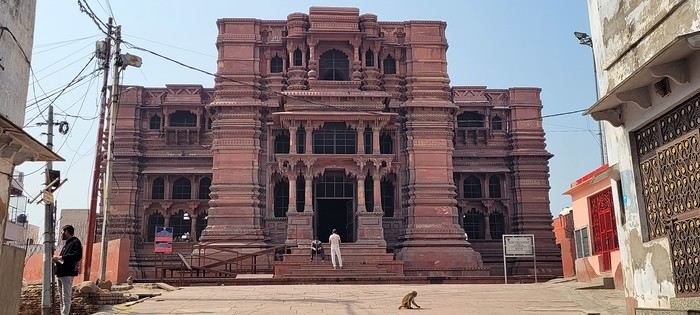
The work women do here is incredibly hard, and their pay must be miserable.

I want to leave Vrindavan for Govardhan. Two young guys on a motorcycle in front of the temple approach me, and the driver offers to take me part of the way. I’m pretty skeptical, but he insists, and I eventually agree. I didn’t fully understand what was happening. Once on the bike, his friend hops on too, and suddenly I’m sandwiched between them for a multi-kilometer ride—*travel Indian-style*. We quickly drop off the friend, and I breathe easier for the rest of the trip. At an intersection, he stops—Govardhan is straight ahead, but to get to his village, he needs to turn right. We wait for the bus for a few minutes, and he flags it down so I can hop on and continue my journey. What an adventure.
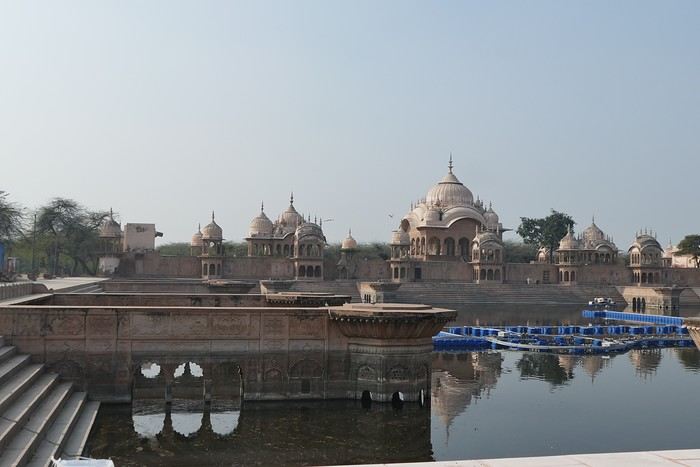
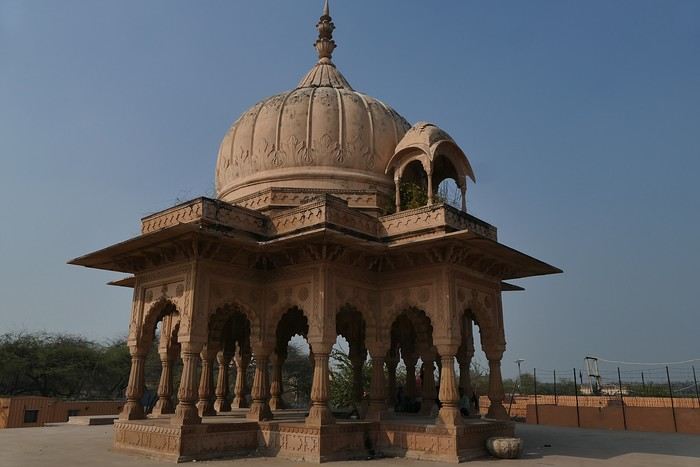
the neighbor with its beautiful dome.
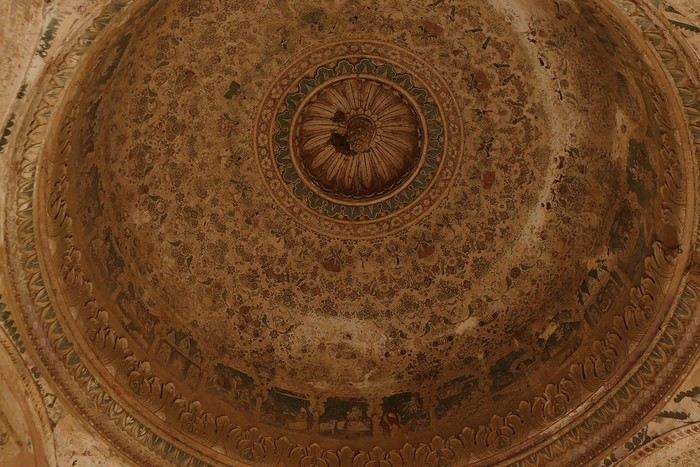
The work women do here is incredibly hard, and their pay must be miserable.
I want to leave Vrindavan for Govardhan. Two young guys on a motorcycle in front of the temple approach me, and the driver offers to take me part of the way. I’m pretty skeptical, but he insists, and I eventually agree. I didn’t fully understand what was happening. Once on the bike, his friend hops on too, and suddenly I’m sandwiched between them for a multi-kilometer ride—*travel Indian-style*. We quickly drop off the friend, and I breathe easier for the rest of the trip. At an intersection, he stops—Govardhan is straight ahead, but to get to his village, he needs to turn right. We wait for the bus for a few minutes, and he flags it down so I can hop on and continue my journey. What an adventure.
the neighbor with its beautiful dome.
Sao Tomé, the forgotten island
Hey there, it's me again—back with my usual travel journal share for our loved ones, from our 15-day trip in October 2019.
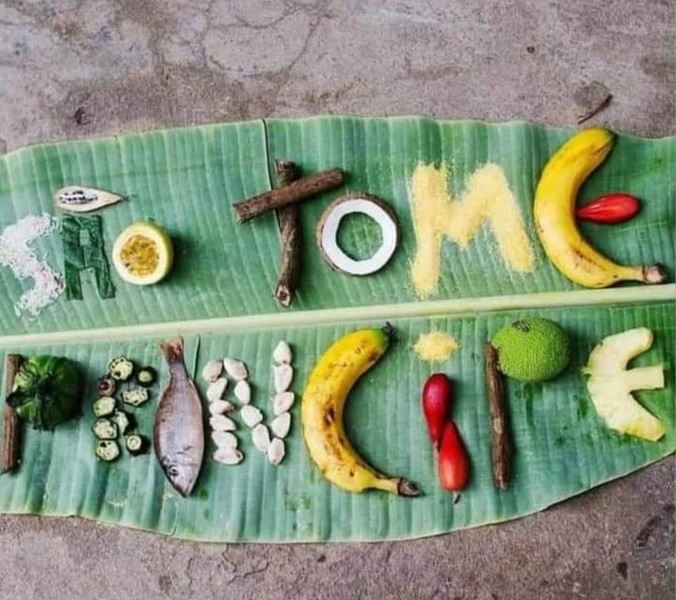
"Ah, here it is at last—that sweet scent of elsewhere so dear to Cricri and Lulu’s noses, that mix of apprehension and desire when facing the unknown.
We’re really diving into the unknown this time, taking you to the island of SAO TOMÉ... also known as the island: *‘Wait, what did you say?’* 😄. Because apparently, no one’s heard of Sao Tomé—except our Portuguese friends.
It’s an archipelago of three islands smack in the middle of the world, right on the equator, off the coast of Gabon.
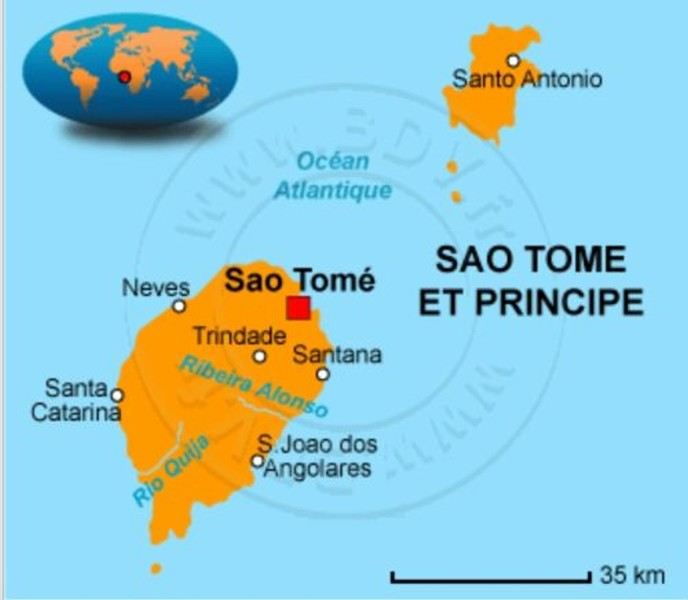
No, these aren’t the sun-soaked, Polynesian lagoon islands. Here, *‘it rains, it pours...’* pretty much all the time, it seems.
There’s not much to *‘see’* in the traditional tourist sense—EXCEPT for stunning landscapes, lush vegetation, a few beaches with golden or black sand, colonial buildings still in their original state, a single main road, and plenty of *‘tracks’* that are more or less drivable. All this surrounded by an African population that speaks Portuguese and is known for its warm welcome.
Well, that should be enough for our happiness—and hopefully yours too! 😊
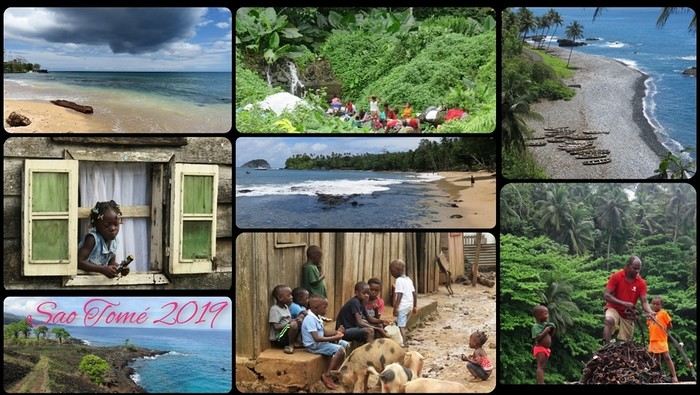
Ready for landing?
"Ah, here it is at last—that sweet scent of elsewhere so dear to Cricri and Lulu’s noses, that mix of apprehension and desire when facing the unknown.
We’re really diving into the unknown this time, taking you to the island of SAO TOMÉ... also known as the island: *‘Wait, what did you say?’* 😄. Because apparently, no one’s heard of Sao Tomé—except our Portuguese friends.
It’s an archipelago of three islands smack in the middle of the world, right on the equator, off the coast of Gabon.
No, these aren’t the sun-soaked, Polynesian lagoon islands. Here, *‘it rains, it pours...’* pretty much all the time, it seems.
There’s not much to *‘see’* in the traditional tourist sense—EXCEPT for stunning landscapes, lush vegetation, a few beaches with golden or black sand, colonial buildings still in their original state, a single main road, and plenty of *‘tracks’* that are more or less drivable. All this surrounded by an African population that speaks Portuguese and is known for its warm welcome.
Well, that should be enough for our happiness—and hopefully yours too! 😊
Ready for landing?
So where are they and what are they doing?
This catchy and somewhat mysterious title comes from several questions I’ve been asking myself.
VF has been back open for a reasonable number of weeks and months now. The number of visitors overall matches past averages, but the number of members online in the last 24 hours seems relatively lower than what we used to see.
Yet, to my surprise, I’m seeing fewer travel journals, way fewer messages, and way fewer questions. I don’t see many new registered users online, and I notice a number of members who are logged in but either aren’t participating or have stopped participating.
Something’s not adding up for me because, in my opinion, VF is still appealing, and I don’t see which other sites could really compete.
Was there a real break between pre- and post-Covid? Does it just take more time for some people to discover the site or learn that it’s active again? Do people now prefer quick consumption on sites like FB or others I’m not familiar with? Where have the site’s old-timers gone, and what are they doing with their time now? What’s really going on here?
VF has been back open for a reasonable number of weeks and months now. The number of visitors overall matches past averages, but the number of members online in the last 24 hours seems relatively lower than what we used to see.
Yet, to my surprise, I’m seeing fewer travel journals, way fewer messages, and way fewer questions. I don’t see many new registered users online, and I notice a number of members who are logged in but either aren’t participating or have stopped participating.
Something’s not adding up for me because, in my opinion, VF is still appealing, and I don’t see which other sites could really compete.
Was there a real break between pre- and post-Covid? Does it just take more time for some people to discover the site or learn that it’s active again? Do people now prefer quick consumption on sites like FB or others I’m not familiar with? Where have the site’s old-timers gone, and what are they doing with their time now? What’s really going on here?
World Cliffs Discussion: January 2025 Contest
So, to start the year off right (Happy New Year!),
This is where we can discuss January’s theme.
With 20,000 km of French coastline (there’s a catch ;)), our beautiful country should be well represented!
Dig out those hard drives! Bruno
Dig out those hard drives! Bruno
Slow Travel or the Illusion of Authenticity
“Slow travel” is a concept that some tout as a philosophical revolution in travel. But on closer inspection, it’s nothing more than a marketing repackaging of an age-old practice.
This term is wrapped in an aura of intellectualism. It promises to reinvent the experience of travel by valuing slowness, contemplation, and cultural immersion.
The term “slow travel” claims to bring depth to travel, but it often relies on clichés.
Taking your time, meeting locals, avoiding quick visits—these practices have always existed and are nothing revolutionary.
Before the era of airplanes, high-speed trains, and express stays, traveling necessarily meant taking your time. Pilgrims, merchants, and explorers already practiced a form of “slow travel,” without hashtags or self-proclaimed spiritual guides.
Crossing lands on foot or by horse required total immersion in the landscapes, cultures, and unpredictability of the journey. Yet, no one attributed philosophical intentions to them: it was a necessity.
Slow travel, in its current version, may be less a philosophy than a reflection of the contradictions of an affluent class searching for meaning in a world they help overload.
So-called “slow” travel is presented as a privileged way to understand a culture, but this claim is debatable. A region never represents an entire country.
Immersing yourself in a community doesn’t guarantee a complete or more authentic understanding than any other way of traveling.
Slowness in itself doesn’t guarantee depth or ethics. You can immerse yourself in a place over a weekend, just as you can spend months in a country without grasping its subtleties.
By positioning itself as an antidote to “fast” tourism, slow travel fetishizes a temporality that only makes sense if it’s accompanied by real openness and an effort to integrate.
But this over-intellectualization often masks a desire to belong to a trend or a need to stand out socially.
Behind this posture sometimes lies a whim: the urge to reinvent one’s life elsewhere in an idealized form. But this quest for elsewhere remains fundamentally a way to escape or respond to unease, rather than a true commitment to the cultures visited.
When we talk about “encounters” while traveling, we often forget that these exchanges are facilitated by biased contexts. As a traveler, you’re seen as a temporary visitor, unattached, and that changes the dynamic.
Locals, whether curious or used to tourists, adopt a different stance than they would with a neighbor they see daily.
This interaction is also tinged with asymmetry: the traveler has the luxury of time and availability, while in daily life, personal concerns often take precedence over the desire to connect.
The flip side is that the openness displayed while traveling is often a facade. We boast about chatting with a fisherman or sharing a meal with a local family, but how many of these encounters lead to a real understanding of cultural differences or sincere reflection?
Once home, these moments become anecdotes, social trophies to show off, without fundamentally changing our relationship with others in our daily lives.
By imposing a definition, we push people to adapt their practices to fit an idealized model. This can lead to a paradoxical standardization: “slow travel” becomes a checklist of behaviors (meetings, immersion, slowness).
The “bobos” (bourgeois-bohemians), often in search of meaning in a world saturated with options, believe that giving a name to a practice grants it legitimacy or moral value. But this obsession with framing and theorizing travel only drains it of its spontaneity.
Someone who grew up at the crossroads of multiple cultures, on the other hand, doesn’t feel this need. For them, traveling isn’t a philosophical project but an intrinsic part of their life.
The very concept of “slow travel” can seem absurd: why glorify what’s simply natural?
Why try to turn into an ideology what should be a personal, intimate experience, free from semantic constraints?
Ultimately, this need for labeling, this frantic quest to name every gesture, reveals a society craving simplicity.
Travel, in its purest form, doesn’t need justification or slogans. It doesn’t need slowness or speed: it’s simply lived.
Perhaps the real challenge is to unlearn this Western habit of conceptualizing everything that should simply be felt.
For many, travel is a parenthesis, a temporary break from daily life. But if we reject this distinction between “home” and “elsewhere,” every human life becomes a continuous journey through varied environments.
From this perspective, “slow travel” loses all meaning, because living somewhere—whether for a week or five years—is part of the same experience of adaptation.
So, we ask the fans of marketing slogans: is travel a parenthesis or a journey?
“Slow travel” is often driven by a Western eco-bobo ideology, tinged with post-colonial guilt. This discourse promotes a supposedly virtuous way of traveling while forgetting that these practices remain a privilege.
Far from deconstructing power dynamics, it sometimes reinforces them by glorifying a different kind of consumption, still centered on comfort.
There’s also a condescending side to this rhetoric. By idealizing slowness, slow travel advocates imply that those who travel quickly or on a budget are less “authentic” in their approach.
Yet, isn’t that a form of contempt? Do those who leave for a well-deserved week after months of hard work deserve less consideration?
Concepts like “slow travel” or “sustainable tourism” seem hollow when reduced to marketing slogans or standardized behaviors. They confine travel to preconceived frameworks, stripping it of its spontaneous and unpredictable dimension.
Instead of categorizing, it would be more relevant to recognize the plurality of human experiences without trying to define them.
Slow travel doesn’t invent anything. It simply puts into words—and often slogans—what travel has always been for those who practice it with intention.
Maybe we should stop trying to theorize every movement and simply rediscover travel for what it is: a human experience, sometimes slow, sometimes fast, but always personal.
More info on our site
This term is wrapped in an aura of intellectualism. It promises to reinvent the experience of travel by valuing slowness, contemplation, and cultural immersion.
The term “slow travel” claims to bring depth to travel, but it often relies on clichés.
Taking your time, meeting locals, avoiding quick visits—these practices have always existed and are nothing revolutionary.
Before the era of airplanes, high-speed trains, and express stays, traveling necessarily meant taking your time. Pilgrims, merchants, and explorers already practiced a form of “slow travel,” without hashtags or self-proclaimed spiritual guides.
Crossing lands on foot or by horse required total immersion in the landscapes, cultures, and unpredictability of the journey. Yet, no one attributed philosophical intentions to them: it was a necessity.
Slow travel, in its current version, may be less a philosophy than a reflection of the contradictions of an affluent class searching for meaning in a world they help overload.
So-called “slow” travel is presented as a privileged way to understand a culture, but this claim is debatable. A region never represents an entire country.
Immersing yourself in a community doesn’t guarantee a complete or more authentic understanding than any other way of traveling.
Slowness in itself doesn’t guarantee depth or ethics. You can immerse yourself in a place over a weekend, just as you can spend months in a country without grasping its subtleties.
By positioning itself as an antidote to “fast” tourism, slow travel fetishizes a temporality that only makes sense if it’s accompanied by real openness and an effort to integrate.
But this over-intellectualization often masks a desire to belong to a trend or a need to stand out socially.
Behind this posture sometimes lies a whim: the urge to reinvent one’s life elsewhere in an idealized form. But this quest for elsewhere remains fundamentally a way to escape or respond to unease, rather than a true commitment to the cultures visited.
When we talk about “encounters” while traveling, we often forget that these exchanges are facilitated by biased contexts. As a traveler, you’re seen as a temporary visitor, unattached, and that changes the dynamic.
Locals, whether curious or used to tourists, adopt a different stance than they would with a neighbor they see daily.
This interaction is also tinged with asymmetry: the traveler has the luxury of time and availability, while in daily life, personal concerns often take precedence over the desire to connect.
The flip side is that the openness displayed while traveling is often a facade. We boast about chatting with a fisherman or sharing a meal with a local family, but how many of these encounters lead to a real understanding of cultural differences or sincere reflection?
Once home, these moments become anecdotes, social trophies to show off, without fundamentally changing our relationship with others in our daily lives.
By imposing a definition, we push people to adapt their practices to fit an idealized model. This can lead to a paradoxical standardization: “slow travel” becomes a checklist of behaviors (meetings, immersion, slowness).
The “bobos” (bourgeois-bohemians), often in search of meaning in a world saturated with options, believe that giving a name to a practice grants it legitimacy or moral value. But this obsession with framing and theorizing travel only drains it of its spontaneity.
Someone who grew up at the crossroads of multiple cultures, on the other hand, doesn’t feel this need. For them, traveling isn’t a philosophical project but an intrinsic part of their life.
The very concept of “slow travel” can seem absurd: why glorify what’s simply natural?
Why try to turn into an ideology what should be a personal, intimate experience, free from semantic constraints?
Ultimately, this need for labeling, this frantic quest to name every gesture, reveals a society craving simplicity.
Travel, in its purest form, doesn’t need justification or slogans. It doesn’t need slowness or speed: it’s simply lived.
Perhaps the real challenge is to unlearn this Western habit of conceptualizing everything that should simply be felt.
For many, travel is a parenthesis, a temporary break from daily life. But if we reject this distinction between “home” and “elsewhere,” every human life becomes a continuous journey through varied environments.
From this perspective, “slow travel” loses all meaning, because living somewhere—whether for a week or five years—is part of the same experience of adaptation.
So, we ask the fans of marketing slogans: is travel a parenthesis or a journey?
“Slow travel” is often driven by a Western eco-bobo ideology, tinged with post-colonial guilt. This discourse promotes a supposedly virtuous way of traveling while forgetting that these practices remain a privilege.
Far from deconstructing power dynamics, it sometimes reinforces them by glorifying a different kind of consumption, still centered on comfort.
There’s also a condescending side to this rhetoric. By idealizing slowness, slow travel advocates imply that those who travel quickly or on a budget are less “authentic” in their approach.
Yet, isn’t that a form of contempt? Do those who leave for a well-deserved week after months of hard work deserve less consideration?
Concepts like “slow travel” or “sustainable tourism” seem hollow when reduced to marketing slogans or standardized behaviors. They confine travel to preconceived frameworks, stripping it of its spontaneous and unpredictable dimension.
Instead of categorizing, it would be more relevant to recognize the plurality of human experiences without trying to define them.
Slow travel doesn’t invent anything. It simply puts into words—and often slogans—what travel has always been for those who practice it with intention.
Maybe we should stop trying to theorize every movement and simply rediscover travel for what it is: a human experience, sometimes slow, sometimes fast, but always personal.
More info on our site
Photo Safaris in Kenya
Back on the forum, I’m starting to write up two 3-week trips to Kenya in August 2021 and 2023.
In 2021, Quynh and I traveled with Régis (Rjulie95 on VF). Our son joined us in Baringo for the second half of the trip.
In 2023, we went with two friends who’d been dreaming of seeing wild animals ever since we got back from Kenya. We didn’t need much convincing to go with them!
The two itineraries are almost identical (well, when you love something...) but we did make a few tweaks.
- The first part of the trip was with a local driver/guide, Félix, who was recommended by Sylvie56. Sylvie and her husband Ben are Kenya enthusiasts—they’ve been there countless times, always with Félix... and for good reason! He’s fantastic!
- The second part was with Melting Pot Safari, an agency that adapted to our photography needs. Tony Crocetta, the co-founder (along with his Kenyan friend Simon Chebon), is a wildlife photographer himself.
Here are the itineraries for both trips, including accommodations:
In 2021: Day 0: Paris / Nairobi - 67 Airport Hotel Day 1: Nairobi / Amboseli - Simba Cottage Day 2: Amboseli - Simba Cottage Day 3: Amboseli / Aberdares - Fishing Lodge Day 4: Aberdares - Fishing Lodge Day 5: Aberdares - Fishing Lodge Day 6: Aberdares / Samburu - Riverside Camp Day 7: Samburu - Riverside Camp Day 8: Samburu - Riverside Camp Day 9: Samburu / Nakuru - Merica Hotel Day 10: Nakuru / Baringo - Tumbili Cliff Lodge Day 11: Baringo - Tumbili Cliff Lodge Day 12: Baringo - Tumbili Cliff Lodge Day 13: Baringo / Maasai Mara – Meltingpot Bush Camp Day 14 to 18: Maasai Mara – Meltingpot Bush Camp Day 19: Maasai Mara / Nairobi – Roussel Guest House Day 20: Nairobi / Paris
In 2023: Day 0: Lyon / Paris / Nairobi - 67 Airport Hotel Day 1: Nairobi / Meru - Ikweta Camp Day 2: Meru - Ikweta Camp Day 3: Meru - Ikweta Camp Day 4: Meru / Samburu - Riverside Camp Day 5: Samburu – Riverside Camp Day 6: Samburu / Buffalo Springs – Samburu Simba Day 7: Buffalo Springs / Ol Pejeta – Sweetwater Camp Day 8: Ol Pejeta / Amboseli - Simba Cottage Day 9: Amboseli - Simba Cottage Day 10: Amboseli - Simba Cottage Day 11: Amboseli / Nakuru – Lake Nakuru Lodge Day 12: Nakuru / Baringo - Tumbili Cliff Lodge Day 13: Baringo - Tumbili Cliff Lodge Day 14: Baringo - Tumbili Cliff Lodge Day 15: Baringo / Maasai Mara – Meltingpot Bush Camp Day 16 to 20: Maasai Mara – Meltingpot Bush Camp Day 21: Maasai Mara / Nairobi / Paris
Here’s an itinerary—it’s not exactly what we did, but a combination of both.
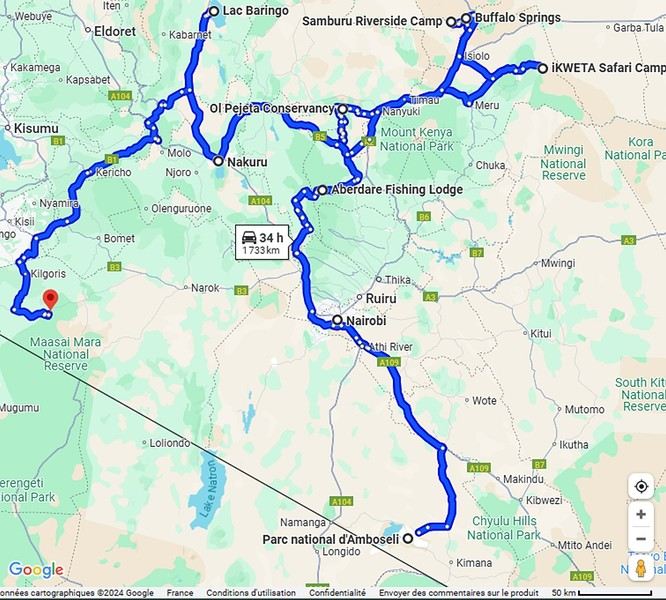
Ready to join us on safari to see some wild animals?
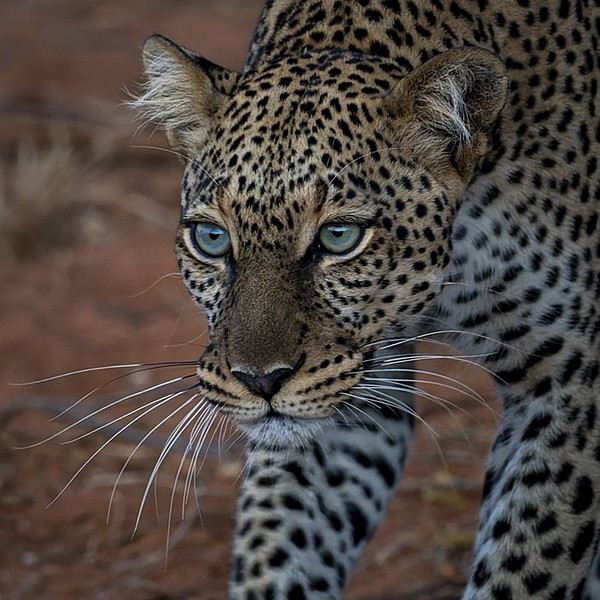
The two itineraries are almost identical (well, when you love something...) but we did make a few tweaks.
- The first part of the trip was with a local driver/guide, Félix, who was recommended by Sylvie56. Sylvie and her husband Ben are Kenya enthusiasts—they’ve been there countless times, always with Félix... and for good reason! He’s fantastic!
- The second part was with Melting Pot Safari, an agency that adapted to our photography needs. Tony Crocetta, the co-founder (along with his Kenyan friend Simon Chebon), is a wildlife photographer himself.
Here are the itineraries for both trips, including accommodations:
In 2021: Day 0: Paris / Nairobi - 67 Airport Hotel Day 1: Nairobi / Amboseli - Simba Cottage Day 2: Amboseli - Simba Cottage Day 3: Amboseli / Aberdares - Fishing Lodge Day 4: Aberdares - Fishing Lodge Day 5: Aberdares - Fishing Lodge Day 6: Aberdares / Samburu - Riverside Camp Day 7: Samburu - Riverside Camp Day 8: Samburu - Riverside Camp Day 9: Samburu / Nakuru - Merica Hotel Day 10: Nakuru / Baringo - Tumbili Cliff Lodge Day 11: Baringo - Tumbili Cliff Lodge Day 12: Baringo - Tumbili Cliff Lodge Day 13: Baringo / Maasai Mara – Meltingpot Bush Camp Day 14 to 18: Maasai Mara – Meltingpot Bush Camp Day 19: Maasai Mara / Nairobi – Roussel Guest House Day 20: Nairobi / Paris
In 2023: Day 0: Lyon / Paris / Nairobi - 67 Airport Hotel Day 1: Nairobi / Meru - Ikweta Camp Day 2: Meru - Ikweta Camp Day 3: Meru - Ikweta Camp Day 4: Meru / Samburu - Riverside Camp Day 5: Samburu – Riverside Camp Day 6: Samburu / Buffalo Springs – Samburu Simba Day 7: Buffalo Springs / Ol Pejeta – Sweetwater Camp Day 8: Ol Pejeta / Amboseli - Simba Cottage Day 9: Amboseli - Simba Cottage Day 10: Amboseli - Simba Cottage Day 11: Amboseli / Nakuru – Lake Nakuru Lodge Day 12: Nakuru / Baringo - Tumbili Cliff Lodge Day 13: Baringo - Tumbili Cliff Lodge Day 14: Baringo - Tumbili Cliff Lodge Day 15: Baringo / Maasai Mara – Meltingpot Bush Camp Day 16 to 20: Maasai Mara – Meltingpot Bush Camp Day 21: Maasai Mara / Nairobi / Paris
Here’s an itinerary—it’s not exactly what we did, but a combination of both.
Ready to join us on safari to see some wild animals?
Japan: First Discovery!
Here’s a little story about my first trip to Japan with my partner.
We went for our first visit from October 29 to November 13, 2024.
I had planned this entire trip back in November 2020, but given the health situation at the time, I had to cancel...
Here’s the classic route we took: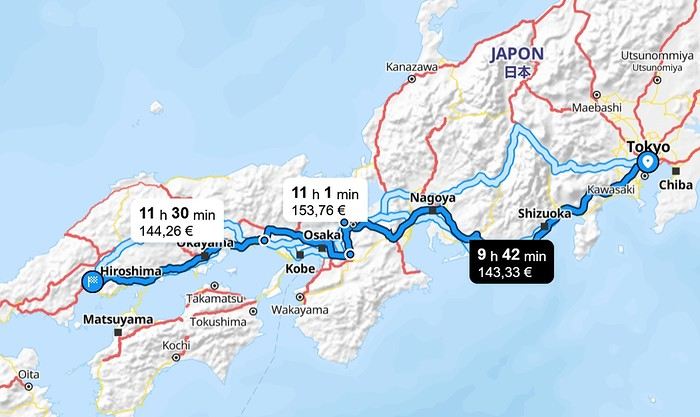
We booked everything ourselves and got a regional pass for the area from Kyoto to Hiroshima. The hotels were reserved 3 months in advance on Book... and Agod... (1030 € for 2 people for 13 nights = 80 €/night). For the flight, we chose a Qatar Airways flight with a layover to break up the long journey (950 € per person). We also got a pass on the same site (Japan-Experience) to take the train connecting Narita Airport to Shibuya Station (the N'EX Narita Express). Since the airport is 75 km from central Tokyo, we opted for this mode of transport, even though there are cheaper alternatives. After reading various posts on VoyageForum, I understood how important it was to have a Welcome Suica card to pay for public transport (subway, tram, bus, boat throughout the country), and we were able to buy one at Narita Airport. It turned out to be super useful! After a long but smooth journey, we found ourselves at Narita Airport in the evening. Even though we had a pass for the Narita Express, we had to go to a counter to make a reservation for the train (mandatory). Then, once we arrived at Shibuya Station, we took the subway for 2 stops and finally reached our hotel, exhausted (Hotel Asia Center of Japan – 270 € for 3 nights with breakfast included).
I had planned this entire trip back in November 2020, but given the health situation at the time, I had to cancel...
Here’s the classic route we took:
We booked everything ourselves and got a regional pass for the area from Kyoto to Hiroshima. The hotels were reserved 3 months in advance on Book... and Agod... (1030 € for 2 people for 13 nights = 80 €/night). For the flight, we chose a Qatar Airways flight with a layover to break up the long journey (950 € per person). We also got a pass on the same site (Japan-Experience) to take the train connecting Narita Airport to Shibuya Station (the N'EX Narita Express). Since the airport is 75 km from central Tokyo, we opted for this mode of transport, even though there are cheaper alternatives. After reading various posts on VoyageForum, I understood how important it was to have a Welcome Suica card to pay for public transport (subway, tram, bus, boat throughout the country), and we were able to buy one at Narita Airport. It turned out to be super useful! After a long but smooth journey, we found ourselves at Narita Airport in the evening. Even though we had a pass for the Narita Express, we had to go to a counter to make a reservation for the train (mandatory). Then, once we arrived at Shibuya Station, we took the subway for 2 stops and finally reached our hotel, exhausted (Hotel Asia Center of Japan – 270 € for 3 nights with breakfast included).
Embracing Dawn: December 2024 Photo Contest
Hi everyone,
After my narrow victory over Herodotos (just one point ahead—I had a close call, even in December in the northern hemisphere!), I’m now honored to organize the next contest, the one for the closing year, whose results will be announced on the first day of the coming year. Out of affection for the poet with wind in his soles, who dreamed of ivory and setting sail, again and again, even in his final hours, I borrow the theme from the first line of a poem dear to me: I embraced the summer dawn.
So, as the year draws to a close, the theme will be: embracing dawn.
The verb here is just as important as the noun. More than just a subject about sunrises or that magical half-hour of pink light before the sun appears (a photographer’s nightmare: either I crank up the ISO and deal with noise, or I lug around a tripod, and say goodbye to spontaneity like a beggar on marble quays), this is about those happy little mornings—the thrill of joy in the soft light of the first hours, whether it’s a landscape, a person, an animal, a plant, architecture, or whatever else. What’s certain is that it makes you want to smile at the day breaking. Even if you go back to bed afterward.
Technical details (shamelessly borrowed from Ragamuffin, thanks!):
Participation Each VF member can submit up to 3 photos, until Wednesday, 12/25 at 11:59 PM, Milan time. Each photo must be posted in a separate message, with its number (1, 2, or 3). Don’t forget to add a little explanation (comment, location, etc.).
Voting: Each VF member can vote for the 3 photos they consider the best, based on their own criteria and the theme.
Voting will take place from Thursday, 12/26 to Tuesday, 12/31 at 11:59 PM, Milan time.
Selected photos will be ranked in order of preference: - 1st photo: 3 points - 2nd photo: 2 points - 3rd photo: 1 point
The winner is the author of the photo with the most points.
Results will be published on 01/01 (if I’m in any state to do so). In case of a tie, the number of first-place votes will decide. The winner will have the honor of organizing December’s contest.
For discussion, it’s here.
That’s all! Let’s welcome Dawn with rosy fingers, dressed in saffron...
Catherine
After my narrow victory over Herodotos (just one point ahead—I had a close call, even in December in the northern hemisphere!), I’m now honored to organize the next contest, the one for the closing year, whose results will be announced on the first day of the coming year. Out of affection for the poet with wind in his soles, who dreamed of ivory and setting sail, again and again, even in his final hours, I borrow the theme from the first line of a poem dear to me: I embraced the summer dawn.
So, as the year draws to a close, the theme will be: embracing dawn.
The verb here is just as important as the noun. More than just a subject about sunrises or that magical half-hour of pink light before the sun appears (a photographer’s nightmare: either I crank up the ISO and deal with noise, or I lug around a tripod, and say goodbye to spontaneity like a beggar on marble quays), this is about those happy little mornings—the thrill of joy in the soft light of the first hours, whether it’s a landscape, a person, an animal, a plant, architecture, or whatever else. What’s certain is that it makes you want to smile at the day breaking. Even if you go back to bed afterward.
Technical details (shamelessly borrowed from Ragamuffin, thanks!):
Participation Each VF member can submit up to 3 photos, until Wednesday, 12/25 at 11:59 PM, Milan time. Each photo must be posted in a separate message, with its number (1, 2, or 3). Don’t forget to add a little explanation (comment, location, etc.).
Voting: Each VF member can vote for the 3 photos they consider the best, based on their own criteria and the theme.
Voting will take place from Thursday, 12/26 to Tuesday, 12/31 at 11:59 PM, Milan time.
Selected photos will be ranked in order of preference: - 1st photo: 3 points - 2nd photo: 2 points - 3rd photo: 1 point
The winner is the author of the photo with the most points.
Results will be published on 01/01 (if I’m in any state to do so). In case of a tie, the number of first-place votes will decide. The winner will have the honor of organizing December’s contest.
For discussion, it’s here.
That’s all! Let’s welcome Dawn with rosy fingers, dressed in saffron...
Catherine
Kyushu between Fukuoka and Nagasaki in autumn 2024 (Japan)
Fellow travelers,
Don’t they say "never two without three"? It seems so. Here I am again on the forum to share—and let’s be honest, indulge a bit of selfish pleasure—by recounting the story of this third installment in the Land of the Rising Sun.
Where? It’s all in the title. On the island of Kyushu in southern Japan, more precisely in the northwest between Fukuoka and Nagasaki. I hope to take you along with me for 19 nights and 18 full days this autumn of 2024. On the itinerary: gastronomy, crafts, festivals, waterfalls, encounters, and leisurely strolls in all simplicity.
A last-minute flight booked just 7 days before departure, and the route evolved regularly based on whims and accommodation availability, eventually settling on this:
- 5 nights in Fukuoka: Fukuoka city, Ukiha, Itoshima, Dazaifu, Yanagawa - 4 nights in Hasami, Nagasaki Prefecture: Okawachiyama, Arita, Takeo, Kashima, Yobuko, Karatsu, Kabeshima - 6 nights in Nagasaki: Ureshino, Higashi-Sonogi, Nagasaki city, Unzen, Sotome - 4 nights in Fukuoka: Karatsu, Fukuoka city
Most of the trip was done by car for practical reasons—easier access to certain places and freedom of movement—but also for the sheer joy of it. Despite slow traffic at times, driving in rural Japan is a delight.
If the program interests you, see you soon for the start of the journey.
Don’t they say "never two without three"? It seems so. Here I am again on the forum to share—and let’s be honest, indulge a bit of selfish pleasure—by recounting the story of this third installment in the Land of the Rising Sun.
Where? It’s all in the title. On the island of Kyushu in southern Japan, more precisely in the northwest between Fukuoka and Nagasaki. I hope to take you along with me for 19 nights and 18 full days this autumn of 2024. On the itinerary: gastronomy, crafts, festivals, waterfalls, encounters, and leisurely strolls in all simplicity.
A last-minute flight booked just 7 days before departure, and the route evolved regularly based on whims and accommodation availability, eventually settling on this:
- 5 nights in Fukuoka: Fukuoka city, Ukiha, Itoshima, Dazaifu, Yanagawa - 4 nights in Hasami, Nagasaki Prefecture: Okawachiyama, Arita, Takeo, Kashima, Yobuko, Karatsu, Kabeshima - 6 nights in Nagasaki: Ureshino, Higashi-Sonogi, Nagasaki city, Unzen, Sotome - 4 nights in Fukuoka: Karatsu, Fukuoka city
Most of the trip was done by car for practical reasons—easier access to certain places and freedom of movement—but also for the sheer joy of it. Despite slow traffic at times, driving in rural Japan is a delight.
If the program interests you, see you soon for the start of the journey.
Under Antalya's Sky (Turkey)
Saturday, November 9, 2024
We left the house in the late morning, heading to the nearby airport parking lot, shuttle, formalities, and a quiet flight on a half-empty plane. Three hours eastward, we arrived in pitch-black night. Like everywhere in the world, we entered the city by crossing a vast, garish commercial zone, then the roads turned into streets, then alleys. Eventually, our driver had to stop to move poorly parked scooters so his oversized minibus could pass. We arrived in the middle of the old town, in a huge old house. We’re thrilled. The neighborhood is lively, full of atmosphere. Hungry and exhausted, we ate (very well) at the hotel restaurant, then strolled around. First impressions are promising!
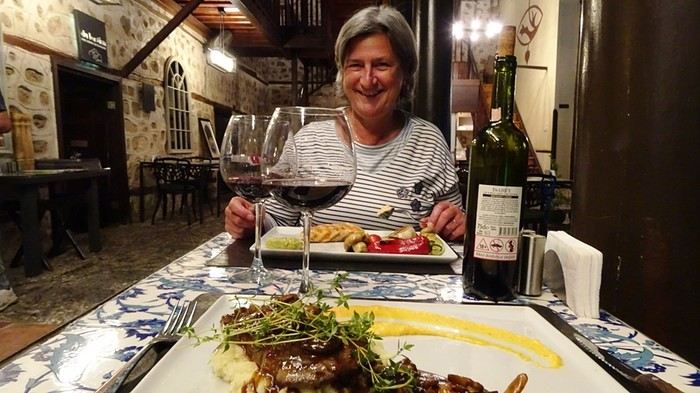
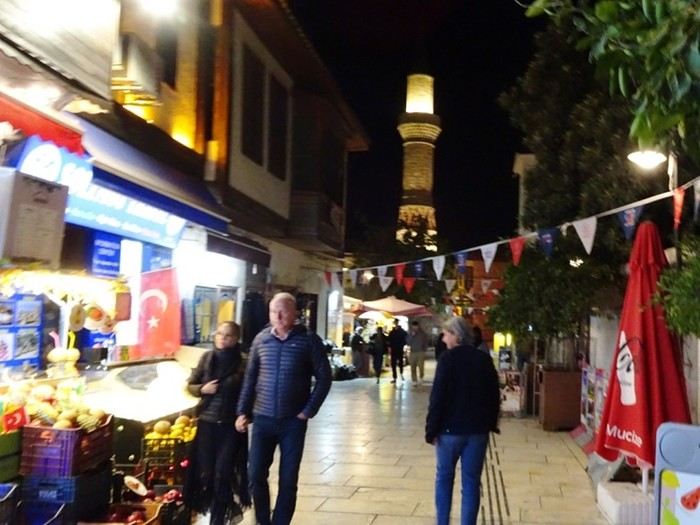
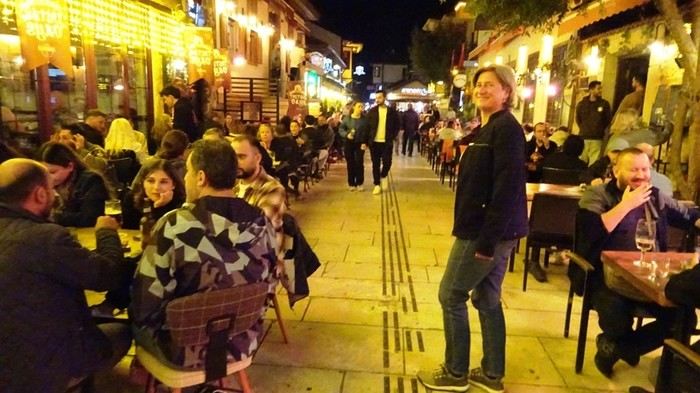
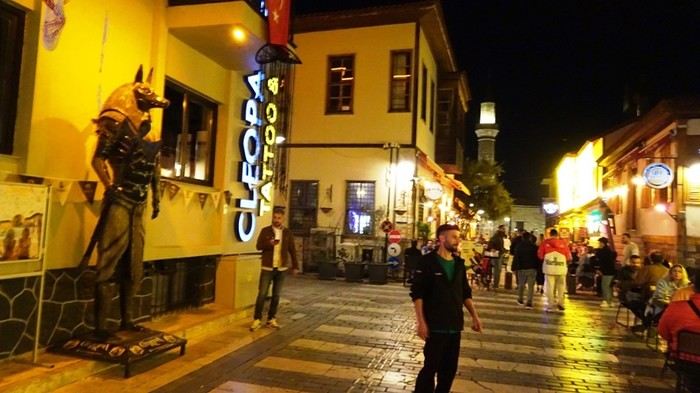
Sunday, November 10, 2024 Antalya In this part of the world, there are some quirks that don’t always suit us infidels! Here in Antalya, the religious influence is still pretty light. You can drink freely, girls can save a lot on fabric—it’s all good, no one’s gonna say anything. But there’s the muezzin. That lanky guy who belts out his tune five times a day from the top of his minaret didn’t spare us this morning. Just a heads-up, we’ve got a two-hour time difference, and this guy starts his serenade at 4 AM, right in the middle of the night. That’s early!
Anyway, we recover, have breakfast, and realize that in terms of revered figures, Atatürk doesn’t take a backseat to the prophet responsible for our nighttime disturbances. We’d already been surprised by how ubiquitous his portrait is, but on the restaurant terrace, we see it’s a full-blown cult. There’s a little altar with rose petals under his portrait. First thing in the morning, the staff lines up to pay their respects, then sings a stirring hymn while some customers stand, hand on heart.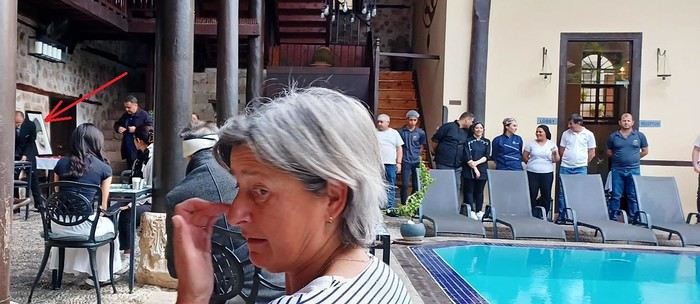
Right after breakfast, we set off like explorers through the old town. It’s incredible how many walls, monuments, and statues have survived from the glorious Greek and Roman eras. Back then, they built things to last!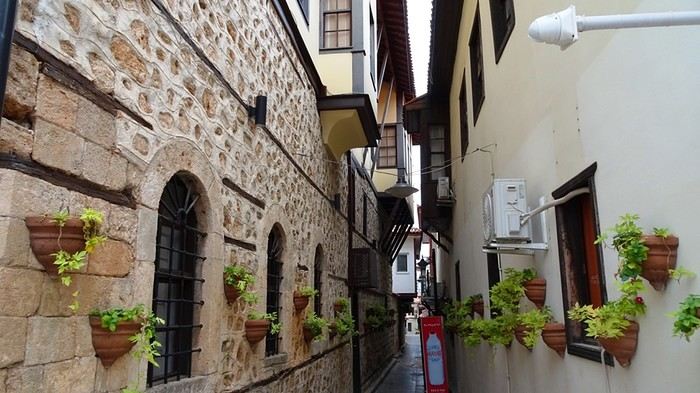
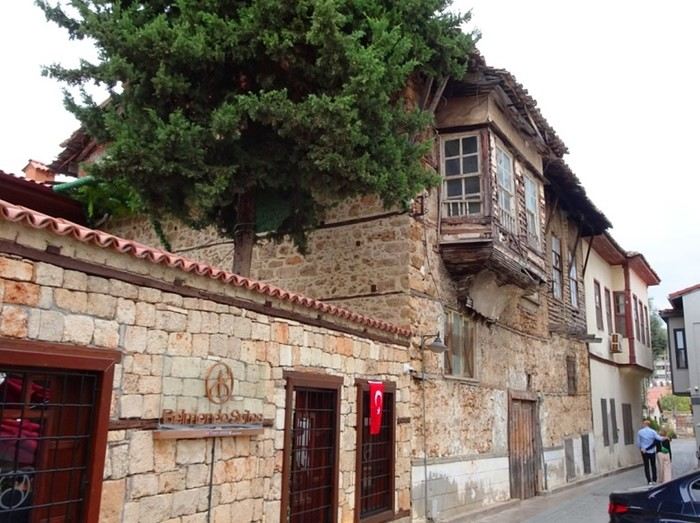

Sunday, November 10, 2024 Antalya In this part of the world, there are some quirks that don’t always suit us infidels! Here in Antalya, the religious influence is still pretty light. You can drink freely, girls can save a lot on fabric—it’s all good, no one’s gonna say anything. But there’s the muezzin. That lanky guy who belts out his tune five times a day from the top of his minaret didn’t spare us this morning. Just a heads-up, we’ve got a two-hour time difference, and this guy starts his serenade at 4 AM, right in the middle of the night. That’s early!
Anyway, we recover, have breakfast, and realize that in terms of revered figures, Atatürk doesn’t take a backseat to the prophet responsible for our nighttime disturbances. We’d already been surprised by how ubiquitous his portrait is, but on the restaurant terrace, we see it’s a full-blown cult. There’s a little altar with rose petals under his portrait. First thing in the morning, the staff lines up to pay their respects, then sings a stirring hymn while some customers stand, hand on heart.
Right after breakfast, we set off like explorers through the old town. It’s incredible how many walls, monuments, and statues have survived from the glorious Greek and Roman eras. Back then, they built things to last!
Three weeks in Norway (July 2022): fantastic memories despite the rain
Our trip to Norway was two years ago already, but I thought it might still be of interest—and it’ll let me relive it a bit by proxy.
Before booking our flight tickets, we debated the route: should we prioritize the north with the Lofoten and Senja islands, or the south with its countless fjords? I was tempted to stay in the south—the country is so vast, and the drive north is long... but my husband really didn’t want to miss the Lofoten. In the end, we figured that since Norway is known for being expensive, we might only visit once (funny how we said the same thing before our first trip to the American West, and look how that turned out 😎), so we didn’t want to skip anything. That meant a 2–3 day drive up north. With 22 days on the ground, it was doable. Especially since, as usual, we skip big cities and gave Oslo a pass.
Practical details: - Flight tickets: 1195 € for 4 with Air France (Paris–Oslo outbound, Tromsø–Bergen–Paris return) - Car rental: 2020 € for 21 days (including the outrageous drop-off fee between Oslo and Tromsø—about 1000 €) - Tolls and ferries: 250 € for the portion billed directly by the rental company. Some ferries required advance booking and payment at the time of reservation—I’ll note their prices as I go through the story. - Hotels: 4135 €, averaging 188 € per night. We blew past our usual budgets from trips to the U.S., but oh well... - Food: 1570 €, averaging 71 € per day for 4 in a country where everything’s expensive... How’d we manage? We rarely ate out, mostly grocery shopped, and even packed half a suitcase with non-perishables: pasta, rice, a few cans, and even some cured sausage! We also stayed 3 nights at Clarion Collection hotels, where an evening buffet was included in the room rate.
Before booking our flight tickets, we debated the route: should we prioritize the north with the Lofoten and Senja islands, or the south with its countless fjords? I was tempted to stay in the south—the country is so vast, and the drive north is long... but my husband really didn’t want to miss the Lofoten. In the end, we figured that since Norway is known for being expensive, we might only visit once (funny how we said the same thing before our first trip to the American West, and look how that turned out 😎), so we didn’t want to skip anything. That meant a 2–3 day drive up north. With 22 days on the ground, it was doable. Especially since, as usual, we skip big cities and gave Oslo a pass.
Practical details: - Flight tickets: 1195 € for 4 with Air France (Paris–Oslo outbound, Tromsø–Bergen–Paris return) - Car rental: 2020 € for 21 days (including the outrageous drop-off fee between Oslo and Tromsø—about 1000 €) - Tolls and ferries: 250 € for the portion billed directly by the rental company. Some ferries required advance booking and payment at the time of reservation—I’ll note their prices as I go through the story. - Hotels: 4135 €, averaging 188 € per night. We blew past our usual budgets from trips to the U.S., but oh well... - Food: 1570 €, averaging 71 € per day for 4 in a country where everything’s expensive... How’d we manage? We rarely ate out, mostly grocery shopped, and even packed half a suitcase with non-perishables: pasta, rice, a few cans, and even some cured sausage! We also stayed 3 nights at Clarion Collection hotels, where an evening buffet was included in the room rate.
3 weeks in Colombia in August 2024
Hi there,
This summer, we spent 3 weeks in northern Colombia. A vibrant trip that complemented our southern Peru adventure from the previous year perfectly. Two neighboring countries, but completely different.
To start, we had to make a choice because the country is vast.
So we focused on 3 different regions for our 3 weeks: - Week 1: Bogotá and the colonial villages (Villa de Leyva, Barichara) - Week 2: Medellín and the Coffee Region - Week 3: the Caribbean coast
We entrusted the organization to a small local agency that handled accommodations, guides, and transportation. Transportation is key. The country is large, the road network isn’t very efficient, and we spent a lot of time traveling (cars, planes, and boats...), but it was the price to pay to explore it.
The overall budget isn’t exactly "backpacker" level. We spent 7,500 € (excluding Air France) for our 3-week stay (hotels, drivers, guides, flights, visits, meals). But we treated ourselves to nice accommodations—you’ll see as we share more posts.
For vacations, I try to follow Philippe Noiret’s motto: "Travel is short. Let’s try to do it first class."
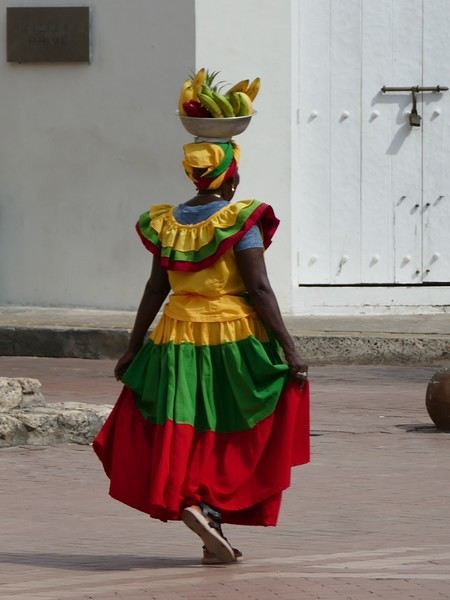
This summer, we spent 3 weeks in northern Colombia. A vibrant trip that complemented our southern Peru adventure from the previous year perfectly. Two neighboring countries, but completely different.
To start, we had to make a choice because the country is vast.
So we focused on 3 different regions for our 3 weeks: - Week 1: Bogotá and the colonial villages (Villa de Leyva, Barichara) - Week 2: Medellín and the Coffee Region - Week 3: the Caribbean coast
We entrusted the organization to a small local agency that handled accommodations, guides, and transportation. Transportation is key. The country is large, the road network isn’t very efficient, and we spent a lot of time traveling (cars, planes, and boats...), but it was the price to pay to explore it.
The overall budget isn’t exactly "backpacker" level. We spent 7,500 € (excluding Air France) for our 3-week stay (hotels, drivers, guides, flights, visits, meals). But we treated ourselves to nice accommodations—you’ll see as we share more posts.
For vacations, I try to follow Philippe Noiret’s motto: "Travel is short. Let’s try to do it first class."
A "relaxed" 16-day tour of Corsica in autumn 2024
CORSICA From September 24, 2024 to October 9, 2024
Thank you, thank you, thank you for reactivating my favorite forum, which has given me so many ideas for my trips since... 2008—it’s been ages, as they say!
So, to celebrate its return, I’m sharing this little travel journal from our latest road trip, not too long ago, since it was Corsica in the autumn.
Autumn is the ideal season to visit Corsica: fewer tourists, perfect temperatures around 25°C, and, most importantly, less stress on the roads. You can feel it everywhere. Servers and shopkeepers are more relaxed and have time to chat (yes, Corsicans do talk... but not all of them!)
09/24 Arrival in Erbalunga Whether you're from northern France or Belgium, like us, the easiest way to reach the Isle of Beauty is by flying from Lille-Lesquin Airport. Volotea offers two destinations: Bastia and Ajaccio. Be careful, though—while the ticket prices are attractive, the airline makes up for it with baggage fees. A 25kg suitcase for 212 €—that really drives up the cost of transportation! For us, it’ll be Bastia. After this short flight and an arrival that lets you clearly see the east coast of Cap Corse, we’re welcomed by our friend Jean-Claude, who’s kindly hosting us for a few days. We met this Corsican and his wife during our four-year stay in French Guiana, and I have to say, he completely changed my opinion of Corsicans and even made me want to visit his island. The house, clinging to the rock above the sea, is stunning and offers a breathtaking view of the island of Elba. I’d always heard of Elba but must admit I wouldn’t have known where to place it before. We’ll stay here for five nights, long enough to explore the north of the island.
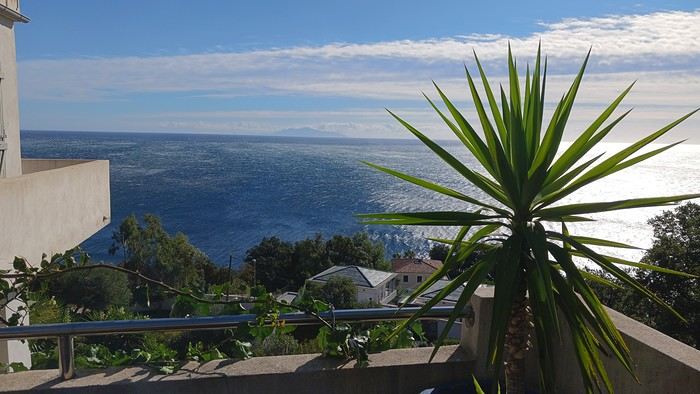
Since we’ve just arrived, Jean-Claude wants to show us his village, ERLALUNGA, a quiet little port, and the small village of CASTELLO above it, where he spent a lot of time in his childhood...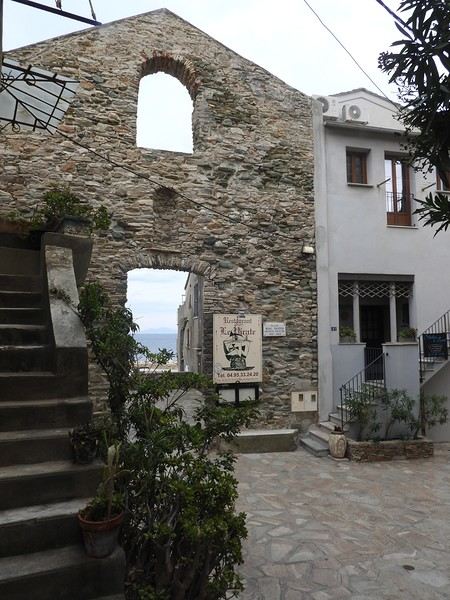
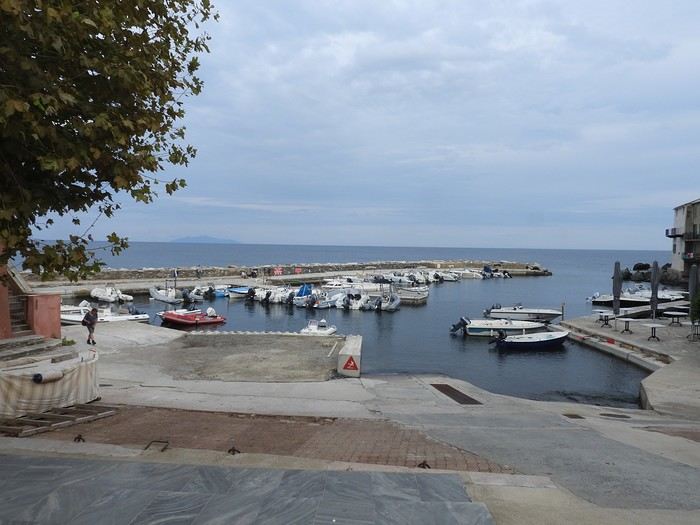
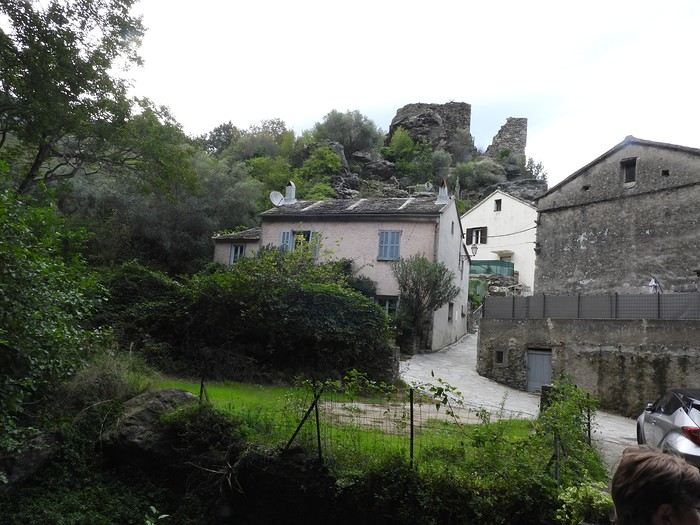
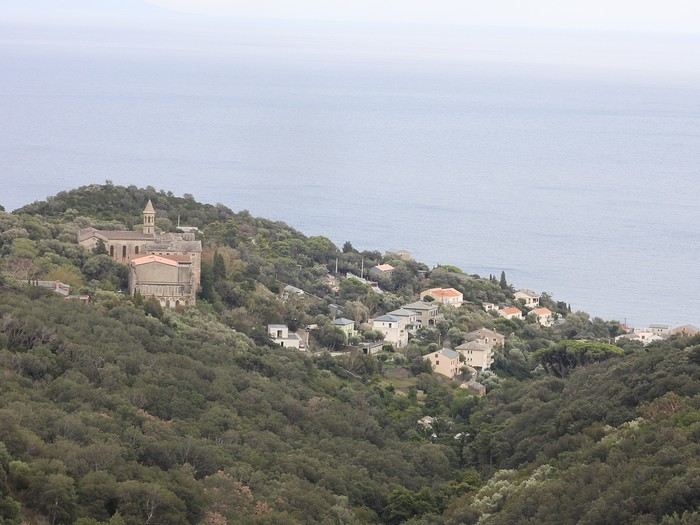

09/24 Arrival in Erbalunga Whether you're from northern France or Belgium, like us, the easiest way to reach the Isle of Beauty is by flying from Lille-Lesquin Airport. Volotea offers two destinations: Bastia and Ajaccio. Be careful, though—while the ticket prices are attractive, the airline makes up for it with baggage fees. A 25kg suitcase for 212 €—that really drives up the cost of transportation! For us, it’ll be Bastia. After this short flight and an arrival that lets you clearly see the east coast of Cap Corse, we’re welcomed by our friend Jean-Claude, who’s kindly hosting us for a few days. We met this Corsican and his wife during our four-year stay in French Guiana, and I have to say, he completely changed my opinion of Corsicans and even made me want to visit his island. The house, clinging to the rock above the sea, is stunning and offers a breathtaking view of the island of Elba. I’d always heard of Elba but must admit I wouldn’t have known where to place it before. We’ll stay here for five nights, long enough to explore the north of the island.
Since we’ve just arrived, Jean-Claude wants to show us his village, ERLALUNGA, a quiet little port, and the small village of CASTELLO above it, where he spent a lot of time in his childhood...
Mexico: The Magic of the Yucatán
Hello everyone,
What a pleasure to be back on VF after a few difficult years 😎 So, before diving into the topic, welcome back to VF and above all... keep going!
Well, I’m finally picking up my old habit of posting a new travel journal.
Before heading to Mexico in the summer of 2023 with my family (my partner and our two boys, aged 18 and 16), I had somehow convinced myself—though I can’t even remember why—that the Yucatán was too touristy, too cliché, too expensive, and overrated!
The country didn’t particularly appeal to me, but faced with my wife’s insistence—she’d been there years ago, before we met, and had promised to show our sons this incredible place—my arguments didn’t hold much weight.
And thank goodness, because I have to admit she was absolutely right to take us there! In the end, we encountered far fewer tourists than we’d feared (except at a few sites), and the prices, which we’d been told were geared toward American neighbors (US), turned out to be quite affordable. In short, it was pure joy on both counts. All that was left was for the trip itself to be beautiful and memorable—and it was...
1st stop: Isla Holbox and the whale sharks
Holbox (pronounced “Hol-bosh”) is a stunning island where you can relax in an enchanting setting.
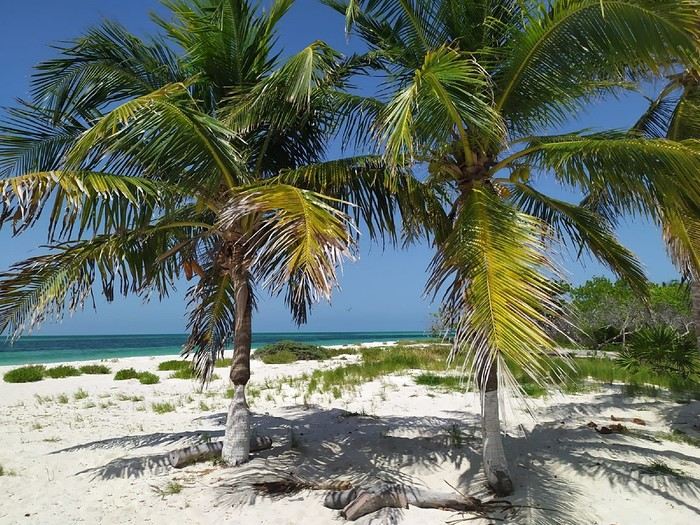
Our main goal in coming to Holbox was to swim with whale sharks. So, the first thing we told our hotel, Los Arcos Holbox, upon arrival was to arrange an excursion with one of the island’s many tour operators: Glendy Tours Holbox. We set off the next morning, bright and early.
The itinerary for this outing is the same for all tour operators (and there are about thirty of them!): roughly two hours by speedboat, then snorkeling with the whale sharks, followed by another boat ride to Cabo Catoche for lunch, then more boating to a fish-filled snorkeling spot before heading back. In total, the excursion can take eight hours—or even longer.
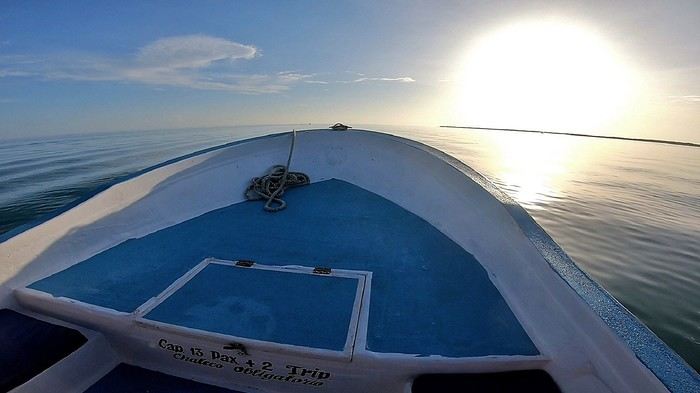
Besides my two sons and me, there were only two other clients on board—a French couple. Our boat was one of the very first to leave, but after ten minutes, the pilot got a radio call. We turned back without any explanation, returning to the departure dock.
There, a young woman who clearly fancied herself a diva was waiting for us. She was Mexican and boarded the boat, snubbing all five of us while flirting with the pilot and guide, who were suddenly all eyes for her. We couldn’t understand how this diva had convinced our tour operator to turn the boat around just to pick her up when she hadn’t even booked and we were already far out. We left 20 minutes late.
The two-hour journey passed surprisingly quickly, and for good reason: we spotted dolphins six times! They were leaping out of the water as they moved. Pure joy. We stopped whenever they were near the boat.
The photo isn’t great—the ultra-wide-angle lens on my GoPro makes the dolphins look smaller—but at least I got a souvenir.
A few flying fish (exocets) also glided a meter or two above the water as we sped along. The false start was forgotten, and the day was off to a fantastic start in this stunning marine environment...
When we reached the area where the whale sharks were supposed to be, the guide explained that we’d now have to scan the sea until we spotted one. It could take five minutes or forty-five, he said, and if we were unlucky, we might not see any at all!
An hour and a half later—still nothing! The captain then headed toward a distant area where about twenty other boats were already gathered.
Sure enough, there was a juvenile whale shark (still a good eight meters long) there, and all the boats were lining up to approach it slowly, one by one, so as not to scare the animal. Each boat got about thirty seconds within a few meters of it, engine idling, before making way for the next. We were allowed to approach three times, but we weren’t permitted to dive in. That’s normal—such a crowd of divers around a single animal would stress it out, and here, whale sharks are protected by regulations: swimming with them is strictly controlled. There was even a coast guard boat with us at all times, monitoring everyone’s behavior.
We were torn between the luck of seeing such a magnificent animal, even from the surface, and the discomfort we felt about the absurd situation. All those boats lined up just to catch a fleeting glimpse of the shark for a few seconds—let’s be honest, it was ridiculous. In short, the whole thing was unpleasant, and probably even more so for the shark than for us, though it did keep gulping down kilos of plankton as if nothing were happening...
When it was our turn to approach, I dipped my GoPro into the water at arm’s length and framed the shot blindly, hoping for a decent image of the shark.
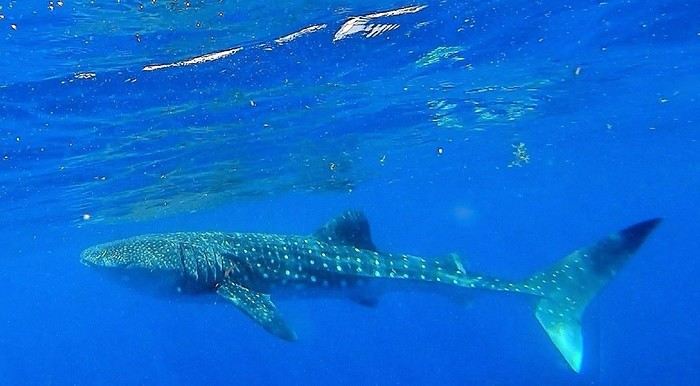
On the third and final approach, the sixth passenger on board—the one we’d had to turn back for ten minutes after departure—quietly spoke to the guide and captain after putting on her flippers (even though, I’ll remind you, no one was allowed to dive). She wanted them to ask the coast guard for permission to dive with the shark—just her! She whispered so we couldn’t hear what she was offering in exchange.
The two lackeys complied and shouted the request to the officials in front of all the other boats, with no shame whatsoever. With so many witnesses, the coast guard had no choice but to refuse. The diva wouldn’t let it go and asked them to insist, which they did, but the refusal was firm and final.
On the nearest boats, everyone had heard and was stunned. They openly mocked this bimbo who clearly had no shame. Hidden behind her star sunglasses, she responded with a dismissive smile. Pathetic.
The encounter with the shark ended, and we set off for Cabo Catoche, a site on Holbox Island where we were to have lunch.
We were a little disappointed not to have had the chance to see the usual school of whale sharks (they’re often dozens swimming together!), but that’s nature’s way, and we knew it.
And then, an unlikely stroke of luck: a boat ahead of us was putting divers in the water with a pair of adult whale sharks. We joined them, and while we were putting on our masks and snorkels, the guide briefed us. He said my sons and I would go first, followed by the French couple and the diva.
But Miss World, clearly unhappy with this order, quietly complained to the guide, who eventually switched the order. It didn’t bother us since we’d only get a minute in the water anyway—what’s a minute more or less?
So the three of them got in the water, and a moment later, they were done. My two sons and I, sitting on the edge of the boat with masks on and snorkels in our mouths, were ready to finally take the plunge. But instead of continuing to follow the shark, the captain was suddenly all eyes for Miss Silicone! He even let go of the wheel for a moment to help her back on board.
One of the two sharks had already left minutes earlier, and the second was swimming farther away. Other boats were arriving, and the captain went to join the queue 100 meters from the shark. Soon, even more boats showed up. There were way too many people, the shark left, and diving was no longer possible.
I was, of course, a little disappointed not to have fulfilled my long-time dream of swimming with a whale shark, even briefly. But I was mostly disgusted for my two boys, who had been so excited about it. I told the guide exactly what I thought and asked for compensation—not for missing out on swimming with the shark (you can never guarantee seeing one, nature isn’t at our beck and call), but for clearly skipping our turn to dive. He promised a refund.
At the end of the day, back on land, he dropped us all off, and as he was about to leave, I reminded him about the refund. He agreed again, calmly got back on board, and sped off as if nothing had happened—just him and the captain, two total cowards. I couldn’t believe it.
Of course, back at our hotel (which had booked this tour operator—Glendy Tours), I explained the situation and asked for my refund again. The receptionist called the manager, who arrived with the guide. Our runaway wasn’t so cocky anymore. Inside, I was fuming, but I kept my cool during the discussion that followed.
Right off the bat, I made a point of looking the so-called guide in the eyes while telling him he’d run off like a coward. I did my best to stay calm, speaking clearly, staring him down the whole time, and repeating several times that he was a coward, in front of the manager, who didn’t say a word. The guide had clearly been told by his boss to keep quiet because he didn’t utter a word during the entire twenty-minute conversation.
Anyway, I’ll spare you the details, but in the end, the manager only offered us another excursion the next day as compensation for the “inconvenience.” It was just snorkeling with fish, not another whale shark trip. He admitted their fault, but since we had to leave early the next morning and had other bookings for the rest of the trip, we couldn’t accept. And he refused to refund us.
On Tripadvisor, Glendy Tours has a mediocre rating (3 out of 5), but more importantly, it ranks 29th out of 36 nautical tour operators rated by customers. I was pretty upset with the hotel for booking such an amateur for us.

If you want to swim with whale sharks in Holbox, you might end up with Glendy Tours. And it might go well—I certainly hope so. But given the price of such an excursion (3,000 pesos per person, about 160 €!), I’d still suggest quickly checking online before you go to see which providers have the best ratings. You’ll have a much better chance of things going smoothly with the top-rated ones than with those as poorly ranked as Glendy Tours.
On the other hand, if you’re a beautiful young woman, you can choose them without worry—you’ll get better treatment than the rest of us...
To wrap up this excursion, I have to mention the “respect for nature” angle that all these tour operators highlight. They tell us they respect the whale sharks: only two or three people can dive at a time, and only for a few minutes, so as not to disturb these gentle giants...
We believed them before we left, but that’s not what we saw. When the sharks are hard to find except for one, everyone rushes it, and only the constant presence of the coast guard prevents the tour operators from putting their clients in the water.
Because for the second shark we saw, when the divers from our boat got out of the water and we left to join the queue while it was our turn to dive, other boats quickly arrived and started swarming the poor shark, which eventually left.
In other words, it’s clear these companies only respect the sharks when they’re being watched.
 Boat reversing a meter away from a pelican
And for the snorkeling near Cabo Catoche, they attract fish daily by feeding them—a practice that’s normally discouraged. Afterward, these fish can’t feed naturally anymore and become dependent on Glendy Tours and its competitors.
A quick note on the rest of the excursion: Cabo Catoche (the site where we had lunch, on Holbox Island) is the northernmost point of the entire Yucatán. The place is paradise.
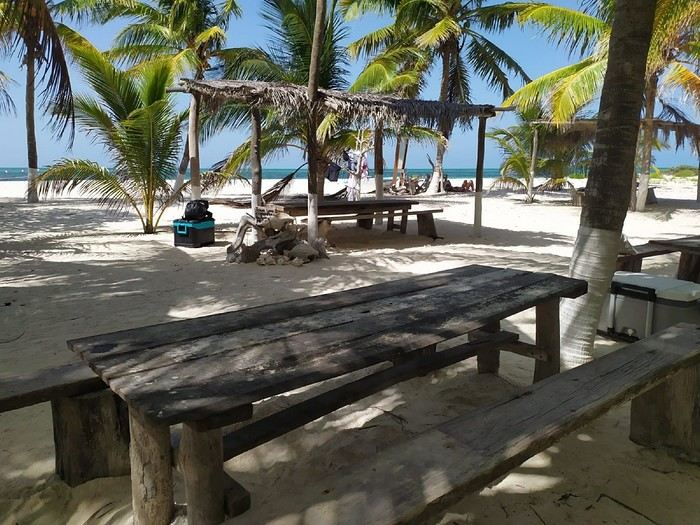
On the way back, we spent half an hour snorkeling at a site that turned out to be fish-filled only because the tour operators had the bad habit of feeding the fish. But this practice, which isn’t respectful of nature, is normally discouraged.
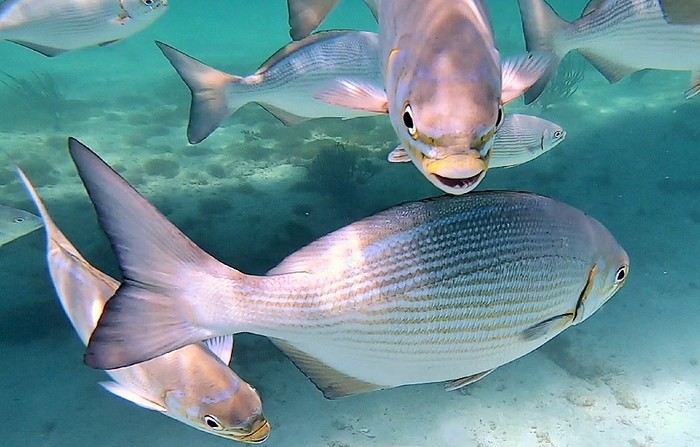
Plus, life jackets—like in many places in the Yucatán—are mandatory!!
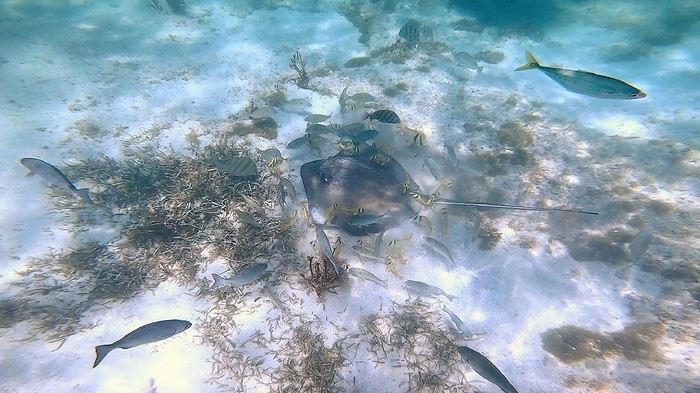
As divers, we didn’t find the site very interesting, but objectively, it should delight those who aren’t used to putting their heads underwater in beautiful dive spots.
We hated feeling trapped in those life jackets, stuck at the surface, and for me, the highlight was swimming next to a pelican that wasn’t too shy—it was paddling right beside me in green water.
Anyway, it seems we can’t post more than 10 photos at once on VF, so I’ll come back with the rest of the journal in another message. Because after these early trip mishaps, the rest of the journey turned out to be magnificent...
What a pleasure to be back on VF after a few difficult years 😎 So, before diving into the topic, welcome back to VF and above all... keep going!
Well, I’m finally picking up my old habit of posting a new travel journal.
Before heading to Mexico in the summer of 2023 with my family (my partner and our two boys, aged 18 and 16), I had somehow convinced myself—though I can’t even remember why—that the Yucatán was too touristy, too cliché, too expensive, and overrated!
The country didn’t particularly appeal to me, but faced with my wife’s insistence—she’d been there years ago, before we met, and had promised to show our sons this incredible place—my arguments didn’t hold much weight.
And thank goodness, because I have to admit she was absolutely right to take us there! In the end, we encountered far fewer tourists than we’d feared (except at a few sites), and the prices, which we’d been told were geared toward American neighbors (US), turned out to be quite affordable. In short, it was pure joy on both counts. All that was left was for the trip itself to be beautiful and memorable—and it was...
1st stop: Isla Holbox and the whale sharks
Holbox (pronounced “Hol-bosh”) is a stunning island where you can relax in an enchanting setting.
Our main goal in coming to Holbox was to swim with whale sharks. So, the first thing we told our hotel, Los Arcos Holbox, upon arrival was to arrange an excursion with one of the island’s many tour operators: Glendy Tours Holbox. We set off the next morning, bright and early.
The itinerary for this outing is the same for all tour operators (and there are about thirty of them!): roughly two hours by speedboat, then snorkeling with the whale sharks, followed by another boat ride to Cabo Catoche for lunch, then more boating to a fish-filled snorkeling spot before heading back. In total, the excursion can take eight hours—or even longer.
Besides my two sons and me, there were only two other clients on board—a French couple. Our boat was one of the very first to leave, but after ten minutes, the pilot got a radio call. We turned back without any explanation, returning to the departure dock.
There, a young woman who clearly fancied herself a diva was waiting for us. She was Mexican and boarded the boat, snubbing all five of us while flirting with the pilot and guide, who were suddenly all eyes for her. We couldn’t understand how this diva had convinced our tour operator to turn the boat around just to pick her up when she hadn’t even booked and we were already far out. We left 20 minutes late.
The two-hour journey passed surprisingly quickly, and for good reason: we spotted dolphins six times! They were leaping out of the water as they moved. Pure joy. We stopped whenever they were near the boat.
The photo isn’t great—the ultra-wide-angle lens on my GoPro makes the dolphins look smaller—but at least I got a souvenir.
A few flying fish (exocets) also glided a meter or two above the water as we sped along. The false start was forgotten, and the day was off to a fantastic start in this stunning marine environment...
When we reached the area where the whale sharks were supposed to be, the guide explained that we’d now have to scan the sea until we spotted one. It could take five minutes or forty-five, he said, and if we were unlucky, we might not see any at all!
An hour and a half later—still nothing! The captain then headed toward a distant area where about twenty other boats were already gathered.
Sure enough, there was a juvenile whale shark (still a good eight meters long) there, and all the boats were lining up to approach it slowly, one by one, so as not to scare the animal. Each boat got about thirty seconds within a few meters of it, engine idling, before making way for the next. We were allowed to approach three times, but we weren’t permitted to dive in. That’s normal—such a crowd of divers around a single animal would stress it out, and here, whale sharks are protected by regulations: swimming with them is strictly controlled. There was even a coast guard boat with us at all times, monitoring everyone’s behavior.
We were torn between the luck of seeing such a magnificent animal, even from the surface, and the discomfort we felt about the absurd situation. All those boats lined up just to catch a fleeting glimpse of the shark for a few seconds—let’s be honest, it was ridiculous. In short, the whole thing was unpleasant, and probably even more so for the shark than for us, though it did keep gulping down kilos of plankton as if nothing were happening...
When it was our turn to approach, I dipped my GoPro into the water at arm’s length and framed the shot blindly, hoping for a decent image of the shark.
On the third and final approach, the sixth passenger on board—the one we’d had to turn back for ten minutes after departure—quietly spoke to the guide and captain after putting on her flippers (even though, I’ll remind you, no one was allowed to dive). She wanted them to ask the coast guard for permission to dive with the shark—just her! She whispered so we couldn’t hear what she was offering in exchange.
The two lackeys complied and shouted the request to the officials in front of all the other boats, with no shame whatsoever. With so many witnesses, the coast guard had no choice but to refuse. The diva wouldn’t let it go and asked them to insist, which they did, but the refusal was firm and final.
On the nearest boats, everyone had heard and was stunned. They openly mocked this bimbo who clearly had no shame. Hidden behind her star sunglasses, she responded with a dismissive smile. Pathetic.
The encounter with the shark ended, and we set off for Cabo Catoche, a site on Holbox Island where we were to have lunch.
We were a little disappointed not to have had the chance to see the usual school of whale sharks (they’re often dozens swimming together!), but that’s nature’s way, and we knew it.
And then, an unlikely stroke of luck: a boat ahead of us was putting divers in the water with a pair of adult whale sharks. We joined them, and while we were putting on our masks and snorkels, the guide briefed us. He said my sons and I would go first, followed by the French couple and the diva.
But Miss World, clearly unhappy with this order, quietly complained to the guide, who eventually switched the order. It didn’t bother us since we’d only get a minute in the water anyway—what’s a minute more or less?
So the three of them got in the water, and a moment later, they were done. My two sons and I, sitting on the edge of the boat with masks on and snorkels in our mouths, were ready to finally take the plunge. But instead of continuing to follow the shark, the captain was suddenly all eyes for Miss Silicone! He even let go of the wheel for a moment to help her back on board.
One of the two sharks had already left minutes earlier, and the second was swimming farther away. Other boats were arriving, and the captain went to join the queue 100 meters from the shark. Soon, even more boats showed up. There were way too many people, the shark left, and diving was no longer possible.
I was, of course, a little disappointed not to have fulfilled my long-time dream of swimming with a whale shark, even briefly. But I was mostly disgusted for my two boys, who had been so excited about it. I told the guide exactly what I thought and asked for compensation—not for missing out on swimming with the shark (you can never guarantee seeing one, nature isn’t at our beck and call), but for clearly skipping our turn to dive. He promised a refund.
At the end of the day, back on land, he dropped us all off, and as he was about to leave, I reminded him about the refund. He agreed again, calmly got back on board, and sped off as if nothing had happened—just him and the captain, two total cowards. I couldn’t believe it.
Of course, back at our hotel (which had booked this tour operator—Glendy Tours), I explained the situation and asked for my refund again. The receptionist called the manager, who arrived with the guide. Our runaway wasn’t so cocky anymore. Inside, I was fuming, but I kept my cool during the discussion that followed.
Right off the bat, I made a point of looking the so-called guide in the eyes while telling him he’d run off like a coward. I did my best to stay calm, speaking clearly, staring him down the whole time, and repeating several times that he was a coward, in front of the manager, who didn’t say a word. The guide had clearly been told by his boss to keep quiet because he didn’t utter a word during the entire twenty-minute conversation.
Anyway, I’ll spare you the details, but in the end, the manager only offered us another excursion the next day as compensation for the “inconvenience.” It was just snorkeling with fish, not another whale shark trip. He admitted their fault, but since we had to leave early the next morning and had other bookings for the rest of the trip, we couldn’t accept. And he refused to refund us.
On Tripadvisor, Glendy Tours has a mediocre rating (3 out of 5), but more importantly, it ranks 29th out of 36 nautical tour operators rated by customers. I was pretty upset with the hotel for booking such an amateur for us.
If you want to swim with whale sharks in Holbox, you might end up with Glendy Tours. And it might go well—I certainly hope so. But given the price of such an excursion (3,000 pesos per person, about 160 €!), I’d still suggest quickly checking online before you go to see which providers have the best ratings. You’ll have a much better chance of things going smoothly with the top-rated ones than with those as poorly ranked as Glendy Tours.
On the other hand, if you’re a beautiful young woman, you can choose them without worry—you’ll get better treatment than the rest of us...
To wrap up this excursion, I have to mention the “respect for nature” angle that all these tour operators highlight. They tell us they respect the whale sharks: only two or three people can dive at a time, and only for a few minutes, so as not to disturb these gentle giants...
We believed them before we left, but that’s not what we saw. When the sharks are hard to find except for one, everyone rushes it, and only the constant presence of the coast guard prevents the tour operators from putting their clients in the water.
Because for the second shark we saw, when the divers from our boat got out of the water and we left to join the queue while it was our turn to dive, other boats quickly arrived and started swarming the poor shark, which eventually left.
In other words, it’s clear these companies only respect the sharks when they’re being watched.
Boat reversing a meter away from a pelicanAnd for the snorkeling near Cabo Catoche, they attract fish daily by feeding them—a practice that’s normally discouraged. Afterward, these fish can’t feed naturally anymore and become dependent on Glendy Tours and its competitors.
A quick note on the rest of the excursion: Cabo Catoche (the site where we had lunch, on Holbox Island) is the northernmost point of the entire Yucatán. The place is paradise.
On the way back, we spent half an hour snorkeling at a site that turned out to be fish-filled only because the tour operators had the bad habit of feeding the fish. But this practice, which isn’t respectful of nature, is normally discouraged.
Plus, life jackets—like in many places in the Yucatán—are mandatory!!
As divers, we didn’t find the site very interesting, but objectively, it should delight those who aren’t used to putting their heads underwater in beautiful dive spots.
We hated feeling trapped in those life jackets, stuck at the surface, and for me, the highlight was swimming next to a pelican that wasn’t too shy—it was paddling right beside me in green water.
Anyway, it seems we can’t post more than 10 photos at once on VF, so I’ll come back with the rest of the journal in another message. Because after these early trip mishaps, the rest of the journey turned out to be magnificent...
Première expérience voyage à vélo: conseils achats, documentation English translation pending
Bonjour,
L'envie me prend, assez soudaine, de m'essayer aux roadtrip à vélo. Je vis à Paris, et ne suis pas très sportif.
Je souhaiterai pour commencer faire un bête aller / retour jusqu'à la forêt de Fontainebleau avec une nuit de camping sur place. Par la suite, et selon comment je m'en sors, j'aimerai faire les châteaux de la Loire, le canal du midi et d'autres destinations etc (tout le temps en partant de Paris).
Je me met donc à la recherche d'un vélo qui soit adapté à ce type de voyage, mais aussi à mes déplacements quotidiens sur Paris. Si possible dans un budget raisonnable. Est-ce qu'un simple vélo Décathlon est suffisant / fiable? Ou bien y a t-il des sites plus appropriés? Même question pour l'achat d'une tente, de materiel / outil pour le vélo etc.
Je suis ouvert à vos conseils d'achats, de lecture, et vos avis.
Merci et bonne journée
L'envie me prend, assez soudaine, de m'essayer aux roadtrip à vélo. Je vis à Paris, et ne suis pas très sportif.
Je souhaiterai pour commencer faire un bête aller / retour jusqu'à la forêt de Fontainebleau avec une nuit de camping sur place. Par la suite, et selon comment je m'en sors, j'aimerai faire les châteaux de la Loire, le canal du midi et d'autres destinations etc (tout le temps en partant de Paris).
Je me met donc à la recherche d'un vélo qui soit adapté à ce type de voyage, mais aussi à mes déplacements quotidiens sur Paris. Si possible dans un budget raisonnable. Est-ce qu'un simple vélo Décathlon est suffisant / fiable? Ou bien y a t-il des sites plus appropriés? Même question pour l'achat d'une tente, de materiel / outil pour le vélo etc.
Je suis ouvert à vos conseils d'achats, de lecture, et vos avis.
Merci et bonne journée
La Bretagne avec le Jacques Cartier "Ponant" du 18 au 25 juillet 2020 English translation pending
Bonjour
J'avais envisagé d'attendre début Octobre et notre retour à Rennes pour faire le C/R
de notre croisière " La Bretagne : entre côtes sauvages et phares "
Mais tout compte fait , je change d'avis et démarre ce C/R dès maintenant :
Au retour de notre 20 ème croisière , fin Novembre 2019 , ( Transat de Marseille à
Miami sur le MSC Divina ) , nous avions décidé de faire une (petite ) pause pour les
croisières et donc de ne rien réserver avant plusieurs mois .
Sage décision en fait au vu des évènements sanitaires du Printemps puisque nous
avons échappé aux problèmes subis par nombre de touristes qui se sont retrouvés
avec des avoirs qu'il ne pourront utiliser ( au mieux ) que dans plusieurs mois .
A la fin de l'an dernier , je m'étais inscrit à la newsletter de Ponant , plus pour rêver
qu'autre chose .
Mais début Juin , alors que toutes les croisières sont annulées les unes après les autres ,
Ponant , profitant notamment de la capacité réduite de ses navires et du retour en
France métropolitaine de presque tous , met en place 2 itinéraires en Méditerranée et
3 en Manche et Atlantique .
La croisière au départ de Nice pour contourner la Corse nous plaisait bien mais rejoindre
Nice posait , à ce moment là , problème .
Nous décidons donc de nous rabattre sur la croisière au départ de St Malo car là , pas de
souci pour nous y rendre 🙂
Les raisons de notre choix : de mémoire , St Malo est fréquemment une ville d'escale pour
les bateaux de croisière mais quasiment jamais une ville d'embarquement ( et là aussi
de débarquement ) , donc autant en profiter .
De plus l'itinéraire nous plait avec la visite d'iles connues ( mais que nous reverrons avec
plaisir ) et de vraies découvertes dont les Scilly , au large de la Cornouaille britannique .
Mi Juin , nous décidons de réserver la croisière au départ de St Malo du 18 Juillet , sachant
que nous avons la possibilité d'annuler , sans pénalités , jusqu'à 72 heures avant le départ .
L'annulation , nous y avons pensé quand , fin Juin , nous avons appris que l'escale aux
Scilly était supprimée 😠 , remplacée par Ouessant , une escale à Groix se substituant
à celle de Hoëdic .
Toutes les autres croisières étaient aussi affectées par la suppression des escales à l'étranger
pour raisons sanitaires ( jours de quarantaine )
Nous trouverons donc peut-être une autre occasion pour nous rendre aux Scilly
Comme d'habitude , je m'égare avec ce préambule un peu long .
Je vais donc faire une pause avant de vous embarquer sur le Jacques Cartier .
A plus
Jean-Pierre
On part en vadrouille au Cambodge! English translation pending
Hello tout le monde !
Vous trouverez ci-dessous mon carnet dédié au voyage que j'ai réalisé l'an passé au Cambodge...
La restriction du nombre de photos imposée par VF m'empêchera de publier ici tous mes clichés. Vous pouvez donc les consulter sur mon site : https://www.onpartenvadrouille.com/ où toutes les journées sont déjà accessibles. Bonne lecture !!!
9 février - Vers un nouveau départ...
L’air de rien, monsieur l’hiver s’est installé confortablement, apportant avec lui dans ses bagages ses amis les nuages grisâtres, nuits tombant à dix-sept heures, gouttes au nez et vieux barbu tout de rouge vêtu. Alors, l’humain lambda boude dans son coin, prétextant une déprime passagère hivernale et une envie d’hibernation foudroyante. Chanceux que je suis, c’est à ce moment précis que chaque année, le génie sort de ma lampe de chevet : « Bonjour maître ! Qu’est-ce qui vous ferait plaisir ?... Un nouveau petit voyage, peut-être ? - Je dis oui, oui et re-oui » ! Chouette, il est temps de préparer les valises et de faire un choix. Choix très difficile entre mes tongs bleues et mes tongs orange. Et puis choix de la destination ! Pique-nique-douille, c’est toi l’andouille de Guéméné ! Suosdei !!! Si je te dis « Salut » dans une langue qui fleure bon l’exotisme, c’est que nous allons ensemble partager un nouveau voyage en direction de l’Asie du sud-est. Et oui, l’Asie du sud-est en hiver, il n’y a rien de mieux pour te requinquer un homme. Et puis l’Asie du sud-est, je l’ai dans la peau, au sens propre comme au sens figuré. Et cette fois-ci, ce sera dans un pays frontalier de la Thaïlande, du Laos et du Vietnam. Pays sous protectorat français jusqu’en 1953, titre d’une chanson de Kim Wilde, pays dont la capitale est Phnom Penh, je suis, je suis, … Ding dong, trop tard !... Le Cambodge !
Qui dit introduction à un nouveau voyage dit aussi interrogatoire. Je mets ma petite robe blanche moulante, je croise, je décroise les jambes, … Oups, j’avais oublié de mettre une culotte… C’est bon, l’interrogatoire peut débuter :
Qui ? Pour m’accompagner, ma femme et mes deux filles qu’on appellera pour cette histoire Sandrine, Anna et Sasha... tout simplement parce que ce sont leurs prénoms ! On devait être accompagné par mes deux parents qui nous ont déjà suivis en Thaïlande il y a maintenant sept ans, mais une petite opération du genou a contraint ma mère à jeter l’éponge dans le visage de son chirurgien au dernier moment. Seul mon père sera de la sauterie en tant que guest star ! On souhaite donc tous ensemble la bienvenue à notre fournisseur d’anecdotes !
Combien ? On part un vendredi et on rentre un dimanche deux semaines plus tard…. Donc si tu comptes bien sur tes dix doigts, ça fait dix-sept jours, voyage compris.
Quoi ? Un voyage mi-routard, mi-pénard. Un circuit optimisé en restant au minimum trois jours par endroit pour éviter de perdre trop de temps dans les transports. De la découverte, des vieilles pierres, de la gastronomie, des rencontres, de la bonne bière, de l’exploration, … Et puis on n’oublie surtout pas de brosser « Martine » dans le bon sens en finissant par quelques jours de repos à l’ombre des cocotiers.
Où ? Pour commencer, le noooooord avec Siem Reap, puis Koh Rong tout au sud. On enchaîne ensuite par Koh Rong Samloem, pour finir tranquillement par Phnom Penh d’où nous regagnerons nos pénates.
Comment ? Scooter, tuk tuk, bus, bateau et tongs. Voilà nos moyens de locomotion ! Come on baby, do the locomooootion...
Bon, je crois avoir répondu à toutes tes questions. Aladin, à la deux, il est donc l’heure d’y aller mon bon génie : Pour tous les amoureux de l’Asie du sud-est ou pour te donner l'envie de le devenir, je déclare donc officiellement ce nouveau voyage ouvert ! Et là, tu te dis peut-être : « Oh, la chance qu’il a !!! » C’est marrant toutes ces personnes qui te répondent systématiquement ça quand tu leur annonces que tu pars en voyage… Premièrement, je ne vois pas ce que la chance vient faire là-dedans puisqu’il suffit de saisir son numéro de carte bancaire sur internet pour gagner un billet d’avion. Crois-moi sur parole, rien de plus simple, on gagne à tous les coups ! Deuxièmement, à tous ceux qui s’imaginent que les voyages, ce n’est que Bisounours et licornes pailletées, je rappelle quand même que la première journée d’un voyage, c’est-à-dire la journée d’aujourd’hui, rime toujours avec aéroport, avion, attente, décalage horaire, fatigue, … Un beau programme à te faire aimer le RER un jour de grève ! Mais rassure-toi, avec moi, inutile d'attacher ta ceinture, ça va être un voyage pépère, hyper rapide, sans zone de turbulences, ni même d’hôtesse à reluquer… puisqu'on est déjà arrivé !! Et oui, moi président, je t’ai exonéré des trois vols qui nous ont menés de Paris à Siem Reap en passant par Amman et Bangkok. Moi président, je t’ai fait grâce de vingt-quatre heures de transport éreintantes. Moi, président, je te dispense solennellement de toutes ces cernes sur ton visage puisque Sandrine se les est toutes accaparées... Seul fait marquant à se mettre sous la dent : Le petit Jésus des avions a sournoisement essayé de nous faire louper notre correspondance à Bangkok ! En direct live rien que pour toi, en voici le récit : On s’installe confortablement dans les sièges en face de notre porte d’embarquement F1A, on s’endort, on se réveille trois heures après, Jean-Michel Ecran au-dessus de notre porte affiche désormais « Shanghai » en lieu et place de « Siem Reap » qui y trônait pourtant fièrement tout à l’heure ! As-tu déjà vu le film « Maman j’ai raté l’avion » ? Et bien voici, « Maman, j’ai presque raté l’avion » ! En voici le scénario… Je m’enquière de la situation auprès d’une gentille hôtesse qui me répond que l’embarquement pour Siem Reap a déménagé en porte D1A à l’autre bout de l’aéroport pendant notre sommeil. « Vite, vite, la porte ferme dans huit minutes !... » S’il te plait, pour la suite de l’histoire, il te faut mettre la musique de Mission impossible... Pan ! C’est partie pour la finale du cent-dix mètres haies en direct de l’aéroport de Bangkok !... Ouf, un brin essoufflé, je remporte la victoire haut la main !... Sauf que, … déconfiture totale ! Du même genre que lorsque tes deux meilleurs attaquants sont forfaits pour la finale de la ligue des champions : En porte D1A, ils embarquent pour un vol pour « Abou Dhabi » !!! « Siem Reap, Siem Reap, please ? - Gate J1A ! » C’est pas possible, l’autre andouillette de tout à l’heure ne sait pas prononcer les « J » correctement ! Nouvelle course folle dans l'aéroport. Je prends de nouveau la tête du convoi, les autres tentant laborieusement de me coller au train. Me voyant arriver en courant, l'hôtesse d’embarquement me fait des signes de loin pour m'indiquer que c'est fini… Horreur, malheur !!! Une fois à sa hauteur, Youhou, champagne, elle m’indiquait en fait qu'il n'était pas nécessaire de courir car le vol a du retard. Allez, Champomy, c’est moi qui régale ! Enfin, … verre d’eau pour tout le monde, quoi !
La description de ce 9 février se termine avec une arrivée tardive à Siem Reap, un passage des formalités administratives bien longuet et rudimentaire, et un transport en tuk tuk affrété par notre hôtel pour traverser pour la première fois cette ville que je découvre enfin ; elle que je connais par procuration grâce à toutes mes innombrables lectures préparatoires d’avant voyage. J’ai un peu l’impression de rencontrer pour la première fois une personne rencontrée virtuellement de longue date sur internet. J’ai aussi l’impression de me sentir comme à la maison. Ça me fait ça à chaque fois avec l’Asie du sud-est. Les odeurs, les bruits, l'ambiance… Je ne saurais comment l'expliquer, mais il n'y a pas de période d'adaptation… Un petit mot sur notre hôtel, La Rose Blanche, établissement un peu excentré mais qui nous ravit les yeux dès notre arrivée. Comme dit l'adage, « avec l'âge, on s'embourgeoise ». Il est possible de trouver à Siem Reap des hôtels vraiment pas chers. Mais en mettant un tout petit peu plus que pas cher, il est possible de trouver de petites perles comme le nôtre dans lequel nous passerons les cinq prochaines nuits bien au chaud.
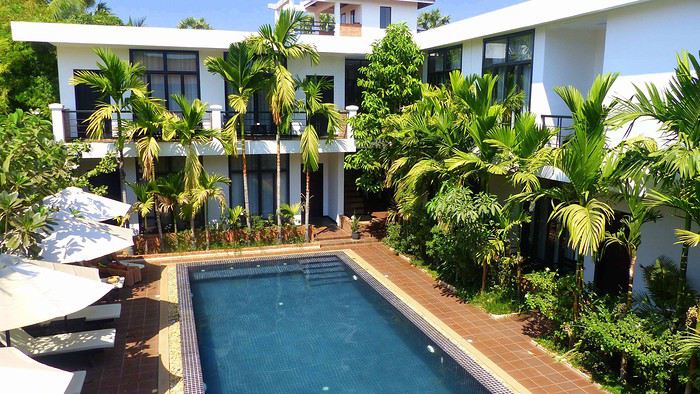
Allez, quelques morceaux de crocodile grillés sur un petit barbecue cambodgien dans un restaurant pas très loin de notre camp de base et c’est déjà l’heure de l’extinction des feux. Je sais que quelques heures seulement nous séparent de nos premières découvertes et il ne faudrait pas qu’on y arrive fatigués. Je te dis donc tout simplement à demain si tu le veux bien, et surtout si tu souhaites nous accompagner dans ce nouveau numéro de Dora l’exploratrice. De toute façon, demain est une autre aventure...
9 février - Vers un nouveau départ...
L’air de rien, monsieur l’hiver s’est installé confortablement, apportant avec lui dans ses bagages ses amis les nuages grisâtres, nuits tombant à dix-sept heures, gouttes au nez et vieux barbu tout de rouge vêtu. Alors, l’humain lambda boude dans son coin, prétextant une déprime passagère hivernale et une envie d’hibernation foudroyante. Chanceux que je suis, c’est à ce moment précis que chaque année, le génie sort de ma lampe de chevet : « Bonjour maître ! Qu’est-ce qui vous ferait plaisir ?... Un nouveau petit voyage, peut-être ? - Je dis oui, oui et re-oui » ! Chouette, il est temps de préparer les valises et de faire un choix. Choix très difficile entre mes tongs bleues et mes tongs orange. Et puis choix de la destination ! Pique-nique-douille, c’est toi l’andouille de Guéméné ! Suosdei !!! Si je te dis « Salut » dans une langue qui fleure bon l’exotisme, c’est que nous allons ensemble partager un nouveau voyage en direction de l’Asie du sud-est. Et oui, l’Asie du sud-est en hiver, il n’y a rien de mieux pour te requinquer un homme. Et puis l’Asie du sud-est, je l’ai dans la peau, au sens propre comme au sens figuré. Et cette fois-ci, ce sera dans un pays frontalier de la Thaïlande, du Laos et du Vietnam. Pays sous protectorat français jusqu’en 1953, titre d’une chanson de Kim Wilde, pays dont la capitale est Phnom Penh, je suis, je suis, … Ding dong, trop tard !... Le Cambodge !
Qui dit introduction à un nouveau voyage dit aussi interrogatoire. Je mets ma petite robe blanche moulante, je croise, je décroise les jambes, … Oups, j’avais oublié de mettre une culotte… C’est bon, l’interrogatoire peut débuter :
Qui ? Pour m’accompagner, ma femme et mes deux filles qu’on appellera pour cette histoire Sandrine, Anna et Sasha... tout simplement parce que ce sont leurs prénoms ! On devait être accompagné par mes deux parents qui nous ont déjà suivis en Thaïlande il y a maintenant sept ans, mais une petite opération du genou a contraint ma mère à jeter l’éponge dans le visage de son chirurgien au dernier moment. Seul mon père sera de la sauterie en tant que guest star ! On souhaite donc tous ensemble la bienvenue à notre fournisseur d’anecdotes !
Combien ? On part un vendredi et on rentre un dimanche deux semaines plus tard…. Donc si tu comptes bien sur tes dix doigts, ça fait dix-sept jours, voyage compris.
Quoi ? Un voyage mi-routard, mi-pénard. Un circuit optimisé en restant au minimum trois jours par endroit pour éviter de perdre trop de temps dans les transports. De la découverte, des vieilles pierres, de la gastronomie, des rencontres, de la bonne bière, de l’exploration, … Et puis on n’oublie surtout pas de brosser « Martine » dans le bon sens en finissant par quelques jours de repos à l’ombre des cocotiers.
Où ? Pour commencer, le noooooord avec Siem Reap, puis Koh Rong tout au sud. On enchaîne ensuite par Koh Rong Samloem, pour finir tranquillement par Phnom Penh d’où nous regagnerons nos pénates.
Comment ? Scooter, tuk tuk, bus, bateau et tongs. Voilà nos moyens de locomotion ! Come on baby, do the locomooootion...
Bon, je crois avoir répondu à toutes tes questions. Aladin, à la deux, il est donc l’heure d’y aller mon bon génie : Pour tous les amoureux de l’Asie du sud-est ou pour te donner l'envie de le devenir, je déclare donc officiellement ce nouveau voyage ouvert ! Et là, tu te dis peut-être : « Oh, la chance qu’il a !!! » C’est marrant toutes ces personnes qui te répondent systématiquement ça quand tu leur annonces que tu pars en voyage… Premièrement, je ne vois pas ce que la chance vient faire là-dedans puisqu’il suffit de saisir son numéro de carte bancaire sur internet pour gagner un billet d’avion. Crois-moi sur parole, rien de plus simple, on gagne à tous les coups ! Deuxièmement, à tous ceux qui s’imaginent que les voyages, ce n’est que Bisounours et licornes pailletées, je rappelle quand même que la première journée d’un voyage, c’est-à-dire la journée d’aujourd’hui, rime toujours avec aéroport, avion, attente, décalage horaire, fatigue, … Un beau programme à te faire aimer le RER un jour de grève ! Mais rassure-toi, avec moi, inutile d'attacher ta ceinture, ça va être un voyage pépère, hyper rapide, sans zone de turbulences, ni même d’hôtesse à reluquer… puisqu'on est déjà arrivé !! Et oui, moi président, je t’ai exonéré des trois vols qui nous ont menés de Paris à Siem Reap en passant par Amman et Bangkok. Moi président, je t’ai fait grâce de vingt-quatre heures de transport éreintantes. Moi, président, je te dispense solennellement de toutes ces cernes sur ton visage puisque Sandrine se les est toutes accaparées... Seul fait marquant à se mettre sous la dent : Le petit Jésus des avions a sournoisement essayé de nous faire louper notre correspondance à Bangkok ! En direct live rien que pour toi, en voici le récit : On s’installe confortablement dans les sièges en face de notre porte d’embarquement F1A, on s’endort, on se réveille trois heures après, Jean-Michel Ecran au-dessus de notre porte affiche désormais « Shanghai » en lieu et place de « Siem Reap » qui y trônait pourtant fièrement tout à l’heure ! As-tu déjà vu le film « Maman j’ai raté l’avion » ? Et bien voici, « Maman, j’ai presque raté l’avion » ! En voici le scénario… Je m’enquière de la situation auprès d’une gentille hôtesse qui me répond que l’embarquement pour Siem Reap a déménagé en porte D1A à l’autre bout de l’aéroport pendant notre sommeil. « Vite, vite, la porte ferme dans huit minutes !... » S’il te plait, pour la suite de l’histoire, il te faut mettre la musique de Mission impossible... Pan ! C’est partie pour la finale du cent-dix mètres haies en direct de l’aéroport de Bangkok !... Ouf, un brin essoufflé, je remporte la victoire haut la main !... Sauf que, … déconfiture totale ! Du même genre que lorsque tes deux meilleurs attaquants sont forfaits pour la finale de la ligue des champions : En porte D1A, ils embarquent pour un vol pour « Abou Dhabi » !!! « Siem Reap, Siem Reap, please ? - Gate J1A ! » C’est pas possible, l’autre andouillette de tout à l’heure ne sait pas prononcer les « J » correctement ! Nouvelle course folle dans l'aéroport. Je prends de nouveau la tête du convoi, les autres tentant laborieusement de me coller au train. Me voyant arriver en courant, l'hôtesse d’embarquement me fait des signes de loin pour m'indiquer que c'est fini… Horreur, malheur !!! Une fois à sa hauteur, Youhou, champagne, elle m’indiquait en fait qu'il n'était pas nécessaire de courir car le vol a du retard. Allez, Champomy, c’est moi qui régale ! Enfin, … verre d’eau pour tout le monde, quoi !
La description de ce 9 février se termine avec une arrivée tardive à Siem Reap, un passage des formalités administratives bien longuet et rudimentaire, et un transport en tuk tuk affrété par notre hôtel pour traverser pour la première fois cette ville que je découvre enfin ; elle que je connais par procuration grâce à toutes mes innombrables lectures préparatoires d’avant voyage. J’ai un peu l’impression de rencontrer pour la première fois une personne rencontrée virtuellement de longue date sur internet. J’ai aussi l’impression de me sentir comme à la maison. Ça me fait ça à chaque fois avec l’Asie du sud-est. Les odeurs, les bruits, l'ambiance… Je ne saurais comment l'expliquer, mais il n'y a pas de période d'adaptation… Un petit mot sur notre hôtel, La Rose Blanche, établissement un peu excentré mais qui nous ravit les yeux dès notre arrivée. Comme dit l'adage, « avec l'âge, on s'embourgeoise ». Il est possible de trouver à Siem Reap des hôtels vraiment pas chers. Mais en mettant un tout petit peu plus que pas cher, il est possible de trouver de petites perles comme le nôtre dans lequel nous passerons les cinq prochaines nuits bien au chaud.
Allez, quelques morceaux de crocodile grillés sur un petit barbecue cambodgien dans un restaurant pas très loin de notre camp de base et c’est déjà l’heure de l’extinction des feux. Je sais que quelques heures seulement nous séparent de nos premières découvertes et il ne faudrait pas qu’on y arrive fatigués. Je te dis donc tout simplement à demain si tu le veux bien, et surtout si tu souhaites nous accompagner dans ce nouveau numéro de Dora l’exploratrice. De toute façon, demain est une autre aventure...
«Je ne veux plus gueuler: "Comment va le monde?" Et qu'on me réponde: «Il va comme il va» English translation pending
Dans la tiédeur d’un soir d’été, deux amies devisaient paisiblement.
Elles parlaient d’amour.
L’une de l’amour de sa compagne qui la rendait plus forte, l’autre de l’amour de son mari qui la rendait plus douce.
Elles parlaient voyages Les voyages d’autrefois où les anecdotes s’enrubannent année après année de détails sortis de leur imagination fertile et qui rendaient leurs récits plus épiques et ceux récents encore à l’état de fraîche émotion.
La bouteille de vin blanc s’embuait sur la table blanche en fer, l’herbe roussie chatouillait leurs pieds nus, elles se sentaient comblées, heureuses et libres et, sans doute pour cette raison, il leur était facile de parler du monde d’aujourd’hui, facile d’évoquer les conflits, les émeutes, les violences, les épidémies.
Epargnées, tranquilles, trempant avec gourmandise leurs lèvres dans le gewurztraminer frais, elles s’interrogeaient :
« T’as vu avec le covid on ne parle plus des guerres, c’est covid partout, encore que ça commence à ralentir, y’a le foot » « Ah oui, t’as raison, tu crois que ça pète encore en Syrie, en Lybie, au Yémen, en Somalie, au Sahel ? » « Chais pas, mais au Liban, quelle horreur cette explosion et tous ces gens morts ou sans maison » « T’as entendu les humanitaires au Niger ? » « Oui, pas les premiers pas les derniers à mourir bêtement » « Et au Brésil et en Colombie, ça c’est calmé ? » « Aucune idée » « Et à Hong-Kong et au Brésil et au Vénézuela, je me demande si ça manifeste toujours » « Chais pas, mais aux Etats-Unis entre blancs et noirs c’est pas cool, t’as vu les émeutes et ça va continuer, tu peux croire » « moi, c’qui me rend dingue c’est tous les gens dans le monde qui ont faim, qui n’ont pas de boulot ou qui l’ont perdu » « oui, c’est triste » « En tout cas, on entend plus parler des migrants, ni ceux de Lampedusa, ni ceux des jungles là-haut » « T’imagines un peu le monde entier à l’arrêt. Comment veux-tu que la terre reste en paix » « Et ceux qui se battent, qui sont en guerre, se tapent le covid en plus » « Et t’as vu en Bielorussie, pareil, ça chauffe aussi » « T’as déjà vu des révolutions pacifiques toi ? » « Ouais, c’est plus embêtant c’est pas loin d’chez nous » « Et le mec empoisonné par les russes, paraît qu’il est en Allemagne » « Chez nous ça va être chaud à la rentrée, j’te l’dis, tu verras, avec les chômeurs, le covid, les gosses à l’école, le télétravail oui et non, on va pas rire »
« Moi, j’te dis qu’il n’y a pas que les incendies de forêts qui bousillent la terre, y’a les incendies de fureur dans le coeur des hommes »
« Oh , t’as pas parlé des masques, des mesures barrières, etoussaettoussa » « Et toi de ton dada favori, l’eau, l’or du monde » « Eh ne me branche pas sur ce sujet, je suis intarissable »
« Allez, t’es pas marrante, tiens, on finit la bouteille, l’est super bon ce vin »
Ainsi, dans la tiédeur d’un soir d’été, deux amies devisaient. A l’abri sous le tilleul, comme à l’abri derrière un écran, comme sur vf, la vie défile, bouleverse, secoue, agace, exaspère ou indiffère et « passent les jours, passent les semaines.../... »
« Comment va le monde? Il est rouge sang Et à mon avis, il l'est pour longtemps Comment va la vie? Il y a des endroits Elle vaut dix dollars combien je te dois
Comment va la guerre? Elle va comme elle va Elle est planétaire, on se reverra Comment va la banque? La banque surnage Pour les grands requins y a pas de naufrage Comment va la mort? Record absolu Toujours très discrète, je n'en sais pas plus » .../… B. Lavilliers
(Vos voyages vous ont fait réfléchir sur l'art de bien voyager, de bien vivre, l'état du monde ou le sens de la vie? Partagez vos pensées et réflexions dans cette rubrique.
Euhhhh, chuis dans la bonne rubrique.)
Elles parlaient voyages Les voyages d’autrefois où les anecdotes s’enrubannent année après année de détails sortis de leur imagination fertile et qui rendaient leurs récits plus épiques et ceux récents encore à l’état de fraîche émotion.
La bouteille de vin blanc s’embuait sur la table blanche en fer, l’herbe roussie chatouillait leurs pieds nus, elles se sentaient comblées, heureuses et libres et, sans doute pour cette raison, il leur était facile de parler du monde d’aujourd’hui, facile d’évoquer les conflits, les émeutes, les violences, les épidémies.
Epargnées, tranquilles, trempant avec gourmandise leurs lèvres dans le gewurztraminer frais, elles s’interrogeaient :
« T’as vu avec le covid on ne parle plus des guerres, c’est covid partout, encore que ça commence à ralentir, y’a le foot » « Ah oui, t’as raison, tu crois que ça pète encore en Syrie, en Lybie, au Yémen, en Somalie, au Sahel ? » « Chais pas, mais au Liban, quelle horreur cette explosion et tous ces gens morts ou sans maison » « T’as entendu les humanitaires au Niger ? » « Oui, pas les premiers pas les derniers à mourir bêtement » « Et au Brésil et en Colombie, ça c’est calmé ? » « Aucune idée » « Et à Hong-Kong et au Brésil et au Vénézuela, je me demande si ça manifeste toujours » « Chais pas, mais aux Etats-Unis entre blancs et noirs c’est pas cool, t’as vu les émeutes et ça va continuer, tu peux croire » « moi, c’qui me rend dingue c’est tous les gens dans le monde qui ont faim, qui n’ont pas de boulot ou qui l’ont perdu » « oui, c’est triste » « En tout cas, on entend plus parler des migrants, ni ceux de Lampedusa, ni ceux des jungles là-haut » « T’imagines un peu le monde entier à l’arrêt. Comment veux-tu que la terre reste en paix » « Et ceux qui se battent, qui sont en guerre, se tapent le covid en plus » « Et t’as vu en Bielorussie, pareil, ça chauffe aussi » « T’as déjà vu des révolutions pacifiques toi ? » « Ouais, c’est plus embêtant c’est pas loin d’chez nous » « Et le mec empoisonné par les russes, paraît qu’il est en Allemagne » « Chez nous ça va être chaud à la rentrée, j’te l’dis, tu verras, avec les chômeurs, le covid, les gosses à l’école, le télétravail oui et non, on va pas rire »
« Moi, j’te dis qu’il n’y a pas que les incendies de forêts qui bousillent la terre, y’a les incendies de fureur dans le coeur des hommes »
« Oh , t’as pas parlé des masques, des mesures barrières, etoussaettoussa » « Et toi de ton dada favori, l’eau, l’or du monde » « Eh ne me branche pas sur ce sujet, je suis intarissable »
« Allez, t’es pas marrante, tiens, on finit la bouteille, l’est super bon ce vin »
Ainsi, dans la tiédeur d’un soir d’été, deux amies devisaient. A l’abri sous le tilleul, comme à l’abri derrière un écran, comme sur vf, la vie défile, bouleverse, secoue, agace, exaspère ou indiffère et « passent les jours, passent les semaines.../... »
« Comment va le monde? Il est rouge sang Et à mon avis, il l'est pour longtemps Comment va la vie? Il y a des endroits Elle vaut dix dollars combien je te dois
Comment va la guerre? Elle va comme elle va Elle est planétaire, on se reverra Comment va la banque? La banque surnage Pour les grands requins y a pas de naufrage Comment va la mort? Record absolu Toujours très discrète, je n'en sais pas plus » .../… B. Lavilliers
(Vos voyages vous ont fait réfléchir sur l'art de bien voyager, de bien vivre, l'état du monde ou le sens de la vie? Partagez vos pensées et réflexions dans cette rubrique.
Euhhhh, chuis dans la bonne rubrique.)