Results for "lacs+|+4+>+124"
11978 results found.
Sumatra and Bali in 20 days: possible with kids?
Hi there, we're planning our vacation in Indonesia. We're a family with two kids aged 11 and 14. We leave on July 26th and return on August 17th, 2026.
We initially planned to visit Bali, Komodo, and Flores, but after looking into it more, we came across Sumatra, which is less touristy... a real plus for us. However, skipping Bali might be a shame.
I was wondering if spending 12 days in Sumatra and finishing with about 7 days in Bali is a doable plan.
Thanks for your feedback!
We initially planned to visit Bali, Komodo, and Flores, but after looking into it more, we came across Sumatra, which is less touristy... a real plus for us. However, skipping Bali might be a shame.
I was wondering if spending 12 days in Sumatra and finishing with about 7 days in Bali is a doable plan.
Thanks for your feedback!
Traveling in France off-season: what to prioritize?
Hi everyone,
I’m thinking about planning several short trips in France outside peak tourist seasons, especially in spring and autumn.
The idea would be to prioritize:
- fewer crowds at tourist sites - more affordable accommodation prices - a more local atmosphere
However, I also have some concerns about:
- attractions or restaurants sometimes being closed - more unpredictable weather depending on the region - less frequent transportation in certain areas
For those of you who’ve traveled in France off-season before, what do you think were the main pros and cons? Are there any regions or specific times that are particularly worth prioritizing?
Thanks in advance for your experiences! 😊
I’m thinking about planning several short trips in France outside peak tourist seasons, especially in spring and autumn.
The idea would be to prioritize:
- fewer crowds at tourist sites - more affordable accommodation prices - a more local atmosphere
However, I also have some concerns about:
- attractions or restaurants sometimes being closed - more unpredictable weather depending on the region - less frequent transportation in certain areas
For those of you who’ve traveled in France off-season before, what do you think were the main pros and cons? Are there any regions or specific times that are particularly worth prioritizing?
Thanks in advance for your experiences! 😊
EBC trek early April: should we book lodges in advance?
Hi everyone,
We’re a group of 5 heading to the Everest Base Camp trek in early April. We won’t have a porter or guide—we’re used to hiking independently and have already done the Langtang trek and the Annapurna Circuit (back in 2003!).
I’d love to know if it’s necessary to book lodges in advance or if we’ll easily find availability during this busy season. Also, will we find lodges all along the route between the main stopover villages, or only in those villages? I remember there were plenty everywhere on the Annapurna Circuit. We want to stay as flexible as possible.
Thanks for your feedback!
We’re a group of 5 heading to the Everest Base Camp trek in early April. We won’t have a porter or guide—we’re used to hiking independently and have already done the Langtang trek and the Annapurna Circuit (back in 2003!).
I’d love to know if it’s necessary to book lodges in advance or if we’ll easily find availability during this busy season. Also, will we find lodges all along the route between the main stopover villages, or only in those villages? I remember there were plenty everywhere on the Annapurna Circuit. We want to stay as flexible as possible.
Thanks for your feedback!
Impressions after two months in El Salvador
Hi there,
In 2024, I spent two months solo in El Salvador. While I’m still putting together my travel journal on Myatlas, here’s a quick recap. It’s a country where it’s really easy to travel without a guide or agency.
SAFETY:
For a long time, the country was considered one of the most dangerous in the world because of the "maras," ultra-violent gangs. But today, I think it’s the safest country in Latin America.
BUDGET:
For French tourists, the country is very affordable, especially in the less touristy regions.
TRANSPORT:
I got around everywhere by local bus.
Local buses go everywhere and run all the time. For me, it’s the best way to travel in El Salvador—you’re fully immersed, moving at the pace of the locals, and interacting with Salvadorans who are eager to connect with travelers.
I saw all sorts of things on those buses—I’ve got dozens of stories!
PEOPLE:
I’m used to traveling all over Latin America, and for me, Salvadorans are the warmest and most welcoming. Everywhere you go, people say, "Welcome to El Salvador!" The connections and long conversations with locals were my favorite part of the trip.
TOURIST CROWDS:
The country isn’t well-known among European tourists, but Americans and Quebecers visit. Overall, it’s still pretty low-key, especially compared to other Central American countries. That said, tourism has been growing since security improved significantly.
WHAT I LOVED ❤️
-Suchitoto, one of the most beautiful colonial towns in Central America.
-The volcanoes—there are so many! Santa Ana is the most touristy.
-The lakes—also plentiful. Coatepeque is the most famous, but there are lots of lagoons too.
-The mountainous regions, where the cooler weather is a nice break: La Palma, Perquín, Cerro El Pital, etc.
-The charming villages along the Ruta de las Flores, especially Nahuizalco with its nighttime atmosphere and food stalls. Juayúa and others are great too.
-The conversations with people who lived through the horrors of the civil war in Perquín and Cinquera. I met one of them by chance while waiting for a bus.
For surfers, El Salvador is a paradise, with world-famous beaches.
WHAT I LIKED LESS:
I loved almost everything, but I found the archaeological sites a bit underwhelming. Joyabaj de Cerén is billed as the "Pompeii of El Salvador," which is a stretch (though it *is* a UNESCO World Heritage Site for its historical value).
In 2024, I spent two months solo in El Salvador. While I’m still putting together my travel journal on Myatlas, here’s a quick recap. It’s a country where it’s really easy to travel without a guide or agency.
SAFETY:
For a long time, the country was considered one of the most dangerous in the world because of the "maras," ultra-violent gangs. But today, I think it’s the safest country in Latin America.
BUDGET:
For French tourists, the country is very affordable, especially in the less touristy regions.
TRANSPORT:
I got around everywhere by local bus.
Local buses go everywhere and run all the time. For me, it’s the best way to travel in El Salvador—you’re fully immersed, moving at the pace of the locals, and interacting with Salvadorans who are eager to connect with travelers.
I saw all sorts of things on those buses—I’ve got dozens of stories!
PEOPLE:
I’m used to traveling all over Latin America, and for me, Salvadorans are the warmest and most welcoming. Everywhere you go, people say, "Welcome to El Salvador!" The connections and long conversations with locals were my favorite part of the trip.
TOURIST CROWDS:
The country isn’t well-known among European tourists, but Americans and Quebecers visit. Overall, it’s still pretty low-key, especially compared to other Central American countries. That said, tourism has been growing since security improved significantly.
WHAT I LOVED ❤️
-Suchitoto, one of the most beautiful colonial towns in Central America.
-The volcanoes—there are so many! Santa Ana is the most touristy.
-The lakes—also plentiful. Coatepeque is the most famous, but there are lots of lagoons too.
-The mountainous regions, where the cooler weather is a nice break: La Palma, Perquín, Cerro El Pital, etc.
-The charming villages along the Ruta de las Flores, especially Nahuizalco with its nighttime atmosphere and food stalls. Juayúa and others are great too.
-The conversations with people who lived through the horrors of the civil war in Perquín and Cinquera. I met one of them by chance while waiting for a bus.
For surfers, El Salvador is a paradise, with world-famous beaches.
WHAT I LIKED LESS:
I loved almost everything, but I found the archaeological sites a bit underwhelming. Joyabaj de Cerén is billed as the "Pompeii of El Salvador," which is a stretch (though it *is* a UNESCO World Heritage Site for its historical value).
Choosing between Dubrovnik and Zadar
Hi everyone! 🙂
We’re planning a one-week trip to Croatia but can’t decide between Zadar and Dubrovnik, especially since we’ll be using public transport or trains to explore the surrounding areas.
What are some relaxed, easy things to do around these cities? We don’t want to rush.
Of course, we’re really drawn to Plitvice and its park, but Dubrovnik looks so beautiful...
For those of you who know these destinations well, could you help us decide, please?
Thanks so much!
Feedback on first Switzerland trip itinerary with AI help
Hi everyone,
My wife and I have booked our tickets from the 24th to the 31st to visit Switzerland, and we want to try skiing for the first time.
Here’s the itinerary I put together with some AI help. I’d love your feedback and tips to tweak the plan! Thanks in advance!
Arrival in Basel on the 24th in the evening, hotel in the city center with breakfast the next morning.
Train from Basel to Interlaken on December 25th, arriving at the hotel around 2 PM.
14:00 – 15:00: Arrival and check-in at Neuhaus Golf & Strandhotel Check-in, rest, and freshen up after the trip. Enjoy the view of Lake Thun—it’s a stunning setting. Grab a coffee or a drink on the terrace or at the hotel bar. The Neuhaus has direct lake access, perfect for a short walk right after settling in.
---
15:30 – 17:30: Downtown & Christmas vibes Bus or taxi (10 min) → Interlaken city center (Hohematte Park). Stroll through the park, take in the views of the Jungfrau, and check out the open shops and chocolateries. Wander around Interlaken’s Christmas market (if it’s still up, often until the 26th). Grab a hot chocolate or mulled wine at a local stand.
---
17:30 – 18:30: Gourmet break or aperitif Café de Paris, Hüsi Bierhaus, or Velo Café for a snack or drink.
For a unique hot chocolate: Funky Chocolate Club (you can even make your own chocolate!). 19:30 – Alpine Christmas dinner
Romantic dinner at a typical restaurant: Spycher Restaurant: fondue and Swiss folklore (reservation recommended). Laterne Restaurant: cozy chalet vibe, traditional cuisine. Des Alpes: local dishes with a view of Interlaken’s lights.
21:30 – Quiet end to the evening Digestive walk around the lake, peaceful and romantic atmosphere. Cozy option: hot bath or reading at the hotel bar with mountain views.
---
Thursday, December 26th — First ski day: Bodmi Arena (Grindelwald)
Goal: Learn to ski gently
🕘 10:00 — Leave the hotel Bus or taxi (5–10 min) → Interlaken Ost train station. Train Interlaken Ost → Grindelwald (departs around 10:20, arrives 10:50).
🕚 11:00 – 13:00 — Beginner ski lesson at Bodmi Arena Booking: Swiss Ski School Grindelwald. Location: Beginner slopes with a “magic carpet.”
🍽️ 13:00 – 14:00 — Lunch on-site
Restaurant Bodmi (view of the Eiger).
☕ 14:00 – 16:00 — Free practice + coffee break in the sun Keep practicing or enjoy the valley views from the terrace.
🚂 16:30 — Return train Grindelwald → Interlaken Ost. 🕖 17:00 — Back to the hotel, relax or take a lakeside walk. 🍽️ 20:00 — Fondue dinner at Spycher Restaurant or Husi Bierhaus.
---
Friday, December 27th — Ski #2: Grindelwald First (blue slope autonomy)
Goal: Improve and enjoy the scenery
🕘 10:00 — Leave hotel → Interlaken Ost → Grindelwald (arrive 10:50). 🕚 11:00 — Rent gear (Skiset or Alpin Center). 🚡 12:00 — Cable car Grindelwald → First (20-minute scenic ride). 🍽️ 12:30 – 15:00 — Ski on the First blue slope, multiple runs at your own pace. 🍽️🏔️ Lunch with a view at Berggasthaus First between runs. ☕ 15:30 – 16:00 — Break at the summit, coffee or hot chocolate. 🚡 16:30 — Cable car descent → return to the station. 🚂 17:30 — Train back → Interlaken Ost → hotel. 🍽️ 20:00 — Free evening (suggestion: dinner at Des Alpes Restaurant, mountain vibe).
---
Saturday, December 28th — Nature day in Lauterbrunnen
Goal: Discover the valley of 72 waterfalls
🕘 10:00 — Leave hotel → Interlaken Ost. 🚂 10:35 — Train Interlaken Ost → Lauterbrunnen (arrive 10:55). 🕚 11:00 – 12:30 — Walk through the village + hike to Staubbach Falls. 🚡 12:30 – 14:00 — Lunch at Hotel Oberland Restaurant or Airtime Café. 🚶 14:00 – 15:00 — Walk to Trümmelbachfälle (45 min on foot, bus available). 🏞️ 15:00 – 16:00 — Visit the indoor waterfalls (entry ~CHF 14). 🚍 16:30 — Return to Lauterbrunnen (bus or on foot). 🚂 17:00 — Train back → Interlaken Ost → hotel. 🍽️ 20:00 — Dinner in Interlaken (Laterne Restaurant or Ox Restaurant & Grill).
---
Sunday, December 29th — Scenic day: Mürren & Allmendhubel
Goal: Effortless alpine views + mountain vibes
🕘 10:00 — Leave hotel → Interlaken Ost → Lauterbrunnen (arrive 10:30). 🚡 10:45 — Cable car Lauterbrunnen → Grütschalp → scenic train to Mürren. 🕚 11:30 – 12:00 — Walk around Mürren, a car-free village. 🍽️🏔️ 12:00 – 13:30 — Lunch at Alpenruh Restaurant (panoramic terrace). 🚡 13:30 – 15:00 — Funicular ride to Allmendhubel, views of Eiger – Mönch – Jungfrau. ☕ 15:30 — Descent to Mürren, coffee or walk. 🚡 16:30 — Cable car + train back to Lauterbrunnen → Interlaken. 🚂 17:30 — Return to the hotel. 🍽️ 20:00 — Cozy dinner (raclette or Swiss soup in Interlaken).
---
Monday, December 30th — Relaxation in Interlaken
Goal: Rest and enjoy the scenery before departure
🕘 10:00 — Leisurely start, walk along Lake Thun. 🚡 11:00 — Funicular to Harder Kulm (~CHF 40 round trip for 2 people). 🍽️🏔️ 12:30 – 14:00 — Lunch at Harder Kulm’s panoramic restaurant (lake views). 🚶 14:30 – 16:00 — Descent and stroll through Interlaken (shopping streets, chocolateries). ☕ 16:00 — Coffee or hot chocolate at Funky Chocolate Club. 🚂 17:30 — Return to the hotel, relax or spa if desired. 🍽️ 20:00 — Dinner at Victoria-Jungfrau Spa & Terrace Restaurant.
My wife and I have booked our tickets from the 24th to the 31st to visit Switzerland, and we want to try skiing for the first time.
Here’s the itinerary I put together with some AI help. I’d love your feedback and tips to tweak the plan! Thanks in advance!
Arrival in Basel on the 24th in the evening, hotel in the city center with breakfast the next morning.
Train from Basel to Interlaken on December 25th, arriving at the hotel around 2 PM.
14:00 – 15:00: Arrival and check-in at Neuhaus Golf & Strandhotel Check-in, rest, and freshen up after the trip. Enjoy the view of Lake Thun—it’s a stunning setting. Grab a coffee or a drink on the terrace or at the hotel bar. The Neuhaus has direct lake access, perfect for a short walk right after settling in.
---
15:30 – 17:30: Downtown & Christmas vibes Bus or taxi (10 min) → Interlaken city center (Hohematte Park). Stroll through the park, take in the views of the Jungfrau, and check out the open shops and chocolateries. Wander around Interlaken’s Christmas market (if it’s still up, often until the 26th). Grab a hot chocolate or mulled wine at a local stand.
---
17:30 – 18:30: Gourmet break or aperitif Café de Paris, Hüsi Bierhaus, or Velo Café for a snack or drink.
For a unique hot chocolate: Funky Chocolate Club (you can even make your own chocolate!). 19:30 – Alpine Christmas dinner
Romantic dinner at a typical restaurant: Spycher Restaurant: fondue and Swiss folklore (reservation recommended). Laterne Restaurant: cozy chalet vibe, traditional cuisine. Des Alpes: local dishes with a view of Interlaken’s lights.
21:30 – Quiet end to the evening Digestive walk around the lake, peaceful and romantic atmosphere. Cozy option: hot bath or reading at the hotel bar with mountain views.
---
Thursday, December 26th — First ski day: Bodmi Arena (Grindelwald)
Goal: Learn to ski gently
🕘 10:00 — Leave the hotel Bus or taxi (5–10 min) → Interlaken Ost train station. Train Interlaken Ost → Grindelwald (departs around 10:20, arrives 10:50).
🕚 11:00 – 13:00 — Beginner ski lesson at Bodmi Arena Booking: Swiss Ski School Grindelwald. Location: Beginner slopes with a “magic carpet.”
🍽️ 13:00 – 14:00 — Lunch on-site
Restaurant Bodmi (view of the Eiger).
☕ 14:00 – 16:00 — Free practice + coffee break in the sun Keep practicing or enjoy the valley views from the terrace.
🚂 16:30 — Return train Grindelwald → Interlaken Ost. 🕖 17:00 — Back to the hotel, relax or take a lakeside walk. 🍽️ 20:00 — Fondue dinner at Spycher Restaurant or Husi Bierhaus.
---
Friday, December 27th — Ski #2: Grindelwald First (blue slope autonomy)
Goal: Improve and enjoy the scenery
🕘 10:00 — Leave hotel → Interlaken Ost → Grindelwald (arrive 10:50). 🕚 11:00 — Rent gear (Skiset or Alpin Center). 🚡 12:00 — Cable car Grindelwald → First (20-minute scenic ride). 🍽️ 12:30 – 15:00 — Ski on the First blue slope, multiple runs at your own pace. 🍽️🏔️ Lunch with a view at Berggasthaus First between runs. ☕ 15:30 – 16:00 — Break at the summit, coffee or hot chocolate. 🚡 16:30 — Cable car descent → return to the station. 🚂 17:30 — Train back → Interlaken Ost → hotel. 🍽️ 20:00 — Free evening (suggestion: dinner at Des Alpes Restaurant, mountain vibe).
---
Saturday, December 28th — Nature day in Lauterbrunnen
Goal: Discover the valley of 72 waterfalls
🕘 10:00 — Leave hotel → Interlaken Ost. 🚂 10:35 — Train Interlaken Ost → Lauterbrunnen (arrive 10:55). 🕚 11:00 – 12:30 — Walk through the village + hike to Staubbach Falls. 🚡 12:30 – 14:00 — Lunch at Hotel Oberland Restaurant or Airtime Café. 🚶 14:00 – 15:00 — Walk to Trümmelbachfälle (45 min on foot, bus available). 🏞️ 15:00 – 16:00 — Visit the indoor waterfalls (entry ~CHF 14). 🚍 16:30 — Return to Lauterbrunnen (bus or on foot). 🚂 17:00 — Train back → Interlaken Ost → hotel. 🍽️ 20:00 — Dinner in Interlaken (Laterne Restaurant or Ox Restaurant & Grill).
---
Sunday, December 29th — Scenic day: Mürren & Allmendhubel
Goal: Effortless alpine views + mountain vibes
🕘 10:00 — Leave hotel → Interlaken Ost → Lauterbrunnen (arrive 10:30). 🚡 10:45 — Cable car Lauterbrunnen → Grütschalp → scenic train to Mürren. 🕚 11:30 – 12:00 — Walk around Mürren, a car-free village. 🍽️🏔️ 12:00 – 13:30 — Lunch at Alpenruh Restaurant (panoramic terrace). 🚡 13:30 – 15:00 — Funicular ride to Allmendhubel, views of Eiger – Mönch – Jungfrau. ☕ 15:30 — Descent to Mürren, coffee or walk. 🚡 16:30 — Cable car + train back to Lauterbrunnen → Interlaken. 🚂 17:30 — Return to the hotel. 🍽️ 20:00 — Cozy dinner (raclette or Swiss soup in Interlaken).
---
Monday, December 30th — Relaxation in Interlaken
Goal: Rest and enjoy the scenery before departure
🕘 10:00 — Leisurely start, walk along Lake Thun. 🚡 11:00 — Funicular to Harder Kulm (~CHF 40 round trip for 2 people). 🍽️🏔️ 12:30 – 14:00 — Lunch at Harder Kulm’s panoramic restaurant (lake views). 🚶 14:30 – 16:00 — Descent and stroll through Interlaken (shopping streets, chocolateries). ☕ 16:00 — Coffee or hot chocolate at Funky Chocolate Club. 🚂 17:30 — Return to the hotel, relax or spa if desired. 🍽️ 20:00 — Dinner at Victoria-Jungfrau Spa & Terrace Restaurant.
Is driving in Japan easy?
Hi everyone,
I’m planning our trip to Japan from March 21 to April 11, 2026. We’re planning to travel by plane for long distances (Okinawa) and by train for the rest. I’d like to know if renting a car is easy and, most importantly, if driving with road signs written in Japanese isn’t too complicated. For trains, are there any tips to save money?
Thanks for your advice!
I’m planning our trip to Japan from March 21 to April 11, 2026. We’re planning to travel by plane for long distances (Okinawa) and by train for the rest. I’d like to know if renting a car is easy and, most importantly, if driving with road signs written in Japanese isn’t too complicated. For trains, are there any tips to save money?
Thanks for your advice!
Where can I find the best views of Mount Fuji?
Hi there,
We’ll be doing a self-drive trip using public transport in May 2026.
On Day 6, we’ll arrive in Hakone by train from Tokyo in late morning. We’ll spend the night in Hakone before heading to Kyoto.
The main goal of this stop is clearly the view (no hiking) of Mount Fuji, not so much exploring Hakone, where the sights seem limited. I’ve read on the forum that the view is great from Gotemba, but it also takes a good hour by bus to get there. And, apart from that view, there’s nothing else to see in Gotemba!
So, I’m not sure what to choose. Any thoughts? Or alternatives to suggest? Maybe some spots in Hakone or Gotemba for a great view?
Thanks in advance.
We’ll be doing a self-drive trip using public transport in May 2026.
On Day 6, we’ll arrive in Hakone by train from Tokyo in late morning. We’ll spend the night in Hakone before heading to Kyoto.
The main goal of this stop is clearly the view (no hiking) of Mount Fuji, not so much exploring Hakone, where the sights seem limited. I’ve read on the forum that the view is great from Gotemba, but it also takes a good hour by bus to get there. And, apart from that view, there’s nothing else to see in Gotemba!
So, I’m not sure what to choose. Any thoughts? Or alternatives to suggest? Maybe some spots in Hakone or Gotemba for a great view?
Thanks in advance.
Langtang – Trekking in the Rain
We did the Langtang trek (hike) from September 10th to 17th, with the first and last days being the trip from Kathmandu and back—so 6 days of actual walking. It’s a fairly well-known trek but certainly not as famous or crowded as those in the Annapurna or Everest regions, which is why we chose it.
In theory, it’s mandatory to have a guide for this trek. In reality, it seems there are ways to bypass the regulations: we met at least two people hiking without a guide—a South Korean, a New Zealander, and possibly also a couple of English women and an American couple, though we’re not sure if they had a guide.
The agency we booked with had told us it was an affordable trek for relatively older people in good shape—which is our case (I’m 72 myself). I have to say upfront that we found it quite challenging, maybe because we didn’t have good weather—it was the end of the monsoon season. To be clear, no matter your fitness level, I’d say doing this trek in the middle of the monsoon season would be suicidal.
Day 1 – Journey from Kathmandu to Syapru Besi
On Monday, September 8th, there had been violent protests in Kathmandu against the government, which had, among other things, blocked access to social media and been accused of nepotism and corruption. There were 19 deaths. The situation was very tense on the day of our departure, Wednesday the 10th. The agency warned us that public transport was very unreliable. So, we decided to take a jeep, at an additional cost of $100 ($160 minus what was already budgeted for the bus).
We left a little before 7 a.m. and it took us a good hour just to reach the outskirts of Kathmandu. Along the way, we saw several houses and vehicles set on fire by protesters.
The road to Syapru Besi is only 120 km, but it’s frankly awful. It’s always narrow, winds through endless mountains, and the shoulders range from bad to confusing to nonexistent. Several sections are just dirt tracks. We didn’t regret opting for the jeep, as we could stop several times at our convenience—if only to let Y (my Thai partner) throw up everything she had. She’d taken her usual motion sickness medication, but the constant turns, accelerations, and braking eventually made her terribly carsick.
In Nuwakot, we stopped for breakfast at a nice little restaurant, Jimbu. It was around 8:30 a.m., and we’d barely covered 60 km. The restaurant has a lovely garden overlooking the Trishuli Ganga, the river flowing down from Syapru Besi. First photo: the river in the bottom right corner, mist and clouds over the mountain on the other side.
An hour later, my second photo: the hills along the Trishuli Ganga. You can see the different crops—lush green rice paddies in the lower right and corn, already yellowed and likely harvested, in the foreground on the left. And of course, the mist and clouds through which you can glimpse the mountain on the other side of the river.
In theory, it’s mandatory to have a guide for this trek. In reality, it seems there are ways to bypass the regulations: we met at least two people hiking without a guide—a South Korean, a New Zealander, and possibly also a couple of English women and an American couple, though we’re not sure if they had a guide.
The agency we booked with had told us it was an affordable trek for relatively older people in good shape—which is our case (I’m 72 myself). I have to say upfront that we found it quite challenging, maybe because we didn’t have good weather—it was the end of the monsoon season. To be clear, no matter your fitness level, I’d say doing this trek in the middle of the monsoon season would be suicidal.
Day 1 – Journey from Kathmandu to Syapru Besi
On Monday, September 8th, there had been violent protests in Kathmandu against the government, which had, among other things, blocked access to social media and been accused of nepotism and corruption. There were 19 deaths. The situation was very tense on the day of our departure, Wednesday the 10th. The agency warned us that public transport was very unreliable. So, we decided to take a jeep, at an additional cost of $100 ($160 minus what was already budgeted for the bus).
We left a little before 7 a.m. and it took us a good hour just to reach the outskirts of Kathmandu. Along the way, we saw several houses and vehicles set on fire by protesters.
The road to Syapru Besi is only 120 km, but it’s frankly awful. It’s always narrow, winds through endless mountains, and the shoulders range from bad to confusing to nonexistent. Several sections are just dirt tracks. We didn’t regret opting for the jeep, as we could stop several times at our convenience—if only to let Y (my Thai partner) throw up everything she had. She’d taken her usual motion sickness medication, but the constant turns, accelerations, and braking eventually made her terribly carsick.
In Nuwakot, we stopped for breakfast at a nice little restaurant, Jimbu. It was around 8:30 a.m., and we’d barely covered 60 km. The restaurant has a lovely garden overlooking the Trishuli Ganga, the river flowing down from Syapru Besi. First photo: the river in the bottom right corner, mist and clouds over the mountain on the other side.
An hour later, my second photo: the hills along the Trishuli Ganga. You can see the different crops—lush green rice paddies in the lower right and corn, already yellowed and likely harvested, in the foreground on the left. And of course, the mist and clouds through which you can glimpse the mountain on the other side of the river.
Warnings About the Vosges Massif Crossing with TopoGuide ref. 502
Hi there,
This August, I hiked the Vosges section (Vosges massif) of the GR5 (Lauterbourg-Wissembourg-gr53-gr5-Belfort) using the TopoGuide "Traversée du Massif des Vosges" (ref 502, April 2024 edition). My experience was partly ruined by a few things I feel I should share here to help others avoid the same pitfalls—or at least disappointments.
Having used "TopoGuide" books before, I’d always trusted them for organizing treks lasting several weeks, or even months.
Beyond the satisfactory mapping (reproductions of IGN 1:25,000 maps), these guides include route descriptions that are usually enough to find your way. On that point, I have no serious criticism of the Vosges crossing guide.
In addition to the route details, the guide provides "average" time estimates for traveling from point A to point B—useful info for gauging effort and planning likely stages. However, I eventually realized I couldn’t rely on these time estimates. I’d assumed they were calculated by the FFRP, considering that 100m of positive elevation gain roughly equals 1km on flat terrain, with an average walking speed of 4km/h. So, I’d recommend anyone using this guide to recalculate all the time estimates to avoid nasty surprises on tight stages. 🤪
Another key feature of the guide, in my opinion, is its info on accommodation options—especially budget-friendly ones suited for long-distance hikers on a tight budget. A section called "préparation des étapes" includes a table with a column meant to highlight "refuges" and "gîtes d'étapes." That column had me feeling optimistic: these budget accommodations were listed as plentiful along the route. After all, we were in the territory of the famous Club Vosgien—it made sense there’d be plenty of hiker-friendly lodging options. The reality on the ground was quite different. The TopoGuide wasn’t really to blame here, except that a serious warning wouldn’t have hurt. First, regarding the "refuges," most were run by associations. With rare exceptions, the volunteers only opened them on weekends. You can’t really blame people for not volunteering on weekdays, but it makes things tricky when the info about weekend-only openings often turns out to be wrong. As for the "gîtes d'étape," I was mostly disappointed when I was told that a place was booked for weeks: the vast majority of what was listed as a "gîte d'étape" turned out to be "gîtes ruraux." The advice here? If you don’t want to—or can’t—camp, double-check all the accommodation details before you set off. It’s time-consuming and tedious, but if you can, camping is still the best option. 😐 On a brighter note, during the first part of my trip, I came across several cabins that offered alternatives to camping. 🙂
P.S.: Even the youth hostel in Saverne was closed in the middle of August... 😕
Having used "TopoGuide" books before, I’d always trusted them for organizing treks lasting several weeks, or even months.
Beyond the satisfactory mapping (reproductions of IGN 1:25,000 maps), these guides include route descriptions that are usually enough to find your way. On that point, I have no serious criticism of the Vosges crossing guide.
In addition to the route details, the guide provides "average" time estimates for traveling from point A to point B—useful info for gauging effort and planning likely stages. However, I eventually realized I couldn’t rely on these time estimates. I’d assumed they were calculated by the FFRP, considering that 100m of positive elevation gain roughly equals 1km on flat terrain, with an average walking speed of 4km/h. So, I’d recommend anyone using this guide to recalculate all the time estimates to avoid nasty surprises on tight stages. 🤪
Another key feature of the guide, in my opinion, is its info on accommodation options—especially budget-friendly ones suited for long-distance hikers on a tight budget. A section called "préparation des étapes" includes a table with a column meant to highlight "refuges" and "gîtes d'étapes." That column had me feeling optimistic: these budget accommodations were listed as plentiful along the route. After all, we were in the territory of the famous Club Vosgien—it made sense there’d be plenty of hiker-friendly lodging options. The reality on the ground was quite different. The TopoGuide wasn’t really to blame here, except that a serious warning wouldn’t have hurt. First, regarding the "refuges," most were run by associations. With rare exceptions, the volunteers only opened them on weekends. You can’t really blame people for not volunteering on weekdays, but it makes things tricky when the info about weekend-only openings often turns out to be wrong. As for the "gîtes d'étape," I was mostly disappointed when I was told that a place was booked for weeks: the vast majority of what was listed as a "gîte d'étape" turned out to be "gîtes ruraux." The advice here? If you don’t want to—or can’t—camp, double-check all the accommodation details before you set off. It’s time-consuming and tedious, but if you can, camping is still the best option. 😐 On a brighter note, during the first part of my trip, I came across several cabins that offered alternatives to camping. 🙂
P.S.: Even the youth hostel in Saverne was closed in the middle of August... 😕
Poutine, souvenirs, and must-see spots in Quebec City?
Hi everyone! We’re nearing the end of our trip and have 3 nights in Quebec City. What are your must-try spots for a good poutine? Our previous attempts haven’t gone well, and where’s the best place to buy souvenirs that actually scream "Quebec"? Also, what are your top picks for sights and walks? We’re thinking Old Quebec, Lévis, and Montmorency Falls. We’ll be there for 3 nights but only have 2 full days. Thanks in advance for your ideas!
Our Trip to Rajasthan
Hello,
We recently went to Rajasthan.
For the duration, I’d recommend about 3 weeks if you can, so you can explore the region at a relaxed pace.
We also wanted to experience "the real Indian life," and our driver showed us small markets, little temples, and his village near Ranakpur in the Marwar region.
For your info, here are some hotels where we stayed—there’s a huge hotel scene in Rajasthan. No need to book in advance; day by day works really well. You arrive, visit, and if you don’t like it, you just move on—it’s no problem in India. No upfront payment, and you can even negotiate on the spot with this approach, which gives you flexibility with your itinerary.
Here are some hotels we stayed at:
Madhuban in Jaipur (Haveli house) and also in Jaipur, the Khandela Haveli, which we preferred
In Jodhpur, the Kuchaman Haveli
In Ranakpur (Ranakpur Hill Resort) with a great pool
Bikaner: Hotel Laxmi Niwas
Udaipur: Hotel Savroopvilas
Jaisalmer: Hotel Rang Mahal
Here’s the itinerary we followed over nearly three weeks:
1 - When we arrived in Delhi, we headed straight north to Nawalgarh and Mandawa (towns with Havelis = painted houses). Along the way, we stopped in Jhunjhunu to see the Rani Sati Temple. We slept in Mandawa (we arrived in the evening and explored the next morning).
2 - Then we drove to Bikaner (Junagarh Fort, but if you have to choose, the forts in Jodhpur and Jaipur are more interesting in our opinion). After that, we took the road to Deshnoke (temple with sacred rats) and before that, we saw a small temple on the way with white rats. In Deshnoke, the rats move freely among people. We’re not too squeamish, so it was fine. Anyway, it was interesting to see.
3 - Next, we headed to Pushkar, where we took a camel ride (you have to negotiate the price; it varies depending on the camel’s quality, the saddle, and its decoration). One to two hours is more than enough. There’s always someone riding with you on the camel (at least that’s how it was for us). There are also things to see along the way.
4 - From Pushkar, we went to Jodhpur (Mehrangarh Fort, Clock Tower, Jaswant Thada). From Jodhpur, we visited villages (including our driver’s village, which was ideal for connecting with locals, having tea, and exploring the village with part of the community tagging along—I think we went into almost every house). We also did a train safari in the hills. Then Ranakpur (splendid Jain temple, Adinath Temple). With a bit of luck, you might spot Raikas, nomadic herders. Then Kumbhalgarh Fort, and after that, Udaipur. Along the way, we spent the night in a very small town called Jojawar at the Rawla Jojawar hotel, owned by the former Maharaja. A wonderful memory.
5 - In Udaipur (City Palace; Monsoon Palace = depends on the weather—if it’s not clear, you won’t see much, but if it is, the view is stunning).
6 - On the way to Jaipur: Sas-Bahu Temple; then in Jaipur: City Palace, Jantar Mantar, Hawa Mahal (Palace of the Winds), the Hanuman Temple, etc.
7 - Heading toward Agra, the Galta Valley with lots of monkeys. We finished with Fatehpur Sikri and then Agra. Agra is *very* touristy, so people are less friendly and can be pushy about selling things or offering their services as guides. You have to stay polite but firm and not let them sweet-talk you. Hotels are also pricier and there’s not always much choice. For the Taj Mahal (closed on Fridays), go very early in the morning when it opens. It’s best to arrive the evening before and spend the night at a hotel before visiting. Inside the Taj Mahal site, it’s already calmer. After that, we visited Akbar’s mausoleum (in Sikandra, near Agra) and the so-called "Baby Taj" (in Agra). For the Taj, I’ve heard they’re doing renovations, but it’s still a must-see.
8 - In Delhi, if you still have time, check out the Jama Masjid mosque and Mahatma Gandhi’s tomb. Also see Humayun’s Mausoleum (in the Nizamuddin East neighborhood).
In Jaisalmer (spend a night in the dunes after a camel ride), Chittorgarh, Bundi, Ranthambore Park, Orchha, and Khajuraho. Actually, you’ll have to make choices, or you’ll spend your whole vacation traveling. The average driving speed is about 50–60 km/h.
Our other trips in India: Gujarat (we love it and have been twice), Himachal Pradesh, Punjab, and also Haridwar and Varanasi. In the south, Kerala, Tamil Nadu, and Karnataka.
In some cities, we visited with a local guide (about two hours), and some spoke French or English.
One last thing that comes to mind: if you go to Jaisalmer, check out Gadi Sagar Lake. Also worth seeing: the Demoiselle Cranes in Kichan, not far from Jodhpur. These are thousands of common cranes that migrate near the region’s lakes during the winter months. A beautiful ornithological spectacle. And Kichan or Keechan.
Happy trip planning!
Jean
Driving route from Ulaanbaatar to Lake Baikal
Hello,
We're hitting the road again in 2027 to discover new countries and cultures.
Could anyone give me some tips on driving from Ulaanbaatar to Lake Baikal and the route to take?
Thanks, and safe travels to those who are setting off!
Cycling Thread – Europe’s Most Beautiful Bike Paths
Hi there! I’m Simon, and for years I’ve been exploring some of Europe’s most beautiful and well-equipped bike paths. My passion for cycling led me to start a blog where I share my travel impressions, practical tips, and photos taken along the way. I ride both well-known routes like the Alpe-Adria, the Loire à Vélo, and the Rhein Route, as well as lesser-known but equally charming regions.
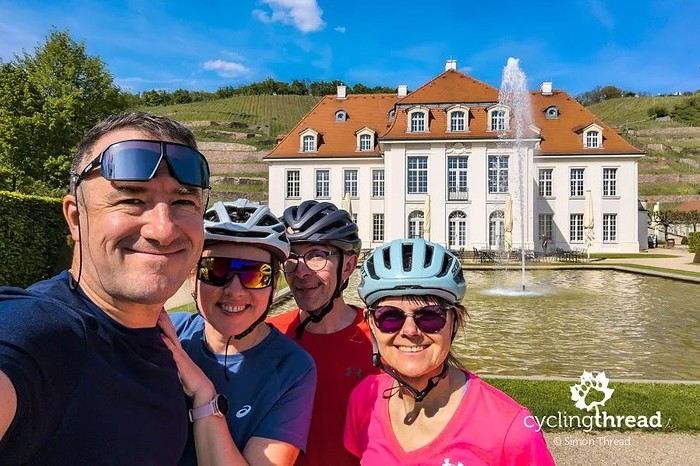
In my stories, I pay special attention to the quality of infrastructure, cyclist safety, and route accessibility—for young and old, experienced riders and beginners alike. I love discovering and sharing spots that are truly welcoming for cycle tourists: well-marked, with rest areas and easy train access.
On the blog, you’ll find ready-to-follow route suggestions, tips for preparing your bike trips, and plenty of inspiration for your next adventures. I travel with my panniers, a camera in the front bag, and always keep an eye out for what’s around me. Feel free to check out my blog, Cycling Thread—you might find some ideas for your next bike getaway! :-)
* * *
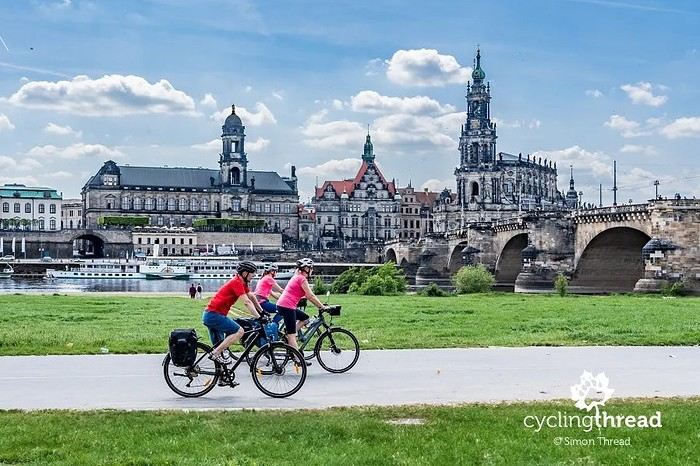
I hope this won’t just be a one-off post—I’ll try to share our bike trips with you here regularly. To start: our May trip on the Elberadweg, the queen of German bike paths, between the stunning city of Dresden and Magdeburg. I invite you to visit:
Elberadweg in Germany – From Dresden to Magdeburg
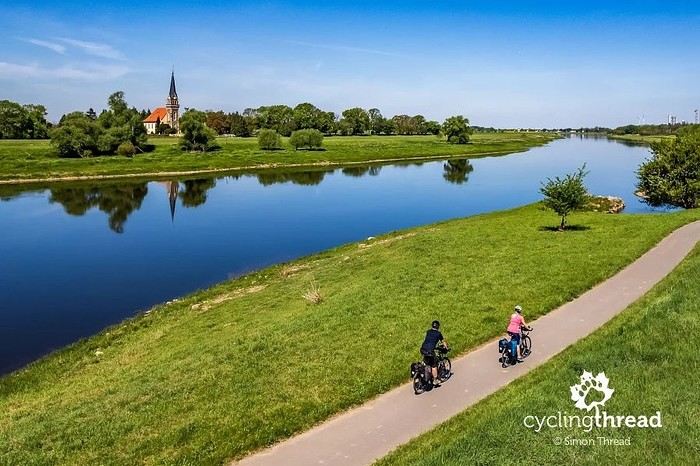
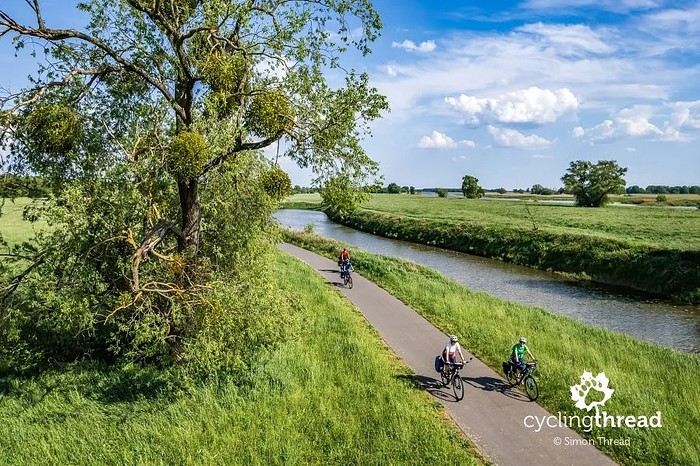
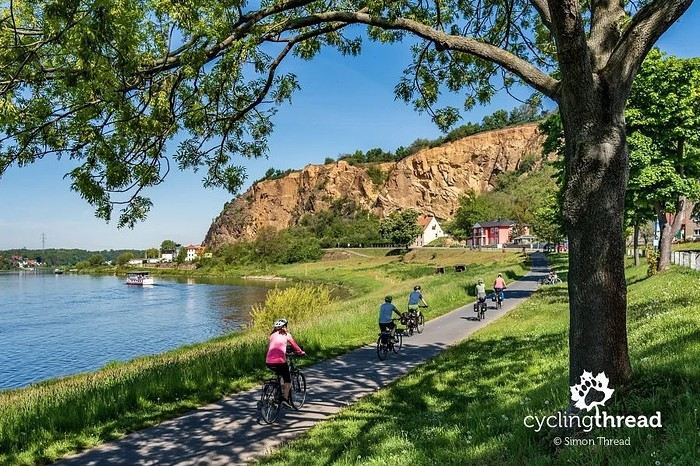
The Elbe bike path is about 1200 km long, following the river from its source in the Giant Mountains in the Czech Republic to its mouth in Cuxhaven, on the North Sea. The route crosses a variety of landscapes: mountain valleys, vineyards, open plains, and coastline. As is often the case in Germany, the signage is excellent and the route easy to follow.
But what surprised us was the number of cobblestone sections! Sure, the cobblestones are well-laid and fairly smooth—but they’re still cobblestones. And when they disappear, they’re often replaced by concrete slabs, typical of river dikes. That’s just part of the face of this 30-year-old "queen"—a heritage that’s hard to replace entirely with fresh asphalt.
Along the way, don’t miss the many cultural highlights. Dresden impresses with its restored old town, the Frauenkirche, and the Brühl Terraces along the Elbe—it’s one of Germany’s most elegant cities. In Meissen, you can visit the famous porcelain factory and its Gothic cathedral. Wittenberg is a must-stop to follow in Martin Luther’s footsteps, with its castle church and Reformation Museum. And to finish, in Dessau-Roßlau, besides the Bauhaus, don’t miss the stunning Dessau-Wörlitz landscape gardens—one of the oldest English-style parks in Europe.
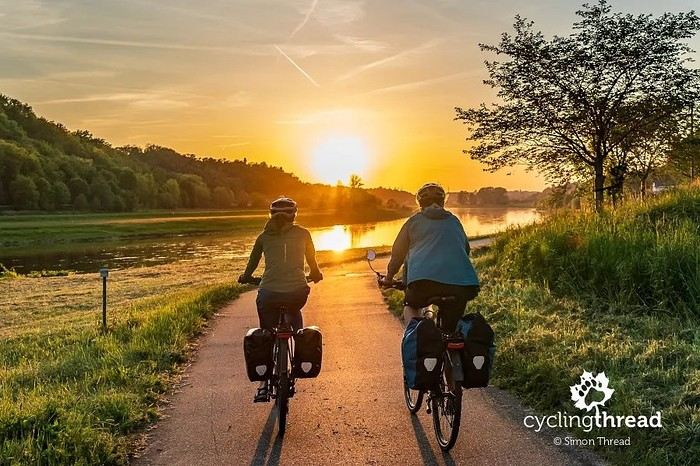
A few photos to give you a feel for the route and inspire you to check out our blog! :-)
Happy cycling!
Simon
In my stories, I pay special attention to the quality of infrastructure, cyclist safety, and route accessibility—for young and old, experienced riders and beginners alike. I love discovering and sharing spots that are truly welcoming for cycle tourists: well-marked, with rest areas and easy train access.
On the blog, you’ll find ready-to-follow route suggestions, tips for preparing your bike trips, and plenty of inspiration for your next adventures. I travel with my panniers, a camera in the front bag, and always keep an eye out for what’s around me. Feel free to check out my blog, Cycling Thread—you might find some ideas for your next bike getaway! :-)
* * *
I hope this won’t just be a one-off post—I’ll try to share our bike trips with you here regularly. To start: our May trip on the Elberadweg, the queen of German bike paths, between the stunning city of Dresden and Magdeburg. I invite you to visit:
Elberadweg in Germany – From Dresden to Magdeburg
The Elbe bike path is about 1200 km long, following the river from its source in the Giant Mountains in the Czech Republic to its mouth in Cuxhaven, on the North Sea. The route crosses a variety of landscapes: mountain valleys, vineyards, open plains, and coastline. As is often the case in Germany, the signage is excellent and the route easy to follow.
But what surprised us was the number of cobblestone sections! Sure, the cobblestones are well-laid and fairly smooth—but they’re still cobblestones. And when they disappear, they’re often replaced by concrete slabs, typical of river dikes. That’s just part of the face of this 30-year-old "queen"—a heritage that’s hard to replace entirely with fresh asphalt.
Along the way, don’t miss the many cultural highlights. Dresden impresses with its restored old town, the Frauenkirche, and the Brühl Terraces along the Elbe—it’s one of Germany’s most elegant cities. In Meissen, you can visit the famous porcelain factory and its Gothic cathedral. Wittenberg is a must-stop to follow in Martin Luther’s footsteps, with its castle church and Reformation Museum. And to finish, in Dessau-Roßlau, besides the Bauhaus, don’t miss the stunning Dessau-Wörlitz landscape gardens—one of the oldest English-style parks in Europe.
A few photos to give you a feel for the route and inspire you to check out our blog! :-)
Happy cycling!
Simon
Come discover the Gaspésie with me
Introduction
In this travel journal, you’ll find a list of all the activities we did during our road trip through the Gaspésie.
Videos are embedded throughout the summary. Just click on the image to start the video.
To jump to a specific post, here are the relevant links:
Gaspé - Forillon National Park - Interpretation Center Gaspé - Forillon National Park - Mont-Saint-Alban Trail Gaspé - Forillon National Park - La Chute Trail Gaspé - Forillon National Park - Les Graves Trail Percé - Rivière-aux-Émeraudes Waterfall Percé - Bonaventure Island National Park Percé - Hike at the Foot of Percé Rock Percé Geopark - Suspended Glass Platform Percé Geopark - Magic Forest Loop Percé Geopark - Belvedere Trails Percé Geopark - Springs and Les Pieds Croches Trails Percé Geopark - Crevasse Trail Percé Geopark - Grande Coupe Trail Percé Geopark - Grotto Path Bonaventure - Le Malin de la Rivière Bonaventure Maria - Grand Sault Waterfall Carleton-sur-Mer - Les Saults Waterfall - Éperlan Trail Matapédia - Two Rivers Belvedere Saint-Alexis-de-Matapédia - Dream Horizon Belvedere Saint-André-de-Restigouche - Heart of the Plateaus Belvedere Saint-André-de-Restigouche - Picot Waterfalls Saint-Alexis-de-Matapédia - Robitaille Stream Waterfalls Trail Saint-Alexandre-des-Lacs - Philomène Waterfall Saint-Ulric - Ti-Mé Waterfall
In this travel journal, you’ll find a list of all the activities we did during our road trip through the Gaspésie.
Videos are embedded throughout the summary. Just click on the image to start the video.
To jump to a specific post, here are the relevant links:
Gaspé - Forillon National Park - Interpretation Center Gaspé - Forillon National Park - Mont-Saint-Alban Trail Gaspé - Forillon National Park - La Chute Trail Gaspé - Forillon National Park - Les Graves Trail Percé - Rivière-aux-Émeraudes Waterfall Percé - Bonaventure Island National Park Percé - Hike at the Foot of Percé Rock Percé Geopark - Suspended Glass Platform Percé Geopark - Magic Forest Loop Percé Geopark - Belvedere Trails Percé Geopark - Springs and Les Pieds Croches Trails Percé Geopark - Crevasse Trail Percé Geopark - Grande Coupe Trail Percé Geopark - Grotto Path Bonaventure - Le Malin de la Rivière Bonaventure Maria - Grand Sault Waterfall Carleton-sur-Mer - Les Saults Waterfall - Éperlan Trail Matapédia - Two Rivers Belvedere Saint-Alexis-de-Matapédia - Dream Horizon Belvedere Saint-André-de-Restigouche - Heart of the Plateaus Belvedere Saint-André-de-Restigouche - Picot Waterfalls Saint-Alexis-de-Matapédia - Robitaille Stream Waterfalls Trail Saint-Alexandre-des-Lacs - Philomène Waterfall Saint-Ulric - Ti-Mé Waterfall
What are some good trekking routes in the Vosges?
hi there
I live near Dole, so not too far away, and I sometimes go hiking (Camino de Santiago, Saint-Guilhem-le-Désert, etc.), and I’d love it if someone could suggest a trek in the Vosges—I really don’t know the area well. (Yeah, I know, I’m a little embarrassed about that.)
If you could recommend a nice route.
Arrival by car or train, doesn’t matter.
Thanks so much!
Your thoughts on our 3-week Quebec road trip
We’re heading out for 3 weeks and just bought our flight tickets;
3 days in Montreal
2 days in La Mauricie Park
drive down Route 155 to Lac Saint-Jean
2 days in Tadoussac
ferry to Gaspésie—planning to stay 6/7 days there
Charlevoix region for 3 days
Quebec City for 2 days
Back to Montreal
If you’ve got any great tips, I’d love to hear them—accommodation, activities (seaplane, bears, whales), parks. We’re traveling with our kids, aged 20 and 23,
If you’ve got any great tips, I’d love to hear them—accommodation, activities (seaplane, bears, whales), parks. We’re traveling with our kids, aged 20 and 23,
First trip to southern France
Hi there,
My husband, our 1-year-old son, and I have decided to head to southern France in mid-September.
We don’t know the region at all—it’ll be our first time.
We only have 9 days, and we’re really torn between Provence for its gorgeous villages, its "slow" vibe, Provençal markets, flavors, and colors, and the famous French Riviera for its beaches, ports, and because it’s intrigued us for so long.
I found a beautiful place to stay in a *mas*, but it’s not in the region at all (it’s in the Gard).
My husband found a place he really likes in Saint-Aygulf, but before booking, I’m hesitating and wanted to get some advice.
Obviously, with only 9 days, we clearly have to choose. I thought about splitting the trip in two, but that seems like a bad idea for two reasons: first, we’re traveling with a little one, and second, if we spread ourselves too thin, we risk not seeing anything properly.
Since we don’t know the area at all, I’m worried the coastline might be too built-up with big buildings, etc., like Lloret de Mar (no offense to anyone who loves it—it’s just not what we’re looking for).
Anyway… what would you recommend for a first 9-day trip to the south?
Thanks so much!
My husband, our 1-year-old son, and I have decided to head to southern France in mid-September.
We don’t know the region at all—it’ll be our first time.
We only have 9 days, and we’re really torn between Provence for its gorgeous villages, its "slow" vibe, Provençal markets, flavors, and colors, and the famous French Riviera for its beaches, ports, and because it’s intrigued us for so long.
I found a beautiful place to stay in a *mas*, but it’s not in the region at all (it’s in the Gard).
My husband found a place he really likes in Saint-Aygulf, but before booking, I’m hesitating and wanted to get some advice.
Obviously, with only 9 days, we clearly have to choose. I thought about splitting the trip in two, but that seems like a bad idea for two reasons: first, we’re traveling with a little one, and second, if we spread ourselves too thin, we risk not seeing anything properly.
Since we don’t know the area at all, I’m worried the coastline might be too built-up with big buildings, etc., like Lloret de Mar (no offense to anyone who loves it—it’s just not what we’re looking for).
Anyway… what would you recommend for a first 9-day trip to the south?
Thanks so much!
Your tips for exploring Tuscany's natural side in late August
Hi, I'm looking for info on Tuscany with the idea of taking a family vacation at the end of August, but we're not into cities or crowds. We're more into wild nature, beaches, and hiking... I've heard about southern Tuscany—is it too urbanized? Where else should we look? Thanks so much
A Series: June 2025 Photo Contest Theme
The theme for June is: A SERIES
"A series is a set of coherent images that share several common points while still being different from one another."
In 3 photos, posted simultaneously in the same message, I’d like you to tell me a little story with a few words. You’re allowed 2 series.
They can be narrative or thematic. For example: 3 shots representing 3 professions, 3 places of worship, 3 market stalls, 3 trains... the ideas are endless—whether in the same place or in different countries... or 3 images of the same place, photographed from 3 different angles, under 3 different lights... or 3 images where the predominant color is the same... Narrative and theme can, of course, overlap.
Practical details:
Participation Each VF member can submit up to 2 series, until Saturday, June 21 at 11:59 PM Paris time. Each series of 3 photos must be presented in a single message, with its number indicated (series 1, series 2).
Voting: Each VF member can vote for the 3 series they consider the best, based on their own criteria and the theme.
Voting will take place from Saturday, June 21 at midnight until Saturday, June 28 at 11:59 PM Paris time.
The selected series will be ranked in order of preference: - 1st series: 3 points - 2nd: 2 points - 3rd: 1 point
The winner is the author of the series with the most points.
Results will be published on June 29 during the day. In case of a tie, the number of first-place votes will decide. The winner will have the honor of organizing July 2025’s contest.
Photos that have won (1st, 2nd, or 3rd place) in another VF contest are not eligible for this one.
This thread is exclusively for series submitted to the contest. All discussions, comments, and other chatter should take place in this thread.
...................................................................
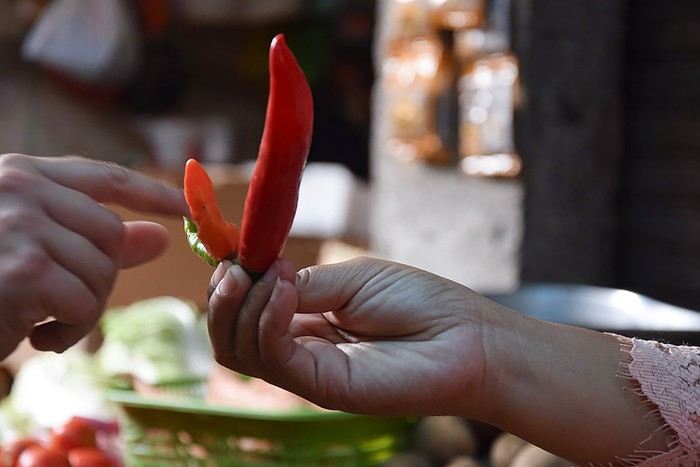
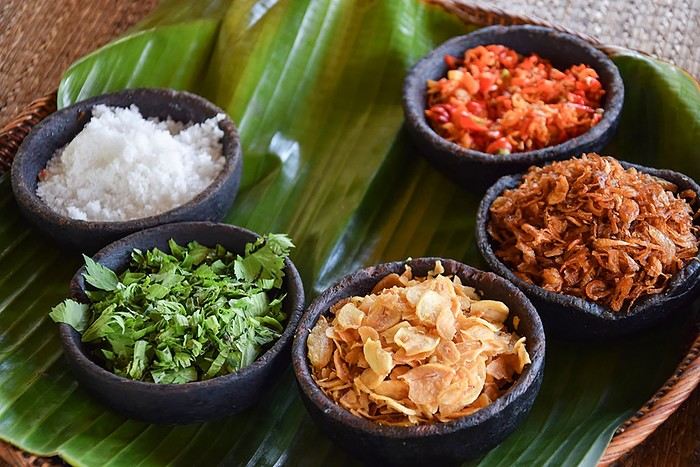
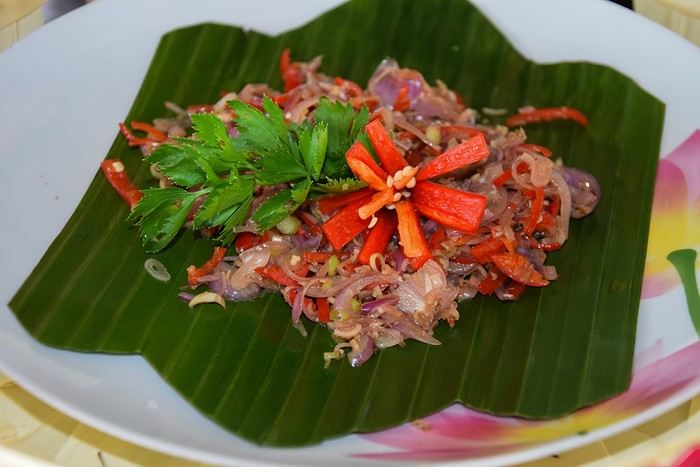
Narrative: In Bali, I took a cooking class. We went to the market to shop with the teacher. We cleaned and prepped the ingredients to make, among other things, a lovely salad.
...........................................................................
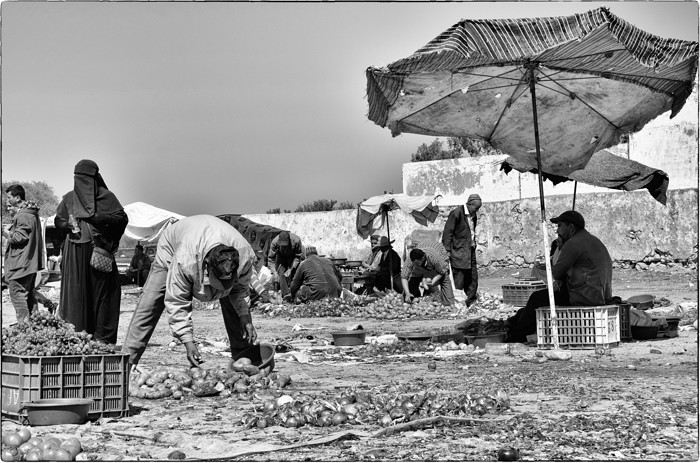
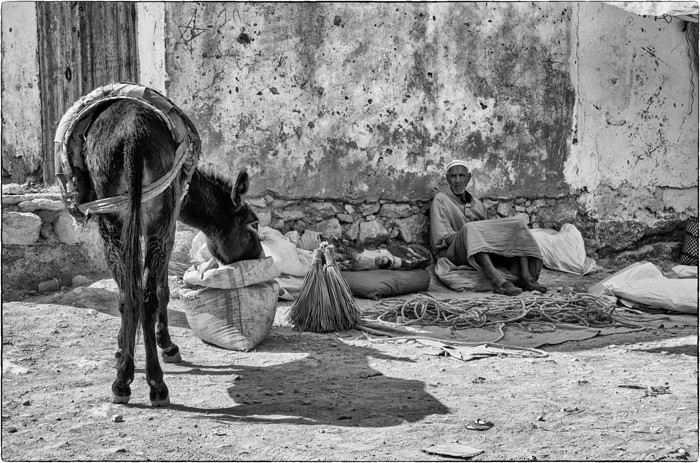
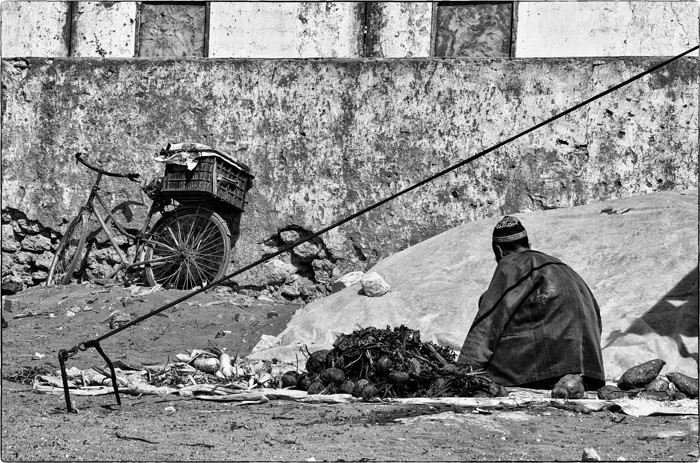
Narrative and thematic: I really loved this place 30 km from Essaouira. A little souk "just as it is," as they say. The souk of Ida Ougourd.
...........................................................................
Thematic: Green in nature. The green of tea plantations in Munnar, a bamboo forest in Les Landes, and a park in Tokyo.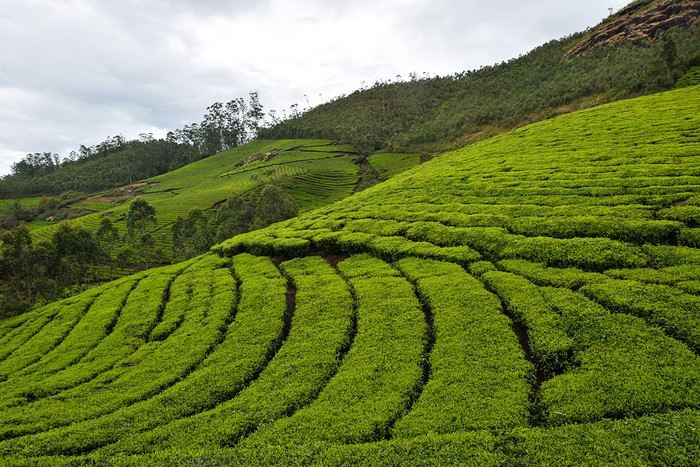
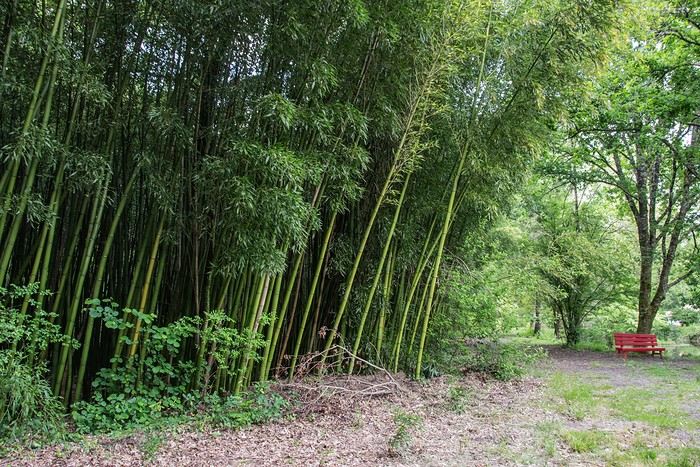
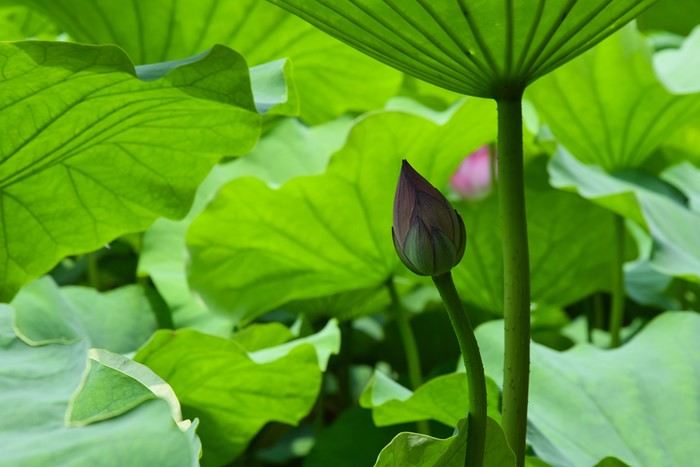
In 3 photos, posted simultaneously in the same message, I’d like you to tell me a little story with a few words. You’re allowed 2 series.
They can be narrative or thematic. For example: 3 shots representing 3 professions, 3 places of worship, 3 market stalls, 3 trains... the ideas are endless—whether in the same place or in different countries... or 3 images of the same place, photographed from 3 different angles, under 3 different lights... or 3 images where the predominant color is the same... Narrative and theme can, of course, overlap.
Practical details:
Participation Each VF member can submit up to 2 series, until Saturday, June 21 at 11:59 PM Paris time. Each series of 3 photos must be presented in a single message, with its number indicated (series 1, series 2).
Voting: Each VF member can vote for the 3 series they consider the best, based on their own criteria and the theme.
Voting will take place from Saturday, June 21 at midnight until Saturday, June 28 at 11:59 PM Paris time.
The selected series will be ranked in order of preference: - 1st series: 3 points - 2nd: 2 points - 3rd: 1 point
The winner is the author of the series with the most points.
Results will be published on June 29 during the day. In case of a tie, the number of first-place votes will decide. The winner will have the honor of organizing July 2025’s contest.
Photos that have won (1st, 2nd, or 3rd place) in another VF contest are not eligible for this one.
This thread is exclusively for series submitted to the contest. All discussions, comments, and other chatter should take place in this thread.
...................................................................
Narrative: In Bali, I took a cooking class. We went to the market to shop with the teacher. We cleaned and prepped the ingredients to make, among other things, a lovely salad.
...........................................................................
Narrative and thematic: I really loved this place 30 km from Essaouira. A little souk "just as it is," as they say. The souk of Ida Ougourd.
...........................................................................
Thematic: Green in nature. The green of tea plantations in Munnar, a bamboo forest in Les Landes, and a park in Tokyo.
What to see and do in Northern Laos without hiking?
hi there
we’ll arrive in Luang Prabang on November 8th from Bangkok and plan to leave from Vientiane on November 19th.
Little question—we’d love to visit northern Laos, but I can’t do mountain walks or climbing. My partner can, though. What do you recommend for us?
Thanks for your tips!
Best,
Monique
That's Kenya too...
Hey fellow travelers,
I'm back in the "travel journal" section to share our 15-day adventure in Kenya in November 2024. It was pretty much our first time in East Africa (since Zanzibar doesn’t really count 😜).
As usual, I’m sharing the journal I made for our loved ones—still as casual and cheerful as ever, just to give them a little break from their tough workdays 😄.
We organized the whole trip ourselves, and to be original here LOL, we took some *very* well-trodden paths: Naivasha, Tsavo, and Diani. But what I loved about this country is that it’s so easy to go off the beaten track—even on the "tourist highways" 😉.
So, if you're a safari fanatic or after stunning wildlife photos, you might be disappointed. But if you want to discover other sides of Kenya, you might just find what you're looking for 😉.
Looking forward to sharing this fun journey with you all 😊.
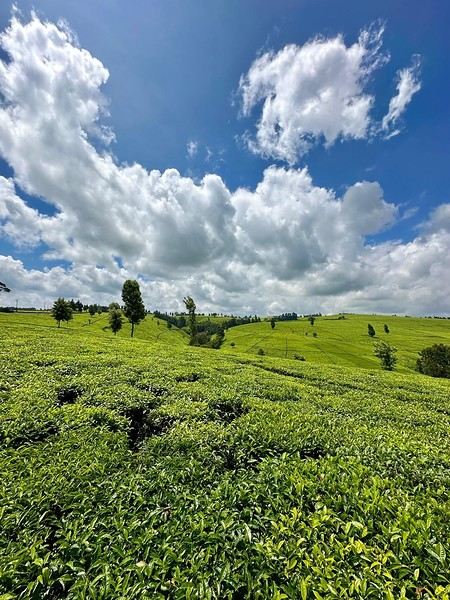
I'm back in the "travel journal" section to share our 15-day adventure in Kenya in November 2024. It was pretty much our first time in East Africa (since Zanzibar doesn’t really count 😜).
As usual, I’m sharing the journal I made for our loved ones—still as casual and cheerful as ever, just to give them a little break from their tough workdays 😄.
We organized the whole trip ourselves, and to be original here LOL, we took some *very* well-trodden paths: Naivasha, Tsavo, and Diani. But what I loved about this country is that it’s so easy to go off the beaten track—even on the "tourist highways" 😉.
So, if you're a safari fanatic or after stunning wildlife photos, you might be disappointed. But if you want to discover other sides of Kenya, you might just find what you're looking for 😉.
Looking forward to sharing this fun journey with you all 😊.
Booking ferries and buses from Cebu to Panglao and from Coron to El Nido
Hi,
Which site can I use to book ferry tickets (from Cebu to Panglao and from Coron to El Nido)?
Everyone recommends 12Go, but they only offer 2 companies and 2 schedules for this route, even though I assume there are more... Same issue with buses...
For short trips, I’ll check on the spot, but these are in high demand, and I think booking in advance is a must.
Thanks for your tips!
Questions about planning - 3 weeks to meet primates in Uganda
Hello,
After having to cancel our trip to Uganda in December 2020, we finally decided to go in December/January. We leave on December 28th and return on January 18th, which gives us 20 days and 20 nights there 🙂
The main goal of this trip is to meet primates, big and small. We won’t skip the birds and other mammals or the local culture and people, but we want to maximize our chances of meeting our monkey friends.
It’ll be a self-drive road trip with lodge stays. The 4x4 is booked, as are the chimpanzee and gorilla permits, and most of the accommodations.
I’m reaching out because I have a big question mark about my itinerary. Here’s what was originally planned (with the parts I’m unsure about in bold):
1 night in Entebbe on arrival day 1 night at Ziwa Rhino & Wildlife Ranch (rhino trek and shoebill trek) 2 nights at Murchison Falls NP (Murchison River Lodge) 2 nights at Lake Albert (Kabwoya Wildlife Reserve) 2 nights in Kibale (for the chimpanzee habituation day) 2 nights in Queen Elizabeth NP (chimpanzee trek in Kyambura Gorge) 2 nights in Bwindi, Ruhija sector (gorilla trek) 2 nights at Lake Mutanda (gorilla trek in Mgahinga) 1 night in Kisoro (golden monkey trek in Mgahinga) 1 night at Lake Bunyonyi 2 nights in Lake Mburo NP 2 nights near Mabamba Swamps (for the shoebill and to relax before flying back)
My "issue": The lodge at Lake Albert only has availability for the first of the 2 nights. So I’m hesitating between a few options (if you have other ideas, I’m all ears!):
1- Add an extra night at MFNP and make a stop somewhere between MFNP and Kibale. But where? 2- Keep 1 night at Lake Albert and do 3 nights in Kibale (but is 3 days in Kibale too much?) 3- Do 3 nights at MFNP and 3 nights in Kibale, with a long drive between the two 4- 2 nights at Lake Albert but at another lodge not in Kabwoya Wildlife Reserve (is there enough to fill 2 days? Any lodge recommendations?)
A huge thank you for your help and advice 🙂 Have a wonderful sunny weekend, Pascale
After having to cancel our trip to Uganda in December 2020, we finally decided to go in December/January. We leave on December 28th and return on January 18th, which gives us 20 days and 20 nights there 🙂
The main goal of this trip is to meet primates, big and small. We won’t skip the birds and other mammals or the local culture and people, but we want to maximize our chances of meeting our monkey friends.
It’ll be a self-drive road trip with lodge stays. The 4x4 is booked, as are the chimpanzee and gorilla permits, and most of the accommodations.
I’m reaching out because I have a big question mark about my itinerary. Here’s what was originally planned (with the parts I’m unsure about in bold):
1 night in Entebbe on arrival day 1 night at Ziwa Rhino & Wildlife Ranch (rhino trek and shoebill trek) 2 nights at Murchison Falls NP (Murchison River Lodge) 2 nights at Lake Albert (Kabwoya Wildlife Reserve) 2 nights in Kibale (for the chimpanzee habituation day) 2 nights in Queen Elizabeth NP (chimpanzee trek in Kyambura Gorge) 2 nights in Bwindi, Ruhija sector (gorilla trek) 2 nights at Lake Mutanda (gorilla trek in Mgahinga) 1 night in Kisoro (golden monkey trek in Mgahinga) 1 night at Lake Bunyonyi 2 nights in Lake Mburo NP 2 nights near Mabamba Swamps (for the shoebill and to relax before flying back)
My "issue": The lodge at Lake Albert only has availability for the first of the 2 nights. So I’m hesitating between a few options (if you have other ideas, I’m all ears!):
1- Add an extra night at MFNP and make a stop somewhere between MFNP and Kibale. But where? 2- Keep 1 night at Lake Albert and do 3 nights in Kibale (but is 3 days in Kibale too much?) 3- Do 3 nights at MFNP and 3 nights in Kibale, with a long drive between the two 4- 2 nights at Lake Albert but at another lodge not in Kabwoya Wildlife Reserve (is there enough to fill 2 days? Any lodge recommendations?)
A huge thank you for your help and advice 🙂 Have a wonderful sunny weekend, Pascale
The North Cape by 4x4 in the Snow
Our trip lasted a month, from March 10 to April 10, 2024, and was done aboard our Land Rover Defender 110. For those interested, our 4x4 is equipped with mountain-approved 3PMFSF all-terrain tires (non-studded), a removable electric winch that can be attached to either the front or rear of the vehicle, two sand recovery boards, and we bring two pairs of snow chains. We sleep in our Land Rover, which is equipped with a diesel-powered independent heater, a small fridge, and has a layout that allows the dinette to be converted into a bed.
Starting from the Paris region, we crossed Belgium and Germany, took the ferry from Travemünde in northern Germany to Helsinki, followed the Russian border up to northern Finland, then headed into Norway all the way to the North Cape before returning via Norway, taking the ferry from Larvik in Norway to Hirtshals in Denmark, then passing through Germany and Belgium on our way back to France.
Tonight, March 10, 2024, we’ll be sleeping at our daughter’s place in the North.
Tuesday, March 11, we’ll cross Belgium and then enter Germany, where we’ll camp in Bremen.
Wednesday, March 12, we’ll have a quick visit to Bremen in the morning. We had planned to visit Lübeck, but some electrical issues with the car delayed us, so we head straight to the German port of Travemünde, where we’re set to embark at 11:30 PM to cross the Baltic Sea and arrive in Helsinki after 31 hours of sailing (one-way cabin ticket cost: 850 €—quite expensive since we booked last minute).
On the ferry, there are mostly semi-trucks and only a few campervans and passenger cars. The boat is quiet, and the Baltic Sea is calm.
About two hours before arriving in Helsinki, we hear noise along the hull. Surprise—looking out the porthole, we realize we’re sailing on frozen sea ice!
Thursday, March 14, we arrive at the port of Helsinki at 9:30 AM. Disembarking takes a while. As soon as we’re out, we head straight to Rastila Camping (cost: 27 €), about ten kilometers east of Helsinki. Then we go to a Land Rover garage to fix our headlight switch, which stopped working (a real hassle in Finland since you have to drive with low beams on at all times).
After the repair, we visit the stunning Temppeliaukio Church, which is built underground.
On our way back to the campsite, we stop at the supermarket for supplies. Prices are similar to France, except for imported products.
We settle into our snowy campsite spot.
Starting from the Paris region, we crossed Belgium and Germany, took the ferry from Travemünde in northern Germany to Helsinki, followed the Russian border up to northern Finland, then headed into Norway all the way to the North Cape before returning via Norway, taking the ferry from Larvik in Norway to Hirtshals in Denmark, then passing through Germany and Belgium on our way back to France.
Tonight, March 10, 2024, we’ll be sleeping at our daughter’s place in the North.
Tuesday, March 11, we’ll cross Belgium and then enter Germany, where we’ll camp in Bremen.
Wednesday, March 12, we’ll have a quick visit to Bremen in the morning. We had planned to visit Lübeck, but some electrical issues with the car delayed us, so we head straight to the German port of Travemünde, where we’re set to embark at 11:30 PM to cross the Baltic Sea and arrive in Helsinki after 31 hours of sailing (one-way cabin ticket cost: 850 €—quite expensive since we booked last minute).
On the ferry, there are mostly semi-trucks and only a few campervans and passenger cars. The boat is quiet, and the Baltic Sea is calm.
About two hours before arriving in Helsinki, we hear noise along the hull. Surprise—looking out the porthole, we realize we’re sailing on frozen sea ice!
Thursday, March 14, we arrive at the port of Helsinki at 9:30 AM. Disembarking takes a while. As soon as we’re out, we head straight to Rastila Camping (cost: 27 €), about ten kilometers east of Helsinki. Then we go to a Land Rover garage to fix our headlight switch, which stopped working (a real hassle in Finland since you have to drive with low beams on at all times).
After the repair, we visit the stunning Temppeliaukio Church, which is built underground.
On our way back to the campsite, we stop at the supermarket for supplies. Prices are similar to France, except for imported products.
We settle into our snowy campsite spot.
Kyushu itinerary in spring: your thoughts?
Hi there,
For our second trip to Japan, we’ll be spending 22 full days in Kyushu. 😎 Here’s our draft itinerary:
1 - FUKUOKA 2 - FUKUOKA 3 - FUKUOKA 4 - FUKUOKA / SASEBO / OJIKA 5 - OJIKA 6 - OJIKA / SASEBO / NAGASAKI 7 - NAGASAKI 8 - NAGASAKI 9 - NAGASAKI / KUMAMOTO +++ car rental +++ 10 - KUMAMOTO / ASO 11 - ASO 12 - ASO / KUROKAWA ONSEN 13 - KUROKAWA ONSEN / KUMAMOTO +++ end of car rental +++ 14 - KUMAMOTO / KAGOSHIMA 15 - IBUSUKI / CHIRAN 16 - SAKURAJIMA (car?) 17 - KAGOSHIMA / YAKUSHIMA 18 - YAKUSHIMA (car?) 19 - YAKUSHIMA (car?) 20 - YAKUSHIMA / KAGOSHIMA 21 - ??? 22 - FUKUOKA
We’ve deliberately skipped the eastern part (from Beppu to Miyazaki…)
We still have a few questions about our itinerary:
Car: For most of our travel, we plan to take the train or bus, except in the Aso region where we’ll rent a car. We’re wondering about Sakurajima and Yakushima: is a car necessary there?
Ojika: Would one night be enough?
Yakushima: Are two full days (plus two half-days) sufficient?
If we keep the schedule as is, we have one extra day to fit in somewhere—any suggestions?
Thanks for your help! 🙂
For our second trip to Japan, we’ll be spending 22 full days in Kyushu. 😎 Here’s our draft itinerary:
1 - FUKUOKA 2 - FUKUOKA 3 - FUKUOKA 4 - FUKUOKA / SASEBO / OJIKA 5 - OJIKA 6 - OJIKA / SASEBO / NAGASAKI 7 - NAGASAKI 8 - NAGASAKI 9 - NAGASAKI / KUMAMOTO +++ car rental +++ 10 - KUMAMOTO / ASO 11 - ASO 12 - ASO / KUROKAWA ONSEN 13 - KUROKAWA ONSEN / KUMAMOTO +++ end of car rental +++ 14 - KUMAMOTO / KAGOSHIMA 15 - IBUSUKI / CHIRAN 16 - SAKURAJIMA (car?) 17 - KAGOSHIMA / YAKUSHIMA 18 - YAKUSHIMA (car?) 19 - YAKUSHIMA (car?) 20 - YAKUSHIMA / KAGOSHIMA 21 - ??? 22 - FUKUOKA
We’ve deliberately skipped the eastern part (from Beppu to Miyazaki…)
We still have a few questions about our itinerary:
Car: For most of our travel, we plan to take the train or bus, except in the Aso region where we’ll rent a car. We’re wondering about Sakurajima and Yakushima: is a car necessary there?
Ojika: Would one night be enough?
Yakushima: Are two full days (plus two half-days) sufficient?
If we keep the schedule as is, we have one extra day to fit in somewhere—any suggestions?
Thanks for your help! 🙂
Family road trip across the Pyrenees (Spain)
Hi there,
We live in Lyon and usually stay in the Alps, but we don’t know the Pyrenees at all. It’s a mountain range that’s quite a long way from where we live. This summer, we’re thinking of traveling along the Pyrenees from west to east (Pyrénées-Atlantiques - Hautes-Pyrénées - PO). We might explore both the French and Spanish sides. We’d do this trip over 3 weeks, aiming to stay in each place for about 3 days before hitting the road again—so we don’t feel like we’re driving for hours every day...
Do you think a 3-week trip like this is doable? (Just to give you an idea, I’ve simplified the route with the link below, using random stops to illustrate the plan.) https://maps.app.goo.gl/eaShLrZzcmN54mZJ7
Two things that are influencing our planning: - We’re a family of 4 (2 kids, aged 9 and 6 1/2) - We’ll be in an electric car For the second point, could you tell me if there are plenty of electric charging stations along the mountain range, or if we’ll need to head to the main towns in the 3 Pyrenean departments?
Looking forward to your thoughts!
Thanks in advance.
We live in Lyon and usually stay in the Alps, but we don’t know the Pyrenees at all. It’s a mountain range that’s quite a long way from where we live. This summer, we’re thinking of traveling along the Pyrenees from west to east (Pyrénées-Atlantiques - Hautes-Pyrénées - PO). We might explore both the French and Spanish sides. We’d do this trip over 3 weeks, aiming to stay in each place for about 3 days before hitting the road again—so we don’t feel like we’re driving for hours every day...
Do you think a 3-week trip like this is doable? (Just to give you an idea, I’ve simplified the route with the link below, using random stops to illustrate the plan.) https://maps.app.goo.gl/eaShLrZzcmN54mZJ7
Two things that are influencing our planning: - We’re a family of 4 (2 kids, aged 9 and 6 1/2) - We’ll be in an electric car For the second point, could you tell me if there are plenty of electric charging stations along the mountain range, or if we’ll need to head to the main towns in the 3 Pyrenean departments?
Looking forward to your thoughts!
Thanks in advance.
Feedback on a 10-day road trip through the Norwegian fjords
Hi there!
I’m planning a road trip in a camper van around the fjords in Norway and would love to get some feedback and tips on the itinerary.
It’s a 10-day trip:
Day 1: Land in Bergen and drive to Odda
Day 2: Odda (full-day hike to Trolltunga)
Day 3: Kinsarvik (hike in Hardangervidda National Park)
Day 4: Geilo (hike in Hallingskarvet National Park)
Day 5: Hike in Jotunheimen National Park via the Gjendesheim ferry
Day 6: Fossbergom
Day 7: Luster and hike in Jostedalsbreen National Park
Day 8: Flam
Day 9: Bergen
Day 10: Bergen + departure
For the camper van rental, I’ve reached out to this site: https://campervanbergen.com, which seems pretty good with reasonable rates. If you have any comments or advice on the itinerary or the rental company, I’d love to hear them! Thanks in advance! Romain
For the camper van rental, I’ve reached out to this site: https://campervanbergen.com, which seems pretty good with reasonable rates. If you have any comments or advice on the itinerary or the rental company, I’d love to hear them! Thanks in advance! Romain
4- to 5-day itinerary for Madagascar
Hi there, following a work trip, I’ll have 4.5 days left to get a quick overview of Madagascar during the last week of February. I’ll already have had a good look around Tana (3 days of work and 1.5 days beforehand to see 1 or 2 points of interest 2-3 hours from Tana).
Is it feasible to spend the remaining 4.5 days like this:
- Day 1 & 2 (and maybe the morning of Day 3): relaxing on a coast with a pleasant climate, for example, a one-way flight to Tuléar (there’s a flight on Day 1 at 3 AM) and heading to a nice beach. Ideally, I’d have liked to go toward Morondava (baobabs, beautiful beaches near Belo), but the flight schedules don’t really work, and it wouldn’t let me visit Isalo.
- Then 2 days to head back up via the RN7, ideally with a stop in Isalo, which really appeals to me (I’m an experienced hiker in France), and/or Ranomafana. But do the weather conditions allow for long hikes in that area? Ideally, I’d like to do Tuléar–Tana by public transport up to my first road stop (shared bus? To Isalo?), then find a local hiking guide for the day. And take another transport to another point of interest before returning to Tana, where I have my return flight to France on Day 5 at noon.
My questions: - How to travel from Day 3 to Day 5 from the west coast (Tuléar? Morondava?) back to Tana? I’d prefer not to depend on a guide the whole way, but if I have to 🤷🏽♂️) If I choose Morondava, will I miss out on really interesting spots I could’ve seen along the RN7?
I’m open to any suggestions or ideas to make the most of these 4.5 days, like another beach destination I might not have considered (I ruled out Nosy Bé because of the February weather—maybe I was wrong?)
Is it feasible to spend the remaining 4.5 days like this:
- Day 1 & 2 (and maybe the morning of Day 3): relaxing on a coast with a pleasant climate, for example, a one-way flight to Tuléar (there’s a flight on Day 1 at 3 AM) and heading to a nice beach. Ideally, I’d have liked to go toward Morondava (baobabs, beautiful beaches near Belo), but the flight schedules don’t really work, and it wouldn’t let me visit Isalo.
- Then 2 days to head back up via the RN7, ideally with a stop in Isalo, which really appeals to me (I’m an experienced hiker in France), and/or Ranomafana. But do the weather conditions allow for long hikes in that area? Ideally, I’d like to do Tuléar–Tana by public transport up to my first road stop (shared bus? To Isalo?), then find a local hiking guide for the day. And take another transport to another point of interest before returning to Tana, where I have my return flight to France on Day 5 at noon.
My questions: - How to travel from Day 3 to Day 5 from the west coast (Tuléar? Morondava?) back to Tana? I’d prefer not to depend on a guide the whole way, but if I have to 🤷🏽♂️) If I choose Morondava, will I miss out on really interesting spots I could’ve seen along the RN7?
I’m open to any suggestions or ideas to make the most of these 4.5 days, like another beach destination I might not have considered (I ruled out Nosy Bé because of the February weather—maybe I was wrong?)
Trip to Italy: Your experiences?
Planning a trip to Italy in October. I’d love to hear about your experiences. Thanks!