Results for "James+|+9+>+228"
12305 results found.
Température de l'eau à Praia da Rocha/Faro au Portugal en juillet? English translation pending
😎 quel est la temp. de l'eau en mois de juilliet vers praia da rocha ou Faro?
Coût de la vie, climat sur Taiwan English translation pending
J'ai l'intention de partir à Taiwan cet été pour faire un stage hospitaleier puisue je suis étudiante en 4ème année de médecine .Je voulais correspondre avec des personnes ui y ont déjà été ou qui iront, afin de savoir le shabitudes de vie, les conditions de vie mais aussi le cout de la vie, le climat.Et si comme pratiquement tout les pays d'Asie, la santé est importante.
Conseils sur Paris English translation pending
Comme beucoup de gens, je connais mieux certaine capital étrangère que le celle de mon pays !! Je vis en province (dans les alpes) et j'aimerai faire un voyage sur paris (une semaine en fevrier) . Je cherche des infos pour optimiser ce voyage. (les spéctacles incoutournables, les restaurants, les musées....). Il existe peut être des sites ?
Merci et si vous voulez des infos sur les alpes !
A+
Merci et si vous voulez des infos sur les alpes !
A+
Hôtel Playa Pesquero (Guardalavaca) English translation pending
bonjour,
je vais a cuba au mois de janvier et je voudrais savoir comment est l'hotel PLAYA PESQUERO, (les chambres, les restos, l'animation, les escurtions.....).
J'aimerai egalement savoir ce que l'on peut faire autour de cette hotel et de autour de la ville de guadalavaca.
y'a t'il possibilite de louer des mobilettes ou autre moyen de locomotion pour entrer en campagne et decouvrir la vie rurale?.
merci
je vais a cuba au mois de janvier et je voudrais savoir comment est l'hotel PLAYA PESQUERO, (les chambres, les restos, l'animation, les escurtions.....).
J'aimerai egalement savoir ce que l'on peut faire autour de cette hotel et de autour de la ville de guadalavaca.
y'a t'il possibilite de louer des mobilettes ou autre moyen de locomotion pour entrer en campagne et decouvrir la vie rurale?.
merci
Infos sur Malaysian Airlines English translation pending
Est-ce que qqn peut me donner des renseignements sur la fiabilité de Malaysian Airlines ? Je souhaite aller plonger en Thailande et emmener mon matériel de plongée, Pensez vous que la perte ou vol de bagages est plus élevé qu’avec une autre compagnie ?
A +
.
A +
.
Star airlines classe Galaxie? English translation pending
apres longue reflexion, mon voyagiste ma vendu la classe galaxi de la star airlines en lieu et placee de la bataillaire amelioré de la classe alize de chez air france.aucun site web de star airlines.
qui a déja voyagé en classe galaxie et est telle une petite classe affaire oubien une fois de plus une betaille amelioré!.
merci de vos réactions si vous avez deja voyagé en classe galaxie!
qui a déja voyagé en classe galaxie et est telle une petite classe affaire oubien une fois de plus une betaille amelioré!.
merci de vos réactions si vous avez deja voyagé en classe galaxie!
Tour du monde en solo English translation pending
Je suis en train de réfléchi à un projet de tour du monde sur 6-7mois en passant surtout du temps en Asie du Sud Est et en Indonésie.
L'une d'entre vous a-t-elle effectué une expérience du même ordre dont elle pourrait me parler car j'hésite encore à me lançer en solo.
Merci d'avance😏
L'une d'entre vous a-t-elle effectué une expérience du même ordre dont elle pourrait me parler car j'hésite encore à me lançer en solo.
Merci d'avance😏
Maroc-Mauritanie en transports en commun English translation pending
Hello !
une question (saugrenue ?) : est-il possible de rallier Maroc et MAuritanie en bus, train, ou tout transport en commun peu cher ?
Merci de vos tuyaux !
une question (saugrenue ?) : est-il possible de rallier Maroc et MAuritanie en bus, train, ou tout transport en commun peu cher ?
Merci de vos tuyaux !
Avis sur Star airlines English translation pending
bonjour à vous !
je dois faire ma résa lundi /09, pour dominicus beach, mais le hic c'est que l'on part par star airlines, en formule galaxie (fortement conseillée), mais on ne connait pas leurs services qu'ils offrent.
Merci d'avance pour vos infos😉
Amicalement à vous
manuellla
je dois faire ma résa lundi /09, pour dominicus beach, mais le hic c'est que l'on part par star airlines, en formule galaxie (fortement conseillée), mais on ne connait pas leurs services qu'ils offrent.
Merci d'avance pour vos infos😉
Amicalement à vous
manuellla
Ile de Nias (Indonésie) English translation pending
Salut,
Merci à toi Alan pour m'avoir dirigé sur ce forum.
Je souhaite savoir si vous Pensez que l'ile de NIAS vaut vraiment le détour?
Savez-vous également dans qu'elle île et où se trouve des beaux magasins de meubles Indonésien?
Merci
Salut à tous.
Deux semaines en Inde... English translation pending
Bonjour,
Complements sur...
Mcleodgang : d'avis competent, ne serait sinistre par le tourisme qu'a 80%. Par contre des gens tres gentils. Kailash hotel, sympa, mais construction un peu legere : vibrrations quand les gens passent dans le couloir. Shambala, bon carott juice; Shangrila, a cote, bon veg chowmein; McLleo, bonne cuisine indienne pour touriste et soiree educative pour des enfants punjabi lesquels etaient la avec leurs parents : parmi quatre touristes un peu limites, l'un, avachi, les jambes dans l'allee, buvant sa bierre au goulot. Plus frequent qu'on peut le penser. Un jeune francais qui y a passe un an il y quelques annees de cela est vraiment tres triste de ce que c'est devenu. On m'a conte aussi la delicatesse de certains qui ont le bon gout, a Leh, Manali ou ailleurs, de declarer de fausses pertes de lecteurs de CD (ou autres ustensiles) dans l'hotel ou ils sont descendus, causant stupidement de gros torts a beaucoup de monde. De quoi pleurer, non ?
Dharamsala, Kotwali Bazaar, aurait garde un peu plus de son authenticite.
Chandigarh : ne pas faire comme moi. Essayez de vous renseigner sur le trajet des bus. Ce sera un plus appreciable. Le bus pour Mcleo (vous insistez pour y aller ?) part du bustand 43. Au main bustand prendre le bus 8 a la plateforme 37.
Amritsar : ok. Des puces et des moustiques a la tourist guest house. Mais des gens tres gentils. Wagah border pour bien s'impregner d'un nationalisme indien assez agressif (nous le savions deja, helas !). Le Golden temple, bien sur et, surtout, le Jalawallian Bargh pour bien s'impregner de ce que des p... de colons peuvent faire (ils n'etaient pas francais, cette fois la !).
Faridkot (prononce Fridkot) : je n'ai pas pu trouver d'hotel milieu de gamme. Donc, apres une heure, j'ai pris le bus pour Malaut... Le reve : une actrice revenait de Faridkot a sa maison. Quand le beau Punjabi assis a cote d'elle s'est leve, je lui ai fait un petit signe (j'avais l'excuse d'etre tres mal assis). Ouiiii. Voyage fort agreable, papotant dans un anglais parfait (le sien, bien sur). Je reve ? Non.
Malaut (Malout parfois) : mieux vaut connaitre l'Hindi (et encore, ils parlent Punjabi), la ville n'etant pas prepare au tourisme. Ceci dit, la Edward Ganj Guest house offre des chambres super a 125 rps. Le Malwa hotel est le top du top des veg restaurants. Pas cher du tout et super bon. Ville tres moderne, tres active avec une Wellfare association (Edward Ganj) tres efficace. Je vais faire la lessive et me remettre aux cassetes d'hindi.
Pour l'instant, apres 14 jours, je tourne a pas loin de 8 euros par jour tout compris. Je ne peut pas me priver tout le temps de Kingfisher light ni de bons resto, quand meme (et parfois, une petite piece au Ricksaw, quand il est sympa...)
A plus pour ceux que ca interesse.
Je vous rappelle que le jour des freres et des soeurs a lieu le 12 Aout.
Complements sur...
Mcleodgang : d'avis competent, ne serait sinistre par le tourisme qu'a 80%. Par contre des gens tres gentils. Kailash hotel, sympa, mais construction un peu legere : vibrrations quand les gens passent dans le couloir. Shambala, bon carott juice; Shangrila, a cote, bon veg chowmein; McLleo, bonne cuisine indienne pour touriste et soiree educative pour des enfants punjabi lesquels etaient la avec leurs parents : parmi quatre touristes un peu limites, l'un, avachi, les jambes dans l'allee, buvant sa bierre au goulot. Plus frequent qu'on peut le penser. Un jeune francais qui y a passe un an il y quelques annees de cela est vraiment tres triste de ce que c'est devenu. On m'a conte aussi la delicatesse de certains qui ont le bon gout, a Leh, Manali ou ailleurs, de declarer de fausses pertes de lecteurs de CD (ou autres ustensiles) dans l'hotel ou ils sont descendus, causant stupidement de gros torts a beaucoup de monde. De quoi pleurer, non ?
Dharamsala, Kotwali Bazaar, aurait garde un peu plus de son authenticite.
Chandigarh : ne pas faire comme moi. Essayez de vous renseigner sur le trajet des bus. Ce sera un plus appreciable. Le bus pour Mcleo (vous insistez pour y aller ?) part du bustand 43. Au main bustand prendre le bus 8 a la plateforme 37.
Amritsar : ok. Des puces et des moustiques a la tourist guest house. Mais des gens tres gentils. Wagah border pour bien s'impregner d'un nationalisme indien assez agressif (nous le savions deja, helas !). Le Golden temple, bien sur et, surtout, le Jalawallian Bargh pour bien s'impregner de ce que des p... de colons peuvent faire (ils n'etaient pas francais, cette fois la !).
Faridkot (prononce Fridkot) : je n'ai pas pu trouver d'hotel milieu de gamme. Donc, apres une heure, j'ai pris le bus pour Malaut... Le reve : une actrice revenait de Faridkot a sa maison. Quand le beau Punjabi assis a cote d'elle s'est leve, je lui ai fait un petit signe (j'avais l'excuse d'etre tres mal assis). Ouiiii. Voyage fort agreable, papotant dans un anglais parfait (le sien, bien sur). Je reve ? Non.
Malaut (Malout parfois) : mieux vaut connaitre l'Hindi (et encore, ils parlent Punjabi), la ville n'etant pas prepare au tourisme. Ceci dit, la Edward Ganj Guest house offre des chambres super a 125 rps. Le Malwa hotel est le top du top des veg restaurants. Pas cher du tout et super bon. Ville tres moderne, tres active avec une Wellfare association (Edward Ganj) tres efficace. Je vais faire la lessive et me remettre aux cassetes d'hindi.
Pour l'instant, apres 14 jours, je tourne a pas loin de 8 euros par jour tout compris. Je ne peut pas me priver tout le temps de Kingfisher light ni de bons resto, quand meme (et parfois, une petite piece au Ricksaw, quand il est sympa...)
A plus pour ceux que ca interesse.
Je vous rappelle que le jour des freres et des soeurs a lieu le 12 Aout.
Turkey 2026: Riviera, Antalya, and Cappadocia
Hi everyone!
If you're looking for great tips and offbeat spots, if you love exploring uncharted parts of a country, if the exotic is your adrenaline, then move along!
Our 15 days in early May in this part of Turkey (a country I first discovered during a city trip to Istanbul in 2017) will only tread well-worn paths and revisit popular routes. Simply because I kept hoping until the very end that our flight to Jordan wouldn’t be canceled. Events in the Gulf proved me wrong, so we left with: Zero preparation. Not a single hotel booked (well, except the first one), no visits planned, just a flight ticket bought three weeks earlier. No guidebook, no app—just the desire to explore southern Turkey and Cappadocia, whose images and the chance to stretch our legs had caught my eye.
Oh, wait—I did bring along a new guide: Gemini! Yes, my friends, generative AI was my chief advisor throughout the trip for sites to visit, accommodations, routes, and even restaurants! An experiment I wanted to try to form my own opinion on using this new technology. And what better way to test it than a Turkish getaway?
The verdict? You’ll have to wait for the trip recap to find out!
The main idea of the trip is also relaxation.
So, the plan is Antalya for a few days, the Turkish Riviera for a few more, Cappadocia as the highlight, and a return via Antalya to wrap up the trip. And it was all planned by AI!
So, if you're ready, fasten your seatbelts—cabin crew, doors to automatic and cross check—boarding for Turkey now!
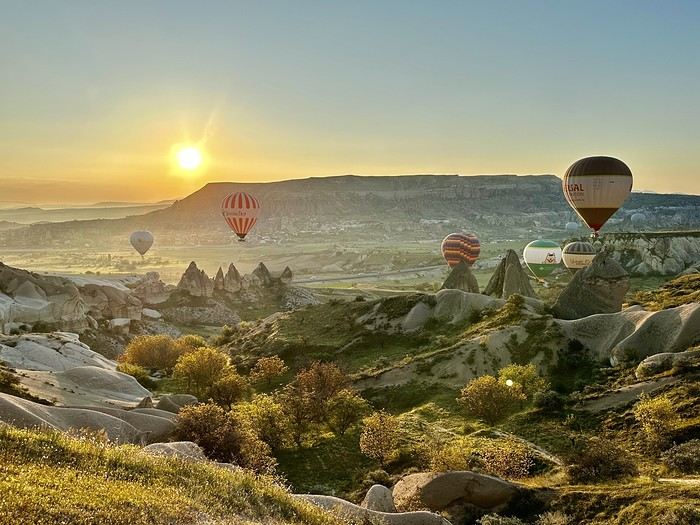 A little sneak peek?
If you're looking for great tips and offbeat spots, if you love exploring uncharted parts of a country, if the exotic is your adrenaline, then move along!
Our 15 days in early May in this part of Turkey (a country I first discovered during a city trip to Istanbul in 2017) will only tread well-worn paths and revisit popular routes. Simply because I kept hoping until the very end that our flight to Jordan wouldn’t be canceled. Events in the Gulf proved me wrong, so we left with: Zero preparation. Not a single hotel booked (well, except the first one), no visits planned, just a flight ticket bought three weeks earlier. No guidebook, no app—just the desire to explore southern Turkey and Cappadocia, whose images and the chance to stretch our legs had caught my eye.
Oh, wait—I did bring along a new guide: Gemini! Yes, my friends, generative AI was my chief advisor throughout the trip for sites to visit, accommodations, routes, and even restaurants! An experiment I wanted to try to form my own opinion on using this new technology. And what better way to test it than a Turkish getaway?
The verdict? You’ll have to wait for the trip recap to find out!
The main idea of the trip is also relaxation.
So, the plan is Antalya for a few days, the Turkish Riviera for a few more, Cappadocia as the highlight, and a return via Antalya to wrap up the trip. And it was all planned by AI!
So, if you're ready, fasten your seatbelts—cabin crew, doors to automatic and cross check—boarding for Turkey now!
A little sneak peek?How to nail your trek in wet climates: which pants keep you truly dry?
When planning a trek in Scotland, the Norwegian fjords, or the Icelandic highlands, we often spend hours searching for the best jacket. It’s a logical reflex, but once you’re out there, you quickly realize that your upper body isn’t everything. In these countries where humidity is ever-present, waterproof hiking pants often become the piece that makes the real difference between a great day of walking and a nightmare.
If you’re preparing for a trip to a destination with unpredictable weather, here’s why you should take a closer look at what’s covering your legs.
The reality of the terrain: rain doesn’t just come from the sky
In Iceland or Patagonia, rain rarely falls straight down. With the wind, it comes at you sideways and always finds its way in where you least expect it. Even with an excellent jacket, water runs off and soaks your regular hiking pants in minutes. Once the fabric is waterlogged, your legs get cold fast. Unlike your torso, which is often protected by multiple layers, your legs are in direct contact with moisture. In Scotland, for example, even if it stops raining, walking through heather or tall grass is enough to soak you up to your knees. On a multi-day trek, this constant dampness quickly becomes an extra source of fatigue: the wet clothing weighs you down, causes chafing, and drops your body temperature as soon as you slow down. Without effective protection, you spend the day in heavy, cold clothing that drains your energy.
The specific demands of protective pants
Waterproof pants need to meet very particular challenges to stay effective throughout a day of trekking.
Mechanical pressure: Whether kneeling to set up your tent or sitting on a damp rock for a break, you put direct pressure on the fabric. That’s when the quality of the membrane becomes crucial: it must prevent water from seeping through the fibers even under your body weight.
Managing effort: Your legs are the engine of a hiker and generate constant heat. If the pants aren’t breathable, sweat gets trapped inside. The real risk? A sudden chill: as soon as you take a break, that moisture cools your muscles and leaves you shivering in minutes.
Abrasion resistance: Between repeated steps, contact with rocks, or pushing through brush, the fabric faces constant wear and tear. It needs to be tough enough not to fray at the first encounter with vegetation.
A good trekking pant must combine waterproofing, breathability, and durability to stay reliable throughout your journey.
Overpants vs. waterproof pants: the comparison
It’s a big debate among hikers: should you go for a layer you add over your regular pants or a model designed to handle everything, built to resist rain? Each option has its fans, and the choice depends on the type of route and climate you’ll face.
1. Overpants: the flexibility card This is the most common solution for hikers heading out in summer or regions where showers are occasional and brief.
The pros:
Modularity: You only pull them out when needed. The rest of the time, you hike in lightweight pants.
Weight: Once rolled up, they take up very little space in your pack.
The cons:
The hassle: Stopping in the rain to put them on is rarely fun. Without full-length side zips, you’ll have to take off your shoes, which is a real pain on wet terrain.
Comfort: You often get that "double-layer" feeling, which slightly limits your freedom of movement.
2. Waterproof pants: the all-terrain armor This is the preferred option for destinations where humidity and wind are nearly constant.
The pros:
Simplicity: You put them on in the morning and don’t have to think about them again.
Windproof effect: The membrane effectively blocks the wind, helping maintain body heat without necessarily wearing thermal leggings.
Ergonomics: The cut is more precise and generally better suited for long-distance hiking without chafing.
The cons:
Overheating: If the sun comes out, the heat can build up fast. That’s why the breathability of the membrane becomes an absolutely key factor when choosing waterproof pants.
Technical expertise: the Cimalp option For those looking for reliable, durable gear, Cimalp is regularly cited as a benchmark in the world of technical hiking and long-distance trekking. The brand uses high-performance membranes like Ultrashell®, which combines total waterproofing at 20,000 mm (Schmerber) with record-breaking moisture vapor transfer (80,000 MVP). This combination keeps you protected from rain while effectively wicking away sweat during long days of hiking—a crucial point for endurance. If you’re looking to choose your waterproof hiking pants wisely, prioritize models that have proven themselves in the field, with sealed seams, breathable membranes, and strategic reinforcements in high-wear areas. That’s the guarantee of gear that will last multiple seasons, even in demanding environments.
The small details that make all the difference
Before you head out, check these key elements on your gear:
Breathability (MVP): The higher the number, the more efficiently water vapor escapes, and the less you’ll feel like you’re in a sauna.
Leg openings: A good pair of pants should have adjustable gaiters to prevent water from seeping in over the top of your shoes.
Ethics: Opt for PFC-free water-repellent treatments to minimize your impact on the wild, natural environments you’re exploring.
When traveling, we often say there’s no such thing as bad weather—just bad clothing and unsuitable gear.
This is especially true for your lower body. A well-chosen pair of waterproof pants lets you keep moving even when the weather turns unpredictable. They don’t just keep you dry—they preserve your energy and comfort throughout your trek. For your next trip to the damp lands of the North, don’t overlook this essential piece. It’s often what makes the difference between enduring the weather and fully enjoying the journey.
The reality of the terrain: rain doesn’t just come from the sky
In Iceland or Patagonia, rain rarely falls straight down. With the wind, it comes at you sideways and always finds its way in where you least expect it. Even with an excellent jacket, water runs off and soaks your regular hiking pants in minutes. Once the fabric is waterlogged, your legs get cold fast. Unlike your torso, which is often protected by multiple layers, your legs are in direct contact with moisture. In Scotland, for example, even if it stops raining, walking through heather or tall grass is enough to soak you up to your knees. On a multi-day trek, this constant dampness quickly becomes an extra source of fatigue: the wet clothing weighs you down, causes chafing, and drops your body temperature as soon as you slow down. Without effective protection, you spend the day in heavy, cold clothing that drains your energy.
The specific demands of protective pants
Waterproof pants need to meet very particular challenges to stay effective throughout a day of trekking.
Mechanical pressure: Whether kneeling to set up your tent or sitting on a damp rock for a break, you put direct pressure on the fabric. That’s when the quality of the membrane becomes crucial: it must prevent water from seeping through the fibers even under your body weight.
Managing effort: Your legs are the engine of a hiker and generate constant heat. If the pants aren’t breathable, sweat gets trapped inside. The real risk? A sudden chill: as soon as you take a break, that moisture cools your muscles and leaves you shivering in minutes.
Abrasion resistance: Between repeated steps, contact with rocks, or pushing through brush, the fabric faces constant wear and tear. It needs to be tough enough not to fray at the first encounter with vegetation.
A good trekking pant must combine waterproofing, breathability, and durability to stay reliable throughout your journey.
Overpants vs. waterproof pants: the comparison
It’s a big debate among hikers: should you go for a layer you add over your regular pants or a model designed to handle everything, built to resist rain? Each option has its fans, and the choice depends on the type of route and climate you’ll face.
1. Overpants: the flexibility card This is the most common solution for hikers heading out in summer or regions where showers are occasional and brief.
The pros:
Modularity: You only pull them out when needed. The rest of the time, you hike in lightweight pants.
Weight: Once rolled up, they take up very little space in your pack.
The cons:
The hassle: Stopping in the rain to put them on is rarely fun. Without full-length side zips, you’ll have to take off your shoes, which is a real pain on wet terrain.
Comfort: You often get that "double-layer" feeling, which slightly limits your freedom of movement.
2. Waterproof pants: the all-terrain armor This is the preferred option for destinations where humidity and wind are nearly constant.
The pros:
Simplicity: You put them on in the morning and don’t have to think about them again.
Windproof effect: The membrane effectively blocks the wind, helping maintain body heat without necessarily wearing thermal leggings.
Ergonomics: The cut is more precise and generally better suited for long-distance hiking without chafing.
The cons:
Overheating: If the sun comes out, the heat can build up fast. That’s why the breathability of the membrane becomes an absolutely key factor when choosing waterproof pants.
Technical expertise: the Cimalp option For those looking for reliable, durable gear, Cimalp is regularly cited as a benchmark in the world of technical hiking and long-distance trekking. The brand uses high-performance membranes like Ultrashell®, which combines total waterproofing at 20,000 mm (Schmerber) with record-breaking moisture vapor transfer (80,000 MVP). This combination keeps you protected from rain while effectively wicking away sweat during long days of hiking—a crucial point for endurance. If you’re looking to choose your waterproof hiking pants wisely, prioritize models that have proven themselves in the field, with sealed seams, breathable membranes, and strategic reinforcements in high-wear areas. That’s the guarantee of gear that will last multiple seasons, even in demanding environments.
The small details that make all the difference
Before you head out, check these key elements on your gear:
Breathability (MVP): The higher the number, the more efficiently water vapor escapes, and the less you’ll feel like you’re in a sauna.
Leg openings: A good pair of pants should have adjustable gaiters to prevent water from seeping in over the top of your shoes.
Ethics: Opt for PFC-free water-repellent treatments to minimize your impact on the wild, natural environments you’re exploring.
When traveling, we often say there’s no such thing as bad weather—just bad clothing and unsuitable gear.
This is especially true for your lower body. A well-chosen pair of waterproof pants lets you keep moving even when the weather turns unpredictable. They don’t just keep you dry—they preserve your energy and comfort throughout your trek. For your next trip to the damp lands of the North, don’t overlook this essential piece. It’s often what makes the difference between enduring the weather and fully enjoying the journey.
Biking adventure: on the Durance cycle route
Coming soon:
https://www.Biclou.com/parcours/durance/
Starting from Faverges: 900 km over 9 days
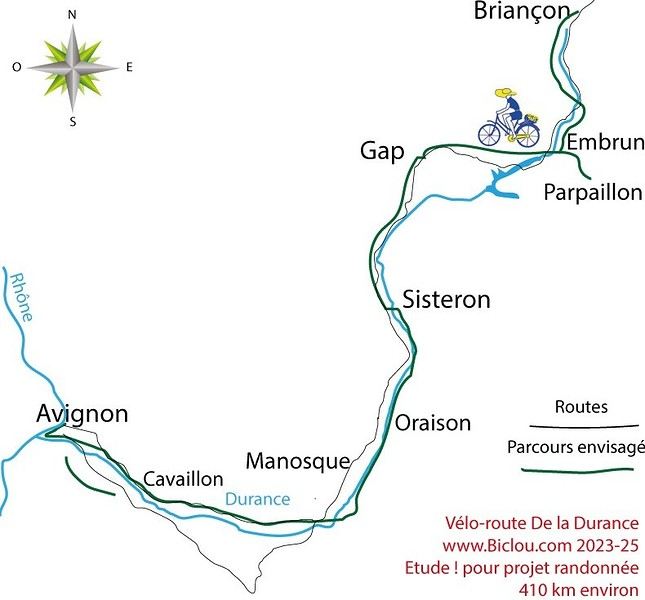
Here’s the detailed Durance route starting from Briançon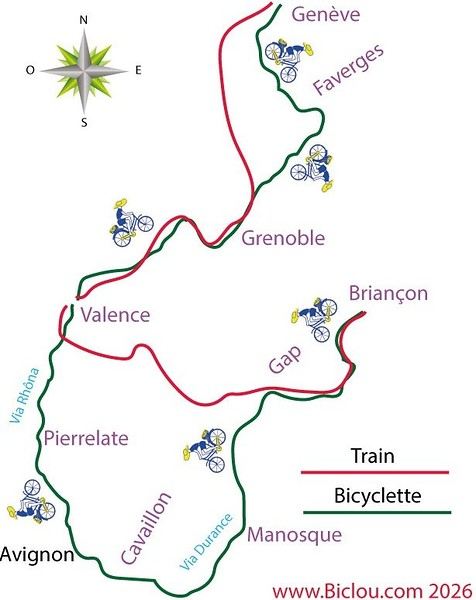
Here’s the detailed Durance route starting from Briançon
Travel companions for South India, Sri Lanka, or Mexico – fall 2026
Hello,
Don’t stay in the cold and damp! I’m looking for one or more people (men or women, travel companions) to spend a few weeks in South India, Sri Lanka, or Mexico
from late October 2026 to early December.
I’m Jean Pierre, 74 years old, and I manage just fine when traveling. Phone: 0389812641 Cheers, Jean Pierre
I’m Jean Pierre, 74 years old, and I manage just fine when traveling. Phone: 0389812641 Cheers, Jean Pierre
Avianca: opinions on long-haul flights to Chile
Hi there.
I’m planning a trip to Chile, and the fares from the Colombian airline Avianca are really appealing.
Way cheaper than Air France, for example.
That said, the reviews I’ve seen online aren’t great.
What do you think of this airline?
Have any of you taken long-haul flights with Avianca?
Thanks in advance for your replies.
Eric
1 month in northern Laos (Oct 23 to Nov 24, 2025)
Northern Laos, Nov 25
Thursday, Oct 23. Left home at 8:25 AM, took the bus from St Cyp to Perpignan, then a BlaBlaBus to Barcelona airport. Last night, a huge storm crossed France, and the bus was an hour late. We finally left at 11 AM. At the Spanish border, we were checked—several Africans were traveling on the bus, and their document verification took quite a while. In the end, everything was in order, and we set off again a good half-hour later. We finally arrived at Barcelona airport after 2 PM, but no stress since my flight was scheduled for 4:30 PM with Saudia. At check-in, the hostess told me there’d be a 1-hour delay due to bad weather in France and Belgium. In the end, the flight didn’t just have a 1-hour delay but a 5-hour one because of a technical issue. The next flight wouldn’t wait for us. When we arrived in Jeddah, they gave us another ticket for the following day—the flight to Bangkok was scheduled for 11:55 AM. The airline assigned us a room, which was good news since I was exhausted. Friday morning, the flight was still scheduled for 11:55 AM, but the gate wasn’t displayed. It was announced with a 1-hour delay, but that stretched to 4 hours. They handed out drinks and a snack—again, the delay was due to technical problems. In Bangkok, I had a connecting flight to Chiang Rai, where I’d also booked a room—I lost everything. We finally arrived in Bangkok on Saturday at 4 AM. I had to buy another ticket for a 7 AM flight. The formalities were quick, and my flight went smoothly. A taxi took me to Bus Terminal 1, where I caught a bus leaving at 10 AM, and we arrived at the Thailand-Laos border. I shared a taxi with other travelers, which took us to Houay Xai. The guesthouse I’d booked was right across from the stop—that was great. I exchanged some money and bought a SIM card at the guesthouse. Despite the fatigue, I needed to stretch my legs, so I walked down the street to the temple.
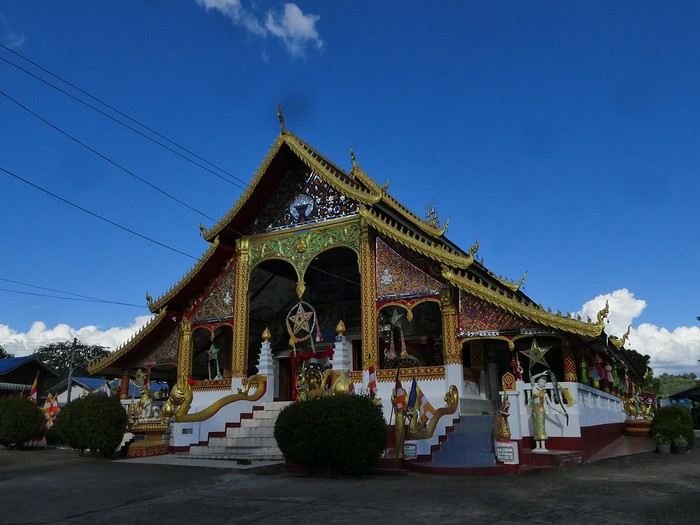
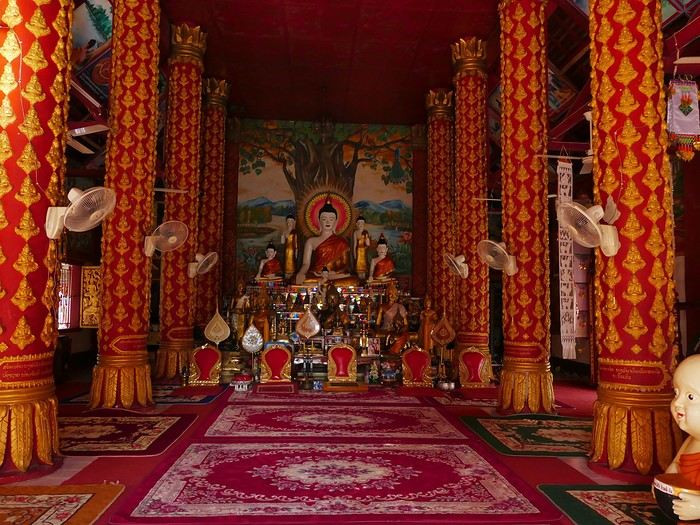
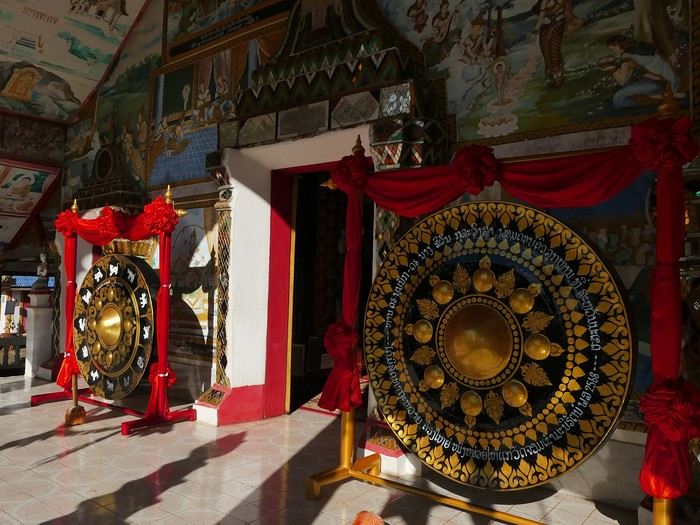
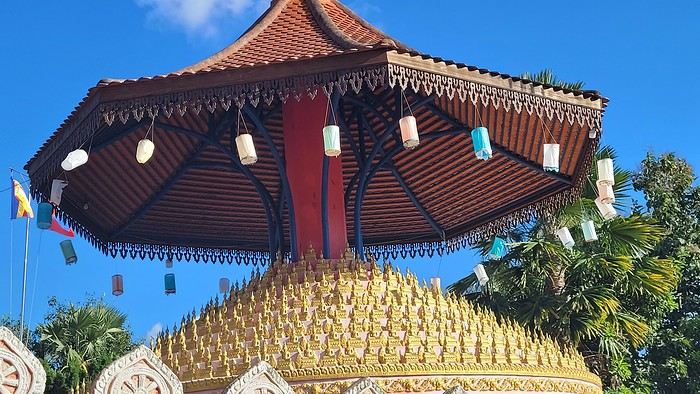
and continued to Fort Carnot, built by the French.
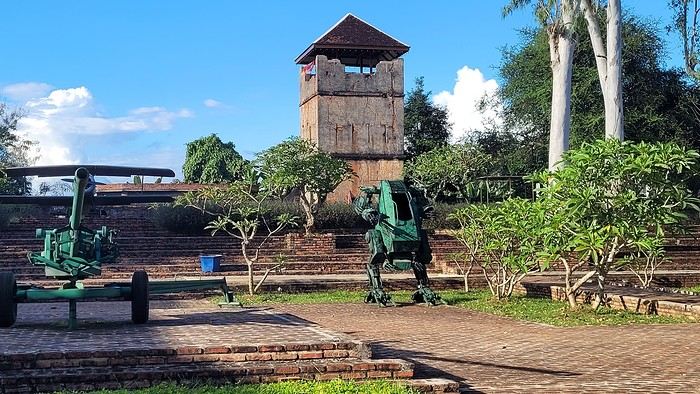
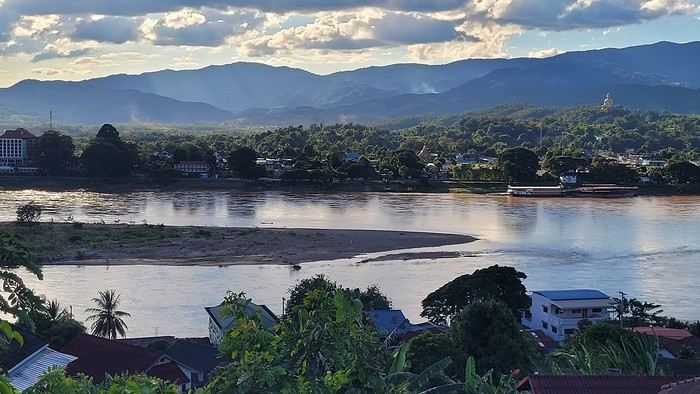
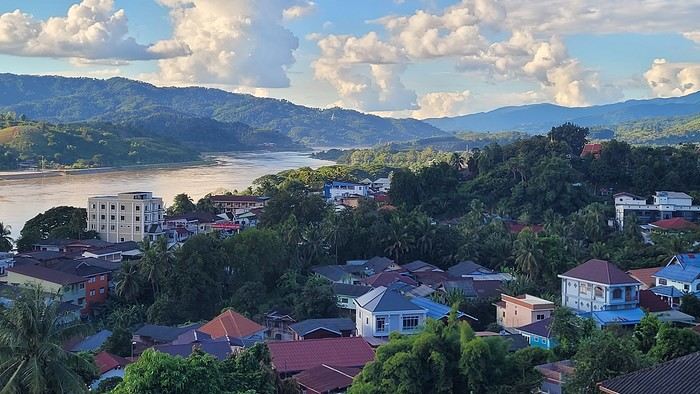
The views of the Mekong are beautiful for a first glimpse of the country.
yum-yum, bon appétit!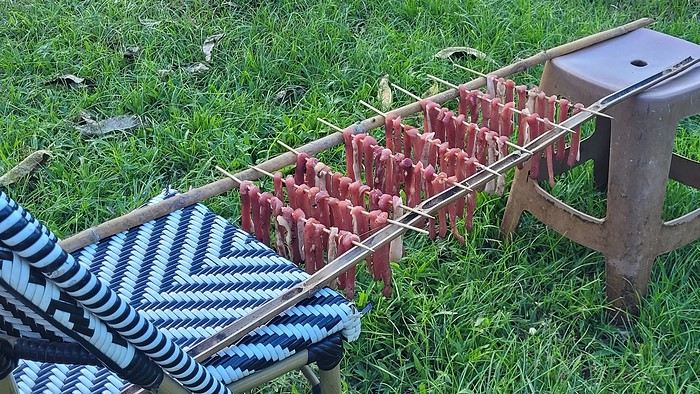
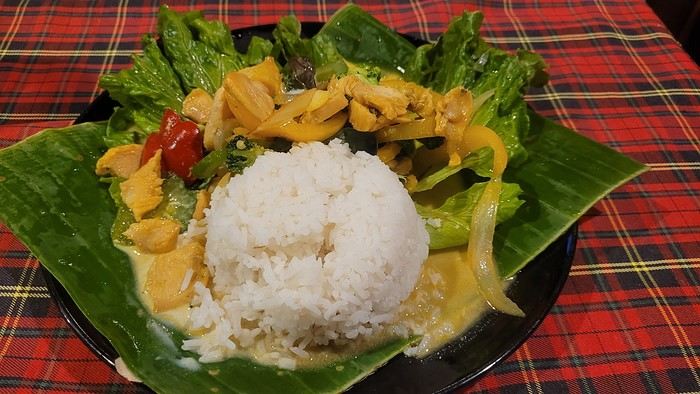
At 6:30 PM, I went to dinner at a restaurant across from the guesthouse—a chicken curry with vegetables.
I didn’t linger and went back to bed. I slept well, even if I woke up often.
Thursday, Oct 23. Left home at 8:25 AM, took the bus from St Cyp to Perpignan, then a BlaBlaBus to Barcelona airport. Last night, a huge storm crossed France, and the bus was an hour late. We finally left at 11 AM. At the Spanish border, we were checked—several Africans were traveling on the bus, and their document verification took quite a while. In the end, everything was in order, and we set off again a good half-hour later. We finally arrived at Barcelona airport after 2 PM, but no stress since my flight was scheduled for 4:30 PM with Saudia. At check-in, the hostess told me there’d be a 1-hour delay due to bad weather in France and Belgium. In the end, the flight didn’t just have a 1-hour delay but a 5-hour one because of a technical issue. The next flight wouldn’t wait for us. When we arrived in Jeddah, they gave us another ticket for the following day—the flight to Bangkok was scheduled for 11:55 AM. The airline assigned us a room, which was good news since I was exhausted. Friday morning, the flight was still scheduled for 11:55 AM, but the gate wasn’t displayed. It was announced with a 1-hour delay, but that stretched to 4 hours. They handed out drinks and a snack—again, the delay was due to technical problems. In Bangkok, I had a connecting flight to Chiang Rai, where I’d also booked a room—I lost everything. We finally arrived in Bangkok on Saturday at 4 AM. I had to buy another ticket for a 7 AM flight. The formalities were quick, and my flight went smoothly. A taxi took me to Bus Terminal 1, where I caught a bus leaving at 10 AM, and we arrived at the Thailand-Laos border. I shared a taxi with other travelers, which took us to Houay Xai. The guesthouse I’d booked was right across from the stop—that was great. I exchanged some money and bought a SIM card at the guesthouse. Despite the fatigue, I needed to stretch my legs, so I walked down the street to the temple.
and continued to Fort Carnot, built by the French.
The views of the Mekong are beautiful for a first glimpse of the country.
yum-yum, bon appétit!
At 6:30 PM, I went to dinner at a restaurant across from the guesthouse—a chicken curry with vegetables.
I didn’t linger and went back to bed. I slept well, even if I woke up often.
Final preparations for Thailand trip
Hi everyone,
We're leaving in less than a month, and I'm making a list of last-minute purchases. Could you please review/complete my list? We're traveling with no luggage, just one backpack per person. Here’s what I have on my list: - coral-safe sunscreen 100 ml – I started a separate thread on this topic, so if anyone can answer, thanks in advance ; - long-sleeve UV-protective t-shirts (for boat tours); - compression socks; - lightweight pants for visiting the Royal Palace (the schedule is tight, and I don’t want to waste too much time shopping at the start of the trip, unless we can find them at 7-Eleven); - waterproof pouches for phones and passports; - what else?
Thanks in advance for your tips!
We're leaving in less than a month, and I'm making a list of last-minute purchases. Could you please review/complete my list? We're traveling with no luggage, just one backpack per person. Here’s what I have on my list: - coral-safe sunscreen 100 ml – I started a separate thread on this topic, so if anyone can answer, thanks in advance ; - long-sleeve UV-protective t-shirts (for boat tours); - compression socks; - lightweight pants for visiting the Royal Palace (the schedule is tight, and I don’t want to waste too much time shopping at the start of the trip, unless we can find them at 7-Eleven); - waterproof pouches for phones and passports; - what else?
Thanks in advance for your tips!
Caribbean - Saint Martin Island: On the Beach and on Horseback
A horseback ride by the sea on the Caribbean island of Saint Martin
or ... on the beach, but at a walk and trot!
It was probably these visions that gave me the irresistible urge to do this horseback trek—to walk on the sand, but as a rider, and also enjoy a swim that was anything but ordinary.
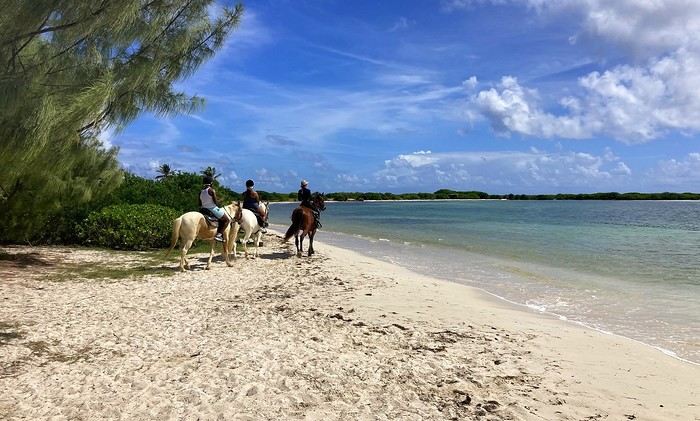
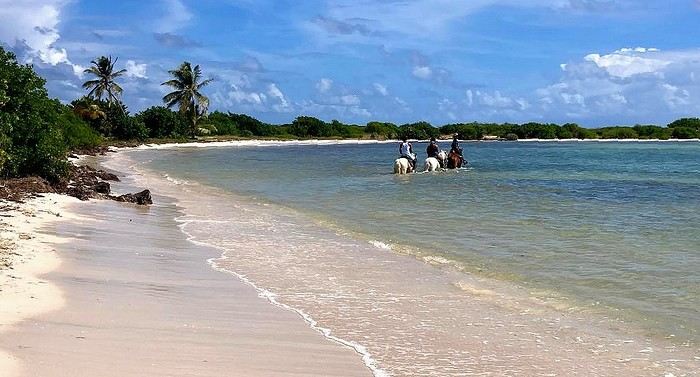
From wish to reality ... all it took was heading to Ranch du Galion. Here we are, on the heights of the east coast of the charming island of Saint Martin, in the heart of the Caribbean.
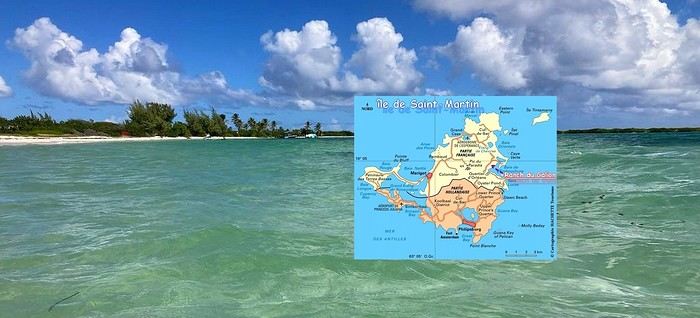
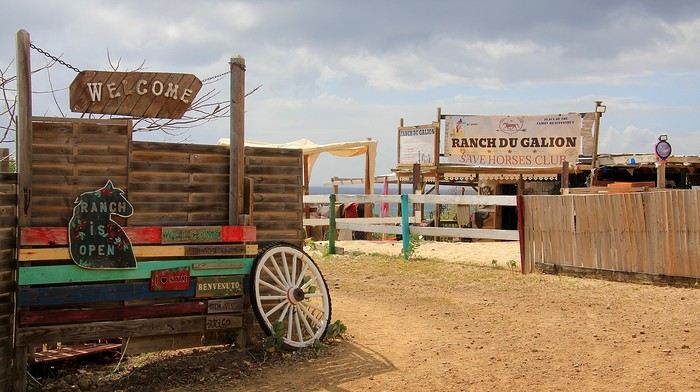
After a first horseback ride that we really enjoyed, with a simple trip to the beach, it didn’t take much to make us want to repeat the pleasant experience. My daughter Emma had been dreaming of it too—so why not share this change of scenery, but this time opting for a slightly longer trek? It’s the big day. And Jess is there to greet us this morning with a big smile. Jess—or Jessica—is the one who runs this tropical ranch with passion; she looks after a whole little family of horses. This morning, she’ll be our guide and companion for this seaside horseback ride.
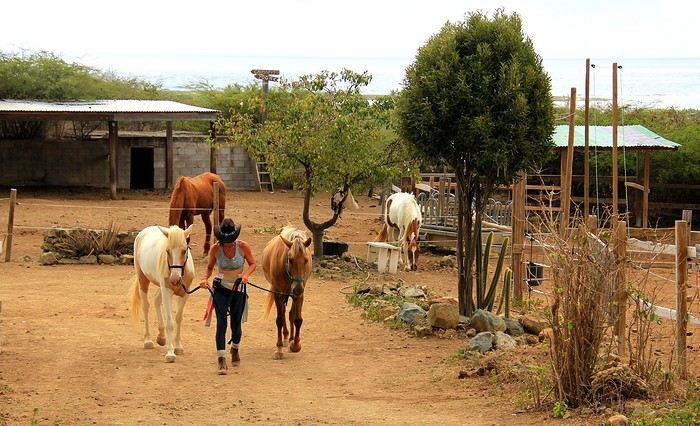
So, we set off along the wild shores of the stunning Anse du Galion.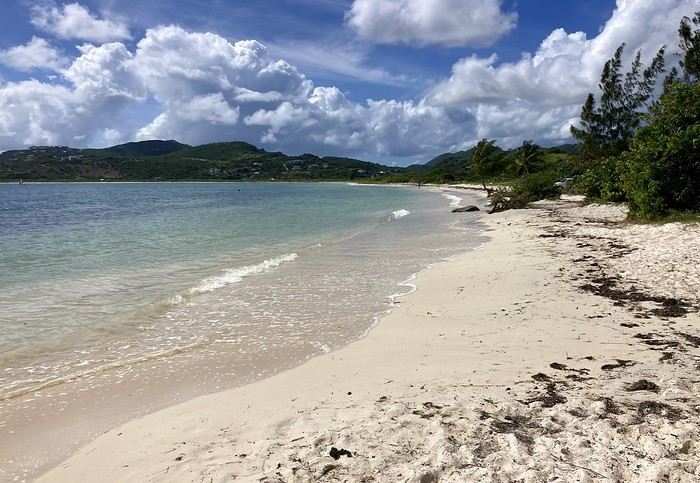
In the enclosures, behind the fences and ropes, some stallions already seem impatient to stretch their legs! They know the place, the routines, and the trails ... and the soothing reward halfway through—a dip in the sea. Maybe that’s what’s causing a little excitement among these mounts!
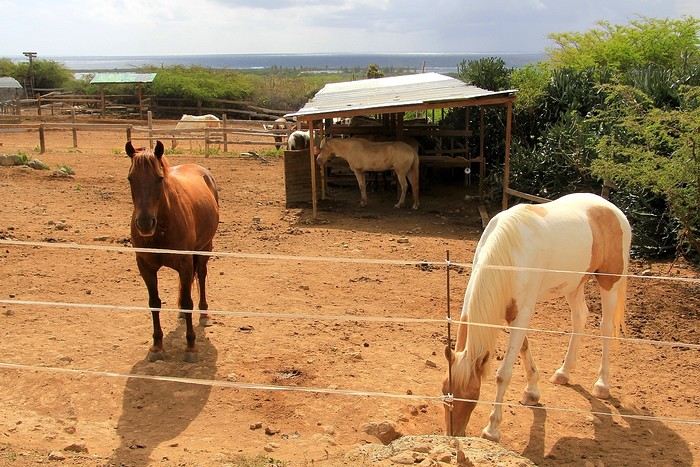
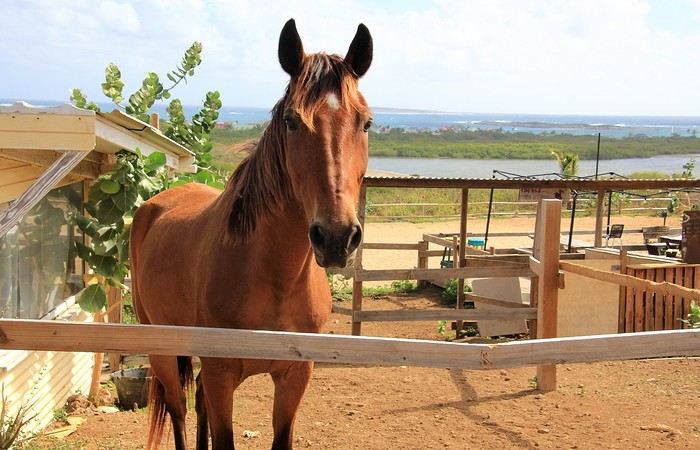
Horses and ... an iguana slipping into the bushes. Given its appearance—its crest, its parched skin, and the dewlap hanging under its head—you’d think it wasn’t exactly young.

Anyway, back to the horses. Among the mares and stallions, I try to spot "Avenir" and his elegant gait—he was "my" horse during my last trek here, on the trails and sands of Galion. Well, spotting him isn’t going to be easy! My memories are a bit fuzzy, and several of these horses look like him ... -- Before setting off on the trek, it’s time for Jess to choose our mounts. For riders with little experience ... it’ll be calm horses, well-used to trekking—definitely easier and more enjoyable. Titia, a beautiful white mare for my daughter, and Prince, a gentle stallion for me. A little anecdote along the way: we’re really staying in the family for this horseback ride—these two horses are actually related: "my" Prince is the son of the lovely Titia!
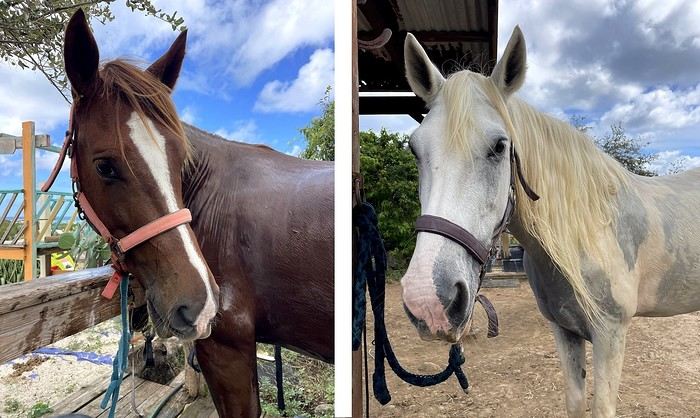
to be continued -->
From wish to reality ... all it took was heading to Ranch du Galion. Here we are, on the heights of the east coast of the charming island of Saint Martin, in the heart of the Caribbean.
After a first horseback ride that we really enjoyed, with a simple trip to the beach, it didn’t take much to make us want to repeat the pleasant experience. My daughter Emma had been dreaming of it too—so why not share this change of scenery, but this time opting for a slightly longer trek? It’s the big day. And Jess is there to greet us this morning with a big smile. Jess—or Jessica—is the one who runs this tropical ranch with passion; she looks after a whole little family of horses. This morning, she’ll be our guide and companion for this seaside horseback ride.
So, we set off along the wild shores of the stunning Anse du Galion.
In the enclosures, behind the fences and ropes, some stallions already seem impatient to stretch their legs! They know the place, the routines, and the trails ... and the soothing reward halfway through—a dip in the sea. Maybe that’s what’s causing a little excitement among these mounts!
Horses and ... an iguana slipping into the bushes. Given its appearance—its crest, its parched skin, and the dewlap hanging under its head—you’d think it wasn’t exactly young.
Anyway, back to the horses. Among the mares and stallions, I try to spot "Avenir" and his elegant gait—he was "my" horse during my last trek here, on the trails and sands of Galion. Well, spotting him isn’t going to be easy! My memories are a bit fuzzy, and several of these horses look like him ... -- Before setting off on the trek, it’s time for Jess to choose our mounts. For riders with little experience ... it’ll be calm horses, well-used to trekking—definitely easier and more enjoyable. Titia, a beautiful white mare for my daughter, and Prince, a gentle stallion for me. A little anecdote along the way: we’re really staying in the family for this horseback ride—these two horses are actually related: "my" Prince is the son of the lovely Titia!
to be continued -->
Cycling from Lille to Nordkapp: advice on my route
Hi there,
I’m planning the route to cycle from Lille to Nordkapp with my partner.
Duration: 3 months, from May 1st to July 31st, 2026.
In the attached details below, I need to add some "non-riding" days (rest days, basically).
So I’m looking to "shorten" the trip by taking ferries or trains for some stretches. Which areas could I skip?
Thanks in advance for your great tips.
Have a good evening.
https://www.komoot.com/fr-fr/collection/4023980/-lille-cap-nord-1er-mai-au-31-juillet-2026?ref=collection
Which airline would you recommend for a CDG - Phnom Penh KTI flight?
Hi there,
I know there are some "airline experts" on this forum 😛
I’ve started doing a bit of research and saw that around ten airlines offer this route with a layover. Price will obviously be a factor, but I’d love to hear your thoughts on the airlines that operate this connection.
Thanks in advance to anyone who joins the discussion!
How do you feel about coming back to France?
Hi there, I’ve been traveling for 18 years now, at least 6 months a year, and as the years go by, I actually enjoy coming back to France more and more—a feeling I struggled with at first. I mean, we always think the grass is greener elsewhere.
But in the end, I find meaning in that saying about how there’s no place like home. I still love traveling just as much, but now my trips are shorter, and I enjoy spending more time in our beautiful country, even though I don’t hesitate to criticize it.
How about you? How do you handle coming back from your travels?
Review of Renaissance Cruise (Iberian Flavors) from October 18 to 29, 2025
Hi there,
Here’s a little review of our cruise on the Renaissance from October 18 to 29, 2025 (11 nights). It was our first experience with CFC.
Some other forum members were on board too, so we can probably compare notes and correct me if I’m wrong!
The stops were as follows: 10/18 departure from Marseille 10/19 at sea 10/20 Cartagena 10/21 Almería 10/22 Gibraltar 10/23 Cádiz 10/24 at sea 10/25 Leixões (Porto) 10/26 Vigo 10/27 at sea 10/28 at sea 10/29 Dunkirk
First, a quick intro. We’re a family of four with two kids, ages 8 and 11. We booked this cruise in January 2025, right when it went on sale. At the time, it was priced at 763 € per adult (+ 99 € in tips) and 114.45 € per child (under 12, no tips to pay) for an ocean-view cabin (all ocean-view categories were the same price). Since there was also a single-parent offer (meaning one paying adult in the cabin was enough to get the child rate for the accompanying kid), I asked if we could take advantage of this offer to get two double cabins at the same price as one quadruple cabin (to have more space), and yes, it was possible. So we booked two premium ocean-view double cabins side by side. It was the same price as a quadruple. We booked directly through CFC because my husband had a promotional code from his works council. In total, for the four of us, we paid 1830 €, tips included. It’s true we booked early, but the rate was good, and we had the constraint of traveling as a family of four, so cabin choices were more limited. It’s also worth noting that the single-parent offer is limited.
Now, about embarkation: 10/18 Marseille Coming from the north, we took the direct TGV that morning at 7:22 AM, scheduled to arrive in Marseille at 12:24 PM. The trip went smoothly, great weather, and we arrived just one minute late. I had planned to get to the port using the free 35T shuttle from Joliette. To get to the bus stop, there were two options: the metro or walking. Since the weather was beautiful and the kids needed to stretch their legs, we opted for the second option. The route is all downhill, so it was pretty easy even with the suitcases. But I wouldn’t do it the other way around! We arrived at Joliette around 12:50 PM, just in time for the 1:00 PM shuttle, which arrived a few minutes late. Other cruisers got on board too. That day, there were two Costa ships and one MSC ship at the port as well. Traffic was heavy, and the shuttle arrived at the port entrance at 1:30 PM. We were scheduled for 2:30 PM. We were lucky to be at the closest embarkation terminal. So we were among those who had the least walking to do. We dropped off our suitcases and headed to the check-in counter. There were plenty of desks and almost no passengers. So we quickly completed the embarkation formalities—in just a few minutes—and when we boarded, it wasn’t even 2:00 PM yet. We headed to the buffet, where there weren’t many people. As we finished lunch, it was around 3:00 PM when they announced the cabins were ready. We went down to drop off our luggage in the cabins and then went up to the top deck to take some photos. The ship’s daily program said the safety drill would be at 4:00 PM. So we went to deck 6 at the scheduled time. But later, they announced it would actually be at 4:30 PM! In short, we waited 30 minutes for nothing because of a difference between the scheduled and actual time! The drill itself was long. Gathering everyone took about 20 minutes, I think. Just as we finished, they announced the departure, originally scheduled for 5:00 PM, was delayed until 9:00 PM due to latecomers. We went to check out the library, which had tons of board games and books—more than we’d ever seen. What stood out on this first day was that, for the first time, we had a French-speaking embarkation, announcements only in French (except for the safety drill), French-speaking servers, a paper daily program in French, books in French (which we’d never find on another ship), and menus in French. To wrap up the day, we had dinner at Vatel. I had requested the first seating (6:30 PM) and a table for four, and we got it. We were seated upstairs near the window—a very pleasant table that we’d occupy every evening. What was a little surprising, but we got used to it, was that you had to order everything you wanted at once. The portions weren’t big, but you could choose what you wanted. The cheese was French and excellent.
To be continued...
The stops were as follows: 10/18 departure from Marseille 10/19 at sea 10/20 Cartagena 10/21 Almería 10/22 Gibraltar 10/23 Cádiz 10/24 at sea 10/25 Leixões (Porto) 10/26 Vigo 10/27 at sea 10/28 at sea 10/29 Dunkirk
First, a quick intro. We’re a family of four with two kids, ages 8 and 11. We booked this cruise in January 2025, right when it went on sale. At the time, it was priced at 763 € per adult (+ 99 € in tips) and 114.45 € per child (under 12, no tips to pay) for an ocean-view cabin (all ocean-view categories were the same price). Since there was also a single-parent offer (meaning one paying adult in the cabin was enough to get the child rate for the accompanying kid), I asked if we could take advantage of this offer to get two double cabins at the same price as one quadruple cabin (to have more space), and yes, it was possible. So we booked two premium ocean-view double cabins side by side. It was the same price as a quadruple. We booked directly through CFC because my husband had a promotional code from his works council. In total, for the four of us, we paid 1830 €, tips included. It’s true we booked early, but the rate was good, and we had the constraint of traveling as a family of four, so cabin choices were more limited. It’s also worth noting that the single-parent offer is limited.
Now, about embarkation: 10/18 Marseille Coming from the north, we took the direct TGV that morning at 7:22 AM, scheduled to arrive in Marseille at 12:24 PM. The trip went smoothly, great weather, and we arrived just one minute late. I had planned to get to the port using the free 35T shuttle from Joliette. To get to the bus stop, there were two options: the metro or walking. Since the weather was beautiful and the kids needed to stretch their legs, we opted for the second option. The route is all downhill, so it was pretty easy even with the suitcases. But I wouldn’t do it the other way around! We arrived at Joliette around 12:50 PM, just in time for the 1:00 PM shuttle, which arrived a few minutes late. Other cruisers got on board too. That day, there were two Costa ships and one MSC ship at the port as well. Traffic was heavy, and the shuttle arrived at the port entrance at 1:30 PM. We were scheduled for 2:30 PM. We were lucky to be at the closest embarkation terminal. So we were among those who had the least walking to do. We dropped off our suitcases and headed to the check-in counter. There were plenty of desks and almost no passengers. So we quickly completed the embarkation formalities—in just a few minutes—and when we boarded, it wasn’t even 2:00 PM yet. We headed to the buffet, where there weren’t many people. As we finished lunch, it was around 3:00 PM when they announced the cabins were ready. We went down to drop off our luggage in the cabins and then went up to the top deck to take some photos. The ship’s daily program said the safety drill would be at 4:00 PM. So we went to deck 6 at the scheduled time. But later, they announced it would actually be at 4:30 PM! In short, we waited 30 minutes for nothing because of a difference between the scheduled and actual time! The drill itself was long. Gathering everyone took about 20 minutes, I think. Just as we finished, they announced the departure, originally scheduled for 5:00 PM, was delayed until 9:00 PM due to latecomers. We went to check out the library, which had tons of board games and books—more than we’d ever seen. What stood out on this first day was that, for the first time, we had a French-speaking embarkation, announcements only in French (except for the safety drill), French-speaking servers, a paper daily program in French, books in French (which we’d never find on another ship), and menus in French. To wrap up the day, we had dinner at Vatel. I had requested the first seating (6:30 PM) and a table for four, and we got it. We were seated upstairs near the window—a very pleasant table that we’d occupy every evening. What was a little surprising, but we got used to it, was that you had to order everything you wanted at once. The portions weren’t big, but you could choose what you wanted. The cheese was French and excellent.
To be continued...
A little story about a layover in Istanbul.
Hi everyone,
Since it’s a hot topic, yet rarely shown, and since there’s quite a bit of criticism and prejudice around it—and since I’ve had three in ten days—I’m going to talk about layovers at Istanbul Airport, especially with Turkish Airlines. This is a common scenario for forum members planning trips to Central Asia, the Caucasus, but also Japan, China, Australia, Africa, and more.
It all starts on a plane beginning its descent, knowing that the approach to Istanbul Airport is always quite long—about thirty minutes. Through the windows, if you’re lucky, you get a view of the city. You need to know a little to get your bearings, but here we’re on the side of Sabiha Gökçen Airport, south of Istanbul on the Asian side. You can spot the Bosphorus, the Golden Horn, and Fenerbahçe’s football stadium.

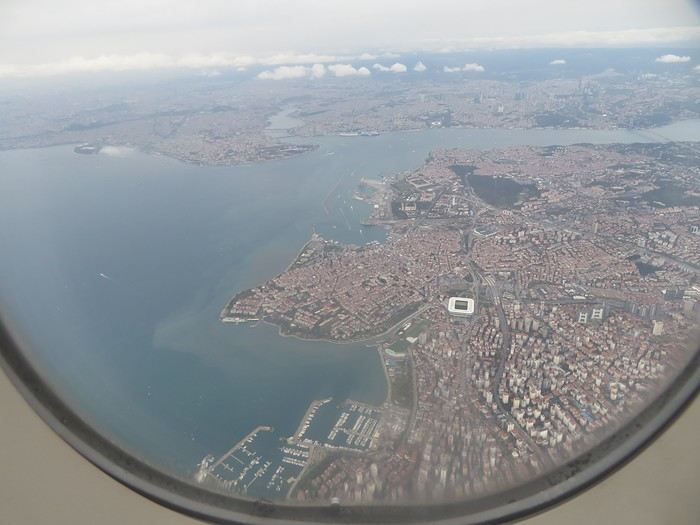
Landing over highways with three times four lanes, and then the airport tarmac for the taxi phase. This can take a while—sometimes nearly half an hour—but this morning, luck was on my side: barely more than 10 minutes. It’s rare now for Turkish Airlines planes to unload via pax buses, so we got a jet bridge. Avgeeks will immediately notice they’re not in Europe anymore but in another world: Pobeda, Belavia, and plenty of more exotic airlines. As the captain seriously put it in his final announcement after thanking the kids, it’s the “crossroads of the world.”
We suddenly step into a massive corridor, an endless, bright hall, usually deserted, and turn left or right—I think it’s always left for the flights I take, heading toward “transfers.” The walk is supposed to take a good ten minutes at worst. Watch out for airport vehicles—they come fast and don’t honk.
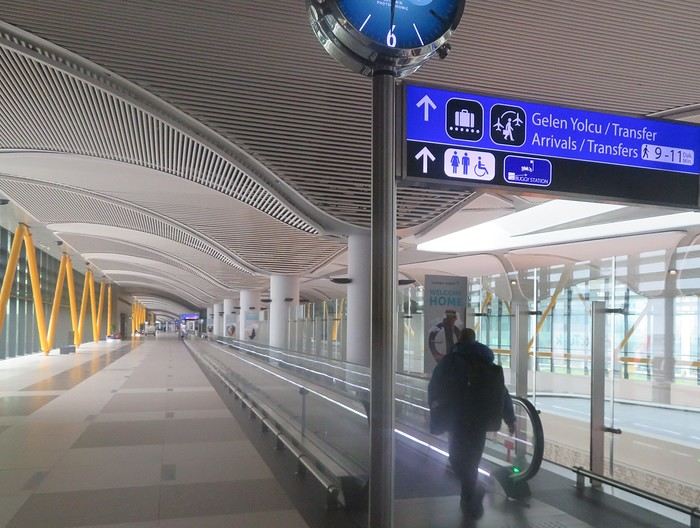
Here’s where it gets interesting: Istanbul has always had a bypass for short layovers, something you never hear about on forums. In the past, you had to bolt out of the jet bridge like a rocket and vaguely show your boarding pass to an attendant before sprinting. But now it’s institutionalized, and there’s signage that spares you from running all the way to the main security check. Until recently—at least the last time I did this—it even let you skip all formalities, dropping you like a wild dog into the departures area, which is spacious enough to stretch your legs!
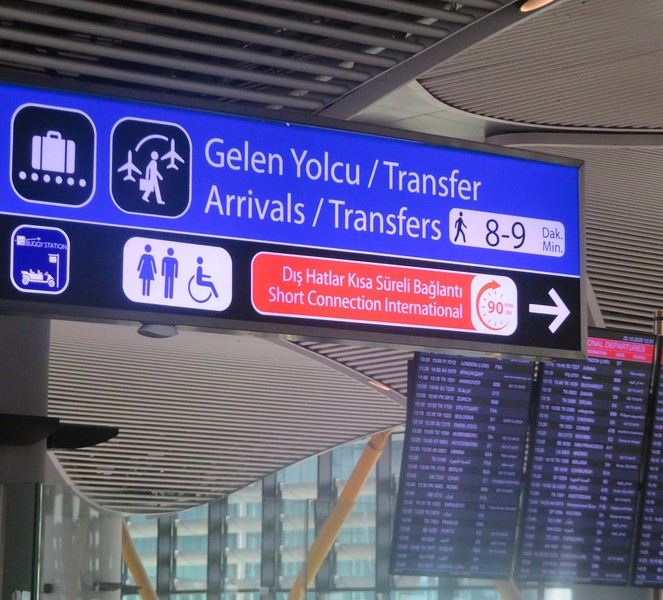
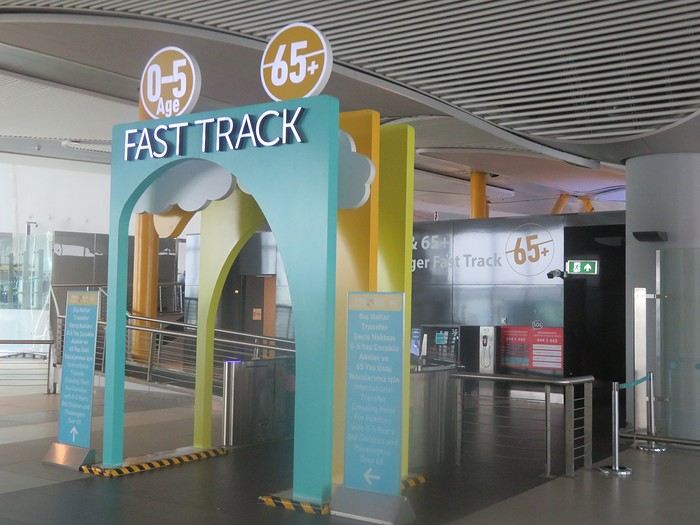
A heads-up for the young and the not-so-young: even without the bypass, if you’re under 5 (accompanied), over 65 (alone), you get fast track. That saves you a few hundred meters and possibly some waiting time, though I’m less sure about that. The entrance honestly looks like an amusement park, though.
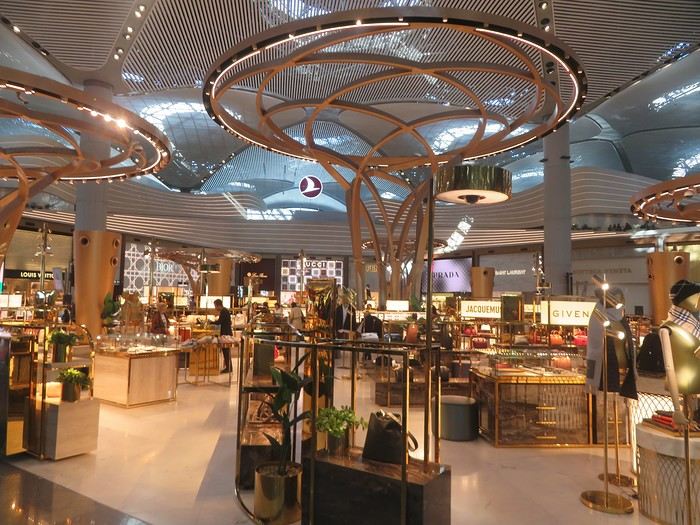
So, not young enough, not old enough, I keep going. I pass by dozens of passport control booths (in blue) and reach the transfer security checkpoint (in red). There’s a fast track for Business and Gold passengers—in my case, I’m both—but since it’s at the wrong end for my direction, it wouldn’t even be worth it. It’d just be a frivolous sprint. None of this is crowded at all; the wait lasted about a minute. You have to take out your laptop at this checkpoint—not all of them—but you haven’t had to take out liquids for a while in Istanbul. A hallway, an escalator, and then—bam—you’re in the Dubai-esque hall. One look says it all. Everything sparkles, everything’s expensive. *Very* expensive. Just for show, I spot a sandwich for around 12 €, and some simits for about 4 € (it’s in TL, but that’s roughly the conversion).
So, I head to the lounge—or one of the lounges—at Turkish Airlines, upstairs. Here too, there’s a priority entrance for families and people with reduced mobility, and an extra hundred meters for everyone else. A few of us seem to have had the same idea, and the twin lounges are under renovation for three months. One is for Business Class passengers, the other for Miles & Smiles and Gold members. They’re nearly identical. Needless to say, it’s packed—just as crowded in one as the other. There are *tons* of Business Class passengers on Turkish Airlines. I assume some other airlines’ passengers are mixed in, but not enough to explain the crowd. It’s as busy as Gare Montparnasse on a holiday departure day, and the 5 or 6 food counters, along with the salad and dessert buffets, are struggling to keep up. I didn’t dare ask to access the shower area, but I’ll admit the Wi-Fi works without the torturous maneuvers it required just a few months ago. Later, I’ll have to watch for the gate for my destination—Warsaw. With my usual luck, it’ll be in the F double-digits, the farthest ones, listed as 15 to 19 minutes away. That said, once you reach the end of that dead end, there’s plenty of quiet space with power outlets. Because here, there’s high demand for kilowatts.
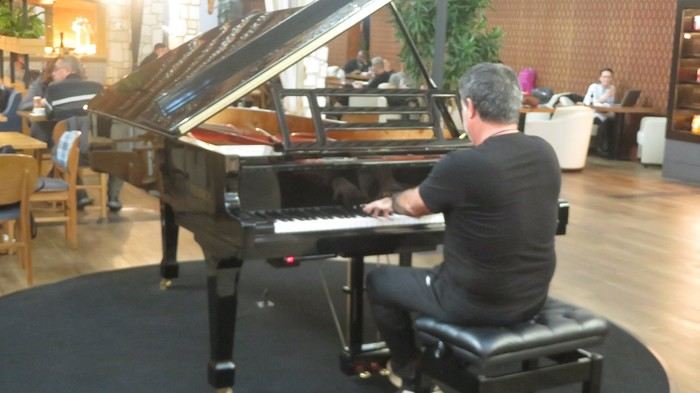
My reporter’s conscience doesn’t go so far as to guide me here—I’ve covered the free access up to the iGA lounge, which has a good reputation but costs nearly 100 € for three hours. Maybe another time, on a promo day—I’ll keep an eye on their site. The piano starts playing “Bésame Mucho,” so I’ll pause my story here.
Michel
Since it’s a hot topic, yet rarely shown, and since there’s quite a bit of criticism and prejudice around it—and since I’ve had three in ten days—I’m going to talk about layovers at Istanbul Airport, especially with Turkish Airlines. This is a common scenario for forum members planning trips to Central Asia, the Caucasus, but also Japan, China, Australia, Africa, and more.
It all starts on a plane beginning its descent, knowing that the approach to Istanbul Airport is always quite long—about thirty minutes. Through the windows, if you’re lucky, you get a view of the city. You need to know a little to get your bearings, but here we’re on the side of Sabiha Gökçen Airport, south of Istanbul on the Asian side. You can spot the Bosphorus, the Golden Horn, and Fenerbahçe’s football stadium.
Landing over highways with three times four lanes, and then the airport tarmac for the taxi phase. This can take a while—sometimes nearly half an hour—but this morning, luck was on my side: barely more than 10 minutes. It’s rare now for Turkish Airlines planes to unload via pax buses, so we got a jet bridge. Avgeeks will immediately notice they’re not in Europe anymore but in another world: Pobeda, Belavia, and plenty of more exotic airlines. As the captain seriously put it in his final announcement after thanking the kids, it’s the “crossroads of the world.”
We suddenly step into a massive corridor, an endless, bright hall, usually deserted, and turn left or right—I think it’s always left for the flights I take, heading toward “transfers.” The walk is supposed to take a good ten minutes at worst. Watch out for airport vehicles—they come fast and don’t honk.
Here’s where it gets interesting: Istanbul has always had a bypass for short layovers, something you never hear about on forums. In the past, you had to bolt out of the jet bridge like a rocket and vaguely show your boarding pass to an attendant before sprinting. But now it’s institutionalized, and there’s signage that spares you from running all the way to the main security check. Until recently—at least the last time I did this—it even let you skip all formalities, dropping you like a wild dog into the departures area, which is spacious enough to stretch your legs!
A heads-up for the young and the not-so-young: even without the bypass, if you’re under 5 (accompanied), over 65 (alone), you get fast track. That saves you a few hundred meters and possibly some waiting time, though I’m less sure about that. The entrance honestly looks like an amusement park, though.
So, not young enough, not old enough, I keep going. I pass by dozens of passport control booths (in blue) and reach the transfer security checkpoint (in red). There’s a fast track for Business and Gold passengers—in my case, I’m both—but since it’s at the wrong end for my direction, it wouldn’t even be worth it. It’d just be a frivolous sprint. None of this is crowded at all; the wait lasted about a minute. You have to take out your laptop at this checkpoint—not all of them—but you haven’t had to take out liquids for a while in Istanbul. A hallway, an escalator, and then—bam—you’re in the Dubai-esque hall. One look says it all. Everything sparkles, everything’s expensive. *Very* expensive. Just for show, I spot a sandwich for around 12 €, and some simits for about 4 € (it’s in TL, but that’s roughly the conversion).
So, I head to the lounge—or one of the lounges—at Turkish Airlines, upstairs. Here too, there’s a priority entrance for families and people with reduced mobility, and an extra hundred meters for everyone else. A few of us seem to have had the same idea, and the twin lounges are under renovation for three months. One is for Business Class passengers, the other for Miles & Smiles and Gold members. They’re nearly identical. Needless to say, it’s packed—just as crowded in one as the other. There are *tons* of Business Class passengers on Turkish Airlines. I assume some other airlines’ passengers are mixed in, but not enough to explain the crowd. It’s as busy as Gare Montparnasse on a holiday departure day, and the 5 or 6 food counters, along with the salad and dessert buffets, are struggling to keep up. I didn’t dare ask to access the shower area, but I’ll admit the Wi-Fi works without the torturous maneuvers it required just a few months ago. Later, I’ll have to watch for the gate for my destination—Warsaw. With my usual luck, it’ll be in the F double-digits, the farthest ones, listed as 15 to 19 minutes away. That said, once you reach the end of that dead end, there’s plenty of quiet space with power outlets. Because here, there’s high demand for kilowatts.
My reporter’s conscience doesn’t go so far as to guide me here—I’ve covered the free access up to the iGA lounge, which has a good reputation but costs nearly 100 € for three hours. Maybe another time, on a promo day—I’ll keep an eye on their site. The piano starts playing “Bésame Mucho,” so I’ll pause my story here.
Michel
Namibia: What itineraries for a second trip?
Hello everyone,
We came back enchanted from our first trip to Namibia and we're already thinking of going back. We did the classics: Etosha, Twyfelfontein, Sossusvlei, Deadvlei...
Our guide suggests doing the Caprivi Strip over 10 days, alternating 2 nights in a lodge and 2 nights in a tent. Given that we love landscapes but especially wildlife observation, I wonder if after spending 4 nights in Etosha and having visited Botswana twice, Caprivi offers different animals to see and if the wildlife is generally abundant.
The videos I've seen online don't really captivate me. It seems quite similar to the Okavango Delta.
What do you think?
Are there other circuits we should prioritize?
Both in our seventies, we prefer staying mainly in lodges.
Thanks in advance to those who can give us advice
A Scandinavian Tour - Summer 2025
Off on new adventures!!!
For my wife’s 60th birthday, I’m really making her happy. While I usually pick warm, sunny destinations, she’s more tempted by places where you don’t suffer from the heat.
So, it’s off to Norway!! A real challenge for me—a southern guy who’s as cold-sensitive as they come.
I keep telling anyone who’ll listen (well, just myself, really) that these aren’t the countries for me, that rain will be our travel companion, that we’ll have to face polar bears, navigate between icebergs, that there are still Vikings around, and all sorts of other things.
Of course, not wanting to make it easy, we’re driving from the Lyon area where we live.
Friends who’ve visited the country told us it’s pretty expensive to eat out (among other things), so we’re bringing supplies—especially enough for apéritifs the whole trip!!!
It’s not a camper van, but a "hotel-car" we’ll be doing! We’ll see how it goes!
As usual, I’ll try to narrate the journey with my two-cent comments, plus some little tips to avoid our mistakes—assuming I don’t lose any fingers to the cold!
Every night, I’ll count them to make sure I still have all ten! We’re not in *Ch’tis* territory but even farther Noooorth (as Galabru would say).
Note that I’m traveling with a synovial effusion in my knee! The old man’s not in great shape!!
Here we go!!
PS: As always, I’m a filmmaker, so I’ve made an effort with a few photos from my phone.
PS: As always, I’m a filmmaker, so I’ve made an effort with a few photos from my phone.
Thailand, Cambodia, or Vietnam?
I really loved Thailand, but it was too touristy for my taste. So I'm hesitating about going back and wondering if Cambodia or Vietnam would be less crowded with tourists...
15 days in Texas in October 2022
Ah! This trip to Texas, postponed so many times because of Covid. I wanted to discover this state, but not in the summer due to the temperatures.
I’ll try to dig into my memories since I didn’t take any notes.
Day 1: Departure
Early morning flight from Lyon to Frankfurt (I often fly with Lufthansa). We only have a 50-minute layover, but I trust German organization—it’s not just talk, since it took us only 30 minutes to get to the boarding gate. Arriving in Houston, we’re excited because it’s been 3 years since we last visited the USA, and we’ve missed it.
Everything goes smoothly with the formalities and the car rental, so 1.5 hours after landing, I park near Sam Houston Park to start our discovery. The park is pretty, clean, and has the unique feature of housing some well-preserved Victorian houses. The sun is shining, and it’s always fun to see old wooden houses surrounded by gleaming skyscrapers. A quick drive to the Rothko Chapel, which is dedicated to all faiths. There are also modern artworks in an annex building and outside. Then we head to Pasadena to reach our hotel and go to bed since we’ve been awake for a while!
Hotel: A classic Days Inn. It’s standard, but the beds are comfortable, and it’s a quiet place. The + of the day: We're back in the USA The -: Nothing
Day 2: NASA and then Galveston
Of course, we wake up super early. A quick trip to the nearby Walmart for the usual small purchases. Surprise—I can’t buy a bottle of California white wine because in Texas, there are set hours for buying alcohol. Talk about a bummer for my apéro! Next, we head to Kemah, a small, hyper-touristy port where everything is kitschy but clean and nice. It’s a bit overdone, but since NASA doesn’t open until 10 AM and it’s still early, we might as well enjoy the good weather in a pleasant spot.
We arrive at the NASA Houston center without any issues. It’s smaller than the one in Florida and organized a bit differently. There are trains that take passengers to the different sites, but you need to get tickets (included in the price), and once you’ve finished visiting one site, you have to return to the center to get a ticket for another. Not very practical.
We choose to visit the training center and the rockets, skipping the control room, which, based on the photos, looks like the one at Cape Canaveral. The training center is a cool place because it’s still in use. Engineers are working on machines and computers. We don’t see any astronauts training, but we see the space chair, the shuttle’s robotic arm, and lots of gadgets—this hangar is like Gyro Gearloose’s or Doc’s domain!
Next, we head to the rocket hangar, featuring the Saturn V, the same one as at Cape Canaveral. Finally, we wrap up our tour by returning to the center, where a Boeing 747 with a shuttle attached to its back dominates the outside. We can visit the shuttle, and we don’t miss the chance.
A few exhibits inside complete the experience and satisfy our thirst for knowledge. I love the space exploration era, and gotta say, the Americans do it right. Then we drive to Galveston, about 100 km away. Why Galveston? It’s by the sea, so swimming in late October isn’t unpleasant, and there’s a neighborhood called East End Historic District filled with stunning Victorian houses, each more beautiful than the last. Plus, it’s Halloween season, so the decorations are over the top! They really go all out!
Madame takes a swim, but I find the water too cold for my taste. Apéro (they didn’t trick me twice—I had time to go back to another Walmart!) Dinner + bedtime
Hotel: A classic Quality Inn. No issues. The +: NASA, even if it’s smaller than Cape Canaveral The -: I would’ve preferred the water in the Gulf of Mexico to be a bit warmer
Day 1: Departure
Early morning flight from Lyon to Frankfurt (I often fly with Lufthansa). We only have a 50-minute layover, but I trust German organization—it’s not just talk, since it took us only 30 minutes to get to the boarding gate. Arriving in Houston, we’re excited because it’s been 3 years since we last visited the USA, and we’ve missed it.
Everything goes smoothly with the formalities and the car rental, so 1.5 hours after landing, I park near Sam Houston Park to start our discovery. The park is pretty, clean, and has the unique feature of housing some well-preserved Victorian houses. The sun is shining, and it’s always fun to see old wooden houses surrounded by gleaming skyscrapers. A quick drive to the Rothko Chapel, which is dedicated to all faiths. There are also modern artworks in an annex building and outside. Then we head to Pasadena to reach our hotel and go to bed since we’ve been awake for a while!
Hotel: A classic Days Inn. It’s standard, but the beds are comfortable, and it’s a quiet place. The + of the day: We're back in the USA The -: Nothing
Day 2: NASA and then Galveston
Of course, we wake up super early. A quick trip to the nearby Walmart for the usual small purchases. Surprise—I can’t buy a bottle of California white wine because in Texas, there are set hours for buying alcohol. Talk about a bummer for my apéro! Next, we head to Kemah, a small, hyper-touristy port where everything is kitschy but clean and nice. It’s a bit overdone, but since NASA doesn’t open until 10 AM and it’s still early, we might as well enjoy the good weather in a pleasant spot.
We arrive at the NASA Houston center without any issues. It’s smaller than the one in Florida and organized a bit differently. There are trains that take passengers to the different sites, but you need to get tickets (included in the price), and once you’ve finished visiting one site, you have to return to the center to get a ticket for another. Not very practical.
We choose to visit the training center and the rockets, skipping the control room, which, based on the photos, looks like the one at Cape Canaveral. The training center is a cool place because it’s still in use. Engineers are working on machines and computers. We don’t see any astronauts training, but we see the space chair, the shuttle’s robotic arm, and lots of gadgets—this hangar is like Gyro Gearloose’s or Doc’s domain!
Next, we head to the rocket hangar, featuring the Saturn V, the same one as at Cape Canaveral. Finally, we wrap up our tour by returning to the center, where a Boeing 747 with a shuttle attached to its back dominates the outside. We can visit the shuttle, and we don’t miss the chance.
A few exhibits inside complete the experience and satisfy our thirst for knowledge. I love the space exploration era, and gotta say, the Americans do it right. Then we drive to Galveston, about 100 km away. Why Galveston? It’s by the sea, so swimming in late October isn’t unpleasant, and there’s a neighborhood called East End Historic District filled with stunning Victorian houses, each more beautiful than the last. Plus, it’s Halloween season, so the decorations are over the top! They really go all out!
Madame takes a swim, but I find the water too cold for my taste. Apéro (they didn’t trick me twice—I had time to go back to another Walmart!) Dinner + bedtime
Hotel: A classic Quality Inn. No issues. The +: NASA, even if it’s smaller than Cape Canaveral The -: I would’ve preferred the water in the Gulf of Mexico to be a bit warmer
Mixed (even disappointed) review of the NCL Sky Indian Ocean cruise from April 19 to May 3, 2025
Hi everyone,
I’m back from this “mixed” two-week cruise in the Indian Ocean on the Norwegian Sky.
Originally, I had booked a cruise with AIDA (also in the Indian Ocean), but unfortunately, the company decided to cancel it and offered us other options, which we declined because the dates didn’t work for us.
Since my wife really wants to do a cruise in the Indian Ocean, but very few companies offer this destination, it’s a bit complicated—especially when the dates don’t line up. Finding a good compromise between companies and timing is tough. Retirement can’t come soon enough!!!
After some research, I found a really great itinerary with Silversea (a luxury cruise line) for a 19-day cruise from Cape Town to Victoria, stopping in Madagascar (2 days), Praslin, La Digue... But my wife couldn’t get the time off. Not only was the itinerary amazing, but the price was unbeatable (5,200 € per person for a balcony suite, all-inclusive). What a shame—I would’ve loved to try this company, but maybe next time (if we’re lucky enough to have the chance).
My wife tried to take unpaid leave but wasn’t successful... Oh well!
On my end, I have more flexibility with vacation time since I travel a lot for work, so I can accumulate my days off and take them when it suits me.
So, we settled for this cruise (the only one that matched my wife’s vacation dates). Sure, we weren’t thrilled about the ship, but the itinerary wasn’t bad. We figured, why not?
I requested a quote from Logitravel, and after a discount, we paid 2,600 € per person for a balcony cabin (category BA) with the More At Sea package, which includes: 300 minutes of internet, premium drinks, 5 restaurants, and discounts on excursions...
The itinerary:
Day 1 Dubai (UAE) Boarding 11:59 PM Day 2 Abu Dhabi (UAE) 7:00 AM Day 3 Abu Dhabi (UAE) 2:00 PM Day 4 Sea day Day 5 Sea day Day 6 Sea day Day 7 Sea day Day 8 La Digue (Seychelles) 10:00 AM 8:00 PM Day 9 Mahé (Seychelles) 7:00 AM 8:00 PM Day 10 Sea day Day 11 Antsiranana (Madagascar) 7:00 AM 6:00 PM Day 12 Sea day Day 13 Pointe des Galets (Réunion) 8:00 AM 9:00 PM Day 14 Port Louis (Mauritius) 7:00 AM Day 15 Port Louis (Mauritius) 8:00 AM
After booking the cruise, I started looking for flights (Paris/Dubai and Mauritius/Paris). It’s peak Easter vacation time, so tickets are crazy expensive... I ran several simulations on Skyscanner and was shocked by the prices.
A direct flight from Paris to Dubai with Emirates is 1,400 € per person (one way), and the return from Mauritius to Paris (also with Emirates via Dubai) is 1,350 € per person.
Given these outrageous prices, I decided to book a flight with a layover. The best value I found was with Qatar (via Doha) for 650 € per person, with a 2.5-hour layover in Doha, and a direct flight from Mauritius to Paris with Corsair for 750 € per person.
With the More At Sea package, we had a 300 € credit per person for flight tickets (as long as we booked through NCL).
I requested a quote, and they offered: OUTBOUND: April 18, 2025 – Egyptair CDG-CAIRO 10:05 PM-2:30 AM February 19, 2025 – CAIRO-DUBAI 5:30 AM-10:55 AM RETURN: May 3, 2025 – Kenya Airways Port Louis-Nairobi 6:50 PM-10:10 PM, Nairobi-CDG 11:50 PM(+1)-7:30 AM (price: 950 € per person).
Sure, the price was good, but we didn’t want to fly with those airlines, and NCL didn’t have any other options. So, we booked our flights ourselves.
D-Day: Departure from Paris on April 18 with Qatar via Doha:
Two days before leaving, I checked in online and took the opportunity to buy seats near the emergency exits since my wife tends to get swollen legs on long flights. So, she prefers having extra legroom (cost: 132 € per person). It’s a bit pricey, but peace of mind is priceless.
Usually, when I have an early flight from Roissy, I always book a hotel the night before (near the airport) to avoid stress and not miss my flight. But since it was school vacation time and Good Friday, we decided to leave very early from home...
The flight was scheduled for 9:05 AM. We live 70 km from the airport and had to be there by 7:05 AM.
We barely slept... Up at 4:30 AM, and by 5:45 AM, our Uber was outside. We arrived at the airport (Roissy Terminal 1) by 6:50 AM.
Check-in was smooth—less than 10 minutes, and our bags were dropped off with boarding passes in hand.
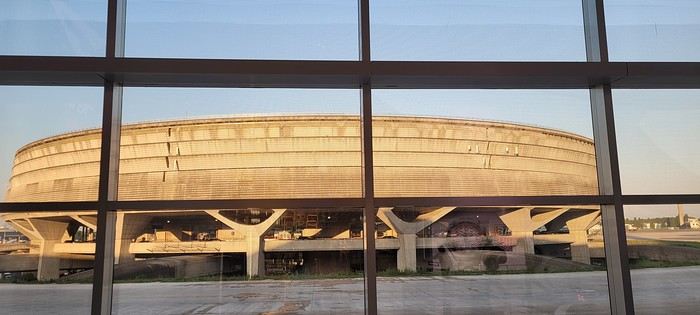
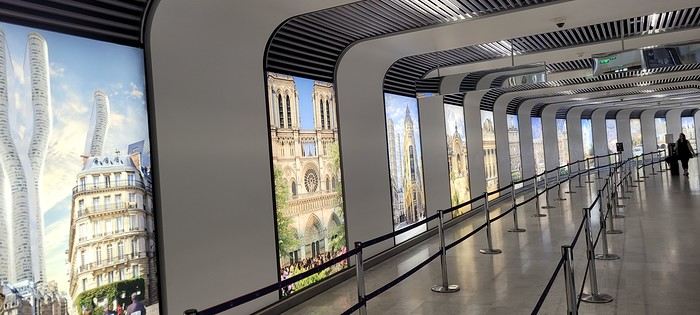
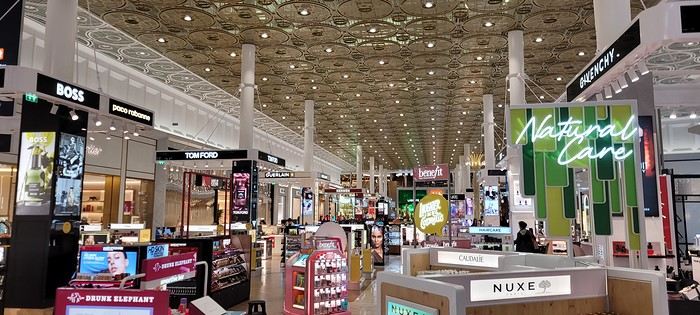
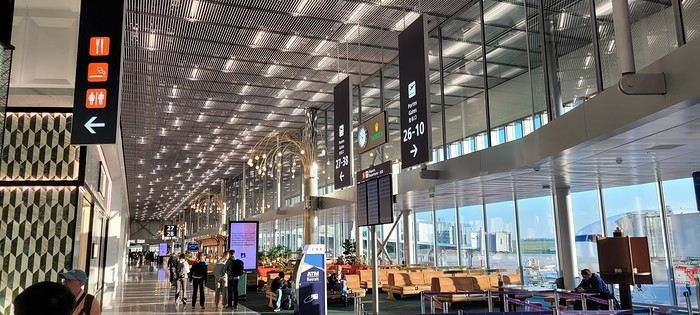
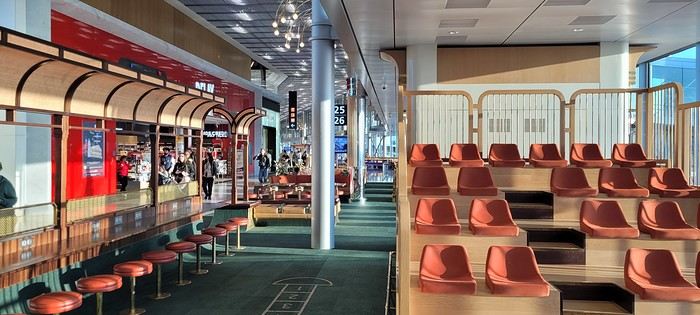
This was my first time flying out of Roissy Terminal 1 since it was renovated for the Olympics. Wow, it’s a huge improvement—nothing like the old “camembert box” we used to know!
A few photos:
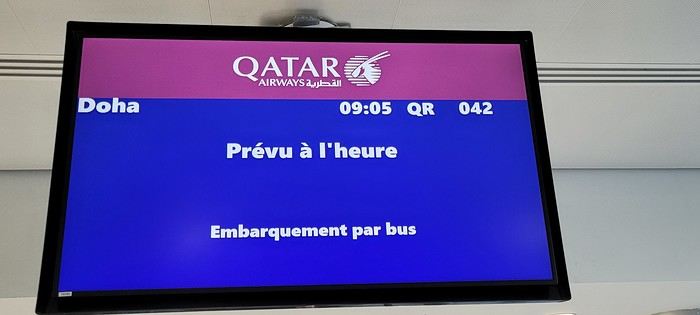
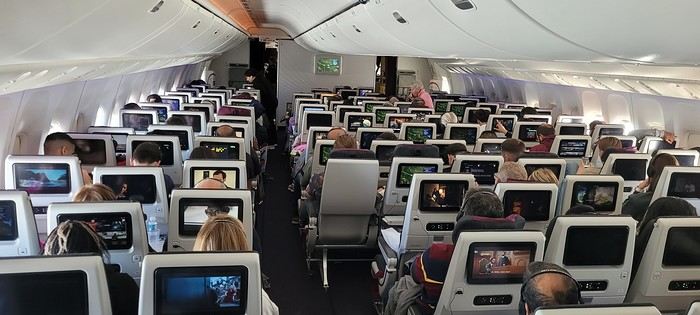
Coming up: Layover in Doha
I’m back from this “mixed” two-week cruise in the Indian Ocean on the Norwegian Sky.
Originally, I had booked a cruise with AIDA (also in the Indian Ocean), but unfortunately, the company decided to cancel it and offered us other options, which we declined because the dates didn’t work for us.
Since my wife really wants to do a cruise in the Indian Ocean, but very few companies offer this destination, it’s a bit complicated—especially when the dates don’t line up. Finding a good compromise between companies and timing is tough. Retirement can’t come soon enough!!!
After some research, I found a really great itinerary with Silversea (a luxury cruise line) for a 19-day cruise from Cape Town to Victoria, stopping in Madagascar (2 days), Praslin, La Digue... But my wife couldn’t get the time off. Not only was the itinerary amazing, but the price was unbeatable (5,200 € per person for a balcony suite, all-inclusive). What a shame—I would’ve loved to try this company, but maybe next time (if we’re lucky enough to have the chance).
My wife tried to take unpaid leave but wasn’t successful... Oh well!
On my end, I have more flexibility with vacation time since I travel a lot for work, so I can accumulate my days off and take them when it suits me.
So, we settled for this cruise (the only one that matched my wife’s vacation dates). Sure, we weren’t thrilled about the ship, but the itinerary wasn’t bad. We figured, why not?
I requested a quote from Logitravel, and after a discount, we paid 2,600 € per person for a balcony cabin (category BA) with the More At Sea package, which includes: 300 minutes of internet, premium drinks, 5 restaurants, and discounts on excursions...
The itinerary:
Day 1 Dubai (UAE) Boarding 11:59 PM Day 2 Abu Dhabi (UAE) 7:00 AM Day 3 Abu Dhabi (UAE) 2:00 PM Day 4 Sea day Day 5 Sea day Day 6 Sea day Day 7 Sea day Day 8 La Digue (Seychelles) 10:00 AM 8:00 PM Day 9 Mahé (Seychelles) 7:00 AM 8:00 PM Day 10 Sea day Day 11 Antsiranana (Madagascar) 7:00 AM 6:00 PM Day 12 Sea day Day 13 Pointe des Galets (Réunion) 8:00 AM 9:00 PM Day 14 Port Louis (Mauritius) 7:00 AM Day 15 Port Louis (Mauritius) 8:00 AM
After booking the cruise, I started looking for flights (Paris/Dubai and Mauritius/Paris). It’s peak Easter vacation time, so tickets are crazy expensive... I ran several simulations on Skyscanner and was shocked by the prices.
A direct flight from Paris to Dubai with Emirates is 1,400 € per person (one way), and the return from Mauritius to Paris (also with Emirates via Dubai) is 1,350 € per person.
Given these outrageous prices, I decided to book a flight with a layover. The best value I found was with Qatar (via Doha) for 650 € per person, with a 2.5-hour layover in Doha, and a direct flight from Mauritius to Paris with Corsair for 750 € per person.
With the More At Sea package, we had a 300 € credit per person for flight tickets (as long as we booked through NCL).
I requested a quote, and they offered: OUTBOUND: April 18, 2025 – Egyptair CDG-CAIRO 10:05 PM-2:30 AM February 19, 2025 – CAIRO-DUBAI 5:30 AM-10:55 AM RETURN: May 3, 2025 – Kenya Airways Port Louis-Nairobi 6:50 PM-10:10 PM, Nairobi-CDG 11:50 PM(+1)-7:30 AM (price: 950 € per person).
Sure, the price was good, but we didn’t want to fly with those airlines, and NCL didn’t have any other options. So, we booked our flights ourselves.
D-Day: Departure from Paris on April 18 with Qatar via Doha:
Two days before leaving, I checked in online and took the opportunity to buy seats near the emergency exits since my wife tends to get swollen legs on long flights. So, she prefers having extra legroom (cost: 132 € per person). It’s a bit pricey, but peace of mind is priceless.
Usually, when I have an early flight from Roissy, I always book a hotel the night before (near the airport) to avoid stress and not miss my flight. But since it was school vacation time and Good Friday, we decided to leave very early from home...
The flight was scheduled for 9:05 AM. We live 70 km from the airport and had to be there by 7:05 AM.
We barely slept... Up at 4:30 AM, and by 5:45 AM, our Uber was outside. We arrived at the airport (Roissy Terminal 1) by 6:50 AM.
Check-in was smooth—less than 10 minutes, and our bags were dropped off with boarding passes in hand.
This was my first time flying out of Roissy Terminal 1 since it was renovated for the Olympics. Wow, it’s a huge improvement—nothing like the old “camembert box” we used to know!
A few photos:
Coming up: Layover in Doha
Beginner bike touring on the Via Rhona
Hi there,
New to bike touring,
I’d love to start with a section of the Via Rhona to explore and share (route to be decided).
Looking forward to exchanging tips!