Results for "Caldera+|+4+>+127"
1418 results found.
Voyage au Cap Vert en août English translation pending
pouvez-vous m'aider?nous sommes à présent quasiment certains de nous rendre au cap Vert au mois d'Aout pour une durée approximative de trois semaines, avec des enfants de 13 et 11 ans.je voudrais avoir l'aide d'un membre du forum afin d'obtenir des adresses sympas dans des "pensoas" ou chez l'habitant pour les iles importantes, sans critères de budjet.Qui peut me raconter son expérience, me dire les endroits les plus remarquables.J'attends de votre part à tous le plus de tuyaux possibles pour construire ce voyage.toute suggestion bienvenue.d'autre part, qui pourrait me confirmer les conditions climatiques d'Aout en général.qui a connu un séjour meme période?merci à toutes et tous.
Trajet Athènes-Santorin en voiture? (Grèce) English translation pending
bonsoir, tuote nouvelle sur le site, je souhaiterai savoir comment peut-on se rendre à santorin sachant que nous serons à athènes en voiture? est-ce long (j'ai une petite de 5 ans)! merci d'avance..;ah oui et pour moi la grèce c'était les maisons blanches et bleues mais à vous lire je me suis trompée...non???
Mont Bromo depuis Bali (Indonésie) English translation pending
Salut !
Nous partons à Bali 17 jours, du 25/05 au 12/06/06. Je voulais savoir si durant notre séjour, il était faisable de faire le volcan du mont Bromo sur l'ile de Java ? Est-ce que nous perdrions pas trop de temps pour y aller et pour faire le volcan ? J'ai vu sur un guide qu'un car partait quotidiennement de Denpasar pour Surabaya.
Mais comme nous voulons visiter Bali correctement, je voudrai savoir si cela valait vraiment le détour .... ?? Merci de vos réponses et conseils... A+ Ghys
Nous partons à Bali 17 jours, du 25/05 au 12/06/06. Je voulais savoir si durant notre séjour, il était faisable de faire le volcan du mont Bromo sur l'ile de Java ? Est-ce que nous perdrions pas trop de temps pour y aller et pour faire le volcan ? J'ai vu sur un guide qu'un car partait quotidiennement de Denpasar pour Surabaya.
Mais comme nous voulons visiter Bali correctement, je voudrai savoir si cela valait vraiment le détour .... ?? Merci de vos réponses et conseils... A+ Ghys
Itinéraire pour trois semaines en Grèce? English translation pending
Bonjour à tous!!
Je dois partir pour la Grèce la dernière semaine de mai jusqu'au 19 juin!!
Sur ce, je dois passer les derniers 8 jours sur l'ile de Zakynthos....Jusque là, ca va.....MAIS JE NE CONNAIS RIEN À LA GRECE.....
De la fin mai, jusqu'au 11 juin!!
J'ai beaucoup voyagé dans ma vie mais plutot en Amerique Latine, Europe de l'est.....
J'aimerais savoir si.....premierement, j'arrive a Athenes, c'est possible de passer 3 jours à Athènes et avoir le temps de tout voir!!!!
Après ces 3 jours......AUCUNE IDEE!!! La seule chose c'est que je n'ai pas vraiment l'intention de visiter l'ile de Mykonos, beaucoup trop touristique à mon gout..... Santorini par contre, Rhodes ( touristique quand meme mais civilisé),
Bref, j'aimerais qu'un bon samaritain m'aide dans un itineraire pratique et abordable pour mon périple.....et evidemment, qu'il m explique comment passer d'une ile a l'autre......EN FERRY ca je sais, mais ....c 'est mieux le matin, le soir....$$ des petits trucs du genre.....Je suis assez débrouillarde.....
Merci Beaucoup...
J'ai beaucoup voyagé dans ma vie mais plutot en Amerique Latine, Europe de l'est.....
J'aimerais savoir si.....premierement, j'arrive a Athenes, c'est possible de passer 3 jours à Athènes et avoir le temps de tout voir!!!!
Après ces 3 jours......AUCUNE IDEE!!! La seule chose c'est que je n'ai pas vraiment l'intention de visiter l'ile de Mykonos, beaucoup trop touristique à mon gout..... Santorini par contre, Rhodes ( touristique quand meme mais civilisé),
Bref, j'aimerais qu'un bon samaritain m'aide dans un itineraire pratique et abordable pour mon périple.....et evidemment, qu'il m explique comment passer d'une ile a l'autre......EN FERRY ca je sais, mais ....c 'est mieux le matin, le soir....$$ des petits trucs du genre.....Je suis assez débrouillarde.....
Merci Beaucoup...
Laissez-moi vous conter le Grand Canyon … English translation pending
Endroit mondialement connu, vu et revu certes mais qui m’a marqué à vie, et voici pourquoi..
Une photo peut arriver à rendre la beauté d’un lieu : Bryce Canyon, Delicate Arch, c’est beau !! Elle peut aussi partiellement rendre compte de la majesté d’un lieu : Monument Valley, Death Valley, c’est majestueux !!
Mais j’ai toujours été « déçu » des photos du Grand Canyon après y avoir été…
Si vous partez de Las Vegas vers le Sud Est puis vers l’Est en route vers cet endroit magique, vous entrez véritablement dans le grand Ouest, L’Arizona ! Ses paysages rocheux démesurés, ses lignes droites à n’en plus finir, une bonne musique dans le poste, la route du bonheur…
Puis vous bifurquez vers le Nord sur la 64 et entamez la longue montée du plateau du Colorado, fantastique formation géologique inclinée Nord/Sud; 1200m, 1500m, 2000m… l’altitude grimpe doucement, tout en ligne droite… quasiment pas d’autres voitures, pas d’autre route à des dizaines de miles; un sentiment mêlé de sérénité et d’excitation vous envahit..
Le plateau rocheux avec les sapins défile devant vous.
Ça y est ! Vous êtes à Tusayan, minuscule point de passage avec ses quelques hotels, son épicerie/quincaillerie sur la droite, ses stations essence rassurantes.. Le checkpoint d’entrée du parc arrive ensuite, sourire du ranger qui vérifie votre « pass » et qui vous tend au passage le plan des lieux fort utile…
Et là je l’ai senti..
Je ne sais pas pour vous, mais moi qui habite en région parisienne, quand je vais voir la mer En Normandie (le plus proche), en Vendée ou dans le 06 où j’ai de la famille; Je « sens la mer » avant de la voir réellement; je sens un changement majeur et imminent dans le paysage.. 🙂
Là j’ai ressenti la même impression, et pourtant la route continuait de défiler avec les mêmes sapins, les mêmes roches… puis elle tourne doucement, vous passez à côté de quelques parkings, et vous apercevez quelque chose là bas, derrière les arbres; il est temps de se garer.
En sortant de la voiture, vous percevez qu’il va se passer quelque chose (« qu’Est-ce que c’est que ça ? » trottait alors dans ma tête)…. Plus que 2 ou 3 rangées d’arbres (« nom de D… !! ») et vous arrivez au bord.
Et là ! Alors là….
Je cite quelques proches qui ont vécu ça : Mes parents (qui ont beaucoup voyagé) : « le choc de notre vie au niveau paysages ». Mes beaux-parents (idem avec des « bricoles » genre le pic du Teide et sa caldeira à Ténérife, les cirques de la Réunion..) : « c’est inimaginable au sens propre du terme ». Deux très bons amis qui ne se connaissent pas, mordus de ski et qui connaissent les Alpes comme leurs poches : « la plus belle chose que j’ai jamais vu ».
Tout de suite j’ai pris des photos, par dizaines, comme si ce que je voyais allais disparaître et qu’il fallait dans l’urgence en garder un souvenir; et puis j’ai pleinement senti sa puissance. La lumière étant rasante, donnant une teinte rougoyante encore plus dramatique aux lieux.. Un véritable gouffre de fin du monde. On vacille à la lecture du panneau qui vous indique que la rive en face est à plus de 15 km..
Le Grand Canyon est unique car c’est beau à en pleurer et écrasant de puissance; voilà, c’est ça !
Même un adolescent en pleine phase rebelle et génétiquement insensible au vertige (??), qui se demande ce qu’il fait là avec ses parents alors qu’il était si bien à Santa Monica où tout est "super cool"…. Je le défie de rester insensible..
Le Grand Canyon est unique car c’est beau à en pleurer et écrasant de puissance.
Bon voyage ! 🙂
Une photo peut arriver à rendre la beauté d’un lieu : Bryce Canyon, Delicate Arch, c’est beau !! Elle peut aussi partiellement rendre compte de la majesté d’un lieu : Monument Valley, Death Valley, c’est majestueux !!
Mais j’ai toujours été « déçu » des photos du Grand Canyon après y avoir été…
Si vous partez de Las Vegas vers le Sud Est puis vers l’Est en route vers cet endroit magique, vous entrez véritablement dans le grand Ouest, L’Arizona ! Ses paysages rocheux démesurés, ses lignes droites à n’en plus finir, une bonne musique dans le poste, la route du bonheur…
Puis vous bifurquez vers le Nord sur la 64 et entamez la longue montée du plateau du Colorado, fantastique formation géologique inclinée Nord/Sud; 1200m, 1500m, 2000m… l’altitude grimpe doucement, tout en ligne droite… quasiment pas d’autres voitures, pas d’autre route à des dizaines de miles; un sentiment mêlé de sérénité et d’excitation vous envahit..
Le plateau rocheux avec les sapins défile devant vous.
Ça y est ! Vous êtes à Tusayan, minuscule point de passage avec ses quelques hotels, son épicerie/quincaillerie sur la droite, ses stations essence rassurantes.. Le checkpoint d’entrée du parc arrive ensuite, sourire du ranger qui vérifie votre « pass » et qui vous tend au passage le plan des lieux fort utile…
Et là je l’ai senti..
Je ne sais pas pour vous, mais moi qui habite en région parisienne, quand je vais voir la mer En Normandie (le plus proche), en Vendée ou dans le 06 où j’ai de la famille; Je « sens la mer » avant de la voir réellement; je sens un changement majeur et imminent dans le paysage.. 🙂
Là j’ai ressenti la même impression, et pourtant la route continuait de défiler avec les mêmes sapins, les mêmes roches… puis elle tourne doucement, vous passez à côté de quelques parkings, et vous apercevez quelque chose là bas, derrière les arbres; il est temps de se garer.
En sortant de la voiture, vous percevez qu’il va se passer quelque chose (« qu’Est-ce que c’est que ça ? » trottait alors dans ma tête)…. Plus que 2 ou 3 rangées d’arbres (« nom de D… !! ») et vous arrivez au bord.
Et là ! Alors là….
Je cite quelques proches qui ont vécu ça : Mes parents (qui ont beaucoup voyagé) : « le choc de notre vie au niveau paysages ». Mes beaux-parents (idem avec des « bricoles » genre le pic du Teide et sa caldeira à Ténérife, les cirques de la Réunion..) : « c’est inimaginable au sens propre du terme ». Deux très bons amis qui ne se connaissent pas, mordus de ski et qui connaissent les Alpes comme leurs poches : « la plus belle chose que j’ai jamais vu ».
Tout de suite j’ai pris des photos, par dizaines, comme si ce que je voyais allais disparaître et qu’il fallait dans l’urgence en garder un souvenir; et puis j’ai pleinement senti sa puissance. La lumière étant rasante, donnant une teinte rougoyante encore plus dramatique aux lieux.. Un véritable gouffre de fin du monde. On vacille à la lecture du panneau qui vous indique que la rive en face est à plus de 15 km..
Le Grand Canyon est unique car c’est beau à en pleurer et écrasant de puissance; voilà, c’est ça !
Même un adolescent en pleine phase rebelle et génétiquement insensible au vertige (??), qui se demande ce qu’il fait là avec ses parents alors qu’il était si bien à Santa Monica où tout est "super cool"…. Je le défie de rester insensible..
Le Grand Canyon est unique car c’est beau à en pleurer et écrasant de puissance.
Bon voyage ! 🙂
Transfert sur les îles au Cap Vert English translation pending
bonjour
dans quelles iles du cap vert vaut-il mieux louer une voiture ( pour être libre et autonome de circuler comme on veut ) et dans quelles autres vaut il mieux prendre un aluger ?
nous partons avec deux jeunes enfants et j'ai un peu peur que ce ne soit galère de circuler sur les iles sans voiture
est-ce facilement envisageable de faire 5 iles en deux semaines ?
merci
timlulu
Grèce: quels sont vos coins préférés? English translation pending
Salut à tous,
Je connais assez bien la Grèce et je pense que beaucoup d'entre vous y sont également allé. Quels sont les coins que vous avez préféré ???
En ce qui me concerne, en dehors des endroits magnifiques mais très célébres, voici mes endroits préférés : L'Ile de Samothrace, au nord-est de l'Egée, près de la frontière turque, île montagneuse sauvage, assez verte, sans touristes occidentaux, aux charmants villages typiques et aux nombreux monuments anciens (dont le magnifique sanctuaire antique où la Victoire de Samothrace fut trouvée. La magnifique et vaste plage de sable fin de Neohrion, sur la cote ouest du pelopponèse, au sud-ouest d'olympie. En 1985-1988, il n'y avait aucun hotels et peu de touristes. L'île de Rhénée, en face de délos, dans les cyclades, île classée historique et interdite aux touristes. Mais moi je l'ai visité, à pieds 🙂. La Magne, pointe sud du Pelopponèse.
Je connais assez bien la Grèce et je pense que beaucoup d'entre vous y sont également allé. Quels sont les coins que vous avez préféré ???
En ce qui me concerne, en dehors des endroits magnifiques mais très célébres, voici mes endroits préférés : L'Ile de Samothrace, au nord-est de l'Egée, près de la frontière turque, île montagneuse sauvage, assez verte, sans touristes occidentaux, aux charmants villages typiques et aux nombreux monuments anciens (dont le magnifique sanctuaire antique où la Victoire de Samothrace fut trouvée. La magnifique et vaste plage de sable fin de Neohrion, sur la cote ouest du pelopponèse, au sud-ouest d'olympie. En 1985-1988, il n'y avait aucun hotels et peu de touristes. L'île de Rhénée, en face de délos, dans les cyclades, île classée historique et interdite aux touristes. Mais moi je l'ai visité, à pieds 🙂. La Magne, pointe sud du Pelopponèse.
Inde: Bombay inondée English translation pending
INDE
Des glissements de terrain
tuent 245 personnes
 NOUVELOBS.COM | 28.07.05 | 07:54
Deux cent quarante-cinq personnes sont mortes dans des glissements de terrain à l'ouest de l'Inde, des précipitations encore jamais vues dans ce pays.
Deux cent quarante-cinq personnes sont mortes dans des glissements de terrain provoqués dans l'ouest de l'Inde par les plus importantes précipitations jamais enregistrées dans l'histoire du pays, a-t-on appris jeudi 28 juillet de sources officielles.
Au moins 88 décès ont été enregistrés dans la seule ville de Bombay, a précisé R.R. Patil, vice-ministre en chef de l'Etat du Maharashtra, dont dépend la capitale économique et financière du pays.
157 autres personnes sont mortes dans des effondrements de murs, des glissements de terrain et par noyades dans d'autres parties de l'Etat, a précisé la police locale, ajoutant que 200 autres personnes étaient portées disparues et présumées mortes
NOUVELOBS.COM | 28.07.05 | 07:54
Deux cent quarante-cinq personnes sont mortes dans des glissements de terrain à l'ouest de l'Inde, des précipitations encore jamais vues dans ce pays.
Deux cent quarante-cinq personnes sont mortes dans des glissements de terrain provoqués dans l'ouest de l'Inde par les plus importantes précipitations jamais enregistrées dans l'histoire du pays, a-t-on appris jeudi 28 juillet de sources officielles.
Au moins 88 décès ont été enregistrés dans la seule ville de Bombay, a précisé R.R. Patil, vice-ministre en chef de l'Etat du Maharashtra, dont dépend la capitale économique et financière du pays.
157 autres personnes sont mortes dans des effondrements de murs, des glissements de terrain et par noyades dans d'autres parties de l'Etat, a précisé la police locale, ajoutant que 200 autres personnes étaient portées disparues et présumées mortes
Bombay inondée par les pires précipitations jamais enregistrées en Inde ( AP, mercredi 27 juillet 2005, 15h27) BOMBAY, Inde (AP) - Les pluies les plus violentes jamais enregistrées en Inde se sont abattues mardi et mercredi sur Bombay, perturbant les communications, provoquant la fermeture des aéroports et bloquant des dizaines de milliers de personnes.
Sandrine🙁
NOUVELOBS.COM | 28.07.05 | 07:54
Deux cent quarante-cinq personnes sont mortes dans des glissements de terrain à l'ouest de l'Inde, des précipitations encore jamais vues dans ce pays.
Deux cent quarante-cinq personnes sont mortes dans des glissements de terrain provoqués dans l'ouest de l'Inde par les plus importantes précipitations jamais enregistrées dans l'histoire du pays, a-t-on appris jeudi 28 juillet de sources officielles.
Au moins 88 décès ont été enregistrés dans la seule ville de Bombay, a précisé R.R. Patil, vice-ministre en chef de l'Etat du Maharashtra, dont dépend la capitale économique et financière du pays.
157 autres personnes sont mortes dans des effondrements de murs, des glissements de terrain et par noyades dans d'autres parties de l'Etat, a précisé la police locale, ajoutant que 200 autres personnes étaient portées disparues et présumées mortesBombay inondée par les pires précipitations jamais enregistrées en Inde ( AP, mercredi 27 juillet 2005, 15h27) BOMBAY, Inde (AP) - Les pluies les plus violentes jamais enregistrées en Inde se sont abattues mardi et mercredi sur Bombay, perturbant les communications, provoquant la fermeture des aéroports et bloquant des dizaines de milliers de personnes.
Sandrine🙁
En prison en Inde... English translation pending
Paharganj
5h du mat’, le réveil sonne. Je prends une douche, enfile ma shalwar kamiz, robe, pantalon et foulard assorti, prends les deux sacs de bonne bouffe, et je hèle un rickshaw. « Tihar Jail please » « 100 rps » « 80 ! » ok. Il n’y a pas beaucoup de circulation si tôt le matin, la ville se réveille à peine, tout comme moi. Et nous traversons la nouvelle ville, longeons des bidonvilles, traversons un fleuve. A des carrefours, je sens les regards des indiens dans leurs voitures ou autre, m’observer. Qu’est ce qu’une occidentale vient faire si loin du centre ? Leur curiosité ne sera pas assouvie, quoique parfois, l’un d’eux demande au chauffeur où je vais, enfin j’imagine, car je ne parle pas hindi, urdu, ou autre. Après bien une demi-heure de route, je suis devant la porte n°3. Il n’est pas encore 7h et déjà une trentaine d’indiens sont là, hommes, femmes, enfants, et nous attendons l’ouverture des portes. A 7h, les portes s’ouvrent, et c’est la course pour arriver à la grande cabane 200 mètres plus loin. Là, si on se trouve dans les 30 premiers à faire la queue pour s’enregistrer, on pourra ne pas attendre trop longtemps et être dans le premier groupe de visiteurs à 9h. Deux heures d’attente, j’ai de la chance d’être dans le premier groupe. Deux heures ou je suis la seule occidentale, tous les Indiens un moment ou un autre m’observe… Je ne suis pas très à mon aise… Une échoppe est installée dans le bâtiment où on peut acheter des fruits et des légumes pour les prisonniers… Je me bois chaï sur chaï… Il fait de plus en plus chaud et il n’y a quasi pas d’ombre… Un paon n’a pas l’air de crier des « léon -léon » habituels, mais plutôt des « Tihar- tihar » Il règne une ambiance froide, morne et triste, adaptée aux circonstances. Les matons portent tous la moustache sans exceptions ! Certains ont vraiment une tête à faire peur… 9h, je vais faire la queue pour la fouille et la visite. 20 minutes plus tard enfin c’est mon tour. Et merde, mes deux sacs ne bouffe m’attendront à la sortie, ils ne veulent rien savoir. Je me suis coltinée ces deux sacs lourds pour rien ! Bon il faudra que je m’arrange autrement la prochaine fois. Il fait chaud et sombre dans cette petite pièce, enfin je passe derrière les rideaux et me fait fouiller par une matonne au sourire narquois. Une fois la fouille effectuée, je rentre dans la salle des visites. Quelle foire, mon dieu c’est dingue ! Ca crie partout ! Il faut se frayer une place contre la grille, et hurler le nom de la personne qu’on vient voir ! Au bout de 10 minutes, je vois un occidental arriver dans la foule des prisonniers, derrière une grille, des barreaux, un mètre d’espace, encore des barreaux et des grilles, il n’est pas facile de se voir ! Mais il me reconnaît et vient vers moi. Mon dieu comme il a maigri… …/…
Une demi-heure après, une fois sortie de cette horrible salle de visite, qu’est ce que j’ai pleuré toutes les larmes de mon corps… Tout ça pour pouvoir fumer de la bonne qualité à son retour en Europe… J’ai été le voir plusieurs fois par semaine pendant 3 semaines, ai vu son avocat, les gens travaillant à l’Ambassade etc. J’ai pu lui fournir les sacs de bouffe et autres par la suite. Et maintenant, il est sorti.😎 Mais c’est la facette la plus horrible que j’ai jamais vu d’Inde…
5h du mat’, le réveil sonne. Je prends une douche, enfile ma shalwar kamiz, robe, pantalon et foulard assorti, prends les deux sacs de bonne bouffe, et je hèle un rickshaw. « Tihar Jail please » « 100 rps » « 80 ! » ok. Il n’y a pas beaucoup de circulation si tôt le matin, la ville se réveille à peine, tout comme moi. Et nous traversons la nouvelle ville, longeons des bidonvilles, traversons un fleuve. A des carrefours, je sens les regards des indiens dans leurs voitures ou autre, m’observer. Qu’est ce qu’une occidentale vient faire si loin du centre ? Leur curiosité ne sera pas assouvie, quoique parfois, l’un d’eux demande au chauffeur où je vais, enfin j’imagine, car je ne parle pas hindi, urdu, ou autre. Après bien une demi-heure de route, je suis devant la porte n°3. Il n’est pas encore 7h et déjà une trentaine d’indiens sont là, hommes, femmes, enfants, et nous attendons l’ouverture des portes. A 7h, les portes s’ouvrent, et c’est la course pour arriver à la grande cabane 200 mètres plus loin. Là, si on se trouve dans les 30 premiers à faire la queue pour s’enregistrer, on pourra ne pas attendre trop longtemps et être dans le premier groupe de visiteurs à 9h. Deux heures d’attente, j’ai de la chance d’être dans le premier groupe. Deux heures ou je suis la seule occidentale, tous les Indiens un moment ou un autre m’observe… Je ne suis pas très à mon aise… Une échoppe est installée dans le bâtiment où on peut acheter des fruits et des légumes pour les prisonniers… Je me bois chaï sur chaï… Il fait de plus en plus chaud et il n’y a quasi pas d’ombre… Un paon n’a pas l’air de crier des « léon -léon » habituels, mais plutôt des « Tihar- tihar » Il règne une ambiance froide, morne et triste, adaptée aux circonstances. Les matons portent tous la moustache sans exceptions ! Certains ont vraiment une tête à faire peur… 9h, je vais faire la queue pour la fouille et la visite. 20 minutes plus tard enfin c’est mon tour. Et merde, mes deux sacs ne bouffe m’attendront à la sortie, ils ne veulent rien savoir. Je me suis coltinée ces deux sacs lourds pour rien ! Bon il faudra que je m’arrange autrement la prochaine fois. Il fait chaud et sombre dans cette petite pièce, enfin je passe derrière les rideaux et me fait fouiller par une matonne au sourire narquois. Une fois la fouille effectuée, je rentre dans la salle des visites. Quelle foire, mon dieu c’est dingue ! Ca crie partout ! Il faut se frayer une place contre la grille, et hurler le nom de la personne qu’on vient voir ! Au bout de 10 minutes, je vois un occidental arriver dans la foule des prisonniers, derrière une grille, des barreaux, un mètre d’espace, encore des barreaux et des grilles, il n’est pas facile de se voir ! Mais il me reconnaît et vient vers moi. Mon dieu comme il a maigri… …/…
Une demi-heure après, une fois sortie de cette horrible salle de visite, qu’est ce que j’ai pleuré toutes les larmes de mon corps… Tout ça pour pouvoir fumer de la bonne qualité à son retour en Europe… J’ai été le voir plusieurs fois par semaine pendant 3 semaines, ai vu son avocat, les gens travaillant à l’Ambassade etc. J’ai pu lui fournir les sacs de bouffe et autres par la suite. Et maintenant, il est sorti.😎 Mais c’est la facette la plus horrible que j’ai jamais vu d’Inde…
Volcans en Indonésie English translation pending
Nous partons mon mari et moi cet été en Indonésie dans l'optique de voir des volcans, notre passion.
Je recherche des renseignements concernants les visites de volcans et les difficultés possibles pour les ascensions. Quels sont les plus spéctaculaires?
Je recherche des renseignements concernants les visites de volcans et les difficultés possibles pour les ascensions. Quels sont les plus spéctaculaires?
Cherche hôtel à Fira (Santorin) English translation pending
bonjour
je cherche un hotel à fira la capitale pour le mois d'aout 3 nuits pour 2 adultes merci de me conseiller
je cherche un hotel à fira la capitale pour le mois d'aout 3 nuits pour 2 adultes merci de me conseiller
Paris en une semaine English translation pending
Bonjour,
j'ai la chance d'avoir un congrès en France plus précisément à Batz-sur-Mer et donc de ne pas avoir à payer mon billet d'avion. Je prend donc une semaine de vacance à Paris après mon congrès. Nous sommes 2 filles de 23-24 ans qui voulons visiter Paris. Une semaine ce n'est pas beaucoup alors nous voudrions savoir ce qui vaut vraiment la peine d'être visité. De plus nous sommes étudiantes alors nous avons un budget plutôt limité. Des suggestions de resto pas trop cher seraient aussi appréciées. Nous logerons à l'auberge internationale des jeunes à Paris (dans le coin de la Bastille).
Merci
Genevieve
j'ai la chance d'avoir un congrès en France plus précisément à Batz-sur-Mer et donc de ne pas avoir à payer mon billet d'avion. Je prend donc une semaine de vacance à Paris après mon congrès. Nous sommes 2 filles de 23-24 ans qui voulons visiter Paris. Une semaine ce n'est pas beaucoup alors nous voudrions savoir ce qui vaut vraiment la peine d'être visité. De plus nous sommes étudiantes alors nous avons un budget plutôt limité. Des suggestions de resto pas trop cher seraient aussi appréciées. Nous logerons à l'auberge internationale des jeunes à Paris (dans le coin de la Bastille).
Merci
Genevieve
Storm in the Canary Islands
15 days across Gran Canaria, El Hierro, and a dash of Tenerife under the storm Thérèse!
The planned itinerary will be slightly disrupted...
(The version without discussions is here)
The planned itinerary will be slightly disrupted...
(The version without discussions is here)
A Bold Combo: Southern Peru, Bolivia, and Northern Chile
Hello everyone,
For our latest 3-week family trip (yes, the kids are growing up, and two of them are about to enter the working world), we’re heading to South America! For our first time on this continent, I had planned a classic 3-week loop in Peru.
But since we won’t be returning to this part of the world anytime soon, I thought: why not follow in the footsteps of Franck, aka Bibouns51, who, in 18 days, didn’t just stick to Peru but also added two of the planet’s most stunning landscapes to his itinerary... the Salar de Uyuni in Bolivia and its neighbor, the fabulous Atacama Desert in northern Chile !!
So, I set about the tricky task of limiting the regions we’d visit in Peru to those we considered must-sees, to avoid rushing too much. The visit schedules were optimized, including several comfortable overnight buses that have the huge advantage of letting us hop between regions.
So, we’re off on a somewhat adventurous trip with three domestic flights (two on the first day and one on the last), two overnight buses for quick hops, several car rentals, the services of a few drivers to make the trip more comfortable, and even a tour operator for crossing the Salar...
Our main concern is altitude sickness, and we’re bringing Diamox, aspirin, etc., just in case.
Our second worry before departure was not even getting off the ground... Yes, for once, we’re leaving from France—Marseille, to be exact. The week before our departure, with the surprise air traffic controllers’ strike, I remembered why we usually prefer to leave from abroad, like Turin or Barcelona... In the end, it wasn’t the air traffic controllers who made us nervous but the early July wildfires that paralyzed the airport a few days before our departure. Fortunately, the fires were quickly brought under control, and on the big day, everything was smooth sailing!
Detailed itinerary (which changed on Day 1 due to departure hiccups): Day 0: Flight Marseille - Madrid - Lima PERU Theoretical and abandoned Day 1: Flight Lima - Cuzco and visit Cuzco (Puka Pukara, Tambomachay, Cristo Blanco Observatory, Sacsayhuaman sunset) - Night in Cuzco Day 2: Taxi -> Chinchero - Moray - Maras Salt Mines - Ollantaytambo - Train to Aguas Calientes Day 3: Machu Picchu - Return train to Ollantaytambo Day 4: 2-day taxi -> Pisac - Tipon - Andahuaylillas - Huaro - Night in San Pedro Day 5: Palcoyo - Checacupe - Vinicunca - Return and night in Cuzco Day 6: Day in Cuzco (catch-up on Sacsayhuaman, San Blas district, Temple of the Sun) - Overnight bus to Arequipa Day 7: Rental car -> On the road to Colca Canyon, night in Cabanaconde Day 8: Descent to the bottom of Colca Canyon, night at Oasis Sangalle Day 9: Ascent from the canyon - Maca - Chivay - Return and night in Arequipa Day 10: Visit Arequipa (Santa Catalina Convent, La Recoleta Church and Monastery, La Compañía Church, Cathedral) - Overnight bus to Puno Day 11: Lake Titicaca - Night in Puno BOLIVIA Day 12: Shared taxi -> Road to La Paz, visit downtown La Paz - Night 1 in La Paz Day 13: Moon Valley and Las Animas Valley - Night 2 in La Paz Day 14: Day in La Paz - Night 3 in La Paz Day 15: Flight to Uyuni - Day 1 of Salar de Uyuni tour - Night at the edge of the Salar Day 16: Crossing the Lipez region and lagoons - Night near Laguna Colorada Day 17: Sol de Mañana CHILE Day 17 cont.: Pre-booked transfer to SPDA - 4x4 rental - Pukara de Quitor - Stargazing tour - Night 1 in SPDA Day 18: Death Valley and Moon Valley - Night 2 in SPDA Day 19: Miscanti and Miniques Lagoons, Salar de Aguas Calientes and its Piedra Roja, Tebenquiche Lagoon and Quebrada del Diablo - Night 3 in SPDA Day 20: Rainbow Valley and swim in the Puritama River - Night 4 in SPDA Day 21: Tebenquiche Lagoon - Bus to Calama - Flight to Santiago Day 22: Return Santiago - Madrid - Marseille
Day 0 - 11/07: Destination Lima
Our first flight from Marseille went smoothly to our Iberia layover in Madrid.
In Madrid, just after getting off the plane around 8 PM, and as we were walking through the terminal, we got a rude awakening!!
We saw the word "Cancelled" next to our flight number on the display boards. Thinking it must be a glitch, we checked another screen, but the system was stubborn, and the same dreaded word appeared !
So, we headed to the Iberia counter, where an agent confirmed that our Friday evening flight was canceled and rescheduled for the next morning. The reason? A breakdown and no replacement plane, even though we were in Madrid, Iberia’s home base!
To make matters worse, I remembered our super-tight schedule, planned to the minute, with no buffer day in Lima. Since I’m a bit phobic of megacities and hadn’t found anything appealing in the Peruvian capital in our guidebooks, we’d planned to leave Lima as soon as possible for Cusco, the heart of the Sacred Valley, to spend our first day there.
Bad idea, because we already knew the 4-hour buffer wouldn’t be enough, and we’d miss the domestic flight, which was, of course, non-refundable and non-changeable. So, we had to call LATAM from Madrid to find another flight for Saturday evening and negotiate a rate to recover some of our initial outlay.
After an hour on the phone with customer service, several endless holds, and three failed attempts to dictate our credit card number over the phone to a Spaniard speaking English with a thick accent, we finally managed to confirm the transaction, securing our new flight tickets for a moderate extra cost of just 150 € total.
At first, we were pretty bummed about losing a day and incurring extra fees to reschedule the domestic flight, but then, when we learned from an Iberia customer service rep that we’d receive the max compensation of 600 € per traveler, we even ended up grinning... because 3000 € in refunds for only losing the first day in Cusco? We’d sign up for that 10 times over!!
Iberia then took care of us, putting us up in a hotel where we had dinner before a short 5-hour night and an early morning departure. I took the opportunity to improvise a quick day of sightseeing in Lima, focusing on the Barranco and Miraflores districts.
For our latest 3-week family trip (yes, the kids are growing up, and two of them are about to enter the working world), we’re heading to South America! For our first time on this continent, I had planned a classic 3-week loop in Peru.
But since we won’t be returning to this part of the world anytime soon, I thought: why not follow in the footsteps of Franck, aka Bibouns51, who, in 18 days, didn’t just stick to Peru but also added two of the planet’s most stunning landscapes to his itinerary... the Salar de Uyuni in Bolivia and its neighbor, the fabulous Atacama Desert in northern Chile !!
So, I set about the tricky task of limiting the regions we’d visit in Peru to those we considered must-sees, to avoid rushing too much. The visit schedules were optimized, including several comfortable overnight buses that have the huge advantage of letting us hop between regions.
So, we’re off on a somewhat adventurous trip with three domestic flights (two on the first day and one on the last), two overnight buses for quick hops, several car rentals, the services of a few drivers to make the trip more comfortable, and even a tour operator for crossing the Salar...
Our main concern is altitude sickness, and we’re bringing Diamox, aspirin, etc., just in case.
Our second worry before departure was not even getting off the ground... Yes, for once, we’re leaving from France—Marseille, to be exact. The week before our departure, with the surprise air traffic controllers’ strike, I remembered why we usually prefer to leave from abroad, like Turin or Barcelona... In the end, it wasn’t the air traffic controllers who made us nervous but the early July wildfires that paralyzed the airport a few days before our departure. Fortunately, the fires were quickly brought under control, and on the big day, everything was smooth sailing!
Detailed itinerary (which changed on Day 1 due to departure hiccups): Day 0: Flight Marseille - Madrid - Lima PERU Theoretical and abandoned Day 1: Flight Lima - Cuzco and visit Cuzco (Puka Pukara, Tambomachay, Cristo Blanco Observatory, Sacsayhuaman sunset) - Night in Cuzco Day 2: Taxi -> Chinchero - Moray - Maras Salt Mines - Ollantaytambo - Train to Aguas Calientes Day 3: Machu Picchu - Return train to Ollantaytambo Day 4: 2-day taxi -> Pisac - Tipon - Andahuaylillas - Huaro - Night in San Pedro Day 5: Palcoyo - Checacupe - Vinicunca - Return and night in Cuzco Day 6: Day in Cuzco (catch-up on Sacsayhuaman, San Blas district, Temple of the Sun) - Overnight bus to Arequipa Day 7: Rental car -> On the road to Colca Canyon, night in Cabanaconde Day 8: Descent to the bottom of Colca Canyon, night at Oasis Sangalle Day 9: Ascent from the canyon - Maca - Chivay - Return and night in Arequipa Day 10: Visit Arequipa (Santa Catalina Convent, La Recoleta Church and Monastery, La Compañía Church, Cathedral) - Overnight bus to Puno Day 11: Lake Titicaca - Night in Puno BOLIVIA Day 12: Shared taxi -> Road to La Paz, visit downtown La Paz - Night 1 in La Paz Day 13: Moon Valley and Las Animas Valley - Night 2 in La Paz Day 14: Day in La Paz - Night 3 in La Paz Day 15: Flight to Uyuni - Day 1 of Salar de Uyuni tour - Night at the edge of the Salar Day 16: Crossing the Lipez region and lagoons - Night near Laguna Colorada Day 17: Sol de Mañana CHILE Day 17 cont.: Pre-booked transfer to SPDA - 4x4 rental - Pukara de Quitor - Stargazing tour - Night 1 in SPDA Day 18: Death Valley and Moon Valley - Night 2 in SPDA Day 19: Miscanti and Miniques Lagoons, Salar de Aguas Calientes and its Piedra Roja, Tebenquiche Lagoon and Quebrada del Diablo - Night 3 in SPDA Day 20: Rainbow Valley and swim in the Puritama River - Night 4 in SPDA Day 21: Tebenquiche Lagoon - Bus to Calama - Flight to Santiago Day 22: Return Santiago - Madrid - Marseille
Day 0 - 11/07: Destination Lima
Our first flight from Marseille went smoothly to our Iberia layover in Madrid.
In Madrid, just after getting off the plane around 8 PM, and as we were walking through the terminal, we got a rude awakening!!
We saw the word "Cancelled" next to our flight number on the display boards. Thinking it must be a glitch, we checked another screen, but the system was stubborn, and the same dreaded word appeared !
So, we headed to the Iberia counter, where an agent confirmed that our Friday evening flight was canceled and rescheduled for the next morning. The reason? A breakdown and no replacement plane, even though we were in Madrid, Iberia’s home base!
To make matters worse, I remembered our super-tight schedule, planned to the minute, with no buffer day in Lima. Since I’m a bit phobic of megacities and hadn’t found anything appealing in the Peruvian capital in our guidebooks, we’d planned to leave Lima as soon as possible for Cusco, the heart of the Sacred Valley, to spend our first day there.
Bad idea, because we already knew the 4-hour buffer wouldn’t be enough, and we’d miss the domestic flight, which was, of course, non-refundable and non-changeable. So, we had to call LATAM from Madrid to find another flight for Saturday evening and negotiate a rate to recover some of our initial outlay.
After an hour on the phone with customer service, several endless holds, and three failed attempts to dictate our credit card number over the phone to a Spaniard speaking English with a thick accent, we finally managed to confirm the transaction, securing our new flight tickets for a moderate extra cost of just 150 € total.
At first, we were pretty bummed about losing a day and incurring extra fees to reschedule the domestic flight, but then, when we learned from an Iberia customer service rep that we’d receive the max compensation of 600 € per traveler, we even ended up grinning... because 3000 € in refunds for only losing the first day in Cusco? We’d sign up for that 10 times over!!
Iberia then took care of us, putting us up in a hotel where we had dinner before a short 5-hour night and an early morning departure. I took the opportunity to improvise a quick day of sightseeing in Lima, focusing on the Barranco and Miraflores districts.
Arusha, Tanzania - October 2025
I would wish never to go to bed where I had woken up, to wander my tent from the shores of Egypt to those of the Persian Gulf; to have no goal for the evening other than the evening itself; to traverse on foot, with my eyes and my heart, all these unknown lands, all these races of people so different from my own; to contemplate humanity, God’s finest creation, in all its forms.
Lamartine in Fatalla Sayeghir’s Account (1861)
As soon as it’s about flying, I lose all willpower. Being reasonable and thoughtful, I still lose all my composure at the mere possibility of a flight—especially if it’s piloted by F.—and even more so if that flight can take me to unexplored lands. I’ve long wanted to unravel the mystery of animal tourism, and why not in Tanzania, following up on my trip from four years ago, when I was already questioning the glaring inequalities in Zanzibar: the coastal strip sacrificed to capitalism, and the inland areas, just a hundred meters from the waves, where you find—though a bit more peaceful than elsewhere on the continent—the chaos of Africa.
I’m an adventurer at heart. When it comes to the terrain, though, it’s a whole different story. I see people setting off for months at a time; I know my endurance doesn’t last beyond three days. It’s not that I’m afraid of this unfamiliar environment when it comes to embracing different realities. I’m mostly afraid of myself—of this heightened sensitivity that makes me see things I’d rather not see and understand others that sometimes overwhelm me.
After an absolutely fantastic daytime flight, I land in Zanzibar and have to resign myself—this is the whole point of the trip—to what feels like a real spacewalk. I’m alone. My lucky star, backed up by my phone, will serve as my lifeline. I step out of the airport and breathe in the scent of Africa full-on: a mix of exotic perfumes, baked earth, and poorly refined fuel, inevitably mingled with the smell of wood smoke. So many images come flooding back. So many stories. Another world.
I head to Arusha the very next day. The gateway to the country’s northern national parks, this city of half a million offers one of those rare breath-holding dives that Africa keeps secret. As the only white person walking the streets, I know I’m visible and vulnerable, yet I move forward confidently, barely bothered. But where are all my fellow Westerners? While this city draws countless tourists, I only cross paths with one white couple in nearly three hours of walking. Because you have to hold on tight to wander here. You have to stay alert. The traffic is dense and erratic—don’t even trust the fact that in Tanzania, people drive on the left. That can change from one minute to the next, especially with motorbikes. With barely centimeters between vehicles, I weave my way through the urban jungle, trying not to stumble into the huge ditch on my left or get sideswiped by cars brushing past me on the right. Speakers blare music, ads, or political speeches at will—the explosion of yellow and green tells us we’re on the eve of the presidential election—but they barely compete with the calls to prayer, nearly nonstop on this holy Friday. The vital space is as saturated as the sound. Imagine an unbroken line of shops and stalls of every kind—supermarkets haven’t made it here yet—where you can find just about anything: phones, copper pipes, Chinese-made hardware, shoes, clothes, basins, and professional tools… The luckiest own a big store; others spend their lives trying to survive on the profits from selling toothbrushes one at a time on the streets. But maybe it’s more lucrative than spending the day slumped on the sidewalk, preferably missing a limb, trusting your survival to the mercy of passersby.
I think I’ll escape the street by slipping into the narrow alleys of the central market. Here, I know I won’t run into anyone like me! The vendors’ stalls start at waist height; the sellers, perched higher up, haggle or not while discussing prices. Here, colorful fruits and vegetables; there, huge piles of dried fish. Spices, seeds, roots. Smells. Noises. Africa. Life. Further on, the fresh fish aisle makes a right angle with the butchers’. Everywhere, flies—everywhere, the same gesture from vendors swatting blindly at these relentless pests. Aware that I’ll be eating this same meat within the hour, displayed with total disregard for basic hygiene, I reassure myself that Arusha sits at 1400m altitude. Yes, we can probably do without a fridge.
*
It’s time to leave the city and go wildlife spotting in the surrounding parks. To that end, I’ve negotiated a package deal with a local agency that prides itself on grouping solo travelers into a vehicle meant for seven. We leave behind the imposing masses of Mount Meru and Kilimanjaro, peaking at 4565m and 5895m respectively, and head west to conquer Tarangire and Ngorongoro parks. I’ve been promised a spectacle; I remain cautious. I’ve read rave reviews; I know how to temper my expectations. Above all, I know what I came for—and paradoxically, my hopes are less about animals than strictly anthropological. So I’m sure I won’t go home disappointed.
I’m in the thick of it. Since 2021, tourism has been booming: I’m one of the two million tourists who come here every year seeking thrills. I also contribute, in a small way, to the 20% of the country’s GDP generated by tourism revenue. Around 3 billion € annually… Tanzania has 16 national parks, twice as many reserves; it charges meticulously for every entry, every night, every activity, to the tune of several dozen euros. I calculated that Tarangire Park alone rakes in around 15 million € a year. Mind-boggling. Yet to get there, a dusty, rickety old track is used daily by hundreds of vehicles that literally saturate the surrounding area with white dust and exhaust fumes. At the park entrance, we wait a good hour while the driver pays the entry fees. Then it’s a free-for-all: dozens of 4x4s try to enter at the same time through the single access point, to the left of the building, while the three barriers are stuck due to a computer glitch. It’s pure chaos: no way to buy your ticket in advance—the QR code revolution hasn’t arrived; no smart layout before the barriers; nothing smooth, nothing practical, everything improvised.
So, the animals? Given the time and money involved, I’d be tempted to say it’s not worth the hassle and there’s really no need to break five legs off one of the too-many zebras we pass. Hours and hours of travel to get to Tanzania, specifically Arusha; hours and hours on the road—up to 12 hours a day—to spend barely three in the parks; at least 200 € per day for the most basic option, so 400 € in my case, and up to several thousand for those wealthy couples opting for the luxury package with a private vehicle. Sure, I saw zebras and elephants in their natural habitat, wildebeest, buffalo, and a few hippos, but I didn’t feel the thrill touted in the articles or even by my two-day trip organizer. Would I have been more satisfied if I’d seen the lion, the leopard, and the rhino? Maybe. But the story won’t be rewritten in light of those assumptions.
Yet I’m not disappointed. As I said earlier: I know what I came for. I wanted to see the world as it is with my own eyes. And the safari world fascinates me more for its anthropological aspect than for what it offers. Yes, the fact that people from all over the world come here, juggling hotels and big 4x4s—while notably avoiding the streets of cities and villages—truly fascinates me. Two worlds coexist on either side of a barely porous border. As soon as the tourist sets foot in the airport, they’re whisked away, sight unseen, into a tourist vehicle. Dropped off at the hotel, they rest there, shielded from view, until the 4x4 departs. Then they speed through those same cities and villages they scorn out of fear or disdain, leaving on the roadside the Maasai herding their flocks and all those poignant or mundane scenes that make up daily African life. In the evening, in their lodge, far from the city’s pulse, they fall asleep thinking about the images they’ve collected, those long hours on the road, the wait for the animals. And the days go by… Maybe the term *luxury*, whether for food or accommodation, refers to what we experience as utterly ordinary in the West? Forgetting that you’re there, in Africa, just steps away from poverty and a certain arbitrariness. And at the end of the journey: back to the airport, back to normal life.
Maybe we need to take a broader view. All that money seems invisible, yet it must serve the population at some point, right? The main roads are passable, the power grid seems well-maintained—I can tell by the excellent condition of the high-voltage transmission towers. Is it really too expensive to significantly improve all the infrastructure? I hoped this windfall would truly serve the people’s interests. The driver taking me back to the airport on the last evening dashes my sweet illusions: « All this is bad. Africa is bad. But you have no choice. The hospitals don’t work, the schools don’t work, the roads don’t work (just as he says this, roadworks force us onto a terrible detour for several kilometers—a rutted track, in fact), and if you say anything, if you speak up too much, they come for you and then you disappear. » That’s just one opinion. Nothing empirical. But I don’t need to be a West Point graduate to realize how rampant corruption is in these regions: while the muezzin bellows the greatness of Allah, I consider the dilapidated equipment and the energy expended by the masses just to survive here. But maybe all that money keeps the country afloat by paying civil servants’ salaries? Meanwhile, one thing is certain: regardless of where the profits go, tourism supports millions of people, and I’m in no position to judge this system too harshly. Maybe I’m too much of an aesthete to appreciate the almost exclusive use of corrugated iron at its true value…
*
I’ll give this system credit for one thing: the chance to set foot in spaces impossible to visit otherwise. At one point, in the heart of the Ngorongoro Crater—a vast 20km-wide plain topped by a 600m-high caldera—I was simply happy to be there. Barely bothered by the constant ballet of 4x4s—the space is vast—I contemplate the simple life of the local animals. Buffalo, wildebeest, zebras as numerous as the flamingos patiently standing on one leg, waiting for the day to pass. Over there, you can make out a few hyenas with vultures circling above. Finally, in a large body of water, hippos surface at regular intervals. I’m aware of my luck. I’m especially aware that, unlike all the people I’ve met there, a lot of money and a little resourcefulness greatly favor the luck factor.
I’m heading home. I soak up the last images of this improbable Africa as night falls quickly over the countryside. I’m fascinated by the number of Maasai herding their livestock along the main road. Some pass the time, globalization obliges, on an old phone; others, sometimes as young as my eldest—barely 10 years old—watch us pass, indifferent. We overtake or are overtaken; the two-lane road is the stage for a majestic ballet of semi-trailers, *dalas-dalas*, and other 4x4s, as numerous as the names of their companies: Leopard Tours, Climbing Kilimanjaro, Smiling Zebra, Nomad Life Enhanced, Elephant Roaming, Mountain Warrior, Master of the Ambush… They drop me off at the hotel, where I have an hour to shower and change into clean clothes before my return flight. Already, I’m slipping back into my own world without really seeing it, leaving behind the hotel’s glass window that African life to which nothing truly binds me. Then that chaotic, suffocating nighttime drive to the airport. Check-in; the stupid questions (« Where are you going? »); the slow police officer who, in the end, stamps my passport anywhere; the idiocy of the security agent (my empty 33cl bottle is forbidden); the rather shabby lounge at Kilimanjaro Airport. Then the return to the vessel—to the Air France plane that left Zanzibar an hour earlier—after this 72-hour spacewalk without a real lifeline. I’ve never been so happy to see F. again.
As soon as it’s about flying, I lose all willpower. Being reasonable and thoughtful, I still lose all my composure at the mere possibility of a flight—especially if it’s piloted by F.—and even more so if that flight can take me to unexplored lands. I’ve long wanted to unravel the mystery of animal tourism, and why not in Tanzania, following up on my trip from four years ago, when I was already questioning the glaring inequalities in Zanzibar: the coastal strip sacrificed to capitalism, and the inland areas, just a hundred meters from the waves, where you find—though a bit more peaceful than elsewhere on the continent—the chaos of Africa.
I’m an adventurer at heart. When it comes to the terrain, though, it’s a whole different story. I see people setting off for months at a time; I know my endurance doesn’t last beyond three days. It’s not that I’m afraid of this unfamiliar environment when it comes to embracing different realities. I’m mostly afraid of myself—of this heightened sensitivity that makes me see things I’d rather not see and understand others that sometimes overwhelm me.
After an absolutely fantastic daytime flight, I land in Zanzibar and have to resign myself—this is the whole point of the trip—to what feels like a real spacewalk. I’m alone. My lucky star, backed up by my phone, will serve as my lifeline. I step out of the airport and breathe in the scent of Africa full-on: a mix of exotic perfumes, baked earth, and poorly refined fuel, inevitably mingled with the smell of wood smoke. So many images come flooding back. So many stories. Another world.
I head to Arusha the very next day. The gateway to the country’s northern national parks, this city of half a million offers one of those rare breath-holding dives that Africa keeps secret. As the only white person walking the streets, I know I’m visible and vulnerable, yet I move forward confidently, barely bothered. But where are all my fellow Westerners? While this city draws countless tourists, I only cross paths with one white couple in nearly three hours of walking. Because you have to hold on tight to wander here. You have to stay alert. The traffic is dense and erratic—don’t even trust the fact that in Tanzania, people drive on the left. That can change from one minute to the next, especially with motorbikes. With barely centimeters between vehicles, I weave my way through the urban jungle, trying not to stumble into the huge ditch on my left or get sideswiped by cars brushing past me on the right. Speakers blare music, ads, or political speeches at will—the explosion of yellow and green tells us we’re on the eve of the presidential election—but they barely compete with the calls to prayer, nearly nonstop on this holy Friday. The vital space is as saturated as the sound. Imagine an unbroken line of shops and stalls of every kind—supermarkets haven’t made it here yet—where you can find just about anything: phones, copper pipes, Chinese-made hardware, shoes, clothes, basins, and professional tools… The luckiest own a big store; others spend their lives trying to survive on the profits from selling toothbrushes one at a time on the streets. But maybe it’s more lucrative than spending the day slumped on the sidewalk, preferably missing a limb, trusting your survival to the mercy of passersby.
I think I’ll escape the street by slipping into the narrow alleys of the central market. Here, I know I won’t run into anyone like me! The vendors’ stalls start at waist height; the sellers, perched higher up, haggle or not while discussing prices. Here, colorful fruits and vegetables; there, huge piles of dried fish. Spices, seeds, roots. Smells. Noises. Africa. Life. Further on, the fresh fish aisle makes a right angle with the butchers’. Everywhere, flies—everywhere, the same gesture from vendors swatting blindly at these relentless pests. Aware that I’ll be eating this same meat within the hour, displayed with total disregard for basic hygiene, I reassure myself that Arusha sits at 1400m altitude. Yes, we can probably do without a fridge.
*
It’s time to leave the city and go wildlife spotting in the surrounding parks. To that end, I’ve negotiated a package deal with a local agency that prides itself on grouping solo travelers into a vehicle meant for seven. We leave behind the imposing masses of Mount Meru and Kilimanjaro, peaking at 4565m and 5895m respectively, and head west to conquer Tarangire and Ngorongoro parks. I’ve been promised a spectacle; I remain cautious. I’ve read rave reviews; I know how to temper my expectations. Above all, I know what I came for—and paradoxically, my hopes are less about animals than strictly anthropological. So I’m sure I won’t go home disappointed.
I’m in the thick of it. Since 2021, tourism has been booming: I’m one of the two million tourists who come here every year seeking thrills. I also contribute, in a small way, to the 20% of the country’s GDP generated by tourism revenue. Around 3 billion € annually… Tanzania has 16 national parks, twice as many reserves; it charges meticulously for every entry, every night, every activity, to the tune of several dozen euros. I calculated that Tarangire Park alone rakes in around 15 million € a year. Mind-boggling. Yet to get there, a dusty, rickety old track is used daily by hundreds of vehicles that literally saturate the surrounding area with white dust and exhaust fumes. At the park entrance, we wait a good hour while the driver pays the entry fees. Then it’s a free-for-all: dozens of 4x4s try to enter at the same time through the single access point, to the left of the building, while the three barriers are stuck due to a computer glitch. It’s pure chaos: no way to buy your ticket in advance—the QR code revolution hasn’t arrived; no smart layout before the barriers; nothing smooth, nothing practical, everything improvised.
So, the animals? Given the time and money involved, I’d be tempted to say it’s not worth the hassle and there’s really no need to break five legs off one of the too-many zebras we pass. Hours and hours of travel to get to Tanzania, specifically Arusha; hours and hours on the road—up to 12 hours a day—to spend barely three in the parks; at least 200 € per day for the most basic option, so 400 € in my case, and up to several thousand for those wealthy couples opting for the luxury package with a private vehicle. Sure, I saw zebras and elephants in their natural habitat, wildebeest, buffalo, and a few hippos, but I didn’t feel the thrill touted in the articles or even by my two-day trip organizer. Would I have been more satisfied if I’d seen the lion, the leopard, and the rhino? Maybe. But the story won’t be rewritten in light of those assumptions.
Yet I’m not disappointed. As I said earlier: I know what I came for. I wanted to see the world as it is with my own eyes. And the safari world fascinates me more for its anthropological aspect than for what it offers. Yes, the fact that people from all over the world come here, juggling hotels and big 4x4s—while notably avoiding the streets of cities and villages—truly fascinates me. Two worlds coexist on either side of a barely porous border. As soon as the tourist sets foot in the airport, they’re whisked away, sight unseen, into a tourist vehicle. Dropped off at the hotel, they rest there, shielded from view, until the 4x4 departs. Then they speed through those same cities and villages they scorn out of fear or disdain, leaving on the roadside the Maasai herding their flocks and all those poignant or mundane scenes that make up daily African life. In the evening, in their lodge, far from the city’s pulse, they fall asleep thinking about the images they’ve collected, those long hours on the road, the wait for the animals. And the days go by… Maybe the term *luxury*, whether for food or accommodation, refers to what we experience as utterly ordinary in the West? Forgetting that you’re there, in Africa, just steps away from poverty and a certain arbitrariness. And at the end of the journey: back to the airport, back to normal life.
Maybe we need to take a broader view. All that money seems invisible, yet it must serve the population at some point, right? The main roads are passable, the power grid seems well-maintained—I can tell by the excellent condition of the high-voltage transmission towers. Is it really too expensive to significantly improve all the infrastructure? I hoped this windfall would truly serve the people’s interests. The driver taking me back to the airport on the last evening dashes my sweet illusions: « All this is bad. Africa is bad. But you have no choice. The hospitals don’t work, the schools don’t work, the roads don’t work (just as he says this, roadworks force us onto a terrible detour for several kilometers—a rutted track, in fact), and if you say anything, if you speak up too much, they come for you and then you disappear. » That’s just one opinion. Nothing empirical. But I don’t need to be a West Point graduate to realize how rampant corruption is in these regions: while the muezzin bellows the greatness of Allah, I consider the dilapidated equipment and the energy expended by the masses just to survive here. But maybe all that money keeps the country afloat by paying civil servants’ salaries? Meanwhile, one thing is certain: regardless of where the profits go, tourism supports millions of people, and I’m in no position to judge this system too harshly. Maybe I’m too much of an aesthete to appreciate the almost exclusive use of corrugated iron at its true value…
*
I’ll give this system credit for one thing: the chance to set foot in spaces impossible to visit otherwise. At one point, in the heart of the Ngorongoro Crater—a vast 20km-wide plain topped by a 600m-high caldera—I was simply happy to be there. Barely bothered by the constant ballet of 4x4s—the space is vast—I contemplate the simple life of the local animals. Buffalo, wildebeest, zebras as numerous as the flamingos patiently standing on one leg, waiting for the day to pass. Over there, you can make out a few hyenas with vultures circling above. Finally, in a large body of water, hippos surface at regular intervals. I’m aware of my luck. I’m especially aware that, unlike all the people I’ve met there, a lot of money and a little resourcefulness greatly favor the luck factor.
I’m heading home. I soak up the last images of this improbable Africa as night falls quickly over the countryside. I’m fascinated by the number of Maasai herding their livestock along the main road. Some pass the time, globalization obliges, on an old phone; others, sometimes as young as my eldest—barely 10 years old—watch us pass, indifferent. We overtake or are overtaken; the two-lane road is the stage for a majestic ballet of semi-trailers, *dalas-dalas*, and other 4x4s, as numerous as the names of their companies: Leopard Tours, Climbing Kilimanjaro, Smiling Zebra, Nomad Life Enhanced, Elephant Roaming, Mountain Warrior, Master of the Ambush… They drop me off at the hotel, where I have an hour to shower and change into clean clothes before my return flight. Already, I’m slipping back into my own world without really seeing it, leaving behind the hotel’s glass window that African life to which nothing truly binds me. Then that chaotic, suffocating nighttime drive to the airport. Check-in; the stupid questions (« Where are you going? »); the slow police officer who, in the end, stamps my passport anywhere; the idiocy of the security agent (my empty 33cl bottle is forbidden); the rather shabby lounge at Kilimanjaro Airport. Then the return to the vessel—to the Air France plane that left Zanzibar an hour earlier—after this 72-hour spacewalk without a real lifeline. I’ve never been so happy to see F. again.
February contest theme: lakes and ponds around the world
Let’s stick with the water theme—it’s definitely the season (maybe a bit *too* much for some of those dealing with floods 😕).
After the flowing waters (with varying energy levels), let’s take it easy with still waters:
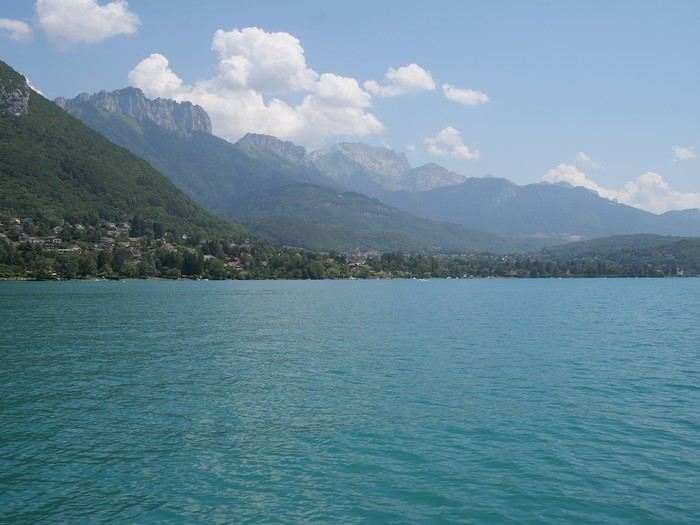 Lakes (Annecy)
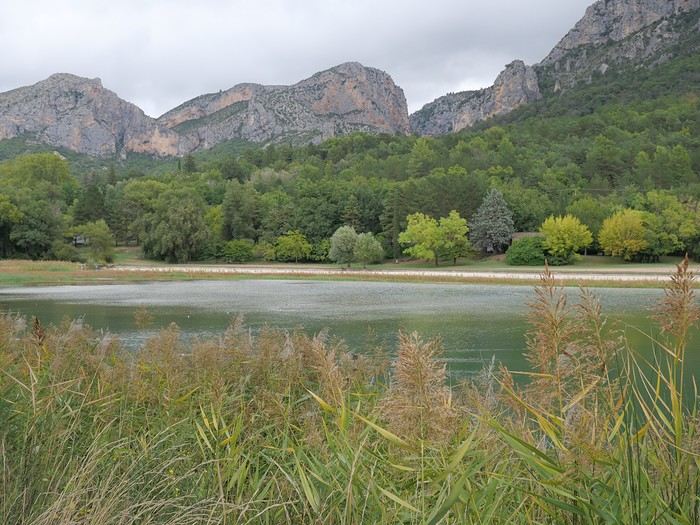 Ponds (near Moustiers Saint Marie)
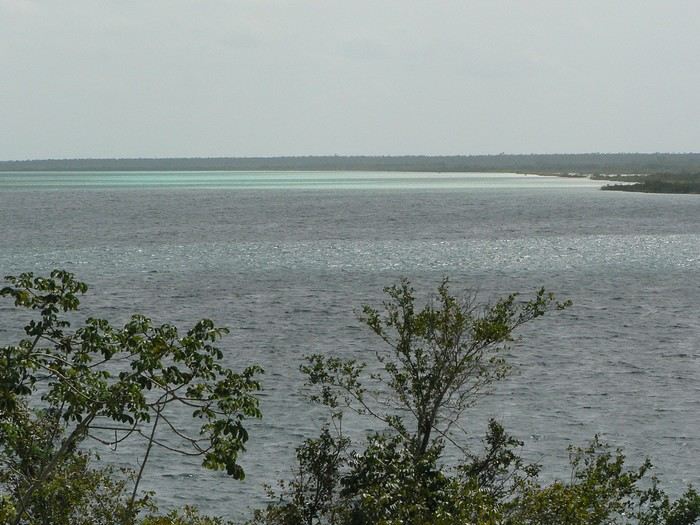 Lagoons (Bacalar)
If you’ve got nice photos of a pond—or even a puddle—why not? Natural bodies of water only: no pools or fountains (reservoir lakes are accepted… because they often look like natural lakes ).
The contest rules are the same as always 😉: Up to 3 photos per member, one photo per post (a little explanation is better), and past winning photos from other VF contests aren’t allowed. You have until Sunday, February 22nd at 11:59 PM (Paris time) to post your photos. Voting starts Monday the 23rd at midnight—rank your top 3 photos in order (3, 2, and 1 points). Voting ends Saturday, February 28th at 11:59 PM. Results will be announced on March 1st. The winning photo is the one with the most points (in case of a tie, the photo ranked first the most times wins). The lucky winner gets to organize March’s contest 😎.
Dig into your archives…
Lakes (Annecy)
Ponds (near Moustiers Saint Marie)
Lagoons (Bacalar)If you’ve got nice photos of a pond—or even a puddle—why not? Natural bodies of water only: no pools or fountains (reservoir lakes are accepted… because they often look like natural lakes ).
The contest rules are the same as always 😉: Up to 3 photos per member, one photo per post (a little explanation is better), and past winning photos from other VF contests aren’t allowed. You have until Sunday, February 22nd at 11:59 PM (Paris time) to post your photos. Voting starts Monday the 23rd at midnight—rank your top 3 photos in order (3, 2, and 1 points). Voting ends Saturday, February 28th at 11:59 PM. Results will be announced on March 1st. The winning photo is the one with the most points (in case of a tie, the photo ranked first the most times wins). The lucky winner gets to organize March’s contest 😎.
Dig into your archives…
Tanzania Safari Itinerary This Summer (?)
Hi there,
I’ve reached out to a few agencies for a week-long family safari next summer before heading to Zanzibar.
So far, the itinerary looks like this: Day 1: Late arrival at JRO and overnight in Arusha Day 2: Drive to Tarangire, park visit, and overnight in Tarangire Day 3: Tarangire, drive to and overnight in Karatu Day 4: Ngorongoro and overnight in Ngorongoro Day 5: Drive to Serengeti and safari in Seronera Day 6: Serengeti and overnight near Lobo Day 7: Serengeti and overnight in Seronera Day 8: Flight from Seronera to Zanzibar
On paper, it covers "everything," but maybe there’s a bit too much time lost on the road... Any alternatives?
To simplify (and cut costs), I was thinking: Day 1: Late arrival at JRO and overnight in Arusha Day 2: Arusha National Park with a walking safari and meeting the Maasai (?) Day 3: Drive to Tarangire, park visit, and overnight in Tarangire Day 4: Full day in Tarangire Day 5: Tarangire, drive to and overnight in Karatu Day 6: Ngorongoro and overnight in Ngorongoro Day 7: Morning in Manyara or Natron and drive to JRO Day 8: Flight to Zanzibar
Your thoughts and recommendations are welcome... Thanks
So far, the itinerary looks like this: Day 1: Late arrival at JRO and overnight in Arusha Day 2: Drive to Tarangire, park visit, and overnight in Tarangire Day 3: Tarangire, drive to and overnight in Karatu Day 4: Ngorongoro and overnight in Ngorongoro Day 5: Drive to Serengeti and safari in Seronera Day 6: Serengeti and overnight near Lobo Day 7: Serengeti and overnight in Seronera Day 8: Flight from Seronera to Zanzibar
On paper, it covers "everything," but maybe there’s a bit too much time lost on the road... Any alternatives?
To simplify (and cut costs), I was thinking: Day 1: Late arrival at JRO and overnight in Arusha Day 2: Arusha National Park with a walking safari and meeting the Maasai (?) Day 3: Drive to Tarangire, park visit, and overnight in Tarangire Day 4: Full day in Tarangire Day 5: Tarangire, drive to and overnight in Karatu Day 6: Ngorongoro and overnight in Ngorongoro Day 7: Morning in Manyara or Natron and drive to JRO Day 8: Flight to Zanzibar
Your thoughts and recommendations are welcome... Thanks
Mauritian Ti' Punch
The recipe for the cocktail: endless beaches, a dazzling palette of colors, some breathtaking hikes, and excellent cuisine...
For the tasting, follow along in the pages of this travel journal! 😉
Don’t forget your hiking shoes, a swimsuit, sunscreen, but also a sweater, your driver’s license, and your credit card...
Just over 11 hours of flight, and we’ll be setting foot on Mauritian soil!
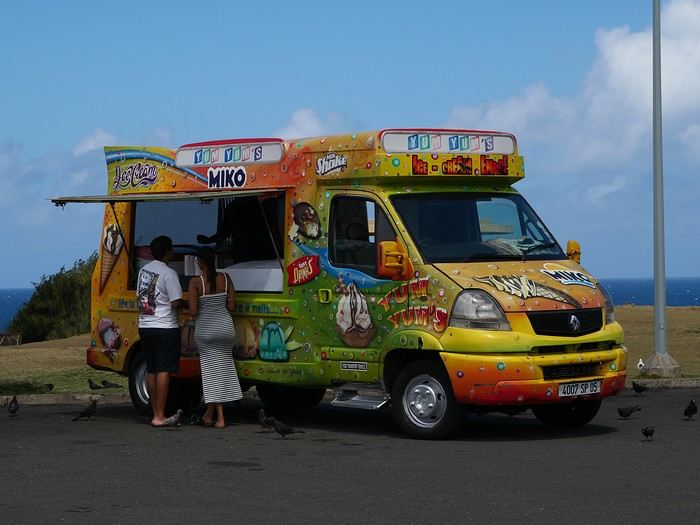
For the tasting, follow along in the pages of this travel journal! 😉
Don’t forget your hiking shoes, a swimsuit, sunscreen, but also a sweater, your driver’s license, and your credit card...
Just over 11 hours of flight, and we’ll be setting foot on Mauritian soil!
Where to stay on Gran Canaria to explore the island?
Hi there,
I’m planning a trip from Gran Canaria to El Hierro to Tenerife at the end of winter.
My current dilemma is where to book accommodations on Gran Canaria.
We’re planning to stay 7 nights on the island, and our goal is to hike, drive along small roads, discover a few villages, and admire some beaches (just for the views, not for swimming!).
Since the island is quite rugged, the journeys can be long even if the distances are short. I’d like to avoid driving 2 hours every morning and evening to reach the area we want to explore...
I’m thinking of splitting the 7 nights into 4 somewhere and 3 elsewhere.
But where? It seems the center and the northwest might be the best options.
Any advice, given that I’m mainly looking for peace and quiet, a beautiful view, a secluded spot, or a quiet village?
Thanks! :)
I’m planning a trip from Gran Canaria to El Hierro to Tenerife at the end of winter.
My current dilemma is where to book accommodations on Gran Canaria.
We’re planning to stay 7 nights on the island, and our goal is to hike, drive along small roads, discover a few villages, and admire some beaches (just for the views, not for swimming!).
Since the island is quite rugged, the journeys can be long even if the distances are short. I’d like to avoid driving 2 hours every morning and evening to reach the area we want to explore...
I’m thinking of splitting the 7 nights into 4 somewhere and 3 elsewhere.
But where? It seems the center and the northwest might be the best options.
Any advice, given that I’m mainly looking for peace and quiet, a beautiful view, a secluded spot, or a quiet village?
Thanks! :)
Off on an adventure to Java (and a bit of Bali)
Hey there, community! Back this weekend, below is my travel journal from my adventure in Indonesia. Enjoy the read!!!
Day 1 - August 10, 2025 New life downloading for three weeks! And for that, Flo and I launched a public tender... A public tender? What’s that got to do with a travel journal???... Well, when you think about it, few destinations tick all the boxes for an August adventure: Meaning, finding a place that’s exotic in the middle of August, not too expensive, not too packed with tourists, warm but not *too* warm, with postcard-perfect landscapes, dreamy beaches, tasty cuisine with a hint of exoticism, friendly and welcoming locals, where you’re free to sleep under the stars among the mosquitos, take transport surrounded by chickens, and even eat from a pig trough if you feel like it—well, turns out it’s not that easy to find! I’d even say, given how thick the list of requirements is, there’s a big risk the tender could be declared unsuccessful for failing to meet just one criterion. Let’s just say the candidates better submit a rock-solid proposal!
After reviewing all the responses and presentations from the candidates, the obvious choice for us is... Indonesia! Except that trying to explore a country as vast as Indonesia and its 17,504 islands in less than five years is a bit like reading the summary of a Proust novel without taking the time to savor each of its 950 pages! Don’t worry, I won’t name them all here. Besides, do they even all have names? No! Only 7,870 have been named—their parents clearly ran out of ideas for the rest. Anyway, our society, which worships the "work more to earn more" mantra, unfortunately limits our adventure time. So we’ll only get to see a small part of Indonesia, and we’ll have to make a tough choice to head for the best of the best in this archipelago of over seventeen thousand islands. Each one has its own selling points: Sumatra, Sulawesi, Java, the Celebes, Bali, Borneo, Papua, Timor, the Moluccas... So many names that smell of adventure... Another tender, another list of requirements, another review of proposals... Drumroll... Splash splash... And the lucky winner is... Ta-da... Java, Bali’s big sister, where I’ve already been eight years ago... Java the programming language. The Java of Broadway. We’re gonna *do* the Java. Java the coffee. And yes, Java is also an island!
This island, four times smaller than France, is home to 136 million people, making it the most populated island in the world! Fun fact: Indonesia, with its 260 million inhabitants, is just shy of the podium for the world’s most populated countries, after the winning trio of India, China, and the United States. And it’s on this island of Java that you’ll find Jakarta, the (soon-to-be-former) capital and main airport of the country, where we’ll soon land after our nineteen-hour flight! Yep, nineteen hours! I mean, Indonesia in general—and Java in particular—is a *tad* farther than going on vacation to Grandma Yoyo’s! Not sure where it is? Easy. Grab a map. Plant your finger on the big island at the bottom right—aka Australia for those who struggle with geography—move it up two centimeters, and bam, welcome to Indonesia!
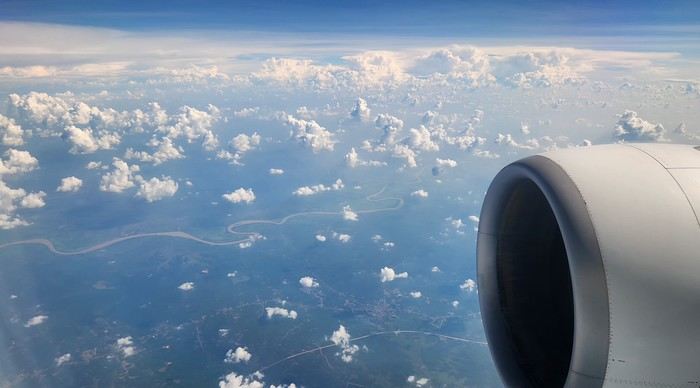
Nice transition, right? Because "Welcome to Indonesia" is exactly what the friendly flight attendant just said to me as we got off the plane! That’s it, our chakras are open, we’ve arrived at our (air)port. Time for rest, pool, cocktails, and a beach with our toes spread out... Wait, if you bought that, you clearly don’t know us yet! Since we still have energy to burn and need to adjust to the flight and time difference, we tackle the long administrative formalities to enter Indonesia, just to earn the right to hop in a 45-minute Grab taxi to the train station. The train station? What train station?... What do you usually do at a train station? Take a train, of course! Off we go for a three-hour train ride to Bandung, where we’ll officially start our adventure tomorrow after our first Indonesian night...
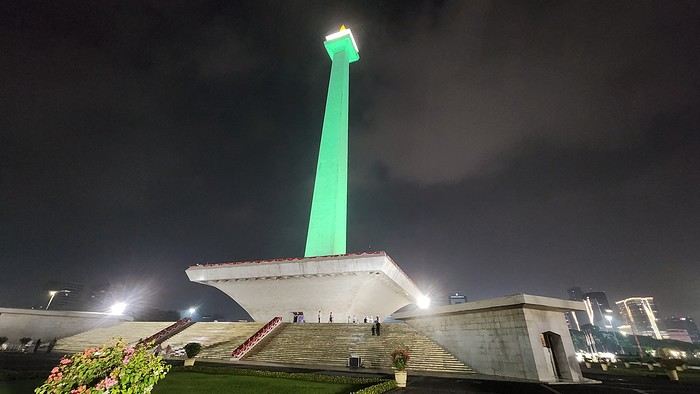
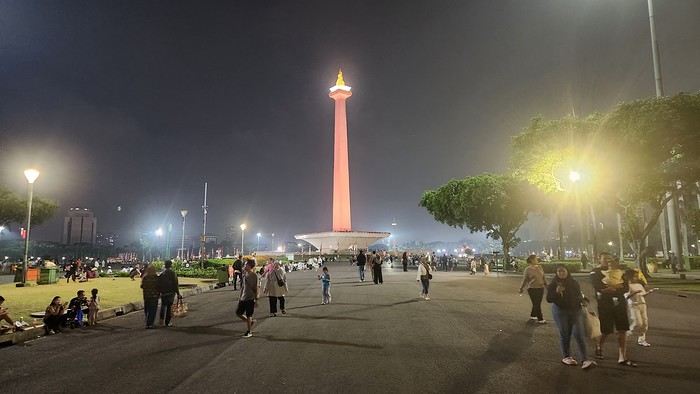
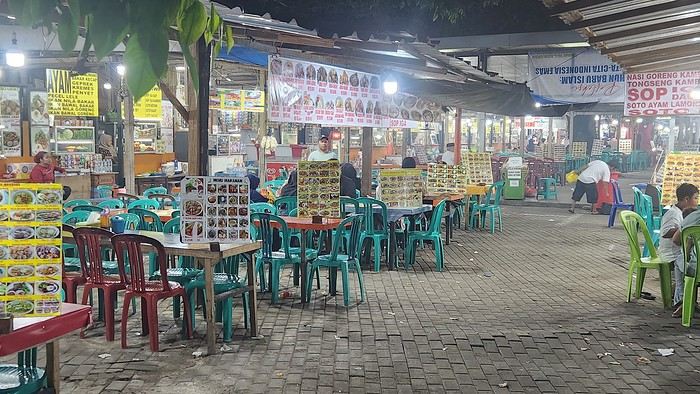
Unfortunately, we were a bit slow off the mark, which meant we missed the 6:25 PM train by two minutes. Oh well, we’ll have to wait until 11 PM. We take the opportunity to stretch our legs in Jakarta, soak up the atmosphere, and enjoy the delicious smells wafting from the *warungs*—those little typical street restaurants. A quick stop at the National Monument, a detour to a night market to devour our first *kwetiaw goreng* and *teh manis* for 60,000 rupiahs (that’s 3 € for two), and just like that, our penalty is lifted, and we’re allowed to hit the road again. Off to Bandung, where we arrive at 2 AM for... a *very* short night...
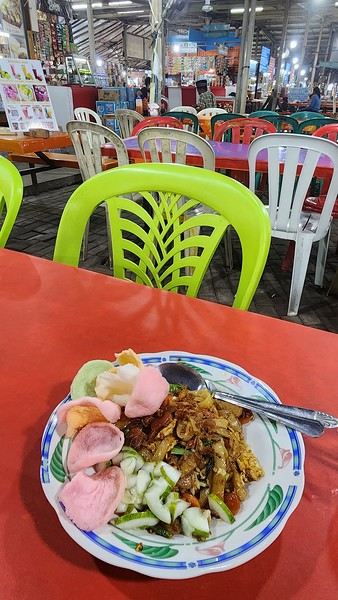
Day 1 - August 10, 2025 New life downloading for three weeks! And for that, Flo and I launched a public tender... A public tender? What’s that got to do with a travel journal???... Well, when you think about it, few destinations tick all the boxes for an August adventure: Meaning, finding a place that’s exotic in the middle of August, not too expensive, not too packed with tourists, warm but not *too* warm, with postcard-perfect landscapes, dreamy beaches, tasty cuisine with a hint of exoticism, friendly and welcoming locals, where you’re free to sleep under the stars among the mosquitos, take transport surrounded by chickens, and even eat from a pig trough if you feel like it—well, turns out it’s not that easy to find! I’d even say, given how thick the list of requirements is, there’s a big risk the tender could be declared unsuccessful for failing to meet just one criterion. Let’s just say the candidates better submit a rock-solid proposal!
After reviewing all the responses and presentations from the candidates, the obvious choice for us is... Indonesia! Except that trying to explore a country as vast as Indonesia and its 17,504 islands in less than five years is a bit like reading the summary of a Proust novel without taking the time to savor each of its 950 pages! Don’t worry, I won’t name them all here. Besides, do they even all have names? No! Only 7,870 have been named—their parents clearly ran out of ideas for the rest. Anyway, our society, which worships the "work more to earn more" mantra, unfortunately limits our adventure time. So we’ll only get to see a small part of Indonesia, and we’ll have to make a tough choice to head for the best of the best in this archipelago of over seventeen thousand islands. Each one has its own selling points: Sumatra, Sulawesi, Java, the Celebes, Bali, Borneo, Papua, Timor, the Moluccas... So many names that smell of adventure... Another tender, another list of requirements, another review of proposals... Drumroll... Splash splash... And the lucky winner is... Ta-da... Java, Bali’s big sister, where I’ve already been eight years ago... Java the programming language. The Java of Broadway. We’re gonna *do* the Java. Java the coffee. And yes, Java is also an island!
This island, four times smaller than France, is home to 136 million people, making it the most populated island in the world! Fun fact: Indonesia, with its 260 million inhabitants, is just shy of the podium for the world’s most populated countries, after the winning trio of India, China, and the United States. And it’s on this island of Java that you’ll find Jakarta, the (soon-to-be-former) capital and main airport of the country, where we’ll soon land after our nineteen-hour flight! Yep, nineteen hours! I mean, Indonesia in general—and Java in particular—is a *tad* farther than going on vacation to Grandma Yoyo’s! Not sure where it is? Easy. Grab a map. Plant your finger on the big island at the bottom right—aka Australia for those who struggle with geography—move it up two centimeters, and bam, welcome to Indonesia!
Nice transition, right? Because "Welcome to Indonesia" is exactly what the friendly flight attendant just said to me as we got off the plane! That’s it, our chakras are open, we’ve arrived at our (air)port. Time for rest, pool, cocktails, and a beach with our toes spread out... Wait, if you bought that, you clearly don’t know us yet! Since we still have energy to burn and need to adjust to the flight and time difference, we tackle the long administrative formalities to enter Indonesia, just to earn the right to hop in a 45-minute Grab taxi to the train station. The train station? What train station?... What do you usually do at a train station? Take a train, of course! Off we go for a three-hour train ride to Bandung, where we’ll officially start our adventure tomorrow after our first Indonesian night...
Unfortunately, we were a bit slow off the mark, which meant we missed the 6:25 PM train by two minutes. Oh well, we’ll have to wait until 11 PM. We take the opportunity to stretch our legs in Jakarta, soak up the atmosphere, and enjoy the delicious smells wafting from the *warungs*—those little typical street restaurants. A quick stop at the National Monument, a detour to a night market to devour our first *kwetiaw goreng* and *teh manis* for 60,000 rupiahs (that’s 3 € for two), and just like that, our penalty is lifted, and we’re allowed to hit the road again. Off to Bandung, where we arrive at 2 AM for... a *very* short night...
Kattegat Tour and Norway’s Majestic Fjords – 32 Days (Denmark, Sweden, Norway)
Kattegat isn’t just the name of the village in the TV series *Vikings*—it’s also the stretch of water separating Denmark from Sweden... the sea, basically! And further north, you’ve got Norway and its fjords!
Originally, I’d planned to just do a loop around Kattegat, with the *Under* restaurant in Lindesnes as our anniversary treat... but along the way, we thought, why not "push" a little further north, keeping an eye on the budget since we’d chosen to travel by car in June 2025 through Scandinavia.
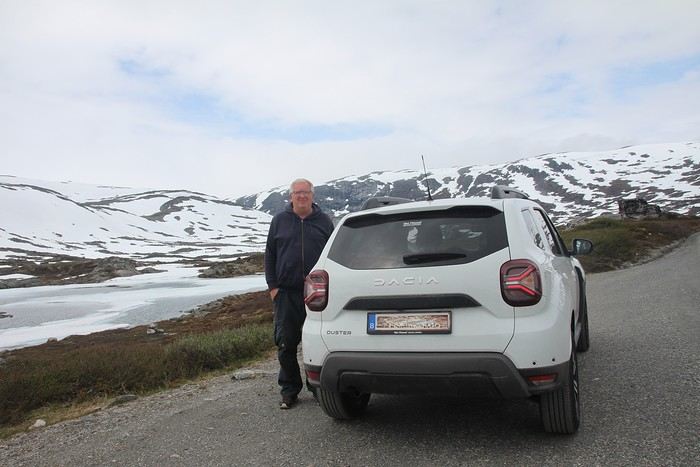
Why by car when most travelers opt for a camper van, while others prefer the comfort of cruises? Well, because we don’t own a camper van, renting one is pricey, and then you’ve got to add fuel costs (those things guzzle gas!), ferry fees, and other "tolls." All things considered, we went for mostly rentals—especially since there were four of us at the start of the trip. We spent the first week in Denmark with our daughter and son-in-law. Then they flew back to Belgium, and we continued our adventure as a couple. For accommodation, we mainly booked Airbnb apartments, which helped keep costs down and, most importantly, let us prepare our own meals (diet, diet!). In this travel journal, you’ll discover (or rediscover, for those who followed my older ones) our unbridled love for theme parks, museums, unique experiences, and—especially in Denmark—Legos! Unfortunately, we didn’t do any hikes this year because the unpredictable weather had made the trails slippery, and since I’d already taken three tumbles during the trip, I didn’t want to risk another! In the end, we traveled for 32 days, covered 6,200 km, and most importantly, discovered the charming country of Denmark, marveled at Norway’s breathtaking fjords—all without suffering the heatwave that hit France and Belgium that June! If you’ve got any questions, don’t hesitate to ask!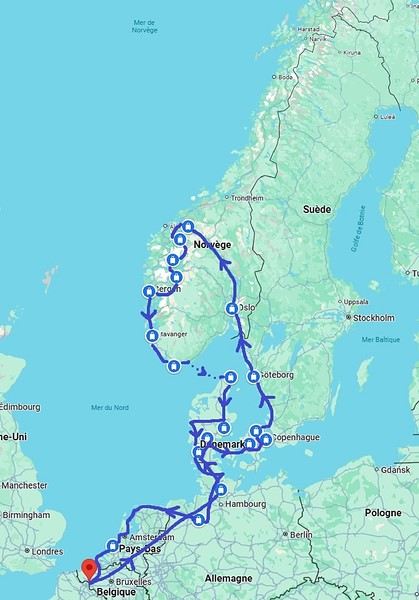
Why by car when most travelers opt for a camper van, while others prefer the comfort of cruises? Well, because we don’t own a camper van, renting one is pricey, and then you’ve got to add fuel costs (those things guzzle gas!), ferry fees, and other "tolls." All things considered, we went for mostly rentals—especially since there were four of us at the start of the trip. We spent the first week in Denmark with our daughter and son-in-law. Then they flew back to Belgium, and we continued our adventure as a couple. For accommodation, we mainly booked Airbnb apartments, which helped keep costs down and, most importantly, let us prepare our own meals (diet, diet!). In this travel journal, you’ll discover (or rediscover, for those who followed my older ones) our unbridled love for theme parks, museums, unique experiences, and—especially in Denmark—Legos! Unfortunately, we didn’t do any hikes this year because the unpredictable weather had made the trails slippery, and since I’d already taken three tumbles during the trip, I didn’t want to risk another! In the end, we traveled for 32 days, covered 6,200 km, and most importantly, discovered the charming country of Denmark, marveled at Norway’s breathtaking fjords—all without suffering the heatwave that hit France and Belgium that June! If you’ve got any questions, don’t hesitate to ask!
2 weeks in the Cyclades
Hi everyone!
Blue skies (lots of them), whitewashed villages with steep alleyways, hundreds of churches, and... thousands of stairs? Welcome to the Cyclades! 🙂
We’d been dreaming about this for a while, but in July-August—with the crowds—no way! Now that I can travel outside school holidays, the Cyclades are back on the agenda. And so begins a loooong period of planning and second-guessing, with countless itinerary changes: the Cyclades, yes, but which ones? I was fixated on Folegandros (we won’t be going after all) and really wanted to visit Delos. So, for this first trip, it’ll be: Mykonos (and Delos)-Naxos-Amorgos-Santorini.
Saturday 24/05: Departure from Orly on a Transavia flight, arriving in Mykonos in the late afternoon. We found a hotel that offers free transfers (pretty rare and not insignificant—it’s 25 € each way for just a few kilometers 😠) and at a reasonable price (83 € per night for B&B). Time for dinner already: Greek salad and souvlaki (we’re in Greece, right?)
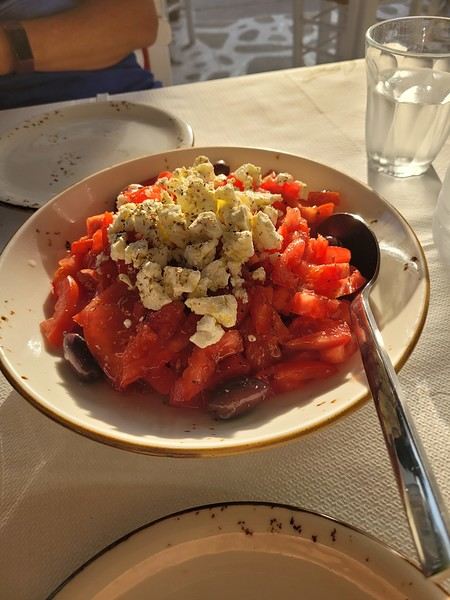 (Okay, this is actually a dakos with Naxos cheese, but I don’t have a photo of a Greek salad 😏).
Blue skies (lots of them), whitewashed villages with steep alleyways, hundreds of churches, and... thousands of stairs? Welcome to the Cyclades! 🙂
We’d been dreaming about this for a while, but in July-August—with the crowds—no way! Now that I can travel outside school holidays, the Cyclades are back on the agenda. And so begins a loooong period of planning and second-guessing, with countless itinerary changes: the Cyclades, yes, but which ones? I was fixated on Folegandros (we won’t be going after all) and really wanted to visit Delos. So, for this first trip, it’ll be: Mykonos (and Delos)-Naxos-Amorgos-Santorini.
Saturday 24/05: Departure from Orly on a Transavia flight, arriving in Mykonos in the late afternoon. We found a hotel that offers free transfers (pretty rare and not insignificant—it’s 25 € each way for just a few kilometers 😠) and at a reasonable price (83 € per night for B&B). Time for dinner already: Greek salad and souvlaki (we’re in Greece, right?)
(Okay, this is actually a dakos with Naxos cheese, but I don’t have a photo of a Greek salad 😏).Looking for participants for a Tanzania safari in early 2026
Hello.
I’m looking for participants for a safari in Tanzania in the first quarter of 2026. I’m in direct negotiations with a local guide. Below is the description (via a draft service contract). If you’re interested, reply to me. We’ll then communicate via private email.
Between the undersigned:
Ms./Mr. (provide the provider’s name), representing the company (specify), whose registered office is located at (provide the address), Hereinafter referred to as The Provider
And,
Ms./Mr. (provide the client’s name and contact details), Hereinafter referred to as The Client
The following has been agreed:
I. Purpose This service contract covers the organization of a safari in Tanzania by The Provider for the benefit of The Client.
II. Duration This contract is concluded for a duration of (specify). It takes effect from day J1: (specify the date) and will end on (specify the date). Unless otherwise agreed between the two parties, this contract is not subject to any automatic renewal.
III. Execution Terms The Provider undertakes to carry out the tasks assigned by The Client with professionalism and rigor, in accordance with best practices. They also agree to comply with all applicable regulations and standards for their tasks. To fulfill their duties, The Provider will mobilize all necessary resources. The Client, for their part, agrees to collaborate with The Provider and provide all useful information for the smooth execution of the tasks. IV. Payment The Client will pay The Provider the sum of (specify), according to the following terms: (specify). In case of late payment, The Provider reserves the right to claim penalties in the amount of (specify). V. Confidentiality The Provider agrees not to disclose any information or documents provided by The Client. Upon completion of their task, they will destroy all documents in their possession. VI. Service Details Accommodation during the stay (excluding days 1, 2, and 9): participants will sleep in tents, with 2 people per tent. A sleeping bag and an inflatable mattress will be provided. They will have water for washing and access to toilets. Tents will be set up and taken down during each transfer. It will be possible to charge camera batteries. Day 1: ARRIVAL AND TRANSFER Welcome at Kilimanjaro Airport for transfer to Arusha and overnight at Green Mountain Hotel (breakfast included) - https://greenmountainhotel.co.tz/ Day 2: HIKE ON THE TRAILS OF KILIMANJARO. Pick-up from your hotel in Arusha to the village of Moshi Materuni, at the foot of Kilimanjaro. You’ll begin a day of hiking toward the impressive waterfalls in one of the country’s highest regions, where crystal-clear glacial water cascades from 70 meters high. The beautiful trail leads to the Materuni waterfalls, located at 2,500 meters altitude. To reach these falls, you’ll cross valleys and hills covered in tropical forest, coffee, avocado, and banana plantations. On a clear day, you’ll enjoy a breathtaking view of Kibo, the highest peak of Kilimanjaro. You’ll also learn how to prepare and taste coffee. In the evening, you’ll be picked up in Arusha and spend the night at Green Mountain Hotel. Day 3: HIKE IN A MAASAI VILLAGE After breakfast around 8:30 AM, you’ll be picked up from your hotel for a walking hike in the wild nature of the village. You’ll visit local primary schools, meet traditional healers, and discover their techniques. You’ll also visit one of the local livestock markets. Dinner and overnight at the Maasai village house in Boma. Day 4: WILDLIFE IN 4X4 ALONG THE TARANGIRE RIVER Around 8 AM, you’ll be picked up from your hotel in Arusha and drive for 2 hours to Tarangire National Park for a day of wildlife viewing. The park is known for its dense wildlife along the Tarangire River. It’s home to a large number of elephants in the northern circuit and hosts 550 bird species. You’ll also observe herds of impalas, hartebeests, wildebeests, kudus, oryxes, gerenuks, zebras, buffaloes, and giraffes. Predators like lions, leopards, cheetahs, hyenas, and massive African baobabs can also be spotted. Dinner and overnight at Lake Manyara Fig Tree Lodge. Day 5: LAKE MANYARA PARK - WILDLIFE VIEWING IN THE RIFT VALLEY Around 8 AM, departure from your camp to Lake Manyara Park (at the foot of a 600-meter escarpment in the Great Rift Valley) for a day of safaris. You’ll see giraffes, buffaloes, groups of baboons, tree-climbing lions, and many other animals. Dinner and overnight at Lake Manyara Fig Tree Lodge. Day 6: WILDLIFE IN SERENGETI In the morning, you’ll drive for 5 hours to the magnificent Serengeti National Park, passing through the archaeological site of Olduvai Gorge. This park is arguably the world’s most famous wildlife reserve. It’s home to over 3 million large mammals, and you’ll quickly spot the "Big Five": buffaloes, elephants, black rhinos of the Moru Kopjes, lions, and leopards. Over 500 bird species have been recorded here. You’ll also witness the spectacular wildebeest migration in the western Serengeti. Dinner and overnight at Serengeti Nyani campsite. Day 7: MAGNIFICENT WILDLIFE AT SUNRISE IN SERENGETI Stunning sunrise safaris in the golden savanna of the endless plains of Serengeti National Park, all day long, following the animals’ movements. You’ll spend the night at the campsite and share your exceptional experience so far at Serengeti Nyani campsite. Day 8: MAJESTIC EXCURSION IN THE SERENGETI PLAINS Wake-up at 6 AM, coffee at the campsite, then departure for a sunrise safari in the Serengeti. Our guide will take you to the best spots to admire the sunrise and observe predators, as most of them, like lions, are very active at this time of day. You’ll return to the campsite around 10 AM for brunch, then load your belongings into the jeep for a 2-hour safari on the way to the Ngorongoro Conservation Area. Dinner and overnight at Ngorongoro Simba Lodge. Day 9: SPECTACULAR EXCURSION TO NGORONGORO CRATER Shortly after breakfast, you’ll descend into the Ngorongoro Crater for a sunrise safari in the world’s largest uninterrupted caldera, surrounded by steep walls rising 610 meters from the crater floor. This natural wonder measures 19.2 km in diameter and covers 304 km². You’ll go on safaris and discover rare species like black rhinos, wildebeests, giraffes, ostriches, bustards, lions, cheetahs, and flamingos in the Soda Lake. In the afternoon, you’ll return to Arusha, arriving in the evening for your private activities. Accommodation in half-board (dinner, overnight, breakfast) Day 10: TRANSFER TO KILIMANJARO AIRPORT Breakfast and transfer to Kilimanjaro Airport. VII- RATES: The package price is 2030 USD (approximately per person in a double room). VIII- THE PRICE INCLUDES: - Provision of sealed water bottles for participants - Park entry fees. - Transfer from Kilimanjaro Airport. - Accommodation in Arusha (breakfast included). - Village development fees. - Accommodation in camps/lodges (breakfast, lunch, dinner). - Transport in a 4x4 Land Cruiser with a pop-up roof in national parks. - Government taxes. - Activities detailed in the itinerary. - Safari guides. - Transfer from Arusha to Kilimanjaro Airport on day 10.
IX- THE PRICE DOES NOT INCLUDE: - Alcoholic beverages. - International flights. - Personal items such as visas, laundry, etc. - Tips.
Done at Done at
Date: Date: Provider’s Signature: Client’s Signature:
Between the undersigned:
Ms./Mr. (provide the provider’s name), representing the company (specify), whose registered office is located at (provide the address), Hereinafter referred to as The Provider
And,
Ms./Mr. (provide the client’s name and contact details), Hereinafter referred to as The Client
The following has been agreed:
I. Purpose This service contract covers the organization of a safari in Tanzania by The Provider for the benefit of The Client.
II. Duration This contract is concluded for a duration of (specify). It takes effect from day J1: (specify the date) and will end on (specify the date). Unless otherwise agreed between the two parties, this contract is not subject to any automatic renewal.
III. Execution Terms The Provider undertakes to carry out the tasks assigned by The Client with professionalism and rigor, in accordance with best practices. They also agree to comply with all applicable regulations and standards for their tasks. To fulfill their duties, The Provider will mobilize all necessary resources. The Client, for their part, agrees to collaborate with The Provider and provide all useful information for the smooth execution of the tasks. IV. Payment The Client will pay The Provider the sum of (specify), according to the following terms: (specify). In case of late payment, The Provider reserves the right to claim penalties in the amount of (specify). V. Confidentiality The Provider agrees not to disclose any information or documents provided by The Client. Upon completion of their task, they will destroy all documents in their possession. VI. Service Details Accommodation during the stay (excluding days 1, 2, and 9): participants will sleep in tents, with 2 people per tent. A sleeping bag and an inflatable mattress will be provided. They will have water for washing and access to toilets. Tents will be set up and taken down during each transfer. It will be possible to charge camera batteries. Day 1: ARRIVAL AND TRANSFER Welcome at Kilimanjaro Airport for transfer to Arusha and overnight at Green Mountain Hotel (breakfast included) - https://greenmountainhotel.co.tz/ Day 2: HIKE ON THE TRAILS OF KILIMANJARO. Pick-up from your hotel in Arusha to the village of Moshi Materuni, at the foot of Kilimanjaro. You’ll begin a day of hiking toward the impressive waterfalls in one of the country’s highest regions, where crystal-clear glacial water cascades from 70 meters high. The beautiful trail leads to the Materuni waterfalls, located at 2,500 meters altitude. To reach these falls, you’ll cross valleys and hills covered in tropical forest, coffee, avocado, and banana plantations. On a clear day, you’ll enjoy a breathtaking view of Kibo, the highest peak of Kilimanjaro. You’ll also learn how to prepare and taste coffee. In the evening, you’ll be picked up in Arusha and spend the night at Green Mountain Hotel. Day 3: HIKE IN A MAASAI VILLAGE After breakfast around 8:30 AM, you’ll be picked up from your hotel for a walking hike in the wild nature of the village. You’ll visit local primary schools, meet traditional healers, and discover their techniques. You’ll also visit one of the local livestock markets. Dinner and overnight at the Maasai village house in Boma. Day 4: WILDLIFE IN 4X4 ALONG THE TARANGIRE RIVER Around 8 AM, you’ll be picked up from your hotel in Arusha and drive for 2 hours to Tarangire National Park for a day of wildlife viewing. The park is known for its dense wildlife along the Tarangire River. It’s home to a large number of elephants in the northern circuit and hosts 550 bird species. You’ll also observe herds of impalas, hartebeests, wildebeests, kudus, oryxes, gerenuks, zebras, buffaloes, and giraffes. Predators like lions, leopards, cheetahs, hyenas, and massive African baobabs can also be spotted. Dinner and overnight at Lake Manyara Fig Tree Lodge. Day 5: LAKE MANYARA PARK - WILDLIFE VIEWING IN THE RIFT VALLEY Around 8 AM, departure from your camp to Lake Manyara Park (at the foot of a 600-meter escarpment in the Great Rift Valley) for a day of safaris. You’ll see giraffes, buffaloes, groups of baboons, tree-climbing lions, and many other animals. Dinner and overnight at Lake Manyara Fig Tree Lodge. Day 6: WILDLIFE IN SERENGETI In the morning, you’ll drive for 5 hours to the magnificent Serengeti National Park, passing through the archaeological site of Olduvai Gorge. This park is arguably the world’s most famous wildlife reserve. It’s home to over 3 million large mammals, and you’ll quickly spot the "Big Five": buffaloes, elephants, black rhinos of the Moru Kopjes, lions, and leopards. Over 500 bird species have been recorded here. You’ll also witness the spectacular wildebeest migration in the western Serengeti. Dinner and overnight at Serengeti Nyani campsite. Day 7: MAGNIFICENT WILDLIFE AT SUNRISE IN SERENGETI Stunning sunrise safaris in the golden savanna of the endless plains of Serengeti National Park, all day long, following the animals’ movements. You’ll spend the night at the campsite and share your exceptional experience so far at Serengeti Nyani campsite. Day 8: MAJESTIC EXCURSION IN THE SERENGETI PLAINS Wake-up at 6 AM, coffee at the campsite, then departure for a sunrise safari in the Serengeti. Our guide will take you to the best spots to admire the sunrise and observe predators, as most of them, like lions, are very active at this time of day. You’ll return to the campsite around 10 AM for brunch, then load your belongings into the jeep for a 2-hour safari on the way to the Ngorongoro Conservation Area. Dinner and overnight at Ngorongoro Simba Lodge. Day 9: SPECTACULAR EXCURSION TO NGORONGORO CRATER Shortly after breakfast, you’ll descend into the Ngorongoro Crater for a sunrise safari in the world’s largest uninterrupted caldera, surrounded by steep walls rising 610 meters from the crater floor. This natural wonder measures 19.2 km in diameter and covers 304 km². You’ll go on safaris and discover rare species like black rhinos, wildebeests, giraffes, ostriches, bustards, lions, cheetahs, and flamingos in the Soda Lake. In the afternoon, you’ll return to Arusha, arriving in the evening for your private activities. Accommodation in half-board (dinner, overnight, breakfast) Day 10: TRANSFER TO KILIMANJARO AIRPORT Breakfast and transfer to Kilimanjaro Airport. VII- RATES: The package price is 2030 USD (approximately per person in a double room). VIII- THE PRICE INCLUDES: - Provision of sealed water bottles for participants - Park entry fees. - Transfer from Kilimanjaro Airport. - Accommodation in Arusha (breakfast included). - Village development fees. - Accommodation in camps/lodges (breakfast, lunch, dinner). - Transport in a 4x4 Land Cruiser with a pop-up roof in national parks. - Government taxes. - Activities detailed in the itinerary. - Safari guides. - Transfer from Arusha to Kilimanjaro Airport on day 10.
IX- THE PRICE DOES NOT INCLUDE: - Alcoholic beverages. - International flights. - Personal items such as visas, laundry, etc. - Tips.
Done at Done at
Date: Date: Provider’s Signature: Client’s Signature:
A super classic trio: Praslin, La Digue, Mahé (Seychelles)
Since no travel journal has been posted about this destination since 2020, I’m giving it a go—maybe it’ll jog some memories for a few of you or give others a few ideas... even if, in the end, there isn’t much to tell 😎!
Even though the itinerary was as classic as can be, it still led to a few brain knots: in what order? How many nights on each island? Rent a car or not?
In short, plenty of existential questions to land on 4 nights per island, finishing with Mahé to avoid any nasty surprises before the return flight.
Saturday 03/22: Flight to Mahé with Qatar Airways (no—or rather, no more—direct flights from Paris 😕) A nice surprise at CDG with the discovery of a new lounge in Terminal 1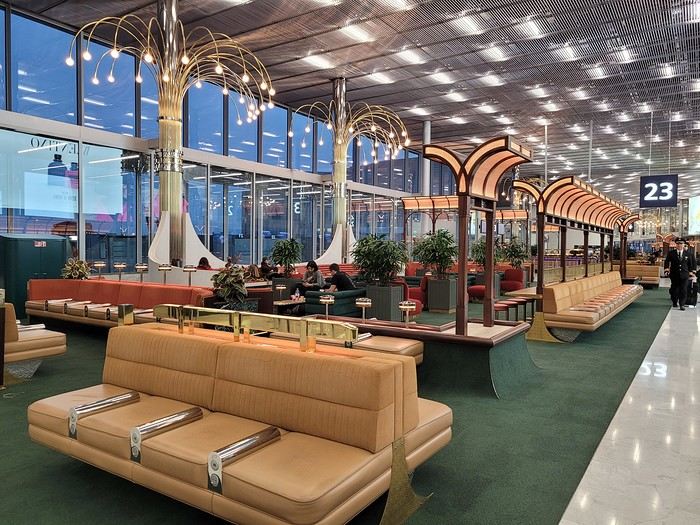
Then, an in-depth exploration of Doha Airport thanks to (or because of) a loooong layover:
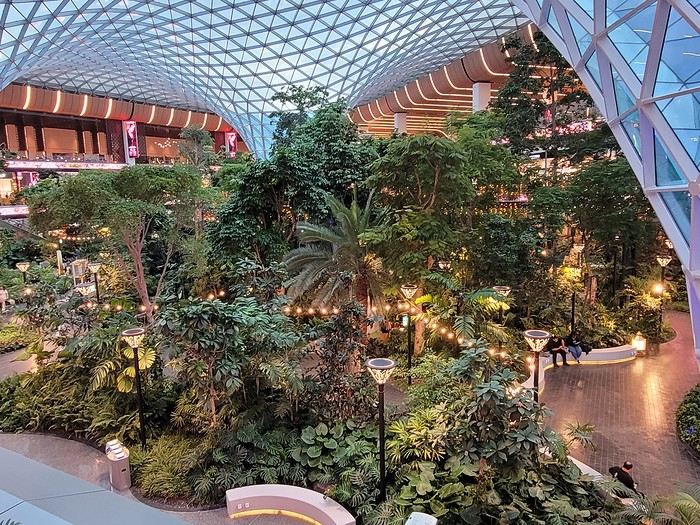
And finally, arrival at the tiny Mahé airport where we step onto the tarmac feeling like we’ve walked into a steam room
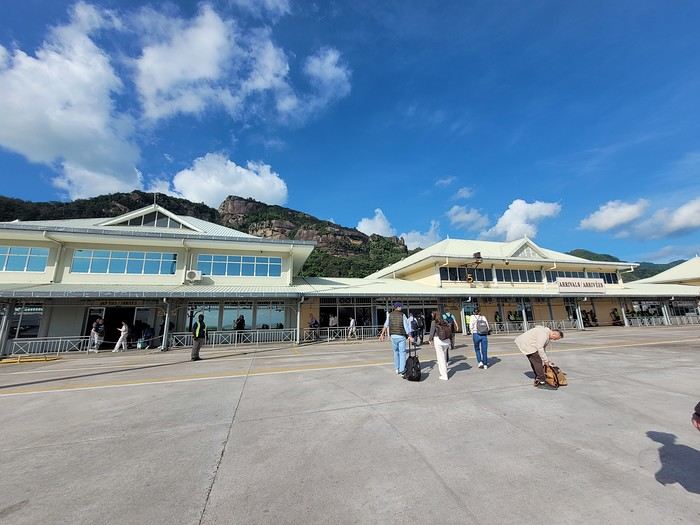 Baggage claim is quick, the shuttle to the port is on time, the ferry is punctual (we, on the other hand, are *very* early for it ), and there’s Praslin in sight:
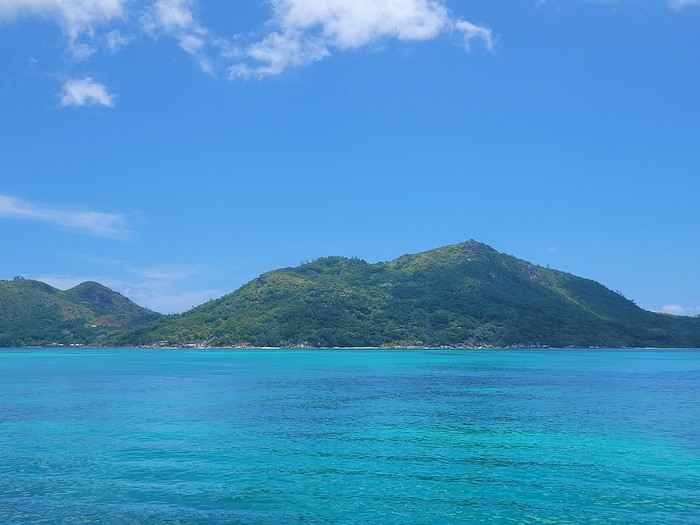
... with a sneak peek of the sea’s colors 🙂 Quick note on the photos: most were taken with a smartphone, and the colors are a bit more saturated than in real life (I did bring my hybrid camera, but in the end, I barely used it since it wasn’t very practical to lug around on the water or for snorkeling).
We pick up the car (a Grand i10 instead of a Picanto) from a muddy parking lot (it just rained) and off we go—of course, with a windshield wiper instead of the turn signal 😎, left-hand driving obliges. In just a few minutes, we arrive at our accommodation for these 4 nights on Praslin (Oh, and now the "lien" tab isn’t working! ) We’re blown away by the view from the terrace:
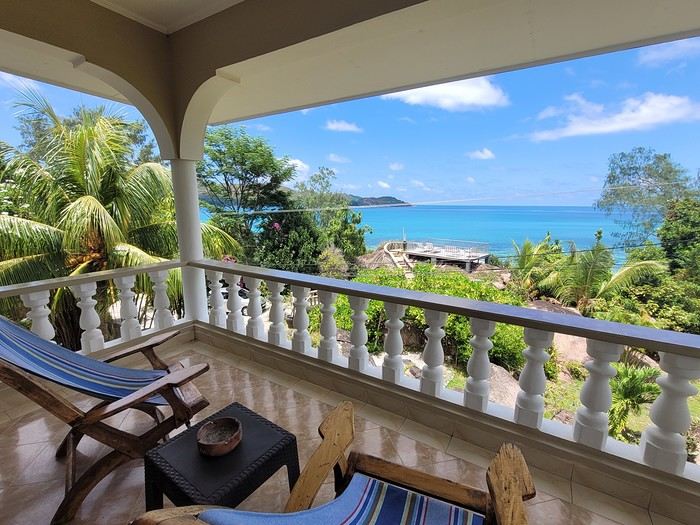
Then by the view from the little shared terrace on a promontory:
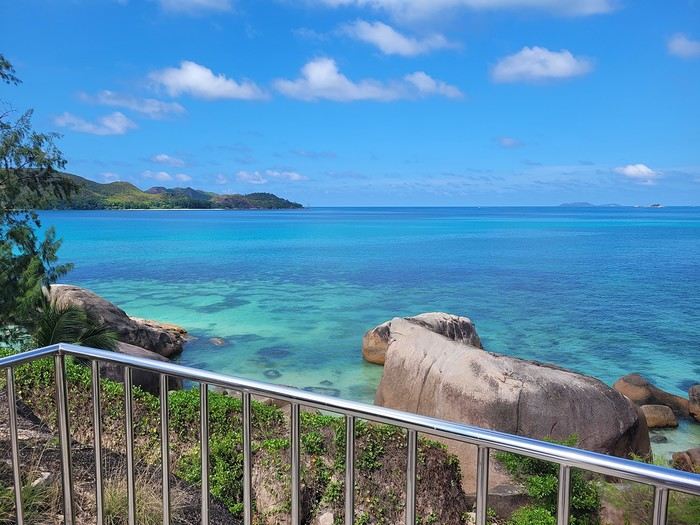 Before heading to test the water temperature on the other side of the road, at Anse Boudin, and spotting our first fish.
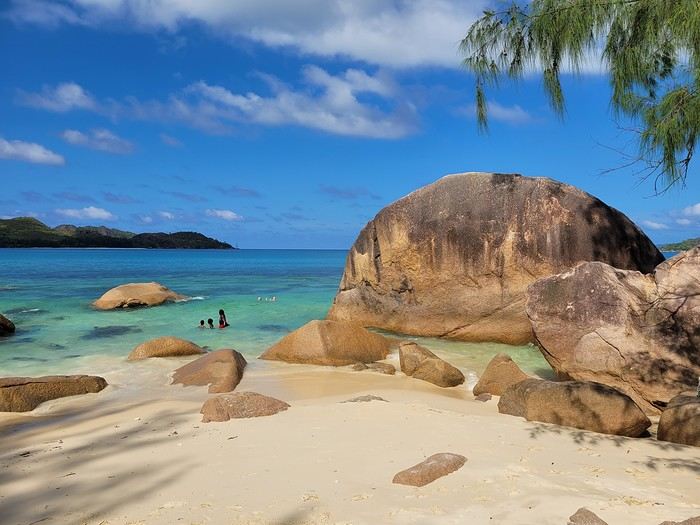
Saturday 03/22: Flight to Mahé with Qatar Airways (no—or rather, no more—direct flights from Paris 😕) A nice surprise at CDG with the discovery of a new lounge in Terminal 1
Then, an in-depth exploration of Doha Airport thanks to (or because of) a loooong layover:
And finally, arrival at the tiny Mahé airport where we step onto the tarmac feeling like we’ve walked into a steam room
Baggage claim is quick, the shuttle to the port is on time, the ferry is punctual (we, on the other hand, are *very* early for it ), and there’s Praslin in sight:... with a sneak peek of the sea’s colors 🙂 Quick note on the photos: most were taken with a smartphone, and the colors are a bit more saturated than in real life (I did bring my hybrid camera, but in the end, I barely used it since it wasn’t very practical to lug around on the water or for snorkeling).
We pick up the car (a Grand i10 instead of a Picanto) from a muddy parking lot (it just rained) and off we go—of course, with a windshield wiper instead of the turn signal 😎, left-hand driving obliges. In just a few minutes, we arrive at our accommodation for these 4 nights on Praslin (Oh, and now the "lien" tab isn’t working! ) We’re blown away by the view from the terrace:
Then by the view from the little shared terrace on a promontory:
Before heading to test the water temperature on the other side of the road, at Anse Boudin, and spotting our first fish.
The Kingdom of Lions...
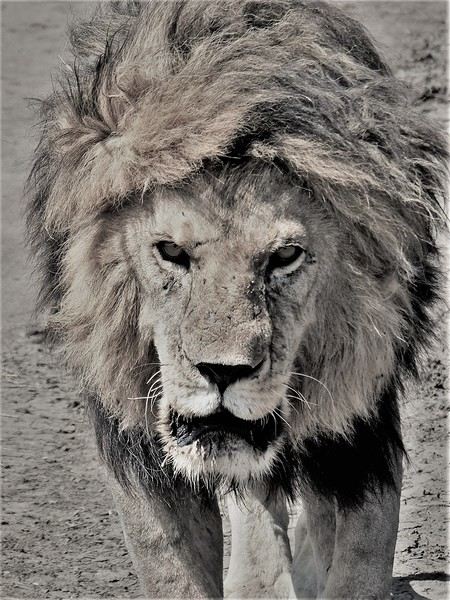 Hello everyone!
This trip dates back to late 2021, but since Voyage Forum reopened for writing, I haven’t seen many travel journals about Tanzania, so I decided to repost this one, which I originally shared on another well-known travelers’ site—even though I prefer Voyage Forum’s user experience.
It’s also a chance for me to relive this exhilarating trip... So, if you’re up for it, let me take you on a classic adventure: Tarangire - Ngorongoro - Serengeti, plus a little bonus—the small Arusha Park.
First off, yes, as the title of this journal suggests, we were lucky enough to spot *tons* of lions. The power they exude is incredible, even if most of the time they just look like big cats napping or strolling around. But lock eyes with one, and you’ll be glad you’re in the jeep.
Hello everyone!
This trip dates back to late 2021, but since Voyage Forum reopened for writing, I haven’t seen many travel journals about Tanzania, so I decided to repost this one, which I originally shared on another well-known travelers’ site—even though I prefer Voyage Forum’s user experience.
It’s also a chance for me to relive this exhilarating trip... So, if you’re up for it, let me take you on a classic adventure: Tarangire - Ngorongoro - Serengeti, plus a little bonus—the small Arusha Park.
First off, yes, as the title of this journal suggests, we were lucky enough to spot *tons* of lions. The power they exude is incredible, even if most of the time they just look like big cats napping or strolling around. But lock eyes with one, and you’ll be glad you’re in the jeep.
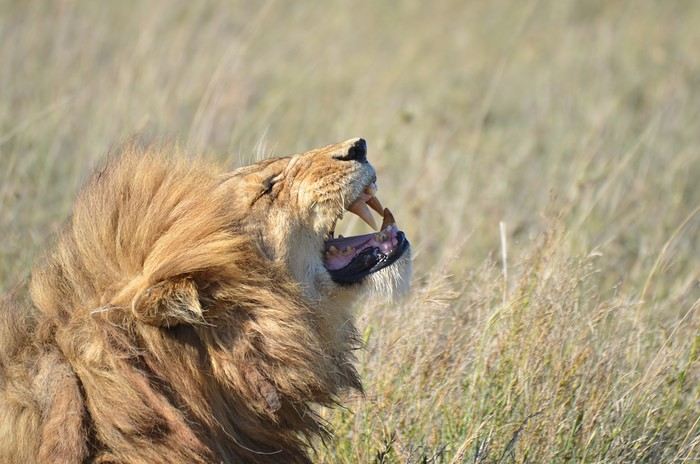
But let’s not forget the rest of the wildlife—and the landscapes, which are absolutely stunning, with those iconic tree silhouettes.
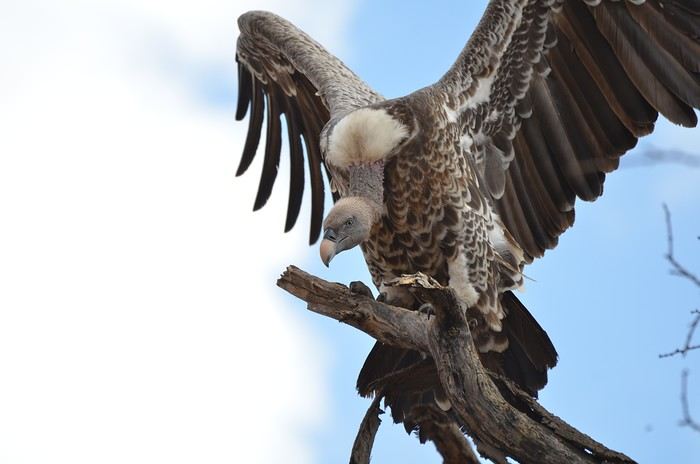
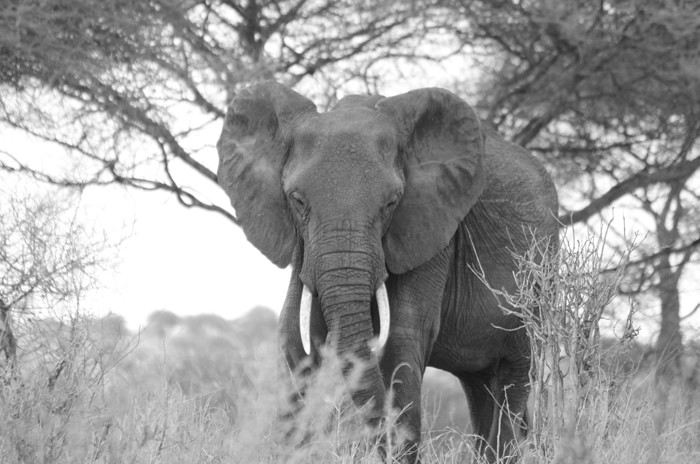
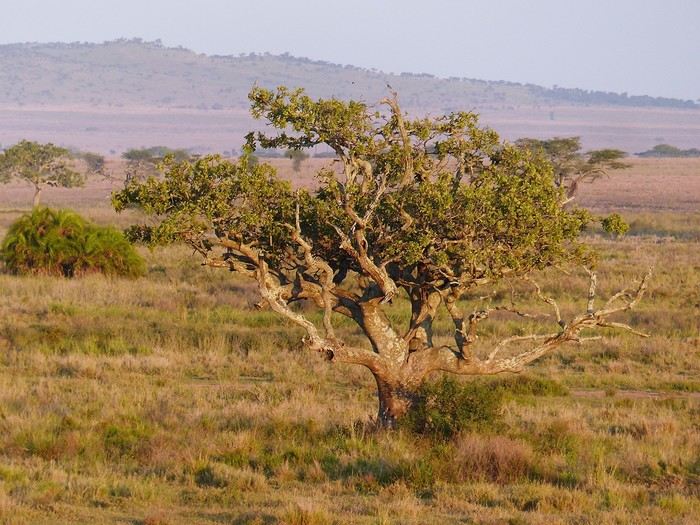
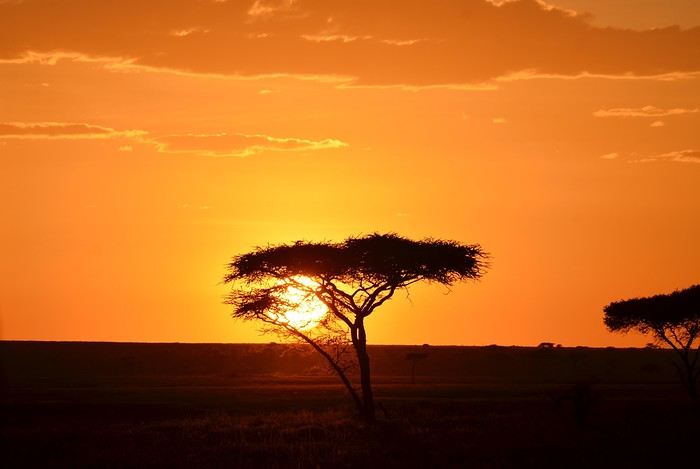
I remember before leaving, I was a little worried I wouldn’t feel that same sense of wonder I’d experienced two years earlier in Botswana (see my travel journal). That fear was unfounded—the magic worked its charm once again! Note: Since we had limited time, we focused our trip entirely on safari, so this journal is 100% animals and landscapes—and 0% Maasai. Next post: TARANGIRE
Tanzania 2019 - Polé Polé
KARIBUUU
Over 5 years later, I’m finally getting around to writing the travel journal for our first trip to East Africa: Tanzania. *Polé Polé*, as they say! 😎
A trip I’d started planning just 6 years ago, in February 2019, for my post-internship exam vacation. After returning to South Africa in July 2019 with my family, this trip, planned for September 2019, would be all about discovery and a few firsts: first trip with friends, first trek, first time in East Africa. I really wanted to attempt the Kilimanjaro ascent, try to still see some of its "eternal" ice, and Alison wanted to do as much safari as possible. Unlike with the Zulus, Himbas, or San, visiting a Maasai village wasn’t on the agenda. Thanks to the Kessy Brothers agency, who were super responsive, Sandy from VF, and other members who helped prepare our trip, we settled on the following itinerary:
Day -1 (8/30): Departure from Pointe-à-Pitre Day 0 (8/31): Departure from Paris Day 1 (9/01): Arrival at Kilimanjaro Airport / Ameg Lodge (Moshi) DAY 2 (9/02): Machame gate / Machame camp DAY 3 (9/03): Shira / Shira camp DAY 4 (9/04): Baranco / Baranco camp DAY 5 (9/05): Barafu / Barafu camp DAY 6 (9/06): Barafu + Summit at midnight / Mweka camp DAY 7 (9/07): Mweka gate / Sal Salnero Hotel (Moshi) DAY 8 (9/08): Arusha National Park / Kanga camp DAY 9 (9/09): Tarangire National Park / Kanga camp DAY 10 (9/10): Tarangire National Park / Twiga Lodge DAY 11 (9/11): Lake Manyara / Twiga Lodge DAY 12 (9/12): Ngorongoro Crater / Simba campsite DAY 13 (9/13): Serengeti National Park / Seronera campsite DAY 14 (9/14): Serengeti National Park - Uoga Kuria Camp DAY 15 (9/15): Serengeti National Park / Waso campsite DAY 16 (9/16): Lake Natron / Maasai Giraffe Ecolodge DAY 17 (9/17): Kilimanjaro Airport Day 18 (9/18): Zanzibar Day 19 (9/19): Zanzibar Day 20 (9/20): Zanzibar Day 21 (9/21): Zanzibar
As I mentioned in my first travel journal about our South Africa trip, I’ve had a special connection to Tanzania for a long time. Growing up in the Indian Ocean without ever visiting Africa, those wildlife documentaries on TV when I skipped my pharmacy classes... I imagined and dreamed about this land and country so much.
The original plan was to go just the two of us with Alison, but somehow—though I don’t quite remember how—we ended up organizing the trip with our friends Mélissa and Doriane, who joined us in Arusha after our Kilimanjaro trek for the last two weeks and their very first safari. I think it was Melissa who had the idea to crash our trip, and she was right to do so! 😉 Flights: Pointe-à-Pitre-Grand Case and Grand Case-Paris with Air Caraïbes. Flights: Paris-JRO and ZNZ-Paris with Kenya Airways (layover in Nairobi). Flight: JRO-ZNZ with Air Tanzania.
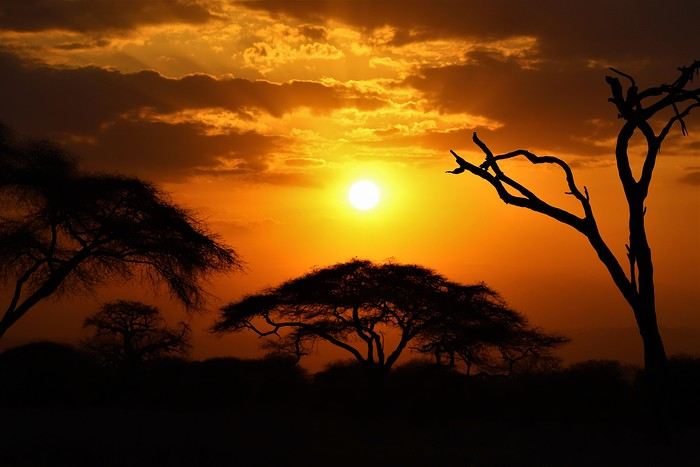
Safe travels! !
Over 5 years later, I’m finally getting around to writing the travel journal for our first trip to East Africa: Tanzania. *Polé Polé*, as they say! 😎
A trip I’d started planning just 6 years ago, in February 2019, for my post-internship exam vacation. After returning to South Africa in July 2019 with my family, this trip, planned for September 2019, would be all about discovery and a few firsts: first trip with friends, first trek, first time in East Africa. I really wanted to attempt the Kilimanjaro ascent, try to still see some of its "eternal" ice, and Alison wanted to do as much safari as possible. Unlike with the Zulus, Himbas, or San, visiting a Maasai village wasn’t on the agenda. Thanks to the Kessy Brothers agency, who were super responsive, Sandy from VF, and other members who helped prepare our trip, we settled on the following itinerary:
Day -1 (8/30): Departure from Pointe-à-Pitre Day 0 (8/31): Departure from Paris Day 1 (9/01): Arrival at Kilimanjaro Airport / Ameg Lodge (Moshi) DAY 2 (9/02): Machame gate / Machame camp DAY 3 (9/03): Shira / Shira camp DAY 4 (9/04): Baranco / Baranco camp DAY 5 (9/05): Barafu / Barafu camp DAY 6 (9/06): Barafu + Summit at midnight / Mweka camp DAY 7 (9/07): Mweka gate / Sal Salnero Hotel (Moshi) DAY 8 (9/08): Arusha National Park / Kanga camp DAY 9 (9/09): Tarangire National Park / Kanga camp DAY 10 (9/10): Tarangire National Park / Twiga Lodge DAY 11 (9/11): Lake Manyara / Twiga Lodge DAY 12 (9/12): Ngorongoro Crater / Simba campsite DAY 13 (9/13): Serengeti National Park / Seronera campsite DAY 14 (9/14): Serengeti National Park - Uoga Kuria Camp DAY 15 (9/15): Serengeti National Park / Waso campsite DAY 16 (9/16): Lake Natron / Maasai Giraffe Ecolodge DAY 17 (9/17): Kilimanjaro Airport Day 18 (9/18): Zanzibar Day 19 (9/19): Zanzibar Day 20 (9/20): Zanzibar Day 21 (9/21): Zanzibar
As I mentioned in my first travel journal about our South Africa trip, I’ve had a special connection to Tanzania for a long time. Growing up in the Indian Ocean without ever visiting Africa, those wildlife documentaries on TV when I skipped my pharmacy classes... I imagined and dreamed about this land and country so much.
The original plan was to go just the two of us with Alison, but somehow—though I don’t quite remember how—we ended up organizing the trip with our friends Mélissa and Doriane, who joined us in Arusha after our Kilimanjaro trek for the last two weeks and their very first safari. I think it was Melissa who had the idea to crash our trip, and she was right to do so! 😉 Flights: Pointe-à-Pitre-Grand Case and Grand Case-Paris with Air Caraïbes. Flights: Paris-JRO and ZNZ-Paris with Kenya Airways (layover in Nairobi). Flight: JRO-ZNZ with Air Tanzania.
Safe travels! !
World Cliffs Discussion: January 2025 Contest
So, to start the year off right (Happy New Year!),
This is where we can discuss January’s theme.
With 20,000 km of French coastline (there’s a catch ;)), our beautiful country should be well represented!
Dig out those hard drives! Bruno
Dig out those hard drives! Bruno
Photo Safaris in Kenya
Back on the forum, I’m starting to write up two 3-week trips to Kenya in August 2021 and 2023.
In 2021, Quynh and I traveled with Régis (Rjulie95 on VF). Our son joined us in Baringo for the second half of the trip.
In 2023, we went with two friends who’d been dreaming of seeing wild animals ever since we got back from Kenya. We didn’t need much convincing to go with them!
The two itineraries are almost identical (well, when you love something...) but we did make a few tweaks.
- The first part of the trip was with a local driver/guide, Félix, who was recommended by Sylvie56. Sylvie and her husband Ben are Kenya enthusiasts—they’ve been there countless times, always with Félix... and for good reason! He’s fantastic!
- The second part was with Melting Pot Safari, an agency that adapted to our photography needs. Tony Crocetta, the co-founder (along with his Kenyan friend Simon Chebon), is a wildlife photographer himself.
Here are the itineraries for both trips, including accommodations:
In 2021: Day 0: Paris / Nairobi - 67 Airport Hotel Day 1: Nairobi / Amboseli - Simba Cottage Day 2: Amboseli - Simba Cottage Day 3: Amboseli / Aberdares - Fishing Lodge Day 4: Aberdares - Fishing Lodge Day 5: Aberdares - Fishing Lodge Day 6: Aberdares / Samburu - Riverside Camp Day 7: Samburu - Riverside Camp Day 8: Samburu - Riverside Camp Day 9: Samburu / Nakuru - Merica Hotel Day 10: Nakuru / Baringo - Tumbili Cliff Lodge Day 11: Baringo - Tumbili Cliff Lodge Day 12: Baringo - Tumbili Cliff Lodge Day 13: Baringo / Maasai Mara – Meltingpot Bush Camp Day 14 to 18: Maasai Mara – Meltingpot Bush Camp Day 19: Maasai Mara / Nairobi – Roussel Guest House Day 20: Nairobi / Paris
In 2023: Day 0: Lyon / Paris / Nairobi - 67 Airport Hotel Day 1: Nairobi / Meru - Ikweta Camp Day 2: Meru - Ikweta Camp Day 3: Meru - Ikweta Camp Day 4: Meru / Samburu - Riverside Camp Day 5: Samburu – Riverside Camp Day 6: Samburu / Buffalo Springs – Samburu Simba Day 7: Buffalo Springs / Ol Pejeta – Sweetwater Camp Day 8: Ol Pejeta / Amboseli - Simba Cottage Day 9: Amboseli - Simba Cottage Day 10: Amboseli - Simba Cottage Day 11: Amboseli / Nakuru – Lake Nakuru Lodge Day 12: Nakuru / Baringo - Tumbili Cliff Lodge Day 13: Baringo - Tumbili Cliff Lodge Day 14: Baringo - Tumbili Cliff Lodge Day 15: Baringo / Maasai Mara – Meltingpot Bush Camp Day 16 to 20: Maasai Mara – Meltingpot Bush Camp Day 21: Maasai Mara / Nairobi / Paris
Here’s an itinerary—it’s not exactly what we did, but a combination of both.
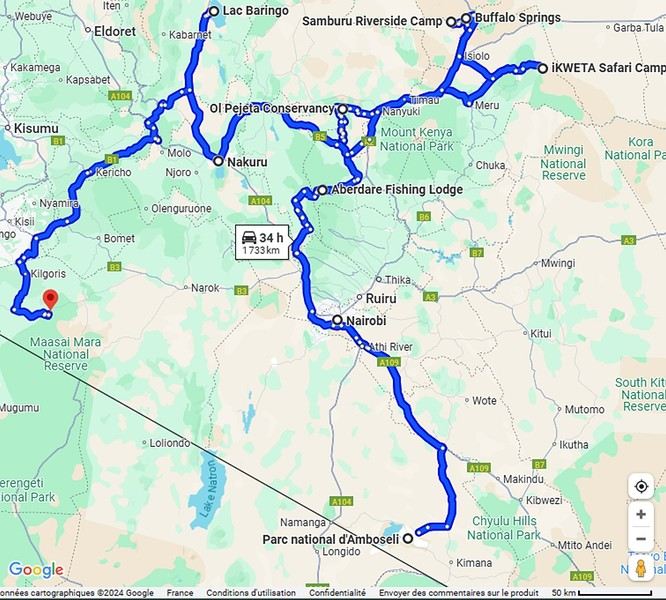
Ready to join us on safari to see some wild animals?
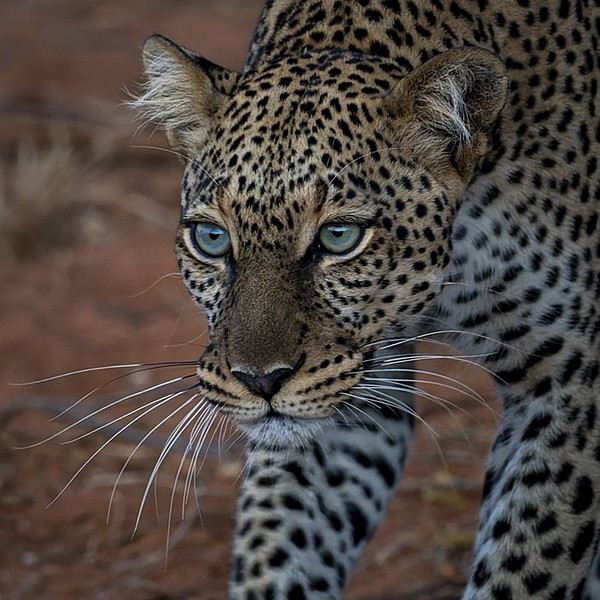
The two itineraries are almost identical (well, when you love something...) but we did make a few tweaks.
- The first part of the trip was with a local driver/guide, Félix, who was recommended by Sylvie56. Sylvie and her husband Ben are Kenya enthusiasts—they’ve been there countless times, always with Félix... and for good reason! He’s fantastic!
- The second part was with Melting Pot Safari, an agency that adapted to our photography needs. Tony Crocetta, the co-founder (along with his Kenyan friend Simon Chebon), is a wildlife photographer himself.
Here are the itineraries for both trips, including accommodations:
In 2021: Day 0: Paris / Nairobi - 67 Airport Hotel Day 1: Nairobi / Amboseli - Simba Cottage Day 2: Amboseli - Simba Cottage Day 3: Amboseli / Aberdares - Fishing Lodge Day 4: Aberdares - Fishing Lodge Day 5: Aberdares - Fishing Lodge Day 6: Aberdares / Samburu - Riverside Camp Day 7: Samburu - Riverside Camp Day 8: Samburu - Riverside Camp Day 9: Samburu / Nakuru - Merica Hotel Day 10: Nakuru / Baringo - Tumbili Cliff Lodge Day 11: Baringo - Tumbili Cliff Lodge Day 12: Baringo - Tumbili Cliff Lodge Day 13: Baringo / Maasai Mara – Meltingpot Bush Camp Day 14 to 18: Maasai Mara – Meltingpot Bush Camp Day 19: Maasai Mara / Nairobi – Roussel Guest House Day 20: Nairobi / Paris
In 2023: Day 0: Lyon / Paris / Nairobi - 67 Airport Hotel Day 1: Nairobi / Meru - Ikweta Camp Day 2: Meru - Ikweta Camp Day 3: Meru - Ikweta Camp Day 4: Meru / Samburu - Riverside Camp Day 5: Samburu – Riverside Camp Day 6: Samburu / Buffalo Springs – Samburu Simba Day 7: Buffalo Springs / Ol Pejeta – Sweetwater Camp Day 8: Ol Pejeta / Amboseli - Simba Cottage Day 9: Amboseli - Simba Cottage Day 10: Amboseli - Simba Cottage Day 11: Amboseli / Nakuru – Lake Nakuru Lodge Day 12: Nakuru / Baringo - Tumbili Cliff Lodge Day 13: Baringo - Tumbili Cliff Lodge Day 14: Baringo - Tumbili Cliff Lodge Day 15: Baringo / Maasai Mara – Meltingpot Bush Camp Day 16 to 20: Maasai Mara – Meltingpot Bush Camp Day 21: Maasai Mara / Nairobi / Paris
Here’s an itinerary—it’s not exactly what we did, but a combination of both.
Ready to join us on safari to see some wild animals?
3 weeks camping in the Azores, August 2024
Hi everyone,
So glad this forum is back up! Here’s a recap of our three little weeks in the Azores in August 2024, camping on Terceira, Flores/Corvo, and São Miguel, with a special focus on the camping side—something I struggled to find info on before we left.
As others have mentioned, a trip to the Azores isn’t something you can improvise last-minute, especially in August. The rental car fleet is limited, so prices go up as availability drops, and vacation rentals/hotels are scarce. Plus, inter-island flights and ferries aren’t exactly frequent. I picked our destination in mid-April, and there were already few rental car options left (some local companies had nothing), and no accommodations on Flores for our dates—or only very expensive ones requiring multiple location changes. Since we love camping, we decided to bring our gear without really knowing what to expect.
Flight with TAP (426 €): Outbound: Lyon → Lisbon → Terceira Return: São Miguel → Lisbon (9-hour stopover for a quick visit) → Lyon
Inter-island flights with SATA: Terceira → Flores (via Horta): 87 € Flores → São Miguel: 90 €
I rented all three cars from the same local company, Ilha Grande—they weren’t picky about the car’s condition. For a Clio (or similar): Terceira (4 days): 461 € Flores (5 days): 623 € São Miguel (8 days): 730 €
Weather: The first two weeks were gorgeous—blue skies, no rain, and even hotter than we expected, around 30°C (temperatures barely dropped at night). The last week of August brought more fine rain (mostly at night) and temps between 20 and 25°C (a light jacket was nice in the mornings and evenings).
TERCEIRA: A great introduction! When I looked at what each island had to offer, Terceira wasn’t at the top of my list, but flying into Terceira cut costs and fit our schedule well, so we spent 4 days there. It turned out to be a lovely start.
For camping, we stayed at Salga Campismo in Porto Judeu, 20 minutes from the airport. We discovered that the island’s campsites were packed with locals—extended families or groups of friends having big, festive gatherings with barbecues and long tables. They spend their summers camping instead of at home, and some even commute to work from there. They had huge tents for sleeping, plus tarps for cooking and relaxing—way more gear than the tourists. Since the week of August 15th is peak vacation time (like in France), we struggled to find a spot, and the nights were pretty noisy. This was the only campsite of the trip with numbered pitches. It’s right by the ocean, next to natural pools. Facilities were decent, with hot showers and picnic tables. Lots of shaded spots. Cost: 4 € per small tent + 2 € per person. Electrical outlets were free (20 € deposit). During our explorations, we passed by Cinco Ribeiras campsite (west coast), which seemed similar.
Camping gas: Always ask the campsite reception if any travelers left a gas canister before buying a new one! Before the trip, I emailed each island’s tourism office, and they gave me addresses for Campingaz bottles. On Terceira, No. 13 Rua João Vaz Corte Real in Angra do Heroísmo (an agricultural store in the industrial zone). CV300 cartridge: 10 €. Note: The tourism office gave me the name of the neighboring store, which didn’t carry that brand.
Fridge: No fridges at any campsite on any island. We had a foldable cooler and found bags of crushed ice in supermarkets’ fish sections.
Things to see: Key takeaway: Do the must-see spots early in your stay in case the weather doesn’t cooperate. We were lucky and saw all the viewpoints without clouds—apparently not always the case!
Our main visits/hikes on Terceira: Miradouro Serra do Cume (a must—*the* iconic Terceira photo)
Furnas do Enxofre (free): Few fumaroles, but a pretty 1 km walk through moss and endemic plants. Hike PRC01 TER – Misterios Negros (some acrobatic sections, but a very scenic path). Monte Brasil + Angra do Heroísmo: Lovely town. Hike PR02 TER – Baía da Agualva: Nice, but not much shade (along the coast). Quatro Ribeiras: Church and swimming in natural pools. Biscoitos natural pools: Too touristy (but still free).
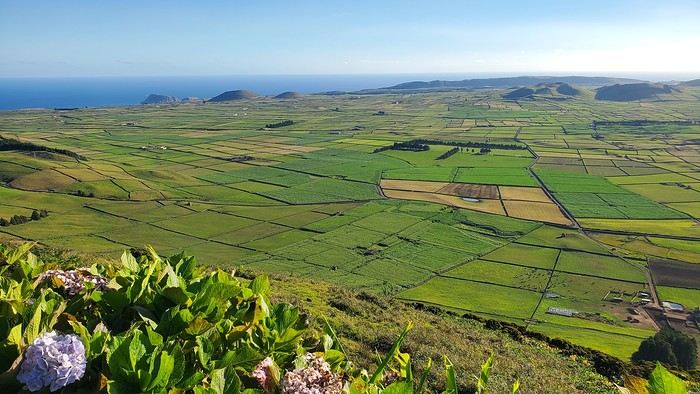
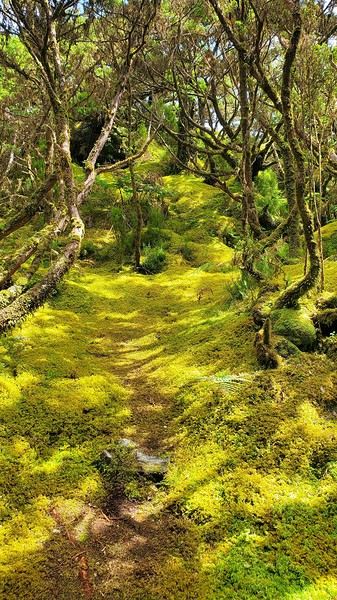
FLORES: Our favorite! This was the island I *had* to visit, and we weren’t disappointed—no mass tourism, just stunning nature.
For camping, we chose Santa Cruz campsite. Unlike Terceira, it was only tourists here. Very little shade, but ocean views. Modern facilities with hot showers, clotheslines, and a charging station. A big area with picnic tables, each with a barbecue and sink, all sheltered. Right across from gorgeous natural pools. FREE (you can leave a tip for the caretaker).
For Campingaz, the campsite manager stores canisters and gear left by campers. Otherwise, you can find them at Movipesca.
During a hike, we passed by Fajã Grande campsite (campsites here double as picnic spots for everyone). It’s terraced, with no shade, but very clean facilities and a small bar/restaurant nearby. Natural pools across the street. When we stopped by midday, there were only a few tents. Fajã Grande felt even quieter than Santa Cruz, with just one supermarket.
We also picnicked at Ponta Delgada campsite in the north. Impeccable facilities, lots of picnic tables with barbecues. Empty when we were there. A bit out of the way.
Rental car or not on Flores? Given the high cost, I really debated whether we needed a car. In Santa Cruz, the port, airport, and supermarkets are walkable, and the most famous hikes are one-way, not loops. So I contacted a taxi (the tourism office emails a list of drivers—they don’t wait for customers; you have to call). Prices were around 20 € for Santa Cruz to Fajã Grande, for example. That means you could take several taxi trips before the rental car (over 100 €/day) pays off. But it does mean planning your route and schedule in advance, leaving little room for spontaneity. The taxi I contacted was already booked solid in July, so I decided to keep the car and adjust our hikes to make loops. (FYI, we’re in our 50s, two couples splitting costs—maybe a different calculation if we were 25!) No regrets—it gave us way more freedom.
Our main visits/hikes:
Hike (amazing): Poço da Ribeira do Ferreiro (the iconic waterfalls) → Fajã Grande → Poço do Bacalhau (swim in the waterfall) → Aldeia da Cuada → Poço da Ribeira do Ferreiro. Hike PR04: Loop from Miradouro da Fajã de Lopo Vaz, then down to the beach via the trail. Return along the pebble beach before climbing back up. Worth it, but the descent and ascent are steep.
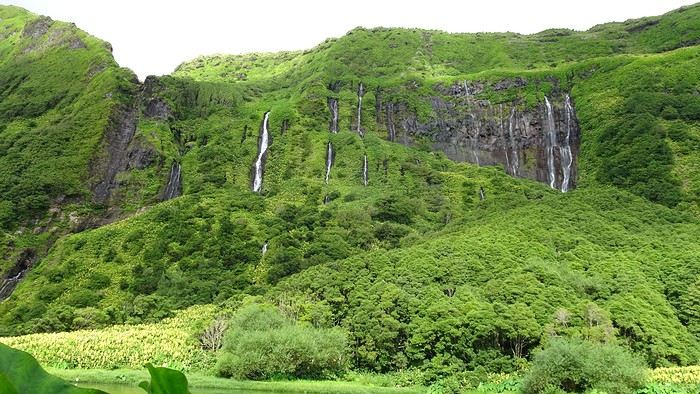 By car: Miradouro do Portal (great view of the coast to Fajã Grande) – Rocha dos Bordões (basalt columns) – Miradouro das Lagoas Rasa e Funda (a must) – Miradouro da Fajã do Conde.
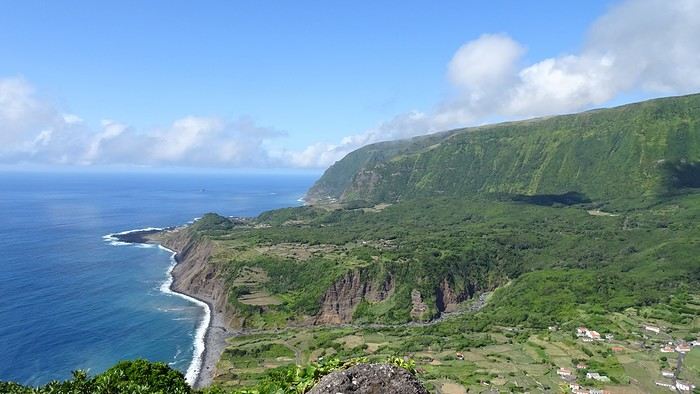 Hike: Miradouro das Lagoas Funda e Comprida, Lagoa Negra, Seca e Branda, Lagoa Branca. A bit muddy and not as memorable as other hikes. The best part (a must) is the view from the starting miradouro.
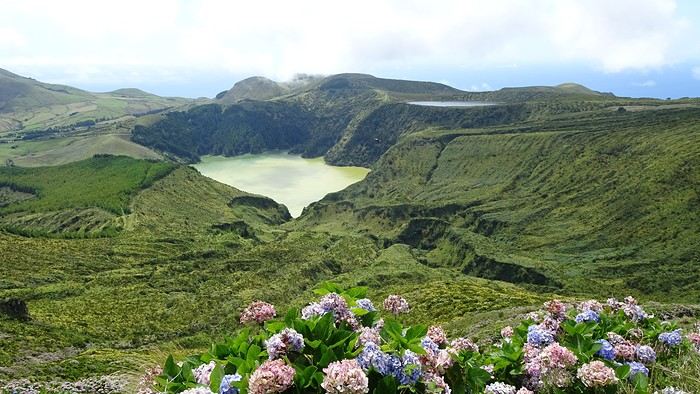
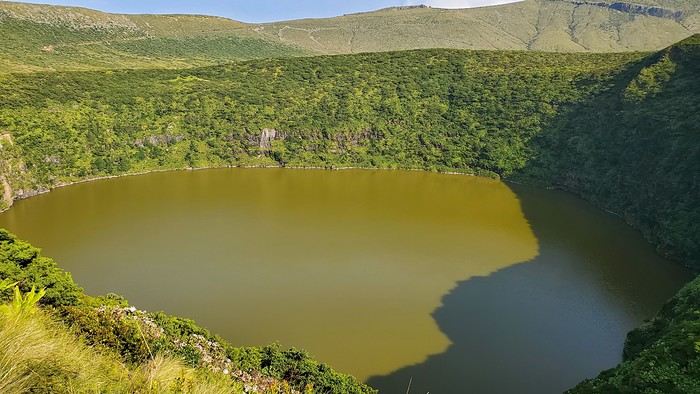
By car: The north of the island.
CORVO: Stunning!!
No spots left on the ferry (12 seats), so we took a tourist zodiac (booked a few weeks ahead by email, but there were still spots the day of—several boats make the trip). On the way out, we cruised along Flores’ coast to see waterfalls and caves. On the return, they looked for dolphins (we saw some! 🙂 ). Boat price: 35 € per person. At Corvo, minibuses shuttle between the port and the top of the caldera (10 € round-trip per person). Lots of people just stop at the viewpoint when the shuttle arrives, so we weren’t too crowded on the caldera hike. But it’s too tight on time to walk back down to the port. If you really want to, I think you’d need to stay overnight. All boats spend the same amount of time on the island.
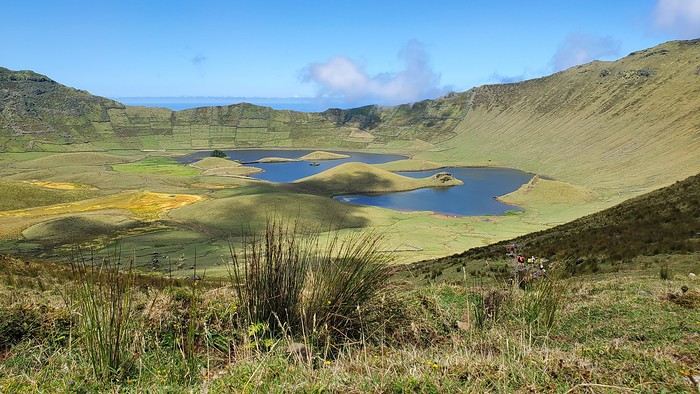
SÃO MIGUEL: Back to civilization—but not just that! São Miguel is way more touristy than the other islands (though still nothing compared to other destinations), but it’s worth it for all the natural sites.
For camping, to avoid long drives, we started at Sete Cidades campsite on the west side. A big, free, terraced campsite with some shade. We were there the last week of August, when crowds start thinning, so there was space—a mix of tourists and locals. A few picnic tables with barbecues. For facilities, one side for men, one for women, each with one toilet (cleaned regularly) and three outdoor cold showers (swimsuits recommended). You can charge your phone in the caretaker’s hut.
After exploring the west, we moved to Furnas for the rest of the trip. We arrived on a Friday night, and the campsite was packed with locals spending the weekend. It emptied out Sunday afternoon. A large, shady campsite with several bathroom blocks (hot showers). There’s a restaurant, but only two picnic tables. Cost: 3.5 € per small tent + 3.5 € per person.
Campingaz: We bought canisters at Decathlon in Ponta Delgada (next to Decathlon, there’s a big shopping center for groceries). Didn’t ask at Sete Cidades, but at Furnas, there was a closet full of gas bottles of all sizes left by campers.
Main visits/hikes: Sete Cidades and the surrounding lakes (lots of viewpoints and short hikes): Beautiful.
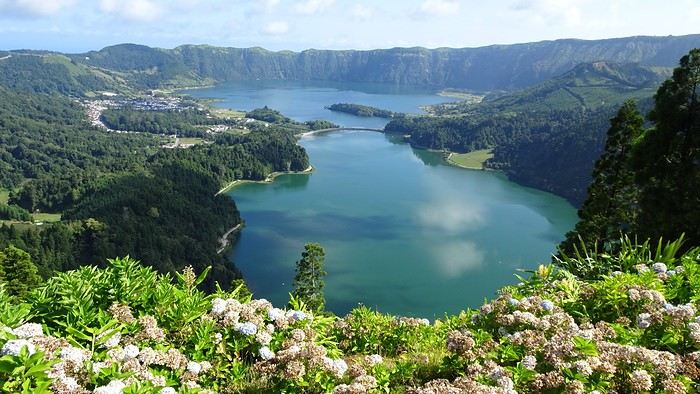
Swimming in the hot springs at Ponta da Ferraria (west side of the island).

Furnas: The lake, fumaroles, and parks (like Terra Nostra).
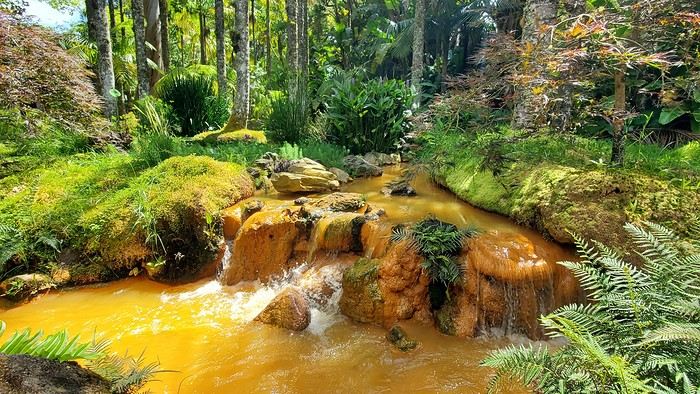
Lagoa do Fogo (gorgeous).
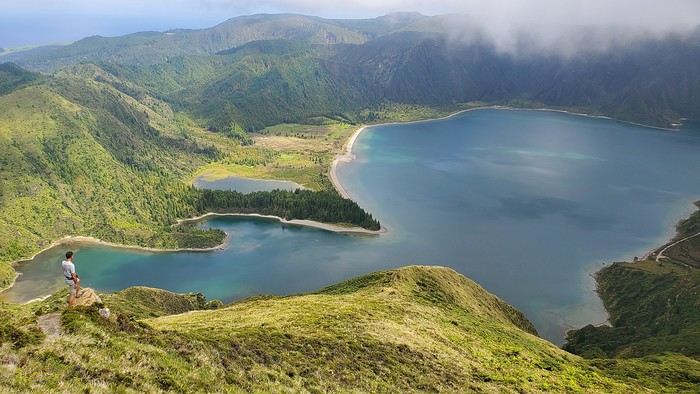
Gorreana tea factory (nice hike through the tea fields + guided tour), Ribeira Grande, Ermida de Nossa Senhora da Paz. The east coast and Ribeira dos Caldeirões park. Ponta Delgada.
Final thoughts: The Azores are a fantastic discovery for nature lovers—lakes, waterfalls, and tranquility. Almost all sites are accessible without hiking (though it’s a shame not to). The “miradouros” (viewpoints) have parking, often with toilets and picnic tables (always very clean), which helps protect nature. Camping is totally doable and really enjoyable! Our only disappointment: Not finding good fruits and veggies (except for São Miguel’s delicious but expensive pineapples).
If you have any questions, I’d be happy to help! Christine
So glad this forum is back up! Here’s a recap of our three little weeks in the Azores in August 2024, camping on Terceira, Flores/Corvo, and São Miguel, with a special focus on the camping side—something I struggled to find info on before we left.
As others have mentioned, a trip to the Azores isn’t something you can improvise last-minute, especially in August. The rental car fleet is limited, so prices go up as availability drops, and vacation rentals/hotels are scarce. Plus, inter-island flights and ferries aren’t exactly frequent. I picked our destination in mid-April, and there were already few rental car options left (some local companies had nothing), and no accommodations on Flores for our dates—or only very expensive ones requiring multiple location changes. Since we love camping, we decided to bring our gear without really knowing what to expect.
Flight with TAP (426 €): Outbound: Lyon → Lisbon → Terceira Return: São Miguel → Lisbon (9-hour stopover for a quick visit) → Lyon
Inter-island flights with SATA: Terceira → Flores (via Horta): 87 € Flores → São Miguel: 90 €
I rented all three cars from the same local company, Ilha Grande—they weren’t picky about the car’s condition. For a Clio (or similar): Terceira (4 days): 461 € Flores (5 days): 623 € São Miguel (8 days): 730 €
Weather: The first two weeks were gorgeous—blue skies, no rain, and even hotter than we expected, around 30°C (temperatures barely dropped at night). The last week of August brought more fine rain (mostly at night) and temps between 20 and 25°C (a light jacket was nice in the mornings and evenings).
TERCEIRA: A great introduction! When I looked at what each island had to offer, Terceira wasn’t at the top of my list, but flying into Terceira cut costs and fit our schedule well, so we spent 4 days there. It turned out to be a lovely start.
For camping, we stayed at Salga Campismo in Porto Judeu, 20 minutes from the airport. We discovered that the island’s campsites were packed with locals—extended families or groups of friends having big, festive gatherings with barbecues and long tables. They spend their summers camping instead of at home, and some even commute to work from there. They had huge tents for sleeping, plus tarps for cooking and relaxing—way more gear than the tourists. Since the week of August 15th is peak vacation time (like in France), we struggled to find a spot, and the nights were pretty noisy. This was the only campsite of the trip with numbered pitches. It’s right by the ocean, next to natural pools. Facilities were decent, with hot showers and picnic tables. Lots of shaded spots. Cost: 4 € per small tent + 2 € per person. Electrical outlets were free (20 € deposit). During our explorations, we passed by Cinco Ribeiras campsite (west coast), which seemed similar.
Camping gas: Always ask the campsite reception if any travelers left a gas canister before buying a new one! Before the trip, I emailed each island’s tourism office, and they gave me addresses for Campingaz bottles. On Terceira, No. 13 Rua João Vaz Corte Real in Angra do Heroísmo (an agricultural store in the industrial zone). CV300 cartridge: 10 €. Note: The tourism office gave me the name of the neighboring store, which didn’t carry that brand.
Fridge: No fridges at any campsite on any island. We had a foldable cooler and found bags of crushed ice in supermarkets’ fish sections.
Things to see: Key takeaway: Do the must-see spots early in your stay in case the weather doesn’t cooperate. We were lucky and saw all the viewpoints without clouds—apparently not always the case!
Our main visits/hikes on Terceira: Miradouro Serra do Cume (a must—*the* iconic Terceira photo)
Furnas do Enxofre (free): Few fumaroles, but a pretty 1 km walk through moss and endemic plants. Hike PRC01 TER – Misterios Negros (some acrobatic sections, but a very scenic path). Monte Brasil + Angra do Heroísmo: Lovely town. Hike PR02 TER – Baía da Agualva: Nice, but not much shade (along the coast). Quatro Ribeiras: Church and swimming in natural pools. Biscoitos natural pools: Too touristy (but still free).
FLORES: Our favorite! This was the island I *had* to visit, and we weren’t disappointed—no mass tourism, just stunning nature.
For camping, we chose Santa Cruz campsite. Unlike Terceira, it was only tourists here. Very little shade, but ocean views. Modern facilities with hot showers, clotheslines, and a charging station. A big area with picnic tables, each with a barbecue and sink, all sheltered. Right across from gorgeous natural pools. FREE (you can leave a tip for the caretaker).
For Campingaz, the campsite manager stores canisters and gear left by campers. Otherwise, you can find them at Movipesca.
During a hike, we passed by Fajã Grande campsite (campsites here double as picnic spots for everyone). It’s terraced, with no shade, but very clean facilities and a small bar/restaurant nearby. Natural pools across the street. When we stopped by midday, there were only a few tents. Fajã Grande felt even quieter than Santa Cruz, with just one supermarket.
We also picnicked at Ponta Delgada campsite in the north. Impeccable facilities, lots of picnic tables with barbecues. Empty when we were there. A bit out of the way.
Rental car or not on Flores? Given the high cost, I really debated whether we needed a car. In Santa Cruz, the port, airport, and supermarkets are walkable, and the most famous hikes are one-way, not loops. So I contacted a taxi (the tourism office emails a list of drivers—they don’t wait for customers; you have to call). Prices were around 20 € for Santa Cruz to Fajã Grande, for example. That means you could take several taxi trips before the rental car (over 100 €/day) pays off. But it does mean planning your route and schedule in advance, leaving little room for spontaneity. The taxi I contacted was already booked solid in July, so I decided to keep the car and adjust our hikes to make loops. (FYI, we’re in our 50s, two couples splitting costs—maybe a different calculation if we were 25!) No regrets—it gave us way more freedom.
Our main visits/hikes:
Hike (amazing): Poço da Ribeira do Ferreiro (the iconic waterfalls) → Fajã Grande → Poço do Bacalhau (swim in the waterfall) → Aldeia da Cuada → Poço da Ribeira do Ferreiro. Hike PR04: Loop from Miradouro da Fajã de Lopo Vaz, then down to the beach via the trail. Return along the pebble beach before climbing back up. Worth it, but the descent and ascent are steep.
By car: Miradouro do Portal (great view of the coast to Fajã Grande) – Rocha dos Bordões (basalt columns) – Miradouro das Lagoas Rasa e Funda (a must) – Miradouro da Fajã do Conde.
Hike: Miradouro das Lagoas Funda e Comprida, Lagoa Negra, Seca e Branda, Lagoa Branca. A bit muddy and not as memorable as other hikes. The best part (a must) is the view from the starting miradouro.By car: The north of the island.
CORVO: Stunning!!
No spots left on the ferry (12 seats), so we took a tourist zodiac (booked a few weeks ahead by email, but there were still spots the day of—several boats make the trip). On the way out, we cruised along Flores’ coast to see waterfalls and caves. On the return, they looked for dolphins (we saw some! 🙂 ). Boat price: 35 € per person. At Corvo, minibuses shuttle between the port and the top of the caldera (10 € round-trip per person). Lots of people just stop at the viewpoint when the shuttle arrives, so we weren’t too crowded on the caldera hike. But it’s too tight on time to walk back down to the port. If you really want to, I think you’d need to stay overnight. All boats spend the same amount of time on the island.
SÃO MIGUEL: Back to civilization—but not just that! São Miguel is way more touristy than the other islands (though still nothing compared to other destinations), but it’s worth it for all the natural sites.
For camping, to avoid long drives, we started at Sete Cidades campsite on the west side. A big, free, terraced campsite with some shade. We were there the last week of August, when crowds start thinning, so there was space—a mix of tourists and locals. A few picnic tables with barbecues. For facilities, one side for men, one for women, each with one toilet (cleaned regularly) and three outdoor cold showers (swimsuits recommended). You can charge your phone in the caretaker’s hut.
After exploring the west, we moved to Furnas for the rest of the trip. We arrived on a Friday night, and the campsite was packed with locals spending the weekend. It emptied out Sunday afternoon. A large, shady campsite with several bathroom blocks (hot showers). There’s a restaurant, but only two picnic tables. Cost: 3.5 € per small tent + 3.5 € per person.
Campingaz: We bought canisters at Decathlon in Ponta Delgada (next to Decathlon, there’s a big shopping center for groceries). Didn’t ask at Sete Cidades, but at Furnas, there was a closet full of gas bottles of all sizes left by campers.
Main visits/hikes: Sete Cidades and the surrounding lakes (lots of viewpoints and short hikes): Beautiful.
Swimming in the hot springs at Ponta da Ferraria (west side of the island).
Furnas: The lake, fumaroles, and parks (like Terra Nostra).
Lagoa do Fogo (gorgeous).
Gorreana tea factory (nice hike through the tea fields + guided tour), Ribeira Grande, Ermida de Nossa Senhora da Paz. The east coast and Ribeira dos Caldeirões park. Ponta Delgada.
Final thoughts: The Azores are a fantastic discovery for nature lovers—lakes, waterfalls, and tranquility. Almost all sites are accessible without hiking (though it’s a shame not to). The “miradouros” (viewpoints) have parking, often with toilets and picnic tables (always very clean), which helps protect nature. Camping is totally doable and really enjoyable! Our only disappointment: Not finding good fruits and veggies (except for São Miguel’s delicious but expensive pineapples).
If you have any questions, I’d be happy to help! Christine
License to legally ride a scooter in Thailand
Hi everyone!
What a joy to be back on this forum where I’ve spent so many hours traveling and gathering info—let’s get started! 👋
Almost everything’s in the title, but just to clarify: As far as I know, you currently need a full French motorcycle license (A) to legally ride a scooter in Thailand, since they don’t recognize A1 or A2 licenses. Yes, I know most rental places only ask for an international car license (B), or sometimes nothing at all… but that’s not what I’m asking. What I’d like to know is whether you think this might change in the future, allowing A1 licenses (which are easier to get) or even car licenses (B), since you can ride a scooter in France with one. I don’t want to get a motorcycle license—I’m scared of motorcycles, even though I’m comfortable on a scooter. I’m a bit confused by their regulations. Thanks for any insights you can share!
Lulu56😅
What a joy to be back on this forum where I’ve spent so many hours traveling and gathering info—let’s get started! 👋
Almost everything’s in the title, but just to clarify: As far as I know, you currently need a full French motorcycle license (A) to legally ride a scooter in Thailand, since they don’t recognize A1 or A2 licenses. Yes, I know most rental places only ask for an international car license (B), or sometimes nothing at all… but that’s not what I’m asking. What I’d like to know is whether you think this might change in the future, allowing A1 licenses (which are easier to get) or even car licenses (B), since you can ride a scooter in France with one. I don’t want to get a motorcycle license—I’m scared of motorcycles, even though I’m comfortable on a scooter. I’m a bit confused by their regulations. Thanks for any insights you can share!
Lulu56😅