Results for "Chutes+Rhin+|+9+>+232"
27117 results found.
When is the best time to travel to Namibia?
Hi there,
I’m planning a trip to Namibia in 2026.
I’m torn between visiting the Fish River Canyon and the Caprivi Strip / Victoria Falls.
I’d also love your advice on the best time to travel for wildlife viewing and pleasant weather.
I haven’t chosen a tour operator yet... since I’m traveling solo, I’d prefer a small-group escorted trip. Has anyone traveled with a local agency and what’s your feedback or advice?
Thanks so much!
Trip to Namibia and Victoria Falls from 09/10/25 to 10/07/25
Hi everyone,
I’m heading off on a trip starting September 10th in Namibia and returning from Victoria Falls on October 7th, 2025.
I’m not quite set on the exact itinerary yet, but here’s what I love: - Nature - Culture - Hiking - Backpack-style trips, and for this one, mostly 4x4 (which seems essential) but still with plenty of walking - Simple places to stay, unless it’s THE experience not to miss or a little treat for myself
I’m pretty independent—I love traveling and meeting people, but I also like leaving room for discovery and spontaneity.
I’d love to find a few travel companions to share this experience with, so we could plan the main routes, must-see spots, and places to stay together.
I’ll refine my ideas over the next few weeks, and the plan will evolve based on who joins.
Even if you can’t come along, any tips or advice are more than welcome!
Looking forward to reading your thoughts and sharing about Namibia and Zimbabwe. Patricia
I’m heading off on a trip starting September 10th in Namibia and returning from Victoria Falls on October 7th, 2025.
I’m not quite set on the exact itinerary yet, but here’s what I love: - Nature - Culture - Hiking - Backpack-style trips, and for this one, mostly 4x4 (which seems essential) but still with plenty of walking - Simple places to stay, unless it’s THE experience not to miss or a little treat for myself
I’m pretty independent—I love traveling and meeting people, but I also like leaving room for discovery and spontaneity.
I’d love to find a few travel companions to share this experience with, so we could plan the main routes, must-see spots, and places to stay together.
I’ll refine my ideas over the next few weeks, and the plan will evolve based on who joins.
Even if you can’t come along, any tips or advice are more than welcome!
Looking forward to reading your thoughts and sharing about Namibia and Zimbabwe. Patricia
How much time to spend in Palenque and its surroundings?
Hi,
We’re heading to Mexico this summer and thinking of visiting Palenque. How much time should we allocate there? We plan to spend a day exploring the archaeological site. We’d also love to see some waterfalls—like Agua Azul, Misol-Ha, and Roberto Barrios Falls. Are these spots far from Palenque?
In the summer, is it possible to swim? I’ve read that the water can get pretty muddy due to frequent rains this time of year.
Any other excursion or hiking suggestions? Thanks
In the summer, is it possible to swim? I’ve read that the water can get pretty muddy due to frequent rains this time of year.
Any other excursion or hiking suggestions? Thanks
Miscellaneous info for a few days in Brazil
hi,
We’re planning to spend a few days in Brazil and would love some tips. What are the easiest transfer options between Rio airport and our hotel? Where’s the best area to stay in Rio for 3 days? Has anyone used the domestic air pass, and how does it work? How do you visit the waterfalls, and which hotel is best there? And what’s worth seeing around Salvador de Bahia? Thanks in advance for your replies. Best,
We’re planning to spend a few days in Brazil and would love some tips. What are the easiest transfer options between Rio airport and our hotel? Where’s the best area to stay in Rio for 3 days? Has anyone used the domestic air pass, and how does it work? How do you visit the waterfalls, and which hotel is best there? And what’s worth seeing around Salvador de Bahia? Thanks in advance for your replies. Best,
Visiting Brazil as a family with mom in a manual wheelchair (standing impossible)
Hello,
we’re planning a three-week trip to Brazil.
What sights and accommodations would you recommend, given we’re a couple with mom in a wheelchair and two older teens, and we’d like to visit:
-Iguazu Falls
-Rio de Janeiro (Sugarloaf Mountain, Christ the Redeemer, old town... and a beach)
-Salvador de Bahia
-if possible, another city further north like Recife or Natal
We’ll arrive in São Paulo, where we’ll visit the young Brazilian woman we had the chance to host during her high school year in France.
It’s hard to gauge hotel accessibility from France (bathroom photos aren’t very telling and worry us...) Another concern: domestic flights in Brazil.
Thank you so much for your tips and advice! :-)
Best regards,
It’s hard to gauge hotel accessibility from France (bathroom photos aren’t very telling and worry us...) Another concern: domestic flights in Brazil.
Thank you so much for your tips and advice! :-)
Best regards,
Have you considered Reunion Island as a destination?
Reunion Island, a French island located in the Indian Ocean, is characterized by remarkable geographical and cultural diversity. This island offers an immersive experience that harmoniously blends wild nature and human heritage, between active volcanoes, mountainous cirques, impressive waterfalls, and charming villages. This report explores the must-see spots, from the lunar landscapes of Piton de la Fournaise to the mountainous trails of the Mafate cirque, not forgetting the natural pools and tropical gardens. Each section highlights a distinct aspect of this vibrant island, supported by geological and historical information, as well as accounts from those who have visited.
Piton de la Fournaise, which reaches a height of 2,632 meters, is one of the most active volcanoes on our planet. Its frequent eruptions constantly shape the landscape, offering a natural spectacle where burning lava meets the ocean. The trail leading to the Dolomieu crater, though difficult to access, is open to hikers and rewards them with a panorama of vast expanses of solidified lava and volcanic gas emissions. It’s usually best to visit at this time of day to avoid clouds and enjoy the low light that enhances the lunar reliefs.
Volcanic activity has also given rise to unique structures, such as the lava tunnels of Grand Brûlé, where tourists can walk along cooled lava flows. For geology enthusiasts, the site of Cassé de la Rivière de l'Est reveals incredible basaltic organ pipes, testifying to ancient eruptions.
Despite its inactivity, Piton des Neiges (3,071 m) remains the island’s highest peak. Its ascent, via the GR R2 trail, passes through virgin forests before reaching rocky landscapes where sunrise offers a 360° panoramic view of the three cirques. This extinct volcano symbolizes Reunion Island’s geological history, characterized by successive collapses that gave birth to the surrounding cirques.
A UNESCO World Heritage site, the Salazie cirque charms with its lush greenery and hamlets clinging to cliffs. Hell-Bourg, listed among France’s most beautiful villages, delights with its brightly colored Creole houses and picturesque cobblestone streets. The trek to Voile de la Mariée, a famous waterfall, winds through bamboo groves and natural pools perfect for a swim.
Mafate, a preserved haven of tranquility, is accessible only on foot or by helicopter. Places like La Nouvelle or Marla, small villages called "îlets," offer a glimpse into traditional life on Reunion Island. The GR R1 trail, which circles Piton des Neiges, immerses hikers in breathtaking landscapes, alternating between rocky ridges and narrow valleys.
Known for its lentils and wines, Cilaos combines culinary delights with stunning scenery. The healing properties of the thermal springs at Bras-Rouge are highlighted by the trails leading to them, which also offer panoramas like the Col du Taïbit, a privileged access point to Mafate.
This unique spot features pebble beaches, waterfalls by the sea, and a palm forest. Picnickers enjoy its peaceful atmosphere, while local fishermen maintain ancient traditions. Nearby, the Garden of Perfumes and Spices cultivates vanilla, cloves, and turmeric, offering an olfactory experience at the heart of Reunionese agriculture.
Bassin Boeuf, famous for its turquoise waters, is a popular swimming spot, framed by volcanic formations. Further south, the Langevin River creates a series of waterfalls and natural pools, including the famous Trou de Fer, a 300-meter-deep canyon where water cascades in a shimmering curtain.
The island’s capital blends colonial heritage with modernity. The Léon Dierx Museum showcases modern art, while the Grand Marché draws visitors with its spices and local crafts. The Barachois promenade, along the sea, evokes the city’s maritime past with its 18th-century cannons.
The Domaine de Villèle, once a colonial plantation, now houses a museum dedicated to the history of slavery and a geranium distillery. The Chapelle Pointue, with its neo-Gothic style, offers a striking contrast to the brightly colored Tamil temples surrounding it.
The GR R1 and R2 trails are popular with experienced hikers, but more accessible routes like the Piton Maido (2,200 m) are suitable for beginners. The latter offers an unparalleled view of the Mafate cirque at dawn.
The coast of Saint-Gilles offers activities like diving, surfing, and paddleboarding, while ULM flights provide an impressive aerial view of Piton de la Fournaise.
Reunion Island presents itself as a microcosm where every landscape tells a story—geological, cultural, or human. Between the fury of volcanoes and the calm of cirques, between the bustle of markets and the tranquility of natural pools, this destination offers a diverse experience. Travelers are encouraged to mix their activities: morning hikes, cultural visits during the day, and moments of relaxation at dusk. Preserving these wonders relies on responsible tourism, respectful of fragile ecosystems and local communities.
Piton de la Fournaise, which reaches a height of 2,632 meters, is one of the most active volcanoes on our planet. Its frequent eruptions constantly shape the landscape, offering a natural spectacle where burning lava meets the ocean. The trail leading to the Dolomieu crater, though difficult to access, is open to hikers and rewards them with a panorama of vast expanses of solidified lava and volcanic gas emissions. It’s usually best to visit at this time of day to avoid clouds and enjoy the low light that enhances the lunar reliefs.
Volcanic activity has also given rise to unique structures, such as the lava tunnels of Grand Brûlé, where tourists can walk along cooled lava flows. For geology enthusiasts, the site of Cassé de la Rivière de l'Est reveals incredible basaltic organ pipes, testifying to ancient eruptions.
Despite its inactivity, Piton des Neiges (3,071 m) remains the island’s highest peak. Its ascent, via the GR R2 trail, passes through virgin forests before reaching rocky landscapes where sunrise offers a 360° panoramic view of the three cirques. This extinct volcano symbolizes Reunion Island’s geological history, characterized by successive collapses that gave birth to the surrounding cirques.
A UNESCO World Heritage site, the Salazie cirque charms with its lush greenery and hamlets clinging to cliffs. Hell-Bourg, listed among France’s most beautiful villages, delights with its brightly colored Creole houses and picturesque cobblestone streets. The trek to Voile de la Mariée, a famous waterfall, winds through bamboo groves and natural pools perfect for a swim.
Mafate, a preserved haven of tranquility, is accessible only on foot or by helicopter. Places like La Nouvelle or Marla, small villages called "îlets," offer a glimpse into traditional life on Reunion Island. The GR R1 trail, which circles Piton des Neiges, immerses hikers in breathtaking landscapes, alternating between rocky ridges and narrow valleys.
Known for its lentils and wines, Cilaos combines culinary delights with stunning scenery. The healing properties of the thermal springs at Bras-Rouge are highlighted by the trails leading to them, which also offer panoramas like the Col du Taïbit, a privileged access point to Mafate.
This unique spot features pebble beaches, waterfalls by the sea, and a palm forest. Picnickers enjoy its peaceful atmosphere, while local fishermen maintain ancient traditions. Nearby, the Garden of Perfumes and Spices cultivates vanilla, cloves, and turmeric, offering an olfactory experience at the heart of Reunionese agriculture.
Bassin Boeuf, famous for its turquoise waters, is a popular swimming spot, framed by volcanic formations. Further south, the Langevin River creates a series of waterfalls and natural pools, including the famous Trou de Fer, a 300-meter-deep canyon where water cascades in a shimmering curtain.
The island’s capital blends colonial heritage with modernity. The Léon Dierx Museum showcases modern art, while the Grand Marché draws visitors with its spices and local crafts. The Barachois promenade, along the sea, evokes the city’s maritime past with its 18th-century cannons.
The Domaine de Villèle, once a colonial plantation, now houses a museum dedicated to the history of slavery and a geranium distillery. The Chapelle Pointue, with its neo-Gothic style, offers a striking contrast to the brightly colored Tamil temples surrounding it.
The GR R1 and R2 trails are popular with experienced hikers, but more accessible routes like the Piton Maido (2,200 m) are suitable for beginners. The latter offers an unparalleled view of the Mafate cirque at dawn.
The coast of Saint-Gilles offers activities like diving, surfing, and paddleboarding, while ULM flights provide an impressive aerial view of Piton de la Fournaise.
Reunion Island presents itself as a microcosm where every landscape tells a story—geological, cultural, or human. Between the fury of volcanoes and the calm of cirques, between the bustle of markets and the tranquility of natural pools, this destination offers a diverse experience. Travelers are encouraged to mix their activities: morning hikes, cultural visits during the day, and moments of relaxation at dusk. Preserving these wonders relies on responsible tourism, respectful of fragile ecosystems and local communities.
From Split to Mostar via Montenegro: Various questions (sightseeing, hikes, etc.)
Hi there! 🙂
Our summer destination is set: it’ll be a European loop starting from Auvergne, heading down to southern Croatia and then Montenegro, with a return via Mostar.
We’ll zip down to southern Croatia in two stages (we’ve been as far as Šibenik on a previous trip). Here are our booked stops:
Split – 2 nights Makarska – 1 night (via Sveti Jure) Pelješac Peninsula – 6 nights (day trips to Dubrovnik and Korčula from here – Mljet?) Kotor – 1 night Between Cetinje and Budva – 3 nights (Lovćen, Budva, Lake Skadar from our rental) Near Žabljak – 3 nights (via Ostrog / Mrtvica Canyon, Durmitor National Park) Mostar – 2 nights (via Blagaj)
Back to Auvergne in two stages.
Here are my questions:
- Any ideas for sights, detours, or hikes (no more than 500 m elevation gain and 15 km distance) along this route?
- What’s the deal with crossing borders between Croatia and Montenegro, then Montenegro and Bosnia and Herzegovina? I’ve read that the crossing between the first two countries can take hours in the summer...
- Crowds in Croatia: Dubrovnik is apparently best avoided on days when cruise ships dock. I found a site that shows how many ships arrive each day. It says none on Sundays—but is Sunday really accurate? What other places suffer from overtourism? (Before Italian vacation season starts.)
All your suggestions are welcome (just FYI, guided tours, jet skis, jet-set vibes, and quad-bike conga lines are *not* on my wishlist)!
Thanks! 😉
Our summer destination is set: it’ll be a European loop starting from Auvergne, heading down to southern Croatia and then Montenegro, with a return via Mostar.
We’ll zip down to southern Croatia in two stages (we’ve been as far as Šibenik on a previous trip). Here are our booked stops:
Split – 2 nights Makarska – 1 night (via Sveti Jure) Pelješac Peninsula – 6 nights (day trips to Dubrovnik and Korčula from here – Mljet?) Kotor – 1 night Between Cetinje and Budva – 3 nights (Lovćen, Budva, Lake Skadar from our rental) Near Žabljak – 3 nights (via Ostrog / Mrtvica Canyon, Durmitor National Park) Mostar – 2 nights (via Blagaj)
Back to Auvergne in two stages.
Here are my questions:
- Any ideas for sights, detours, or hikes (no more than 500 m elevation gain and 15 km distance) along this route?
- What’s the deal with crossing borders between Croatia and Montenegro, then Montenegro and Bosnia and Herzegovina? I’ve read that the crossing between the first two countries can take hours in the summer...
- Crowds in Croatia: Dubrovnik is apparently best avoided on days when cruise ships dock. I found a site that shows how many ships arrive each day. It says none on Sundays—but is Sunday really accurate? What other places suffer from overtourism? (Before Italian vacation season starts.)
All your suggestions are welcome (just FYI, guided tours, jet skis, jet-set vibes, and quad-bike conga lines are *not* on my wishlist)!
Thanks! 😉
Feedback on 3-week Argentina itinerary
Hi there,
Could you let me know if this itinerary is doable:
14/09: Arrival in BA at 9:45 PM
15/09 to 16/09: BA
17/09: Flight to Iguazu early in the morning + visit the falls on the Brazilian side
18/09: Visit the falls on the Argentine side
19/09: Flight to Salta + visit Salta
20/09 to 25/09: Northern + Southern Loop in 6 full days (rental car)
26/09 to 28/09: Tolar Grande 3 days (with an agency)
29/09: Flight to Puerto Madryn (arrival in the evening)
30/09: Valdes Peninsula
01/10: Valdes Peninsula + Punta Tombo + overnight bus to Bariloche
02/10 to 07/10: 6 days to see Bariloche and the surrounding area by car (what are the must-sees?)
08/10: Flight to BA
09/10: Flight to Paris at 2:40 PM
South America Trip 2023-2024
Hi there,
After our Paris/Beijing/Istanbul camper van trip got canceled due to Covid and then the political situation, we decided to go on a journey through South America in 2023-2024. We crossed and visited Uruguay, Argentina, made a quick detour to Brazil to see the Iguazu Falls, Chile, Bolivia, crossed La Paz, Peru to visit Machu Picchu, and Paraguay.
Projet de voyage en Patagonie pour 3 semaines en famille en juillet/août 2021 English translation pending
Bonjour
je déterre un vieux sujet....
Je souhaite partir visiter la Patagonie des deux côtés avec une famille ayant des enfants de 7 et 9 ans pour trois semaines vers Juillet/ Août 2021.
j'aimerais voir
-les chutes d'iguazu - passez un ou deux jours dans une ferme pour voir les gauchos et manger les fameux bbq - le désert d'atacama, et l'endroit où l'on peut voir les grues - le lac avec la cave en marbre? -el Calafate, el chaiten le perito morino notamment - le parc torres del paine
Je suis amateur en photographie donc j'aimerais rester au moins 2 jours sur chaque endroit.
Pouvez-vous nous conseiller un ìtinéraire, les moyens de transport, hébergements confortables mais pas nécessairement des 4 étoiles etc
et le budget moyen
d'avance merci pour vos conseils
je déterre un vieux sujet....
Je souhaite partir visiter la Patagonie des deux côtés avec une famille ayant des enfants de 7 et 9 ans pour trois semaines vers Juillet/ Août 2021.
j'aimerais voir
-les chutes d'iguazu - passez un ou deux jours dans une ferme pour voir les gauchos et manger les fameux bbq - le désert d'atacama, et l'endroit où l'on peut voir les grues - le lac avec la cave en marbre? -el Calafate, el chaiten le perito morino notamment - le parc torres del paine
Je suis amateur en photographie donc j'aimerais rester au moins 2 jours sur chaque endroit.
Pouvez-vous nous conseiller un ìtinéraire, les moyens de transport, hébergements confortables mais pas nécessairement des 4 étoiles etc
et le budget moyen
d'avance merci pour vos conseils
Parcours pour un séjour en Corse en octobre English translation pending
Bonjour, on ira en Corse en octobre, 13 nuits, on a pensé à ce parcours ci-dessous, nous serons 2 couples, 1 couple orienté rando (à la journée de 11 à 20 km) et 1 autre orienté cool, découverte, ville avec un bébé, .... Que pensez-vous de cet itinéraire et des points de chutes ?
Impondérable, retourner à AJA en milieu de séjour pour récupérer les enfants à l'aéroports (17-11 ans). Pour le SUD, 2 villes sont elles suffisantes pour rayonner ? Choix des villes OK ?
Merci
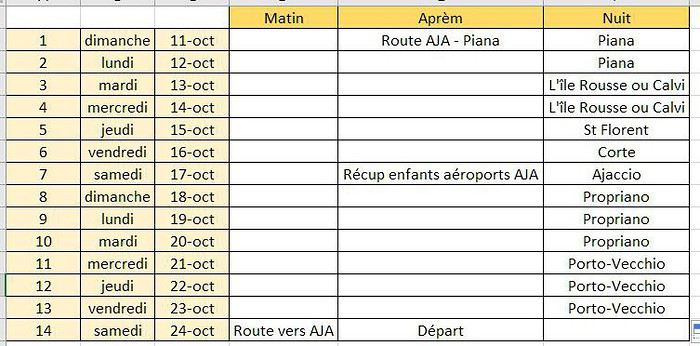
Impondérable, retourner à AJA en milieu de séjour pour récupérer les enfants à l'aéroports (17-11 ans). Pour le SUD, 2 villes sont elles suffisantes pour rayonner ? Choix des villes OK ?
Merci
Circuit de 17 jours de Toronto à Montréal English translation pending
Bonjour
Pour notre première découverte du canada, mon mari et moi souhaiterions avoir des avis sur notre circuit.
Avons nous choisi les bons sites. passons nous trop ou pas assez de temps à certains endroits
Merci de votre aide
J1: Arrivée à Toronto
J2 Chutes du Niagara et alentours. Retour à Toronto
J3 Toronto, région des mille iles Kingston
J4 Ottawa.Nuit à Montréal
J5 : Montréal
J6: Matin Montréal. AM direction Quebec
J7: Quebec
J8: Parc du Bic Rimouski
j9: Baie des chaleurs
J10: Gaspe, parc Forillon
J11: Parc gaspesie; sainte anne des monts
J12: Traversée à Matane vers tadussac
J13: Matin: croisière belougas. AM: Fjord Saguenay; sainte rose du mont
J14: Saguenay. Lac saint jean
J15: St Jean. Haute Mauricie
J16: Haute Mauricie, Mauricie, lac blanc
J17: retour Montréal
Voyage en famille au Québec et activités en février ou avril (climat) English translation pending
Bonjour à tous, moi c'est Vanessa et je prépare un voyage pour ma famille au Canada.
Nous sommes 2 adultes et 3 enfants de 14, 9 et 6 ans. Nous voulons partir de Québec, louer une voiture et partir sur les routes et visiter.
Nous voulons aller jusqu'à Montréal, voir Ottawa.
Après si nous avons le temps partir vers Toronto et les Chutes du Niagara. Mais ça c'est juste si le temps nous le permet.
Nous ne savons pas quand partir, de base nous voulions partir du 15 Avril au 1er Mai 2021. J'ai lu que ce n'était pas la bonne période pour partir. Je sais qu'il y a des choses que nous ne pourrons pas faire.
Donc nous avons ensuite pensé à partir pour février entre le 10 et le 26 février 2021, mais je me dis est ce que c'est le bon moment aussi ? est ce que les routes vont être praticables ?
Je suis donc en pleins doute pour les dates !
Nous avons envie de profiter de ce voyage pour réellement découvrir le Canada qui est un pays qui nous passionne.
Nous voulons tester pleins d'activités, comme le chien de traineau qui ne sera possible qu'en Février et non en Avril.
Faire certains parcs et faire des balades en raquettes….
Faire de la route ne nous pose pas de problème, c'est aussi pour nous un moyen de voir du pays ! Nous pensons faire des escales régulièrement.
Voilà j'ai été longue désolée mais j'ai besoin de vos conseils de votre expérience pour faire le meilleur choix !
Merci à tous 😉
Bus, avion, voiture, train pour un voyage entre Toronto et Montréal? English translation pending
Oulala!
En résumé, nous allons 1 semaine à Toronto, 1 semaine de transhumance en commençant par le Parc Omega, puis le Parc Mauricie, puis Essipit. Et puis repos 1 semaine à Sherbrooke.
Nous souhaitons profiter de notre semaine à Toronto pour aller voir les chutes du Niagara (2j - 1 nuit).
Initialement, nous nous étions dit : nous louerons une voiture le jeudi (pour aller aux chutes) et puis dimanche matin, départ Toronto direction parc Omega. Et puis ... transhumance et repos. Et retour véhicule à Montréal, avant de nous envoler pour notre plat pays.
Sauf qu'après un rapide coup d'oeil, le fait de prendre la voiture à Toronto, et de la rendre à Montréal, nous coûte 700 eur en plus!! Aïe!
Du coup, la nouvelle idée est : nous irons en train ou en car aux chutes (bien que nous avons réservé un motel en dehors du lieu dit. je dois encore voir si la démarche est faisable). (Ou nous louerons une voiture rien que pour ces 2 jours là ... parce que j'avais déjà quelques idées/envies alentours ... ça fera l'objet d'une autre réflexion...) Dimanche, nous partirons en train (ou avion) vers Montréal. Nous prendrons possession de la voiture de location - que nous rendrons au même port pour éviter ce surcoût. Et route d'1h30 vers le Parc Omega. "Et en plus, le choix de véhicule semble plus grand à Montréal" (préoccupation purement masculine😏)
Mes questions sont: ? quelle est la formule la plus économique (tout le monde a compris le mot d'ordre ;-)) entre l'avion et le train, ou même le car? Sachant que nous sommes 5 : 2 adultes et 3 enf (17-14 et 9 ans) avec bagageS bien entendu.
? Si car ou train, vaut-il mieux réserver à l'avance OU une fois sur place ce sera ok. Je ne connais pas du tout le flux, et encore moins en période estivale
? Une gentille québecoise m'a donné le tuyau suivant : le mardi, les trains sont à 1/2 prix pour les moins de 12 ans. Mieux vaut s'y prendre à l'avance OU une fois sur place ce sera bon?
Merci pour votre aide
Initialement, nous nous étions dit : nous louerons une voiture le jeudi (pour aller aux chutes) et puis dimanche matin, départ Toronto direction parc Omega. Et puis ... transhumance et repos. Et retour véhicule à Montréal, avant de nous envoler pour notre plat pays.
Sauf qu'après un rapide coup d'oeil, le fait de prendre la voiture à Toronto, et de la rendre à Montréal, nous coûte 700 eur en plus!! Aïe!
Du coup, la nouvelle idée est : nous irons en train ou en car aux chutes (bien que nous avons réservé un motel en dehors du lieu dit. je dois encore voir si la démarche est faisable). (Ou nous louerons une voiture rien que pour ces 2 jours là ... parce que j'avais déjà quelques idées/envies alentours ... ça fera l'objet d'une autre réflexion...) Dimanche, nous partirons en train (ou avion) vers Montréal. Nous prendrons possession de la voiture de location - que nous rendrons au même port pour éviter ce surcoût. Et route d'1h30 vers le Parc Omega. "Et en plus, le choix de véhicule semble plus grand à Montréal" (préoccupation purement masculine😏)
Mes questions sont: ? quelle est la formule la plus économique (tout le monde a compris le mot d'ordre ;-)) entre l'avion et le train, ou même le car? Sachant que nous sommes 5 : 2 adultes et 3 enf (17-14 et 9 ans) avec bagageS bien entendu.
? Si car ou train, vaut-il mieux réserver à l'avance OU une fois sur place ce sera ok. Je ne connais pas du tout le flux, et encore moins en période estivale
? Une gentille québecoise m'a donné le tuyau suivant : le mardi, les trains sont à 1/2 prix pour les moins de 12 ans. Mieux vaut s'y prendre à l'avance OU une fois sur place ce sera bon?
Merci pour votre aide
Circuit dans l'est du Canada: Toronto, Ottawa, Montréal... English translation pending
Bonjour,
Nous avons un projet de RoaTrip dans l'Est du Canada. Nous sommes 4 adultes jeunes retraités ! donc nous avons du temps.
Je vais tout préparer moi-même. J'en suis vraiment à l'élaboration d'un circuit.
En gros, ce que je souhaiterais privilégier : Toronto et les chutes du Niagara, Ottawa, Montréal, Québec, puis Tadoussac, le fjord du Saguenay jusqu'au lac St Jean, les parcs nationaux Jacques Cartier, la Mauricie, les Laurentides...
En plus de ce circuit "classique", pensez-vous utile de faire la partie Nord des Grands Lacs ? Y a t-il des circuits intéressants dans cette région ? Ou plutôt de rajouter une boucle en Gaspésie ?Nous sommes plutôt amateurs de beaux paysages et de contrées sauvages, moins attirés par les grandes villes, même si Toronto, Ottawa et Montréal sont des incontournables.
Un grand merci à tous pour vos conseils, je bâtirais ensuite un circuit plus précis en fonction de vos remarques.
Belle journée à tous.
Cordialement,
Christine
Nous avons un projet de RoaTrip dans l'Est du Canada. Nous sommes 4 adultes jeunes retraités ! donc nous avons du temps.
Je vais tout préparer moi-même. J'en suis vraiment à l'élaboration d'un circuit.
En gros, ce que je souhaiterais privilégier : Toronto et les chutes du Niagara, Ottawa, Montréal, Québec, puis Tadoussac, le fjord du Saguenay jusqu'au lac St Jean, les parcs nationaux Jacques Cartier, la Mauricie, les Laurentides...
En plus de ce circuit "classique", pensez-vous utile de faire la partie Nord des Grands Lacs ? Y a t-il des circuits intéressants dans cette région ? Ou plutôt de rajouter une boucle en Gaspésie ?Nous sommes plutôt amateurs de beaux paysages et de contrées sauvages, moins attirés par les grandes villes, même si Toronto, Ottawa et Montréal sont des incontournables.
Un grand merci à tous pour vos conseils, je bâtirais ensuite un circuit plus précis en fonction de vos remarques.
Belle journée à tous.
Cordialement,
Christine
Uganda: 20 days discovering authenticity
Preamble:
For summer 2019, the idea was to return to Africa. We had already been to Namibia in 2017 (+ a few days in Botswana and the end of the trip at Victoria Falls), which we loved, and a trip to Asia in 2018 (Borneo, Perhentian, and Singapore), a nature-focused trip but a bit disappointing due to environmental destruction. The desire to return to Africa was very strong. We wanted a change of scenery, nature, discoveries, to step out of our little comfort zone (a bit, anyway!) and experience travel differently. In short, we dreamed of authenticity, and we weren’t disappointed.
We traveled as a family of four with our daughters, aged 19 and 17. When the urge for Africa hit, Uganda quickly stood out, especially for the chance to see rare animals, particularly the famous mountain gorillas. When I looked into the budget, I was quickly disheartened. It’s really expensive. Too expensive… Then, after reading a few trip reports on "VoyageForum" (thanks Muriel J!), I decided to ask a local agency for a quote. The first contact was very friendly and responsive, and the initial offer for two weeks fit our budget :). A few images gathered from the internet (especially Sipi Falls) finally convinced us all. I asked for an adapted offer with a few more sites to extend the trip to three weeks and cover a fairly complete visit to the country (which, of course, increased the budget! To stay within an acceptable range, we prioritized activities over accommodations and regularly chose the cheapest options, with 2-3 nice lodges in between). It’s booked! We were in October 2018, and the first thing to do was reserve permits to see the gorillas and chimpanzees. Then, the agency took care of all the bookings except for the international flights, which we booked with Ethiopian Airlines. A few months of waiting to look forward to… and a little worry too! Two events didn’t reassure us: the kidnapping of an American tourist by four men at the DRC border and the Ebola outbreak in Congo, with confirmed cases in Uganda by mid-June…
Here we are in July, and departure is approaching. The suitcases are packed (warm clothes, long, short, dark, light, practical, sun, rain, hiking/trekking shoes, flip-flops—clothes for every situation! Don’t forget: headlamp (essential!), binoculars, cameras), and we’re ready.
One day before departure, our agency Mpolampola, through its manager Paul, informs us that he won’t be the one taking care of us during the trip but another guide named Moses. He has a big problem with a vehicle and can’t do otherwise. For us, as long as everything is okay, no worries, especially since I had read glowing reviews about Moses, who turned out to be a very pleasant guide, cautious (most important) on the road, clear about all the activities, and an expert on birds, his specialty. We briefly met Paul in the middle of the trip, who is also very friendly. In short, we 100% recommend this agency. Flights to Entebbe went smoothly; we arrived around 10:30 AM, filled out health forms (Ebola information signs everywhere), visas, baggage claim, and met Moses, who took us directly to the vehicle. It was in pretty good condition with huge tires (we’d understand why later!), but it had quite a few miles (400,000 on the odometer!). Just missing a seatbelt… Okay, it’s Africa!
Now, here’s our day-by-day itinerary, which I’ll summarize briefly with ratings for each activity: ****TOPISSIME (Amazing) ***Very good **Good *Meh
Day 1) Departure from the airport at 11:45 AM for some currency exchange. Stop along the way at the equator for a meal and souvenir photo! Arrival at Lake Mburo Park *** around 5:00 PM. Even before entering the park, we saw lots of antelopes, zebras, elks, etc.—it’s magnificent. On the way, we had already encountered many goats and cows, and we were impressed by their enormous horns. We enjoyed a nice game drive until about 7:00 PM, when we reached our lodge, one of the nicest of the trip, Eagle’s Nest ****, with a magnificent view, a tent with a nice bathroom/shower, and a very good meal.
Day 2) Departure at 7:00 AM for a game drive; we encountered many animals again, especially antelopes, zebras, and birds. There are no giraffes, lions, or cheetahs in this park. We didn’t get lucky enough to see a leopard… :-) Then, we continued to Lake Bunyonyi ***, where the road and views are very beautiful, but we were shocked to see locals (mostly women and children) breaking stones by hand on the mountainside in very precarious safety conditions. There are regularly dramatic accidents because, over time, entire sections detach and cause landslides. These stones are then used for road construction… Another world… This was the only place we saw this. Lake Bunyonyi is a nice stop (but less exotic in our opinion since we have many lakes back home too!). We took a boat to our accommodation, Byoona Amagara ***, which has a lot of charm. We stayed in huts called "geodomes," completely open to nature, so it was very cool at night. To reach the toilets located below, you had to be brave! The meal consisted of lake shrimp—good but a bit bland.
Day 3) After a good breakfast, departure at 9:00 AM to visit three islands. We took several nice walks with beautiful views of the lake and islands. A local meal was served on the last island. At 1:00 PM, we met Moses for the rest of the program and headed to Ruhija in Bwindi Forest****. The landscapes are breathtaking. After two hours of driving and many photo stops, we arrived at our accommodation near the trekking starting point, Ruhija Gorilla Friends Resort **. We stayed in a room instead of the initially planned tents, which was just as well because there was a lot of wind during the night. We still had time for an activity and decided to meet the Bwata pygmies despite the bad reviews in the guide… The first part of the visit was quite nice, with a visit to a school where the children gave us a very joyful welcome. We had a great time listening to them sing and dance! Then we met the Bwata pygmies who live on the edge of the forest. When Bwindi Forest was declared a national park, they had to leave their habitat because their activities weren’t compatible with nature and wildlife protection. We left on a somewhat sad note… The visit ended with a local doctor explaining different medicinal plants, and we watched the making of local beer from sorghum. Good meal. We had butterflies in our stomachs—tomorrow was a big day! I admit I was a bit stressed, not entirely confident in my physical abilities…
Day 4) After a short night due to excitement, breakfast, and departure at 7:30 AM. First, it started calmly with singing and dancing. Then, a 15-minute briefing and group assignments. No one asked if we had any physical problems or anything (when booking, I had inquired a bit, and they told me groups were assigned based on physical abilities). We were assigned to the Mukiza group. At first, I was pretty happy—it was a fairly large group with babies :). The ranger explained that for now, they didn’t know where the gorillas were… the trackers couldn’t find them… Oh… (that’s not a good sign!!!) We set off at a good pace, first on a reasonably sloped path. We were accompanied by a family of four Italians and five porters (four for us!). After an hour, the ranger stopped us and informed us they still couldn’t find them—they had fought with another group the day before and scattered throughout the forest, so they were very far away, and we needed to move faster… Hmm… we picked up the pace (we weren’t going slowly before!!!) and walked for another good hour—down, up, down again, up again, we kept going, but always more or less on paths. Then another stop. A 10-minute break waiting for news. The news wasn’t very precise, it seemed! The ranger decided to cut through the forest—machetes were used to clear the path. We descended unimaginable slopes, then climbed back up. Our stick kept getting stuck; luckily, our porter helped us, held our hands, and the terrain was vertical! An hour later, another stop: we heard gorilla cries (yay!!!). False hope—we waited again for news from the trackers, who informed our ranger that it was a non-habituated family, so we couldn’t see them. Cold shower—we had to go all the way back up and return to the starting point to maybe see another group. But time was running out… We arrived around 1:30 PM; all the other groups had already left long ago. Our guide was worried because we still had a long drive ahead. We quickly ate a banana, and off we went for another trek (I was exhausted!). Luckily, this group was close—about 45 minutes of steep descent (I was already thinking about the climb back and considering being adopted by a gorilla ). The forest was sublime, with magnificent tree ferns—the place was truly splendid. Finally, we were there. The porters stayed behind, we grabbed our cameras, and followed the ranger. The progress wasn’t easy, but suddenly, a female was in front of us, curled up in a little ball, eating—so cute. The emotion overwhelmed us. But she moved away—it’s hard to observe them; they move constantly, and the terrain is very steep and uneven. We saw a female descending from a tree with a baby on her back—too adorable. Then, here was the silverback, enormous, incredible, yet so calm and peaceful. He ate quietly and gave us a nice demonstration of nostril exploration! We could observe them for a good hour, but photographing them wasn’t easy because they kept moving, and we could barely stand! Toward the end, a large male (black back) suddenly stood up and decided to pass right where I was! I ended up in the bushes, and the male passed in front of me just a few centimeters away (he stepped on one of my daughters’ feet!) followed by the whole family. Just an exceptional moment. It was time to leave; we had to climb back up. I dreaded it because, I admit, I was exhausted. We finished the hike after 4:00 PM, exhausted but happy. The ranger gave us diplomas, and we didn’t linger because we still had a long drive—we needed to reach Ishasha before nightfall. Our guide was a bit stressed. If we were to do it again, we’d spend an extra night in Bwindi. However, it seems finishing so late is exceptional—it never happens, according to our guide! The road between Bwindi and Ishasha is sublime, with extraordinary landscapes, and despite the late hour, we regularly asked our guide to stop for photos. We arrived at Enjojo *** Lodge around 6:00 PM. The huts are located quite far from the reception and the bathrooms, a bit far from the huts, but otherwise, it was very nice.
Day 5) Departure at 8:00 AM after a good breakfast with the hope of seeing tree-climbing lions (no luck!). Overall, there weren’t many animals, and we arrived around 12:45 PM at our next stop, Parkview Safari Lodge ****, with a magnificent view, a beautiful family bungalow, and a good meal. We enjoyed a short relaxation by the lovely pool. At 4:00 PM, we left to see Kyambura Gorge *** and hike there. Unfortunately, this activity is no longer available, so we walked around the area—it was very beautiful. Back at the hotel, a little rest after the previous day wasn’t a bad idea! Reading, swimming, meals, and dances made the end of the day enjoyable.
Day 6) Departure at 6:30 AM—one of our daughters was sick (stomachache, cold sweats…). Safari in Queen Elizabeth ** (Kaseny Plains)—a bit disappointing. Stop by the salt lake with a nice view. A small market, but we weren’t thrilled by the crafts (overall, apart from some beautiful baskets/plates, there wasn’t much, and the wooden objects were, in our opinion, much less pretty than in Namibia). Then we took the crater road (27 km long) **** with magnificent landscapes. However, you absolutely must close the windows because it’s infested with tsetse flies. At noon, we arrived at Mweya, where we stayed in basic rooms, but the restaurant was well-placed with a beautiful view of the Kazinga Channel. At 2:00 PM, we enjoyed a magnificent cruise **** on the channel. Elephants, antelopes, crocodiles, hippos (including adorable babies), buffaloes, all kinds of birds. Wow!!! Two hours of pure bliss. Quiet end of the day playing cards with a view of the channel and elephants.
Day 7) Departure at 6:00 AM—still sick, we weren’t sure if it was due to the preventive treatment (Malarone) or something else… Another game drive in Queen Elizabeth (Kaseny Plains) and breakfast by the salt lake. Overall, we were a bit disappointed by this park. Then we took the road to Crater Lakes***, again with very beautiful landscapes. A hike of about an hour and a half allowed us to discover these beautiful crater lakes (the water mainly comes from the Rwenzoris). We crossed pretty villages and had nice encounters. End of the day at Tinka’s Home ****, with a family. We loved this place—very welcoming, where we took a cooking class with our hosts. A really great time. After the meal, we enjoyed African stories and dances. Really awesome.
Day 8) Departure at 7:30 AM for another highly anticipated discovery—the chimpanzees in Kibale Forest ****. We went to the meeting point and were split into groups of six, each with a guide. We saw three different groups, and for the last group, we followed a chimpanzee (slightly more comfortable running in the forest than we were!) that led us to the group. Their cries are very impressive, and we could observe them well, even though they were often high up in the trees. We were lucky enough to see two on the ground, very close to us. It was magnificent. End of the encounter and return to the starting point—it was noon. We went back to Tinka’s Home for the meal (delicious!). At 2:00 PM, we hiked in Bigodi Swamp ***, a marsh surrounded by beautiful vegetation, especially huge papyrus, and inhabited by many birds and monkeys. We saw, among others, black-and-white colobus monkeys, red colobus monkeys, and vervet monkeys. We also visited a basket-weaving workshop where we bought two beautiful baskets. Then a short stop in Fort Portal, where we stayed for two nights at Ruwenzori View Guesthouse ***, a nice place with a family room and very good communal meals.
Day 9) Departure at 8:00 AM for a hike in the Rwenzori****—it was a bit chaotic today. First, we had to exchange shillings because we wouldn’t have another chance in the following days. At the bank, employees went to get the bills by motorcycle from other buildings—it was quite surreal! And it took time! Then there was a misunderstanding between the organizer and me… I really wanted to see the region where chameleons are found in the Rwenzori—this region is south of the mountain range, and we were in the north! Anyway, the program included an ascent in the northern part with a positive elevation gain of over 1,500 meters… Talking to the guide scheduled for this hike (Noah), we explained that we really wanted to discover the vegetation and these famous chameleons, not necessarily achieve a physical feat… (we’d had enough!). The decision was made to go south, which meant quite a bit of driving. The hike was really enjoyable, with magnificent vegetation by the river. We saw three of the four chameleon species present, including the famous three-horned chameleon. The region is superb. We ended with a drink at Ruboni Camp, which has a magnificent view of the region (ideally, we should have stayed there). Two hours of driving to finish, and a good meal :).
Day 10) Departure at 8:00 AM—we had a long drive to Ziwa Rhino Ranch****. We passed through Hoima, had lunch in Masindi, and arrived in time for the rhino tracking walk. We could approach them closely on foot—it was impressive. We saw eight. Since we were staying on-site in the guesthouse **, we received precise safety instructions for moving between the rooms and the restaurant. And we quickly understood why!
Day 11) Departure at 6:00 AM for breakfast—surprise, in front of our room, several large rhinos were sleeping (we had also heard a lot of animal noises during the night—rhinos but also what seemed to be predators). So we had to take a detour to reach the restaurant! Second surprise—next to the restaurant, just three meters away at most, two mothers and their baby were also sleeping! Memorable! Then we had an appointment for the shoebill trek and canoe ride **** (package with the previous day’s walk). So there we were, in our boots, splashing through 30 cm of water in search of the shoebill (I really wanted to see one :))! It was really fun, and luck was on our side—a shoebill had just landed in the distance! We approached as best we could and observed it from afar. What a strange bird! There are very few left, and Uganda is one of the countries where the chances of seeing one are quite good. The tour continued with a canoe cruise where we saw a herd of cows (the famous ones with enormous horns) being swum as a dowry to the father of the future bride! A funny spectacle. This stop wasn’t the most anticipated, but we all thought it was really worth the detour. Road to Murchison Falls Park, and arrival around noon at Red Chili Rest Camp **, where we stayed for two nights (family banda). Good meal. Then a cruise to Murchison Falls*** where we disembarked and continued on foot. It was pretty. Back to Red Chili.
Day 12) This morning, early departure for a cruise in search of the shoebill*** (booked in case we didn’t see one at Ziwa). The landscapes were pretty, but there weren’t many birds in the end. We spotted the chosen one from afar after the first 10 minutes—so the suspense didn’t last long :-) It was a nice activity but quite long—5 hours. In the afternoon, safari in Murchison Park****—this park is sublime, the landscapes fabulous. Really one of our favorite parts of the trip. Lots of animals and even a leopard spotted with binoculars because it was far away! Night at Red Chili.
Day 13) Departure for the first morning ferry—it was drizzling, the sky was threatening at first, so the landscape was spectacular! Beautiful contrasts. In the middle of the morning, we were lucky to observe a whole group of lions, first from afar, then with a little patience, the whole group approached until they passed beside and in front of our vehicle. What emotion and excitement! We could then observe large groups of giraffes. They were magnificent. The morning was incredible. Then we headed to our lodge, Fort Murchison ****, and on the way, we saw a whole group of elephants—the view was magnificent. We had a very good meal and enjoyed the pool a bit. We also met Paul, the organizer of our trip. Very nice :). In the late afternoon, off for a short safari in the park. We slept in very well-equipped tents.
Day 14) Today, we had a long drive to Kidepo Park. It was raining, which didn’t help our guide—according to him, the tracks near Kidepo turn to mud with rain and become difficult to navigate. We saw, among other things, a bus in a bad situation in the ditch. Some sections were really tricky, and we were glad to have a driver. The end of the trip—the landscape was spectacular and original, and we saw some traditional villages. We arrived at Kidepo quite late. Short safari in the park before reaching the accommodation. We booked two simple bandas in the park camp**. It was clean but didn’t hold up well in the rain . The restaurant was very nice, though.
Day 15) The day was dedicated to discovering Kidepo Park **** where the landscapes were again superb. First encounter with a lioness resting on a rock. We saw other lions later and observed them for a long time. There were almost no other tourists in the park. Our daughter wasn’t feeling well, and by the time we arrived at the lodge, she had a temperature of 39.5°C (103.1°F)… A nap was necessary. In the late afternoon, we returned to the spot where we had seen the lions that morning, and they were still there—they weren’t happy because rain was threatening! It was a great photo opportunity. Then came the downpour, and our driver urged us to return quickly because the tracks were becoming impassable. Indeed, a jeep was in the ditch… The return was eventful, and several times we slid without being able to do anything… Wow, what a day!
Day 16) No safari this morning because of impassable tracks—the road to Kotido*** was longer than expected as we had to take a detour. The landscapes along the way were surprising. We finally arrived around 1:00 PM at the accommodation and left at 3:00 PM to visit the largest manyatta in East Africa with two translators. It was incredible—a very beautiful experience. The manyatta is immense and has 28,000 inhabitants. Night at Karamojaarts guesthouse*—very average meal.
Day 17) Departure for Moroto****—on the way, we saw many bird species. Moroto doesn’t look like other Ugandan cities. Life there seems very pleasant. We arrived at Kara-Tunga and had a bite to eat. At 4:00 PM, we left to visit a Karamojong village. We enjoyed beautiful dances and watched communal games—it was fun and so authentic. Then we headed to a kraal (where shepherds and herds are) to set up our camp. Moses had to get used to the idea of sleeping in the tribe in a tent! It was incredible to find ourselves in this universe. The place was beautiful, and we had a great time with the Karamojong. Some had never seen white people… had never been in a car… Their culture is incredible. During the evening, around the fire, to our guide’s dismay (a bird enthusiast), they grilled hornbills! On our side, we ate a meal prepared by Kara-Tunga for our sensitive stomachs! Night in a tent.
Day 18) Dawn wake-up in the fog—the atmosphere was quite strange. Our daughter was attacked by a cow—fortunately, more fear than harm, but she ended up with a lot of thorns in her buttocks and thighs ! Then we left for the Mount Elgon region, specifically Sipi Falls****. Lacam Lodge****, perched on the edge of the cliff with a direct view of one of the falls, was just magnificent. The view and landscapes were fabulous. Big favorite. We had dinner and then went for a hike to visit the three falls in the region, partly in the rain. The landscapes were breathtaking! Sunset at Lacam Lodge with the sun setting over the waterfall. We couldn’t get enough and stayed to admire until nightfall!
Day 19) Visit to coffee plantations*** where we were given all the useful explanations to understand the culture and the incredible work required for this product, which is ultimately not very glorified. The visit was very interesting, and we drank very good coffee with the owners. Last photos at Lacam Lodge, and then departure for Jinja, where we arrived in the middle of the afternoon. We took a small cruise to see the source of the Nile*. Very touristy and not at all to our taste… Then a meal at Jinja Base Camp** where we enjoyed guacamole. Our guide Moses left us because another group was waiting for him!
Day 20) Road to Kampala***, the market, the Gaddafi Mosque. Short but interesting visit. Last meal in Entebbe by Lake Victoria, where we almost felt like we were by the sea. Transfer to the airport and return to Switzerland…
Epilogue: All four of us were enchanted by this trip, which will undoubtedly remain one of the most beautiful we’ve ever taken. Talking about it gives me chills and brings tears to my eyes. It was simply a magnificent experience. However, I wouldn’t recommend this trip to everyone because you often have to overlook small inconveniences like toilets (the worst of my life) and certain comfort details that, for us, remain details but could be important to others.
Our favorites: - The gorilla trek - The cruise on Kazinga Channel - The Fort Portal region - The Rwenzori Mountains - The chimpanzee trek - Murchison Falls - Kidepo - Spending time with the Karamojong tribe - The Sipi Falls region - The accommodations: Eagle’s Nest, Byonna Amagara, Parkview Lodge, Tinka’s Home, Rwenzori Guesthouse, Fort Murchison, Night in the kraal, and Lacam Lodge
What we liked less: - Queen Elizabeth Park - Jinja - The accommodations: Ziwa Rhino Ranch, Karamojaarts Guesthouse
I’ll try to post some photos later. If you have any questions about a future trip, I’d be happy to answer them.
For summer 2019, the idea was to return to Africa. We had already been to Namibia in 2017 (+ a few days in Botswana and the end of the trip at Victoria Falls), which we loved, and a trip to Asia in 2018 (Borneo, Perhentian, and Singapore), a nature-focused trip but a bit disappointing due to environmental destruction. The desire to return to Africa was very strong. We wanted a change of scenery, nature, discoveries, to step out of our little comfort zone (a bit, anyway!) and experience travel differently. In short, we dreamed of authenticity, and we weren’t disappointed.
We traveled as a family of four with our daughters, aged 19 and 17. When the urge for Africa hit, Uganda quickly stood out, especially for the chance to see rare animals, particularly the famous mountain gorillas. When I looked into the budget, I was quickly disheartened. It’s really expensive. Too expensive… Then, after reading a few trip reports on "VoyageForum" (thanks Muriel J!), I decided to ask a local agency for a quote. The first contact was very friendly and responsive, and the initial offer for two weeks fit our budget :). A few images gathered from the internet (especially Sipi Falls) finally convinced us all. I asked for an adapted offer with a few more sites to extend the trip to three weeks and cover a fairly complete visit to the country (which, of course, increased the budget! To stay within an acceptable range, we prioritized activities over accommodations and regularly chose the cheapest options, with 2-3 nice lodges in between). It’s booked! We were in October 2018, and the first thing to do was reserve permits to see the gorillas and chimpanzees. Then, the agency took care of all the bookings except for the international flights, which we booked with Ethiopian Airlines. A few months of waiting to look forward to… and a little worry too! Two events didn’t reassure us: the kidnapping of an American tourist by four men at the DRC border and the Ebola outbreak in Congo, with confirmed cases in Uganda by mid-June…
Here we are in July, and departure is approaching. The suitcases are packed (warm clothes, long, short, dark, light, practical, sun, rain, hiking/trekking shoes, flip-flops—clothes for every situation! Don’t forget: headlamp (essential!), binoculars, cameras), and we’re ready.
One day before departure, our agency Mpolampola, through its manager Paul, informs us that he won’t be the one taking care of us during the trip but another guide named Moses. He has a big problem with a vehicle and can’t do otherwise. For us, as long as everything is okay, no worries, especially since I had read glowing reviews about Moses, who turned out to be a very pleasant guide, cautious (most important) on the road, clear about all the activities, and an expert on birds, his specialty. We briefly met Paul in the middle of the trip, who is also very friendly. In short, we 100% recommend this agency. Flights to Entebbe went smoothly; we arrived around 10:30 AM, filled out health forms (Ebola information signs everywhere), visas, baggage claim, and met Moses, who took us directly to the vehicle. It was in pretty good condition with huge tires (we’d understand why later!), but it had quite a few miles (400,000 on the odometer!). Just missing a seatbelt… Okay, it’s Africa!
Now, here’s our day-by-day itinerary, which I’ll summarize briefly with ratings for each activity: ****TOPISSIME (Amazing) ***Very good **Good *Meh
Day 1) Departure from the airport at 11:45 AM for some currency exchange. Stop along the way at the equator for a meal and souvenir photo! Arrival at Lake Mburo Park *** around 5:00 PM. Even before entering the park, we saw lots of antelopes, zebras, elks, etc.—it’s magnificent. On the way, we had already encountered many goats and cows, and we were impressed by their enormous horns. We enjoyed a nice game drive until about 7:00 PM, when we reached our lodge, one of the nicest of the trip, Eagle’s Nest ****, with a magnificent view, a tent with a nice bathroom/shower, and a very good meal.
Day 2) Departure at 7:00 AM for a game drive; we encountered many animals again, especially antelopes, zebras, and birds. There are no giraffes, lions, or cheetahs in this park. We didn’t get lucky enough to see a leopard… :-) Then, we continued to Lake Bunyonyi ***, where the road and views are very beautiful, but we were shocked to see locals (mostly women and children) breaking stones by hand on the mountainside in very precarious safety conditions. There are regularly dramatic accidents because, over time, entire sections detach and cause landslides. These stones are then used for road construction… Another world… This was the only place we saw this. Lake Bunyonyi is a nice stop (but less exotic in our opinion since we have many lakes back home too!). We took a boat to our accommodation, Byoona Amagara ***, which has a lot of charm. We stayed in huts called "geodomes," completely open to nature, so it was very cool at night. To reach the toilets located below, you had to be brave! The meal consisted of lake shrimp—good but a bit bland.
Day 3) After a good breakfast, departure at 9:00 AM to visit three islands. We took several nice walks with beautiful views of the lake and islands. A local meal was served on the last island. At 1:00 PM, we met Moses for the rest of the program and headed to Ruhija in Bwindi Forest****. The landscapes are breathtaking. After two hours of driving and many photo stops, we arrived at our accommodation near the trekking starting point, Ruhija Gorilla Friends Resort **. We stayed in a room instead of the initially planned tents, which was just as well because there was a lot of wind during the night. We still had time for an activity and decided to meet the Bwata pygmies despite the bad reviews in the guide… The first part of the visit was quite nice, with a visit to a school where the children gave us a very joyful welcome. We had a great time listening to them sing and dance! Then we met the Bwata pygmies who live on the edge of the forest. When Bwindi Forest was declared a national park, they had to leave their habitat because their activities weren’t compatible with nature and wildlife protection. We left on a somewhat sad note… The visit ended with a local doctor explaining different medicinal plants, and we watched the making of local beer from sorghum. Good meal. We had butterflies in our stomachs—tomorrow was a big day! I admit I was a bit stressed, not entirely confident in my physical abilities…
Day 4) After a short night due to excitement, breakfast, and departure at 7:30 AM. First, it started calmly with singing and dancing. Then, a 15-minute briefing and group assignments. No one asked if we had any physical problems or anything (when booking, I had inquired a bit, and they told me groups were assigned based on physical abilities). We were assigned to the Mukiza group. At first, I was pretty happy—it was a fairly large group with babies :). The ranger explained that for now, they didn’t know where the gorillas were… the trackers couldn’t find them… Oh… (that’s not a good sign!!!) We set off at a good pace, first on a reasonably sloped path. We were accompanied by a family of four Italians and five porters (four for us!). After an hour, the ranger stopped us and informed us they still couldn’t find them—they had fought with another group the day before and scattered throughout the forest, so they were very far away, and we needed to move faster… Hmm… we picked up the pace (we weren’t going slowly before!!!) and walked for another good hour—down, up, down again, up again, we kept going, but always more or less on paths. Then another stop. A 10-minute break waiting for news. The news wasn’t very precise, it seemed! The ranger decided to cut through the forest—machetes were used to clear the path. We descended unimaginable slopes, then climbed back up. Our stick kept getting stuck; luckily, our porter helped us, held our hands, and the terrain was vertical! An hour later, another stop: we heard gorilla cries (yay!!!). False hope—we waited again for news from the trackers, who informed our ranger that it was a non-habituated family, so we couldn’t see them. Cold shower—we had to go all the way back up and return to the starting point to maybe see another group. But time was running out… We arrived around 1:30 PM; all the other groups had already left long ago. Our guide was worried because we still had a long drive ahead. We quickly ate a banana, and off we went for another trek (I was exhausted!). Luckily, this group was close—about 45 minutes of steep descent (I was already thinking about the climb back and considering being adopted by a gorilla ). The forest was sublime, with magnificent tree ferns—the place was truly splendid. Finally, we were there. The porters stayed behind, we grabbed our cameras, and followed the ranger. The progress wasn’t easy, but suddenly, a female was in front of us, curled up in a little ball, eating—so cute. The emotion overwhelmed us. But she moved away—it’s hard to observe them; they move constantly, and the terrain is very steep and uneven. We saw a female descending from a tree with a baby on her back—too adorable. Then, here was the silverback, enormous, incredible, yet so calm and peaceful. He ate quietly and gave us a nice demonstration of nostril exploration! We could observe them for a good hour, but photographing them wasn’t easy because they kept moving, and we could barely stand! Toward the end, a large male (black back) suddenly stood up and decided to pass right where I was! I ended up in the bushes, and the male passed in front of me just a few centimeters away (he stepped on one of my daughters’ feet!) followed by the whole family. Just an exceptional moment. It was time to leave; we had to climb back up. I dreaded it because, I admit, I was exhausted. We finished the hike after 4:00 PM, exhausted but happy. The ranger gave us diplomas, and we didn’t linger because we still had a long drive—we needed to reach Ishasha before nightfall. Our guide was a bit stressed. If we were to do it again, we’d spend an extra night in Bwindi. However, it seems finishing so late is exceptional—it never happens, according to our guide! The road between Bwindi and Ishasha is sublime, with extraordinary landscapes, and despite the late hour, we regularly asked our guide to stop for photos. We arrived at Enjojo *** Lodge around 6:00 PM. The huts are located quite far from the reception and the bathrooms, a bit far from the huts, but otherwise, it was very nice.
Day 5) Departure at 8:00 AM after a good breakfast with the hope of seeing tree-climbing lions (no luck!). Overall, there weren’t many animals, and we arrived around 12:45 PM at our next stop, Parkview Safari Lodge ****, with a magnificent view, a beautiful family bungalow, and a good meal. We enjoyed a short relaxation by the lovely pool. At 4:00 PM, we left to see Kyambura Gorge *** and hike there. Unfortunately, this activity is no longer available, so we walked around the area—it was very beautiful. Back at the hotel, a little rest after the previous day wasn’t a bad idea! Reading, swimming, meals, and dances made the end of the day enjoyable.
Day 6) Departure at 6:30 AM—one of our daughters was sick (stomachache, cold sweats…). Safari in Queen Elizabeth ** (Kaseny Plains)—a bit disappointing. Stop by the salt lake with a nice view. A small market, but we weren’t thrilled by the crafts (overall, apart from some beautiful baskets/plates, there wasn’t much, and the wooden objects were, in our opinion, much less pretty than in Namibia). Then we took the crater road (27 km long) **** with magnificent landscapes. However, you absolutely must close the windows because it’s infested with tsetse flies. At noon, we arrived at Mweya, where we stayed in basic rooms, but the restaurant was well-placed with a beautiful view of the Kazinga Channel. At 2:00 PM, we enjoyed a magnificent cruise **** on the channel. Elephants, antelopes, crocodiles, hippos (including adorable babies), buffaloes, all kinds of birds. Wow!!! Two hours of pure bliss. Quiet end of the day playing cards with a view of the channel and elephants.
Day 7) Departure at 6:00 AM—still sick, we weren’t sure if it was due to the preventive treatment (Malarone) or something else… Another game drive in Queen Elizabeth (Kaseny Plains) and breakfast by the salt lake. Overall, we were a bit disappointed by this park. Then we took the road to Crater Lakes***, again with very beautiful landscapes. A hike of about an hour and a half allowed us to discover these beautiful crater lakes (the water mainly comes from the Rwenzoris). We crossed pretty villages and had nice encounters. End of the day at Tinka’s Home ****, with a family. We loved this place—very welcoming, where we took a cooking class with our hosts. A really great time. After the meal, we enjoyed African stories and dances. Really awesome.
Day 8) Departure at 7:30 AM for another highly anticipated discovery—the chimpanzees in Kibale Forest ****. We went to the meeting point and were split into groups of six, each with a guide. We saw three different groups, and for the last group, we followed a chimpanzee (slightly more comfortable running in the forest than we were!) that led us to the group. Their cries are very impressive, and we could observe them well, even though they were often high up in the trees. We were lucky enough to see two on the ground, very close to us. It was magnificent. End of the encounter and return to the starting point—it was noon. We went back to Tinka’s Home for the meal (delicious!). At 2:00 PM, we hiked in Bigodi Swamp ***, a marsh surrounded by beautiful vegetation, especially huge papyrus, and inhabited by many birds and monkeys. We saw, among others, black-and-white colobus monkeys, red colobus monkeys, and vervet monkeys. We also visited a basket-weaving workshop where we bought two beautiful baskets. Then a short stop in Fort Portal, where we stayed for two nights at Ruwenzori View Guesthouse ***, a nice place with a family room and very good communal meals.
Day 9) Departure at 8:00 AM for a hike in the Rwenzori****—it was a bit chaotic today. First, we had to exchange shillings because we wouldn’t have another chance in the following days. At the bank, employees went to get the bills by motorcycle from other buildings—it was quite surreal! And it took time! Then there was a misunderstanding between the organizer and me… I really wanted to see the region where chameleons are found in the Rwenzori—this region is south of the mountain range, and we were in the north! Anyway, the program included an ascent in the northern part with a positive elevation gain of over 1,500 meters… Talking to the guide scheduled for this hike (Noah), we explained that we really wanted to discover the vegetation and these famous chameleons, not necessarily achieve a physical feat… (we’d had enough!). The decision was made to go south, which meant quite a bit of driving. The hike was really enjoyable, with magnificent vegetation by the river. We saw three of the four chameleon species present, including the famous three-horned chameleon. The region is superb. We ended with a drink at Ruboni Camp, which has a magnificent view of the region (ideally, we should have stayed there). Two hours of driving to finish, and a good meal :).
Day 10) Departure at 8:00 AM—we had a long drive to Ziwa Rhino Ranch****. We passed through Hoima, had lunch in Masindi, and arrived in time for the rhino tracking walk. We could approach them closely on foot—it was impressive. We saw eight. Since we were staying on-site in the guesthouse **, we received precise safety instructions for moving between the rooms and the restaurant. And we quickly understood why!
Day 11) Departure at 6:00 AM for breakfast—surprise, in front of our room, several large rhinos were sleeping (we had also heard a lot of animal noises during the night—rhinos but also what seemed to be predators). So we had to take a detour to reach the restaurant! Second surprise—next to the restaurant, just three meters away at most, two mothers and their baby were also sleeping! Memorable! Then we had an appointment for the shoebill trek and canoe ride **** (package with the previous day’s walk). So there we were, in our boots, splashing through 30 cm of water in search of the shoebill (I really wanted to see one :))! It was really fun, and luck was on our side—a shoebill had just landed in the distance! We approached as best we could and observed it from afar. What a strange bird! There are very few left, and Uganda is one of the countries where the chances of seeing one are quite good. The tour continued with a canoe cruise where we saw a herd of cows (the famous ones with enormous horns) being swum as a dowry to the father of the future bride! A funny spectacle. This stop wasn’t the most anticipated, but we all thought it was really worth the detour. Road to Murchison Falls Park, and arrival around noon at Red Chili Rest Camp **, where we stayed for two nights (family banda). Good meal. Then a cruise to Murchison Falls*** where we disembarked and continued on foot. It was pretty. Back to Red Chili.
Day 12) This morning, early departure for a cruise in search of the shoebill*** (booked in case we didn’t see one at Ziwa). The landscapes were pretty, but there weren’t many birds in the end. We spotted the chosen one from afar after the first 10 minutes—so the suspense didn’t last long :-) It was a nice activity but quite long—5 hours. In the afternoon, safari in Murchison Park****—this park is sublime, the landscapes fabulous. Really one of our favorite parts of the trip. Lots of animals and even a leopard spotted with binoculars because it was far away! Night at Red Chili.
Day 13) Departure for the first morning ferry—it was drizzling, the sky was threatening at first, so the landscape was spectacular! Beautiful contrasts. In the middle of the morning, we were lucky to observe a whole group of lions, first from afar, then with a little patience, the whole group approached until they passed beside and in front of our vehicle. What emotion and excitement! We could then observe large groups of giraffes. They were magnificent. The morning was incredible. Then we headed to our lodge, Fort Murchison ****, and on the way, we saw a whole group of elephants—the view was magnificent. We had a very good meal and enjoyed the pool a bit. We also met Paul, the organizer of our trip. Very nice :). In the late afternoon, off for a short safari in the park. We slept in very well-equipped tents.
Day 14) Today, we had a long drive to Kidepo Park. It was raining, which didn’t help our guide—according to him, the tracks near Kidepo turn to mud with rain and become difficult to navigate. We saw, among other things, a bus in a bad situation in the ditch. Some sections were really tricky, and we were glad to have a driver. The end of the trip—the landscape was spectacular and original, and we saw some traditional villages. We arrived at Kidepo quite late. Short safari in the park before reaching the accommodation. We booked two simple bandas in the park camp**. It was clean but didn’t hold up well in the rain . The restaurant was very nice, though.
Day 15) The day was dedicated to discovering Kidepo Park **** where the landscapes were again superb. First encounter with a lioness resting on a rock. We saw other lions later and observed them for a long time. There were almost no other tourists in the park. Our daughter wasn’t feeling well, and by the time we arrived at the lodge, she had a temperature of 39.5°C (103.1°F)… A nap was necessary. In the late afternoon, we returned to the spot where we had seen the lions that morning, and they were still there—they weren’t happy because rain was threatening! It was a great photo opportunity. Then came the downpour, and our driver urged us to return quickly because the tracks were becoming impassable. Indeed, a jeep was in the ditch… The return was eventful, and several times we slid without being able to do anything… Wow, what a day!
Day 16) No safari this morning because of impassable tracks—the road to Kotido*** was longer than expected as we had to take a detour. The landscapes along the way were surprising. We finally arrived around 1:00 PM at the accommodation and left at 3:00 PM to visit the largest manyatta in East Africa with two translators. It was incredible—a very beautiful experience. The manyatta is immense and has 28,000 inhabitants. Night at Karamojaarts guesthouse*—very average meal.
Day 17) Departure for Moroto****—on the way, we saw many bird species. Moroto doesn’t look like other Ugandan cities. Life there seems very pleasant. We arrived at Kara-Tunga and had a bite to eat. At 4:00 PM, we left to visit a Karamojong village. We enjoyed beautiful dances and watched communal games—it was fun and so authentic. Then we headed to a kraal (where shepherds and herds are) to set up our camp. Moses had to get used to the idea of sleeping in the tribe in a tent! It was incredible to find ourselves in this universe. The place was beautiful, and we had a great time with the Karamojong. Some had never seen white people… had never been in a car… Their culture is incredible. During the evening, around the fire, to our guide’s dismay (a bird enthusiast), they grilled hornbills! On our side, we ate a meal prepared by Kara-Tunga for our sensitive stomachs! Night in a tent.
Day 18) Dawn wake-up in the fog—the atmosphere was quite strange. Our daughter was attacked by a cow—fortunately, more fear than harm, but she ended up with a lot of thorns in her buttocks and thighs ! Then we left for the Mount Elgon region, specifically Sipi Falls****. Lacam Lodge****, perched on the edge of the cliff with a direct view of one of the falls, was just magnificent. The view and landscapes were fabulous. Big favorite. We had dinner and then went for a hike to visit the three falls in the region, partly in the rain. The landscapes were breathtaking! Sunset at Lacam Lodge with the sun setting over the waterfall. We couldn’t get enough and stayed to admire until nightfall!
Day 19) Visit to coffee plantations*** where we were given all the useful explanations to understand the culture and the incredible work required for this product, which is ultimately not very glorified. The visit was very interesting, and we drank very good coffee with the owners. Last photos at Lacam Lodge, and then departure for Jinja, where we arrived in the middle of the afternoon. We took a small cruise to see the source of the Nile*. Very touristy and not at all to our taste… Then a meal at Jinja Base Camp** where we enjoyed guacamole. Our guide Moses left us because another group was waiting for him!
Day 20) Road to Kampala***, the market, the Gaddafi Mosque. Short but interesting visit. Last meal in Entebbe by Lake Victoria, where we almost felt like we were by the sea. Transfer to the airport and return to Switzerland…
Epilogue: All four of us were enchanted by this trip, which will undoubtedly remain one of the most beautiful we’ve ever taken. Talking about it gives me chills and brings tears to my eyes. It was simply a magnificent experience. However, I wouldn’t recommend this trip to everyone because you often have to overlook small inconveniences like toilets (the worst of my life) and certain comfort details that, for us, remain details but could be important to others.
Our favorites: - The gorilla trek - The cruise on Kazinga Channel - The Fort Portal region - The Rwenzori Mountains - The chimpanzee trek - Murchison Falls - Kidepo - Spending time with the Karamojong tribe - The Sipi Falls region - The accommodations: Eagle’s Nest, Byonna Amagara, Parkview Lodge, Tinka’s Home, Rwenzori Guesthouse, Fort Murchison, Night in the kraal, and Lacam Lodge
What we liked less: - Queen Elizabeth Park - Jinja - The accommodations: Ziwa Rhino Ranch, Karamojaarts Guesthouse
I’ll try to post some photos later. If you have any questions about a future trip, I’d be happy to answer them.
Safari au Botswana (2019) English translation pending
Bonjour à tous,
Nous avons vécu en septembre 2019, avec ce safari, une aventure extraordinaire, pleine d'émotions, et avons découvert des paysages magnifiques, sillonné de profondes pistes sableuses, dormi au milieu de centaines d'animaux dans leur milieu naturel. Quel bonheur de vivre des instants pareils ! Nous garderons un souvenir inoubliable de ce voyage au Botswana, avec ce final époustouflant aux Chutes Victoria !
Nous souhaitons partager avec vous cette aventure fantastique sur notre blog :
SAFARI AU BOTSWANA
Nous sommes à votre disposition pour répondre à toutes vos questions.
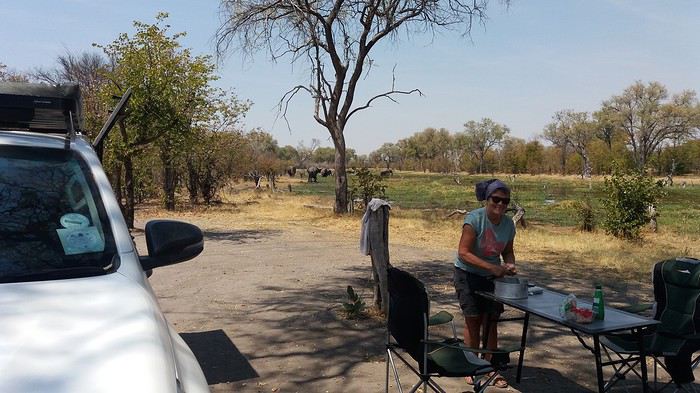
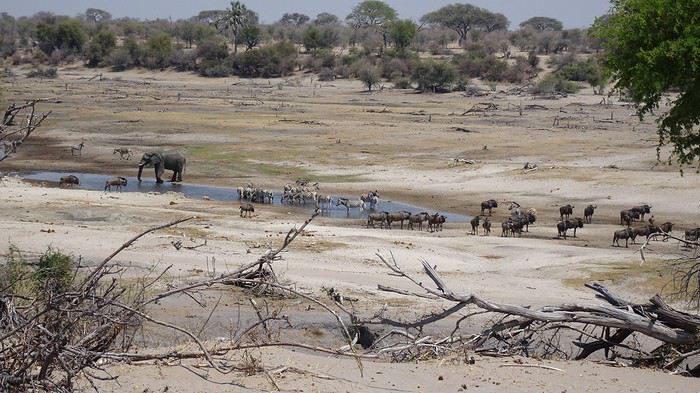
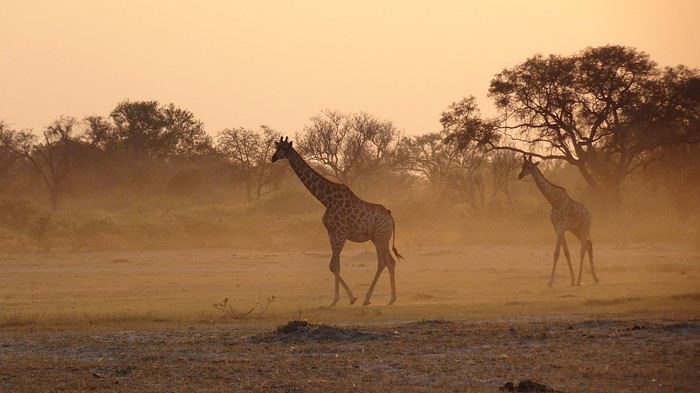
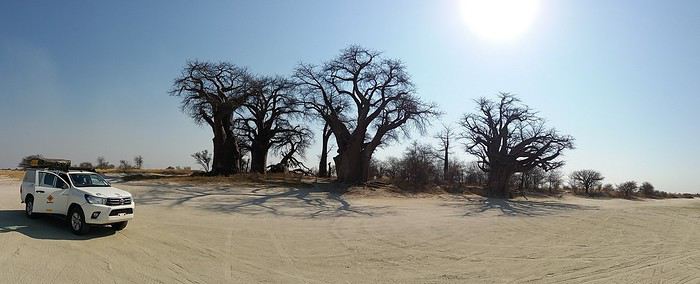
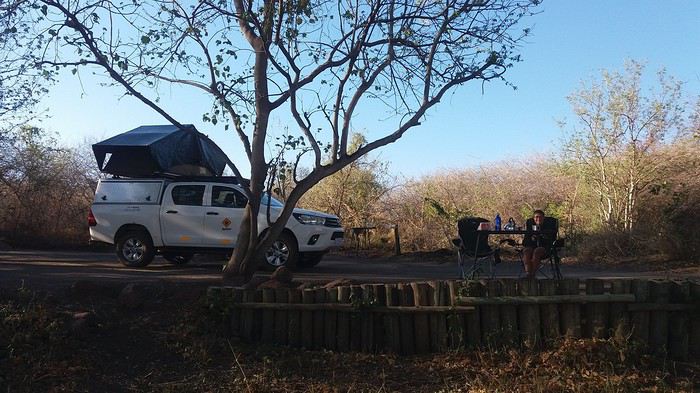
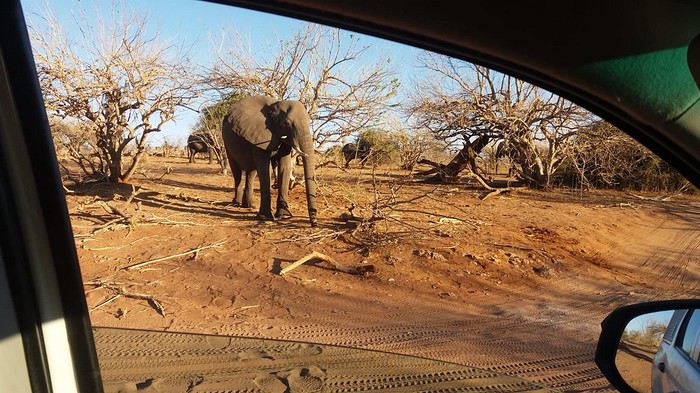
Nous souhaitons partager avec vous cette aventure fantastique sur notre blog :
SAFARI AU BOTSWANA
Nous sommes à votre disposition pour répondre à toutes vos questions.
Maleala ou Tsehlanyane au Lesotho? (avec enfants) English translation pending
Bonjour à tous,
Dans le cadre d'un voyage en Afrique du Sud fin mars avec ma femme et mes deux enfants qui auront 7 et 9 ans, nous souhaiterions passer quelques jours au Lesotho car nous avons très envie de voir les chutes de Maletsunyane. Nous comptons donc aller du côté de Semonkong à la base.
Par contre, pour la suite, nous hésitons entre passer un jour ou deux du côté de Maleala ou alors du côté du Tsehlanyane national park.
Est-ce que vous auriez un avis sur la question ?
Merci !
Dans le cadre d'un voyage en Afrique du Sud fin mars avec ma femme et mes deux enfants qui auront 7 et 9 ans, nous souhaiterions passer quelques jours au Lesotho car nous avons très envie de voir les chutes de Maletsunyane. Nous comptons donc aller du côté de Semonkong à la base.
Par contre, pour la suite, nous hésitons entre passer un jour ou deux du côté de Maleala ou alors du côté du Tsehlanyane national park.
Est-ce que vous auriez un avis sur la question ?
Merci !
Sud du Cameroun English translation pending
Bonjour
S il y a les personnes qui veulent voyager pour le Cameroun plus précisément dans le Sud visiter les pygmées qui sont les premiers habitants de l Afrique , les chutes de la Lobé, de binliki et la forêt équatoriale.Je suis disponible de vous donner les informations. Vous pouvez me contacter. pfrose20@yahoo.fr
Voyager sans réserver au Brésil English translation pending
Bonjour, je souhaite faire un voyage en mode sac a dos low cost, et si possible sans devoir réserver mes auberges de jeunesse en avance. Ma seule certitude est de faire un itinéraire qui passe par Rio et les chutes igaçu. Croyez-vous le tout possible et quel sont les meilleurs mois pour entreprendre ce genre de voyage sans aucune réservation d'avance? Je compte partir un mois et demi.
Merci d'avance!
Merci d'avance!
Projet voyage 2 semaines au Québec en août English translation pending
Bonjour à tous
Nous avons pour projet avec mon conjoint de venir au Québec en août 2020 pour 2 semaines nous aimerions monter notre voyage avec vos conseils qui sont plus que bienvenus sur les endroits à voir absolument et hébergements merci à tous par avance pour votre aide Idées en tête : Montréal, Québec, Tadoussac, la Gaspesie, les chutes de Montmorency, faire du kayak, randonnées et photos 😍😍😍
Nous avons pour projet avec mon conjoint de venir au Québec en août 2020 pour 2 semaines nous aimerions monter notre voyage avec vos conseils qui sont plus que bienvenus sur les endroits à voir absolument et hébergements merci à tous par avance pour votre aide Idées en tête : Montréal, Québec, Tadoussac, la Gaspesie, les chutes de Montmorency, faire du kayak, randonnées et photos 😍😍😍
Petit séjour de 14 nuits en Martinique en janvier English translation pending
Bonjour, nous partons à 4 pour un petit séjour en Martinique en Janvier 2020. Nous avons les billets d'avion et nous sommes en recherche d'idées pour le séjour.
Nous serons 14 nuits sur place. Nous pensons faire 2 ou 3 étapes. Auriez vous des propositions à nous faire pour choisir nos points de chutes. Est il judicieux de faire un petit séjour de 3 ou 4 jours à la Dominique ou à Ste Lucie, ce qui nous amputerait d'autant les nuitées à la Martinique.
Merci pour votre aide.
Période d'ouverture des lodges dans les Annapurna (trek) English translation pending
Bonsoir,
Une autre question ! Pouvez vous me dire la date de fermeture des lodges dans les anapurnas? Tilicho BC et Thorung Phedi Merci d'avance
Une autre question ! Pouvez vous me dire la date de fermeture des lodges dans les anapurnas? Tilicho BC et Thorung Phedi Merci d'avance
Blog sur le Brésil English translation pending
Ci-après le lien qui mène au blog que j'ai fait suite à mon voyage au Brésil.
Chaque article parle d'une ville ou d'un village que j'ai visité.
J'ai traversé le pays du nord au sud en terminant par les chutes d'Iguazu.
Bon surf sur mon blog.
http://micheleaubresil.blogspot.com
http://micheleaubresil.blogspot.com
Météo à Rio et Sao Paulo en février English translation pending
bonjour, nous sommes une famille avec enfants de 12/15et 18 ans.
nous envisageons un road trip entre sao Paulo et rio en fevrier 2020.
j' aimerais echanger sur la météo au mois de février, le cout des hébergements et s' il est raisonnable de louer une voiture?
doit on priviliégier salvator de bahia ou les chutes d' iguazu?
merci a ceux qui me répondront.
nadia
Trajet en voiture de Boston à Chicago English translation pending
Bonjour,
Nous partons du 9 au 28 aout prochain aux Etats Unis mon mari et moi avec notre ado de 12 ans.
Nous restons à New York jusqu'au 17 puis Boston. Nous souhaiterions avoir des conseils de stop et visites entre Boston et Chicago, sachant qu'on a prévu un stop aux chutes du Niagara.
A priori nous partons de Boston le 20 et avons prévu d'arriver à Chicago le 24 ou 25 avec trajet en voiture. On aimerait bien se poser autour d'un lac.
Merci de vos retours.
Élaboration d'un voyage tant de fois rêvé en Namibie et Botswana English translation pending
Bonjour à tous les forumeurs,
Mon épouse et moi-même sommes sur le point de réserver un circuit assez classique de 25 nuits à partager entre la Namibie, le Botswana et avec comme point final les chutes Victoria. Nous allons louer un véhicule 4x4 (toyota Hilux), tente sur le toit. La période choisie sera mi-octobre-mi novembre 2020. Nous aimons bourlinguer ici et là avec nos sacs à dos et nos voyages nous ont emmené entre autres ; au Japon, en Iran, en Ouzbékistan et dans pas mal de pays en Afrique. Ce sera la première fois que nous conduirons un véhicule 4x4 et la première fois que nous aurons la chance unique d’approcher d’aussi près des animaux sauvages. J’ai reçu 6 devis sérieux d’agences namibiennes et nous avons construit petit à petit un circuit qui nous convient avec deux agences en particulier. Nous choisirons très probablement Cardbord Box Travel. Je dois par ailleurs dire que nous avons dû réviser notre budget à la hausse. Mes questions portent sur la partie que nous comptons effectuer au Botswana, plus particulièrement, la réserve Moremi et le parc Chobé. J’ai reçu un courriel de l’agence Tourmaline qui m’inquiète un peu sur les 3 nuits que nous souhaitons passer dans le réserve et qui semblent compliquée pour quelqu’un qui n’a pas d’expérience en véhicule 4x4 (embrayage brûlé, enlisement, moteur noyé…). Je poste ici une carte qui est plus détaillée du parcours souhaité :
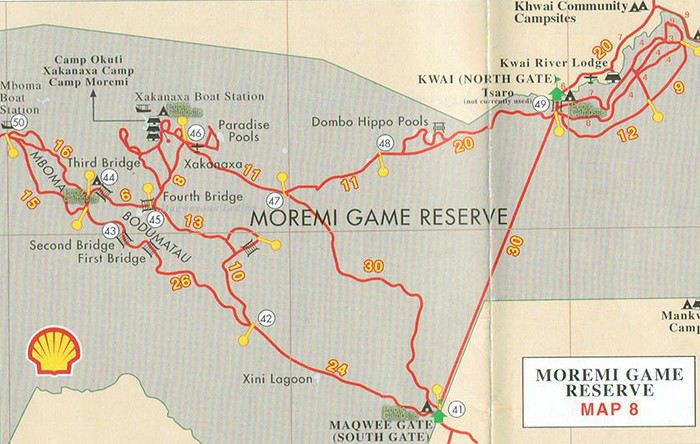
J’aimerais donc avoir quelques avis éclairés sur cette partie, qu’en est-il réellement ?
Ma deuxième question porte sur le parc Chobé et sur les itinéraires possibles au départ de notre camping, tous les bons conseils sont les bienvenus. Voici enfin le détail de notre voyage :
17 Oct 2020 - Arrival at Windhoek 18/10 - Sesriem/Sossusvlei 19/10 - Sesriem (Solitaire) 20/10- Swakopmund (Alte Brucke) 21/10 - Swakopmund 22/10 – Spitzkoppe 23/10 – Brandberg White Lady 24/10 - Brandberg White Lady 25/10 - Grootberg Lodge 26/10 - Grootberg Lodge 27/10 - Etosha Park - Okaukeujo 28/10 - Etosha Park - Namutoni 29/10 - Rundu (Roys Rest Camp) 30/10 – Shakawe ( Mahango Park) 31/10- Maun (Audi Camp) 01/11 - Moremi (South Gate)- Camping Third bridge 02/11 - Moremi - Xakanaxa 03/11- Moremi - Kwai ( North Gate) 04/11 - Nata (Nata Lodge) 05/11 - Chobe (Ihaha campsite) 06/11 - Chobe 07/11 - Chobe 08/11 - Kasane (4x4 dropoff) - Vic Falls 09/11 - Vic Falls (Victoria Restcamp ) 10/11 - Vic Falls (flight for Windhoek) 11 novembre - Windhoek - Return to Europe
Merci d’avance à tous ceux qui prendront le temps de me lire et à tous ceux qui me permettront d’apporter des réponses à mes questions sur le Moremi et le parc Chobé. Lumineuse journée d’été dans notre pays plat ensoleillé, que du bonheur :) Portez vous bien
Mon épouse et moi-même sommes sur le point de réserver un circuit assez classique de 25 nuits à partager entre la Namibie, le Botswana et avec comme point final les chutes Victoria. Nous allons louer un véhicule 4x4 (toyota Hilux), tente sur le toit. La période choisie sera mi-octobre-mi novembre 2020. Nous aimons bourlinguer ici et là avec nos sacs à dos et nos voyages nous ont emmené entre autres ; au Japon, en Iran, en Ouzbékistan et dans pas mal de pays en Afrique. Ce sera la première fois que nous conduirons un véhicule 4x4 et la première fois que nous aurons la chance unique d’approcher d’aussi près des animaux sauvages. J’ai reçu 6 devis sérieux d’agences namibiennes et nous avons construit petit à petit un circuit qui nous convient avec deux agences en particulier. Nous choisirons très probablement Cardbord Box Travel. Je dois par ailleurs dire que nous avons dû réviser notre budget à la hausse. Mes questions portent sur la partie que nous comptons effectuer au Botswana, plus particulièrement, la réserve Moremi et le parc Chobé. J’ai reçu un courriel de l’agence Tourmaline qui m’inquiète un peu sur les 3 nuits que nous souhaitons passer dans le réserve et qui semblent compliquée pour quelqu’un qui n’a pas d’expérience en véhicule 4x4 (embrayage brûlé, enlisement, moteur noyé…). Je poste ici une carte qui est plus détaillée du parcours souhaité :
J’aimerais donc avoir quelques avis éclairés sur cette partie, qu’en est-il réellement ?
Ma deuxième question porte sur le parc Chobé et sur les itinéraires possibles au départ de notre camping, tous les bons conseils sont les bienvenus. Voici enfin le détail de notre voyage :
17 Oct 2020 - Arrival at Windhoek 18/10 - Sesriem/Sossusvlei 19/10 - Sesriem (Solitaire) 20/10- Swakopmund (Alte Brucke) 21/10 - Swakopmund 22/10 – Spitzkoppe 23/10 – Brandberg White Lady 24/10 - Brandberg White Lady 25/10 - Grootberg Lodge 26/10 - Grootberg Lodge 27/10 - Etosha Park - Okaukeujo 28/10 - Etosha Park - Namutoni 29/10 - Rundu (Roys Rest Camp) 30/10 – Shakawe ( Mahango Park) 31/10- Maun (Audi Camp) 01/11 - Moremi (South Gate)- Camping Third bridge 02/11 - Moremi - Xakanaxa 03/11- Moremi - Kwai ( North Gate) 04/11 - Nata (Nata Lodge) 05/11 - Chobe (Ihaha campsite) 06/11 - Chobe 07/11 - Chobe 08/11 - Kasane (4x4 dropoff) - Vic Falls 09/11 - Vic Falls (Victoria Restcamp ) 10/11 - Vic Falls (flight for Windhoek) 11 novembre - Windhoek - Return to Europe
Merci d’avance à tous ceux qui prendront le temps de me lire et à tous ceux qui me permettront d’apporter des réponses à mes questions sur le Moremi et le parc Chobé. Lumineuse journée d’été dans notre pays plat ensoleillé, que du bonheur :) Portez vous bien
Six jours en Islande en van English translation pending
Bonjour,
voilà bien des années que je rêve de l'Islande. On a décidé de sauter le pas mais, petite désilusion, mon copain n'a plus que 5 jours de vacances; avec les vols et préparatifs ça nous fait 5 jours sur place + 2 demi-journées.
On a + l'habitude des voyages "à l'arrache", ne rien organiser, juste avoir quelques points de chutes et tout organiser au gré des rencontres et de nos envies. Mais voilà, ici avec si peu de temps on va devoir être bien carrés..
Quelques petits conseils, choses à voir seraient les bienvenus pour nous aider
Nous allons louer une voiture aménagée, certainement avec campanda ou campeasy, quelqu'un a déjà eu affaire à eux? Je sais qu'il faut se méfier des locations en Islande... Si vous avez aussi des endroits où se poser pour dormir sympas dans le nord ouest on est preneur :) Arrivée et départ prévus à Reykjavik, nous monterons jusque Olafsvik pour faire une sortie en mer avec Lakitour. On part seulement de ça pour l'instant. Adeptes de nature et grands espaces on cherche le dépaysement, voir quelques cascades surement, peut être une petite source chaude, voir une aurore boréale si on a de la chance.
voilà bien des années que je rêve de l'Islande. On a décidé de sauter le pas mais, petite désilusion, mon copain n'a plus que 5 jours de vacances; avec les vols et préparatifs ça nous fait 5 jours sur place + 2 demi-journées.
On a + l'habitude des voyages "à l'arrache", ne rien organiser, juste avoir quelques points de chutes et tout organiser au gré des rencontres et de nos envies. Mais voilà, ici avec si peu de temps on va devoir être bien carrés..
Quelques petits conseils, choses à voir seraient les bienvenus pour nous aider
Nous allons louer une voiture aménagée, certainement avec campanda ou campeasy, quelqu'un a déjà eu affaire à eux? Je sais qu'il faut se méfier des locations en Islande... Si vous avez aussi des endroits où se poser pour dormir sympas dans le nord ouest on est preneur :) Arrivée et départ prévus à Reykjavik, nous monterons jusque Olafsvik pour faire une sortie en mer avec Lakitour. On part seulement de ça pour l'instant. Adeptes de nature et grands espaces on cherche le dépaysement, voir quelques cascades surement, peut être une petite source chaude, voir une aurore boréale si on a de la chance.
Vingt-quatre jours, itinéraire Argentine - Bolivie - Chili English translation pending
Bonjour !
J’ai besoin de votre aide concernant un itinéraire en août septembre prochain en argentine Bolivie et peut être chili (24 jours)
Nous avons un vol aller retour Buenos Aires et un vol direct vers salta le lendemain de notre arrivée. Nous prévoyons de faire les boucles nord et sud de salta (7 jours) les chutes d’iguazu (3jours) et le tour sud Lipez/salar d’uyuni 4 jours. Nous hésitons à revenir en argentine via san Pedro de atacama après le sud Lopez. On ne pourrait y rester que deux jours ( on ne pourra pas faire plus). cPensez vous que c’est faisable ? Est ce que ça en vaut la peine ? Ou vaut il mieux revenir sur nos pas par tupiza et prolonger notre séjour dans le nord ouest argentin ( 10 jours au lieu de 7 ? ) ?? Merci pour vos précieux conseils !!
J’ai besoin de votre aide concernant un itinéraire en août septembre prochain en argentine Bolivie et peut être chili (24 jours)
Nous avons un vol aller retour Buenos Aires et un vol direct vers salta le lendemain de notre arrivée. Nous prévoyons de faire les boucles nord et sud de salta (7 jours) les chutes d’iguazu (3jours) et le tour sud Lipez/salar d’uyuni 4 jours. Nous hésitons à revenir en argentine via san Pedro de atacama après le sud Lopez. On ne pourrait y rester que deux jours ( on ne pourra pas faire plus). cPensez vous que c’est faisable ? Est ce que ça en vaut la peine ? Ou vaut il mieux revenir sur nos pas par tupiza et prolonger notre séjour dans le nord ouest argentin ( 10 jours au lieu de 7 ? ) ?? Merci pour vos précieux conseils !!
Passage de frontières Croatie - Bosnie English translation pending
Bonjour,
Info pour un voyage dans quelques jours ! J'ai lu que les passages de frontières entre la Croatie et la BiH peuvent être un peu "chauds" parfois : soit parce qu'il y a bcp d'attente, soit parce que certains petits postes frontières seraient réservés au locaux. En l'occurrence, je devrai passer la semaine prochaine entre Ploce et les chutes de Kravice via l'itinéraire ci-joint.
Il y aurait 3 postes frontières autour de Mali Prolog : sont-ils tous ouverts aux touristes, et quels sont ceux qui "passent bien" en général ?
Sinon, quelqu'un connait-il le site officiel des gardes-frontières Bih ? J'ai cherché sans succès :-/
Merci pour vos retours :-)
Info pour un voyage dans quelques jours ! J'ai lu que les passages de frontières entre la Croatie et la BiH peuvent être un peu "chauds" parfois : soit parce qu'il y a bcp d'attente, soit parce que certains petits postes frontières seraient réservés au locaux. En l'occurrence, je devrai passer la semaine prochaine entre Ploce et les chutes de Kravice via l'itinéraire ci-joint.
Il y aurait 3 postes frontières autour de Mali Prolog : sont-ils tous ouverts aux touristes, et quels sont ceux qui "passent bien" en général ?
Sinon, quelqu'un connait-il le site officiel des gardes-frontières Bih ? J'ai cherché sans succès :-/
Merci pour vos retours :-)