Results for "Cape+Cod+et+restaurant+|+3+>+99"
5019 results found.
Où aller sur la côte est???? English translation pending
Aidez moi svp..proposez moi donc des endroit pour aller durant ma relache..(ds 2 sem). Donc si qqun connais un bel endroit sur la cote....pas plus au sud que la virgnie svp!
merci de maider!
merci de maider!
First draft of South Africa itinerary
Hi,
I’m starting to plan a great trip for the last three weeks of January 2027 (my first time in South Africa).
After spending a few hours (!) browsing this forum, here’s a rough first draft of my itinerary:
D0 Arrival at JNB D1, D2 Blyde River Canyon D3, D4, D5, D6, D7: Kruger D8, D9, D10: St Lucia and surrounding area D11, D12, D13, D14: Drakensberg + Lesotho
D15 A very long driving day to the south (hope the AC doesn’t break down!)
D16, D17, D18, D19 southwest coast (so far I’ve noted Oudtshoorn, Robberg Nature Reserve, Wilderness NP, De Hoop Reserve, and a bit of the wine route) D20, D21 Cape Town (peninsula and a bit of the city) + domestic flight and return flight (departure from JNB at 11 PM)
A few questions before refining this: - Do you see any major issues with this itinerary?
- We don’t have a choice on dates, and personally, I prefer green landscapes to desert ones anyway, but do you really see far fewer animals in January than in the dry season? Five days in Kruger should give us enough time to spot plenty of different animals despite the tall grass, right? As for the heat, we’re from Réunion, so we’re relatively used to it, even though I know it’s not the same type of heat.
- Can I trust the distances and driving times given by Google Maps?
- Picking up the vehicle in Johannesburg and dropping it off in Cape Town: how much might that cost us? I’m thinking it probably won’t be worse (in terms of time or money, since there are five of us—2 adults + 3 kids) than going back to Joburg after Lesotho, taking a flight to Cape Town, and renting another vehicle... but maybe I’m wrong.
- Finally, wouldn’t it be better to focus on just one of the two regions (either the northeast or Cape Town and the south coast)? If it were up to me, I’d stick to the first part and extend a few stops... but not everyone agrees! And we’re thinking that since it’ll be really hot, a second part of the trip that’s a bit """cooler""" would be welcome.
Thanks for your help
D0 Arrival at JNB D1, D2 Blyde River Canyon D3, D4, D5, D6, D7: Kruger D8, D9, D10: St Lucia and surrounding area D11, D12, D13, D14: Drakensberg + Lesotho
D15 A very long driving day to the south (hope the AC doesn’t break down!)
D16, D17, D18, D19 southwest coast (so far I’ve noted Oudtshoorn, Robberg Nature Reserve, Wilderness NP, De Hoop Reserve, and a bit of the wine route) D20, D21 Cape Town (peninsula and a bit of the city) + domestic flight and return flight (departure from JNB at 11 PM)
A few questions before refining this: - Do you see any major issues with this itinerary?
- We don’t have a choice on dates, and personally, I prefer green landscapes to desert ones anyway, but do you really see far fewer animals in January than in the dry season? Five days in Kruger should give us enough time to spot plenty of different animals despite the tall grass, right? As for the heat, we’re from Réunion, so we’re relatively used to it, even though I know it’s not the same type of heat.
- Can I trust the distances and driving times given by Google Maps?
- Picking up the vehicle in Johannesburg and dropping it off in Cape Town: how much might that cost us? I’m thinking it probably won’t be worse (in terms of time or money, since there are five of us—2 adults + 3 kids) than going back to Joburg after Lesotho, taking a flight to Cape Town, and renting another vehicle... but maybe I’m wrong.
- Finally, wouldn’t it be better to focus on just one of the two regions (either the northeast or Cape Town and the south coast)? If it were up to me, I’d stick to the first part and extend a few stops... but not everyone agrees! And we’re thinking that since it’ll be really hot, a second part of the trip that’s a bit """cooler""" would be welcome.
Thanks for your help
Questions about timing and activities between Sesriem and Brandberg
Good evening
I could use some advice 🙂
Our trip to Namibia is planned for June/July 2026.
We’re struggling a bit with timing and choosing activities for the part of the trip between Sesriem and Brandberg.
Day 1: Sesriem to Mirabib Day 2: Mirabib to Swakopmund – visit Swakopmund, overnight in Swakopmund Day 3: Sandwich Harbour – overnight in Swakopmund Day 4: Kayaking with the seals + the living dunes – overnight in Swakopmund Day 5: Moon Landscape, Henties Bay + Cape Cross – overnight at White Lady Lodge in Brandberg
Does this itinerary seem realistic to you? Is Cape Cross really worth the trip? If I had to choose between Cape Cross and kayaking with the seals, which would you recommend? Thanks in advance for your help! Hélix
Day 1: Sesriem to Mirabib Day 2: Mirabib to Swakopmund – visit Swakopmund, overnight in Swakopmund Day 3: Sandwich Harbour – overnight in Swakopmund Day 4: Kayaking with the seals + the living dunes – overnight in Swakopmund Day 5: Moon Landscape, Henties Bay + Cape Cross – overnight at White Lady Lodge in Brandberg
Does this itinerary seem realistic to you? Is Cape Cross really worth the trip? If I had to choose between Cape Cross and kayaking with the seals, which would you recommend? Thanks in advance for your help! Hélix
Cape region itinerary in July
Hi,
We’re looking at heading to South Africa this summer (early July) with our two kids (6 & 10 years old). Here’s a rough draft of our itinerary so far. What do you think? Is it better to skip Addo? (We can’t add any more days...). If so, should we spend more time on certain stops or add something else? (Cederberg?) Thanks in advance, Bruno
D1 Arrival at 10 AM, rest in Cape Town D2 Cape Town or Cape Peninsula D3 Cape Town or Cape Peninsula D4 Bonteboks National Park; overnight in Heidelberg D5 Botlierskop Game Drive; overnight near Mossel Bay D6 Garden Route; overnight in Plettenberg Bay D7 Bird of Eden and Robberg Nature Reserve; overnight in Plettenberg Bay D8 Tsitsikamma; overnight in Addo D9 Addo D10 Ostrich farm; overnight in Oudtshoorn D11 Buffelsdrift Game Lodge and caves; overnight in Oudtshoorn D12 Garden Route Game Lodge; overnight in Albertinia D13 De Hoop; overnight in De Hoop D14 Hermanus; overnight in Hermanus D15 Betty’s Bay and return to Cape Town D16 Cape Town; departure at 5 PM
We’re looking at heading to South Africa this summer (early July) with our two kids (6 & 10 years old). Here’s a rough draft of our itinerary so far. What do you think? Is it better to skip Addo? (We can’t add any more days...). If so, should we spend more time on certain stops or add something else? (Cederberg?) Thanks in advance, Bruno
D1 Arrival at 10 AM, rest in Cape Town D2 Cape Town or Cape Peninsula D3 Cape Town or Cape Peninsula D4 Bonteboks National Park; overnight in Heidelberg D5 Botlierskop Game Drive; overnight near Mossel Bay D6 Garden Route; overnight in Plettenberg Bay D7 Bird of Eden and Robberg Nature Reserve; overnight in Plettenberg Bay D8 Tsitsikamma; overnight in Addo D9 Addo D10 Ostrich farm; overnight in Oudtshoorn D11 Buffelsdrift Game Lodge and caves; overnight in Oudtshoorn D12 Garden Route Game Lodge; overnight in Albertinia D13 De Hoop; overnight in De Hoop D14 Hermanus; overnight in Hermanus D15 Betty’s Bay and return to Cape Town D16 Cape Town; departure at 5 PM
Optimizing routes for a central and southeastern Kyushu itinerary
Hello,
I’m reaching out for your help because I’m struggling to figure out the best train and car route for a 25-night trip in Kyushu. Here are the cities I’d like to visit, along with my current itinerary, which doesn’t feel quite right. I’m also wondering where the best places to pick up and drop off the rental car would be. International flights from Osaka + the SL Hitoyoshi train ride are part of the plan.
Current (unsatisfactory) draft itinerary I’m trying to optimize: Day 1: Arrival in Osaka Day 2-3: 2 nights in Osaka Day 4: Osaka to Izumi (Kagoshima Prefecture) via overnight train to Izumi Day 5: Full day in Izumi, overnight in Izumi Day 6: Izumi to Hitoyoshi, stopping via Kumamoto (SL Hitoyoshi train) Day 7: Hitoyoshi Day 8: Ebino + overnight in Kobayashi or Takaharu Day 9: Cape Toi + overnight Day 10: Koshima + overnight near Obi or Miyazaki? Day 11: Nichinan Coast / Obi / Udo Jingu / Aoshima Day 12: Miyazaki Day 13: Aya + overnight in Miyazaki Day 14: Hyuga + overnight in Nobeoka Day 15: Around Nobeoka + overnight in Nobeoka Day 16: Shiiba + overnight in Shiiba Day 17: Shiiba + drive to Yamaga + overnight Day 18: Yamaga Day 19: Yamaga Day 20-22: Amakusa Day 23: Kumamoto Day 24: Kumamoto + overnight in Osaka Day 25: Departure for France
Does this seem balanced? Are there any ways to optimize travel times or the logical flow of the route? Where should I pick up and drop off the rental car?
Thanks in advance if anyone can help me think this through!
I’m reaching out for your help because I’m struggling to figure out the best train and car route for a 25-night trip in Kyushu. Here are the cities I’d like to visit, along with my current itinerary, which doesn’t feel quite right. I’m also wondering where the best places to pick up and drop off the rental car would be. International flights from Osaka + the SL Hitoyoshi train ride are part of the plan.
Current (unsatisfactory) draft itinerary I’m trying to optimize: Day 1: Arrival in Osaka Day 2-3: 2 nights in Osaka Day 4: Osaka to Izumi (Kagoshima Prefecture) via overnight train to Izumi Day 5: Full day in Izumi, overnight in Izumi Day 6: Izumi to Hitoyoshi, stopping via Kumamoto (SL Hitoyoshi train) Day 7: Hitoyoshi Day 8: Ebino + overnight in Kobayashi or Takaharu Day 9: Cape Toi + overnight Day 10: Koshima + overnight near Obi or Miyazaki? Day 11: Nichinan Coast / Obi / Udo Jingu / Aoshima Day 12: Miyazaki Day 13: Aya + overnight in Miyazaki Day 14: Hyuga + overnight in Nobeoka Day 15: Around Nobeoka + overnight in Nobeoka Day 16: Shiiba + overnight in Shiiba Day 17: Shiiba + drive to Yamaga + overnight Day 18: Yamaga Day 19: Yamaga Day 20-22: Amakusa Day 23: Kumamoto Day 24: Kumamoto + overnight in Osaka Day 25: Departure for France
Does this seem balanced? Are there any ways to optimize travel times or the logical flow of the route? Where should I pick up and drop off the rental car?
Thanks in advance if anyone can help me think this through!
Your tips for choosing a good car rental company and traveling safely in April 2026
I live in Laval, Canada
I’m looking for more info on renting a car to travel from Durban to Saint Lucia and Hluhluwe Park in April 2026. Which car rental company has no hidden fees, unlimited kilometers, and insurance coverage that includes everything, like toll booths? Automatic transmission, SUV. Should I book in advance for early April 2026?
After Durban, I’d fly from Durban to Port Elizabeth. From there, I’d rent a car to visit all the magical spots near the Garden Route and return the car in Cape Town.
I’d love your honest opinions on the safety of these routes and your recommendations for a reliable, trustworthy dealership.
Thanks in advance Sylvie (Laval, Québec, Canada) 68 years old
I’m looking for more info on renting a car to travel from Durban to Saint Lucia and Hluhluwe Park in April 2026. Which car rental company has no hidden fees, unlimited kilometers, and insurance coverage that includes everything, like toll booths? Automatic transmission, SUV. Should I book in advance for early April 2026?
After Durban, I’d fly from Durban to Port Elizabeth. From there, I’d rent a car to visit all the magical spots near the Garden Route and return the car in Cape Town.
I’d love your honest opinions on the safety of these routes and your recommendations for a reliable, trustworthy dealership.
Thanks in advance Sylvie (Laval, Québec, Canada) 68 years old
4-Week Itinerary in South Africa
Hello,
We’re a group of four seventy-something retirees and we’re planning a 4-week trip to South Africa. We’re seasoned "adventurers" used to multi-week stays (we’ve been to India seven times, Mexico, Thailand, Laos, Myanmar, Australia, etc.).
For South Africa, we’re thinking of covering most of the trip in a private vehicle and taking flights for inter-state transfers. We’re interested in meeting people, learning about the country’s evolution, exploring major cities, visiting traditional villages, and seeing wildlife.
Here’s the itinerary we’re considering: Johannesburg – 2 days (we’ll pass through again later) Pretoria – 2 days Blyde River Canyon and Graskop – 1 day Acornhoek – 1 day Letaba – 2 days Lobamba – 2 days Johannesburg – 1 day
Flight to Cape Town
Cape Town – 3 days Cape of Good Hope – 1 day Stellenbosch – 1 day Hermanus – 1 day Mossel Bay – 2 days Oudtshoorn Wilderness – 2 days Knysna Port Elizabeth – 2 days Addo Elephant Park
Flight back to Johannesburg
Johannesburg – 1 day
Return to Paris
Could you share your thoughts on this itinerary? We’ll be renting a vehicle to explore both regions. We can easily add 4–5 more days to the trip if needed.
We’re looking at traveling either between April and May 2026 or in October/November 2026.
I’ll follow up later to discuss the best safari options and get a rough budget estimate.
Thanks to everyone who takes the time to read this and share their thoughts!
For South Africa, we’re thinking of covering most of the trip in a private vehicle and taking flights for inter-state transfers. We’re interested in meeting people, learning about the country’s evolution, exploring major cities, visiting traditional villages, and seeing wildlife.
Here’s the itinerary we’re considering: Johannesburg – 2 days (we’ll pass through again later) Pretoria – 2 days Blyde River Canyon and Graskop – 1 day Acornhoek – 1 day Letaba – 2 days Lobamba – 2 days Johannesburg – 1 day
Flight to Cape Town
Cape Town – 3 days Cape of Good Hope – 1 day Stellenbosch – 1 day Hermanus – 1 day Mossel Bay – 2 days Oudtshoorn Wilderness – 2 days Knysna Port Elizabeth – 2 days Addo Elephant Park
Flight back to Johannesburg
Johannesburg – 1 day
Return to Paris
Could you share your thoughts on this itinerary? We’ll be renting a vehicle to explore both regions. We can easily add 4–5 more days to the trip if needed.
We’re looking at traveling either between April and May 2026 or in October/November 2026.
I’ll follow up later to discuss the best safari options and get a rough budget estimate.
Thanks to everyone who takes the time to read this and share their thoughts!
First trip to South Africa: travel report and planning
Hi everyone,
After using this forum a lot to plan several trips, I’m finally writing my own travel journal about South Africa, a trip that took place from May 14 to 31, 2025. I hope to inspire but mostly to share info and details for those like me who need to plan their trip as precisely as possible to make the most of it once there.
This is our first trip to Africa outside the Maghreb for my wife and me. What follows is, of course, just my opinion and very subjective. You’ll easily understand that my goal isn’t to debate my choice of destinations or activities since everyone has their own travel style and beliefs. I just want to share. Thanks in advance.
We booked our tickets with Emirates for the routes: Lyon-Dubai, Dubai-Johannesburg on the way out. For the return, it was Cape Town-Dubai, Dubai-Lyon. The tickets cost us 1400 € for two, booked in December. I monitored prices for several weeks, and they didn’t tend to drop. I think I got the flight tickets at the right time because alerts I set on different sites showed prices only going up.
Here’s our itinerary:
Day 1: Arrival at Johannesburg airport, pick up the rental car, and head to Hartbeespoort (northwest of Pretoria): overnight in Hartbeespoort. Day 2: Visit the Elephant Sanctuary + Monkey Sanctuary + cableway: overnight in Hartbeespoort. Day 3: Head to Ukutula, visit the site. Day 4: Head to Kruger Park, transition day: overnight in Dullstroom. Day 5: Head to Blyde River Canyon, visit the viewpoints (more details in the journal later): overnight in Graskop. Day 6: Hike the Leopard Trail (Blyde River Canyon) then return to Kruger Park: overnight at Pretoriuskop rest camp. Days 7 & 8: Visit Kruger Park: overnights at Lower Sabie rest camp. Days 9 & 10: Visit Kruger Park: overnights at Berg-En-Dal rest camp. Day 11: Visit Kruger Park: overnight in Malelane. Day 12: Domestic flight to Cape Town: overnight in Cape Town (Mouille Point neighborhood). Days 13 to 17: Visit Cape Town and its surroundings (more details in the journal later): overnight in Cape Town (Mouille Point neighborhood).
Before describing our trip in more detail, here’s some practical info about the stay:
For internet, I got Bouygues Telecom’s travel pass for 35 € on top of my regular plan with them. It worked well except in Kruger. Otherwise, I hardly had any network coverage issues. For all accommodations and car rentals, I used Booking.com. No bad surprises.
After using this forum a lot to plan several trips, I’m finally writing my own travel journal about South Africa, a trip that took place from May 14 to 31, 2025. I hope to inspire but mostly to share info and details for those like me who need to plan their trip as precisely as possible to make the most of it once there.
This is our first trip to Africa outside the Maghreb for my wife and me. What follows is, of course, just my opinion and very subjective. You’ll easily understand that my goal isn’t to debate my choice of destinations or activities since everyone has their own travel style and beliefs. I just want to share. Thanks in advance.
We booked our tickets with Emirates for the routes: Lyon-Dubai, Dubai-Johannesburg on the way out. For the return, it was Cape Town-Dubai, Dubai-Lyon. The tickets cost us 1400 € for two, booked in December. I monitored prices for several weeks, and they didn’t tend to drop. I think I got the flight tickets at the right time because alerts I set on different sites showed prices only going up.
Here’s our itinerary:
Day 1: Arrival at Johannesburg airport, pick up the rental car, and head to Hartbeespoort (northwest of Pretoria): overnight in Hartbeespoort. Day 2: Visit the Elephant Sanctuary + Monkey Sanctuary + cableway: overnight in Hartbeespoort. Day 3: Head to Ukutula, visit the site. Day 4: Head to Kruger Park, transition day: overnight in Dullstroom. Day 5: Head to Blyde River Canyon, visit the viewpoints (more details in the journal later): overnight in Graskop. Day 6: Hike the Leopard Trail (Blyde River Canyon) then return to Kruger Park: overnight at Pretoriuskop rest camp. Days 7 & 8: Visit Kruger Park: overnights at Lower Sabie rest camp. Days 9 & 10: Visit Kruger Park: overnights at Berg-En-Dal rest camp. Day 11: Visit Kruger Park: overnight in Malelane. Day 12: Domestic flight to Cape Town: overnight in Cape Town (Mouille Point neighborhood). Days 13 to 17: Visit Cape Town and its surroundings (more details in the journal later): overnight in Cape Town (Mouille Point neighborhood).
Before describing our trip in more detail, here’s some practical info about the stay:
For internet, I got Bouygues Telecom’s travel pass for 35 € on top of my regular plan with them. It worked well except in Kruger. Otherwise, I hardly had any network coverage issues. For all accommodations and car rentals, I used Booking.com. No bad surprises.
Temperatures in South Africa in August
Hi there,
We’re heading to South Africa in August, with a basic itinerary: Johannesburg, Kruger Park, and finishing up in Cape Town. My question—I know it’s winter there—what are the temperatures like? How should we dress? Thanks for your tips!
We’re heading to South Africa in August, with a basic itinerary: Johannesburg, Kruger Park, and finishing up in Cape Town. My question—I know it’s winter there—what are the temperatures like? How should we dress? Thanks for your tips!
Renting a car with Aroundaboutcars in Johannesburg
Hi everyone, I’m new to the forum—
I’m looking for reviews on the rental company Aroundaboutcars. I know they don’t have their own fleet at Johannesburg Airport and work with other rental companies. Can anyone tell me if they’re reliable and professional? (I’ve seen great feedback for Cape Town, where they have their own fleet, but no info on their services in Johannesburg.) Thanks in advance!
Mlaure
Newfoundland - Hikes in the Avalon Peninsula
The Avalon Peninsula, located in the southeast of Newfoundland Island, isn't just a picturesque place—it's also teeming with natural wonders: icebergs, whales, migratory seabirds, and wild caribou.
It was the first region of the province to be settled. Moreover, it's rich in legends, traditions, and the history of the early adventurers who conquered the New World.
St. John's, the capital, is one of the oldest and easternmost cities in North America. With its colorful houses nestled in the heart of steep rocky hills, it has the traditional charm of a small port town.
Below are the hikes we did in this region. A link is attached to each hike to give you quicker access to the relevant information.
Videos are embedded throughout the summary. Please click on the image to start the video.
Chance Cove Coastal Hiking Trail Cape St. Mary's Ecological Reserve Holyrood - Salmonier Nature Park La Manche Provincial Park - Suspension Bridge Trail Cape Spear - Lighthouse Trail St. John's - Deadman's Bay Trail Quidi Vidi - Sugarloaf Trail St. John's - Signal Hill National Historic Site St. John's - North Head Trail Loop - Signal Hill Salmon Cove - Salmon Cove Sands Provincial Park
It was the first region of the province to be settled. Moreover, it's rich in legends, traditions, and the history of the early adventurers who conquered the New World.
St. John's, the capital, is one of the oldest and easternmost cities in North America. With its colorful houses nestled in the heart of steep rocky hills, it has the traditional charm of a small port town.
Below are the hikes we did in this region. A link is attached to each hike to give you quicker access to the relevant information.
Videos are embedded throughout the summary. Please click on the image to start the video.
Chance Cove Coastal Hiking Trail Cape St. Mary's Ecological Reserve Holyrood - Salmonier Nature Park La Manche Provincial Park - Suspension Bridge Trail Cape Spear - Lighthouse Trail St. John's - Deadman's Bay Trail Quidi Vidi - Sugarloaf Trail St. John's - Signal Hill National Historic Site St. John's - North Head Trail Loop - Signal Hill Salmon Cove - Salmon Cove Sands Provincial Park
Feedback on 3-week South Africa itinerary
Hello everyone!
We’re heading to South Africa this summer (August 11 to September 1) and I’m finalizing our itinerary.
I’d love to get your thoughts on our route and specifically on two points:
- The time spent at each stop: does any seem too short or too long?
- The domestic flights: do you think they’re a good choice? (Flight from Kruger to Durban + Durban to Port Elizabeth) We’ll rent a car each time we land. Or is it better to do the whole trip by car?
Thanks in advance to anyone who takes the time to take a look!
Have a great day! !
15-Day Namibia Itinerary
Hi there,
I’m finalizing the itinerary for my trip to Namibia in October and would love to get it validated by you, the experts.
I’ll be traveling by 4x4 with a rooftop tent.
Here’s the itinerary:
Day 1: Arrival in Windhoek Night in REHOBOTH or nearby
Day 2: Rehoboth to Stampriet
Day 3: Road to Sesriem
Day 4: Head to Sossusvlei/Sesriem Canyon
Day 5: Road to Walvis Bay
Day 6: Day in Walvis Bay
Day 7: Head to Spitzkoppe
Day 8: Direction Cape Cross then Brandberg
Day 9: Brandberg, Twyfelfontein, Palmwag
Day 10: Palmwag
Day 11: Head to Etosha Day 12: Etosha
Day 13: Head to Waterberg after morning safari
Day 14: Full day at Waterberg
Day 15: Return to Windhoek for flight at 8:30 PM
What do you think? I’m open to all suggestions!
Thanks
Here’s the itinerary:
Day 1: Arrival in Windhoek Night in REHOBOTH or nearby
Day 2: Rehoboth to Stampriet
Day 3: Road to Sesriem
Day 4: Head to Sossusvlei/Sesriem Canyon
Day 5: Road to Walvis Bay
Day 6: Day in Walvis Bay
Day 7: Head to Spitzkoppe
Day 8: Direction Cape Cross then Brandberg
Day 9: Brandberg, Twyfelfontein, Palmwag
Day 10: Palmwag
Day 11: Head to Etosha Day 12: Etosha
Day 13: Head to Waterberg after morning safari
Day 14: Full day at Waterberg
Day 15: Return to Windhoek for flight at 8:30 PM
What do you think? I’m open to all suggestions!
Thanks
Feedback on 2-week road-trip itinerary in Nova Scotia
Hi there,
Our son is in Canada for a year on a Working Holiday Visa, and we’re planning to join him around September 20th for a 15-day campervan road trip in Nova Scotia.
I was thinking of going with Canadream, but if you have other rental companies to recommend, don’t hesitate!
Here’s the itinerary I’ve been considering—I tried not to cram in too many stops so we’re not just driving the whole time.
Day 1: Pick up campervan in Halifax at 3 PM. Stop at Peggy’s Cove, then drive to Lunenburg and Blue Rocks (151 km) Day 2: Explore Lunenburg, then head to Kejimkujik National Park for hikes or other activities. Overnight in the park (91 km) Day 3: Drive to Annapolis Royal (visit), Port-Royal National Historic Site, then on to Digby (111 km) Day 4: Ferry to Saint John (visit Reversing Falls), then drive to St. Andrews (103 km) Day 5: Whale-watching excursion and explore St. Andrews Day 6: Drive to Alma and Fundy National Park (233 km—we’ll probably leave St. Andrews the night before to split the drive and arrive earlier in Alma) Day 7: Hopewell Rocks (check tides) (43 km) Day 8: Hopewell Rocks—Tatamagouche (dinner train)—Pictou (237 km). Any suggestions for this day? Day 9: Drive to Baddeck, Cabot Trail to Chéticamp (317 km). Ideas for breaking up the drive? I thought of Pomquet Beach Provincial Park for a walk on the boardwalks, but any other suggestions are welcome. Day 10–11: Cape Breton Highlands National Park for hikes and Cabot Trail to Baddeck (208 km) Day 12: Explore Baddeck, Graham Bell Museum, and Bras d’Or Lake Drive. Drive to Louisbourg (118 km) Day 13: Fortress of Louisbourg, then drive to Liscomb (302 km) Day 14: Drive back to Halifax via Lawrencetown Beach (or other suggestions?). Fisherman’s Cove (205 km) Day 15: Return campervan by 10 AM
- All suggestions are welcome, as long as they don’t add too much detour from the main stops. We’d rather skip some places to fully enjoy the ones we visit. We love hiking in beautiful landscapes, charming and lively towns or villages, etc. - I wanted to add a museum dedicated to Acadian culture, but I didn’t find anything along the route—or they’re closed this time of year. Maybe there are places to listen to folk music? - If you have any campgrounds or wild camping spots to recommend, I’d love to hear about them. - Do we need to book the ferry this time of year?
Thanks in advance for your ideas and suggestions!
Claire
Day 1: Pick up campervan in Halifax at 3 PM. Stop at Peggy’s Cove, then drive to Lunenburg and Blue Rocks (151 km) Day 2: Explore Lunenburg, then head to Kejimkujik National Park for hikes or other activities. Overnight in the park (91 km) Day 3: Drive to Annapolis Royal (visit), Port-Royal National Historic Site, then on to Digby (111 km) Day 4: Ferry to Saint John (visit Reversing Falls), then drive to St. Andrews (103 km) Day 5: Whale-watching excursion and explore St. Andrews Day 6: Drive to Alma and Fundy National Park (233 km—we’ll probably leave St. Andrews the night before to split the drive and arrive earlier in Alma) Day 7: Hopewell Rocks (check tides) (43 km) Day 8: Hopewell Rocks—Tatamagouche (dinner train)—Pictou (237 km). Any suggestions for this day? Day 9: Drive to Baddeck, Cabot Trail to Chéticamp (317 km). Ideas for breaking up the drive? I thought of Pomquet Beach Provincial Park for a walk on the boardwalks, but any other suggestions are welcome. Day 10–11: Cape Breton Highlands National Park for hikes and Cabot Trail to Baddeck (208 km) Day 12: Explore Baddeck, Graham Bell Museum, and Bras d’Or Lake Drive. Drive to Louisbourg (118 km) Day 13: Fortress of Louisbourg, then drive to Liscomb (302 km) Day 14: Drive back to Halifax via Lawrencetown Beach (or other suggestions?). Fisherman’s Cove (205 km) Day 15: Return campervan by 10 AM
- All suggestions are welcome, as long as they don’t add too much detour from the main stops. We’d rather skip some places to fully enjoy the ones we visit. We love hiking in beautiful landscapes, charming and lively towns or villages, etc. - I wanted to add a museum dedicated to Acadian culture, but I didn’t find anything along the route—or they’re closed this time of year. Maybe there are places to listen to folk music? - If you have any campgrounds or wild camping spots to recommend, I’d love to hear about them. - Do we need to book the ferry this time of year?
Thanks in advance for your ideas and suggestions!
Claire
Authentic travel on a small budget in Southern Africa
Hi everyone, I’m thinking of heading to Southern Africa next autumn for several months.
I’d love some advice on my itinerary—I’m looking for authentic spots with cheap accommodation.
I know Southern Africa is generally pricier than Asia or Latin America because of the lack of backpacker infrastructure (except maybe Cape Town).
I’m planning to visit South Africa, Mozambique, Lesotho, and maybe Eswatini.
My main goal in South Africa is to see the coexistence between white, mixed-race, and Black communities.
I think I’ll skip Namibia and Botswana because of the cost of living.
Thanks
January trip plan - Cape Town area & Garden Route
Hi there,
We did a trip to South Africa in August 2023 and at the time, we regretted not being able to make the most of the Cape Town area because of the weather.
So we’re thinking of going back during the right season in early 2026 for 2 weeks, but I’m struggling a bit to plan the itinerary.
We’d like to spend a few days on safari, but options are somewhat limited in this (large) geographic area since it’s not the right season for KTP, and Addo Elephant Park doesn’t seem like the best choice. Are there any interesting private reserves in this area?
Otherwise, we’re considering starting with a few days in Madikwe from Johannesburg, then about ten days from Cape Town.
For those 10 days, do you have any suggestions that go beyond the classic Garden Route? We’ve heard good things about the Cederberg, but after that, I’m struggling to put together something coherent.
Thanks for your suggestions!
Jacques
Shipping a 4x4 to Durban from Réunion Island
Hi everyone,
I’m planning a road trip through Southern Africa during the 2025 austral winter—South Africa, Zimbabwe, Zambia, Malawi... and if I feel like it, maybe back to Namibia, Botswana, etc. To make this happen, I’d like to ship my 4x4 in a high-cube container and pick it up in Durban. Has anyone had experience with customs clearance at the port of Durban (South Africa) using a CPD (Carnet de Passage en Douane)? Thanks in advance for any tips or firsthand experience on this!
Have a great day! Salar de Uyuni - Bolivia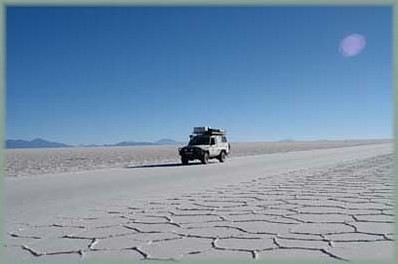
I’m planning a road trip through Southern Africa during the 2025 austral winter—South Africa, Zimbabwe, Zambia, Malawi... and if I feel like it, maybe back to Namibia, Botswana, etc. To make this happen, I’d like to ship my 4x4 in a high-cube container and pick it up in Durban. Has anyone had experience with customs clearance at the port of Durban (South Africa) using a CPD (Carnet de Passage en Douane)? Thanks in advance for any tips or firsthand experience on this!
Have a great day! Salar de Uyuni - Bolivia
Trip to Perth, Australia: What to do and see?
What to do in Perth, Australia in March?
Seeing great white sharks in South Africa
Hi there,
We’re heading to South Africa for a two-week vacation next March.
We’d love to see great white sharks and maybe even try the cage diving. We’re planning to go to Gansbaai—do you think we’ll have a chance to see them? Also, do you know of any specialized agencies that aren’t too commercial and are respectful of the animals?
Thanks
Itinerary in Kyushu (Japan) from north to west
Departure imminent on 10/27. The trip will be a full 18 days.
I still have a few questions about transportation for certain legs:
Day 1: Arrival in Fukuoka in the evening at 7:30 PM
Day 2: Fukuoka city
Day 3: Ukiha (car or train?)
Day 4: Itoshima
Day 5: 11/01/2024: Okawa, Omuta (forge), and Yanagawa for the Yanagawa Hakushu Matsuri. A bit ambitious for a single day?
Day 6: Arita / Owakachiyama / rice fields in the evening: Is it better to go from Fukuoka to Arita by car or train?
Day 7: Sasebo + Kujukushima Pearl + fireworks show Day 8: Karatsu (Yobuko market + cave + cape) + Matsuri Kanchi Day 9: Kashima + garden + Tara Day 10: Higashi Sonogi, overnight in Nagasaki. Is it better to return the car in Arita or Nagasaki? Day 11: Nagasaki Day 12: Nagasaki, overnight in Fukuoka, so departure by train from Nagasaki Day 13: Munakata and Oshima, and in the evening, Hanabi Kama
Day 14: Mount Hiko, Toho, Soeda. Is there a pottery village? With or without hands-on experience?
Day 15: Yame (Hoshino tea visit) and Kurume Masure workshop
Days 16, 17, 18, 19: Fukuoka city and maybe Nokonoshima or Kitakyushu
Any suggestions? Does this seem balanced?
Thanks and have a great day
Day 1: Arrival in Fukuoka in the evening at 7:30 PM
Day 2: Fukuoka city
Day 3: Ukiha (car or train?)
Day 4: Itoshima
Day 5: 11/01/2024: Okawa, Omuta (forge), and Yanagawa for the Yanagawa Hakushu Matsuri. A bit ambitious for a single day?
Day 6: Arita / Owakachiyama / rice fields in the evening: Is it better to go from Fukuoka to Arita by car or train?
Day 7: Sasebo + Kujukushima Pearl + fireworks show Day 8: Karatsu (Yobuko market + cave + cape) + Matsuri Kanchi Day 9: Kashima + garden + Tara Day 10: Higashi Sonogi, overnight in Nagasaki. Is it better to return the car in Arita or Nagasaki? Day 11: Nagasaki Day 12: Nagasaki, overnight in Fukuoka, so departure by train from Nagasaki Day 13: Munakata and Oshima, and in the evening, Hanabi Kama
Day 14: Mount Hiko, Toho, Soeda. Is there a pottery village? With or without hands-on experience?
Day 15: Yame (Hoshino tea visit) and Kurume Masure workshop
Days 16, 17, 18, 19: Fukuoka city and maybe Nokonoshima or Kitakyushu
Any suggestions? Does this seem balanced?
Thanks and have a great day
South Africa in Three Trips
Hello,
In these post-COVID years, South Africa (SA) has drawn me back again... The long-time forum members will say I'm a bit obsessed (I've now surpassed 20 trips to this country, including 2 in Namibia)... But new readers can find my old travel journals and enjoy this new installment. So, three new trips... each lasting a month... always too short. I’ll try to be pragmatic.
Let’s start with the basics! You can plan your trip from your couch with complete peace of mind. Through any Booking site or directly (sometimes cheaper), I’ve never had any issues with my direct bookings—they’ve always matched what was promised. For national parks outside KwaZulu-Natal (where it’s KZN Wildlife), use the SANparks website, or Nature Reserve for that type of "accommodation." Air France, Lufthansa, or KLM... depending on the year and circumstances. Most flights are overnight, allowing you to arrive early in Joburg and... leave this city I don’t much like as quickly as possible. KLM offers a daytime flight to Cape Town... just arrange your first night’s stay. You drive on the left in SA (you knew that, right?)... you get used to it. Passport: must still be valid for 6 months with several blank pages... Car rental? A car is pretty much essential, whether for short or long trips. It’s safer too. Aside from the secure Gautrain in Joburg and Cape Town (CT from now on), I don’t take the train. Except for the red bus drop-off/pick-up in CT, I don’t take the bus. In this specific case, it’s practical because you can access all of CT’s spots—including the famous Lion’s Head—without worrying about parking or traffic. These past three years, I’ve chosen Around About Cars as my rental company. I’m very satisfied with them. What kind of car? It depends on what you’re doing and your budget. The vast majority of roads don’t require a special vehicle. In a park, the "high ground clearance" of SUVs lets you see animals better and helps avoid potholes (the SA version—ostrich-sized), speed bumps (our "sleeping policemen" with a big belly), and tackle the last few kilometers or 100 meters that can be a bit rough with complete peace of mind. Do your research. For me, it’s 4x2 or 4x4 depending on... South Africans drive fast... and I feel safer that way. International driver’s permit? Legally required! Never asked for by a rental company, only once by the police—but I stood my ground, confident, and it went smoothly. Road checks? Yes, often—at least two every time, but they’re relaxed... Note that if a police officer wants to give you a fine, it must be done at the police station—insist on going there... they’ll usually drop it. If they suggest paying on the spot in cash to "make things easier"... it’s just for their pocket. There’s a special "police alert" number—remind them of it! The rand is the South African currency. Nowadays, cards work in many places. But note: a car rental company will ask for a credit card, not a debit card. Be careful: cash is no longer accepted in SANparks camps and other places (entrances, etc.)! It’s card only! I always carry some cash. I order it from Yeschange (sounds dodgy, but it’s very reliable). Phew... What an introduction!
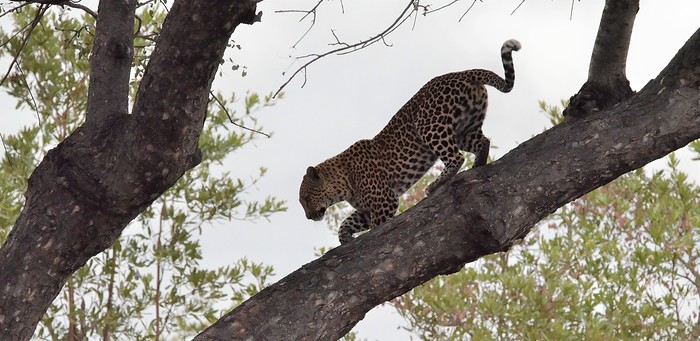
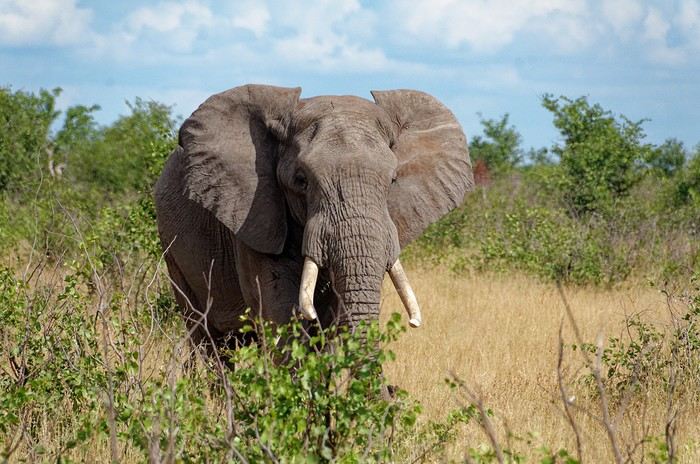
In these post-COVID years, South Africa (SA) has drawn me back again... The long-time forum members will say I'm a bit obsessed (I've now surpassed 20 trips to this country, including 2 in Namibia)... But new readers can find my old travel journals and enjoy this new installment. So, three new trips... each lasting a month... always too short. I’ll try to be pragmatic.
Let’s start with the basics! You can plan your trip from your couch with complete peace of mind. Through any Booking site or directly (sometimes cheaper), I’ve never had any issues with my direct bookings—they’ve always matched what was promised. For national parks outside KwaZulu-Natal (where it’s KZN Wildlife), use the SANparks website, or Nature Reserve for that type of "accommodation." Air France, Lufthansa, or KLM... depending on the year and circumstances. Most flights are overnight, allowing you to arrive early in Joburg and... leave this city I don’t much like as quickly as possible. KLM offers a daytime flight to Cape Town... just arrange your first night’s stay. You drive on the left in SA (you knew that, right?)... you get used to it. Passport: must still be valid for 6 months with several blank pages... Car rental? A car is pretty much essential, whether for short or long trips. It’s safer too. Aside from the secure Gautrain in Joburg and Cape Town (CT from now on), I don’t take the train. Except for the red bus drop-off/pick-up in CT, I don’t take the bus. In this specific case, it’s practical because you can access all of CT’s spots—including the famous Lion’s Head—without worrying about parking or traffic. These past three years, I’ve chosen Around About Cars as my rental company. I’m very satisfied with them. What kind of car? It depends on what you’re doing and your budget. The vast majority of roads don’t require a special vehicle. In a park, the "high ground clearance" of SUVs lets you see animals better and helps avoid potholes (the SA version—ostrich-sized), speed bumps (our "sleeping policemen" with a big belly), and tackle the last few kilometers or 100 meters that can be a bit rough with complete peace of mind. Do your research. For me, it’s 4x2 or 4x4 depending on... South Africans drive fast... and I feel safer that way. International driver’s permit? Legally required! Never asked for by a rental company, only once by the police—but I stood my ground, confident, and it went smoothly. Road checks? Yes, often—at least two every time, but they’re relaxed... Note that if a police officer wants to give you a fine, it must be done at the police station—insist on going there... they’ll usually drop it. If they suggest paying on the spot in cash to "make things easier"... it’s just for their pocket. There’s a special "police alert" number—remind them of it! The rand is the South African currency. Nowadays, cards work in many places. But note: a car rental company will ask for a credit card, not a debit card. Be careful: cash is no longer accepted in SANparks camps and other places (entrances, etc.)! It’s card only! I always carry some cash. I order it from Yeschange (sounds dodgy, but it’s very reliable). Phew... What an introduction!
Safety in "self-drive" in South Africa
Hi there,
I know this question has been discussed many times before, but I’d love to hear recent opinions (post-COVID crisis) about tourist safety in South Africa. My husband is offering me the chance to take a self-drive trip in South Africa in July 2025. It’s a dream of mine—we’ve never been to Africa before, but we’ve regularly driven on the left side of the road before ;-) I’ve already booked the hotels and a rental car for a 3-week family trip (my husband and our 19-year-old son). But after talking to some acquaintances, I’ve been warned about the risks of carjacking, theft, scams by fake police, and even kidnapping… basically, a pretty apocalyptic picture of the region!!! I’ve already carefully read the recommendations from embassies and foreign affairs offices. Our itinerary would start at Johannesburg Airport with a rental car, sticking to main roads and avoiding night driving. First stop: Blyde River Canyon (exploring the area), then heading to Kruger National Park (one week), entering through the Numbi or Phabeni Gate and exiting via Crocodile Bridge to reach Eswatini (stopping at Mlilwane Sanctuary) before continuing to St. Lucia (a few days there). From St. Lucia, we’ll go to Durban to catch a flight to Cape Town. There, we’ll spend a few days with a rental car in the Camps Bay area. What do you think? I know there’s no such thing as zero risk (you could even fall out of bed!), but I don’t want to spend the whole trip on edge, constantly worried about being attacked or putting my family in danger. During vacations, we take a lot of photos—I know we shouldn’t flaunt valuables, but photography is a big part of our trips… Should we postpone this trip to a "quieter" time? If you can shed some light, I’d really appreciate it—I’m feeling a bit lost…
I know this question has been discussed many times before, but I’d love to hear recent opinions (post-COVID crisis) about tourist safety in South Africa. My husband is offering me the chance to take a self-drive trip in South Africa in July 2025. It’s a dream of mine—we’ve never been to Africa before, but we’ve regularly driven on the left side of the road before ;-) I’ve already booked the hotels and a rental car for a 3-week family trip (my husband and our 19-year-old son). But after talking to some acquaintances, I’ve been warned about the risks of carjacking, theft, scams by fake police, and even kidnapping… basically, a pretty apocalyptic picture of the region!!! I’ve already carefully read the recommendations from embassies and foreign affairs offices. Our itinerary would start at Johannesburg Airport with a rental car, sticking to main roads and avoiding night driving. First stop: Blyde River Canyon (exploring the area), then heading to Kruger National Park (one week), entering through the Numbi or Phabeni Gate and exiting via Crocodile Bridge to reach Eswatini (stopping at Mlilwane Sanctuary) before continuing to St. Lucia (a few days there). From St. Lucia, we’ll go to Durban to catch a flight to Cape Town. There, we’ll spend a few days with a rental car in the Camps Bay area. What do you think? I know there’s no such thing as zero risk (you could even fall out of bed!), but I don’t want to spend the whole trip on edge, constantly worried about being attacked or putting my family in danger. During vacations, we take a lot of photos—I know we shouldn’t flaunt valuables, but photography is a big part of our trips… Should we postpone this trip to a "quieter" time? If you can shed some light, I’d really appreciate it—I’m feeling a bit lost…
Quand l'été s'achève... English translation pending
Ce n’est pas un carnet de voyage.
C’est un petit carnet de vacances.
Et, peut-être, avez-vous aussi vécu des instants, des heures, des jours, des semaines comme les miennes.
Sur place, sans voiture, sans train, sans avion, sans vélo.
Enveloppé de joie, de vie, de sourires, de douceur, de tendresse.
Un été entre parenthèse.
...
Dans la grange, la deuxième couvée d’hirondelles apprend à voler. Les parents perchés sur la poutre, pépient avec ardeur et les oisillons semblent écouter. Encore quinze jours et c’est l’envol pour l’Afrique.
Dans la maison, notre volière estivale, le silence s’est installé. Enfants et petits-enfant ont migré vers la ville. Un silence si parfait que j’entends Tiko, l’animal favori de Petit Jules. Tiko est un escargot des haies. Sa coquille jaune vif cerclée de fines bandes noires à ne pas confondre avec l’escargot des jardins, arbore un minuscule morceau de sparadrap. J’ai la garde de Tiko jusqu’en Octobre, nouvelles vacances d’automne. Il croque la salade vert tendre et l’infime bruit de ses mandibules fait écho aux touches de mon clavier.
Notre saison s’est achevée sur le spectacle de théâtre, rituel familial. Pour la première fois les enfants étaient les seuls scénaristes et je n’ai fait qu’orchestrer les répétitions. L’affiche était : « Les virus et les médecins » et l’action se déroulait en 1398 durant la peste noire entre le médecin à cape et bec noir et le médecin du futur, 2020. Les cinq plus jeunes étaient des virus et avaient fabriqué de larges masques ronds et colorés avec deux trous pour les yeux, attachés avec de la ficelle. C’étaient Zika, Ebola, chikungunya, variole et covid (corona pour les intimes, dans le texte). Tous les adultes présents, les parents, ont beaucoup ri et la parodie était parfaite sans qu'ils en aient conscience.
La conclusion était qu’il fallait utiliser les moyens connus au moyen âge et ceux d’aujourd’hui et ils ont fabriqué sur scène une poudre de rat malade à boire diluée dans de l’eau. Astucieux ces petits. Zika, Ebola, chikungunya, les virus africains, trépignaient en disant « pour nous aussi, on nous oublie toujours, c’est pas juste »
Bref, quelle longue digression pour vous dire que même dans le monde magique de l’enfance, ceux-ci sont bien marqués par l’épidémie dont on nous remplit le tête et les oreilles. Ils appréhendent la rentrée masquée au collège, craignent de ne pas se reconnaître dans les nouvelles classes constituées et se demandent comment les profs les reconnaîtront. Et des questions fusaient : « Comment on va faire l’hiver, faudra mette le masque par-dessus l’écharpe dans le bus ? » « Et quand il pleut, comment mon masque va tenir quand il est tout mouillé » « Et pourquoi on peut manger tous ensemble à la cantine sans masque, on est tous collés à la cantine » « Et si j’ai pas ma règle, je pourrais prendre celle de ma copine ? » « Et Jules, il a dix ans et il sera au collège avec ceux de 11ans, il sera obligé de mettre le masque ? ».
Ici dans notre Morvan écrasé de chaleur, pourtant, tout l’été nous avons voyagé. Voyage immobile, sans avion, sans test, sans masque, dans les rires, les cris, les cavalcades, un bazar, un souk, un cirque permanent.
Italie : pizza maison (ahhh les pizzas de Papiluc!) Japon : sushi (beurq, c’était pas ma fête) Inde :poulet byriani (tu mets pas du piment hein mamido) Russie : pelmini ( 480 pelmini, 32 mains pour les faire, 6h pour les préparer) Argentine : asado (souvent et pratique) Grèce : moussaka France : ratatouille
Ainsi, les enfants fabriquaient les petits drapeaux correspondants pour décorer la table et les adultes inventaient des mini quizz sur chaque pays.
On s’est bien marré et l’été s’achève.
Notre maison, comme un coeur palpitant depuis mars, où se sont retrouvés toutes les générations, est redevenue silencieuse.
Je me sens remplie et vide. J’crois bien que si l’on approche un doigt sur mes antennes, j’vais rentrer dans ma coquille, comme Tiko. Mais pour l’heure, ce n’est pas le temps de l’hibernation et je ne vais pas fabriquer mon épiphragme protecteur.
On est bien sur vf, chuis en vacances, en vacance. Contente de vous retrouver.
Crouchhhh, crouchhhh, Tiko poursuit son festin.
A bientôt !
...
Dans la grange, la deuxième couvée d’hirondelles apprend à voler. Les parents perchés sur la poutre, pépient avec ardeur et les oisillons semblent écouter. Encore quinze jours et c’est l’envol pour l’Afrique.
Dans la maison, notre volière estivale, le silence s’est installé. Enfants et petits-enfant ont migré vers la ville. Un silence si parfait que j’entends Tiko, l’animal favori de Petit Jules. Tiko est un escargot des haies. Sa coquille jaune vif cerclée de fines bandes noires à ne pas confondre avec l’escargot des jardins, arbore un minuscule morceau de sparadrap. J’ai la garde de Tiko jusqu’en Octobre, nouvelles vacances d’automne. Il croque la salade vert tendre et l’infime bruit de ses mandibules fait écho aux touches de mon clavier.
Notre saison s’est achevée sur le spectacle de théâtre, rituel familial. Pour la première fois les enfants étaient les seuls scénaristes et je n’ai fait qu’orchestrer les répétitions. L’affiche était : « Les virus et les médecins » et l’action se déroulait en 1398 durant la peste noire entre le médecin à cape et bec noir et le médecin du futur, 2020. Les cinq plus jeunes étaient des virus et avaient fabriqué de larges masques ronds et colorés avec deux trous pour les yeux, attachés avec de la ficelle. C’étaient Zika, Ebola, chikungunya, variole et covid (corona pour les intimes, dans le texte). Tous les adultes présents, les parents, ont beaucoup ri et la parodie était parfaite sans qu'ils en aient conscience.
La conclusion était qu’il fallait utiliser les moyens connus au moyen âge et ceux d’aujourd’hui et ils ont fabriqué sur scène une poudre de rat malade à boire diluée dans de l’eau. Astucieux ces petits. Zika, Ebola, chikungunya, les virus africains, trépignaient en disant « pour nous aussi, on nous oublie toujours, c’est pas juste »
Bref, quelle longue digression pour vous dire que même dans le monde magique de l’enfance, ceux-ci sont bien marqués par l’épidémie dont on nous remplit le tête et les oreilles. Ils appréhendent la rentrée masquée au collège, craignent de ne pas se reconnaître dans les nouvelles classes constituées et se demandent comment les profs les reconnaîtront. Et des questions fusaient : « Comment on va faire l’hiver, faudra mette le masque par-dessus l’écharpe dans le bus ? » « Et quand il pleut, comment mon masque va tenir quand il est tout mouillé » « Et pourquoi on peut manger tous ensemble à la cantine sans masque, on est tous collés à la cantine » « Et si j’ai pas ma règle, je pourrais prendre celle de ma copine ? » « Et Jules, il a dix ans et il sera au collège avec ceux de 11ans, il sera obligé de mettre le masque ? ».
Ici dans notre Morvan écrasé de chaleur, pourtant, tout l’été nous avons voyagé. Voyage immobile, sans avion, sans test, sans masque, dans les rires, les cris, les cavalcades, un bazar, un souk, un cirque permanent.
Italie : pizza maison (ahhh les pizzas de Papiluc!) Japon : sushi (beurq, c’était pas ma fête) Inde :poulet byriani (tu mets pas du piment hein mamido) Russie : pelmini ( 480 pelmini, 32 mains pour les faire, 6h pour les préparer) Argentine : asado (souvent et pratique) Grèce : moussaka France : ratatouille
Ainsi, les enfants fabriquaient les petits drapeaux correspondants pour décorer la table et les adultes inventaient des mini quizz sur chaque pays.
On s’est bien marré et l’été s’achève.
Notre maison, comme un coeur palpitant depuis mars, où se sont retrouvés toutes les générations, est redevenue silencieuse.
Je me sens remplie et vide. J’crois bien que si l’on approche un doigt sur mes antennes, j’vais rentrer dans ma coquille, comme Tiko. Mais pour l’heure, ce n’est pas le temps de l’hibernation et je ne vais pas fabriquer mon épiphragme protecteur.
On est bien sur vf, chuis en vacances, en vacance. Contente de vous retrouver.
Crouchhhh, crouchhhh, Tiko poursuit son festin.
A bientôt !
MSC Seaside: port d'embarquement à port Canaveral le 28 mars 2021 English translation pending
Bonjour à tous,
Qui avait prévu de faire cette croisière, j'ai posé plusieurs questions à MSC du au changement de port de Miami à Cap Canaveral
Sachant qu'il n'y a pas grand chose à faire et pas envie d'aller à Disney à Orlando.
Dans mon pack proposez par MSC avion + hôtel à Miami, pour le moment il manque une nuit, celle du 27 au 28 mars, dans mon compte il est toujours inscrit mes nuits d'hôtel jusqu'au 27 mars...
J'aimerai éviter les 3 heures de bus entre Miami et le Cap Canaveral, je demande à MSC s'il propose autre solution
On regrette la disparition de l'escale Océan Cay, on est en mode annulation car on trouve trop dommage d'aller jusque là-bas et de ne pas pouvoir en profiter.
SI vous avez des retour de MSC, il serait intéressant de les partager.
Bon dimanche à tous ! Alexandre
Qui avait prévu de faire cette croisière, j'ai posé plusieurs questions à MSC du au changement de port de Miami à Cap Canaveral
Sachant qu'il n'y a pas grand chose à faire et pas envie d'aller à Disney à Orlando.
Dans mon pack proposez par MSC avion + hôtel à Miami, pour le moment il manque une nuit, celle du 27 au 28 mars, dans mon compte il est toujours inscrit mes nuits d'hôtel jusqu'au 27 mars...
J'aimerai éviter les 3 heures de bus entre Miami et le Cap Canaveral, je demande à MSC s'il propose autre solution
On regrette la disparition de l'escale Océan Cay, on est en mode annulation car on trouve trop dommage d'aller jusque là-bas et de ne pas pouvoir en profiter.
SI vous avez des retour de MSC, il serait intéressant de les partager.
Bon dimanche à tous ! Alexandre
Équipement trek pour l'Inde English translation pending
Bonjour à tous !
Je viens à vous car j'aurai besoin de conseil ! sur l'équipement :)
Voilà depuis peu je me prépare pour l'Inde, ça serai un point de départ pour voyager autour du globe... Même si je compte rester minimum 6 mois en Inde ! Pour le moment je me laisse un an de préparation, pour bien me préparer, m'équiper, les papiers, tout le tralala...
Mon but est d'être le plus autonome possible, tout en étant le plus light possible... Je compte partir avec un sac à dos de 30l qui peu se convertir en 35l.
J'aimerai partir avec un hamac pour être léger et dormir un peu partout ! avec un tarp, qui pourrai me servir de cape de pluie, et j'aimerai prendre un bon duvet, ceux pour descende en température inférieur à 0°C, je sais que ce sera plus lourd, mais j'ai vraiment pas envi d'avoir froid la nuit.
Au niveau des températures, je sais qu'il fera chaud dans l'ensemble, mais est-ce que ça vaut le coup de prendre une doudoune ? qui soit compact bien sûre et qui puisse faire office de coupe vent serait top !
Je compte prendre deux tee-shirt, ( un manche longue et un court), un pull assé fin mais chaud (auriez vous des laines à proposer qui pourrait être bien pour ça, genre la laine mohair qu'en pensez vous ? ou mérinos...) un pantalon pour la marche, un pantalon en lin pour le soir (décontracte), un short, deux boxers techniques , deux paires de chaussettes techniques. Avec une paire de basket pour le trail qui soit légère et qui respire, qui sèche vite, avec des claquette birkenstock (je peux plus m'en passer sincèrement...)
Pour la nourriture, ça va être semoule et fruit sec, et j'envisagerais sur place d'autre chose, mais pour l'équipement, un petit réchaud, une cuillère et une tasse en inox, qui fera office d'assiète pour tout
niveau hygiene, brosse à dent, serviette technique, savon et dentifrice, pour crème solair je compte voir directement sur place, ils doivent avoir des trucs spécials...
Bien sûre, passeport, carte bleu, permis
Je pense que j'ai fais le tour... Qu'en pensez-vous ? A la base je voulais prendre une sac 60l mais je vais le regretter... vraiment léger, je suis pas technologie, j'hésite même a ne pas prendre de téléphone et me débrouiller à la carte et boussole, et demander mon chemin
Merci d'avance d'avoir pris le temps de lire et d'y prendre le temps d'y répondre ! merci d'avance pour vos conseils !
A bientôt !
Je viens à vous car j'aurai besoin de conseil ! sur l'équipement :)
Voilà depuis peu je me prépare pour l'Inde, ça serai un point de départ pour voyager autour du globe... Même si je compte rester minimum 6 mois en Inde ! Pour le moment je me laisse un an de préparation, pour bien me préparer, m'équiper, les papiers, tout le tralala...
Mon but est d'être le plus autonome possible, tout en étant le plus light possible... Je compte partir avec un sac à dos de 30l qui peu se convertir en 35l.
J'aimerai partir avec un hamac pour être léger et dormir un peu partout ! avec un tarp, qui pourrai me servir de cape de pluie, et j'aimerai prendre un bon duvet, ceux pour descende en température inférieur à 0°C, je sais que ce sera plus lourd, mais j'ai vraiment pas envi d'avoir froid la nuit.
Au niveau des températures, je sais qu'il fera chaud dans l'ensemble, mais est-ce que ça vaut le coup de prendre une doudoune ? qui soit compact bien sûre et qui puisse faire office de coupe vent serait top !
Je compte prendre deux tee-shirt, ( un manche longue et un court), un pull assé fin mais chaud (auriez vous des laines à proposer qui pourrait être bien pour ça, genre la laine mohair qu'en pensez vous ? ou mérinos...) un pantalon pour la marche, un pantalon en lin pour le soir (décontracte), un short, deux boxers techniques , deux paires de chaussettes techniques. Avec une paire de basket pour le trail qui soit légère et qui respire, qui sèche vite, avec des claquette birkenstock (je peux plus m'en passer sincèrement...)
Pour la nourriture, ça va être semoule et fruit sec, et j'envisagerais sur place d'autre chose, mais pour l'équipement, un petit réchaud, une cuillère et une tasse en inox, qui fera office d'assiète pour tout
niveau hygiene, brosse à dent, serviette technique, savon et dentifrice, pour crème solair je compte voir directement sur place, ils doivent avoir des trucs spécials...
Bien sûre, passeport, carte bleu, permis
Je pense que j'ai fais le tour... Qu'en pensez-vous ? A la base je voulais prendre une sac 60l mais je vais le regretter... vraiment léger, je suis pas technologie, j'hésite même a ne pas prendre de téléphone et me débrouiller à la carte et boussole, et demander mon chemin
Merci d'avance d'avoir pris le temps de lire et d'y prendre le temps d'y répondre ! merci d'avance pour vos conseils !
A bientôt !
Climat et météo dans le Mercantour English translation pending
La météo et les randonneurs
Le temps qu'il fait est aussi un sujet qui réunit tout le monde et ne demande pas d'avoir fait d'études particulières ni d'avoir des opinions politiques ou des positions fermes sur la forme de la Terre. C'est un sujet qui renforce la communication. On est sous le même ciel et au même endroit et on subit les mêmes conditions climatiques. Du coup, il existe une forme de solidarité face à notre minuscule condition humaine et la puissance des éléments.
Parmi les questions posées sitôt arrivés, juste après la couverture téléphonique ou l'accès à internet, c'est " et quel temps va-t-il faire?" Ce qui est compréhensible quand elle est posée devant un paysage gris, pluvieux avec quelques beaux cumulus qui gonflent méchamment dans un ciel peu engageant et qu'on regarde piteusement son Kway qui ne fera pas l'affaire face aux trombes d'eau. N'oubliez-pas de prendre une cape de pluie et non un coupe-vent!
Et on a beau vous affirmer en toute honnèteté qu'il fait très souvent beau dans le Mercantour, on n'est jamais à l'abri d'un bel orage qui vous laissera d'impérissables souvenirs. .. On a même entendu plusieurs personnes se réjouir par avance d'avoir un orage en montagne. Sont-ils vraiment à la recherche d'émotions fortes?
Quelques données empiriques et les judicieuses réflexions des paysans que l'on rencontre redonnent aux considérations météo une tonalité bien méridionale:"mistraou de raïssa, couma trouva laïssa" (mistral après la pluie, ramène l'eau après lui). Si le mistral succède à une dépression il peut y avoir 3 jours d'une limpidité intense. C'est le moment de prendre l'appareil photo. Le mauvais temps vient du sud, sud-ouest ou de l'est. C'est l'effet de foehn: le vent chargé d'humidité et venant de la Méditerranée s'élève, vient buter contre les premières montagnes et donne des précipitations. La différence d'altitude, de 500 à 2300m fait de la Haute Vallée du Var une région au climat varié. La partie aval bénéficie d'un climat plus "provençal" (ex.: des oliviers à Daluis). La pleine saison des fleurs débute aux environ de mai dans le secteur aval, début juin vers 1000m et début juillet à Estenc. La vallée orientée Nord Sud bénéficie d'une influence méditerranéenne située seulement à 50 km à vol d'oiseau de la mer. Le réseau hydrographique s'articule vers le sud par le Var et ses affluents. Dans les zones centrale et périphérique du Parc national du Mercantour on compte environ 217 lacs de haute altitude (superficie moyenne 2,2 ha), dont la plupart de petites dimensions. De la pluie au robinet, quel chemin! Pour la nature, il n’y a pas de « beau » et de « mauvais « temps. Christian Bobin nous confie: « Moi, je ne maudis jamais la pluie, cette petite sœur déshéritée du soleil. » Rappelons-nous en Afrique, toutes les incantations pour faire venir la pluie quand la terre se craquèle. Nous sommes trop éloignés de la nature et nous ne voulons voir que le bout de notre nez. Mais nous devrions nous réjouir de voir tomber la pluie ou la neige en reconnaissant que grâce à ce phénomène, les nappes phréatiques se remplissent.
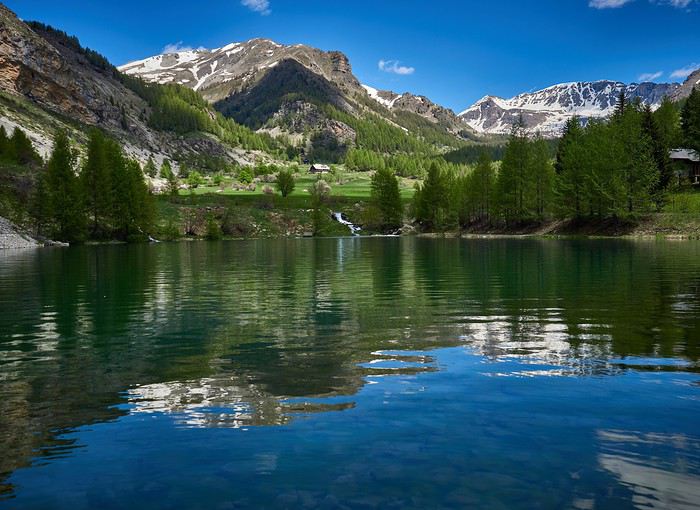
Quelques données empiriques et les judicieuses réflexions des paysans que l'on rencontre redonnent aux considérations météo une tonalité bien méridionale:"mistraou de raïssa, couma trouva laïssa" (mistral après la pluie, ramène l'eau après lui). Si le mistral succède à une dépression il peut y avoir 3 jours d'une limpidité intense. C'est le moment de prendre l'appareil photo. Le mauvais temps vient du sud, sud-ouest ou de l'est. C'est l'effet de foehn: le vent chargé d'humidité et venant de la Méditerranée s'élève, vient buter contre les premières montagnes et donne des précipitations. La différence d'altitude, de 500 à 2300m fait de la Haute Vallée du Var une région au climat varié. La partie aval bénéficie d'un climat plus "provençal" (ex.: des oliviers à Daluis). La pleine saison des fleurs débute aux environ de mai dans le secteur aval, début juin vers 1000m et début juillet à Estenc. La vallée orientée Nord Sud bénéficie d'une influence méditerranéenne située seulement à 50 km à vol d'oiseau de la mer. Le réseau hydrographique s'articule vers le sud par le Var et ses affluents. Dans les zones centrale et périphérique du Parc national du Mercantour on compte environ 217 lacs de haute altitude (superficie moyenne 2,2 ha), dont la plupart de petites dimensions. De la pluie au robinet, quel chemin! Pour la nature, il n’y a pas de « beau » et de « mauvais « temps. Christian Bobin nous confie: « Moi, je ne maudis jamais la pluie, cette petite sœur déshéritée du soleil. » Rappelons-nous en Afrique, toutes les incantations pour faire venir la pluie quand la terre se craquèle. Nous sommes trop éloignés de la nature et nous ne voulons voir que le bout de notre nez. Mais nous devrions nous réjouir de voir tomber la pluie ou la neige en reconnaissant que grâce à ce phénomène, les nappes phréatiques se remplissent.
Partage de container vers Djibouti pour voyage en Afrique australe à partir d'août 2020 English translation pending
Bonjour aux overlanders vers l'Afrique de l'Est et Australe
Notre prochain grand voyage avec notre 4x4 cellule nous conduira à partir d'août 2020 de Djibouti à la Namibie en 4 mois. (Nous le poursuivrons ensuite en 2021 et 2022)
Notre Hilux cellule Azalaï étant un peu haut, nous allons devoir l'expédier dans un container 40 pieds High cube que nous n'utiliserons qu'à moitié. Nous cherchons donc à partager ce container avec un autre véhicule.
Nous souhaitons expédier le 4x4 fin juillet début août afin d'initier notre voyage depuis Djibouti tout début septembre.
Nous avons déjà des cotations sérieuses de transporteurs mais sommes aussi à la recherche d'informations de la part d'équipages qui auraient déjà fait cette traversée récemment.
Nous sommes également intéressés par toutes informations pratiques et touristiques sur cette descente de l'Afrique des grands lacs.
Merci beaucoup.
Bernard et Fafa
Itinéraire un mois sur la côte ouest de l'Australie (de Darwin à Perth) English translation pending
Bonjour,
En pleine préparation de notre 3eme visite de l'Australie: ce sera cette fois-ci de Darwin à Perth. Au vue des prix des 4x4, hélas cela se fera en van aménagé, à moins que vous n ayez un bon plan!
Nous arrivons à Darwin le 18 septembre et repartirons de Perth le 14 avril ce qui nous laisse 26/27 jours sur place.
Alors, sans pouvoir faire les kimberleys (hélas!!!) - je lis que certaines choses sont tout de meme accessibles en van (comme Emma Gorge, Argyle, Bungle Bungle, Derby) les connaisseurs qu en pensez vous? -, il nous faudra aussi faire l'impasse sur le Francois Perron NP. Les autres sites sont tous accessibles ou presque ensuite par des routes +/- goudronnées, vrai?
Le circuit habituel Litchfeld, Kakadu, Broome, Karijini, Cape Range, Exmouth, Kalbari, Pinnacles, Pemberton... en 26 jours ca nous laisse le temps de profiter et d'en faire plus mais quoi? Voir pour passer par Uluru???!! (ou favoriser l'avion), pousser vers Kalgoorlie en y faisant une boucle pour profiter du début de l Outback et des champs en fleurs à cette époque la?...
quant au "camping", sur la cote Est, difficile de dormir gratuitement malgré le wikicamp. Savez vous si l application est fiable? Ici dans l'ouest, Est-il facile de dormir dans le van aménagé ou mieux vaut il se tourner vers des campings payants?
Vols et van réserves ... j'adore tellement ce pays que j ai envie de tout y voir!!! lol
Merci :-)
En pleine préparation de notre 3eme visite de l'Australie: ce sera cette fois-ci de Darwin à Perth. Au vue des prix des 4x4, hélas cela se fera en van aménagé, à moins que vous n ayez un bon plan!
Nous arrivons à Darwin le 18 septembre et repartirons de Perth le 14 avril ce qui nous laisse 26/27 jours sur place.
Alors, sans pouvoir faire les kimberleys (hélas!!!) - je lis que certaines choses sont tout de meme accessibles en van (comme Emma Gorge, Argyle, Bungle Bungle, Derby) les connaisseurs qu en pensez vous? -, il nous faudra aussi faire l'impasse sur le Francois Perron NP. Les autres sites sont tous accessibles ou presque ensuite par des routes +/- goudronnées, vrai?
Le circuit habituel Litchfeld, Kakadu, Broome, Karijini, Cape Range, Exmouth, Kalbari, Pinnacles, Pemberton... en 26 jours ca nous laisse le temps de profiter et d'en faire plus mais quoi? Voir pour passer par Uluru???!! (ou favoriser l'avion), pousser vers Kalgoorlie en y faisant une boucle pour profiter du début de l Outback et des champs en fleurs à cette époque la?...
quant au "camping", sur la cote Est, difficile de dormir gratuitement malgré le wikicamp. Savez vous si l application est fiable? Ici dans l'ouest, Est-il facile de dormir dans le van aménagé ou mieux vaut il se tourner vers des campings payants?
Vols et van réserves ... j'adore tellement ce pays que j ai envie de tout y voir!!! lol
Merci :-)
La misère administrative douanière en Afrique du Sud et Namibie et carnet ATA English translation pending
Nous sommes descendu l'Afrique depuis Bruxelles jusqu'a Pointe Noire par la route et en 2cv
Malheureusemnt pas possible de traverser l'Angola ou de trouver un bàteau pour le contourner....
La voiture est donc revenue en Belgique et est prête a repartir par bateau ce 4 février quand nous apprennons d'une part que les conduites à gauches sont interdites et que d'autre part le carnet ATA obligatoire n'est valaable que une année...
Hors notre mode de fonctionnement est de passer notre mois de vacance dans le pays visiter y laisser la voiture et rentrer par avion pour ensuite la récupérer l'année suivante et continuer les visites, ici, Afrique du Sud et Namibie ( encore pire chez eux c'est 90 jours max...mais par rentrée par annés par voiture ?)
Le carnet ATA n'est valable que une année et éventuellement renouvlable par l'àfrique du sud en notre absence...
A force de fouiller internet il y a peut-être une solution d'importation pour un voyage Trans Africain mais pas plus renseignements ni du montant de la taxe pour ma vielle 2cv Pas plus que de la durée
Une adresse des douanes ou d'un agent en douane a Cape Pown nous serait bien utile
Parceq'une fois la voiture sur place s'ils ne veulent pas qu'elle rentre....hein...
Merci
A force de fouiller internet il y a peut-être une solution d'importation pour un voyage Trans Africain mais pas plus renseignements ni du montant de la taxe pour ma vielle 2cv Pas plus que de la durée
Une adresse des douanes ou d'un agent en douane a Cape Pown nous serait bien utile
Parceq'une fois la voiture sur place s'ils ne veulent pas qu'elle rentre....hein...
Merci
Randonnée et passage de Te Araroa à Whanganui (Nouvelle-Zélande) English translation pending
Bonjour, je m'apprête à faire un voyage en Nouvelle-Zélande ce Février 2020 et compte y faire un bout de la connue randonnée Te Araroa. Problème: Je ne sais pas quel bout faire 😕. J'ai pensé faire le passage qui commence à la ville Whanganui (qui rejoint la côte juste après), mais je ne sais pas si cet endroit vaut le coup niveau paysages. Car si je fais un bout de Te Araroa, je veux que ce soit un bout de qualité niveau paysages, que ça marque mes souvenirs héhé ;).
Ma question est-donc la suivante: Pensez-vous que ce passage vers le Sud juste après Whanganui (sur la côte surtout) vaut le coup d'être fait, niveau paysages ? Si non, quel(s) passage(s) de Te Araroa sur l'île du Nord (et sur une côte) me conseilleriez-vous pour que mes yeux et mes sens en prennent plein leur gueule ? 😉
Merci d'avance de votre réponse,
Bisou !
Ma question est-donc la suivante: Pensez-vous que ce passage vers le Sud juste après Whanganui (sur la côte surtout) vaut le coup d'être fait, niveau paysages ? Si non, quel(s) passage(s) de Te Araroa sur l'île du Nord (et sur une côte) me conseilleriez-vous pour que mes yeux et mes sens en prennent plein leur gueule ? 😉
Merci d'avance de votre réponse,
Bisou !