Results for "Chobe+|+101+>+40"
147818 results found.
La photo, çà vous gâche pas les voyages, vous? English translation pending
Bonjour,
Désolé pour le titre, nettement plus provoc’ que la suite. Bon, c’est surtout pour discuter d’autre chose que du matériel.
Après avoir grillé de la pellicule sur les petites bêtes, le ciel, la famille, la terre vue du ciel et j’en passe, quoi de plus naturel que de continuer en voyage. Un peu de tri dans la montagne d’accessoires, d’objectifs, les films diapos les plus adaptés achetés et voilà, c’est parti. Bon, l’équipement prend de la place et il faut faire quelque choix dans les bagages. Le conjoint compatissant alourdit son sac. Et nous voilà sur place. Au fil des ans, les exigences augmentent : sujet, cadrage, composition, lumière, narration. On aimait son appareil, on se met à aimer la photo. Bref, çà prend plus de temps, met plus à contribution les nerfs du reste de l’équipe. On pense au montage du reportage au retour. Le voyage devient un récit à raconter et non plus une aventure à vivre. Il faut faire absolument la photo pour la transition entre les deux sujets. Attente, clic, clac et c’est reparti. Puis, voilà le retour. Le diaporama, hantise de ceux qui sont restés et vont se le voir infliger, plaît et ils en viennent même à en redemander. Formidable. L’histoire du voyage coule bien, le grand paysage comme le petit détail qui signent « l’ailleurs » sont au rendez-vous. Vous repartez quand ? Mais voilà, les années passent, diverses contraintes espacent les voyages ou les rendent plus courts. Le regard change. La manière de voyager aussi. Plus de subtilité, plus de patience. Et finalement, si l’appareil restait à la maison. Chiche ? Tiens, déjà, on déambule les mains dans les poches. Agréable en ville. Les regards ne se fixent plus sur le sac mais sur la personne. Plus de spéculations sur ce que l’on porte. Et déjà, oui, on fait moins touristes, plus visiteurs. Bref, différents. Il n’y a plus qu’à attiser un peu cette différence pour engager la conversation –ou la gesticulation. Et c’est parti pour une improbable liste à la Prévert : les gosses, l’école, la pluie, le beau temps, le foot, le président qui ne veut pas entretenir les éoliennes, les jeunes qui ne sont plus ce qu’ils étaient, l’âne qui boite. Pas de souci dans un coin de la tête comme « formidable cette lumière du soir sur la place, comment la capter avant qu’elle ne s’en aille ». Allez, on se quitte et on continue. Quelques cartes postales à ramener pour résumer le lieu et illustrer le récit au retour. Il a eu tout son temps pour les prendre lui (ou elle). Elles sont parfaites. Tiens, on demande au marchand quand passe le bus ? Une famille passe, avec un gamin du même âge que la nôtre. Echange de sourires. Bonheur d'être ailleurs et respirer un autre monde sans intermédiaire. Vivons déjà l'instant présent. Demain viendra assez tôt. Alors, prochain voyage : avec ou sans matériel ?
Désolé pour le titre, nettement plus provoc’ que la suite. Bon, c’est surtout pour discuter d’autre chose que du matériel.
Après avoir grillé de la pellicule sur les petites bêtes, le ciel, la famille, la terre vue du ciel et j’en passe, quoi de plus naturel que de continuer en voyage. Un peu de tri dans la montagne d’accessoires, d’objectifs, les films diapos les plus adaptés achetés et voilà, c’est parti. Bon, l’équipement prend de la place et il faut faire quelque choix dans les bagages. Le conjoint compatissant alourdit son sac. Et nous voilà sur place. Au fil des ans, les exigences augmentent : sujet, cadrage, composition, lumière, narration. On aimait son appareil, on se met à aimer la photo. Bref, çà prend plus de temps, met plus à contribution les nerfs du reste de l’équipe. On pense au montage du reportage au retour. Le voyage devient un récit à raconter et non plus une aventure à vivre. Il faut faire absolument la photo pour la transition entre les deux sujets. Attente, clic, clac et c’est reparti. Puis, voilà le retour. Le diaporama, hantise de ceux qui sont restés et vont se le voir infliger, plaît et ils en viennent même à en redemander. Formidable. L’histoire du voyage coule bien, le grand paysage comme le petit détail qui signent « l’ailleurs » sont au rendez-vous. Vous repartez quand ? Mais voilà, les années passent, diverses contraintes espacent les voyages ou les rendent plus courts. Le regard change. La manière de voyager aussi. Plus de subtilité, plus de patience. Et finalement, si l’appareil restait à la maison. Chiche ? Tiens, déjà, on déambule les mains dans les poches. Agréable en ville. Les regards ne se fixent plus sur le sac mais sur la personne. Plus de spéculations sur ce que l’on porte. Et déjà, oui, on fait moins touristes, plus visiteurs. Bref, différents. Il n’y a plus qu’à attiser un peu cette différence pour engager la conversation –ou la gesticulation. Et c’est parti pour une improbable liste à la Prévert : les gosses, l’école, la pluie, le beau temps, le foot, le président qui ne veut pas entretenir les éoliennes, les jeunes qui ne sont plus ce qu’ils étaient, l’âne qui boite. Pas de souci dans un coin de la tête comme « formidable cette lumière du soir sur la place, comment la capter avant qu’elle ne s’en aille ». Allez, on se quitte et on continue. Quelques cartes postales à ramener pour résumer le lieu et illustrer le récit au retour. Il a eu tout son temps pour les prendre lui (ou elle). Elles sont parfaites. Tiens, on demande au marchand quand passe le bus ? Une famille passe, avec un gamin du même âge que la nôtre. Echange de sourires. Bonheur d'être ailleurs et respirer un autre monde sans intermédiaire. Vivons déjà l'instant présent. Demain viendra assez tôt. Alors, prochain voyage : avec ou sans matériel ?
Où faire de l'humanitaire pour 1 an en Afrique? English translation pending
Depuis très petit je me sens attiré par le continent africain. J'ai la certitude que j'ai quelque chose à faire là-bas. J'aimerai donc visiter ce continent mais pas en tant que touriste, j'ai vraiment envie de découvrir la culture africaine. Je pense donc que le meilleur moyen de réaliser mon but est de participer à une action humanitaire.
n'ayant rien de spécialement prévu pour l'année prochaine, j'aimerai partir pour une année dans ce continent.
si vous avez des offres d'actions humanitaires à me proposer, je suis preneur...
n'ayant rien de spécialement prévu pour l'année prochaine, j'aimerai partir pour une année dans ce continent.
si vous avez des offres d'actions humanitaires à me proposer, je suis preneur...
Pérou: sécurité lors des déplacements English translation pending
salut. je désir partir à la découverte de ce magnifique pay qui est le Pérou.
il a une chose cependant qui me fait peur. lorsqu'on ce déplace dans le pay et qu'on veux ce rendre à une autre ville, comment fait-on pour dormir lorsqu'on ce trouve à mi-chemin de son arrivé?
es-ce Sécuritaire de dormir en bordure des routes??
* Avis aux intéressé. Si tu est dans la vingtaine et que tu est aventureu(se). je part en juin juillet 2004. laisse moi un msg legaultd@videotron.ca
il a une chose cependant qui me fait peur. lorsqu'on ce déplace dans le pay et qu'on veux ce rendre à une autre ville, comment fait-on pour dormir lorsqu'on ce trouve à mi-chemin de son arrivé?
es-ce Sécuritaire de dormir en bordure des routes??
* Avis aux intéressé. Si tu est dans la vingtaine et que tu est aventureu(se). je part en juin juillet 2004. laisse moi un msg legaultd@videotron.ca
Suggestions pour voyage de noces English translation pending
Bonjour,
Mon ami et moi nous ne savons pas trop où aller pour notre voyage de noces. On sait juste une chose : c'est que nous voulons pas aller à l'île Maurice parce que tous les jeunes mariés vont là bas. Par contre nous aimerions aller sur une île où on peut à la fois se reposer, visiter, admirer de beaux paysages et avoir un aperçu des traditions.
Merci de nous aider dans notre choix.🙂
Mon ami et moi nous ne savons pas trop où aller pour notre voyage de noces. On sait juste une chose : c'est que nous voulons pas aller à l'île Maurice parce que tous les jeunes mariés vont là bas. Par contre nous aimerions aller sur une île où on peut à la fois se reposer, visiter, admirer de beaux paysages et avoir un aperçu des traditions.
Merci de nous aider dans notre choix.🙂
Japan in August: Is it really a bad time?
Hey everyone,
Next year, we’re celebrating 20 years of marriage (and travel 🙂), and we’re looking for something new, pretty legendary, and something the teens will enjoy too.
The family council has settled on Japan for now. And it’d have to be a summer trip—no choice there.
The catch: I keep reading that August isn’t the right season for southern Japan. It’s hot, humid, and there’s a risk of typhoons… Okay, but what does that *actually* mean in practice? Are there any travelers who’ve been there during this time? Is it *that* unbearable? We’re pretty familiar with Southeast Asia—last year, we dealt with scorching heat in Vietnam and insane humidity, plus a typhoon we experienced from a distance, and visiting Angkor in the blazing sun. Is it worse than that?
Thanks for your feedback 😉
Next year, we’re celebrating 20 years of marriage (and travel 🙂), and we’re looking for something new, pretty legendary, and something the teens will enjoy too.
The family council has settled on Japan for now. And it’d have to be a summer trip—no choice there.
The catch: I keep reading that August isn’t the right season for southern Japan. It’s hot, humid, and there’s a risk of typhoons… Okay, but what does that *actually* mean in practice? Are there any travelers who’ve been there during this time? Is it *that* unbearable? We’re pretty familiar with Southeast Asia—last year, we dealt with scorching heat in Vietnam and insane humidity, plus a typhoon we experienced from a distance, and visiting Angkor in the blazing sun. Is it worse than that?
Thanks for your feedback 😉
Private transfer company between central and northern Thailand
Hi there,
Does anyone know of a private transfer or taxi company that organizes transfers from the Sukhothai area to Chiang Mai? Our routes are Sukhothai-Lampang, Lampang-Chom Thong, and Chom Thong-Chiang Mai. My searches on Google Maps, 12Go, and others haven’t turned up much...
For our Bangkok-Sukhothai trips, I use a company I’ve already tried, but they don’t have a fleet available from Sukhothai and have to go through third-party companies—which, understandably, take their commission. This nearly doubles the prices...
There are four of us, and we’re not traveling light, so a minibus isn’t an option. ;-)
Thanks for your tips! DrSnuggle
Does anyone know of a private transfer or taxi company that organizes transfers from the Sukhothai area to Chiang Mai? Our routes are Sukhothai-Lampang, Lampang-Chom Thong, and Chom Thong-Chiang Mai. My searches on Google Maps, 12Go, and others haven’t turned up much...
For our Bangkok-Sukhothai trips, I use a company I’ve already tried, but they don’t have a fleet available from Sukhothai and have to go through third-party companies—which, understandably, take their commission. This nearly doubles the prices...
There are four of us, and we’re not traveling light, so a minibus isn’t an option. ;-)
Thanks for your tips! DrSnuggle
Louisiana: The American South Between Wild Nature, Vibrant Culture, and an Inspiring Road Trip
There’s a region in the United States that stands apart—deeply American yet surprisingly familiar. A destination where landscapes seem to pulse with the rhythm of water, where music naturally weaves into daily life, and where every day feels like you’re living something new:
Welcome to Louisiana!
Located in the southern U.S., bordering the Gulf of Mexico and carved by the legendary Mississippi River, Louisiana is a land of contrasts and cultural blends. Shaped by its history with France, Spain, and Creole and Cajun traditions, it now offers a unique travel experience—far from the clichés you might expect.
While New Orleans, jazz, and Mardi Gras are part of its identity, Louisiana today reveals itself in a different light: as a destination deeply rooted in nature, exploration, and freedom.
And that’s exactly what makes it such an appealing trip idea, especially for those seeking a different kind of road trip—one that’s accessible and packed with experiences.
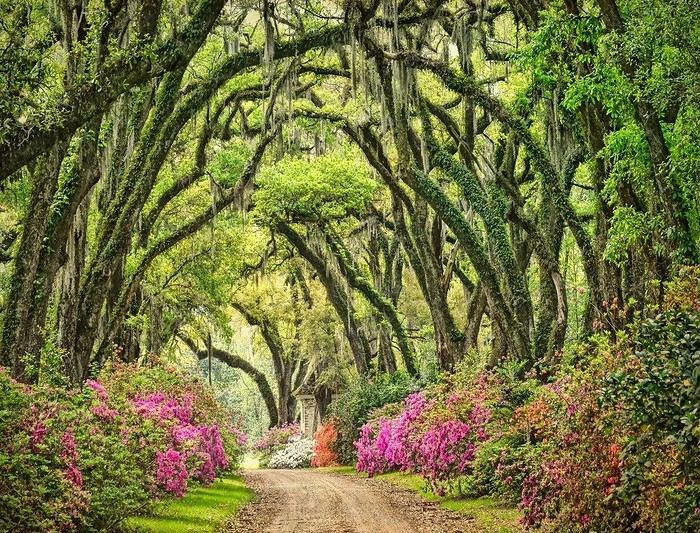
The journey quickly takes on a new dimension. As soon as you leave the urban centers, the scenery shifts. The roads grow quieter, the vegetation denser, and water appears everywhere—in every form. It’s in the bayous where the experience truly comes alive. Paddling gently by kayak on Lake Martin, gliding between centuries-old cypress trees near Breaux Bridge, observing wildlife in an almost surreal silence... Here, nature isn’t just something you look at—it’s something you *live*. You slow down, observe, and soak it all in. And this immersion isn’t complicated or reserved for experts. That’s the beauty of Louisiana: it offers accessible outdoor adventures without constraints, yet deeply immersive ones. A little farther north of New Orleans, the Tammany Trace offers another way to explore the region. By bike, on this repurposed rail trail, you ride through forests and small towns at a relaxed pace—perfect for enjoying the scenery without effort.
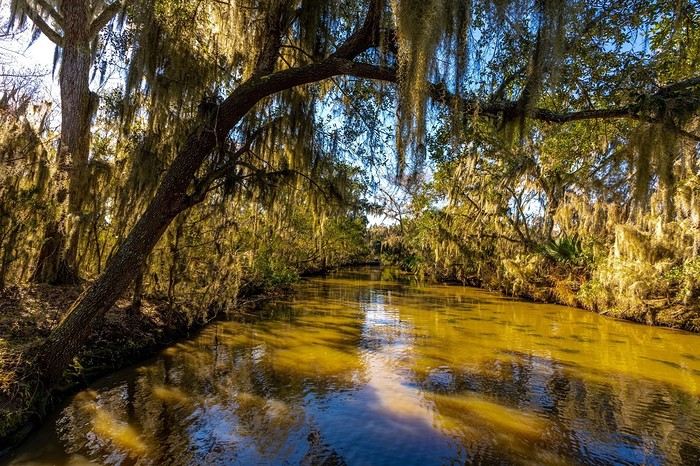
In Kisatchie National Forest, hiking trails reveal a lesser-known side of Louisiana—almost unexpected. Gentle hills, deep forests, and a peaceful atmosphere create a striking contrast to the state’s usual image. And always, that sense of ease. Nothing feels complicated; everything flows naturally.
But what truly makes Louisiana unique is its ability to seamlessly blend nature and culture—never pitting one against the other. After a morning in the swamps, you might find yourself in Lafayette, seated in front of a Cajun music group. After a day on the road, you could end the evening in a jazz club in New Orleans. Here, the transitions feel smooth, natural, almost effortless. Culture isn’t just something you visit—it’s an atmosphere. French influences, still very present in certain names, traditions, and expressions, give the trip a warm, familiar feel. Encounters are easy, conversations authentic, and every stop seems to tell a different story. Music, of course, is everywhere. Jazz, blues, zydeco—so many styles that accompany your journey and give it a unique rhythm. You don’t just *visit* Louisiana; you *feel* it.
Exploring Louisiana by road trip also means enjoying an especially fluid itinerary. Distances are always manageable, the roads easy, and the stops flow without excessive fatigue. You move from one environment to another effortlessly: from the river to the swamps, from the city to nature, from lively cultural moments to more contemplative ones. This fluidity changes everything. It lets you take your time, stop, and truly *live* each place without feeling like you’re rushing from one point to the next. And that’s often where the best memories are made.
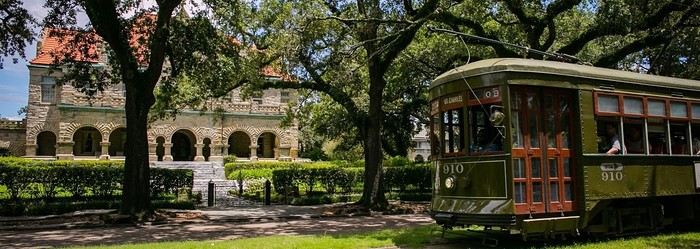
Unlike some more demanding destinations, Louisiana can be explored in summer—if you adjust your pace. But it’s really from September onward that the destination shines. Temperatures become milder, the light softer, and the overall vibe more serene. October, in particular, offers the perfect balance of climate, crowds, and experience quality. It’s an ideal time to fully enjoy outdoor activities without constraints, in especially pleasant conditions. Good news: there’s still time! Whether for summer 2026 or the late season, opportunities are still open. The best, most fluid, and balanced itineraries are built in advance. Because not all Louisiana trips are the same. It’s easy to replicate a classic route focused on a few major stops. But a more modern approach means rethinking the experience as a whole: fully integrating the outdoors, balancing cultural highlights with nature moments, and setting a pace that truly suits the traveler. That’s the vision that turns a simple itinerary into a real experience. A more immersive, natural, and cohesive Louisiana. One that isn’t just *visited* but *lived* to the fullest.
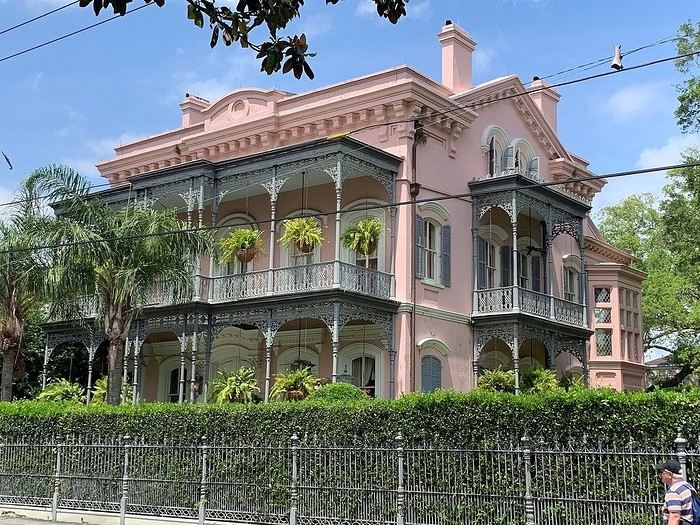
You’ve probably gathered by now—we’re huge fans of Louisiana! It naturally stands out as a unique destination in the American landscape. Accessible yet exotic, rich without being complicated, cultural without feeling rigid, natural without being extreme. A destination that appeals to a wide audience precisely because it doesn’t cater to just one type of traveler. And perhaps that’s its greatest strength in our eyes: offering everyone the chance to find their own rhythm, their own discoveries, their own emotions. So whether it’s for this summer or to fully enjoy the gentle autumn season, Louisiana is waiting to welcome you and leave you amazed. Like a living, balanced, and deeply inspiring destination. And maybe... your next trip.
Want more information about Louisiana? Contact *Partir aux États-Unis* for advice and exclusive rates for Voyage Forum members: click here.
And that’s exactly what makes it such an appealing trip idea, especially for those seeking a different kind of road trip—one that’s accessible and packed with experiences.
The journey quickly takes on a new dimension. As soon as you leave the urban centers, the scenery shifts. The roads grow quieter, the vegetation denser, and water appears everywhere—in every form. It’s in the bayous where the experience truly comes alive. Paddling gently by kayak on Lake Martin, gliding between centuries-old cypress trees near Breaux Bridge, observing wildlife in an almost surreal silence... Here, nature isn’t just something you look at—it’s something you *live*. You slow down, observe, and soak it all in. And this immersion isn’t complicated or reserved for experts. That’s the beauty of Louisiana: it offers accessible outdoor adventures without constraints, yet deeply immersive ones. A little farther north of New Orleans, the Tammany Trace offers another way to explore the region. By bike, on this repurposed rail trail, you ride through forests and small towns at a relaxed pace—perfect for enjoying the scenery without effort.
In Kisatchie National Forest, hiking trails reveal a lesser-known side of Louisiana—almost unexpected. Gentle hills, deep forests, and a peaceful atmosphere create a striking contrast to the state’s usual image. And always, that sense of ease. Nothing feels complicated; everything flows naturally.
But what truly makes Louisiana unique is its ability to seamlessly blend nature and culture—never pitting one against the other. After a morning in the swamps, you might find yourself in Lafayette, seated in front of a Cajun music group. After a day on the road, you could end the evening in a jazz club in New Orleans. Here, the transitions feel smooth, natural, almost effortless. Culture isn’t just something you visit—it’s an atmosphere. French influences, still very present in certain names, traditions, and expressions, give the trip a warm, familiar feel. Encounters are easy, conversations authentic, and every stop seems to tell a different story. Music, of course, is everywhere. Jazz, blues, zydeco—so many styles that accompany your journey and give it a unique rhythm. You don’t just *visit* Louisiana; you *feel* it.
Exploring Louisiana by road trip also means enjoying an especially fluid itinerary. Distances are always manageable, the roads easy, and the stops flow without excessive fatigue. You move from one environment to another effortlessly: from the river to the swamps, from the city to nature, from lively cultural moments to more contemplative ones. This fluidity changes everything. It lets you take your time, stop, and truly *live* each place without feeling like you’re rushing from one point to the next. And that’s often where the best memories are made.
Unlike some more demanding destinations, Louisiana can be explored in summer—if you adjust your pace. But it’s really from September onward that the destination shines. Temperatures become milder, the light softer, and the overall vibe more serene. October, in particular, offers the perfect balance of climate, crowds, and experience quality. It’s an ideal time to fully enjoy outdoor activities without constraints, in especially pleasant conditions. Good news: there’s still time! Whether for summer 2026 or the late season, opportunities are still open. The best, most fluid, and balanced itineraries are built in advance. Because not all Louisiana trips are the same. It’s easy to replicate a classic route focused on a few major stops. But a more modern approach means rethinking the experience as a whole: fully integrating the outdoors, balancing cultural highlights with nature moments, and setting a pace that truly suits the traveler. That’s the vision that turns a simple itinerary into a real experience. A more immersive, natural, and cohesive Louisiana. One that isn’t just *visited* but *lived* to the fullest.
You’ve probably gathered by now—we’re huge fans of Louisiana! It naturally stands out as a unique destination in the American landscape. Accessible yet exotic, rich without being complicated, cultural without feeling rigid, natural without being extreme. A destination that appeals to a wide audience precisely because it doesn’t cater to just one type of traveler. And perhaps that’s its greatest strength in our eyes: offering everyone the chance to find their own rhythm, their own discoveries, their own emotions. So whether it’s for this summer or to fully enjoy the gentle autumn season, Louisiana is waiting to welcome you and leave you amazed. Like a living, balanced, and deeply inspiring destination. And maybe... your next trip.
Want more information about Louisiana? Contact *Partir aux États-Unis* for advice and exclusive rates for Voyage Forum members: click here.
What to see and do in Valencia and the surrounding area?
Hi there,
We’re planning to spend a few days in Valencia and the surrounding area. Can you recommend the must-see sights? PS: If you know any great restaurants, we’re all ears!
Thanks in advance
We’re planning to spend a few days in Valencia and the surrounding area. Can you recommend the must-see sights? PS: If you know any great restaurants, we’re all ears!
Thanks in advance
Off on an adventure in Sri Lanka
Day 1 – December 6
Our decision is our decision. And it’s firm and final. Next winter, our plane will spread its great wings toward the island of Ceylon! "Wait a minute... Ceylon... Ceylon... that name rings a bell, but I can’t quite place it on the globe Grandma gave me for Christmas! Ceylon... Oh right, I’ve got it: Ceylon is the name of my tea!" Exactly. But the name on your pretty tea box is also the one used until 1972 for this island nation, a speck on the Indian Ocean at the southern tip of the Indian subcontinent: Sri Lanka!
For this new adventure, I’m exceptionally leaving my Flo behind, cowardly replaced by a double dose of testosterone. To write the book of this journey with me, I’m bringing along my brother, who’s used to this kind of thing, and... a guest star: My model of resilience. My dad! All aboard! Or rather, all aboard our tuk-tuk! Yes, you read that right: A real tuk-tuk, a little colorful rolling box that putters along at two miles an hour. The idea? Well, Sri Lanka and its winding roads overlooking the vastness of lush nature are tailor-made for this kind of vehicle. And since it’s one of only two countries in the world that allow foreigners to rent and drive these mini speedsters, we’ll be crisscrossing the island in our two-square-meter rolling box. Plus, adopting this mode of transport is a surefire way to connect directly with the locals, who’ll surely be curious to see a foreigner driving their iconic vehicle. Not to mention the... let’s say... spicy anecdotes it might generate. I mean, heading into a subtropical zone with my jet-black dad and his unpredictable digestive flora while deliberately choosing the tuk-tuk as our *only* means of transport? That’s the winning combo for an unforgettable adventure! "More seriously, Dad, Sullivan, I’m already loving the idea of living this adventure together, the three of us—brothers and father..."
So, does the intro to this new adventure get your salivary glands going? Yes? Too bad. Because unfortunately, the program handed out by the lady at the entrance has been slightly... let’s say *crumpled*. Some might even say "scrunched up and nearly tossed in the trash." First, six days ago, as the countdown echoed in us like a call to adventure, Cyclone Ditwah grabbed Sri Lanka, played with it like a rag doll, and left it battered on the ground. The toll is devastating: over a thousand dead, thousands of homes wiped out by relentless rains, roads and railways swallowed by massive mudslides. A country wounded once again, after the civil war, the 2004 tsunami, and the post-Covid economic crisis.
But as if this weather disaster wasn’t enough to shake our unbreakable adventurer spirit, fate decided to mess with us further by cutting our trio down to two. The victim? My brother, violently turned away because of a simple date on his passport that didn’t match the border officials’ expectations. Return to sender!
So now it’s just the two of us allowed to board the Qatar Airways Airbus A380 for this trip. If he were here, Denis Brognart would say, "And in the end, only one remains!" Except I know you’ll be with us, following our adventures! Right?
Our decision is our decision. And it’s firm and final. Next winter, our plane will spread its great wings toward the island of Ceylon! "Wait a minute... Ceylon... Ceylon... that name rings a bell, but I can’t quite place it on the globe Grandma gave me for Christmas! Ceylon... Oh right, I’ve got it: Ceylon is the name of my tea!" Exactly. But the name on your pretty tea box is also the one used until 1972 for this island nation, a speck on the Indian Ocean at the southern tip of the Indian subcontinent: Sri Lanka!
For this new adventure, I’m exceptionally leaving my Flo behind, cowardly replaced by a double dose of testosterone. To write the book of this journey with me, I’m bringing along my brother, who’s used to this kind of thing, and... a guest star: My model of resilience. My dad! All aboard! Or rather, all aboard our tuk-tuk! Yes, you read that right: A real tuk-tuk, a little colorful rolling box that putters along at two miles an hour. The idea? Well, Sri Lanka and its winding roads overlooking the vastness of lush nature are tailor-made for this kind of vehicle. And since it’s one of only two countries in the world that allow foreigners to rent and drive these mini speedsters, we’ll be crisscrossing the island in our two-square-meter rolling box. Plus, adopting this mode of transport is a surefire way to connect directly with the locals, who’ll surely be curious to see a foreigner driving their iconic vehicle. Not to mention the... let’s say... spicy anecdotes it might generate. I mean, heading into a subtropical zone with my jet-black dad and his unpredictable digestive flora while deliberately choosing the tuk-tuk as our *only* means of transport? That’s the winning combo for an unforgettable adventure! "More seriously, Dad, Sullivan, I’m already loving the idea of living this adventure together, the three of us—brothers and father..."
So, does the intro to this new adventure get your salivary glands going? Yes? Too bad. Because unfortunately, the program handed out by the lady at the entrance has been slightly... let’s say *crumpled*. Some might even say "scrunched up and nearly tossed in the trash." First, six days ago, as the countdown echoed in us like a call to adventure, Cyclone Ditwah grabbed Sri Lanka, played with it like a rag doll, and left it battered on the ground. The toll is devastating: over a thousand dead, thousands of homes wiped out by relentless rains, roads and railways swallowed by massive mudslides. A country wounded once again, after the civil war, the 2004 tsunami, and the post-Covid economic crisis.
But as if this weather disaster wasn’t enough to shake our unbreakable adventurer spirit, fate decided to mess with us further by cutting our trio down to two. The victim? My brother, violently turned away because of a simple date on his passport that didn’t match the border officials’ expectations. Return to sender!
So now it’s just the two of us allowed to board the Qatar Airways Airbus A380 for this trip. If he were here, Denis Brognart would say, "And in the end, only one remains!" Except I know you’ll be with us, following our adventures! Right?
What do you really remember about Vietnam?
I've traveled quite a bit in Vietnam over the past few years—from the southern delta to bustling cities and even some small islands—but what really sticks with me is the north, the high mountains.
Up there, there's something different—maybe slower, more raw. The morning markets with ethnic groups, women in traditional clothes, the colors...
The stilt houses, kids following you and laughing for no reason, the terraced rice fields—it almost feels unreal at times, so vast and quiet, yet so human and simple.
You often hear that Sapa has become too touristy, and that's partly true, especially in the center. But as soon as you move a little farther away, everything changes quickly. The landscapes open up, encounters feel more natural, and you rediscover something truly authentic.
I think it's that contrast that struck me—the difference between what you imagine before going and what you actually discover when you take the time.
And you—what memory do you hold onto from Vietnam? A particular place that touched you more than others?
What to see around La Spezia besides the Cinque Terre?
Hi,
I’m planning my trip to La Spezia and I’m struggling to find nice places to visit besides the Cinque Terre and Portovenere.
Budget: Mid-range
NO hiking
Can you help me out?
Thanks!
Can you help me out?
Thanks!
Cape region itinerary in July
Hi,
We’re looking at heading to South Africa this summer (early July) with our two kids (6 & 10 years old). Here’s a rough draft of our itinerary so far. What do you think? Is it better to skip Addo? (We can’t add any more days...). If so, should we spend more time on certain stops or add something else? (Cederberg?) Thanks in advance, Bruno
D1 Arrival at 10 AM, rest in Cape Town D2 Cape Town or Cape Peninsula D3 Cape Town or Cape Peninsula D4 Bonteboks National Park; overnight in Heidelberg D5 Botlierskop Game Drive; overnight near Mossel Bay D6 Garden Route; overnight in Plettenberg Bay D7 Bird of Eden and Robberg Nature Reserve; overnight in Plettenberg Bay D8 Tsitsikamma; overnight in Addo D9 Addo D10 Ostrich farm; overnight in Oudtshoorn D11 Buffelsdrift Game Lodge and caves; overnight in Oudtshoorn D12 Garden Route Game Lodge; overnight in Albertinia D13 De Hoop; overnight in De Hoop D14 Hermanus; overnight in Hermanus D15 Betty’s Bay and return to Cape Town D16 Cape Town; departure at 5 PM
We’re looking at heading to South Africa this summer (early July) with our two kids (6 & 10 years old). Here’s a rough draft of our itinerary so far. What do you think? Is it better to skip Addo? (We can’t add any more days...). If so, should we spend more time on certain stops or add something else? (Cederberg?) Thanks in advance, Bruno
D1 Arrival at 10 AM, rest in Cape Town D2 Cape Town or Cape Peninsula D3 Cape Town or Cape Peninsula D4 Bonteboks National Park; overnight in Heidelberg D5 Botlierskop Game Drive; overnight near Mossel Bay D6 Garden Route; overnight in Plettenberg Bay D7 Bird of Eden and Robberg Nature Reserve; overnight in Plettenberg Bay D8 Tsitsikamma; overnight in Addo D9 Addo D10 Ostrich farm; overnight in Oudtshoorn D11 Buffelsdrift Game Lodge and caves; overnight in Oudtshoorn D12 Garden Route Game Lodge; overnight in Albertinia D13 De Hoop; overnight in De Hoop D14 Hermanus; overnight in Hermanus D15 Betty’s Bay and return to Cape Town D16 Cape Town; departure at 5 PM
Where to stay to explore the Spanish Basque Country and Navarre?
Hello,
After a road trip in Quebec in 2025, we’re looking for a destination this year (around September 20th to October 10th) where we can settle in 2 or 3 spots and explore the area without having to drive 200 km every day to see something. I’ve had my eye on northeastern Spain for a while, and I thought of the Basque Country and its hinterland (Rioja? Navarre?) to avoid too many kilometers from Belgium. Bilbao and San Sebastián seem like must-sees, and beyond that, we love the vibe of small ports, medieval old towns (like Onati), hiking in beautiful landscapes, and cycling on greenways. I also spotted the Bardenas Reales, but it might be too far from a home base—unless we make it an extra stop... Based on this, can you recommend where it’d be interesting to set up base? Have a great evening, Claire
After a road trip in Quebec in 2025, we’re looking for a destination this year (around September 20th to October 10th) where we can settle in 2 or 3 spots and explore the area without having to drive 200 km every day to see something. I’ve had my eye on northeastern Spain for a while, and I thought of the Basque Country and its hinterland (Rioja? Navarre?) to avoid too many kilometers from Belgium. Bilbao and San Sebastián seem like must-sees, and beyond that, we love the vibe of small ports, medieval old towns (like Onati), hiking in beautiful landscapes, and cycling on greenways. I also spotted the Bardenas Reales, but it might be too far from a home base—unless we make it an extra stop... Based on this, can you recommend where it’d be interesting to set up base? Have a great evening, Claire
Zanskar Crossing Summer 2026: Can it be done independently or is a guide necessary?
Hi there,
I’m planning to do the Zanskar crossing from Lamayuru to Darcha in August 2026.
I know the route has changed quite a bit in recent years, and I’m struggling to find reliable info on whether it’s possible to do this trek independently with just two people—sleeping and eating with locals each day.
I’m also open to hiring a muleteer or going through an agency, so I’d love any recent and trustworthy recommendations on that too.
Thanks in advance,
Jean-Marc
Which charming small towns do you recommend with kids?
Hi everyone,
We’ve visited Zeeland (Netherlands) several times with our two young children—Middelburg, for example—and really loved it. We’re looking for something similar in the Benelux or northern France:
- A pretty, historic small town with charm, not just a village, since we enjoy a slightly "urban" vacation vibe: parks, biking on dedicated paths, museums, cafés, restaurants, and shopping - Very pedestrian-friendly and/or bike-accessible (like the Netherlands always is) - Relatively safe and welcoming for kids, with activities for them (which is also very common in the Netherlands)
Unfortunately, I haven’t found anything as well-preserved and lovely as the extensive center of that small town, which seems to fly under the radar. I’m sure there must be others like it that I’m missing. In the same vein but on a larger scale, we love Bruges, for example—but it’s bigger (which is fine) and especially very expensive.
Thanks in advance for your tips! !
We’ve visited Zeeland (Netherlands) several times with our two young children—Middelburg, for example—and really loved it. We’re looking for something similar in the Benelux or northern France:
- A pretty, historic small town with charm, not just a village, since we enjoy a slightly "urban" vacation vibe: parks, biking on dedicated paths, museums, cafés, restaurants, and shopping - Very pedestrian-friendly and/or bike-accessible (like the Netherlands always is) - Relatively safe and welcoming for kids, with activities for them (which is also very common in the Netherlands)
Unfortunately, I haven’t found anything as well-preserved and lovely as the extensive center of that small town, which seems to fly under the radar. I’m sure there must be others like it that I’m missing. In the same vein but on a larger scale, we love Bruges, for example—but it’s bigger (which is fine) and especially very expensive.
Thanks in advance for your tips! !
Travel Journal: A Christmas in Quebec
Hi everyone, we’re sharing our day-by-day travel journal from Quebec in December. 10 days in Montreal and Quebec City during the holiday season and deep winter.
Quebec in winter is something truly exceptional to experience. The Christmas period is magical, especially in Quebec City. We share our story in this travel journal.
Quebec in winter is something truly exceptional to experience. The Christmas period is magical, especially in Quebec City. We share our story in this travel journal.
Looking for a studio from March 8 to 22 in Fort-de-France
Two adults: looking for a studio with a panoramic view or ocean view. Since we don’t have a vehicle, we’re hoping to find something close to shopping centers, supermarkets, and restaurants.
Thanks for your replies
Old Burmese Adventures (oh, so many!)
Hey everyone,
Yesterday, I checked the Thailand forum to see if there were any questions to answer, but not much was happening—it was pretty quiet. Then I scrolled through the Southeast Asia section and realized that, even though Burma (Myanmar) was included, there weren’t many posts about it... I’ve only been there once, back in 1987, so it’s hard to create a photo thread about multiple trips like I sometimes do for Thailand. Still, that one trip was packed with unusual adventures, so I thought I’d share a few stories from it.
Since I didn’t take any notes at the time, this is all from memory—it’s not an exhaustive travel journal and isn’t meant to help plan a future trip to Myanmar.
Don’t expect photos; there won’t be any. I have some, but they’re slides that would need scanning and editing one by one to fix the wear and tear of time—way too much work.
The Context.
Back then (reminder: 1987), I was volunteering in Paris at the counter of a travel agency on Rue des Écoles. The agency was part of a well-known organization based in Mulhouse that mostly offered scheduled flights to Asia, charter flights to the Mediterranean, and flights to Mali with their own plane. They also had a few rare "roots"-style trips to certain destinations—trips where you didn’t bring your tennis racket but were ready to soak in everything, even if it meant tough conditions.
I’d already been to Thailand, Indonesia, and the Philippines in Asia. The director knew this, so he asked me to accompany a group to Burma. At the time, tours to Burma were already being sold by competitors, but they all had to go through the state-run agency, Touristburma (buses and hotels for tourists, and they only showed you what they wanted you to see—kind of like traveling in North Korea today). The service was only payable in dollars at the official exchange rate (which was six times worse than the black market rate, mind you...), and since it went through the state agency, all the money ended up with the junta.
My job was to do everything *without* going through Touristburma, which was completely illegal there. Nothing would be booked in advance. Back then, the Burmese visa was only valid for 8 days/7 nights, and since clients were paying for the experience, the itinerary was planned ahead. I’d have to find transport and a guide on the black market as soon as I arrived.
The clients weren’t misled—they knew from the start that the trip would be off the books, that officially we’d be a small group of friends (not an agency), unlike the truth (Touristburma wasn’t mandatory for individual travelers), and that it would be challenging. They also knew their trip would cost 3-4 times less while giving them a much better experience of Burma. As for pretending to be a group of friends, there were only six of us, so it worked out.
To cover all expenses (accommodation, transport, excursions), the agency gave me a sufficient budget. They also gave me the *same* budget a second time, which was strictly for bribing officials who might cause trouble, for backshish (tips), and, if needed, to "help" me get out of prison.
Before I left, I was thoroughly briefed by another guy who’d led the previous trip (he’d dealt with all the initial challenges). He explained everything I needed to know, what to watch out for, and advised me on what to bring as "gifts" (samples of well-known perfumes, specific cigarette and whisky brands, etc.). For the perfume samples, I rallied my family, friends, and even stores. For the rest, I’d pick things up at the duty-free shops in Don Muang (Bangkok’s only airport at the time)—I had the budget for it.
I couldn’t wait to leave...
Yesterday, I checked the Thailand forum to see if there were any questions to answer, but not much was happening—it was pretty quiet. Then I scrolled through the Southeast Asia section and realized that, even though Burma (Myanmar) was included, there weren’t many posts about it... I’ve only been there once, back in 1987, so it’s hard to create a photo thread about multiple trips like I sometimes do for Thailand. Still, that one trip was packed with unusual adventures, so I thought I’d share a few stories from it.
Since I didn’t take any notes at the time, this is all from memory—it’s not an exhaustive travel journal and isn’t meant to help plan a future trip to Myanmar.
Don’t expect photos; there won’t be any. I have some, but they’re slides that would need scanning and editing one by one to fix the wear and tear of time—way too much work.
The Context.
Back then (reminder: 1987), I was volunteering in Paris at the counter of a travel agency on Rue des Écoles. The agency was part of a well-known organization based in Mulhouse that mostly offered scheduled flights to Asia, charter flights to the Mediterranean, and flights to Mali with their own plane. They also had a few rare "roots"-style trips to certain destinations—trips where you didn’t bring your tennis racket but were ready to soak in everything, even if it meant tough conditions.
I’d already been to Thailand, Indonesia, and the Philippines in Asia. The director knew this, so he asked me to accompany a group to Burma. At the time, tours to Burma were already being sold by competitors, but they all had to go through the state-run agency, Touristburma (buses and hotels for tourists, and they only showed you what they wanted you to see—kind of like traveling in North Korea today). The service was only payable in dollars at the official exchange rate (which was six times worse than the black market rate, mind you...), and since it went through the state agency, all the money ended up with the junta.
My job was to do everything *without* going through Touristburma, which was completely illegal there. Nothing would be booked in advance. Back then, the Burmese visa was only valid for 8 days/7 nights, and since clients were paying for the experience, the itinerary was planned ahead. I’d have to find transport and a guide on the black market as soon as I arrived.
The clients weren’t misled—they knew from the start that the trip would be off the books, that officially we’d be a small group of friends (not an agency), unlike the truth (Touristburma wasn’t mandatory for individual travelers), and that it would be challenging. They also knew their trip would cost 3-4 times less while giving them a much better experience of Burma. As for pretending to be a group of friends, there were only six of us, so it worked out.
To cover all expenses (accommodation, transport, excursions), the agency gave me a sufficient budget. They also gave me the *same* budget a second time, which was strictly for bribing officials who might cause trouble, for backshish (tips), and, if needed, to "help" me get out of prison.
Before I left, I was thoroughly briefed by another guy who’d led the previous trip (he’d dealt with all the initial challenges). He explained everything I needed to know, what to watch out for, and advised me on what to bring as "gifts" (samples of well-known perfumes, specific cigarette and whisky brands, etc.). For the perfume samples, I rallied my family, friends, and even stores. For the rest, I’d pick things up at the duty-free shops in Don Muang (Bangkok’s only airport at the time)—I had the budget for it.
I couldn’t wait to leave...
15-Day Road Trip Recap: Colorado and New Mexico
Hello, here’s a totally subjective recap of our 15-day road trip between Colorado and New Mexico, from late September to mid-October.
Our main interests are culture, museums, and landscapes—no hiking or trails for us. Personally, I’m pretty contemplative, and luckily, there’s always something to see out there! We’re pretty used to the US; we’ve been going there often for a long time (let’s just say we’re not exactly young anymore).
Budget: Even though we don’t set a strict budget beforehand, we try to keep costs as low as possible. This time, we managed to spend around 4000 € for two, all included. To do this: avoid expensive accommodations, staying between 60 and 120 € per night with an average of 90 €/night, mixing Airbnb and motels. And skip the “real” restaurants, which are pretty pricey in the US: sandwiches for lunch, takeout or cooking in the Airbnb in the evening. We shop at Sprouts or Whole Foods—organic-style chains that are pricier than Walmart but better. In the evenings, Sprouts has discounts on items that didn’t sell during the day. Also, avoid toll roads, paid parking, and overly expensive attractions or sites. The dispensary budget is separate…
Route: Denver/Colorado Springs/Alamosa/Raton/Santa Fe/Cuba/Cortez/Grand Junction/Glenwood Springs/Denver This wasn’t too planned in advance—we booked a few nights upon arrival and went with the flow. Flight from CDG to Denver with AF/Delta, car rental at Dollar for a standard SUV. The guy at the Dollar counter upsold me on extra insurance for flat tires (and since I knew we’d be off-roading, I took it). Without telling me, he upgraded me to a Jeep Sahara 4X4 Hybrid. Nice.
Listening to the news upon arrival, the anchor announced, “It’s officially fall now.” We hadn’t really thought about that before leaving, but yeah—it’s the time when the trees turn fluorescent yellow and red. Amazing.
Colorado Springs: Garden of the Gods is a free park with paved trails winding through red/orange rock formations. Magical at sunrise—groups of deer roam around, along with birds and rabbits. It’s small but wow! Didn’t try the Manitou Incline in Manitou Springs, a staircase with thousands of steps going straight up the mountain. Impressive from the bottom, but the parking is paid, which is a downside for those willing to tackle it. The Cog Railway goes up to the summit of Pikes Peak—around $100 when we were there. No thanks. And of course, the parking is paid too. For fans, Maggie’s Farm dispensary is great.
On Route 24, Eleven Mile Canyon Recreation Area is fly-fishing paradise—just like in the movie *A River Runs Through It*. Entry is $11, and a trail follows the river at the bottom of the canyon to the dam. Dozens of people in waders are in the water, casting their lines over and over. You can see the salmon in the clear water, and we had a picnic in the sun, imagining Brad Pitt catching a fish.
Buena Vista: A cute little tourist town with an Outdoor Fair that day—some pretty impressive vehicles for sale, set up for mountain living (like Juniper outfitting a RAM).
Alamosa: The closest town to Great Sand Dunes National Park, crossed by the Rio Grande (and let’s be real—it’s more of a stream than a river!). Park access was free because it was National Park Day. A park with massive dunes—climbing them is pretty exhausting, with lots of wind and sinking sand. Glad we didn’t do it in summer; I can’t imagine how tough it’d be in the heat. It’s a bit deceptive: it looks easy to get to the top of a dune, but it’s really not. The campsites were nice, and it was busy that weekend. We passed the “Point of No Return,” a sandy trail winding through the hills and connecting to Route 559 from above. Didn’t go all the way, but it’s possible the entrance is free from that side. However, you need a 4X4 with good ground clearance. After 1 or 2 km on the trail, you’re alone between the dunes and hills—hardly anyone around. But tricky to turn around or pass other vehicles; the trail isn’t wide. We crossed paths with a Hanomag (registered in the Netherlands—impressive!) coming down without stopping, or risking getting stuck.
On the way out, we took the small Route 403, which quickly turns into a trail crossing the mountain. Entire sections of forest were turning fluorescent yellow with patches of green and red—an incredible sight.
Raton: A small town that probably peaked in the late 19th century and has been in slow decline ever since. The Raton Pass Motor Inn is the kind of place that makes the US legendary—entirely 50s and 60s decor, really well done. I had the Betty Page room—too cool. Felt like we were on Route 66. Even better.
Santa Fe: A small city with no high-rises—almost all low-rise buildings, many in adobe, blending perfectly into the landscape. The old downtown is touristy but nice, with its plaza and church. There’s a really cool vibe—we loved it. For drinks, the bar at the top of La Fonda Hotel was packed for sunset, with a diverse crowd. Not overpriced for the location. SITE Santa Fe is a contemporary art space near the train station. It’s free, and the temporary exhibit was really good—high quality. Museum Hill is, as the name suggests, where several museums are located. We visited the Museum of Indian Art and Culture—great if you’re into “First Nations” history. Saw The Dandy Warhols at The Bridge—an outdoor venue, one of the last concerts of the season before winter makes it too cold. Oddly, there was no bag check, just an ID required (even though it was obvious we were over 21!). Tickets were reasonable, around $30 (concerts in the US can be crazy expensive). The band was good, with fewer than 300 people in front. A sign at the bar warned: Don’t forget you’re at 1,500 meters—alcohol hits harder up here!
Albuquerque: A sprawling city with an old historic center that feels a bit like Disneyland—too perfect for my taste. The real highlight is the Sandia Peak Tramway, which goes up to the old ski resort above the city. Tickets are around $35, and it’s worth it—the ride over the canyons is pretty wild. The ski resort is a bit abandoned; apparently, like elsewhere, there’s no snow anymore. I asked several people about the lack of snow, and the answer was always the same: “It’s cyclical.” Okay then. We arrived for the start of the International Balloon Fiesta (one of the world’s largest hot-air balloon gatherings), hoping to see hundreds of balloons in the sky. Nope—windy today, so no one took off. Bummer.
Las Vegas: New Mexico has its own Las Vegas, but it’s nothing like the other one—a sleepy little town with a perfectly preserved 19th-century Historic Plaza Hotel, brick buildings, and vintage streetlights. Everything is so well-preserved it’s often used as a filming location. NM attracts a lot of productions thanks to tax incentives and its Western landscapes—and it’s cheaper than California! That day, a huge Texas flag was flying in the wind: they were filming the second season of *Ransom Canyon* for Netflix in the town center. If we’d been dressed more “Western,” we could’ve been extras.
Jemez Springs: Its Jemez Hot Springs is super cute—several thermal pools at different temperatures, a New Age vibe. The pools are surrounded by big rocks, and you’re asked to speak softly. A place where you could spend hours. $50 for two hours for two.
Los Alamos: A town made legendary by the bomb, the movie, etc. Heads up: It’s still a research center, and to cross part of the town, you need to show ID. No stopping or taking photos allowed. Other than the Oppenheimer House (currently closed—only the neighboring house is open to visitors), there’s not much to see. There’s a replica of the camp entrance, but it’s been turned into restrooms.
Georgia O’Keeffe Trail (American painter, 1887–1986): Her museum in Santa Fe is pretty good, even if they don’t have tons of works. Entry is $20. Her house in Abiquiu is open for visits, but it’s way overpriced at $65. So we skipped it. You can get an idea of it by stopping at the Welcome Center on Route 84. Further down the same road, Ghost Ranch is worth a visit—beautiful setting, free to enter, with trails to explore and a great atmosphere.
Chaco Culture National Historical Park: A pretty isolated park—25 km of trails to get there, with only a small section paved. The road is decent except for the last few kilometers, which have potholes. I can’t imagine it being accessible after rain, though that doesn’t happen often! This park, in the middle of a desert plain with a few canyons, is one of the rare places where you can find multi-story structures from pre-Columbian civilizations—so, before the “current” tribes. But cruel disappointment: it’s been shut down for a few days. We met a Native ranger—tall, with long hair—who explained that even though he wasn’t being paid, he was still guarding the park and had closed all access to the sites. Darn. Turned around and headed back down the trail.
Same story in the next town, Aztec (a funny name, right?): Aztec Ruins National Monument was closed too.
We passed Ship Rock, the Navajo’s sacred mountain—really impressive. Couldn’t find a trail to get closer, but it’s better from a distance anyway! The town of Shiprock itself is pretty depressing—poor living conditions for some Natives, with rundown mobile homes and piles of junk cars.
Stopped in Cortez to visit Mesa Verde National Park. Ate at Denny’s—hadn’t been there in ages (though it’s the kind of place I should feel at home in!). The customers all looked like they’d stepped out of *The Addams Family*—a little creepy. Or funny, depending on your perspective. For Mesa Verde, after discussing it on this forum with the honorable member Caussat (who didn’t find it that amazing), we were on the fence. Problem solved: it was closed too. Back on the road.
Durango: Really nice with its Main Ave and its shops, cafés—touristy but with local life. Famous for its tourist train to Silverton, but we didn’t do it—way too expensive. Choice between a steam locomotive or diesel (which belches black, stinky smoke—yuck). The diesel should be replaced with electric as soon as they get the funds.
Million Dollar Highway: The road winds through the mountains, and every turn (and there are a lot) is breathtaking—unbelievable landscapes with fluorescent yellow, green, and snow-capped mountains. Just wow.
Silverton: A Western town nestled between two mountains, preserved in its original state despite the tourists arriving by train. Around it, abandoned mines and old wooden ties—must’ve been tough for the 19th-century miners.
Grand Junction: The city is surrounded by giant mesas—pretty impressive. The old downtown is *too* clean—almost sterile.
Colorado National Monument: Just outside the city, a winding road climbs between stunning canyons, with sweeping views of the valley. Entry was free that day due to the shutdown.
Route 330, which we took to get back to the highway, passes through a place called “Cowboy Country”—and it’s true. We saw guys in Stetsons with huge pickups, the road turned into a trail with cows wandering on it, and we had to honk to get them to move. The trail to I-70 was full of potholes—the 4X4 came in handy. Had a picnic by Vega Reservoir: the booth at the entrance was empty, but people left cash in envelopes for camping fees. Anyone passing by could’ve taken it, but it’s an example of US trust and honesty!
Glenwood Springs: A small town famous for its hot springs pool—they claim it’s the largest in the world. I don’t know about that, but it has a great look. Unfortunately, it was closed for maintenance those days! Blew our budget by staying at the Hotel Colorado, a huge 1893 building with a real atmosphere in its grand lobby and fake fireplaces. Fire pits in front of wooden chairs in the garden with mountain views—just really great.
Aspen: The billionaires’ ski resort, but surprisingly, parking was free for 2 hours. Rare to see a place for the super-rich that doesn’t scream “not for you” (like Palm Beach, for example). A former mining town completely redone, every shop occupied by a luxury brand. There’s even a thrift shop run by sweet retirees—funny as hell. Two ski lifts to start directly with your skis, but we didn’t see the price—they were still closed. Lots of houses that aren’t huge but are cute, though looking at real estate prices made us think, “Is there an extra zero on that listing?” A 6-bedroom villa for $52 million? Wow. The mountains around are gorgeous—no wonder it became what it is.
Another fancy resort nearby: Vail, more modern in its construction. The restaurants opted for a “Schwarzwald” decor—kind of odd.
Denver: Nothing really stood out for us in this city, except the Design Museum—the Kirkland, where a local painter collected furniture and supplies from Arts and Crafts to Postmodern. Just really great. Entry is included with a visit to the Denver Art Museum, which has diverse collections—from Impressionism (they have a Manet, a Van Gogh, a Cézanne, several Sisleys) to photography. The best part for me was the “Ancient Americas” totems—huge, impressive wooden sculptures, painted, the kind you’re more used to seeing in Polynesia or Easter Island. Personally, I didn’t know Natives made them too. That’s what museums are for!
Back at the airport, where I had to tag my own luggage (you have to do everything yourself with these US airlines). The tag said SLC/CDG! But we were supposed to connect through JFK. Turns out, they’d put us on a DEN/SLC/CDG flight without telling us. In the end, we gained 30 minutes on our original arrival time in Paris!
There you go—hope this inspires other travelers! !
Our main interests are culture, museums, and landscapes—no hiking or trails for us. Personally, I’m pretty contemplative, and luckily, there’s always something to see out there! We’re pretty used to the US; we’ve been going there often for a long time (let’s just say we’re not exactly young anymore).
Budget: Even though we don’t set a strict budget beforehand, we try to keep costs as low as possible. This time, we managed to spend around 4000 € for two, all included. To do this: avoid expensive accommodations, staying between 60 and 120 € per night with an average of 90 €/night, mixing Airbnb and motels. And skip the “real” restaurants, which are pretty pricey in the US: sandwiches for lunch, takeout or cooking in the Airbnb in the evening. We shop at Sprouts or Whole Foods—organic-style chains that are pricier than Walmart but better. In the evenings, Sprouts has discounts on items that didn’t sell during the day. Also, avoid toll roads, paid parking, and overly expensive attractions or sites. The dispensary budget is separate…
Route: Denver/Colorado Springs/Alamosa/Raton/Santa Fe/Cuba/Cortez/Grand Junction/Glenwood Springs/Denver This wasn’t too planned in advance—we booked a few nights upon arrival and went with the flow. Flight from CDG to Denver with AF/Delta, car rental at Dollar for a standard SUV. The guy at the Dollar counter upsold me on extra insurance for flat tires (and since I knew we’d be off-roading, I took it). Without telling me, he upgraded me to a Jeep Sahara 4X4 Hybrid. Nice.
Listening to the news upon arrival, the anchor announced, “It’s officially fall now.” We hadn’t really thought about that before leaving, but yeah—it’s the time when the trees turn fluorescent yellow and red. Amazing.
Colorado Springs: Garden of the Gods is a free park with paved trails winding through red/orange rock formations. Magical at sunrise—groups of deer roam around, along with birds and rabbits. It’s small but wow! Didn’t try the Manitou Incline in Manitou Springs, a staircase with thousands of steps going straight up the mountain. Impressive from the bottom, but the parking is paid, which is a downside for those willing to tackle it. The Cog Railway goes up to the summit of Pikes Peak—around $100 when we were there. No thanks. And of course, the parking is paid too. For fans, Maggie’s Farm dispensary is great.
On Route 24, Eleven Mile Canyon Recreation Area is fly-fishing paradise—just like in the movie *A River Runs Through It*. Entry is $11, and a trail follows the river at the bottom of the canyon to the dam. Dozens of people in waders are in the water, casting their lines over and over. You can see the salmon in the clear water, and we had a picnic in the sun, imagining Brad Pitt catching a fish.
Buena Vista: A cute little tourist town with an Outdoor Fair that day—some pretty impressive vehicles for sale, set up for mountain living (like Juniper outfitting a RAM).
Alamosa: The closest town to Great Sand Dunes National Park, crossed by the Rio Grande (and let’s be real—it’s more of a stream than a river!). Park access was free because it was National Park Day. A park with massive dunes—climbing them is pretty exhausting, with lots of wind and sinking sand. Glad we didn’t do it in summer; I can’t imagine how tough it’d be in the heat. It’s a bit deceptive: it looks easy to get to the top of a dune, but it’s really not. The campsites were nice, and it was busy that weekend. We passed the “Point of No Return,” a sandy trail winding through the hills and connecting to Route 559 from above. Didn’t go all the way, but it’s possible the entrance is free from that side. However, you need a 4X4 with good ground clearance. After 1 or 2 km on the trail, you’re alone between the dunes and hills—hardly anyone around. But tricky to turn around or pass other vehicles; the trail isn’t wide. We crossed paths with a Hanomag (registered in the Netherlands—impressive!) coming down without stopping, or risking getting stuck.
On the way out, we took the small Route 403, which quickly turns into a trail crossing the mountain. Entire sections of forest were turning fluorescent yellow with patches of green and red—an incredible sight.
Raton: A small town that probably peaked in the late 19th century and has been in slow decline ever since. The Raton Pass Motor Inn is the kind of place that makes the US legendary—entirely 50s and 60s decor, really well done. I had the Betty Page room—too cool. Felt like we were on Route 66. Even better.
Santa Fe: A small city with no high-rises—almost all low-rise buildings, many in adobe, blending perfectly into the landscape. The old downtown is touristy but nice, with its plaza and church. There’s a really cool vibe—we loved it. For drinks, the bar at the top of La Fonda Hotel was packed for sunset, with a diverse crowd. Not overpriced for the location. SITE Santa Fe is a contemporary art space near the train station. It’s free, and the temporary exhibit was really good—high quality. Museum Hill is, as the name suggests, where several museums are located. We visited the Museum of Indian Art and Culture—great if you’re into “First Nations” history. Saw The Dandy Warhols at The Bridge—an outdoor venue, one of the last concerts of the season before winter makes it too cold. Oddly, there was no bag check, just an ID required (even though it was obvious we were over 21!). Tickets were reasonable, around $30 (concerts in the US can be crazy expensive). The band was good, with fewer than 300 people in front. A sign at the bar warned: Don’t forget you’re at 1,500 meters—alcohol hits harder up here!
Albuquerque: A sprawling city with an old historic center that feels a bit like Disneyland—too perfect for my taste. The real highlight is the Sandia Peak Tramway, which goes up to the old ski resort above the city. Tickets are around $35, and it’s worth it—the ride over the canyons is pretty wild. The ski resort is a bit abandoned; apparently, like elsewhere, there’s no snow anymore. I asked several people about the lack of snow, and the answer was always the same: “It’s cyclical.” Okay then. We arrived for the start of the International Balloon Fiesta (one of the world’s largest hot-air balloon gatherings), hoping to see hundreds of balloons in the sky. Nope—windy today, so no one took off. Bummer.
Las Vegas: New Mexico has its own Las Vegas, but it’s nothing like the other one—a sleepy little town with a perfectly preserved 19th-century Historic Plaza Hotel, brick buildings, and vintage streetlights. Everything is so well-preserved it’s often used as a filming location. NM attracts a lot of productions thanks to tax incentives and its Western landscapes—and it’s cheaper than California! That day, a huge Texas flag was flying in the wind: they were filming the second season of *Ransom Canyon* for Netflix in the town center. If we’d been dressed more “Western,” we could’ve been extras.
Jemez Springs: Its Jemez Hot Springs is super cute—several thermal pools at different temperatures, a New Age vibe. The pools are surrounded by big rocks, and you’re asked to speak softly. A place where you could spend hours. $50 for two hours for two.
Los Alamos: A town made legendary by the bomb, the movie, etc. Heads up: It’s still a research center, and to cross part of the town, you need to show ID. No stopping or taking photos allowed. Other than the Oppenheimer House (currently closed—only the neighboring house is open to visitors), there’s not much to see. There’s a replica of the camp entrance, but it’s been turned into restrooms.
Georgia O’Keeffe Trail (American painter, 1887–1986): Her museum in Santa Fe is pretty good, even if they don’t have tons of works. Entry is $20. Her house in Abiquiu is open for visits, but it’s way overpriced at $65. So we skipped it. You can get an idea of it by stopping at the Welcome Center on Route 84. Further down the same road, Ghost Ranch is worth a visit—beautiful setting, free to enter, with trails to explore and a great atmosphere.
Chaco Culture National Historical Park: A pretty isolated park—25 km of trails to get there, with only a small section paved. The road is decent except for the last few kilometers, which have potholes. I can’t imagine it being accessible after rain, though that doesn’t happen often! This park, in the middle of a desert plain with a few canyons, is one of the rare places where you can find multi-story structures from pre-Columbian civilizations—so, before the “current” tribes. But cruel disappointment: it’s been shut down for a few days. We met a Native ranger—tall, with long hair—who explained that even though he wasn’t being paid, he was still guarding the park and had closed all access to the sites. Darn. Turned around and headed back down the trail.
Same story in the next town, Aztec (a funny name, right?): Aztec Ruins National Monument was closed too.
We passed Ship Rock, the Navajo’s sacred mountain—really impressive. Couldn’t find a trail to get closer, but it’s better from a distance anyway! The town of Shiprock itself is pretty depressing—poor living conditions for some Natives, with rundown mobile homes and piles of junk cars.
Stopped in Cortez to visit Mesa Verde National Park. Ate at Denny’s—hadn’t been there in ages (though it’s the kind of place I should feel at home in!). The customers all looked like they’d stepped out of *The Addams Family*—a little creepy. Or funny, depending on your perspective. For Mesa Verde, after discussing it on this forum with the honorable member Caussat (who didn’t find it that amazing), we were on the fence. Problem solved: it was closed too. Back on the road.
Durango: Really nice with its Main Ave and its shops, cafés—touristy but with local life. Famous for its tourist train to Silverton, but we didn’t do it—way too expensive. Choice between a steam locomotive or diesel (which belches black, stinky smoke—yuck). The diesel should be replaced with electric as soon as they get the funds.
Million Dollar Highway: The road winds through the mountains, and every turn (and there are a lot) is breathtaking—unbelievable landscapes with fluorescent yellow, green, and snow-capped mountains. Just wow.
Silverton: A Western town nestled between two mountains, preserved in its original state despite the tourists arriving by train. Around it, abandoned mines and old wooden ties—must’ve been tough for the 19th-century miners.
Grand Junction: The city is surrounded by giant mesas—pretty impressive. The old downtown is *too* clean—almost sterile.
Colorado National Monument: Just outside the city, a winding road climbs between stunning canyons, with sweeping views of the valley. Entry was free that day due to the shutdown.
Route 330, which we took to get back to the highway, passes through a place called “Cowboy Country”—and it’s true. We saw guys in Stetsons with huge pickups, the road turned into a trail with cows wandering on it, and we had to honk to get them to move. The trail to I-70 was full of potholes—the 4X4 came in handy. Had a picnic by Vega Reservoir: the booth at the entrance was empty, but people left cash in envelopes for camping fees. Anyone passing by could’ve taken it, but it’s an example of US trust and honesty!
Glenwood Springs: A small town famous for its hot springs pool—they claim it’s the largest in the world. I don’t know about that, but it has a great look. Unfortunately, it was closed for maintenance those days! Blew our budget by staying at the Hotel Colorado, a huge 1893 building with a real atmosphere in its grand lobby and fake fireplaces. Fire pits in front of wooden chairs in the garden with mountain views—just really great.
Aspen: The billionaires’ ski resort, but surprisingly, parking was free for 2 hours. Rare to see a place for the super-rich that doesn’t scream “not for you” (like Palm Beach, for example). A former mining town completely redone, every shop occupied by a luxury brand. There’s even a thrift shop run by sweet retirees—funny as hell. Two ski lifts to start directly with your skis, but we didn’t see the price—they were still closed. Lots of houses that aren’t huge but are cute, though looking at real estate prices made us think, “Is there an extra zero on that listing?” A 6-bedroom villa for $52 million? Wow. The mountains around are gorgeous—no wonder it became what it is.
Another fancy resort nearby: Vail, more modern in its construction. The restaurants opted for a “Schwarzwald” decor—kind of odd.
Denver: Nothing really stood out for us in this city, except the Design Museum—the Kirkland, where a local painter collected furniture and supplies from Arts and Crafts to Postmodern. Just really great. Entry is included with a visit to the Denver Art Museum, which has diverse collections—from Impressionism (they have a Manet, a Van Gogh, a Cézanne, several Sisleys) to photography. The best part for me was the “Ancient Americas” totems—huge, impressive wooden sculptures, painted, the kind you’re more used to seeing in Polynesia or Easter Island. Personally, I didn’t know Natives made them too. That’s what museums are for!
Back at the airport, where I had to tag my own luggage (you have to do everything yourself with these US airlines). The tag said SLC/CDG! But we were supposed to connect through JFK. Turns out, they’d put us on a DEN/SLC/CDG flight without telling us. In the end, we gained 30 minutes on our original arrival time in Paris!
There you go—hope this inspires other travelers! !
South Korea Family Itinerary - Fall 2026
Hello,
We’re planning a 17-day trip to South Korea in October 2026 with my husband and our daughters, who’ll be 9 years old.
I’d love to get your thoughts on our draft itinerary.
First, some key details:
1/ Jeju Island is a must for us. I’ve personally dreamed of going there for years after reading a novel about it. 2/ Our girls are used to road-trip style travel since they were born, so this kind of trip won’t be an issue for them. 3/ We plan to travel by train, except on Jeju where we’ll rent a car (we already have an international driver’s permit).
Itinerary:
Seoul: 1 arrival day at 10 AM + 4 full days Gyeongju: 2 days Busan: 3 days Jeju: 4 days Seoul: 2 days
Thanks for your feedback! Have a great day,
Sabrina
We’re planning a 17-day trip to South Korea in October 2026 with my husband and our daughters, who’ll be 9 years old.
I’d love to get your thoughts on our draft itinerary.
First, some key details:
1/ Jeju Island is a must for us. I’ve personally dreamed of going there for years after reading a novel about it. 2/ Our girls are used to road-trip style travel since they were born, so this kind of trip won’t be an issue for them. 3/ We plan to travel by train, except on Jeju where we’ll rent a car (we already have an international driver’s permit).
Itinerary:
Seoul: 1 arrival day at 10 AM + 4 full days Gyeongju: 2 days Busan: 3 days Jeju: 4 days Seoul: 2 days
Thanks for your feedback! Have a great day,
Sabrina
How do you feel about coming back to France?
Hi there, I’ve been traveling for 18 years now, at least 6 months a year, and as the years go by, I actually enjoy coming back to France more and more—a feeling I struggled with at first. I mean, we always think the grass is greener elsewhere.
But in the end, I find meaning in that saying about how there’s no place like home. I still love traveling just as much, but now my trips are shorter, and I enjoy spending more time in our beautiful country, even though I don’t hesitate to criticize it.
How about you? How do you handle coming back from your travels?
Transport to the airport from Khao San Rd
Hi, what’s the easiest way from Khao San Rd?
Do the vans (used to be 120 baht) still run (hourly)? Any advance booking needed?
Thanks!
Quebec Itinerary for Indian Summer
Hi everyone! 🙂
My partner would love to discover Quebec, while I’ve already been there over 15 years ago (Quebec City, Tadoussac, the Fjords, Lac Saint-Jean).
This time, of course, we’d want to do something different.
Quebec City would still be a must for my partner in this plan.
With the tight budget we have right now🤪, we’re thinking of spending several days in Quebec City, then maybe renting bikes to explore the surrounding areas—aside from Montmorency Falls, what other nice spots are worth visiting? I remember there being tons of bike paths.
After that, we’d rent a car (for a few days to visit the parks) and use trains or buses for the rest of the trip. From what I recall, cars aren’t super fuel-efficient there.
Since we’ve never seen Niagara Falls, I’d like to include it in this itinerary.
For a roughly 15-day trip in September, I was thinking of a multi-destination flight: France-Quebec / Toronto-France, so it’d look something like this:
Quebec City: 5 days (including arrival day)
Pick up the car
La Mauricie National Park (or others?) 1 day
Mont-Tremblant 1 day
Montreal 4 days
Drop off the car in Montreal
By train/bus
Toronto 2 days
By train/bus
Buffalo-Niagara Falls 1 day
Toronto 1 day (return to France)
I was planning one night at Niagara Falls—is that enough, or is a single day sufficient?
If our finances don’t stretch that far, we’d shorten the trip from Montreal (so long, Niagara🙁), adding extra nights between Quebec City and Montreal.
Anyway, thanks in advance for all your great tips!
Mekong River Cruise Prices
Hi there, I’m planning a trip to Southeast Asia and would love to do a cruise on the Mekong. The thing is, I’m finding surprisingly little info on the topic—way less than I expected. Especially when it comes to prices, the few times I’ve managed to get a quote without doing a full booking simulation (and even then, I didn’t succeed), the costs seem way too high for me (500 €/night is way out of my budget).
Ideally, I’d love to travel the river cruise by cruise, country by country. 😇
But I’ve heard that even with an unlimited budget, it wouldn’t be possible—if only because of the dams in certain areas. And well, my budget is far from unlimited... 🤪
Cambodia? Yes, please. Laos? Yes, please. 🙂 500 €/day? No way. 🏴☠️
Has anyone here cruised the Mekong on a modest budget but with decent comfort (so you’re not counting the minutes until you dock...)? If so, which part of the river? 😐
Ideally, I’d love to travel the river cruise by cruise, country by country. 😇
But I’ve heard that even with an unlimited budget, it wouldn’t be possible—if only because of the dams in certain areas. And well, my budget is far from unlimited... 🤪
Cambodia? Yes, please. Laos? Yes, please. 🙂 500 €/day? No way. 🏴☠️
Has anyone here cruised the Mekong on a modest budget but with decent comfort (so you’re not counting the minutes until you dock...)? If so, which part of the river? 😐
Luggage transport between two cities
Hi, I’m planning a bike trip in Italy starting from Pisa to Cinque Terre and I’m looking for a company to transport two suitcases. The suitcases are picked up in the morning at our hotel and dropped off at the next hotel along our route. I’m looking for something like *La Malle Postale* in France, which some people use on the Camino de Santiago. Thanks for your feedback!
What day trips can we do around Prague?
Hi there
I’ve booked a trip to Prague with my mum in mid-September.
Since I already know the city, I’d love to see something else, but I’m realizing that transport is really slow.
I wanted to go to Karlovy Vary, but it takes longer than I thought… Plus, we won’t be staying near the train station.
So I’m looking for a day trip that’s MAXIMUM 1 hour away by transport.
I really don’t like spending too much time on transport, so if it’s not doable, I’ll just skip it.
If there’s nothing accessible, I won’t bother with day trips—it’s not a big deal.
Any ideas?
Thanks
I’ve booked a trip to Prague with my mum in mid-September.
Since I already know the city, I’d love to see something else, but I’m realizing that transport is really slow.
I wanted to go to Karlovy Vary, but it takes longer than I thought… Plus, we won’t be staying near the train station.
So I’m looking for a day trip that’s MAXIMUM 1 hour away by transport.
I really don’t like spending too much time on transport, so if it’s not doable, I’ll just skip it.
If there’s nothing accessible, I won’t bother with day trips—it’s not a big deal.
Any ideas?
Thanks
Arctic activities in Finland: choosing agencies
Hi everyone, we’re heading to Rovaniemi from December 6th to 10th with our 6-year-old and would love to do one reindeer ride and one husky safari. There are so many agencies that it’s hard to choose! Since we’ll have our own car, we’d prefer tours without big crowds—something authentic if possible.
Thanks in advance for your recommendations!
Swimming with dolphins in Mauritius: avoid
This is the excursion we shouldn’t have done in Mauritius.
We did it with The Friendly Dodo, but from what I saw, it’s the same with most agencies.
Departure at 6 a.m. (even though the sun rises at 7 a.m. in August). Why? Because there’s only one well-known spot where the dolphins are, and all the agencies race to get there first. For 45 to 60 minutes, it’s just straight-line navigation to the spot. No one’s looking for dolphins—we’re just speeding there in silence, full throttle. Once we arrive, there are already 5-6 boats. The dolphins are there, sure. The boats fight for the best position, cutting off the dolphins’ path, and then—go, go, go—everyone jumps in. Not a single instruction is given on how to approach the dolphins respectfully. Result: everyone jumps in at the same time from 3 boats, creating a huge splash, and rushes toward the dolphins. Outcome: faced with this chaos, the dolphins dive, and you can’t see them from the boat anymore. The swimmers who are right in their path might see them pass below for a few seconds at best. Everyone climbs back onto the boats, and as soon as the dolphins resurface, the same cycle starts all over again. After 5 or 6 jumps like this (3 of which I didn’t even see the dolphins), it’s back to the port the same way we came. Not a single explanation is given during the entire excursion about the dolphins themselves or how to approach them. Safety-wise, I didn’t feel comfortable either with all the boats fighting for position. I bumped into another boat (no pain) while swimming, and I wasn’t reassured about the propellers. With all this circus, my daughters didn’t even want to get in the water. The problem is, when you stay on the boat, you don’t get much out of it either—because as soon as the dolphins resurface, everyone jumps in haphazardly and scares them off again. Having done the same kind of outing in Réunion, I can confirm it’s nothing like this (much better organized and ultimately much more rewarding in Réunion).
Under these conditions, this is an activity we never should’ve done! !
We did it with The Friendly Dodo, but from what I saw, it’s the same with most agencies.
Departure at 6 a.m. (even though the sun rises at 7 a.m. in August). Why? Because there’s only one well-known spot where the dolphins are, and all the agencies race to get there first. For 45 to 60 minutes, it’s just straight-line navigation to the spot. No one’s looking for dolphins—we’re just speeding there in silence, full throttle. Once we arrive, there are already 5-6 boats. The dolphins are there, sure. The boats fight for the best position, cutting off the dolphins’ path, and then—go, go, go—everyone jumps in. Not a single instruction is given on how to approach the dolphins respectfully. Result: everyone jumps in at the same time from 3 boats, creating a huge splash, and rushes toward the dolphins. Outcome: faced with this chaos, the dolphins dive, and you can’t see them from the boat anymore. The swimmers who are right in their path might see them pass below for a few seconds at best. Everyone climbs back onto the boats, and as soon as the dolphins resurface, the same cycle starts all over again. After 5 or 6 jumps like this (3 of which I didn’t even see the dolphins), it’s back to the port the same way we came. Not a single explanation is given during the entire excursion about the dolphins themselves or how to approach them. Safety-wise, I didn’t feel comfortable either with all the boats fighting for position. I bumped into another boat (no pain) while swimming, and I wasn’t reassured about the propellers. With all this circus, my daughters didn’t even want to get in the water. The problem is, when you stay on the boat, you don’t get much out of it either—because as soon as the dolphins resurface, everyone jumps in haphazardly and scares them off again. Having done the same kind of outing in Réunion, I can confirm it’s nothing like this (much better organized and ultimately much more rewarding in Réunion).
Under these conditions, this is an activity we never should’ve done! !
Chapada Diamantina Trek
Hi there!
I’m heading out in August for a two-day trek in the Vale do Pati. Do I need proper hiking boots, or will trail-running shoes do the job?
Thanks in advance for your feedback!
😊😃
Difficulty finding housing for an Erasmus exchange in Malaga
Hi! I’m looking for an apartment in Malaga from September (2025) until January for my Erasmus exchange, but I’m not finding much, and it seems like there are a lot of scams. Does anyone have any leads or tips? Thanks!^^