last edited Dec 11, 2019
Moroccan Cuisine
Location Map of Morocco
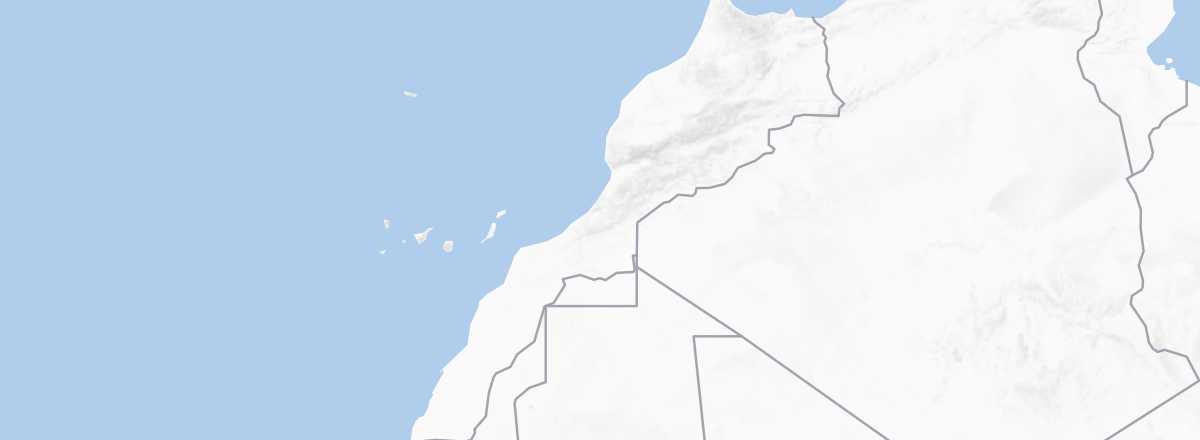 Morocco
Open the interactive map
Morocco
Open the interactive map
Local Cuisine
Perhaps it’s the long French presence in the country that has fostered Morocco’s love for good food. But Moroccan gastronomy goes far beyond couscous. As varied as the country itself, the cuisine—whether refined or rustic—will satisfy both gourmets and food lovers alike.
Other Cuisines
Beyond local specialties, you’ll also find high-quality French cuisine, and the baguettes and croissants are just as delicious. In the north, Spanish cuisine is also well-represented. Otherwise, in major cities and tourist areas, you’ll find all types of cuisine, from exotic Chinese restaurants to pizzas and hamburgers.
Specialties
Starters
Harira is a hearty chickpea soup that may include pieces of meat, lentils, pumpkin, onions, and tomatoes. It’s also the soup traditionally served to break the Ramadan fast.
Another popular starter is *méchouia* salad. This grilled pepper, onion, and tomato salad can be spiced with mild or hot peppers. It’s often served with olives, tuna, and hard-boiled eggs.
Main Dishes
- Couscous: This is the most famous dish in North Africa. Traditionally, it takes a long time to prepare. The semolina must be carefully rolled into grains, then steamed and seasoned before a second cooking. Served with lamb, chicken, or fish, along with a spicy sauce, it’s accompanied by potatoes, chickpeas, peppers, tomatoes, zucchini, turnips, pumpkin, and raisins.
- Méchoui: This is a whole lamb roasted on a spit. Traditionally, it’s a festive dish. Other meats include skewers (beef, lamb, chicken), *keftas* (meatballs), and the famous *merguez* sausages.
- Tajines: This dish takes its name from the earthenware pot in which it simmers. It comes in countless variations based on lamb, chicken, mutton, veal, or beef—even fish—but always includes potatoes, tomatoes, onions, beans, olives, lemons, herbs, and spices.
- Pastilla: This is a distinctly Moroccan dish. Layers of flaky pastry enclose pigeon meat cooked with onions and saffron, almonds, and spices, all topped with sugar, cinnamon, and egg white.
- Fish and Seafood: Specialized restaurants serve grilled sea bass, mullet, tuna, mussels, shrimp, and squid. You can also enjoy sardines and lobsters.
Desserts
Most are small pastries dripping with sugar and/or honey. The *cornes de gazelle* (gazelle horns, a delicate almond-filled pastry) are the most famous. *Briouats* (crispy pastry filled with honey and almonds) are also very common.
Morocco also abounds in fresh fruit: melons, oranges, strawberries, peaches, and bananas. And of course, dates.
Drinks
Mint tea is ubiquitous in the country. It’s served hot, very sweet, and brewed with fresh leaves steeping in the teapot. Though less common, coffee is also enjoyed in Morocco.
While many Moroccans don’t drink alcohol, the country does produce some good red, white, and rosé wines, thanks to its French influence. Beer is also available, including *Flag*, which is very popular and cheaper than imports. For stronger spirits, there’s *mahia*, a fig-based liquor at 40% alcohol.
Spices
They’re a cornerstone of Moroccan cuisine. Among them are dill, anise, basil, cinnamon, cardamom, cumin, *harissa*, mint, chili, *ras el hanout*, and saffron—the world’s most expensive spice.
Where to Eat?
You can eat well in Morocco for very little, and there’s no shortage of places to dine. From small local eateries to restaurants catering to tourists, as well as street stalls, everyone will find something to enjoy—whether for a full meal or just a quick snack.
One thing they all have in common: very affordable prices. Expect to pay around 5 € for a meal in local establishments (though hygiene can sometimes be an issue) and around 10 € in more touristy spots. For breakfast, count 1 to 1.5 € locally and 2 to 5 € for a "continental" style.