★ 2 · last edited Aug 10, 2020
Nord
Contributionsversion #4created Aug 10, 2020Report this pageLatest contributions in this guideContributors to this guide
Location verified location
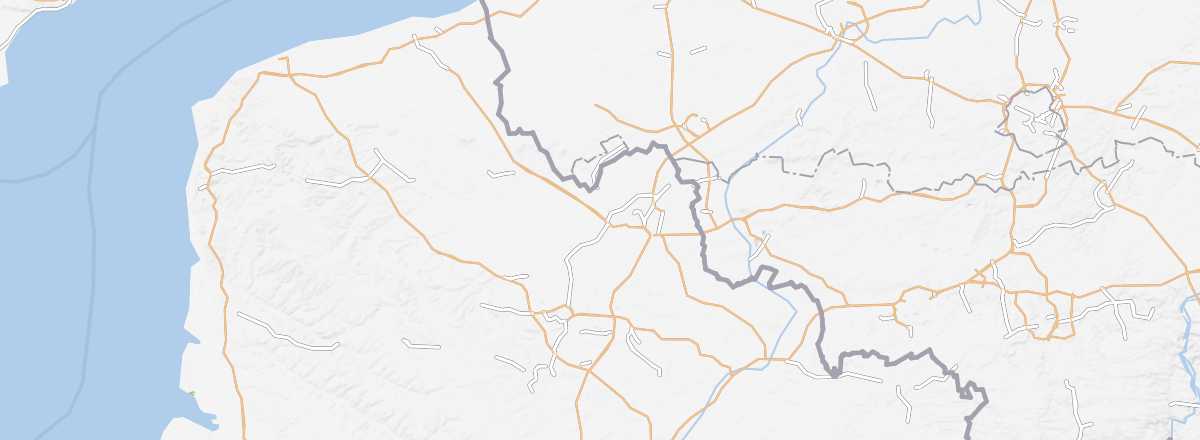 Nord
Open the interactive map
Nord
Open the interactive map
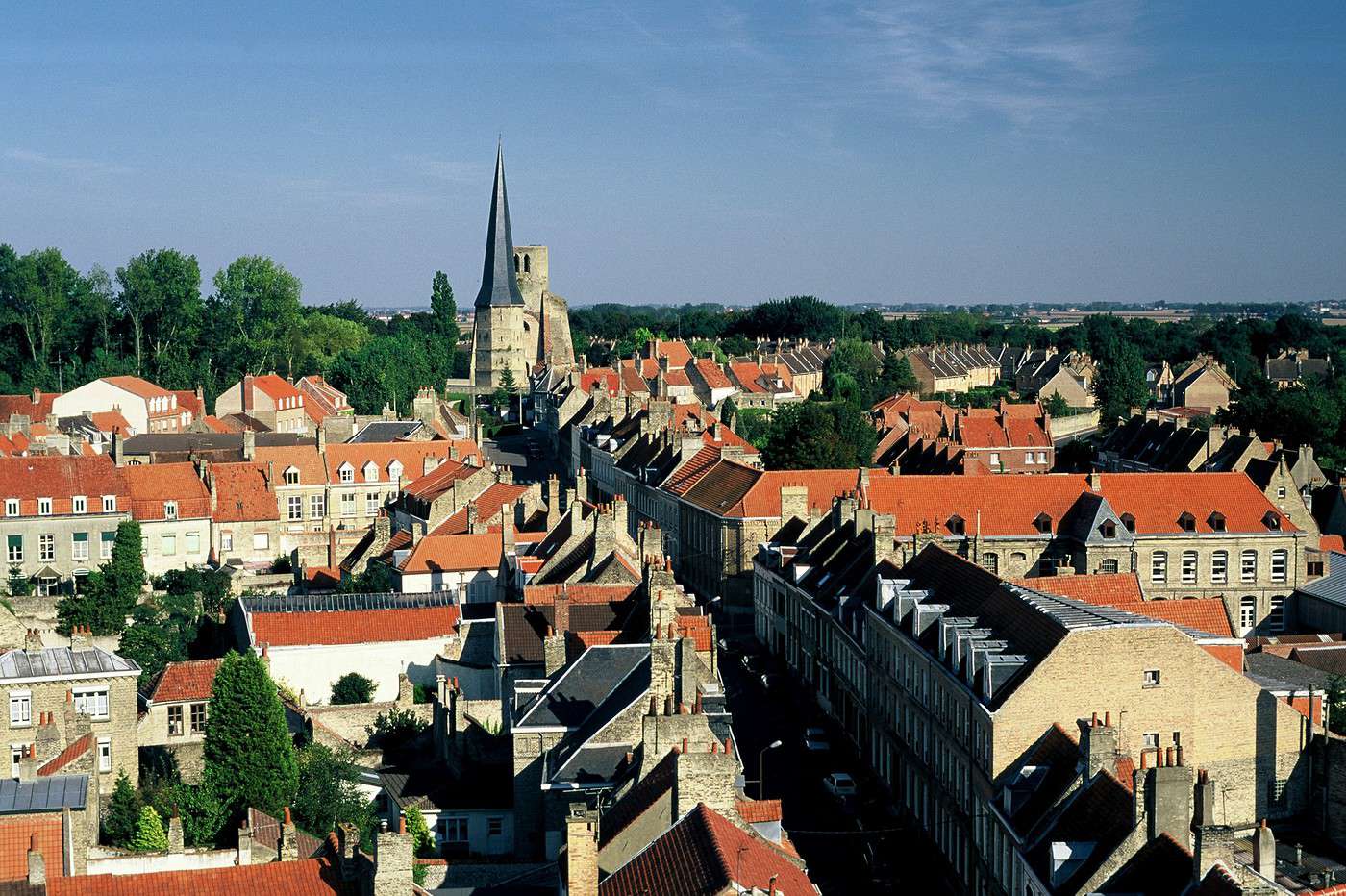
Logically, the best-known part of the department is the city of Lille, with its monuments, museums, and vibrant atmosphere, which now extends to neighboring towns (Roubaix, Tourcoing, etc.). Less mainstream, the Nord also boasts several of the "fortified towns of Nord-Pas-de-Calais" (Avesnes, Gravelines, etc.), charming belfries typical of the region—many of which are UNESCO-listed—as well as remnants of its mining past. For natural heritage, head to the coast, with its dunes and long beaches.
Overview
Key facts
- Type of place: department.
- Location:
- Department code: 59.
- Bordering departments:
- Prefecture: Lille.
- Sub-prefectures: Avesnes-sur-Helpe, Cambrai, Douai, Dunkerque, Valenciennes.
- Number of communes: 648.
- Population: 2,604,361 inhabitants (2017).
- Area: 5,743 km².
- Density: 453 inhabitants/km².
- Highest point:
- Lowest point: sea level.
- Coastline:
- Highlights (out of ): Nature ; Culture ; Relaxation/holidays /
History of the Nord
Geography and environment
Culture and economy
What to see in the Nord
Logically, the best-known part of the department is the city of Lille, with its monuments, museums, and vibrant atmosphere, which now extends to neighboring towns (Roubaix, Tourcoing, etc.). Less mainstream, the Nord also boasts several of the "fortified towns of Nord-Pas-de-Calais" (Avesnes, Gravelines, etc.), charming belfries typical of the region—many of which are UNESCO-listed—as well as remnants of its mining past. For natural heritage, head to the coast, with its dunes and long beaches.
What to do in the Nord
Climate and weather
The department has an oceanic climate, characterized by mild, rainy winters and relatively cool summers, with less pronounced temperature differences between seasons than in regions farther from the coast. Note that it’s not the amount of rainfall that defines this climate, but its frequency and even distribution throughout the year.
Sea temperature throughout the year
| Jan. | Feb. | Mar. | Apr. | May | Jun. | Jul. | Aug. | Sep. | Oct. | Nov. | Dec. | |
|---|---|---|---|---|---|---|---|---|---|---|---|---|
| Nord | 7 | 7 | 7 | 9 | 11 | 13 | 16 | 17 | 16 | 14 | 11 | 9 |