last edited Dec 11, 2019
Health and Safety in Central Asia
Location Map of Central Asia
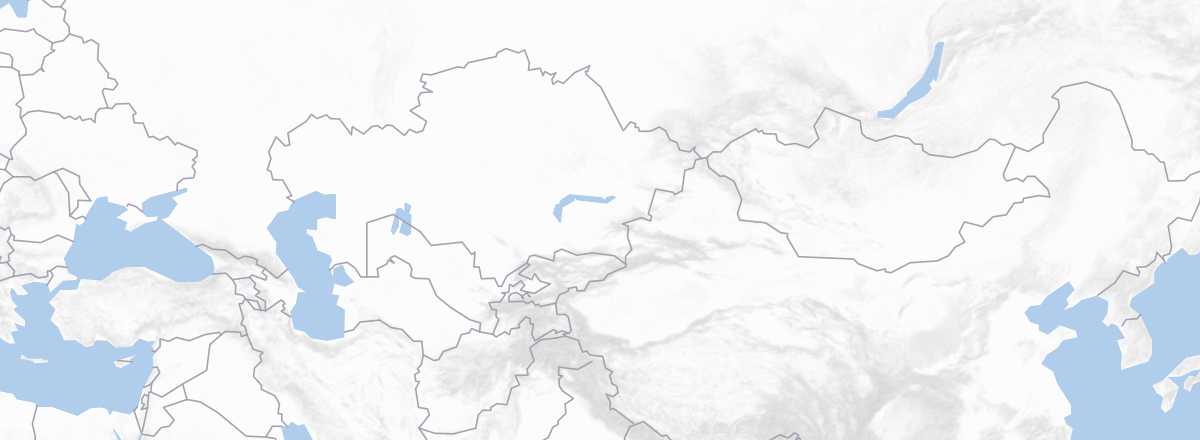 Central Asia
Open the interactive map
Central Asia
Open the interactive map
Official Recommendations
In France, both for individuals and professionals, the "travel advice" from the Ministry of Foreign Affairs regarding precautions for each country has legal value. A similar online travel advice system exists in several countries:
Precautions
Central Asia does not pose too many health problems. However, venturing off the beaten track in sparsely populated areas requires some preparation. Beyond Afghanistan and even Pakistan, where the situation is well-known, parts of Central Asia also regularly face violent socio-political unrest and deadly attacks. In short, gathering some preliminary information and taking precautions will always be useful for a trip in the region.
Health
Diseases and Hygiene
While the risk of diseases in Central Asia is lower than in many other parts of the continent, it is still advisable to ensure your vaccinations are up to date. Tuberculosis is prevalent in the region, and a few cases of malaria are reported locally each year (Uzbekistan, Tajikistan). As with the rest of the Asian continent, strict food hygiene is recommended.
Healthcare Facilities On-Site
Safety
Crime and Delinquency
Although risks do exist, they may seem less problematic than those linked to the political situation in parts of the region. Moreover, the most common issues are often hassles and police extortion (by real or fake officers), particularly in Kyrgyzstan.
Socio-Political Risks
Beyond Afghanistan and even Pakistan, where the situation is well-known, some of the other "stan" countries also regularly face violent socio-political unrest and deadly attacks. In short, it is best to stay well-informed about the current situation and/or risks in different regions. Various areas in these countries are also regulated or off-limits to foreigners.
Climate and Nature
A large part of Central Asia is located in a seismic zone. Apart from that, the winter period requires the most precautions, particularly regarding extreme cold. Generally, many regions in this part of the world are sparsely populated and thus require good travel planning. As for animals, stray dogs—sometimes carriers of rabies—are the main concern.