last edited Aug 28, 2020
Travelling by Cargo Ship
Location Map of Destinations
 Destinations
Open the interactive map
Destinations
Open the interactive map
Myths and Realities
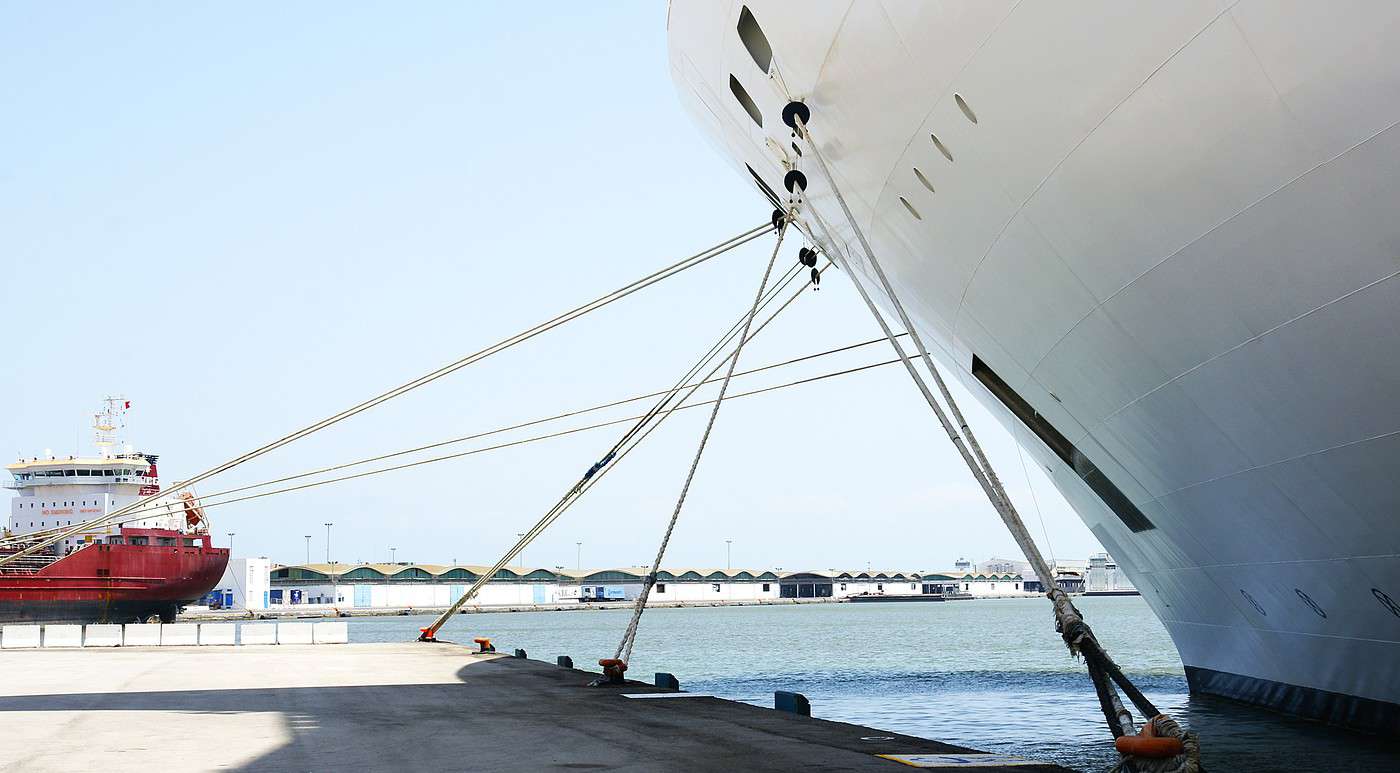
Whether it's simply for a crossing or, on the contrary, for a long journey with stops—or even a round-the-world trip—cargo ships have been attracting more and more travellers in recent years.
Yet for many, travelling by cargo ship is still associated with the image of a passenger staying in a modest cabin and paying for their crossing by working on board. However, all of that is now firmly in the past.
These days, ships that take passengers offer cabins that are often quite luxurious and provide quality services for a comfortable life on board. This makes sense when you consider that some mixed cargo ships can accommodate over 200 passengers, though on other types of cargo ships, the number of passengers usually doesn’t exceed 12 (the threshold above which a doctor is required on board).
For More Information
There aren’t many options or sources for cargo travel:
- Mer et Voyages: the only French agency truly specialised in this mode of transport. Founded in 1994, it markets most of the opportunities available worldwide.
- Le Club des Voyageurs en cargo: monthly meetings at the Ulysse bookshop in Paris.
- CMA-CGM: a French maritime transport company that also offers, through a tourism section, embarkations on its routes and a few others.
- Freighter Travel: very comprehensive for everything related to cargo ships, including vehicle transport.
Cargo Travel: What’s the Cost?
Of course, you can’t compare cargo prices to those of air travel. Don’t forget that on a cargo ship, in addition to transport, you get accommodation and meals—plus, which may not be insignificant, a baggage allowance of 100 kg. On top of that, to get from one port to another, companies may take different routes, which can result in very variable travel times.
Because of this, the price of a crossing must always be calculated based on the number of days on board, not the direct distance between ports. It’s on this basis—and the daily cost on board—that you can compare different offers.
But beyond financial considerations, travelling by cargo ship remains above all a unique, if not unforgettable, experience.
In practice, while you might find some routes for around 60 € or 70 € per day, the average is generally closer to 100 €/120. To get an idea of ticket prices, simply multiply the daily rate by the duration of the crossing. You can estimate the duration based on an average speed of 15 to 20 knots for most cargo ships (1 knot = 1 nautical mile per hour = 1,852 m).
Price Variations
As with air travel, there can be low- and high-season rates, special prices for last-minute embarkations, or even "storm period" fares. Some companies may also require you to take out insurance covering the risk of diversion for passenger disembarkation in case of illness or other serious issues. And like an airport, a port has taxes that the traveller must pay—these can vary widely (up to over 100 €) and should also be factored into your budget.
Destinations
When it comes to possible destinations, just like the travel options and companies, they are numerous and varied. Generally speaking, any country with a coastline has at least one port that you can more or less reach by cargo ship. However, don’t expect to do much "cargo stopping" (asking captains of docked ships) because, while that was possible in the past, these days you must choose cargo ships that accept passengers and go through an agency or the company.
Final tip: cargo travel is for those who aren’t in a hurry—if only because you might sometimes stay one or two days longer than planned at a stopover, which is a great opportunity to explore the hinterland...
Life on Board
Transporting a Vehicle by Cargo Ship
For those setting off on a round-the-world trip with their vehicle or needing to cross seas, how do you arrange the crossing, what are the issues, and how much does it cost?