last edited Aug 27, 2020
Customs and Etiquette
Contributionsversion #2created Aug 27, 2020Latest contributions in this guideContributors to this guide
Context of Encounter
When should a traveller consider local specifics such as greetings, thanks, hospitality, sleeping, drinking, and eating?
Where and When?
One of the challenges travellers face far from home is deciphering local customs and etiquette. It’s not always clear what is allowed or forbidden, what you can or cannot do abroad.
Beyond the usual clichés about different cultures, every society has its own "social specifics"—basic knowledge of which is always useful, even as our world becomes more uniform. So, when should a traveller take these local specifics into account—or even feel obliged to do so?
The further you travel from home and your own culture, the more you’ll encounter different ways of doing things, requiring some level of adaptation. This is especially true in non-Western countries, when meeting communities with strong traditions or those still somewhat isolated.
Appearances
Even if contact with the outside world is limited or non-existent, clothing and general behaviour are the first things to consider (especially for women travellers). In a way, this is the bare minimum for travel—or even daily life—regardless of the destination.
Attire
Your attire is usually the first point of contact with others. In Western countries and a few others, there are generally no issues (though certain places, like places of worship, do have limits). The further you go, the more constraints you’ll encounter, which is why dressing "neutrally" is often best while travelling.
As expected, women travellers are most affected. Beyond countries with strict dress codes (Iran, Gulf states, etc.), clothing deemed too "sexy" for the setting—a short skirt, low neckline, or even bare arms—can be poorly received, among other things. The same goes for swimming.
Men, too, should be cautious, particularly regarding shorts or clothing that looks "military."
Finally, dressing in local attire isn’t always the best idea and can sometimes backfire. Beyond the fact that some items are hard to wear properly if you’re not used to them (like a sari for women), it can lead to misunderstandings or even mockery from locals.
Behaviour and Attitude
Without going to extremes, simple or accepted behaviours in your country might shock elsewhere—often without you even realising it.
For example, sitting on the ground or lying down in public, or being too touchy (or not touchy enough) during conversations, may not go over well in some countries. The same applies to public behaviour between men and women (even within a married couple) and, even more so, anything related to homosexuality, which unfortunately isn’t widely accepted in many societies.
Certain places (especially places of worship) or events (like Ramadan) also come with specific dos and don’ts.
Special Situations
It’s during formal or informal encounters that you’ll clearly need to exercise good judgement.
Greetings (and Thanks)
Every interaction usually starts with greetings, which vary by country. From cheek kisses to handshakes, a simple nod, or even a mandatory speech about the family’s current situation, the range of greetings is vast. Gestures or nuances may also accompany them, depending on your interlocutors and their place in the "hierarchy."
The same principle applies to saying thanks.
Hospitality
Whether for a simple visit or a homestay, there are codes—formulations, gestures, attitudes, or even ceremonies—that both parties are expected to follow.
Hospitality, especially when based on "free exchange" or "tradition," works on a principle of balance. Whether in Europe or elsewhere, you’re not there to take advantage of your host, especially if they have limited means. Some travellers—claiming to be broke—who live almost entirely off locals are quite pitiful. Conversely, the visitor isn’t a cash cow to be milked for everything.
Sleeping
Beyond the type of "bedding" (bed, hammock, mats, etc.), traditions or habits influence how people sleep, though travellers are rarely affected by this (even when staying with locals). Some communities prefer sleeping outdoors (courtyard, terrace) at certain times, while others sleep together in one room—or separate men and women.
Privacy isn’t always viewed the same way across cultures. In some cases, it may seem limited to a Westerner. Lastly, in some countries or hotels, unmarried couples may be required to sleep in separate rooms.
Eating and Drinking
Beyond table manners, local culinary traditions can raise questions: meal times, number and duration of meals, eating habits, dishes served, dietary restrictions, or unusual foods—all can be surprising. And then there’s the eternal question of "who pays what."
The same goes for drinking traditions: from tea ceremonies to homemade aperitifs or local alcohol, to the social importance of pubs/bars in some places.
Even something as simple as using the toilet isn’t uniform across societies.
Conversation
Talking with your host can be tricky for a traveller, both in content and form. Conversations don’t hold the same importance everywhere, nor do they follow the same pace or tone. Topics and the "acceptable" level of debate vary greatly depending on the place, your interlocutors (age, gender, origin, social status, experience, etc.), and their level of intimacy/affinity. Such differences can sometimes lead to major misunderstandings or clashes of perspective...
Photos, Bargaining, and Souvenirs
Three special situations where traditions and customs also come into play.
In many cases, taking photos of people can be problematic. Everyone has the right to their image, and if a particular group or type of person traditionally dislikes being photographed, it’s not worth insisting. At the very least, always ask permission. Paying or offering a gift in exchange is far from universally accepted, even among photography enthusiasts.
Bargaining is part of tradition in many countries. There’s no need to feel guilty about it, though not everything is negotiable, and it’s important to keep in mind the value of things and the sums involved for both parties.
Finally, souvenir hunting shouldn’t turn into looting a community’s natural or cultural heritage. Certain rules must be followed to avoid causing harm.
Traveller Categories
The weight of tradition and customs isn’t always felt the same way by everyone. The category of traveller you belong to (or are associated with) will make things easier or harder.
Not All Equal
Beyond personality and experience, or knowledge of the environment, the category of traveller you belong to—or are associated with—will influence how smoothly things go.
But in almost all cases, being a foreigner will earn you some tolerance regarding local habits and practices—as long as you don’t act recklessly.
Women Travellers
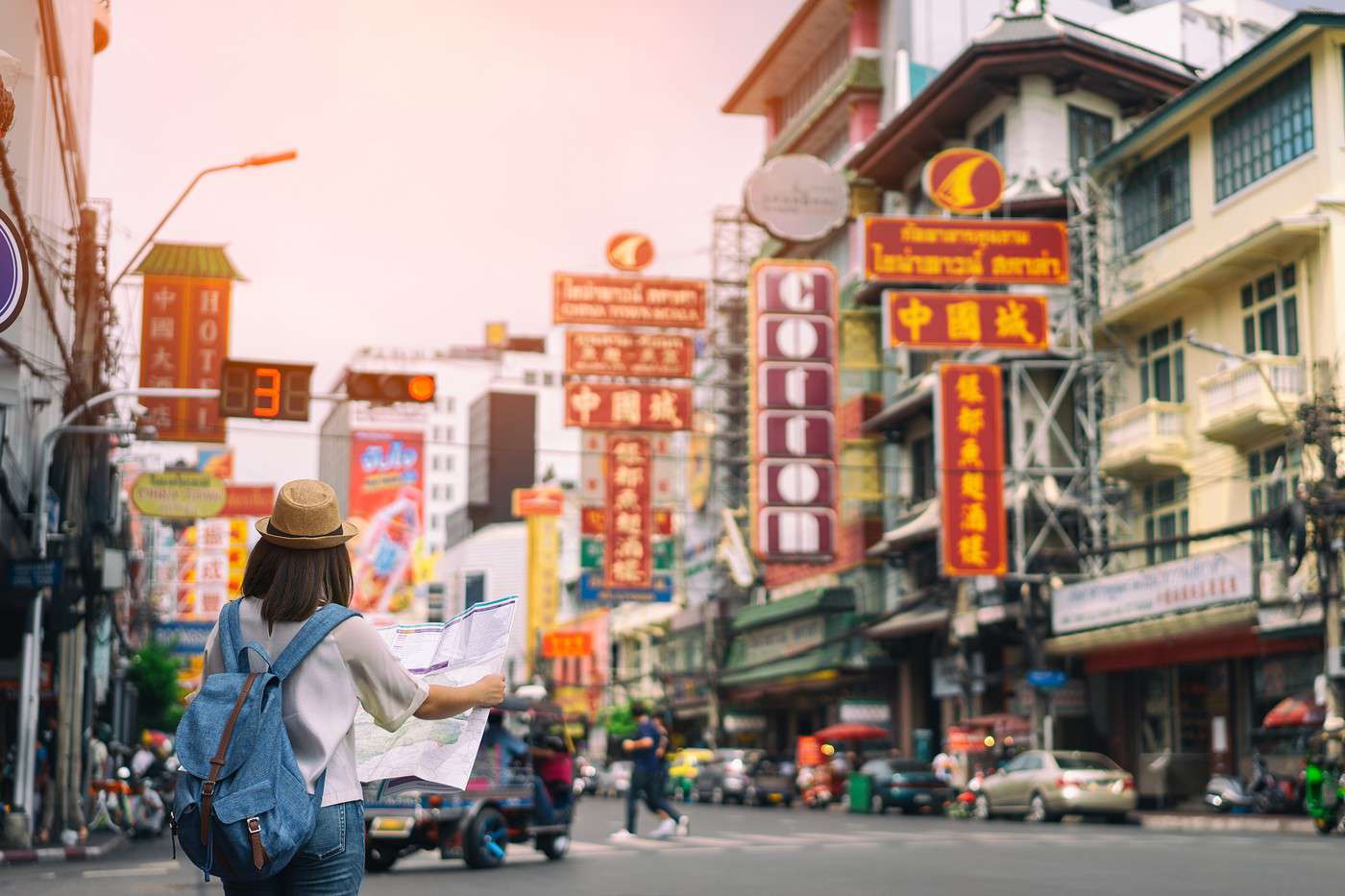
More than male travellers, women often need to decipher local customs. Beyond clothing, attitude, and behaviour in society or around men, they should understand the role of women in the local culture and how Western women are perceived—especially if travelling alone or without male companions.
While being Western often grants a special status, different from local women, they still may not always be seen as "equals" or "interlocutors" in certain circles (including Western ones). In short, they’ll often need to rely on intuition to find their place and read between the lines about what’s allowed or not...
All Categories Combined
Beyond women travellers, everyone should decode the social codes of the places or situations they encounter. Whether we like it or not, each person or category of traveller is "judged" based on what they represent.
A solo or group holidaymaker isn’t perceived the same way as a business traveller, a foreign resident, or a local. As a result, the same customs won’t apply in the same way, and expectations will differ depending on the category you belong to. Many stereotypes are deeply ingrained, and race, origin, or even nationality will influence interactions and how they unfold.
So, What to Do?
One rule: keep it simple and natural, and ask those around you if you’re unsure.
Keep It Simple
At first glance, finding the right attitude may seem difficult, but it’s worth putting things into perspective. With a bit of common sense, some travel experience, and prior information about your destination, many challenges can be smoothed out.
Don’t forget that most places show tolerance toward "foreigners" and their mistakes. At worst, you’ll get an amused look from your interlocutors.
In short, there’s no need to overthink things or clumsily apply what you’ve read or heard about every situation. It’s often better to keep it simple and natural, and ask those around you if you’re unsure. As you’ll see, things usually go well.
Blockages and Refusals
Over time, you may also face blockages—cultural differences, practices, experiences, or interpretations of events that lead to refusal.
"Material" Refusal
The most common refusal is "material" and relates to food (difficulty eating certain things), alcohol, hygiene, "comfort," or the environment. Even if you know these elements are part of traditions or ceremonies, you may not always feel able to overlook them. Everyone has their limits, though discovering new horizons is often a good way to push them...
That said, if you disappoint your hosts a little, it’s best to be honest and explain your refusal. Most of the time, they’ll understand and accept it.
Misunderstandings
Different worlds, different cultures. Many things can shock or unsettle a traveller. From human rights to women’s status or certain social groups, religion, and sensitive socio-political topics, you won’t always agree with the "country." You might even want to react and bring up these subjects during encounters.
But depending on the destination, this won’t always be possible. Out of fear, principle, or tradition, in many Asian countries, for example, few people will want to discuss such topics—especially if the conversation becomes heated. These taboo subjects (which conveniently serve many in power) often stem from diametrically opposed viewpoints...
Of course, travelling isn’t about judging. It’s always better to step back, set aside your own values, and appreciate other cultures. But should you accept or endorse everything, always excusing or idealising cultures—even in their most extreme or absurd aspects? Probably not. There’s a middle ground between rejecting diversity and blind idealism. While you don’t have to seek out controversy or bring up these topics at every opportunity, if the moment arises, nothing stops you from calmly sharing your perspective—even if, in the end, everyone sticks to their own views...
Customs and Etiquette by Region
Customs, traditions, dress codes, conversation topics, bargaining, etc., by world region.
- Customs and Etiquette in Africa
- Customs and Etiquette in North America
- Customs and Etiquette in Latin America
- Customs and Etiquette in Europe
- Customs and Etiquette in the Middle East
- Customs and Etiquette in the Pacific