last edited Aug 20, 2020
History of Guatemala
History of Guatemala
Key Dates
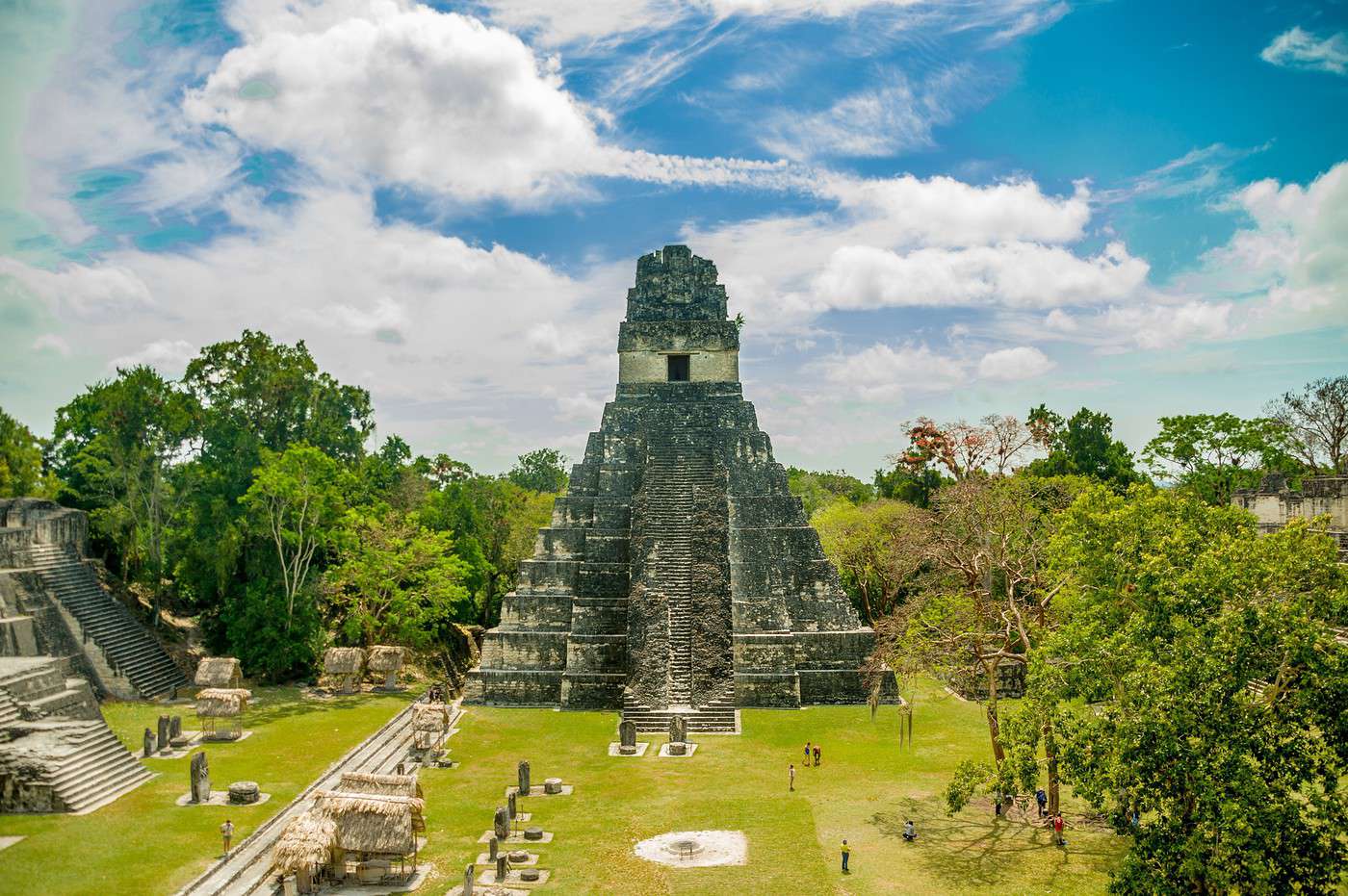
- 1000 BC-10th century: Maya civilization in Guatemala and neighboring countries. This culture reached its peak from the 4th to the early 9th century, particularly around the city of Tikal.
- 1492: Christopher Columbus discovers America. In the following years, the Spanish explore much of the Caribbean and Central America.
- 1523-1527: In just a few years, the Spanish conquistadors, led by Pedro de Alvarado, destroy the Maya empire, though some isolated kingdoms continue to exist until the late 17th century.
- 1525: Creation of the Viceroyalty of New Spain and the Captaincy General of Guatemala, which for three centuries encompasses much of Central America.
- 1543-1776: The city of Antigua is the capital of the Captaincy before being replaced, following multiple earthquakes, by present-day Guatemala City.
- 1821: Guatemala gains independence from Spain before becoming, two years later, one of the six republics of the Federal Republic of Central America (which dissolves in 1840), then once again a fully independent nation in 1839.
- Second half of the 19th century: A succession of sporadic conflicts and dictatorships. It is during this period that the first American companies (and the US government) take an interest in the region.
- Early 20th century: Economic development linked to coffee and bananas, against a backdrop of new dictatorships and further conflicts. In reality, it is the American banana company United Fruit Company that controls the country and its economy.
- 1944-1954: First democratic governments, including that of President Guzmán, who is overthrown in 1954 by the Americans, who disapprove of his social and agrarian reforms.
- 1954-1985: A succession of military dictatorships supported by the USA, attempted coups, and the start in 1960 of a civil war led by a Castroist guerrilla movement, which lasts until 1996.
- 1983: A coup against the dictator-president Ríos Montt ends the bloodiest period in the country's contemporary history.
- 1986-2000: End of American aid and return to civilian government, which, despite some attempted military coups and various economic and political problems, undertakes social reforms and negotiations with the guerrilla movement, culminating in 1996.
- 1992: Rigoberta Menchú is awarded the Nobel Peace Prize for her work and testimony on Guatemala's indigenous populations... though this does not prevent the rejection in 1999 by the population of a referendum on the recognition of "the identity and rights of indigenous peoples."
- Early 21st century: Several series of "socio-liberal" reforms, along with others aimed at combating widespread crime and corruption, are more or less implemented by successive governments.
- 2013: The former dictator Ríos Montt, who later held various other political positions, is found guilty by a national court of genocide and human rights violations. His trial is set to continue in 2015.