★ 4 · last edited Dec 11, 2019
Pacific Coast of Costa Rica
Contributionsversion #1created Dec 11, 2019Report this pageLatest contributions in this guideContributors to this guide
Location verified location
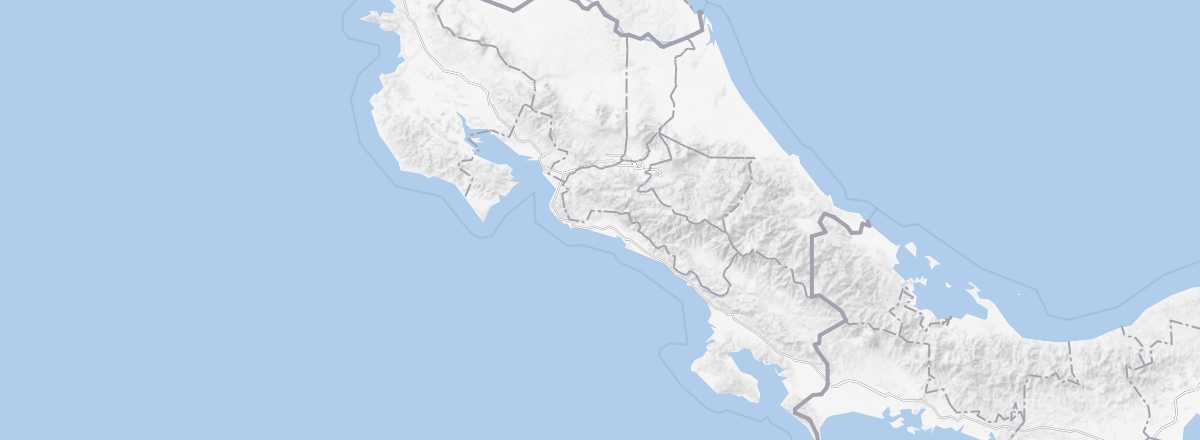 Pacific Coast of Costa Rica
Open the interactive map
Pacific Coast of Costa Rica
Open the interactive map
With its countless beaches, surf spots, seaside towns, several national parks and reserves, and also its few all-inclusive resorts in the Nicoya Peninsula, the Pacific coast of Costa Rica has become a major tourist destination. While its northern part remains very busy, the south around the Osa Peninsula remains wild. But for how much longer?
Overview
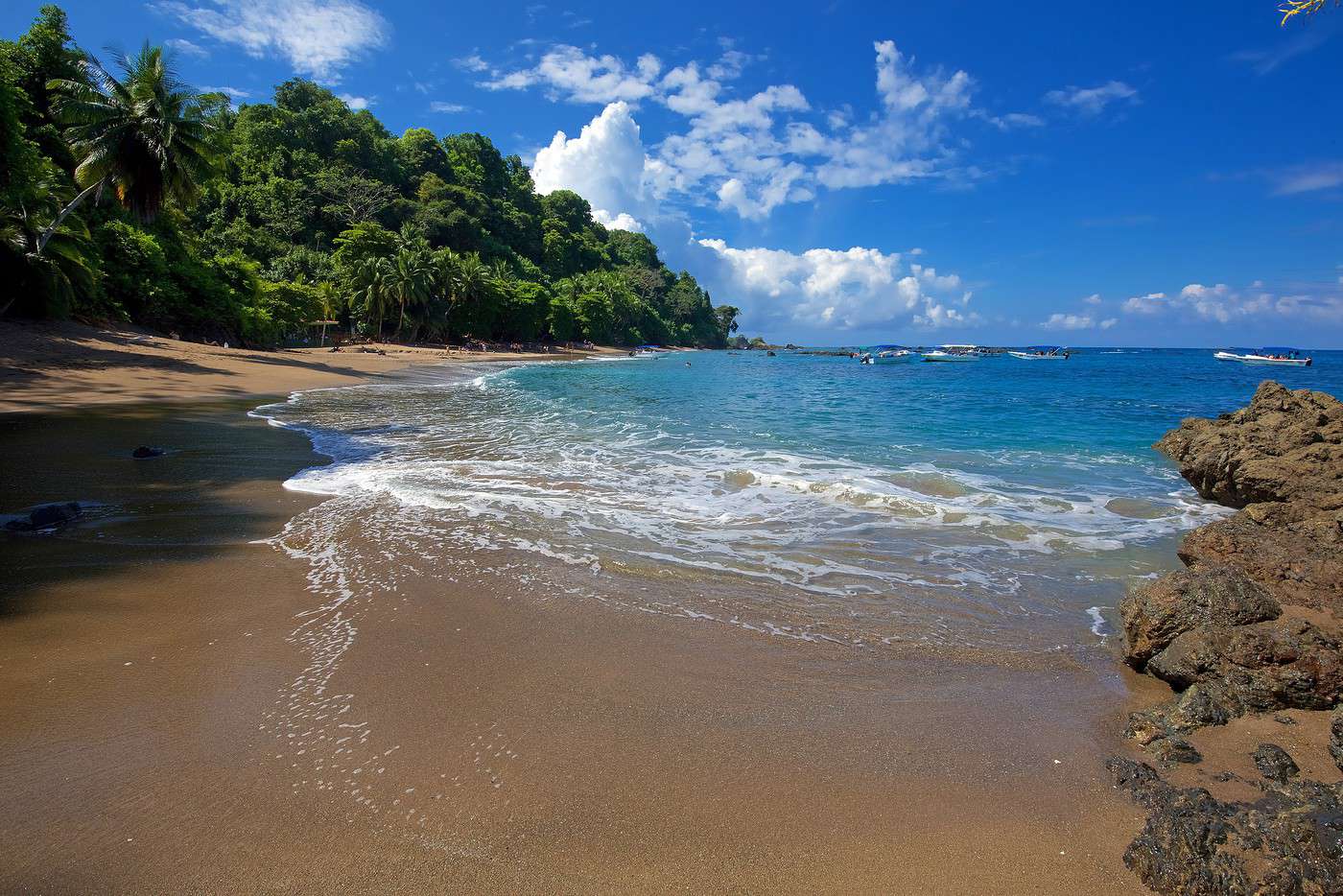
With its countless beaches, surf spots, seaside towns, several national parks and reserves, and also its few all-inclusive resorts in the Nicoya Peninsula, the Pacific coast of Costa Rica has become a major tourist destination. While its northern part remains very busy, the south around the Osa Peninsula is still wild. But for how much longer?
Main towns
The Pacific region has two large urban areas: Puntarenas and Liberia, which, rather than tourist centers, are primarily arrival or transit points, whether by air or sea. The coast also has other smaller towns (Nicoya, Quepos, Golfito...) that, like the larger ones, serve mainly as bases for exploring their surroundings rather than as attractions in their own right. There are also a few seaside villages like Montezuma, Tamarindo, and Jaco, long known to backpackers and surfers.
Tourist attractions
Towns and their heritage
Like almost all other towns in the country, those on the Pacific coast have little interest in themselves. For travelers, they are primarily bases, transit points, or simply lively spots.
Beaches and coastline
This is one of the highlights of this coastline, with an abundance of beaches in the Nicoya Peninsula and Guanacaste, as well as scattered along the coast as you head south. In short, plenty of options for all types of visitors and activities, starting, of course, with surfing.
Nature and activities
This is the other major attraction, even if the offerings are less extensive and varied than in the central part of Costa Rica. Still, there’s plenty to choose from, from north to south: the vast Guanacaste Conservation Area, which includes several parks; the Carara National Park, known for its birds and also its crocodiles; the Manuel Antonio, which remains one of the country’s most visited (and rightly so); and the Corcovado, which, though one of the least accessible parks, is among the most rewarding in terms of landscapes, wildlife, and hiking opportunities.
Climate
- Guanacaste Conservation Area
- Jaco
- Tamarindo
- Quepos
- Carara National Park
- Manuel Antonio National Park
- Corcovado National Park
- Guanacaste National Park
- Rincon de la Vieja National Park
- Santa Rosa National Park
- Ostional Wildlife Reserve
- Nicoya Peninsula
- Puntarenas
- Ballena Marine National Park
- Isla San Lucas
- Montezuma
- Isla del Cano
- Esterillos Beach
- Dominical
- Golfito
- Liberia (Costa Rica)