
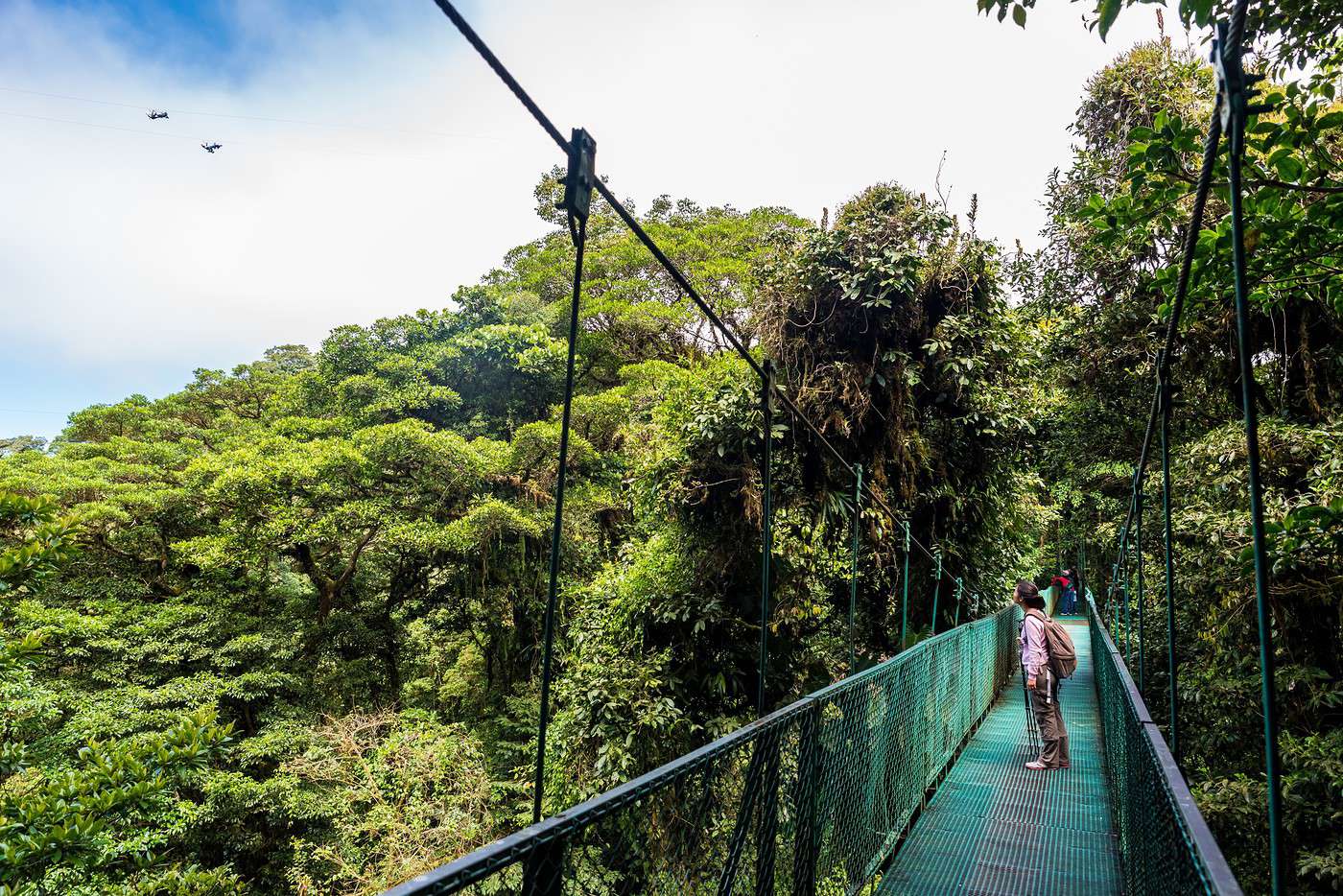
Travel guide · Costa Rica
Costa Rica
"Switzerland of Central America", "Ecotourism Paradise", Costa Rica has long established itself as the flagship tourist destination of this part of the American continent.
Overview of Costa Rica
Costa Rica is a highly diverse country. Like its neighbors, it consists of a central mountain range surrounding a high valley exceeding 1,000 m, with coastal plains on both its Pacific and Caribbean shores. The central region is home to the capital, San Jose,…
Regions of Costa Rica
Pacific Coast
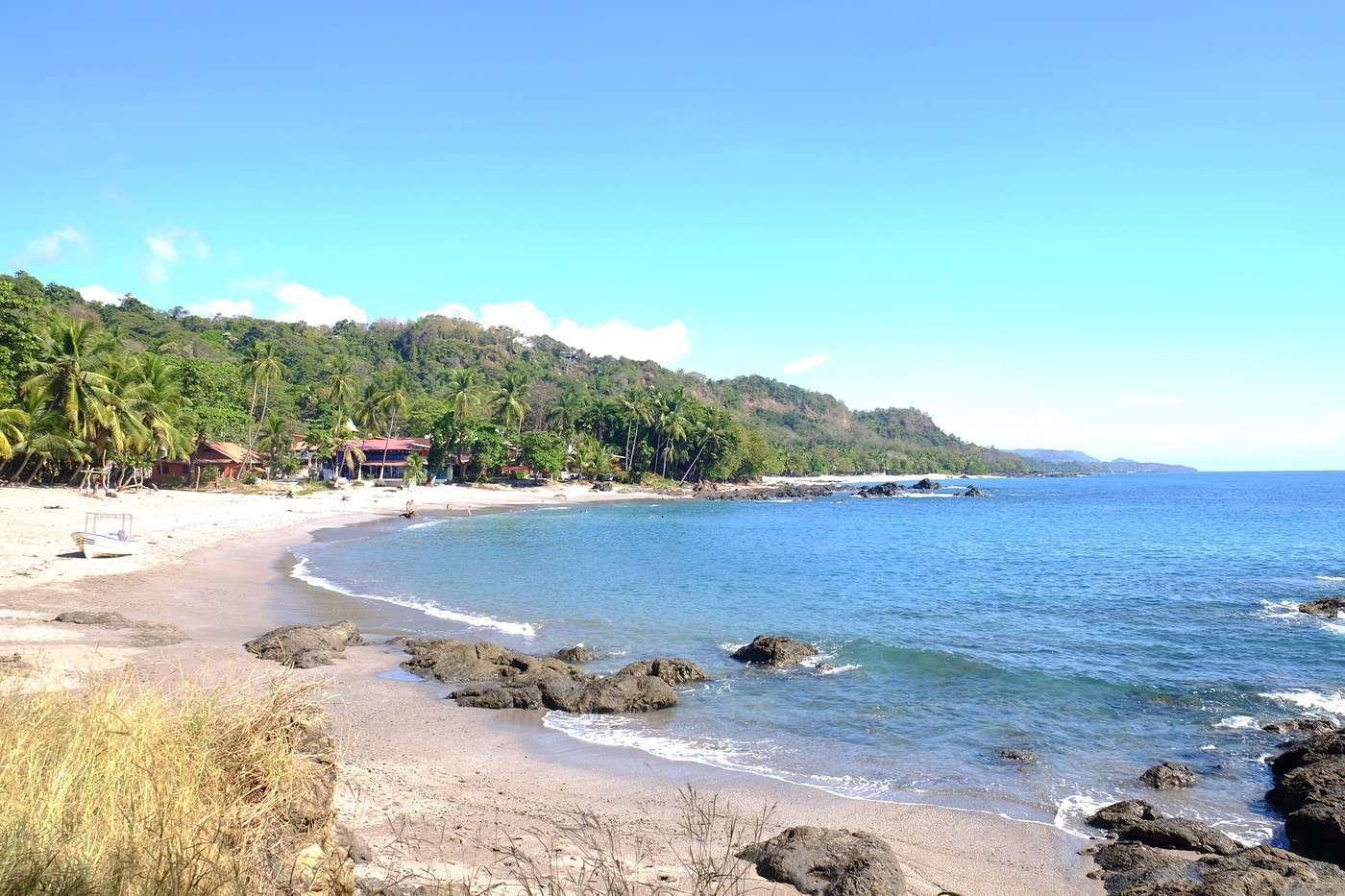
With its countless beaches, surf spots, seaside towns, several parks and nature reserves, and also its few all-inclusive resorts from Nicoya Peninsula, the Pacific coast of Costa Rica has become a major tourist destination. Even though its northern part remains very busy, the south around the Osa Peninsula stays wild. But for how much longer?
Central Region
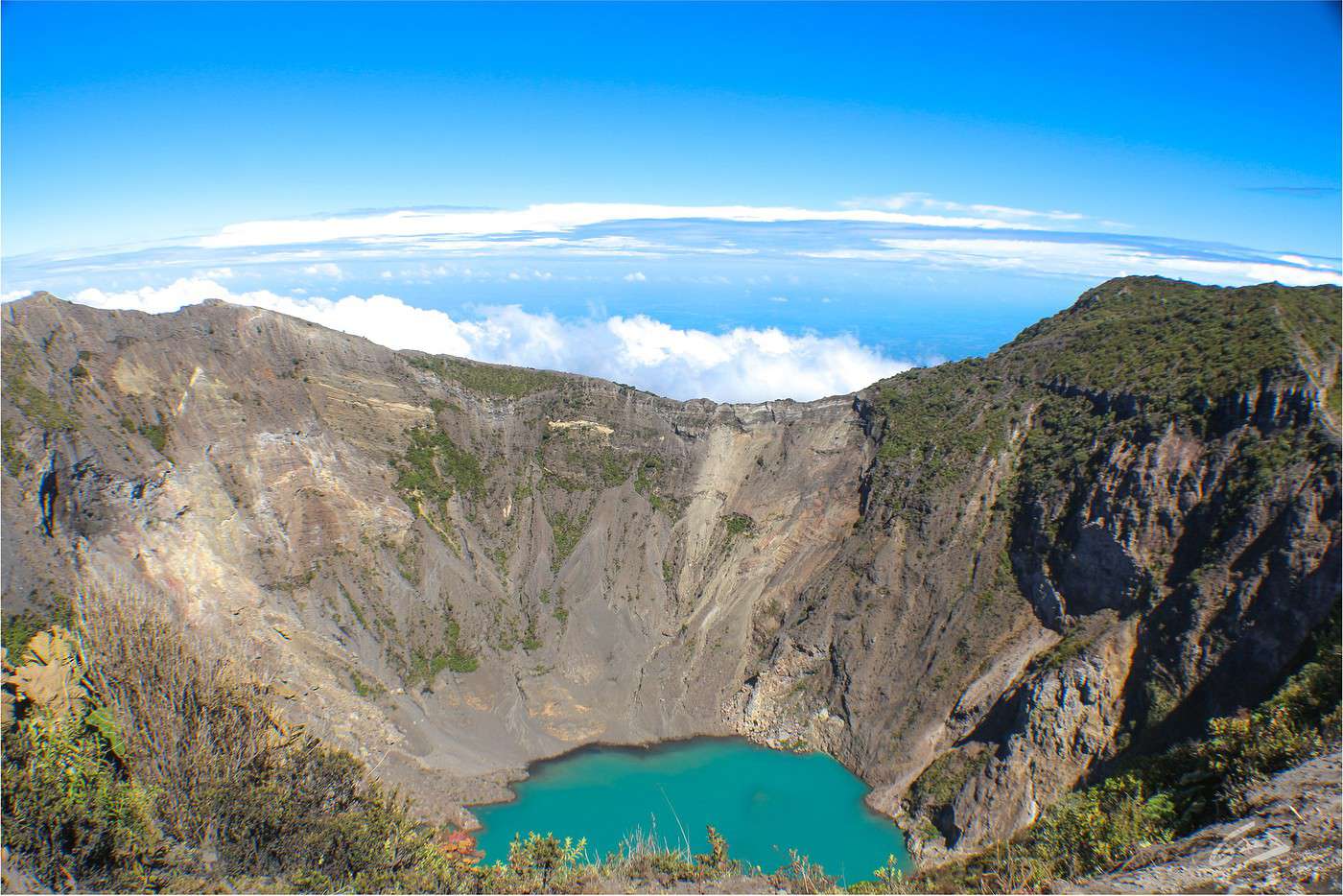
The center of Costa Rica is a land of contrasts, blending mountain ranges, the high plateaus of the Central Valley, and the northern plains. It’s also where the capital and the majority of the population are located. In terms of tourism, the area is rich in natural wonders, with numerous parks and volcanoes, some of which are still more or less active.
Caribbean Coast
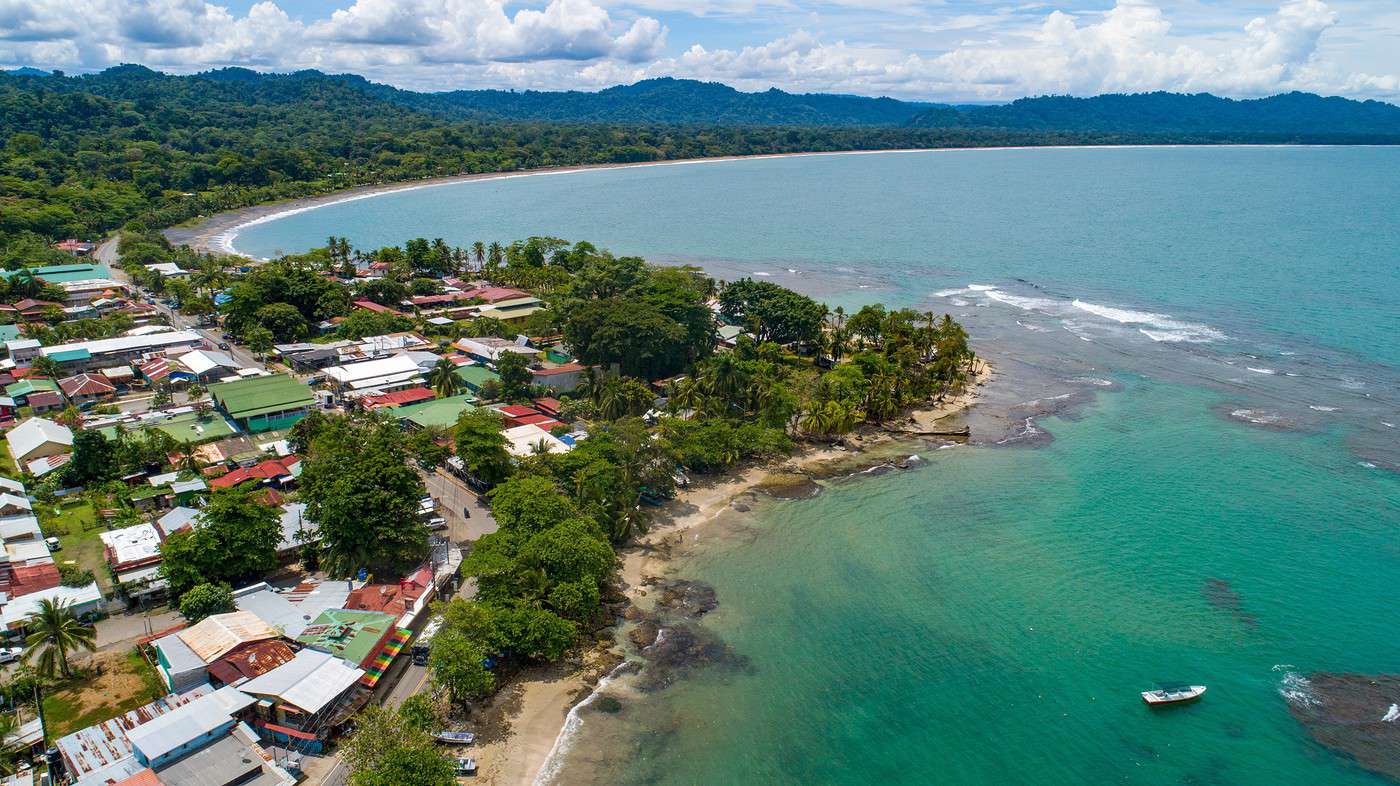
This is the plain east of the central mountain range. A region of banana plantations, the entire coastline from Limón to the border with Panama has a more Caribbean feel than the rest of the country, in terms of population, culture, and landscapes. Cahuita and its surroundings, along with Tortuguero National Park, are the two main tourist spots on this coast, which is still slightly less visited than the rest of the destination.
Costa Rica's Caribbean Coast
This is the plain east of the central cordillera. A region of banana plantations, the entire coastline from Limón to the border with Panama is, in a sense, more oriented toward the Caribbean than the rest of the country, both in terms of population, culture,…
Pacific Coast of Costa Rica
With its countless beaches, surf spots, seaside towns, several national parks and reserves, and also its few all-inclusive resorts in the Nicoya Peninsula, the Pacific coast of Costa Rica has become a major tourist destination. While its northern part remains…
Central Region of Costa Rica
The central region of Costa Rica is a land of contrasts, where mountain ranges, the high plateaus of the Central Valley, and the northern plains blend together. It is also home to the capital and the majority of the population. In terms of tourism, the area…
Geography and Environment of Costa Rica
Parc national La Amistad, Costa Rica · © VoyageForum It's no coincidence that Costa Rica is nicknamed the "eco-tourism paradise"! Over 6% of the world's biodiversity is found here, and a quarter of its territory is occupied by one of its countless…
Climate and Weather in Costa Rica
Like its neighbors, Costa Rica has a hot, humid tropical climate with two distinct seasons: the dry season ("summer") and the rainy season ("winter"). The dry period runs from December to April and offers more bearable heat, with lower humidity than the rest…
History of Costa Rica
Vallée d'Orosi, Costa Rica · © VoyageForum 1502: During his final voyage, Christopher Columbus arrives in Puerto Limón Bay. The territory is then home to around 400,000 indigenous people living in small communities. 1525: The Viceroyalty of New…
Costa Rican Society
Population
Costa Ricans are a blend of diverse origins throughout history (Indigenous peoples, European colonizers, enslaved people). However, in a 2011 census, 84% identified as White, 7% as Mixed-race, 2.5% as Indigenous, 1% as Black, and 0.2% as Chinese.
Political Institutions
Economy
Religion
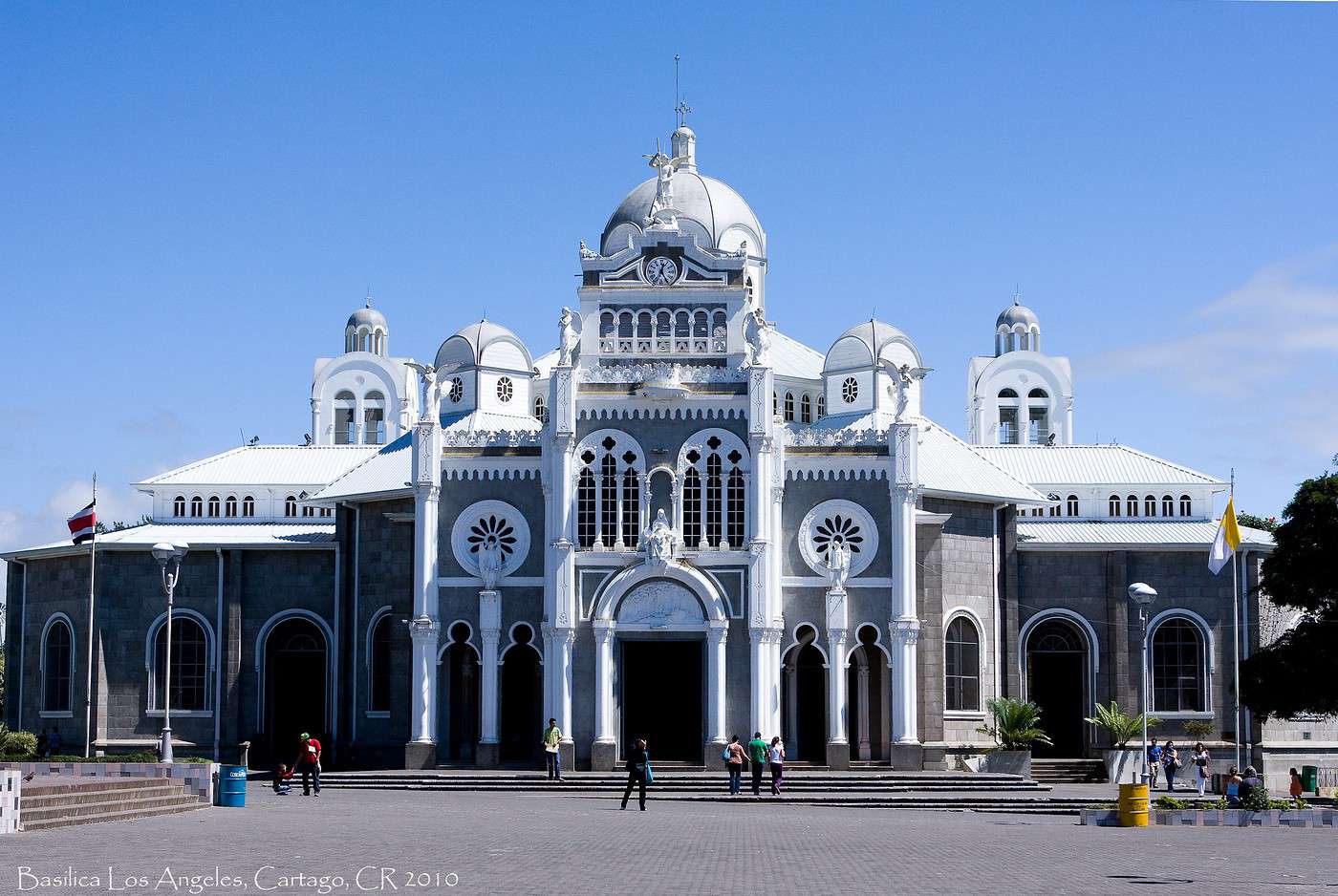
Costa Rica is overwhelmingly a Catholic country, with nearly three-quarters of the population identifying as such, and 15% as Protestant. It is also home to the largest Buddhist community in Central America (2% of the population), originating from various Asian countries, as well as one of the region’s largest Muslim communities (0.5%), following the arrival of immigrants from the Middle East.
Culture and Customs of Costa Rica
Arts, Crafts, and Architecture
Arts
Crafts
Architecture
Museums
Customs and Traditions
Local Traditions
Etiquette
Dress and Behavior
Sensitive or Taboo Topics
Languages
Spanish is the official language of Costa Rica, though an English-based creole is also spoken on the Caribbean coast. In tourist areas, English is widely understood, largely due to the predominance of North American visitors. French is occasionally spoken by some locals.
Glossary
A few useful local words and expressions for travelers:
- Cabina(s): refers to a bungalow, a small rental house, or simply a hotel room—typically with a "local" standard.
- "Pura vida": This phrase, used to wish good luck or respond to a greeting, has become the country’s unofficial tourist slogan.
- Soda: Small, ubiquitous eateries offering a daily special or basic menu for just a few euros.
- Ticos: The nickname for Costa Ricans.
Festivals and Celebrations
Public Holidays
January 1: New Year’s Day
April 11: Juan Santamaria Day (national hero)
Easter: Maundy Thursday and Good Friday
May 1: Labor Day
July 25: Anniversary of the Annexation of Nicoya
August 2: Our Lady of the Angels Day
August 15: Assumption Day
September 15: Independence Day
October 12: Cultural Diversity Day
December 25: Christmas Day
Books, Films, and Music
Costa Rican Cuisine
Local Cuisine
Compared to many countries, Costa Rica isn’t a culinary standout, and much of the food revolves around rice, beans, chicken, and occasionally locally sourced beef, served with tortillas.
Other Cuisines
As a major tourist destination, Costa Rica also offers a variety of international cuisines in cities and popular spots. You’ll find Chinese, Italian, Tex-Mex, and occasionally Middle Eastern or French restaurants. Additionally, the country has plenty of fast-food chains of all kinds.
Specialties
Starters
Main Dishes
Desserts
Drinks
Where to Eat
Eating in Costa Rica is quite affordable if you seek out small local spots and stick to local food. In fact, it’s often the least expensive part of a trip here. Everywhere you go, you’ll find small eateries (called sodas) offering a daily special or a basic menu for around $5 or $6 USD. For even less, you can grab something from small shops or bakeries that sell sandwiches or takeaway meals. Fast-food chains—both local (the cheapest) and international—are also well-established in the country.
Otherwise, you’ll find the usual range of restaurants, especially in cities and tourist areas. While prices, styles, and types of food vary, you can generally expect a full meal for around $12–15 USD if you stick to "classic" options. However, prices can rise quickly, especially in areas with many tourists, particularly North Americans. As a rule, if the menu is in English, prices tend to be higher. Also, note that taxes aren’t always included in the listed prices.
Additional Information
What to See in Costa Rica
Costa Rica has three sites inscribed on the UNESCO World Heritage list. Cocos Island National Park ★★ (1997) A UNESCO-listed island home to significant wildlife and lush tropical rainforest, also renowned for diving. Access is tightly regulated. La Amistad…
Things to Do in Costa Rica
Jaco, Costa Rica · © VoyageForum While Costa Rica is known for its dense forests and impressive volcanoes, it also boasts magnificent beaches. The most beautiful and main coastal resorts are found along the Pacific coastline, in the Nicoya…
Types of Trips to Costa Rica
Interests (out of ★★★★ ) : Nature ★★★★ ; Adventure ★★★★ ; Culture ★ ; Relaxation-holidays ★★★ . It's no surprise the country is nicknamed the "eco-tourism paradise" ! Over 6% of the world's biodiversity is found here, and a quarter of its territory is covered…
When and Where to Go in Costa Rica
Best Times to Visit Costa Rica
Finding the best time to visit means balancing climate conditions with crowd levels and the most attractive prices, both on-site and for travel.
The dry season from late November to early May is the most ideal for exploring the country. This avoids the heavy rains that can cause issues across most of the territory, particularly on the coasts where the atmosphere is also quite humid during this period. That said, even in the dry season, you won’t escape the nearly constant rainfall on the Caribbean coast, where February to April is the best bet for staying the driest.
Costa Rica also sees significant crowds during the dry season, especially around Christmas/January and Easter, with prices to match. Similarly, July and August see a small influx of European visitors.
Taking all this into account, April–May and November–early December are the most recommended times to visit.
| Jan. | Feb. | Mar. | Apr. | May | Jun. | Jul. | Aug. | Sep. | Oct. | Nov. | Dec. | |
|---|---|---|---|---|---|---|---|---|---|---|---|---|
| Pacific Coast Climate | ||||||||||||
| Caribbean Coast Climate | ||||||||||||
| Central Climate | ||||||||||||
| Avoid Crowds | / | / | ||||||||||
| Low Prices | / | / |
: very favorable | : favorable | : moderately favorable | : unfavorable.
Where to Go Based on Travel Style and Interests
Flying to Costa Rica
Of the fifteen or so Costa Rican airports with at least one regular connection, two serve international flights: Juan Santamaria Airport in San Jose and Liberia . While the capital’s airport has always been the country’s main air gateway and the second…
Getting to Costa Rica by Land or Sea
Nicaragua (309 km) and Panama (330 km). Travel between Costa Rica and its two neighbors is straightforward, whether on the Pacific side (the most commonly used) or the Caribbean side. Several bus companies provide international connections, including: Central…
Getting Around in Costa Rica
While the main road network between major cities isn’t bad, it’s often quite congested. Secondary roads, which are mostly unpaved or poorly maintained, require careful and slow driving. Additionally, during the rainy season, some routes may be cut off due to…
Accommodation in Costa Rica
Given the influx the country has experienced for some time now, it’s understandable that it has developed a diverse range of accommodations, generally of good quality or at least ready to meet the expectations of different types of visitors, particularly a…
Entry Requirements and Visa for Costa Rica
For tourist travel, French citizens do not need a visa for stays of less than 3 months. A passport valid beyond the planned return date is sufficient. However, a return or onward ticket (including by land), as well as proof of accommodation and sufficient…
Money, budget and shopping for Costa Rica
Devise: Colon (100 centavos). Billets: 1 000, 2 000, 5 000, 10 000 et 20 000 colones Pièces: 5, 10, 25, plus surtout 50, 100 et 500 colones. Change: Les principales devises étrangères se changent dans le pays. On trouvera des guichets de change dans la…
Health and Safety in Costa Rica
In France, both for individuals and professionals, the "travel advice" from the Ministry of Foreign Affairs regarding precautions for each country has legal value. A similar online travel advice system exists in several countries: Foreign Affairs Belgium…
Other Practical Information for Costa Rica
Luggage and Equipment to Bring
For coastal areas, pack lightweight clothing at all times and a warm layer for evenings or air-conditioned spaces. For the central region and mountains, warmer clothes are recommended. Also bring sun protection and, most importantly, rain gear (even in the dry season), as well as good hiking shoes for national parks or if you plan to hike.
Communications
Phone
International dialing code: (00 +) 506.
To call Costa Rica from abroad, dial 00 506 followed by the 8-digit number of the person you’re calling. Conversely, when calling from Costa Rica, dial 00 followed by the country code of the person you’re calling and their number, omitting the initial 0.
Internet
Internet is widely available and reliable in the country. Between Wi-Fi and cybercafés in cities or tourist areas, it’s easy to connect for free or at a low cost.
Post
Time Difference
Local time: .
Costa Rica is on GMT-6. This means it’s 7 hours behind France in winter and 8 hours behind in summer. Note that there’s a one-hour difference with neighboring Panama, which is on GMT-5 (when it’s 2:00 PM in Costa Rica, it’s 3:00 PM in Panama).
Electricity
120 V (60 Hz) with "American" plugs (officially types A and B), which will require an adapter for French plugs.
Opening Hours
Shops, banks, and many services are generally open on weekdays and Saturdays from around 8:00/9:00 AM until the end of the day. During Holy Week, many places are closed.
Laundromats
Local Tourist Offices
Weights and Measures
The standards for weights and measures are the same as in France.
French Language Use
While you may occasionally encounter people who speak French, it’s far from widespread, unlike English, which is nearly ubiquitous in tourist areas—largely because North American visitors make up the majority of the clientele in many places.
Press and Media
Living in Costa Rica
Living in the country
Work
Studies
Like other countries in the region, particularly Guatemala, Costa Rica has also developed language schools in the capital as well as in other locations, including tourist spots along the Pacific coast. These schools welcome young people every year, many of them North Americans, who come to learn Spanish for a few days or weeks at one of the institutions in these cities. Several programs are generally available, making it possible to combine studies, homestay accommodation, activities like surfing, and exploring the area and the country.
Whether in France or elsewhere, you can find various providers specializing in language stays, some of which offer this destination. However, note that the cost of these language courses reflects the country's standard of living compared to its neighbors. For equivalent services, it will generally be more expensive than in Nicaragua or Guatemala, which remains the benchmark in this field.
Retirement
Humanitarian aid and volunteering
Something wrong or out of date? Report this page