last edited Jan 9, 2020
History of Peru
History of Peru
Key Dates
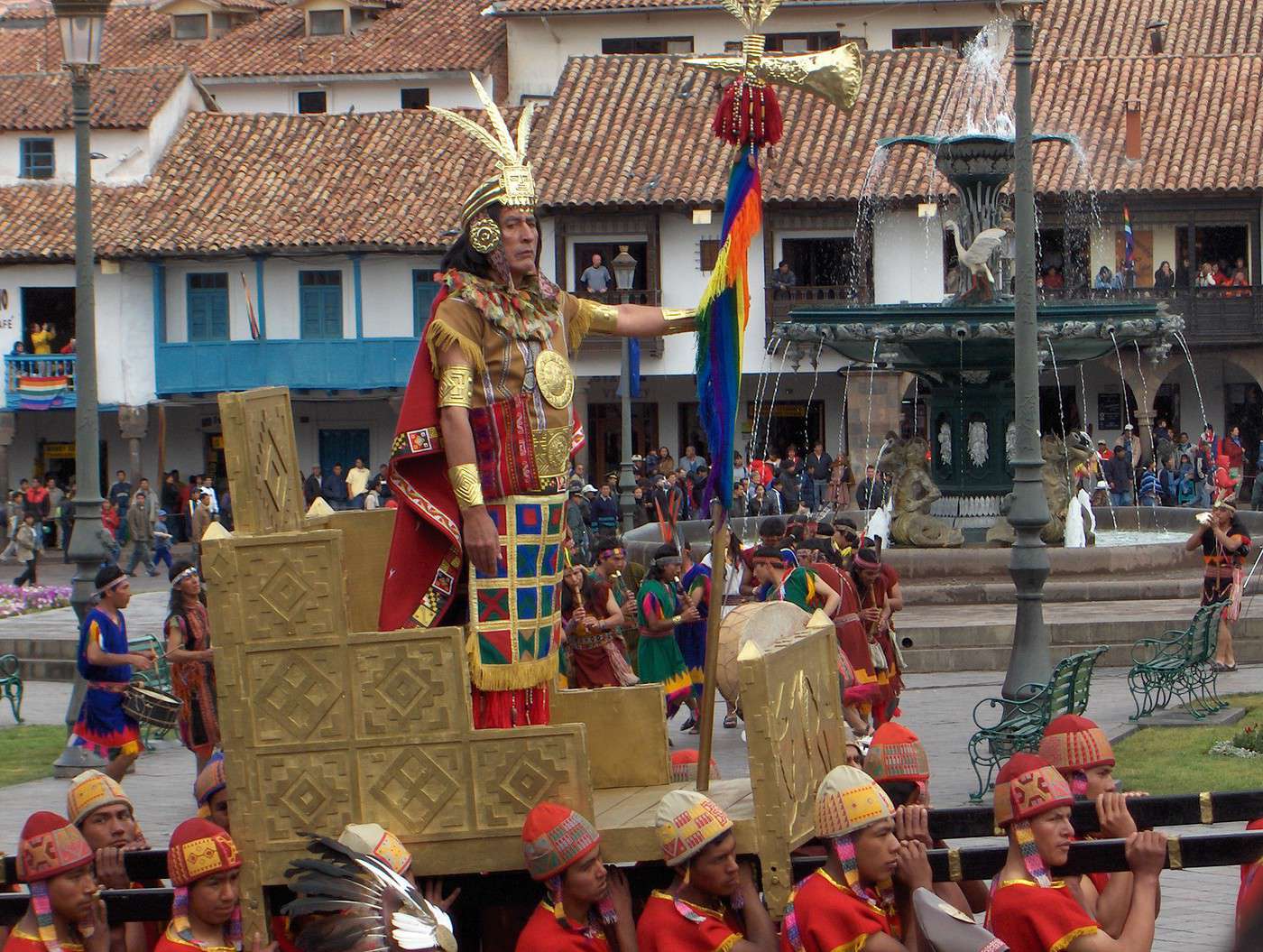
- 13th century: Although the region had long been home to local populations and kingdoms, it was around the 13th century that the Inca civilization emerged near present-day Cusco, quickly gaining dominance over other settlements.
- Mid-15th century: The Inca Empire reached its peak through expansion into other territories, from Colombia to Chile.
- 1531: The arrival of the conquistadors, led by Francisco Pizarro. Within a few years, he destroyed the Inca Empire, which was already weakened by internal wars.
- 1542: Creation of the Viceroyalty of Peru, responsible for administering Spanish possessions in South America. Its capital was Lima, founded in 1535.
- 1545: The discovery of gold and silver deposits, such as in Potosí (present-day Bolivia), led to rapid enrichment of the colony and its mother country.
- 17th century: The height of Lima and the Viceroyalty of Peru. However, the vast territory it governed eventually led to its division in the 18th century into two new entities: the Viceroyalty of New Granada to the north (1717) and the Viceroyalty of the Río de la Plata to the south (1776).
- 1780-1781: The first major popular uprising ("Túpac Amaru Rebellion"), advocating territorial autonomy against Spanish rule.
- 1821: After a new insurrection led by José de San Martín and Simón Bolívar, Peru, like other Spanish colonies, proclaimed its independence, which became effective in 1824.
- Mid-to-late 19th century: Peru, like most other countries on the continent, experienced various conflicts with its neighbors, some of which, such as the War of the Pacific against Chile (1879-1884), resulted in territorial changes. Meanwhile, guano ensured Peru’s wealth, with alternating periods of democracy and dictatorship.
- 1920s: Creation of peasant movements advocating for land rights and the recognition of Indigenous peoples.
- Mid-20th century: A series of conflicts with Ecuador. The country also experienced multiple coups d'état and, depending on the era, authoritarian, military, or Third World and pro-Soviet governments, such as that of General Velasco Alvarado in the 1960s and 1970s.
- 1980: Founded a decade earlier, the Maoist movement Shining Path began a guerrilla war that claimed over 70,000 lives over two decades, despite the capture of its founder, Abimael Guzmán, in 1992. Today, the terrorist movement, though greatly reduced, still operates in a few (rare) parts of the country.
- 1985-1990: Following the disastrous economic policies of President Alan García, Peru faced its worst economic crisis, with inflation exceeding 1,000% per year (7,650% in 1990!) and an increase in poverty.
- 1990: The new president, Alberto Fujimori, implemented an authoritarian regime with draconian measures to restore Peru’s economy, though social inequalities persisted. He was re-elected in 1995.
- 1998: Three years after the last Cenepa War, the multiple border conflicts between Peru and Ecuador, which began in 1830, finally came to an end.
- 2000: Fujimori’s contested re-election was followed shortly by his impeachment by the Peruvian Congress for corruption and political crimes, and his subsequent flight to Japan, of which he was also a citizen. This led to a brief period of instability, with a state of emergency declared in 2003.
- 2006: Alan García, already elected in 1985, returned to the presidency of Peru. During his term, he clashed with Indigenous movements.
- 2009: Arrested in Chile and extradited, former president Fujimori was sentenced to 25 years in prison.
- 2011: Election of Ollanta Humala, who advocated a break with neoliberalism and development based on the country’s internal market, in contrast to his predecessor’s policies.