last edited Aug 20, 2020
Climate and Weather in Bolivia
Location Map of Bolivia
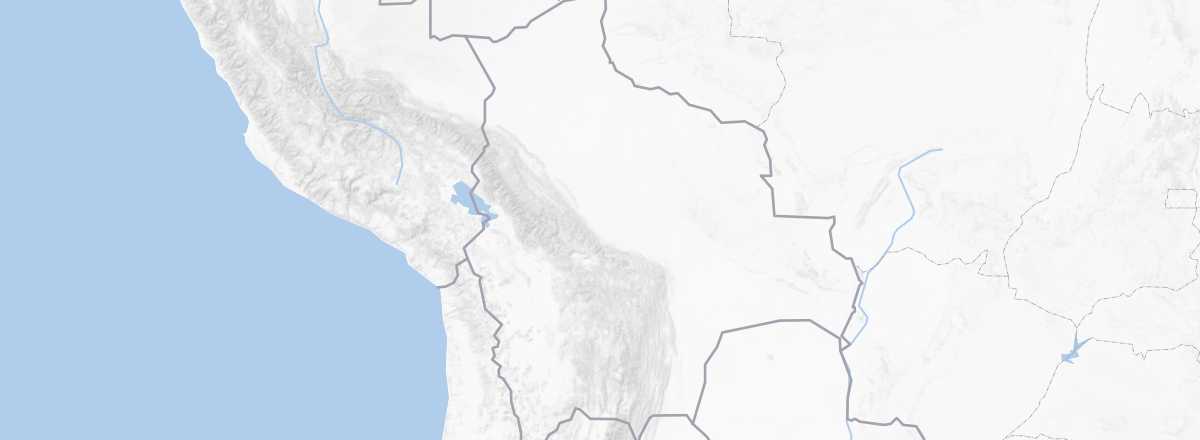 Bolivia
Open the interactive map
Bolivia
Open the interactive map
Climate Overview
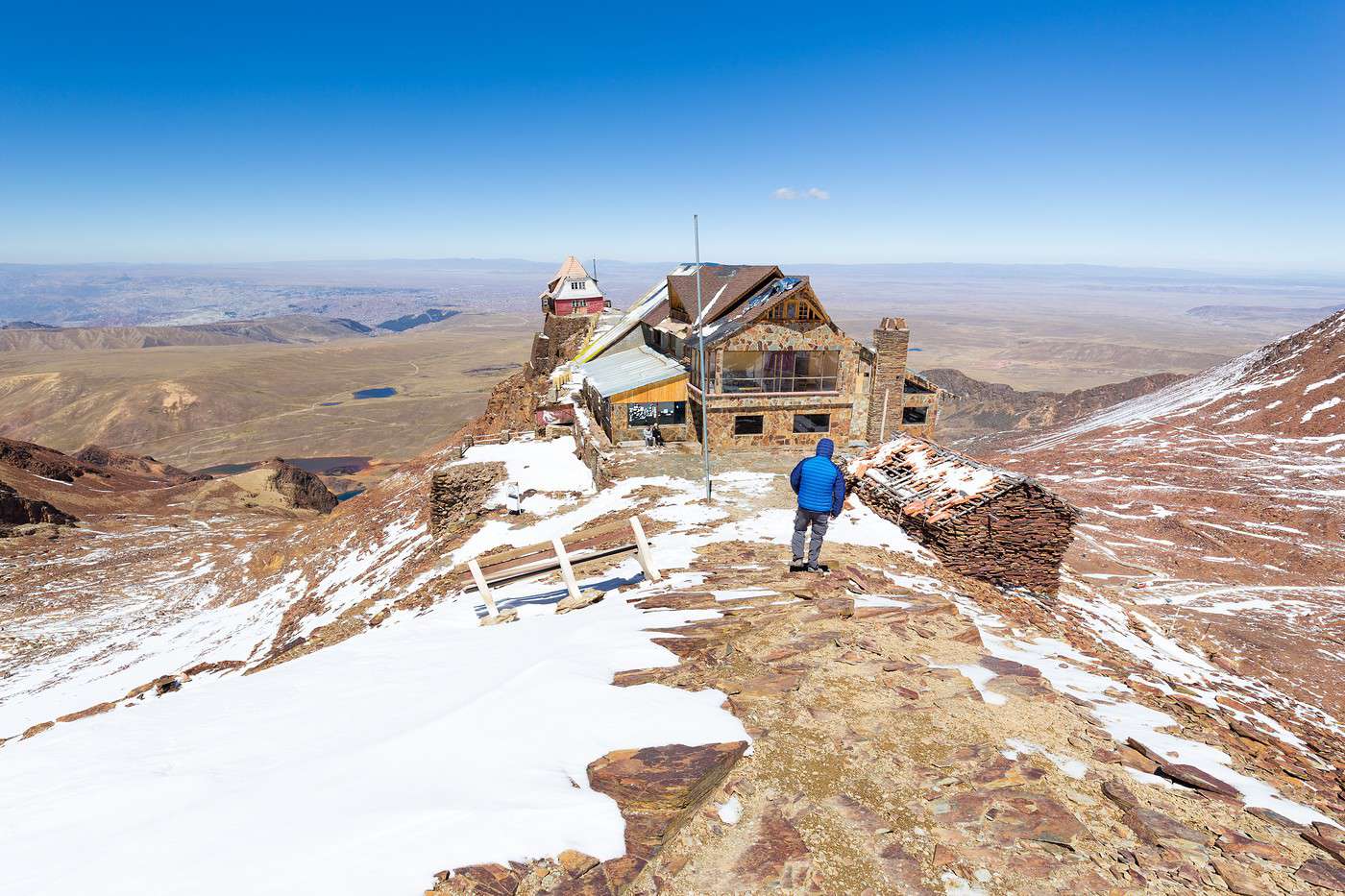
Bolivia has two distinct climate zones, with the Andes and the Amazon experiencing seasons that are the reverse of those in the Northern Hemisphere.
In the Andes, the climate is temperate year-round, with temperatures never very hot, especially during the austral winter (June–September), varying by altitude. Above 2,000/2,500 m (which covers most tourist destinations), it’s wise to pack warm clothing, even for daytime, though midday is often pleasant. Many Andean areas, particularly around Lake Titicaca, are also windy. In terms of precipitation, the highlands see light, persistent, and chilly rains from late September to April (peaking in January), making May to early September the best time to visit. This is also the ideal period for high-altitude treks.
The eastern plains and Amazon region are wetter, especially further north. From April to September, it’s the (almost) dry season, with lower daytime and nighttime temperatures—so much so that in July, you’ll need a sweater for evenings in the lowlands. During the rainy season, the humid atmosphere becomes oppressive, particularly in the Amazon. Overall, the austral winter is the best time to visit.
Best Climate Period for Bolivia
Whether in the Andes or the plains/Amazon, the period from April to September is ideal.
| Jan. | Feb. | Mar. | Apr. | May | Jun. | Jul. | Aug. | Sep. | Oct. | Nov. | Dec. | |
|---|---|---|---|---|---|---|---|---|---|---|---|---|
| Andes climate | ||||||||||||
| Amazon climate |
: very favorable | : favorable | : moderately favorable | : unfavorable.