last edited Dec 11, 2019
Health and Safety in Western Europe
Location Map of Western Europe
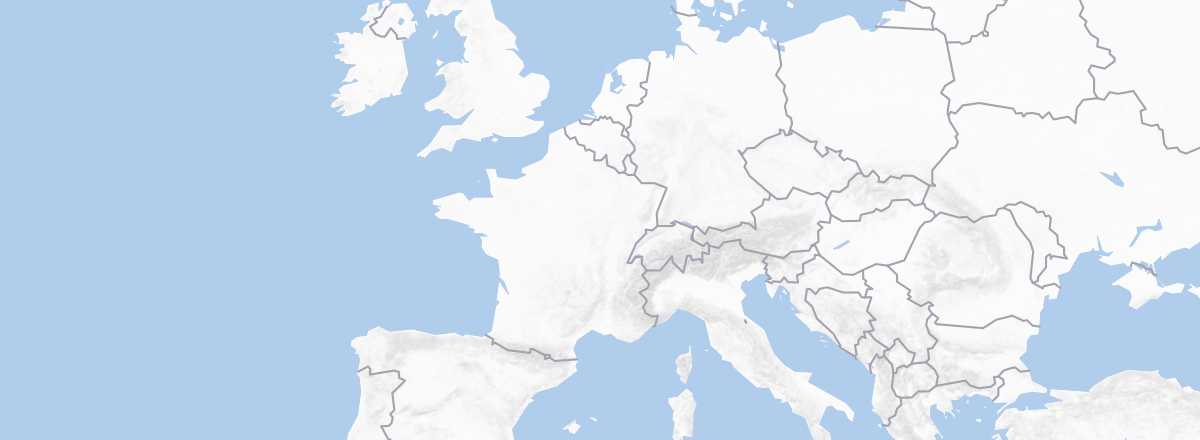 Western Europe
Open the interactive map
Western Europe
Open the interactive map
Official Recommendations
In France, for both individuals and professionals, the "travel advice" from the Ministry of Foreign Affairs regarding precautions for each country has legal standing. A similar online travel advice system exists in several countries:
Health
No vaccinations are mandatory for entering European countries, though it is still advisable to be up to date with your "basic vaccinations."
Illnesses and Hygiene
Nothing particular to report.
Local Healthcare Facilities
Local healthcare infrastructure is excellent everywhere. For medical care, nationals of countries in the European Economic Area must present their European Health Insurance Card (formerly the E-111 form), which guarantees the same rights to everyone—otherwise, they may have to pay for medical expenses. Other visitors will need to rely on their insurance or pay the full cost of care.
Safety
Crime and Delinquency
Western Europe is generally a safe destination, though it does have some petty crime targeting tourists, such as pickpocketing and occasional scams. However, with basic precautions and a bit of common sense, there is little risk.
Socio-Political Risks and Terrorism
France, England, Germany, and Belgium are among the European countries that have experienced terrorist attacks in recent years. While the threat is real—varying in degree depending on the time and place—it should not deter travel. Unfortunately, this is now a reality in many regions, though the individual risk remains extremely low.
As for socio-political unrest and strikes, which can sometimes escalate, even though Europe—and France in particular—experiences these regularly, the risks to tourists are negligible as long as you avoid getting involved.