last edited Dec 11, 2019
Iceland's Climate and Weather
Location Map of Iceland
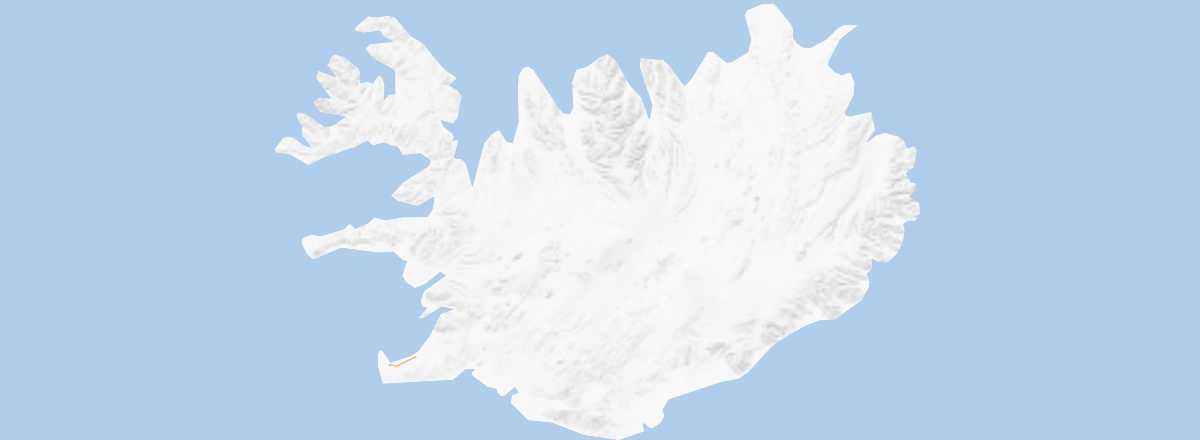 Iceland
Open the interactive map
Iceland
Open the interactive map
Climate Overview
Thanks to the Gulf Stream along the west and south coasts, Iceland has a much milder climate than one might expect. While summers are never very warm (no more than 20°C at most), winters are not extremely cold either (generally no lower than -5°C), except locally in the central region or at night. However, the climate is quite unstable, with many possible changes in a single day, sometimes violent storms, and frequent harsh winds. As for rain, it falls throughout the year, especially on the southern coast, at least one day out of three—even more in winter, which also sometimes brings heavy snowstorms. In short, while not extreme, Iceland’s climate is somewhat harsh and unpredictable, making it useful to know what to expect.
Best Time to Visit Iceland
Unless you want to experience the unique "winter Iceland," go Nordic skiing, or see the Northern Lights, the ideal time to visit is from July to late August, especially if you plan to hike. Along with more "pleasant" temperatures, you’ll have access to the entire country (some roads are closed for long months), and most importantly, you’ll enjoy long days with almost no night. Beyond the slightly low winter temperatures, it’s the prospect of "endless" nights that deters many potential visitors during that season.
| Jan. | Feb. | Mar. | Apr. | May | Jun. | Jul. | Aug. | Sep. | Oct. | Nov. | Dec. | |
|---|---|---|---|---|---|---|---|---|---|---|---|---|
| Climate |
: very favorable | : favorable | : moderately favorable | : unfavorable.
Sea Temperatures Throughout the Year
| Jan. | Feb. | Mar. | Apr. | May | Jun. | Jul. | Aug. | Sep. | Oct. | Nov. | Dec. | |
|---|---|---|---|---|---|---|---|---|---|---|---|---|
| Reykjavik | 5 | 4 | 5 | 5 | 6 | 8 | 9 | 10 | 9 | 7 | 6 | 6 |