last edited Aug 14, 2020
Geography and Environment of Portugal
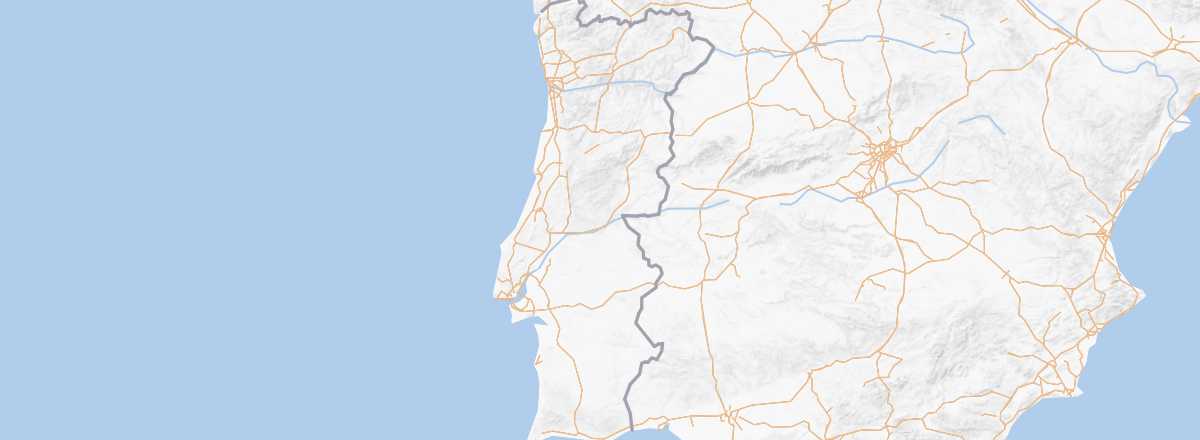
Location Map of Portugal
 Portugal
Open the interactive map
Portugal
Open the interactive map
Country Overview
Natural Areas
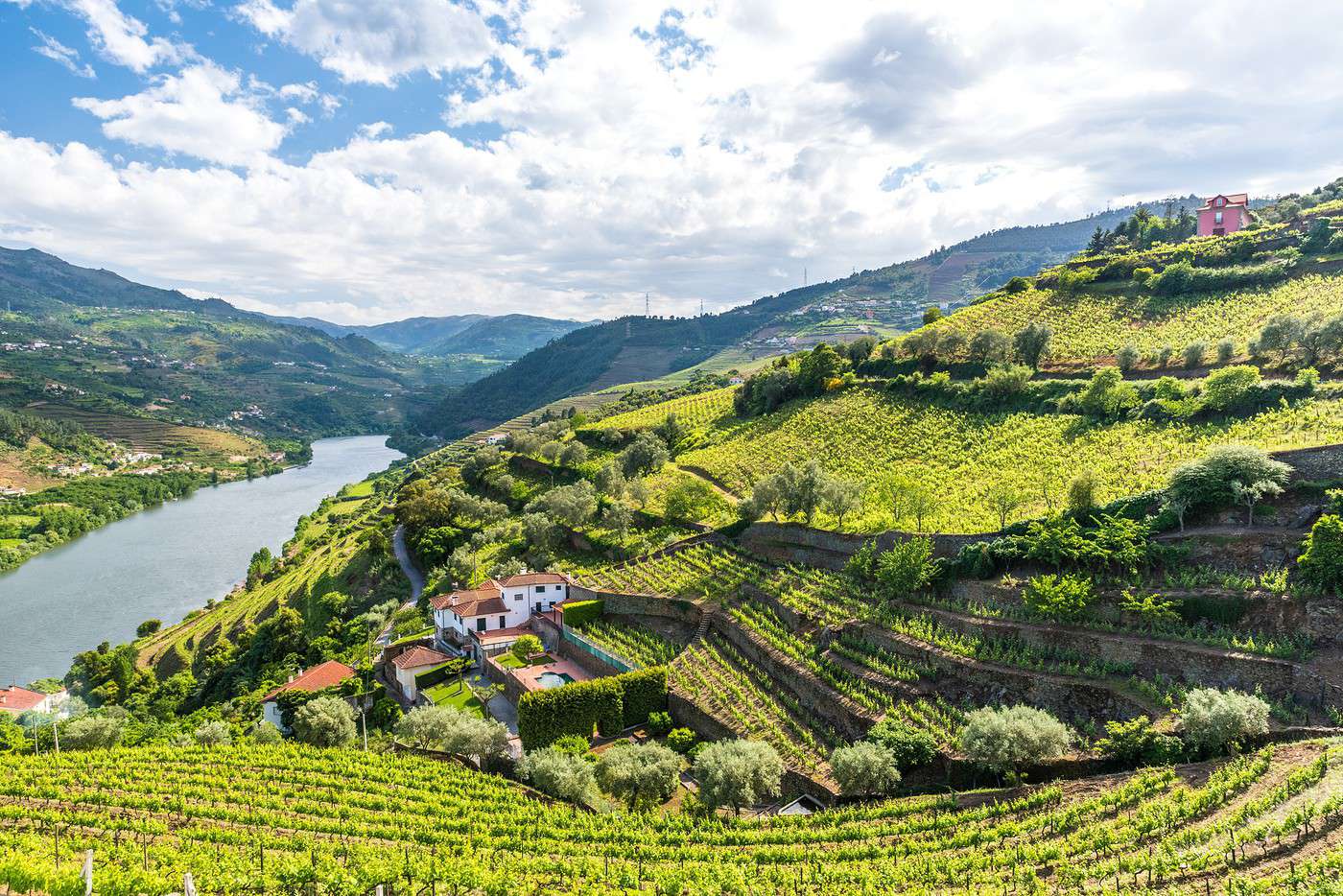
Portugal has around a dozen parks (but only one national park) and about twenty other significant natural sites. Among the most "interesting" for tourism, we note:
- Southwest Alentejo and Vicentine Coast Natural Park: Stretching over 100 km, this terrestrial and marine park offers beautiful landscapes with a succession of beaches and cliffs. It is renowned for birdwatching. This is also where Cape St. Vincent (Sagres), the southwesternmost point of Europe, is located. Hiking is possible here.
- Arrábida Natural Park: Between Setúbal and Sesimbra, this is a small park popular for its beaches.
- Peneda-Gerês National Park: In the far north, this is the country's only national park. It features stunning mountain landscapes, valleys, gorges, rivers, and waterfalls, as well as charming small villages. Great hiking opportunities are available.
- Montesinho Natural Park: Near Bragança, a park with some elevation where hiking is possible.
- Ria Formosa Natural Park: Very close to Faro, this site of lagoons is renowned for birdwatching. You can also take boat trips, enjoy the beaches, and visit some Roman ruins.
- Serra da Estrela Natural Park: On the outskirts of Guarda, this pretty mountainous area offers beautiful landscapes, hiking, climbing, and even skiing at Penhas da Saúde, the country's only winter sports resort.
- Serra de São Mamede Natural Park: A natural area bordering Spain, home to several fortified villages like Castelo de Vide and Marvão.
- Guadiana Valley Natural Park: This large park near the Spanish border features quite lovely rolling landscapes with several waterfalls.
Wildlife and Flora
Portugal is most interesting for its birdlife. The country is a major stopover for birds migrating from Europe to Africa. Southwest Alentejo and Vicentine Coast Natural Park and the Ria Formosa near Faro are prime spots for this.