last edited Aug 14, 2020
Getting Around Norway
Road Network, Traffic
Getting around by road in Norway is generally straightforward, though winter driving requires some precautions, and certain routes may be closed during parts of the winter. These closures are listed on the website of the relevant Norwegian authority. The road and highway network is well-maintained, though officially a quarter of the roads are unpaved—these are mostly secondary routes, particularly in the northern part of the country. Additionally, some roads are quite narrow, making overtaking difficult. The further north you go, the more you’ll need to watch out for reindeer and other animals on the roadside.
Road Rules
Norway’s driving regulations are quite strict, with some local specifics due to the climate. Seat belts are always mandatory, and the legal blood alcohol limit is 0.2 g/l. Drivers must keep their dipped headlights on at all times throughout the year, and in winter, snow tires are required. Speed limits are generally 30 km/h in urban areas and 50 or 60 km/h in surrounding zones. Elsewhere, the limit is 90 km/h on roads—even on the few highways! Speed cameras are widespread and not always clearly marked, often resulting in steep fines. In general, Norwegians are very respectful of traffic laws, other drivers, pedestrians, and even animals that may occasionally be on the road.
Toll Roads
Access to certain roads, bridges, and tunnels is subject to tolls (see list of 50 toll stations). These fees help cover the cost of infrastructure, road maintenance, and snow clearance from October to May, which are very expensive. Entering some cities (Oslo, Stavanger, Bergen) also incurs a charge. Overall, prices aren’t exactly "cheap"—like most things in the country (2 € to 4 € for city entry by car)—and vary depending on the vehicle and the financial amortization of the structure used. This is something to factor into your budget if you’re driving.
In practice, all toll roads and structures are clearly marked. More and more, the payment system is automated (without barriers), using cameras and an onboard "box" in Norwegian or rental vehicles. For rentals, each toll passage is automatically charged to the renter’s card. Foreign vehicles must register online with the AutoPass system, which also debits toll amounts from the subscriber’s bank card. Officially, foreign vehicles that fail to pay a toll within three working days are supposed to receive an invoice by mail—but good luck with that...
Car, Camper Van
Personal Vehicle
Having your own car, motorcycle, or camper van is by far the best way to explore the country freely. It also makes it much easier to find good camping spots and allows you to bring plenty of supplies (including food and camping gear), which can save money in the long run. In short, it’s ideal. If you have some time for your trip, consider bringing your own vehicle from home—despite the transport costs, it’s usually more economical overall.
Rental
Renting a vehicle is easy in cities and major airports, and you can even book online in advance, which is recommended during peak season. Despite the cost—around 50 €/day or just under 300 €/week for a small car—it’s a great option for groups.
In practice, European residents only need their national driving license to rent (an international license is required for others). The minimum age is officially 19, though some rental companies impose restrictions or extra fees for drivers under 25.
Buses
Norway has a well-developed coach network, with every town or village connected. Buses also serve as a backup to trains in areas where rail doesn’t exist, particularly in the north. Generally, the vehicles are fast, comfortable, and punctual, with many companies—many of which are part of the Nor-Way Bussekspress network—covering almost the entire country.
While fares are lower than for trains or flights, and discounts are available, they remain relatively high, as is typical in Norway. Still, for those without a vehicle, buses are a solid option for getting around.
Two Wheels
Motorcycle
Bicycle
Cycling through Norway is possible but not for beginners, given the distances, unpredictable weather, and challenging terrain. Additionally, cycling is regulated, particularly regarding permitted roads and tunnels. However, bikes can easily be taken on ferries, trains, and buses.
Hitchhiking
Hitchhiking is relatively easy in the south but much harder in the north, where cars are fewer and often full. At best, it can be a supplementary or occasional way to get around when you don’t have your own vehicle and are relying on public transport.
Trains
Norway has a small but comfortable rail network (4,200 km of tracks) managed by NSB, the "Norwegian State Railways." It connects the main cities in the south and central parts of the country. However, there are no railways north of Bodø (though the train reaches Narvik via Sweden). For international travel, Norway is directly connected to Sweden, with several shared lines serving both the south and the Oslo region. While there are some projects in the works, there are currently no rail links between Norway and Finland or Russia.
Train fares are generally more expensive than buses, though the per-kilometer cost decreases with distance. However, various discounts (including the famous minipris) and pass options are available through NSB, some combining train, bus, and ferry travel. Norway is also included in the InterRail pass.
Several stunning routes depart from Oslo. The Oslo-Bergen line is undoubtedly the most beautiful, offering breathtaking views of mountains, lakes, and fjords. The Oslo-Stavanger route is also worth exploring.
Boats and Ferries
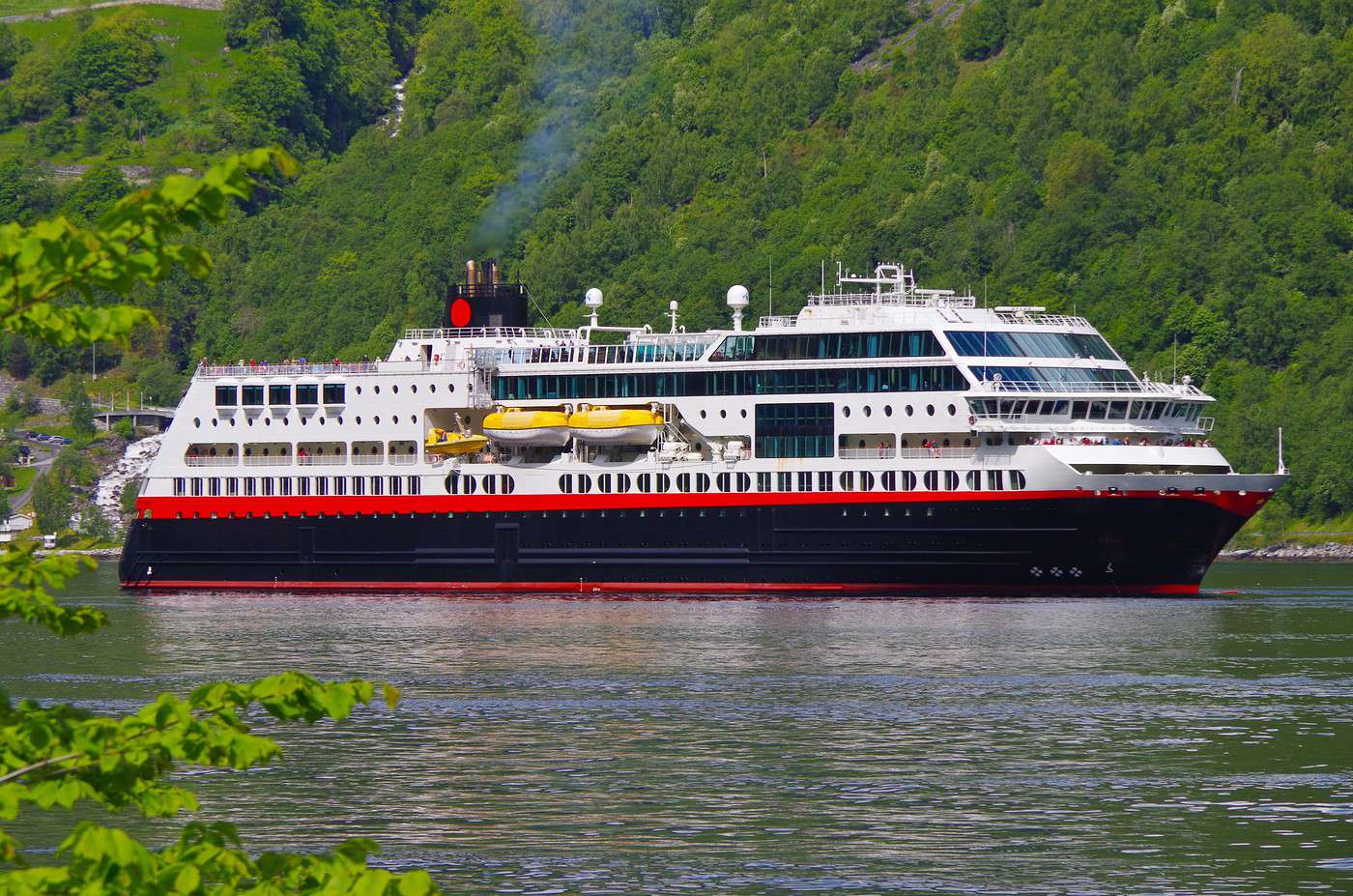
Due to the terrain—and especially the many fjords that extend far inland—there’s an extensive network of ferries and small boats allowing pedestrians (and often vehicles) to cross these sea arms, usually saving time. In summer, however, there may be some wait times for drivers on the main routes, despite generally good service frequencies. Note that these crossings, like many things in the country, aren’t cheap, especially for vehicles. Over the course of a trip, these costs can add up.
In addition to ferries, there are regular lines serving coastal towns, villages, and islands, as well as fjord regions. The most famous fjords also offer seasonal "mini-cruises," worth trying at least once to enjoy the scenery from the water.
Several companies operate these ferry, "mini-cruise," and coastal services across the country, particularly in the fjord region:
- Fjord region and the south: Bastø Fosen, Fjordline, Fjord1, Kolombus, Rodne Fjord Cruise.
- Northern region: Bjorklid, Senja Ferries
The Coastal Express
A true Norwegian institution for over a century, the Coastal Express (Hurtigruten in Norwegian) continuously links 34 ports from Bergen to Kirkenes (2,700 km) in an 11-day round trip. Each year, over 500,000 passengers experience Norway’s stunning coastline this way—despite the cost.
Domestic Flights
Given the country’s length, Norway’s domestic flight network is well-developed. A notable advantage is the ability to connect two (major) provincial cities without always having to transit through the capital. Three airlines (Norwegian, SAS, and Widerøe) dominate the market.
Prices aren’t necessarily excessive (for Norway), and it’s easy to compare offers from the three carriers—Norwegian often has the best deals. For those planning multiple domestic flights, Widerøe offers a 2-week pass, the Explore Norway Ticket. That said, flying is mostly worth considering for non-drivers heading to the North Cape without wanting to make the round trip by land. For shorter distances, other modes of transport are usually more practical.
Airlines Operating Domestic Routes
- Air Norway: A small airline operating mainly between Ørland (its base) and Oslo.
- Bergen Air Transport: Offers charters, taxis, and just two regular routes, including Bergen-Notodden (an airport near the capital).
- Norwegian Air Shuttle: Europe’s third-largest low-cost airline, based in Oslo, serving 130 global destinations, including long-haul, intra-European, and a dense domestic network. A must for many Norwegians.
- Scandinavian Airlines: SAS is the national carrier for Norway, Sweden, and Denmark. While it operates many international flights, it also serves domestic routes, connecting around a dozen Norwegian cities.
- Widerøe: Founded in 1934, the airline focuses almost entirely on Norway’s domestic network, serving over 40 airports. It’s the country’s main domestic carrier.
In Town
Taxis
Most Norwegian cities have taxi services, with drivers often speaking English. Pricing can vary between companies, especially at airports, so it’s worth checking and comparing fares beforehand.
Other Means
Urban buses:
Metro:
Tram:
What to Choose for Getting Around?
To fully enjoy Norway’s nature and landscapes, being self-sufficient in transport is ideal. If you have some time, bringing your own vehicle is an excellent option, allowing you to easily carry food supplies and camping gear, which can help save money. Alternatively, renting is also an option, though it’s best done in a group to make it cost-effective. Without a vehicle, the "bus + train" combination is the way to go, though you may find your freedom of movement somewhat limited.
Distances Between Cities
Distances (km) between Norway’s main cities:
| Åles. | Bergen | Bodø | North Cape | Fred. | Krist. | Narvik | Oslo | Stav. | Tromsø | Trond. | |
|---|---|---|---|---|---|---|---|---|---|---|---|
| Ålesund | 565 | ||||||||||
| Bergen | 480 | ||||||||||
| Bodø | 1200 | ||||||||||
| North Cape | 1980 | ||||||||||
| Fredrikstad | 95 | ||||||||||
| Kristiansand | 320 | ||||||||||
| Narvik | 1400 | ||||||||||
| Oslo | 565 | 480 | 1200 | 1980 | 95 | 320 | 1400 | 455 | 1835 | 500 | |
| Stavanger | 455 | ||||||||||
| Tromsø | 1835 | ||||||||||
| Trondheim | 500 |