last edited Dec 11, 2019
Money, budget, and shopping in Bulgaria
Location Map of Bulgaria
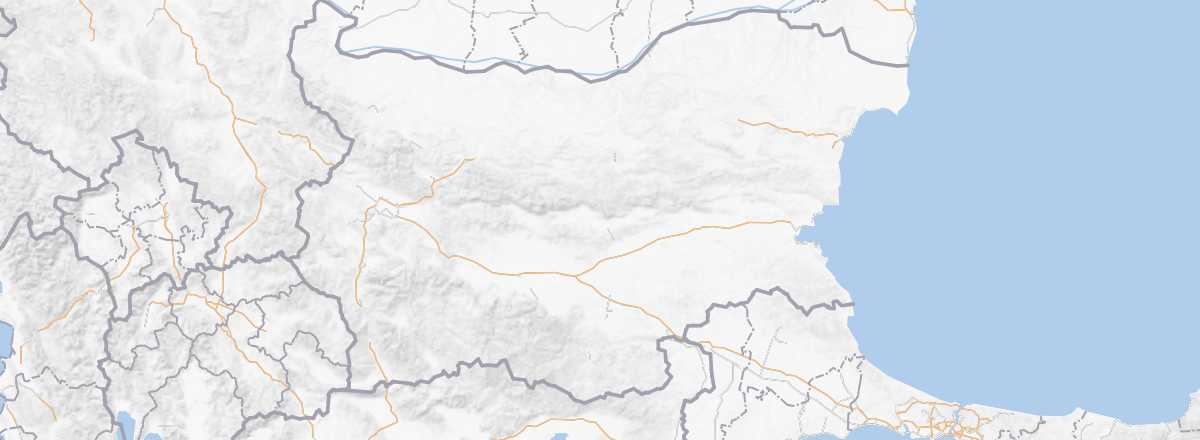 Bulgaria
Open the interactive map
Bulgaria
Open the interactive map
Money
Currency
- Devise: Lev (100 stotinki) or leva in the plural.
- Bills: 2, 5, 10, 20, 50, and 100 leva.
- Coins: 1, 2, 5, 10, 20, and 50 stotinki + 1 lev.
- Exchange:
Officially, the Bulgarian government abandoned plans to adopt the euro in 2012 and opted to keep its national currency. However, the two currencies have a fixed parity: 1 € = 2 leva (officially 1.95583) or 1 lev = 0.5 €.
Exchange
No problem—major currencies, especially the euro, are easily exchanged at exchange bureaus and banks (open from 9:00 AM to 3:00 PM on weekdays), which offer this service. However, it’s wise to be cautious with exchange bureaus regarding the displayed and actual rates/commissions, which can sometimes differ significantly (despite the parity), as well as the amount given in leva (in other words, count your bills carefully). Alternatively, you can simply withdraw money from ATMs, which are increasingly common in cities and tourist areas.
Which currency to bring
The euro is obviously the easiest option if you’re coming from the eurozone.
Payment methods
You can, of course, pay in cash, which is quite common in the country, including occasionally in euros (but watch the exchange rate). Credit cards are accepted, but mainly in upscale or tourist-oriented places and businesses. In short, it’s still useful to have some local cash on hand, especially if you venture off the beaten path.
Upon return
As usual, it’s best to avoid ending up with too much local currency that you’ll struggle to exchange back at a good rate upon return.
Budget
Bulgaria has the lowest standard of living in the European Union and is one of the continent’s most affordable tourist destinations. No matter the season or location, you can enjoy excellent value for money. Expect a daily budget of around 30 to 45 € per person (based on two people) or a little more if you want to splurge at seaside resorts or try certain outdoor activities.
What can be expensive
- Seaside resorts in summer, occasionally.
What can be inexpensive
- Public transportation.
- Accommodation, often.
- Eating local.
Price range
- Budget double room: around 20 to 25 € for two in basic hotels or slightly less with a local host. Around 12 € at a campsite.
- Mid-range double room: for 30 to 40 €, you’ll have a good selection of quality options, especially on the coast.
- Snack or local restaurant meal: around 5 € for plenty of choices.
- Tourist restaurant meal: around 10 € for a full meal.
- Budget car rental:
- 100 km by bus: roughly 4 to 5 € per 100 km.
- 100 km by train: slightly less than the bus, around 3 to 4 € per 100 km.
- Urban taxi:
- Urban bus:
Bargaining and tipping
Tipping isn’t a widespread practice among locals, though it’s customary to leave 10% of the bill in restaurants. This is more expected in tourist areas or upscale establishments—places frequented by foreign visitors. As for bargaining, it’s rare outside of markets.