last edited Mar 2, 2026
Health and Safety in Tanzania
Location Map of Tanzania
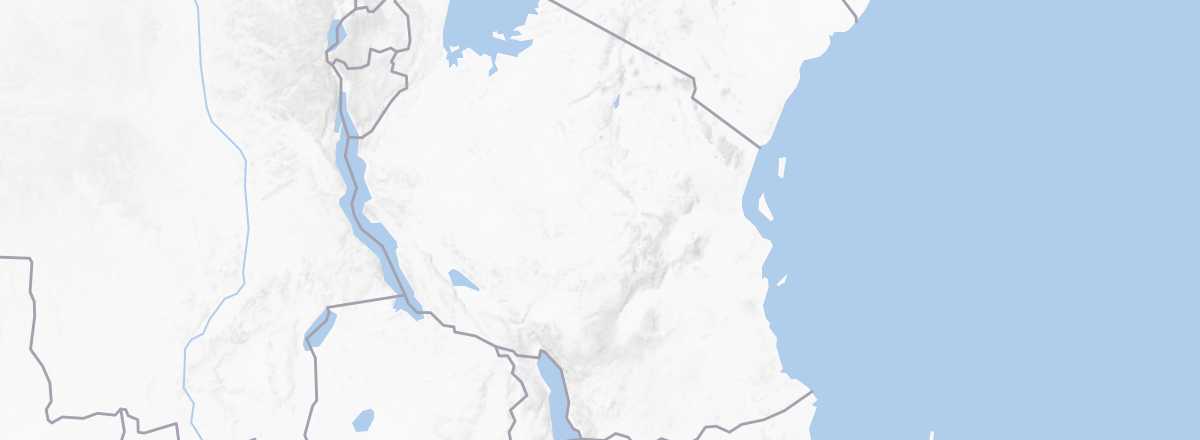 Tanzania
Open the interactive map
Tanzania
Open the interactive map
Official Recommendations
In France, both for individuals and professionals, the "travel advice" from the Ministry of Foreign Affairs regarding precautions for each country has legal value. A similar online travel advice system exists in several countries:
Health
Diseases
The health situation in Tanzania is not necessarily the best, especially when venturing off the beaten track.
There are all the mosquito-borne diseases to consider. Whether it’s dengue, chikungunya, or malaria—which is widespread in various parts of the country, particularly during the rainy season—requiring appropriate treatment. In short, since all these diseases come from mosquito bites, it’s essential to protect yourself with repellents and suitable clothing, especially in the evening, and to sleep under an (impregnated) mosquito net or in air-conditioned places.
Then there’s "everything else," with occasional or local cases of Rift Valley fever transmitted by livestock, schistosomiasis for those swimming in fresh, stagnant water, and sometimes cholera in the country’s most unsanitary areas.
Finally, there’s yellow fever, with a few rare cases still possible in the country. Although the risk is very low, authorities remain somewhat ambiguous about whether vaccination is mandatory. In theory, it’s only required if coming from a high-risk area (which includes the neighboring Kenya), but in practice, authorities occasionally overzealously demand proof of vaccination from everyone, including those arriving directly from Europe, under threat of a fine or on-site vaccination, particularly at Zanzibar.
Hygiene
As in many places, good personal and especially food hygiene is necessary. Avoid tap water, which is not potable, as well as ice and dishes or foods that don’t guarantee freshness, especially in markets. This is to at least avoid traveler’s diarrhea, the well-known ailment that sometimes affects travelers.
Also, don’t forget to stay hydrated and protect yourself from the sun during the hottest periods.
Healthcare Facilities on Site
While there has been progress, local healthcare infrastructure remains limited and often poorly equipped. At best, you’ll find a satisfactory level of care in the private sector in Dar es Salaam and Arusha, a city near Kilimanjaro and safari areas, though costs are high. Elsewhere, including in Zanzibar, conditions are far more uncertain or even nonexistent when it comes to serious medical issues. Therefore, in all cases, in addition to good insurance, bring your own first-aid kit and sufficient quantities of any medications you need.
Safety
Crime and Delinquency
Compared to other countries in the region, Tanzania is not the worst in terms of crime and delinquency, though thefts and assaults have increased significantly, including in tourist areas, public transport, secluded beaches, or against visitors withdrawing money from ATMs.
So, stay cautious—even if, as always, taking basic travel precautions like not flaunting wealth, avoiding deserted beaches, not walking alone at night in isolated areas, using official taxis, and being careful in transport reduces risks. In case of assault, however, it’s best not to resist and always have "something" to give to attackers. If you have a vehicle, it’s highly recommended to use guarded parking, leave nothing inside, drive with windows and doors locked, and avoid driving at night.
Sociopolitical Risks and Terrorism
This is another issue Tanzania unfortunately faces. Historically, the country hasn’t been spared, whether due to internal sociopolitical conflicts—especially during election periods—armed gangs, or international terrorism. Some border regions are not always recommended. For security reasons (traffickers, armed groups, etc.), areas near Burundi, Mozambique, or even the Lake Tanganyika region facing the Democratic Republic of Congo are best avoided. Generally, it’s essential to stay informed about the current situation in these regions and beyond when venturing off the beaten track.
Climate and Nature
Finally, don’t forget that natural elements and wildlife also pose potential dangers in Tanzania.
In national parks and reserves, always follow the advice of local guides. When traveling by car, especially off main roads, ensure you’re well-prepared with enough water and fuel to reach your destination. It’s also wise to inform someone of your planned route if necessary.
Additionally, during the rainy season, landslides and floods can occur anywhere in the country. Once again, it’s crucial to check weather forecasts before hitting the road.
Foreign Consulates on Site
If you encounter problems while traveling abroad, your country’s consular services can assist you. Also, if you’re an EU citizen and your country isn’t represented, you can contact any other EU member state’s representation.
France
Consulate General: 2 Kilimani Road, PO Box 2349, Dar es Salaam. Tel. + 255 (22) 219 88 00.
Other Countries
- Belgium: Consulate General, 5 Barack Obama Road, P.O. Box 9210, Dar es Salaam. Tel.: + 255 (22) 211 26 88.
- Canada: High Commission of Canada, 38 Mirambo St. (corner of Garden Avenue), Dar es Salaam. Tel.: + 255 (22) 216 33 00.
- Switzerland: Consulate General, Kinondoni Road, Plot 79, Dar es Salaam. Tel.: + 255 (22) 266 60 08