last edited Feb 27, 2026
Health and Safety in Kenya
Location Map of Kenya
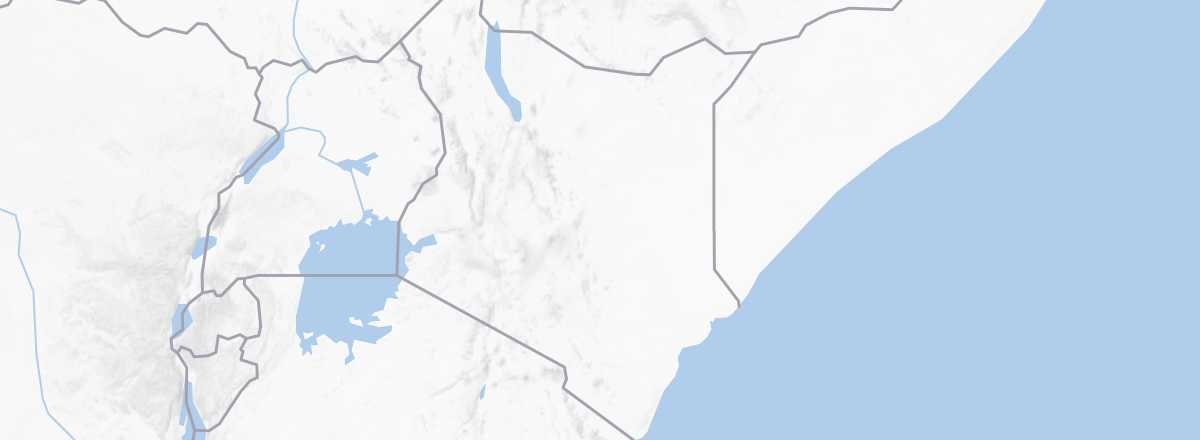 Kenya
Open the interactive map
Kenya
Open the interactive map
Official Recommendations
In France, both for individuals and professionals, the "travel advice" from the Ministry of Foreign Affairs regarding precautions for each country has legal value. A similar online travel advice system exists in several countries:
Health
Diseases
Kenya's health situation is not necessarily the best, especially when venturing off the beaten path.
There are all the mosquito-borne diseases to consider. Whether it's dengue, chikungunya, Zika, or malaria—which is prevalent in various parts of the country, particularly during the rainy season—requiring appropriate treatment. In short, since all these diseases come from mosquito bites, it's essential to protect yourself with repellents and suitable clothing, especially in the evening, and to sleep under an (impregnated) mosquito net or in air-conditioned places.
Then there are other concerns, including occasional or localized cases of Rift Valley fever transmitted by livestock, schistosomiasis for those swimming in fresh, stagnant water, sometimes cholera in the most unsanitary areas of the country, and even yellow fever in certain places. The latter is endemic in central and western Kenya, to the extent that vaccination may be advised. Especially since many countries consider Kenya a "risk zone" and require proof of vaccination for entry if you've traveled through Kenya.
Hygiene
Therefore, as in many places—but perhaps more so here—good personal and especially food hygiene is necessary. So, avoid tap water (which isn't potable), ice cubes, and dishes or foods that don't guarantee freshness, particularly in markets. This is to at least avoid traveler's diarrhea, the well-known "turista" that sometimes awaits travelers.
Another thing: don't forget to stay hydrated and protect yourself from the sun during the hottest periods.
Healthcare Facilities on Site
While fairly good healthcare facilities can be found in Nairobi, the situation is quite different in the rest of the country, where the quality of medical care can vary greatly. Not to mention the frequent lack of resources and staff. In any case, besides having good insurance to avoid paying out of pocket (sometimes expensively), bring your own first-aid kit and sufficient quantities of your medications.
Safety
Crime and Delinquency
Crime and urban delinquency (less risk in rural areas) have always been a problem in the capital and some other cities like Mombasa on the coast. In fact, some city neighborhoods should be avoided day and night.
That's why it's best to always check the risks with, for example, your hotel staff and remain constantly vigilant. It's preferable to use official or recommended taxis rather than walking if you need to move around in the evening or over a certain distance. Likewise, as always, don't flaunt your wealth, avoid deserted beaches, walking alone at night in isolated areas, and be cautious in public places and on public transport. This will already help limit risks.
In case of aggression, it's advisable not to resist and to always have "something" to give to your attackers. If you have a vehicle, it's also highly recommended to use guarded parking lots, leave nothing inside, drive with windows and doors locked due to "carjacking" risks, and of course, avoid driving at night. Finally, don't stop if someone seems to indicate there's a problem with your vehicle.
Scams and "Tourist" Harassment
Scams targeting tourists are also quite common in Kenya. Beyond fake police officers, scammers will try to ask for money under the pretext of helping acquaintances in need. Strangers may even claim to recognize you to lure you to their homes. They'll then offer a small gift so the visitor feels obliged to give money in return. As for taxis, beware of those who take advantage of tourists with inflated fares.
Sociopolitical Risks and Terrorism
This is another issue Kenya unfortunately faces. Historically, it hasn't been spared, whether due to internal sociopolitical conflicts—particularly over land issues and armed gangs—or international terrorism, notably with the Somali Al-Shabaab who occasionally make incursions into Kenya. That's why border areas with Somalia, as well as Ethiopia, South Sudan, and parts of Uganda, should be avoided. Here too, it's crucial to stay informed about the current situation in the areas you plan to visit.
Where to Travel?
This is a logical question in such an environment. Fortunately, there are still areas where you can "travel normally" by just taking the usual precautions for any trip. If you avoid the northern and eastern parts of the country, you can still enjoy the parks and reserves in the south (Amboseli, Naivasha, Masai Mara...), as well as the hotel zones ("protected") around Mombasa and Malindi for beach holidays.
Climate, Nature, and Animals
Finally, don't forget that natural elements and animals also pose potential dangers in Kenya.
In parks and nature reserves, always follow the advice of local guides. When traveling by car on your own, especially off main roads, make sure you're well-prepared and have a good supply of water and enough fuel to reach your destination. It's also wise to inform someone of your planned route if necessary.
Additionally, during the rainy season, landslides and floods can occur throughout the country. So, once again, it's essential to check weather forecasts before hitting the road.
Foreign Consulates on Site
If you encounter problems while traveling abroad, your country's consular services can assist you. It's also worth noting that if you're a citizen of the European Union and your country isn't represented, you can contact any other EU member state's representation.
France
- Embassy: Peponi Gardens, off Peponi Road, PO Box 41784, Nairobi. There's also an honorary consulate in Mombasa.
Other Countries
- Belgium: Embassy, Limuru Road Muthaïga, Nairobi. Tel.: +254 (20) 712 20 11.
- Canada: High Commission of Canada in Kenya, Limuru Road, Gigiri, Nairobi. Tel.: +254 (20) 366 30 00.
- Switzerland: Embassy, General Mathenge Drive 89, Spring Valley, Westlands, Nairobi. Tel.: +254 (20) 267 32 82.