last edited Aug 19, 2020
Safaris in Kenya
Location Map of Kenya
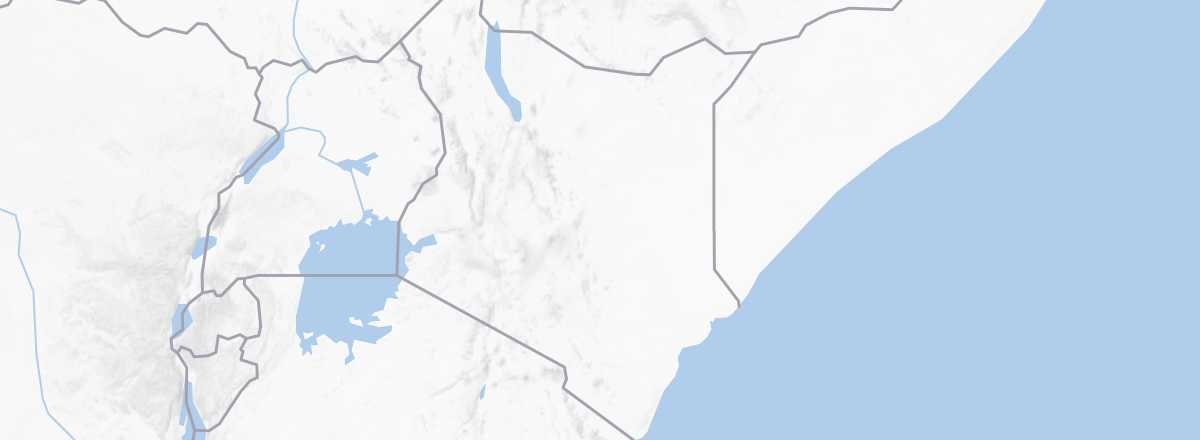 Kenya
Open the interactive map
Kenya
Open the interactive map
Safaris in Kenya
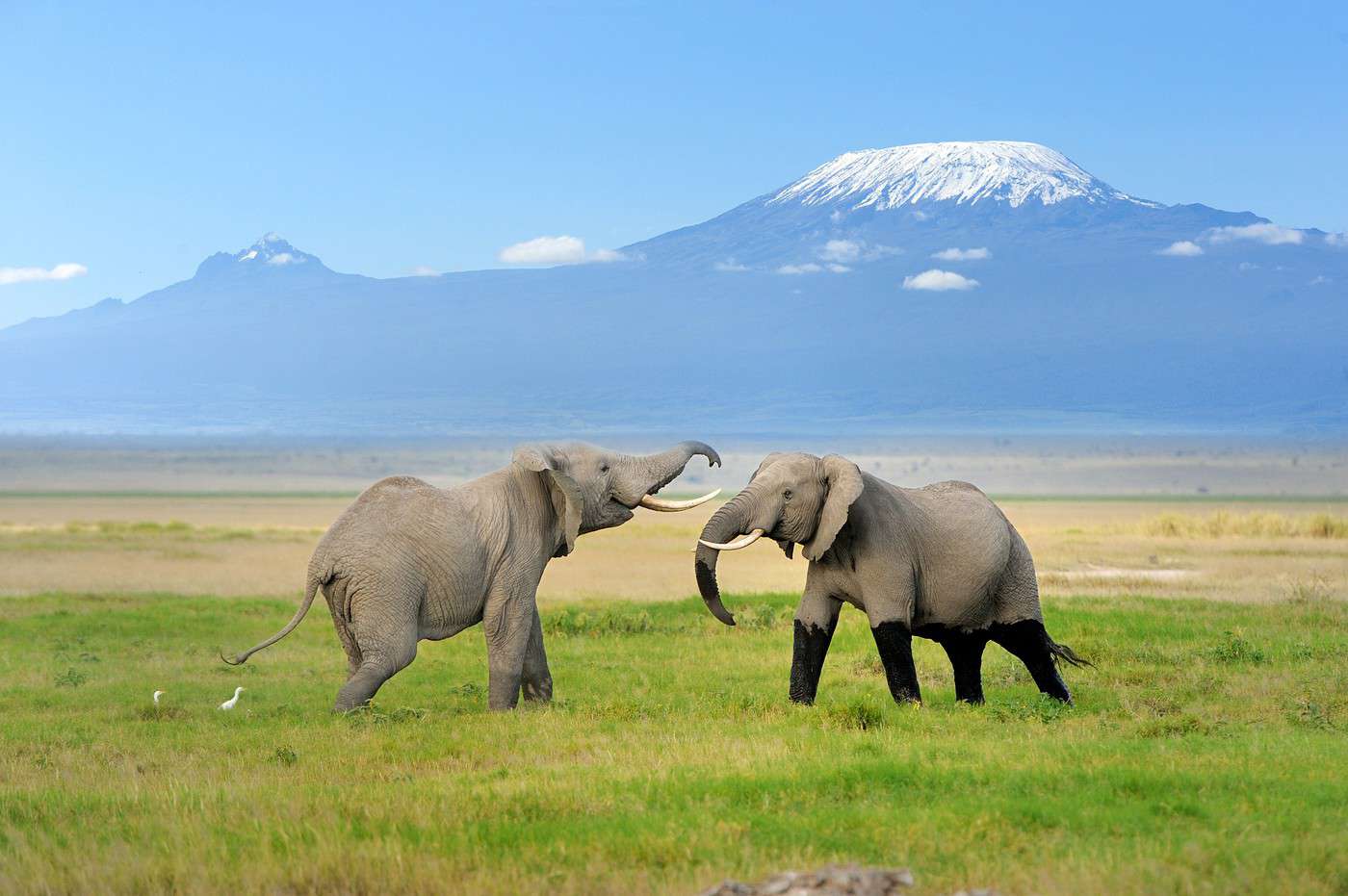
Kenya and Tanzania are THE safari countries. The word itself comes from Swahili, the language spoken in the region.
With dozens of parks and reserves of all types and sizes, the choice is vast, offering the chance to see all of Africa’s wildlife in its full splendour. It’s no surprise that safaris are the main reason visitors come to Kenya and a major source of income for the country.
Best time to go
Duration
When it comes to duration and the number of parks to visit, everything is possible and guaranteed by providers. While a single day in a reserve can feel frustrating, stringing together too many days across multiple sites can also become tedious, especially if wildlife is scarce and the landscapes similar. In short, it’s up to each traveller to decide based on their preferences (and budget). Generally, four to seven days is a good compromise, allowing you to visit three or four sites while accounting for travel time.
Choosing parks
Safety
Kenya has long faced security issues, leading to large parts of the north and east being advised against for travel. While these regions contain several interesting sites, it’s best to avoid them or, at the very least, check the current situation. Fortunately, you can still enjoy the parks and reserves in the south of the country (Amboseli, Naivasha, Masai Mara, etc.), not to mention those in neighbouring northern Tanzania (Serengeti, Ngorongoro, etc.).
Parks and reserves
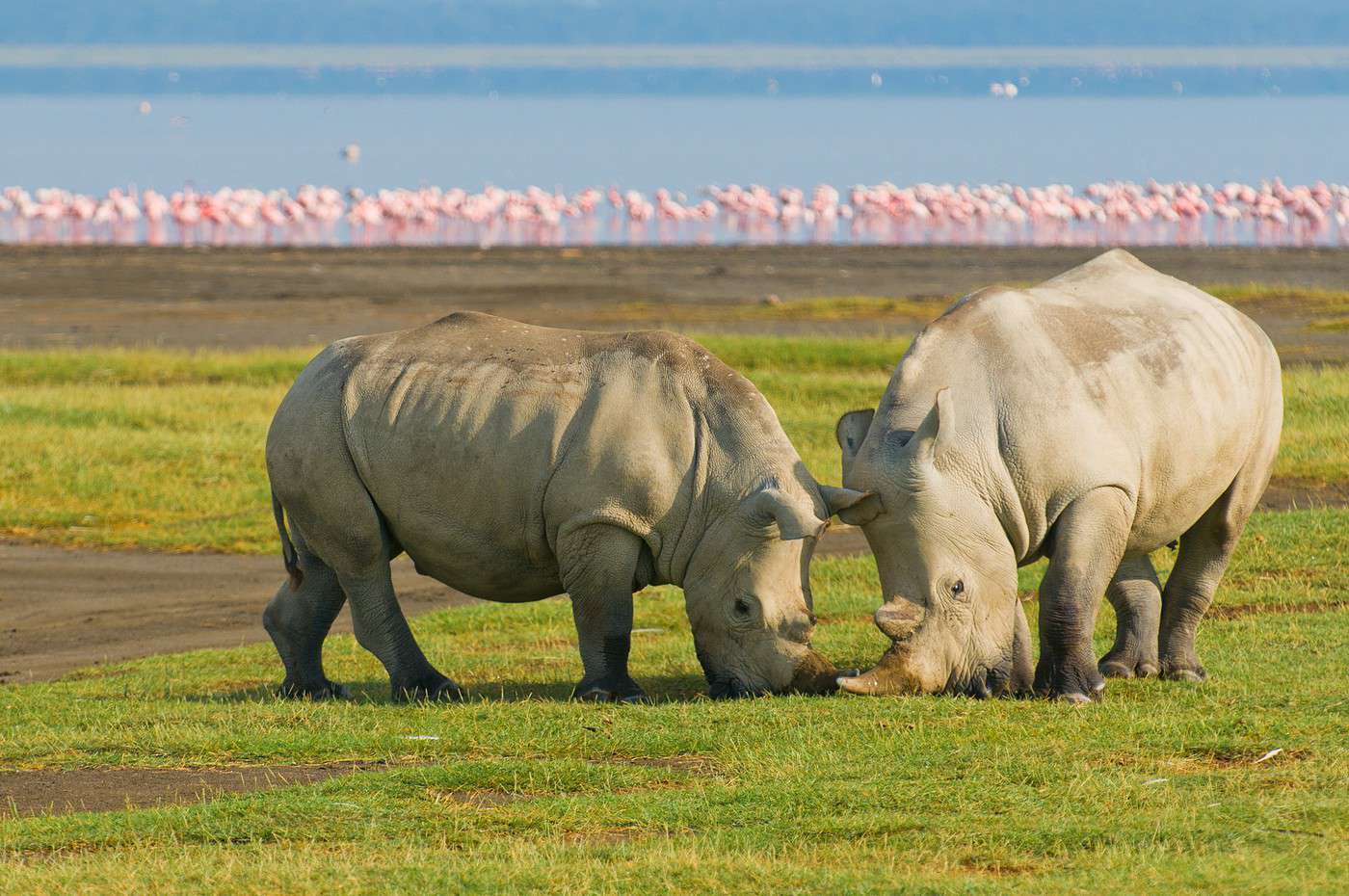
Kenya is home to over 60 parks and reserves, several of which are UNESCO World Heritage Sites (Mount Kenya, Lake Turkana National Parks). Together, they cover 8% of the country, over 45,000 km².
The Kenya Wildlife Service manages the national reserves and parks (except for the Masai Mara). Among the most popular spots for visitors—including unclassified areas that may still offer interesting wildlife—are:
Inland
- Lake Baringo: This lake near Bogoria is home to hippos, crocodiles, and flamingos. You can explore it by boat.
- Lake Bogoria: At the heart of the country, this lake, like others in the region, is a habitat for flamingos. Of volcanic origin, it also features geysers and hot springs.
- Lake Magadi: The southernmost of the Rift Valley lakes, near Tanzania. Many birds nest here in beautiful landscapes.
- Lake Naivasha: About 100 km northwest of Nairobi. This high-altitude lake, also a national park, is known for its birds and hippos. Nearby, the small Hell’s Gate National Park offers a greater variety of wildlife and opportunities for hiking and camping.
- Lake Nakuru: This Rift Valley lake hosts over a million flamingos, as well as lions, rhinos, hippos, zebras, and more, living along its shores in this national park.
- Mount Elgon: This extinct volcano on the Uganda border, a national park in both countries, offers stunning landscapes of cliffs, caves, and rivers, perfect for hiking. You might spot elephants, buffalo, or antelopes.
- Mount Kenya: Kenya’s highest peak (5,199 m), located in the centre of the country. A national park and UNESCO site, it features beautiful scenery, wildlife, and great trekking or mountaineering opportunities. Around it, several villages of different ethnic groups with well-preserved traditions.
- Aberdare National Park: This large high-altitude park in the Rift Valley, north of Nairobi, has beautiful waterfalls and is home to many African species, including lions, leopards, elephants, buffalo, rhinos, and birds. Local hiking is possible.
- Amboseli National Park: This site on the Tanzanian border, with views of Kilimanjaro, is one of the best places to see the famous "Big Five" (lion, leopard, elephant, rhino, and buffalo). It’s the second most visited park in Kenya after the Masai Mara. Several Maasai villages are located within its boundaries.
- Marsabit National Park: A small park on the road to Ethiopia, near the town of the same name. It’s known for its zebras and birds, though you’ll see a wide range of local wildlife.
- Meru National Park: This marshy area in central Kenya is rarely visited but home to the "Big Five."
- Nairobi National Park: Located just outside the capital, this site boasts a wide variety of animals (lions, rhinos, hippos, zebras, giraffes, birds, etc.). A good option if you won’t have the chance to visit other parks in the country.
- Tsavo East and West National Parks: These two contiguous parks form one of Kenya’s largest reserves. You’ll find most African species here in beautiful landscapes. It’s usually the park visited by those staying only in Mombasa on the coast.
- Lake Turkana National Parks: North of the Great Rift Valley, on the Ethiopian border, the site includes Lake Turkana and its islands, plus the small Sibiloi Park. The whole area is a UNESCO site. You can hike here and see many birds, crocodiles, hippos, giraffes, lions, and more.
- Masai Mara National Reserve: Shared with Tanzania, where it’s called the Serengeti, this world-famous park is Kenya’s most visited. You’ll find all of Africa’s wildlife here, especially during migration season, in a savannah landscape where Maasai communities also live.
- Samburu National Reserve: In the centre of the country, this reserve is adjacent to Buffalo Springs and Shaba parks, forming a vast territory for the diverse wildlife found here.
The coast
- Shimba Hills National Reserve: Southwest of Mombasa, near the sea. The reserve is home to several hundred elephants.
Organised or independent?
For security reasons and to find the "best spots," it’s not always advisable—or even possible—to visit African parks and reserves alone. While you’re allowed to explore some sites with your own vehicle, even with a driver, a guide-accompanist is often mandatory and always useful. Plus, since vehicle access fees (for a rental) add to the cost, it reduces any potential savings. In short, in Kenya, a safari is best done organised or at least guided.
Through a provider
Case by case
Or rather, booking a different provider each time you want to visit a park. Unless you’re only visiting one site or the safari locations are hundreds of kilometres apart, there’s no financial benefit. As always, it’s better to bundle everything with a single provider for a better overall rate.
Several days for several parks
The obvious solution if you want to visit multiple parks. The itinerary and provider can be booked either before departure from home or once you’re in Kenya with a local provider. Pros and cons...
- Before departure:
- Local provider:
Self-drive
Types of safaris
While most safaris are done by jeep or minibus, there are also options to explore wildlife on foot, horseback, or even by mountain bike.
Jeep and minibus
Walking safari
This involves exploring wildlife and the environment on foot. It can be an added experience to get closer to animals in the savannah or, more often, because the terrain doesn’t allow vehicle access. This is the case in mountain parks or when approaching birds or monkeys in the forest. Among the parks that can be explored on foot, the small Hell’s Gate National Park, near Lake Naivasha, is the most popular.
Other types
Prices and services
Services and equipment
Generally, the services offered by providers (often priced in US dollars) include park entry fees, transport to and within the parks, accommodation, and staff (such as drivers, cooks, or guides). Additional costs may apply for meals, drinks, camping gear, optional activities, a French-speaking guide, or anything else tailored to the traveller’s needs. In short, budgets can vary widely depending on what’s included and the level of service. That’s why it’s important to define your expectations beforehand.
From budget to luxury
Lodge or camping?
This is the usual question when it comes to accommodation on a safari... and many travellers already have an idea based on the price difference between the two. For accommodation alone in the parks, the ratio is around $20 minimum for camping and $150 or more for a night in a lodge. Beyond the facilities and services, what you’re paying for in both cases is proximity to wildlife and location within the parks. That’s why camping nights are expensive relative to the basic services offered—usually just toilets and a water point. In short, the closer you are to wildlife, the more expensive it gets.
Note that in Kenyan national parks (not reserves), you can also stay in bungalows, or more precisely in bandas, which are traditional huts. You can go with a group and cook your own meals—a more affordable option than a lodge but more comfortable than a tent.
What to choose?
Beyond budget, it depends on what you’re looking for. Logically, for comfort, a lodge is the better choice, especially if booked through a provider who can negotiate rates. However, if you prefer to avoid crowds, dislike clichés, or are put off by the sometimes excessive commercialism of certain establishments, camping is the way to go. And it’s true that a night in a tent in the bush is often a memorable experience for travellers. There’s also the bandas option, which offers a good compromise when available. Staying outside the parks is cheaper, but the experience is different.