last edited Aug 25, 2026
Getting Around South Africa
Road Network and Traffic
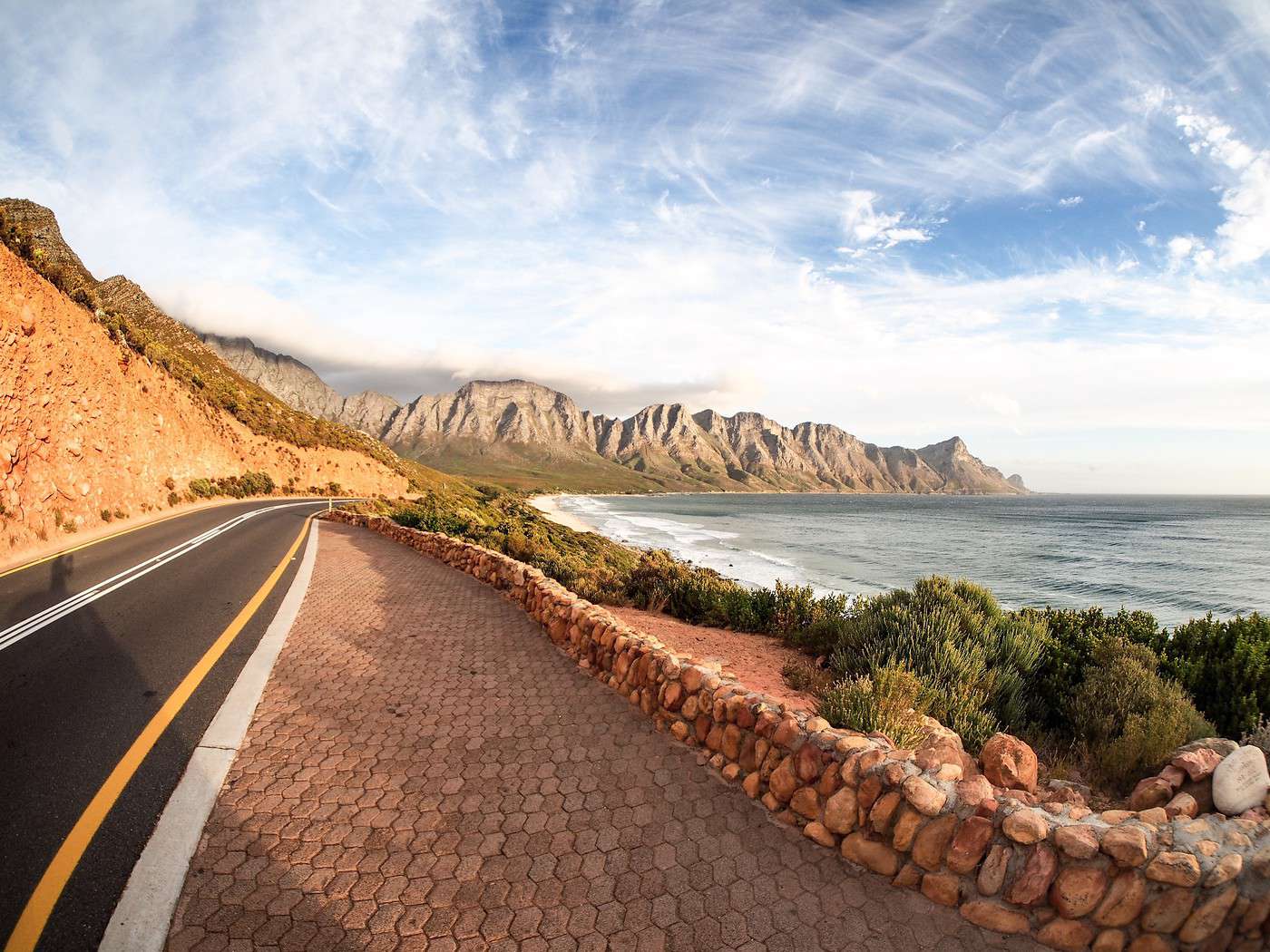
South Africa has one of the most developed road networks in Africa, with over 750,000 km. While only 20% is paved, all major routes, national roads, and toll highways are on par with those in Europe. It’s mainly on secondary roads and dirt tracks that things can get tricky, especially during the rainy season.
Overall, the country is well-suited for road trips, provided you remember to drive on the left and, for safety reasons, avoid driving at night, leaving valuables in your vehicle, opt for guarded parking, and keep your doors locked in cities.
Car and Campervan
While having a vehicle offers the most freedom, South Africa doesn’t *require* one for exploration—unlike its neighbors Namibia and Botswana. The geography is different, with far fewer desert areas and much better public transport for tourism that isn’t just "high-end." That said, travelers without a vehicle may still need to plan carefully or hire services to visit certain sites off the beaten path.
However, if you plan to visit Namibia or especially Botswana alongside South Africa, a vehicle is highly recommended. Since rentals are generally cheaper in South Africa and some companies allow cross-border travel (except to Zimbabwe, usually) for a small fee, it’s easier to use a vehicle for your entire southern Africa trip. Just be sure to inform the rental company beforehand if you’re venturing into neighboring countries, so they can provide the necessary paperwork.
Vehicle Rental
Rental agencies—both national and international—are easy to find at airports and major cities. They offer everything from standard cars to 4x4s, with some models featuring a "roof tent" for camping, as well as campervans, which are increasingly popular with visitors.
An international driver’s permit isn’t always mandatory for rentals but is still recommended "just in case." Depending on the agency, drivers must be at least 23 (sometimes 25) and have held their license for several years. Basic models start around 30 to 40 €/day, while 4x4s and campervans cost at least double that.
Buses and Shared Vehicles
Buses
For travel within the country and beyond, buses remain a solid option. South Africa’s network is fairly dense, run by multiple companies with comfortable, fast, and punctual services on major routes. The downside? They don’t reach remote areas or most national parks, so you’ll need to book tours or rent a vehicle—which, for groups, may even be cheaper than bus travel.
Fares average around 4 to 5 € per 100 km for long-distance trips (slightly more for shorter ones), with discounts for youth, students, and network passes from major operators.
Key bus companies include Citybug, City to City, Eldo, Greyhound, Translux, and Intercape, one of the largest. Intercape is best known for its extensive international routes but also serves domestic travel well.
"Hop-On Hop-Off" Shuttles
Alongside traditional buses, companies like Baz Bus offer "hop-on hop-off" minibus services. You buy a predefined route (e.g., Cape Town–Johannesburg) and stop along the way for as long as you like before continuing. Stops are at hostels or small hotels in 40 cities and tourist spots (180 total). The system, very Anglo-Saxon and "secure," caters to independent travelers but operates in a closed loop, making it far more expensive than regular buses—despite available passes.
Taxis and Minibus Taxis
At the opposite end of the spectrum from hop-on hop-off shuttles are minibus taxis. They supplement the bus network, leave only when full, and are usually packed and uncomfortable. However, they’re the cheapest option—roughly under 0.50 € per 50 km.
By Bike
Cycling in South Africa is possible but requires precautions due to road safety and personal security. Bikes aren’t always respected on the road, and you’ll need to avoid certain city areas, choose safe places to stay, and watch for wildlife near parks or reserves. In short, a bike trip here isn’t something to improvise.
Hitchhiking
While hitchhiking is possible (though often paid), it’s best avoided for safety reasons. If you’re looking to share rides, opt for carpooling apps or ride-sharing boards often found in hostels and other traveler-friendly spots.
Trains
South Africa has the largest rail network on the continent, with over 20,000 km of tracks. Unlike many other countries, it’s still operational—but passenger services have declined in recent years as more South Africans turn to cars (and buses).
Today, beyond a few tourist-focused lines and long-awaited high-speed projects, trains are mainly used for commuting around major cities. For long-distance travel, options are limited, though Johannesburg connects directly to other major cities (which aren’t always linked to each other).
The national rail operator, PRASA, is divided into branches by service. For passengers:
- Metrorail: The suburban network around Johannesburg, Pretoria, Durban, East London, Port Elizabeth, and Cape Town. Very affordable but requires caution—avoid at night.
- Shosholoza Meyl: Handles long-distance and intercity routes, with Johannesburg as the hub. These are the trains most visitors use—relatively comfortable, with fares around 4 to 5 € per 100 km.
- Gautrain: A regional express system for Gauteng Province, covering under 100 km and linking Johannesburg, Pretoria, and OR Tambo Airport.
Other trains operate in the country, but they’re purely tourist-oriented—luxurious, all-inclusive experiences rather than practical transport:
- Blue Train: Between Pretoria and Cape Town, a 27-hour journey with weekly departures, costing at least 1,000 € all-inclusive.
- Premiere Classe Train: Shosholoza Meyl’s luxury service, running select dates between Johannesburg and Cape Town or Durban. A Jo’burg–Cape Town trip costs around 250 €.
- Rovos Rail: Various tourist routes, billed as "The most luxurious train in the world"—with prices to match.
- Shongololo Express: A mix of safari, sightseeing, and train travel.
Boats
There are no regular ferry or boat services in South Africa.
Domestic Flights
Given the country’s size, domestic flights connect major cities. These can be useful for travelers moving between regions (without always transiting through Johannesburg) or simply for the Cape Town–Johannesburg route, the busiest in the country.
Of the dozen or so South African airlines (see list), most operate domestic routes. In recent years, several low-cost carriers have dominated this space, offering flights for under 50 €. Key players include AirLink, FlySafair, LIFT, and South African Express (SAA’s domestic subsidiary). There are also small charter operators specializing in on-demand flights or lodge access for safaris.
In Cities
"Comfort, cost, and safety" are the usual factors influencing urban transport choices. That’s why South Africans with means—and tourists—prefer taxis and ride-hailing services, which are safe and convenient, available in all major cities. The Gautrain, a fast, modern, and secure rail link, connects Johannesburg’s airport to its center before continuing to Pretoria. There are also premium, secure city buses in places like Johannesburg and Cape Town.
Otherwise, traditional buses, minibus taxis, and some suburban trains exist but aren’t always recommended—either due to safety concerns or confusing networks for newcomers.
What to Choose for Getting Around?
While a car is often ideal, it’s still possible to explore South Africa using public transport. You may need to book tours for parks and reserves, though. For groups, renting a vehicle (which isn’t overly expensive) can be more cost-effective.
Distances Between Cities
Distances (km) between major cities:
| Bloe. | C. T. | Durban | East L. | Jo'burg | Kimb. | Nels. | Polok. | Port E. | Pret. | S. City | Upin. | |
|---|---|---|---|---|---|---|---|---|---|---|---|---|
| Bloemfontein | 400 | |||||||||||
| Cape Town | 1400 | |||||||||||
| Durban | 570 | |||||||||||
| East London | 960 | |||||||||||
| Johannesburg | 400 | 1400 | 570 | 960 | 480 | 340 | 325 | 1045 | 75 | 190 | 795 | |
| Kimberley | 480 | |||||||||||
| Nelspruit | 340 | |||||||||||
| Polokwane | 325 | |||||||||||
| Port Elisabeth | 1045 | |||||||||||
| Pretoria | 75 | |||||||||||
| Sun City | 190 | |||||||||||
| Upington | 795 |