last edited Aug 19, 2020
Safaris in South Africa
Safaris in South Africa
South Africa has around twenty national parks and numerous public and especially private reserves. In terms of wildlife, several of them are home to the famous "Big Five" (lion, leopard, elephant, rhinoceros, and buffalo), which often define the reputation of a safari.
Best time to go
Duration
Choosing parks and reserves
Private or public reserves?
Parks and reserves
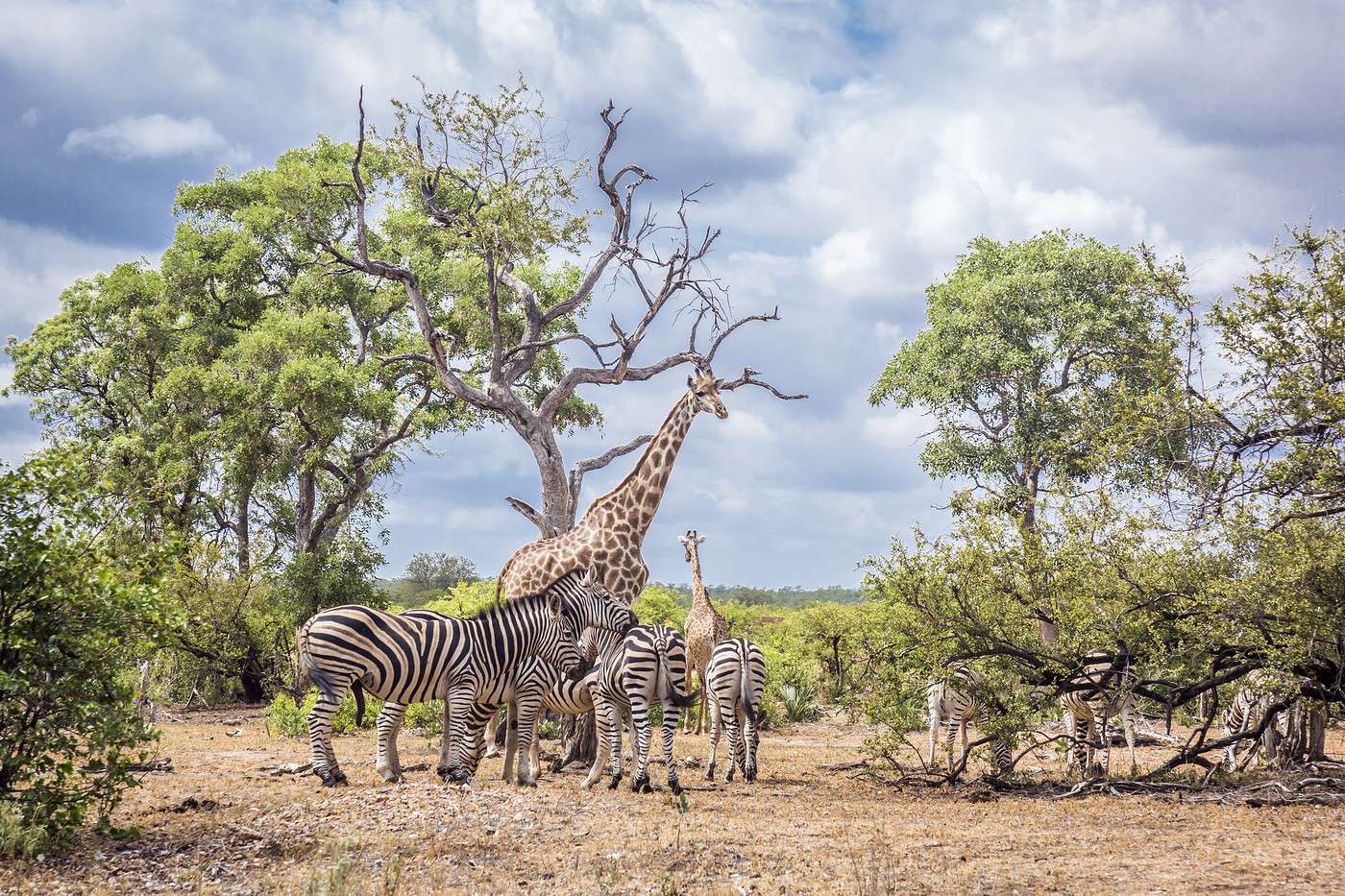
Public parks and reserves are managed by South African National Parks (SANParks), which handles bookings and provides all necessary information. The main sites contributing to South Africa’s tourist reputation are found in the north/northeast. Among the most popular with visitors:
- Bontebok National Park: A small park about 250 km east of Cape Town, home to a rare species of antelope (bontebok) and many bird species.
- Addo Elephant National Park: This vast park hosts several hundred elephants, as well as buffalo and other animals.
- Karoo National Park: In the north of Western Cape province, this is a rather desert-like and isolated area with unique wildlife adapted to the environment.
- Kruger National Park: The largest reserve in South Africa, bordering Zimbabwe and Mozambique, with which it is part of a transfrontier project. With its extremely rich wildlife (including the famous "Big Five"), it is also one of the most visited parks in Southern Africa.
- Pilanesberg National Park: This park, adjacent to Sun City, is one where you can see the famous "Big Five" of African wildlife (lion, leopard, elephant, rhinoceros, and buffalo).
- Mountain Zebra National Park: A small park with mountain zebras (rare) and antelopes.
- Kgalagadi Transfrontier Park: One of three parks in the Kalahari, straddling South Africa and Botswana. It is home to various predators, gazelles, and many bird species.
- iSimangaliso Wetland Park: Around Lake St Lucia, this stunning reserve (along with its neighbors) is both terrestrial and marine. Visitors come for its landscapes and the presence of numerous birds, hippopotamuses, crocodiles, whales, and various mammals. iSimangaliso is a UNESCO World Heritage Site.
- Hluhluwe-Umfolozi Reserve: One of Africa’s oldest reserves and one where you can see the "Big Five" as well as the world’s largest concentration of rhinoceroses.
- Madikwe Reserve: A site on the border with Botswana with plenty of wildlife.
- Sabi Sand Reserve: The country’s oldest private reserve, adjacent to Kruger Park. It offers a wide variety of animals, including the "Big Five."
- Baviaanskloof Nature Reserve: The third-largest reserve in the country, featuring beautiful mountain landscapes and plenty of wildlife.
- Rietvlei Nature Reserve: The main reserve near Pretoria, where you can observe many birds and some large mammals (lions, rhinos, buffalo, zebras, etc.).
Organized or independent?
For a safari in South Africa, you can either book through a provider or go solo in a "self-drive" (a vehicle is mandatory), though the latter may be more limiting than a guided option. It all depends on duration, budget, and personal preferences, not to mention that guides know the wildlife and environment better than tourists. Additionally, booking through a provider ensures accommodation in the parks, which isn’t always guaranteed when traveling independently, especially in high season when demand can exceed supply. In short, if you’re going solo, it’s best to plan ahead and book well in advance.
Through a provider
Case by case
Or, more precisely, booking a different provider each time you want to visit a park. Unless you’re only visiting one site or the locations are hundreds of kilometers apart, there’s no financial advantage. As always, it’s better to bundle everything with a single provider for a better overall rate.
Several days for several parks
This is the obvious solution if you want to visit multiple parks. The itinerary and provider can be booked either before departure from home or once you’re in South Africa with a local provider. Pros and cons...
- Before departure:
- Local provider:
On your own in "self-drive"
Types of safaris
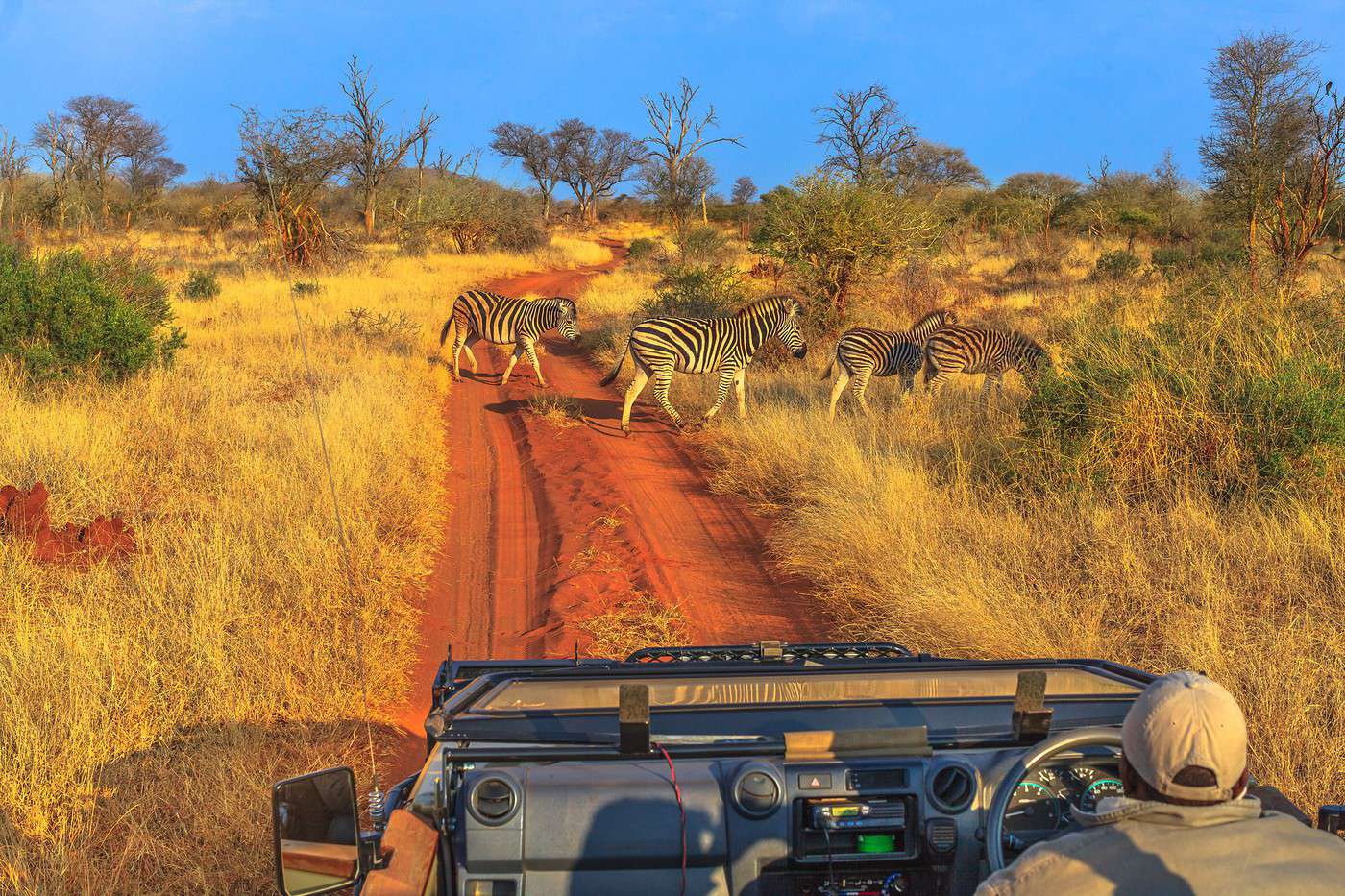
Car, jeep, and minibus
Other types
In some (mostly private) reserves, you can also go on night drives, "walking safaris," or even horseback safaris. For those with a bigger budget, aerial exploration is possible in small aircraft.
Prices and services
Services and equipment
Accommodations
Depending on the size of the park or reserve, you’ll have various accommodation options. These range from more or less equipped campsites for tents, comfortable and well-equipped tented camps, basic or well-appointed bungalows, the famous rondavels (replicas of traditional huts), and, of course, the iconic lodges found across Africa for safaris.
In short, there’s something for every budget, and prices are much more affordable than in other countries. You can find solid accommodation starting at 25/30 € for two. Depending on the option and location, you may need to bring your own supplies and/or basic equipment like a flashlight, as electricity is often unavailable.