last edited Aug 19, 2020
Geography and Environment of Morocco
Country Physiognomy
Morocco is primarily a mountainous country, with reliefs covering nearly two-thirds of its territory. The Rif range, peaking at 2,000–2,500 m, lies to the north along the Mediterranean. Elsewhere, the Atlas Mountains—comprising the Middle, High, and Anti-Atlas—stretch from west to east for several hundred kilometres. This is where you can climb Jbel Toubkal, near Marrakech, the country’s highest summit at 4,167 m.
Vast plains, arid in the east and fertile in the west, separate the Rif from the Atlas massif.
To the south and southeast lies the desert zone, featuring expanses of stone, sand, or dunes depending on the area.
Natural Areas
Morocco has around ten national parks and nearly 150 nature reserves. Among the most "interesting" for tourists are:
Mediterranean Coast
- Al Hoceima National Park: A park combining terrestrial and marine landscapes, with stunning coastal scenery, high cliffs, and a mountainous hinterland.
- Talassemtane National Park: Just a few kilometres from Chefchaouen, this forested site offers breathtaking landscapes perfect for hiking. It’s also one of the best places in Morocco to observe Barbary macaques.
Atlantic Coast
- Khenifiss National Park: Near Tarfaya, this ocean-bordering site features beautiful dunes and serves as a nesting ground for birds.
- Sidi Boughaba Lake Reserve: Adjacent to Medhia, this coastal forest park is home to colonies of rare birds.
- Merja Zerga Reserve: South of Larache, this area is a wintering spot for many bird species. The park, centred around a lagoon, offers boat excursions.
- Souss-Massa National Park: Located near Agadir, this site is renowned for birdwatching.
The Atlas Mountains
- Eastern High Atlas National Park: A mountainous region with lakes (Isli, Tislit) near Imilchil, rich in wildlife (mouflons, monkeys, birds) and flora.
- Ifrane National Park: A few kilometres from Ifrane, this park hosts the largest cedar forest in the Maghreb. It offers stunning landscapes, several lakes, and is a popular spot for hiking and mountain fishing.
- Tazekka National Park: Near Taza, this park is home to a large population of Barbary stags. A tourist circuit showcases its natural wonders (forests, waterfalls, caves), with opportunities for hiking and spelunking in the Friouato chasm.
- Toubkal National Park: On the outskirts of Marrakech, this park includes the Toubkal massif, Morocco’s highest peak (4,167 m). It’s prized for its landscapes, hiking trails, and the Oukaimeden ski resort.
- Aït Bougmez Valley: One of the most beautiful valleys in the High Atlas. With its traditional villages and stunning scenery, it offers countless hiking opportunities. A small road loops around the valley for about a hundred kilometres.
- Ammeln Valley: Also known as the Almond Valley. Centred around Tafraout, it features breathtaking landscapes and endless hiking possibilities.
The Saharan Zone
- Jebel Saghro: East of Ouarzazate, this desolate and sparsely populated region offers otherworldly landscapes and numerous hiking or 4x4 routes along rough tracks and spectacular passes over 2,000 m.
- Dadès Gorges: These unique and majestic gorges along the Ouarzazate-Errachidia route are explored via a narrow road winding between cliffs of extraordinary colours and shapes. A must-see for nature lovers and hikers, with the nearby Valley of the Roses accessible on foot.
- Todgha Gorge: A mountain road leading into gorges dotted with villages, surrounded by towering cliffs up to 300 m high. Popular with climbers and, secondarily, hikers.
- Iriqui National Park: A small desert park between Tata and Zagora. Home to migratory birds, gazelles, mouflons, and various reptiles.
- Draa Valley: South of Ouarzazate, this 200-kilometre stretch follows the Drâa River, irrigating palm groves and crops before vanishing into the desert sands. The valley is notable for its oases, ksour, and kasbahs lining the route.
- Rose Valley: Stunning landscapes and a prime spot for nature lovers and hikers. From here, you can reach the nearby Dadès Gorges on foot.
Western Sahara
- Dakhla National Park: This park, south of the city of the same name, is famous for its beautiful coastline, where large colonies of flamingos, migratory birds, dolphins, and especially monk seals nest. Diving is also possible here.
Wildlife and Flora
Wildlife
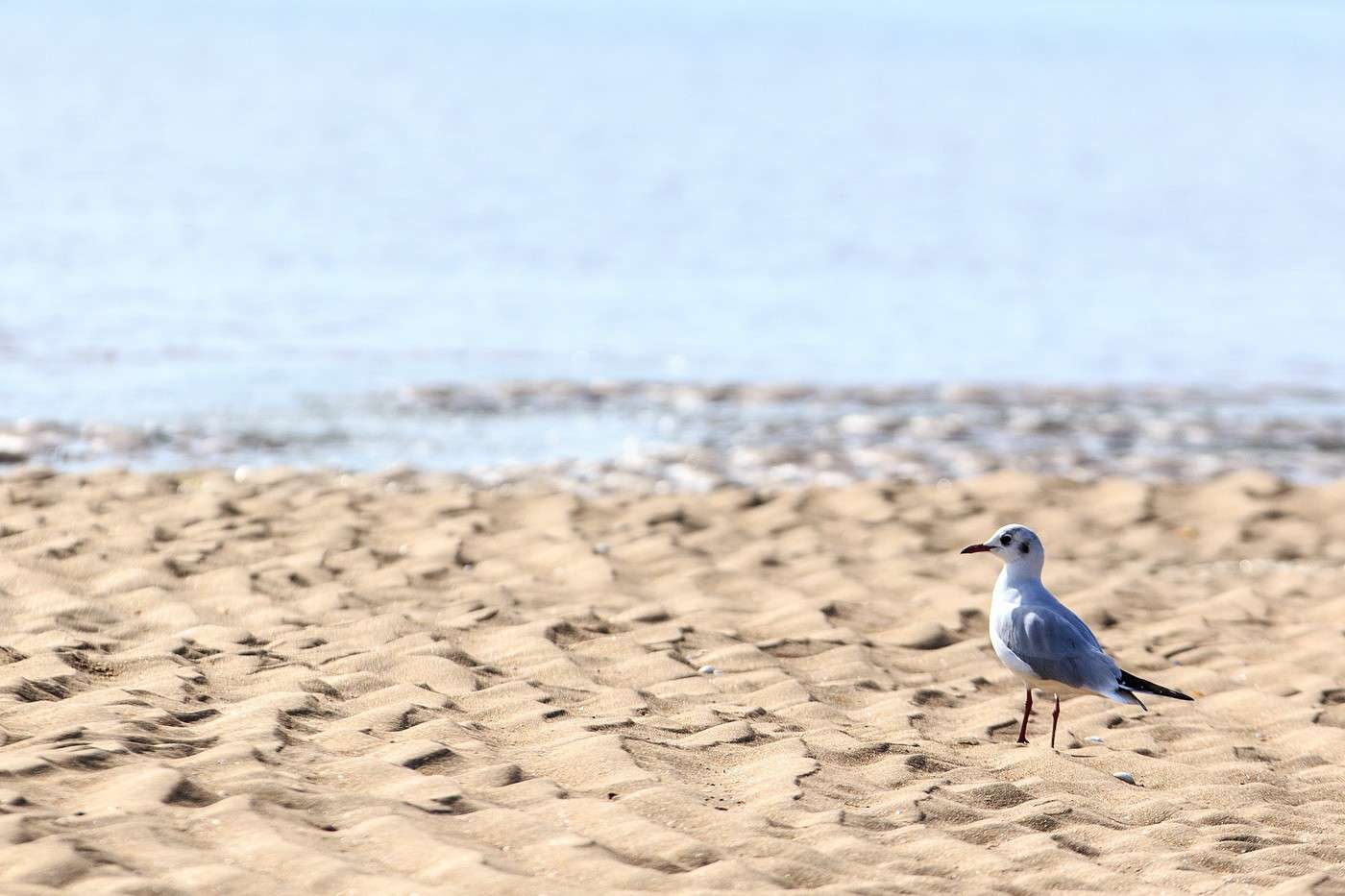
While Morocco once hosted animals like the panther, Atlas lion, ostrich, and crocodile, none remain today—all have disappeared for at least a century. Morocco’s current wildlife is limited to small colonies of Barbary macaques (Middle Atlas), numerous birds (storks, ibises, eagles, falcons), mouflons (High Atlas), and a few elusive antelopes and lynxes.
Domestically, donkeys, mules, goats, and sheep are ubiquitous. Camels are now primarily used for tourism.
For marine wildlife, the south is where you’ll find dolphins and the monk seal colonies of the Dakhla region.
Flora
Thanks to its geographical diversity, Morocco boasts a varied flora (though not "extraordinary"), with around 5,000 recorded plant species. Forests cover about 13% of the country.
Among trees, cedars thrive above 1,000 m, argan trees dominate the Essaouira region, and palm trees—characteristic of the Grand South’s oases and palm groves—provide the dates central to Moroccan cuisine.