last edited Aug 17, 2020
Culture, Society, and Customs of California
Key Historical Dates
- 1533: The Spanish, led by Hernán Cortés, are the first Europeans to arrive in the region (in "Mexican" Baja California). At the time, it was populated by numerous Native American tribes.
- 17th–early 18th century: Despite a few sporadic English and especially Spanish expeditions, the future California did not interest Europeans, who established no trading posts there.
- 1770: Concerned by the Russian presence in Alaska and the growing interest of the English in the region, the Spanish decide to colonize it. This marks the era of the (21) Spanish Missions of California and their pueblos. San Francisco was founded in 1776 and Los Angeles in 1781.
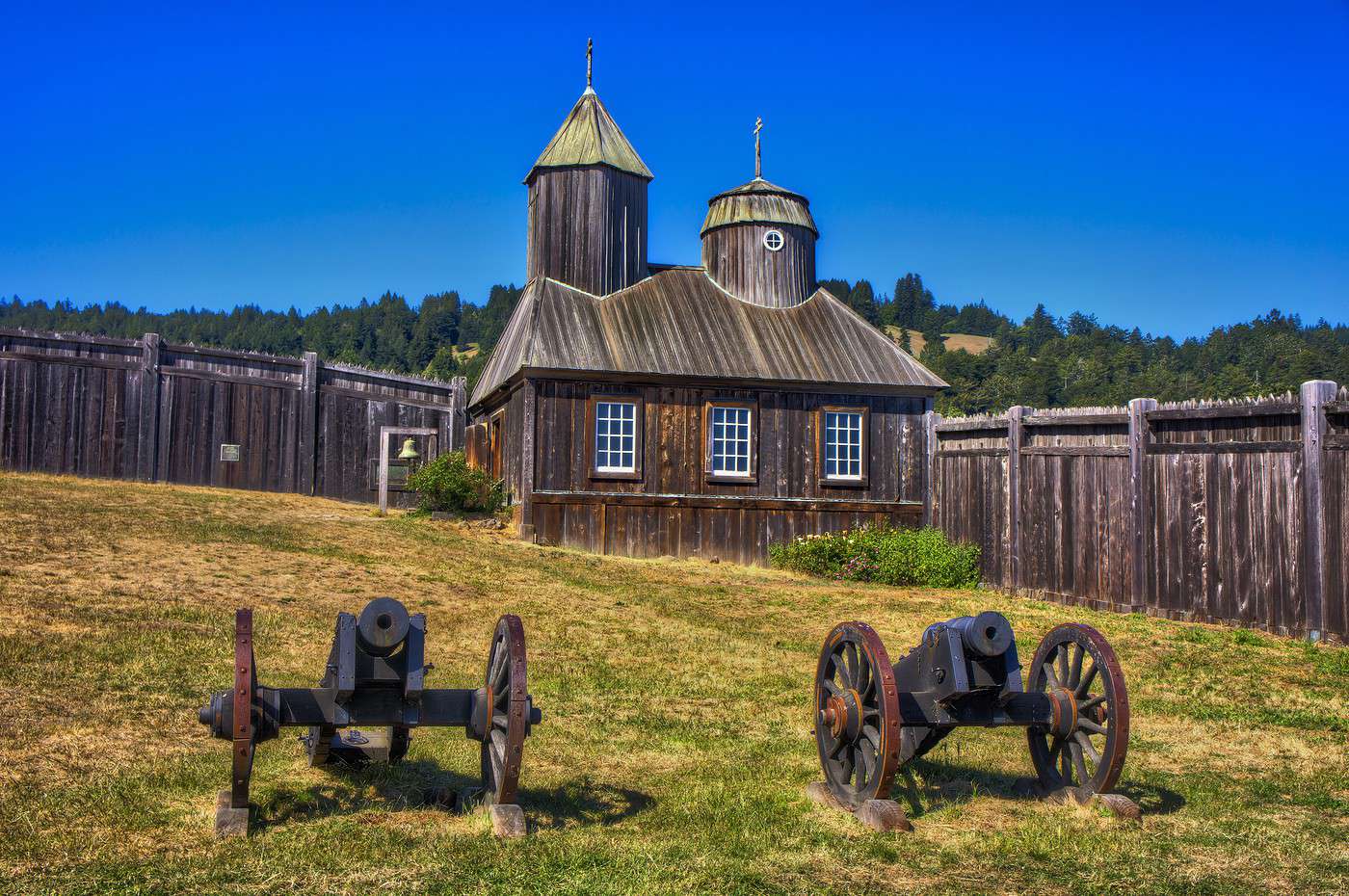
- Early 19th century: The Spanish continue their colonization along the coast, while the territory increasingly attracts the interest of the English, French, and especially the Russians, who were already well established in the north.
- 1821: As Mexico gains independence from Spain, California, which was also part of the colony of New Spain, is incorporated into Mexico.
- 1846–48: The Mexican-American War follows the annexation of Texas by the Americans, who wanted to "protect" it from Mexico. Victorious, the United States takes control of California (which becomes a state in 1850), along with several other present-day Western states.
- 1848: The discovery of gold in the mountains inland from San Francisco triggers the (famous) California Gold Rush. The state then experiences an influx of migrants and the construction of the first transcontinental railroad (1869), which lays the foundation for the region’s economic development and future prosperity.
- 1906: A large part of San Francisco is destroyed by a violent earthquake followed by a fire.
- 1911: The first film studios are established in Hollywood. It is also at the beginning of the century that large oil deposits are discovered, and agriculture develops, contributing to the state’s growth.
- 1914: With the opening of the Panama Canal, California becomes more easily accessible, particularly from Europe.
- 1930s: The economic crisis drives many residents from other U.S. states, especially the Midwest, to settle in California, though it too is economically affected. Meanwhile, the film industry continues to grow.
- 1939–45: California plays a significant industrial and military role during World War II, particularly in the Pacific theater. As a result, the state further increases its economic potential.
- 1960s: California becomes a myth for Western youth on multiple levels, notably with the hippie movement and the "Summer of Love" in 1967. However, the state is also a major center of protest against the Vietnam War.
- 1970s: A victim of its own success, California sees an ever-growing influx of legal and illegal migrants, leading to various issues, particularly environmental and community coexistence challenges. It is also during this period that tourism, already well established since the post-war era, develops further.
- 1984: Los Angeles hosts the Olympic Games.
- 1990s: The development of Silicon Valley occurs alongside increasing community tensions (the 1992 Los Angeles riots, a proposal to ban Spanish in schools).
- 2003: Arnold Schwarzenegger is elected governor of the state. During his successive terms until 2011, he makes combating climate change one of his priorities.
- 2007–2015: Like the rest of the country and beyond, California is affected by the global economic crisis of 2008. Additionally, the state faces serious environmental issues, including extreme cold snaps, devastating wildfires, and, more recently, a severe drought threatening the region’s water reserves.
Arts and Architecture
Society

Population
Economy
Customs and Traditions
Local Culture and Traditions
Languages
While English is the de facto official language of the state of California, barely more than half of Californians (57%) use it as their everyday language. In fact, 47% of the population regularly speaks another language daily, with nearly 10% of the state’s residents understanding little to no English.
Of course, as in many other parts of the country, Spanish is the second most commonly spoken language, with nearly 28% of Californians being Spanish speakers. In addition, there are about fifteen other languages with over 100,000 speakers. Among them—and reflecting the various nationalities that have migrated to the state—many are Asian languages (Chinese, Korean, Vietnamese, Tagalog/Filipino...), but also from Eastern Europe (Russian, Polish...) or the Middle East (Arabic, Persian...). French, however, is very rarely spoken.