last edited Jan 9, 2020
Regions of Belgium
Contributionsversion #2created Jan 9, 2020Latest contributions in this guideContributors to this guide
Brussels-Capital
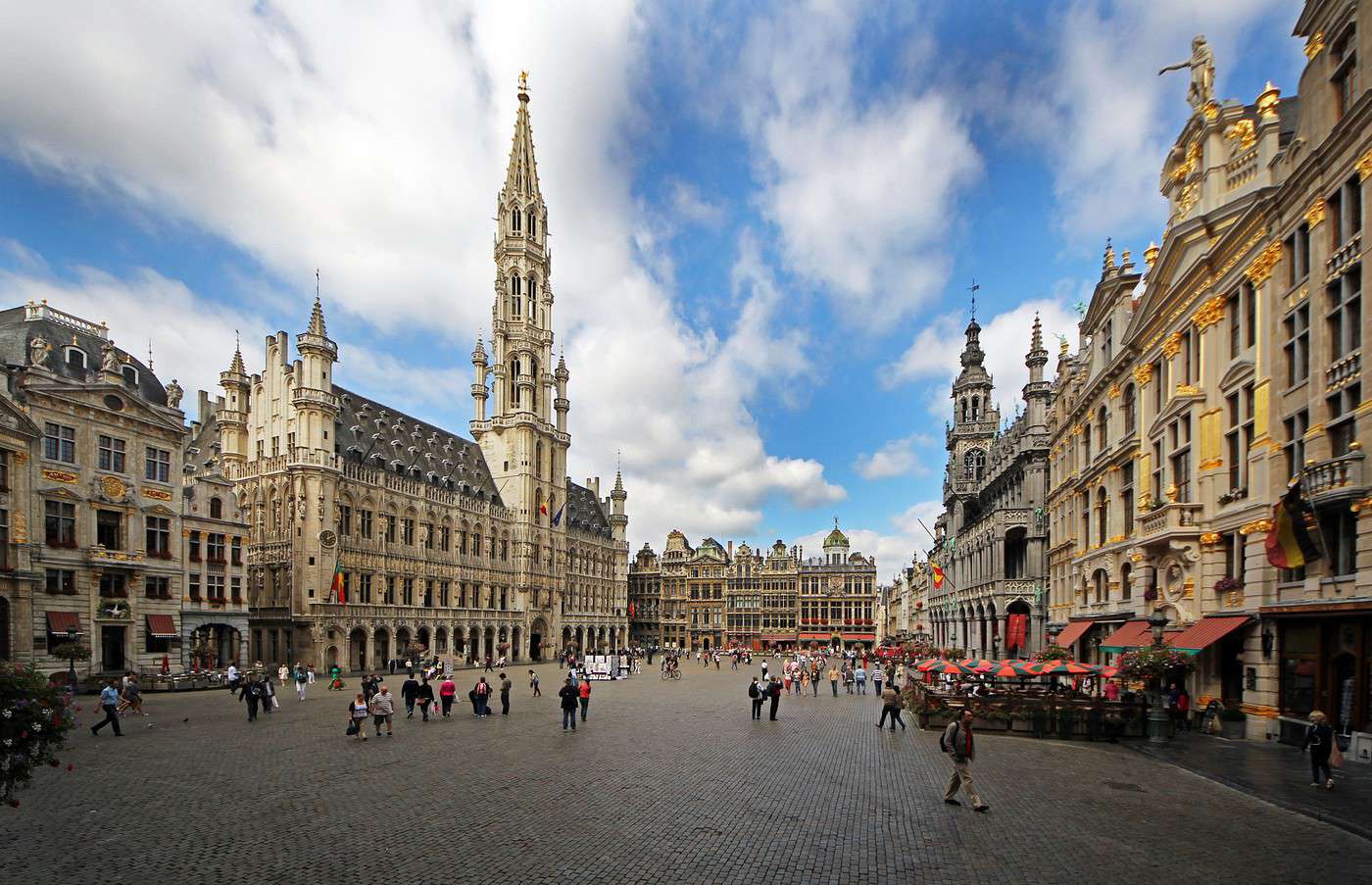
This is the Brussels metropolitan area. It consists of around twenty municipalities enclaved in Flanders. Officially bilingual, though predominantly French-speaking, it is home to a tenth of the country's population. The city of Brussels with its stunning architecture, museums, and monuments remains its main tourist attraction.
Flanders
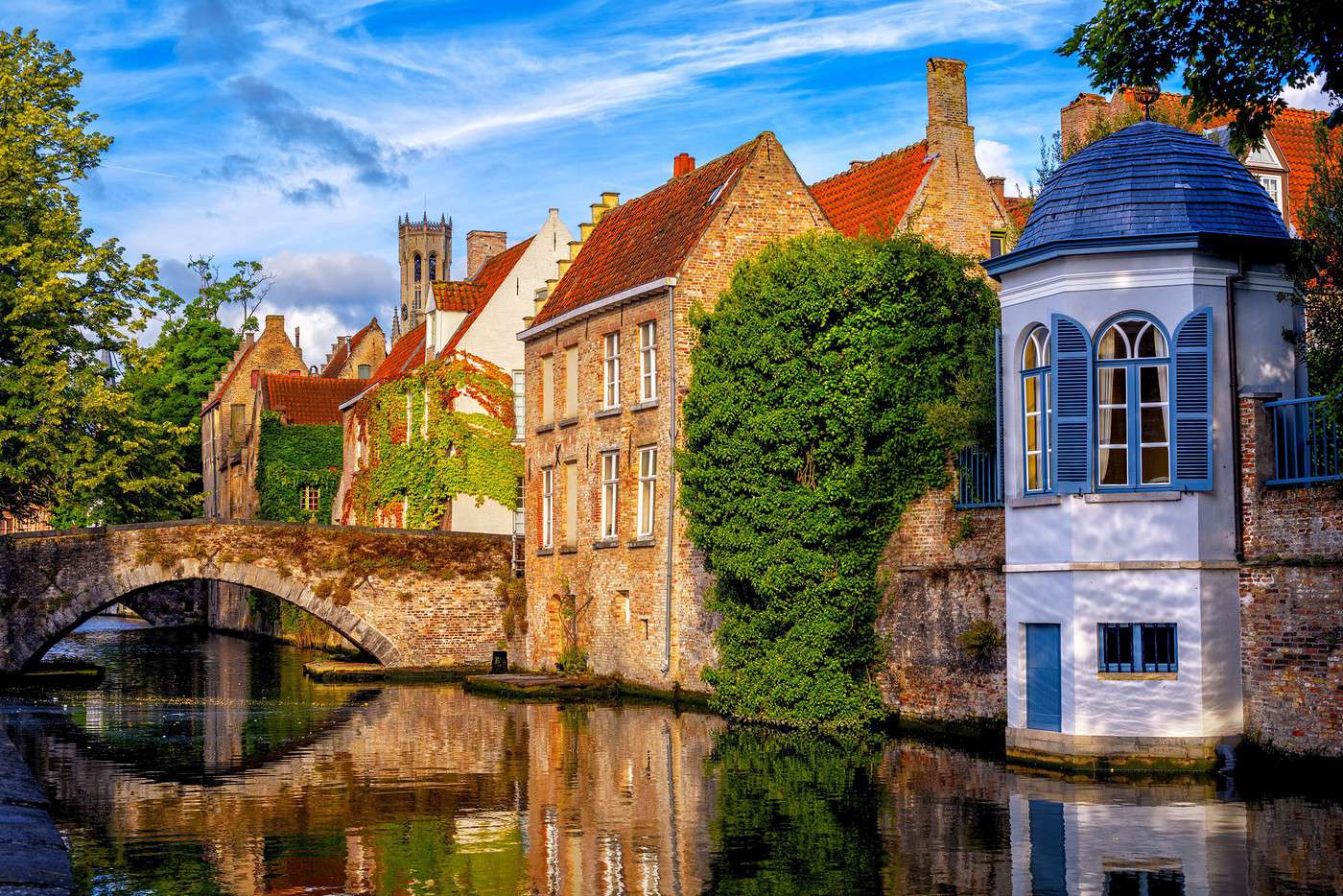
Flanders is the Dutch-speaking part of the country. It occupies the entire north of Belgium, bordering the North Sea, which, with its seaside resorts (La Panne, Knokke, Ostende, etc.), attracts many holidaymakers in the summer. Beyond its coastline, the region is especially rich culturally. You can discover the beautiful city of Bruges, as well as traces of ancient history with the Flemish Beguinages and Belfries, or more recent history around Ypres and its surroundings.
Wallonia
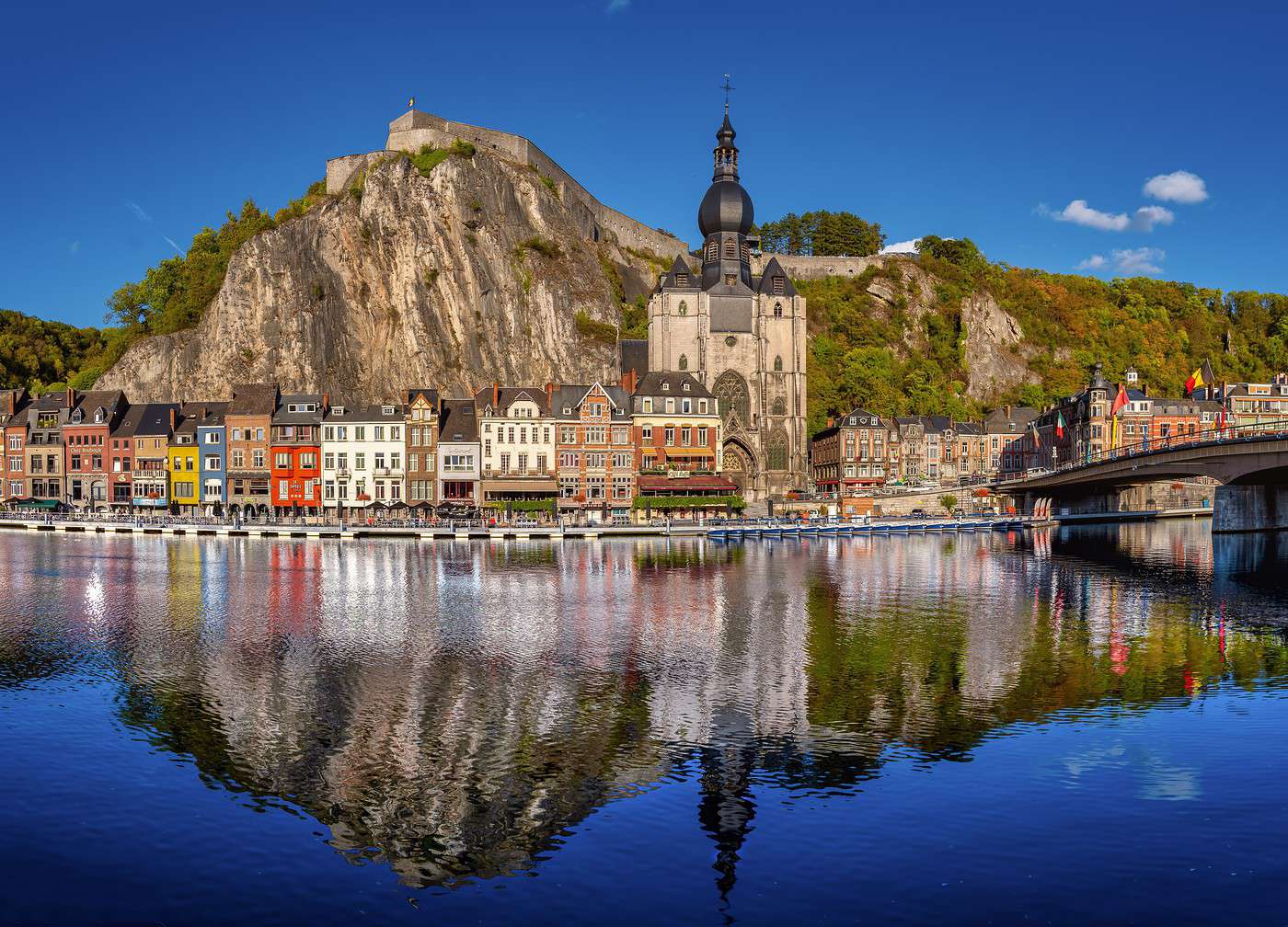
This is the largest region of Belgium, covering 60% of the territory. Predominantly French-speaking, it is also home to the small German-speaking minority bordering Germany. For tourism, Wallonia offers abbeys (Orval, Villers-la-Ville, etc.), castles (Bouillon, Corroy, etc.), and various towns worth a detour (Mons, Tournai, etc.). But it is also "Belgium’s natural side," with the Ardennes, ideal for all kinds of hikes, caves to visit (Han-sur-Lesse), and above all the Meuse Valley, a major tourist destination with its beautiful landscapes that can be explored by river cruises.