Je me demande si ca vaut le coup d'acheter un hamac au Mexique.
N'y connaissant rien, j'ai peur d'acheter n'importe quoi.
Avez-vous des conseils pour choisir un hamac?
J'imagine que je devrai marchander, alors aussi une idee de prix me serait utile.
Autre detail: est-ce lourd et encombrant?
Et si vous en avez achete au Mexique et en Thailande, lequel conseilleriez-vous? Rapport confort, poids, qualite, prix?
Voici une question a laquelle je peux répondre, du moins en partie ..
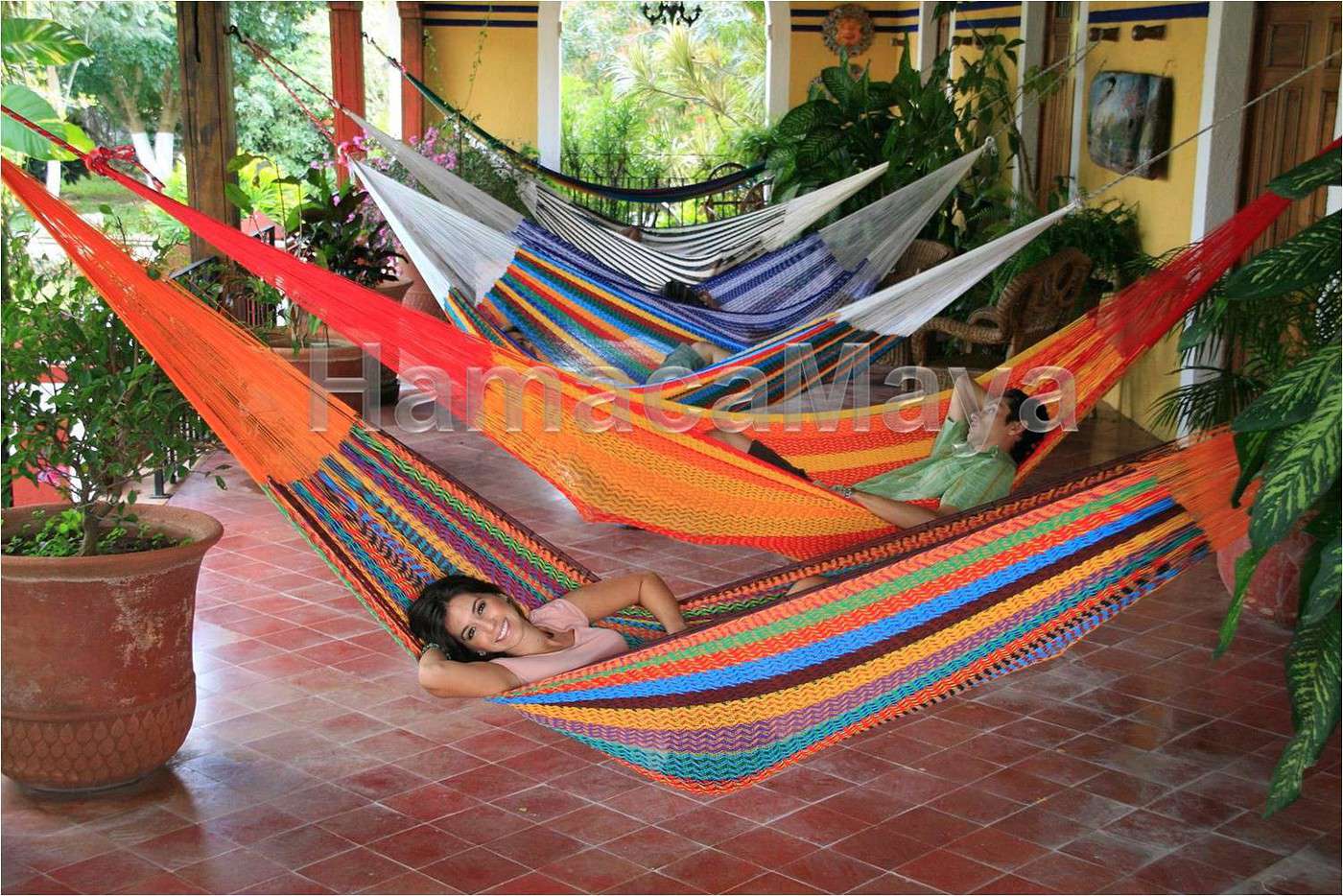
En effet lorsde nos dernières vacances en décembre 2009, j'avais vu des hamacs, des modèles assez anciens comme il est impossible de sse procurer en Europe et, j'en ai acheté un, car je les trouvais très pratiques.A Playa del Carmen on en proposait 2 modèles...
Un tout simple constitué de cordage ( en sisal ? ) et sans armatures, celui que j'ai choisi, le prix demandé était de45USD, je l'ai eu à 30...Et un autre avec deux armatures en bois à chaque extrémitè, de la taille d'un manche de brosse, en cordage sisal lui aussi et qui coûtait 55USD, mais sûrement négociable lui aussi...
Le mien je l'ai attaché au garage, mais il n'est pas pratique car quand tu te couche dedans, tu es comme un rôti de dindoneau...C'est le moins qu'on puisse dire , la position est peu confortable.Son poids doit être approchant du kilo et demi, l'autre doit peser peut être deux ou trois cents grammes en plus.
L'encombrement pour le lien est minime, tu en mets facilement 2 dans un sac de supermarché.
Voila, j'espère avoir répondu aux questions.
nous en 2006 on a cheté sur le marché a Akumal ce que l'on appelle un amok maya matrimonial le style de celui dont vous parlez dans les 400 pesos en sisal trés bien tressé car tout est dans le traessage c'est le modèle utilisé par les gens du pays on y fait la sieste l'été avec un coussin a deux ou a un on y est très bien
On en a deux autres brésiliens du style de celui que vous n'avez pas pris avec une armature en bois au deux extrémité je les aime moins on y en moins confortable ils
épouses moins la forme du corps
Pour en trouver des bien je connais un artisan au marché artisanal de Puerto Morelos qui fait que des Hamacs de toutes formes et divers modéles ils sont très bien et relativement bon marché
Le Mercado Artisanal est indiqué dans la partie Puerto de Puerto Morelos Il faut passer devant l'église et continuer la rue dans le sens sud il y a plusieurs artisans fabriquants Bijoux Sulptures Wupils Hamac Chaussures ect...
cela peu faire l'objet d'une promenade
certains disent aussi sur ce forum que l'on trouve de trés bons hamacs sur le marché de Merida
Bonjour Richard,
Et merci car maintenant, au moins, je sais que ce n'est pas encombrant. Reste a bien choisir... J'aimerais en trouver un pratique a trimballer en voyage avec moi.
Merci pour tous tes autres bons conseils. Je pars le 19.... Viva Mexico!
Annie
Je compte acheter un hamac a Merida. J'ai maintenant une idee du prix et du volume, mais il me reste une question: comment peut-on juger si le tressage est bon ou pas? question de regularite dans le tissage? du tissage plus ou moins serre? Quels etaient vos criteres de choix? Je n'ai pas envie de me retrouver saucissonnee comme Oyosdedios dans le sien...
En sisal? Je croyais qu'il fallait qu'il soit en soie ou / et (?) en coton.🤪
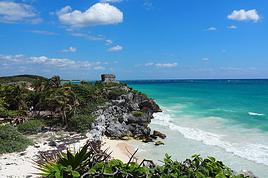
petite parenthese: le paysage de part chez vous, ca me rappelle le paysage de part chez moi....😉(Charente-Maritime au bord de la Charente) et c'est marant, sur le site de voyage de voir une photo, non qui vous invite au voyage, mais qui vous invite au retour (je vis au Japon....)
Le maillage il faut regarder que les maille ne se détendent pas ne s'écartent pas le Hamac maya fait en sisal qui est une matière plus résistante et qui se tient mieux que le coton ce sont ceux que les gens utilisent dans les famille pour dormir bien souvent dans les villages ou même chez eux ailleurs plutôt qu'un lit a la saison chaude c'est très pratique et confortable
Surtout ne vous faites pas avoir ne prenez ni en coton ni en Nylon se que les amis que nous avons sur place appellent un hamac gringo
Les hamac sans armatures ne prennent pas beaucoup de place dans une valise ils rentrent dans un sac en plastic nous avions mis le notre plié comme un vêtement au fond de'une valise
Merci, super, c'est comme si il etait deja dans la valise... enfin apres quelques bons usages ici et la.
Et pas mal la petite photo "invitation au voyage" Puerto Morales.... No puedo esperar mas tiempo.... (Elles sont loin les annees d'espagnol au college...)
siempre equivocome. Lo se que es "Puerto Morelos" pero siempre equivocome y digo "Puerto Morales". Debo prestar atencion si no quiero crear malentendidos....
3 ou 4 Hamac acheté au Mexique et un en Guyane.
Ma conclusion, pou nous qui ne sommes pas habitué à dormir de dedans, il vaut mieux en avoir un 2 places sans armature , ainsi il est plus facile de se mettre en biais comme c'est l'usage. Comme cela tu n'es pas saucissonné. Dans un H 1 place, j'ai beaucoup plus de mal à trouver une position correcte.
Ceux avec armature ne sont pas tres confortables, ils sont bien pour lire un livre, mais pas pour dormir ou faire la sieste.
Il n'y a que deux façons de vivre sa vie : l'une en faisant comme si rien n'était un miracle, l'autre comme si tout était un miracle.
Merci pour les conseils. En fait, c'est surtout pour lire et pour se prelasser que pour dormir mais je pense que je vais prendre celui sans armature, plus leger, plus maniable.
Personnellement, j'ai achete des hamacs a Bali et je ne les ai pas regrettes (mais il faut dire que je ne les utilise pas souvent et que je n'ai pas beaucoup de points de comparaisons). Ils ne sont pas en tressage (je ne saurais dire le materiel exact cependant...) et prennent tres peu de place. J'ignore de quoi ont l'air ceux du Mexique encore...
Dans le guide du routard Mexique (ou est ce le Lonely planet...?), il y a un encadre sur comment choisir un hamac. Ils suggerent effectivement de prendre un 2 places meme pour 1 personne. Ils disent qu'il faut faire attention a comment on bouge dans un hamac avec armature aux extremites (risque que le hamac se retourne si on bouge trop brusquement, ca reveille tres mal!) Ils parlent egalement du nombre de bobines de fils et du nombres de fils par bobines. Je pense que cela pourrait etre interessant pour toi de lire cela.
Bonjour Claudy,
Merci pour les conseils. Je vais souvent en Indonesie mais je ne sais pas pourquoi, c'est du Mexique que j'ai envie d'en ramener un. Probablement parce que, ayant moins de chance d'y retourner qu'en Indo (plus proche pour moi), je ne veux pas manquer l'occasion.
Bref, je ne pense pas avoir un niveau d'espagnol assez eleve pour jouer la specialiste avec le nombre de bobines et de fils😛. Ils sont marrants, le Routard avec toutes leurs precisions. Je ne sais meme pas si on peux les essayer pour voir comment on bouge dedans🤪🤪🤪.
Mais avec tous vos conseils, je sais maintenant qu'il faut prendre un matrimonial en sisal et que ca ne devrait pas me couter plus de 300M$ et en plus que ca ne prend pas de place.
Alors merci a tous.
Merci pour ces infos.. Etant dans deux jours a playa del carmen, j irai acheté mes hamacs a ce marche de puerto morelos.. Peux-tu me donner une idee de pris pour un hamac matrimonial sans armatures. Merci😉
J'ai aucune idée des prix je ne suis pas allée au Mexique en 2009 et comme j'en ai déjà un depuis 2006 j'ai pas trop regardé mais surement entre 400 et 600 pesos
Je confirme la qualité (fines cordelettes tressées 30 % nylon et 70 % coton), la légèreté (moins d’un kilo avec le sac), le peu d’encombrement (un saucisson de 30 cm X 15 cm), la résistance (supporte aisément 200 kilos), et surtout le confort d’un hamac matrimonial mexicain de type « Merida ».
L’avantage de ce type de hamac est que tu peux dormir ou t’étendre de travers. En l’étirant, il est aussi large que long. Un truc pratique : tu peux le monter en U entre deux ancrages rapprochés et il devient une chaise de plage très confortable.
Le mien fait 34 ans (achat en 1976 à Campeche). À tous mes voyages, c’est le premier article qui entre dans le sac à dos. Je ne compte plus les nuits ni les jours d’utilisation depuis son achat. Autant chez moi qu’ailleurs.
Quelques conseils : ne jamais porter de sandales, de chaussures quelconques, boucles de ceinture ni de boutons de poches arrière à son usage. C’est le truc assuré pour casser une cordelette en bougeant. Ne pas le laisser inutilement exposer au soleil durant les périodes estivales. Les rayons altèrent sa résistance au fil des ans. S’assurer également avant de le rouler pour l’entreposer qu’il est sec, sans humidité, sinon le coton moisira.
Je l’avais payé environ 5 $ US à l’époque. Aujourd’hui il s’en vend des identiques à 150 $ CAN dans une boutique d’importations de Montréal.
DeCléricy
J’en appelle à vous ô Muses
Où tant ma vie passe et s’use
Qu’encore et toujours j’aime
Mes soeurs Galère et Bohème
Je n'ai jamais conseillé de hamac nylon - coton mais des hamac en sisals qui sont les seuls authentiques et de très longue résistance ceux que les Mayas mexicain utilisent quotidiennement pour dormir et non les hamacs pour gringos
Je suis importateur de hamacs mayas et j'en connais un peu sur le sujet. J'importe aussi des hamacs en toile parachute de Bali ainsi que des hamacs Brésiliens et les hamacs mayas sont les plus confortables sur terre, point final. Les hamacs avec barres de bois aux extrémités c'est pour les États-Uniens. Instables et durs sur le dos. Comme on doit s'installer en diagonale dans un hamac il faut prendre le plus large que nous permet notre budget. Mes fournisseurs sont de la région de Mérida, la capitale du hamac avec Tixkokob. À Merida allez voir Constantino chez Merida hammock, calle 65, no 510. Vous aurez un hamac de qualité à un juste prix pour des artisans qui auront mis 1 ou 2 semaines à le tisser. Les hamacs y sont classés par leur poids, c-a-d par le nombre de bobines de fil utilisées pour la confection. Logique: plus on utilise de matériau, plus c'est grand et plus il y a d'heures de boulot. Vive les # 5 ou #6. Le tissage d'un hamac ne doit être ni trop lâche ni trop serré. Les vendeurs sur les plages ou les rues de Playa del Carmen offrent un hamac utilisant 2 ou 3 bobines de fil mais tissés tellement lâches que celui-ci vous parait capable de recevoir 10 personnes. Mais avec la pression du corps il se serre pour ne devenir qu'un simple en plus de l'inconfort des marques de filet sur la peau. Pas bon.... Bref un #5 pèse autour de 1,2kg et un #6 un minimum de 1,4kg.
Je ne veux pas être un rabat-joie mais personne ne voudrait acheter un hamac en vrai Sisal. C'est de la grosse corde de chanvre qui a fait la fortune des Haciendas du Yucatan avant l'invention des fibres synthétiques. C'est rude et parfait pour se gratter le dos jusqu'au sang. Une fausseté de mes amis mexicains à l'endroit des touristes... pas gentil je le sais. Il existe des hamacs tissés dans une fibre tirée de la plante "langue de belle-mère" mais c'est hors de prix. Reste 2 fibres donc: Le coton et le nylon (qui en fait est réellement du polypropylene). Les bras de suspension sont toujours en nylon (polypro). Le coton s'étire et est plus confortable alors que le nylon résiste mieux à L'humidité. Finalement on vous offrira aussi des hamacs en soie (des fois ils l'appellent soie synthétique) qui ne sont encore la que du bon vieux nylon...
En résumé un beau hamac en coton de 6 "madejas" tissé juste assez serré pour 400 à 500 pesos et vos souvenirs de voyage vous accompagneront dans vos siestes.
Sans faire de publicité, c’est exactement ce type de hamac que je mentionnais dans le message 18.
Désolé Maruja46, mais pour l’avoir utilisé une semaine à l’époque au Yucatan (je l’ai donné plus tard à une famille de Progreso), un hamac en sisal n’offre pas le confort d’un hamac « gringo » comme mentionné. M’enfin, chacun ses préférences.
À mon avis hamaca, il y a une erreur dans votre offre concernant les cordons d’attaches. À l’usage il en faut 3 et non 2. Le troisième s’attache une extrémité à la cheville et l’autre à un point fixe. Indispensable pour se balancer. Sinon il faut louer les services d’un « préposé au balançage » local. Bein quoi? On est en vacances oui ou non?😎
DeCléricy
J’en appelle à vous ô Muses
Où tant ma vie passe et s’use
Qu’encore et toujours j’aime
Mes soeurs Galère et Bohème
bonjour
je ne sait pas si votre reponse et tj active
mais je vous importer en martinique tous modele de hamac pour monter un magasin ou vente sur marche
si vous etes fournisseur de hamac mexicain, ou autre pays
me contacter email ou tel 0760196406/0973101318
richalet marcel
merci
Voyager en camping-car › États-Unis / Mexique · 35 replies
Je suis sur un dilemme et j'ai besoin de vos conseils avisés. Je prévois de partir 1 an voyager en Amérique du Nord et Amérique centrale. Je ne sais pas si le…
Deux questions à propos de l'argent: ** Nous aurons avec nous des Euros et des $ ; il est bien sûr nécessaire d'avoir aussi des Pesos pour les petits achats.…
Pouvez-vous me dire s'il est préférable d'acheter les vols intérieurs depuis la France? il me semble avoir lu que le paiement par carte pouvait être compliqué…
Ma copine et moi arrivons le 7 décembre à Guadalajara et nous sommes à la recherche d'un véhicule à acheter de type VAN ou 4x4. Si vous avez des informations…
I’m heading to Guatemala for 18 days in August with my 11-year-old and I’m wondering if renting a car makes sense—not so much because of the road conditions, but because I’d like to spend about 3 days in Livingston. Since it’s only accessible by boat, I’d have to leave the car in Río Dulce. Maybe possible at a hotel, but that means paying for a rental for 3 days without using it...
Same issue for Semuc Champey—it’s only reachable by 4x4, and I won’t be renting that type of vehicle.
Also, has anyone traveled from Panajachel (Lake Atitlán) to Cobán (to explore the caves and waterfalls in the area)?
According to Google Maps, it’s a 6-hour, 44-minute drive... so whether by car or minibus, it’s *really* long (same for Cobán-Flores later).
Are there any interesting stops along the way where I could spend a night? And if I’m not renting a car, is it possible to take two private shuttles for this route?
In 2024, I spent two months solo in El Salvador. While I’m still putting together my travel journal on Myatlas, here’s a quick recap.
It’s a country where it’s really easy to travel without a guide or agency.
SAFETY:
For a long time, the country was considered one of the most dangerous in the world because of the "maras," ultra-violent gangs. But today, I think it’s the safest country in Latin America.
BUDGET:
For French tourists, the country is very affordable, especially in the less touristy regions.
TRANSPORT:
I got around everywhere by local bus.
Local buses go everywhere and run all the time. For me, it’s the best way to travel in El Salvador—you’re fully immersed, moving at the pace of the locals, and interacting with Salvadorans who are eager to connect with travelers.
I saw all sorts of things on those buses—I’ve got dozens of stories!
PEOPLE:
I’m used to traveling all over Latin America, and for me, Salvadorans are the warmest and most welcoming. Everywhere you go, people say, "Welcome to El Salvador!"
The connections and long conversations with locals were my favorite part of the trip.
TOURIST CROWDS:
The country isn’t well-known among European tourists, but Americans and Quebecers visit. Overall, it’s still pretty low-key, especially compared to other Central American countries. That said, tourism has been growing since security improved significantly.
WHAT I LOVED ❤️
-Suchitoto, one of the most beautiful colonial towns in Central America.
-The volcanoes—there are so many! Santa Ana is the most touristy.
-The lakes—also plentiful. Coatepeque is the most famous, but there are lots of lagoons too.
-The mountainous regions, where the cooler weather is a nice break: La Palma, Perquín, Cerro El Pital, etc.
-The charming villages along the Ruta de las Flores, especially Nahuizalco with its nighttime atmosphere and food stalls. Juayúa and others are great too.
-The conversations with people who lived through the horrors of the civil war in Perquín and Cinquera. I met one of them by chance while waiting for a bus.
For surfers, El Salvador is a paradise, with world-famous beaches.
WHAT I LIKED LESS:
I loved almost everything, but I found the archaeological sites a bit underwhelming. Joyabaj de Cerén is billed as the "Pompeii of El Salvador," which is a stretch (though it *is* a UNESCO World Heritage Site for its historical value).
I’ve been reading some really conflicting info about the best ways and advantages of exchanging euros for Mexican pesos. For those with recent experience, could you shed some light? Is exchanging at the airport currency exchange offices more worthwhile? Other advice suggests that withdrawing with an international bank card is the best option. Thanks for sharing your experiences on this!
Philippe
Hi,
We’re planning a trip to Mexico this summer (loop through Yucatan, Quintana Roo, Campeche). We’re thinking of using public transport or possibly renting a car. The French Ministry of Foreign Affairs website has a lot of recommendations. Are these states safe for solo travelers? Are there any precautions we should take or areas to avoid?
Thanks,
Hi everyone, I’m planning to go to Panama in December and I’d like to know which city is closest to the Panama-Costa Rica border—and just across the border in Costa Rica—to buy the cheapest bus ticket? Just so I have proof of onward travel when I take my flight, thanks.
When planning a trip to Panama, you often hear about Panama City, Bocas del Toro, Boquete, or even San Blas. Yet, there’s a region that remains relatively under the radar in travel guides: the Arco Seco.
Located on the Pacific coast, between the provinces of Panamá Oeste, Coclé, Herrera, and Los Santos, the Arco Seco enjoys a generally drier climate than the rest of the country. Even during the rainy season, you’ll often find more sunshine here than in other parts of Panama.
For travelers who love alternating between beaches, nature, hikes, and local discoveries, this region is definitely worth a detour.
A few ideas for visits:
• The beaches of La Ensenada, El Palmar, Punta Barco, and Coronado
• Surfing at El Palmar, one of the most well-known spots on the Pacific coast
• Kitesurfing at Punta Chame, which is highly reputed!
• El Valle de Antón, nestled in an ancient volcanic crater, with its hikes, waterfalls, artisan market, and hot springs
• Various hikes offering stunning panoramas
• The waterfalls in the San Carlos and El Valle areas
• Golf at Vista Mar or Coronado
• Fishing villages where you can still buy freshly caught fish directly from local fishermen
What I particularly love about this region is that it lets you discover a more authentic and peaceful side of Panama while remaining easily accessible from Panama City.
I’ve been living in San Carlos for several years now, and I’m still discovering new places, trails, beaches, and hidden gems.
If anyone is planning a trip to this region and has questions, I’d be happy to share my favorite spots and personal recommendations.
I’m reaching out to tap into your knowledge and experiences, as my partner and I are heading to Guatemala and Belize for the entire month of February 2020, and we could really use some tips.
I was thinking of spending 20 days in Guatemala and 10 days in Belize, especially since our flight arrives in Guatemala City and departs from Belize.
We were considering hiring a driver-guide for part of our time in Guatemala. Which part do you think would be best? We’re choosing this country for all the culture and traditions it has to offer, so skipping a guide entirely would be a shame—but I can imagine it’d be tough to keep one for all 20 days.
So maybe a week or ten days. What kind of budget should we plan for? And most importantly, do you have any contacts for reliable driver-guides?
Thanks in advance for your valuable advice.
Marilyne
Hi there! We’ve decided to head to Panama this summer and would love to do a road trip with a rental car—there are four of us, and our kids are 20 and 23. Do you have any recommendations on must-see spots and things to avoid? Any great tips for accommodation, restaurants, or activities? Thanks so much for your help
Hello,
We’re heading to Playa del Carmen for two weeks in August with our 4-year-old child.
We’ve seen that you can visit places like Tulum or Cozumel on your own using colectivos. For Coba, we’re hesitant to go alone because we’d like to see the cenotes and the Mayan village.
But we’d prefer to find a French-speaking agency that guarantees small-group tours, especially for Sian Ka’an.
We’d rather avoid the "mimi tours" even though they’re recommended by a lot of people and the *Guide du Routard*, based on the reviews we’ve read.
I’m interested in the agency Muuch Ximbal, which seems to offer slightly different outings. There’s also H and L Tours or Delphine Fautré’s agency (though the last two don’t list excursion prices). We also found Promomaya, but apparently, they don’t have an on-site agency.
Do you have any tips or other agencies to recommend?
We’d also like to swim with dolphins but outside of the Xcaret and Xel-Há parks. Do you know of other ways to swim with them, maybe even in the open sea???
I’ve also seen that it’s possible to swim with whale sharks—is this doable with a 4-year-old who doesn’t like putting her head underwater yet? Have any of you done it? This excursion is quite expensive, and I’d be okay with swimming with them, but just sailing on a boat without being able to see them would be disappointing.
PS: Our Spanish isn’t very good.
Thanks in advance for your replies.
we’re traveling as a couple to Guatemala from Feb 8 to 22.
We’ve realized that given the distances, it feels a bit short.
So, we’ve decided to limit ourselves to:
- Antigua: 3 nights (from Feb 8 to 11), including the arrival day
- Lake Atitlán: from Feb 11 to 14 – 3 nights in San Juan La Laguna, including the morning trip from Antigua to Lake Atitlán
- Chichicastenango: from Feb 14 to 15 – 1 night to attend the Sunday market and visit the cemetery
We have 7 days left that we’re not sure how to organize to cover:
Flores – Tikal – El Remate, then head back to Guatemala City for our flight on Feb 22.
Actually, I have a few questions:
Do you think the time in Antigua and at the lake is enough?
We might do the Pacaya Volcano, which is accessible for beginners, and that’s it.
Should we spend a bit more time at these two spots: Antigua and the lake? If so, we’d have to skip the Chichicastenango market.
We’re also thinking of leaving Chichicastenango to head to Flores, then staying overnight in El Remate. Does that seem doable in one day?
We’ve noted that the trips are long, and since we don’t want to rush, we’ve reduced the number of accommodations. Even though we know we won’t see everything, we don’t want to miss the must-sees.
We’re also wondering if we’ve planned the route in the right direction, or if we should head straight to Tikal when we arrive.
Anyway, I know this is long, but we’re a bit lost.
Thanks so much for your help!
Annick
My partner and I would like to travel to Mexico during the Christmas holidays. We’re well aware that this is a peak tourist season, but it’s the only time of year when we can take a long trip (over two weeks) due to work commitments.
We’re looking to avoid overly touristy areas and travel independently (renting a car). We want to explore Mexico’s history, take our time, and enjoy nature and the sea.
I’ve never been to Mexico before, and I’m considering the following regions (not all of them, of course): Yucatán (outside Quintana Roo), Baja California, Oaxaca, or Chiapas.
I’ve more or less ruled out Chiapas for safety reasons (even though the nature there looks amazing), and I’d love to hear your thoughts on the other regions. From experience, I know that even in highly touristy areas, you can often find quieter spots with good planning and by avoiding the main hotspots. For example, we were in Thailand last year during the same period, and aside from 2-3 places, we had a very peaceful trip—sometimes even being the only Westerners around. Would the same be true for Yucatán or Baja California?
Do you have any recommendations for nice, less touristy spots? What are your thoughts on the regions I mentioned?
Thanks so much for your help, and I hope you have a great weekend!
Hi there,
We’ve had to change our plans, so we’re heading to Guatemala from October 16 to 25, 2025 (in just 6 days 😱 😊😕), with two kids aged 8 and 10. No time difference for us.
Here’s our itinerary:
Day 1: Morning: Arrival in Guatemala City at 9 AM. Drive to Antigua (1-hour shuttle) / Afternoon: Stroll around Antigua / Night: Antigua
Day 2: Explore Antigua / Night: Antigua
Day 3: Visit the area around Antigua OR hike a volcano (Acatenango?) / Night: Antigua
Day 4: Drive to Chichicastenango for the big market (how many hours?) / Afternoon: Iximche ruins? Or the hanging bridges at Atitlán Reserve? Or spend the day in Chichicastenango / Night: Panajachel
Day 5: A day by boat visiting villages around the lake and checking out local crafts (which villages to pick?), Night: Panajachel
Day 6: Drive to Flores with 1 stop? Should we go to Semuc Champey? (how many hours?), Night: ??
Day 7: Drive to Flores (how many hours?), Night: Flores
Day 8: Yaxha (1.5-hour drive each way with a driver), Night: Flores
Day 9: Day trip to Tikal, Night: Flores
Day 10:: Flight from Flores to Guatemala City, then departure at 4:30 PM
About hiking a volcano, I’ve read mixed reviews. Some say it’s easy, others say it’s tough.
Is there a kid-friendly hike where we could see lava from a volcano? Is it only visible at night? Do we *have* to sleep at the top and come down the next day?
I’ve heard of people doing it with 2-year-olds by carrying them, and others using horses—but I guess the horses don’t go all the way up? Seeing a real volcano would be amazing! I think it’d be a memorable experience for the kids. It’d be so cool to say, "We did that as a family!" But maybe it’s way too hard and a bad idea...
I’m struggling to find reliable info on travel times:
- How long is the drive from Antigua to Chichicastenango, please?
I’ve read shuttles leave at 7 AM and arrive at the market by 8:30 AM, but I’ve also seen people say it’s a 4-hour trip 😕.
Are the times on Google Maps reliable?
A blog mentioned visiting Chichicastenango’s market in the morning and Iximché in the afternoon. That seems like a lot of driving, especially after leaving Antigua in the morning. What should we do in the afternoon instead?
Days 6 and 7: The trip from Panajachel to Flores. Any advice on taking an overnight bus?
Should we go during the day with a stop at Semuc Champey? Or fly and spend the extra day somewhere else?
Day 8: Is a full day at Yaxha too much?
Thanks so much for your help—it’s *so* valuable with such short notice! 😅 😅 😅 THANK YOU
PS: If you have recommendations for private drivers, shuttle services, or any firsthand experience, I’d love to hear it!
Hi, a friend will be in Panama at an all-inclusive resort and was wondering if it's worth visiting the Canal in a single day, and also which attractions shouldn't be missed.
Is it better to choose a package deal? What's the recommended mode of transport for this trip?
Thanks
We’re a retired couple in our 70s looking to spend six weeks in Costa Rica between mid-January and mid-March 2026. We’d like to stay in comfortable bungalows (2x3 weeks) and rent a car for the entire period. We enjoy light hiking and some beach time, but we also love relaxing on a shaded veranda, reading, and unwinding. Which places would suit these preferences? We have a lot of experience with this kind of stay in the French West Indies or Indian Ocean islands but have never been to Central America. Does anyone have good tips?
Hi there, after my trip to Nicaragua in January, I’m planning to visit Honduras and El Salvador during the same journey. Can anyone tell me where to cross the border from Nicaragua to Honduras by bus? Is it doable? Safe? And most importantly, what’s a good route to take and what’s worth seeing in Honduras in a safe way?
Is it better to travel with a group (through an agency) or is solo travel no problem?
P.S.: And for El Salvador, same question—what’s a good route and what’s generally worth seeing? Is it better to start in the south (El Salvador) and then head north to Honduras before continuing to Guatemala, or...?
I spent two months alone in Guatemala this summer, without a guide or agency, and I’d love to share a quick recap of my impressions.
● First off, it’s really easy to travel without a guide or agency.
If you want a guide for excursions, you can easily find one through the many agencies in Antigua or Panajachel. In Flores, there are also plenty of agencies offering multi-day jungle treks.
● I got around by shuttle for part of the "classic" and more touristy route. To step off that path, I took "camionetas" (chicken buses) or minibuses.
For me, "camionetas" are the best way to get around Guatemala. They let you travel everywhere, fully immersed, at the local pace. They run all the time and are even an adventure in themselves.
Shuttles are direct, but local buses aren’t.
No matter how you travel, trips take a while because roads are often in bad shape, and in the mountains, you can’t overtake.
● As for safety, there’s nothing unusual compared to other Latin American countries. Just keep in mind it’s not Europe. As a solo woman, I try not to draw too much attention—though traveling alone already does that. Like in other countries, I was often asked where my kids and husband were, and I just gave whatever answer I felt like.
● Budget-wise, Guatemala isn’t too expensive for French tourists, but Antigua and Panajachel—two very touristy spots—are pricier.
● Guatemala is a small country but incredibly rich in culture and nature (volcanoes, mountains, beaches, etc.). You can easily spend several days (or even weeks) in each region.
● My top picks ❤️:
- The Mayan markets, especially the one in San Francisco El Alto
- The Ixil Triangle: Nebaj, Chajul, Acul
- The stunning landscapes around Todos Santos Cuchumatán
- Antigua, very touristy but beautiful
- Lake Atitlán, also touristy but gorgeous
I planned to climb Pacaya Volcano, but early in my trip, there was an earthquake in Antigua, and by the end, I wasn’t in the mood. Climbing Acatenango is more spectacular but also more challenging.
● Biggest highlights ❤️ ❤️:
- Tikal—it’s THE must-see site, an incredible mix of archaeology and nature!
- The Joyabaj Fair, which I hadn’t planned to visit but ended up spending a week at: Mayan ceremonies, equestrian parades, diverse dances, processions with Mayan priests, and especially the "palo volador"—the highlight of the festival!
● Small letdown 👎:
- Ranchitos del Quetzal, where I went hoping to spot the quetzal. I knew it wasn’t the right season, but I was still disappointed—I didn’t see any other birds either, and the hiking options were limited. It also took me a slight detour from Cobán.
If you have any questions, I’d be happy to answer them.
● If you’re interested, I kept a more detailed travel journal, and I’m working on another one just about the Joyabaj Fair:
We’re planning a 15-day family trip in February 2026 (with 3 teens). We’ll be visiting friends who live in Puebla. Initially, I was thinking of the Yucatán, but after reading up on it, I don’t think it’s the right fit for us (too crowded, too touristy).
So, we’re leaning toward something like this:
- Mexico City: 2 days (Teotihuacán + city)
- Puebla: 3 days
- Tehuacán: 2 days (to break up the trip—is this a good choice? Is there enough to do for 2 days?)
- Oaxaca: 3 days (Hierve el Agua, Monte Albán, city/tours)
- Pacific Coast: 4 days (snorkeling, excursions)
Does this seem balanced? We’d like to end on the coast for some relaxation, ocean time, and fun for the kids. I’ve seen lots of excursions offered along the coast but can’t decide where to stay. Puerto Escondido? Huatulco? The beaches seem better for snorkeling in Huatulco, but I’ve read mixed things, and it’s farther away. What do you think?
For transportation, is this doable by bus? I’m struggling to find a decent bus between Tehuacán and Oaxaca (overnight schedules), and I’m not sure how to get around the coast. Also, how do we handle luggage between cities? We usually rent a car.
Finally, I’d love feedback on the Pacific Coast excursions—I get the feeling some are worth it and others aren’t. Is bioluminescence really magical? Are dolphin-watching tours ethical and not too "factory-like"? (We skipped them in Quebec and just watched whales from shore.) Can you see sea turtles up close?
Hi everyone,
There’s not much info out there on Nicaragua in general, which is why I posted my questions here on the forum... but didn’t get many answers since it’s tough to find any anyway.
It’s a stunning country, but my experience was mixed.
There are areas with very few tourists (which is exactly what we were looking for), but as a result, there’s almost no way to get around (unless you walk, and even that’s not easy or always possible) and no real tourist infrastructure.
Finding info is nearly impossible—there’s practically nothing, so it’s hard to know what you’ll find in a given place, whether it’s worth taking a 12-hour bus ride across the country, only to turn around 48 hours later.
The easy and pleasant spots: Granada, Ometepe, San Juan del Sur and the Pacific beaches, León, and the Corn Islands. These are the places mentioned in guidebooks (the rest is jungle to the east, not many roads south of the lake, and no boats on the lake either—except for the Rivas-Ometepe connection). Venturing off the beaten path is really tough.
The Caribbean coast: aside from the Corn Islands (which are very touristy but not easy to reach by ferry from Bluefields), or if you want to take a flight with La Costeña, book in advance—there are often very few seats! The rest isn’t particularly satisfying, especially Pearl Lagoon, where swimming isn’t possible due to unsafe water. Don’t expect a postcard-perfect setting. But everything’s worth it if you have the time...
Buses: there are plenty, and they’re super cheap—but be warned, they stop everywhere, take forever, and are loud (though kind of charming in a vintage way). Too many buses can ruin a trip.
Lodges: affordable on a small budget, except in Managua and along the entire Caribbean coast! For example, beaches like El Tránsito (which is gorgeous) charge at least $50 or $60 per night for a basic room. Good to know.
In Matagalpa, we tried to rent a motorcycle to get around—impossible. I asked everywhere, but there was no way. So we cut our stay short because once you’ve explored Selva Negra, there’s not much else to do (an 8-hour bus ride to see a waterfall? No thanks). These might seem like small details, but they really matter when you want to enjoy where you are and discover nice spots—you end up stuck.
Bring plenty of mosquito spray + oral antihistamines: mosquitoes and bites are a *serious* nuisance. (I got over 200 bites in one go during a trip to a humid tropical forest, even though I was covered and protected.)
All in all, it’s an adventurous, exploratory trip. The people are great, and we never felt unsafe (even though some travelers have had *really* bad experiences). I thought there’d be a carnival since it was the right time of year—nothing. No dancing, not festive at all (compared to Brazil, for example, it’s the complete opposite).
We saw animals, but no toucans, for example!
For a beautiful, pristine, and well-organized trip, everyone agrees—go to Costa Rica, but be prepared to pay a lot more. Nicaragua is something else entirely. For surfers, though, it’s amazing! Personally, I love watching fish in clear, calm waters, hiking in nature, and swimming—I think I picked the wrong destination, but I’m glad I got to experience this totally wild side of Central America! :-)
Here’s our itinerary for 15 days in Guatemala.
Does it seem logical in terms of distances to avoid overly long trips? If not, which stop should we cut?
- Antigua
- Atitlán
- Lanquín
- Río Dulce
- El Remate – Flores
- Guatemala City
Could you help me estimate the approximate travel time for these routes by tourist bus or shuttle?
- Atitlán – Lanquín
- Lanquín – Río Dulce
- Río Dulce – El Remate
- Flores – Guatemala City
Hi everyone,
I’m so happy 🙂 to be traveling again after 5 years without a trip. I’m heading back to Costa Rica for 18 days from December 12th to 30th with a friend. We’re doing San José-Sarapiquí (2 nights), then Sarapiquí-Tortuguero (3 nights), then from Tortuguero heading to the Cahuita and Puerto Viejo area. We’ll spend about ten days in that region, then make a 2-day stop somewhere before flying back out of San José.
From what I’ve read on this blog, Puerto Viejo seems like the "rasta," party-friendly spot, which is honestly the kind of place I tend to avoid—too touristy. I’m looking for places surrounded by beautiful nature. I’ve already spent several weeks in Drake Bay (in 2019 and 10 years before that) and loved it. My friend also wants to visit the Bri Bri.
Could you recommend some authentic spots in this southern Caribbean area? Your favorite places—whether it’s sights to see, accommodations, or even your favorite little restaurants 😛?
What’s the most authentic way to visit the Bri Bri? What’s your take on that?
And finally, what beautiful stop would you recommend before heading back to San José?
A huge thank you to everyone!
Have a great day,
Zineb
We’d like to do a tour to Yaxchilan and Bonampak from Palenque, but it seems there are tons of travel agencies offering this tour. We’ve also read about a lot of disappointments... any recommendations?
Hi,
I’m heading to Cancun next January and I’m looking for a rental car.
I’m overwhelmed by all these cheap offers from sites like Booking, Carigami, and others...
Some reviews mention extra insurance fees that had to be paid on the spot.
I’d love to hear about your experiences—what company did you use? Were you charged any additional costs?
A lot of ads redirect to Touracancun, but they don’t seem trustworthy to me.
Thanks for your feedback!
My son is finishing up a year of working holiday in Canada soon. His plan is to take a bus from Montreal to Florida on 10/26, stay there for a few days, then fly to Cancun, Mexico. From there, he doesn’t have a precise plan yet, except to head down to Panama if the security situation in the countries he’ll cross allows it. Then, in March 2026, he’ll take a flight to Martinique, where he’d like to either find a sailboat (as crew) for the return transatlantic crossing (option 1) or do a sailing internship that includes the crossing (option 2).
So my questions are:
- Will he be able to re-enter Mexico without an exit date or proof of a flight back to Belgium? Would being able to prove his return by sailboat with a specific date (option 2, the sailing internship) make things easier?
- Are there any countries to avoid between Mexico and Panama? He’s traveling backpacker-style on a small budget.
Hi everyone, absolute travel lovers after our 20 trips to the USA, we’ve decided to head to Mexico in February (flight already booked: Nice to Cancun on February 20th, returning on the evening of March 1st).
I’m mainly hesitating about trying to do too much, as usual when discovering a new country. Here’s my itinerary—I’m unsure about a few things:
- **Day 1**: Should we stay relaxed at the resort we booked, or should we do Isla Mujeres instead? If we stay, when’s the best time to visit the island?
- **Day 3**: If we visit Chichén Itzá right at opening, will the Ik-Kil cenote be quieter in terms of tourists? If not, which cenote nearby would you recommend?
- **Big decision**: Should we go all the way down to Bacalar or not? After that, it feels a bit rushed. **Day 6** is mandatory, or are there other options? Honestly, I’m counting on your advice!
For context, we’re a family of four (with very grown-up kids who are used to traveling), and we’ve already rented an SUV for this period. Thanks in advance for your help—it’ll be invaluable!
**Departure – February 20th**: Arrival in Cancún
Arrival at 8:20 PM, pick up rental car.
Overnight in Cancún.
**Day 1 – February 21st**: Isla Mujeres
Ferry from Cancún to Isla Mujeres.
Playa Norte, snorkeling, golf cart tour.
Return to Cancún. Overnight in Cancún.
Drive (~3.5h). Settle in Tulum.
Visit the Mayan ruins of Tulum (stunning ocean view).
Swim in Gran Cenote or Cenote Calavera.
End the day at Playa Paraíso.
Overnight in Tulum.
**Day 6 – February 26th**: Sian Ka’an Reserve
Guided excursion:
Option Muyil (half-day): boat tour + swim in the Mayan canal.
Option Punta Allen (full-day): dolphins, turtles, snorkeling on the reef.
Overnight in Tulum.
**Day 7 – February 27th**: Tulum → Akumal → Playa del Carmen
Morning: snorkeling with turtles in Akumal.
Lunch, then drive to Playa del Carmen.
Evening on 5th Avenue.
Overnight in Playa del Carmen.
**Day 8 – February 28th**: Playa del Carmen → Puerto Morelos
Free morning in Playa del Carmen (beach or Cenotes Azul & Cristalino).
Afternoon: drive to Puerto Morelos (~30 min).
Overnight in Puerto Morelos.
**Day 9 – March 1st**: Puerto Morelos → Cancún → Return flight
Relaxing morning in Puerto Morelos.
Drive (~30 min) to Cancún Airport.
Return rental car. Return flight.
Back in 2002, we spent two weeks in Playa del Carmen. We did day trips to Cozumel, Isla Mujeres, Chichén Itzá, Tulum, and Xcaret.
We’re heading back at Christmas with our two daughters, aged 15 and 19. I’m sure it’s changed a lot with the booming tourism.
Flights are booked: Paris-Cancún on 19/12 (arriving at 8:20 PM) and Cancún-Paris on 01/01 at 1:30 PM. We’re still finalizing the itinerary because we want to explore but don’t want to switch hotels too often. We’ll be there for 13 nights and 12 days, so we’re choosing among:
- Playa del Carmen
- Cozumel
- Holbox
- Valladolid
- Tulum
- Mahahual
We won’t do everything, so any tips would be great! I’m also unsure if renting a car is the best option.
Hi, can you tell me if there’s a bus or shuttle from Alajuela to the Nicaragua border via Los Chiles? I’d like to avoid going through San José.
Thanks for your help!
A fantastic trip, dominated by the Altiplano, volcanoes, and especially the Mayan people!
Our route: Antigua – San Lucas de Toliman (Lake Atitlán) – Chichicastenango – Sayaxché – El Remate – Flores – Río Dulce – Livingston – Antigua
I won’t describe our trip in detail but will highlight a few points that go beyond the usual routes and really won us over.
In Antigua, it’s easy to take a chicken bus from the bus station next to the central market in the eastern part of the city to visit nearby villages. We went to Santa María de Jesús on a Sunday without seeing any other Westerners. We got lost in its colorful market, ate at a *comedor* with local dishes we didn’t find anywhere else, and were surrounded by incredibly welcoming Mayans.
Several villages around Lake Atitlán are well-covered by travelers and guides like *Routard* and *Lonely Planet*, but if you want to stay somewhere more authentic, I recommend San Lucas de Toliman (we stayed at *Casa Qatzil*—great place!). It’s in the southeast of the lake, with a market on Tuesdays and Fridays, a central square full of locals (more of those super-friendly Mayans!), and the option to visit other villages by *lancha* (boat) for the day. A walk toward the lake lets you pass by the washhouses, and there are hikes accessible by *pick-up* (shared transport), like the twin volcanoes Tolimán and Atitlán or Cerro del Oro (less challenging!). We loved visiting Santa Catarina Palopó—get lost in its maze of steep alleys, admiring the blue facades with their characteristic paintings. There are direct *chicken bus* connections to Chichicastenango in 1.5 hours. Cheap and convenient, though a bit bumpy!
Chichicastenango is famous for its market, described as the largest in Central America, on Thursdays and Sundays. A flood of tourists arrives between 10 AM and 1 PM, shuttled in by organized buses from Lake Atitlán and Antigua. But if you have time, stay overnight the day before and enjoy the market before 10 AM or in the afternoon. This little town (more of those welcoming Mayans!) is worth lingering in for a day or two to visit the cemetery, extraordinarily colorful and a site of Mayan rituals. Also take time to go to *Plaza Baktun*, a site considered sacred in Mayan culture where religious ceremonies take place around seven sculptures several meters tall.
The ruins of Aguateca are barely excavated (most structures are still covered in vegetation) and are only accessible by boat, traveling up a tributary of the Río de la Pasión to the sound of howler monkeys and birdsong (1.5 hours from Sayaxché). We felt like we got a sense of daily life in the ancient city—not just its religious dimension—with its ravine for sheltering women and children during attacks, its cliff, and defensive walls. Alone with our *lancha* driver, who acted as our guide in the barely cleared jungle, this site doesn’t overlap with Tikal at all—the vibe is completely different.
We stayed in El Remate instead of Flores to visit Yaxhá and Tikal, at *Posada Ixchel* (great place!). This quiet little town lets you stroll along the lake and hike in *Cerro Cahui*, a protected biotope leading to a viewpoint. Plus, it’s on the way to the sites, saving 45 minutes per trip.
Feel free to ask me questions about the places, accommodations, etc.—I’d be happy to answer!
I’ve just got two tickets for my partner and me to spend 18 days starting from Oaxaca.
We arrive on the morning of 10/27 and leave on the afternoon of 11/13.
I’ve already booked a lodge for 7 nights about 20 km from Oaxaca.
The idea is to be nearby, especially for Día de los Muertos, which my partner has been dreaming about.
I’ve got a few questions:
- First, do you think renting a car is essential, or are the local bus networks (around Oaxaca) dense and reliable enough?
- Roughly how much do taxi rides cost?
- After our stay in Oaxaca (where the schedule is still flexible), I plan to head to the Pacific coast around Mazunte, with a goal of visiting a lagoon at night to swim in the bioluminescent algae and possibly witness turtle hatchings. But so far, I haven’t noted much else. Any suggestions for things to do/see around Mazunte, or along the route between Oaxaca and the Pacific coast?
Thanks in advance for your advice—I’ll definitely be back with more questions! :)