Apres l’Iran et Azerbaïdjan en 2005, Yemen Turkmenistan Ouzbekistan Pakistan en 2008, Cuba en 2009 j’ai décide de visiter ce pays ultra ferme qu’est l’Erythrée : accessible seulement par avion comme le Myanmar.
Vol Egyptair via Cairo arrivée de nuit a Asmara : prix du taxi pour 10 km jusqu'au centre ville 400 nafka soit 20 € 300 est le minimum qu’on ma propose car tarif de nuit !! Finalement, jai pris un bus gratuit de travailleur grâce a un jeune suédois d’origine érythréenne. Apparemment il ya un bus vers 7 heure du matin. Ces tarifs hallucinant sont qu’un début de ce qui m’attend.
Asmara : surement la plus belle ville d Afrique (hors Maghreb) avec un gout d Italie ! Plein d hébergement possible avec des pensions a 300 nafka ou hôtel 50 USD chambre simple. Ville propre avec aucun problème de sécurité. Ville surréaliste comme Achgabat et Trinidad avec peu de trafic automobile et les habitants qui ne connaissent pas le stress et qui adorent aller dans les cafés parler des heures de je ne sais quoi. Population tres vieillissante.
Autorisation a obtenir pour quitter Asmara : ca se complique plus ca va plus le pays est interdit aux étrangers seul 20 % du pays accessible en individuel ou groupe peu importe. Massawa Dhalak Keren et une autre ville sont autorises d accès. Tous les magnifiques monastères, le Danakil Assab le nord sont strictement interdit. : C’est très frustrant car ce pays est un des plus intéressant d afrique d’après moi.
Train touristique jusqu’a nefasit : uniquement le dimanche 750 nafka si au moins 15-20 personnes donc pas sur qu’il marche car les touristes retraites italiens ne viennent quasiment plus du a plusieurs facteurs. Souvenir grandiose dans des paysages incroyables. A nefasit 15 minutes de pose seulement car apparemment les autorités ne veulent pas que l’on visite les villages si accueillant mais très pauvre.
Route pour Massawa : grandisose peut être la route la plus spectaculaire d Afrique de 2400 mètres a 0 pour rejoindre cette ville mythique de la mer rouge. Jai pris le bus local pour 37 nafka aller- heures de route avec les locaux On vous déconseille d’ailleurs de prendre le bus et de louer un 4*4 a 400 USD aller retour.
Massawa : ville qui devait être magnifique avant la guerre. Je rêvais daller a Dhalak mais très mauvaise surprise on me propose 1000 USD avec un bateau pourri pour 1h de bateau : prix non négociable fixe par le gouvernement. Le propriétaire nonchalant na pas de client depuis 4 mois et ca ne le dérange pas. Si par hasard vous voulez y aller et former un groupe pour réduire les couts faites moi signe. Dun cote , cet archipel est un bijou qui a été conserve du tourisme de masse comme les iles cote de la Birmanie elles aussi hors de prix.
Concernant Green Island 10 minutes de bateau c’est 700 nafka 35 € mais pour vous attendre ils demandent 25 € de l’heure : ils ne veulent que des touristes fortunes donc il n’y a presque plus personne. Jai pu voir des poissons a Massawa tellement l‘eau est clair et non pollue.
Les habitants mangent quasiment pas de poisson assez surréaliste !! on voit des jeunes sur un matelas dans ‘eau essayer d’attraper des poissons. On peut dire que ce pays est écologique et ne participe pas au pillage des fonds marins. D’ailleurs pour info, les bouteilles de cola sont en verre et recycles.
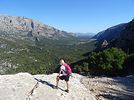
Keren : route Magnifique ou on peut observer sur les plateaux les paysans qui travaillent sans machine bien sur. Minibus local 100 nafka. On peut apercevoir des maisons traditionnelles africaines sur la route. Keren n’est pas super intéressante a visiter a l’exception du marche.
Fulfil : pour 120 km aller retour on ma demande 250 USD c’est dingue prix non négociable. Je ne suis pas allé.
Voila content d’avoir pu « visiter » ce pays avec une population accueillante 50% chrétienne 50% musulmane qui s’entendent très bien un exemple ! Des paysages varies mais malheureusement un pays ultra ferme (embargo de l’onu) qui survit grâce a la diaspora et les investissement chinois.
Y aller seulement en groupe de 3 a 5 personnes pour ne pas se ruiner et profiter du pays.
"Certes, un rêve de beignet, c'est un rêve, pas un beignet. Mais un rêve de voyage, c'est déjà un voyage". Marek Halter
« Les montagnes sont des géants assoupis. (...) Peut-être que nous ne sommes que leur rêve, un rêve de la terre somnolente » Théodore Roszak
Il y a surtout que le service militaire obligatoire et d'une durée indéterminée « phagocyte » toute la jeunesse...
"Train touristique jusqu’a nefasit"
Le vieux train italien et ses superbes locomotives qu'il est possible de voir à la gare d'Asmara circule, à l'occasion, jusqu'à Ghinda et Massawa selon l'affrètement mais la meilleure source pour connaître les départs est le bureau des chemins de fer, proche de la gare.
"On peut dire que ce pays est écologique et ne participe pas au pillage des fonds marins"
Et pour pousser encore plus loin, il n'y a plus le moindre pêcheur érythréen en mer, ils sont tous incorporés dans l'armée. Les marins et les bateaux sont yéménites...
"Fulfil : pour 120 km aller retour on ma demande 250 USD c’est dingue prix non négociable. Je ne suis pas allé."
Il y a pourtant deux bus quotidiens (un dans chaque sens)
Ou alors la jeunesse a quitte le pays quand il etait encore temps + les traces de la guerre. dailleurs les femmes doivent faire 1.5 an de service obligatoire.
le train jusqua massawa! oui mais lorsq un tour operateur le demande (tres rare) ca coute une fortune.
Ce nest pas vrai pour Fulfil : jai demande a des locaux et il ya que 1 fois par semaine.
"Certes, un rêve de beignet, c'est un rêve, pas un beignet. Mais un rêve de voyage, c'est déjà un voyage". Marek Halter
« Les montagnes sont des géants assoupis. (...) Peut-être que nous ne sommes que leur rêve, un rêve de la terre somnolente » Théodore Roszak
Pour Filfil, la meilleure source reste encore de se rendre à la gare routière d'Asmara ou au bureau de chez Harat (en direction de la gare, pas loin de la Red Sea Pension) qui assur(ai)ent les liaisons.
Entre la prison, les militaires et les civils, il y a pourtant de quoi assurer des liaisons sans le moindre souci (de remplissage)
Pour des raisons de coût et de contrôles, les érythréens circulent dans le pays par nécessité et pas "pour le fun".
Beaucoup ne connaissent les modalités des transports publics que pour les axes qu'ils fréquentent.
Non parce qu’il vous sera impossible de quitter le bus car qu’il soit hebdomadaire (ce que je doute) ou quotidien (ce qui doit tjrs être le cas si j’en juge au nombre des clients potentiels lorsque j’étais dedans et la cohue/tension lorsqu’ils souhaitent monter dedans), vous ne saurez pas prendre le suivant (qui n’existe pas) et celui qui assure le trajet dans l’autre sens sera peut-être déjà passé !
Non pour la forêt tropicale qui couvrait initialement la région mais qui n’existe plus qu’à l’échelle embryonnaire.
Oui pour les paysages et les points de vue lorsque l’on prend le bus dans la sens de la descente, entre Weki Zager (sur la route de Keren) et Ghatelai.
Dans l’autre sens (montée), vous n’avez pas le coup d’œil que l’on a dans l’autre sens.
En toute logique, un permis est toujours obligatoire pour cette route. On l’obtient sur Harnet Avenue au bureau de l’office du « tourisme »…
Retourner en Erythrée a du sens si (et seulement si) vous pouvez vous déplacer dans les zones qui sont actuellement interdites. Etant donné la situation régionale, le conflit avec Djibouti, les « relations » plus que glaciales avec l’Ethiopie et les tensions larvées avec le Soudan (même si les relations se sont améliorées ces derniers mois), ce n’est malheureusement pas demain que vous pourrez aller sur Assab ou Nakfa.
Tant que ce n’est pas possible, cela rend un second séjour « moins pertinent »
Bonjour,
Voilà ce que je trouve aux infos ce matin.... 😕
ADDIS-ABEBA (Reuters) -
Le gouvernement d'Addis-Abeba a accusé mardi l'Erythrée voisine d'avoir formé et armé un groupe d'assaillants qui ont tué la veille au soir cinq touristes étrangers dans la région de l'Afar, dans le nord de l'Ethiopie.
Selon un diplomate occidental, plusieurs Allemands figurent parmi les victimes de l'attaque. Un média allemand a précisé que le groupe de touristes visé se trouvait non loin du volcan Erta Ale, l'un des plus actifs d'Ethiopie.
Les rares étrangers qui s'aventurent généralement dans la région très inhospitalière de l'Afar sont des chercheurs, des travailleurs humanitaires ou de rares touristes souhaitant découvrir la dépression de Danakil, l'un des endroits les plus chauds de la planète avec ses anciennes mines de sel et sa chaîne de volcans.
L'Afar est réputé être un repaire pour des rebelles éthiopiens qui régulièrement franchissent la frontière en provenance de l'Erythrée, l'ennemi juré d'Addis-Abeba. Cette région abrite également des insurgés érythréens et des bandits.
"Le groupe de touristes étrangers a été attaqué lundi soir par des hommes en armes appartenant à un groupe formé et armé par les autorités érythréennes, un régime bien connu pour s'adonner à ce genre d'activités terroristes", a déclaré à Reuters le porte-parole du gouvernement éthiopien, Bereket Simon.
Un touriste a réussi à prendre la fuite et est indemne", a précisé la télévision éthiopienne sur la foi de responsables de la sécurité.
D'après un responsable anonyme du ministère éthiopien des Affaires étrangères, le gouvernement pense que les victimes de cette attaque proviennent de plusieurs pays, "principalement européens".
A Berlin, le ministère des Affaires étrangères a fait savoir qu'il s'efforçait d'obtenir, par l'intermédiaire de son ambassade à Addis-Abeba, des éclaircissements sur ce qui s'est passé sur le terrain.
Addis-Abeba accuse régulièrement Asmara de soutenir des rebelles séparatistes éthiopiens. Les deux pays ont livré une guerre frontalière en 1998-2000 qui a fait quelque 70.000 morts et qui n'a pas réglé leur litige.
A Asmara, les autorités de l'Erythrée, qui traditionnellement accusent l'Ethiopie d'"inventer" des mensonges pour ternir son image, n'ont pour le moment pas réagi à ces allégations.
En 2007, cinq Européens avaient été enlevés en Ethiopie, qui avait alors accusé un mouvement rebelle Afar.
Aaron Maasho, avec Gareth Jones à Berlin, Jean-Loup Fiévet pour le service français
(c) Copyright Thomson Reuters 2012
Fainéanter dans un monde neuf est la plus absorbante des occupations... (N.Bouvier)
Oui seulement si le pays "change" ou alors en groupe pour les Dhalak. Prochaine destination en afrique je lespere parc virunga mais assez complique en demarche administrative.
"Certes, un rêve de beignet, c'est un rêve, pas un beignet. Mais un rêve de voyage, c'est déjà un voyage". Marek Halter
« Les montagnes sont des géants assoupis. (...) Peut-être que nous ne sommes que leur rêve, un rêve de la terre somnolente » Théodore Roszak
Triste mais cette region desertique et brulante sera toujours source de conflit entre les 2 pays : l ethiopie na pas dacces sur la mer rouge cest dingue a lexception de djibouti!
"Certes, un rêve de beignet, c'est un rêve, pas un beignet. Mais un rêve de voyage, c'est déjà un voyage". Marek Halter
« Les montagnes sont des géants assoupis. (...) Peut-être que nous ne sommes que leur rêve, un rêve de la terre somnolente » Théodore Roszak
Sans nier l’évidence, poster ce commentaire dans la partie « Erythrée » et d’une certaine manière, laisser croire que voyager en Erythrée est dangereux n’est pas vrai. Du côté érythréen du Danakil, il est impossible de descendre plus au sud de Foro (pour aller à Adulis) et encore il vous faut tous les permis (travel permit + permis archéologique)
Le Danakil via l’Erythrée est donc d’office « out of limits ».
Du côté éthiopien, cette zone est depuis longtemps source de tension et de conflit potentiel. Sur la carte, c’est un des passages possibles pour atteindre Assab et Afewerki a massé son armée à ce niveau.
Rajoutez à cela les tensions ethniques et claniques, vous avez un beau pataquès en préparation.
Tous les voyageurs qui vont dans le Danakil y vont du côté éthiopien, seule possibilité, mais toujours avec escorte armée et guides des différentes factions. Cela reste malgré tout « potentiellement dangereux » et malheureusement ces voyageurs ont payés une lourde addition.
Il convient de redoubler de prudence et de choisir une structure réellement professionnelle et bien au fait des problèmes.
Bonjour Michel, quand je suis allée au Danakil, dans ce mystérieux pays afar, c'était avec uniquement un chauffeur et une "escorte armée" de deux Afars à la mine patibulaire, munis d'une kalachnikov, qui avaient squatté les sièges arrière du véhicule. N'empêche, si nous avions été attaqués par une bande plus nombreuse que notre maigre équipage, je ne crois pas que nous en serions sortis indemnes. Difficile de ne pas frissonner rétrospectivement.
Ceci dit, d'après mon chauffeur, il fallait plutôt craindre les pillards afars que l'armée érythréenne...
Amicalement
Peu de chose à lire sur le forum au sujet de l'Érythrée et ce qu'on y lit renseigne un peu mais ne permet pas vraiment de se faire idée.
Je reste tenté par ce voyage mais ...
Seule une partie du territoire semble accessible et nécessite pourtant une autorisation...
Ca parait bien contraignant.
Si j'ai bien compris, un voyage en Erythrée se résume donc à :
- Asmara, qui semble être une belle ville agréable dans laquelle on peut rester quelques temps sans embrouille;
- Un voyage en train entre Asmara et Massawa ;
- Massawa, qui semble être une bien belle ville aussi mais pour laquelle il faut une autorisation (?) et dans laquelle on ne peut séjourner que 7 jours.
- Keren à condition de trouver un transport en commun et une autorisation ?
- Les iles Dahlac à raison de 1000$ la ballade...
- Quoi d'autre ?
Si il est finalement possible d'emprunter des transports en commun bon marché,
si il est possible et facile de trouver des hébergements à moins de 20€ la nuit,
si il est facile d'obtenir les autorisations pour les rares villes autorisées,
si on ne se sent pas trop mal venu par les autorités,
alors le voyage vaut quand même le coup pour quelques semaines non?
Quant aux iles Dahlac... Ca fait quand même très très cher la ballade. Quel dommage !
Est-ce que tout ça peut m'être confirmé?
Peut-on me donner une idée de budget un peu détaillé?
Bonjour, le spécialiste de l'Erythrée, ce n'est pas moi, c'est Michel (MVBergen): je n'y suis pas allée. Le Danakil est en Ethiopie, près de la frontière érythréenne, mais sans passage possible. Je ne connais que l'Ethiopie. Désolée de ne pouvoir vous répondre, Virginie
train entre asmara et massawa coute une fortune il faut avoir la chance de trouver un groupe ayant charteriser le train.
oui on peut trouver des transport en commun pas cher pour un occidental car pour les locaux cest super cher a savoir que le litre d essence est 2 euros soit le plus cher du monde / pour massawa et keren. Par contre cest la bataille pou rentrer dans le bus mais on taide en toffrant MEME un siege.
autorisation facile a obtenir mais peu de lieu accessible.
voyage hors du temps mais frustrant du a une administration et situation geopolitique qui ne risque pas de changer.
"Certes, un rêve de beignet, c'est un rêve, pas un beignet. Mais un rêve de voyage, c'est déjà un voyage". Marek Halter
« Les montagnes sont des géants assoupis. (...) Peut-être que nous ne sommes que leur rêve, un rêve de la terre somnolente » Théodore Roszak
Peu de choses à lire car il y a tout simplement peu de voyageurs (inscrits et participants au forum) qui y vont …et qui donnent surtout des feedbacks !
Pour avoir plus d’infos, allez fouiner sur le TTF du LP.
Pour une idée encore plus concrète, un billet A-R avec Eritrean (ne surtout pas prendre si vous stressez en avion) ou Egyptair, un visa et vous y allez…
Le régime érythréen est, de loin, le régime le plus paranoïaque de toute l’Afrique.
De part toutes les tensions avec ses voisins, la crainte d’une attaque éthiopienne et le manque de « profondeur stratégique », il y a depuis plusieurs années une interdiction absolue de se rendre près des frontières.
La zone autorisée est dès lors restreinte mais permet quand même des visites agréables.
Les diverses autorisations sont délivrées sans trop de tracasseries mais sont impératives. Les contrôles sont pointilleux et procéduriers. Ne pas être en ordre est peut-être, en soi, une idée très « rebelle » mais ne mène à rien dans le pays d’Afewerki !
Je ne sais pas parler de la restriction de séjour à Massawa car lorsque j’y ai été, cette restriction n’était pas encore de mise.
Les différents permis s’obtiennent « rapidement » mais le premier (qui s’obtient dans la journée) est le « général » qui permet de circuler dans toute la partie autorisée et qui sert à passer les (nombreux) check-points. Il est obligatoire pour obtenir les autres (visites des monastères (un par site), visites des sites archéologiques (deux permis distincts), les Dahlaks ou encore le permis pour Filfil)
Si vous êtes un homme (cette autorisation n’est pas délivrée aux femmes) et que vous souhaitez visiter certains monastères, vous devrez faire la demande du permis au siège de l’église orthodoxe. Rétrospectivement, ce sont les plus pointilleux et obtus de tous.
Ils exigeaient les dates exactes d’arrivée et de départ des monastères alors que vous êtes indépendant et ne connaissez pas votre « programme » à l’avance.
En plus de ce que vous proposez, les sites archéologiques et les monastères.
N’oubliez pas non plus de visiter l’atelier des vieilles locomotives à la gare d’Asmara. Un véritable voyage hors du temps. Une belle lumière pour les photos.
Vous pouvez bien entendu emprunter les transports collectifs. Ils existent mais ne sont pas très nombreux. Cela à pour conséquence que si vous en attendez un le long d’un axe où ils circulent, vous avez intérêt à être patient. En début de ligne, c’est ok. En plein milieu de nulle part, prévoyez de la lecture car il y a plus de candidats que de places… Pour le prix, on ne vous surcharge pas parce que vous êtes blanc.
Il y a des guesthouses et autres pensions. On sait se loger à moins de 20USD.
Pour Massawa, les logements sur Taulud sont plus chers que sur Massawa mais sont plus adéquats. Les hôtels (sur Massawa) sont majoritairement du style hôtel-bordel, très basiques, potentiellement mal entretenus et il y a parfois des propositions très directes, même en rue, avec une précision immédiate du prix…
Loger sur Mainland vous éloigne du « cœur de l’action » (sans connotation aucune) et n’est pas une si bonne idée que cela.
Keren s’atteint en bus, au départ de la gare routière d’Asmara.
Sauf si vous avez l’idée saugrenue de photographier près du palais présidentiel et les coins « sensibles », les officiels ne s’intéressent pas à vous.
Il est possible de parler politique mais sans témoin. Les gens sont adorables et affables. Il est inutile de cacher que vous avez éventuellement été en Ethiopie. On vous en parle spontanément (l’inverse n’est absolument pas vrai)
Si vous ne jouez pas à qui vous n’êtes pas et que vous restez « simple touriste », vous ne serez pas mal perçu et pourrez profiter de votre séjour.
Pour les contraintes, elles sont connues et devrez faire avec si vous choisissez d’y aller.
Pour bien plus d’infos, Bradt Eritrea. Le LP est bien trop succinct et consacre (bien logiquement) sa pagination majoritairement à l’Ethiopie.
Je dois remettre la main sur mon carnet afin de vous donner des idées de budget. Par contre, cela remonte à l’automne 2007…
Contrairement à ce que Virginie (Vigounir) indique, je ne suis en rien « spécialiste » de l’Erythrée mais étant donné que j’y ai voyagé quatre semaines, je suis capable de répondre à certaines interrogations, rien de plus. C’est le cas pour chaque intervenant sur le site s’il prend toutefois la peine de répondre à ce qu’il sait. Le problème principal étant que les inscrits jouent le jeu et ne voient pas ce forum (comme les autres) que dans un seul sens.
Bonjour Michel, vous la jouez modeste, mais reconnaissez-le, avoir été en Erythrée est réellement une "spécialité" ! D'autre part, je vous approuve, beaucoup n'utilisent ce forum que dans un sens... moi-même, parfois... Mais tellement peu de gens voyagent à ma façon que souvent mes infos sont inutiles ou mal acceptées (quelques posts récents sur l'Ethiopie ou le Maroc). En conclusion, je vous lis toujours avec plaisir, et j'admire votre philosophie du voyage. Amitiés
Pour le train, la meilleure source pour obtenir une info sur les possibilités est de se rendre au bureau des chemins de fer. Il est proche de la gare et on y va en prenant l'escalier situé juste en face de celle-ci (la gare).
On distingue le bâtiment une fois arrivé au dessus de l'escalier. Il y a un fronton et un drapeau.
Désolé, je ne suis tjrs pas parvenu à retrouver mon petit carnet qui m'avait accompagné en Erythrée.
Le coût de la vie pour un occidental est tout à fait acceptable (mais a littéralement explosé pour les érythréens. Une visite au marché en est l'exemple type)
Il y a des hébergements abordables un peu partout.
Prévoyez de l'€ ou du $ mais si vous envisagez le change au black, ne déclarez pas tout.
Himobolt est la seule possibilité pour du change officiel.
Merci, pour toutes ces infos, elles m'ont encouragées.
J'ai demandé mon visa ET je l'ai obtenu, j'ai pris mon billet et je suis allé voir par là-bas à la fin du printemps.
J'en suis revenu déjà. Tout s'est bien passé en dépit des contraintes.
Drôle de pays.
Le voyage en Afrique du Sud se rapproche (2 mois quand même 😏) et je me replonge dans mon programme: du samedi au dimanche suivant autour du Cap et du dimanche au samedi suivant dans le Kruger.
En ce qui concerne le Cap, l'idée était de ne pas changer tous les jours de logement (on le fera suffisamment pour la 2ème partie) mais de voir quand même des paysages différents.
Alors je sais, je rate plein de choses mais il faut bien faire des choix et puis à force, je sais ce que j'aime et surtout ce que je n'aime pas (ou moins) 😉
Ce qui donne donc:
Arrivée samedi à 11h: direction Hermanus (2 nuits). L'idée est a priori de se balader le long du cliff path l'après-midi, éventuellement d'aller en voiture jusqu'au klein river lagoon. Dimanche: Stony point puis en fonction du temps (time et weather) une rando dans la Kogelberg nature Reserve ou dans Fernklof nature reserve (qui a l'air moins beau au niveau paysages mais les balades sont plus courtes).
Lundi: route vers Franschoek (1 nuit): si tout s'enchaîne bien, rando dans la Jonkershoek NR et visite d'un domaine viticole
Mardi: route vers Mountceder Lodge dans le Cederberg (2 nuits). J'ai pensé à la visite des Stadaal caves et elephant painting et peut-être une des balades proposées sur le site ou Maltese cross.
Jeudi: direction Hout Bay pour 3 nuits. Dans le désordre: une journée (classique) tour de la péninsule, 1/2 journée jardins de Kirstenbosch, 1/2 jounée Lion's head.
Dimanche: vol pour Johanesburg;
Mes questions concernent surtout les possibilités de (petite) randonnée:
Quelqu'un en a-t-il déjà fait dans Kogelberg, Fernklof ou Jonkerschoek?
Au Mountceder lodge (Michel, si tu me lis ... 😉) quelqu'un a-t-il déjà fait les randonnées (guidées ou pas) proposées par le lodge?
Il reste 1/2 journée à occuper quand nous serons à Hout Bay: des idées (pas forcément de rando)?
Enfin, au niveau de la sécurité, diplomatie.gouv (alarmiste mais bon) conseille de randonner en groupe. Est-ce vraiment risqué en plein jour (je ne suis pas sûre qu'un groupe de 2 (femmes) soit vraiment considéré comme un "groupe"...)?
Merci d'avance pour vos réponses, idées, remarques etc ...
Question: we’re doing a 3-week trip in Namibia, including 5 days for Victoria Falls.
I’ve booked one night in Brandberg, and then I have some questions.
I was thinking of spending 2 nights in Palmwag, then heading to Etosha for one night in Okaukuejo and then 2 nights in Halali.
Alternatively, from Brandberg, I could book a night near Galton Gate and then enter Etosha.
I’m not really sure about the distances, especially with a 4x4.
Same for the return trip: Halali to Windhoek seems long. Maybe it’d be smart to break it up on the way back? (We have 2 days to get back if needed.) If so, where?
Jambo! I organized my trip through this kind of group, so I thought I’d share my experience here. We traveled as a group of four, including two kids aged 9 and 11. After requesting around twenty quotes, I decided to book the safari portion with MAKING MEMORIES IN AFRICA. Ally responded quickly and listened to all my requests—unlike other agencies—such as having a French-speaking guide, the order of park visits (Tarangire, Manyara, Serengeti, then Ngorongoro), and a mix of budget hotels and camping to keep costs down. There were still four agencies in the running, and price was the deciding factor. Even though they were the cheapest, I felt better taken care of than with others. For example, all meals were prepared by a Maasai chef, Louis, who accompanied us throughout the trip, while some others ate meals out of cardboard boxes. Samuel, our guide, explained so many things and answered all our questions. José drove us safely the whole way. Everything was done with great cheer!
At the end of the stay, Ally came to meet us and gave us t-shirts with the agency’s logo—we loved that they took the time to hear our feedback in person. In short, I highly recommend them +++, especially since it’s a local agency that also supports a charity for women and children.
For Zanzibar, I organized everything myself. I hesitated for a long time but eventually booked all four nights at the same place. We don’t like crowds, so I initially considered Jambiani but ended up choosing EVERGREEN BUNGALOWS in Bwejuu. We took their first airport-to-hotel transfer since we arrived at night, and it felt safer. Great value for money, in our opinion. Just be aware that it’s quite isolated—perfect for relaxing and going on excursions. There were very few beach vendors, unlike what I’d read about Zanzibar. We lived with our feet in the sand from morning to night, with a small basin of water outside our room to rinse off. Such a lovely spot!
I had asked for some excursion prices before leaving but ended up booking on-site. Not at our hotel, but at a nearby restaurant that was cheaper. After some thought, since we were based in Bwejuu, I wanted to do Blue Lagoon and Pungume (both departing from the south of Zanzibar).
Blue Lagoon: About 3 hours total, with snorkeling on a small reef full of fish (coral wasn’t great) and a stop at a spot with tons of starfish, plus local snacks, fruit, and drinks.
Pungume: An amazing day with a 50% chance of seeing dolphins (we missed them), a visit to the mangroves, then snorkeling at a spot with some nice coral and, of course, fish. We ended with a fantastic grill (tuna, shrimp, squid, lobster, and fries) on a sandbank in the shade.
Finally, before heading to Stone Town, we visited Paje Cave, which is much less known than Maalum. It’s smaller, but we saw bats, went for a swim, and fed the chickens and rabbits (great for the kids). To finish, we explored Stone Town on our own and had dinner at Forodhani Market.
For flights, we flew with Turkish Airlines from Barcelona to Kilimanjaro and back from Zanzibar—no issues there. However, I don’t recommend the Kilimanjaro-Zanzibar leg with Precision Air. Our luggage didn’t arrive, and according to the hotel, this happens often. We only got it back a day and a half later.
I’m planning a potential trip to Namibia for a classic circuit in April 2027.
I’m surprised by how expensive the accommodations inside the parks are—really steep! Is it possible to stay outside the parks but still close enough to enjoy the game drives?
Do you have any recommendations for more reasonably priced lodging? I’m okay with spending 200 to 250 € per night.
No camping—the friend I’m traveling with absolutely refuses 😉, but maybe upgraded tents would work.
March or May 2027.
Around 15 days in the Western Cape,
then 15 days in the southern KNP.
Arrival either in PE or George.
The pros know I’m somewhat familiar with the area... that I don’t camp... that my accommodations can be simple and remote, self-catering but with basic comforts... that I’m looking for spots that are a bit off the beaten path... in a relaxed mode...
From George:
Late arrival... need some rest... Herolds Bay from George to the N1.
Tsitsikamma is catching my eye (Storms River)... with or without a stop in Knysna.
Question:
What’s the current condition of the pass from Knysna to Uniondale? R339.
And while I’m at it, the condition of the R340.
Tsitsikamma, Knysna, and my questions still apply if arriving in PE.
Is the Swartberg still closed?
Any recommendations for accommodation in Prince Albert?
If I cross the escarpment, I’ll continue via Anysberg NR, Touwsrivier... any thoughts?
From there... Tankwa Karoo or Mount Cedar (or both).
Then heading back down to the coast... the highlands of Hermanus or Kogelberg NR (any opinions on the latter?).
Or,
A more classic route along the coast...
If I arrive (fairly late) in PE... any ideas for accommodation in that little area?
Given that Nyathi Camp is winking at me...
(For context... a while back, I stayed at Riverbend (same Addo sector, private concession)... and I visited the ruins of that abandoned lodge at the time, which has clearly been renovated since... located in a very quiet part of Addo...).
Any feedback from the pros?
Well, that’s about it...
I’m open to any other tips or advice!
I’m reaching out with a question about which park to choose for a 3-day safari in Kenya.
After 20 days in Uganda, I’m meeting up with my dad for a 3-day safari (that works for him). We’ll be meeting in Nairobi and have a full day to travel to a park (preferably the farthest from Nairobi to avoid crowds?) and spend 4 nights there before heading back to the capital for our flight to France.
I’d love to hear your recommendations since I’ve read so many great tips on this forum.
Hi, I'm looking for information on the road conditions in Moremi. We're leaving in 15 days, and from what I've heard, the roads are pretty tough to drive on. Any advice?
Thanks
At the end of July, we’re heading to Namibia with a group of five for a three-week road trip and visit to the national parks.
We’ve read conflicting info about buying entry tickets—either online (where?) or at the gate when we arrive?
I’d love to hear your thoughts on the agencies you used to plan your trip to Uganda.
There’s the whole issue of gorilla permits, which need to be booked in advance and involve a significant financial commitment. That’s where I’m at with my trip planning. Between checking lutb.go.ug/ and reading online reviews, it’s hard to move forward with confidence.
I contacted the French Embassy, but they don’t provide any recommendations. I almost booked with an agency that had a really bad review from February specifically about the permit process.
How did you go about choosing your agency? Given the large sum involved, I’m this close to booking through a travel agency in France for this part.
From what I understand, no matter which agency books the permit, you’re ultimately guided by professionals trained for gorilla trekking based on the permit itself? I’m assuming that’s how it works.
Thanks for your feedback, and I’m really happy to see the forum’s new energy—it’s been super helpful to me in the past.
We’re heading to Uganda next summer for three weeks with our two kids, who’ll be 7 and 9 years old.
We’ve been to Southern Africa before but not East Africa, and after a trip to South Africa two years ago, the kids wanted to return to Africa, while we wanted to explore a new region while staying independent... Uganda’s been catching our eye for a while, and with Rwandair offering relatively attractive prices, we’re going for it!
We’ll be traveling in a 4x4 (self-drive) with roof tents. I don’t have any 4x4 driving experience, so it’ll be a first for me, but we’ll manage 😉 No great apes for us—kids need to be 15, and we don’t want to do that experience without them.
I don’t usually ask the forum much for trip planning, but this time, I’d love your thoughts and advice!
First question: Karamoja or not? At first glance, if we want to add it to a "classic" loop in the southwest, it doesn’t seem realistic—too packed, too much driving. We could consider doing the full loop via Kidepo and then heading down to Murchison, but I’m worried the trip might feel less varied and less kid-friendly. That said, the region looks stunning, and I’m struggling to accept not going at all... What do you think?
If we skip Karamoja, we’d do a loop: Murchison/Fort Portal/QENP/Bunyonyi/Mburo, which seems pretty comprehensive and would let us take our time, which is nice. A few random questions:
- How much time should we plan for the Fort Portal area? I was thinking at least 3 days to visit Bigodi Swamp, walk around the craters, and maybe do a community walk (any thoughts on that?).
- Between Murchison Falls and the Fort Portal area, is it worth breaking up the drive? I spotted Lake Albert Safari Lodge on the shores of Lake Albert—it’s not too expensive and looks nice.
- I’d love to do some easy walks/hikes at the foot of the Rwenzori Mountains, ideally without a guide, but it doesn’t seem straightforward. Do you know if it’s possible to do nice walks independently? I’ve read about hikes in the hills near Kilembe but nothing very specific. Maybe staying somewhere at the foot of the mountains, like Ruboni Community Camp, would allow that.
- Lake Mutanda looks really cool, and so does Lake Bunyonyi... Ideally, I’d like to see both, but won’t that feel repetitive? Is Lake Mutanda worth the detour?
Last practical question, since we don’t have experience with this: for the car with kids, would you recommend two tents (a bit more space) or a four-person tent?
I’ll stop here—already a lot of questions...
Thanks in advance for your feedback, and looking forward to exchanging ideas!
Gabriel
We’re planning our second trip to South Africa in July 2026. In 2023, we did a loop from Joburg, Golden Gate, Drakensberg, Hluhluwe, St Lucia, Eswatini, Kruger, Blyde River Canyon, and back to Joburg.
This time, we’d like to go to Cape Town and do a road trip to Port Elizabeth, then fly back to Joburg to return to Kruger. At this stage of my planning, here’s what it could look like:
D1 to D4: Cape Town and Cape of Good Hope (Table Mountain, Lion’s Head, Waterfront, Bo-Kaap, Boulders, Cape Point, Chapman’s Peak Drive). I’ve spotted a few places to stay between Camps Bay and Hout Bay (3 nights).
D5 and D6: Either Karoo NP or Hermanus and De Hoop. Any opinions to tip the scales? I’ll admit I’m already leaning toward Karoo (the "wild" vibe of the landscapes and wildlife encounters appeal to me much more than the seaside, which feels less exotic). If we go for Karoo, where should we stay? Inside the park or in Beaufort West? I’ve seen good reviews for Ko-ka Tsara Bush Camp, but maybe it’s better to stay in the Sanparks cottages to make the most of the park? (2 nights)
Option B is to do Stellenbosch (though vineyards aren’t great in winter) and/or the Whale Route—Betty’s Bay, Hermanus, De Hoop (2 nights near Gansbaai).
D7 and D8: Klein Karoo, Oudtshoorn. Staying at De Cango Guest Farm (2 nights).
D9 and D10: Knysna, Robberg Nature Reserve, Tsitsikamma (2 nights in Plettenberg Bay and 1 night in PE).
D11: Flight from Port Elizabeth to Joburg at 7 AM and drive to Marloth Park.
For Kruger, I’ve booked 2 nights in Marloth Park, 1 night in Skukuza, 2 nights in Satara, and 1 night in Talamati, which we loved. I’ll book the last night in Graskop later since we want to revisit the Blyde Canyon area.
I’d love all the feedback you can give on my itinerary, especially for days 5 and 6.
If you have recommendations for accommodations for 4 people, I’d appreciate those too.
Thanks! 🙂
We’re a family of four (two daughters aged 18 and 21) and we’re planning a three-week trip to Tanzania. Zanzibar would be our main base, but we’d also like to do a safari on the mainland.
Could you share any tips on:
- the ideal length for such a safari, the best place to go during this period (and easily accessible by flight from Zanzibar)
- your recommendations for the most suitable type of stay for a family like ours
- reliable local agencies with reasonable prices that could help us with this plan
Hi everyone, I’m here to get some advice on visiting KRUGER Park.
From what I’ve gathered through my reading, I understand there are two ways to visit the park:
- Independently with your own vehicle
=> Do you drive all day?
- By booking with a professional
=> Safari early in the morning and late in the afternoon. But what do you do in between?
When it comes to accommodations, the options are:
- Booking in one of the park’s camps, where the lodging is basic but functional
- Booking in a private reserve, which is more comfortable but prohibitively expensive
- Booking outside the park, which means entering the park every morning. But if you want to stay for 3 days, that doesn’t seem practical to me.
Do you have any advice for accommodations?
To be honest, I’m really struggling to understand how it all works...
Thanks to everyone for your help.
Bidule 27
Hey everyone!
Heading to Namibia in a few days and I just read that the entry fees for all parks in Namibia have skyrocketed. Increases between 86 and 100%, and this has been in effect since April 1st (no joke). Have any of you heard about this, and if so, do you know if it’s actually being enforced?
For example, the fee for Etosha has gone from 150 NAD to 280 NAD per day per person.
Thanks in advance!
I’m really interested in traveling to South Africa in September 2020. My question is whether I should go on an organized tour or plan my own itinerary. Organized trips are pretty expensive $$$$, but the security aspect reassures me. I’d love to hear your thoughts on safety in South Africa and whether it’s easy to arrange activities like visiting vineyards, Cape Town, and going on a safari on our own. Which is better in terms of cost—booking an organized trip or doing it ourselves? It’s definitely less exciting to follow a group for 10 days. We’re a couple in our 50s who love nature.
😊🦁
We’re heading out in April 2027 with our 4x4 to explore part of Southern Africa. Right now we’re researching all these beautiful countries and deciding where to ship our vehicle. We’re from Le Havre—has anyone here already shipped from that port to South Africa or East Africa?
As for all these countries, is wild camping allowed, tolerated, easy, or difficult?
We’ve already visited a few, but you can read just about anything online, so getting tips from real independent travelers is way better :)
We’re all ears for any hacks, experiences, or spots you’d recommend.
See you on the road with Doddy
Hi,
I’m starting to plan a great trip for the last three weeks of January 2027 (my first time in South Africa).
After spending a few hours (!) browsing this forum, here’s a rough first draft of my itinerary:
D0 Arrival at JNB
D1, D2 Blyde River Canyon
D3, D4, D5, D6, D7: Kruger
D8, D9, D10: St Lucia and surrounding area
D11, D12, D13, D14: Drakensberg + Lesotho
D15 A very long driving day to the south (hope the AC doesn’t break down!)
D16, D17, D18, D19 southwest coast (so far I’ve noted Oudtshoorn, Robberg Nature Reserve, Wilderness NP, De Hoop Reserve, and a bit of the wine route)
D20, D21 Cape Town (peninsula and a bit of the city) + domestic flight and return flight (departure from JNB at 11 PM)
A few questions before refining this:
- Do you see any major issues with this itinerary?
- We don’t have a choice on dates, and personally, I prefer green landscapes to desert ones anyway, but do you really see far fewer animals in January than in the dry season? Five days in Kruger should give us enough time to spot plenty of different animals despite the tall grass, right? As for the heat, we’re from Réunion, so we’re relatively used to it, even though I know it’s not the same type of heat.
- Can I trust the distances and driving times given by Google Maps?
- Picking up the vehicle in Johannesburg and dropping it off in Cape Town: how much might that cost us? I’m thinking it probably won’t be worse (in terms of time or money, since there are five of us—2 adults + 3 kids) than going back to Joburg after Lesotho, taking a flight to Cape Town, and renting another vehicle... but maybe I’m wrong.
- Finally, wouldn’t it be better to focus on just one of the two regions (either the northeast or Cape Town and the south coast)? If it were up to me, I’d stick to the first part and extend a few stops... but not everyone agrees! And we’re thinking that since it’ll be really hot, a second part of the trip that’s a bit """cooler""" would be welcome.
I imagine many of you have been captivated by the Masai Mara park and/or your safari experience with Tony Crocetta/Melting Pot Safari. Still, I’d like to share my perspective.
First, I’m an avid traveler, especially in love with Africa, which my partner and I have explored a bit (Zambia, South Africa, Botswana, Kenya, Zimbabwe, Namibia...).
That said, I want to express my deep disappointment with both the Masai Mara and Tony Crocetta’s camp, Melting Pot Safari, where we stayed last year.
First, about the park: it’s stunning, no doubt. But what a highly touristy place! I can’t find the words to describe the horror of being among 30 4x4 vehicles lined up in front of a lioness hunt, let alone encircling her right after her kill while her prey is still alive in her jaws... no respect for wildlife. The same goes for surrounding a young leopard playing with its small prey, a moment when I counted over 50 vehicles, most with their engines running... sickening. I turned away, both my gaze and my camera. What a disaster to see this natural wonder of Africa turned into a tourist hotspot.
Yes, I loved this place on Earth, but no, I won’t "promote" it anywhere or to anyone.
Next, I also wanted to share my dissatisfaction with Tony Crocetta’s famous camp, Melting Pot Safari: where to begin? We booked a private vehicle for four with two friends, and I have no complaints about the vehicle itself (though it obviously came at a cost). The windows and the vehicle weren’t very photo-friendly, but let’s move on.
The trip between the sisters’ guesthouse (which was fine) and the camp went smoothly, except we arrived a bit too late. Result: "We’ll leave for the safari an hour later today because the driver has to respect his rest hours." Perfect—with park formalities, we only spent about an hour in the park that evening. The safari got off to a great start...
During our 12-day stay, we saw some amazing things. Tony wasn’t at the camp—I don’t know what the atmosphere is like when he’s there, but it was rather cold during our trip. Sylvie, his wife, barely looked at us, never asking how our day, night, or game drive went (I think she spoke to us once during the stay, plus the day we arrived, of course). We felt invisible... (if I were mean, I’d say the money had already been deposited into Melting Pot’s bank account.)
The evening meals, if I may say so, were a joke: not enough dessert (aside from fruit, but the few elaborate desserts—like 10 for 18 guests) for everyone, barely enough meat or sides. If you were unlucky like us and ended up with a group of 15 people who decided to skip the starter, you’d better hurry to get your main course, or there might not be any left—and no refills... We always ate our fill, but sometimes we had to serve ourselves in advance.
Finally, I want to correct something about the quality of the meals: seriously, this buffet was really mediocre and far from the culinary standards I’d read about in my pre-trip research (see their Facebook page).
Anyway, let’s move past the food—after all, the avocados were sublime, and we’re not there primarily to eat.
About the tent: the river views were beautiful, and the beds were very comfortable. No running water, individual showers outside the tent, and dry toilets—but it’s Africa, so we weren’t shocked. However, I’m disappointed that for this "modest" price, I wasn’t warned there’d be no soap (and no, I don’t travel with my own soap—and for the price, a little bar in the tent wouldn’t be a luxury). But let’s move on—the hippo views were fantastic. Oh, and to preserve the Masai Mara’s water (which makes sense) and for hygiene reasons, underwear isn’t washed by the camp staff—fair enough. But then what’s that little sign next to the bed? Oh right, for a hefty sum, underwear suddenly becomes "washable"...
Finally, my biggest gripe is about the essential part: the game drives. In France, they sell you a dream with a "photo safari" (what’s the difference, really? A room with a few more electrical outlets?). They promise guides especially suited for photography (not a given, sorry) and vehicles that can get close to animals and go off-road... but here’s the catch: the guides are bound by park laws and hounded by rangers looking to fine rule-breakers. Result: as soon as a white ranger vehicle is spotted, we have to abandon our spot for a wild chase through the grass. Fun once... The next day, we learned that another group’s guide got caught and had to pay $100 for breaking the rules—a sum he casually asked the travelers in his vehicle to cover... because of course, Melting Pot lures tourists with dreams, the poor rangers try to get close, all while breaking park laws... and they break those laws for Crocetta’s company, which, of course, won’t dip into its profits to pay the fines. Basically, it’s "keep the clients happy, but don’t get fined—or the fines are on you or you’ll have to ask the clients directly." Nice boss! Anyway, there were long discussions about this last year, especially among the guests in the fined vehicle. My partner and I found these practices unacceptable, and we were deeply disappointed by this attitude.
I know many people adore this park and/or this company—maybe you were luckier... or maybe you’re less demanding than we are when it comes to respecting rules, nature, and clients. But after traveling through much of southern Africa, I can tell you we personally came back frustrated from this experience and aren’t eager to return... You’ve been warned.
Here’s my feedback after a recent trip to Ethiopia, organized with a local guide.
Despite a signed quote, months of prep exchanges (over eight months!), and phone calls right up to departure day, the guide didn’t honor the commitments we’d agreed on.
Haile Haftu FANUAILE, manager of the agency www.charmethiopiantours.com—who we’d organized everything with—didn’t meet us as promised when we arrived in Addis Ababa. Without any warning, he sent a different guide to accompany us for the entire trip (with a flimsy excuse).
Several parts of the signed quote weren’t respected:
– Services included in the quote but not provided on-site (meals, water),
– Hotels we’d chosen, booked, and paid for were swapped for lower-category places,
– Visits were canceled because the timing wasn’t calculated properly,
– One stop on the itinerary was dropped without any reason or explanation.
We’d paid a deposit for domestic flights, with a promise to refund any overpayment. A month after returning, 150 € per person (there were three of us) still hasn’t been refunded.
I’m sharing this to warn fellow travelers about the importance of solid guarantees to ensure contracts are actually honored. Double-check everything before committing!
Wishing everyone safe and smooth travel prep—Ethiopia is an incredible country!
---
Hello,
Feedback following a recent trip to Ethiopia, organized with a local guide.
Despite a signed quote, numerous preparatory exchanges over eight months, and phone calls right up until the day of departure, the guide did not fulfill his commitments.
Haile Haftu FANUAILE, manager of the agency www.charmethiopiantours.com with whom we had organized everything, did not meet us as agreed upon our arrival in Addis Ababa; without warning us, he sent another guide in his place to accompany us throughout the trip (with a bogus excuse).
Several points in the signed quote were not honored:
– services included in the quote but not provided on site (meals, water),
– hotels chosen, booked, and paid for, replaced by lower-category establishments,
– visits canceled due to lack of time, which had not been calculated correctly,
– one stop on the itinerary canceled without reason or explanation.
A deposit had been paid for the booking of domestic flights, with a commitment to refund the overpayment.
To date, one month after our return, 150 € per person (there were three of us) has still not been refunded.
This testimony is intended to alert travelers to the importance of solid guarantees for contracts that are actually honored, so that everyone can be extra vigilant before committing.
Good luck with your travel preparations, everyone.
Ethiopia is an extraordinary country!
Hello,
With so many agencies out there, we're feeling a bit lost. Could you please share your experience—like recommending your agency if you were happy with them—and tell us why, and if possible, what budget we should expect? Feel free to send it in a private message :)
We’re just the two of us, and ideally, we’d like to go in a 4x4 alone or with another couple, or in a very small group.
Hi there,
I’ve reached out to a few agencies for a week-long family safari next summer before heading to Zanzibar.
So far, the itinerary looks like this:
Day 1: Late arrival at JRO and overnight in Arusha
Day 2: Drive to Tarangire, park visit, and overnight in Tarangire
Day 3: Tarangire, drive to and overnight in Karatu
Day 4: Ngorongoro and overnight in Ngorongoro
Day 5: Drive to Serengeti and safari in Seronera
Day 6: Serengeti and overnight near Lobo
Day 7: Serengeti and overnight in Seronera
Day 8: Flight from Seronera to Zanzibar
On paper, it covers "everything," but maybe there’s a bit too much time lost on the road... Any alternatives?
To simplify (and cut costs), I was thinking:
Day 1: Late arrival at JRO and overnight in Arusha
Day 2: Arusha National Park with a walking safari and meeting the Maasai (?)
Day 3: Drive to Tarangire, park visit, and overnight in Tarangire
Day 4: Full day in Tarangire
Day 5: Tarangire, drive to and overnight in Karatu
Day 6: Ngorongoro and overnight in Ngorongoro
Day 7: Morning in Manyara or Natron and drive to JRO
Day 8: Flight to Zanzibar
Your thoughts and recommendations are welcome...
Thanks
We have the opportunity to spend about ten days somewhere for Christmas, and I’m really tempted by Zanzibar. I’ve been dreaming for a long time about the Spice Island, Stone Town, diving...
Which hotels could you recommend? Not a big "resort"—we’re more into "boutique hotels" or even an Airbnb house. Somewhere quiet (we’re not party animals).
I’m thinking of staying the first few nights in Stone Town and then moving to a beach, preferably one where we can swim regardless of the tides, without ending up in seaweed and mud at low tide.
I’m a bit lost with all the beaches because apparently, the north is very crowded, the south is very windy, and the east has some good and some not-so-good spots, with big tides or not... HELP! 🤪
I’d like to limit myself to a maximum of 2 different places to stay over the 10 days.
I’m reaching out because I don’t understand how Volcanoes National Park works.
I looked at booking for the gorillas, but there’s just the price listed, and the same goes for the Diane Fossey tomb.
So I contacted a hotel in Kinigi, and they told me that for the gorillas, you need a car to get to the park headquarters, and then once you know your group, you need to get from the headquarters to the trekking start point?? Do you confirm this? Is that really how it works? They say the hotel has a driver and it would cost 100 DOLLARS!!
I just found out that on top of the permit, there are other fees??? Uhh…
Are there other options, knowing I don’t want to rent a 4x4 since I’m traveling alone?
And if I don’t get the gorilla permit but just want to visit the Diane Fossey tomb, is it the same issue? From Kinigi, do you need a 4x4? How far is the tomb from the headquarters? Is it a hike you can do alone OR DO YOU NEED A GUIDE, ON FOOT? By car??
If someone could explain everything to me… and is the DF Foundation different??
If I decide to go through an agency, is it possible in Musanze (which would save me trips) or is it mandatory to go through Kigali?
Thanks so much for your help…
Best regards
I’m in the middle of planning a road trip in Southern Africa, and I’m specifically working on the itinerary—especially the distances.
I’ve got the time, but I’m struggling with the transfer days (so much driving just to end up spending the whole day on the road). That’s why I’m trying to analyze travel times, even if it means adding extra stops.
My highlights in Zimbabwe would be:
- Hwange
- Victoria Falls (and maybe Matusadona)
- Mana Pools
- Harare
- Gonarezhou
- Great Zimbabwe
But the distances and travel times seem huge (over 4 hours each time), and I don’t see how to make the drives more chill or shorten them—even if it means adding stops (but which ones?) between each leg.
Would anyone be able to estimate the travel time between these highlights and maybe suggest some nice stops to take breaks?
I’ve been to Rwanda twice before, in November 1991 and December 1993, mostly for solidarity work.
I’m looking into going back this November or December for three weeks, but I’m a bit hesitant when I see the tourist offerings—it’s so far from how I like to travel...
I travel solo using public transport and stay in places like guesthouses (GH), or accommodations run by cooperatives, associations, or religious groups. I love villages, markets, hikes, and local crafts.
So far, my searches for these kinds of lodging options haven’t turned up much.
For now, I’m considering visiting (in no particular order):
Butare: Kibeho, Bisesero, Nyanza
Ngenda
Akagera, Kibungo, Lake Muazi
Dian Fossey’s tomb (with the possibility of seeing gorillas)
Kibuye??? Is the political situation stable there? Or Cyangugu?
So here are my first questions:
-Is French still widely spoken?
-Are there lists of the types of accommodations I mentioned above, or places to find that info?
-Is what I’m planning doable using public transport? From the towns, are moto-taxis still available to get to villages, sites, and—most importantly—back?
-Is it possible to go hiking solo?
-Which are the best markets and what days are they held?
I know that’s a lot of questions already, and I really appreciate any relevant answers you can share.
Looking forward to exchanging more!
I’m planning my next trip in September, and after two self-drive trips to Botswana last year, I’d love to explore Kruger. Since I’m used to camping, I’m thinking of renting an equipped van from Kitted Africa (a small Suzuki van—thanks Safari Expert!) to sleep in a tent and occasionally in a hut.
Here’s my provisional itinerary, and I’d love to hear your thoughts if you don’t mind.
I’ve got 13 nights to plan in Kruger. The rental company is based in Nelspruit.
Entering from the south:
14-15-16.09: 3 nights at Crocodile Bridge or Lower Sabie
17-18-19.09: 3 nights at Skukuza
20-21.09: 2 nights at Satara
22-23-24.09: 3 nights at Olifants
25-26.09: 2 nights at Tamboti or Talamati
Exiting the park on 27.09 via Orpen Gate, then heading to Blyde River Canyon for a night in a hotel or elsewhere.
28.09: Return to Nelspruit, drop off the van, and stay in a hotel.
29.09 (midday): Airlink flight to Johannesburg, then an evening return flight to GVA.
What do you think? Too many nights here, not enough there?
I’ll be traveling solo, I love driving, and I enjoy settling in the middle of nature to listen, observe, and take photos (Botswana was perfect for that).
Thanks in advance!
Nicole
Photo: Baines Baobab, Botswana, April 2025
I’d like to return to Africa and stay in a lodge where I can see animals—not necessarily the Big Five—without needing any transport once I arrive at the lodge, and at a price under $250 per day for two people with full board. The week-long stay is planned for late June into early July. I’m looking for suggestions. Thanks in advance!
Hi, I’d like to travel to Ethiopia as a solo 60-year-old woman, backpacking style, between December 2025 and January 2026.
I’m wondering about the current state of the country: unrest, safety concerns, etc.
Government websites advise against going, saying it’s too dangerous.
But I’m skeptical—they tend to be overly cautious.
So I’m looking for reliable information, though I’m not sure where to find it.
Thanks in advance!