Recap of our three-week trip!
Thanks to Sylvie for your tips!
Kenya
We left on a Friday morning from Zurich to Nairobi, on a direct flight. Sascha surprised me by booking last-minute—betting there were still seats available—and upgraded us from Economy to Business. What a great surprise! We started at the lounge at the airport, where a hot and cold buffet, unlimited drinks, showers, and sofas were available. The hour of waiting flew by. The perks kept coming: no queue to board the plane, champagne aperitif, a menu with different meal options, exceptional service, and the staff catering to our every need. Many seats were empty, so we had plenty of space to stretch our legs and lie down. Magazines were provided for reading. I didn’t feel the need to watch movies—I read almost the entire flight, which passed quickly, constantly interrupted by meals. Traveling Business isn’t as eco-friendly as Economy, but in this case, it didn’t make much difference since those seats would’ve stayed empty anyway. I try to convince myself of that.
We arrived in the evening in Nairobi. Customs was very quick—we’d already done our visas online. No bag checks to see if we had plastic bags, which are banned in Kenya. As a precaution, we only brought fabric bags (you know, the ones you get everywhere with ads) and paper bags for small items (like bakery bags). We withdrew Kenyan shillings at an ATM (10,000 KES, about 100 CHF) and bought a SIM card with 5 GB for the old iPhone we brought (which acted as a hotspot for our two smartphones)—1,500 KSH. We called our host via the airport’s free Wi-Fi, who came to pick us up (JKIA homestay and tour). Punctual and very friendly. We struggled to fall asleep, not very tired, after packing our bags for the trek starting the next day. We planned for a 5-day trek on Mount Kenya.

Early wake-up. Driver John took us for nearly four hours toward Mount Kenya. Bathroom break. Stop to buy fruit. Water. Stop for tea and a visit to a souvenir shop. Long pause in Nanu Moru to meet guide John, as our guide Mary couldn’t join us that day—she’d come later, we were told. We had doubts, thinking it was planned, but she said otherwise over WhatsApp. Later, we found out John the guide had been informed three weeks before our arrival. A little white lie, then. Oh well, the young guide was very nice, and we’d meet Mary later in our trip—we’d planned another safari with her. We visited Naru Moru while the guide and cook prepared for the five-day trek. We left after an hour, heading to the starting point, where we waited for the porters—three of them! Just for the two of us! Five people accompanying us. We’d never experienced that before. That’s how it is. Quick and simple administrative procedure for park entry, handled by the guide. We just handed over our passports. Quick picnic lunch with guacamole containing fresh tomatoes and onions. We’d see if we could handle it (we did!). Once everyone was ready, we set off with the guide for an easy 8 km walk on a road to the first campsite. The porters followed. When we arrived, we got a cabin to ourselves, with coffee, tea, biscuits. The cook, porters, and guide were busy—we just let them serve us. Strange feeling, but that’s how it is. We wouldn’t eat together either. Quiet evening and early bedtime! Along the way, we saw baboons, white-necked monkeys, birds, antelopes, but not much else. Everything was very green. It was beautiful.

Sascha had a restless night, waking up multiple times to use the bathroom. Hearty breakfast with porridge, pancakes, sweet potatoes, omelets, and fruit. Long day of hiking, about 6 hours, to McKinders Camp. Sascha was sick—stomach cramps and continuous diarrhea. Long live Imodium. We arrived in the middle of the afternoon, just before the rain started. The very old stone cabin was empty and cold. We waited for the porters to bring our change of clothes and serve hot tea. Sascha’s stomach issues continued. We weren’t sure why. It was a beautiful hike, a 1,000 m ascent, and we slept at 4,300 m. Stunning landscapes and unique plants. Marmot-like creatures wandered among the rocks, birds whistled and enjoyed the rain. The fog lifted and returned. The weather changed five times in five minutes. The next day was for acclimatization and rest—luckily, it worked well for Sascha, as planned. We ate rice and carrots for dinner to settle everything.
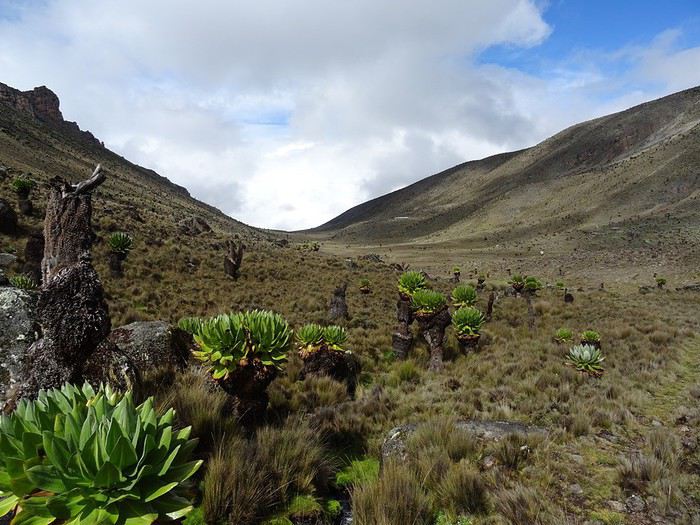
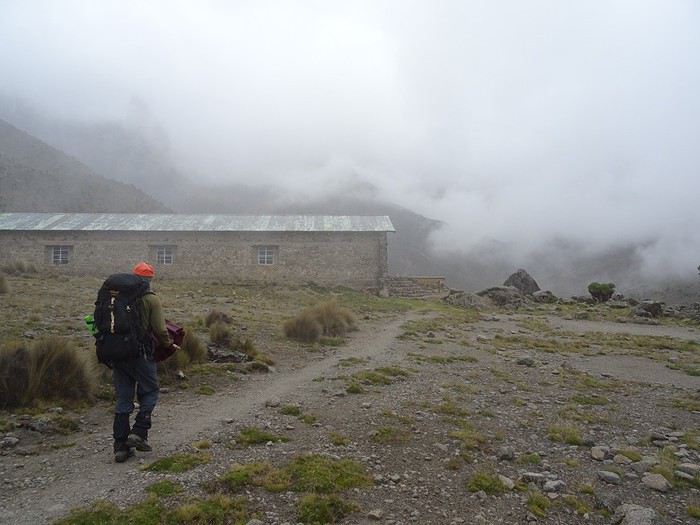
Acclimatization day. Sascha stayed in the cabin, exhausted from a rough night with continuous diarrhea. Hot water with salt and sugar, medication—it turned out the problem wasn’t his intestines but his stomach struggling with digestion (due to food poisoning before leaving Switzerland). So we focused on taking care of his stomach. He rested and slept. I went with the guide for a short 3-hour walk to discover a beautiful lake.

Back for lunch, reading, and resting in the afternoon. Light dinner. Sascha was exhausted but feeling better. We decided to continue the trek as originally planned, climbing the next day to the highest cabin, Austrian Hut, at 4,800 m.

A fabulous day of hiking, rich in landscapes, moving from the green valley (still at 4,300 m) to rocky mountains (no vegetation at 4,800 m, except for a few flowers). The climb went well. Sascha held up, and we all took small steps—breathing was shorter than at lower altitudes, so we couldn’t climb too fast. We arrived at the cabin in the early afternoon. It was well-occupied: about fifteen porters, guides, cooks, and tourists. A bit of a shock after being alone for three days. Turns out there were only a handful of tourists—most slept in tents outside. We shared our 8-person dorm (4 beds of 120 cm) with three others. Comfortable. It was much warmer than the previous cabin. Outside, it was around zero degrees, but the sun warmed us quickly (and burned our skin!). We chatted with other hikers—many were actual climbers. Some had been waiting three days to reach the mountain’s highest point, above 5,000 m. They climbed. For hikers, the highest point is 4,985 m, accessible via a simple via ferrata—but don’t get vertigo! We decided to climb to the summit in the afternoon since Sascha was feeling better and the sky cleared. The view was unreal—endless valleys, sparkling colors, pure beauty. The ascent was slow, and at the top, we took it all in. Just John, our guide, and us. The weather changed extremely quickly—unlike anything we’d seen before, even though we’re used to the mountains. The glacier at the top of Mount Kenya is small, much smaller than it used to be. Blame climate change—a little thought about our terrible carbon footprint from flying to Kenya. This glacier is small, and it’s partly our fault.

Back at the cabin, we had dinner and chatted with other *muzungus* (white tourists). It’s not a mean term. Each team had its cook and porters helping in the kitchen—gas stoves side by side, clanking bowls and pots, piles of vegetables and condiments. It looked like chaos, but everyone ate their fill and was happy. Between 8 and 9 PM, everyone went to bed—the porters too. Silence reigned. And Sascha was feeling better. Tired.

Early wake-up because all the other *muzungus* left to climb at 5:30 AM. We couldn’t sleep through the noise, so we got up too. We had about 7 hours of hiking to reach Siromon Valley, where we’d reach the park gate of the same name. John was in a hurry—we had to be down by 1:30 PM at the latest because our park entry was valid for 4x24 hours, matching our trek. A bit surprised since we’d booked 5 days, but the organization only planned for 4x24 hours of entry. Knowing that one 24-hour entry costs $50, that’s $100 “saved” by the organization for the two of us. A bit sketchy, but that’s how it is. A long descent into the valley, rediscovering the greenery and life at lower altitudes. We took 6.5 hours, with few breaks and a good pace on the descent. When we arrived, the porters were still cooking lunch, and Mary—our local contact and trip organizer—showed up. High heels, dress, scarf, necklace, and earrings—we were surprised, but it was definitely Mary. A charming woman, mother of one child, she’s Kenya’s first female mountain guide. Since then, she’s organized tours and trips in the country under two companies, using her name and story to promote her activities. She’s still a guide (we didn’t see her hike!), and she’d been on Kilimanjaro the previous week. She works with local guides and wants to promote female guides. For that, we brought 15 kg of women’s sportswear from Switzerland, collected from friends. We descended with Mary and her driver into the valley after thanking our hosts and porters and handing out tips. A tedious task because of the hierarchy—porters got the least. We paid Mary 1,900 CHF for the 5-day trek, about 950 CHF per person. All-inclusive, except for tips (80 CHF for the guide, 50 CHF for the cook, 30 CHF per porter—three of them). A week that cost its weight in gold. Note that the entry fee for Mount Kenya National Park alone is already 420 CHF for two. Mary was very kind and helped us a lot during our trip preparation. Communication via WhatsApp was excellent—fast and efficient. What’s missing, and this is common in Kenya, is a bit of transparency and detail. You never really know what’s included in the offers, you have to ask multiple times, and some things contradict each other. So we didn’t hesitate to negotiate a bit, though the price reduction wasn’t huge. We didn’t know how many porters we’d have or that our guide wouldn’t be Mary.
We were taken to our hotel near Nyeri, spending the next few days in the region to visit coffee plantations and Aberdares National Park.
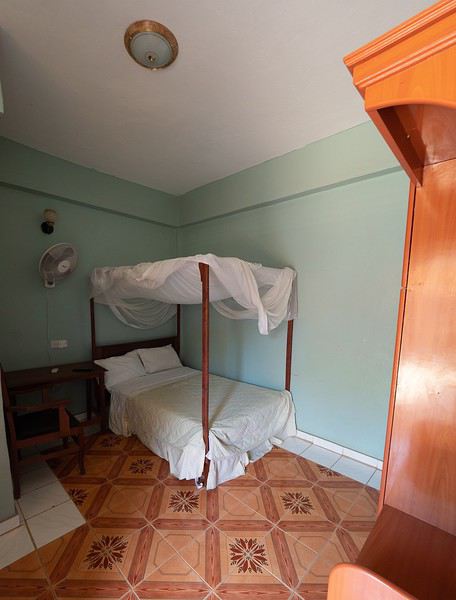
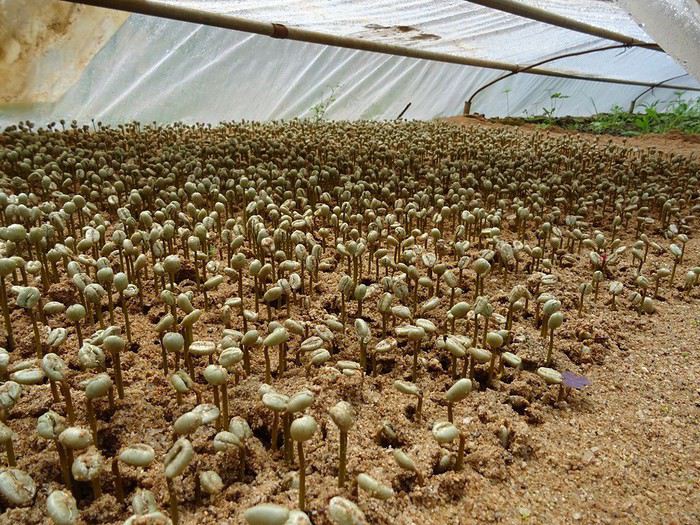
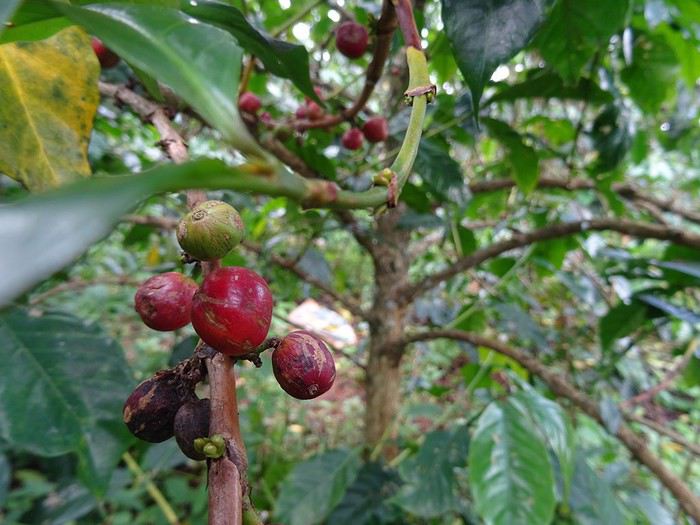
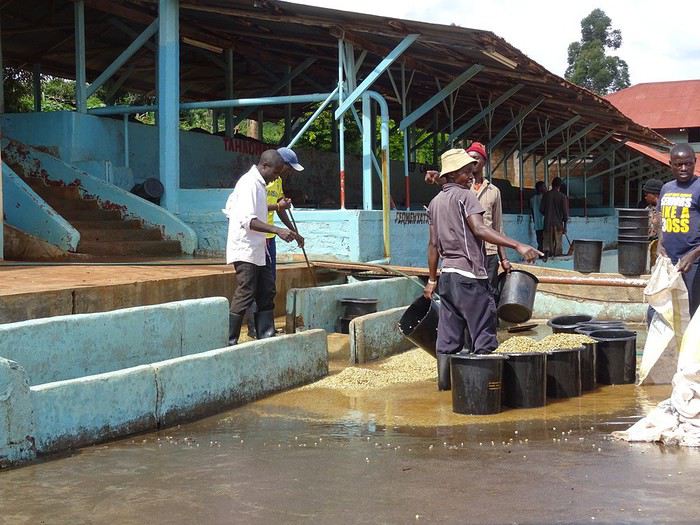
After 5 days without a shower, the Golden Gates Hotel was a welcome sight. Exhausted, we slept like babies. The hotel was cheap (40 $/night) and much less expensive than anything in town. We were out of the way but near a gate to Aberdares Park. The pool and room were decent. As usual, we didn’t inspect the plumbing or room details. The service was nice, though slightly disorganized. Breakfast was good and included. The next day, we visited different coffee plantations in the area—Nyeri Hills Farm first, then Othaya Cooperative further south. Sascha imports coffee from here to Switzerland through direct purchases. Very interesting visits, learning about the entire process: harvesting red berries, sorting, picking, fermentation, drying. A day rich in discoveries and exchanges with various industry players. The region also has tea plantations—probably just as interesting to visit. We were “business” guests; I honestly don’t know if it’s possible as a regular tourist. We had lunch in Nyeri town—we weren’t too proud of walking in dark streets after sunset. We ate at the White Rhino, a restaurant we don’t really recommend (rather expensive, salty, Asian without really being Asian). We suggest using the Slow Food Chefs’ Alliance Kenya list—an association fighting for good, fair, and clean food worldwide.



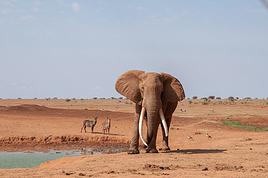
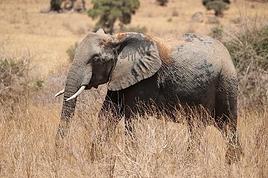
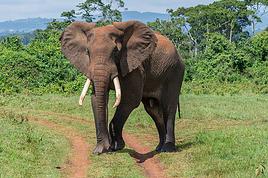
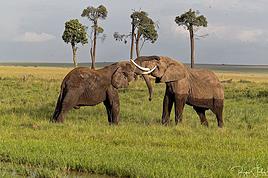
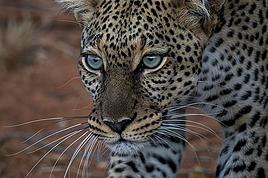
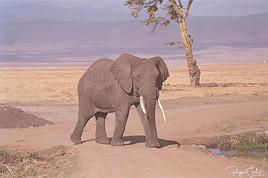
The next day, we went on a safari in Aberdares with Mary, her son, and the 4x4 driver and guide for the day. We left from one of the northern park entrances (Salient), went down to the waterfalls (south center), and back up—about 7 hours of safari. It was intense and tiring but very beautiful. Don’t expect to constantly see animals: nature is queen here, and the different vegetation stages are absolutely stunning and worth the detour for those who appreciate them. We saw monkeys, elephants, buffaloes, and birds from time to time. We spotted a leopard in the distance, walking on the road. It was cold on the high plateau! A fleece and pants are recommended! Lunch at a designated picnic area. End of the day at the hotel, in the garden, and dinner in the room. Exhausted.
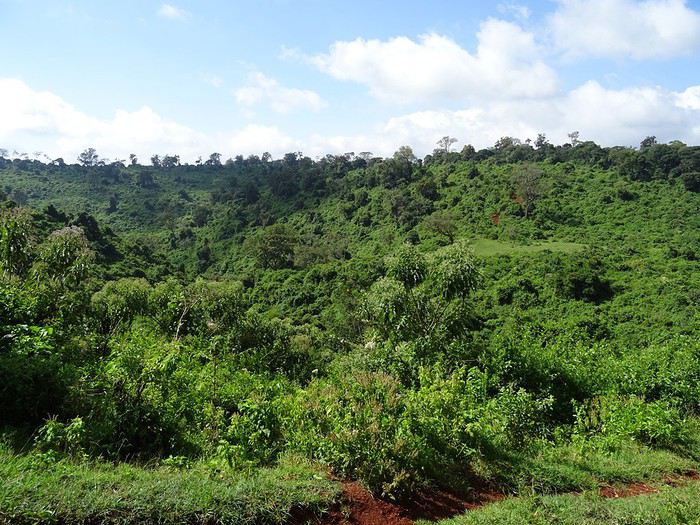
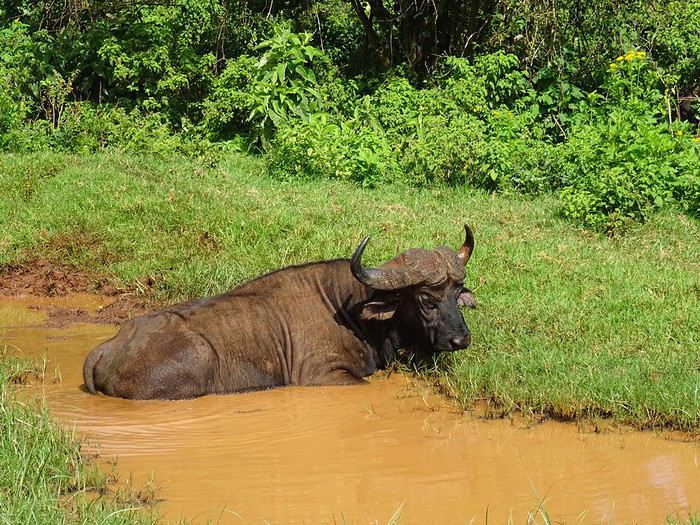
Still with the same team, we headed to Nahururu the next day: waterfalls (nice but not worth the detour) and a hippo viewpoint (we only saw one). It was on our way to the Maverick guesthouse at the foot of the Aberdares, on the other side of Nyeri. A good and beautiful concept of small traditional cottages—though a bit pricey in our opinion. It’s new and not yet fully organized or clean. The service, however, was unmatched: tea, snacks, a guided walk in the surroundings, dinner—the host took great care of us. A calm, cool night (2,300 m!). We said goodbye to Mary and her team, ending our first week rich in experiences in Kenya.

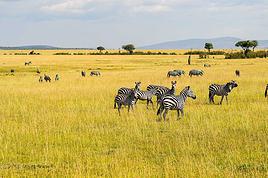
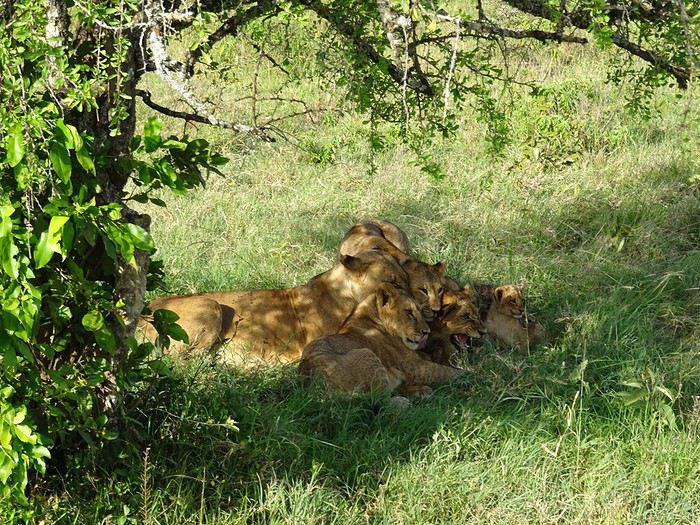
Sunday morning, a driver picked us up to take us to Nakuru, where we’d go on a safari in Nakuru Park in the afternoon. We fell in love with this park: diverse nature, plenty of animals! Zebras, buffaloes, giraffes, antelopes, impalas, monkeys, rhinos, lions (we saw 7!), birds, hippos, and pelicans. We spent the night at the Miale Hotel, outside the center, near a safari gate—a hotel that’s seen better days. It was okay, nothing more. The Junction bar next door was fun—you have to dare to go in and climb to the upper floor. Everyone stared at us—few white people hang out there. We felt safe.


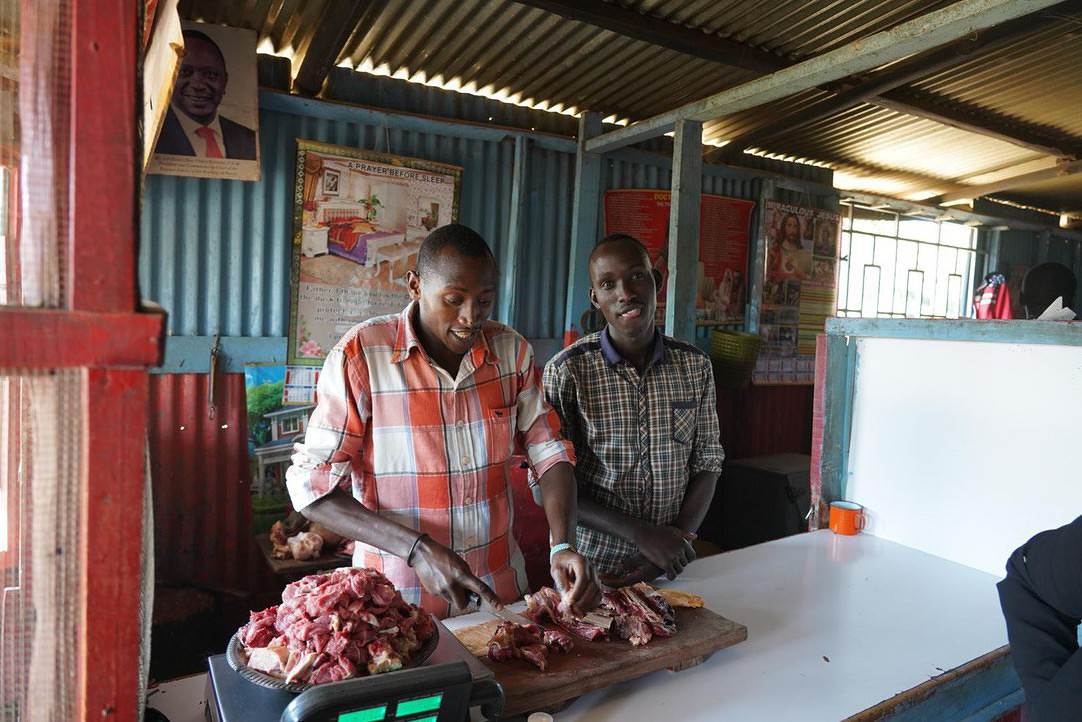
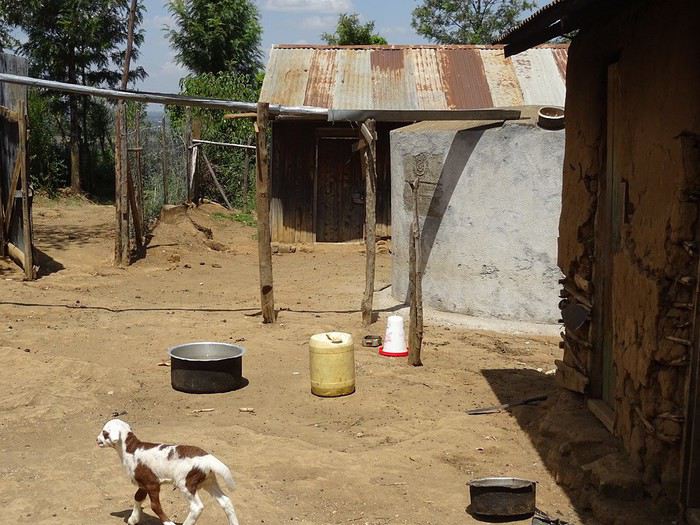
Monday marked the start of a new week and new encounters: we spent the week with people from the Slow Food association. Elphas from Slow Food Kenya organized visits to producers and various farms for us. Lucy would be our guide and driver. On Monday, we discovered several small organic farms an hour from Nakuru. A different world. No electricity, water from the river, a precarious life. Francis started a Slow Food community in this region, promoting organic farming. The small farms are independent and produce mainly for their own needs. There’s no market for organic fruits and vegetables. We discovered chia, amaranth, types of peas and beans, and permaculture. Francis was an incredibly generous host. We ate at a farm and walked with children, exploring fields and gardens. We returned to the Emboita Hotel in the evening (highly recommended!!), our heads full of memories and information, our hearts full of love. We recommend this type of excursion with Lucy, who, following our enthusiasm, might start offering farm tours (like a tour operator).
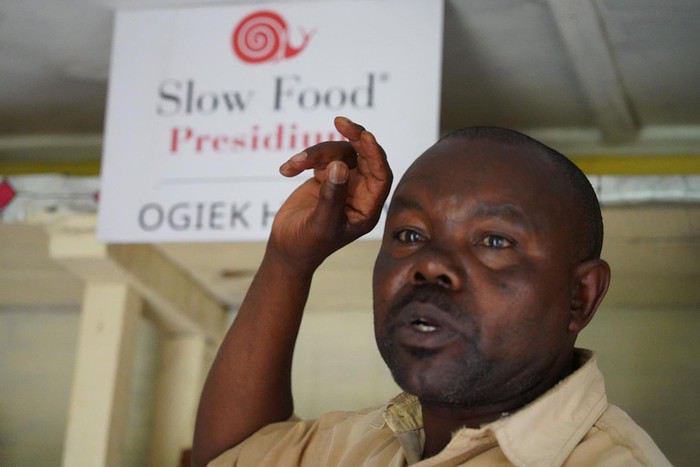
Second day with Slow Food Kenya, in the region and forest of the Ogiek tribe. They’ve been hunters and gatherers for decades and are still professional beekeepers today. We visited the tribe’s chairman, who welcomed us to his office and explained what the tribe members do and how they fund themselves. They use both “normal” beehives (like everyone knows) and traditional ones—a hollowed-out tree trunk of a certain type, hung high in another type of tree, where bees gather pollen around a queen. We slept in the tribe’s guesthouse (20 KES/person, full board). Mary, the Slow Food Chefs’ Alliance cook, took great care of us. The three different honeys are Slow Food Presidia—products labeled by the association to promote and protect (and promote!) this centuries-old tradition. Lucy, a Slow Food Kenya activist, accompanied us again on this unforgettable excursion. After introductions, we settled into the guesthouse and set off with two beekeepers to harvest honey. They explained the process and their lives. We stopped for tea at Mary’s, who accompanied us before cooking for us. A motorcyclist joined us, and young people prepared peas for our lunch. We took part in harvesting honey from a normal hive and ate the honey right after—delicious. 5–7 kg of honey were collected in a bucket. We discovered the flowers bees love and how to make smoke (with two sticks and no lighter) to keep bees away from the hive. We left, dropped Mary off along the way, and met another man who joined us. The men showed us a tunnel built by the British around 1913 to redirect a river current. Their eyes shone as they told us these stories their grandparents didn’t want to share in detail.
Lunch and then more beehives—normal and traditional. We met the chairman again, who showed us the honey stock from recent weeks and explained the filtering, bottling, labeling, and sales process. A walk through the village made of wooden huts (forest) and mud (like the farms we’d seen the day before), beer in the grass, smiles, and handshakes with children amazed to see *muzungus*. Then a traditional dinner (mashed potatoes, spinach, corn, and peas; beef stew; white polenta; spinach and chard; fruit). We discovered the local radio station, recently inaugurated—a source of pride for the region, a station where they finally speak the tribe’s language. An extraordinary long day for which we thanked our hosts and guide Lucy endlessly. Exhausted, we slept like logs.
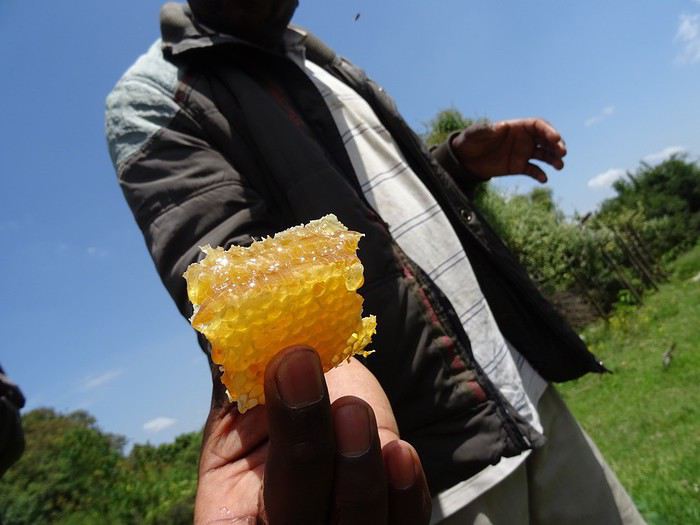
Hot shower the next morning (thanks to the wood fire under the water tank all night), traditional breakfast (pancakes, eggs, arrowroots, sweet potatoes, fresh fruit), and off to a forest to discover more traditional beehives. These hollowed-out trunks can yield up to 30 kg of honey per trunk. They’re very high in the trees, reachable only by arm and leg strength. Honey is collected without protection—no mask or coat. Some hives belong to the tribe, shared among beekeeping members. Others are private, passed from father to son. When the son marries, his new wife receives a beehive as a gift from the in-laws, and the son becomes responsible for it. After goodbyes and tips, we left with Lucy for Molo, to Baraka Agricultural College, where we met Italian and German students doing a 10-day Slow Food Winter School. We prepared dinner together, harvested vegetables, and cooked a traditional meal. We killed chickens, chopped spinach and chard, roasted beef, fried fresh fish (from the college’s fish farm), and made chapatis. The Italians danced, we tasted *met*, an ancient fermented honey drink, ate too much, and exchanged a lot with all the Kenyans present (Slow Food members). We learned a lot and had an evening rich in exchanges.
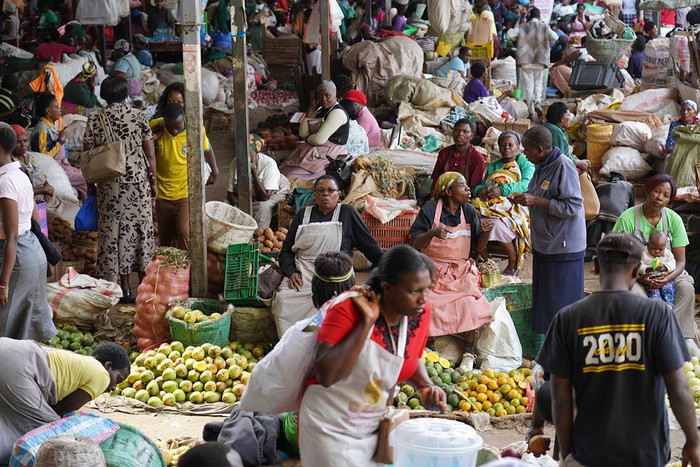
We slept in a college room and left the next day for Nakuru to visit the market. A unique experience—absolutely do it with a local. We laughed with the producers and vendors, bought mangoes, avocados, different types of passion fruit, discovered sugarcane, and haggled for bananas. We said goodbye to the students heading to a village on the equator and left for Hell’s Gate Park with Lucy and her son. Lucy is a careful driver on the roads, an incredible woman and mother who knows so much about her country, agriculture, and food production. She’s interested and allowed us to travel off the beaten path, discovering Kenya, its people, customs, smiles, and laughter—what makes the country alive. We slept in a cabin at Fisherman’s Camp by Lake Naivasha, a small tourist paradise, yet very quiet this season (end of January). Birds sang, and monkeys moved between tents and bungalows. The restaurant offered small dishes at very reasonable prices (slow service). The park was 5 km away.
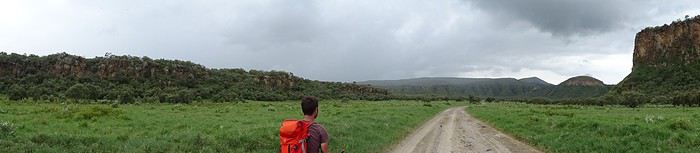
We rented bikes on-site and cycled to Hell’s Gate National Park the next day. We spent the day there, covering over 40 km. No one else went that far—it wasn’t necessary either. We wanted to get some exercise. We got lost, discovered very fresh big cat tracks, didn’t linger, met Maasai with a huge herd of goats, saw giraffes from afar, zebras, impalas, and other deer up close. Warthogs everywhere—we love them. Exploring the park by bike is a unique experience we recommend. Not for the animals, though—they’re not always visible or numerous. The nature is beautiful, the cliffs and trees, smelling the savanna scents and feeling the wind in your ears make the trip a must. Take your time, with a picnic and binoculars. The distant electrical installations of the company using hot water (steam) at the park’s edge are impressive. We returned tired from our day and enjoyed the best chapatis of our stay in Kenya at the camp restaurant.
The next day was very relaxing. We slept in and read in the grass. We met a French family and took a boat tour on the lake together—a big advantage for us, as the rental cost was split six ways. We walked to the neighboring village toward Naivasha (apparently, it’s not safe the other way, toward Crater Lake). Sascha got a haircut for 200 shillings, and we ate at a hotel for 150 shillings per person. That evening, for the fourth time, we took Mephaquin, the malaria medication. Even though everyone says this drug has significant and disturbing side effects (I wonder how many have actually tried it), we took it and had no side effects. Unlike Malarone, you only have to take it once a week. That works for us.
Sunday was a long day of travel. We went from Naivasha to Mombasa. First by taxi to Nairobi with Ian, who had driven us to the coffee plantations a week earlier. We made the trip with Françoise, an 80-year-old Kenyan-French-British woman who also wanted to return to the capital. Alone and full of energy, she’s traveled to Kenya and Tanzania many times. We laughed a lot during the 2.5-hour drive to Nairobi Terminus station (near the airport), where our rich railway adventure began. Baggage check, confiscation of Swiss Army knives (which we got back after negotiations when we returned the following Sunday), drug checks with two different dogs, thorough check of Sascha’s bag and all the medication we brought (because the dog had smelled Odin, our dog), viewing photos of our dog, discussions, passport checks, ticket checks (bought online via a Kenyan phone number), another baggage check (yes! For everyone!), and finally, we could sit for a few minutes in the waiting room. We felt like we were at an airport. They sold samosas before boarding, “forgot” to give us change (a first in Kenya—otherwise, we always encountered great honesty), checked our tickets, and we could board the train. First class wasn’t much different from second, except we got a small snack and could board earlier than others (and it was slightly less crowded, but barely). Surprising service for many tourists (but identical to Chinese railway service): a huge staff at every staircase, every door, every carriage. They cleaned the floor during the trip and made sure everything was in order. Same procedures as in China—absolutely identical. First class is better in China, though! Arrival in Mombasa, taxi to the hotel we’d booked in Kilifi. We recommend the train ride despite the security measures—the trip is fast, cheap, comfortable, and the landscapes are beautiful. We crossed Tsavo and saw giraffes and red elephants, fields, and villages, forests. Departure at 2:30 PM, arrival at 7:00 PM in Mombasa.
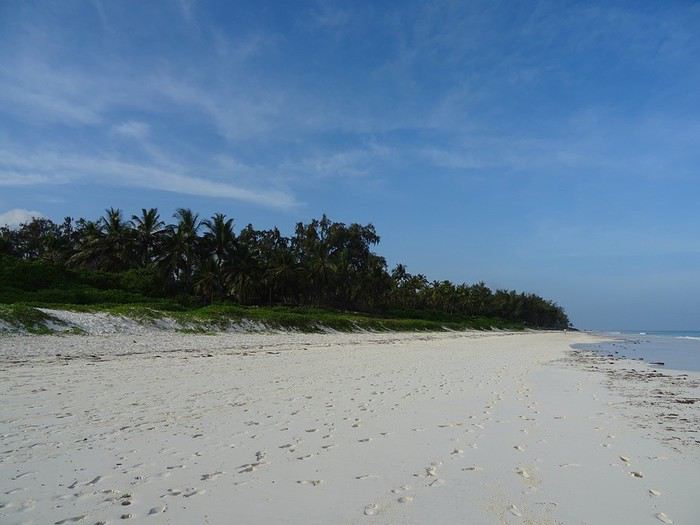
We spent 3 nights at Kilifi Kitesurf Village, a well-maintained former manor house with lots of flowers and plants, taken over by Europeans since November 2019. Everyone got to know each other quickly. We had drinks together in the evening (the bar closed at 9:00/10:00 PM, so no late-night noise). Breakfast was served from 8:30 AM (so we slept in!), and we ate amazing granola with yogurt and fresh fruit. The beach was beautiful, and we enjoyed it for three days. We rented bikes for a day to eat at Nautilus (seafood), visit 15th-century ruins, and stroll on a new beach.
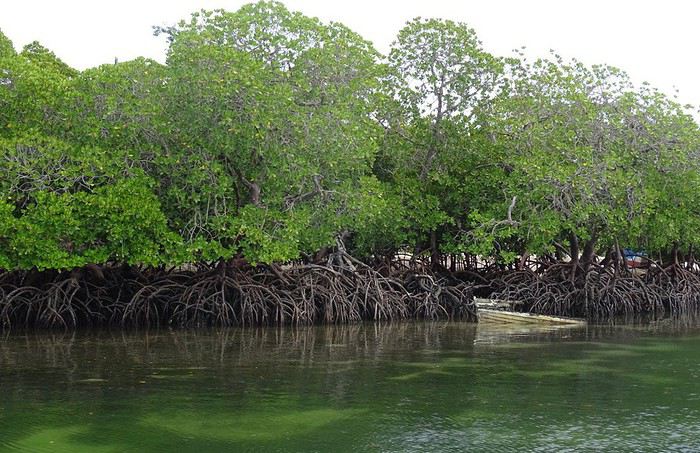
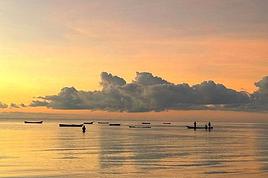
We then headed further north for 4 days, near Watamu. Again, we looked for a beach and a non-touristy hotel. We easily found Merry Crab Cove, an excellent address with rooms at a very reasonable price, a pool with a view of the cove, access to the cove, and a private boat that took us to Garoda/Watamu in 7 minutes. A haven of peace, great food. The white Kenyan managers of the house were discreet. We spent a day relaxing around the house, in the cove, discovering mangroves and small beaches, meeting a rather chatty fisherman. The second day was more active—heading to Watamu’s beaches and coves by boat and then on foot: beautiful long beaches where Italian is spoken everywhere. We ate pizza. The third day was snorkeling and swimming with dolphins, arranged with the fisherman we’d met near our hotel. Same offer as all the hotels on the coast—it was nice but not essential. It was our first and last group tourist outing of the vacation—it was rather fun. Evening meal in the Matsangoni village. We went by *bodaboda* (motorcycle taxi) and ate traditional food: *ugali* (tasteless white polenta), beef stew, red peas with coconut sauce (good!), cabbage and spinach, fresh fruit. $1.10 per person. We were generous with the tip. Last day: we enjoyed the pool, did an hour of private snorkeling in the cove (beautiful! But not as beautiful as in the ocean), ate oysters at the neighboring restaurant. The next day, we left with two Dutch people by taxi to Mombasa for lunch at a roadside restaurant (called a hotel) to take the train back to Nairobi. We stayed the night at Florange’s, a French woman we’d met in Naivasha.
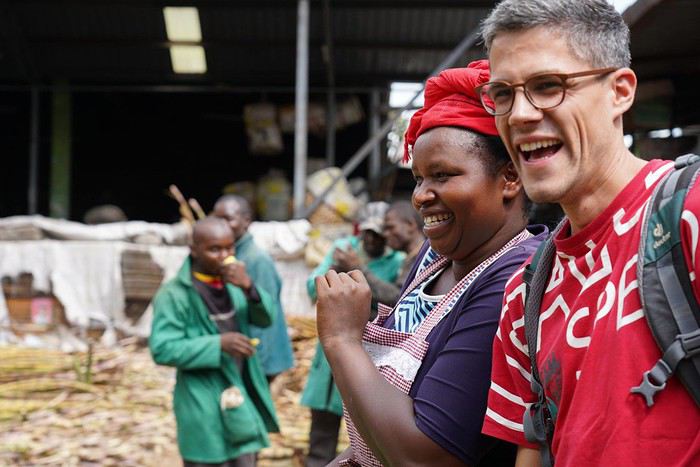
We climbed Mount Kenya with John, a young guide full of hope for the future; cook John; porters John and Charles; porter Scala; and organizer Mary Mumbi.
We visited tea plantations with driver Ian.
We met Josef at the Catholic coffee plantation Nyeri Hills Farm.
We visited the coffee cooperative with Phyllis, a coffee exporter from Nairobi, and met Wilson, Wet Mill Manager at Othaya Cooperative.
Used David as a taxi driver.
Saw Daniel, a waiter at Golden Gates, three mornings in a row.
Got a haircut from James.
Had a beer with Elphas, a Slow Food Youth Kenya activist.
Spent a week with Lucy, a Slow Food Youth Kenya activist.
Met Francis, a dreamer farmer from Slow Food.
Met Mary, the cook and mother of 6 boys with 24 grandchildren, beekeepers, and members of the Ogiek tribe.
Joined Valentina Gritti from Slow Food Youth Network at Baraka.
Took a car ride with Françoise.
Derick took us to the coast.
Kathana organized a boat trip for us.
MamaJi welcomed us to her lodge.