Hi there,
We’ve just returned from 2 weeks in Madagascar, and I wanted to share our experience since we struggled quite a bit to plan our itinerary before leaving. The country is huge, the journeys are long, and with only two weeks, you really have to make choices.
For our part, we opted for a fairly realistic itinerary for a first-time visit: Antananarivo, Andasibe, Île aux Nattes, and then Sainte-Marie. The idea was to mix a bit of nature, lemurs, tropical forest, and then a few quieter days by the water—without trying to cross the entire country.
In Andasibe, we spent several days between the Analamazaotra Reserve and Mantadia Park. We were able to spot lemurs, especially the indris, went on a night walk to see chameleons, geckos, and other small animals, and then did a wilder hike in Mantadia. This was probably the stop that felt the most exotic to us, with that humid forest atmosphere, animal sounds, and dense vegetation.
After Andasibe, we headed back to Antananarivo to catch a flight to Sainte-Marie, then took a boat to Île aux Nattes. It’s a tiny car-free island where you get around on foot between beaches, sandy paths, villages, and coconut trees. We mostly slowed down the pace: walking around the island, snorkeling in front of the hotel, meals at Fafana and Coco Sud, swimming, and much simpler moments. It was one of our absolute highlights of the trip.
We wrapped up with a few days in Sainte-Marie, in a more comfortable setting. The island is larger and more developed than Île aux Nattes, with more accommodations and activities. For us, it was mostly about relaxing, enjoying the pool, biking, paddleboarding, snorkeling, and a few short walks. Looking back, we might’ve spent a little less time in Sainte-Marie and a bit more on Île aux Nattes, which left a bigger impression on us.
I’ve tried to break down our itinerary day by day, including travel times, budget, accommodations, transportation, our thoughts on each stop, the pros and cons, and what we’d change if we did it again. I also cover arriving in Antananarivo, the road to Andasibe, the domestic flight to Sainte-Marie, returning to Tana, and our airport experience—where it’s best to allow plenty of extra time.
Here’s the link if it helps with your planning:
https://aventures-sans-mesaventure.com/madagascar-itineraire-pour-2-semaines-de-voyage/In short, our main advice would be not to try to see everything in two weeks. Madagascar requires time, flexibility, and some breathing room. It’s better to pick fewer stops but really enjoy them.














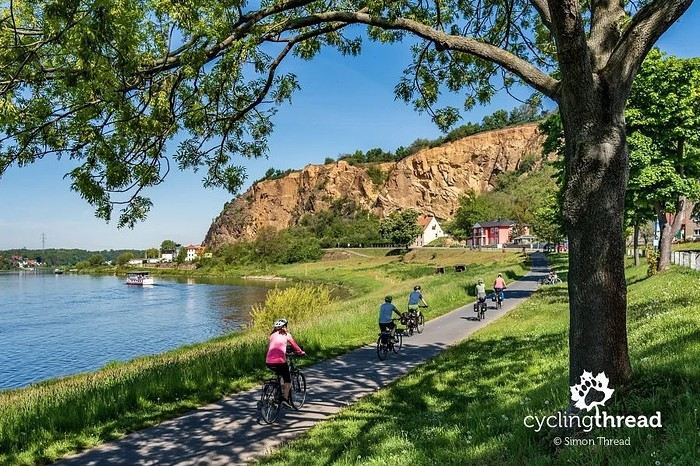



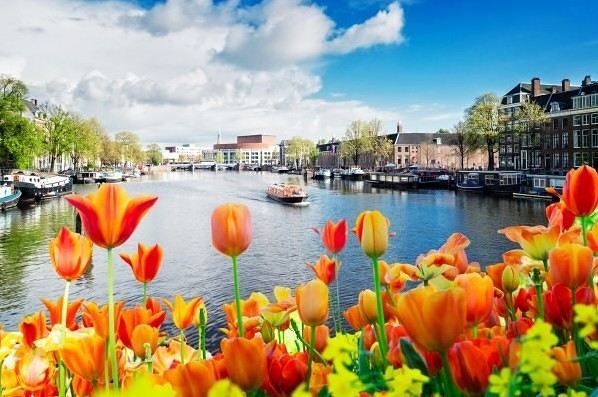
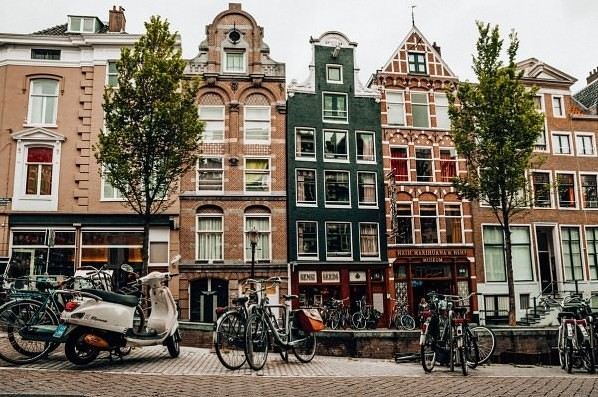
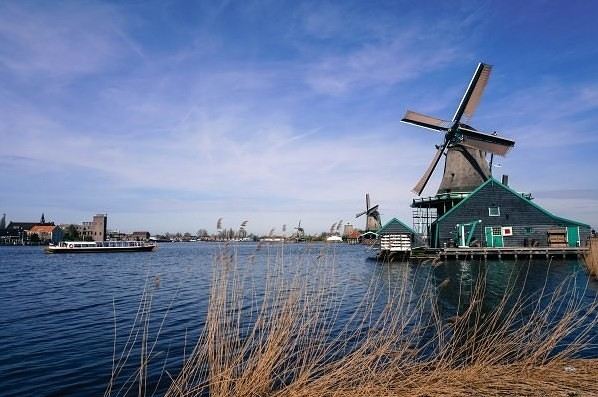 You can find all my photos and details about my trip budget on my travel journal for Amsterdam.