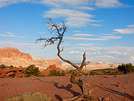
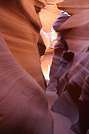
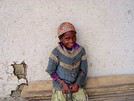
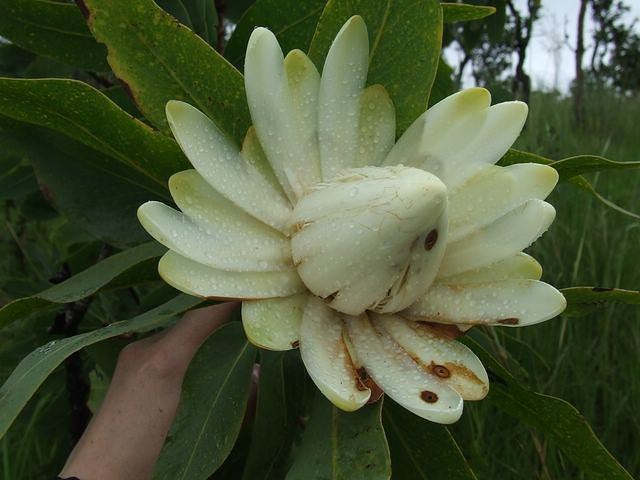
Je recherche le nom de cette plante à longues tiges, qui pousse ( entre autre?) en foret tropicale et en altitude...(présentement au Burundi)...si quelqu'un connait ...
Merci!
c est une plante de la famille des aloes
certaines sont utilises pour le sisal (madagascar) d autre pour faire l acool mexicain metzal (connais pas lortho)
je crois originaire du mexique
Ah, voilà déjà une bonne piste...en effet au Burundi, ils font de l'artisanat en sisal (tapis etc...)...il yen avait plein dans la foret du parc de la Ruvubu.
Merci!
c est une plante de la famille des aloes
certaines sont utilises pour le sisal (madagascar) d autre pour faire l acool mexicain metzal (connais pas lortho)
je crois originaire du mexique
Et oui Jipi!!!!🙂
Tu as tout à fait raison pour cette plante, les champs de sisal dans le sud de Mada sont gigantesques et pour revenir au MEZCAL tu n'étais pas loin, j'ai eu la chance d'en déguster dans la province mexicaine de OAXACA où tu peux boire cet alcool avec "les fameuses chapulines, qui ne sont en fait que des sauterelles grillées" mais pleines de protéines!!!!😉
Il sagit du : Agave sisalana (Perrine ex Engelm.)
Drummond et Prain
Agavacées
Français : Sisal
Répartition. Espéce pantropicale originaire du Mexique. Du Sénégal au Cameroun, jusqu'en Erythrée, Afrique orientale et australe. Répendue, localement trés commune .
Espéce voisine : Ressemble à Agave americana, dont les feuilles, pluslarges (15-25 cms) ont des bords fortement dentés ou garnis d'épines.
Utilisation :en Pharmacopée (sève des feuilles) Abotive et laxative. Hipertension.
Pharmacopée traditionnelle: racine= Diaphorétiques. Feuilles= Diurétiques
Feuilles et séve: Boissons fermentées et alcoolisées.
Usage agricole: Espéce utilisée seule ou en association avec d'autres épineux pour renforcer les haies vives et les clôtures. Plantée dans les jardins en ornementation et dans les champs pour leur bornage.
Fibre de la feuille: Cordages, ficelles, paillassons, brosses à peindre.
Houai la science !!! avec le bouquin des plantes de l'Afrique de l'Ouest en main
Super cadeau que ce bouquin !! (merci mes filles)
Bonjour Papy, et bon retour...super j'ai ainsi la fiche complète, un botaniste n'aurait pas fait mieux! En effet je cherchais dans la famille des agaves...
Merci !🙂
Oui, c'est vrai que l'aloes aussi sert dans le domaine médicinal, il y en avait aussi d'ailleurs au Burundi en culture d'ailleurs, mais dans ce cas l'aloes je crois que c'est une plante apportée (?) ... euh non en fait apparement l'Afrique est aussi l'habitat d'origine de l'aloe vera...
Je ne te parlerai pas des plantes, car tu as tous les details; j'ai aussi des bouquins sur les plantes medicinales en afrique et ils disent la meme chose, comme quoi ca doit etre vrai😉.
Te souviens tu de ce qu'on disait sur la situation de la zone; c'est reparti; ca fait 3 jours qu'ils se battent a Buja et aux alentours (sporadiquement); La cie de Brussels a annule ses vols. Il parait que le bateau tanzanien Mongozo s'est fait arrose en passant dans la zone.
Il parait que les US ont eu l'accord de construire des bases, dans l'OUEST de la Tanz! bonjour les emmerdes; je suppose que l'objectif c'est la RDC; on parle aussi de petrole!😠
Alors on oublie la route Buja- Manyovu pour venir en Tanz.
Oui j'en ai entendu parler...déjà qd j'y étais il y a des députés qui se sont fait arroser! Tous ces pseudos partis claniques, c'est une lutte pour le pouvoir ...une personne me disait que le but est de créer un climat d'insécurité pour justifier un changement .... va savoir ??! Ensuite j'ignore les intérets derrière...
Et bin le projet routier est mal barré...
On avait vu juste ça sentait pas bon, de toute façon quand on sait comment est gérer le pays ça ne peut pas aller en bien, mais pour le moment c'est fini pour nous le Burundi. Merci de donner des nouvelles en tous cas!
Disons que mon analyse est plus globale que le simple probleme de pouvoir du Burundi.
Il s'agit de la partition de la RDC en faveur des pays de l'est. Justifie par la demographie galopante, 250h/km² au Burundi et dans les 350 au Rwanda; donc le principe des vases communiquants entrera en vigueur tot ou tard.
Mais il y a plus; j'ai vu un document qui reparlait de l'empire Hima, qui se sont trouves des atavismes dans les 12 tribus et donc qui se revendiquent aussi du judaisme et d'un accord avec Israel pour amener l'eau du fleuve congo chez eux. Ils l'appelent Havila et regroupe l'Ouganda, le Rwanda, Le Burundi, La Tanzanie, les Kivus et la Province Equatoriale en RDC.
Je comprends mieux pourquoi Bush a donne 700M$ a la Tanz pour le sida et la malaria, pour aussi ameliorer l'aeroport de Kigoma et qu'il devienne international.
Comme les US ne font rien gratuitement, je comprends que c'est surtout pour leur usage personnel, surtout s'ils emplantent des bases ici. La region va devenir une cocote minute.
Moi qui cherchait la tranquilite!
Pas très fameuse comme analyse de la situation mais l'Afrique est en proie avec ses problèmes de famine, d'ethnicités, de présence des pays émergents à l'affût de matières premières.....
Les EU semblent changer de stratégie depuis un certain temps en se recentrant sur ce continent avec comme prétexte avoué le terrorisme, base à Djibouti, diégo Garcia et ils étaient à la recherche d'un nouveau point d'ancrage, ils semblent donc préparer leurs billes dans cette région.
La présence de plus en plus insistante des chinois sur ce continent doit aussi leur fournir un bon prétexte inavoué pour une nouvelle installation....
Tout cela n'empêchera pas nos bons touristes à aller visiter les réserves et à faire de l'ethno-tourisme, c'est vrai qu'on ne doit pas mélanger les genres et c'est un peu dommage !
Oui ça fait longtemps j'ai entendu parler de ce "complot" hima, qui serait déjà à l'origine de la guerre au Congo et du génocide de 94 entre autre puisque je crois que les tutsis se disent himas ... j'avais oublié cette histoire...
L'Afrique de l'Est, est le carré des US maintenant ... et plus rien ne m'étonne à la fin !
Un article : http://www.inshuti.org/complots.htm
mesrob, je ne parle pas de l'implantation en general des US en afrique, mais specifiquement dans cette zone. Ils veulent finir un travail qui est reste inacheve, c'est tout ce que je me borne a dire.
Pour le reste, je suis d'accord avec toi et je vais encore plus loin; j'entends qu'il y a a partout des reunions pour resoudre le probleme de la faim et que la solution c'est d'augmenter les surfaces cultivables en afrique pour qu'ils aient l'autosuffisance alimentaire. Alors je vais te dire que ca me fait doucement rigoler, car pour moi le but inavoue, ce n'est certainement pas que l'afrique deviennent auto suffisante, mais qu'elle puisse subvenir au besoin de plus en plus croissant de l'occident.
La vraie solution c'est de contraindre les petroliers a baisser le prix le barril, mais la pas touche au fondement du capitalisme, faire du benef.
Mais ce que les occidentaux ne savent pas, c'est que bientot ca ne sera plus des pirogues avec 60 ou 70 immigres, mais des cargos entiers qui debarqueront en occident et qui va donner l'ordre de tirer dans les tas? personne; alors preparez vous a emmigrer vers le sud!🙂
Nous sommes convergents sur ces problèmes avec une petite nuance sur les EU qui cherchent depuis un certain temps à pouvoir installer une base pour lutter contre le terrorisme, ils ont subi un ou deux échecs dans les pays francophones de l'Afrique de l'ouest et ils semblent aujourd'hui avoir trouvé leurs marques....
l'Afrique semble devenir un terrain de bataille d'influence entre Ouest et Asie alors qu'il y a quelques années, c'était un continent juste intéressant pour les anciens pays coloniaux qui faisaient de gros " efforts" pour conserver leurs pré-carrés.
quand aux problèmes liés à l'immigration africaine, c'est un sujet sans beaucoup de solution surtout lorsque l'on voit un gouvernement français qui s'est fait élire pour une réglementation stricte de ce problème est
aujourd'hui, obligé de plier devant l'évidence en accordant de nombreuses régularisations à des travailleurs sans papier qui seront à leur tour remplacés par d'autres venus fraîchement tenter leur chance.
L'occident et les E.U aujourd'hui sont excédentaires en produits agricoles mais ils ne pourront plus continuer à aider à combattre la famine africaine en continuant à subventionner son agriculture, le paradoxe est ici flagrant !
Bonjour
Plus qu une base, c est un centre de commandement que les americains souhaitent installer en Afrique : Africom, il me semble.
Le probleme c est qu il y a pas bcp de pays qui se pressent au portillon pour ensuite servir de cible a tous ceux qui les declareront ensuite traitre et complice du "Grand Satan" americain.
Plusieurs pays francophones ont décliné mais aussi des pays anglophones.
Je crois qu au final les US ont choisi d installer Africom en Allemagne, un allié sur et de longue date.
A plus
Tu sais ca fait des annees qu'il y a une guerre larvee entre les anglophone et les francophones en afrique et c'etait flagrant en RDC; le triumvira se reunissait, US-France-Belgique; mais a la sortie on reprenait le jeux des peaux de bananes.
Quant au terrorisme, je ne m'etendant pas la dessus car beaucoup commence a voir que ca a ete monte de toute piece pour assoir la mainmise sur pas mal de pays recalcitrants.
Mais je ne crois pas aux coincidences; quand une chose arrive, ce n'est certainement pas le fait du hasard.
L'avenir le dira.
Les français estiment à 600 000 les travailleurs chinois sur le continent africain avec la moitié d'irréguliers......
Tout le monde reconnait les côtés positifs de l'irruption de la Chine sur ce continent néanmoins, la diplomatie française a l'intention de mettre en garde les chefs d'États de façon " adroite" contre les excès concernant le respect minimal des règles de gouvernance et de développement durable.
La France profitera de sa présidence à U.E pour mobiliser la banque mondiale et le FMI afin qu'ils puissent faire pression dans cette direction.....pas gagnée !
Quand au terrorisme même s'il semble flagrant dans quelques pays, le prétexte est tout trouvé pour les EU pour renforcer leur présence sur un continent hier délaissé et aujourd'hui convoité par tous.....
Je vais m'acheter un de ces bouquins aussi sur les plantes d'Afrique, donc en passant si tu pouvais me donner les ref de ton bouquin comme tu as l'air de le trouver bien...?
Merci .
ça m'embête un peu ! je ne vais plus être le seul a répondre a tes questions sur ce sujet !!
(je plaisante)
Voila pour la diffusion :
La librairie du Cirad
TA 283/04
Avenue Agrospolis
3439 Montpelier Cedex 5
FRANCE
Tel: 04 67 61 44 17
librairie@cirad.fr
www.cirad.fr/publications/publications.shtml
Ou autre diffusion:
Musém national d'histoire naturelle
Service des publications scientifiques
57 rue Cuvier
75005 Paris
Tél: 01 40 79 37 00
diff.pub@mnhn.fr
www.MNHN.fr/publication
C'est signé de : Michel Arbonnier (deuxième édition)
<<< Faut pas oublier le titre :>>>
Arbres, arbustes et lianes
des zones sèches
d'Afrique de l'Ouest (le titre est sur 3 lignes sur la couverture)
Bouquin souple et solide, fait pour aller sur le terrain !! (même tout-terrain)
Prix : ??????????? c'est un cadeaux de mes filles !!
A servi "presque" tout les jours en Afrique de l'Ouest
Inconvénient : pas de marque page (il faut y rajouter des lies "marque pages" que je n'ai pas fait)
autre inconvénient : on ne voit plus que les arbres, et le nez dans le bouquin pour lui donner un nom !!
Superbement ilustré de photos couleur (le pied quoi !!)
J'suis à la recherche de la même chose, mais sur les oiseaux d'Afrique de l'Ouest (si t'as ça quelque part ?)
Bonjour Choucarde
Pour faire plaisir a Papy, je te donne des infos, mais c'est plus specifique "utilitaire":
Plantes Medicinales d'Afrique (comment les reconnaitre et les utiliser) Jean louis Pousset Collection Edisud
Les Arbres Guerisseurs Jean Luc Ansel Collection Eyrolles
Larousse: Encyclopedie des Plantes Medicinales
Le 1er est souple, le 2eme grand et cartonne, le 3eme, comme tous les Larousses est plus volumineux.
Mais tu as toutes les recettes pour toutes les huiles essentielles et poudres....
Tu as de quoi faire!
Pour l'instant ils maintiennent le cap; reprise des combats au Burundi et reprise des combats au nord Kivu (Rutshuru) a cote du parc Virunga; les gorilles vont encore derouiller.
In Nov./Dec. 2022, I went on a safari in the region and we suffered from the extreme temperatures caused by the "El Niño" phenomenon in the Indian Ocean at that time. On top of the extreme heat, there can be torrential rains, flooding, etc., which have led to disasters with casualties.
Hi there,
I’m planning a gorilla trek in Bwindi, Uganda. I’m torn between the classic option (1 hour with the gorillas) and the habituation trek (4 hours with the gorillas but a more expensive permit). Has anyone done the habituation trek? Both? If so, I’d love to hear your feedback (including on the difficulty).
Thanks
Hello everyone!
It's been a year since I've been longing for South Africa. Our first trip in August 2025 amazed us, and—rarely—it was a unanimous hit with our little family! We were touched to the core, and from the moment we got home, we couldn’t stop talking about going back. 😄
I’d like to take this opportunity to thank everyone who gave me advice on the itinerary for that first trip (Johannesburg loop: Blyde, Kruger, Eswatini, St. Lucia, Durban, Drakensberg)! Thanks to you, our trip went like a dream!
Since then, I haven’t stopped reading articles and discussions on VoyageForum to keep my head in South Africa a little longer!
So, we finally caved and just booked our tickets for January 2027 (from the 3rd to the 26th), with a plan to do a road trip from Cape Town to Johannesburg in about 3 weeks.
I’ve got a rough itinerary that seems great based on what I’ve read on various forums, but there are still some uncertain points, and that’s where I could use your advice.
3/01: Arrival in Johannesburg at 11:45 PM
4/01: Flight to Cape Town, pick up rental car. Afternoon sightseeing
5,6,7/01: Cape Town to visit the big classics in the area (any tips for finding accommodation: which neighborhood, a specific place?)
8/01: Overnight stop before Oudtshoorn—but where??? (Is it essential, or is the CT-Oudtshoorn drive manageable? If so, I’d gain a day in Oudtshoorn. Google Maps shows over 5 hours of driving...)
9,10/01: Oudtshoorn (or would 3 nights be better to really enjoy the area?)
11,12/01: Knysna, Plettenberg Bay (to have time for hiking—if you’ve got hiking tips, I’m all ears!)
13,14/01: Tsitsikamma (still to have time for hiking—who knows the must-do hikes in the area? But maybe 4 nights in the Knysna-Tsitsikamma area is too much—I’m not sure)
16,17/01: Addo Elephant (I’m torn between 3 nights at Addo or 3 nights at Mountain Zebra. Based on travel journals, especially Michel’s on MZ, I’ve scheduled 3 nights at MZ 😄...)
18,19,20/01: Mountain Zebra NP
21/01: Camdeboo NP (because it looks so beautiful!)
22/01: Overnight stop (where?) before wrapping up the trip with either 2 or 3 nights at Golden Gate NP or the Lesotho option, which appeals to me, but I don’t know if it’s doable in 3 days to be back in Johannesburg by the afternoon of the 26th.
That’s my trip idea for now...
I’m eagerly waiting for your advice, ideas, and comments...
Can’t wait to be back there again!
Thirty years ago, I traveled to Zanzibar (Tanzania) with my children. Since I’ve since started a new family, I took the opportunity of a trip to Kenya to bring my new family along: my wife, who’s Kenyan, and my 10-year-old daughter.
Zanzibar has really changed in 30 years.
It’s become the island of taxes.
It all starts upon arrival: I think it’s the only country in the world, besides the visa, where Zanzibar insurance (and no other) is mandatory—it costs 40 €. If you didn’t purchase it before arriving, good luck getting it: the IT systems are unreliable. With a bit of luck, it’ll take at least an hour to process! And of course, this insurance is useless—if you get sick, it’s recommended to use your home country’s insurance because if you use Zanzibar’s, your national insurance won’t cover you anymore.
I wanted to show my daughter the red colobus monkey, which is endemic to Zanzibar. I paid for a tour that was supposed to be all-inclusive. First, we visited a spice farm, where a farm guide took charge of us—meaning commissions were involved, of course! The tour was very good and informative, though. When we arrived at Jenzhi Park (the colobus park), the guide told us he "forgot" there was an entrance fee (50$).
Aware of the system, I decided to book an Ocean Blue tour through the Zanzibar Tourism Office. After two hours of driving, we stopped at a beach—and were left there. No boat was ready to take us. Since my wife speaks Swahili (the language in Zanzibar), after an hour, a captain with his own boat agreed to take us along with his family.
Another attempt. The main attraction in Zanzibar (besides the city) is Changuu, the Prison Island. You have to take a motorboat and pay the captain, which is normal.
But in Zanzibar, to even get on a boat, you first have to pay a tax! Once we arrived at the island, it started all over again! Thirty years ago, access was free, and the entire island (about 1 km²) was open. Today, there’s a small office, and you have to pay a hefty fee to enter. But enter where? A paved path leads to about 15% of the island—the rest is off-limits. In total, I paid 100 € for my wife, daughter, and myself just to visit a tiny portion of the island! Avoid this!
For the rest of our stay, we stayed at a 5-star hotel with golf, horseback riding, tennis courts, evening concerts, etc.—undeniably high-level comfort. One last thing: if you want to rent a car, it’s affordable and useful for exploring the island’s diverse landscapes, but there are speed cameras at every corner on the main roads. The fine is supposedly 100 $, and it’s hard not to get one!
I told you: Zanzibar, the land of taxes. I used to think my country, Belgium, was the tax champion—I’ve found something even better!
We're heading to South Africa for a month with 5 adults.
We'd like to rent a vehicle that can accommodate 5 people and all our luggage.
We're starting in Cape Town and ending in Johannesburg.
What vehicle would you recommend?
EDITH
Hi everyone!
I’m still planning my Cape Town to Johannesburg trip in January 2027.
I saw a documentary about the San people in Namibia, and the same day, I stumbled upon the Lonely Planet page about !Kwah Ttu.
I checked out their website to learn more, including Michel’s travel journal about it. I’m really keen to go.
So, I’m thinking of dedicating:
- either 1 day out of the 4.5 I have in Cape Town...
- or making a detour to !Kwah Ttu on the day I leave Cape Town for Montagu, instead of visiting Franschhoek and its Saturday market...
To the VFers who’ve already been: is it really worth spending a day there?
Thanks in advance for your feedback!
Malijp
I’ve read some travel journals here but I still have a question.
We’re heading to Uganda next February. The gorilla permits are booked, and the flight tickets are sorted too.
My question is about the chimpanzee trek. I’d love to know whether it’s better to book the habituation experience (4 hours) or the standard trek (1 hour).
The price difference isn’t huge, but I keep wondering and I’d hate to miss out on a great experience.
Hi everyone,
We’re revising our travel plans for January 2027. Originally, we were considering Uganda for about 14/15 days, but given the current health situation and the restrictions that might affect my partner, who’s American, we’ve decided to switch to Tanzania instead.
I’m used to traveling in South Africa and organizing my trips myself, but I get the impression that planning a safari in Tanzania is quite different.
I know self-drive isn’t really an option in Tanzania. So my main question is: can you organize your own itinerary and book lodges directly, then hire a local driver-guide? Or is it better to go through a local agency that handles the entire safari?
For the itinerary, which parks would you recommend for a first-time visit in January? Serengeti, Ngorongoro, Tarangire, Manyara, Ruaha, Arusha, Selous…
We’d also like to include Zanzibar to end the trip with a few days at the beach. Over 14/15 days, does that sound realistic or too ambitious?
Finally, for flights, is it better to arrive at Kilimanjaro (JRO) or Dar es Salaam (DAR) based on the itinerary we’re considering?
Thanks in advance for your feedback, especially on the best way to organize the safari and which parks to prioritize in January!
We're now just 5 weeks away from our trip to South Africa 🙂 and *so* excited to explore (just a tiny bit of) this amazing country.
I need to buy some binoculars but have no idea which model to choose. I don’t really know what to look for (and I don’t want to spend too much).
Thanks in advance to anyone who can give me some tips!
We just got back from ten days in Tanzania. We were lucky enough to be guided by Gishaman. Always in a great mood, a good driver, and an excellent guide. Thanks to him, we not only saw the Big Five in one day but also loads of other animals. He works for the local agency Blit Safaris, which provided excellent support throughout our trip. Highly recommended!
I’m planning a potential trip to Namibia for a classic circuit in April 2027.
I’m surprised by how expensive the accommodations inside the parks are—really steep! Is it possible to stay outside the parks but still close enough to enjoy the game drives?
Do you have any recommendations for more reasonably priced lodging? I’m okay with spending 200 to 250 € per night.
No camping—the friend I’m traveling with absolutely refuses 😉, but maybe upgraded tents would work.
Hi, I'm looking for information on the road conditions in Moremi. We're leaving in 15 days, and from what I've heard, the roads are pretty tough to drive on. Any advice?
Thanks
My trip to South Africa is getting closer (still 2 months to go 😏), and I’m diving back into my itinerary: from Saturday to the following Sunday around Cape Town, then from Sunday to the following Saturday in Kruger.
For Cape Town, the plan was to avoid changing accommodation every day (we’ll do enough of that in the second part) but still see different landscapes.
I know, I’m missing out on a lot, but you’ve got to make choices, and after all this time, I know what I like—and especially what I don’t (or like less) 😉
Here’s the breakdown:
Arrival Saturday at 11 AM: heading to Hermanus (2 nights). The idea is to stroll along the cliff path in the afternoon, and possibly drive to the Klein River Lagoon. Sunday: Stony Point, then depending on time and weather, a hike in Kogelberg Nature Reserve or Fernkloof Nature Reserve (which seems less scenic but has shorter walks).
Monday: drive to Franschhoek (1 night). If everything lines up, a hike in Jonkershoek NR and a visit to a wine estate.
Tuesday: drive to Mountceder Lodge in the Cederberg (2 nights). I’m thinking of visiting the Stadsaal Caves and the elephant paintings, and maybe one of the hikes listed on the lodge’s site or Maltese Cross.
Thursday: heading to Hout Bay for 3 nights. In no particular order: a classic day trip around the peninsula, half a day at Kirstenbosch Gardens, and half a day at Lion’s Head.
Sunday: flight to Johannesburg.
My questions are mostly about (short) hikes:
Has anyone here done hikes in Kogelberg, Fernkloof, or Jonkershoek?
At Mountceder Lodge (Michel, if you’re reading this… 😉), has anyone tried the hikes (guided or not) offered by the lodge?
There’s still half a day to fill when we’re in Hout Bay—any ideas (not necessarily hikes)?
Lastly, regarding safety: the French foreign ministry (always alarmist, but still) recommends hiking in groups. Is it really risky in broad daylight? (I’m not sure a group of two women counts as a "group"…)
Thanks in advance for your answers, ideas, and comments!
Question: we’re doing a 3-week trip in Namibia, including 5 days for Victoria Falls.
I’ve booked one night in Brandberg, and then I have some questions.
I was thinking of spending 2 nights in Palmwag, then heading to Etosha for one night in Okaukuejo and then 2 nights in Halali.
Alternatively, from Brandberg, I could book a night near Galton Gate and then enter Etosha.
I’m not really sure about the distances, especially with a 4x4.
Same for the return trip: Halali to Windhoek seems long. Maybe it’d be smart to break it up on the way back? (We have 2 days to get back if needed.) If so, where?
Jambo! I organized my trip through this kind of group, so I thought I’d share my experience here. We traveled as a group of four, including two kids aged 9 and 11. After requesting around twenty quotes, I decided to book the safari portion with MAKING MEMORIES IN AFRICA. Ally responded quickly and listened to all my requests—unlike other agencies—such as having a French-speaking guide, the order of park visits (Tarangire, Manyara, Serengeti, then Ngorongoro), and a mix of budget hotels and camping to keep costs down. There were still four agencies in the running, and price was the deciding factor. Even though they were the cheapest, I felt better taken care of than with others. For example, all meals were prepared by a Maasai chef, Louis, who accompanied us throughout the trip, while some others ate meals out of cardboard boxes. Samuel, our guide, explained so many things and answered all our questions. José drove us safely the whole way. Everything was done with great cheer!
At the end of the stay, Ally came to meet us and gave us t-shirts with the agency’s logo—we loved that they took the time to hear our feedback in person. In short, I highly recommend them +++, especially since it’s a local agency that also supports a charity for women and children.
For Zanzibar, I organized everything myself. I hesitated for a long time but eventually booked all four nights at the same place. We don’t like crowds, so I initially considered Jambiani but ended up choosing EVERGREEN BUNGALOWS in Bwejuu. We took their first airport-to-hotel transfer since we arrived at night, and it felt safer. Great value for money, in our opinion. Just be aware that it’s quite isolated—perfect for relaxing and going on excursions. There were very few beach vendors, unlike what I’d read about Zanzibar. We lived with our feet in the sand from morning to night, with a small basin of water outside our room to rinse off. Such a lovely spot!
I had asked for some excursion prices before leaving but ended up booking on-site. Not at our hotel, but at a nearby restaurant that was cheaper. After some thought, since we were based in Bwejuu, I wanted to do Blue Lagoon and Pungume (both departing from the south of Zanzibar).
Blue Lagoon: About 3 hours total, with snorkeling on a small reef full of fish (coral wasn’t great) and a stop at a spot with tons of starfish, plus local snacks, fruit, and drinks.
Pungume: An amazing day with a 50% chance of seeing dolphins (we missed them), a visit to the mangroves, then snorkeling at a spot with some nice coral and, of course, fish. We ended with a fantastic grill (tuna, shrimp, squid, lobster, and fries) on a sandbank in the shade.
Finally, before heading to Stone Town, we visited Paje Cave, which is much less known than Maalum. It’s smaller, but we saw bats, went for a swim, and fed the chickens and rabbits (great for the kids). To finish, we explored Stone Town on our own and had dinner at Forodhani Market.
For flights, we flew with Turkish Airlines from Barcelona to Kilimanjaro and back from Zanzibar—no issues there. However, I don’t recommend the Kilimanjaro-Zanzibar leg with Precision Air. Our luggage didn’t arrive, and according to the hotel, this happens often. We only got it back a day and a half later.
March or May 2027.
Around 15 days in the Western Cape,
then 15 days in the southern KNP.
Arrival either in PE or George.
The pros know I’m somewhat familiar with the area... that I don’t camp... that my accommodations can be simple and remote, self-catering but with basic comforts... that I’m looking for spots that are a bit off the beaten path... in a relaxed mode...
From George:
Late arrival... need some rest... Herolds Bay from George to the N1.
Tsitsikamma is catching my eye (Storms River)... with or without a stop in Knysna.
Question:
What’s the current condition of the pass from Knysna to Uniondale? R339.
And while I’m at it, the condition of the R340.
Tsitsikamma, Knysna, and my questions still apply if arriving in PE.
Is the Swartberg still closed?
Any recommendations for accommodation in Prince Albert?
If I cross the escarpment, I’ll continue via Anysberg NR, Touwsrivier... any thoughts?
From there... Tankwa Karoo or Mount Cedar (or both).
Then heading back down to the coast... the highlands of Hermanus or Kogelberg NR (any opinions on the latter?).
Or,
A more classic route along the coast...
If I arrive (fairly late) in PE... any ideas for accommodation in that little area?
Given that Nyathi Camp is winking at me...
(For context... a while back, I stayed at Riverbend (same Addo sector, private concession)... and I visited the ruins of that abandoned lodge at the time, which has clearly been renovated since... located in a very quiet part of Addo...).
Any feedback from the pros?
Well, that’s about it...
I’m open to any other tips or advice!
I’m reaching out with a question about which park to choose for a 3-day safari in Kenya.
After 20 days in Uganda, I’m meeting up with my dad for a 3-day safari (that works for him). We’ll be meeting in Nairobi and have a full day to travel to a park (preferably the farthest from Nairobi to avoid crowds?) and spend 4 nights there before heading back to the capital for our flight to France.
I’d love to hear your recommendations since I’ve read so many great tips on this forum.
At the end of July, we’re heading to Namibia with a group of five for a three-week road trip and visit to the national parks.
We’ve read conflicting info about buying entry tickets—either online (where?) or at the gate when we arrive?
I’d love to hear your thoughts on the agencies you used to plan your trip to Uganda.
There’s the whole issue of gorilla permits, which need to be booked in advance and involve a significant financial commitment. That’s where I’m at with my trip planning. Between checking lutb.go.ug/ and reading online reviews, it’s hard to move forward with confidence.
I contacted the French Embassy, but they don’t provide any recommendations. I almost booked with an agency that had a really bad review from February specifically about the permit process.
How did you go about choosing your agency? Given the large sum involved, I’m this close to booking through a travel agency in France for this part.
From what I understand, no matter which agency books the permit, you’re ultimately guided by professionals trained for gorilla trekking based on the permit itself? I’m assuming that’s how it works.
Thanks for your feedback, and I’m really happy to see the forum’s new energy—it’s been super helpful to me in the past.
We’re heading to Uganda next summer for three weeks with our two kids, who’ll be 7 and 9 years old.
We’ve been to Southern Africa before but not East Africa, and after a trip to South Africa two years ago, the kids wanted to return to Africa, while we wanted to explore a new region while staying independent... Uganda’s been catching our eye for a while, and with Rwandair offering relatively attractive prices, we’re going for it!
We’ll be traveling in a 4x4 (self-drive) with roof tents. I don’t have any 4x4 driving experience, so it’ll be a first for me, but we’ll manage 😉 No great apes for us—kids need to be 15, and we don’t want to do that experience without them.
I don’t usually ask the forum much for trip planning, but this time, I’d love your thoughts and advice!
First question: Karamoja or not? At first glance, if we want to add it to a "classic" loop in the southwest, it doesn’t seem realistic—too packed, too much driving. We could consider doing the full loop via Kidepo and then heading down to Murchison, but I’m worried the trip might feel less varied and less kid-friendly. That said, the region looks stunning, and I’m struggling to accept not going at all... What do you think?
If we skip Karamoja, we’d do a loop: Murchison/Fort Portal/QENP/Bunyonyi/Mburo, which seems pretty comprehensive and would let us take our time, which is nice. A few random questions:
- How much time should we plan for the Fort Portal area? I was thinking at least 3 days to visit Bigodi Swamp, walk around the craters, and maybe do a community walk (any thoughts on that?).
- Between Murchison Falls and the Fort Portal area, is it worth breaking up the drive? I spotted Lake Albert Safari Lodge on the shores of Lake Albert—it’s not too expensive and looks nice.
- I’d love to do some easy walks/hikes at the foot of the Rwenzori Mountains, ideally without a guide, but it doesn’t seem straightforward. Do you know if it’s possible to do nice walks independently? I’ve read about hikes in the hills near Kilembe but nothing very specific. Maybe staying somewhere at the foot of the mountains, like Ruboni Community Camp, would allow that.
- Lake Mutanda looks really cool, and so does Lake Bunyonyi... Ideally, I’d like to see both, but won’t that feel repetitive? Is Lake Mutanda worth the detour?
Last practical question, since we don’t have experience with this: for the car with kids, would you recommend two tents (a bit more space) or a four-person tent?
I’ll stop here—already a lot of questions...
Thanks in advance for your feedback, and looking forward to exchanging ideas!
Gabriel
We’re planning our second trip to South Africa in July 2026. In 2023, we did a loop from Joburg, Golden Gate, Drakensberg, Hluhluwe, St Lucia, Eswatini, Kruger, Blyde River Canyon, and back to Joburg.
This time, we’d like to go to Cape Town and do a road trip to Port Elizabeth, then fly back to Joburg to return to Kruger. At this stage of my planning, here’s what it could look like:
D1 to D4: Cape Town and Cape of Good Hope (Table Mountain, Lion’s Head, Waterfront, Bo-Kaap, Boulders, Cape Point, Chapman’s Peak Drive). I’ve spotted a few places to stay between Camps Bay and Hout Bay (3 nights).
D5 and D6: Either Karoo NP or Hermanus and De Hoop. Any opinions to tip the scales? I’ll admit I’m already leaning toward Karoo (the "wild" vibe of the landscapes and wildlife encounters appeal to me much more than the seaside, which feels less exotic). If we go for Karoo, where should we stay? Inside the park or in Beaufort West? I’ve seen good reviews for Ko-ka Tsara Bush Camp, but maybe it’s better to stay in the Sanparks cottages to make the most of the park? (2 nights)
Option B is to do Stellenbosch (though vineyards aren’t great in winter) and/or the Whale Route—Betty’s Bay, Hermanus, De Hoop (2 nights near Gansbaai).
D7 and D8: Klein Karoo, Oudtshoorn. Staying at De Cango Guest Farm (2 nights).
D9 and D10: Knysna, Robberg Nature Reserve, Tsitsikamma (2 nights in Plettenberg Bay and 1 night in PE).
D11: Flight from Port Elizabeth to Joburg at 7 AM and drive to Marloth Park.
For Kruger, I’ve booked 2 nights in Marloth Park, 1 night in Skukuza, 2 nights in Satara, and 1 night in Talamati, which we loved. I’ll book the last night in Graskop later since we want to revisit the Blyde Canyon area.
I’d love all the feedback you can give on my itinerary, especially for days 5 and 6.
If you have recommendations for accommodations for 4 people, I’d appreciate those too.
Thanks! 🙂
We’re a family of four (two daughters aged 18 and 21) and we’re planning a three-week trip to Tanzania. Zanzibar would be our main base, but we’d also like to do a safari on the mainland.
Could you share any tips on:
- the ideal length for such a safari, the best place to go during this period (and easily accessible by flight from Zanzibar)
- your recommendations for the most suitable type of stay for a family like ours
- reliable local agencies with reasonable prices that could help us with this plan
Hi everyone, I’m here to get some advice on visiting KRUGER Park.
From what I’ve gathered through my reading, I understand there are two ways to visit the park:
- Independently with your own vehicle
=> Do you drive all day?
- By booking with a professional
=> Safari early in the morning and late in the afternoon. But what do you do in between?
When it comes to accommodations, the options are:
- Booking in one of the park’s camps, where the lodging is basic but functional
- Booking in a private reserve, which is more comfortable but prohibitively expensive
- Booking outside the park, which means entering the park every morning. But if you want to stay for 3 days, that doesn’t seem practical to me.
Do you have any advice for accommodations?
To be honest, I’m really struggling to understand how it all works...
Thanks to everyone for your help.
Bidule 27
Hey everyone!
Heading to Namibia in a few days and I just read that the entry fees for all parks in Namibia have skyrocketed. Increases between 86 and 100%, and this has been in effect since April 1st (no joke). Have any of you heard about this, and if so, do you know if it’s actually being enforced?
For example, the fee for Etosha has gone from 150 NAD to 280 NAD per day per person.
Thanks in advance!
I’m really interested in traveling to South Africa in September 2020. My question is whether I should go on an organized tour or plan my own itinerary. Organized trips are pretty expensive $$$$, but the security aspect reassures me. I’d love to hear your thoughts on safety in South Africa and whether it’s easy to arrange activities like visiting vineyards, Cape Town, and going on a safari on our own. Which is better in terms of cost—booking an organized trip or doing it ourselves? It’s definitely less exciting to follow a group for 10 days. We’re a couple in our 50s who love nature.
😊🦁
We’re heading out in April 2027 with our 4x4 to explore part of Southern Africa. Right now we’re researching all these beautiful countries and deciding where to ship our vehicle. We’re from Le Havre—has anyone here already shipped from that port to South Africa or East Africa?
As for all these countries, is wild camping allowed, tolerated, easy, or difficult?
We’ve already visited a few, but you can read just about anything online, so getting tips from real independent travelers is way better :)
We’re all ears for any hacks, experiences, or spots you’d recommend.
See you on the road with Doddy
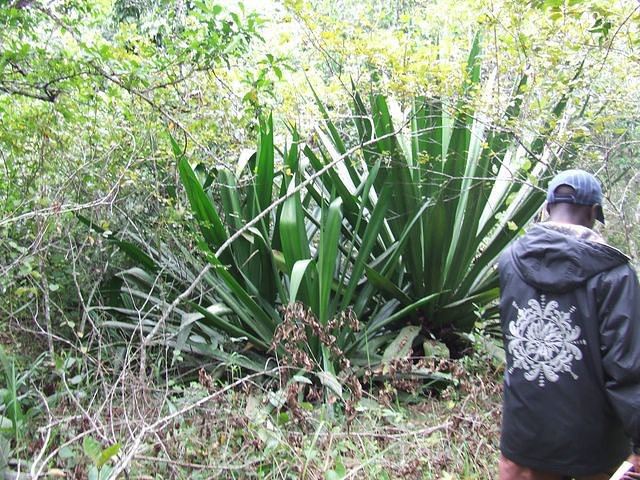
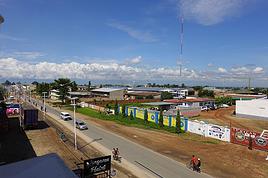 Burundi's Awakening in 2021, and What Comes Next?
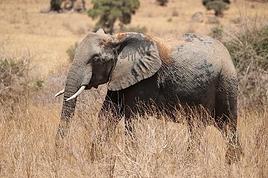 In the midst of Kenya's wildlife, October 2025
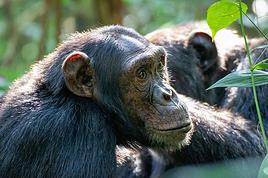 Self-drive in southwestern Uganda, February 2020
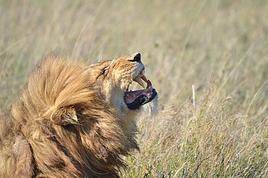 The Kingdom of Lions...
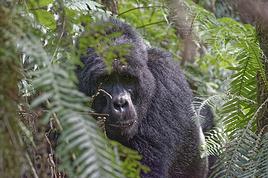 Uganda: 20 days discovering authenticity
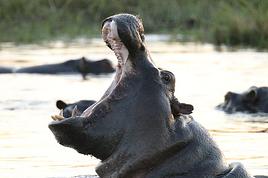 Wild destination: Botswana
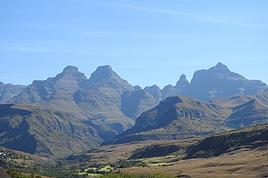 Trip to the Drakensberg in South Africa
 South Africa in Three Trips