Bonjour, Voici les nouvelles du VietNam : - la nouvelle aérogare de Tan Son Nhat a été inaugurée depuis le 14 Aout et opérationnelle pour tous les vols internationaux depuis le 1 Septembre 2007 - le port de casque en moto est obligatoire depuis le 2 Septembre 2007. Toute infraction risque d'entrainer de 15 à 30 jours d'immobilisation du véhicule et avec une amende bien entendu - depuis le 15 Aout, les villes deviennent propres apres une campagne de sensibilisation nationale. Toute personne surprise a jeter des déchets risque d'avoir une amende de 100 000 dong VN. Les rues sont beaucoup plus propres depuis, ainsi que dans les transports en commun.
bonnes nouvelles merci de nous en faire part.
le casque était déjà obligatoire hors des villes, je suppose qu'en ville aussi maintenant ?
pour la propreté, il était temps.
bon dimanche
Bonjour Abalone,
Merci de ts ces renseignements.
Peut-être, pourras tu me répondre, ns partons au vietnam fin décembre.Notre circuit fait que ns n'aurons que 2 journées à consacrer au delta du mékong. Ns serons de retour de Phu Quoc.
Ns hésitons à passer ces 2 jours à Cantho et environs ou à Vinh Long et Cai Be.
Peux tu me dire ce que tu en penses
Merci
😉Bonjour Abalone,
C'est formidable comme bonnes nouvelles du Vietnam que tu nous donnes là !
HCNV deviendra plus propre comme Singapour ! Mais je me demande comment
ils font pour trouver des millions de casque de motos de bonne qualité pour ces
quelques 18 millions de motos qui circulent au Vietnam ? Là bas ils sont souvent
à 2, 3, 4 et même 5 sur la même moto enfants et maman comprises ! Et puis il
leur reste maintenant à résoudre le problème de pollution - un véritable fléau !
De toute façon on se réjouit d'avance de débarquer à la nouvelle Aérogare de
Tan son Nhut ! Ils ont déjà plannifié à construire un autre Aéroport International
à 30 kms de là plus grand encore pour pouvoir recevoir 8 Airbus A-380 à la fois !
__
ça y est c'est decidé nous partons fin decembre pour 20 jours au Vietnam
Pouvez vous nous conseiller un itineraire du Nord au Sud des bonnes adresses d'hebergement accessible et authentique, on travaille beaucoup nous avons besoin de depaysement..
Et pour finir nous irons sur une île, on nous a conseillé Mai House sur Phu quoc, est ce une bonne adresse, ou y'a t il de plus belles îles?
Comment trouver les meilleur prix pour les billets d'avion, faut il aller à Bnagkok et apres eve, tuellement prendre le le train pr aller au Vietnam en traversant le cambodgen ou est ce trop long? Faut il prendre les billets rapidemeny
J'attends avec impatience tous vos conseils, je veus surtout pas me louper pour decouvrir cemerveilleux pays
Pouvez vous me repondre à maiderlacunza@hotmail.com
Bonjour à toutes et tous
Nouveau sur ce site que je trouve très sympathique, nous revenons du viet nam le 27 aout.
J'ai du mal à imaginer que ce soit sur HCM ou Hanoi, que du jour au lendemain on puisse imposer
les casques. En plus, vu la chaleur etouffante surtout sur Hanoi, cela sera surement difficile
de les convaincre !!!
Par contre pour ce qui est des déchets j'ai trouvé les rues "extremement propres" par
rapport notamment au moyen orient que je connais un peu mieux et par rapport à ce que je
craignait.
Le voyage en train de Danang à Nha Trang (SE1) fut une experience "étonnante" mais à ne
pas renouveler trop souvent... car là la propreté (cf les WC !!!) et la vente du thé dans un seau
qui aurait bien pu servir à autre chose nous a un peu "refroidis"...
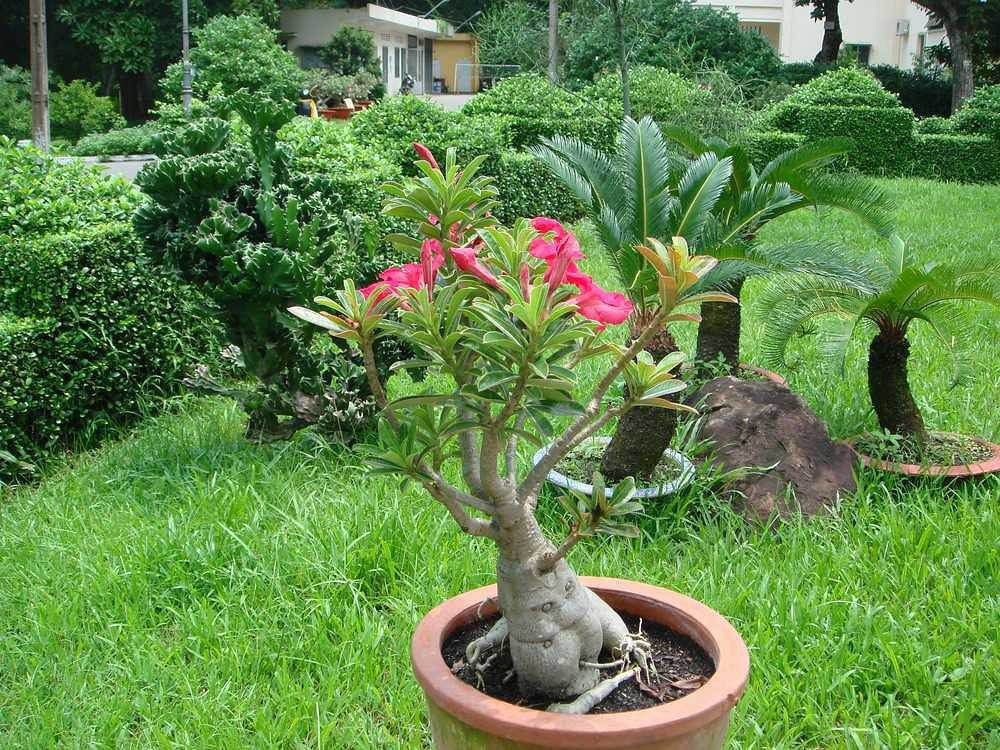
Si vous avez quelques minutes, les connaisseurs en arbres pourraient il me renseigner sur les arbres
à fleur rose que l'on trouve en bacs avec des troncs épais façon bonsai (photo ci-jointe en piece
attachée).
Merci d'avance
Thierry
2 jours dans le delta du Mékong peuvent vous permettre d'avoir un aperçu des paysages et surtout du mode de vie des gens basés sur un riche réseau de navigations, reliant les 7 bras du delta du Mékong. Je dirai presque que la région est composée moitié terre (toute cultivée) et moitié eau avec des mares, des étangs, des canaux de navigations et des fleuves.
Peu importe les lieux de votre visite, partez avec ces idées dans la tête pour mieux apprécier la région. Vinh Long, Can Tho, les marchés flottants de Cai Be, Cai Rang etc ... et les jardins fruitiers sur les ilots de terre sont des clichés touristiques. Ne courez pas pour tout voir, arrêtez vous de temps à autre pour avoir quelques relations intéressantes. A midi, faites une pause chez l'habitant qui vous propose un repas succulent, avec des produits absoluments frais. Le soir, vous pouvez faire appel à une agence pour vous proposer une nuit chez l'habitant. Le matin, levez-vous très tôt, vers 5 H du matin et vous rendre sur les marchés flottants. L'activité est maximale entre 6 et 7 Heures du matin.
Mais je me demande comment ils font pour trouver des millions de casque de motos de bonne qualité pour ces quelques 18 millions de motos qui circulent au Vietnam ?
Les casques sont en vente partout depuis des semaines sur des stands improvisés des trottoirs. Sur les routes en sortie des villes, la police fait des coups de semonce en embarquant sur les camions, toutes les motos dont le conducteur ou son passager n'a pas de casque.
Des décrets sont sortis pour augmenter la sévérité des amendes et les agents de police se mettent à jouer à faire de la distribution de tracts aux coins de rue de Huê. Cette ville devient exemplaire au point de vue respect du code de la route. Les gens s'arrêtent maintenant au feu rouge! A HoChiMinhVille, ça commence aussi.
Quant à la qualité des casques, je pense que c'est un peu tôt pour se poser la question. Il s'agit d'abord de sensibiliser la population avec des casques pas chers, et la qualité viendra quand les gens se rendront compte de leur intérêt de se protéger au mieux.
Là bas ils sont souvent à 2, 3, 4 et même 5 sur la même moto enfants et maman comprises !
Il est bien entendu interdit d'être trois sur une moto, la tolérance est accordée pour un petit enfant.
Et puis il leur reste maintenant à résoudre le problème de pollution - un véritable fléau !
Le Métro de HoChiMinhVille est en chantier depuis quelques temps.
De toute façon on se réjouit d'avance de débarquer à la nouvelle Aérogare de Tan son Nhut ! Ils ont déjà plannifié à construire un autre Aéroport International à 30 kms de là plus grand encore pour pouvoir recevoir 8 Airbus A-380 à la fois !
La nouvelle aérogare est plus petite bien entendu que Suvarnabhumi de Bangkok, mais possède quelques similitudes: rangées de bureau pour le checking en ligne, avec plusieurs files d'attente pour un même vol, le rez de chaussée est réservé aux arrivées, le premier étage est réservé aux enregistrements des départs, les taxis ont accès directement à ces étages.
La plus grande différence, c'est un peu plus béton que la ferraille de Suvarnabhumi qui engendre un effet de résonance permanente et très désagréable si l'on a un long transit.
Le plan du nouvel aéroport est déjà arrêté et se trouve dans la province de Long An, une trentaine de km de Saigon.
Pouvez vous nous conseiller un itineraire du Nord au Sud des bonnes adresses d'hebergement accessible et authentique, on travaille beaucoup nous avons besoin de depaysement..
Je ne conseille jamais des itinéraires préétablis. Il m'arrive d'affiner des itinéraires décidés et arrêtés par les voyageurs qui me demandent conseil.
Je préfère me consacrer beaucoup de temps à chaque endroit pour découvrir des choses plus originales (surveillez mes prochaines publications de Huê et Hôi An).
Je connais beaucoup de bonnes adresses, mais je ne sais pas pourquoi je ne reviens jamais aux mêmes endroits, je préfère découvrir de bonnes surprises et c'est comme cela que mon séjour se prolonge un peu plus par rapport à une certaine idée de ce que je voulais.
Et pour finir nous irons sur une île, on nous a conseillé Mai House sur Phu quoc, est ce une bonne adresse, ou y'a t il de plus belles îles?
Je vois que votre séjour a lieu Fin Décembre, donc les belles iles, c'est à Phu Quoc, ou Con Dao. My Lan House de Phu Quoc est une bonne adresse si vous faites abstraction des conditions de confort, mais vous aurez l'avantage d'avoir à votre disposition une très belle plage et un très bon restaurant. Faites comme ClaudeNguyen récemment, prenez un bateau chez My Lan pour une ballade d'une journée admirer les fonds marins ainsi que la presqu'ile du Roi Gia Long. A Con Dao, vous avez des hôtels à prix abordables moins bien situés mais aussi des hôtels de bonne qualité, un peut plus cher mais quand même plus abordable qu'en France. Con Dao a un fonds marin plus riche et des eaux plus claires et on peut s'y ballader en moto aussi bien qu'à Phu Quôc.
Au VietNam, les autorités préfèrent accorder des projets de qualité (style 4 ou 5 étoiles sur les grands sites de station balnéaires). Les investisseurs sont autant de vietnamiens que de grands groupes internationaux. Pour l'heure, si vous voulez gouter à de l'authentique, il faut se dépêcher...
Comment trouver les meilleur prix pour les billets d'avion, faut il aller à Bnagkok et apres eve, tuellement prendre le le train pr aller au Vietnam en traversant le cambodgen, ou est ce trop long? Faut il prendre les billets rapidemeny
Fin Décembre, vous risquez de trouver des billets beaucoup plus chers pour Bangkok que pour le VietNam qui est maintenant bien desservi par Qtar Airways, en plus de VietNam Airlines.
Si vous tenez toujours à vous rendre à Bangkok d'abord, vous pouvez trouver des billets low costs chez Asia pour Hanoi ou Pacific Airlines pour HoChiMinhVille. Ne perdez pas plus de temps en route, car vous en perdez pas mal déjà, en vous rendant d'abord à Bangkok🙂.
J'ai du mal à imaginer que ce soit sur HCM ou Hanoi, que du jour au lendemain on puisse imposer
les casques. En plus, vu la chaleur etouffante surtout sur Hanoi, cela sera surement difficile
de les convaincre !!!
Dans un premier, le port des casques est dans un but de sensibilisation. Je parie que les vietnamiens ne vont pas tarder à user de leur ingéniosité pour inventer des casques plus surs et plus aérés capables de se déformer pour absorber les chocs et de s'adapter aux conditions climatiques. Les casques les plus surs qu'on trouve en Europe sont loin d'attendre le degré de perfection.
Par contre pour ce qui est des déchets j'ai trouvé les rues "extremement propres" par rapport notamment au moyen orient que je connais un peu mieux et par rapport à ce que je craignait.
Votre témoignage confirme mes impressions et ce n'est pas du chauvinisme comme a voulu faire croire quelqu'un qui a presque tout perdu ses cheveux sur la tête🙂
Tout a fait d'accord avec vous Abalone !
Je ne voudrais pas paraitre "mono-maniaque", mais avez vous une piste pour l'arbuste que j'ai mis en photo jointe sur le
précédent message auquel vous avez répondu ?
Bien sincèrement
Thierry
l'arbuste que j'ai mis en photo jointe sur le précédent message
Elle a le nom latin suivant :Adenium obesum. Je ne connais pas le nom en vietnamien. Je me contente souvent de les admirer sans vouloir retenir les noms de toutes les fleurs. J'ai essayé à maintes reprises de le prendre en photo mais le puriste que je suis échoue dans sa tentative, en voulant prendre en macro, la partie fleurale seulement.
😉 Bonjour Abalone,
Je te remercie de toutes ces bonnes nouvelles du VIETNAM !
Que de changements en si peu de temps là bas ! Ils font vraiment
des efforts pour améliorer et sécuriser la circulation en prenant
toutes ces mesures ... Attendons donc de voir des résultats dans
un an ou deux ? Il reste toujours le problème d'accueil des visiteurs
étrangers dans le pays s'ils veulent faire venir plus de touristes
au Vietnam . Je voudrais parler des arnaques que rencontrent les
visiteurs ... On en parle très souvent dans Voyage Forum . Enfin !--
Je viens de faire quatre heure de vélo (sans casque) dans les rues de HCMC ce matin 3 septembre, jour de fête. Q1, Q3 et Q10.
J'ai recensé un couple de japonais à moto avec un casque (japonais) et un américain (sportif) avec casque (américain).
Le reste comme dab.
Je vais checker tous les jours. Je vous tiens au courant...
Pour les amendes il va falloir un policier par moto ! Et si toutes les amendes sont payées la Police va se retrouver devant un pactole impossible à gérer comme la police belge (voir Le Monde du 2/9/07).
Pour la propreté moi j'ai toujours trouvé les vietnamiens propres et leurs rues aussi.
Et puis il y a plein de petites fourmis qui ramassent tout le temps les ordures et mettent tout cela dans des petits chariots. C'est impeccable.
C'est pas précis ça le 2 Septembre 2007 ? Le Monde? Le journal Le Monde pas la planète...je sais pas quelle page...le journal est loin de moi, il pleut...Je vais regarder demain si tu trouves pas. Oui l'histoire c'est que la Police est tellement efficace en Belgique avec les radars et tout ça et le système pour envoyer les contraventions et surtout les réglementations de plus en plus dures et sévères qu'ils collectent un maximum d'argent et que cet argent selon la loi doit revenir à la Police et qu'ils savent pas comment le dépenser. Ils ont acheté des voitures dont ils se servent pas par exemple...Voilà en gros de quoi ca parle.
Je n'achète pas le monde, j'ai regardé en ligne, te fatigue pas à me donner la page si ce n'est pas sur le net.
En fait, ça me fait bien rigoler toutes ces histoires, parce que quand il s'agit d'engager du personnel, comme par hasard, il n'y a pas d'argent... c'est pour cela que j'aurais voulu lire l'article, mais te bile pas, dans quatre mois je leur dis bye bye, alors argent ou pas... pfffffffffffff 😛
Il reste toujours le problème d'accueil des visiteurs étrangers dans le pays s'ils veulent faire venir plus de touristes au Vietnam .
Je suis d'accord pour penser que les vietnamiens ne sont pas comme certains peuples qui font des courbettes devant l'honorable visiteur venant d'ailleurs. L'histoire du VietNam est passée par des périodes douloureuses où il fallait une vraie guerre pour avoir une indépendance et une liberté. Les vietnamiens sont déjà fiers à l'origine, et suite à ces sacrifices, on est plus très prêt pour accepter n'importe quoi.
Je voudrais parler des arnaques que rencontrent les visiteurs ... On en parle très souvent dans Voyage Forum
Je reconnais qu'il existe de l'arnaque comme partout ailleurs et je suis le premier à la dénoncer lorsque les faits sont avérés. Le problème des témoignages sur VF c'est qu'il y a une tendance à la généralisation sur tout son voyage lorsque le touriste rencontre un seul problème et il y a un amalgame qui rend difficile à dénouer le problème dont il s'agit.
Dans l'exemple de vol dans un hôtel par exemple, le touriste est victime d'un vol, c'est un fait. De là à accuser le patron ou le personnel de l'hôtel, sans aucune preuve, c'est difficile à admettre et je comprends que la police est impuissante pour arrêter qui que ce soit. Et alors, le touriste se met à accuser la police de connivence, c'est encore moins acceptable.
D'après ce que je sais, c'est qu'il existe de vrais voleurs qui sévissent dans les petits hôtels peu chers. Ils étaient déjà venus en touriste au paravant pour se faire des doubles de clés ou tout simplement, ils sont des experts pour ouvrir n'importe quel clé. Ils louent une chambre d'à côté et surveillent les allées et venues du touriste jusqu'à ce qu'ils sachent l'absence prolongée du touriste pour accomplir leur vol. Conseils à observer: garde son argent ou ses objets précieux toujours avec soi, dans ce genre d'hôtels.
Au VietNam, les hôtels sont tenus d'avoir des vigils en civil pour surveiller mais dans les hôtels bon marché, ce n'est souvent pas le cas.
Il existe maintenant dans de nombreuses villes une police pour la protection des touristes. Je vous ferai voir prochainement une photo des policiers avec un numéro de téléphone qui vous permet de les joindre en cas de problème.
Concernant le problème des prix de transports des autobus, le prix affiché qui est de 2000 dong n'est plus d'actualité. Par contre le prix est marqué sur le ticket, avec un numéro de téléphone du bureau central en cas de litige.
J'espère pouvoir aider les touristes plus efficacement pendant leur séjour au VietNam.
Je vais checker tous les jours. Je vous tiens au courant...
Pour les amendes il va falloir un policier par moto !
Voici les décrets 32/CP concernant les règles de circulation:
A partir du 01/01/2008, ne peuvent plus circuler des voitures dont la date d'utilisation est dépassée, les véhicules agricoles, les véhicules de création personnelle (3 ou 4 roues). Toute infraction volontaire entraine la confiscation du matériel et la vente au profit du fonds publique. Retenue des véhicules pendant 30 jours, s'il y a dépassement de passagers autorisés, circulation en contre-sens, sens interdit, faufilade, non respect des feux rouges, et non respect des ordres des agents de circulation. Retenue des véhicules pendant 90 jours, si le conducteur est lycéen ou étudiant n'ayant pas l'âge requis ou n'ayant pas encore de permis. Obligation de réétudier le code de circulation puis examen de contrôle avant de reprendre son véhicule au dessus de 60 jours. Confiscation définitive du permis des professionnels de la circulation auteurs d'accident grave ou transportant plus de 100 % de passagers. A partir du 15 Septembre 2007, port obligatoire des casques sur l'ensemble des routes nationales A partir du 15 Décembre 2007, port obligatoire des casques sur l'ensemble des voies de circulation
On a observé hier une augmentation des gens portant des casques à HoChiMinhVille.
Mais, camarade wallon, t'es pas débrouillard, tu n'es pas un digne fils de mon idole Tintin.
Tu tapes "Police belge" sur le site lemonde.fr et tu as l'article, une fois !
Je t'en fais une copie quitte à encombrer le forum.
Les histoires belges vues du Vietnam c'est sympa.
Amitiés
Les polices locales belges sont trop riches, incapables de dépenser l'argent qui, semble-t-il, coule à flots, en provenance du fonds fédéral des amendes routières. Contraintes d'affecter cette manne à des projets visant à améliorer la sécurité du trafic, elles acquièrent dès lors du matériel inutile, voire des billets de loterie avec lesquelles elles récompensent les automobilistes les plus respectueux des règlements. Fort de ce constat, le ministre de l'intérieur, le libéral flamand Patrick Dewael, a proposé d'affecter une partie du produit des amendes à d'autres missions policières. "Hallucinant !", a répliqué l'une de ses adversaires politiques.
Depuis le début de l'année, les diverses zones de police locale ont déjà reçu 100 millions d'euros à se partager. Le montant des amendes connaît une croissance exponentielle, due à la fois aux moyens mis en oeuvre pour obtenir leur paiement, à l'augmentation des tarifs et à la multiplication des contrôles. En Flandre, des boîtes équipées d'un appareil photo sont désormais placées à chaque carrefour, ou presque. Dans tout le pays, les policiers déploient des trésors d'ingéniosité pour "flasher", en se cachant, les contrevenants. Pas toujours dans les zones les plus dangereuses, mais bien dans celles où ils ont une chance de coincer un maximum de conducteurs en infraction.
Au permis à points ou aux radars signalés par des panneaux, les autorités préfèrent les contrôles mobiles et des amendes plutôt lourdes : 170 euros, par exemple, si l'on roule à 70 km/h dans une zone urbaine où la vitesse est limitée à 50 km/h. Sur autoroute, les amendes grimpent vite à quelques centaines d'euros. Un peu dépassés, certains parquets auprès desquels aboutissent les dossiers si les conducteurs refusent une transaction "à l'amiable" ont proposé, en vain, d'effacer les infractions les plus légères.
"L'ARGENT DOIT ÊTRE DÉPENSÉ"
"L'argent est là et doit être dépensé, en projets utiles ou inutiles", a expliqué un membre du Syndicat libre de la fonction publique pour décrire le casse-tête auquel sont confrontés les responsables des zones de police. Selon le syndicaliste, des motos qui ne quittent pas leur garage ont notamment été achetées ici et là. M. Dewael a donc suggéré que les autres missions locales, dont la police de proximité, bénéficient d'une partie de cet argent inattendu.
La ministre régionale des transports, membre du Parti socialiste flamand, s'est violemment élevée contre cette idée alors, affirme-t-elle, que le nombre de blessés sur les routes est reparti à la hausse. Les clubs d'usagers plaident pour que le produit des amendes finance un meilleur apprentissage de la conduite.
Les zones de police confirment, quant à elles, qu'elles investissent souvent dans des moyens techniques et humains visant à multiplier les contrôles, ce qui, en bout de ligne, va compliquer encore leur situation. La palme de l'originalité revient sans doute à la ville de Gand, où la police a décidé de multiplier les contrôles... des vélos. Si sa bicyclette est mal éclairée, un usager a le choix : soit acquitter une amende de 150 euros, soit dépenser 1 euro pour acheter, dans un bureau de police, un nouvel éclairage.
Jean-Pierre Stroobants
Article paru dans l'édition du 02.09.07.
Tu tapes "Police belge" sur le site lemonde.fr et tu as l'article, une fois !
C'est ce que j'avais fait, mais il me donnait un article vieux de plusieurs jours...
Merci pour la copie.
PS: (post scriptum, et pas parti socialiste, c'est mal vu en ce moment)
Je suis plutôt "Titine" (personnage humoristique tenu par Henriette Brenu, il y a très longtemps) que "Tintin"... 😎😎😎
Bonjour,
Pour itineraires, je vous propose comme suivant:
J1: Saigon.
J2: Saigon-Vinh Long -Tra vinh.
J3: Tra Vinh -Soc trang-Can tho
J4: Can tho - Saigon.
J5:Saigon - Phan Thiet
J6:Phan thiet
J7:Phan thiet - Nha Trang.
J8:Nha Trang.
J9:Nha Trang -Danang -Hoian.
J10:Hoian
J11: Hoian -Hue
J12:Hue -Hanoi -LaoCai
J13: Laocai -Bac Ha -Sapa
J14: Sapa -Hanoi
J15:Hanoi -Hoa Lu.
J16:Hoa Lu -Haiphong -HAlong.
J17:Halong
J18: Halong -Hanoi.
J19: Hanoi -Hoa binh -HAnoi.
J20: Hanoi -Depart.
Pour les billets d'avion domestiques, c'est facile et rapide de les obtenir. Vous pouvez ainsi deplacer en train ou en avion et en voiture pour les courts transfert.
Pour l'hebergement, les htls toujours disponibles et la qualite de service va depair avec la categorie de l'hotel. Merci de mefaire savoir categorie d'hotel souhaitee afin que je puisse vous donner des conseils.
Tres bonne journee et en attente de vous lire. Vous pourriez m'ecrire via mon propre adresse:lalunedeux@gmail.com
Hi everyone,
I’ll be in western Malaysia for 20 days in January and February.
I’m coming from southern Thailand to Ipoh for the Thaipusam festivities.
Then it’s off to Pangkor Island.
I’ll finish up in Malacca for the Chinese New Year celebrations before heading to Singapore.
I’ve got a 6-day gap.
I was thinking of going to K.Lipis for the jungle train and heading to Dabong, but the caves might not be open.
Any suggestions around K.L.?
Day treks?
A stopover between K.L. and Malacca?
Thanks
Hello everyone! I’m heading off solo in February and wanted to share my rough itinerary with you. Does this sound doable?
PS: I’m not really into beaches.
D1 Departure on February 17, 2027
D2 Arrival in Kuala Lumpur – stroll through Chinatown and visit the Petronas Towers
D3: Kuala Lumpur – Chow Kit Market, Batu Caves, Little India, Bukit Bintang downtown area
D4: Early morning bus to Malacca. Explore Malacca in the afternoon and evening
D5: Another 2–3 hours in Malacca in the morning, then bus back to Kuala Lumpur. Merdeka Square area. Stay in Chinatown
D6: Bus trip to Kuala Tahan. Night tour
D7: Morning – canopy walk and Bukit Terisek hike. Afternoon – off to Lata Berkoh
D8 & D9: 2-day jungle trek in Taman Negara National Park
D10: Head to Cameron Highlands
D11: Morning hike through the plantations. Afternoon still to be decided
D12: Morning – excursion to Mossy Forest and Sungei Plantation. Afternoon bus to Ipoh
D13: Morning – Mirror Lake / Sam Poh Temple area. Afternoon – explore downtown Ipoh
D14: Morning train to Penang. Afternoon – wander around Georgetown
D15: Morning – Penang Hill and Keh Loh Temple. Afternoon – Georgetown
D16: Bus to Butterfly Garden and Spice Garden. Late afternoon – Burmese and Thai temples
D17: Morning flight to Singapore. Afternoon – Chinatown and Marina Bay tour
D18: Morning – Gardens by the Bay area. Afternoon – Boat Quay, Clarke Quay, Kampong Glam
D19: Morning – The Ridges area and Botanical Garden. Afternoon – Little India, then back to Chinatown before 11:15 PM return flight
D20: Morning arrival
Hi, I’ve read that these two volcanoes are super popular and that there are *tons* of people for sunrise, especially in July. I’m looking for firsthand accounts from anyone who’s done it later, around 9–10 a.m.
Thanks for your help!
Laëtitia
I’m heading to Cambodia at the end of December 2026 – January 2027 for 3-4 weeks. Since I’ve already visited Cambodia twice, my itinerary is a bit different this time—I’d love to explore Botum Sakor Park, Chi Pat, the Tatai region, and the Cardamom Mountains. I’m traveling solo. If you have any tips on transportation, excursions, treks, sights, or accommodations in the area, I’d really appreciate it. Thanks for your feedback!
Has anyone traveled with the Laos travel agency ADV ?
I’m planning a trip to Laos and have received several quotes. Among them, this agency’s seem very reasonable, and so far, the interactions have been positive.
I’ve found a few positive reviews online, but I’d love to hear from travelers who’ve actually booked with them: how’s the organization, guide quality, accommodations, on-the-ground responsiveness, etc.
Thanks for sharing your experiences!
First stop on our discovery of the peninsula: Amphawa. It’s our first night in Thailand (we arrived at Suvarnabhumi at 8:50 AM).
Our initial plan was to explore the area before heading further south. The Mae Klong Railway Market is tempting... but what else is there to do????
We’ll be there on a Wednesday, and from what I’ve read on the forum, some say there’s absolutely nothing to do during the week—no floating market, barely any shops open, no restaurants, etc.
Others, though, say the place is actually more charming without the weekend crowds.
Could you share your thoughts? Missing the floating market is one thing, but if it’s really a ghost town on Wednesdays, I might just drop our bags somewhere else.
Amphawa seemed like a good first stop, just 1.5 hours from the airport, but I’d still like to settle somewhere a bit lively for our first evening.
We’ll be there at the end of October.
Thanks!
Hi,
I wanted to visit the plantations in the morning with GetYourGuide or by just showing up.
How much time should I really plan for?
I’d like to catch either the 3 PM or 5 PM bus back to KL.
Thanks
Hi,
I wanted to get some info about the cable car and the bridge—I see lots of different options...
How much time should we allow for these two activities? If we arrive around 4 PM, will we have enough time to visit without rushing?
Thanks
Hi there,
I didn’t plan to return to Thailand this year, but my health conditions mean it’ll be the best place for me to stay between two trips to India. The tourism setup there is so well-organized that it’s the most "comfortable" country for a short visit. Thailand feels too sanitized for my taste, and there’s too much religion, Buddha, and the King, but it’s still the best option given how my health has been evolving. I’d considered two weeks in ThaTon for hiking, but I got too sick from the burn-offs during my trips to the mountains around Chiang Rai. So I’m not sure where to go this year. Definitely not the sea, touristy spots, or the mountains with burn-offs...
Hi,
On September 1st, we're heading to Kalimantan for six weeks, probably from Pontianak to the Derawan Islands.
I've scoured this site, which is usually my go-to 😉, and others like VoyageForum, but recent info is pretty scarce.
I'd love any tips on places you've visited—our itinerary is still a work in progress.
We're two couples traveling with backpacks, using buses, boats, guesthouses, and homestays.
Thanks in advance!
Hi fellow travelers,
First trip to Vietnam.
We’ll be arriving in Ho Chi Minh City during Tet.
Is it complicated to find accommodation and get around during this period?
Any tips would be welcome.
Thanks for your replies.
Hi! I’d like to split my trip into two parts: 15 days in Phuket and 15 days in Krabi. Do you know if I can rent a car and drop it off in Krabi when I fly back to France?
Thanks for your feedback!
Have a great Sunday!
Martine
Hello,
After 1 night in Khao Sok, I’d like to find a 2 Days 1 Night package on the lake.
After reading a lot, I decided to "break the bank" and treat ourselves to a private tour—mainly to avoid the crowds.
But after contacting several operators, they offer "private tours" that are very expensive (around 700 €), yet in the details, the boats can only leave from the pier at 10 AM like everyone else. (I was hoping to leave much earlier.) The morning program is the same for everyone too (private or not). They drop us off at noon at our floating hotel (I’d chosen Phupha Waree). Free afternoon (swimming or kayaking in front of the hotel). We head back by boat for a 1-hour sunset ride. And the next morning, we leave the hotel at 8 AM to be at the pier by 9:30 AM at the latest—end of the trip.
So basically, we’re paying a lot for a private tour just to do the same thing as everyone else at the same time.
Or maybe I just had bad luck in my search.
I contacted Panida Ladi, who’s very popular on forums. We’d agreed on a private tour that matched my request (departure from the pier at 8 AM, very personalized itinerary). We settled on the itinerary and price, she asked for a Wise transfer for a 30% deposit, confirmed receipt of the deposit. Then 30 minutes later, she messaged me to say she was canceling everything because it was impossible to do the requested tour—and promised a quick refund of my deposit.
So here’s my question: Who’s done a *real* private tour on this lake? Who can recommend a reliable agency? Is it even really possible to do a private tour here?
I’m searching for a real gem for my 3rd stay in Koh Lanta: a lovely, high-quality hotel right by an easily accessible beach in a lively spot.
If you know of anything that fits what I’m looking for and want to share, don’t hesitate!
Hi, is anyone there in Flores right now? According to some websites, everything is closed and the situation is tough. But our guide says it's fine. Who should we believe? We're supposed to leave on September 2nd. Thanks to anyone in Flores at the moment!
Hi dear community,
I'm planning to visit Cambodia this winter, right after Christmas, for my first solo trip and my first trip to Asia. For two weeks (yes, I know it's short, but I really can't do more...). I have two main desires: Siem Reap and the countryside, the villages, the Mekong...
What do you think of this itinerary? Arrival in Siem Reap, departure from Phnom Penh.
SR: 5 days (1 day for arrival, 3 for the temples, 1 for the lake and its villages)
Kratie (stop on the way to Mondolkiri): 3 days (1 day of travel, 2 days there)
Mondolkiri/Sen Monorom: 4 days (1 day of travel, 1 day there, 2 days of treks)
PP: 3 days (1 day of travel, 2 days of sightseeing)
I think I need to cut one day somewhere if I travel from Saturday to Saturday or Sunday to Sunday. In Kratie, maybe? Or in PP? And I'll miss the boat trip that everyone recommends (SR-Battambang), but I don't see where to fit it in. Unless I do a PP-PP loop starting in the east, skip Kratie or just stay one night, then SR, then PP.
In my timing, Mondolkiri seems closer than Ratanakiri, which also tempted me a lot! Will it be too complicated alone? I'm thinking of using local guides or a small local agency for a nature and village getaway.
I've read that Siem Reap is very crowded between Christmas and New Year's. I could also do the circuit in the opposite direction. But I thought it would be easier to get familiar with the country by arriving in a touristy area—I might be wrong...
Thanks for your advice and opinions!
Hi everyone.
I’m planning my trip, and based on all the posts I’ve read, this country is amazing.
Of course, I’ve got a ton of questions for you.
Here’s a possible itinerary: Vientiane - Vang Vieng - Phonsavan - Sam Neua - Nong Khiaw + villages - Phongsali - Luang Namtha and the area - Udomxai - Huay Xai - Luang Prabang and back to Vientiane.
What do you think?
We’re planning to prioritize local transport—is it possible to do this loop?
We’d also love to go kayaking, but I’m not sure if the season’s right or where the best spot is.
For trekking—I read that Phongsali is the most authentic spot to visit villages and see wildlife. Do you know of a reliable agency and a guesthouse with reasonable prices?
Is it worth taking a slow boat for a stretch on the Mekong, and if so, which route?
For accommodations, is it better to book through Booking.com and Agoda or look when we arrive?
Are mosquitoes bad in Laos, and should we take malaria prophylaxis?
What’s the average daily budget (accommodation, food, visits)?
Is renting scooters a good option for exploring towns, and if so, which ones?
From what I’ve read, it’s best to carry cash—euros or dollars? Is it risky to walk around with that much cash?
I’ve still got tons of questions. Thanks to anyone who can help, and I’m open to all tips, info, etc.
Thanks again
Hi there,
I’m planning a family trip (my wife and I, both 47, and our two sons, aged 5 and 12) to Malaysia for the last week of June and the first two weeks of July 2027.
We used to love road trips as a couple, then as a trio, but since our second child arrived, we’ve taken a break with "camping village" style trips.
Now feels like the right time to get back to our old habits, while adjusting the pace for the kids.
We’re craving Asia. We’ve been lucky enough to visit Thailand, Indonesia (Bali and Lombok), and Sri Lanka before.
Friends have raved about Malaysia, so we’re definitely tempted.
For those who know and love Malaysia, what would be a good itinerary starting from Kuala Lumpur, with a maximum of 3-4 stops? We’d like a mix of culture, nature, and relaxation (just to clarify, we’re not big beach fans). All of this without rushing, of course.
Hello,
We’re a family of four with two teens aged 16 and 18. We’re heading to Thailand this summer. We’ll arrive in Bangkok and plan to take a flight to Luang Prabang.
I’ve seen there are some great visits and excursions to do (temples, markets, waterfalls) and maybe even venture a bit north to places like Nong Khiaw, Muang Xay, Muang Ngoy, or Oudom Xay.
But I’ve also heard about the Bokeo region with the Gibbon Experience.
Since we won’t be able to do everything, I’d love to hear about your experiences, impressions, and advice on the two options I’m considering, especially since we’ll be meeting family in Chiang Mai, Thailand, afterward.
Option 1: A loop from Luang Prabang heading slightly north, then a flight from Luang Prabang to Chiang Mai.
Option 2: A few days in Luang Prabang, exploring within a few dozen kilometers around, then heading to Bokeo province for the 2-day/1-night Gibbon Experience. For this option, I saw on Rome2Rio that it’s possible to book a ferry trip on the Mekong from Luang Prabang to Huay Xay—they mention about 8 hours. But is that realistic? What type of boat is it?
Then, to get to Chiang Mai, there aren’t many options—bus or minivan—but how does crossing the border work?
Finally, for those of you who’ve been to Laos in August, what was the weather like?
We’ve already visited Thailand, Vietnam, and Cambodia during the same period over the past four years and weren’t really bothered by bad weather.
I’m starting a discussion about guides in the Mekong Delta because we’ve just finished our trip in this region and had a hard time finding a French-speaking guide. We had Thanh—she speaks French really well and travels all over the delta region, including Ho Chi Minh City. She’s super friendly and flexible. I recommend her wholeheartedly. If it can help someone...
Feel free to contact us for her number.
Hi everyone,
I couldn’t find any recent info on Kuching.
Can anyone recommend a hotel or guesthouse for under 100 RM that’s nice and affordable? No dorms, please.
Also, does it rain a lot in November, and is it still worth visiting Semenggoh or Bako?
We’ll be arriving in Phnom Penh this coming January and we’re thinking of starting our trip with a stop in Kampong Cham, then Kratie.
After Kratie, we’re considering heading toward Siem Reap with a stop in Kampong Thom.
That said, I’m not really sure how long the Kratie–Kampong Thom journey might take or how complicated it is.
Does this stop on the way to Siem Reap seem like a good idea to you?
If we don’t visit the Sambor Prei Kuk site, are there still any walks or sights worth checking out in Kampong Thom?
Silly question—backpack or hard-shell suitcase for the Sepilok, Kinabatangan, Tioman, KL trip?
I’m struggling to fit all my son’s and my stuff into the 70L backpack... and I’m thinking a suitcase would be easier, but I’m not sure if it’ll work for getting around.
After a stay on Koh Phayam this coming November, I’d like to spend 2 or 3 days on Koh Phra Thong before heading further south.
Do you think it’s doable to leave Koh Phayam early enough to catch the 10 AM boat from Khura Buri to Koh Phra Thong? The next one isn’t until 4 PM, which would cost me a whole day.
I’m planning a trip to Indonesia, specifically Sulawesi and Java, in September for 10 days.
I don’t know this part of the world at all—any advice is welcome!
I’ll be traveling solo and would also love tips on meeting other travelers or locals.
Hello everyone,
Not long ago, I used to travel as a couple, but my husband has since passed away, and I’ve decided to set off again. The trip I took to Cambodia in January 2025 did me a world of good.
I’m now considering Thailand, a destination we never included in our plans because even 15 years ago, people said it was too touristy. Still, I’m thinking about the itinerary below, but I don’t feel up to arranging buses, trains, or guides on my own while I’m there. I’m looking for one or more drivers and have been in touch with an agency, but their offers are just copy-paste group tours that I don’t want.
So, if you have any contacts, experiences, or advice, I’d be so grateful if you’d share them with me. Here’s my rough plan:
Arrival in Bangkok
Ayutthaya (2 nights)
Kanchanaburi (2 or 3 nights)
Sangkhlaburi/Sai Yok (3 nights)
Sukhothai (2 nights)
Lampang (I’ve planned 3 nights, but that might be a bit much—it depends on what time I arrive in the city)
Chiang Mai
Chiang Dao
Pai
Chiang Rai
I was thinking about the Mae Hong Son loop—thoughts?
What do you think about staying overnight at the Golden Triangle?
When I look online, of course, I can find agencies that organize tours to national parks, etc.
I’m retired but in great physical shape. I’d rather go hiking than sit in hot springs with crowds of tourists who’ve all arranged meet-ups. I don’t want to spend a day at an elephant camp, and I don’t want to visit Karen villages.
I’d love to hear your advice.
Thank you all,
Hi everyone,
Could you share your thoughts on my 3-week itinerary?
We’re a small group (family + friends) of 12 people, planning to leave around January 21, 2027.
Here’s my itinerary:
3 nights in Bangkok
4 nights in Chiang Mai
3 nights on Koh Samui
3 nights on Koh Phangan
4 nights in Krabi
4 nights in Phuket
I’m also open to any great tips you might have...
Thanks, everyone! Alain.
Hi there,
We’re planning a 3-week family trip next summer with our three kids, who’ll be 8, 8, and 7 years old.
After some research, we’re leaning toward Malaysia to combine nature/forests and paradise beaches. The idea is to introduce our kids to the country’s culture, nature, and wildlife.
We want a great trip but without splurging on luxury options like high-end lodges and resorts. We’re looking for comfort with a touch of authenticity—basically, a good middle ground.
I’ve started putting together an itinerary and would love your expert advice and tips to help us build this amazing trip with our little ones.
Day 1: Departure from France
Day 2: Kuala Lumpur
Stay at a hotel near the airport or KL Sentral.
Just one night.
Day 3: Morning flight to Sandakan (Borneo).
Stay in Sepilok
Day 4: Sepilok:
* Orangutan Center
* Malayan Sun Bear Center
* Rainforest Discovery Centre
Day 5: Depart for Kinabatangan.
Boat safari in the late afternoon.
Day 6: Sunrise safari.
Jungle walk.
Evening safari.
Day 7: Final safari.
Return to Sandakan.
Flight to Kuala Lumpur, then to Kota Bharu (or overnight transit depending on schedules).
Day 8: Transfer to the port.
Boat to the Perhentian Islands.
Days 9 to 13: Perhentian Besar
5 full days.
* Snorkeling
* Hiking
* Turtle watching
* Wild beaches
* Relaxation
Day 14: Return to the mainland.
Bus or private car to Taman Negara.