last edited Jun 17, 2020
What to See in Seville
Contributionsversion #6created Jun 17, 2020Report this pageLatest contributions in this guideContributors to this guide
Location Map of Seville
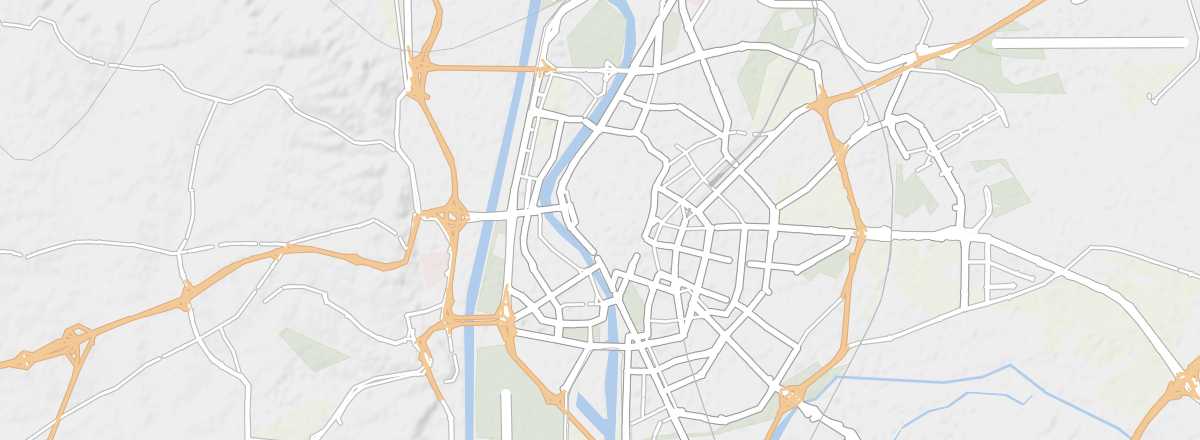 Seville
Open the interactive map
Overview
UNESCO World Heritage Sites
The city has three sites inscribed on the UNESCO list in 1987:

Seville Alcázar
A fortified palace dating from the 9th century, considered a remarkable example of Mudéjar architecture, as are its stunning terraced gardens. It was later modified several times during and after the city's Muslim period.
A fortified palace dating from the 9th century, considered a remarkable example of Mudéjar architecture, as are its stunning terraced gardens. It was later modified several times during and after the city's Muslim period.

Archive of the Indies in Seville
A vast 18th-century building created to house all the archives related to the Spanish colonies of the time.
A vast 18th-century building created to house all the archives related to the Spanish colonies of the time.

Seville Cathedral
Built over more than a century, this Gothic cathedral features a bell tower (the Giralda), which was originally the Hispano-Moorish-style minaret of the great Almohad mosque that once stood here.
Built over more than a century, this Gothic cathedral features a bell tower (the Giralda), which was originally the Hispano-Moorish-style minaret of the great Almohad mosque that once stood here.
Neighborhoods and Tourist Areas
Santa Cruz
This district, whose origins date back to the Middle Ages, is part of Seville’s historic heart. Lively and now tourist-friendly, it’s loved for its narrow streets, shaded patios and squares, its old façades, and its proximity to several of the city’s major landmarks (the Alcázar, cathedral, etc.).
This district, whose origins date back to the Middle Ages, is part of Seville’s historic heart. Lively and now tourist-friendly, it’s loved for its narrow streets, shaded patios and squares, its old façades, and its proximity to several of the city’s major landmarks (the Alcázar, cathedral, etc.).
Triana
Located on the banks of the Guadalquivir and connected to the rest of the city by the Triana Bridge, this lively, working-class district—with its market, bars, and restaurants—is known for its artisans, particularly potters, its bullfighters, and flamenco. You can wander through its streets, like Calle Betis.
Located on the banks of the Guadalquivir and connected to the rest of the city by the Triana Bridge, this lively, working-class district—with its market, bars, and restaurants—is known for its artisans, particularly potters, its bullfighters, and flamenco. You can wander through its streets, like Calle Betis.
Old Town
The Casco Antiguo is the heart of Seville’s old town, with its medieval and Renaissance-style buildings (Cathedral, Alcázar, etc.). It comprises around a dozen neighbourhoods, including Santa Cruz, which is very popular with tourists.
The Casco Antiguo is the heart of Seville’s old town, with its medieval and Renaissance-style buildings (Cathedral, Alcázar, etc.). It comprises around a dozen neighbourhoods, including Santa Cruz, which is very popular with tourists.
Monuments and Architectural Ensembles
Seville Alcázar
A fortified palace dating from the 9th century, considered a remarkable example of Mudéjar architecture, as are its stunning terraced gardens. It was later modified several times during and after the city's Muslim period.
A fortified palace dating from the 9th century, considered a remarkable example of Mudéjar architecture, as are its stunning terraced gardens. It was later modified several times during and after the city's Muslim period.
Antiquarium
An underground archaeological site showcasing Roman, Visigothic, and Islamic-era remains of the city, located beneath the Metropol Parasol.
An underground archaeological site showcasing Roman, Visigothic, and Islamic-era remains of the city, located beneath the Metropol Parasol.
Royal Maestranza Bullring
Built over two centuries ago, they can be visited along with the associated bullfighting museum.
Built over two centuries ago, they can be visited along with the associated bullfighting museum.
Archive of the Indies in Seville
A vast 18th-century building created to house all the archives related to the Spanish colonies of the time.
A vast 18th-century building created to house all the archives related to the Spanish colonies of the time.
Casa de Pilatos
One of the (quite) many aristocratic palaces in the old town. With its lovely patio, this one dates from the 16th century and, like many others, blends the architectural styles that have shaped Seville over the centuries.
One of the (quite) many aristocratic palaces in the old town. With its lovely patio, this one dates from the 16th century and, like many others, blends the architectural styles that have shaped Seville over the centuries.
Metropol Parasol
A massive modern wooden structure (the largest in the world) installed in 2011 at Plaza de la Encarnación. You can walk on these "mushroom parasols," which also house a market, bars, restaurants, and the Antiquarium.
A massive modern wooden structure (the largest in the world) installed in 2011 at Plaza de la Encarnación. You can walk on these "mushroom parasols," which also house a market, bars, restaurants, and the Antiquarium.
Las Dueñas Palace
Five centuries old, it is one of the most visited sites in Seville. It is a complex of buildings in different architectural styles separated by patios and beautiful gardens. It houses an important collection of artworks, furniture, and antiques.
Five centuries old, it is one of the most visited sites in Seville. It is a complex of buildings in different architectural styles separated by patios and beautiful gardens. It houses an important collection of artworks, furniture, and antiques.
Plaza de América
Along with the Plaza de España, it is part of Maria Luisa Park and also dates back to the Ibero-American Exposition of 1929. It is bordered by three imposing buildings showcasing the three architectural styles that have marked the city’s history (Mudéjar, Neo-Renaissance, and Neo-Gothic).
Along with the Plaza de España, it is part of Maria Luisa Park and also dates back to the Ibero-American Exposition of 1929. It is bordered by three imposing buildings showcasing the three architectural styles that have marked the city’s history (Mudéjar, Neo-Renaissance, and Neo-Gothic).
Plaza de España
This spectacular square, notable for its size (31,000 m²), its semi-oval shape, and its architecture, is one of the city's main attractions. A central fountain is surrounded by a canal spanned by several bridges, all facing a vast palace of nearly 20,000 m². The entire complex was designed for the Ibero-American Exposition of 1929.
This spectacular square, notable for its size (31,000 m²), its semi-oval shape, and its architecture, is one of the city's main attractions. A central fountain is surrounded by a canal spanned by several bridges, all facing a vast palace of nearly 20,000 m². The entire complex was designed for the Ibero-American Exposition of 1929.
Religious Buildings
Basilica of La Macarena
Built less than a century ago (1941), this small church is famous for housing the Virgin of La Macarena, the city’s protective statue, which is carried in procession on Good Friday. A small museum on site showcases Seville’s Holy Week through processional and liturgical objects.
Built less than a century ago (1941), this small church is famous for housing the Virgin of La Macarena, the city’s protective statue, which is carried in procession on Good Friday. A small museum on site showcases Seville’s Holy Week through processional and liturgical objects.
Seville Cathedral
Built over more than a century, this Gothic cathedral features a bell tower (the Giralda), which was originally the Hispano-Moorish-style minaret of the great Almohad mosque that once stood here.
Built over more than a century, this Gothic cathedral features a bell tower (the Giralda), which was originally the Hispano-Moorish-style minaret of the great Almohad mosque that once stood here.
Convent of Santa Paula
This charming 15th-century Sevillian convent is still active today. As is often the case, it features an architectural blend of buildings arranged around a pleasant patio.
This charming 15th-century Sevillian convent is still active today. As is often the case, it features an architectural blend of buildings arranged around a pleasant patio.
Church of the Divine Saviour
The largest church in the city after the cathedral. Built in the Baroque style in the late 17th century, it features one of Seville’s finest Baroque altarpieces.
The largest church in the city after the cathedral. Built in the Baroque style in the late 17th century, it features one of Seville’s finest Baroque altarpieces.
Hospice of Charity
This 17th-century hospital institution is renowned for its church, a masterpiece of Sevillian Baroque architecture. It houses paintings by great Spanish masters of the period.
This 17th-century hospital institution is renowned for its church, a masterpiece of Sevillian Baroque architecture. It houses paintings by great Spanish masters of the period.
Hospice of the Venerables
Originally a home for elderly and impoverished priests, this site—along with its beautiful associated church—is a striking Baroque building. Today, it houses the Velázquez Centre, dedicated to the eponymous painter (and a few others), featuring permanent and temporary exhibitions.
Originally a home for elderly and impoverished priests, this site—along with its beautiful associated church—is a striking Baroque building. Today, it houses the Velázquez Centre, dedicated to the eponymous painter (and a few others), featuring permanent and temporary exhibitions.
Museums
Andalusian Centre for Contemporary Art
The CAAC is actually a 15th-century former monastery converted into a contemporary art space (paintings, ceramics, photographs, drawings, sculptures) with permanent and temporary exhibitions.
The CAAC is actually a 15th-century former monastery converted into a contemporary art space (paintings, ceramics, photographs, drawings, sculptures) with permanent and temporary exhibitions.
Archaeological Museum
Housed in one of the pavilions from the 1929 Ibero-American Exposition, the museum is particularly dedicated to the Roman civilisation of Andalusia.
Housed in one of the pavilions from the 1929 Ibero-American Exposition, the museum is particularly dedicated to the Roman civilisation of Andalusia.
Museum of Arts and Popular Traditions
On Plaza de América, opposite the archaeological museum. It is dedicated to Andalusian anthropological and ethnographic heritage.
On Plaza de América, opposite the archaeological museum. It is dedicated to Andalusian anthropological and ethnographic heritage.
Museum of Fine Arts
This museum, one of the most important in Spain in its category, is housed in the former Convent of La Merced. It primarily showcases Sevillian painting from the 15th to the 20th century (Velázquez, El Greco, Zurbarán, and others).
This museum, one of the most important in Spain in its category, is housed in the former Convent of La Merced. It primarily showcases Sevillian painting from the 15th to the 20th century (Velázquez, El Greco, Zurbarán, and others).
Flamenco Museum
Quite logically, Seville has its own flamenco museum—its history, artists, techniques, and gestures. Performances are also scheduled to complement the museum visit.
Quite logically, Seville has its own flamenco museum—its history, artists, techniques, and gestures. Performances are also scheduled to complement the museum visit.
Lebrija Palace
This palace, with its lovely patio, was converted into a museum in the early 20th century by the Countess of Lebrija. She installed her collection of Roman archaeology (notably mosaics) from the town of Italica near Seville. It also features period furniture and interior decoration.
This palace, with its lovely patio, was converted into a museum in the early 20th century by the Countess of Lebrija. She installed her collection of Roman archaeology (notably mosaics) from the town of Italica near Seville. It also features period furniture and interior decoration.
Gold Tower
The Gold Tower is a 13th-century former military watchtower, originally part of the fortifications surrounding the historic city. In recent decades, it has been converted into the city's maritime museum, displaying models, paintings, and engravings related to the world of the sea.
The Gold Tower is a 13th-century former military watchtower, originally part of the fortifications surrounding the historic city. In recent decades, it has been converted into the city's maritime museum, displaying models, paintings, and engravings related to the world of the sea.
Parks and Gardens
Alameda de Hércules
Created in 1574, it is the second oldest public garden in Europe. It’s a vast esplanade with fountains and plane trees, lined with bars and lively side streets, popular with walkers.
Created in 1574, it is the second oldest public garden in Europe. It’s a vast esplanade with fountains and plane trees, lined with bars and lively side streets, popular with walkers.
Maria Luisa Park
One of Seville's largest parks. Redeveloped for the 1929 Ibero-American Exposition, it still houses various monuments, fountains, and pavilions from the event, as well as the Plaza de España and Plaza de América.
One of Seville's largest parks. Redeveloped for the 1929 Ibero-American Exposition, it still houses various monuments, fountains, and pavilions from the event, as well as the Plaza de España and Plaza de América.
Additional Information
Must-see & highly recommended
Seville Alcázar
★★★★ A fortified palace dating from the 9th century, considered a remarkable example of Mudéjar architecture, as are its stunning terraced…
Maria Luisa Park
★★★★ One of Seville's largest parks. Redeveloped for the 1929 Ibero-American Exposition, it still houses various monuments, fountains, and…
Plaza de España
★★★★ This spectacular square, notable for its size (31,000 m²), its semi-oval shape, and its architecture, is one of the city's main…
Old Town (Seville)
★★★★ The Casco Antiguo is the heart of Seville’s old town, with its medieval and Renaissance-style buildings (Cathedral, Alcázar, etc.)…
Recommended
Seville Cathedral
★★★ Built over more than a century, this Gothic cathedral features a bell tower (the Giralda), which was originally the Hispano-Moorish-style…
Santa Cruz (Seville)
★★★ This district, whose origins date back to the Middle Ages, is part of Seville’s historic heart. Lively and now tourist-friendly…
Triana
★★★ Located on the banks of the Guadalquivir and connected to the rest of the city by the Triana Bridge, this lively, working-class…
Worth a look / Other
Casa de Pilatos
★★ One of the (quite) many aristocratic palaces in the old town. With its lovely patio, this one dates from the 16th century and, like many…
Metropol Parasol
★★ A massive modern wooden structure (the largest in the world) installed in 2011 at Plaza de la Encarnación. You can walk on these "mushroom…
Museum of Fine Arts (Seville)
★★ This museum, one of the most important in Spain in its category, is housed in the former Convent of La Merced. It primarily showcases…
Flamenco Museum
★★ Quite logically, Seville has its own flamenco museum—its history, artists, techniques, and gestures. Performances are also scheduled…
Las Dueñas Palace
★★ Five centuries old, it is one of the most visited sites in Seville. It is a complex of buildings in different architectural styles…
Lebrija Palace
★★ This palace, with its lovely patio, was converted into a museum in the early 20th century by the Countess of Lebrija. She installed her…
Plaza de América
★★ Along with the Plaza de España, it is part of Maria Luisa Park and also dates back to the Ibero-American Exposition of 1929. It is bordered…
Alameda de Hércules
★ Created in 1574, it is the second oldest public garden in Europe. It’s a vast esplanade with fountains and plane trees, lined with…
Antiquarium
★ An underground archaeological site showcasing Roman, Visigothic, and Islamic-era remains of the city, located beneath the Metropol Parasol.
Archive of the Indies in Seville
★ A vast 18th-century building created to house all the archives related to the Spanish colonies of the time.
Royal Maestranza Bullring
★ Built over two centuries ago, they can be visited along with the associated bullfighting museum.
Basilica of La Macarena
★ Built less than a century ago (1941), this small church is famous for housing the Virgin of La Macarena, the city’s protective…
Andalusian Centre for Contemporary Art
★ The CAAC is actually a 15th-century former monastery converted into a contemporary art space (paintings, ceramics, photographs, drawings…
Santa Paula Convent (Seville)
★ This charming 15th-century Sevillian convent is still active today. As is often the case, it features an architectural blend of buildings…
Church of the Divine Saviour
★ The largest church in the city after the cathedral. Built in the Baroque style in the late 17th century, it features one of Seville’s…
Hospice of Charity
★ This 17th-century hospital institution is renowned for its church, a masterpiece of Sevillian Baroque architecture. It houses paintings by…
Hospice of the Venerables
★ Originally a home for elderly and impoverished priests, this site—along with its beautiful associated church—is a striking…
Archaeological Museum (Seville)
★ Housed in one of the pavilions from the 1929 Ibero-American Exposition, the museum is particularly dedicated to the Roman civilisation of…
Museum of Popular Arts and Traditions (Seville)
★ On Plaza de América, opposite the archaeological museum. It is dedicated to Andalusian anthropological and ethnographic heritage.
Gold Tower
★ The Gold Tower is a 13th-century former military watchtower, originally part of the fortifications surrounding the historic city. In recent…
- Seville Cathedral
- Seville Alcázar
- Archive of the Indies in Seville
- Museum of Fine Arts (Seville)
- Andalusian Centre for Contemporary Art
- Gold Tower
- Archaeological Museum (Seville)
- Flamenco Museum
- Museum of Popular Arts and Traditions (Seville)
- Maria Luisa Park
- Old Town (Seville)
- Plaza de España
- Triana
- Santa Cruz (Seville)
- Lebrija Palace
- Antiquarium
- Casa de Pilatos
- Metropol Parasol
- Las Dueñas Palace
- Church of the Divine Saviour
- Hospice of the Venerables
- Santa Paula Convent (Seville)
- Basilica of La Macarena
- Hospice of Charity
- Royal Maestranza Bullring
- Plaza de América
- Alameda de Hércules