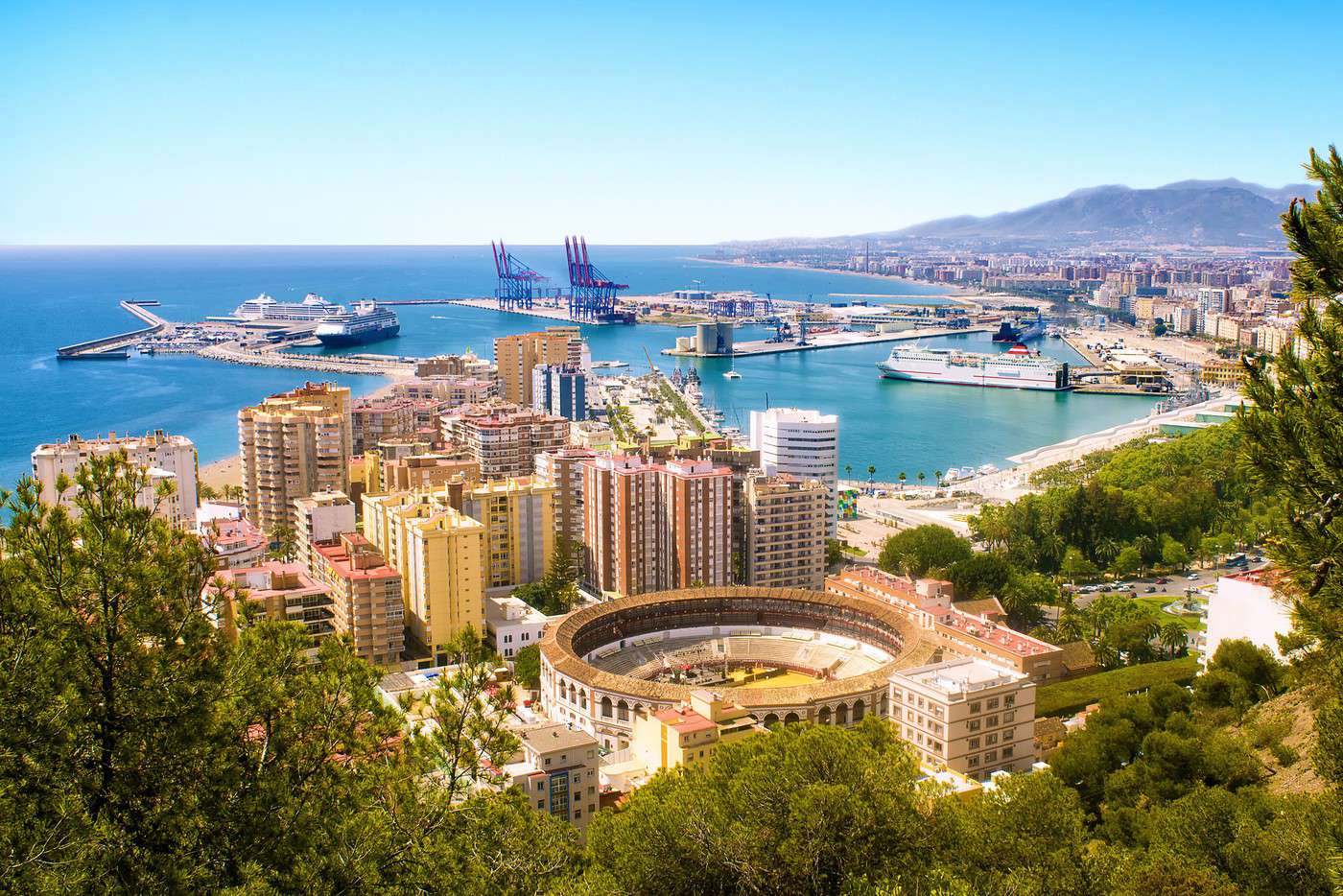
UNESCO World Heritage Sites
Andalusia has 8 sites or groups inscribed on the UNESCO World Heritage list:
Baeza (2003)
Along with its neighbour Úbeda, the city is a UNESCO World Heritage Site for its rich architecture and Renaissance monuments.
Along with its neighbour Úbeda, the city is a UNESCO World Heritage Site for its rich architecture and Renaissance monuments.
Historic Centre of Córdoba (1984)
One of Europe’s largest historic centres, with numerous traces of the city’s Roman, Arab, and Christian eras. It is also home to the famous Mosque-Cathedral of Córdoba.
One of Europe’s largest historic centres, with numerous traces of the city’s Roman, Arab, and Christian eras. It is also home to the famous Mosque-Cathedral of Córdoba.

Doñana National Park (1994)
This large coastal park is a UNESCO World Heritage Site. It is primarily visited for birdwatching.
This large coastal park is a UNESCO World Heritage Site. It is primarily visited for birdwatching.
El Torcal de Antequera (2016)
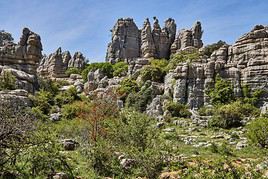
These are strange karst formations located in the municipality of Antequera, north of Malaga. They represent the main site of the "Antequera Dolmens" inscribed on the UNESCO World Heritage list. Short hikes can be done here.
These are strange karst formations located in the municipality of Antequera, north of Malaga. They represent the main site of the "Antequera Dolmens" inscribed on the UNESCO World Heritage list. Short hikes can be done here.
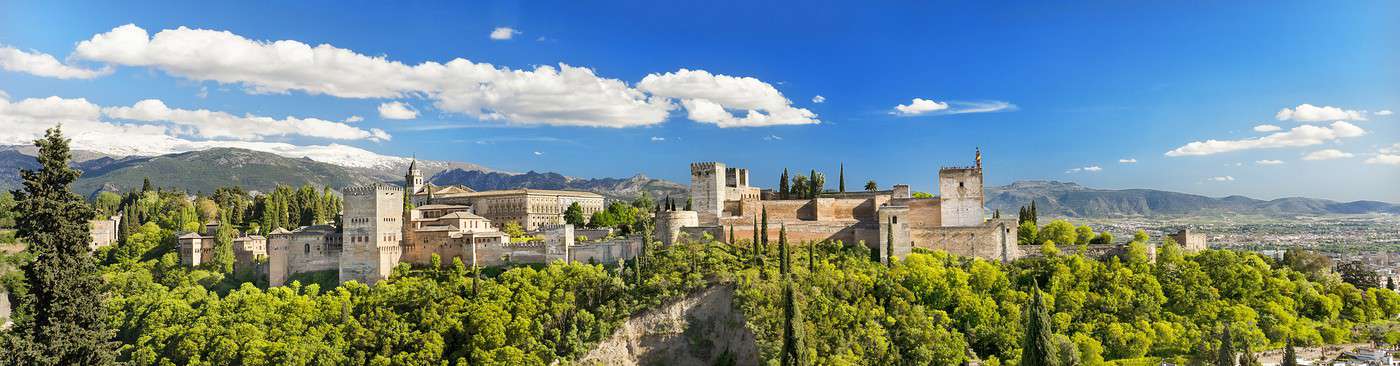
- Alhambra, Generalife and Albaicín, Granada (1984):
Alhambra of Granada
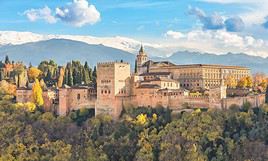
Overlooking the city, this fortified complex of palaces (including the Nasrid Palaces) and gardens (the Generalife Gardens) is a prestigious testament to the Muslim presence in Spain from the 8th to the 15th century.
Overlooking the city, this fortified complex of palaces (including the Nasrid Palaces) and gardens (the Generalife Gardens) is a prestigious testament to the Muslim presence in Spain from the 8th to the 15th century.
Albaicín
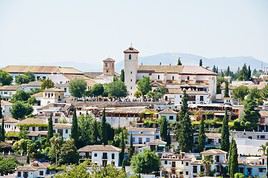
This is a district built on a hill in Granada, at the foot of the Alhambra, made up of white houses and narrow streets that have hardly changed since the Moorish era.
This is a district built on a hill in Granada, at the foot of the Alhambra, made up of white houses and narrow streets that have hardly changed since the Moorish era.
- Cathedral, Alcázar and Archivo de Indias, Seville (1987):
Seville Alcázar
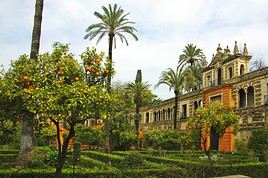
A fortified palace dating from the 9th century, considered a remarkable example of Mudéjar architecture, as are its stunning terraced gardens. It was later modified several times during and after the city's Muslim period.
A fortified palace dating from the 9th century, considered a remarkable example of Mudéjar architecture, as are its stunning terraced gardens. It was later modified several times during and after the city's Muslim period.
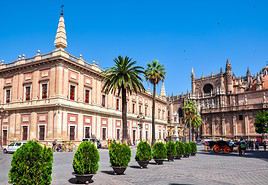
Archive of the Indies in Seville
A vast 18th-century building created to house all the archives related to the Spanish colonies of the time.
A vast 18th-century building created to house all the archives related to the Spanish colonies of the time.
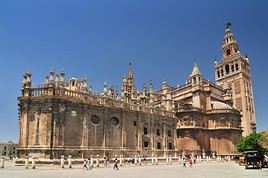
Seville Cathedral
Built over more than a century, this Gothic cathedral features a bell tower (the Giralda), which was originally the Hispano-Moorish-style minaret of the great Almohad mosque that once stood here.
Built over more than a century, this Gothic cathedral features a bell tower (the Giralda), which was originally the Hispano-Moorish-style minaret of the great Almohad mosque that once stood here.
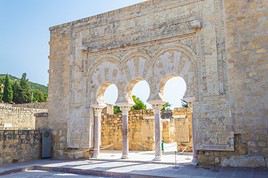
Madinat al-Zahra (2018)
In the heart of Andalusia, this is the vast archaeological site of an ancient Moorish city dating from the 10th century. It has been a UNESCO World Heritage Site since 2018.
In the heart of Andalusia, this is the vast archaeological site of an ancient Moorish city dating from the 10th century. It has been a UNESCO World Heritage Site since 2018.
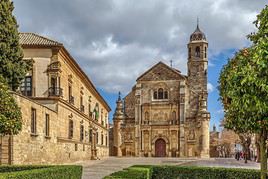
Úbeda (2003)
Alongside its neighbor Baeza, the city is a UNESCO World Heritage Site for its rich architecture and monuments, many dating from the 16th century.
Alongside its neighbor Baeza, the city is a UNESCO World Heritage Site for its rich architecture and monuments, many dating from the 16th century.
Cities and Cultural Heritage
Algeciras
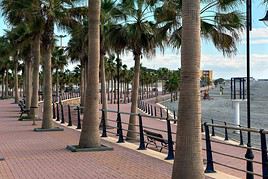
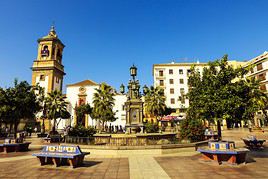
At the entrance to the Strait of Gibraltar, it has traditionally been a maritime gateway to Morocco. A few beaches in the surrounding area.
At the entrance to the Strait of Gibraltar, it has traditionally been a maritime gateway to Morocco. A few beaches in the surrounding area.
Alhama de Granada
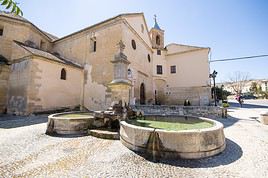
Southwest of Granada, this historic spa town, with its ancient monuments, is set in a stunning landscape of gorges, semi-mountainous terrain, and lakes. It’s a great base for various outdoor sports (hiking, mountain biking, kayaking…).
Southwest of Granada, this historic spa town, with its ancient monuments, is set in a stunning landscape of gorges, semi-mountainous terrain, and lakes. It’s a great base for various outdoor sports (hiking, mountain biking, kayaking…).
The Alpujarras
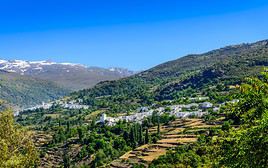
This beautiful region at the foot of the Sierra Nevada is home to many charming traditional Moorish villages (Bubión, Pampaneira). It’s also a great place for hiking and even skiing in winter.
This beautiful region at the foot of the Sierra Nevada is home to many charming traditional Moorish villages (Bubión, Pampaneira). It’s also a great place for hiking and even skiing in winter.
Almería
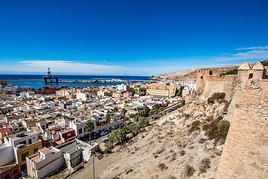
Large port city known for its Arab fortress, medieval ruins, cathedral and other churches, and, more incidentally, its seafront. The urban area has plenty of beaches nearby and is close to the Tabernas Desert, where several Westerns were filmed.
Large port city known for its Arab fortress, medieval ruins, cathedral and other churches, and, more incidentally, its seafront. The urban area has plenty of beaches nearby and is close to the Tabernas Desert, where several Westerns were filmed.
Almonaster la Real
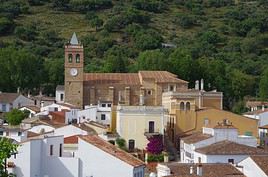
This is a village in the province of Huelva with an ancient fortified mosque and beautiful typical Andalusian architecture.
This is a village in the province of Huelva with an ancient fortified mosque and beautiful typical Andalusian architecture.

Almuñécar
Located east of Malaga, it is the "tourist capital" of the Costa Tropical. Beyond its Roman, Phoenician, and other historical remnants, the city offers a full range of seaside resort activities with its beaches and climate.
Located east of Malaga, it is the "tourist capital" of the Costa Tropical. Beyond its Roman, Phoenician, and other historical remnants, the city offers a full range of seaside resort activities with its beaches and climate.
Antequera
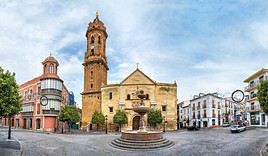
It's a medium-sized city between Córdoba and Málaga, with a charming old town that houses several religious buildings and a Moorish fortress. The municipality is also home to the famous karst formations of El Torcal.
It's a medium-sized city between Córdoba and Málaga, with a charming old town that houses several religious buildings and a Moorish fortress. The municipality is also home to the famous karst formations of El Torcal.

Arcos de la Frontera
It’s one of the most beautiful "pueblos blancos" (on the "White Villages Route") in all of Andalusia.
It’s one of the most beautiful "pueblos blancos" (on the "White Villages Route") in all of Andalusia.

Baelo Claudia
Between sea and mountain, these are the remains of a Roman city in the municipality of Bolonia, not far from Tarifa.
Between sea and mountain, these are the remains of a Roman city in the municipality of Bolonia, not far from Tarifa.
Baeza
Along with its neighbour Úbeda, the city is a UNESCO World Heritage Site for its rich architecture and Renaissance monuments.
Along with its neighbour Úbeda, the city is a UNESCO World Heritage Site for its rich architecture and Renaissance monuments.

Cádiz
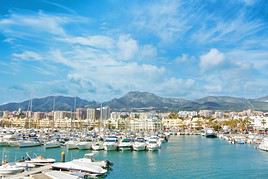
One of Europe’s oldest cities, as evidenced by its walled old town and various architectural remnants of its past. Cádiz is also loved for its lively atmosphere and beaches.
One of Europe’s oldest cities, as evidenced by its walled old town and various architectural remnants of its past. Cádiz is also loved for its lively atmosphere and beaches.
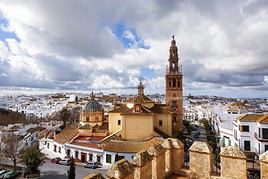
Carmona
A charming medieval town near Seville with several interesting palaces and religious buildings.
A charming medieval town near Seville with several interesting palaces and religious buildings.
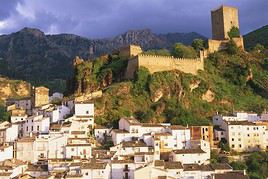
Cazorla
A small high-altitude town east of Jaén, with an old centre. It sits at the gateway to the Sierra de Cazorla, where you can enjoy various outdoor sports and nature activities.
A small high-altitude town east of Jaén, with an old centre. It sits at the gateway to the Sierra de Cazorla, where you can enjoy various outdoor sports and nature activities.
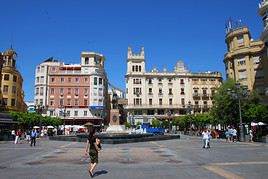
Córdoba
In the heart of Andalusia, the former capital of Muslim Spain boasts a very rich cultural and historical heritage (including its famous cathedral, once a mosque), earning its center a UNESCO World Heritage designation.
In the heart of Andalusia, the former capital of Muslim Spain boasts a very rich cultural and historical heritage (including its famous cathedral, once a mosque), earning its center a UNESCO World Heritage designation.
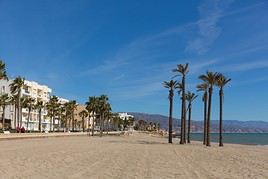
Costa de Almería
This is the coastal part of the province of Almería. Less touristy than the Costa del Sol, it still features several seaside resorts like Roquetas de Mar, as well as the very pretty Cabo de Gata Natural Park.
This is the coastal part of the province of Almería. Less touristy than the Costa del Sol, it still features several seaside resorts like Roquetas de Mar, as well as the very pretty Cabo de Gata Natural Park.
Costa de la Luz
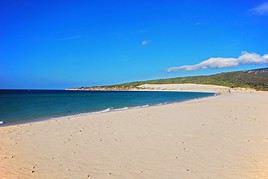
This is the Atlantic coast of Andalusia, from Tarifa to Portugal. Fewer beach resorts and crowds than the rest of the region’s coastline.
This is the Atlantic coast of Andalusia, from Tarifa to Portugal. Fewer beach resorts and crowds than the rest of the region’s coastline.
Costa del Sol
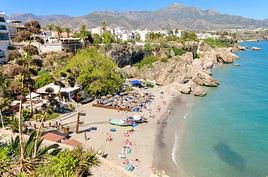
This "costa" refers to the coastal area around Málaga. It spans roughly 160 kilometres and is home to many of the most well-known or touristy seaside resorts, such as Marbella or Torremolinos. Crowded in peak season.
This "costa" refers to the coastal area around Málaga. It spans roughly 160 kilometres and is home to many of the most well-known or touristy seaside resorts, such as Marbella or Torremolinos. Crowded in peak season.
Costa Tropical
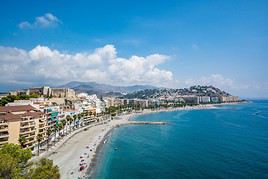
This is the name given to the coast (sometimes a bit overdeveloped) of the province of Granada. Beaches and seaside resorts like Almuñécar, but with fewer crowds than on the Costa del Sol.
This is the name given to the coast (sometimes a bit overdeveloped) of the province of Granada. Beaches and seaside resorts like Almuñécar, but with fewer crowds than on the Costa del Sol.
El Puerto de Santa María
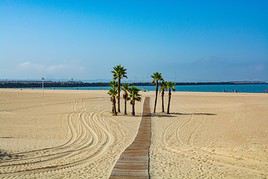
Opposite Cadiz, this traditionally somewhat bourgeois town has a charming old centre. It is also popular in season for its beautiful beaches.
Opposite Cadiz, this traditionally somewhat bourgeois town has a charming old centre. It is also popular in season for its beautiful beaches.

El Rocio
The largest pilgrimage site in Andalusia has the feel of a "Mexican village" with its dirt streets and neo-Baroque chapels. The town is next to the marshes of Donana Natural Park.
The largest pilgrimage site in Andalusia has the feel of a "Mexican village" with its dirt streets and neo-Baroque chapels. The town is next to the marshes of Donana Natural Park.
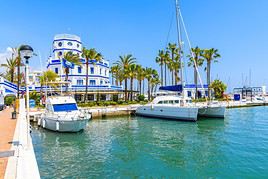
Estepona
This large seaside resort on the Costa del Sol offers both a charming old town and a more modern area with numerous beaches that are very popular in summer.
This large seaside resort on the Costa del Sol offers both a charming old town and a more modern area with numerous beaches that are very popular in summer.
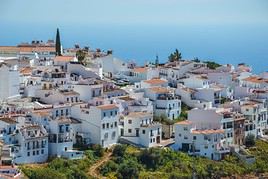
Frigiliana
A charming little "white village" not far from Malaga. It's part of the "White Villages Route".
A charming little "white village" not far from Malaga. It's part of the "White Villages Route".
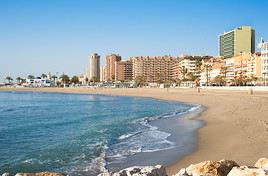
Fuengirola
One of the Costa del Sol’s seaside resorts, with the added bonus of Roman ruins and a Moorish fortress.
One of the Costa del Sol’s seaside resorts, with the added bonus of Roman ruins and a Moorish fortress.
Granada
World-famous for its UNESCO-listed Alhambra palace and other historic monuments in the old town, Granada is a must-see on any Andalusian itinerary.
World-famous for its UNESCO-listed Alhambra palace and other historic monuments in the old town, Granada is a must-see on any Andalusian itinerary.
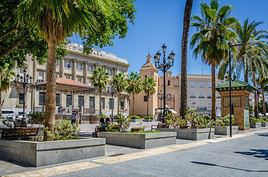
Huelva
A large port and industrial city on Spain’s western coast, not far from Portugal. Its modest tourism revolves around Christopher Columbus, who set sail for the Americas from the nearby village of Palos de la Frontera.
A large port and industrial city on Spain’s western coast, not far from Portugal. Its modest tourism revolves around Christopher Columbus, who set sail for the Americas from the nearby village of Palos de la Frontera.
Iznájar
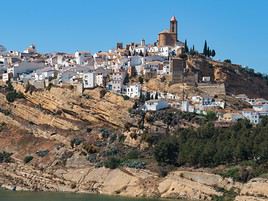
A charming "white village" in the province of Córdoba. It sits on the edge of one of the largest lakes in southern Spain, a major tourist draw.
A charming "white village" in the province of Córdoba. It sits on the edge of one of the largest lakes in southern Spain, a major tourist draw.
Jaen
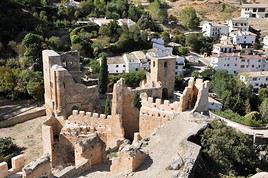
Located in northern Andalusia, it is the olive oil capital. The city has a medieval historic centre dominated by a fortress.
Located in northern Andalusia, it is the olive oil capital. The city has a medieval historic centre dominated by a fortress.

Jerez de la Frontera
This large Andalusian city, near Cadiz, offers a historic centre featuring its cathedral and Alcazar.
This large Andalusian city, near Cadiz, offers a historic centre featuring its cathedral and Alcazar.
Los Millares
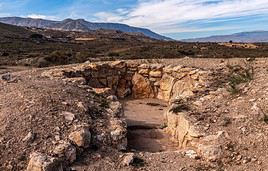
These are the remains of a significant prehistoric village about twenty kilometres from Almeria.
These are the remains of a significant prehistoric village about twenty kilometres from Almeria.
Madinat al-Zahra
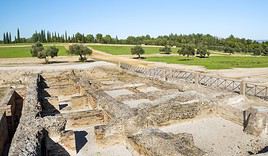
In the heart of Andalusia, this is the vast archaeological site of an ancient Moorish city dating from the 10th century. It has been a UNESCO World Heritage Site since 2018.
In the heart of Andalusia, this is the vast archaeological site of an ancient Moorish city dating from the 10th century. It has been a UNESCO World Heritage Site since 2018.
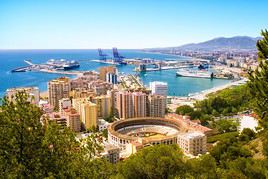
Malaga
This is the largest urban area on the Costa del Sol and the main air and sea gateway to Andalusia. Picasso’s city boasts several historical sites, numerous nearby beaches, as well as some hiking and climbing opportunities in the surrounding area.
This is the largest urban area on the Costa del Sol and the main air and sea gateway to Andalusia. Picasso’s city boasts several historical sites, numerous nearby beaches, as well as some hiking and climbing opportunities in the surrounding area.
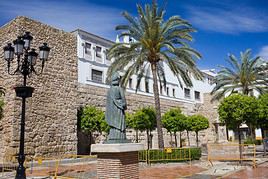
Marbella
Located between Gibraltar and Málaga, Marbella is the (ultra) chic seaside resort of the Costa del Sol. It offers a historic centre and a lovely waterfront.
Located between Gibraltar and Málaga, Marbella is the (ultra) chic seaside resort of the Costa del Sol. It offers a historic centre and a lovely waterfront.
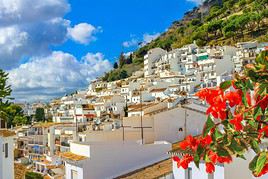
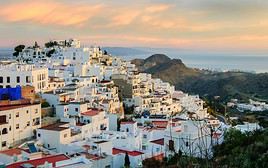
Mojácar
This seaside resort on the Costa de Almería is also part of the "Most Beautiful Villages of Spain" association for its old town built on the mountainside.
This seaside resort on the Costa de Almería is also part of the "Most Beautiful Villages of Spain" association for its old town built on the mountainside.

Moguer
A charming whitewashed town just a few kilometres from the beaches and Huelva. Its port is famous for being the departure point of Christopher Columbus.
A charming whitewashed town just a few kilometres from the beaches and Huelva. Its port is famous for being the departure point of Christopher Columbus.
Niebla
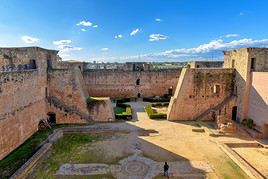
A charming village and a castle dating from the Muslim era, about twenty kilometers from Huelva, on the Seville-Huelva road.
A charming village and a castle dating from the Muslim era, about twenty kilometers from Huelva, on the Seville-Huelva road.
Olvera
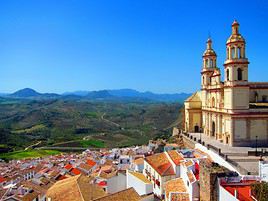
A large hilltop town with old quarters of steep, narrow streets, a 12th-century Moorish castle, and several beautiful religious buildings.
A large hilltop town with old quarters of steep, narrow streets, a 12th-century Moorish castle, and several beautiful religious buildings.
Ronda
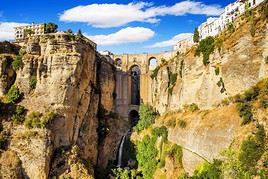
A tourist town in southern Andalusia built on either side of a deep gorge, giving it a unique and spectacular setting. You can see beautiful bullrings and many historic buildings in its centre.
A tourist town in southern Andalusia built on either side of a deep gorge, giving it a unique and spectacular setting. You can see beautiful bullrings and many historic buildings in its centre.

White Villages Route
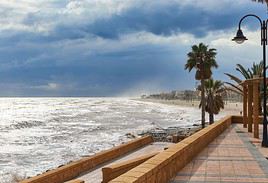
This tourist route lets you discover around twenty stunning "pueblos blancos" (white villages), with their distinctive appearance, in the Cádiz region.
This tourist route lets you discover around twenty stunning "pueblos blancos" (white villages), with their distinctive appearance, in the Cádiz region.

Sanlúcar de Guadiana
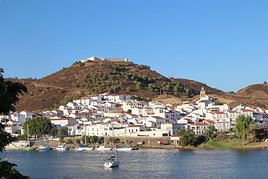
A small village to discover alongside its Portuguese neighbor, Alcoutim. A very long zip line lets you cross the border river and land in Portugal.
A small village to discover alongside its Portuguese neighbor, Alcoutim. A very long zip line lets you cross the border river and land in Portugal.

Seville
The capital of Andalusia is also the capital of flamenco. Additionally, the city boasts a stunning historic center with several buildings, including its cathedral, classified as UNESCO World Heritage sites.
The capital of Andalusia is also the capital of flamenco. Additionally, the city boasts a stunning historic center with several buildings, including its cathedral, classified as UNESCO World Heritage sites.
Tarifa
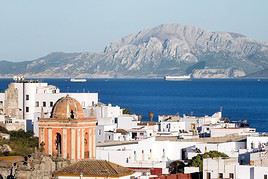
The southernmost town in Spain has a charming old centre with beaches and surfing opportunities nearby. It is also a departure port for Morocco.
The southernmost town in Spain has a charming old centre with beaches and surfing opportunities nearby. It is also a departure port for Morocco.
Torremolinos
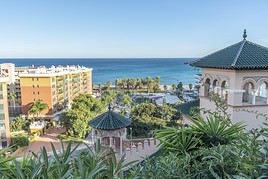
One of the best-known seaside resorts on the Costa del Sol, offering plenty of activities and entertainment, primarily aimed at a young audience.
One of the best-known seaside resorts on the Costa del Sol, offering plenty of activities and entertainment, primarily aimed at a young audience.
Úbeda
Alongside its neighbor Baeza, the city is a UNESCO World Heritage Site for its rich architecture and monuments, many dating from the 16th century.
Alongside its neighbor Baeza, the city is a UNESCO World Heritage Site for its rich architecture and monuments, many dating from the 16th century.
Utrera
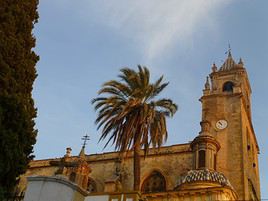
A medium-sized town in southwestern Andalusia with an old centre rich in religious buildings.
A medium-sized town in southwestern Andalusia with an old centre rich in religious buildings.
Vélez Blanco
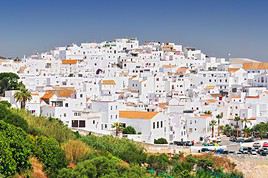
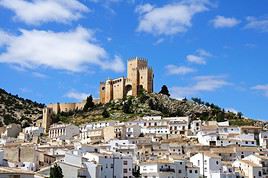
The municipality, located in the province of Almería at over 1,000 m, is known for its 16th-century castle and its old town. Several caves can be visited in the surrounding area.
The municipality, located in the province of Almería at over 1,000 m, is known for its 16th-century castle and its old town. Several caves can be visited in the surrounding area.
Vélez Rubio
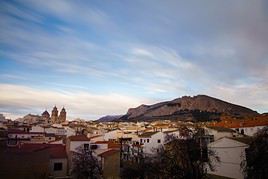
This large village near Vélez Blanco has a historic quarter with traditional architecture.
This large village near Vélez Blanco has a historic quarter with traditional architecture.
Natural Heritage
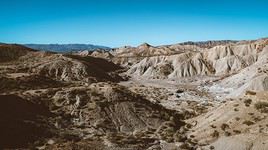
Tabernas Desert
A few kilometres north of Almeria, this desert, classified as a natural park, has been used as a filming location for dozens of films, mainly westerns. You can still visit two or three western villages that served as sets.
A few kilometres north of Almeria, this desert, classified as a natural park, has been used as a filming location for dozens of films, mainly westerns. You can still visit two or three western villages that served as sets.
El Torcal de Antequera
These are strange karst formations located in the municipality of Antequera, north of Malaga. They represent the main site of the "Antequera Dolmens" inscribed on the UNESCO World Heritage list. Short hikes can be done here.
These are strange karst formations located in the municipality of Antequera, north of Malaga. They represent the main site of the "Antequera Dolmens" inscribed on the UNESCO World Heritage list. Short hikes can be done here.

Caves of Nerja
This spectacular cave complex, near the town of the same name, is one of Spain’s most visited sites.
This spectacular cave complex, near the town of the same name, is one of Spain’s most visited sites.
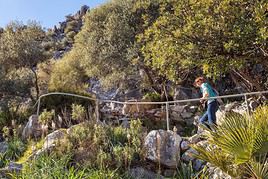
Doñana National Park
This large coastal park is a UNESCO World Heritage Site. It is primarily visited for birdwatching.
This large coastal park is a UNESCO World Heritage Site. It is primarily visited for birdwatching.

Sierra Nevada National Park
This park in the high mountains is a major Andalusian tourist destination. Visitors come for the stunning landscapes and outdoor sports activities available (hiking, mountain biking, skiing).
This park in the high mountains is a major Andalusian tourist destination. Visitors come for the stunning landscapes and outdoor sports activities available (hiking, mountain biking, skiing).
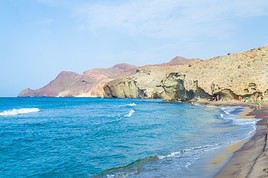
Cabo de Gata Natural Park
One of the few unspoiled areas on the coast. Small villages, beaches, beautiful marine landscapes, and abundant birdlife.
One of the few unspoiled areas on the coast. Small villages, beaches, beautiful marine landscapes, and abundant birdlife.

Los Alcornocales Natural Park
One of Spain's largest parks. Located north of Algeciras, it offers beautiful semi-mountainous landscapes, rich local wildlife and flora, and various hiking and cycling opportunities.
One of Spain's largest parks. Located north of Algeciras, it offers beautiful semi-mountainous landscapes, rich local wildlife and flora, and various hiking and cycling opportunities.
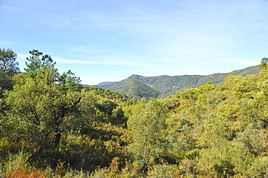
Sierra de Aracena Natural Park
A beautiful area near Portugal made up of hills, forests, and caves (including the Caves of las Maravillas). It is very popular with hikers.
A beautiful area near Portugal made up of hills, forests, and caves (including the Caves of las Maravillas). It is very popular with hikers.
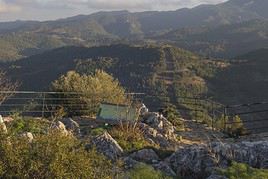
Sierra de las Nieves Natural Park
This mid-mountain region in Malaga province, fairly wild, is popular with hikers and cavers.
This mid-mountain region in Malaga province, fairly wild, is popular with hikers and cavers.
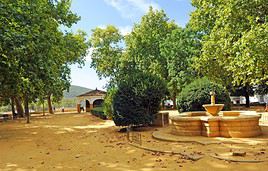
Sierra Norte de Seville Natural Park
A pretty semi-mountainous area in the Seville region. You can hike, climb, and discover charming little villages.
A pretty semi-mountainous area in the Seville region. You can hike, climb, and discover charming little villages.
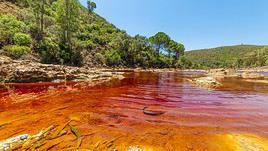
Rio Tinto
This river in southwestern Spain is notable for its high mineral content, giving it a blood-red colour. The nearby open-pit mines of the same name are not far away.
This river in southwestern Spain is notable for its high mineral content, giving it a blood-red colour. The nearby open-pit mines of the same name are not far away.