
Travel guide · Spain
Andalusia
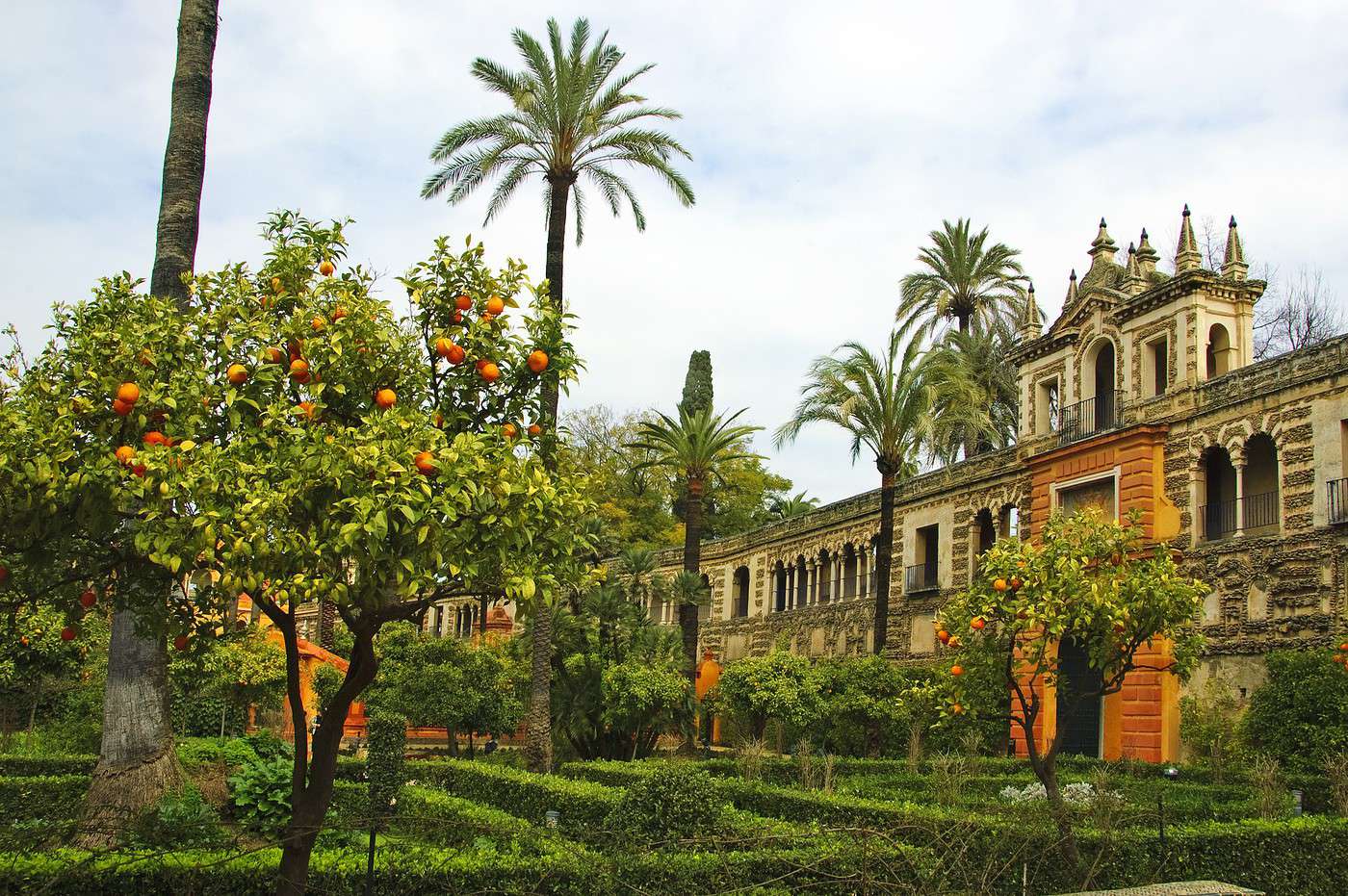
Abundant sunshine, beaches and seaside resorts (some admittedly a bit overbuilt), plus a rich history make the autonomous community of Andalusia one of Spain’s most visited regions. Tourism, ever-present, remains by far the main resource for this land, which otherwise struggles economically.
Introduction to Andalusia
Quick Overview
Key Facts
- Type of place: tourist region.
- Location: the entire southern part of Spain, facing Morocco.
- Local time: .
- "Capital": Seville.
- Official language: Spanish.
- Population: 8,391,000 inhabitants (2014).
- Area: 87,268 km².
- Density: 96 inhabitants/km².
- Highest point: El Mulhacen (3,478 m).
- Lowest point: sea level.
Tourism
Abundant sunshine, beaches, and seaside resorts (some admittedly a bit overbuilt), combined with an exceptionally rich history, make the Autonomous Community of Andalusia one of Spain’s most visited regions—though three-quarters of the activity is concentrated along its coastline. Tourism, with millions of annual visitors, many from Northern Europe, remains by far the region’s primary resource, as the local economy otherwise struggles.
Travel Essentials
- Destination: beginner-friendly.
- By air: France-Málaga round trip for 110 to 250 €.
- Daily backpacker budget:
- Accommodation:
- Getting around:
- Risks: almost none health-wise and fairly low in terms of safety.
- Best time for climate/crowds/prices: April to early June and September to October.
- Interests (out of ): Nature ; Adventure ; Culture ; Relaxation/Holidays .
- Website: http://www.andalucia.org
Geography and Environment of Andalusia
Geography of the Region
Natural Areas
Wildlife and Flora
What to See in Andalusia
Featuring Cádiz, Córdoba, Granada, Seville, Sierra Nevada National Park, plus Málaga and the Costa del Sol. Andalusia has 8 sites or groups inscribed on the UNESCO World Heritage list: Baeza ★★★ (2003) Along with its neighbour Úbeda, the city is a UNESCO…
Things to Do in Andalusia
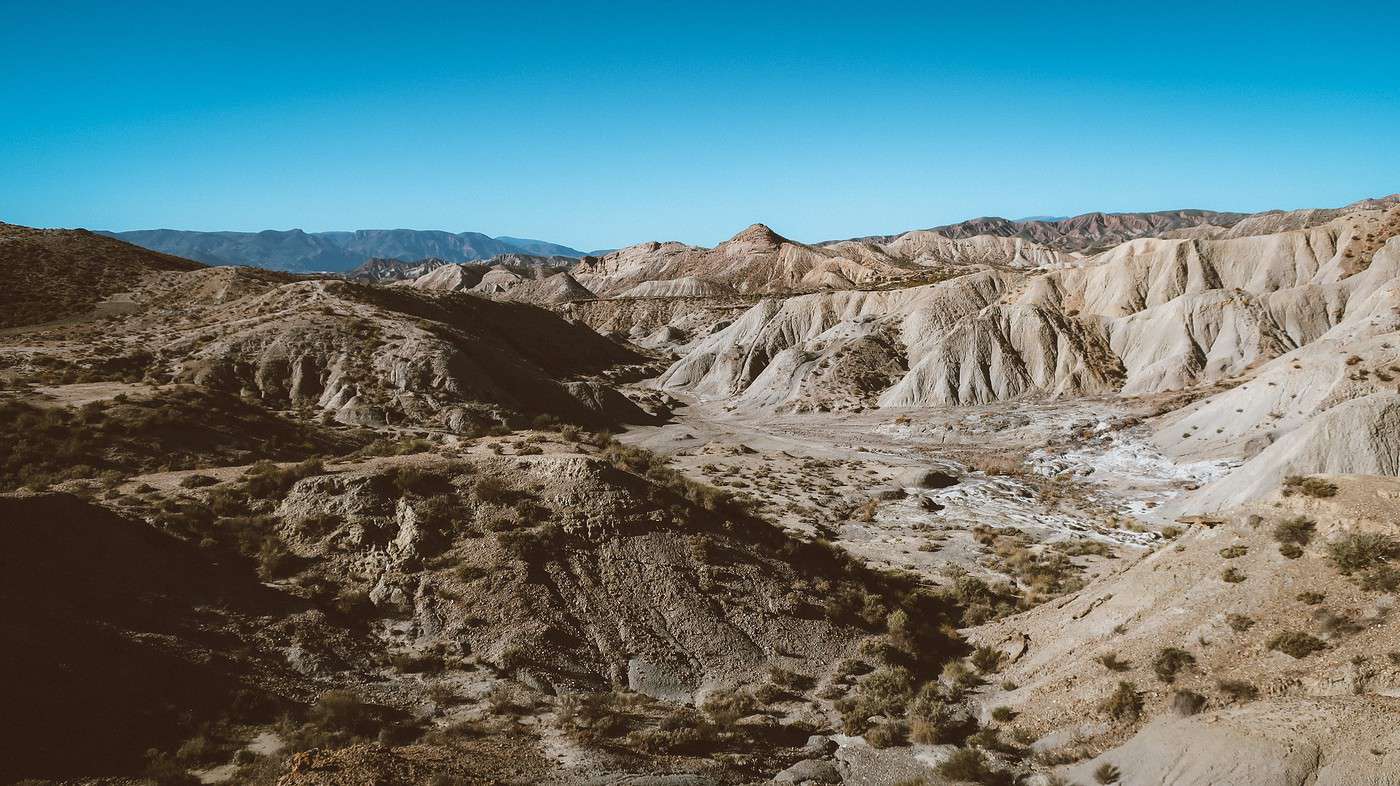
Interests (out of ★★★★ ) : Nature ★★★ ; Adventure ★★ ; Culture ★★★★ ; Relaxation-Holidays ★★★★ . Despite its often arid, even desert-like landscape, Andalusia reveals a more mountainous side to visitors who seek it, with its sierras whose peaks exceed 3,000…
Travel and suggested itineraries in Andalusia
Best times to visit
Finding the best time to visit involves balancing climate conditions with crowd levels and the most attractive prices for travel and on-site expenses.
Whatever part of Andalusia you want to explore, April to early June and September to October are ideal. The climate is pleasant without the extreme heat of the interior in summer, and there are fewer crowds, especially on the coast, along with lower prices compared to peak season. For those seeking winter sun and mild temperatures, the coast is very enjoyable in winter compared to the rest of Europe.
| Jan. | Feb. | Mar. | Apr. | May | Jun. | Jul. | Aug. | Sep. | Oct. | Nov. | Dec. | |
|---|---|---|---|---|---|---|---|---|---|---|---|---|
| Coastal climate | ||||||||||||
| Inland climate | / | |||||||||||
| Avoid crowds | ||||||||||||
| Low prices |
: very favorable | : favorable | : moderately favorable | : unfavorable.
Types of travel
Independent
Like the rest of Spain, Andalusia is a very easy destination for independent travel.
Organized
Some itinerary ideas
Other practical information for Andalusia
What to pack
In summer, bring light clothing plus a sweater for inland areas and evenings. In winter, while "mid-season" clothes may be enough for the coast, warmer clothing is needed for the mountainous parts of the region. Don’t forget sun protection, as the sun is strong.
Budget
Precautions
No particular health or safety concerns, except for the risk of theft from vehicles (though there are many supervised parking lots). However, take the usual precautions when hiking or exploring the Sierra mountains.
Opening hours
Laundromats
Local tourist offices
French language use
Flying to Andalusia
Alongside Malaga, the fourth busiest airport in Spain with over 12.5 million passengers per year, Andalusia offers a direct gateway for tourists from across Europe. Beyond a few scheduled flights, the airport primarily handles a large number of low-cost and…
Climate and Weather in Andalusia
The climate in Andalusia varies significantly depending on whether you're on the coast or inland. The entire coastline, including the Atlantic portion of the region, has a Mediterranean climate. The area enjoys abundant sunshine year-round, with dry, hot…
Something wrong or out of date? Report this page