★ 3 · last edited Aug 13, 2020
Ariège
Contributionsversion #4created Aug 13, 2020Report this pageLatest contributions in this guideContributors to this guide
Location verified location
 Ariège
Open the interactive map
Ariège
Open the interactive map
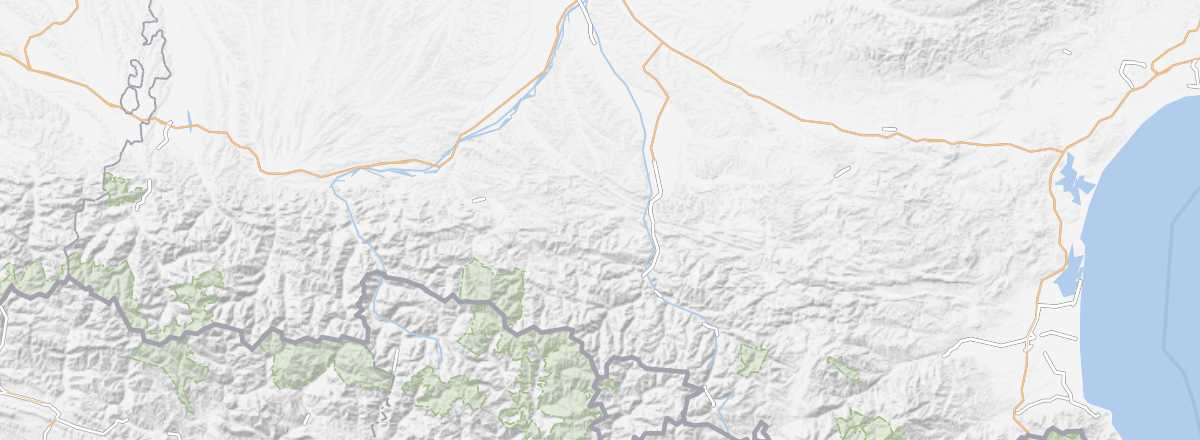
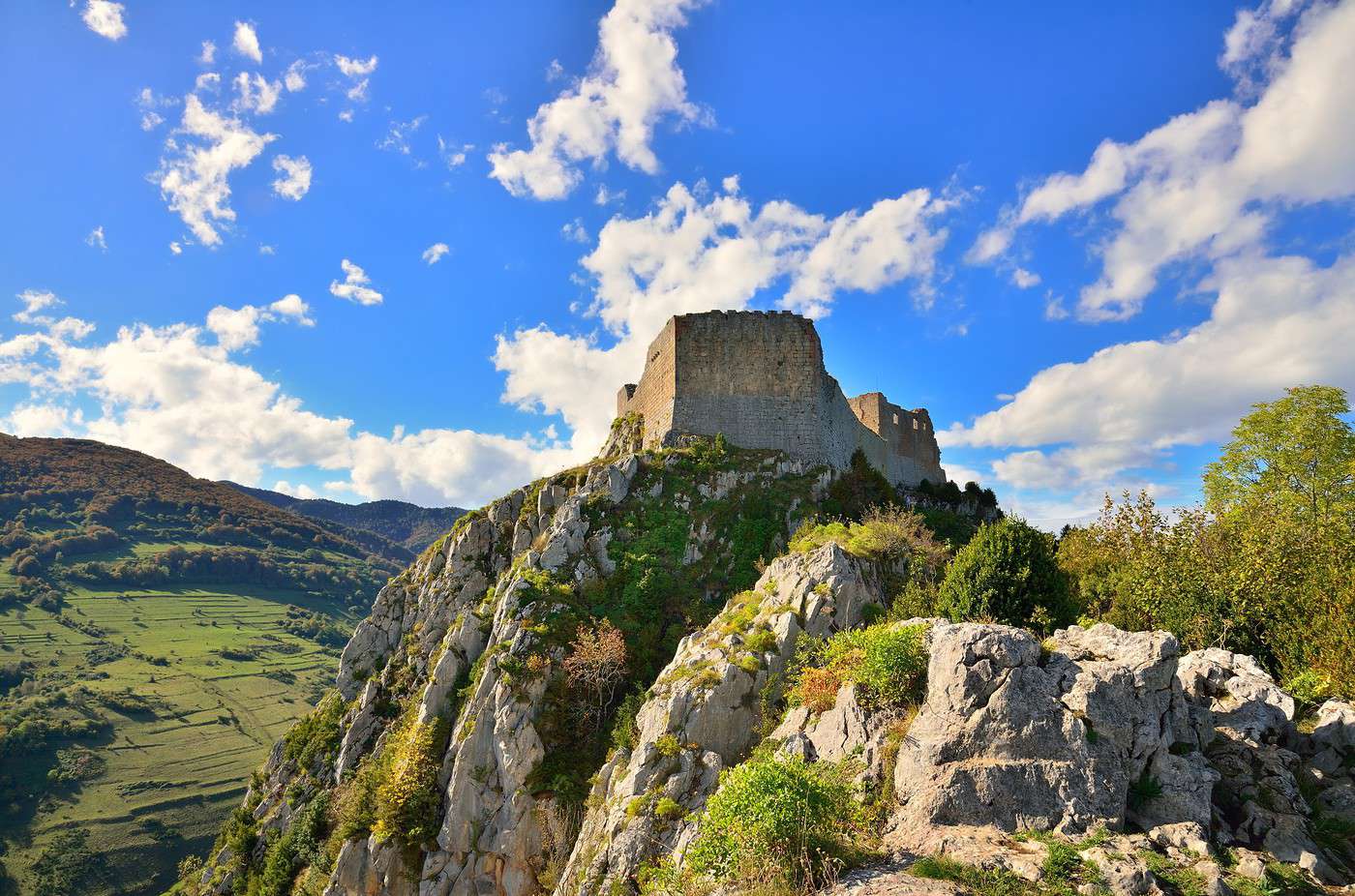
One of France's least populous departments, yet also one of its most beautiful in its mountainous region, particularly with the Ariège Pyrenees Regional Nature Park. Far from the crowds, you can enjoy stunning landscapes and a wide range of outdoor activities in both summer and winter. Ariège is also Cathar country, home to the region's most famous fortress, the Château de Montségur.
Overview
Key facts
- Type of place: department.
- Department code: 09.
- Bordering departments: Aude, Haute-Garonne, Pyrénées-Orientales, plus Spain and Andorra.
- Prefecture: Foix.
- Sub-prefectures: Pamiers, Saint-Girons.
- Number of communes: 331.
- Population: 153,153 inhabitants (2017).
- Area: 4,890 km².
- Highest point: Pique d'Estats (3,143 m).
- Lowest point: 197 m (Lézat-sur-Lèze).
- Coastline: 0 km, no maritime access.
- Highlights (out of ): Nature ; Culture / ; Relaxation-holidays /
- Website: http://www.ariegepyrenees.com
History of Ariège
Geography and environment
Culture and economy
What to see in Ariège
One of France's least populous departments, yet also one of its most beautiful in its mountainous region, particularly with the Ariège Pyrenees Regional Nature Park. Far from the crowds, you can enjoy stunning landscapes and a wide range of outdoor activities in both summer and winter. Ariège is also Cathar country, home to the region's most famous fortress, the Montségur Castle.
What to do in Ariège
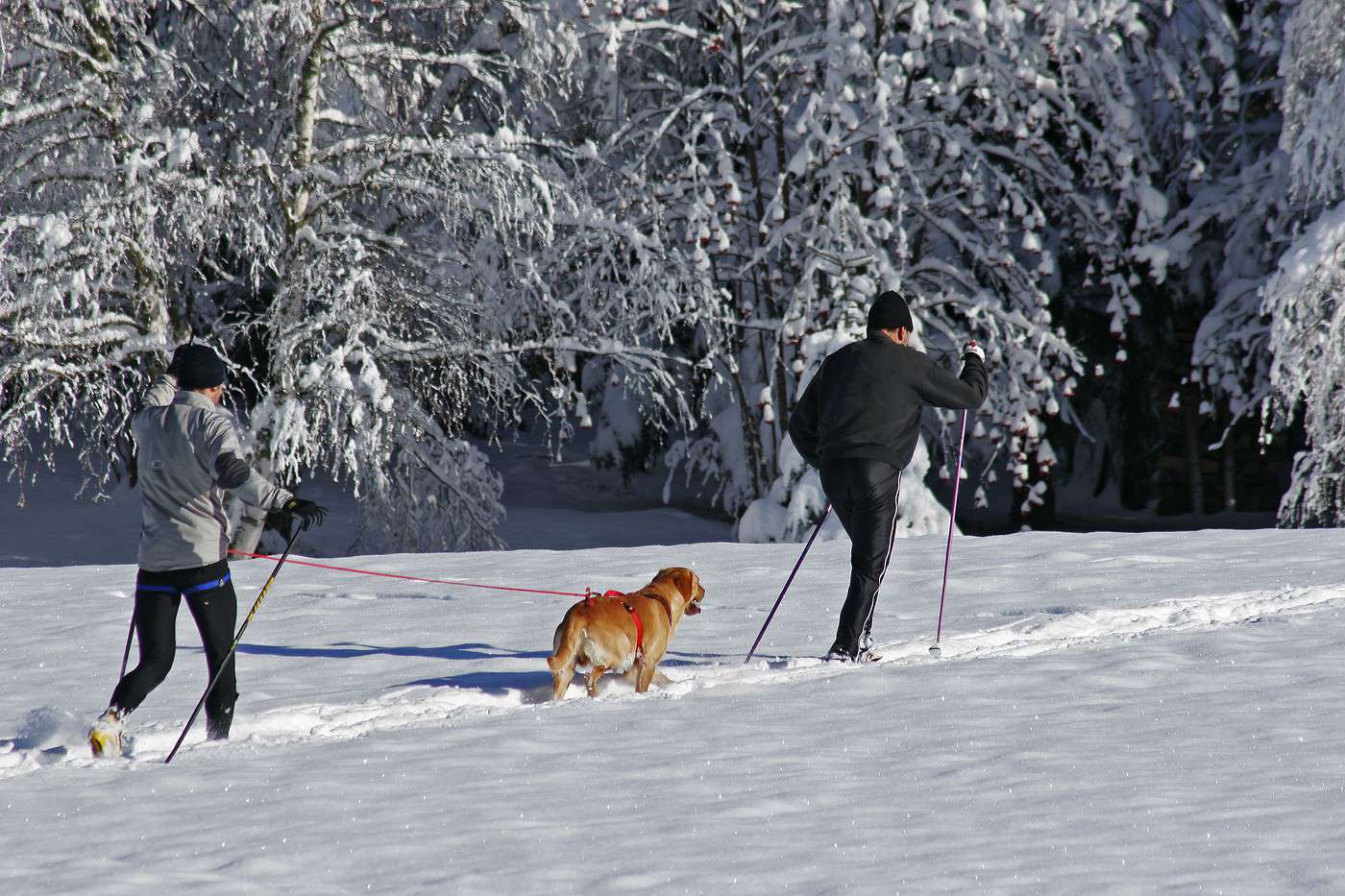
- Animal walks: choose from walks with donkeys, llamas, or cani-hiking (see details).
- Horseback riding: equestrian centres as well as trail rides and hikes for all levels and durations (see details).
- White-water sports: rafting, kayaking, canyoning, white-water swimming—the Ariège’s rivers and waterfalls offer plenty of options for enthusiasts (see details).
- Climbing: Ariège has its share of climbing sites, plus via ferrata, Pyrenean summit ascents, and even ice climbing in winter (see details).
- Golf: a few golf (and mini-golf) courses available in the department (see details).
- High ropes courses: treetop adventure parks, rope bridges, and zip lines (see details).
- Fishing: Ariège is renowned for fishing (especially trout) in its streams, lakes, and rivers (see details).
- Hiking: from the Ariège foothills to the peaks of the Ariège Pyrenees, there are countless trails (including the GR10) for walks of varying lengths and difficulty, themed trails, and trail running (see details).
- Caving: Ariège is a land of caves (Niaux, Lombrives, etc.), so it’s no surprise there are many underground caverns to explore with guidance (see details).
- Winter sports: Ariège has 9 ski resorts (and many more nearby) offering a full range of winter activities (see details).
- Cycling and mountain biking: Ariège’s roads are perfect for cycling and cycle touring, while its trails and mountains suit mountain biking (see details).
- From the skies: see Ariège and the Pyrenees from above in a hot-air balloon, microlight, paraglider, parachute, or glider (http://www.ariegepyrenees.com/accueil/activites/dans-les-airs).
Climate and weather
Ariège has an oceanic climate with a slight Mediterranean influence in its lower eastern part and a continental influence in the Pyrenean valleys. As a result, the climate is not uniform and can vary significantly depending on location or altitude.
A few characteristics: in the Pyrenees, snow is usually present from October to April. In the plains (Pamiers, Foix), temperatures can rise in summer. Wind, rain, and storms are also common in various parts of the department.
Transport
Getting there
Getting around
Accommodation
Food
Further information
- Ax-les-Thermes
- Camon
- Foix
- Guzet Neige
- Mirepoix
- Monts d'Olmes
- Pamiers
- Beille Plateau
- Saint-Lizier
- Tarascon-sur-Ariège
- Montségur Castle
- Roquefixade Castle
- Bédeilhac Cave
- Lombrives Cave
- Mas-d'Azil Cave
- Niaux Cave
- Ariège Pyrenees Regional Nature Park
- Labouiche Underground River
- Pyrenees Mountain Passes Route