
Overview of Carcassonne
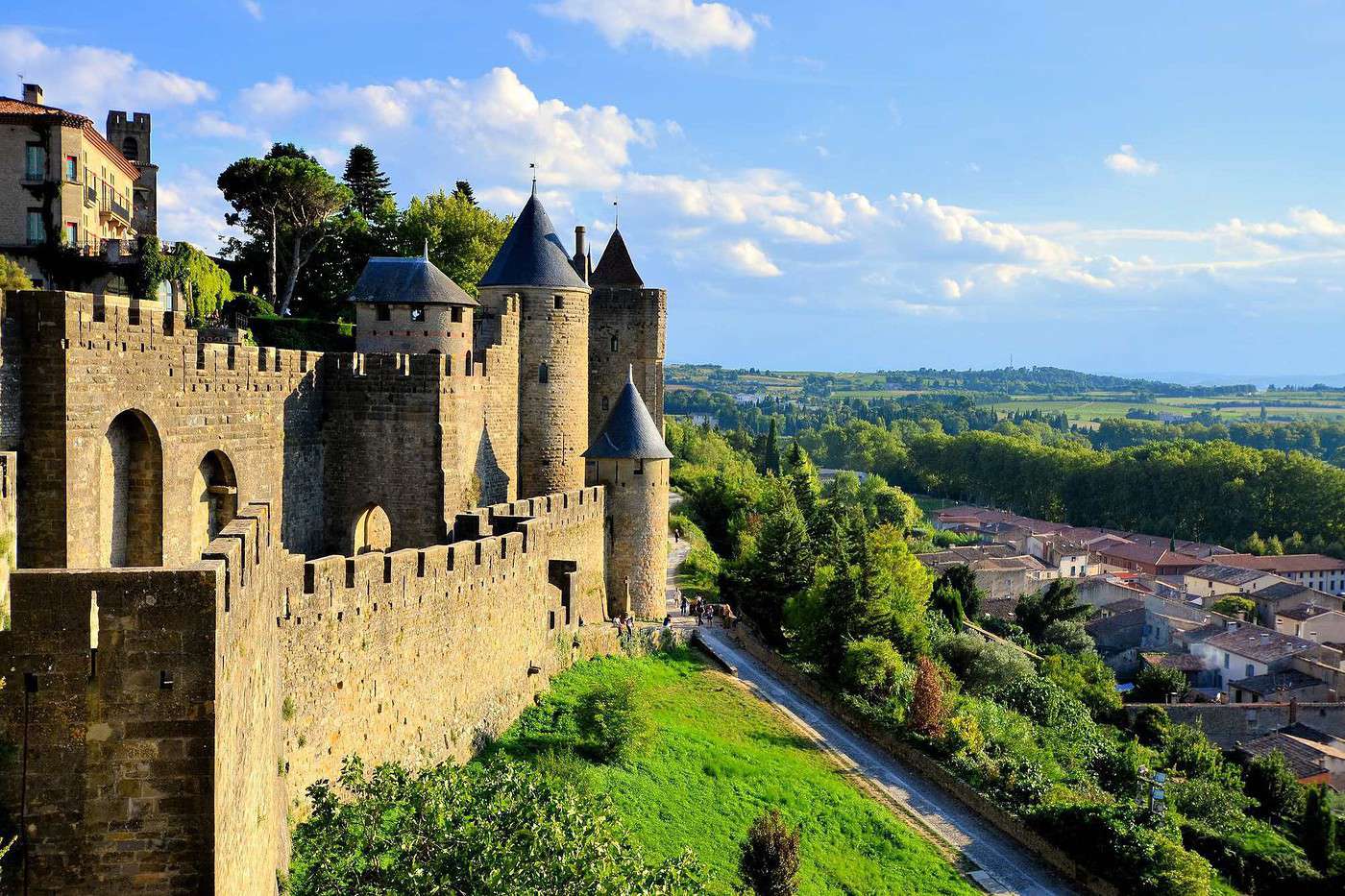
The capital of the Aude department is a must-see for tourism in the region thanks to its stunning medieval citadel, the largest in Europe and a UNESCO World Heritage site.
Key facts
- Type of place: small town.
- Tourist interest: (recommended).
- Location:
- Distances:
- Local time: .
- Population: 46,031 inhabitants (2017).
- Area: 65.08 km².
- Altitude: from 81 to 250 m.
- Website: http://www.tourisme-carcassonne.fr
History of Carcassonne
What to see and do in Carcassonne
Basilica of Saint-Nazaire
Once a cathedral, this is an imposing building in the Cité blending Romanesque and Gothic styles. The basilica is renowned for its stained glass.
Once a cathedral, this is an imposing building in the Cité blending Romanesque and Gothic styles. The basilica is renowned for its stained glass.
Saint-Michel Cathedral
Built in the 13th century in the Languedoc Gothic style, it has only been a cathedral since 1803. It is characterised by an architecture and decoration of a certain "simplicity".
Built in the 13th century in the Languedoc Gothic style, it has only been a cathedral since 1803. It is characterised by an architecture and decoration of a certain "simplicity".
Count's Castle
At the heart of the Cité, this is the castle that once housed the viscounts of Carcassonne. It is open to visitors, provides access to the ramparts, and also serves as a museum, featuring an exhibition on the restoration of the Cité in the 19th century.
At the heart of the Cité, this is the castle that once housed the viscounts of Carcassonne. It is open to visitors, provides access to the ramparts, and also serves as a museum, featuring an exhibition on the restoration of the Cité in the 19th century.
Carcassonne Fortress
This fortified medieval city is internationally renowned for its double ramparts stretching 3 kilometres, its gates, and its 52 towers. Inside, the Count’s Castle and the Basilica of Saint-Nazaire are the two main buildings, alongside the maze of alleyways and old houses that add to the charm of the place.
This fortified medieval city is internationally renowned for its double ramparts stretching 3 kilometres, its gates, and its 52 towers. Inside, the Count’s Castle and the Basilica of Saint-Nazaire are the two main buildings, alongside the maze of alleyways and old houses that add to the charm of the place.
The Bastide Saint-Louis
This is the "lower town" of Carcassonne. Far less touristy than the Cité, it still boasts several monuments, historic mansions, and charming buildings, along with a pedestrian shopping area.
This is the "lower town" of Carcassonne. Far less touristy than the Cité, it still boasts several monuments, historic mansions, and charming buildings, along with a pedestrian shopping area.
Museum of Fine Arts
This is Carcassonne’s main museum. Housed in the city’s former *présidial*, it primarily features paintings from the 16th to the 20th century.
This is Carcassonne’s main museum. Housed in the city’s former *présidial*, it primarily features paintings from the 16th to the 20th century.
Old Bridge
This is a typically medieval bridge from the 14th century. For a long time, it was the only link between the Cité and the Bastide Saint-Louis, allowing travelers to cross the Aude River.
This is a typically medieval bridge from the 14th century. For a long time, it was the only link between the Cité and the Bastide Saint-Louis, allowing travelers to cross the Aude River.
In the surrounding area
Canal du Midi
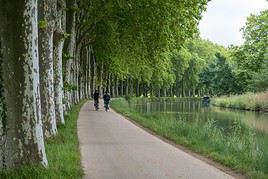
A UNESCO-listed canal linking the Mediterranean (Sète) to Toulouse before continuing toward the Atlantic via the Canal de Garonne, this is a prime destination for river tourism in France. Its banks are also developed in many places to accommodate hiking and cycling.
A UNESCO-listed canal linking the Mediterranean (Sète) to Toulouse before continuing toward the Atlantic via the Canal de Garonne, this is a prime destination for river tourism in France. Its banks are also developed in many places to accommodate hiking and cycling.