
Overview of Arras
Arras, the capital of Pas-de-Calais, offers a charming city centre in Flemish-Baroque style. This is complemented by a military heritage ranging from Vauban’s citadel to First World War sites, including numerous underground tunnels.
Key facts
- Type de lieu: small town.
- Intérêt touristique: (worth seeing).
- Distances:
- Heure locale: .
- Population: 41,019 inhabitants (2017).
- Superficie: 11.63 km².
- Altitude: from 52 to 99 m.
- Site internet: http://www.explorearras.com
History of Arras
What to see and do in Arras
Arras City Centre
Two beautiful squares, the Town Hall, the Belfry, the vast Saint-Vaast Abbey, and a few fine buildings or townhouses give this urban centre its Flemish-Baroque charm.
Two beautiful squares, the Town Hall, the Belfry, the vast Saint-Vaast Abbey, and a few fine buildings or townhouses give this urban centre its Flemish-Baroque charm.
Arras Citadel
A fine example of 17th-century military architecture. It is one of Vauban’s UNESCO-listed works.
A fine example of 17th-century military architecture. It is one of Vauban’s UNESCO-listed works.
Musées et mémoriaux d'Arras:
Wellington Quarry
The site recounts the history of the 1917 Battle of Arras. The visit takes place inside a network of underground tunnels that played a key role during the battle.
The site recounts the history of the 1917 Battle of Arras. The visit takes place inside a network of underground tunnels that played a key role during the battle.
Cité Nature
2,500 m² of permanent exhibitions on the environment, food, and the history of agriculture and nutrition, plus 15,000 m² of "all-natural" gardens.
2,500 m² of permanent exhibitions on the environment, food, and the history of agriculture and nutrition, plus 15,000 m² of "all-natural" gardens.
Arras Memorials
Like many others, the city has several World War I cemeteries and memorials. Beyond the surrounding area (around ten sites), it features a site dedicated to British soldiers and another to New Zealanders.
Like many others, the city has several World War I cemeteries and memorials. Beyond the surrounding area (around ten sites), it features a site dedicated to British soldiers and another to New Zealanders.
Arras Fine Arts Museum
Medieval sculptures, 17th- to 19th-century paintings, and 18th-century ceramics and porcelain are among the highlights of this museum.
Medieval sculptures, 17th- to 19th-century paintings, and 18th-century ceramics and porcelain are among the highlights of this museum.
Climate and weather in Arras
Transport
Getting there
Getting around
Accommodation
Eating out
Useful addresses
Nearby
Some interesting sites to see around Arras:


Douai
The sub-prefecture of the Nord department has preserved some remnants of its military past (arsenal, cannon foundry, fortifications), two collegiate churches, and a magnificent UNESCO-listed belfry.
The sub-prefecture of the Nord department has preserved some remnants of its military past (arsenal, cannon foundry, fortifications), two collegiate churches, and a magnificent UNESCO-listed belfry.
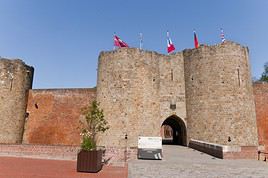
Great War Museum
Housed in a medieval castle in the town of Péronne, this is France’s main museum dedicated to the First World War and the starting point of the Remembrance Circuit.
Housed in a medieval castle in the town of Péronne, this is France’s main museum dedicated to the First World War and the starting point of the Remembrance Circuit.
Lens
One of the main cities in the mining basin. Its main tourist attraction is the Louvre-Lens Museum, inaugurated in 2012.
One of the main cities in the mining basin. Its main tourist attraction is the Louvre-Lens Museum, inaugurated in 2012.

Lewarde
At the heart of the mining basin, this large village is home to the Lewarde Historical Mining Centre.
At the heart of the mining basin, this large village is home to the Lewarde Historical Mining Centre.

Lille
Lively and vibrant, Lille also boasts a beautiful city centre and historic districts. The regional capital hosts its famous annual Braderie every September—the largest flea market in Europe.
Lively and vibrant, Lille also boasts a beautiful city centre and historic districts. The regional capital hosts its famous annual Braderie every September—the largest flea market in Europe.
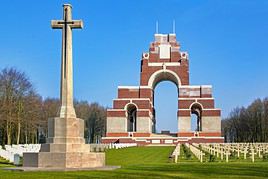
Thiepval Franco-British Memorial
This is the most imposing of the many World War I memorials found in northern France.
This is the most imposing of the many World War I memorials found in northern France.

Vimy Memorial
Canada's most important First World War memorial. Other traces of the 1917 Battle of Vimy, including trenches, tunnels, and an interpretation centre.
Canada's most important First World War memorial. Other traces of the 1917 Battle of Vimy, including trenches, tunnels, and an interpretation centre.