★ 2 · last edited Dec 11, 2019
Bolivian Amazon and Eastern Plains
Contributionsversion #1created Dec 11, 2019Report this pageLatest contributions in this guideContributors to this guide
Location verified location
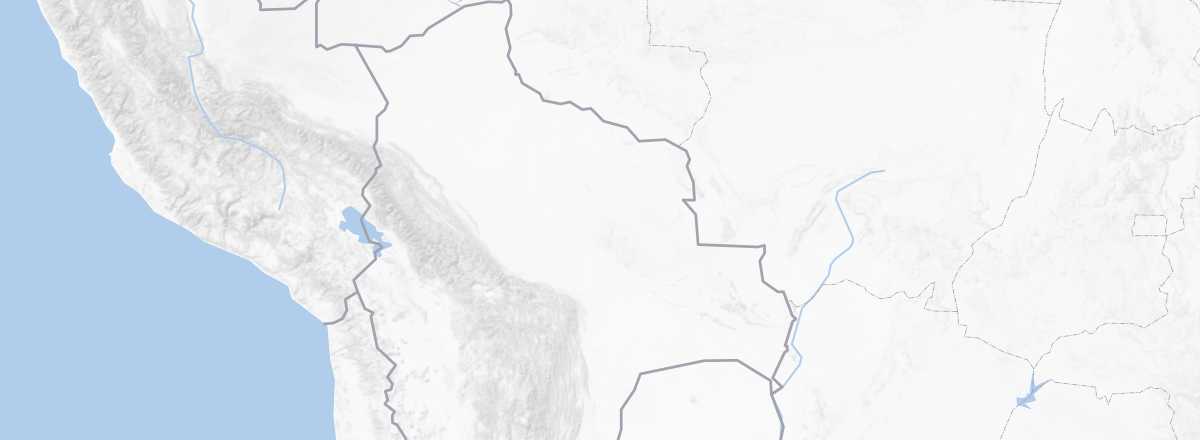 Bolivian Amazon and Eastern Plains
Open the interactive map
Bolivian Amazon and Eastern Plains
Open the interactive map
East of the Andean region lie vast tropical plains linked to the Amazon Basin in the north and forming the Pantanal and Chaco regions in the south.
Overview
Accustomed to the traditional image of Bolivia’s high plateaus, it’s easy to forget that east of the Andean region stretch vast tropical plains linked to the Amazon Basin in the north and forming the Pantanal and Chaco regions in the south. This area, rich in oil and gas and dominated by the city of Santa Cruz, has in recent years been asserting its autonomy from the rest of the country.
Main Cities
Though this part of the country is less populated than its Andean neighbour, it is home to Bolivia’s largest urban area with Santa Cruz and its nearly two million inhabitants. Beyond Santa Cruz, however, there are only two or three towns of any significance exceeding 50,000 people.
Tourist Attractions
Towns and Their Heritage
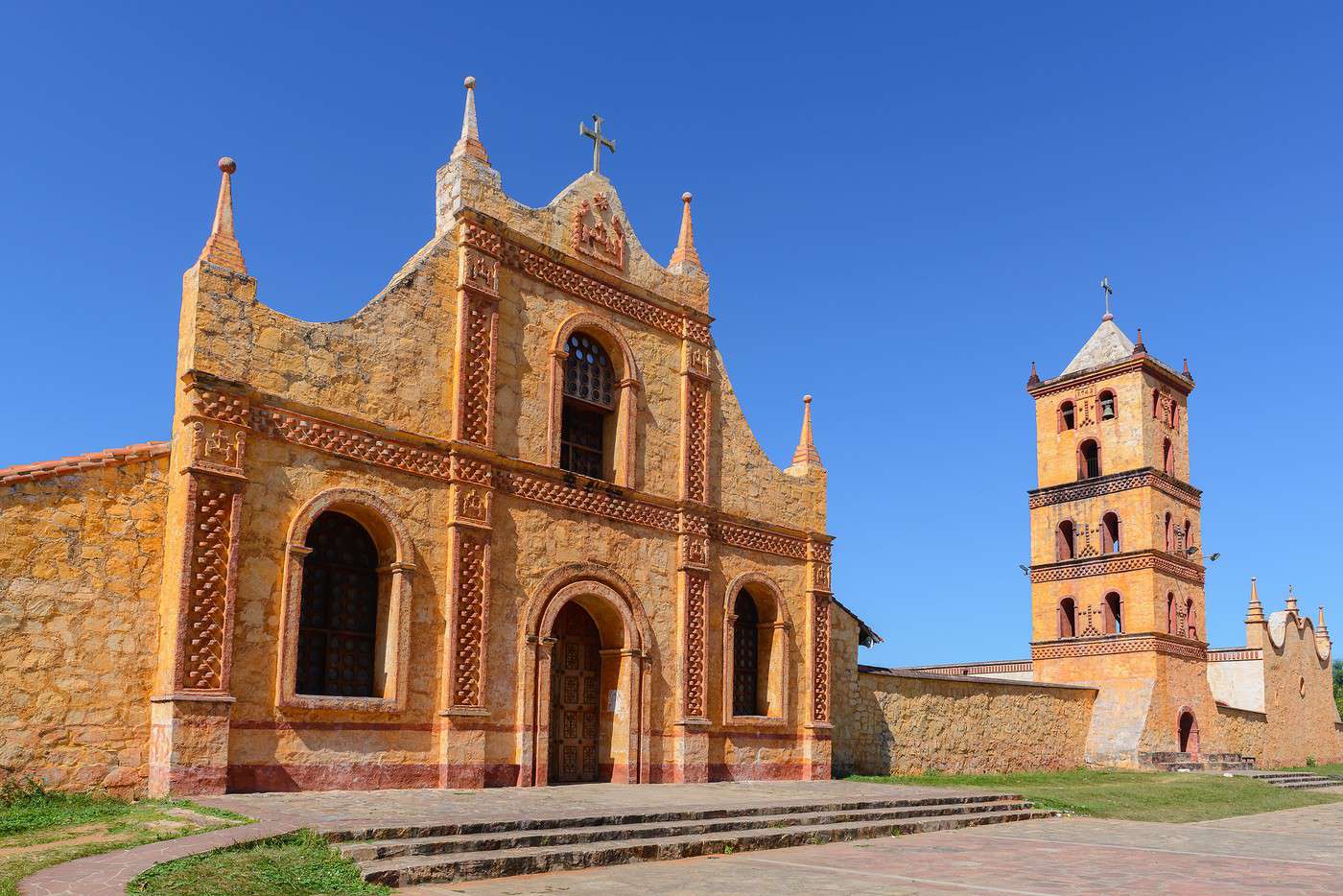
The towns and villages of the Amazon region are primarily gateways or supply points for those looking to explore this part of the country. As such, there’s little in the way of distinctive architectural heritage or numerous museums, but rather a different side of Bolivia, with the added possibility of encountering communities whose cultures and traditions remain vibrant. The exceptions are Santa Cruz, Bolivia’s most prosperous and lively city with many fine buildings, the Jesuit Missions of Chiquitos and the Samaipata archaeological site, both UNESCO-listed.
Nature and Activities
This is naturally the region’s highlight, with the Amazon rainforest and the Pantanal, their wildlife and flora, the rivers, and the various activities and discoveries they offer.
The Bolivian Amazon
All tourist activity revolves around the rivers and the villages along their banks. A multi-day river journey can take you from Puerto Villaroel (northwest of Santa Cruz) to Guayaramerín (the Brazilian border) and then Rurrenabaque (north of La Paz). From a handful of towns and villages, most notably Rurre, there are opportunities for forest walks to discover the wildlife, flora, and indigenous communities. One of the region’s most visited parks is the Noel Kempff, known for its flora and 700 animal species, including numerous monkeys, crocodiles, and various snakes.
The Pantanal
The Bolivian Pantanal, along with its neighbours in Brazil and Paraguay, is the planet’s largest wetland. It consists of lakes, lagoons, marshes, rivers, savannas, and forests. It is submerged for four months a year during the rainy season, roughly from December to April. For visitors, the area offers a chance to discover its unique wildlife and flora.
Climate
The eastern plains and Amazon region receive more rainfall, especially as you head north. From April to September, the (almost) dry season brings lower daytime and nighttime temperatures, to the point that a light sweater is advisable for evenings in the plains in July. During the rainy season, the humid atmosphere feels heavy, particularly in the Amazon. Overall, the southern winter is the best time to visit.
Best Time to Visit the Amazon and Eastern Plains
| Jan. | Feb. | Mar. | Apr. | May | Jun. | Jul. | Aug. | Sep. | Oct. | Nov. | Dec. | |
|---|---|---|---|---|---|---|---|---|---|---|---|---|
| Amazon Climate |
: very favourable | : favourable | : moderately favourable | : unfavourable.